Agri-TechE Week 2021: 8th – 12th November

Agri-TechE

8th – 12th November

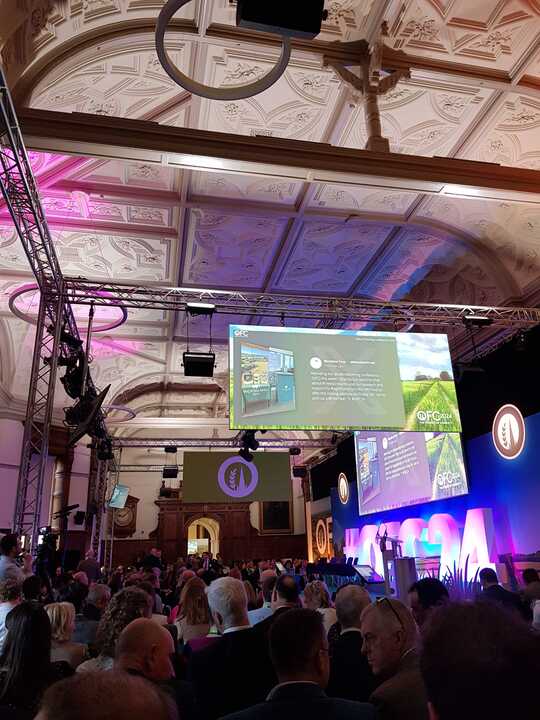
Agri-TechE Week is an opportunity to gain an insight into agri-tech developments across the ecosystem. It includes a range of events hosted by partners including ADAS, New Anglia LEP, University of Reading, Norwich Research Park, Royal Norfolk Agricultural Association and Niab. All of this in addition to REAP, the flagship conference of Agri-TechE . Timing is crucial in agriculture. REAP 2021 on the 10th November will explore where agri-tech innovations – new approaches to cultivation, advances in technology and breakthroughs in science – are creating the opportunity to manipulate time, improving productivity and providing environmental benefits.
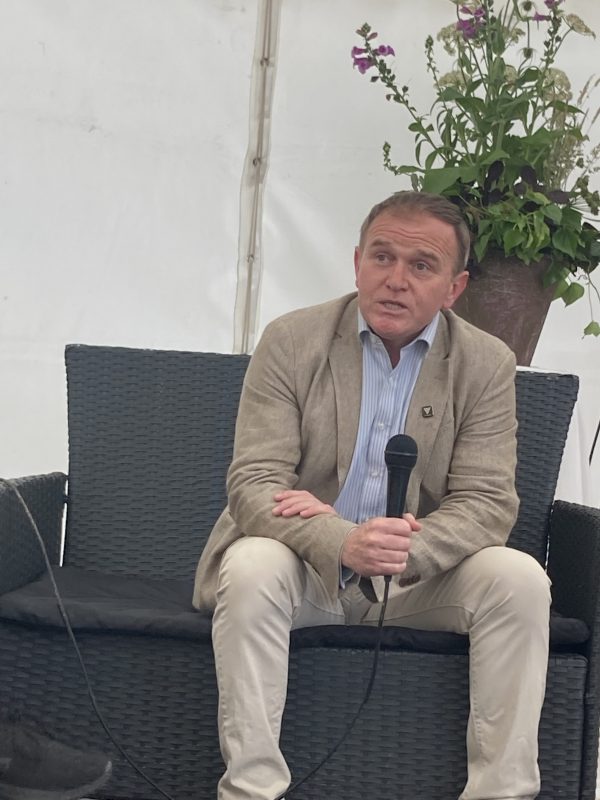
The day concludes with an interactive Sofa Session, featuring speakers with expertise including regenerative farming, precision agriculture, animal health, genomics and investment, drawn from Airbus, Dyson Farming, Kew Gardens, and more. Together they will review the challenges facing food production, the potential of the technology solutions discussed during the day and widen the discussion to the floor.
Highlights also include:

Register now at reapconference.co.uk. Read more about the REAP sponsors. Monday 8th November 2021 09:30 – 11:00 Online – free
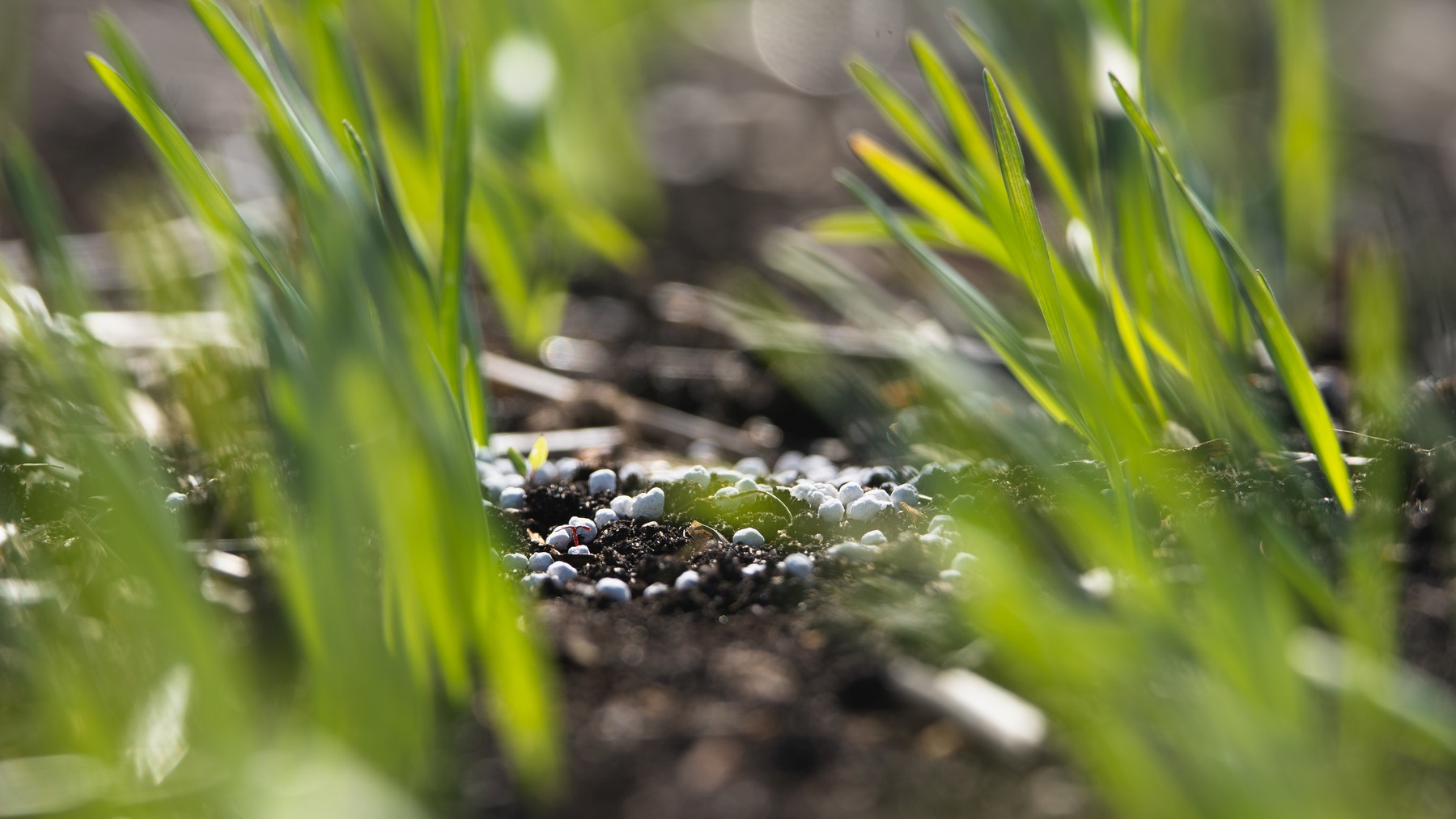
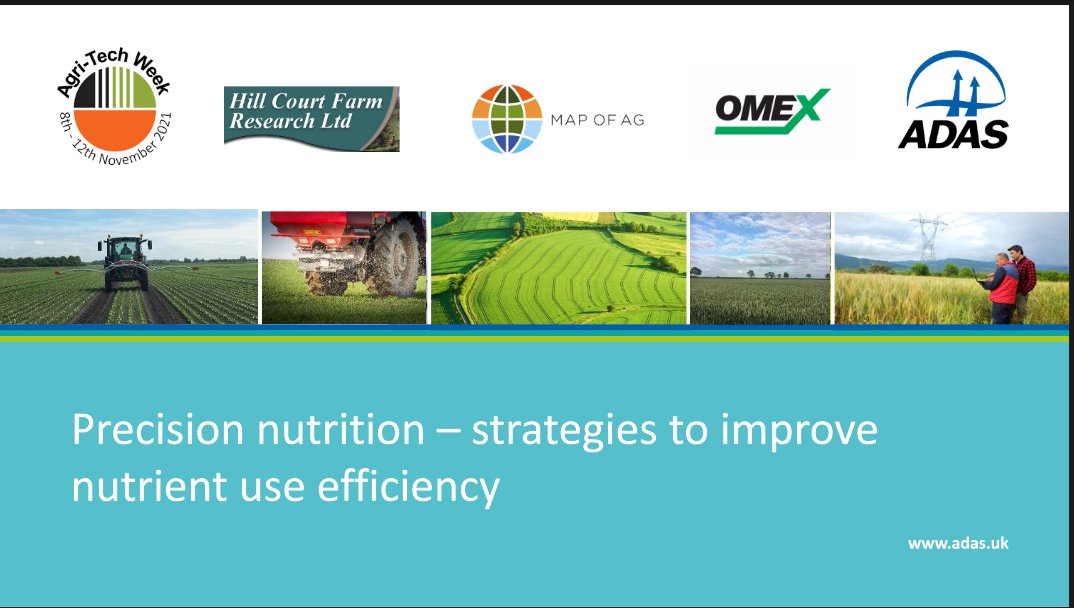
Increasing fertiliser prices and the ambition to achieve net zero have focussed attention on the importance of good nutrient management.
This virtual event, hosted by ADAS, will showcase technologies and management strategies to maximise crop nutrient use efficiency.
More information Monday 8th November 14:00 – 15:00 Online – free
Opportunities for greater collaboration across the region will be profiled in this Agri-TechE Week event. Hosted by three local enterprise partnerships – New Anglia LEP, Lincolnshire LEP and the Cambridgeshire and Peterborough Combined Authority – it aims to share a new regional perspective on the strengths and assets of the agri-food sector in the East of England.
More information and book now. Tuesday 9th November 10:00 – 11:00  Online – free
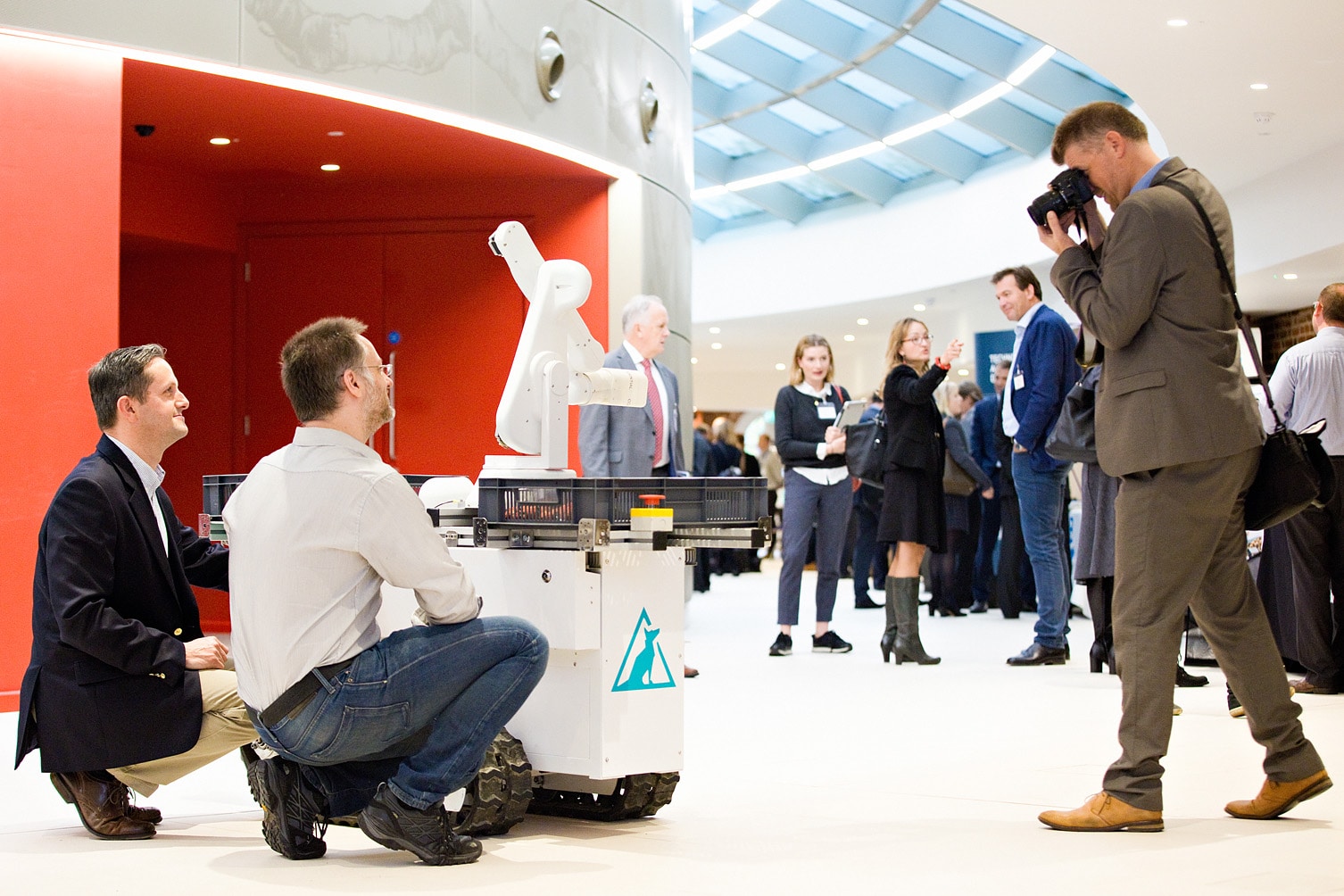
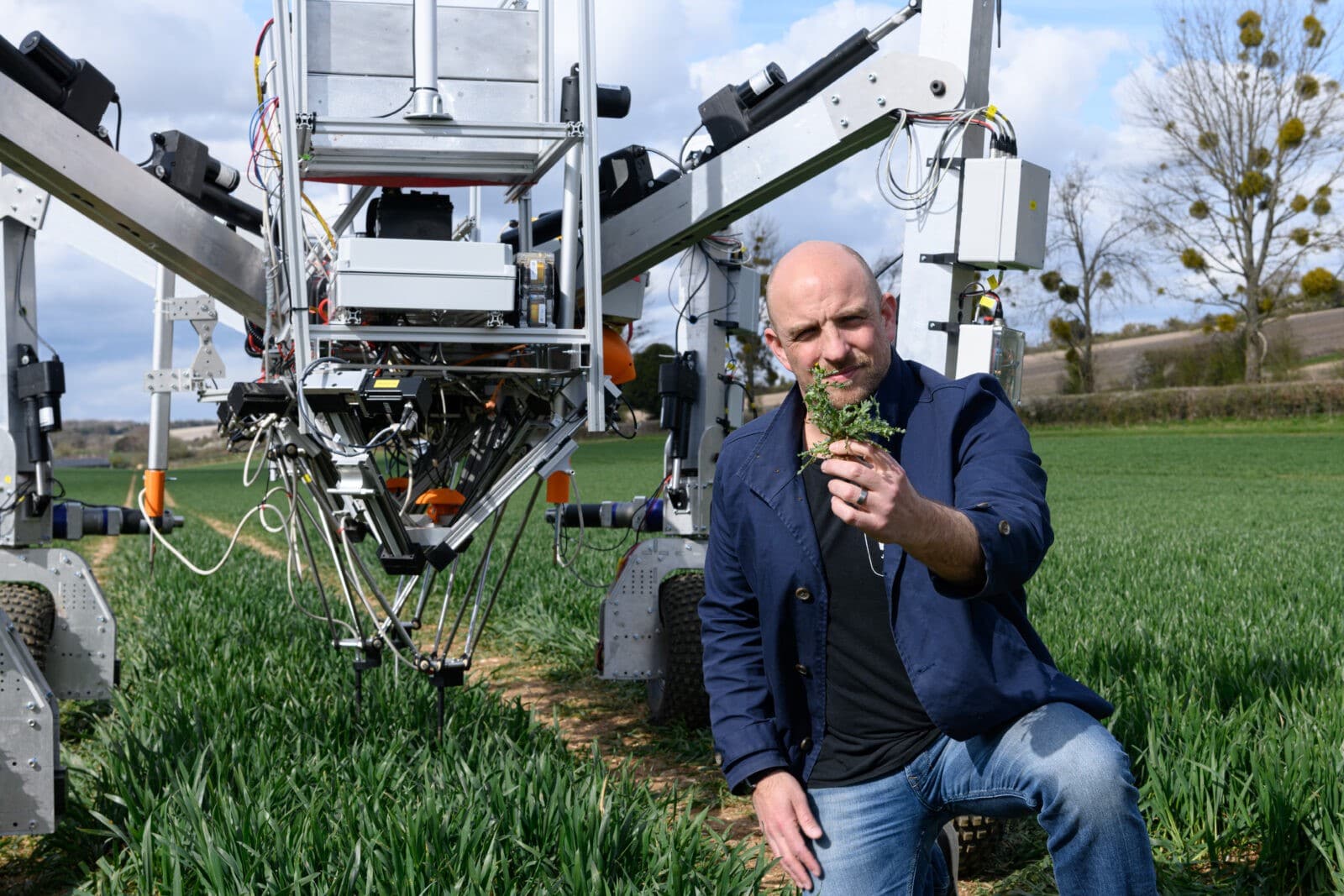
Robot Highways will deliver what is widely considered to be the world’s first robotic farm. A fleet of robots will perform a multitude of on-farm functions as one operation, powered by renewable energy. The project aims to ensure industry sustainability by addressing labour shortages, the need for global food production and reduce the environmental impact of the farming sector.
The consortium draws together Saga Robotics, the University of Lincoln, the University of Reading, Manufacturing Technology Centre Limited, Berry Gardens Growers, BT, and Clock House Farm.
In this free virtual Agri-TechE Week event there will be an opportunity to gain an update on this exciting project.
More information Thursday 11 November 09:30 – 12:30 Online – free
As extreme events intensify, the need for sustainable agriculture increases.
The Norwich Research Park has a strong track record of work in this area over many years – researchers at the University of East Anglia were among the first to warn of the consequences of global warming several decades ago.
Discussion will include soil biodiversity, the breeding of climate-resilient plants, global plant pathogen surveillance and more.
This virtual event offers a great opportunity to learn about innovations from Earlham Institute, John Innes Centre, University of East Anglia and The Sainsbury Laboratory.
More information Thursday 11th November 14:00 – 15:30 – in person at Salle, Norfolk – Free (refreshments from 13:30)
This event will provide a deep dive with Poul Hovesen and Dominic Swan of Catalyst Farming to explore the collaboration of people, technology and data and its impact on enhancing the productive, financial and ecological results of our farming
Catalyst Farming was founded by four Norfolk farming businesses: Holkham Farming Company, NE Salmon Ltd, Raynham Farms and Salle Farms Company, covering over 7,000 hectares with 700 fields across different parts of Norfolk.
It aims to harness the power of data to inform decision-making and to scrutinise, discuss, adjust and monitor current and alternative techniques and varieties.
More information. Friday 12th November 10:00 – 13:30 – in-person at Park Farm, Cambridge, and online – Free
This event presents two alternative approaches for achieving Net Zero:

  • Carbon avoidance strategies focus on adding value by reusing materials that would otherwise have been sent to landfill or degraded to produce low value material
  • Carbon capture has the aim of storing or sequestering carbon, locking it up in biomass or the soil

In addition to experts from Niab there will be contributions from the NFU and organisations including CamBond, InsPro and British Hemp Alliance.
The event will finish with a discussion about whether the two strategies will result in either true Net Zero or a compromise.
More information.

8th Dec (online) Agri-TechE xpress with Barenbrug UK – a deep dive into grassland breeding and an understanding of how to make more of this hugely under-rated crop.

12th Jan (online) Agri-TechE xpress with Silal – a major government-backed company in the United Arab Emirates looking to procure new technologies for their food production systems. Hear their “wish-list” and discover the route to this expanding market.

19th Jan (online) – “A Focus on Nutrition” – Supplementing and Fortifying Crops, Livestock and Soils. A chance to learn about conditioners, amendments and supplements to boost the nutritional status of your key farm-based assets.

22nd Feb (in person) – “Let There Be Light” – we explore the technologies and practices helping growers make the most of the light in their lives to boost crop yields and quality.

Antony Dodd: 1880: What do Greenwich Mean Time, the first electric train and the Pirates of Penzance have in common?

Agri-TechE Article
Agri-TechE

How and why do plants tell the time?  Antony Dodd’s lab is looking at the influence of timing on plant productivity.
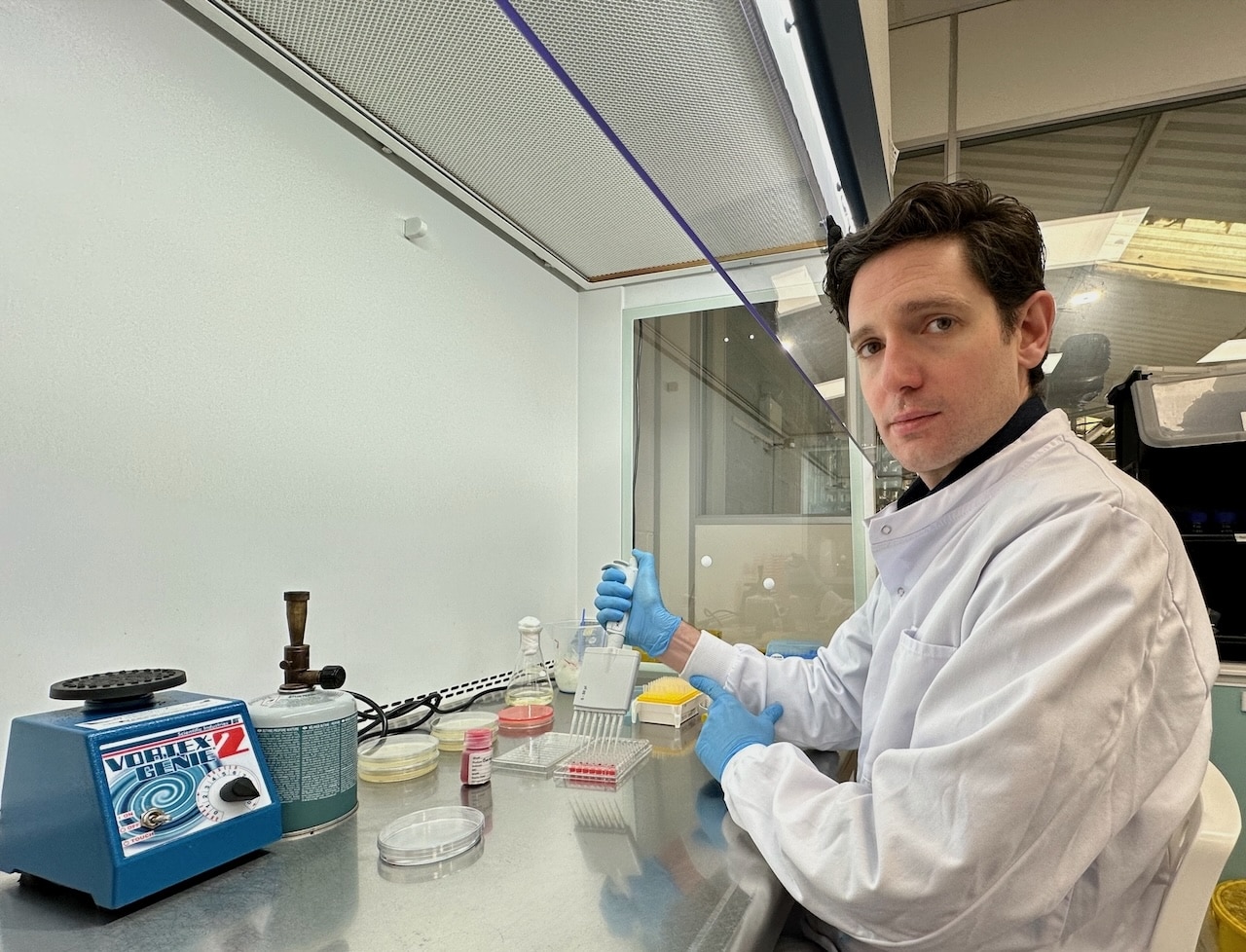
“My team conducts fundamental research to understand the processes that allow plants to measure the time of day. This is crucial for crops, because they grow in environments that have daily cycles of light and darkness. We have found that circadian rhythms have far reaching effects upon plant performance, such as their photosynthesis and the amount of water they use.  This is an area of study known as chronobiology.
“Of particular interest is how circadian rhythms affect the responses of plants to agrochemicals, and to fluctuations in the temperature of the environment in which they grow.
“We have also found that soil bacteria that affect plant health also have a biological clock.”
Projects have included work with:

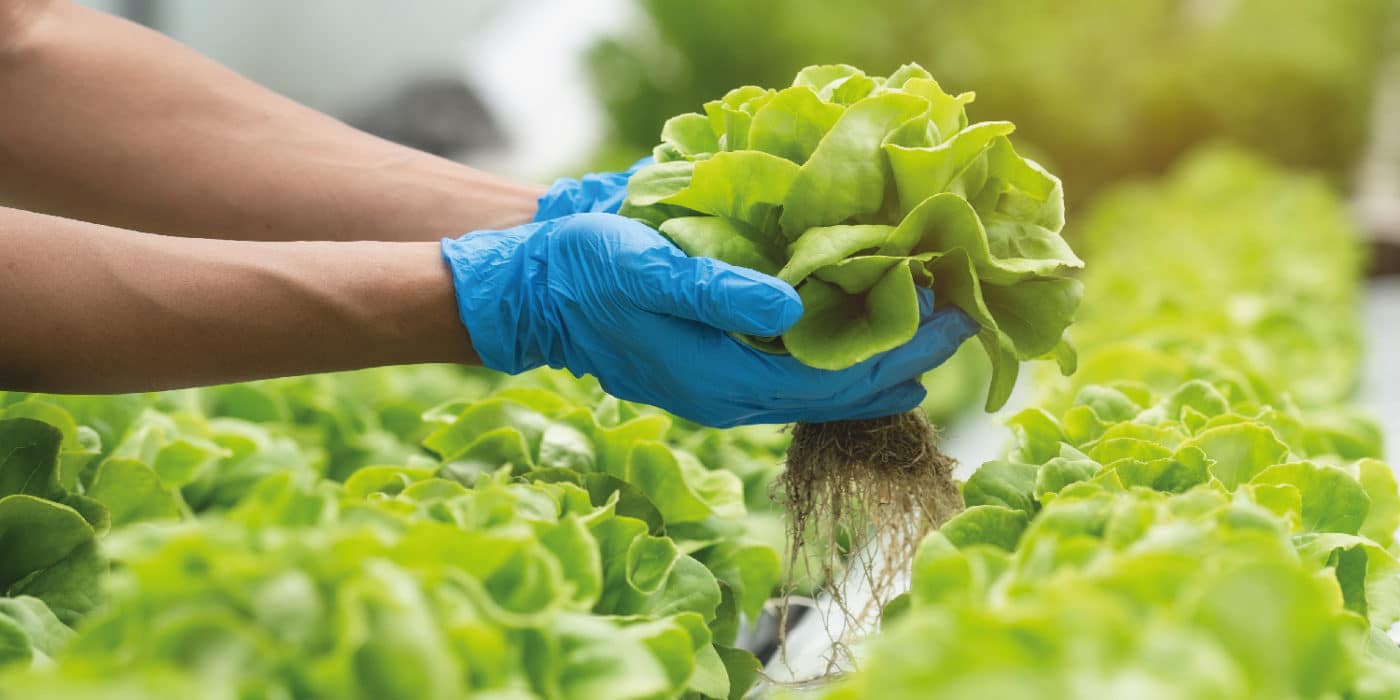
  • LettUs Grow, developers of technology for vertical farming, studying how cultivation recipes such as lighting, fertilisation, sowing can be optimised, using knowledge of circadian rhythms.
  • Syngenta, to study roles for circadian rhythms in the effectiveness of herbicides including glyphosate.

REAP 2021: Changing Time(s) for Agriculture10th November 2021

Imagine a world where agriculture is not constrained by time. The ability to manage and manipulate time is increasing and REAP 2021 will explore the advances in technology and breakthroughs in science that is making this possible.
REAP brings together people from across the agri-tech ecosystem who believe that innovation is the engine for change. The conference bridges the gap between producer needs and technology solutions and showcases exciting agri-tech start-ups. 

REAP International Café – prepare to do business

Agri-TechE

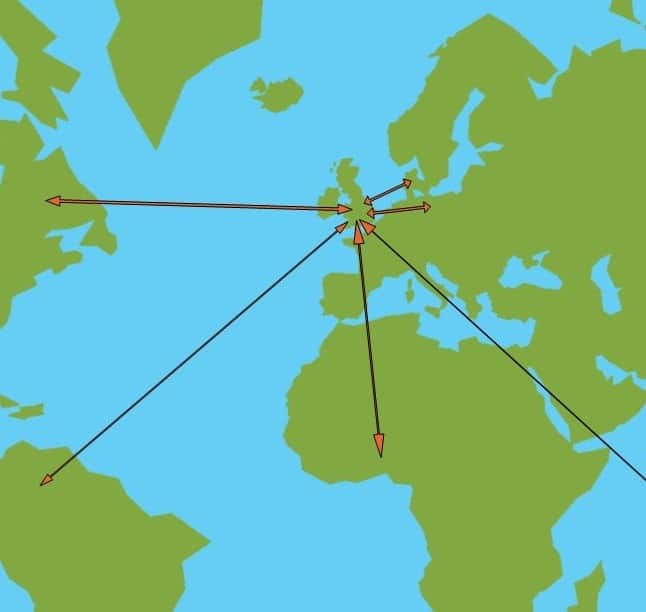
Prepare for the business trip of your life, taking in some of most exciting agri-tech clusters across the globe. Meet in the departure lounge of the REAP International Café (sponsored by Barclays Eagle Labs) to gain your boarding pass and join your guides. They will give an insider’s briefing on each of these innovation hot spots, introduce you to potential funders and invite you to network with fellow entrepreneurs keen to discuss their experiences and establish partnerships.

Live sessions at REAP Conference 10th November 2021

9:00 – 9:15 Trendlines (Singapore) – accelerator and investment offer a launchpad to Asian markets for those with “near market” solutions.

Anton Wibowo of Trendlines is joined by Chua Kai Ning from Insectta, a portfolio company based in Singapore, and Lim Ying Xuan of Enterprise Singapore, to talk about the support that is available for start-ups in Singapore.

11:10 – 11:25 Oost NL (Netherlands) – the Wageningen UR-Foodvalley Region provides a springboard to key European markets.

Judith van de Bovenkamp from Oost NL is joined by a selection of east Netherlands companies keen to create partnerships and collaborations with UK businesses and organisations.

11:25 – 11:40 Abu Dhabi Investment Office (UAE) – support and demand for innovative new “desert-tech” solutions creates a route to market.

Salvatore Lavallo of ADIO is joined by Ralph Nehme, Senior Director of Aerofarms, to discuss the AgTech ecosystem in Abu Dhabi, established to increase food security in the region. 

13:00 – 13:15 Research Triangle Regional Partnership (USA) – opportunities on the largest research park in North America, located in the most agriculturally diverse state in the US.

Ryan Combs from RTRP meets Adrian Percy to discuss the new NC Plant Sciences Initiative. He also talks to John Dombrosky, CEO of start-up Oerth Bio, and Ian Jepson of Syngenta about the Research Triangle ag-tech ecosystem. Karen LeVert of Pappas Capital gives a perspective on the types of funding available. 

13:45 – 14:00 Western Growers Association (USA) – accelerating harvest automation and prioritising food safety are the priorities for leading fruit and vegetable growers in the USA.

Dennis Donohue of WGCIT will be joined by Jeff Morrison, the Director of Innovation & Technology for Grimmway Farms, to discuss the critical issues facing fruit farmers and the innovations that they are adopting. 

16:40 – 16:55 Missouri Partnership / World Trade Center St Louis (USA) – 50% of north America’s crop and livestock production is within 500 miles of St Louis – offering major market opportunities.

Mark Sutherland of Missouri Partnership, Janet Wilding of the World Trade Centre, and Eric Hewitson from Wyld Networks talk about how the intersection of agri-tech and location science is a major driver in  advanced farming and recent developments in Missouri.

Flight destinations include:

Abu Dhabi Investment Office (ADIO), a government agency that supports investors and companies looking to establish or expand in Abu Dhabi (UAE)
Salvatore Lavallo, Acting Head of Foreign Direct Investment (FDI) at ADIO, comments: “The challenge of food security, arid land, intense heat, and limited water supplies are the main obstacles to traditional producers in Abu Dhabi.
“ADIO is supporting innovative AgTech companies applying new technologies and farming methods to tackle these issues. AgTech continues to make great strides in Abu Dhabi. The sector has advanced significantly over the course of the past two years, making it easier for AgTech companies to enter the market.”
Read more… Research Triangle Regional Partnership (RTRP), North Carolina, USA
Ryan Combs, for RTRP comments: “Our region invests heavily in animal production (mainly hogs and poultry), forestry (particularly Christmas trees), row crops (corn, tobacco, and sweet potatoes – NC is the largest producer of sweet potatoes in the US, with 1.7 billion pounds grown annually), and horticultural crops (stone fruit and grapes).
“When thinking of the challenges our state faces, they are common to those other agricultural areas across the globe, including farm economies, ageing grower population, and changing technologies and variable adoption rates. We are seeing trends in reducing waste, but we’re also a move towards regenerative farming, and particularly, technologies which can improve soil health and carbon sequestration.”
Read more… Missouri Partnership, gateway to the St Louis agri-food ecosystem, USA
Mark Sutherland, CMO of Missouri Partnership comments: “Farming, food development, precision ag and sustainability are part of the ethos in Missouri and many organizations are focused on them.
“Just recently, AeroFarms announced a vertical farming project in the St. Louis region in partnership with the World Wildlife Fund and the St. Louis Controlled Environment Agricultural Coalition.”
Read more… Oost NL, the East Netherlands Development Agency, Netherlands
Judith van de Bovenkamp, International Project Manager at Oost NL, comments: “We’ve seen increasingly that UK companies are become interested in establishing a European entity and the Netherlands provides a very accessible environment for that.
“Farming has always been an important sector in the Netherlands. In East Netherlands we have universities including Wageningen UR and also the Foodvalley, a major driver in the sustainable food system, offering a platform for innovative agri-food organisations – also international ones.”
Read more… Trendlines, an investment company with staff based in Israel, China and Singapore
Anton Wibowo, CEO of Trendlines Agrifood Innovation Centre, comments: “The challenge of food security is becoming more urgent, especially in relatively smaller countries like Singapore and Israel. Any innovation that enables increasing food production with less resources (land, manpower) is in high demand. For example, Singapore is the first country that has approved the sale of cell-based chicken products.
“We see a strong trend towards the urbanisation of food production (indoor farming, recirculating aquaculture system, cell-based proteins) and there are significant opportunities in these areas.”
Read more… Western Growers Association, family farmers growing fresh produce in Arizona, California, Colorado and New Mexico, USA
Dennis Donohue, WGCIT Director, comments: “Our two strategic initiatives are food safety and accelerating harvest automation across the fresh produce industry, with a goal of automating 50% of harvest within 10 years.
“We are looking to “improve the toolkit” for rapid diagnostics and getting information on a more real-time basis. There are a lot of players involved in the supply chain. As policy discussions continue, the supply chain continues to look at ways to be more collaborative.”
Read more… More information about the REAP International Cafe.

The International Café is sponsored by Barclays Eagle Labs.

REAP 2021: Changing Time(s) for Agriculture10th November 2021

Imagine a world where agriculture is not constrained by time. The ability to manage and manipulate time is increasing and REAP 2021 will explore the advances in technology and breakthroughs in science that is making this possible.
REAP brings together people from across the agri-tech ecosystem who believe that innovation is the engine for change. The conference bridges the gap between producer needs and technology solutions and showcases exciting agri-tech start-ups. 

Make agri-tech part of the solution at COP26

Agri-TechE Blog
Agri-TechE

The potential for GHG emission savings across the agri-food supply chain are significant – which makes its absence from the COP26 themes even more disappointing.
“The world is at one minute to midnight” says the UK’s Prime Minister, Boris Johnson, ahead of the landmark COP26 conference in Glasgow about the need to make urgent changes.
Time, agriculture and the climate are themes of the 2021 REAP Conference: “Changing Time(s) for Agriculture” next week. It  promises a lively discussion on emerging agri-tech solutions that support the move towards Net Zero and it is attracting international participation. However, agriculture is not specifically mentioned in the COP presidency themes:

  • Adaptation and resilience – to help communities adapt to, and prepare for, the worst impacts of climate change.
  • Nature based solutions – to safeguard and restore natural habitats and ecosystems to preserve the planet’s biodiversity.
  • Energy transitions – to accelerate the clean energy transition by encouraging the use of cheaper renewables and storage.
  • Clean transport – to clean our air by speeding up the global transition to zero emission vehicles.
  • Finance – to encourage our financial systems to be cleaner to unlock growth and create green jobs.

Given that one expects agriculture and the food industry to sit under a number of these major themes, it is disappointing – given the current direction of travel in the industry, and the potential for impact through changes in practice and use of technology – that COP26 isn’t putting these issues front and centre of the discussions.

The journey to Net Zero and role of agri-tech

Overall agricultural emissions in the UK have reduced by 16% since 1990, according to the UK’s National Farmers Union. Its ‘Journey to Net Zero’ strategy outlines the three pillars of the journey to net zero.
These are:

  1. Boosting productivity and reducing emissions
  2. Farmland carbon storage
  3. Increasing renewable energy and support for the bioeconomy.

Blending the technology alongside a more regenerative and restorative approach to food production is already yielding significant results – see Tom Pearson and Dyson Farming in the Sofa Session and Catalyst Farming in the the RNAA Agri-TechE Week event.
Predictive yield models are already in place for crops such as salads, potatoes, sugar beet and even forage grass, all aimed at increasing efficiency and reducing over-planting to match supply and demand.
Breeding to enable crops and livestock to be more productive has been underway for decades, and innovative dietary changes can help reduce GHG emissions from cattle and pigs.
Enabling controlled environment production of appropriate crops in appropriate ways can reduce air miles.
Alternative plant and insect-based protein sources for food and feed are poised to make their global mark.

Minute to midnight

Using the clock to indicate the passage of large time intervals is not new – the Montessori Clock of Eras equates an hour on a 12 hour clock face to around 375,000 million years.
A further refinement showing the history of Earth in a 24 hr clock face has often been used to illustrate evolution – with the origin of life at around 4am, the first oxygenating bacteria emerging at around 5.23am, land plants emerging at around 9pm and the dinosaurs just before 11pm. Humans first roamed the Earth at nearly 11.59pm.
That final ‘minute’ of geological time also includes the 10,000 years where humans became hunter-gatherers, then domesticated and started to breed the first grasses which became the ancestors of today’s cereal crops.
Fast forward to the Industrial Revolution and the Green Revolution – and we are actually in the closing few microseconds of Boris Johnson’s “minute to midnight” to impact climate change.
The next two weeks will be crucial – and in the closing seconds of the ‘clock’ of the Earth’s history, let’s buy ourselves more time – and make more noise – about the potential for agriculture to be part of the solution.

REAP 2021: Changing Time(s) for Agriculture10th November 2021

Imagine a world where agriculture is not constrained by time. The ability to manage and manipulate time is increasing and REAP 2021 will explore the advances in technology and breakthroughs in science that is making this possible.
REAP brings together people from across the agri-tech ecosystem who believe that innovation is the engine for change. The conference bridges the gap between producer needs and technology solutions and showcases exciting agri-tech start-ups. 

Martin Brown, Verdesian, on the challenges of time…

Agri-TechE Article
Agri-TechE

Martin Brown is Managing Director of Verdesian Life Sciences, developers of the biological, nutritional, seed treatment and inoculant technologies that maximise performance on key row crops such as wheat, corn, rye and soybeans. The company has developed a biostimulant that reduces the timeline for winter wheat establishment by 3 days. The theme of the REAP conference is time; Martin explains why this topic is so relevant to Verdesian.
“There are of course a multitude of challenges to choose from but I am selecting a challenge which in time frame is right now and that is – the ability to sow winter wheat in mid October/November and get it through the ground and established within as quick a time frame as possible. The reason this late drilling is taking place is to overcome a particular problem of herbicide resistant blackgrass.
The later sowing allows for germination of the black grass which can be removed in advance of drilling by light cultivation or systemic herbicide like glyphosate. Of course the issue is reducing soil and night temperatures which slow down germination of the seed and crop establishment at this time of year.
“Therefore any treatment of the seed that can reduce the days to reach 90% + germination and establishment to at least 2 true leaves is of significant importance.
“Verdesian is currently conducting laboratory and field trials across UK and Europe with a new biostimulant seed treatment product based on fermentation metabolites. Recent work conducted at Nottingham University demonstrated that the average timeline for winter wheat sown in soil at 7oC takes over 1 week to achieve 90 % + germination. The addition of the Verdesian seed treatment reduced the time for seed to hit 90% + germination by 28% compared to the untreated seed.
“We then looked at the time line for the germinating seed to reach the 2 leaf stage post crop-emergence. On average at 7oC soil temperatures this takes some 3 weeks from sowing the seed to having the crop reaching the 2 leaf stage. The addition of the Verdesian seed treatment reduced the time needed to reach the 2 leaf stage by 10.5% or in practical terms reducing the timeline for establishment by over 3 days.
“This may not seem much but at this time of year with lowering temperatures and daylight length, a matter of days improvement in establishment of the crop can be critical in providing a plant with strong root and shoot growth which in turn improves the plant’s ability to utilise available nutrients and radiation in readiness to overwinter.”
More about Verdesian Life Science

REAP 2021: Changing Time(s) for Agriculture10th November 2021

Imagine a world where agriculture is not constrained by time. The ability to manage and manipulate time is increasing and REAP 2021 will explore the advances in technology and breakthroughs in science that is making this possible.
REAP brings together people from across the agri-tech ecosystem who believe that innovation is the engine for change. The conference bridges the gap between producer needs and technology solutions and showcases exciting agri-tech start-ups. 

Agri-TechE spinouts from University of Lincoln and UEA gain funding

Agri-TechE Article
Agri-TechE

Robotic mushroom picking, strawberry yield forecasting and new bio-based materials to drive down the carbon footprint of car manufacturing Agri-TechE Week 2021are three new spin-outs to emerge from the agri-tech ecosystem. 
The companies have received funding from Ceres Agri-Tech, a partnership between six Agri-TechE members University of East AngliaUniversity of Lincoln, University of Reading, Niab (National Institute of Agricultural Botany), Rothamsted Research,  John Innes Centre,  plus the University of Hertfordshire and led by Cambridge Enterprise. Ceres is to feature in the Agri-TechE Week event Agri-food in the East of England.    

Agaricus Robotics – mushroom harvesting

Agaricus RoboticsAgaricus Robotics, a spinout from the University of Lincoln,  is developing a robot that can harvest even the most challenging dense clusters of mushrooms.
The market for fresh mushrooms in the UK is worth £450 million and growing annually. But, until now, the picking has had to be done by hand to prevent damage to the delicate mushrooms.
“Existing robotic harvesters are not suitable for mushrooms – which is a major issue as the industry struggles to cope with the current labour shortages.
Agaricus Robotics founder Bashir Al Diri says: “In the UK alone, approximately 4,500 people are required every day to pick mushrooms – with labour costs representing a third of total production costs.
“Our patented intelligent mushroom harvesting robot can pick whole crops without bruising the mushrooms and will lead to 20-30% yield increases from optimised 24/7 harvesting 365 days a year.”
 

FruitCast – yield forecasting for strawberries

FruitCast, also a spinout from University of Lincoln,  is focused on strawberry yield improvements, with an innovative yield forecasting system based on AI-enabled data analytics. Image data from hand, vehicle or robot mounted cameras is used to measure individual fruit numbers, along with the weight and maturity state of millions of berries each day.
This data is combined with weather forecasts in algorithms to predict yield with unrivalled accuracy six weeks ahead of existing systems.Yield forecasting for strawberries
Fruitcast founder Raymond Kirk says: “The UK produces 120,000 tonnes of strawberries each year, with a retail value of £659 million.
“Predicting the timing and yield of strawberries is critical for the industry – but extremely difficult to do accurately.
“We are creating a system that will not only benefit strawberry growers through improved sales but also reduce supply chain friction and crop waste.”

Cellexcel – developing natural alternative to fibreglass

Cellexecl, a spinout from UEA,  has developed a novel industrial-scale patented process to make water-resistant materials from flax.
The global market for composites – materials made from resin-reinforced fibres – in car manufacturing is predicted to reach nearly £20 billion by 2024. But the most popular composites, such as fibreglass and carbon fibre, are non-renewable and energy intensive to produce.
Cellexcel co-founder Richard Stephenson says: “Replacing fibreglass and carbon fibre with renewable bio-based materials like flax promises to increase sustainability and reduce carbon footprints, as well as improving vehicle safety – as bio-composites do not shatter on impact.
“However, currently available flax-based composites are not water resistant and therefore cannot be used on car exteriors – severely limiting their applications. Our novel process is now set to drive down the carbon footprint of car manufacturing and add value to agricultural products and agricultural waste.”

Support for spin-outs

“The launch of our first three spin-out companies is evidence of the success of the Ceres collaboration and testament to the quality of agri-tech innovation in UK universities,” said Ceres Agri-TechE director Dr Louise Sutherland, who is to speak at the Agri-TechE Week event hosted by New Anglia LEP, Lincolnshire LEP and the Cambridgeshire and Peterborough Combined Authority.
Louise continues: “Alongside our commercialisation work with other projects in our pipeline, we are now also embarking on the next phase of Ceres and exploring new funding opportunities to enable us to accelerate our supply of innovative solutions to address the agri-tech problems of today and tomorrow.”
More about Ceres Agri-Tech.
Ceres is featured in one of the Agri-TechE Week events. 

Overcoming the ‘selection bottleneck’ that reduces resilience to climate change

Agri-TechE Article
Agri-TechE

Dr Paul Kersey is the Deputy Director of Science at Kew Royal Botanical Gardens. His particular interest is genomics and bioinformatics, which play an increasing role in Kew’s scientific mission.

Paul is taking part in the Sofa Session at REAP 2021, so ahead of the conference we asked him what the theme of time means to him.

“I am looking at time from two perspectives, both looking forward to see how we can speed up breeding technologies, to create new crop varieties that can withstand climate change in the future, and also looking backwards through the samples in the herbarium to see changes in the genomes during previous periods of change.
“The development of new crops is a really problematic challenge. Existing crops have been optimised for their conditions and developed for the taste and properties that humans desire.
“As a result, there has been a ‘selection bottleneck’ which means there is relatively little genetic variety in our modern crop species. For each generation we select for optimal yields in optimal conditions, and in effect that means removing ‘unwanted’ genes, but the result is that the gene pool of these elite lines is now very small. “Contrast this to the pool of genetic diversity in the wild cousins of our crops. Many wild species have a large gene pool that allows them to adapt to increased temperature and extended drought periods – changes that are predicted to take place in prime growing areas over the coming years.
“Using traditional breeding methods to introduce desirable traits from wild species into modern crops can be a very lengthy process as each generation of offspring needs to mature for its characteristics to be seen.
“However, with modern genetic sequencing it is cheap and quick to sequence the plant offspring when they are very young and work out which ones have the right genes; significantly increasing the number of breeding cycles you can achieve in a year. While gene editing possibilities offer the potential to directly modify elite lines with exactly the desired changes, removing the need for extensive backcrossing,
“New Genomic Technologies are completely transforming the potential of the work we do at Kew. They create a practical basis for searching for genes and mutations that will confer desirable traits.
“And this is why I’m so interested in the digitisation of Kew’s collections, to catalogue, photograph and sequence the material we hold. For example, sequencing our seedbank (which holds large numbers of wild relatives of crop species) will identify genes and alleles they might have which could be directly useful for crop improvement.
“One example of this is the work that my colleague Aaron Davis, has been doing with coffee. He has identified non-domesticated species which produce very drinkable coffee, and are growable in the regions in Africa where existing species of domesticated coffee are starting to really struggle with the environmental change.
“Aaron really is finding the species that have the ecological potential to provide the coffee we may be drinking in the future.”
To hear Paul and experts from other disciplines talk about overcoming the challenges of time come to REAP 2021.

REAP 2021: Changing Time(s) for Agriculture10th November 2021

Imagine a world where agriculture is not constrained by time. The ability to manage and manipulate time is increasing and REAP 2021 will explore the advances in technology and breakthroughs in science that is making this possible.
REAP brings together people from across the agri-tech ecosystem who believe that innovation is the engine for change. The conference bridges the gap between producer needs and technology solutions and showcases exciting agri-tech start-ups. 

Vets need to be more involved with technology

Agri-TechE

“We are seeing major changes in the veterinary profession, particularly in the demographic and the type of support needed by farmers,” says Matthew Dobbs, a former farm vet and now Digital Practice Lead for Stonehaven Consultancy. He is joining the Sofa Session at REAP 2021. “A good farm vet now needs to be able to understand data, statistics and the risks to really advise and help the farmer and this includes the implementation of technology.”
Matthew works at board level for several UK and US vet businesses in addition to his support for a portfolio of UK-based agri-tech start-ups, leveraging his knowledge of livestock health along with a passion for innovation across business practices.

Lameness monitoring takes 6 hours a month

One of these areas is intelligent remote monitoring and he sees this an opportunity to save time by detecting ill health at an early stage.
“Lameness is probably the biggest welfare issue in the dairy industry,” says Matthew. “All farmers are obligated to record a mobility score for the animal every 3 months, so they assess how well its walking and whether it is lame or not, and they have to report that information to their milk purchaser or red tractor assessor.
“At the moment it’s a very laborious, painstaking task, full of bias and challenge because it’s the human eye and the farmer standing there with his clipboard. We estimate this takes about 6 hours a month or about £2.5k a year to do mobility scoring.”
Matthew is currently acting MD for AgSenze, developers of smart monitors for animal behaviour; audio and visual recordings of the animals are analysed to detect underlying health conditions that might not be detectable by eye and provide constant surveillance.

Remote diagnosis of illness 

“AgSenze are looking to do this lameness monitoring automatically, by locating camera’s where they can record cattle movements and link them to the animal’s records. The visual signals are input into a machine learning algorithm that can diagnose early signs of lameness and it generates a list for the farmer of the cows that need attention. Early warning can help prevent lameness.”
Matthew sees the potential to extend the technology to other applications that currently rely on the human eye, this would increase the return on investment. For example, the company is looking at using the cameras and supporting models to monitor growth rates and body condition. When combined with weight this will provide automatic and objective grading of the animals.
Digitising this information and making it available to the abattoir would reduce the requirement to visit farmers or transport animals to market.
Matthew explains: “With the camera system an abattoir could look at the cows and make some very objective measures – ‘that cow has a body condition score of 3, it weighs 550kg, we know it will grade out at this grade when it gets slaughtered, so what we need the farmer to do is to feed up 3-4 other animals in that pen that aren’t quite at that grade, and then we’ll take the whole lot in in 2 weeks’ time’.
“So, if the farmer has a contract in place, the abattoir would commit to having those 10 animals, monitor them and call them in at the right time for them – so they’re at perfect spec.
“To close the loop, we are also looking at putting a camera in the lairage, where the animal first comes into the abattoir, to see if it graded out as well as expected. All this will feedback into the algorithm, so it is learning and improving all the time.”

REAP opportunity to meet the ecosystem

Matt sees REAP as a great opportunity to meet partners and investors: “There may be other businesses out there who see an application for our technology that we haven’t thought about. Smart monitoring can be the eyes and ears for range of applications.”
REAP 2021 is on 10th November 2021 and provides an opportunity to network with people from across the ecosystem.

REAP 2021: Changing Time(s) for Agriculture10th November 2021

Imagine a world where agriculture is not constrained by time. The ability to manage and manipulate time is increasing and REAP 2021 will explore the advances in technology and breakthroughs in science that is making this possible.
REAP brings together people from across the agri-tech ecosystem who believe that innovation is the engine for change. The conference bridges the gap between producer needs and technology solutions and showcases exciting agri-tech start-ups. 

Golden age of Earth observation in agriculture says Airbus speaker at REAP 2021

Agri-TechE Article
Agri-TechE

“We’re currently in a golden age of Earth observation. The wealth of publicly available data from the Copernicus programme is a fantastic resource to monitor climate change and land use change, and to provide information at landscape scale,” comments Dr Andrew Tewkesbury, Solutions Consultant (Intelligence UK), Connected Intelligence at Airbus, a speaker in the Sofa Session of REAP 2021.
He continues: “Alongside the public missions there is an explosion of commercial low Earth orbit satellites typically providing much higher resolution information, and at a user determined frequency.
“The benefit for end-users is in the combination of all of these, with commercial low Earth orbit satellites providing the detailed information to characterise boundaries and within field details, and the public missions offering more land-scape scale observations.”

Applications for Earth observation in agriculture

He gives the example of the FieldFinder capability, where Airbus is partnering with Agrimetrics: “We are using high resolution satellite imagery (1.5m resolution) to accurately find the field boundaries, and then by combining that with Sentinel information via Crop Analytics we can find out more about that field as a whole.
“We’re in an age where there’s a huge amount of spatial data available, on weather, on soil, satellite imagery, previous cropping history, and all of it requires a spatial framework.
“FieldFinder provides automated generation of field boundaries delivering a spatial framework for other data to attach to. This will enable us to capture the changing nature of agriculture on a field basis.
“Looking to the future, we will see more and more satellites delivering sub-metre imagery.”
Andrew will be talking more about the potential applications for this technology at REAP 2021.

REAP 2021: Changing Time(s) for Agriculture10th November 2021

Imagine a world where agriculture is not constrained by time. The ability to manage and manipulate time is increasing and REAP 2021 will explore the advances in technology and breakthroughs in science that is making this possible.
REAP brings together people from across the agri-tech ecosystem who believe that innovation is the engine for change. The conference bridges the gap between producer needs and technology solutions and showcases exciting agri-tech start-ups. 

Abu Dhabi Investment Office with a vision for turning the desert green

Agri-TechE

The vision of turning the desert green: #GrowWithAbuDhabi, could be achieved through innovation that harnesses solar power, smart irrigation and controlled environment amongst others agri-technologies.
There will be an opportunity to find out more at REAP 2021, as the Abu Dhabi Investment Office (ADIO), a government agency that supports investors and companies looking to establish or expand in Abu Dhabi, will be participating in the International Cafe.
As part of a national objective to increase food security, AgTech is one of the strategic clusters identified for inward investment and ADIO is supporting innovative companies in agriculture to establish activities in Abu Dhabi through financial and non-financial incentives.
Salvatore Lavallo, Acting Head of Foreign Direct Investment (FDI) at ADIO, will be participating at REAP. We asked his office about the region and its challenges. 

Q What are the big challenges facing producers in Abu Dhabi?

The challenge of food security, arid land, intense heat, and limited water supplies are the main obstacles to traditional producers in Abu Dhabi.
ADIO is supporting innovative AgTech companies applying new technologies and farming methods to tackle these issues. AgTech continues to make great strides in Abu Dhabi. The sector has advanced significantly over the course of the past two years, making it easier for AgTech companies to enter the market.

Q Where do you see the opportunities for technology solutions? 

The challenges facing the food industry are well documented. From adapting to the effects of climate change, to feeding a growing global population with dwindling resources, it is very clear that the degree of change that is required within food and agriculture systems, and the pace with which that change needs to be delivered, requires new ways of doing things.
New agriculture and renewable technologies can combine to make the desert climate ideal for agriculture. Technologies that use sun for energy and reduce water consumption will transform Abu Dhabi food production capability and reduce reliance on imported food. Our goal is to place Abu Dhabi at the forefront of these technologies and an exporter of technology to other desert countries.
ADIO is investing in the AgTech sector and is attracting international AgTech companies to establish in Abu Dhabi. As part of an USD 273M programme to develop the desert and climate solutions in Abu Dhabi, four pioneering companies have already joined the Abu Dhabi’s AgTech eco system.
Aero Farms – A global leader in transformational aerophonic framing technology, to provide local and fresh products year round.
Madar Farms – UAE founded Madar farms who are revolutionising vertical farming, to create more sustainable methods of growing food
RDI Responsive Drip Irrigation are developers of an irrigation system for plants to self regulate water delivery
RNZ will open a new R&D Centre to develop fertilizer technology.
A new AgTech Park project by ADQ aims to accelerate sustainable local food production and position the UAE as a hub to supply high growth markets across the Middle East and Africa.
Find out more at www.investabudhabi.ae

What are your objectives for the International Café? 

We would like to talk with companies interested in exploring Abu Dhabi as a location to grow their international business. From Abu Dhabi, AgTech companies have an ideal springboard to tap into the fast growing UAE agriculture market and grow in the MEASA region, a USD 8t market of 3b people that are underserved in terms of access to AgTech solutions.

The theme of the conference is the challenges of ‘Time’ – what does that mean for ADIO and agri-tech in Abu Dhabi?

Abu Dhabi’s agricultural capacity has traditionally been severely restricted by long hot summer seasons restricting the productive capacity of traditional agricultural producers.
New controlled environment agriculture technologies have the potential to eliminate the impact of seasons of the year making year round growing a reality. Harnessing the energy of the sun to the power the controlled environment farm has the potential to make hot arid countries some of the most productive and cost efficient.

REAP 2021: Changing Time(s) for Agriculture10th November 2021

Imagine a world where agriculture is not constrained by time. The ability to manage and manipulate time is increasing and REAP 2021 will explore the advances in technology and breakthroughs in science that is making this possible.
REAP brings together people from across the agri-tech ecosystem who believe that innovation is the engine for change. The conference bridges the gap between producer needs and technology solutions and showcases exciting agri-tech start-ups. 

REAP Conference: “Changing Time(s) For Agriculture”

Agri-TechE
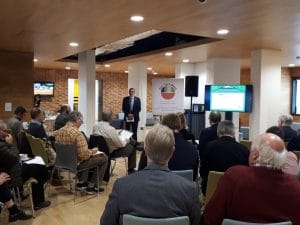
Wednesday 10th November, 9am – 5.15pm

Book now
The passing of time gives crops, livestock – and even companies – time to mature.
As REAP 2021 advances on us, it’s time to celebrate the recent successes of three home-grown companies in our membership which demonstrate how the UK’s agritech ecosystem is growing up. Stable has raised $46.5m to protect agrifood companies from volatile prices, previous REAP Start-Up Showcase participants Outfield has raised £750,000 for its orchard management system and YAGRO has joined the Frontier Group of companies.
We discuss the implications of this investment in this month’s Opinion and look forward to continuing the discussion at REAP 2021.
Basis Registered? 5 points are available for REAP attendees.
Highlights include:

  • Farmer-exclusive “Carbon Conversation”, a round-table discussion of the hype and hope of carbon management
  • Inspirational keynote addresses from Jan-Erik Petersen of the European Environment Agency, and Professor Alex Webb of University of Cambridge
  • Exciting Start-Up Showcase, which has proved a launchpad for leading agri-tech innovation
  • Bite-sized research updates on Emerging Agri-TechE from the UK’s leading scientific institutions
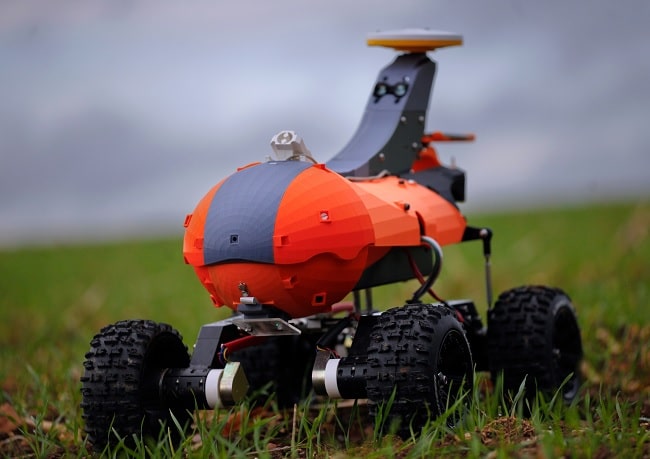
  • International Café with representation from Europe, the USA, the Middle East and Asia – discussing the opportunities and challenges of their regions
  • Sofa Session with experts from AirBus and Dyson Farming giving their different perspectives on overcoming time constraints in agriculture

Thanks to the AF Group there are a limited number of bursaries available for farmers, growers and students in full-time education to attend REAP 2021 for just £50+VAT. Deadline to apply is this Friday, 22nd October.
Apply now! Professor Alex Webb from the University of Cambridge will explain the possibilities of ‘chronoculture’ in his keynote address at REAP.
The time of day is important for plants: for instance herbicides are more effective when sprayed at dawn than at dusk. This knowledge of how plants are controlled by time can enable new types of farming systems and create opportunities to adapt plants to different geographies, with different day lengths or breed for a changing environment.
Find out more Accurately determining how carbon is being used or lost across the farm can provide insights that enable better management, and ultimately support for climate neutrality.
There are lots of unknowns, but for landowners it offers the promise of alternative revenue streams and for producers, healthier soils and a reduction in inputs. Agri-TechE is inviting farmers and growers to join a ‘Carbon Conversation’, hosted by Savills the evening before REAP. This virtual round-table discussion will explore this much-hyped subject and will see farmers that are already managing carbon along with others working in the field will share their learnings with the group. Together we’ll capture what needs to happen to enable the carbon agenda to move forward.

Read more What are the biggest time constraints in farming? Where should be the solutions be directed? John Barrett of Sentry is Chair of the Agri-TechE Stakeholder Group, and offers his top four challenges. John is looking forward to a lively debate at REAP and to warm it up we have asked others in the ecosystem where they think technology is providing some of the answers now.
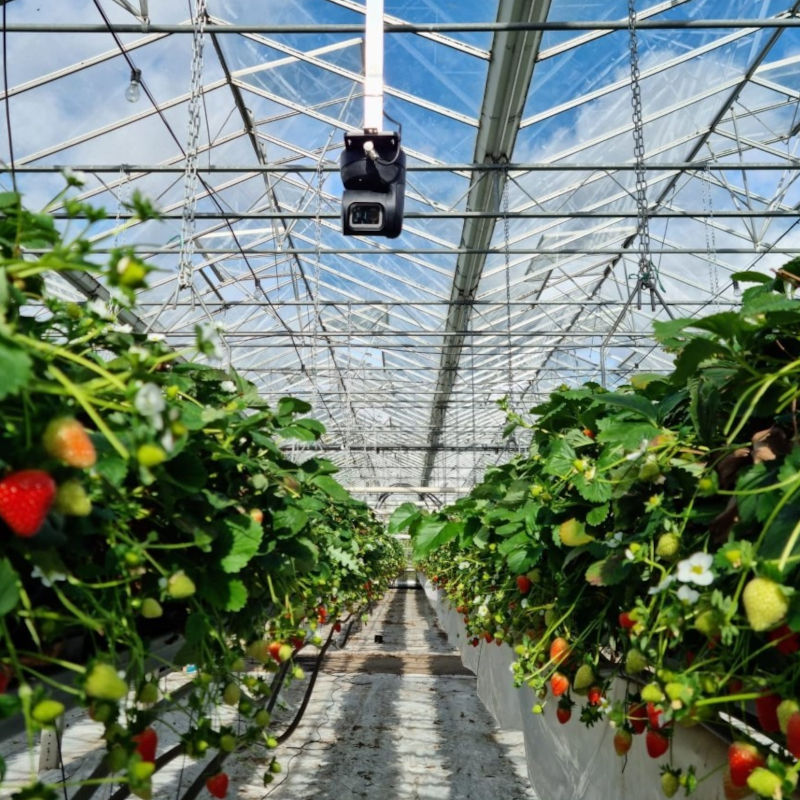
Read more 8th – 12th November 2021
Agri-TechE Week is an opportunity to gain an insight into agri-tech developments across the ecosystem, hosted by a range of partners including ADAS, New Anglia LEP, University of Reading, Norwich Research Park, Royal Norfolk Agricultural Association and Niab.

Events this year include an update on the world’s first robotic farm and insights from four Norfolk farming businesses into their use of big data and a comparison of different strategies for reducing carbon emissions.
More info Discount for AgriVest for Agri-TechE members & REAP Attendees.
This year FoodTechIL and AgriVest are joining forces for a 3-day virtual event between October 25th – 27th, 2021.
This is your opportunity to network with leading entrepreneurs, investors, senior executives, and thought leaders from around the globe.
Find out more at agrifoodsummit.co.il
Contact us for the discount code. Read more about the REAP sponsors. REAP 2021, 9am – 5.15pm
Wednesday 10 November 2021
For more information on how to join this virtual event:
reapconference.co.uk

Paul Coleman, Crop4Sight, on the challenges of time…

Agri-TechE Article
Agri-TechE

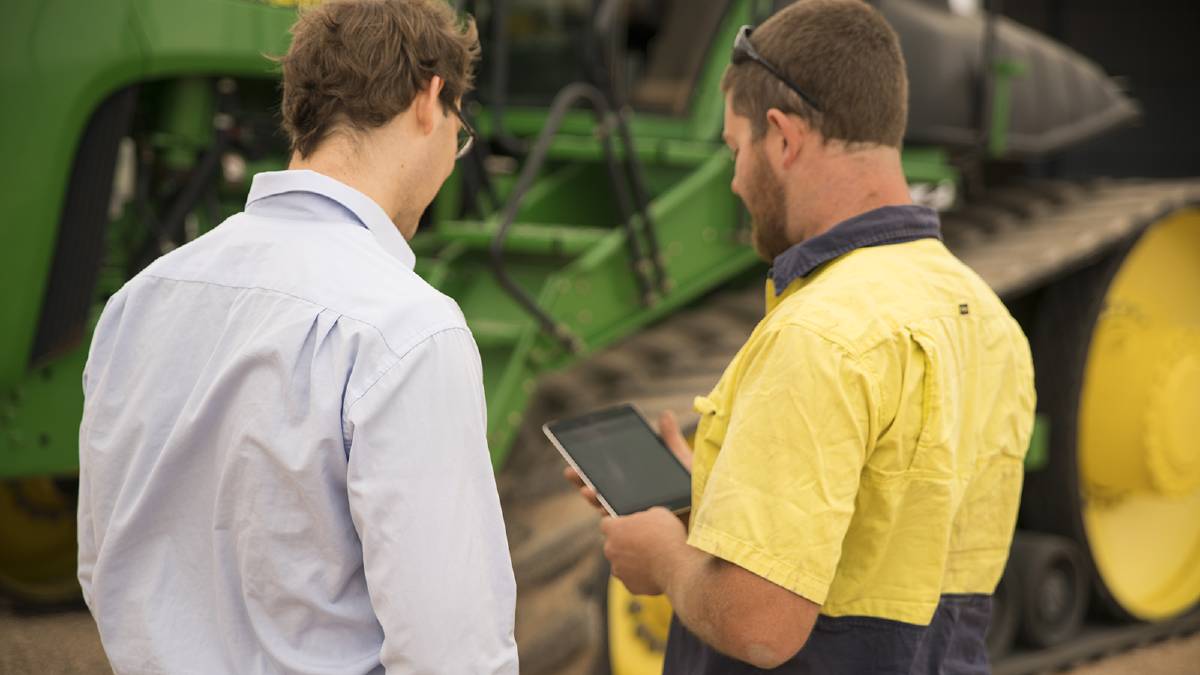
Paul Coleman is Managing Director of Crop4Sight, a simple to use app for potato crop yield management. It combines potato crop milestone data captured in the field, such as emergence, ground cover and sample digs, with 30 years of potato data and some clever software to give access to instant insights into potato crop performance.

The theme of the REAP conference is time; Paul explains why this topic is so relevant to Crop4Sight.
“In many ways, Crop4Sight was developed precisely to address the issue of time. Optimal timing for planting, applying crop inputs, irrigation, burndown, etc, can all be accurately worked out by the app, removing any need for guesswork. This produces demonstrable efficiencies in a farm business as well as increasing crop quality, producing a greater saleable yield, and ultimately driving profitability.

“Of course, the timing of these interventions is ever changing and depends on a host of variables. That is why we have made the app as dynamic as possible so that when conditions do change, Crop4Sight can take account of that and reconfigure intervention timings to achieve the best possible outcome.

“The future of agriculture is all about making data-based decisions and much of that comes down to identifying exactly the right time to act. Crop4Sight is has been created to help potatoes growers do just that.”

REAP 2021: Changing Time(s) for Agriculture10th November 2021

Imagine a world where agriculture is not constrained by time. The ability to manage and manipulate time is increasing and REAP 2021 will explore the advances in technology and breakthroughs in science that is making this possible.
REAP brings together people from across the agri-tech ecosystem who believe that innovation is the engine for change. The conference bridges the gap between producer needs and technology solutions and showcases exciting agri-tech start-ups.