Patenting, Trademarks, Copyright, Trade Secrets...
In the next installment of our micro-learning series, we’ll explore potential legal solutions to help you keep your ideas safe and sound.

Agri-TechE Centres respond to National Food Strategy

Member News
Agri-TechE

This content is hosted by Agri-TechE as part of its service to its members. The views and opinions expressed are those of the individual/organisation that supplied the content and not those of Agri-TechE or its employees. This content is hosted by Agri-TechE as part of its service to its members. The views and opinions expressed are those of the individual/organisation that supplied the content and not those of Agri-TechE or its employees. Responding to today’s (15.07.21) publication of the National Food Strategy, the UK Agri-TechE Centres (Agrimetrics, Agri-EPI, CHAP and CIEL) have issued the following joint statement:
The UK Agri-TechE Centres welcome the transformational thinking presented in the National Food Strategy that is needed to address a range challenges including climate change, food security, dietary health, food system resilience and nutritional inequality.  The report rightly acknowledges that these challenges are complex and cannot be addressed in isolation from one another.
In our role supporting the delivery of innovation for a resilient and sustainable food system, we share a common focus on many of the Strategy’s highlighted themes, notably supporting Net Zero targets; smarter supply chains; emerging agricultural systems including alternative proteins; smarter primary production; and One Health.

Innovation investment and priorities
The Centres agree with the recommendation for an increase in investment to support innovation and, particularly, the call for a greater focus on ensuring this meets the needs of the agri-food industry – for example to support the delivery of innovation onto farms more quickly. We are already delivering innovative solutions into the agri-food supply chain and we welcome the increased recognition of the need for this work.

National Food System Data Programme
The recommendation to establish a national food system data programme is significant in supporting comprehensive food system innovation as well as providing evidence to monitor the state of the system. As the report notes, establishing the infrastructure to deliver this has some significant challenges. With government support, Agrimetrics has put in place a data marketplace which provides the industry with the infrastructure necessary to share data in a transactional way incorporating multi-level permissioning.  Agri-EPI engages with focused precision-level data (including earth observation) on-farm, which also contributes to this recommendation.

Net Zero, meat and alternative protein
In our portfolio of innovation, the Centres are exploring novel methods for more accurately accounting for greenhouse gas emissions including CIEL’s work on novel approaches to methane reduction technologies. The Centres are already active in alternative proteins – for example, the incubation and growth of companies in insect protein and CHAP’s plant proteins work. We plan to expand this with our industry networks and partnerships, to provide more enhanced facilities, so we welcome this specific recommendation.

New precision genome engineering service from UEA

Member News
The views expressed in this Member News article are the author's own and do not necessarily represent those of Agri-TechE.

Researchers from UEA’s School of Environmental Sciences have developed a revolutionary new process that speeds up the success rate of genome editing.

The technique is now available as a contract research service for academic researchers and life science industries such as agri-tech and biotech.

The OmicronCR service, started by Dr Amanda Hopes and Prof Thomas Mock, uses existing CRISPR/Cas genome-editing technology, which alters the genetic code at a specific location on the genome. Editing requires short sequences called guide-RNAs, which are identical to the genetic information of the target site. However, selecting the most efficient guide-RNAs can be time-consuming and expensive, as some guide-RNAs can edit the genome in unwanted places, whilst others do not lead to editing at all.

OmicronCR addresses these challenges with a unique, rapid laboratory test, devised by Dr Hopes. The test carefully designs, evaluates and selects the guide-RNAs that will most likely lead to precise and efficient genome editing for the relevant species, saving the time and costs of trial and error.

Supercharging light provides plants with energy cocktail to fight pathogens and thrive

Member News
The views expressed in this Member News article are the author's own and do not necessarily represent those of Agri-TechE.

CEA facilities boast the most extreme, sophisticated systems of the agricultural industry. Whether it is a vertical farm, a single-tier cannabis indoor cultivation, or a gigantic tomato greenhouse, growers have to deal with extremely complex systems. Even though one might be taking all the precautions, there is still one insidious enemy that could find a way to sneak into the cultivation: mold. “When you grow a plant in a CEA facility, the balance between temperature and humidity is the perfect breeding ground for mold,” says James Millichap-Merrick, CEO, and co-founder of Vitabeam. “This is especially true after the summer when temperatures cool down giving cold temp at night and warm during the day: the perfect environment for molds.”

Dealing with mold
Mold issues can be potentially very dangerous for a grower’s bottom line. “Produce growers try to use the least amount of crop protection possible – the result is to look for non-invasive solutions to treat their crops. However, the problem is, is that there aren’t many of them,” says James. “But then, you get mold issues and your profits get affected. We have seen this recently with some fruit growers: when their produce is affected by mold, it gets downgraded and is sold for a lower price. On top of that, a proportion of the crop will be thrown away, so growers lose money.” And indeed, Emily Cameron with Vitabeam adds: “For many growers, roughly 5-10% of a crop is going to waste due to mold and other bacteria. Additionally, 20% of the product is downgraded to class 2.”

The importance of growing organic produce and ensuring the highest quality possible comes with the wave of increased customer awareness with regard to organic products. “You can also see this in the US where a new organic accreditation for baby leaves is being introduced,” says Katie Powell with Vitabeam.

That is exactly where Vitabeam comes into play. “Growers want to achieve the maximum income for their work,” James says. “As Emily pointed out, growers throw away a significant amount of their crop to mold and bacteria. So, we developed a lighting technology that helps them get rid of molds, bacteria, and dangerous pathogens safely with no chemicals, no UV, and no gasses.”

It’s magic but it’s actually science
What Vitabeam’s solution does is nothing short of magic. “Our supercharging light has a unique and proprietary cocktail of photons that achieves two significant things: by providing plants with around 18 hours a day with this special cocktail of photons, you can stimulate the growth of the plant, making it stronger and less susceptible to mold and bacteria; but also, the light itself kills these pathogens.”

The Vitabeam light is used in conjunction with typical horticultural lighting or natural sunlight, but as said, its function is not specifically as a light source for the plant. “What’s special about this is the proprietary technology with which we can supply the plant with this special mix of energy that stimulates the plant to grow stronger. Trials we have conducted with cannabis licensed producers in the US have shown plants grow more vibrantly, healthily, and with increased organoleptic qualities.” The Vitabeam solution achieves this by triggering very specific responses from the plant. “Growers want to have the best produce, and everything they do is to get that taste, flavor, aromatics, which you can get by having a strong and mold-free plant. Our solution can get that result by increasing the water and nutrient uptake.” Since the Vitabeam solution can be deployed in any kind of CEA facility, James and his team are constantly in the field supporting growers with their cultivar-specific challenges. “We work closely with growers and help them dial in the best recipe,” he continues. “For instance, we help figure out the perfect height for the lights, or for how long our light should be kept on. The goal is always to optimize our system with the customer’s system and get the best output.”

This is especially crucial for those growers looking to increase profit margins by letting the quality of their produce speak. “When your crop gets affected by mold and bacteria, there is also a hidden additional cost to that: it’s not just the cost of losing the harvest, but also the cost of disposing of the waste produce, plus all the labor cost that went into cultivation that now is just thrown away. So, also in respect of a global food shortage, it is very significant for us to be able to help growers reduce that waste.”

For more information:
Vitabeam
www.vitabeam.com

Precision agriculture isn’t what they say it is

Member News
The views expressed in this Member News article are the author's own and do not necessarily represent those of Agri-TechE.

Precision agriculture is a journey. Lars Petter Blikom shares his journey straddling the twin worlds of agriculture and technology.

I am a farmer. And for the past 7 years, I have gotten to know a lot of fellow farmers, both in my home country Norway and across the world. I have developed the deepest respect for what farmers do.

Day in and day out, they hone the skills of cultivating the land and growing massive quantities of high-quality food. After thousands of years, there is quite a bit of precision to what farmers do. It’s not easy to produce food.

Day in and day out, they hone the skills of cultivating the land and growing massive quantities of high-quality food. After thousands of years, there is quite a bit of precision to what farmers do. It’s not easy to produce food.

Who speaks for the farmer?

My background is in other industries, my education is in technology, and my 17 years of professional experience have taken me through the hypes of internet-of-things, machine learning, and all the other buzzwords of the past few decades. And as the oldest kid on a farm, I was born with the questionable rights to a rewarding life as a farmer, and 7 years ago, my time had come.

I am writing this as a farmer primarily, perhaps with an unusual background in technology, but a farmer nonetheless.

Agriculture is a massively large industry. Some of the world’s largest companies are dependent on it. And the whole food and grocery industry is dependent on it too.

As with any large industry, all the usual suspects are present; the researchers, the experts, the financiers, the law-makers, the big corp executives, the investors – they meet at conferences and seminars, and they exchange papers, articles, and business ideas. They talk and discuss important things, such as “what is precision agriculture?”

But who’s not there? Who´s voice is not present? The farmers’.

Farmers don’t have time to hang around conferences and chat.

There is an entire ecosystem of players in this industry, fully dependent on the farmer as the core value creator – yet they are surprisingly disinterested in what the farmer needs, wants, and thinks.

I could go on for a long time about the imbalance of power in the agriculture industry, how even the largest of farmers are no bigger than a bug than their suppliers and customers, and how the value created ends up with those with the best negotiation position – never the farmer. But this is not today’s topic.

Defining precision agriculture

Naturally, “precision agriculture” is defined by above mentioned important people. You can read on Wikipedia what they say:

  • Vegetation indexes (NDVI) from satellites will tell us that our weak plants are… you guessed it; weak.
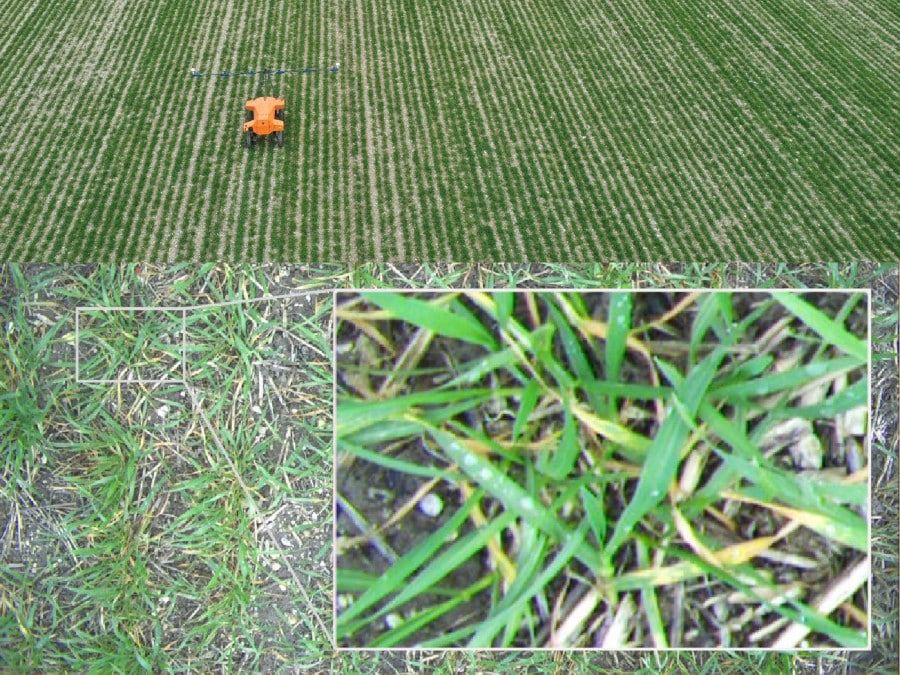
  • Cameras with image recognition will tell us what type of weeds we have in the fields… as if we didn’t already know.
  • IoT-sensors will tell us when to harvest for optimal ripeness… forgetting details like logistics, labour force management, weather, and a few other things that also impact the harvest time.

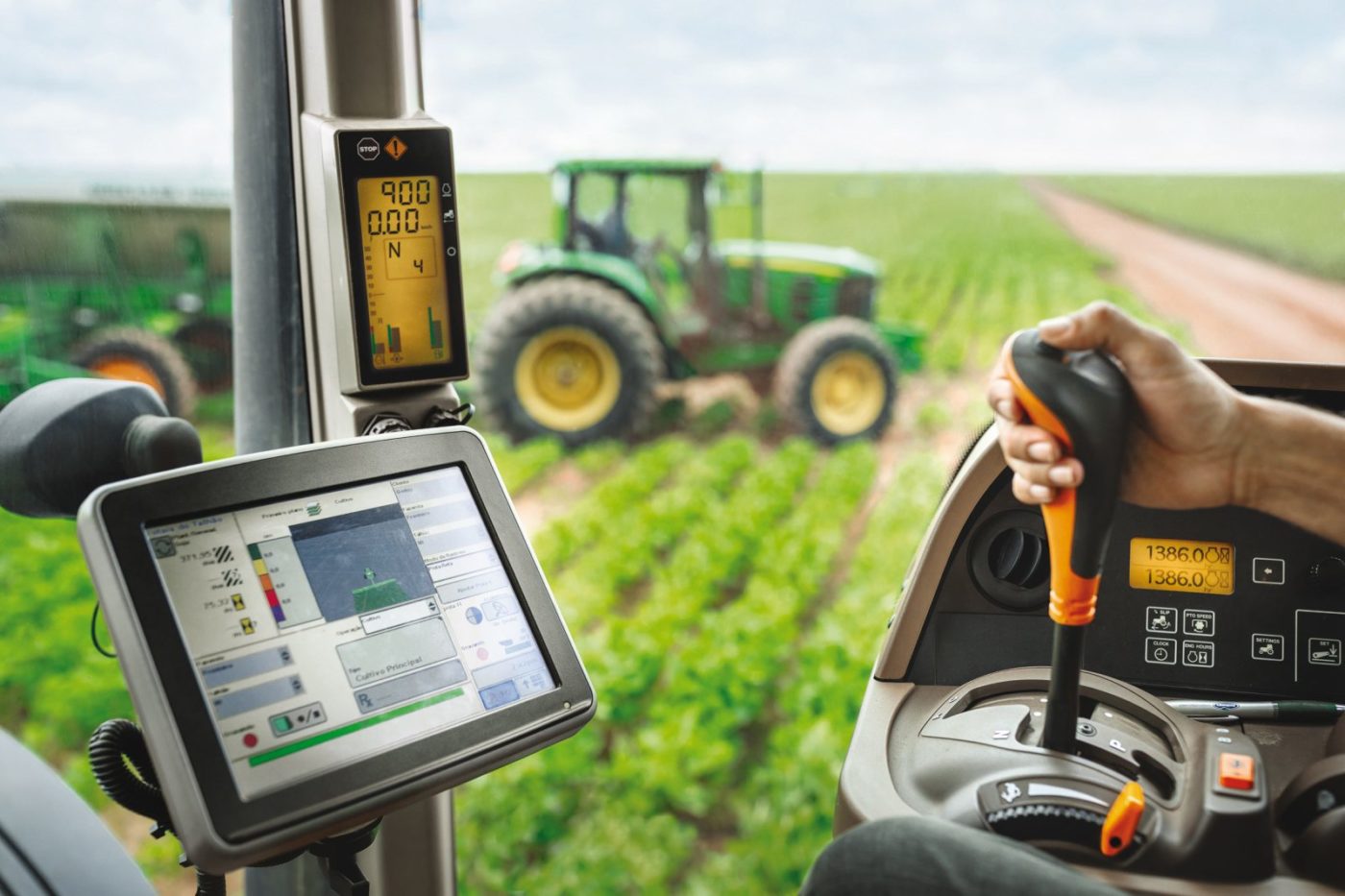
Don´t conclude I am against these concepts; I am a technologist, believe in the powers of image recognition, know that multispectral cameras in the sky can see things our human eyes can’t see, and I know that sensors will give us a better decision basis. The problem is that the development is technology driven – someone observes a shiny new thing and concludes, “let´s deploy this in agriculture.” The better way to guide development is to let it be driven by user needs.

But they forget to ask the farmers what they need.

This disconnect between farmers’ needs and the new technologies makes them too hard to adopt. NDVI imagery is a good example, it is readily available, and I can get it for my farm cheaply.

I get a yellow/green/red heat map indicating areas with low to high biomass density. It’s interesting; I can go out in the field and compare the heat map with real life – see if it fits. But then what? I don’t trust it enough to create variable zones based on it.

I don’t have the equipment to make variable-rate applications for my orchards. And even if I did, how do I adjust the rates? What’s the right spray application rate for a yellow area on the heat map? There is just not enough available knowledge in my ecosystem to jump into this yet.

It’s like the early days of the internet – remember all that work with dial-up modems and manually fiddling with protocol settings until the damn thing works? It’s like that, plus in farming, you don’t know until 3 months later if it worked or not. And if it didn’t, you can try something else next season – it’s the slowest learning cycle of all. You just can’t afford a lot of experimentation when there’s a year between each iteration.

Precision agriculture is a journey.

It’s a journey the whole agriculture industry has been on for thousands of years and which will continue for as long as people eat food. “Precision” is a word that describes diligence, accuracy, and knowledge in the farmers’ work and decision-making. I will let no external expert claim that word and make it synonymous with drones, satellites, and machine learning. Precision is realized through a farmer’s best judgment in the field. And the farmers will always use the best tools available to inform their judgment.

In the late 1800s, we got the first tractor. In the early 1900s, we got granulated fertilizers. In the early 2000s, maybe we are getting multispectral cameras. No big deal. Mostly, the production of food goes on. Business as usual.

In the next article of this series, we´ll discuss what problems this so-called “precision agriculture” needs to solve. What does the farmer need it to do? And I think we have to debunk a couple of myths too.

This is part one in a seven-part series on a farmer’s journey to precision agriculture.

Part 2: What problems will precision agriculture solve

Part 3: Reinvent how you gather, organize and use your data

Part 4: Why measuring return on investment per field is still a challenge

Part 5: What’s the biggest cost in agriculture? Labour.

Part 6: How to get your orchard future ready? Start automating documentation

Part 7: How variable zoning can lead to more precision in agriculture

Harper Adams and LettUs Grow partner to bring the benefits of vertical farming to greenhouses

Member News
The views expressed in this Member News article are the author's own and do not necessarily represent those of Agri-TechE.

“Quantifying the performance of technologies developed by LettUs Grow in our campus greenhouses, opens up the ability to assess resource efficiency, and evaluate how crop production could work in a variety of landscapes that could bring an array of stakeholders that we just don’t see at the moment”.

LettUs Grow, an indoor farming technology provider in Bristol, has partnered with Harper Adams University to trial different technologies and irrigation systems within greenhouse and vertical farming settings.

With a growing population and struggling climate, it’s never been more crucial to intensify food production in a sustainable way. Many are looking to the Netherlands, the world’s second largest exporter of food, for answers: the Dutch model is renowned for its use of advanced greenhouses and precision farming. Another newer industry that offers a means of growing more with less impact is the vertical farming sector.

Both greenhouses and vertical farms are types of controlled environment agriculture (CEA). All forms of CEA offer the opportunity to grow all year round, through adverse weather conditions or in extreme climates, and reduce the need for pesticides and herbicides. The trials will review crop yields, energy consumption and will explore how productivity is affected across seasons in order to determine the best combination of technologies for food systems that can be both productive and sustainable.

The long running trial, which will span across most of 2021, will explore the environmental impact and compare growth data from two irrigation systems, aeroponics and hydroponics, in different settings: an aeroponic vertical farm and greenhouse, and a hydroponic greenhouse.

Hydroponics is a method of soil-less growing, where plant roots are submerged in a body of water, whereas in aeroponics plant roots are irrigated with a fine mist of water and nutrients. Hydroponics is a method of soil-less growing, where plant roots are submerged in a body of water, whereas in aeroponics plant roots are irrigated with a fine mist of water and nutrients. Aeroponics can provide greater precision, use less water and deliver faster growth rates.

Energy consumption can be one of the largest overheads for a vertical farm, so one key element of the trials will be to identify whether an increase in energy use is balanced by an increase in farm productivity. While the technologies can grow a wide range of crops, the trial will focus on growing kale and pea shoots, allowing for two repetitions per crop, per season. 

LettUs Grow specialises in nozzle-free aeroponics, a low maintenance and user friendly system that maximises productivity. The company has also developed Ostara, a smart control and farm management software that will also be used within the greenhouse and vertical farm trials. Ostara can be used to tailor lighting, irrigation, nutrient delivery and environment to specific crops within the same farm, as well as being used to collect a wide range of farm data to help improve productivity and efficiency.

LettUs Grow believes that the application of their advanced aeroponics and Ostara technologies can move beyond vertical farms to have even greater impact:

“Our food supply chain needs to be diversified to achieve productivity and stability, which means maximising the benefits of new technologies in different horticultural environments. The advanced greenhouse industry is a huge part of modern food production and is entering an exciting new phase of growth to help meet global production and sustainability targets. We want to help this industry to grow more, sustainably,” says co-founder and CEO of LettUs Grow, Charlie Guy. 

“There is great potential for vertical farming technologies to be incorporated into greenhouses, where they provide greater control and enhance growth rates, whilst taking advantage of natural sunlight to cut energy demands.” 

Harper Adams University, the UK’s leading specialist university for the agri-food and rural business sectors, is dedicated to tackling the future development of our planet’s food production, engineering, and land management. The Urban Farming Group is a cross-disciplinary collaboration of academics that are interested in how growing systems such as controlled environment, vertical farming and aeroponics can rejuvenate urban areas, revolutionise food systems, provide activities to encourage social innovation and develop novel and successful business models across all landscapes.

Dr Laura Vickers, Senior Lecturer in Plant Biology and coordinator of the Urban Farming Group, said: “This is a particularly exciting project, greenhouses provide the half -way house between field based production and total controlled environment agriculture. They are excellent systems to apply to urban spaces, such as building rooftops.

“Quantifying the performance of technologies developed by LettUs Grow in our campus greenhouses, opens up the ability to assess resource efficiency, and evaluate how crop production could work in a variety of landscapes that could bring an array of stakeholders that we just don’t see at the moment”.

Ricardo Lopes, Research Scientist at LettUs Grow and research lead on the project, said: “Bringing aeroponics into a greenhouse setting is really exciting, as traditionally they run on hydroponics. There has been little research into this before so we’re starting from scratch.

“There is huge potential in the opportunity to combine the precision of high-tech greenhouses with optimised aeroponic irrigation – meaning we could offer the plant the exact amount of water it needs, when it needs it, alongside the unique environmental control of greenhouse technology. The prospect of using aeroponics to decrease water usage within greenhouses could be a very important step in making greenhouse production even more sustainable and less energy demanding.”

RICHARDSON INVESTMENT AT BEDFORD, UK OAT MILL TO INCREASE PROCESSING CAPACITY BY 35%

Member News
Agri-TechE
The views expressed in this Member News article are the author's own and do not necessarily represent those of Agri-TechE.

April 8, 2021 (Winnipeg, MB) – Richardson International Limited is pleased to announce a significant investment in their Bedford, England oat mill to expand the facility and increase capacity by upwards of 35%. This latest investment will improve upon all operational aspects of the plant, from intake and warehousing capabilities to logistics and distribution. A full overhaul of the site footprint will result in greater operational efficiencies, modernization, and enhanced storage capacity.

When completed, the Bedford mill will boast a high-speed receiving system, providing a fast and effective means for inbound oats delivery. Extensive modernization of the plant will significantly increase storage capacity and ensure efficiencies in production and processing capabilities. In addition, the site will include a new expanded warehouse to allow for improved transportation and logistical functions. Construction will begin later this spring with no anticipated disruption to current operations and is expected to be completed in 2025.

These specifics and other features of the multi-phase project will allow the plant to rapidly meet an ever-growing demand for oats and oat-based products. “The global oats segment is thriving as shifting consumer behaviours drive market growth,” said Benoit Soucy (Vice-President, Milling Operations, Richardson International). “A significant investment such as this will enable us to fulfill the incremental demand of our customers as we continue to efficiently meet current requirements and anticipate their evolving needs.”

Now, more than ever, consumers worldwide look to quality plant-based products when making their purchasing decisions. Located in the heart of the country’s key growing region, the Bedford mill occupies a geographic position integral to meeting the needs of these informed consumers, both domestically and abroad. “The growth demand for our oat products has consistently increased through the years and we are committed to taking the business to a higher level,” said Carl Smith (Plant Director, Bedford).

“As a world class oat milling operation, we are incredibly excited by our new plans. Consumer interest in healthy oat products continues to grow and we see this as a great opportunity to supply existing and new customers with quality oat products,” added David Jordan (Board Director, Richardson Milling U.K.). “The outlook is positive for all industry participants – from the farming community and our facility staff to our suppliers and valued customers.”

About Richardson International

Richardson International Limited is Canada’s largest agribusiness and is recognized as a global leader in agriculture and food processing. Richardson is a worldwide handler and merchandiser of all major Canadian-grown grains and oilseeds and a vertically-integrated processor and manufacturer of oats and canola-based products. Over the past two decades, Richardson has become a significant player in the global food business, producing a wide variety of food products and ingredients for the retail, food service, and industrial markets. One of Canada’s Best Managed Companies, Richardson has over 2,900 employees across Canada, the U.S., and the U.K.

What Roles & Career Routes Exist in AgriTech – and is an Agri background normally required?

Member News
The views expressed in this Member News article are the author's own and do not necessarily represent those of Agri-TechE.

Working as a Recruiter in AgriTech, naturally people often ask me what type of roles I find myself recruiting for. We also collaborate and provide advice to various academic bodies and institutions in this space and, in a similar vein, are also asked; what kind of career opportunities exist in this world?  Is it a career route people should be actively looking to pursue? Do you need a farming background to build a career in this domain?

The truth is that, just like in other tech driven sectors, the nature of roles that arise can be highly varied, weird & wonderful. Some of course may require an agri / farming specific skillset, but there’s a plethora of others that don’t. Below is a (by no means exhaustive!) snapshot:

  • Roles of a STEM (science, technology, engineering, mathematics) discipline. The demand for staff with a STEM background has increased hugely in the AgTech sector in recent years. In most cases, an Agri background is not needed for roles of this nature, a successful candidate is just as likely to have built up their skillset from experience in other sectors. This category covers a wide range of roles, and it is here that we’re referring to the likes of Software Developers, Data Scientists, AI Specialists, Engineers (Electronic, Mechanical, etc…), Scientists of various specialisms and more.
  • Senior Leadership posts. Covering up to C Level. These roles exist across organisations of all types but are arising regularly at the moment in the AgTech space as so many start-ups and SMEs are emerging in the sector. Upon reaching growth point the first steps of a start-up will often be to recruit for the senior staff that can head up various parts of their business – this could include Chief Technology Officers, Commercial Directors, Heads of Product, even CEOs. Whether or not you’ll require an Agri sector background depends completely on the role type here – naturally, something tech oriented like a CTO often won’t, whereas a more commercially oriented post may require somebody with a background and extensive contacts in the space.
  • Commercial posts. Here we’re talking about Sales, Business Development, Account Management, anything client focused… I would also include roles in areas such as Customer Success in this. At the moment it’s common for a hiring company to want an Agri sector background (as mentioned previously, somebody who has contacts in this space). This does seem to be changing though, especially in roles that relate to a tech product or service – in these cases employers may be more interested in somebody with a tech sector background, or might consider somebody from one or the other (Agri or Tech).
  • The ‘In Between’ roles. There are some roles that arise regularly that aren’t purely tech / STEM focused, but neither are they purely commercial – roles that will sometimes bridge the gap between the two. This is where I would place the likes of Product specialists and Project Managers. Candidates may need to have some nous in both areas – so will be comfortable liaising with clients, but are also able to understand & translate tech concepts without necessarily being a hands on expert. It really depends on the client and exact role nature when it comes to whether or not an Agri background is required – some clients will value more a background that relates to the nature of the product (whether that’s Software, Data, AI, Engineering, etc), whereas others will stipulate an existing understanding of the Agri domain.
  • Agri Specific posts. Certain roles within AgriTech companies will require an Agri / Farming background, in the same way that some FinTech companies might sometimes need to hire a finance expert, or a HealthTech company may require the expertise of people with a medical background. Recent examples for us include Agronomists, and a Trials Manager position for a company looking to trial their tech solutions out in a real farming environment.

In summary, for anybody interested in this space and the opportunity to work in a sector that can have a genuinely positive impact on the world, there are career opportunities aplenty… whether you’re of an Agri background or not. Don’t let a lack of an Agri background deter you!

The Future is Brighter with Vitabeam

Member News
The views expressed in this Member News article are the author's own and do not necessarily represent those of Agri-TechE.

Vitabeam’s world-first technology is making a splash in the food sector. From farm to fork, Vitabeam technology is tackling some of the world’s biggest problems, including food waste, and producing safe, chemical-free, pathogen-free food.

When it comes to technological breakthroughs, few have the potential to impact the Food and Drink sector in a way as radical as Vitabeam.

After many years of R&D, Vitabeam produced their first LED light bar, which emits a unique combination of light wavelengths called VQe (Vitabeam Quantum energy). The wavelengths are all safe for human exposure, and have incredible properties that allow Vitabeam’s technology to positively contribute to many different global markets.

But it is within the Food and Drink sector that this tech is likely to have the biggest impact. The patented combination of light wavelengths has 2 abilities:

1) VQe interacts with plants to directly stimulate photosynthesis, increasing growth and yield, and delaying cell senescence in harvested produce to prolong freshness, and

2) VQe actively kills bacterial and mould pathogens, improving the health of plants, and minimising the microbial load on fresh food, extending its shelf-life.

Vitabeam’s technology is designed to benefit the food sector at every stage of the food supply chain, from grower, to packer, to retailer, to home consumer.
In the growing stage, the light bar, called the Vitabeam VQe MaxStrip, is a supplementary grow light. It can easily be retrofitted into any existing setup, making it an excellent option for growers looking to optimise their grow.

The MaxStrip supercharges plants by supplying them with the specific wavelengths of light, not emitted by any other grow lights, that maximise plant growth and yield. At the same time, the MaxStrip protects the plant from bacterial and mould pathogens, ensuring the plant stays healthy and the produce stays clean. This chemical-free method of pathogen killing allows growers to reduce their usage of pesticides and other chemicals, meaning they can produce clean, safe, chemical-free, residue-free food.

Once harvested, produce can be treated using Vitabeam’s high-powered sterilising technology, called the Steril Max, which combines VQe with UV. Whilst UV is often used for sterilisation purposes, the UV wavelengths cannot penetrate the surface of an object, limiting its effectiveness. VQe is able to penetrate into the food, meaning the combined usage of UV and VQe provides a more effective cleaning treatment than UV alone. This thorough cleaning treatment eliminates the need for washing produce with chemicals such as chlorine, ensuring that consumers are provided with the safest, cleanest food possible. This technology can be used for fruit, vegetables, meat, fish, and seafood to ensure they are pathogen-free, extending their shelf-life, and thereby reducing food waste.

Once food reaches the supermarket, Vitabeam’s technology can protect it, prolonging its freshness and keeping it safe and clean to keep customers healthy. MaxStrips installed in refrigerated display cabinets not only keep the produce within them clean, but also the surrounding environment. In a trial with a store in Michigan, USA, staff working in the fish department noticed the MaxStrips making a difference almost instantly. They reported that, within just a couple of days, the ‘fishy’ smell had disappeared, the fish felt firmer and looked healthier, and the ice surrounding the fish was no longer turning yellow. Furthermore, when the time came for the quarterly deep clean, there was noticeably less slime in the display case. Trials have also shown that Vitabeam’s technology can reduce wastage of fresh produce by between 25 and 30%.

Finally, when customers take their food home, VQe can be integrated into refrigerators to keep food clean and safe from pathogens. Not only does this diminish the risk of food poisoning, but it also means that food lasts longer, reducing the amount that ends up being thrown away because it has gone bad before it can be eaten. We’ve all felt the disappointment of finding that something we had been looking forward to eating has already gone mouldy. VQe can help to ensure that this feeling occurs much less often! Household food waste is therefore reduced, and less money is wasted on food that ends up in the bin!

Vitabeam is committed to helping businesses provide their customers with clean, safe, natural, chemical-free, residue-free food. Their technology has multiple benefits – keeping consumers safe and healthy, reducing food waste at every stage of the food supply chain, reducing chemical and pesticide usage, and helping everyone, from the grower to the consumer, to save money. Trials have shown that a return on investment for Vitabeam technology can be delivered quickly, for example within 6-9 months for retailers.

It is rare that a technology such as Vitabeam’s comes along which not only has the potential to benefit companies economically, but which also can help to protect the environment by reducing chemical and pesticide usage, and reducing food waste. The future really is brighter with Vitabeam.

How a data analyst is improving 4 arable businesses in Norfolk

Member News
The views expressed in this Member News article are the author's own and do not necessarily represent those of Agri-TechE.

Data is the new weapon for farmers seeking to enter a competitive global market, while protecting the environment and coping with the greater extremes in weather.

But not enough is often made of the data available, even on large, progressive estates, according to Poul Hovesen, director of farming at Salle Farms Company and Holkham Farming company.

“That’s especially true of what impact we can have on the crop’s potential, whether it is its resilience to stress, or its yield due to nutrients and biomass.”

Here the link to the complete article on Farmers Weekly

Germains Seed Technology Celebrates 150 Years of Innovative Seed Solutions

Member News
The views expressed in this Member News article are the author's own and do not necessarily represent those of Agri-TechE.

Before there was Rolls-Royce, Marks & Spencer, or Typhoo Tea, there was Germain’s Fruit and Produce Company—a business that has adapted and persevered to celebrate its milestone 150th anniversary in 2021. Although the company now known as Germains Seed Technology has changed considerably since it was founded by Eugene Germain in 1871, it continues to “maximise nature’s potential” through innovation, quality, and flexibility—just as it has since the very beginning.

Today, Germains Seed Technology is a leader in the international seed industry, delivering highly specialized seed pellet and treatment technologies for sugar beet, vegetable, and field crop seed producers and growers across the globe. The company operates from nine global locations across North America, the United Kingdom, and Europe. Germains Seed Technology’s Head Office and Sugar Beet Research and Development are based in King’s Lynn, Norfolk. In 2015, the company also opened a Fundamental Research Centre in Norwich Research Park, where senior researchers use advanced RNA technology to create strategically targeted seed priming and crop development treatments.

Victoria Lawrence, Managing Director of Germains Seed Technology, stated, “We are incredibly proud to celebrate this milestone anniversary with the multiple generations of employees, customers and partners who have grown right along with us. Staying true to the vision of our founder, we remain dedicated to using cutting-edge science and seed technology to develop solutions that benefit people around the world. We look forward to continuing to evolve and solve new challenges for the next 150 years!”
Message from Victoria Lawrence

The company was founded by Eugene Germain, a Swiss immigrant who opened Germain’s Fruit and Produce Company in the small, sleepy town of Los Angeles in 1871. The Southern California climate proved ideal for agriculture, and the business expanded quickly, moving to a larger location in 1898 that was billed as “the most complete seed store in the West.”

The company embraced flexibility from the start, branching into a wide range of different crops and agricultural business ventures over the years. Early in the 20th century, Germain’s shipped the very first carload of oranges from California to the U.S. East Coast. Later, in 1954, the company introduced the “Queen Elizabeth” pink grandiflora rose, which was named in honour of the newly crowned queen and remains one of the most popular cultivars grown today.

As a company, Germains has always fostered a culture of innovation, research, and development. In the early 1950s, Germain’s formed the Filcoat Processed Seed Division and introduced the first pelleted seed into the American market. Pelleting made it easier to precisely plant small, irregularly shaped seeds using automated planters and also provided a way to apply protectants needed to control pests and disease.

Researchers at Germain’s soon developed a clay-based pellet for sugar beets, which have oddly-shaped seeds that can be difficult to plant. After three years of comparative sugar beet trials in the 1960s, Germain’s Filcoat pellet was selected as the “pellet of choice” by the influential British Sugar Corporation. This marked a significant turning point for Germain’s. In 1965, Germain’s (UK) Limited formed, and the company opened its first plant in King’s Lynn, Norfolk, to meet the growing demand for pelletized sugar beet seed throughout the United Kingdom and continental Europe.

The seed technology division gradually became the main focus of the business, expanding to multiple locations in the UK, Europe and North America while other units were eliminated or sold off. Germain’s continued as a family-owned business until 1987, when it was acquired by S&W Berisford, then the owners of British Sugar. In 1990, the company was acquired by Associated British Foods LLC, and in 2010 was rebranded as Germains Seed Technology. Today, the company sells conventional and organic seed coating, priming and pelleting products for over 45 different crops and also collaborates with growers and seed producers to provide custom solutions for real-world problems.

Germains Seed Technology is also committed to social sustainability at both global and local community levels. The company donates quality treated seed to impoverished communities in developing countries through the non-profit Seed Programs International organization. Germains UK also supports a number of other charities, including the King’s Lynn Food Bank, Queen Elizabeth Hospital, Widowed and Young, East Anglian Air Ambulance, Norfolk Hospice, East Anglian Children’s Hospice, Brambles Animal Sanctuary, and the RSPCA (Royal Society for the Prevention of Cruelty of Animals).

Just like its determined pioneer founder, Germains Seed Technology has proven quite adept at responding to ever-changing market needs and persevering through adversity. In its 150 years, the company has survived multiple economic recessions, natural disasters—and now, two global pandemics. Its innovative seed technologies continue to help improve crop yields, making it easier, more affordable, and more sustainable for people to grow food across the globe.

Rothamsted businesswoman Nicole Sadd wins National Business Leader Award

Member News
The views expressed in this Member News article are the author's own and do not necessarily represent those of Agri-TechE.

The National Business Women’s Awards 2020/21 event was held at the Hilton Hotel in Wembley, and saw business women from across the UK come together to support and celebrate each other’s achievements in this annual awards ceremony.

There are 20 categories in total in these national awards and Hertfordshire-based Rothamsted Enterprises CEO, Nicole Sadd, was named as a finalist in two: ‘Corporate Leader of the Year’ and ‘Business Woman of the Year (Small Business – £1m-10m turnover)’.

Nicole faced some serious competition from a number of women business leaders and was delighted to be named as the winner in the Corporate Leader of the Year category.

This category is open to women in business who demonstrate being a proven leader in their organisation and brand category. Nominees demonstrate outstanding leadership, and a track record of building sales and profitability whilst energising and inspiring the people who report to them.

Nicole commented: “It’s taken a while to sink in. It was totally unexpected! I was up against some serious competition and I am absolutely delighted to have been named as winner in the Corporate Leader of the Year category. This achievement is great news, both for myself and my great team and I am proud to represent Rothamsted and women in business generally. The pandemic has been a hugely challenging time for us all and leading Rothamsted Enterprises – a hospitality business and innovation campus – during this time required huge focus, resilience and determination. It is a real honour to receive this award.”  

The agri-tech sector and government relationship in 2021 and beyond

Member News
Agri-TechE

Now that the UK has left the EU, every UK business sector and investor will look to the Government for its strategic policy roadmap that addresses this historic event and the perceived opportunities that it presents. The Prime Minister has consistently argued that a key element of the UK’s departure is that it allows his Government to establish its own regulatory structures as a springboard to a globally competitive economy.
The now ratified Treaty entitled the “UK – EU Trade and Cooperation Agreement” provides the framework for the UK’s future trade relationship with the EU. Several commentators have characterised the Treaty as the end of the beginning of the new relationship as it requires the parties to enter into a wide variety of subsequent debates and agreements covering many important areas and details. The outcomes will be highly relevant to the UK’s relative prosperity over the longer term.
Notwithstanding the above and the ongoing challenges of the pandemic to the UK and world economies, the Government’s responsibility is to lay out its policy strategy for this new situation that facilitates the creation of an environment which encourages business investment and growth in our economy.  In relation to the AGRI TECH sector the enactment of the Agriculture Act 2020 already provides the long term, post CAP framework for the farming sector as a whole. Understandably, considerable uncertainty remains in the absence of the under-pinning structures and regulations.
The AGRI TECH sector’s relative profile and importance to the UK economy and the Government (officials and politicians) has risen materially in recent times. It therefore has a clear opportunity to assist the Government’s policy task as it relates to the sector. The relevant Departments – DEFRA and BEIS being the most obvious – will both need and welcome sector inputs in order to produce the best strategy, policy and regulatory outcomes within which the sector can prosper.
Additionally, because the Devolved Administrations of Scotland, Wales and Northern Ireland have the freedom to develop their own approaches in the agricultural sector, their policy developers will also be open to inputs.
The value of the sector’s opportunity is that players within it can, over time, become trusted voices and valued advisers to the Government and, in parallel, enhance their long term, competitive positions. Such players will certainly benefit from collaborating with their key stakeholders and partners, in particular academia, R&D centres and funders, such that their combined positions can be genuinely representative and of greater value.
To be successful and influential in policy and regulatory development there has to be an understanding of how to relate to and work with the key officials, whether at a national, regional or local level. A player needs to be clear about their own desired outcomes arising from creating a relationship with officials, and they must also have a good understanding of the issues, options and challenges confronting the officials. Possession of these basic facts will enable players to respond and assist officials in a constructive and positive way.
In summary, the Treaty opens a genuine opportunity for serious players within the AGRI TECH sector to create relationships with Government officials that are of long term mutual benefit. Policy makers at every level need trusted sector inputs to enable them to develop and operate sector relevant policies and structures.
TWENTYFIFTEEN understands this environment and how to work within it, and is open to conversations with fellow members of Agri-TechE at any time.
Contact Details – Richard Elsden, Director, TWENTYFIFTEEN ADVISORY LTD,
Email – Richard.elsden(@)twentyfifteen.co
Mobile – 07748 931372
www.twentyfifteen.co

This content has been contributed by TWENTYFIFTEEN;  the views, thoughts and opinions expressed in this text belong solely to the author, and do not necessarily reflect those of Agri-TechE .