ATW 2024: Growing Expertise – Bridging the Skills Gap Through Research & Innovation

Member News
The views expressed in this Member News article are the author's own and do not necessarily represent those of Agri-TechE.

Agri-TechE Week 2024 celebrates its 11th year – our largest yet, featuring nine events curated by Agri-TechE and hosted by our incredible member community. This week exemplifies innovation, collaboration, and forward-thinking in agri-tech.

Each event reflects the strength of our ecosystem, fostering vital connections between growers, researchers, and technology developers. Thank you to our members for hosting and making Agri-TechE Week possible and showcasing what our community can achieve. 

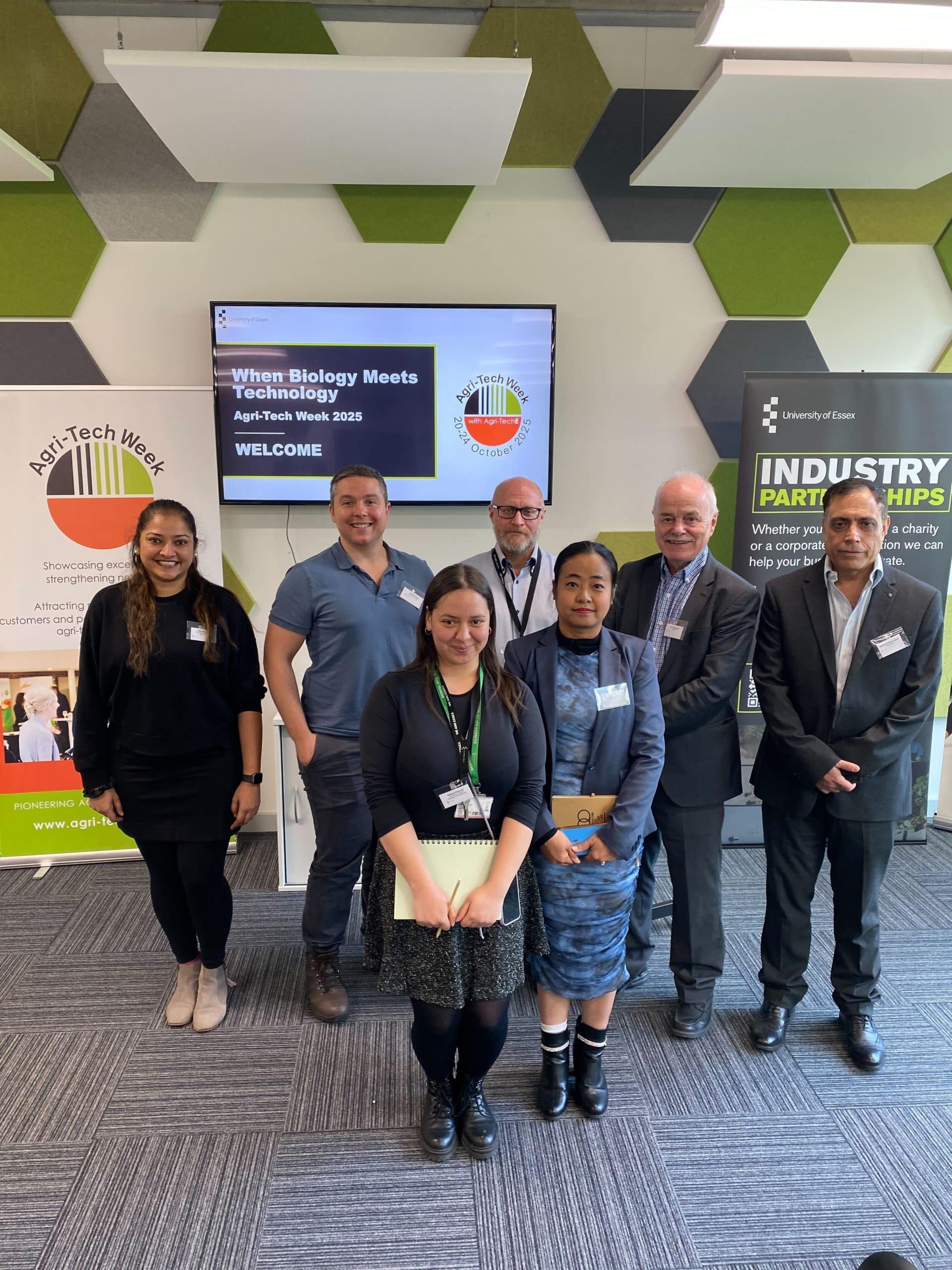
Innovation Agritech Group (IAG) and the University of Essex proudly hosted this Agri-TechE Week event in collaboration with Agri-TechE . The event brought together leading minds from academia and the agri-tech industry to address one of the most pressing issues in modern agriculture—the skills gap—and showcased how university research and technology can advance sustainable food production.

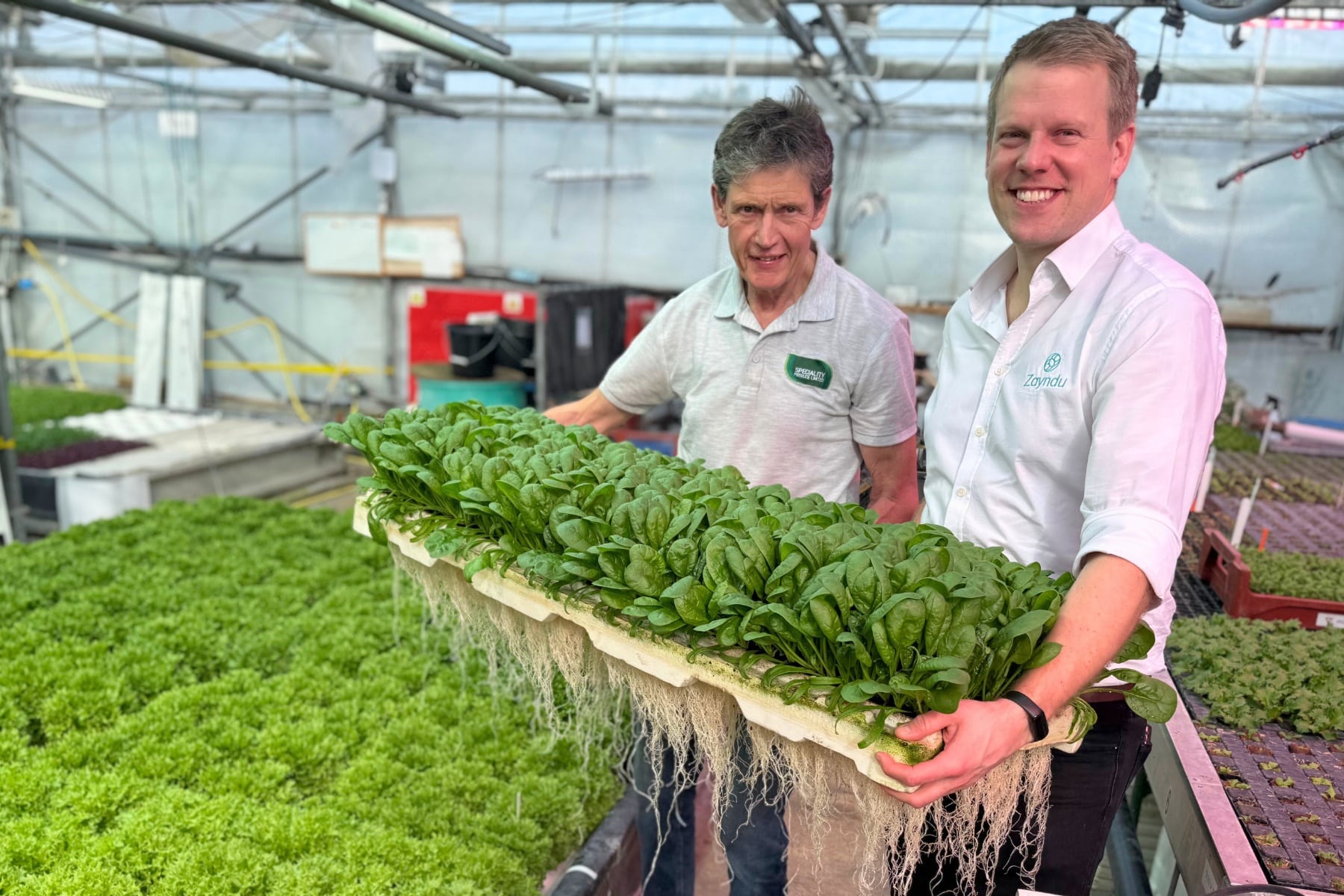
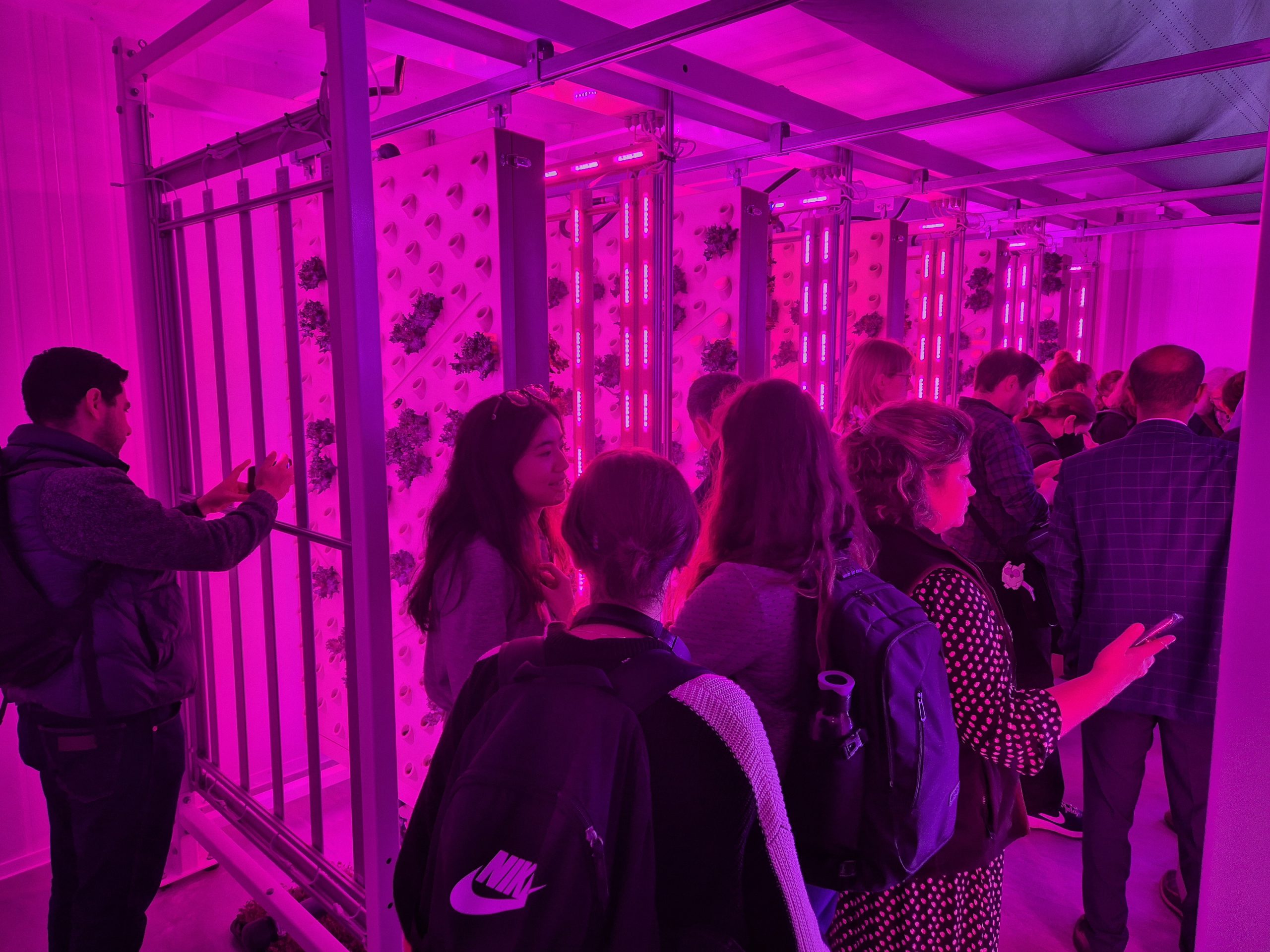
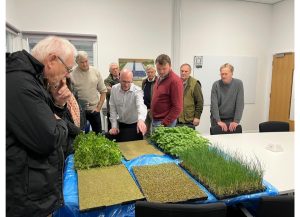
After a morning session hosted by Tracy Lawson, Professor of Plant Science at the University of Essex, guests were invited to tour the Smart Technology Experimental Plant Suite (STEPS) facility in the School of Life Sciences featuring IAG’s GrowFrame360™ vertical farming system. The vertical farm is key in the STEPS laboratory’s mission to develop climate change-resilient crops for a harsher future growing environment. This hands-on experience offered attendees valuable insights into how cutting-edge technology is practically being used in a research setting to address future food production challenges.

Following the tour of the novel facilities at STEPS, IAG’s Business Development Director Kate Brunswick welcomed a number of expert speakers to discuss the role that agritech systems, such as those demonstrated earlier, can play in agricultural education and the importance of bridging the skills gap.

Dr Laura Placzynski, postdoctoral research associate at Harper Adams University, delivered an insightful keynote on behalf of Professor David Rose, Elizabeth Creak Chair in Sustainable Agricultural Change at Harper Adams, on the trends in British sustainable food systems and the skills needed to keep up with technological change.

Oxfordshire mixed farmer Will Brown, 2023 Nuffield Scholar, shared valuable insights about his scholarship on vertical farming and how vertical farming can fit into agricultural production, research and training.

Kirsty Barden, Head of Business Development at Management Development Services (MDS), discussed the skills gap in agriculture and how her organisation is helping to bridge it.

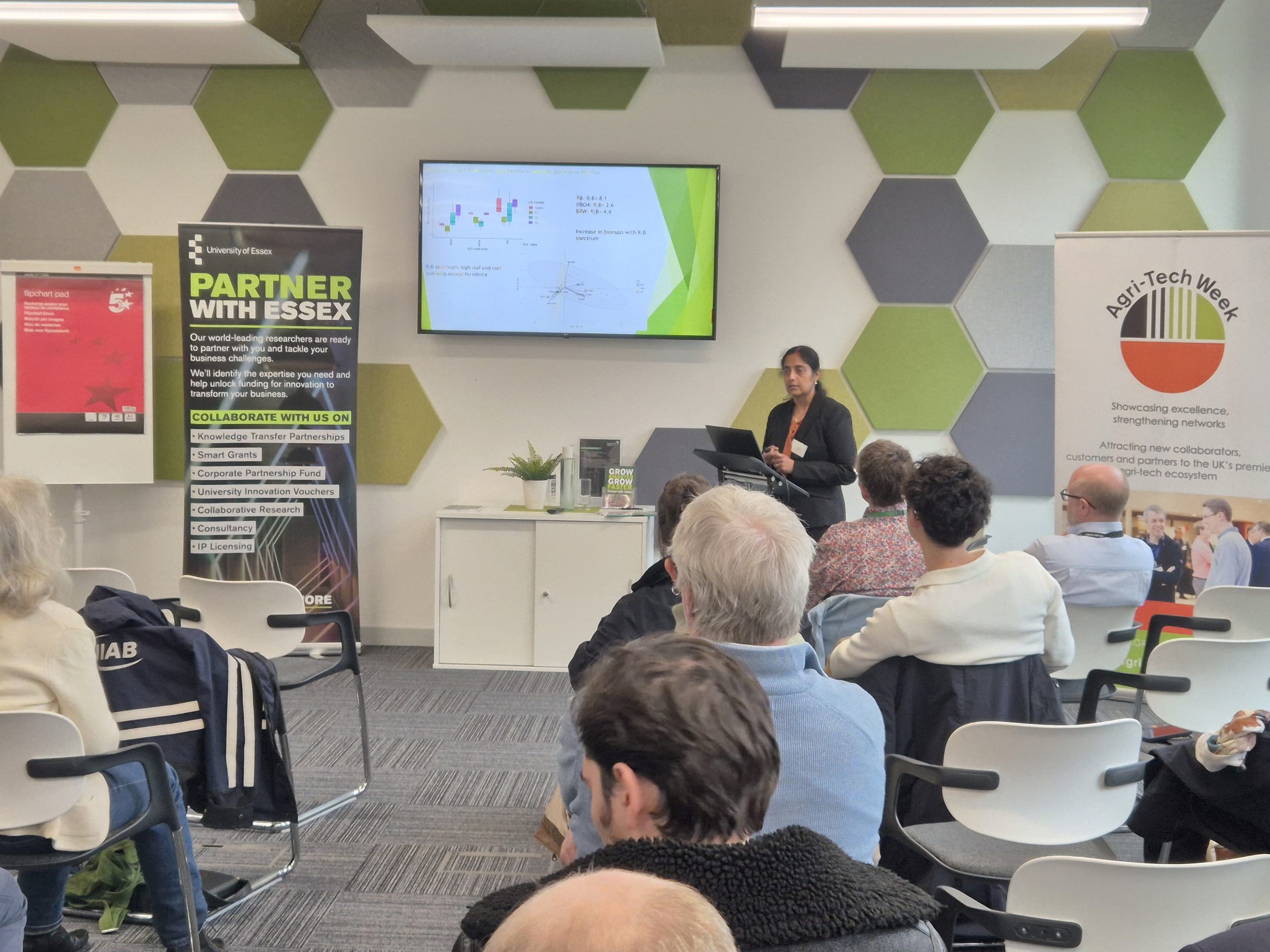
Lastly, Professor Tracy Lawson delivered a presentation overviewing the STEPS lab’s role in agricultural education and the benefits of installing a vertical farm within an educational institution.
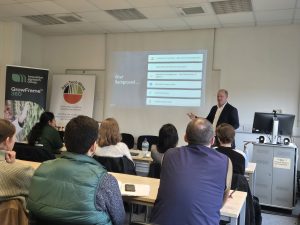
The event wrapped up with an open panel discussion and Q&A session chaired by Kate Brunswick, where the keynote speakers were joined by IAG’s Lead Plant Scientist, Dr. Deepa Haridas. This interactive session allowed attendees to ask questions, sparking discussions on the essential combination of innovation and education in agri-tech. Key themes included the importance of equipping future agri-leaders with both practical skills and theoretical knowledge to navigate an evolving industry and a changing world.

Throughout the day, attendees enjoyed multiple networking opportunities, connecting with peers and industry experts who are shaping the future of agriculture. The event underscored the value of collaborative efforts between academic institutions and industry partners like Innovation Agritech Group in bridging the skills gap and fostering sustainable food production solutions.

The event highlighted the urgent need to attract new talent to agriculture, especially as 35% of the current farming workforce is over 65. Agri-tech’s modern, tech-driven environment could be instrumental in engaging younger generations, with vertical farms and advanced technology making agriculture more appealing and accessible. Re-educating the public on the diverse, high-tech career paths now available in agri-tech such as engineering, project management, and design can help dispel outdated stereotypes about the industry.

Supporting agri-tech in education, including integrating vertical farming and Controlled Environment Agriculture (CEA) into academic programs, offers hands-on experience and exposure to cutting-edge methods. These setups allow researchers to conduct experiments more efficiently, and with government support, could become a foundational part of agricultural education. Vertical farming, while not a replacement for traditional agriculture, can complement it by supporting niche crops and advancing agricultural research.

This Agri-TechE Week event not only highlighted the critical role of agri-tech  in advancing academic research but also demonstrated how initiatives like IAG Educate and the GrowFrame360™ system are contributing to a skilled, knowledgeable, and capable future workforce. While changing perceptions around careers in agriculture requires ongoing effort, events like this highlight tangible steps to attract the next generation. By incorporating more agri-tech solutions into educational institutions, we can inspire young minds and move toward a sustainable future in agriculture.

ATW 2024: Exploring the route to net zero; what role regenerative agriculture?

Member News
The views expressed in this Member News article are the author's own and do not necessarily represent those of Agri-TechE.

Agri-TechE Week 2024 celebrates its 11th year – our largest yet, featuring nine events curated by Agri-TechE and hosted by our incredible member community. This week exemplifies innovation, collaboration, and forward-thinking in agri-tech.

Each event reflects the strength of our ecosystem, fostering vital connections between growers, researchers, and technology developers. Thank you to our members for hosting and making Agri-TechE Week possible and showcasing what our community can achieve. 

The regenerative agriculture movement has largely grown as a result of a focus on the importance of soil health to support farming system resilience. The focus has widened to include regeneration of biodiversity as well as a rediscovery of the role of biological cycles, alongside more targeted use of inputs to support high quality food production. It was therefore timely for this workshop to explore the role of regenerative farming in the UK in the context of both adaptation of food systems to climate change; and encompass the potential role of farms in the bioeconomy and the potential to achieve net zero.

Dr Lydia Smith welcomed all to Niab and the workshop; handing over to Dr Belinda Clarke (Director of Agri-TechE ) to highlight its place in the week of Agritech events across the region. Belinda noted that the event was well supported, as were all over the week. She encouraged join in discussions during part two, to identify possible next steps needed.

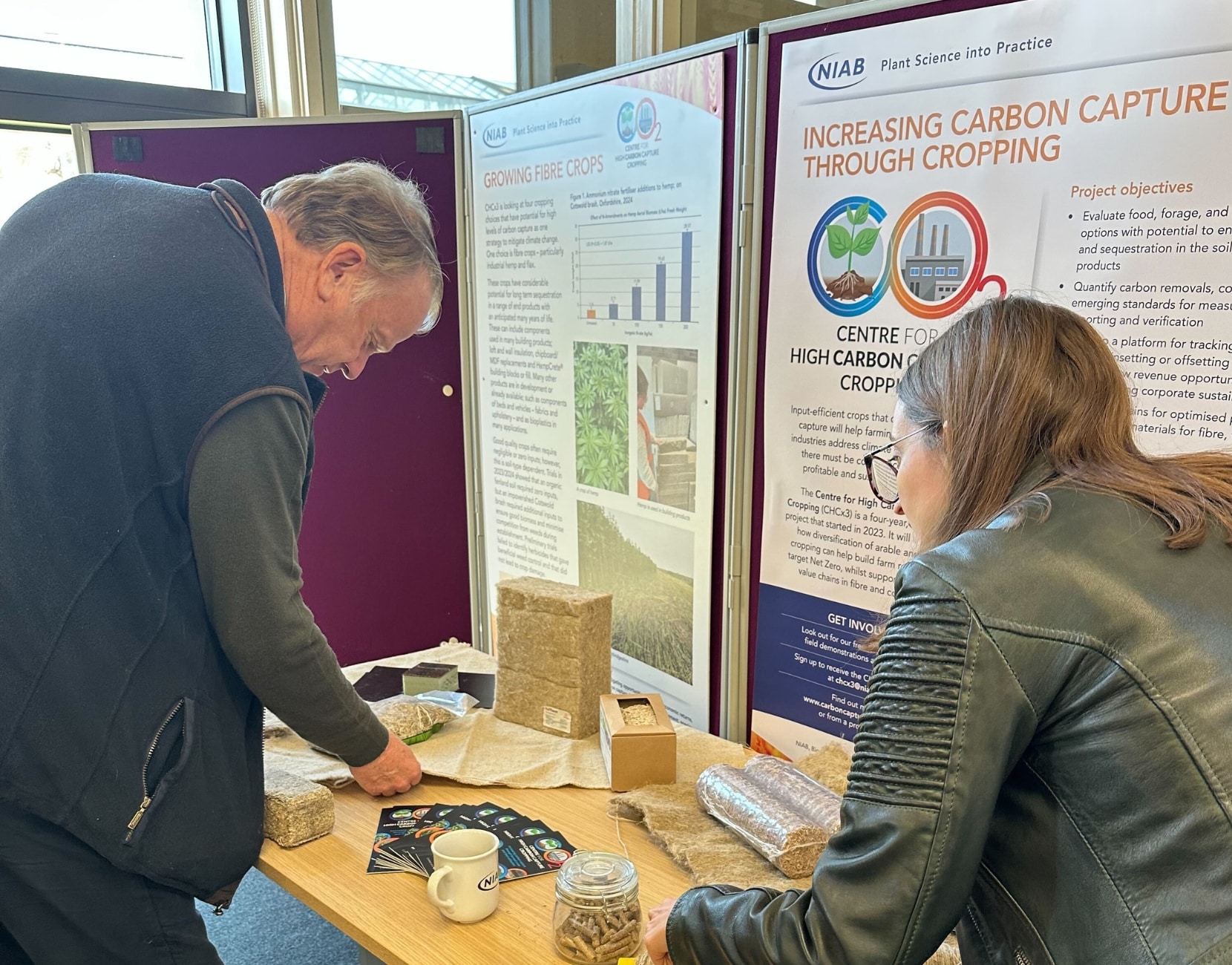
Dr Smith introduced the Centre for High Carbon Capture Cropping (CHCx3). This four-year, multi-partner project, led by Niab, aims to help UK farmers and growers target Net Zero through carbon capture and reduced emissions. Looking at building farming resilience through diversifying arable and forage cropping. It will contribute to considering revenue sources through carbon marketplaces and supporting enhanced value chains for industries such as textiles and construction.

The purpose of the day was to explore the potential for regenerative agricultural strategies that might provide a route to Net Zero.

Liz Bowles (Farm Carbon Toolkit) highlighted actions needed, both to increase soil carbon sequestration and to reduce carbon emissions on farm. She highlighted the importance for agriculture and food systems of considering all greenhouse gases (GHG, including carbon dioxide, nitrous oxide and methane). Liz summarised the evidence base for a range of regenerative farming practices and their impacts on farm finances, GHG emissions, and ecosystem services; highlighting that evidence was often patchy, but that key principles can allow farmers to make a difference. Liz highlighted some positive benefits of transition to regenerative practices but that these were site and system specific.

Andrew Ferguson (Leckford Estate, supplying Waitrose) gave an absorbing case study describing how he and his team have been using evidence from their own farming practice and its impacts to drive forwards more regenerative practices. They aim to improve farm resilience and help Waitrose meet net zero commitments, whilst providing financially viable farming. In the dry summer of 2023, they saw many benefits from using herbal leys, compared to grass leys in giving more durable forage supply. These fields with higher soil organic matter levels then gave higher cereal yields, partly due to better soil moisture retention.

Dr George Crane (Yara Growth Ventures) described the role of investment in start-ups and in venture capital funds in bringing new science and technology to the food and agriculture industry. He highlighted how investments can make new products and services available (e.g. biological soil improvers, methane-reducing feed supplements, autonomic machinery, etc). He discussed how new monitoring and verification systems would be needed to make Carbon Trading affordable and accessible. He highlighted the importance of developing clear Supply Chain Traceability e.g. products coming from regenerative farm systems for consumers.

Miha Pipan (Better Origin Ltd) described how insect farming can provide one circular approach can providing new opportunities in waste valorisation. He explained how certain waste produce can be converted into black soldier fly larvae; which can be used for feed and potentially food. He highlighted the sustainability benefits of a circular food waste system, but also considered challenges encountered in scaling up, accessing capital, and navigating very difficult legislation.

Dr Stéphanie Swarbreck (Niab) explored the role of improved nitrogen (N) use efficiency on the pathway to net zero. She described how variety selection and pre-breeding activities will support regenerative farming systems. Some new characteristics of varieties are being considered including N requirements and efficient utilisation, whilst minimising emissions of the potent GHG nitrous oxide. She also considered weed competitiveness, and crop establishment following direct drilling.

Discussions in three rotating groups then discussed knowledge gaps and economic considerations relating to the opportunities for farmers in the bioeconomy and in the potential for achieving net zero.

The new crop opportunities group discussed which alternative crops had potential, legumes (especially soy and lentil) leguminous forage species including lucerne and sainfoin; fibre crops such as hemp and flax; and perennial and mixed cropping, such as, agro-forestry, and agro-floristry systems. They considered options that consider both food and financial security of farmers, but that enable regenerative practices. The group looked at incentives to enable this and identified mainstream funding and more local focused initiatives such as Powys’s Our Food 1200 project). The group also considered that value chains, market development, and international co-operation, will help to drive these changes post-Brexit.

The arable group discussed whether crop choice could improve rotational N-use efficiency, noting that integration of legumes within the system was key. It was noted that it is important to consider the value of break crops across the whole system, rather than solely in terms of their own profitability. The group also identified other under-utilised crops/varieties, such as hard red wheats and noted that farmers (and their advisors) often lack all-important agronomic strategies needed to integrate these crops into rotations.

The forage / perennial ley group considered whether grassland can be incorporated into both livestock and arable systems. They discussed the need for focussed breeding for species in optimised forage and grass seed mixes. They considered whether heritage varieties might help in activities to breed lines with greater N-use efficiency; suggesting that knowledge from more extreme growing environments might be useful. There should be caution that success should be determined by the most appropriate metrics rather than those most easily measured.

ATW 2024: Innovations for 21st Century Challenges

Member News
The views expressed in this Member News article are the author's own and do not necessarily represent those of Agri-TechE.

Agri-TechE Week 2024 celebrates its 11th year – our largest yet, featuring nine events curated by Agri-TechE and hosted by our incredible member community. This week exemplifies innovation, collaboration, and forward-thinking in agri-tech.

Each event reflects the strength of our ecosystem, fostering vital connections between growers, researchers, and technology developers. Thank you to our members for hosting and making Agri-TechE Week possible and showcasing what our community can achieve. 

Industry representatives and researchers from the Essex Plant Innovation Centre (EPIC) at the University of Essex got together to discuss ways in which the agricultural sector can address challenges faced by growers and the wider industry.

What is the place of Controlled Environment Agriculture (CEA) in crop production?

Controlled Environment Agriculture has the potential to address issues in modern crop growing including protection from disease and pests, widening the land available to growers and water efficiency. However, it is not without challenges, not least of which is energy costs.

Jonathan Bell, Operations Manager for Stourgarden, described how his company is incorporating CEA into their operations. In conjunction with researchers at the University of Essex, Stourgarden are utilising a bespoke aeroponics facility to develop methodologies to reliably germinate and grow onions to crop size. With work funded for the next year it is hoped that CEA can produce high‑quality onions at scale for harvest or transplantation.

Dr Deepa Harridas, research scientist from Innovation Agritech Group spoke about her work on nutrient management in CEA. Dr Harridas’ work demonstrates the importance of substrate choice, watering regimes and the microbiome in maximising CEA technologies.

Professor Tracy Lawson from the University of Essex and EPIC spoke about her team’s project ‘Green Conversations’ – developing tools for real‑time monitoring of photosynthesis in CEA to maximise yield and minimise energy usage. Dr John Stamford (Vertical Future) presented on his team’s research into further ways to maximise efficiency of light usage.

Dr Mark Else, Head of Crop Science at Niab, addressed some of the challenges faced by strawberry growers. This sector depends on glasshouses for a large proportion of its crop and is therefore still reliant on natural light. Mark and his team have been working on methods to best utilise CEA tools and have shown substantial gains in yield under well managed conditions.

20241107_133653
20241107_103923

Non CEA Innovations

Work in non‑controlled environments was also presented to the audience. Karthik Ashok, a data scientist from Baker Consultants presented work from his team who carry out research on ‘eco‑acoustics’. Utilising novel machine‑learning tools the team are developing methodologies to identify how healthy a soil is from the sounds produced by the animals living in it. It is hoped that these tools will lead to an improved understanding of soil ecology.

Dr Pallavi Singh from University of Essex and EPIC spoke on her pioneering work in grafting monoctyledon plants, something historically thought not to be possible, which is opening up new possibilities in developing drought and disease resistant grain crops.

Dr Amanda Cavanagh from University of Essex and EPIC presented some early stage results from a PhD project sponsored by the British Beet Research Organisation, which aims to develop a more drought resistant sugar beet industry in the UK.

Conclusions

21st century agriculture is faced with unprecedented challenges, from climate change to labour shortages. But innovative research and the technologies it generates offer equally unprecedented opportunities to address these challenges.

ATW 2024: Soil Microbiome: exploring challenges and finding real time solutions to improve soil health

Member News
The views expressed in this Member News article are the author's own and do not necessarily represent those of Agri-TechE.

Agri-TechE Week 2024 celebrates its 11th year – our largest yet, featuring nine events curated by Agri-TechE and hosted by our incredible member community. This week exemplifies innovation, collaboration, and forward-thinking in agri-tech.

Each event reflects the strength of our ecosystem, fostering vital connections between growers, researchers, and technology developers. Thank you to our members for hosting and making Agri-TechE Week possible and showcasing what our community can achieve. 

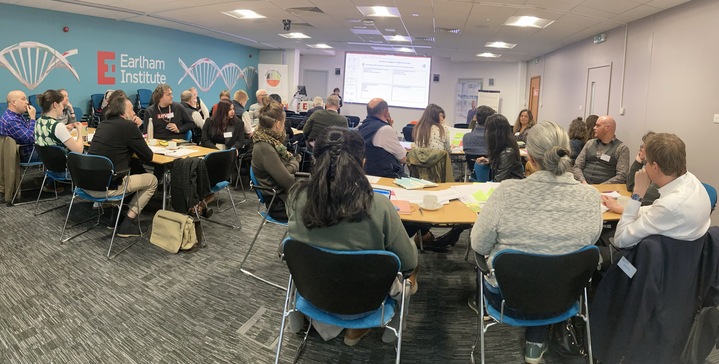
Anglia Innovation Partnership LLP (AIP) hosted a half-day workshop titled “Soil Microbiome: Exploring Challenges and Finding Real-Time Solutions to Improve Soil Health” on November 4th during Agri-TechE Week at Norwich Research Park.

The event was designed to address urgent soil health challenges, understanding soil microbiome role, considering soil health’s critical role in sustaining food production, supporting biodiversity, and mitigating climate change. Given that approximately 70% of England’s land is agricultural, effective soil management in this sector is essential.

The workshop brought together researchers, farmers, and industry professionals to explore how soil microbiome science can inform practical agricultural solutions. Research shows that the soil microbiome—the diverse community of microorganisms within soil—supports essential functions that maintain soil’s physical, chemical, and biological balance. However, modern agricultural practices and human activities have put soil health under increasing strain, emphasising the need for integrative, science-backed solutions.

The session featured plenary talks from two prominent researchers: Dr Maria C. Hernandez-Soriano, a soil chemist from the John Innes Centre, and Dr Marcela Hernandez, an environmental microbiologist and Group Leader at the University of East Anglia. They presented their research on the soil microbiome’s role in promoting soil health and resilience, underscoring the importance of incorporating microbiome science into agricultural practices. Their presentations highlighted how the soil microbiome contributes to ecological balance, crop productivity, and soil’s ability to sequester carbon, which is vital in addressing climate change.

img_4372_720
6

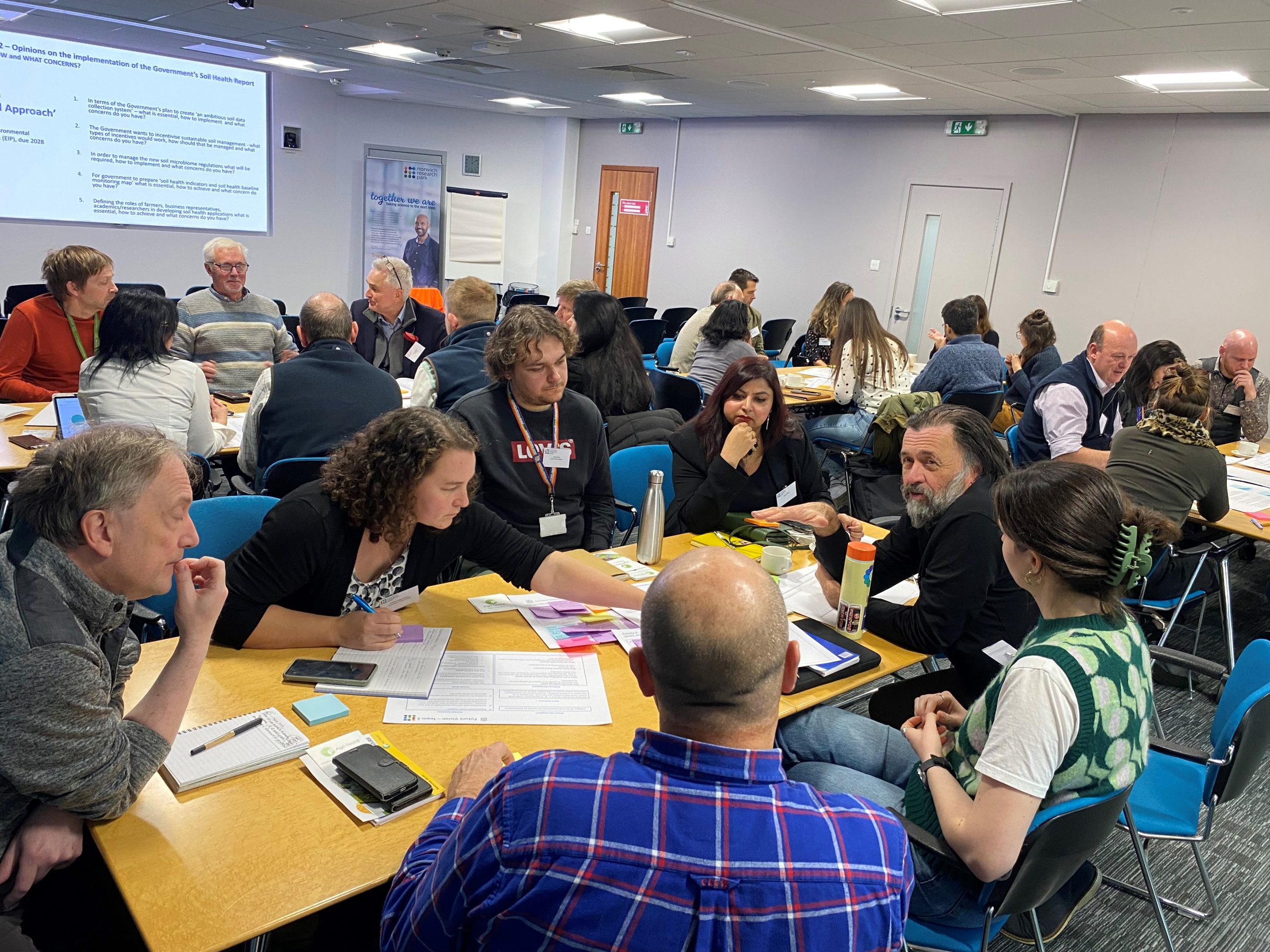
An interactive session led by Dr Monika Chhetry from AIP built on the findings from a prior Explorer Forum workshop focused on soil health. This activity connected stakeholders from academia and industry with farmers, aiming to bridge research with real-world agricultural applications.

Participants explored two promising concepts developed during the Explorer Forum that integrate microbiome data into farming practices to improve productivity, resilience, and reduce carbon footprints. This facilitated exchange of ideas from diverse perspectives provided valuable insights into the strengths and challenges of adopting microbiome-based methods in farming, addressing both the scientific and practical needs of the agricultural community.

The workshop concluded with a focused discussion on the UK Department for Environment, Food & Rural Affairs (DEFRA) Soil Health report. This segment emphasised sustainable soil management practices, the need for reliable soil data, and setting a soil health baseline to measure progress.

Attendees explored the existing gaps in translating scientific knowledge into actionable policy and practical guidelines, highlighting opportunities for integrating scientific research into regulatory frameworks and agricultural practice standards.

This collaborative event demonstrated the importance of interdisciplinary engagement in tackling soil health challenges, aligning agricultural practices with environmental and sustainability goals. By fostering an open dialogue among academic, industry, and agricultural stakeholders, the workshop generated actionable insights for integrating soil microbiome science into practical farming solutions, setting a path toward improved soil health management in England.

The outcomes of the workshop pave the way for ongoing innovation, underscoring the potential for microbiome science to revolutionise sustainable agricultural practices and enhance resilience in soil ecosystems.

ATW 2024: Surveillance and Monitoring in Plant Protection

Member News
The views expressed in this Member News article are the author's own and do not necessarily represent those of Agri-TechE.

Agri-TechE Week 2024 celebrates its 11th year – our largest yet, featuring nine events curated by Agri-TechE and hosted by our incredible member community. This week exemplifies innovation, collaboration, and forward-thinking in agri-tech.

Each event reflects the strength of our ecosystem, fostering vital connections between growers, researchers, and technology developers. Thank you to our members for hosting and making Agri-TechE Week possible and showcasing what our community can achieve. 

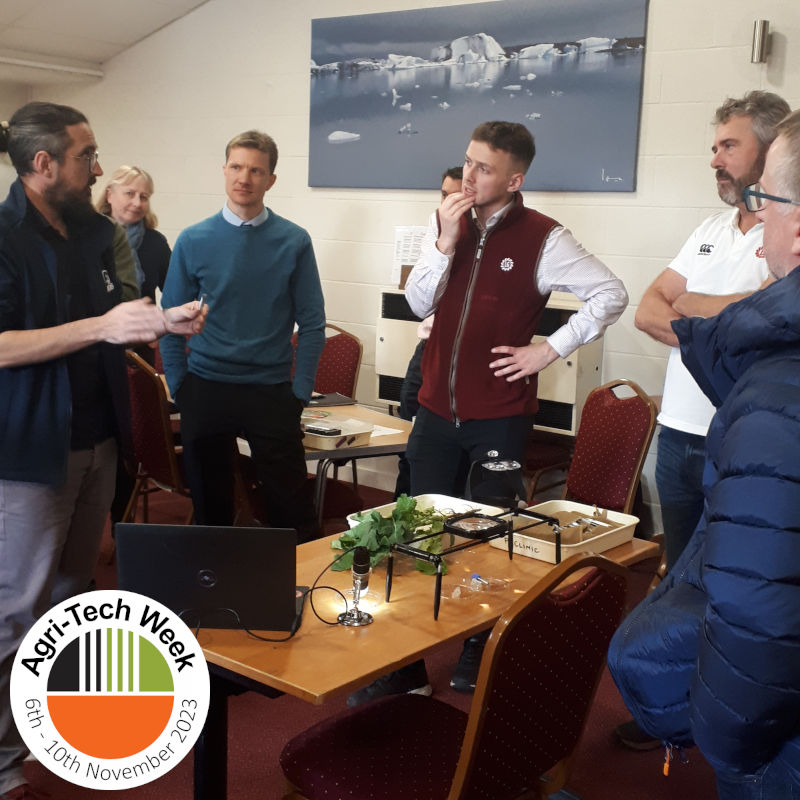
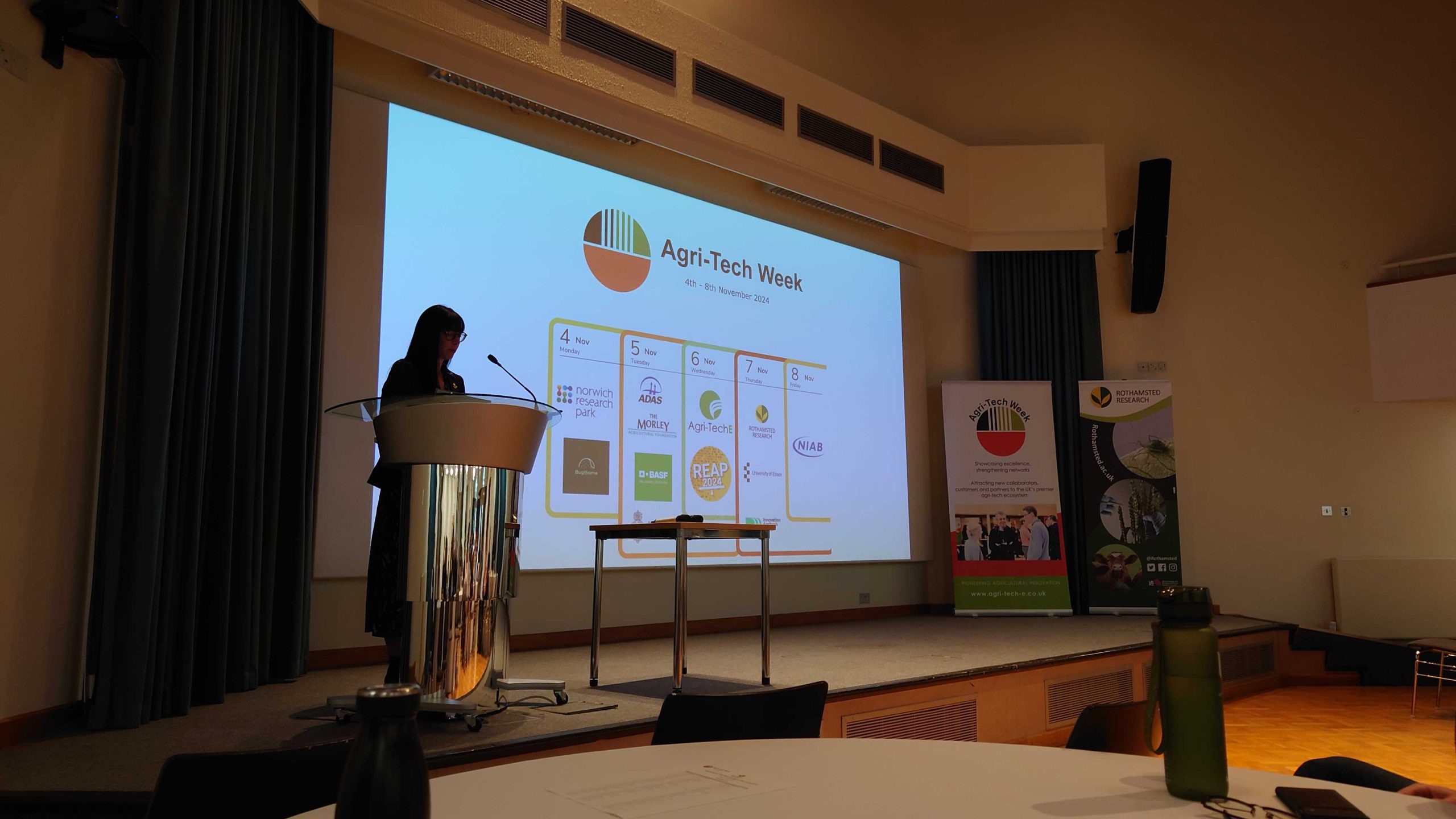
Rothamsted Research were our hosts for Thursday’s Agri-TechE Week event looking at the science behind pests, diseases and weeds. With project updates from PhDs and industry collaborations, to start-up pitches and an interactive workshop, we covered a lot in a small time!

SporSenZ, developed by Rothamsted spin-out FA-Bio uses a small, in-field device that mimics root compounds to measure the bioactive microbes in soil. As well as providing tailored insights to growers about the active microbes affecting their soil, this technology can also help us identify useful strains of fungi for biostimulants and disease control. This technology deepens our chemical understanding of soil environments and how they shape broader ecological interactions.

Professor Jon West gave a comprehensive analysis of the different crop disease surveillance and monitoring tools available – from early warning predictions to visible signs in-field. Whilst there’s no single solution, new technologies are allowing for earlier diagnostics on a much wider range of issues.

A case study of the usefulness of predictive tools showed that uncovering crop fleece just a few days later might avoid fungal infection, by detecting levels of spores in the days preceding. More frequent DNA sequencing might also help us reveal unexpected challenges – such as genetic mutations leading to new strains of disease.

Dr Dion Garrett walked us through his work with G’s Fresh to monitor pests. Rothamsted’s Insect Survey provides open data and text bulletins to growers on aphid and moth populations.

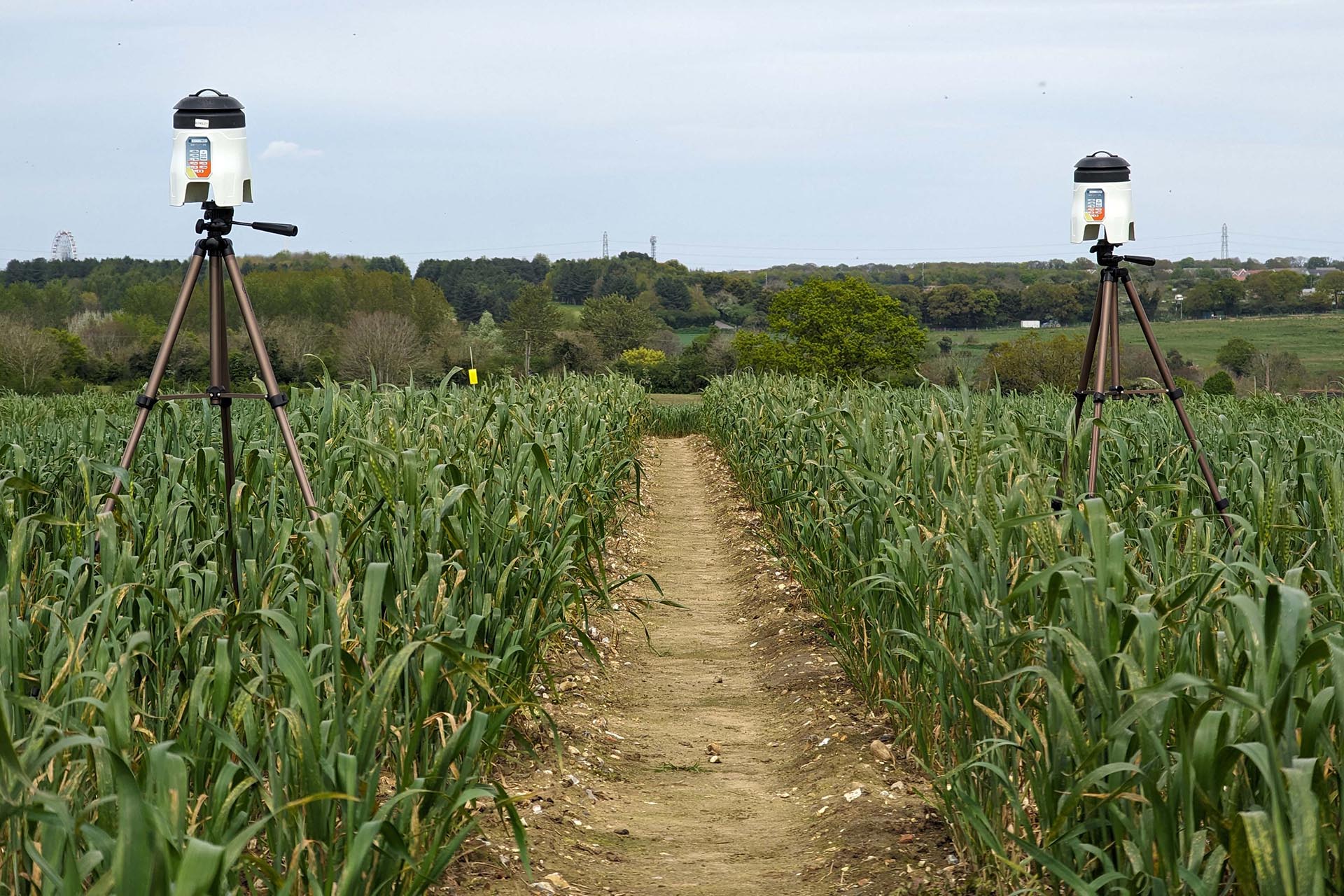
Working in collaboration with Jackie Stroud, at Warwick University, bioacoustics are being used to assess stem flea beetle load, replacing the usual destructive method of breaking crop stems. Automated pop-up suction traps (TrapView) are added into the high tech/lo-tech combination to analyse and forecast the pest situation on farm.

Looking to the future, Dr David Comont talked us through SmartSprayer – a collaboration with Bosch and BASF to enhance their One Smart Spray sprayer technology to combat blackgrass.

The project uses artificial intelligence to recognise blackgrass in four different scenarios, with the ultimate goal of enabling targeted spot-spraying of this notorious weed. The primary challenge lies in distinguishing blackgrass, a grass weed, within a grass crop – making accurate early detection difficult and complex.

While initial results show promise in identifying the weed within tramlines and during early growth stages, detection becomes significantly more challenging as crops mature, partly due to the need for accurate labelling from human annotators.


After a coffee and a good browse of the exhibition, we turned to breakout groups to discuss what innovations we wanted to see in the next 5 years to improve Integrated Pest Management. Rapid diagnostic tools and innovative commercial models for solutions both ranked highly!

Considering beneficial weeds alongside the destructive was also a key concern for our table – some weed seeds are important bird and wildlife food, while others host pests that would migrate to crops in their absense.

We wrapped up the morning with a look at AquAffirm, rapid water contaminant testing in a lateral flow sensor. The vision for agriculture applications is to detect sources of pollution and track changes in chemical levels over time to assess risk. Elements will include phosphate and nitrates as well as salinity.

Albotherm to adapt smart shading technology for commercial polytunnels with £500k Innovate UK Grant

Member News
The views expressed in this Member News article are the author's own and do not necessarily represent those of Agri-TechE.

Albotherm, an innovative AgriTech startup, is excited to announce that it has been awarded a £500,000 grant from Innovate UK to further develop its cutting-edge greenhouse technology. This latest project will focus on adapting Albotherm’s temperature-responsive additive technology to be embedded within plastic films for polytunnel applications.

The world faces the challenge of needing to increase food production by 50% by 2050, even as arable land has decreased by 30% over the last four decades. Polytunnels offer a solution due to their ability to extend growing seasons by protecting crops from frost in cooler months. However as they are prone to overheating in summer months, this can lead to potential crop losses from heat stress. This issue is especially pronounced in hotter regions where polytunnels, widely used for food and flower production, are more prevalent. While polytunnels are cost-effective and flexible, they lack the precise climate control of glasshouses and are vulnerable to extreme weather, often resulting in overheating.

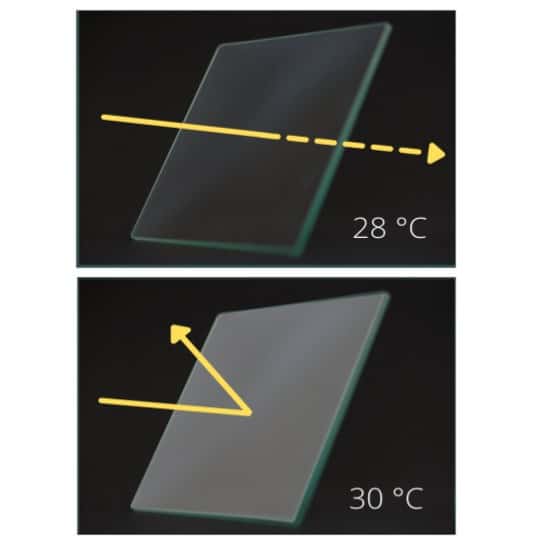
Albotherm’s temperature-sensitive additive transitions from transparent to reflective white when heated, providing essential protection for crops by reducing heat inside greenhouses. On cooler days, it automatically returns to transparent without the need for electrical input, allowing maximum light availability. Their technology has previously demonstrated up to 34% increase in crop yields compared to traditional shading methods, and they have successfully concluded trials at two major UK commercial glasshouse farms this summer. This significant advancement positions Albotherm to address the pressing challenges faced by growers, particularly in managing heat stress and optimising production across diverse agricultural environments.

The adaptation of Albotherm’s technology for in plastic greenhouses use is expected to bring substantial benefits to growers. By preventing temperature spikes that cause early ripening, the technology can extend the growing season into the off-season, where berry prices for example, are often more than double. Extending the season by just one month could provide considerable increases in crop yield and revenue annually for farmers.

As governments and individuals return to more localised food production, polytunnels have become increasingly vital to keep up with the consumer demand for variety offered by global food distribution. They enable farmers in the UK and beyond to grow crops that may not typically thrive in their local climates, enhancing resilience to extreme weather and seasonal changes. Additionally, home growers are realising the benefits of year-round food production, underscoring the relevance of Albotherm’s smart coating technology in today’s agricultural landscape.

Albotherm sees a significant business opportunity in expanding their product range to include solutions specifically designed for polytunnels. Polytunnels are widely used in commercial agriculture and make up 90% of the world’s greenhouse structures. The R&D underpinning this project, incorporating Albotherm’s unique additives into films, also opens up some significant market opportunities outside of agriculture in the commercial and residential buildings space.

As part of this project, Albotherm has partnered with Billington Farm, a prominent UK berry producer within the Berry Gardens group, to trial their innovative materials on commercial polytunnels in the form of a retrofit coating. These trials are supported by Lumiforte, who provide the specialised coating for this application, and will assess the performance of Albotherm’s temperature-responsive technology in real commercial conditions.

Molly Allington, CEO of Albotherm, commented:

“With a considerable portion of the world’s horticultural crops being grown under plastic, we aim to leverage this funding opportunity to expand our market reach across the globe, in particular into the Asia-Pacific region as the fastest growing market for agritech solutions. By tackling these new markets, we will not only enhance our product offerings but also position ourselves as a key player in the global agricultural sector, addressing the growing demand for efficient and sustainable farming solutions.”

Contact:

Molly Allington, CEO, Albotherm Ltd

mollyallington@albotherm.com

Collaboration and Research

Member News
The views expressed in this Member News article are the author's own and do not necessarily represent those of Agri-TechE.

As part of our “Back to the Future” project, we’re asking Agri-TechE members to reflect on how the agri-tech industry has evolved over the past decade and to share their vision for the next ten years. By compiling these insights, we aim to create a powerful outlook on the future of agriculture, a compelling call to arms for the industry driven by the diverse perspectives of our community.

This submission is part of the collection of reflections and predictions from our members, offering unique perspectives on the industry’s past milestones and future directions. Each contribution adds to a broader dialogue about the innovations and challenges that will shape the next decade in agri-tech.

ATW 2024: Can vertical farming help feed the world?

Member News
The views expressed in this Member News article are the author's own and do not necessarily represent those of Agri-TechE.

Agri-TechE Week 2024 celebrates its 11th year – our largest yet, featuring eleven events curated by Agri-TechE and hosted by our incredible member community. This week exemplifies innovation, collaboration, and forward-thinking in agri-tech.

Each event reflects the strength of our ecosystem, fostering vital connections between growers, researchers, and technology developers. Thank you to our members for hosting and making Agri-TechE Week possible and showcasing what our community can achieve. 

Organised by the RNAA, Fischer Farms opened their doors to a group of Norfolk farmers and advisers all eager to learn about innovative ways to grow uniform crops all year round.

Fischer Farms is a vertical farming operation that is leading the way in scalable food production to provide a more resilient and sustainable way to feed people. The organisation has a multi-channel route to market supplying mainly food service and wholesale. The facility in Norwich specialises in the production of leafy greens and aromatic herbs.

We got to see how basil, watercress and chive is grown on the site – the basil smelled and tasted particularly fresh and delicious! All three crops start off in a damp mat of rockwool, on which seeds are spread at different densities.

The group was particularly interested in learning about the different growth requirements for these crops. For example, basil and chive only need watering once a day, but watercress requires a steady stream of water. While watercress and basil are harvested once, chive on the other hand goes through several rounds of cutting.

One of the advantages of growing crops in a protected environment is that all aspects of the growing cycle can be controlled, from the day and night cycles to the temperature, airflow and water. We discovered that the water used on site, coming from either the mains or collected rainwater, is filtered to become purified and then supplemented with a bespoke concoction of nutrients required for different crops.

Leafy greens aren’t the only crops of interest to Fischer Farms. Research & Development is the focus of a second facility based in Lichfield, where trials are taking place to test growing alternative crops such as soft fruits. The R&D site is continuously looking at ways to innovate, through growing different crops – such as pharmaceuticals, trialling different growing regimes or engineering solutions for vertical growing.

Following the visit to Fischer Farms, we heard about the establishment of the Food Enterprise Park. The hub is supporting food production in Norfolk through the co-location of businesses that can add value through food processing and agri-tech solutions. Find out more about Fischer Farms and the Food Enterprise Park.

ATW 2024: Using Satellite Earth Observation to improve or streamline agricultural processes

Member News
The views expressed in this Member News article are the author's own and do not necessarily represent those of Agri-TechE.

Agri-TechE Week 2024 celebrates its 11th year – our largest yet, featuring eleven events curated by Agri-TechE and hosted by our incredible member community. This week exemplifies innovation, collaboration, and forward-thinking in agri-tech.

Each event reflects the strength of our ecosystem, fostering vital connections between growers, researchers, and technology developers. Thank you to our members for hosting and making Agri-TechE Week possible and showcasing what our community can achieve. Here’s a look at today’s event!

Satellite Earth observation is transforming agriculture by optimising farming practices, improving crop yield predictions, and supporting sustainable land management. During this online Agri-TechE Week event delivered by ADAS, three experts showcased how satellite data is streamlining agricultural processes, from improving harvest predictions to monitoring land use.

Untitled design (42)
Untitled design (41)

Ben Hockridge: PeaSat Project and Vining Pea Yield Prediction

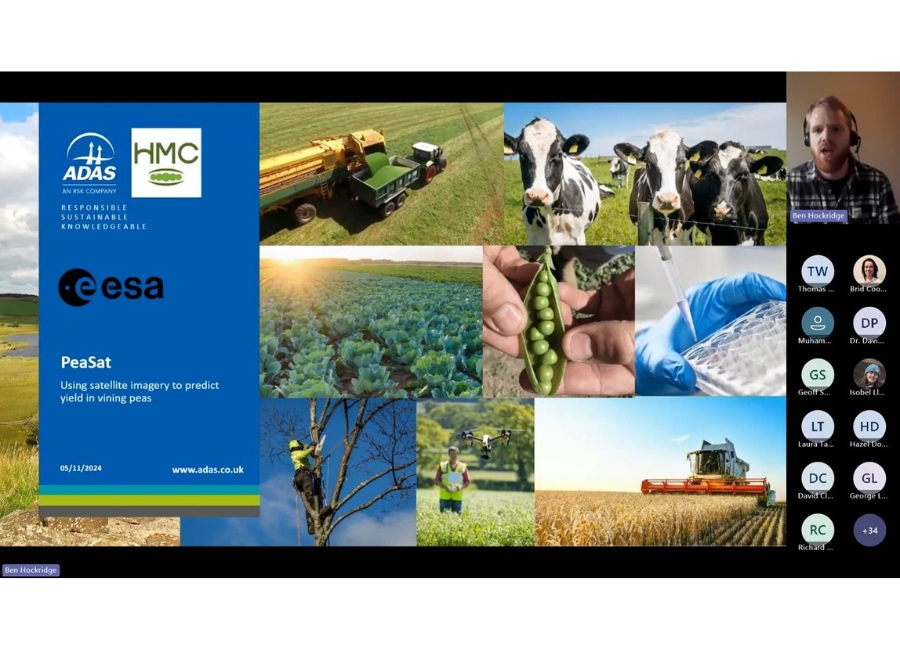
Ben Hockridge from ADAS presented the PeaSat project, a European Space Agency-funded initiative aimed at improving vining pea harvest management.

Vining peas have a narrow harvest window, often causing growers to bypass around 7% of their crops.

Using satellite imagery, weather data, and machine learning, the project developed models to predict yields with greater accuracy. The best model achieved an R-squared of 0.71, and future plans include refining these models and developing a user interface to improve communication between growers and processors.

Andy Shaw: making remote sensing practical for farmers

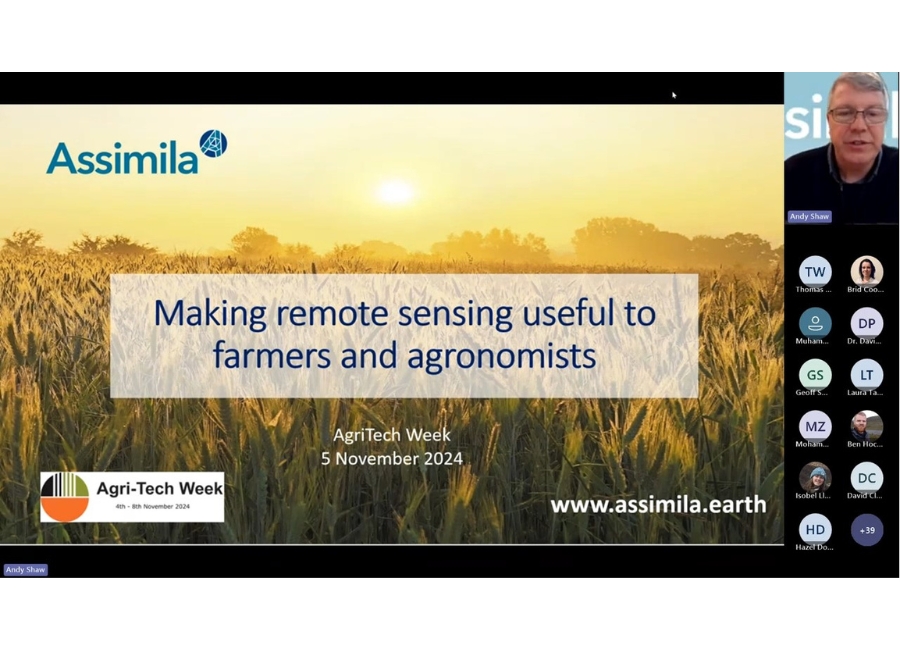
Andy Shaw from Assimila highlighted how remote sensing and satellite imagery can address challenges like carbon management and sustainable farming. He discussed their work using satellite data, soil information, and crop models to improve nitrogen use efficiency.

By optimising fertiliser application, farmers can reduce costs and environmental impacts. He stressed the importance of making these insights actionable and accessible, using data integration to guide better decision-making in the field.

Dr Geoff Smith: EU Grassland Watch and grassland monitoring

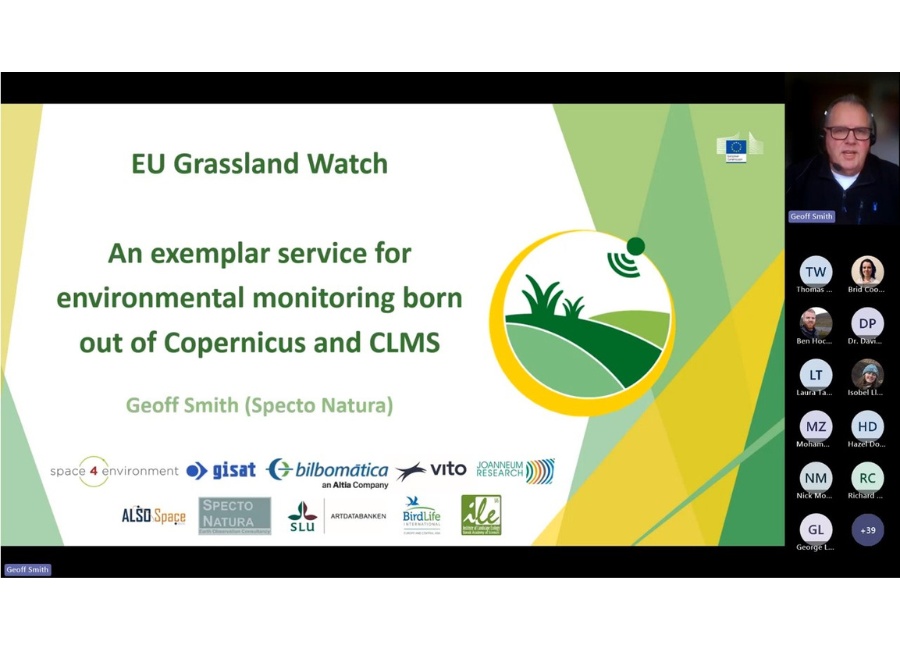
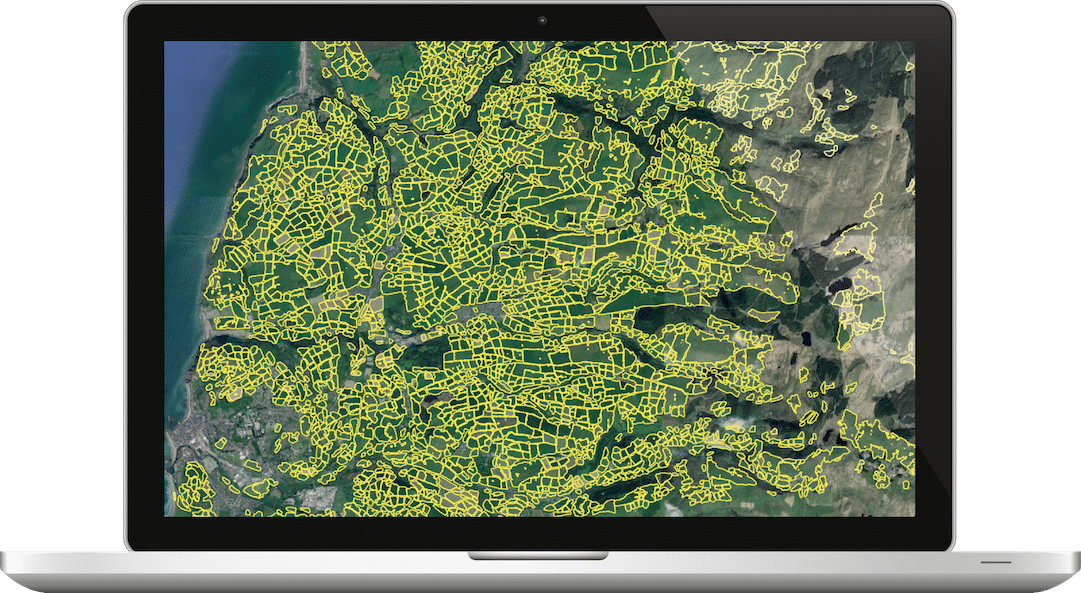
Geoff from Spectro Natura introduced the EU Grassland Watch project, which uses satellite data to monitor grasslands in protected Natura 2000 sites. By tracking grassland conditions over time, the initiative helps assess the health of these areas and track environmental changes.

The project combines satellite imagery with geospatial data and digital models to provide users with detailed, real-time insights into grassland management practices. The service is designed to be accessible to users with limited remote sensing expertise.

Untitled design (40)
ATW ADAS online Assimila

Q&A  and final remarks

During the Q&A session, presenters discussed project timelines and data availability.

Andy Shaw noted that their nitrogen use efficiency project is in its second year, with opportunities for farmers to participate in trials. The rapid advancement of satellite technology, especially since the launch of Sentinel satellites in 2014, was also highlighted.

These developments have greatly expanded the capabilities of Earth observation, making satellite data more accessible and valuable for precision farming.

Is regenerative farming the way to Net Zero?

Member News
The views expressed in this Member News article are the author's own and do not necessarily represent those of Agri-TechE.

“One season’s seeds, seven years of weeds” – is an old saying but well observed. The benefits of a soil-first strategy, to build up fertility and resilience of soils, is widely accepted but a full transition to regenerative farming still carries many unknowns, Rachel Holdsworth reports.

The last event of Agri-TechE Week 2024  was a meeting at Niab hosted by the Centre for High Carbon Capture Cropping (CHCx3) titled: “Can regenerative farming get us closer to Net Zero”. The need for monitoring and sensing technologies was stressed by many speakers and also a more objective evaluation of its merits.

Is Net Zero achievable?

Many regenerative farms are moving towards ‘Carbon Neutral’ where a balance is struck between emissions produced and carbon sequestered. However, Net Zero requires a further step, if emissions are not reduced then additional amounts of carbon need to be stored each season.

Work by FCT has demonstrated that raising soil organic matter levels by just 0.1% (e.g. 4.2% to 4.3%) per hectare can sequester approximately 8.9 tonnes of CO2e per year (at 1.4 g/cm3 bulk density). This is an extraordinary figure; in practice that is not only possible but being exceeded by farmers and growers building healthy soils.  However, as Liz Bowles CEO of Farm Carbon Toolkit explained, as soil health improves it will become saturated and reach a plateau where no further carbon will be absorbed.

Thus, the importance of creating a baseline so that the impact of interventions and rotations on the soil can be monitored and better understood, becomes vital to inform decision-making.

Soil is not the only channel for Net Zero, carbon can also be stored in perennial crops and emissions produced on farm, reduced by substituting fossil fuels used for agrochemicals and fuel for those from renewable sources.

The challenge for those wishing to monetarise carbon is where the tipping point comes, at what point does the carbon capture exceed the farm’s own production?

Liz commented that her preferred ambition would be to promote ‘farming for a positive climate outcome’ and to stress instead the benefits that can be achieved by regenerative farming – resilience to drought and floods, greater biodiversity, cleaner water.

Earlier adopters pioneering the way

There are many evangelical regenerative farmers, and Andrew Ferguson. General Manager of the Leckford Estate (John Lewis Partnership) is one. He described the ‘Farming for Nature’ programme which is supporting 150 of the farms that supply Waitrose with the knowledge needed to de-risk the transition.

The farm has introduced EMI scanning of the fields to determine variability and develop a baseline for monitoring interventions. Andrew stresses that definitive measurement is not possible but by being consistent – ensuring samples are taken at the same points in the same way – then relative change can be determined.

The major change over the last 5 years, has been to create a consistent rotation and process across the farm and develop a patchwork of fields that is good for wildlife year around. He has introduced companion cropping, new types of cash crops and enhanced diversity through poly cropping. His experiences and learning points are then shared by the group.

A cattleman at heart, a big concern had been the use of silage during the summer when water shortage killed the grass. He comments that a big improvement has been made by switch to herbal lays which provide green stuff well into summer and also a habitat for wildlife.

The farm also uses methane capture, harvesting sufficient gas from 450 cattle to fuel four tractors.

Andrew sees regenerative farming as a system – not a series of practices – as the value of the sum is greater than the parts. He gives the example of how healthy soils improve water retention quoting a difference of 6.5 tonnes per hectare yield of spring barley on unimproved soils, compared to 10.5 tonnes on those of the same soil type where regenerative practices had been introduced.

He stressed that accurate carbon data is crucial to quantify sequestration and that although SFI payments are generous that their approach made sense even without them. “We are better than carbon neutral, but not yet Net Zero as we haven’t reduced our emissions.”

Lastly, he referred to the behaviour-gap where consumers buying behaviour is different to their expressed intentions. “This is where Waitrose has stepped up to drive the industry forward.”

Will the city drive change?

Dr George Crane, Investment Manager for Yara Growth Ventures, which makes $25m investments each year into agri-tech and green hydrogen developments, was also cynical about consumer demand driving change.

He sees instead that the city is embracing climate finance and ESG reporting, and this is will in time reward companies that are respectful of the environment, resilient to climate change, and reducing emissions at a field or farm level.

Although agri-tech will be needed, he stressed that innovations need to have an intent that resonates with the value chain not just funding calls. “Someone must be prepared to pay for it so it must deliver value in productivity or profitability.”

He comments that publications have a bias towards positive outcomes of regenerative processes but that more objective assessments are needed to prevent unintended consequences. This is where MRC (monitoring, reporting, verification) technologies are needed to measure net value.

Going circular needs legislation to keep up

The circular economy could also provide multiple benefits, with Miha Piapan CSO of Better Origin explaining that food waste, not suitable for human consumption, has potential to be transformed by insects, such as black soldier flies, into a source of protein for animals and humans.

However, the legislation brought in after the ‘mad cow’ BSE outbreak has restricted this development. As insects are ‘farmed animals’ food waste is not a legal feed stock. Additionally, the costs of production are still too high for insect protein to compete with Soy as an animal feed.

He argued that the following measures are needed to accelerate growth of the insect economy:

• Policy over food waste needs to change – to enable growth and investment into the sector
• Greater access to scaling capital – agri-tech start-ups face a ‘second chasm’ to build the infrastructure required for pilots and to de-risk the technology – this has become harder to achieve over recent years.
• Incentives for ‘Net Zero’ such as carbon credits to become regulated to build confidence and drive adoption


Workshop – future direction

The workshop finished with an interaction session to capture the high calibre knowledge in the room.

The need to collate an evidence-base to support a move to regenerative farming was discussed further.

With warns that there is potential for unintended consequences including:

• Build-up of weed burden in soils
• Overwintering of pests in cover crops containing wild relatives of crop plants
• Introduction of alien plant species through bird mixtures and wildflower strips
• Build-up of soil pathogens such as wire worm
• Long-term consequences of direct drilling

The opportunity to change to novel crops, or older crop varieties that had fallen out of favour, was discussed with particular reference to:

• Legumes – Pulses, lentils, soy, sainfoin
• Fibres – hemp and flax
• Novel crops – cranberries and agro-floristry
• Perennial crops – such as kernza wheat

Niab has conducted a lot of research in this area and has identified which have greatest potential when taking into account the need for breeding to produce varieties of crop suitable for the UK climate, soils and cultivation and the need for knowledge of opportunities for market substitution and the infrastructure requirements.

Lastly, Dr Lydia Smith of Niab touched on the need to look beyond our shores and gain expertise from other geographic areas and the potential for pan-country value chains.

Further resources and knowledge will be shared on the knowledge hub, and she urged delegates to register ahead of its launch. www.carboncapturecropping.com

  • *I have permission from the copyright holder to publish this content and images.

Improving Yields whilst Killing Pathogens

Member News
The views expressed in this Member News article are the author's own and do not necessarily represent those of Agri-TechE.

As part of our “Back to the Future” project, we’re asking Agri-TechE members to reflect on how the agri-tech industry has evolved over the past decade and to share their vision for the next ten years. By compiling these insights, we aim to create a powerful outlook on the future of agriculture, a compelling call to arms for the industry driven by the diverse perspectives of our community.

This submission is part of the collection of reflections and predictions from our members, offering unique perspectives on the industry’s past milestones and future directions. Each contribution adds to a broader dialogue about the innovations and challenges that will shape the next decade in agri-tech.

SRUC Inverness Rural & Veterinary Innovation Centre Passes the 6 Month Milestone

Member News
The views expressed in this Member News article are the author's own and do not necessarily represent those of Agri-TechE.


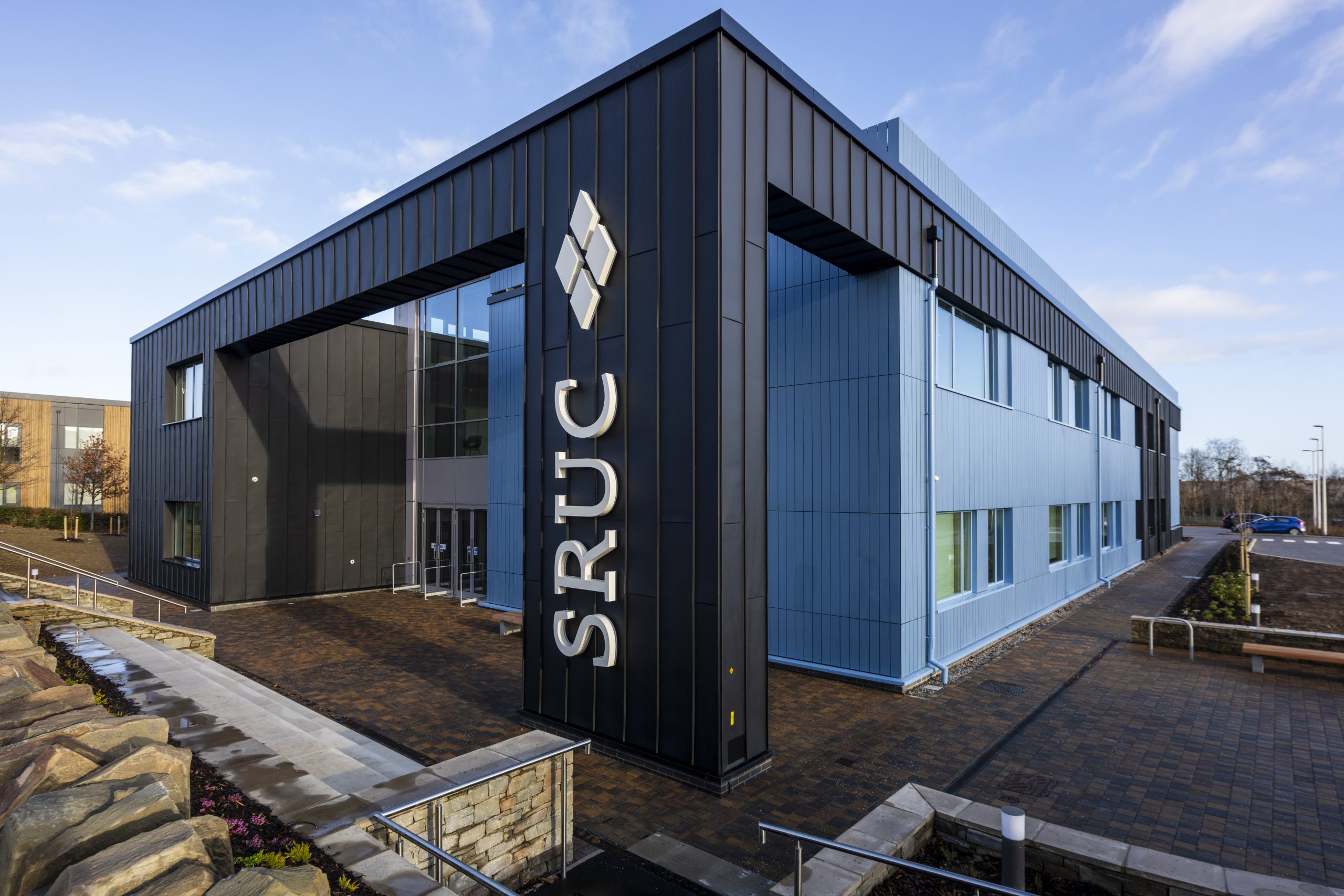
Opened in 2024 by HRH The Princess Royal, the Rural and Veterinary Innovation Centre (RAVIC) Inverness is SRUC’s new £12.5m facility developing new links between science and industry to tackle global challenges in animal and human health, climate change, and food security.

RAVIC is an SRUC flagship initiative at the interface of farming, aquaculture, animal and human health, creating opportunities for collaborative entrepreneurship, commercial development and education.

The centre will provide critical expertise and infrastructure to better manage challenges including antimicrobial resistance, zoonoses, and the effects of climate change through applied research, innovation, education, and consultancy.

In its first six months RAVIC has emerged as a dynamic hub for pioneering research and innovation, actively supporting over 100 businesses – from major multinational companies to family farms, SMEs, and entrepreneurs.

RAVIC’s Head of Business Development, Dr Adam Giangreco says:

‘By advancing sustainable farming practices, enhancing animal health and welfare, and driving economic growth, RAVIC is laying the groundwork for a more resilient future. Looking ahead, the Centre’s commitment to fostering collaboration and innovation will be crucial in shaping the future of rural development.

Most importantly, we must maintain a laser-sharp focus on impact.  Whether that’s by providing space, collaborative expertise, learning opportunities or specialist infrastructure, every activity should be directed towards delivering meaningful and measurable outcomes that benefit the region’s people, businesses, and environment.’

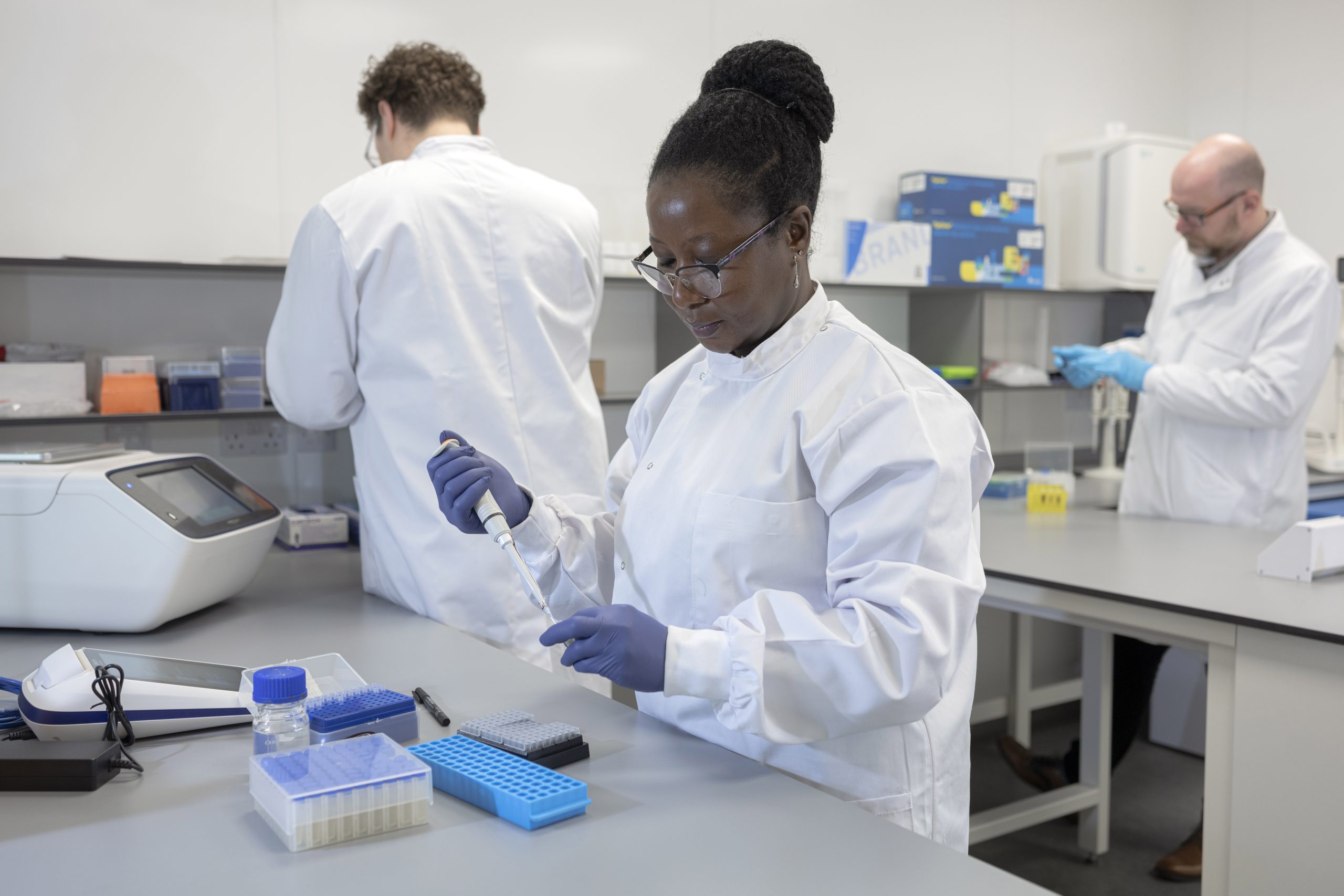
The 1750m2 RAVIC facility has office space, state-of-the-art laboratories and 55 seat  lecture theatre.  It offers long-term tenancies in bespoke 25m2 units. Hot desking facilities and newly launched ‘virtual memberships’ for users who require only intermittent access.

RAVIC can connect people or companies to SRUC’s nationwide network of consultants, vets, and academics across our 7 campuses and 24 consulting offices, or link businesses directly with each other when that’s what is needed.

Over the next 12 months, RAVIC hopes to expand its network of supported businesses and successful projects. Businesses, entrepreneurs, and researchers are being urged  to join its mission to create innovative solutions that not only benefit our natural economy but also help shape a resilient, more sustainable future for all.

You can read our brochure here


JHP_7250
JHP_7468