Patenting, Trademarks, Copyright, Trade Secrets...
In the next installment of our micro-learning series, we’ll explore potential legal solutions to help you keep your ideas safe and sound.

Soil sampling vs soil station data

Member News
The views expressed in this Member News article are the author's own and do not necessarily represent those of Agri-TechE.

Soil analysis is a valuable tool in agriculture for selecting suitable crops, assessing soil fertility, and providing fertiliser recommendations. To obtain reliable information, it is necessary to take representative soil samples and analyze the soil using methods calibrated with fertiliser trials in the respective region. On the other hand, it has long been observed by several researchers that, under sufficient soil moisture conditions, soil electrical conductivity (EC) describes plant growth conditions well or even better than soil analyses. However, correlations between EC and nutrient levels found in soil analyses have been inconsistent.

Macronutrients in soil

The main macronutrients in soil, which are determined through analyses, include nitrogen (N), phosphorus (P), and potassium (K), which are required in large quantities by plants. Secondary macronutrients like calcium (Ca), magnesium (Mg), and sulfur (S) are also important, but deficiencies and the need for their addition are less common in crop cultivation. Typically, soil analyses are conducted in early spring, when the level of nitrate (NO3), the most crucial plant-available form of nitrogen, is low in the soil. The total nutrient content in soil is much greater than the portion available to plants. For instance, potassium makes up approximately 1% of the world’s soils (as referenced in Soil Chemistry by H.L. Bohm, B.L. McNeal, and G.A. O’Connor, John Wiley & Sons, 2001), but the plant-available fraction in soil tests is around 100-200 mg/kg, which is only 1-2% of the total K content.

Soil sampling: how and what is measured

The same principle applies to all plant nutrients. Therefore, laboratory methods have been developed to specifically determine the plant-available nutrients, and these methods are validated through fertilisation trials. In Europe alone, 12 different soil analysis methodologies are used, employing various extraction solutions, meaning that results obtained from different laboratories are not directly comparable. During these analyses, a specific amount of extraction solution (e.g., Mehlich 3, AL, DL) is added to the soil, shaken for a set period, and the nutrients extracted into the solution are measured. Standard spring soil analyses (required every 5 years) typically measure K, P, as well as Mg and Ca content in mg/kg.

The role of electrical conductivity in soil data

Plant nutrition occurs through the water present in the soil, where nutrients are dissolved. This is the medium from which plants directly absorb nutrients through their roots. Dissolved ions in soil water cause electrical conductivity, and the total amount of ions can be universally estimated by measuring the electrical conductivity of a saturated soil extract, which is the Paul-Tech nutrient indicator. Phosphorus is usually strongly bound to soil particles in a non-water-soluble form, so its movement is not reflected in electrical conductivity. Key cations like K+, Mg++, and Ca++ are more or less bound to the soil structure (negatively charged colloid particles) through the cation exchange capacity (CEC) phenomenon.

Whether or not these exchangeable cations dissolve in soil water or sit on exchange sites, depends on many factors, particularly soil texture (the clay content, which determines the CEC value), organic matter content, temperature, soil moisture, and more. For example, it is known that K+ ions bind relatively quickly and strongly to soil particles, and this process is also influenced by winter freezing-thawing cycles, which is reflected in Paul-Tech’s nutrient value. The strength of cation binding to the soil matrix determines their leaching potential; for example, soils with higher clay and/or humus content (higher CEC) have little risk of K leaching, whereas sandy soils (low CEC) are at higher risk.

In traditional soil analyses, the total pool of potentially plant-available nutrients is determined using extraction solutions, whereas the Paul-Tech system measures in real time the sum of nutrients currently available to plants in the soil solution.

Summary:

  • The total nutrient content in soil is 10 to 100 times greater than the portion that is plant-available (the part that influences plant growth).
  • In soil laboratory analyses, nutrients are extracted from the soil using different extraction solutions, and it is unclear, and may vary over time, how much of the nutrients obtained in these analyses (the total soil nutrient content) are currently available to plants. The analysis methods are calibrated with fertilisation trials and are specific to the local context.
  • Plant nutrition occurs through the soil water solution. Measuring electrical conductivity and calculating nutrients from this in the Paul-Tech system describes the real situation in the soil water near the root zone (and not the extraction solution) in real time.
  • For long-term soil fertility management, the laboratory analyzes using extractant solution is essential as it shows the total nutrient reserve, even those not immediately available.
  • *I have permission from the copyright holder to publish this content and images.

Introducing ActivatedAir™

Member News
The views expressed in this Member News article are the author's own and do not necessarily represent those of Agri-TechE.

Zayndu recently produced a video explaining its groundbreaking ActivatedAirTM seed priming technology, which we wanted to share to help growers understand its benefits.

Shot on location at its UK headquarters at the Advanced Technology Innovation Centre in Loughborough, the video features members of the Zayndu team discussing every aspect of ActivatedAirTM.

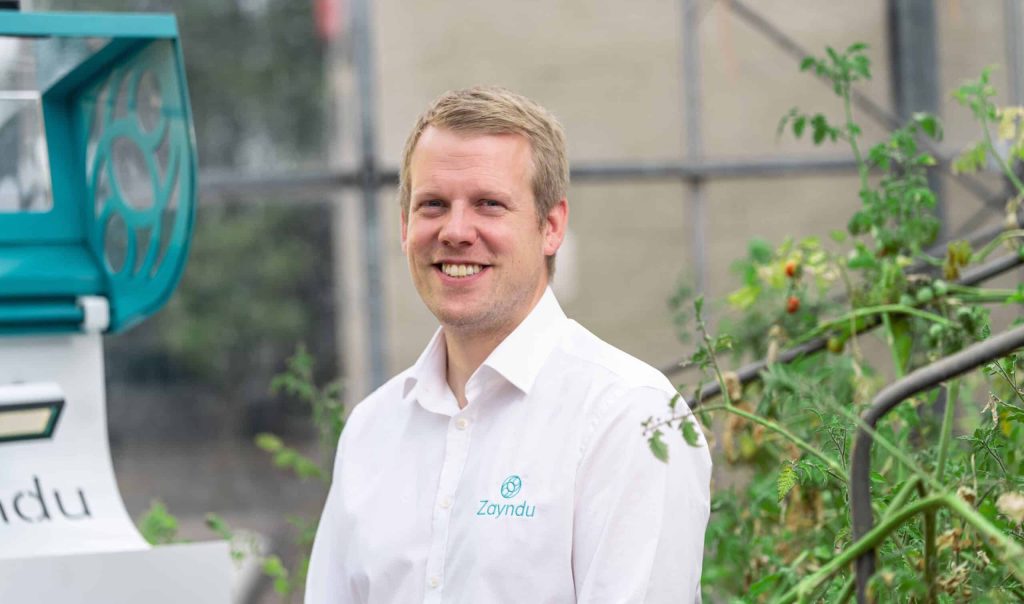
Zayndu CEO Ralph Weir introduces ActivatedAirTM by saying it helps produce bigger, stronger and healthier plants without artificial chemicals by encouraging the seed to utilise its resources better.

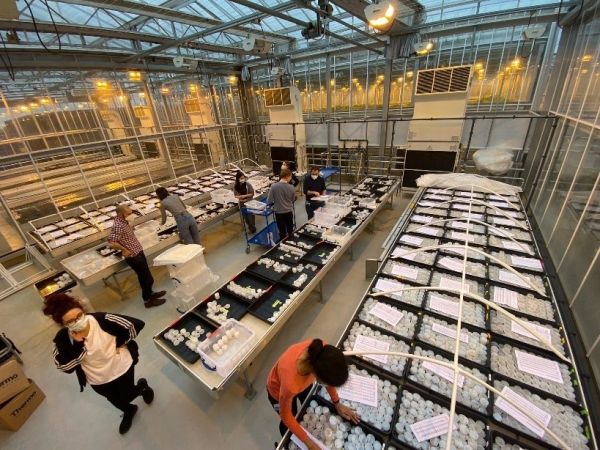
At the heart of the Z-Series plasma seed treatment machine is a plasma generator using high-voltage electricity to expose seeds to an environment similar to a lightning strike, said James Seaman, director of engineering at Zayndu.

One of the key features of the machine is its simple user interface. 

“We don’t want our customers spending lots of time upskilling and training their operators. We want the machines to be used out of the box with minimal skill required,” said James.

The plasma treatment removes the external waxes on the seed surface, increasing the water permeability of the seeds and enabling them to absorb water more efficiently, explained Dr Alberto Campanaro, head of plant science at Zayndu.

This produces faster germination, which, so far, Zayndu’s plant science team has tested around 130 varieties spanning 50 plant species.

“Generally speaking, what we see in terms of yield increase from using the ActivatedAirTM technology is somewhere in the region of 20%, up to 30%,” Alberto added.

What does this mean for a grower in practical terms?

“Vertical farmers find ActivatedAirTM particularly attractive because of the decreased (crop) cycle time,” said Nathanael Dannenberg, sales manager at Zayndu. “It means their crop under lights for less time, which makes their operational costs lower per cycle.”

Similarly, greenhouse growers can increase output by running more crop cycles per year, maximising their growing space, continued Nathanael.

In conclusion, Ralph added that ActivatedAirTM enables growers to lower their cost of production, increase their output, and deliver better crops without using artificial chemicals.

“It’s a very exciting proposition for a grower.”

Contact the Zayndu team via LinkedIn or the Zayndu website to learn more.

January 2025 Business Update: Deliverables from Ceres Research

Member News
The views expressed in this Member News article are the author's own and do not necessarily represent those of Agri-TechE.

Since Dr Alex Setchfield and Dr Danni Roche joined in October 2024, the Ceres Research team has been able to meet the growing demand for independent agricultural research and knowledge exchange within the sector. In our first business update, we bring you the latest activities and deliverables from Ceres Research.  

Deliverables: 

  • Research and Development: Collaborative partnerships and expert project management, including developing a circular economy-based R&D project linking arable and poultry farming, with multiple stakeholders. 
  • Analysis and Review: Comprehensive impact analyses and market studies to detailed policy reviews and strategic consultancy, such as a bi-annual farming update being prepared for institutional landowners to send out to tenants. 
  • Industry Intelligence: Targeted farmer surveys, focus groups and practical field-based analysis, including a farmer survey understanding nature recovery and floodplain management on-farm, and breaking news on the first instance of glyphosate resistance in Italian ryegrass in the UK. 
  • Technical Training and Events: Training programmes, engaging events, and expert-led presentations, including farm cluster event organisation and a technical review of harvest 2024 (more detail below). 

Ceres Research Technical Event
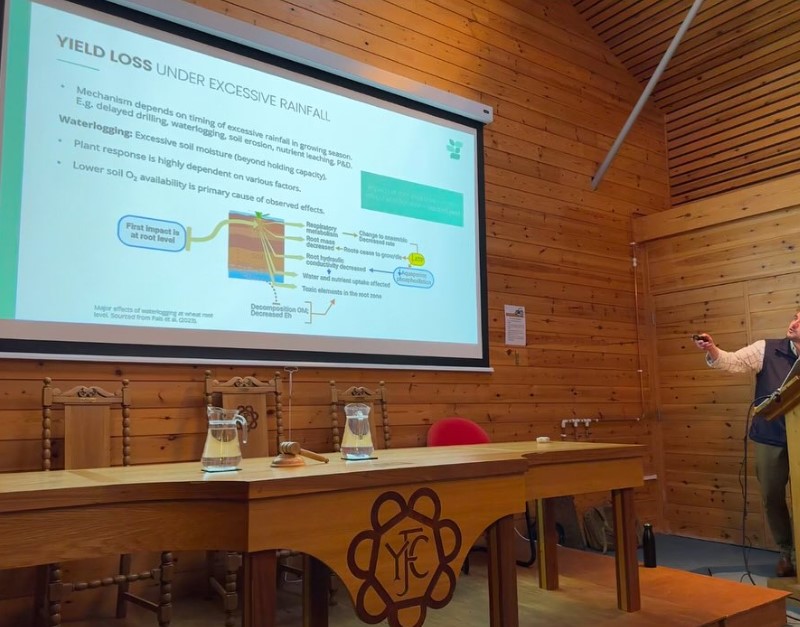
The first technical event was held at the end of 2024 at the Young Farmers Club in Essex. The event provided a deep dive into what had worked and what hadn’t during harvest 2024. We also explored what can be done to improve productivity in the face of climate change moving into harvest 2025 and beyond. You can read the full article from this event, with the resources attached, here: Reflect and Project: A Harvest 2024 Review – Ceres Research. 

Corporate Memberships 

Ceres Research is delighted to have joined Agri-TechE  and UK Agri-TechE Centre as a corporate member in 2024, bringing together organisations across agriculture, technology and science. This membership will help Ceres Research to connect with industry pioneers and cutting-edge technology developers to expand our data-driven insights and actionable solutions on farm. We will continue to provide updates on future projects that result from these valuable connections. 

Sector Engagement and Knowledge Exchange 

Amongst many of the critical conferences attended late last year and early this month (such as the Institute of Agricultural Management, British Crop Protection Council Diseases Review, CLA East Roadshow the Oxford Farming Conference and the AICC Industry Day), Ceres Research was also delighted to be invited to sponsor the British Society of Soil Science Early Career members event in Cardiff, focused on careers in the soil-related industry in December 2024. Dr Danni Roche also presented some of her work on biostimulants and their potential impacts on soil health at the AHDB Agronomy Conference. The full conference was recorded and is available here. 

We are looking forward to the year ahead, especially harnessing the skills and expertise of our newly formed team as we continue to advance research and knowledge exchange in the agricultural sector. 

If you come across something interesting you hear from us or have a collaboration idea, let us know! We’d love to continue maximising our opportunities through Agri-TechE .

  • *I have permission from the copyright holder to publish this content and images.

Bayer and Ecospray Reach Distribution Agreement for New Garlic-Sourced Biological Crop Protection Product

Member News
The views expressed in this Member News article are the author's own and do not necessarily represent those of Agri-TechE.

Bayer to distribute Ecospray’s new liquid nematicide with their exclusive brand, Velsinum™, across Europe, the Middle East, and parts of Africa starting in 2026 / Velsinum will increase access to biological alternatives for vegetable and potato operations in the European Union

Velsinum will increase access to biological alternatives for vegetable and potato operations.

Bayer today announced that the company has signed a new exclusive distribution agreement with UK-based Ecospray to market a biological liquid nematicide sourced from garlic. The product presents a biological alternative to traditional synthetic chemical nematicides in vegetable and potato crops, and will be marketed in the European Union under the new name Velsinum™.

“Farmers in the EU are in desperate need of new, effective solutions against pests for their high-value vegetable crops,” said Jens Hartmann, Regional Head for Europe, Middle East, and Africa (EMEA) at Bayer’s Crop Science Division. “Velsinum will be a welcome addition into Bayer’s trusted portfolio of biological solutions and technologies supported by innovations like Velum, BioAct, Nematool and Terra MG.”

Nematodes cause over 75 billion euros worth of damage to crops globally each year with all crops facing at least one nematode pest threat. Velsinum will offer growers a new tool against nematode root damage with complementary benefits for both plant and soil health. Plants which can avoid root damage are better able to absorb available nutrients and also can withstand disease and pest pressure overall, all while safekeeping beneficial earthworm populations to maintain soil quality.

Ecospray’s knowledge and expertise of the naturally occurring bioactive compounds contained within garlic has allowed the company to develop effective plant protection products which take advantage of the natural nematicidal properties of garlic extract in order to create safe, effective and zero-residue solutions.

“We are excited to collaborate with Bayer on Velsinum, which is fully compatible with Bayer’s existing biological portfolio,” said Peter McDonald, CEO of Ecospray. “This partnership is a strong endorsement of Ecospray and its R&D capabilities developed over many years. We also greatly appreciate the ongoing support from our existing distributors in Europe Certis Belchim BV and CBC (Europe) SRL., who remain vital to our market development with our legacy product Nemguard.”

Bayer’s partnership with Ecospray continues Bayer’s work to bring new botanical and biological solutions from the open innovation ecosystem to growers, while encouraging diversity in modern agricultural practices and enabling additional regenerative agricultural practices. With Bayer’s trusted brand, global commercialization capabilities, and unparalleled agricultural systems expertise Bayer helps to bring effective biological products to market more quickly.

About Bayer
Bayer is a global enterprise with core competencies in the life science fields of health care and nutrition. In line with its mission, “Health for all, Hunger for none,” the company’s products and services are designed to help people and the planet thrive by supporting efforts to master the major challenges presented by a growing and aging global population. Bayer is committed to driving sustainable development and generating a positive impact with its businesses. At the same time, the Group aims to increase its earning power and create value through innovation and growth. The Bayer brand stands for trust, reliability and quality throughout the world. In fiscal 2023, the Group employed around 100,000 people and had sales of 47.6 billion euros. R&D expenses before special items amounted to 5.8 billion euros. For more information, go to www.bayer.com.

About Ecospray
Ecospray Limited, a UK-based biopesticide company, specializes in creating garlic extract-based solutions with global registrations. Known for its residue-free products, it is a preferred choice among growers. With the tagline “Nature Defined, Technically Refined,” Ecospray is dedicated to advancing naturally derived crop protection technologies through ongoing research and development.

The company offers growers reliable, effective, and eco-friendly tools for managing pest and crop health challenges, while ensuring high crop quality and promoting sustainable farming practices. Ecospray’s commitment to innovation ensures its solutions meet the evolving needs of farmers around the world. For more information, visit www.ecospray.com.

UK supply chains get safeguarding boost from BBSRC

Member News
The views expressed in this Member News article are the author's own and do not necessarily represent those of Agri-TechE.

UK Research and Innovation (UKRI) awards £13 million to make UK supply chains more resilient.

Queen’s University Belfast has been awarded £5 million to create a new network plus for reimagining supply chains in food, fashion and critical minerals.

An additional £7.25 million has been shared among five research projects focused on strengthening the UK’s food system.

New centre for reimagining supply chains

The ReImagining Supply Chains Network Plus (RiSC+) will bring together experts from academia, industry and government to map out potential supply chain disruptions and find ways to respond effectively.

By modelling possible disruptions and testing responses, RiSC+ aims to build resilience into supply chains across different sectors.

RiSC+ will focus on developing advanced digital tools, such as “digital twins” (virtual models of real-world systems), along with foresight studies to anticipate and prepare for future risks.

Tackling shared challenges

Working closely with various stakeholders, it will tackle shared challenges that affect all supply chains, such as:

  • just-in-time production
  • labour and logistics bottlenecks
  • complex risk factors

RiSC+ will be structured around three core streams of activity:

  • network plus activities, which include sandpits, knowledge exchange sessions, scoping exercises, challenge and solution sprints, and foresighting workshops to gather insights and intelligence
  • supply chain modelling, guided by working groups in food, critical minerals, fashion and the supply chain modelling team
  • flexible fund, which will offer open opportunities for research activities, innovation programmes, travel grants and more

Three key supply chains in focus

The work will zero in on three supply chains critical to the UK:

  • food: with risks from extreme weather and rising energy costs, food supply chains are vulnerable to shortages that could affect the UK population
  • critical minerals: growing competition for resources, as well as shortages of essential materials like construction supplies and semiconductors, highlight the need for a more secure supply chain
  • fashion: reduced availability of synthetic materials and dyes due to petrochemical shortages, combined with fast-changing consumer demand, puts strain on the fashion industry

By analysing these sectors, RiSC+ will help develop strategies to:

  • minimise disruptions
  • consider trade-offs across the economy
  • create solutions that strengthen resilience

Building resilience in the UK’s food system

Five research projects are also being funded to secure the UK’s food system from risks like geopolitical instability and climate change.

These projects will look at innovative ways to make food supply chains more resilient:

  • University of Surrey led by Dr Zoe M Harris: investigating vertical farming to boost the supply of leafy greens in the UK
  • University of Southampton (TRI SOME CHICKEN project) led by Professor Emma Roe: examining the impacts of industrialised food production on communities, animals and the environment
  • Anglia Ruskin University led by Professor Aled Jones: identifying weak points in the UK food system and developing strategies to avoid potential crises
  • University of Reading led by Professor Tom Oliver: analysing risks in the production, supply and consumption of fruits and vegetables to find the best interventions
  • University of Cambridge (RASCAL project) led by Dr Jagjit Singh Srai: studying the balance between UK food production and imports, especially in light of disruptions caused by economic, political or climate factors

Together, these initiatives will make the UK’s supply chains more robust.

They will also help secure essential resources and food supplies for the future, ensuring that the UK is better prepared for unexpected challenges.

Read the Full Article here

Managing and protecting biodiversity crucial for a sustainable future

Member News
The views expressed in this Member News article are the author's own and do not necessarily represent those of Agri-TechE.

Agriculture is a cornerstone of human civilisation, providing the food and resources necessary for survival. However, the intensification of agricultural practices has led to significant environmental challenges, including the loss of biodiversity.

“Agricultural landscapes are increasingly under pressure from intensive farming practices, which often lead to habitat loss, soil degradation and a decline in biodiversity,” says Francis Dodds, Editorial Director at Burleigh Dodds Science Publishing.

“This reduction in biodiversity can have profound impacts on key ecosystem services, such as pollination, pest control and nutrient cycling, which are essential for agricultural productivity and environmental sustainability,” he adds.

In the face of escalating environmental challenges, the importance of managing and protecting biodiversity in agriculture has never been more critical and the timely publication of a new book epitomises this fact.

Managing biodiversity in agricultural landscapes: Conservation, restoration and rewilding brings together a host of international experts in conservation biology and ecological restoration from Africa, Europe, North America and Oceania to highlight the current biodiversity threat, as well as how agriculture can contribute to improving biodiversity in farmland and other agricultural settings.

Agri-environment schemes (AES) have emerged as vital tools in promoting biodiversity conservation within agricultural landscapes and encompass a range of policies and programs designed to incentivise farmers to adopt environmentally friendly practices.

In North America, AES have been instrumental in addressing the negative externalities of agriculture, such as pollution and habitat destruction, whereas in Australia and Europe the focus of these schemes has been on reforestation and the restoration of native vegetation and peatlands.

Although extremely promising, AES face their own challenges, including the need for better coordination amongst stakeholders and the integration of scientific knowledge into policy and practice.

Another area that shows great promise is animal rewilding – a conservation practice which involves the introduction of native species into their historical habitats with the aim of restoring natural processes and ecological functions.

Case studies from Australia and New Zealand showcase the reintroduction of endangered species, such as the stitchbird (hihi Notiomystis cincta) and the South Island takahē (Porphyrio hochstetteri) and their role in the recovery of key ecological functions, such as seed dispersal, pollination and nutrient recycling.

“Agricultural landscapes have the potential to bring people and nature together in ways that support human wellbeing and sustain valuable biodiversity,” says Professor Saul Cunningham, Australian National University, Australia.

“This edited volume brings together an outstanding selection of experts to help us to understand how it is possible to get better outcomes for nature and people, considering principles practice and policy,” he concludes.

Protecting biodiversity is not just an environmental responsibility, but a practical approach to ensuring the long-term sustainability and productivity of agricultural systems.

*Agri-TechE members can redeem 20% off this title – plus 150+ more – by entering code AGRITECH at checkout via www.bdspublishing.com

  • *I have permission from the copyright holder to publish this content and images.

Paul-Tech Soil Stations Measure Data in Innovative Compost Extract Trials

Member News
The views expressed in this Member News article are the author's own and do not necessarily represent those of Agri-TechE.

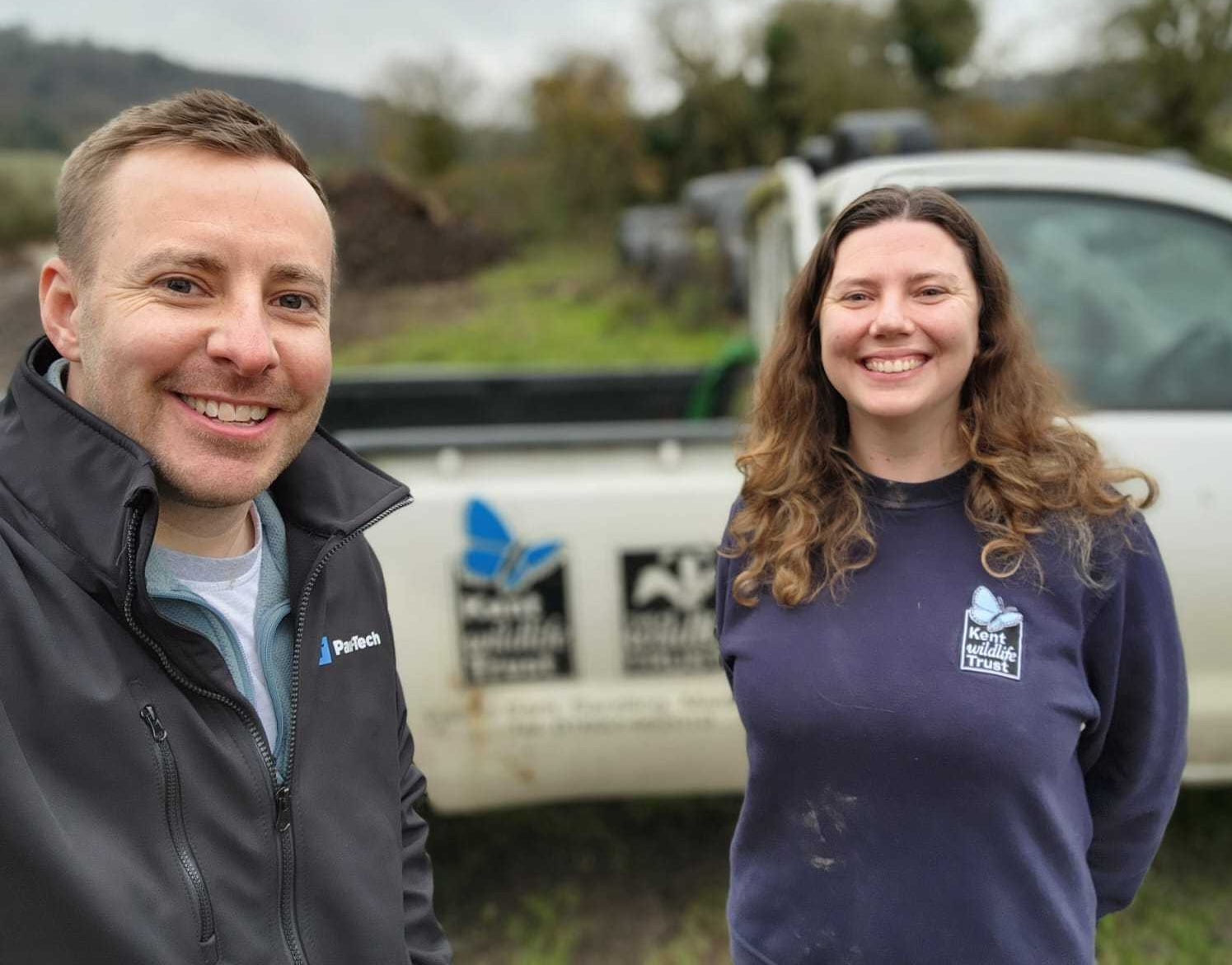
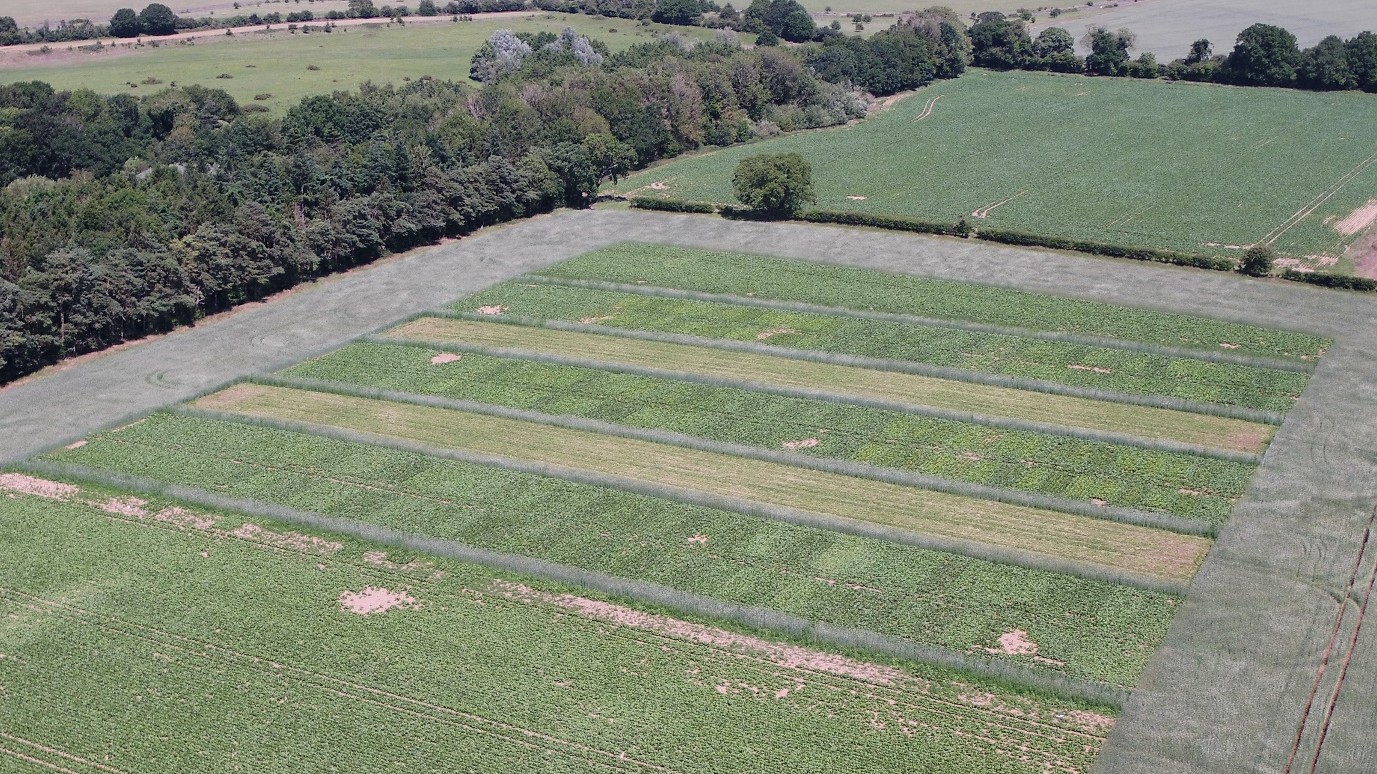
Paul-Tech soil stations are contributing to an exciting field trial led by Kent Wildlife Trust, in collaboration with Bockhanger Farms Ltd, Court Farm, the University of Reading and funded by the Co-op Foundation. This innovative two-year project focuses on assessing the impact of homebrew compost extracts on winter wheat yields and soil health. The trial explores how recycling on-farm waste can reduce synthetic nitrate use while maintaining productivity.

The project not only aims to generate data-driven insights into the role of microbial activity in developing healthy soils and crops but also to foster knowledge-sharing among farmers. Networking events will bring farmers together to discuss the challenges and successes of transitioning to more resilient farming practices.

Over the course of two years, three trial sites will be set up, two at Bockhanger Farms Ltd and one at Court Farm near Rochester. Soil Scientist Tom Sizmur from the University of Reading is leading on the trial methodology and design, while Ellen Wilson from Kent Wildlife Trust leads on the trial delivery and monitoring. Since starting, the project has also partnered with Court Farm, who will also take part in the trial, and FWAG South East, who are supporting in the delivery of farming events.

In November 2024, Paul-Tech installed six soil stations at Bockhanger Farms Ltd, followed by another six at Court Farm in December. These soil stations provide real-time data for the trial, helping researchers better understand when nutrients are released, how long they remain available, and when they are utilized or leach from the soil.

This collaboration tests the value of Paul-Tech’s advanced soil monitoring technology in driving sustainable agricultural practices. By delivering real-time, actionable insights, our soil stations are paving the way for innovative solutions that enhance both soil health and farming productivity.

  • *I have permission from the copyright holder to publish this content and images.

Protecting Your Brand: Why Trade Marks Matter and How to Protect Them

Member News
The views expressed in this Member News article are the author's own and do not necessarily represent those of Agri-TechE.

Imagine for a moment if no companies and products had any name or branding.

Aside from the commercial world being a far less interesting place, how would anyone know what they were buying, or assess the quality of what they were investing hard earned cash into. In short, how would consumers be able to confidently make a repeat purchase of a product or, avoid a product that left ‘a sour taste’?

A brand, a name and what that means to you are major factors in deciding what you buy as a consumer. If a purchase experience is good, as a consumer you are more likely to purchase that same product or a product from the same entity, feeling confident in the past experience of quality or purpose met. This is how reputation is built.

Imagine now of if any business could legally select any name or branding or logo they chose to put on products they sold or services they offered – the results would be beyond confusing for consumers and efforts of businesses almost worthless without making their mark with their quality and potential reputation amongst consumers.

In place to regulate this and guard against such chaos is the trade mark system.

Registered trade marks not only help you protect your brand as a business but help customers identify the origin and quality of purchases to maintain quality future purchases associated with a specific brand.

Trade mark attorneys at ip21 are experts in drafting trade mark registration applications to give the best coverage for your brand and to alleviate a burden of proving rights when the need arises to enforce the rights against third parties.

A brand like no other

Imagine now receiving a letter from a lawyer, stating that you are obliged to stop using the name of your business or stop selling your product, because their client already owns the rights to that brand (or a brand closely similar to yours) – a brand printed on all your merchandise, that your customers have associated with you for years, that you’ve just paid to have a giant sign of made for your premises. Disputes and rebrands can be lengthy, costly and stressful – as well as often preventable with adequate preparation and if needed, reasonable negotiation to reach an amicable settlement.

Looking objectively, how distinctive do you think your brand is amongst other sellers in your area of trade? Making sure your brand stands out from the crowd helps a smoother trade mark registration and distinguishes you from the competition. This should be a key consideration in your commercial strategy.

Key takeaways

–          SEARCH

o   Always check your brand is available before you start using it – a professional search will be most thorough and cost-saving down the line.

–          IS IT REGISTRABLE?

o   Could your brand be considered descriptive, non-distinctive or offensive? Such factors can block registration.

–          TRADE MARK YOUR BRAND

o   Registered rights are always easier to prove in disputes and put you in a stronger position should a dispute arise.

–          INVEST IN PROFESSIONAL HELP

o   There’s a significant value difference between the protection of a professionally-written vs a non-professionally written trade mark registration. Infringement and opposition disputes often hang on the specific, fine detail of the text under each class of your specification. Losing disputes can result in obligations to pay money to the opposing party, disposing of stock and rebranding. It’s worth having the best quality registration you can!

A large portion of our business is trying to fix issues that were preventable with sufficient preparation at the outset and particularly at the point of choosing a brand to start with. It’s always cheaper and easier (and less stressful) to prevent problems than fix them!

Our experienced trade mark team offers free initial consultations, including international advice, so contact ip21 today to speak with one of our expert trade mark attorneys for guidance and support.

You’ve put a lot into your products and services, make sure trade marks work to help you protect that investment.

Written by Rachel Daniel

  • *I have permission from the copyright holder to publish this content and images.

Update on the Precision Breeding Act 2023

Member News
The views expressed in this Member News article are the author's own and do not necessarily represent those of Agri-TechE.

The Genetic Technology (Precision Breeding) Act 2023 could come into force as early as spring 2025. It empowers the Food Standards Agency (FSA) to create a new simplified regulatory pathway for the marketing authorisation of precision bred plants and animals, and derived food and feed products. Here we review the latest policy developments which shed light on what this new regulatory pathway will look like for applicants.

As a brief recap, the Act applies to animals, plants and algae, which are considered “precision bred” if their genome is altered using modern biotechnology in a stable (heritable) way that could have occurred through traditional breeding. The FSA is granted powers under the Act to establish a simplified, proportionate, and science-based regulatory pathway for the marketing authorisation of Precision Bred Organisms and food and feed produced from Precision Bred Organisms in the UK.

The FSA is currently developing this new regulatory pathway, the so-called Precision Breeding Regulatory Framework. Their Delivery Plan and Policy Update (linked below) were both updated last month, providing us with the most recent details on the practicalities of this new regulatory pathway.

Under the new pathway, organisms will first need to be confirmed as having Precision Bred Organism status by the Department for Environment, Food & Rural Affairs (Defra). This process will confirm their equivalence to traditionally bred organisms, which are not subject to premarket approval. Defra’s decision may take up to about 3 months. Only then can an application for food or feed authorisation be submitted to the FSA.

The FSA will implement a two-tiered food or feed marketing authorisation process. Tier 1 applications will be granted marketing authorisation without the need for a bespoke risk assessment. Instead, they will follow a new “lighter-touch” audit and registration process which is “greatly simplified compared to other regulated products processes”. The FSA estimates that decisions on Tier 1 applications will take two months.

Tier 2 applications, by contrast, will require a bespoke risk assessment focusing on specific safety concerns in a process that is “closely aligned with existing regimes”. The estimated timeframe for Tier 2 application decisions is significantly longer, taking 12 to 24 months depending on complexity. This complexity will be assessed by the FSA based on the novelty and scientific and risk management complexity of the application.

Applicants will need to determine the applicable tier to their product through a triage process based on a set of food safety criteria concerning novelty, nutritional quality, allergenicity, toxicity and other safety concerns. Products that raise any safety concerns will require Tier 2 approval. These concerns will presumably inform the focus of the bespoke risk assessment involved in Tier 2 applications.

The FSA estimates to receive about 18 applications per year, divided equally between the two tiers.

In short, the FSA is setting up a simpler faster (2 month) Tier 1 application process for the food and feed marketing authorisation of Precision Bred Organisms, alongside a bespoke slower (1-2 year) Tier 2 application process to tackle specific safety concerns. Questions remain about the exact triage criteria that will decide the tier of an application, with detailed guidance for applicants expected to be released soon.

Follow our Agritech Thymes blog for further developments.

Further reading

https://www.food.gov.uk/board-papers/precision-breeding-delivery-plan

https://www.food.gov.uk/board-papers/policy-development-precision-breeding


This article was written by Trainee Patent Attorney Aron Ferenczi

  • *I have permission from the copyright holder to publish this content and images.

Trinity AgTech and Aethr Associates launch new sustainability roadmap

Member News
The views expressed in this Member News article are the author's own and do not necessarily represent those of Agri-TechE.

Co-developed ‘Business Leader Brief on Sustainability’ helps agricultural businesses plan their data-driven transformation

Aethr Associates’ co-founder Richard Bonn is encouraging agricultural business leaders to take a proactive approach to sustainability

Richard Bonn of Aethr Associates is encouraging agricultural businesses to take a proactive approach to sustainability

Natural capital software developer Trinity AgTech has announced a partnership with strategic sustainability consultancy Aethr Associates.

To mark the new collaboration the two companies have developed a ‘Business Leader Brief on Sustainability’, a resource designed to tackle two of the most pressing challenges faced by food and farming businesses globally.

Firstly, the brief explains the inherent complexity of sustainability improvements across the diverse range of areas requiring effective management.

Secondly, it highlights businesses’ critical need for accurate, reliable, and regular data collection to drive meaningful progress on sustainability.

Aethr Associates’ co-founder Richard Bonn said: “By adopting a proactive stance on sustainability, agricultural leaders can unlock opportunities to enhance efficiency and strengthen resilience.”

He added: “Stakeholders across supply chains face growing pressure to address climate change, meet consumer demands, and align with retailer expectations for environmental responsibility. However, sustainability shouldn’t be limited to a top-down, compliance-driven approach.

“By building sustainability data and insights in a way that is efficient and empowering, businesses can unlock significant opportunities to enhance value and drive meaningful change.”

Read full article here

Glyphosate Resistance in the UK

Member News
The views expressed in this Member News article are the author's own and do not necessarily represent those of Agri-TechE.

Ceres Research Report

INTRODUCTION

Glyphosate is one of the most frequently used herbicides in the UK across all crop production systems, including annual and perennial crops, and non-cropped areas. It is a non-selective foliar-acting herbicide with no soil residual activity, and is used to control weeds post-emergence. In cereal crop production, glyphosate is used regularly to control a range of weeds as part of stale seed bed technique pre-drilling.

GLYPHOSATE USAGE

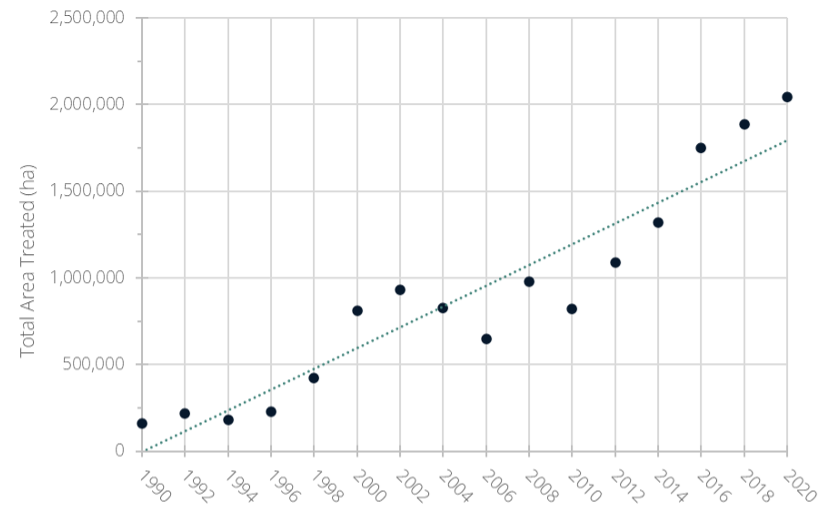
The stale seed bed technique allows newly emerged grassweeds to be removed prior to crop drilling, which reduces the pressure on in-crop herbicide programmes. As such, it is a vital component of weed management control regimes, with glyphosate applied when target weeds are at their very early growth stages to improve the likelihood of successful control. Over the past 30 years, there has been a significant and sustained increase in the use of glyphosate on cereal crops in the UK (Figure 1), and there are now many reports of multiple glyphosate applications pre-drilling between every crop in the rotation, year-on-year. Although the resistance risk from a single application is typically low, multiple glyphosate applications between every crop in the rotation is likely to contribute to the development of resistant weed populations, and therefore may not be a sustainable management strategy in the long-term (WRAG, 2021).

Figure 1. Glyphosate use on UK cereal crops. Data shows the total UK cereal crop area treated with glyphosate (1990-2020). Data sourced from Pesticide Usage Survey (2022).

Several factors have contributed to sustained increases in glyphosate use, including its efficacy across a broad range of weeds, and its cost effectiveness. In addition, in recent years, regenerative agriculture techniques have become more commonplace across the UK as part of the Agricultural Transition Plan and schemes within it, such as the Sustainable Farming Incentive (SFI), with farmers and growers altering agricultural practices to conserve and rehabilitate the environment, whilst continuing to produce food. One of the core components of regenerative agricultural practice is limiting disturbance to the soil to protect and improve soil structure, build soil organic matter, and reduce carbon release into the atmosphere. Glyphosate use facilitates the adoption of such practices by minimising the need for weed (and cover crop) control by soil cultivation or disturbance (e.g. ploughing, tilling) (Neve et al., 2024). As such, increased adoption of regenerative agriculture practices across the UK may have, in part, driven recent increases in glyphosate use, though not in isolation (Pullman, 2023).

GLYPHOSATE RESISTANCE

Over the last 20 years, there has been a rapid increase in herbicide resistant grassweeds within arable cropping systems – particularly black grass  (Hull et al., 2014), whilst Italian ryegrass is emerging as a significant concern. This is due to various factors, but has been driven primarily by a reduction in the availability of different herbicide products as a result of regulatory policy changes, a lack of new herbicides on the market, and consequent over reliance on a limited group of modes of action.

Recent patterns of glyphosate use (Figure 1) have led to a heightened risk of glyphosate resistance emerging in arable cropping systems, and as of December 2024, reduced sensitivity had been detected in Italian ryegrass and sterile brome populations (ADAS, 2024). Worldwide, there have been many cases of glyphosate resistance reported, which have demonstrated that reliance on the use of glyphosate alone (without mitigation measures, e.g. cultivation) is a key driver for the development of resistance.

The Weed Resistance Action Group (WRAG) reported on 10th January 2025 the discovery of the first field population of any weed to have glyphosate resistance in the UK. You can read the story here.

GUIDELINES FOR MINIMISING THE RISK OF GLYPHOSATE RESISTANCE

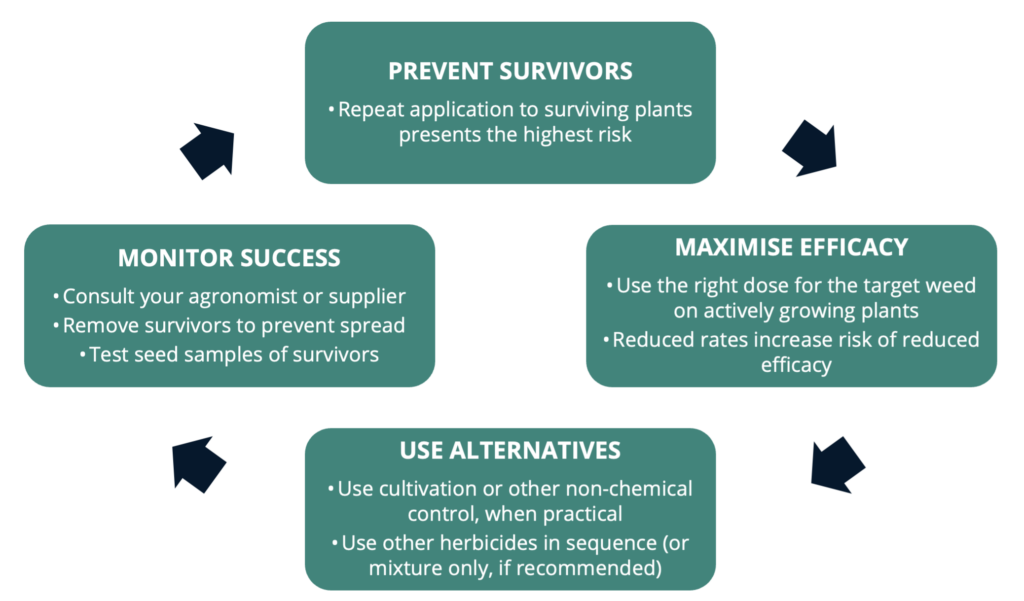
Various actions can be taken to minimise the risk of glyphosate resistance emerging in arable cropping systems. The WRAG produces guidance on pesticide resistance issues to help protect crops and the long-term efficacy of herbicides. It splits its guidance on glyphosate use into four key pillars (Figure 2):

  1. Prevent survivors
  2. Maximise efficacy
  3. Use alternatives
  4. Monitor success

Figure 2. WRAG guidelines for reducing the risk of glyphosate resistance in the UK.

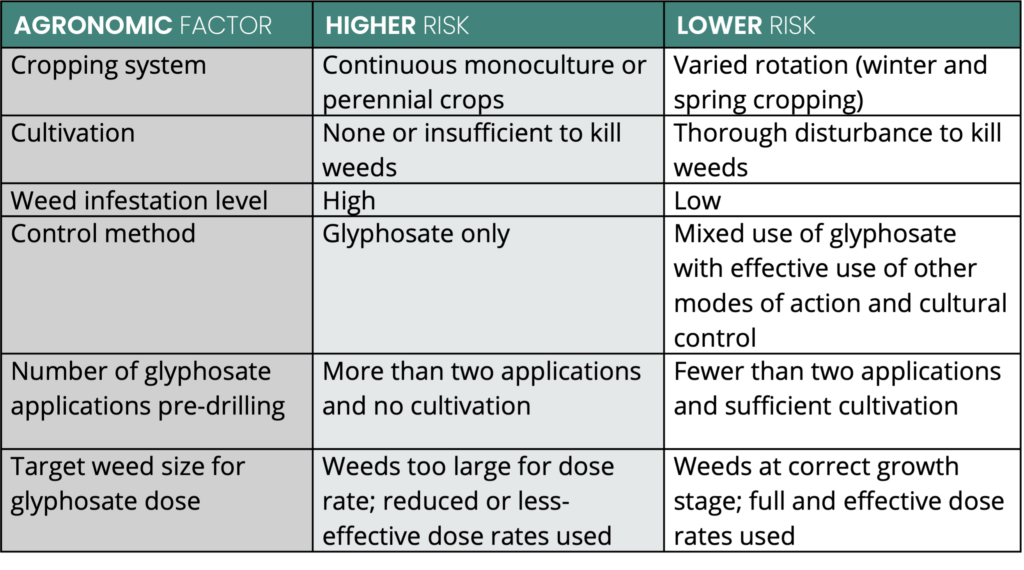
WRAG also summarises various risk factors for glyphosate resistance (Table 1).

Table 1. WRAG summary of risk factors for glyphosate resistance in the UK.

As summarised in Figure 2 and Table 1, ensuring diversity in glyphosate control of weed populations is fundamental to its stewardship. This can be achieved through non-chemical control techniques such as cultivation, or judicious crop rotation in regenerative agricultural systems. Minimising the number of glyphosate applications is also vital, whilst maximising the efficacy of those applications can be achieved by spraying at the correct dose rate, target weed growth stage, and in suitable environmental conditions (e.g. 15-25°C, and at least 6 hours before rainfall).

PRACTICAL RECOMMENDATIONS

To minimise the risk of glyphosate resistance emerging in arable cropping systems, it is vital to work with your agronomist to implement the following WRAG guidelines:

  1. Prevent Survivors: Avoid repeat applications to surviving plants.
  2. Maximise Efficacy: Use the right dose for the target weed on newly emerged plants, and use the manufacturer’s recommended dose rate. Reduced rates that allow more surviving plants may encourage the development of resistance.
  3. Use Alternatives: Ensure glyphosate use is supplemented by sufficient non-chemical controls (e.g. cultivation) to kill surviving plants, and use herbicides of different modes of action (in sequence or mixture) as recommended.
  4. Monitor Success: Remove surviving plants to prevent seed spread, and report suspected survivors to your agronomist, crop protection adviser, and / or manufacturer of the glyphosate product applied for resistance testing.

REFERENCES

ADAS (2024) Weed management and resistance. AHDB Agronomy Conference 2024.

Hull et al. (2014) Current status of herbicide-resistant weeds in the UK. Aspects of Applied Biology, 127, Crop Production in Southern Britain: Precision Decisions for Profitable Cropping, 261-272.

Neve et al. (2024) Current and future glyphosate use in European agriculture. Weed Research, 64: 181–196.

Pullman (2023) Glyphosate use rises in UK farming while overall pesticide use falls. Wicked Leeks / Riverford Organic Farmers.

Weed Resistance Action Group (2021) Guidelines for minimising the risk of glyphosate resistance in the UK.

  • *I have permission from the copyright holder to publish this content and images.

Norwich Research Park Innovation Hothouse winners announced

Member News
The views expressed in this Member News article are the author's own and do not necessarily represent those of Agri-TechE.

iBoxit, KNEE3D and PfBIO have been named winners at a competition showcasing innovative business ideas at Norwich Research Park.

In collaboration with the University of East Anglia (UEA) and The Royal Society, the Innovation Hothouse competition saw eight finalists pitch their innovative ideas to a panel of expert judges.

All were either spin-out or start-up companies founded by researchers, scientists, entrepreneurs or students based on the park campus.

The winners were announced at an event at the end of November and received cash prizes, as well as either a year’s virtual tenancy or a marketing support package – plus specialist mentoring from market experts.

It was the latest in a series of Enterprise events run by Anglia Innovation Partnership, the campus management organisation at Norwich Research Park.

iBoxit 

The overall winner was iBoxit, a collaboration with UEA, which has developed a sustainable packaging solution for the UK seafood industry that increases the shelf life of fish during transportation.

The product combines antimicrobial functions to preserve freshness and maximise nutritional value. It is constructed of recyclable materials and removes Expanded Polystyrene (EPS) from the supply chain.

John Farley, CEO at iBoxit, said: “Firstly, I want to say what a fantastic event it was. Being one of eight companies pitching some great ideas to the panel of judges was a great experience in itself. But to come out as the overall winner is such an honour.

“We have been based at Norwich Research Park for a while now and really appreciate the world-class facilities, the talent that is here and the profile you gain. Winning this competition adds more credibility to our business as we look to get our products to market.”

KNEE3D

Runner-up KNEE3D, a start-up borne from research at UEA and the Norfolk and Norwich University Hospital (NNUH), aims to offer a novel, one-stop AI-assisted 3-D imaging analysis suite for knee osteoarthritis.

It will help implement effective preventative strategies as early as possible to expedite new therapeutics in drug development in clinical trials.

KNEE3D director Tom Turmezei said: “I am really pleased to have been chosen by the judges as one of the winners of the 2024 Hothouse competition. The KNEE3D team believe that the prize of a virtual tenancy at Norwich Research Park will give us a great platform to establish ourselves as a company and open up access to facilities as we become part of the growing business community.

“Participating in the competition really helped us focus on honing our pitching skills for the next steps in our journey, which will be invaluable when we start looking for investment and will certainly raise our profile in the right circles.”

PfBIO

A spin-out from the John Innes Centre, runner-up PfBIO has developed a bacteria-based solution to promote plant health and protect crops from major agricultural diseases.

Its platform, BioSIFT, enables quick identification of the best beneficial bacteria to be applied to specific crops.

Dr Rosaria Campilongo, CEO at PfBIO, said: “I am delighted that PfBIO has been chosen by the judges as one of the winners. This recognition adds significant credibility to our vision and strengthens our standing with potential investors and collaborators.

“It’s an exciting milestone as we move forward with the next stage of our company’s growth and development.”

Finalists

The other five finalists were also commended for their innovative business models.

Vida Vodka, a start-up from UEA, is using waste bread that would have otherwise ended up in landfill to create an environmentally-friendly sustainable vodka.

PathoProst™ Detect, a start-up from UEA, has developed a urine test to help detect aggressive prostate cancer in men.

Bioscopic, a spin-out from the Quadram Institute, is looking to develop compounds based on beneficial bacteria found in infants that will help adults combat diseases and conditions including cancer.

BirthView, a spin-out from UEA, has developed a virtual reality-based simulator that can model the ‘cardinal movements’ of human childbirth. This will enable clinicians to evaluate labour before the actual event and make adequate decisions to minimise complications for mother and baby.

Healthium™, a start-up from NNUH, has developed a digital platform with the aim of improving the treatment effectiveness of urinary tract infections (UTIs).

Sheng Qi, professor of Pharmaceutical Material Science and Technology at the School of Chemistry, Pharmacy and Pharmacology and associate dean of Innovation at UEA, said: “The standard of pitches and the sheer quality of the innovation on display from the eight finalists was highly impressive. Choosing the winners proved to be an exceptionally challenging task for the judges, as every finalist was deserving of recognition.

Prof Qi, who was also chair of the judging panel, added: “Ultimately, we awarded the top three places to iBoxit, KNEE3D and PfBIO because they stood out for the clear strategies they had to bring their products to market and the significant potential of their solutions to address the critical issues they aim to resolve.”

TraitSeq

Last year’s winners, TraitSeq, have continued to progress well while being based at Norwich Research Park on the virtual tenancy they won.

TraitSeq CEO Joshua Colmer said: “Winning the Hothouse competition really helped our development as a company. The training we received throughout the competition process significantly improved our pitching skills, which was instrumental in securing Innovate UK funding for our pre-seed round.

“Exposure at – and after – the event connected us with value-adding angel investors, including one who participated in our pre-seed funding round in April 2024.”

TraitSeq is now generating revenue by delivering commercial projects to agri-tech companies while simultaneously developing its own proprietary technology platform. It has expanded both its technical and commercial teams to accelerate growth, supported by commercial revenue, Innovate UK funding and investment.

Joshua continued: “We have continued to grow our network of industry collaborators and customers, which has significantly enhanced our understanding of industry challenges and how our technology can provide solutions. This has also helped us identify high-priority sectors and challenges.

“Looking ahead to 2025, we are considering a funding round in Q2 to accelerate the development of our technology platform and expand our team to increase our capacity for delivering and learning from commercial projects.”

Roz Bird, CEO at Anglia Innovation Partnership, said: “It’s great to see that last year’s Hothouse competition winners, TraitSeq, have made significant progress, supported by their year’s free virtual tenancy and the opportunities to raise their profile, establish new contacts and gain access to funding.

“There is huge potential for brilliant business ideas to emerge from the community we have here at Norwich Research Park and it’s events like this that showcase the very real opportunities to investors.

“Since the first Enterprise Tuesday event in November 2022, we have moved up several levels in terms of performance and ability to deliver,” Roz added. “We continue to attract and retain high-growth businesses and we have nurtured and grown our entrepreneur community.

“With our real estate investment partnership with Vengrove and funding from Greensphere Capital available for some of our start-up and spin-out companies, the future is looking very positive for the Norwich Research Park campus.

“This investment, combined with the growing sense of community, access to specialist facilities and ease of collaboration, will fast-track ideas and maximise the impact of publicly-funded research.”

  • *I have permission from the copyright holder to publish this content and images.