Patenting, Trademarks, Copyright, Trade Secrets...
In the next installment of our micro-learning series, we’ll explore potential legal solutions to help you keep your ideas safe and sound.

Nutrisphere: Advancing Sustainable Agriculture with Smarter Nitrogen Management
Member News
The views expressed in this Member News article are the author's own and do not necessarily represent those of Agri-TechE.

A Breakthrough in Nitrogen Retention for Future-Proof Farming

In modern agriculture, the challenge of balancing high yields with environmental responsibility has never been greater. While traditional nitrogen stabilisation methods have been relied upon for decades, their long-term impact on soil health and sustainability raises concerns. 

Nutrisphere presents an innovative alternative. It offers farmers a cutting-edge solution that enhances nitrogen efficiency while safeguarding the natural ecosystem.

The Shortcomings of Traditional Nitrogen Management

For over 40 years, nitrogen stabilisers such as NBPT (N-(n-butyl) thiophosphoric triamide) and DCD (dicyandiamide) have been used to manage nitrogen loss. However, these methods come with limitations:

NBPT only inhibits urease bacteria, reducing ammonia volatilisation but failing to prevent nitrate leaching.

DCD slows nitrate conversion, yet it does not address ammonia volatilisation, leaving nitrogen vulnerable to loss.

Chemical-based inhibitors can disrupt the soil biome, affecting beneficial microbial activity.

While effective in specific areas, these conventional approaches do not provide a comprehensive or sustainable solution.

Nutrisphere’s Advanced Mode of Action

Nutrisphere takes a fundamentally different approach—leveraging a physical, non-chemical mechanism to protect nitrogen while maintaining soil health. This is achieved through two key mechanisms:

  1. Cation Exchange Capacity (CEC) for Metal Ion Retention

Nutrisphere’s electrostatic charge binds in the microzone around the urea with key metal ions such as Nickel (Ni), Copper (Cu), and Iron (Fe). These elements are crucial for harmful bacteria to facilitate nitrogen conversion into volatile forms. By restricting these elements access to the bacteria, Nutrisphere naturally disrupts nitrogen loss without harming beneficial soil microbes.

  1. Localised pH Regulation for Nitrification Control

Nutrisphere lowers the pH in the immediate area surrounding urea, creating an unfavourable environment for nitrifying bacteria. This reduces nitrogen loss via volatilisation, leaching, and denitrification, ensuring a more stable crop supply.

Key Benefits of Nutrisphere for Farmers

Nutrisphere’s innovative approach to nitrogen management delivers multiple benefits for farmers striving for increased efficiency and sustainability:

Greater Nitrogen Retention

  • Minimises nitrogen loss, ensuring crops have consistent access to essential nutrients.
  • Leads to improved plant health, stronger growth, and better yield potential.

Preserves Beneficial Soil Microbes

  • Unlike traditional chemical stabilisers, Nutrisphere does not disrupt beneficial bacteria.
  • Protects the natural balance of the soil biome, promoting long-term soil fertility.

Lower Environmental Impact

  • Prevents the release of ammonia and also nitrous oxide (NO), a greenhouse gas 273 times more harmful than CO.
  • Reduces nitrogen runoff into waterways, supporting cleaner and healthier ecosystems.

Future-Proofing Soil Health

  • Unlike traditional stabilisers that can contribute to soil degradation, Nutrisphere maintains soil vitality for future generations.
  • Offers a sustainable farming solution that enhances productivity without compromising environmental health.

A Smarter Approach to Sustainable Agriculture

Nutrisphere is a progressive, science-driven alternative to traditional nitrogen stabilisation techniques. By employing a physical rather than a chemical process, it provides a groundbreaking, environmentally responsible solution to nitrogen retention.

For forward-thinking growers looking to optimise yield, reduce waste, and improve environmental sustainability, Nutrisphere is the future of crop nutrition.

Want to learn more? Contact us today to discover how Nutrisphere can transform your nitrogen management strategy.

View our latest presentation on how Nutrisphere’s unique Mode of Action (MOA) works View the presentation.

  • *I have permission from the copyright holder to publish this content and images.

Nutrisphere: Advancing Sustainable Agriculture by Optimising Nitrogen Efficiency
Member News
The views expressed in this Member News article are the author's own and do not necessarily represent those of Agri-TechE.

Driving Sustainability in Modern Farming

The agricultural industry faces a crucial challenge: maximising yields while minimising environmental impact. Nitrogen fertilisers play a key role in crop productivity, but inefficient nitrogen use can lead to volatilisation, leaching, and denitrification, resulting in lost nutrients, soil degradation, and environmental pollution.

The latest Nutrisphere Environmental presentation explores how Nutrisphere transforms nitrogen management by reducing emissions, improving soil health, and enhancing fertiliser efficiency. This article summarises the key findings and real-world trial results demonstrating Nutrisphere’s role in sustainable farming.

Download the full presentation here

The Role of Nutrisphere in Environmental Protection

Nutrisphere has been developed to optimise nitrogen efficiency while maintaining soil health and reducing environmental risks. Preventing nitrogen losses ensures more fertiliser is retained in the soil, benefiting crops and the environment.

Key benefits of Nutrisphere’s mode of action (MOA) include:

  • Reduces nitrogen loss through volatilisation, leaching, and denitrification
  • Minimises nitrate leaching by over 20%, protecting water quality
  • Retains up to 4x more ammonium in the soil, improving nutrient availability
  • Decreases ammonia volatilisation by up to 85%
  • Reduces nitrous oxide (NO) emissions by over 50%

These findings confirm Nutrisphere’s effectiveness in improving nitrogen retention while safeguarding the environment.

Proven Impact on Soil Health and Clean Air

Nutrisphere’s ability to preserve soil biodiversity differentiates it from traditional nitrogen stabilisers. Extensive research confirms:

  • No negative effects on crucial soil microbes or earthworms
  • No impact on freshwater aquatic life, ensuring clean water systems
  • Cuts nitrogen-related air pollution, helps to reduce agriculture’s carbon footprint

Nutrisphere supports a more sustainable and eco-friendly approach to fertiliser application by addressing these critical factors.

Field Trials: Real-World Success in Enhancing Crop Yields

Over the past six years, Nutrisphere has undergone 58 field trials across Europe, including in France, Poland, Turkey, and Germany. These trials demonstrate its ability to boost crop productivity while maintaining soil integrity.

  • 5.4% average increase in crop yields
  • 87% of trials reported positive yield improvements
  • 12% higher nutrient utilisation efficiency (NUE)
  • 3.5% increase in grain nitrogen content
  • 1.5% average grain weight increase

Nutrisphere consistently performs across different soil types (pH 5.1 – 8.1) and is proven to work under varied agricultural conditions.

Sustainable Nitrogen Utilisation for Future Farming

As the agricultural sector seeks more sustainable fertiliser management, Nutrisphere presents a scientifically validated solution that ensures:

  • Less nitrogen waste More fertiliser retained in the soil
  • Cleaner water sources Reduced nitrate runoff into rivers and lakes
  • Higher farm profitability Improved crop performance and efficiency

By integrating Nutrisphere into modern farming systems, growers can increase productivity without compromising sustainability.

Download the full presentation to explore the science behind Nutrisphere

Join the Sustainable Farming Movement

Nutrisphere is redefining nitrogen efficiency, helping farmers achieve high yields while protecting the environment. Whether you want to enhance soil health, reduce fertiliser waste, or improve nitrogen retention, Nutrisphere is the solution for a more resilient agricultural future.

Contact us today to learn how Nutrisphere can help optimise your nitrogen strategy.

  • *I have permission from the copyright holder to publish this content and images.

ADAS Webinar: Optimising crop nutrition through in-season ‘checks’ and ‘adjustments’

Member News
The views expressed in this Member News article are the author's own and do not necessarily represent those of Agri-TechE.

ADAS Webinar: Optimising crop nutrition through in-season ‘checks’ and ‘adjustments’

Tuesday, Apr 01 – 8:30am – 9:30am

Crop nutrition management requires urgent transformation to reduce costs and pollution, and secure future food production. The NUTRI-CHECK NET project has developed a three-step checking approach to support farmers in ‘checking’ their crops’ nutritional performance – ‘Plan, Check & Adjust, Review’

In this webinar, ADAS Crop Physiologists Sarah Kendall and Kate Storer will :

  1. Give an overview of the ‘Plan, Check & Adjust, Review’ approach
  2. Provide guidance on the use of checks this season and how farms can make adjustments to their nutrient applications
  3. Explain how measuring and monitoring crops can aid in making the most informed decisions, particularly focussing on nitrogen and sulphur management in winter wheat crops
  4. Introduce a range of tools and technologies that are available to farmers and advisors to support these checks

Sarah and Kate will be joined by farmers Andrew Williamson (Shropshire) and David Aglen (Fife). Andrew and David will share their crop nutrition strategies and experiences in a Q&A session.

BASIS and NRoSO points are also available.

Find out more and register here.


AutoSpray becames the first company in the UK to obtain Beyond Visual Line of Sight permission for agricultural drones

Member News
The views expressed in this Member News article are the author's own and do not necessarily represent those of Agri-TechE.

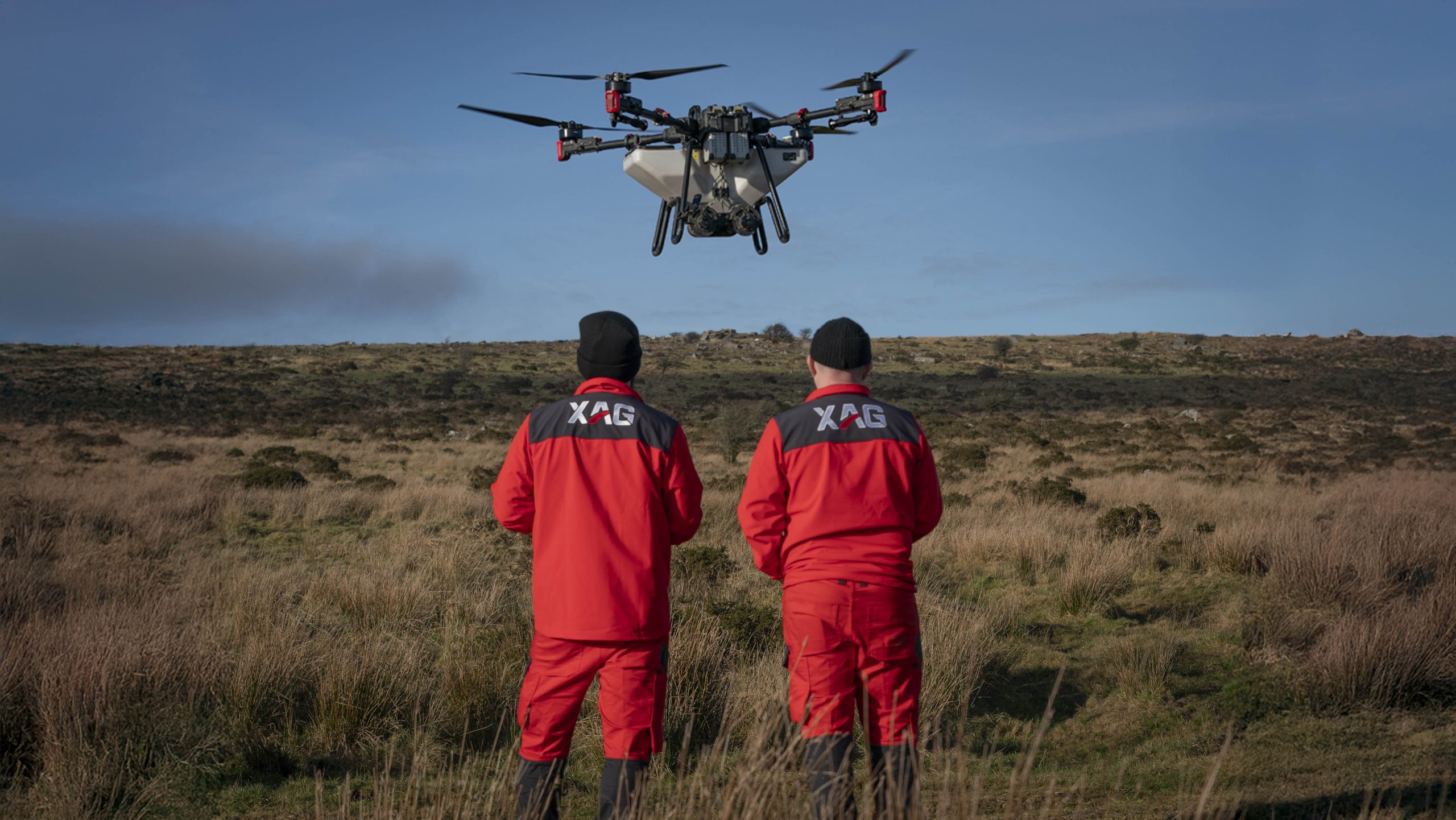
AutoSpray Systems secures CAA approval for Beyond Visual Line of Sight (BVLOS) agricultural drone operations

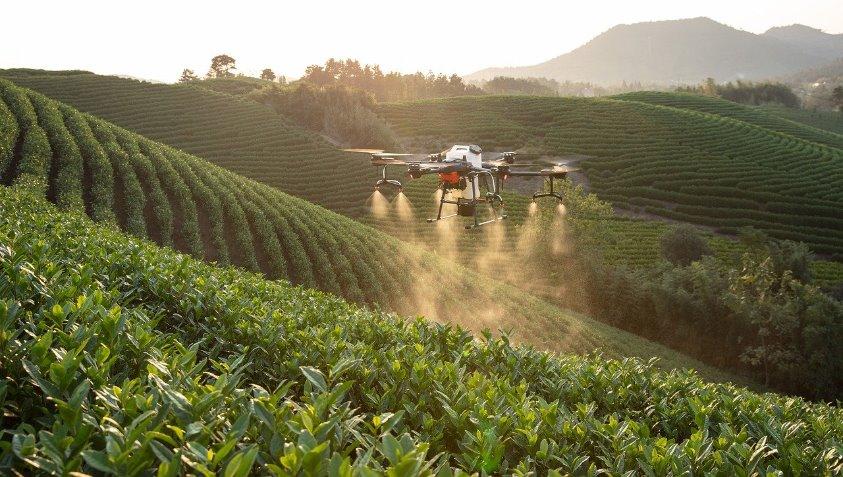
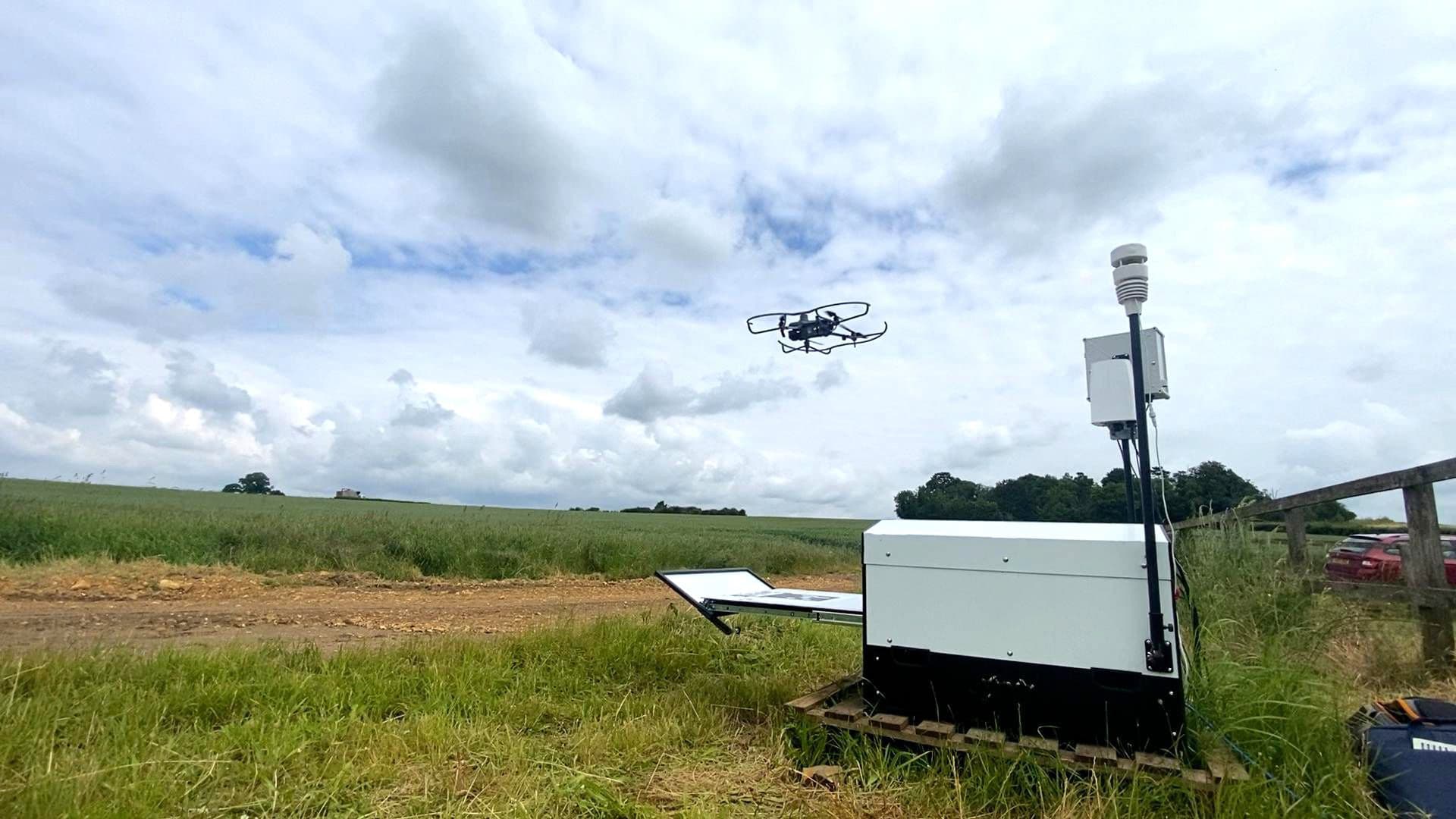
AutoSpray Systems is proud to announce that they have obtained an Operational Authorisation from the UK Civil Aviation Authority (CAA) (received on 11th March 2025) to conduct Beyond Visual Line of Sight (BVLOS) operations in an Atypical Air Environment (AAE). This milestone marks a significant advancement in agricultural drone applications, unlocking new commercial opportunities across multiple sectors.

Expanding Our Capabilities

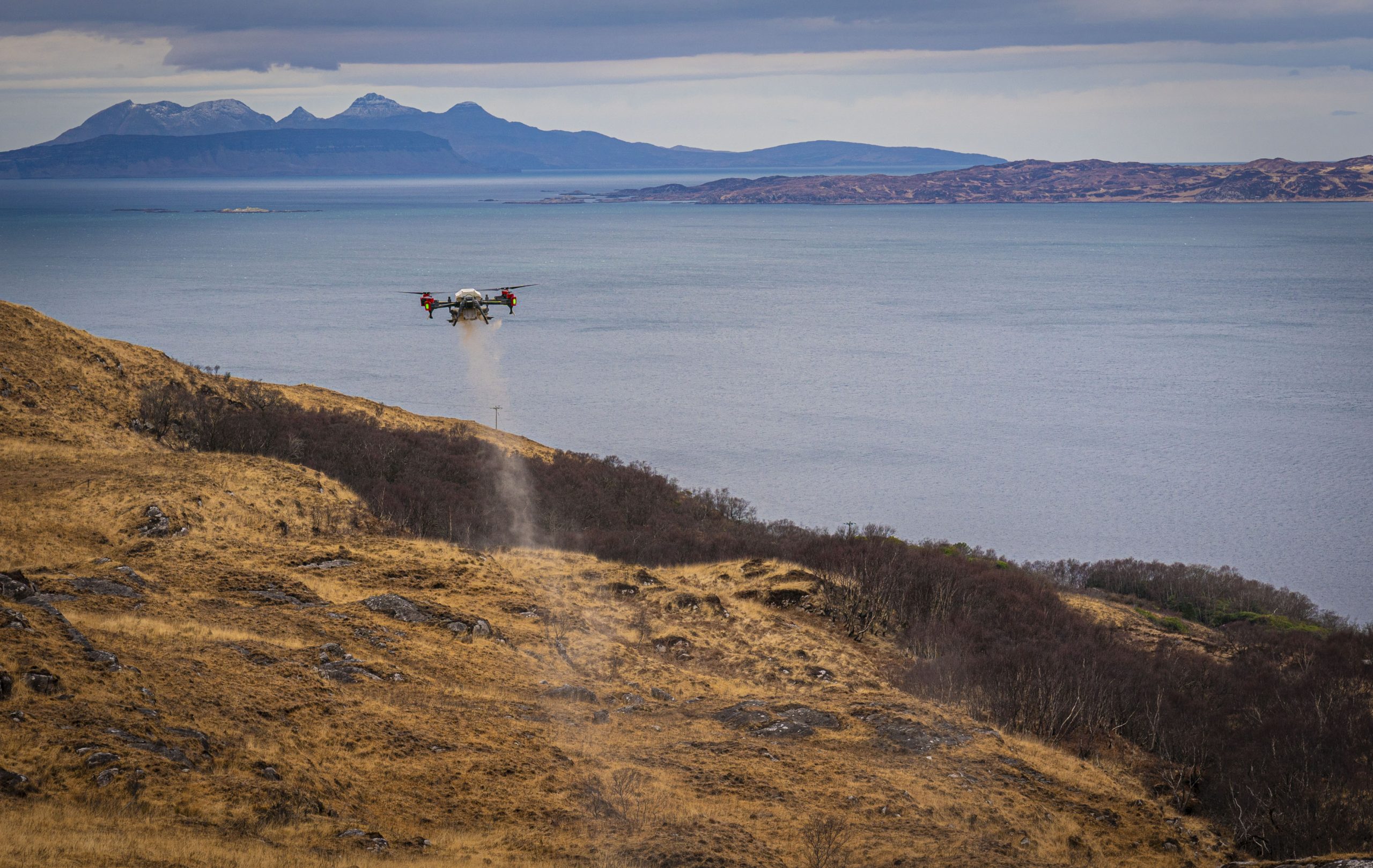
With this approval, AutoSpray Systems is authorised to operate their 120kg agricultural drone for spraying liquids and spreading granules across agriculture, horticulture, forestry, and many other use cases. Unlike previous restrictions that limited operations to within 500m of the remote pilot, this BVLOS AAE approval allows them to operate without distance limitations, subject to location-specific risk assessment.

Unlocking Commercial Opportunities

Andy Sproson, Director of AutoSpray Systems stated-

“Historically, our low-level drone operations were restricted by distance regulations, limiting their full potential. With BVLOS approval, we can now reach even more remote and inaccessible areas, making a profound impact in sectors such as:

  • Peatland Restoration – Enabling large-scale reseeding and rehabilitation of degraded peatlands.
  • Paludiculture Crop Seeding – Supporting the cultivation of wetland-adapted crops to enhance biodiversity and carbon sequestration as part of our work with DEFRA, as part of the SEAD Artists consortium.
  • Reforestation Projects – Deploying drones for tree seeding and afforestation in challenging terrains where human access is impractical.

This authorisation significantly expands our ability to scale sustainable land management solutions, reinforcing our commitment to innovation in aerial agriculture.”

SEAD ARTISTS AutoSpray BVLOS - Roshven 6
SEAD ARTISTS AutoSpray BVLOS - Reforestation 1

Acknowledgments

Achieving BVLOS approval is a testament to the dedication and collaboration of multiple industry and academic experts. We extend our sincere gratitude to the SEAD Artists:

Who are SEAD Artists:

This is a consortium of organisations and individuals with the sole aim to become a singular voice and point of contact for the agriculture and environmental industry when they are looking to interact with drones and new technology – speaking with one voice.

It is an initiative that supports an evidence-based data approach to facilitate environment and agriculture which will be as inclusive of all users and operators, and representative bodies as is reasonably possible.

  • Aleks Kowalski – Skypointe Ltd
  • Hasan Hasan and Mohammed Hasan from IT Surveillance
  • Dr Owen McAree from The University of Liverpool
  • Gareth Whatmore and Karina Nasretdinova from DronePrep
  • Abu Hassan from Theory and Practice of Software 
  • Andy Sproson / Robert Pearson and Scott Dowell of AutoSpray Systems 

A special thanks also to the RPAS team at the CAA and all other colleagues involved in shaping the BVLOS AAE policy whose support has been instrumental in achieving this milestone.

When can we see this happening? 

Additional information will be released in due course and we will be hosting an open day, conducting live demonstration flights week on Monday 28th April 2025, in the Greater Manchester Area.

Exploring the Ecosystem at Norwich Research Park

Member News
The views expressed in this Member News article are the author's own and do not necessarily represent those of Agri-TechE.

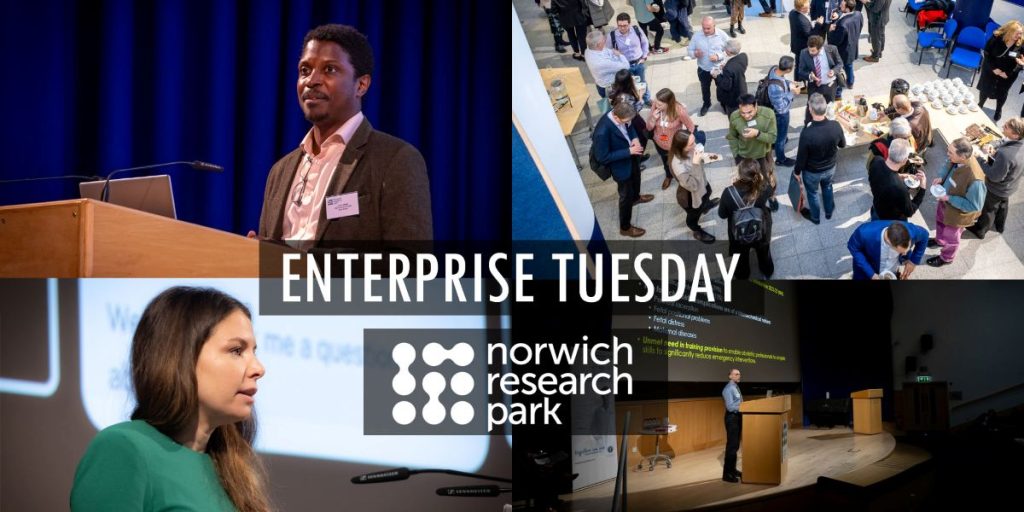
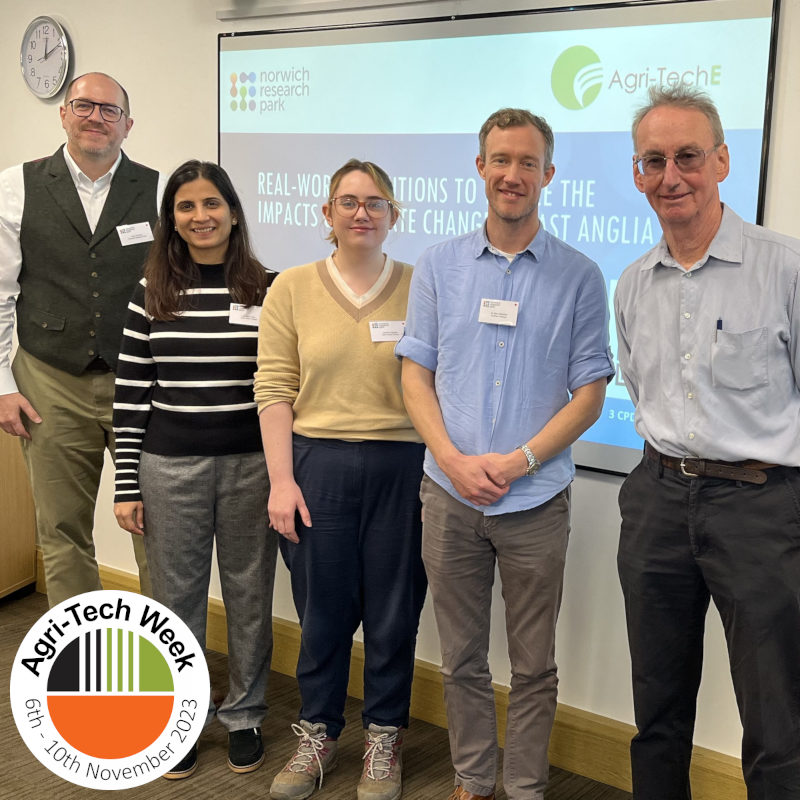
Anglia Innovation Partnership, the campus management organisation at Norwich Research Park, is hosting the 8th Enterprise Tuesday Showcase event at the John Innes Conference Centre, Norwich Research Park, on 3 June, from 1.30-6pm.

This showcase event – ‘Exploring the Ecosystem at Norwich Research Park’ – will provide the strategic backdrop to Norwich Research Park, explain why the campus partners were brought together and give an overview of the campus-wide vision of HP3 – Healthy Plants, Healthy People, Healthy Planet – of finding solutions to the global challenges of feeding the world, climate change and improving health.

The event will bring to life how Norwich Research Park’s ecosystem works through enterprise, science collaboration, community building, partnerships with industry, funding and investment. It is an ecosystem that is high-impact focused and driven by its people, place, innovation and ideas.

This event is kindly sponsored by Novagraaf UK. For 135 years, Novagraaf has been helping iconic brands and innovative organisations around the world to power their competitive advantage by delivering a connected IP perspective.

The event will be followed by a drinks and canapes reception held in Centrum building adjoining the conference centre starting from 6-8pm. Tickets for the reception are limited.

There are two types of ticket available for the event. One for the afternoon event only and one for the afternoon event and evening reception. Please make sure you book the correct ticket. Booking closes on 19 May. Please note due to the limited availability, only two people per company can register.

Book your place here

  • *I have permission from the copyright holder to publish this content and images.

Green transition of Danish Agriculture and reshaping the landscape

Member News
The views expressed in this Member News article are the author's own and do not necessarily represent those of Agri-TechE.

On 18 November 2024, a broad majority of the Danish Parliament reached a political agreement that will significantly push a green transition of Danish agricultural production, transform the Danish landscape, create more nature and ensure a healthy aquatic environment.

The agreement builds on the multi-stakeholder agreement proposing a CO2 tax on emissions from agricultural production and the transformation of 15 percent of Denmark’s agricultural area into nature. The agreement sets aside around 4.92 billion GBP to implementation of the comprehensive reorganisation of Denmark’s land area.

According to the agreement, Denmark must continue to have a strong and competitive agricultural sector that produces high quality and healthy food products. Therefore, it is essential that, in line with the rezoning of agricultural land, production can be done in a more efficient manner on the remaining robust agricultural areas.

The green transition of the Danish agriculture and food sector must take place in a way that supports increasingly sustainable, high-tech and land-efficient agricultural production, so that Denmark will continue to have a competitive industry with attractive business potential and jobs.

In other words, it is the goal to find the right balance between maintaining a profitable agricultural production in the future while at the same time achieve a significant reduction in the CO2e emissions from farms.

Overall, the measures in the agreement are estimated to have the potential to reduce emissions by between 1.8 million and 2.6 million tonnes CO2e by 2030.

Denmark and the UK share ambitions on making agricultural production more sustainable and at the same time maintaining productivity, food security and profitability for the farmers.

It’s not an easy task to find the right balance – but the UK had led the way in some areas while Denmark is leading the way in others. There are plenty of possibilities for enhancing the cooperation and sharing of knowledge and lessons learned in both countries.

Strengthening the cooperation between Danish and British farmers and authorities is the goal of the Danish embassy for the years to come.

We start on 3 April 2025 by hosting an interesting panel debate about the forthcoming green transition of Danish agriculture and putting a spotlight on the new green technologies that needs to be adopted by Danish farmers. And it is the plan to bring British stakeholders to Denmark to visit farmers who successfully have adopted new greener technologies and vice versa.

If you’re interested in learning more – please feel free to contact Minister Counsellor for Food, Agriculture and Fisheries at the Royal Danish Embassy – Mr. Jan Bay-Smidt on jansmi@um.dk


Want to sell into Denmark or learn from its agri transition?

On 10 June, our online Round the World: Denmark event with the Danish Embassy and Danish AgroIndustry will spotlight what technologies Danish farmers need right now — and what UK farmers can learn from their green transition.

If you’re developing agri-technologies or working on sustainability, this is your chance to understand where the demand is, who’s buying, and how collaboration could benefit you. Book here.

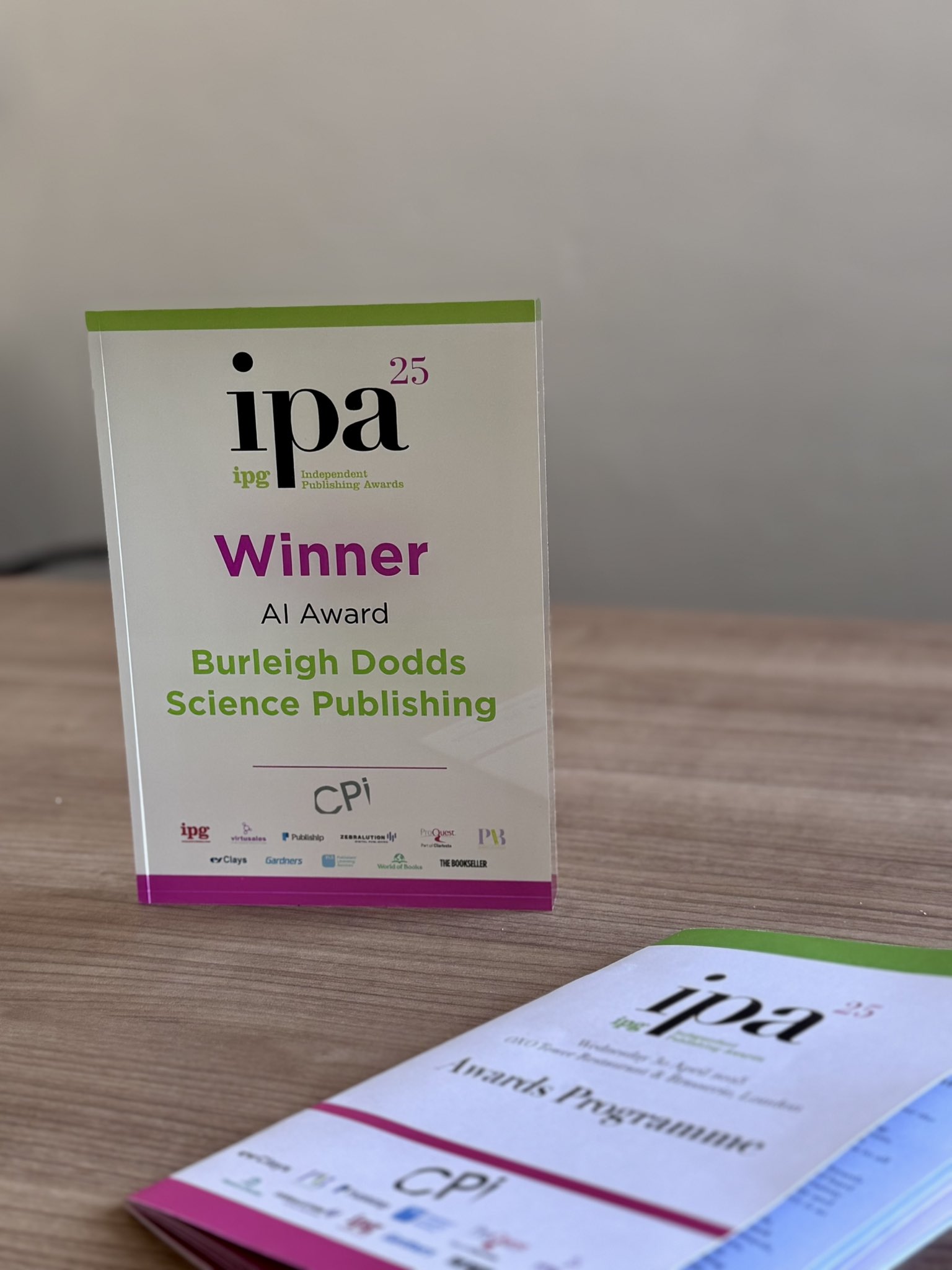
Burleigh Dodds Science Publishing launch new generative AI-based knowledge platform for the agricultural industry

Member News
The views expressed in this Member News article are the author's own and do not necessarily represent those of Agri-TechE.

The advent of Artificial Intelligence (AI) has been celebrated as one of the greatest technological achievements of the 21st century.

“The development of AI is as fundamental as the creation of the microprocessor, the personal computer, the internet and the mobile phone,” writes Bill Gates – co-founder of Microsoft – in a ‘Gates Notes’ blog post.

“Entire industries will reorient around it…and businesses will distinguish themselves by how well they use it,” he adds.

And less than two years after making this comment, he couldn’t be more right. Industries across the globe, from healthcare, manufacturing and finance, to fashion, agriculture and publishing, are utilising AI to transform their business operations.

Paving the way in the UK academic publishing sector is Cambridge-based publisher Burleigh Dodds Science Publishing.

Burleigh Dodds Science Publishing are an academic publisher specialising in publishing edited collections summarising key trends in agricultural science research.

As the business approaches its ten-year anniversary, Managing Director Rob Burleigh has announced that their product portfolio will be growing with the addition of AgNetZero.

“AgNetZero is a brand new intelligent knowledge SaaS solution which is powered by our internationally-trusted content,” says Rob Burleigh, Managing Director of Burleigh Dodds Science Publishing.

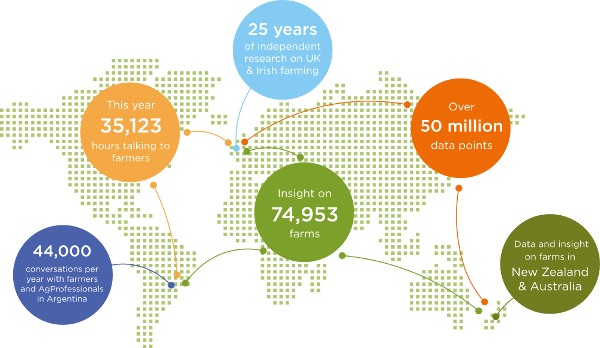
Developed alongside UK-based technology partner Librios, AgNetZero equips users with the ability to search across more than 2,300 research documents created by internationally renowned authorities in agricultural and food science working in academia and industry.

Additional features allow subscribers to upload their own documents to a safe and trusted environment to sit alongside the Burleigh Dodds content and perform AI powered analysis to create an array of editable and exportable documents, spanning from research summaries, to presentations, training guides and a range of marketing and communication outputs.

“AgNetZero has added a different dimension to the content we produce,” says Rob Burleigh.

“It has brought the research we publish to life and taken it off the page and screen, allowing users to truly engage with that same research in a way that hasn’t been possible before,” he adds.

Despite the capabilities of AI and the excitement it brings to publishing and other sectors, there remains some uncertainty surrounding its use, namely its misuse and the production of unreliable AI-generated outputs.

“AgNetZero is simply not in that space and we can say that because our platform is ringfenced to only contain the content that we have published which has been peer-reviewed by experts in the sector,” he adds.

For more information about AgNetZero, please contact rob.burleigh@bdspublishing.com

  • *I have permission from the copyright holder to publish this content and images.

Key Take Aways from ruumi’s 2025 start of season webinar – Kick-start your grass-growing season

Member News
The views expressed in this Member News article are the author's own and do not necessarily represent those of Agri-TechE.

We were really pleased with James Daniel’s ruumi webinar on Wednesday 112th March: “Kick off your grass-growing season with ruumi – Top tips to boost performance”. It was very informative.

See the YourTube link to the full recording below

We know not everyone has time to rewatch the whole webinar so have listed the key takeaways for you below.

  • Spring grass is always high-quality! High protein, high DM.
  • Spring grass (March to April) has sufficient energy and protein for growing and lactating animals – providing there is enough of it and it has a adequate content of minerals included:
    • Thanks to excellent market prices it pays ££££ to optimise production from pasture.
    • Each extra tonne of Dry Matter grown and utilised is potentially worth £200-400/ha! Spring provides the best opportunity to do this!
  • Turning out early has two distinct advantages:
    1. Earlier grass has high dry matter content (due to low temperatures meaning slow growth) this aids the transition of animals from winter ration and allows rumen microbes time to adapt minimising growth check.
    2. Removal of overwintered plant leaves, triggers plants to grow resulting in more total dry matter production and increases tillering.
  • In spring, soil temperature is the limiting factor for grass growth, grasses start growing when soil temperatures average 5 degrees and legumes at 8 degrees.
  • At low soil temperatures, nitrogen is not the limiting factor for growth. Make sure not to fertilise too early, as it might result in wasted money and an unnecessary negative impact on soil and water quality.

Please feel free to get in touch with any questions about the webinar or ruumi.
We look forward to speaking to you soon.

The modern handshake: How Research and Development Corporations are approaching agrifood commercialisation

Member News
The views expressed in this Member News article are the author's own and do not necessarily represent those of Agri-TechE.

From collaborative partnerships to impact investing and innovation challenges, Australia’s Research and Development Corporations (RDCs) are exploring new ways to accelerate agrifood commercialisation. Here Dairy Australia, Grains Research Development Corporation (GRDC) and Wine Australia share their strategies, and how AgriFutures growAG. is helping drive impact.

Being at the forefront of the latest agrifood innovation, research and development (R&D) projects, and commercialisation opportunities is key to enhancing industry strategies and accelerating global impact.

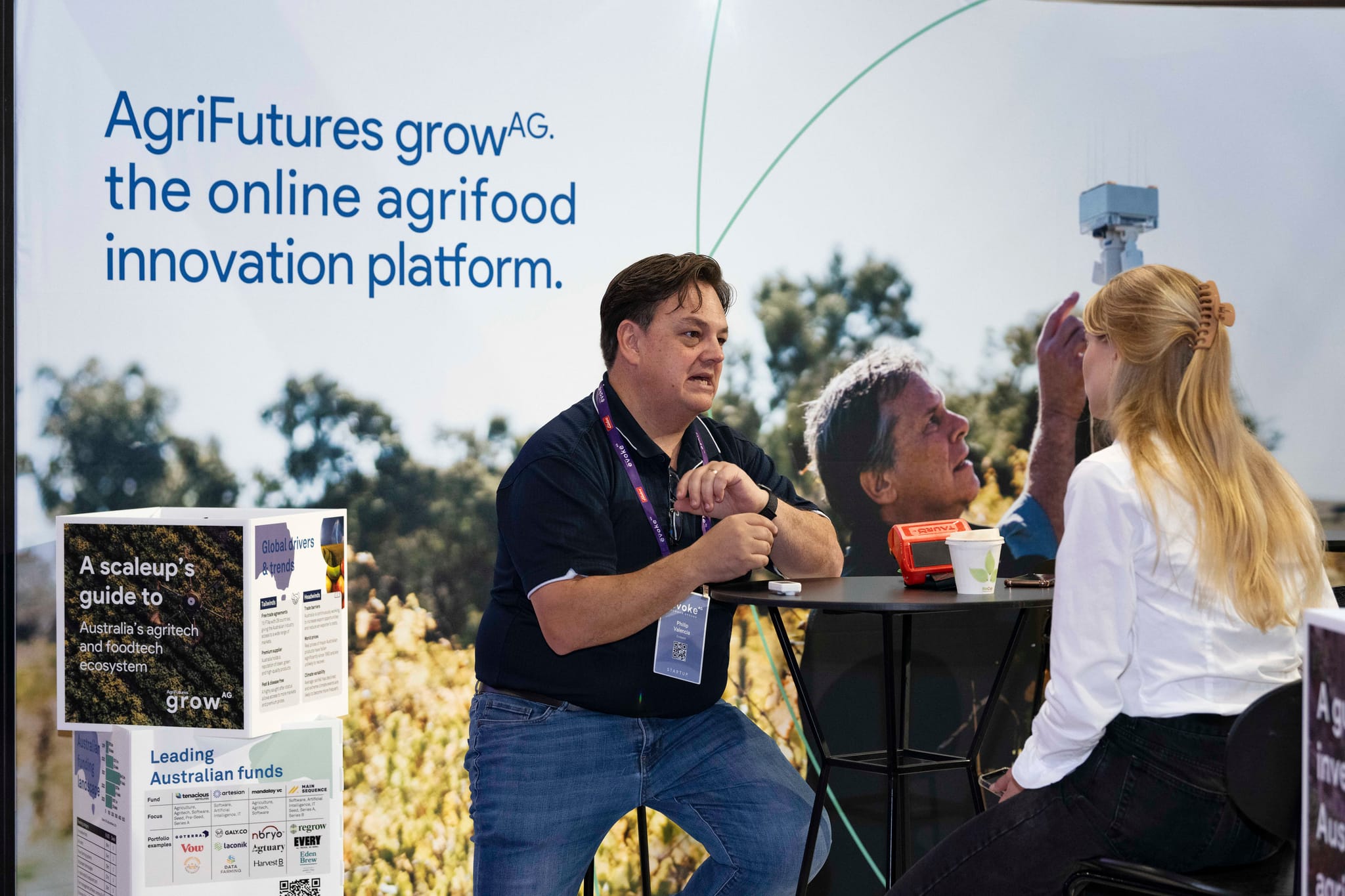
In this dynamic landscape, AgriFutures growAG. has emerged as a vital tool for the agrifood community to better locate up-to-date information and opportunities, help foster connections with partners, and deliver innovation across the supply chain.

Wine Australia has used the growAG. portal to access collaborators for various commercialisation opportunities – a move Paul Smith, Development & Extension (RD&E) Program Manager says has resulted in several leads over the years from partners.

“It’s been really valuable to have the transparency of our projects on growAG. as well as the visibility over other RDC projects. This helps us to meet our transparency requirements and ensures people can be aware of what we’re doing,” Paul says.

RELATED: AgriFutures growᴬᴳ⋅ launches in New Zealand

Understanding and seeing how other RDCs approach their problems is always valuable, Paul adds.

“There are key opportunities for potential collaboration with Hort Innovation across the table grape sector for example, and shared challenges, such as autonomy in perennial row crops, which we’ve had genesis conversations around,” he says.

Open innovation and capturing market opportunity

The growing market for mid-strength, low-strength and no-alcohol wines presents huge industry opportunities, however it comes with a range of food production technology and regulatory challenges.

Wine Australia is currently exploring alternative pathways and emerging technologies to create high-quality products and taste profiles, but without producing the alcohol in the first place – avoiding the added processing costs of removing alcohol.

Exploring novel production solutions complements Wine Australia’s strategic investment shift into “impact projects”, involving technologies with some proof of concept or field trial work, and building partnerships around those technologies to support business use-cases and market viability.

“It’s quite a process to collect the right sorts of partners around a project like that. We see growAG. supporting us, not just for hard commercialisation leads where the product is reasonably matured, but doing work in that messy middle where tech is emerging from the lab, but hasn’t quite got the maturity to live in the real world yet. growAG. has the potential in helping us flush out the right partners to build these projects out,” says Paul.

RELATED: Sharing the load: How Trans-Tasman collaboration can drive agritech innovation

Dairy Australia is embracing a similar openness to innovation and ‘non-traditional’ pathways to accelerate value for its dairy producers.

“We’re looking at how we can accelerate opportunities that are valuable to the industry – either independently with innovators, or collaboratively with other organisations that are complementary to Dairy Australia,” says Emily Samyu, Dairy Australia’s Head of Innovation.

“We’re looking both domestically and globally for innovators in agtech and outside our own sector, whether that be in mining or energy, where innovations can be applied to our dairy industry and tailored towards pasture-based systems.

“We have eight different dairy regions in Australia, each with unique farming systems and climates. Finding solutions that suit all those different types of regions is a challenge in itself.”

As part of its commitment to ‘non-traditional pathways’, Dairy Australia has hosted two successful interactive innovation showcase webinars in the past six months to expose Australian dairy farmers to local and global innovations, educate them about available technologies, and raise awareness of future possibilities.

RELATED: Seeding success across the Trans-Tasman: New Zealand opportunities open to Australia

Some of the showcase technologies included: Halter, from New Zealand; Alternate Energy Innovations (AEI) SmartBoxPairtree IntelligenceFarmo’s WaterRatLivestock Water Recycling, from Canada; and Zetifi.

growᴬᴳ⋅ helps RDCs build partner networks and learnings

Dairy Australia has recently featured three open innovation challenges on AgriFutures growAG.: methane reduction; workforce attraction; and data connectivity interoperability [now closed].

“The objective was to look for innovative solutions to those particular problems to see what’s happening out there, and what we weren’t already across. It was interesting to see what sort of applications and innovators responded to the challenges,” Emily says.

RELATED: Dairy Australia’s new approach seeks global solutions to shared challenges  

“The growAG. concierge service helped us screen the innovators first that weren’t as relevant, and then redefine the challenges to be more specific around the types of solutions we’re looking for.

“As a result of going through this process with growAG. and building our connections and partnerships within the agritech ecosystem, we are more open to looking at investing in these types of organisations, whether it be financial or non-financial investments.”

growAG. is also providing value to GRDC to explore more innovative partnership models to support its traditional R&D investment models, explains Fernando Felquer, GRDC Business Development and Commercialisation Manager.

“As an objective of GRDC’s new RD&E Plan 2023-28, we are expanding the way in which we partner,” he says.

Fernando says GRDC has been innovative in its engagement with the startup community through its $50 million investment fund, GrainInnovate, managed by Artesian Venture Partners – supporting over 22 companies in its portfolio, and close to 100 startups through its accelerator programs.

RELATED: Reframing the ‘down under’ narrative: Reflections from World Agri-TechE Innovation Summit

“The area we’re lacking and where growAG. can help us is in our global expansion and driving that international pipeline. GrainInnovate not only invests in Australian companies but also international companies that can demonstrate value for Australian growers. So we need to develop those international pipelines more, and we see growAG. as a valuable channel for this,” Fernando says.

Strategic investments to drive global value

Fernando notes two strategic investment areas of GRDC’s new RD&E Plan: harnessing existing potential, such as decades of research in genetics, varieties, fertilisers etc; and growth areas to capture market value, such as step changes in productivity, input use efficiency and supply chain optimisation.

“Ensuring that the grower captures more value from their crop is one of the most important areas for us – whether it’s through increased pricing, access to new markets or optimising supply chains – but it’s been a challenging area for GRDC to invest in,” he says.

“The further you get from the farm, and further down the supply chain the harder it is to demonstrate that the grower is capturing the value.

“We believe the solutions might come from outside of the grains industry, even outside of agriculture, and it’s an area we need to reach out as wide as possible to capture the innovations, and where growAG. can definitely help us.”

RELATED: How GrainInnovate and growᴬᴳ⋅ are building connections down under to solve global food challenges

“The growAG. concierge team has made great introductions to expand our international reach and in Australia, which is valuable for potential investment opportunities and connecting us with other investors, such as Carrot Ventures,” Fernando explains.

“Through growAG., we met Rebecca Robinson from Kansas State University Innovation Partners at evokeAG. 2024 and had a productive chat, which may lead to future R&D type collaborations; or potential licensing opportunities.”

“There are many commonalities between the Australian and American grains farming systems – and comparing notes with Rebecca on the two different regions, and needs of the different growers is super valuable.

Fernando concludes, “The same global trends affect all grain growing regions – requiring feeding more people with less inputs in a more sustainable manner. So while not all technologies and research, say in Kansas, are transferable and useful in Australia, there’s enough overlap for potential collaboration.

Prof Jonathan Jones, of The Sainsbury Laboratory selected as a 2025 Wolf Prize Laureate

Member News
The views expressed in this Member News article are the author's own and do not necessarily represent those of Agri-TechE.

Prof Jonathan Jones of The Sainsbury Laboratory at Norwich Research Park awarded Wolf Prize Laureate

Prof Jonathan Jones, of The Sainsbury Laboratory at Norwich Research Park, has been selected as a 2025 Wolf Prize Laureate in Agriculture along with Professors Jeffery L. Dangl and Brian J. Staskawicz “for groundbreaking discoveries of the immune system and disease resistance in plants.”

The Wolf Prize is awarded annually to exceptional individuals across scientific and artistic disciplines. In science, the prize is awarded in Medicine, Agriculture, Mathematics, Chemistry, and Physics. Now in its 46th year, the Wolf Prize has recognized 382 scientists and artists worldwide for their transformative contributions.

Prof Nick Talbot, Executive Director at The Sainsbury Laboratory said, “Crop diseases claim up to 30% of the global harvest each year and controlling them sustainably is critical for food security. The Wolf Prize in Agriculture 2025 recognises the contributions of three exceptional scientists whose work has been critical to our understanding of plant immunity. We now have the knowledge to develop durably disease resistant crops, which will be of huge benefit to humankind.

“I am very proud that the work at The Sainsbury Laboratory by Professor Jonathan Jones has been recognised in this way. Our institution has now won the equivalent of the Nobel Prize for agriculture twice in its 35 year lifetime, which is an extraordinary achievement. I am also pleased that Professor Brian Staskawicz and Professor Jeff Dangl, who have served on our advisory board, have also been recognised for their outstanding contributions.”

This marks the ninth Wolf Prize in Agriculture awarded to a scientist in the UK of which the last three were consecutively awarded to scientists based on their work at Norwich Research Park.

Prof Jones said, “It’s wonderful to see this recognition of the importance of understanding the basic mechanisms that underpin plant disease resistance; without that knowledge, we will not be able to establish durable disease resistance in our crops.

“I’ve been very lucky to have received sustained funding from David Sainsbury’s Gatsby Foundation over more than three decades, and from BBSRC and the EU, and to have had the privilege of working with an outstanding diversity of international talent whose brilliance, dedication and hard work underpinned the discoveries that this Wolf prize recognizes.

“The Sainsbury Laboratory on Norwich Research Park has been a fantastic location for a research career. Many thanks to my wonderful colleagues, our greater research community and our many outstanding advisory board members (two of whom are my cohonorees) that have enabled The Sainsbury Laboratory to become an incredible engine of discovery.”

  • *I have permission from the copyright holder to publish this content and images.

Australians look to World Agri-TechE to fill hort, grains investment pipeline

Member News
The views expressed in this Member News article are the author's own and do not necessarily represent those of Agri-TechE.

For more than 30 years, Australia’s rural R&D corporations have partnered with traditional research providers to drive innovation that solves industry challenges. Now, they’re also looking to the startup ecosystem for faster, bolder solutions that reach producers sooner. And they’re hoping to find them at World Agri-TechE in London.

“Investing in Australia is a huge North Star for us, but we’ve got an additional AUD$500 million over the next decade to seize big opportunities and deliver the range of solutions growers want. And we can’t rely just on Australian agtech companies to do that.”

Delivered through proven procurement approaches, this ongoing stream beckons strategic collaborations, inviting stakeholders from all corners of the sector to join forces to advance industry innovation.

For Hort Innovation’s Jesse Reader, World Agri-Tech is the perfect place to scout early-stage innovations that could benefit Australia’s horticulture industry. The Head of Investment, Growth and Commercial will join a delegation of Australian’s heading to Europe’s leading agtech networking event on 30 September – 1 October 2024.

“We have to start filling a funnel of companies that we think are investable – and who we want to foster a relationship with to understand the trajectory of their technology,” explained Jesse.

“World Agri-TechE provides a platform for us to reach European companies and tell them, ‘we’re open for business.’”

Driving collaboration between Europe and Australia and strengthening international relationships among innovators, corporates, government entities and ecosystem players is also a key objective for Harriet Mellish, AgriFutures Australia General Manager for Global Innovation Networks.

“We’re interested in creating a stronger global ecosystem where we can look to our international partners and how they are addressing challenges, and also offer solutions that have strengthen Australian industries too.

“The AgriFutures growAG. platform partially does this through promoting agrifood and technology opportunities, expertise and research from Australia and across the globe. We want to connect stakeholders through the platform to drive the commercialisation  of innovation that will go on to solve these shared problems,” explained Harriet.

Hort Innovation is one of Australia’s rural research and development corporations – a unique model for agricultural innovation where Australia’s federal government and primary producers co-invest to drive industry-relevant research.

Tailored to specific sectors (15 in total, from horticulture to dairy, grains, and wine) ‘the RDCs’ have helped drive Australian agricultural innovation since 1989.

But there’s growing appetite for new co-investment approaches that are more ambitious, attract new investors, and deliver transformative innovation streams.

To propel the horticulture industry forward fast, and at scale, Hort Innovation has introduced three co-leveraged investment pathways with AUD$500 million of currently uncontracted potential:

  • Australian-grown Innovation to nurture grassroots innovation – supporting growers and supply chain partners to pressure test their ideas or validate a business model.
  • Incubate and Accelerate to launch Australian and international startups wanting to scale their solution within the horticulture domain.
  • And the Hort Innovation Venture Fund, which will channel resources into Australian and international high-growth early-stage startups to propel innovative products and services into grower hands.

Fertile testing ground for European innovators

Australia is widely regarded as a test bed for international agtech solutions – with its diverse climate zones, varied production systems, and high adoption of technology.

But partnering with an RDC like Hort Innovation takes the value proposition up a level.

“I keep asking myself, ‘What are we doing that’s different to others?’” said Jesse. “Because we’re not the first people to play in the area of accelerators and incubators [and funds]”.

“But we’ve got the biggest hort address book in Australia. We’ve got deep engagement with an enormous group of members across 37 industries. And we’ve got incredibly strong data and insights,” he added.

“And for early-stage businesses, those things are critical advantages in assessing your go-to-market proposition, which part of the market you’ll address, and who your cornerstone customers are.”

“There’s huge value in that.”

If you have ideas for investment or are interested in partnering with Hort Innovation, visit here.

Industry: investor collaboration delivers revolutionary VC model

Hort Innovation joins a trade delegation being led by the Australian office of global alternative investment management firm, Artesian. Now in its 20th year, the certified B Corp manages money for government organisations, pension and superannuation funds, insurance companies, family offices, corporations, and industry groups.

Among them is Australia’s Grains Research and Development Corporation – GRDC – and its GrainInnovate venture fund. Artesian Senior Manager Agrifood, Victoria Prowse, explained that the partnership yielded more than just fund management.

“Artesian is a sector-focused VC firm with a key specialization in agrifood. Our unique VCaaS (Venture Capital as a Service) platform enables government organizations, industry groups, corporations, and research institutes to leverage the financial and strategic returns of high-growth startups. GrainInnovate, launched in partnership with GRDC six years ago, is one of our earliest VCaaS collaborations,” she said.

The idea was to establish a platform that enabled GRDC to participate in private equity markets to invest into emerging technologies – but as a single LP [Limited Partner]. “It was paramount that they had full control over their strategic mandates and investment fit,” added Victoria.

Balancing the financial + strategic fit

GRDC takes an atypical VC approach – and Artesian accommodates that. “GrainInnovate is not a two-three year fit [for quick financial return]” explained Victoria. “GRDC is looking a decade ahead and saying, ‘This is what we’re trying to achieve: firstly, support grain growers, and secondly, support the growth of the startups who can help them.’”

For Artesian as fund managers, it’s not just financial delivery that matters.

“It’s very much about the strategic angle as well – finding investable opportunities that are very closely aligned to the needs of Australian grain growers,” explained Victoria.

VCaaS doesn’t replace GRDC’s traditional investment model, but complements it, giving it the ability to move quickly and nimbly, and capitalise on exciting technologies emerging outside of traditional pathways.

“We’re seeing interest come through now with other RDCs and corporates wanting to use VCaaS to play a more active role in this early-stage space to accelerate growth, scale technology, and support industry in the process.”

VC with genuine mutual benefit

From Artesian’s perspective, World Agri-TechE is about learning what’s investable in Europe and the UK; what are other investors looking at; and what are the emerging themes.

“But it’s also about startup pipeline engagement and being early to the conversation with companies that we wouldn’t get access to if we weren’t on the ground spending that time with them,” added Victoria.

International startups stand to benefit from partnering with Australia’s RDCs, too. “Every Australian grain grower invests into GRDC, providing an enormous strategic network that’s incredibly powerful for a startup to leverage,” explained Victoria.

“[As Jesse said,] being invested in by an RDC is incredibly beneficial from a strategic level, not just a financial one. That’s what’s really exciting.”

  • *I have permission from the copyright holder to publish this content and images.

The easiest way to create connections across the international agrifood community
Member News
The views expressed in this Member News article are the author's own and do not necessarily represent those of Agri-TechE.

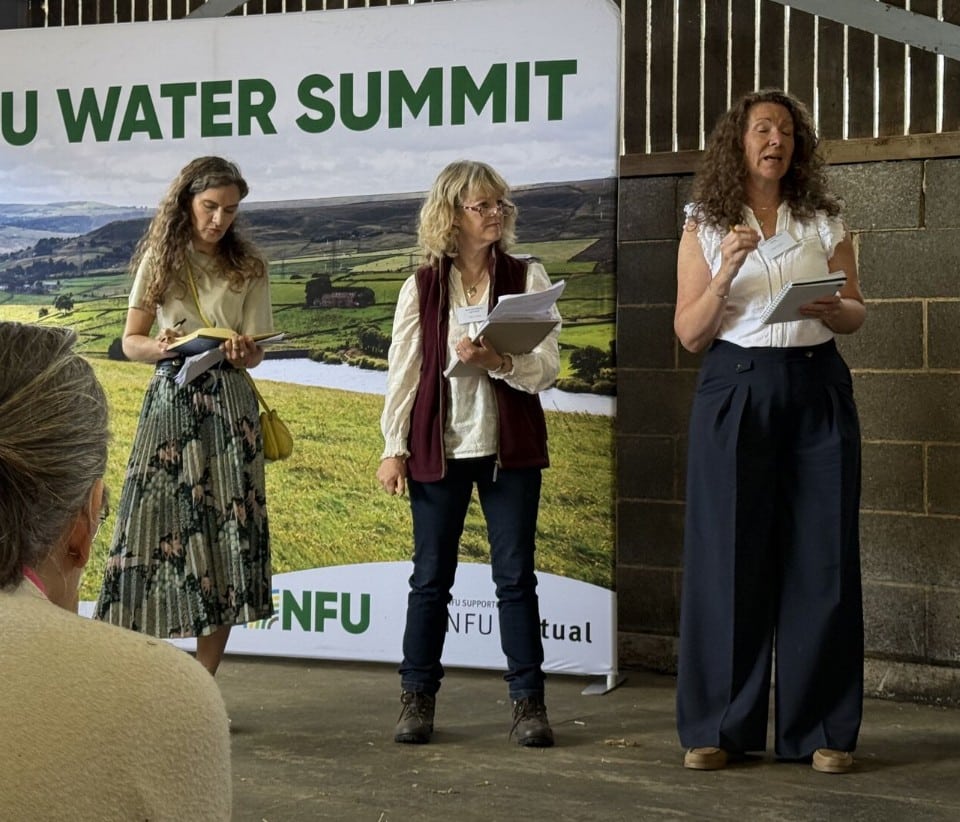
Success in the agrifood industry isn’t just about what you know – who you know can often play just as big a role in reaching your end goal. Creating an online profile on AgriFutures’ growAG. platform can help you tap into an international database of nearly 500 organisations, creating connections between industry, investors and innovators across the world at the click of a button.

growAG. contributor Michelle Meehan sat down with AgriFutures growAG. Customer and Growth Coordinator Amelia Cooper to discuss how easy it is for organisations to make the most of this thriving global community.  Amelia supports growAG.’s engagement team as they help new and existing organisations effectively navigate the online platform, providing guidance on everything from posting opportunities to engaging with industry networks.

What type of organisations create profiles on growᴬᴳ⋅ and how many different countries are they from?

There are almost 500 organisations listed on growAG. who represent a diverse range of sectors within the agrifood ecosystem, including research institutions, universities, agribusinesses, startups and government bodies. These organisations focus on areas such as food production, sustainable farming practices, biotechnology, animal health, crop science and agritech innovation.

The platform features profiles from countries across the globe, making it a truly international network that spans Australia, New Zealand, the United States, Europe, Asia, and the UK. This wide geographical representation allows for rich cross-border collaboration and knowledge-sharing in the agrifood space.

Why should an organisation choose to join this global community – what are the main benefits of being listed on growᴬᴳ⋅?

It’s more than just a ‘platform’ – it is supported by our engagement team who can assist with all aspects, whether that be finding the right strategic partners, making connections, highlighting potential grants and more. Our concierge service is free, easy to use and we are always happy to have a chat with anyone who might have questions about the ecosystem.

Time is money in business, so it’s essential to make the process of listing their organisation as quick and easy as possible. What steps are involved in creating an organisational profile?

It is a very simple process. Our submit form is located on our website. Simply select ‘organisation’ and fill out the questions. Once submitted we will review and be in touch when it is published live on growᴬᴳ⋅ This is a great chance to tell us about what kind of collaboration or engagement you are seeking.

Our concierge team members are always happy to chat, and we are always available to update or amend any information on your profile.

Are there any specific requirements or eligibility criteria for organisations that want to create a profile and how long does the process take?

To be listed on growᴬᴳ⋅ your organisation must be;

  • Related to agrifood and technology innovation, whether that be a corporate, startup or research organisation.
  • You must have an ABN or your country’s equivalent.
  • A website is ideal, so users are able to access you directly and a good logo is essential.
  • We encourage both Australian and international applications.

Once an organisation is listed, what comes next? How do other users interact with and make the most of this organisation list?

Once your organisation is published on growAG., our users will be able to see and interact with your profile. Our ‘visit website’ button allows users to access and browse your website directly.

Your profile is also a great opportunity to showcase a brief outline of what your organisation does and include any other promotional materials you might have, including presentations, videos, brochures etc.

Are there any guidelines for reaching out to other organisations listed on growᴬᴳ⋅?

There are no strict protocols, but best practice includes researching the organisation, personalising your message, being clear and concise about your purpose, and highlighting potential collaboration opportunities.

Again, if you require any help, or would like a personal introduction, our concierge team is more than happy to assist.

What other opportunities or features of the growAG. platform can an organisation tap into once they have created their own profile?

Listing an organisation profile is just the beginning. There are a range of opportunities to enhance visibility and foster collaboration within the agrifood and technology sector.

The platform allows organisations to showcase their innovations, research outcomes, and technologies, attracting potential partners and investors. They can also list funding opportunities, submit research for commercialisation and signal openness to collaboration. We have also launched a user portal this year which allows users to save their interests and get notifications directly to their inbox.

growAG. connects organisations with a global network of researchers, startups and industry professionals, facilitating partnerships and market expansion.

By engaging with growAG.‘s diverse features, organisations can accelerate innovation and drive impactful industry connections.

To find out more visit www.growag.com/submit/organisation.