The views expressed in this Member News article are the author's own and do not necessarily represent those of Agri-TechE.
Burleigh Dodds Science (BDS) Publishing – an independent publisher of content in sustainable and regenerative agriculture – today announced that they are the winners of the PLS AI Award for their innovative application of Artificial Intelligence (AI) across their content.
Representatives from the Burleigh Dodds team and their technology partner Librios, attended the Independent Publishing Awards ceremony, hosted by The Independent Publishers Guild, in London on 30th April, including Managing Director Rob Burleigh who accepted the award on behalf of the business.
“It’s such a great feeling to be recognised for the innovative work we’re doing with AI and the ways that we users can now interact with our content,” says Rob Burleigh.
“I can’t wait to take it back to the office and share the fantastic news with the rest of the team,” he adds.
Whilst other publishers have remained cautious about AI, BDS instead saw its emergence as an exciting opportunity to reach new markets and sales channels and disseminate author’s work more widely, whilst also providing users with a completely new experience.
And this ability to innovate resulted in the development of AgNetZero – a ground-breaking software-as-a-service (SaaS) solution which utilises the publisher’s internationally-trusted content to provide science-based evidence to stakeholders tasked with helping agriculture meet its net zero goals.
And perhaps it was their willingness to ‘grasp the nettle’ that made them stand out from the crowd, with judges commenting on their win:
“This is smart use of tech to leverage content and find new audiences. It shows how AI can be a positive for publishing when used right.”
This is the second time BDS have been successful at The Independent Publishers Awards. In 2018, they were awarded the Nick Robinson Newcomer Award for their innovative commissioning model and the successful development of a book programme with titles dedicated to sustainable agriculture and food systems.
*I have permission from the copyright holder to publish this content and images.
Post Overview
This story has been submitted by an Agri-TechE member.
The views expressed in this Member News article are the author's own and do not necessarily represent those of Agri-TechE.
We’re pleased to share that our CEO, Tim Isaac, is a Project Facilitator for the new Accelerating Development of Practices and Technologies Fund (ADOPT). This is part of Defra’s Farming Innovation Programme, with the aim to fund on-farm trial and demonstration projects to improve adoption of new ideas or solutions in the agricultural sector.
ADOPT sets out to invest up to £20.6 million over the next 2 years to empower practical farming solutions. The full ADOPT grant is for project costs between £50,000 and £100,000. There is also a Facilitator Support Grant of £2,500 for a farmer or grower to engage with an external project facilitator.
As a project facilitator, Tim will be able to provide support to your project through:
Providing expertise to ensure a successful project
Project management
Preparing administrative documents, such as reporting
Ensuring the project remains on track and is well communicated
From the 28th April 2025, you can apply for funding. Your project must:
Have total costs between £50,000 and £100,000
Last between 6 and 24 months
Start by 1 November 2025
End by 31 October 2027
Intend to exploit the results from or in England
Carry out all of its project work in the UK
Embrace open innovation principles and be willing to share results with other farmers, growers or foresters
Have a Project Facilitator as part of the project team who is listed in the ADOPT Innovate UK Business Connect database
Ceres Research are very happy to have an initial discussion with you about a project idea and how we might be able to help.
The views expressed in this Member News article are the author's own and do not necessarily represent those of Agri-TechE.
Preparing Your Farm for AI: A Guide to Maximizing Farmable’s AI-Powered Potential
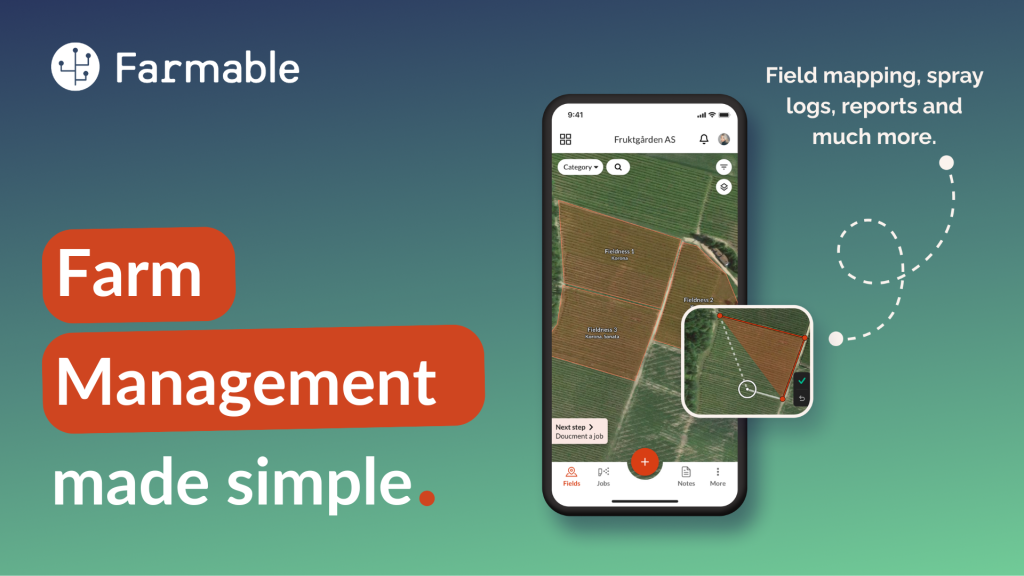
As farming evolves in the face of challenging regulation, labor shortages, and rising costs, Artificial Intelligence (AI) is becoming a game-changer for growers worldwide. AI can optimize operations, boostyields, and promotesustainability—but only if you set it up for success. At Farmable, we believe that preparing your farm for AI starts with the right tools, data, and operational logic. In this blog post, we’ll walk you through how to harness AI effectively using Farmable’s Farm Management Software (FMS) to transform your farm into a smarter, more efficient operation.
Why Farmable is Your Gateway to AI in Farming
Farmable’s FMS, available at farmable.tech, is designed to bridge the gap between traditional farming and cutting-edge AI technology. Unlike complex platforms that overwhelm with unnecessary features, Farmable prioritizes simplicity and practicality, making it easy for farmers to adopt AI without disrupting daily routines. By integrating securely AI systems, Farmable ensures that your farm’s unique operational logic is understood and that the right data fuels actionable insights.
To get the most out of AI, two pillars are essential: operational logic and secure data access. Let’s dive into how Farmable helps you master both and prepare your farm for the AI revolution.
The views expressed in this Member News article are the author's own and do not necessarily represent those of Agri-TechE.
A Digital Revolution in Farming: Cornelius’ Testimonial on Farmable
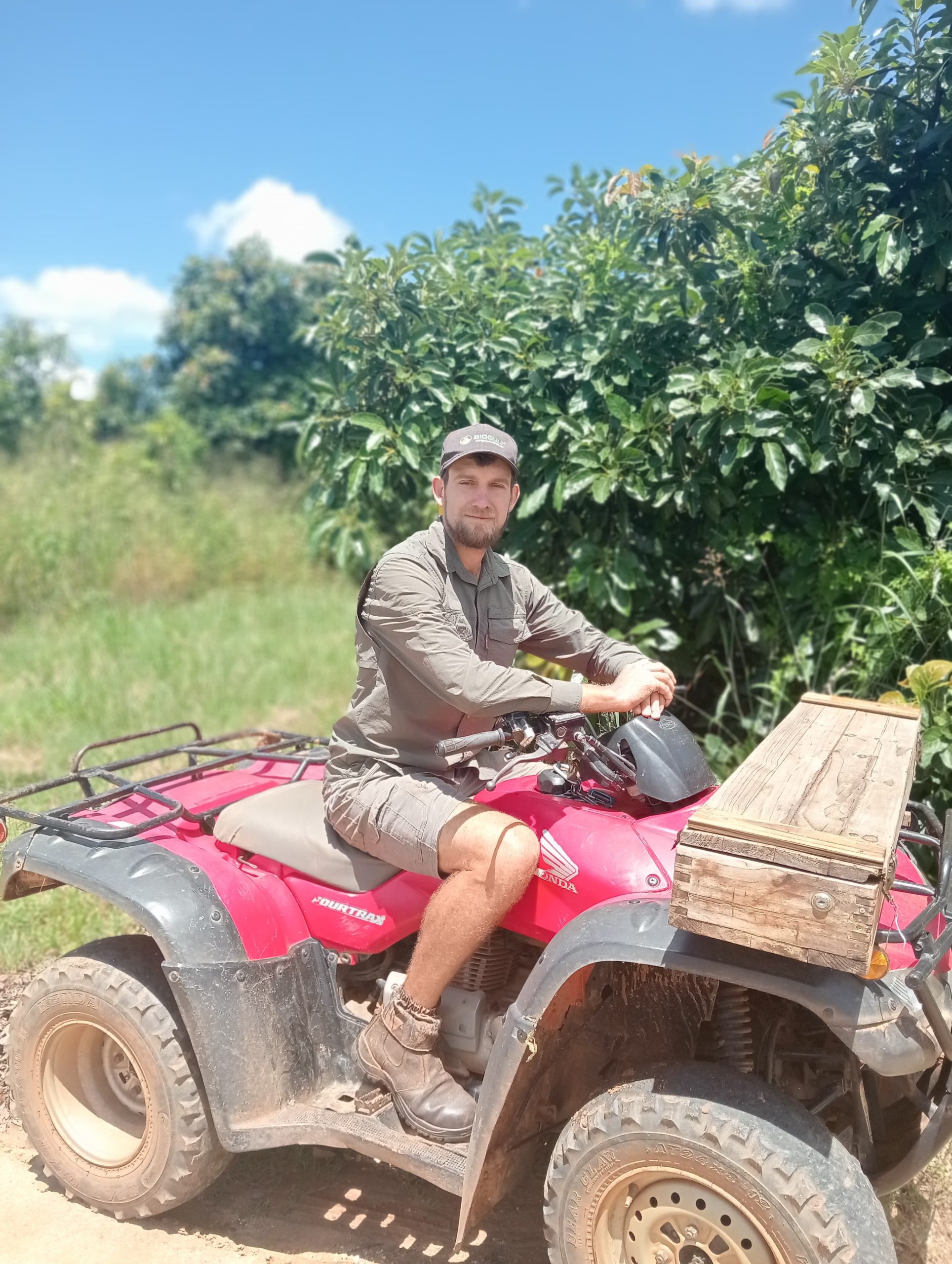
Growing up in Kiepersol, Hazyview, Mpumalanga, Cornelius Luus has always been deeply connected to the land. As part of a third-generation farming family, agriculture is not just a profession for him; it’s a way of life. The Swart Familie Trust farm, spanning 180 hectares with 53 hectares under production, specializes in avocados and macadamias while experimenting with smaller crops like butternuts. With 16 permanent employees, efficiency and precision are crucial to maintaining the farm’s success.
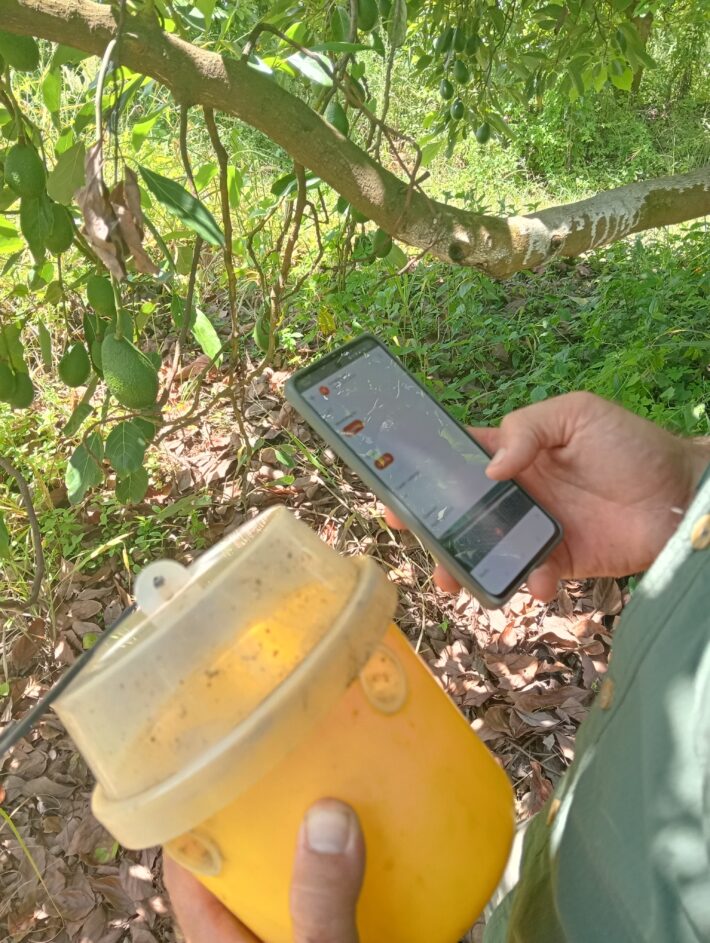
When tasked with implementing GlobalG.A.P. compliance, Cornelius initially relied on a simple notebook for data capturing. However, as the data requirements grew, so did the need for a better solution. Working on quad bikes in unpredictable weather conditions, he quickly realized the limitations of traditional record-keeping methods. “I started with a small notebook, then a bigger one, and eventually I thought—there has to be a better way,”he recalls. “We live in an app-driven world, so I searched for something digital that I could carry in my pocket.”
The views expressed in this Member News article are the author's own and do not necessarily represent those of Agri-TechE.
Fyto: Engineering Practical Innovation for AgriTech and Biotech
Newly released Innovate UK funding has opened new opportunities in Agri-Tech, and as part of the Agri-TechE family, Fyto believes that this funding has the potential to transform the sector and drive true innovation.
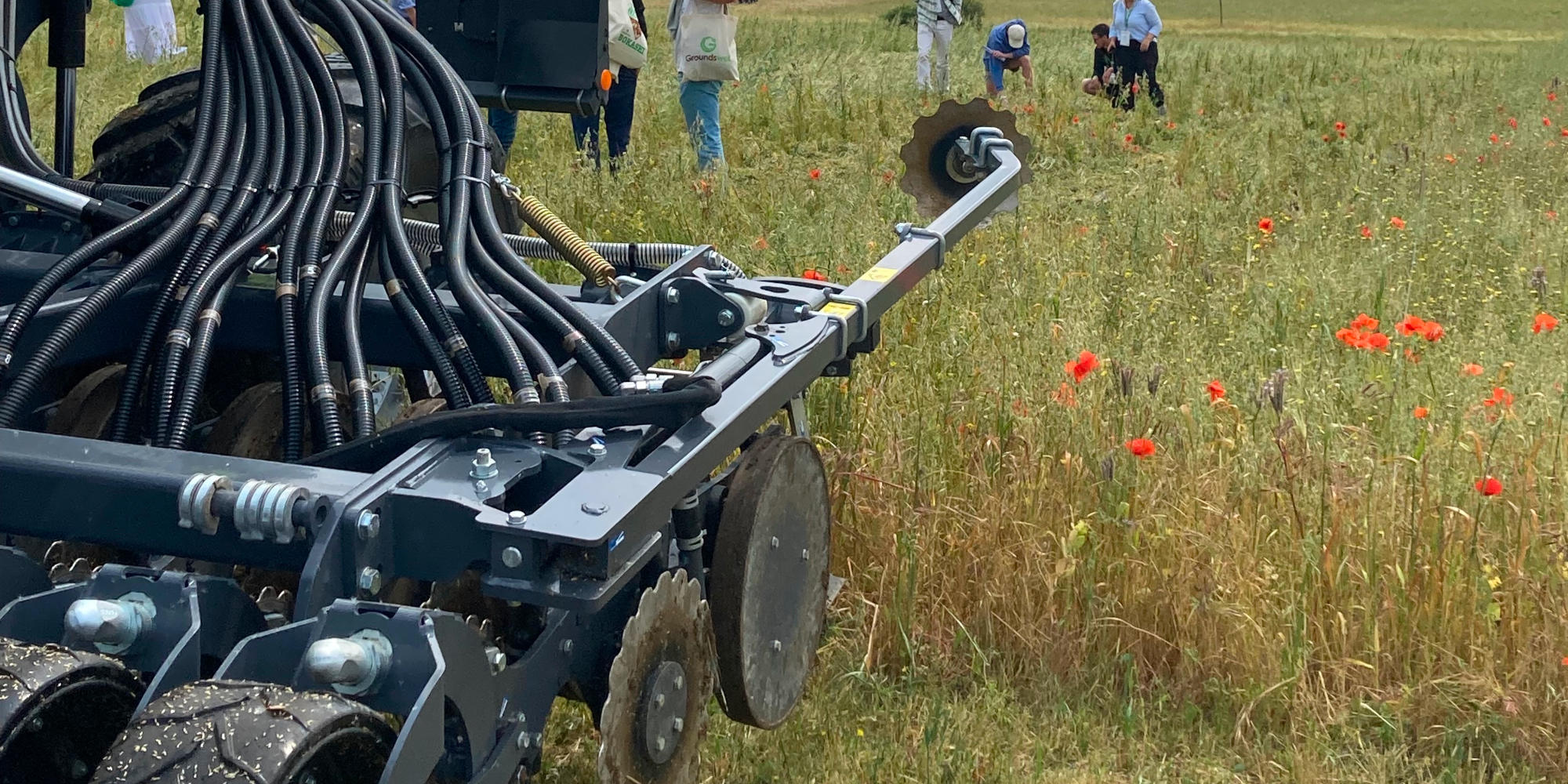
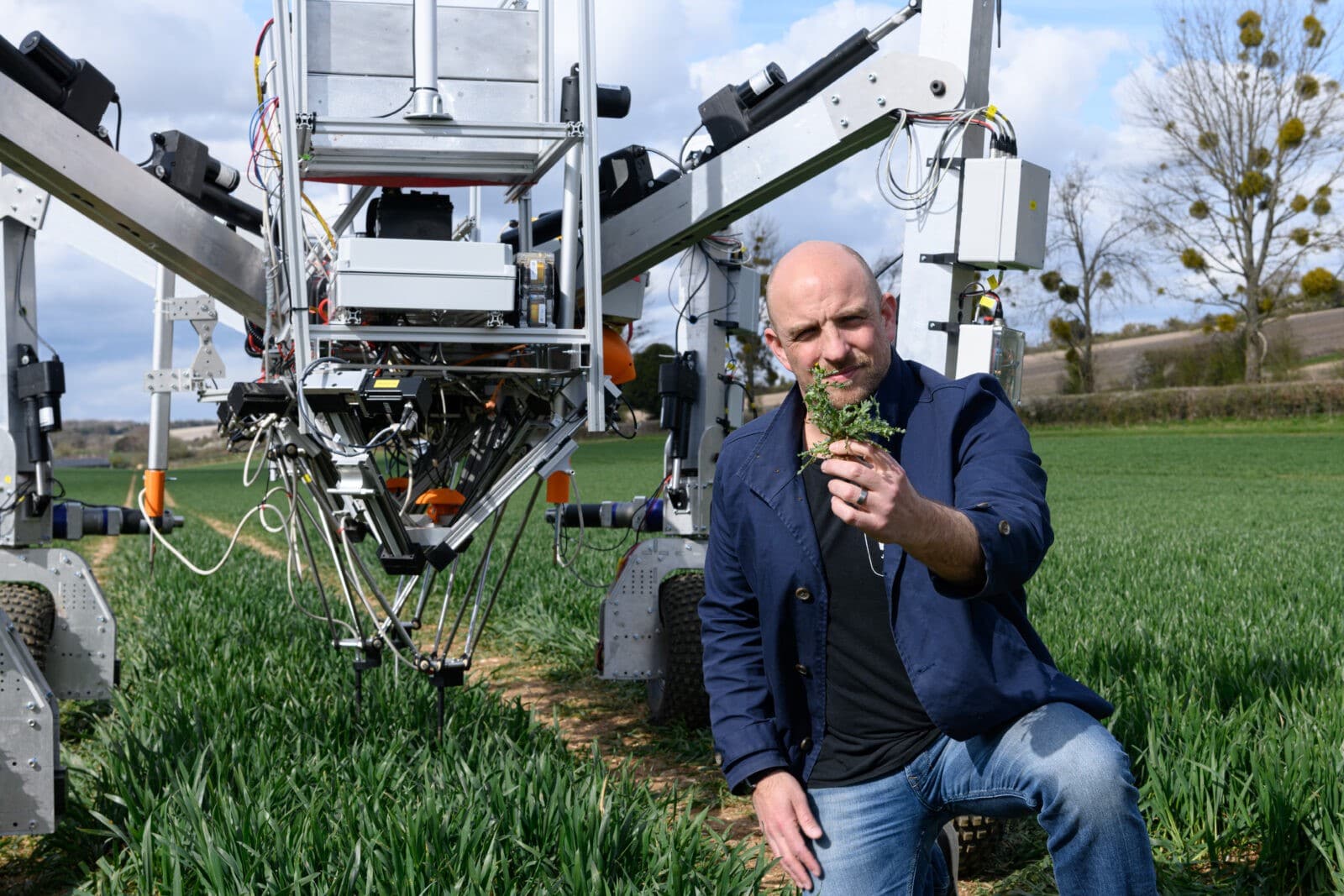
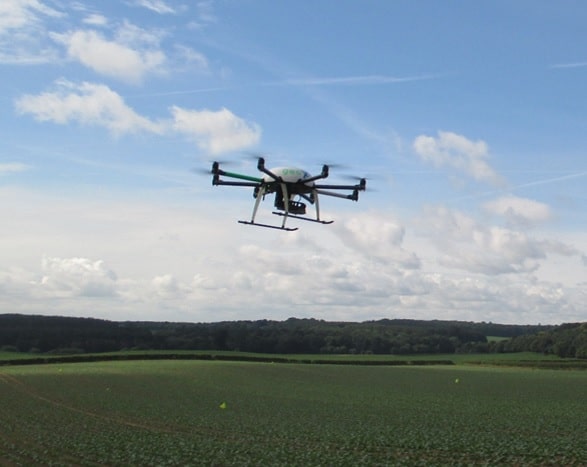
Whether it’s sensor-driven crop trials, precision automation, custom hardware design, or rapid prototyping, we are excited to be part of this next wave of Government support for agriculture, aimed directly at farmers and innovators in the agri-tech space.
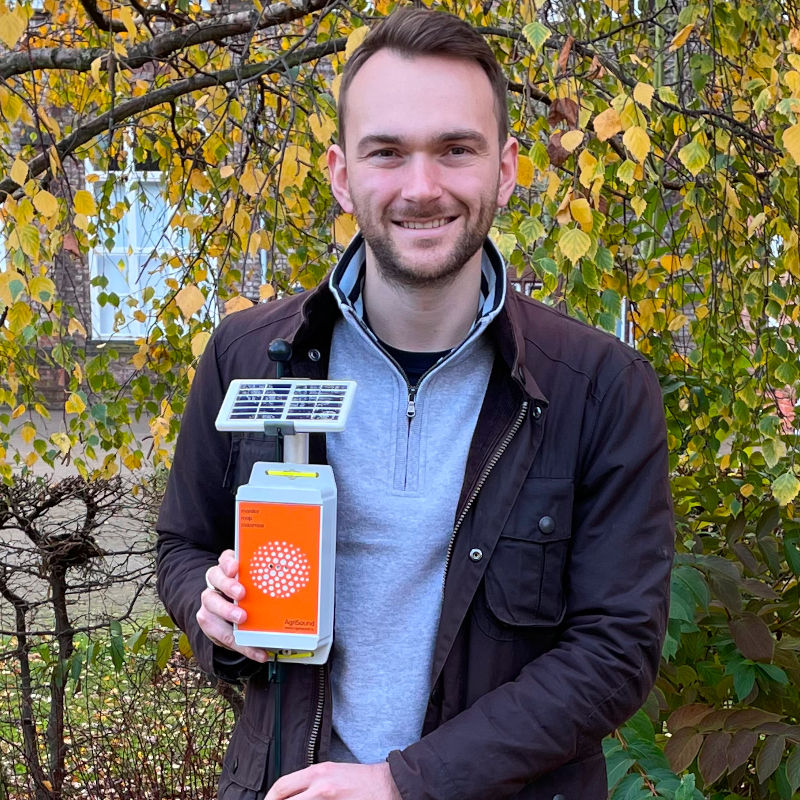
Fyto offers hands-on technical engineering partnerships, project management, and bid writing support to collaborators seeking to develop cutting-edge solutions for the sector. We specialise in designing, building, and scaling technical solutions that power innovations in the agri-tech and biotech sectors.
We have a proven track record of successful bid writing, and project acceleration, taking technical solutions to the next level through our technical and pragmatic support. We’d be keen to hear what challenges you are facing and how you want to make a change for the better through your work.
We can support your project with:
Electronics
Sensors
Hardware integration
Data analysis, including AI models
Project Management
Funded project bidding
We welcome partnerships across Innovate UK’s ADOPT initiatives and beyond, and are ready to support successful project delivery with technical strength and experienced project leadership.
Interested in collaborating? Let’s explore how Fyto can support your next funding application or project.
www.fyto.co.uk
info@fyto.co.uk
*I have permission from the copyright holder to publish this content and images.
The views expressed in this Member News article are the author's own and do not necessarily represent those of Agri-TechE.
With a bold vision to reach $100 billion in production by 2030, and as one of the five key pillars of the Australian economy, Australian agriculture is well-positioned to be an exceptional launchpad for scaling agricultural and food technologies. For startups looking to scale their agricultural or food technology solutions, Australia’s innovation ecosystem offers a unique combination of advantages that few other countries can match.
Australia’s distinctive advantages for agritech and foodtech innovators
Australia is uniquely positioned within the global agricultural innovation ecosystem, with world-class research capabilities, a supportive policy environment, diverse natural resources, and a collaborative environment that fosters rapid development and commercialisation of agritech and foodtech solutions.
While Australia’s diverse ecosystem can be challenging to navigate, the scale-up guide, published by growAG. provides international and Australian-based startups with insights into how to operate within the landscape for sustainable growth and market expansion.
For agritech innovators, Australia offers diverse testing environments across six climate zones, and a fast-growing network of accelerators and incubators. Its counter-seasonality to US and EU markets enables quicker development cycles, while strong leadership in sustainability provides a supportive environment for climate-resilient technologies.
Foodtech innovators also benefit from a strong scientific talent pool, access to high-quality raw materials, and alignment with global consumer demands for clean, sustainable food. Combined with opportunities for global collaboration and the Australian Research and Development Corporation’s cross-industry research model, Australia offers fertile ground for growth, innovation and market success.
Navigating the growAG. Scale-Up Guide
With a focus on facilitating growth and innovation in the agritech and foodtech sectors, the growAG. Scale-Up Guide provides in-depth insights into key industry players, support programs and strategic pathways to scale. It also highlights success stories through real-world case studies, offering valuable lessons and inspiration for innovators at every stage of their journey.
One of the key strengths of the guide is its extensive collection of practical resources. These include detailed maps of the Australian agritech and agrifood ecosystems, showcasing innovation hubs, research institutions, and investment hotspots. The guide also presents a comprehensive overview of Australia’s agricultural sector, breaking down top commodities, production values by state, market drivers and emerging trends – equipping businesses with the knowledge to make informed decisions.
The guide also explores how startups can validate their solutions in the Australian market and outlines the investment landscape, which, over the past five years has seen startups raise more than $1.2 billion USD and agricultural R&D receive over $8 billion USD.
Success stories from the field
CropX is an AI-powered farm management system originally from New Zealand. After securing $30 million in Series C funding in early 2023, CropX strategically expanded into Australia by acquiring Adelaide-based Green Brain in December 2023. This acquisition significantly strengthened CropX’s Australian presence, tripling its local sales team and leveraging Green Brain’s nearly 40-year reputation for technical expertise and customer support in irrigation optimisation.
By combining CropX’s advanced agronomic system (which provides insights on irrigation, fungal diseases, soil health, and nitrogen leaching) with Green Brain’s established customer base in a market where recurring droughts and high irrigation costs create demand for precision agriculture, the move demonstrated smart market entry. It also now offers a blueprint for how international agtech innovators can successfully scale in Australia through strategic partnerships that address local agricultural challenges.
Navigating market entry, securing funding and achieving commercial success can be complex and challenging in today’s global landscape. However, success stories like these demonstrate what is possible within Australia’s innovation ecosystem, highlighting the unique support and opportunities available for agritech and foodtech innovators.
For scale-ups interested in exploring these opportunities further, the complete guide is available to download at growag.com.
*I have permission from the copyright holder to publish this content and images.
Post Overview
This story has been submitted by an Agri-TechE member.
The views expressed in this Member News article are the author's own and do not necessarily represent those of Agri-TechE.
UK’s Net Zero economy has grown by 10% in the past year, and the UK is positioning itself to become a global hub for transitional finance*. This ambition could also be used to fund a move to regenerative agriculture, changing the mindset that sustainable food production comes at a cost to society, observes Rachel Holdsworth.
Increasingly banks and investors are offering preferential finance to companies that have reduced their climate risks and have high ratings on voluntary disclosure platforms. To achieve this, companies need to further reduce their carbon footprints – and the solutions could come from agriculture.
Farmers are in a unique position as not only can they reduce their emissions, but they can also actively remove carbon from the atmosphere into habitats – through improving soil, regenerative agriculture, and planting hedgerows and trees.
However, agriculture is often considered a separate entity to the wider business community. This means that farmers are not part of the conversation when green finance is being discussed.
Changing the mindset
Farmer Doug Wanstall has trialled a range of restorative systems on his farm in Kent and is also co-founder of Beyond Zero (beyondzero.ag), an organisation that is helping farmers and landowners transition to regenerative systems. He says: “We’ve always believed that the same land can deliver not just food, but also wider environmental benefits. We need to think about land differently and how it can solve multiple problems.
“We drastically underestimate how much opportunity there is in soil. With interventions they become deeper and more fertile. Our projects are getting some amazing numbers, year after year. Some farmers have increased their soil organic matter by about half a percent per year.”
Doug’s own farm, Bank Farm, in Kent is used as a model farm to show what is possible. He has experimented with growing sterile variants of Paulownia, a fast-growing tree from South-East Asia that produces hardwood. The UK currently imports 80% of its timber and Paulownia can grow to the size of a 40-year-old oak in just ten years – and can then regenerate.
Independent verification creating trust
Demand for high integrity carbon projects is increasing, driven by the need for businesses to be more transparent with their stakeholders.
Melanie Blackmore, co-founder of Carbonology (carbonologyhub.com), specialists in carbon standards verification, explains: “Sustainability is becoming integral to company performance. Increasingly we are seeing banks and investment institutes asking for evidence that a company has a credible carbon reduction plan.
“In some cases, they give preferential terms for loans, but in other cases they will refuse finance as the company is considered a high climate risk.
“Independently verified carbon reporting can also improve ranking on voluntary disclosure platforms such as EcoVadis and CDP, indexes increasingly being used by investors for valuations.”
Farmer-led initiative
Beyond Zero has taken a science-based approach to develop its framework, which aims to both build resilience in farm businesses and deliver high quality carbon projects for offsetting that are trusted by investors and the markets. It has about 15 approved projects, covering 300,000 hectares and a further 90 in the pipeline.
Doug continues: “The first obligation for all businesses is to have a credible carbon reduction plan and reduce their own emissions,” he says. “For many it won’t be possible to get completely carbon neutral so they will need to buy credits to offset their residual emissions.”
Each project is monitored through an intensive soil sampling protocol and remote satellite imaging. There is still much debate about the accuracy of testing and the techniques to use, but Doug says the key is to be consistent with the technology and process.
Beyond Zero has worked with Cranfield University to develop its soil analysis protocol. Its UK Carbon Code, used to verify projects, is gaining traction with farm clusters.
For each farm project, Beyond Zero creates baselines to work out the emissions and opportunities for carbon removal, with the aim to get the farm business to beyond zero as quickly as possible.
Once this has been achieved and the project audited, and approved, it is registered with the UK Carbon Code Registry. The project can then issue credits annually based on the net balance between their emissions and carbon removals – one credit for each one tonne of CO2 removed from the atmosphere above net zero.
Doug estimates that the current projects are generating about 450,000 credits a year.
“Once beyond net zero a farm can sell the additional carbon credits created from this positive action to large corporations.
“This could form a long-term supply and offtake arrangement that delivers constantly, improving how land is managed and delivering the co-benefits that follow a regenerative transition.”
Bank Farm will be opening on 1st May 2025 as part of an event with Carbonology and Nature Broking, a company that matches corporates with sustainability projects. Find out more at: naturebroking.com/events/bank-farm-may
The views expressed in this Member News article are the author's own and do not necessarily represent those of Agri-TechE.
Politics, pesticides & precision breeding: In Conversation with George Eustice
Join the British On-Farm Innovation Network (BOFIN) for an exclusive webinar on Wednesday 21st May, offering insight from former Defra secretary George Eustice.
In a discussion with BOFIN managing director Tom Allen-Stevens hear George Eustice’s views on the legislation that has challenged and shaped farming including the ban on neonicotinoids and metaldehyde, and why he believes the rules around biopesticides should be changed.
They will also explore the background to the Genetic Technologies Act (2023), why it was prioritised and what government hoped it would enable.
Tom will also raise questions on the Farming Innovation Programme which Mr Eustice put in motion, and his thoughts on the ADOPT programme and how farmers can benefit from the new scheme.
Participants will have the opportunity to put forward their own questions on policy, innovation, and the future of farming.
Register now and join us for an enlightening discussion!
About George Eustice
George Eustice was Secretary of State for Environment, Food and Rural Affairs from 13 February 2020 to 6 September 2022. He was previously Minister of State at the Department for Environment, Food and Rural Affairs (Defra) from 11 May 2015 to 13 February 2020.
He was elected as the Conservative MP for Camborne and Redruth in 2010 and served on the EFRA Select Committee from 2010.
George is from a farming background, and his family still run a fruit farm, restaurant and farm shop in Cornwall where they also have a herd of South Devon cattle and the country’s oldest herd of British Lop pigs.
*I have permission from the copyright holder to publish this content and images.
Post Overview
This story has been submitted by an Agri-TechE member.
The views expressed in this Member News article are the author's own and do not necessarily represent those of Agri-TechE.
Funding Alert: New DEFRA grant competitions now open for Agri-TechE innovators
DEFRA has just launched two significant new funding opportunities under its Farming Innovation Programme, offering a chance for UK agri-tech innovators to access £1 million to £2.5 million in collaborative R&D grants. With up to 70% funding available, these schemes present a timely opportunity for those working on cutting-edge solutions in sustainable agriculture.
This call seeks innovative, collaborative projects that reduce on-farm or near-farm emissions. Key areas include:
Regenerative farming systems
On-farm energy efficiency and innovation
Methanisation and biogas utilisation
Livestock methane reduction
Agroforestry, biochar, and land management innovations
⏰ Deadline for both competitions: Wednesday 25 June 2025 at 11:00am
Project scoping and application preparation
At Tatton Consulting, we’ve helped secure over £100m in non-dilutive grant funding, including £15m+ for agriculture, food, and agri-tech. With a 70%+ success rate and a strong track record across Innovate UK, DEFRA and more, we bring strategic insight and hands-on bid expertise that can make all the difference.
🔍 Agri-TechE Member Perks
To support the Agri-TechE network, we’re offering:
Our team provides honest, upfront advice, no boilerplate bids, and bespoke project design to maximise your competitiveness. And with a ‘No-Win, No-Fee’ option, there’s no risk in exploring your eligibility.
📧 Book your session: funding@tattonconsulting.co.uk
🌐 Learn more: ukgrantfunding.co.uk
*I have permission from the copyright holder to publish this content and images.
Post Overview
This story has been submitted by an Agri-TechE member.
The views expressed in this Member News article are the author's own and do not necessarily represent those of Agri-TechE.
Webinar to explore ADOPT fund opportunities
Farmers and innovators are invited to register for a webinar exploring the opportunities created by the Accelerating Development of Practices and Technologies (ADOPT) Fund, which launches on 28th April.
The funding is part of Defra’s Farming Innovation Programme which is delivered by Innovate. It aims to accelerate the adoption of cutting-edge practices, from sustainable techniques to agri-tech solutions by providing grants of up to £100,000. Support grants of £2,500 are also available to kickstart applications.
The British On-Farm Innovation Network (BOFIN) is one of the programme’s approved project facilitators and is ready to encourage farmers to explore the opportunities through a free one-hour webinar on 1st May 2025, starting at 8.30am. It follows the official Innovate UK launch webinar the previous day.
The BOFIN webinar will include a panel discussion chaired by managing director Tom Allen-Stevens. Experts taking part are Kate Pressland of CEIA, Belinda Clarke of Agri-TechE , Becky Swinn of Innovative Farmers, Siwan Howatson of Farming Connect and Holly Shearman of Innovation for Agriculture.
They will discuss the details of the programme, opportunities for farmers and innovators, and give advice on how to develop ideas into projects.
“The long-awaited ADOPT Fund puts farmers in the driving seat of innovation, enabling them to harness the new technologies or innovations they believe could bring productivity gains,” said BOFIN’s Tom Allen-Stevens. “We want to make sure all farmers are aware of the opportunities this fund creates, which is why we are hosting this webinar. I encourage anyone interested to register to learn more and start developing their ideas.
“Going forward, our role as facilitators will be firstly to help farmers build collaborations with scientists and innovators, and apply for grants. Then, for those that are successful, to ensure farmers can focus on what matters – running trials that boost productivity and sustainability for their own businesses and the wider industry – while we handle the paperwork, partnerships and project management.”
The views expressed in this Member News article are the author's own and do not necessarily represent those of Agri-TechE.
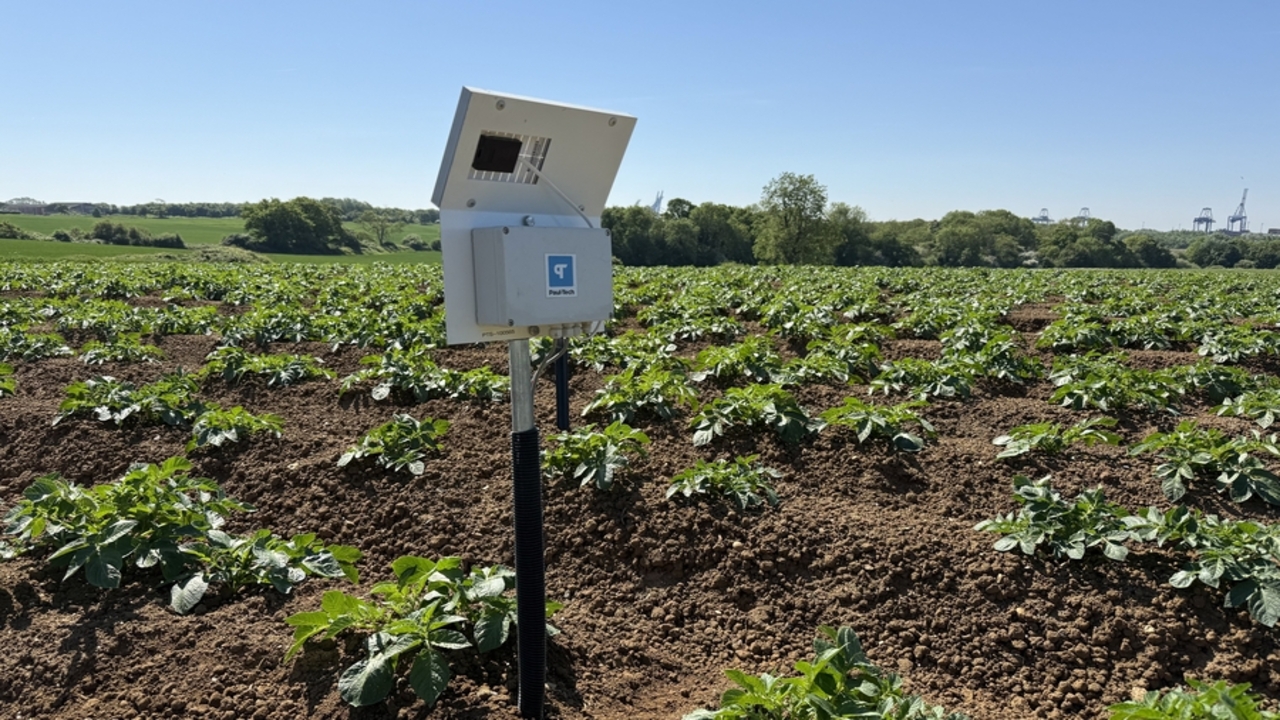
Paul-Tech’s soil stations monitored the impact of different cultivation methods on the plant growing environment in a trial organised by eAgronom. Field peas were in the crop rotation in 2024, preceded by a diverse cover crop. Three different cultivation methods were compared: plough-based, minimised tillage and direct drilling. Ploughing was carried out on 25 April, minimised tillage was carried out with a disc harrow on 4 May, and sowing for all variants took place on 6 May, which was immediately followed by rolling.
Soil stations were placed in the fields after the crop was sown. The sensors of the stations were located at depths of 8 and 20 cm in the soil in all variants to monitor daily soilwater and nutrient levels and movement in the soil. In addition, the sensors also recorded soil temperature. The data measured from the soil are presented as daily averages for two layers.
Soilwater
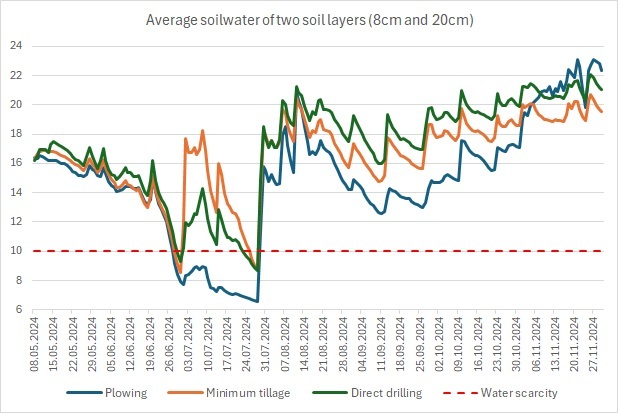
The 2024 sowing period had a larger reserve of soilwater left over from the winter compared to previous years. As the days warmed up and due to low rainfall, there was a steady decline in soilwater (Figure 1), which gained momentum on 20 June and lasted until the end of the same month. July rains raised the soilwater level highest in the minimised tillage variant, followed by the direct drilling variant. July rains had the least impact on soilwater in the ploughing variant. In the ploughing variant, soilwater was lower throughout the season than in the other variants, which indicates the lowest water retention capacity.
Figure 1. Average soilwater in two soil layers (8 and 20 cm), field peas 2024.
The largest amount of soilwater during the vegetation period was in the direct drilling variant, closely followed by the minimised tillage variant.
Days with water deficit occurred during the pea growing season in the ploughing variant 31 (28/06…28/07), in the minimised tillage variant 6 (28/06…30/06 and 26/07…28/07) and in direct drilling 8 (29/06…30/06 and 23/07…28/07).
The rainfall that started in the last days of July considerably raised the soilwater level in all variants, but still left the ploughing readings lower. Subsequent rains kept the soilwater level consistently high until winter set in.
In the ploughing variant, the amount of soilwater only rose higher compared to the other variants after the autumn ploughing done at the beginning of November, when the ploughed layer filled with more water than the other variants. This may be due to the formation of a plough pan under the ploughing.
Nutrients
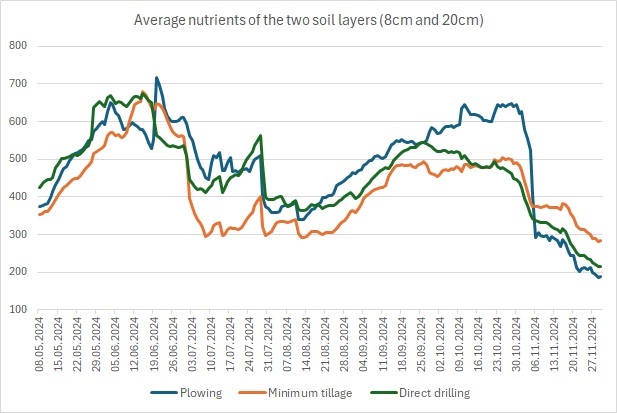
The fertilisation background was the same for all variants. With sowing, mineral fertiliser MAP 12-52 – N 4.8 kg/ha and P 9.15 kg/ha was applied. On 16 May, Potassium chloride – K 32.37 kg/ha was added as top dressing. Nutrients were also provided to the soil by the cover crop and field peas, which also resulted in an increase in nutrients from August to the end of October (Figure 2). However, in November there was a decrease in nutrient levels due to leaching. Nutrients that appeared after the peas matured were wasted due to soil leaching.
Figure 2. Average nutrients in two soil layers (8 and 20 cm), field peas 2024.
In the second half of May and the first half of June, there were the most nutrients in direct drilling, which was based on a higher soilwater level. Overall, ploughing had the highest nutrient level. On the one hand, the water deficit period in July hindered nutrient uptake, on the other hand, biological processes took place faster in the aerated soil with ploughing in the second half of the summer and autumn. As a result, more nitrate nitrogen was released into the soil than with other tillage methods. In addition, the above-ground residues of the cover crop were turned into the soil with spring ploughing. After the autumn ploughing done at the beginning of November, nutrients were quickly washed out of the ploughed layer by the rain.
The nutrient level was lowest in the minimised tillage variant. But by the end of November, fewer nutrients had been leached from there than in the other variants.
Soil Temperature
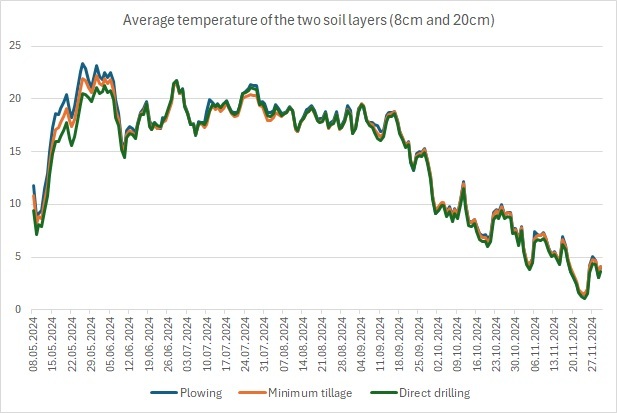
In spring, the soil warmed up fastest in the ploughing variant (Figure 3). Soil temperatures were also higher there until the vegetation shaded the soil surface. Ploughing was most exposed to heat stress during the heatwave in late May and early June. The lowest soil temperature in spring was in direct drilling. In direct drilling, the average daily soil temperature of the two soil layers was up to 3 degrees lower than ploughing on the hottest days, so the risk of soil heat stress was significantly lower. Soil with minimised tillage fell in between the others. Soil temperatures evened out when the vegetation shaded the soil surface. There were no clear differences in soil temperatures in the autumn.
Figure 3. Average soil temperature in two soil layers (8 and 20 cm), field peas 2024.
Conclusion
Water retention capacity was lowest with ploughing, but highest with direct drilling. There were significantly more days with water deficit with ploughing than with minimised tillage or direct drilling.
During periods of rainfall, biological processes were faster in the aerated soil with ploughing, and more nitrate nitrogen was released into the soil compared to the other variants. A large amount of nitrogen that appeared in the soil after the peas matured leached out in late autumn.
Ploughing warmed up fastest in spring but was most susceptible to soil heat stress. Soil with direct drilling was most protected from the heat, but the soil warmed up more slowly in spring than with other cultivation methods. Reducing soil temperature by using direct drilling is beneficial for enhancing root growth and water and nutrient uptake during heatwave periods.
*I have permission from the copyright holder to publish this content and images.
Post Overview
This story has been submitted by an Agri-TechE member.

 Burleigh Dodds Science Publishing Limited



 Ceres Research

 Farmable









 Fyto Ltd.
 Greg Short


 AgriFutures growAG



 Holdsworth Associates


 BOFIN
BOFIN




 Tatton Consulting








 Paul-Tech OÜ