The views expressed in this Member News article are the author's own and do not necessarily represent those of Agri-TechE.
The House of Commons’ Science, Innovation and Technology Committee wants to hear from agritech businesses about how innovation can improve agricultural practices and to understand the UK’s role in contributing to global food security. The Committee’s Call for Evidence focuses on five themes:
How scientific and technological innovation can be combined with low technology practices to support global food security.
The effects of these innovations on the global agricultural system.
How the UK can contribute to advancing innovation and promoting global food security through policy, partnerships and trade.
The barriers to implementing and adopting agricultural innovations.
The shape of a future agricultural system than can achieve global food security.
The Call for Evidence will close for written submissions on 7 September. The Committee will then review the written evidence sent in and carry out a series of oral evidence sessions to hear from business leaders, academics and sector stakeholders. The final outcome will be a sizeable report setting out the inquiry’s key findings, conclusions and recommendations for government. Ministers in the Department for Environment, Food and Rural Affairs are required to respond within a two-month period setting out the government’s view and what actions it will take forward.
This is a critical opportunity for agritech businesses to influence policy development in Westminster, ascertain answers to key questions that require a government response and help shape a more resilient, innovative and sustainable agricultural system.
If you would like to discuss this opportunity to submit written evidence to the inquiry, including how GK Strategy can support you with government relations and communication, please contact James Allan.
*I have permission from the copyright holder to publish this content and images.
Post Overview
This story has been submitted by an Agri-TechE member.
The views expressed in this Member News article are the author's own and do not necessarily represent those of Agri-TechE.
Here is July’s UK Food Valley news bulletin. This time taking an in depth look at some of Greater Lincolnshire’s cold chain and logistics opportunities.
The views expressed in this Member News article are the author's own and do not necessarily represent those of Agri-TechE.
The government has published its food strategy, setting out its vision for a healthier, more affordable, sustainable and resilient food system. It is ambitious in scope and designed to reconcile often competing objectives from farm to fork.
The food strategy identifies three interlocking dynamics of the UK food system: i) a junk food cycle driven by our appetite for highly processed, energy dense foods and the strong commercial incentives this creates to produce foods high in sugar and fat, ii) the invisible cost to nature which fails to reward sustainable and environmentally friendly food production, and iii) a resilience gap that means the UK is highly exposed to multiple and increasing risks, such as climate change.
The next step for ministers and officials is to develop an implementation plan, as well as metrics and indicators to measure progress towards achieving the strategy’s ten priority outcomes. This will take time and require ministers to engage with industry and business to ensure the government’s transition to a ‘good food cycle’ is achievable. It will also need to align with forthcoming strategies in Defra’s to-do list to deliver real, joined-up change across the entire food system. To name a few – the Land-Use Framework, the Food and Farming Decarbonisation Plan, the Farming Roadmap and Farming Profitability Review, and the Circular Economy Strategy.
What does the food strategy mean for agri-tech?
There is a huge opportunity for businesses in the space to engage with government off the back of the publication of the food strategy. Ministers clearly see innovation as critical to resolving system challenges in everything from public health to food security. Agri-tech businesses should take note: the government is not only signalling interest but actively investing in solutions that can deliver measurable impact.
To maximise this opportunity, businesses should look to demonstrate how they can support the government in achieving the food strategy’s core objectives – boosting productivity, enhancing resilience and delivery environmental sustainability. Collaborating with early adopters to demonstrate real-world use cases can help build a compelling evidence base that convinces policymakers of a solution’s viability and impact. Engaging with policymakers means staying ahead of regulatory change and shaping policy and market reforms to establish pathways to commercialisation.
Agri-tech may well represent the silver bullet policymakers are searching for but unless the sector speaks up and showcases its impact, those solutions risk going unnoticed.
If you’d like to discuss this in more detail, including how GK Strategy can support you with government relations and communication, please contact James Allan.
*I have permission from the copyright holder to publish this content and images.
Post Overview
This story has been submitted by an Agri-TechE member.
The views expressed in this Member News article are the author's own and do not necessarily represent those of Agri-TechE.
The UKRI Biotechnology and Biological Sciences Research Council (BBSRC) has unveiled a bold vision to harness the power of bioscience with the launch of its updated Forward Look for UK Bioscience.
This refreshed framework sets out BBSRC’s ambition to deliver a healthy, sustainable and resilient future through the power of bioscience.
Developed through extensive engagement with researchers, innovators, businesses, policymakers and beyond, the new Forward Look highlights bioscience’s essential but sometimes unseen role – and the enormous impact it will have – in tackling some of the biggest challenges we face as a global society.
These include improving lifelong health, building more sustainable food systems and driving clean economic growth.
Professor Anne Ferguson-Smith, BBSRC Executive Chair, said:
“Bioscience is one of the UK’s greatest strengths and a powerful force for change that underpins everything from the food we eat to the health of our planet. As the UK’s major public funder of bioscience research and innovation, BBSRC plays a unique and essential role in unlocking this potential.
“This Forward Look is more than a vision. It’s a rallying call. It sets out how, through discovery, innovation and strategic partnership, we will shape a future that is healthier, more sustainable and more resilient.
“Developed through deep engagement with our vibrant community, this is a bold, collaborative plan for the decade ahead. One that reflects both the ambition of UK bioscience and the leadership BBSRC provides in turning possibility into progress.”
The BBSRC Forward Look: The Power of Bioscience is structured around three core elements:
Our vision: to harness the power of bioscience to deliver a healthy, sustainable and resilient future
Our ambition: to deliver real-world impact in three interconnected areas – healthy people, animals and plants; sustainable agriculture and food systems; and a resilient bioeconomy.
Our commitment: to create the right conditions for success by providing leadership and fostering collaborative working to ensure the people, infrastructure and systems needed for progress are in place.
Working hand in hand with national and international partners across the research and innovation ecosystem, BBSRC will:
Apply innovation that delivers solutions to pressing global challenges like food insecurity, ageing populations and a changing climate
Catalyse discovery through our support for world-class curiosity-driven and fundamental research
Create and deploy transformative technologies such as engineering biology, advanced imaging and artificial intelligence to accelerate progress across bioscience and beyond.
Recognising the tremendous potential that can be unlocked when diverse expertise comes together, BBSRC is committed to strengthening interdisciplinary, cross-sector and global partnerships. This collaborative approach will foster a more dynamic, interconnected and inclusive research and innovation ecosystem, amplifying the power and reach of bioscience.
As part of this, BBSRC is committed to:
Investing in a skilled, diverse and resilient workforce, across all career stages and roles
Supporting accessible and sustainable research infrastructure, from world-leading labs to biological resources and campuses
Facilitating the translation of bioscience into impact
Strengthening collaboration across disciplines and sectors, both nationally and internationall
Post Overview
This story has been submitted by an Agri-TechE member.
The views expressed in this Member News article are the author's own and do not necessarily represent those of Agri-TechE.
The brief
In 2022, a team from the University of Liverpool identified the need for a laboratory and sample management system to support their longitudinal birth cohort study, Children Growing up in Liverpool (C-GULL).
The research is focused on improving the health and wellbeing of children and their families who live in the Liverpool City region and other similar areas within the UK. 10,000 families will be invited to participate in the study and the overall aim of the project is to reduce health inequalities within these regions by developing clinical understanding and addressing the many underlying health and social issues which drive these differences.
The study is funded by the Wellcome Trust Longitudinal and Population Study Award, and will be delivered by the University of Liverpool in partnership with Liverpool Women’s NHS Foundation Trust, The NIHR North West Coast Clinical Research Network and the Civic Data Cooperative (CDC), with additional support and partnership working from colleagues from Liverpool City Region Combined Authority, Liverpool City Council and many other local partner NHS Trusts.
The remit given to Dr. Victoria Shaw, Head of Biobanking and GCP Laboratories Oversight and Nicole Maziere, LIMS Manager at the University of Liverpool when searching for suitable laboratory information management system (LIMS) software was that C-GULL needed to be an entirely paperless project. The number of participants involved with the research, the amount of data being generated, and the throughput of information anticipated over a long period of time meant that any software used would have to be efficient, robust, and simple to use, without any reliance on paper forms. The project brief also wanted to remove as much data entry as possible to reduce the possibility of researcher input error.
One of the major assets of the C-GULL project is the collection of blood samples from the study participants. Therefore, another consideration was how the team would log samples in the biobank. The researchers aliquot blood into numerous small vials which is a time-consuming activity, and also has the potential to introduce human error. The LIMS needed to link the blood samples to the relevant patients in a secure, time efficient manner while at the same time eliminating the risk of sample mix-up.
The University of Liverpool had a number of key objectives required of the LIMS software used in the C-GULL study. These included:
An entirely paperless system for everyday practicality, ease of use and to reduce the risk of human data input error,
The integration of the LIMS software with external systems critical to the day-to-day research project management,
A secure, robust software system which aligns with the timeframe of a potentially multi-decade, longitudinal birth cohort study,
The provision of accurate and timely patient consent data. Due to the number of study participants and the timeframe involved in the project, the LIMS has to provide details and easy to access consent information for individual patients ensuring informed consent is correctly captured and patients’ preferences are being honoured at all stages during the trial.
The solution
The biobanking team at the University of Liverpool has been using Interactive Software’s Achiever LIMS software since 2015 and this existing relationship allowed the University and Interactive Software to work closely together to design LIMS software to manage the project requirements. There were two system integrations that were necessary to make the C-GULL study possible and critically, paperless.
Remote Data Capture for Clinical Information (REDCap) system integration with the LIMS
The C-GULL team log clinical information from study participants into a Remote Data Capture for Clinical Information (REDCap) system. They also log sample information into the LIMS. The C-GULL team involved in data capture and security required an automatic link between these two completely separate databases to ensure process efficiency and to remove the risk of human input error. Interactive Software were able to build the required integration between their LIMS software and the external REDCap system used by the clinical team.
The research nurses involved with the C-GULL project use sample collection kits which include consumables such as sample tubes for blood collection, cleaning materials etc. A large number of kits will be used in any one day at the clinic due to the number of participants involved in the project.
The clinical team enter the kit ID at the sample collection point into the REDCap system and then via the integration, the LIMS can then take the participant ID and link it to the kit ID. Without that link in place, the risk of human errors occurring would increase and the data processing element of the study would be extremely complex.
Dr. Victoria Shaw, Head of Biobanking and GCP Laboratories Oversight, commented: “For example, the laboratory team might be given five kits in the lab at any one time. There’s no paperwork with those kits so how does the lab manager then link that particular kit back to the participant? It could be any one of those five participants. That is where the system integration has been critical, not just beneficial, it’s actually been critical to this process and will probably change how we work going forward as well.”
Integration of the plate scanner
The integration of the plate scanner to scan multiple bar codes helps to increase process efficiency and reduces the manual effort required by project staff. Each C-GULL kit contains approximately 30 pre-barcoded tubes. These barcodes are not generated by the LIMS so the technicians need to scan them to link the physical sample to the sample record generated on the LIMS. Without the aid of the plate scanner integration, the lab technicians would have needed to scan 30 tubes individually with a handheld scanner rather than just once with a plate scanner.
As well as increasing process efficiency, automated integration of the plate scanner dramatically reduces the likelihood of human errors. An additional element that ISL provided was ensuring that the barcodes can only be assigned to a specific sample type. Green-topped vials for instance have a prefix of GRN which, thanks to the integration, can only be assigned to plasma vials, so there is no risk of assigning a tube as the incorrect type on the LIMS.
Without these two factors the system would have been over complicated and too time consuming to be practical in everyday use. In addition, without having these integrations, the risk of human input errors would be massively increased.
The outcome
Through a collaborative project approach Interactive Software Limited has delivered a LIMS solution to support the C-GULL study.
“I think the simplest way to explain it is that the project wouldn’t have been paperless without the support of Interactive Software and Achiever LIMS. Given the scale and complexity, it simply wouldn’t have been feasible without their system.”
Nicole Maziere, LIMS Manager at the University of Liverpool
In terms of timeframe, from project initiation through to the LIMS implementation, was only a few months. Project Managers at Interactive Software worked through a system release process which would then be tested by the University and the subsequent findings from this test would be fed back to Interactive Software so that the LIMS could be updated as required and a system update performed.
Discussing the project timeframe, Nicole explained: “(ISL) sent us an initial release and then we would test it and then send it back to them. I think there was maybe two to three releases – it really wasn’t too long at all.”
The laboratory staff that would be using the LIMS software for the project were involved in the testing phase of the project implementation to ensure they would have a full understanding of how the system functioned and how it would be used on a day-to-day basis. Working together, Interactive Software and the university C-GULL laboratory team have created Standard Operating Practices (SOPs) so that all system users will follow the same processes. These SOPs, together with the system release notes provided by Interactive Software, allow current LIMS users to train new staff as and when required. Interactive Software also have trainers and system support staff on hand to provide further training and assistance should it be needed.
Main Benefits
The integration of three separate systems including the plate scanner and the REDCap system with Interactive Software’s Achiever LIMS has allowed the C-GULL study to function as an entirely paperless project which was the main objective given to the laboratory team at the outset of the research.
The vast number of data sets being generated by the study cohort and the extensive timeframe of the project means that a robust and secure laboratory data management system is imperative to the researchers involved in the project’s data analysis and potentially the long-term outcomes of the C-GULL project.
The C-GULL Project is an important one for Liverpool, the University, and its project partners. Ultimately the main beneficiaries are the children and families that will be supported and whose lives will be improved through the study’s findings.
*I have permission from the copyright holder to publish this content and images.
Post Overview
This story has been submitted by an Agri-TechE member.
The views expressed in this Member News article are the author's own and do not necessarily represent those of Agri-TechE.
The integration of artificial intelligence into Laboratory Information Management Systems is playing a pivotal role in the evolution of agritech. As agriculture faces mounting pressures from climate instability, food insecurity, and the demand for sustainable practices, the capacity to process and act on complex data quickly is becoming critical. AI-enhanced LIMS platforms are enabling agricultural laboratories to do just that—revolutionising how research is conducted, how decisions are made, and ultimately how crops are developed and managed.
AI-driven LIMS systems are helping agricultural researchers fast-track breeding programmes by analysing vast genomic and phenotypic datasets. With these tools, scientists can identify favourable traits such as drought resistance, pest tolerance, and enhanced nutritional content with a degree of speed and precision that was once unattainable. Traditional breeding methods that relied on generational cycles and statistical projections are being replaced by AI algorithms that simulate outcomes and recommend optimal gene combinations in a single cycle. This not only slashes development timelines but also raises the chances of success dramatically.
In the laboratory, AI is improving how samples are managed and tracked. Whether it’s plant tissue, soil microbes or seeds, each sample contains metadata critical to research outcomes. AI-integrated LIMS automate the tracking process using technologies like barcoding and intelligent metadata analysis, enabling researchers to maintain chain-of-custody and quickly identify anomalies or contamination. These systems can also suggest follow-up actions or analyses, acting as a digital collaborator in experimental planning.
The reach of AI in agritech extends far beyond the genetics lab. When combined with climate and field data—from satellite imagery to in-field sensor readings—AI-enhanced LIMS provide predictive models that help researchers anticipate how specific crop varieties will respond to environmental variables. These insights empower agronomists to make informed decisions about planting strategies, resource allocation and climate resilience. The ability to simulate future conditions and test multiple scenarios in silico means fewer resources wasted and more successful outcomes in the field.
By facilitating more precise breeding, reducing input needs and improving yield reliability, AI-enabled systems contribute to the global effort to achieve more sustainable agriculture. They allow agritech organisations to develop climate-adaptive, high-output crops that require fewer chemical inputs, thrive in challenging environments, and deliver more with less. This directly supports global food security while reducing the environmental impact of food production.
Despite these benefits, AI integration comes with challenges. Implementation can be costly, requiring investment in new infrastructure, system integration, and staff training. There is also the issue of data quality—AI is only as good as the information it is trained on. Poor, biased, or incomplete datasets can compromise results and lead to faulty recommendations. Moreover, the complexity of AI systems necessitates a workforce that not only knows how to use the technology but understands how to interpret its outputs and manage its risks.
Cybersecurity adds another layer of concern. AI-driven LIMS platforms are susceptible to cyber threats, especially when cloud-based or dependent on third-party tools. Laboratories must defend against data breaches, adversarial attacks, and the manipulation of machine learning models. This requires a comprehensive approach that includes encryption, multi-factor authentication, regular system monitoring, and continuous staff education in best practices.
Nevertheless, forward-thinking agritech organisations are rising to the challenge. Agricultural research institutes, biotech firms and seed companies are increasingly adopting AI-integrated LIMS to modernise their operations. These systems are often tailored to include features like regulatory compliance management, intellectual property safeguards and collaboration modules that support global, cross-institutional research. They are scalable and flexible, making them suitable for small laboratories and multinational agribusinesses alike.
As AI continues to embed itself in the agritech sector, it is becoming not just a technological advantage but a strategic necessity. Laboratories equipped with intelligent LIMS platforms are better positioned to innovate, adapt and thrive in a world that demands sustainable, resilient, and efficient agricultural practices. AI in LIMS is not just reshaping how labs operate—it is helping shape the future of global agriculture itself.
*I have permission from the copyright holder to publish this content and images.
Post Overview
This story has been submitted by an Agri-TechE member.
The views expressed in this Member News article are the author's own and do not necessarily represent those of Agri-TechE.
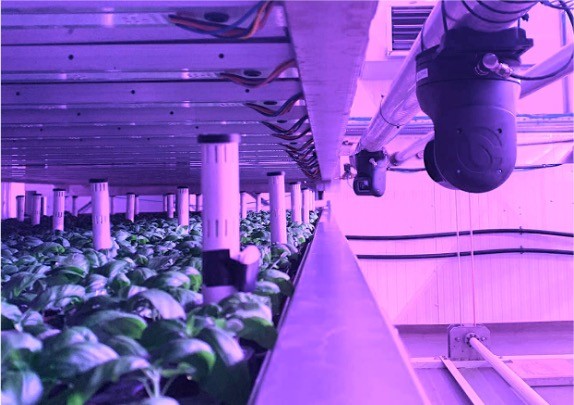
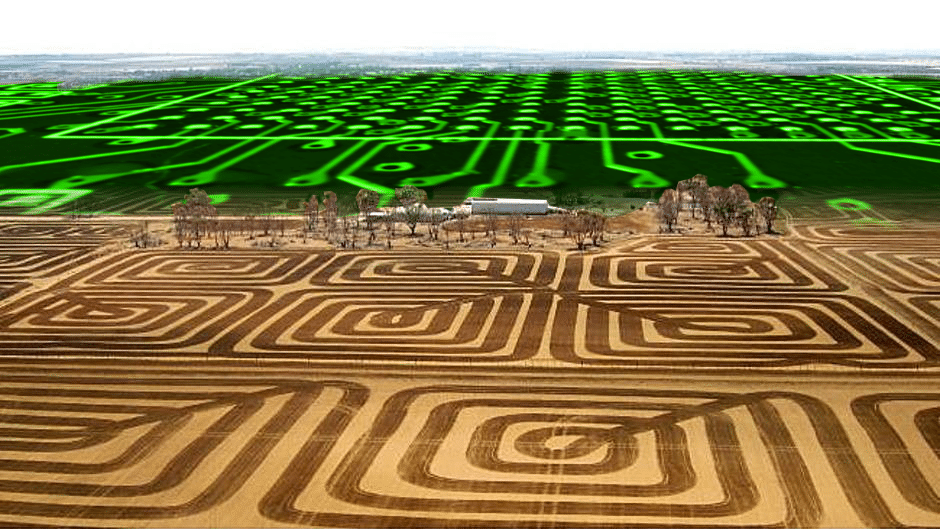
We’re proud to announce that Swarm Ops Ltd has officially been granted Operational Authorisation by the UK Civil Aviation Authority (CAA) for UAV crop spraying operations.
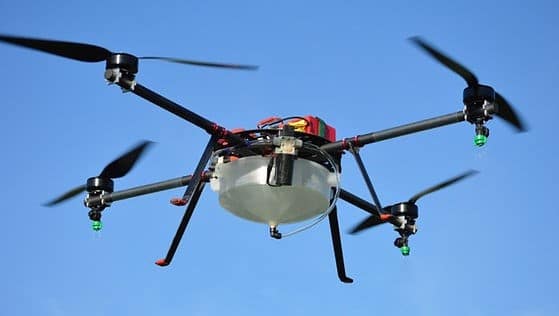
This authorisation allows us to safely and legally operate agricultural spraying drones across the UK — a major step forward in supporting more efficient, precise, and sustainable farming.
🚀 Now Approved To: ✅ Conduct UAV crop spraying under UK regulation ✅ Sell and support the Topxgun FP700 agricultural drone ✅ Train and certify pilots on the FP700 platform
Whether you’re looking to outsource spraying, invest in your own drone, or become a qualified spray drone operator — we’re here to help.
*I have permission from the copyright holder to publish this content and images.
Post Overview
This story has been submitted by an Agri-TechE member.
The views expressed in this Member News article are the author's own and do not necessarily represent those of Agri-TechE.
Introducing Fields of the Future, a new podcast for farmers who want to get the most out of their farm businesses and unlock their agricultural potential.
Each episode brings together voices from across the industry – farmers, agronomists, researchers, and innovators – to share independent, science-led insights that matter in the field. Whether you’re looking for practical advice, emerging trends, or a deeper understanding of the challenges shaping the sector, Fields of the Future is your go-to source for informed, accessible conversations.
Episode 1: Cereals Event Special
In our debut episode, we take you to the heart of the Cereals Event 2025. Recorded live on site, this special edition captures the atmosphere, innovation, and expertise of the UK’s leading arable farming event.
Join us as we walk the event grounds, speaking with key exhibitors about the latest agronomic insights, emerging technologies, and the practical challenges facing growers today. It’s a snapshot of the sector’s most important conversations – all in one episode.
Listen now:
Stay Connected
Subscribe to Fields of the Future on your favourite podcast platform and follow Ceres Research on social media @ceresresearch_ for updates, research highlights, and future episodes.
As a Ceres Research member, you will have access to more podcast content, exclusive insights, and tools to help unlock the full potential of your farming business. Click here to find out more.
*I have permission from the copyright holder to publish this content and images.
Post Overview
This story has been submitted by an Agri-TechE member.
The views expressed in this Member News article are the author's own and do not necessarily represent those of Agri-TechE.
Innovate UK grant to validate effectiveness of lead product, an important developmental milestone
BugBiome & Niab in UK collaboration to field validate novel bioinsecticide in sugar beet
Innovate UK-funded study to validate BugBiome’s lead asset & AvidX platform technology, important milestones for investors and commercial partners
Project also to enhance bioinsecticide active components & develop market strategy
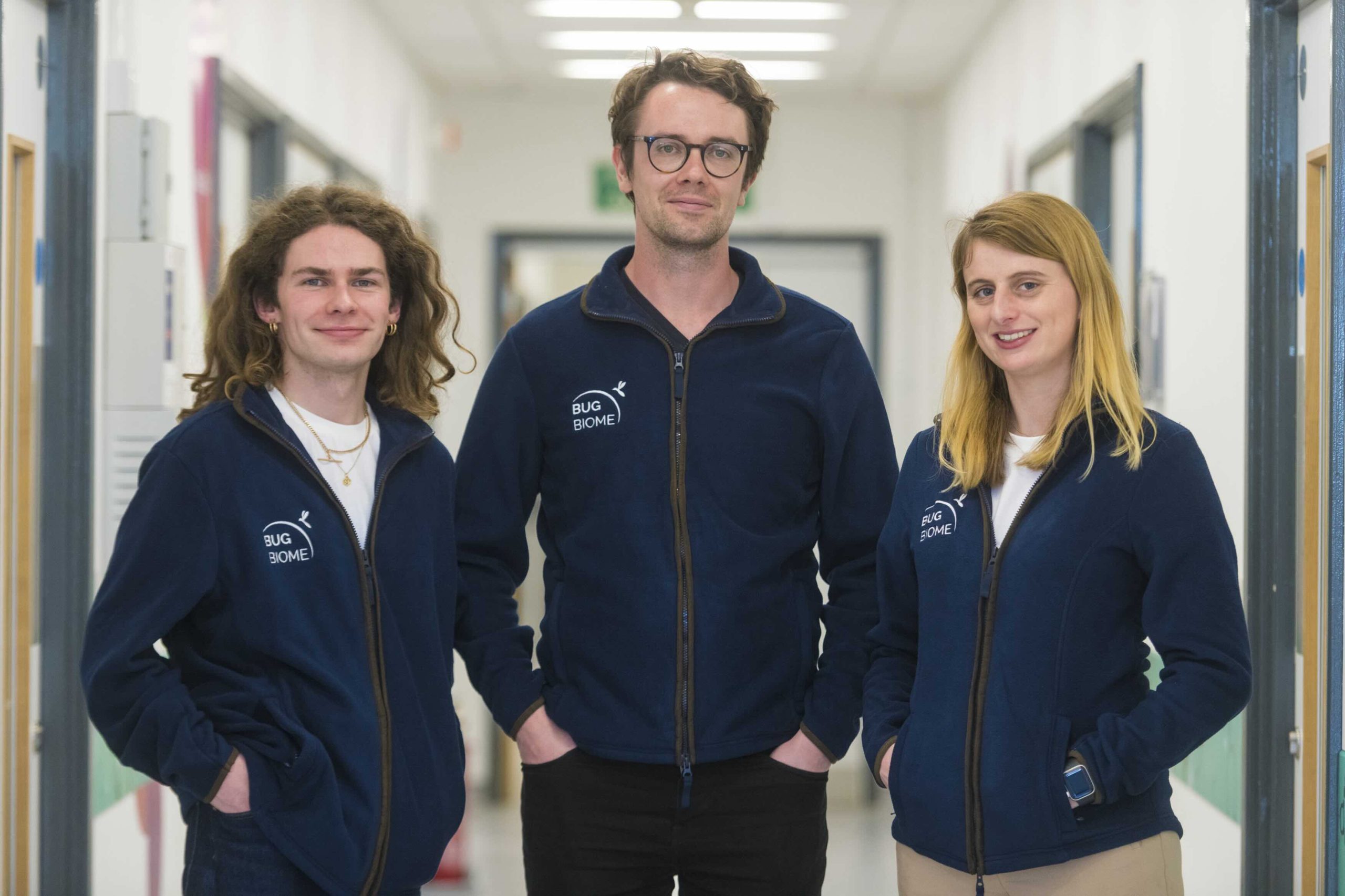
Cambridge, UK, July 7 2025 – BugBiome, an agritech innovator developing new bioinsecticides from crop-associated microbes, is field testing its lead product against aphids via a new Innovate UK grant with partner Niab, an experienced crop trial specialist.
The project, Sustainable crop control: efficacy of insecticides from lab to field, will investigate the effectiveness of the aphid bioinsecticide, the first from the company’s proprietary AvidX platform, against aphid infestation on sugar beet in controlled and field settings. The partners will also optimise the product to improve efficacy and cost-effectiveness in the field.
Field validation of the effectiveness of the lead product outside the lab will mark a major milestone for BugBiome as its sustainable crop control business matures.
Niab, an expert in field trial design and implementation, will lead the polytunnel and field experiment components of the project. Product development will include optimizing stability of the bioinsecticide, which is important for competitive manufacture at scale. In addition, the project will investigate other markers of effectiveness, and further develop commercial, regulatory and manufacturing strategies.
Aphid infestation in sugar beet, primarily through the transmission of virus yellows, can lead to up to 20% yield losses, costing the UK industry over £54 million annually.
BugBiome is backed by Cambridge Angels, Discovery Park Ventures, IndieBio/SOSV and AgVentures Alliance. Proceeds from its ongoing fundraising round will further support development and commercialisation of its lead biopesticide, as well as generation of a pipeline of follow-up products.
Dr Alicia Showering, CEO of BugBiome, said: ‘This Innovate UK grant enables us to accelerate field validation of our lead bioinsecticide and core AvidX platform technology outside of the lab, important milestones for the company. Compelling data on the field effectiveness of our first product will drive BugBiome’s commercialisation and partnering activities.’
BugBiome is a biotechnology start-up harnessing the power of microbes to create novel pest protection solutions to protect crops. Their proprietary platform (AvidX) screens microbes for insecticidal activity by combining microbial characterisation and insect behavioural understanding to classify bioinsecticides based on function, enabling rapid discovery and development of novel microbial pest control agents. This approach aligns with the needs of modern agriculture while remaining committed to ecological balance and biodiversity conservation. Our lead product targets aphids, a major agricultural pest, aiming to provide farmers with an effective crop protection tool. For more information please go to www.bugbiome.com and follow us on LinkedIn.
About Niab
Niab is a leading UK crop science organisation, with rapidly expanding research capabilities in plant genetics, agronomy, farming systems and data science, the largest national field trials capability, and strong research links with industry, Government and academia. With headquarters in Cambridge, and regional offices across the country, employing more than 400 people across the UK, Niab provides scientific research, technical services and practical advice to improve the yield, efficiency and resilience of crop production across the arable, forage and horticulture sectors. www.niab.com
*I have permission from the copyright holder to publish this content and images.
Post Overview
This story has been submitted by an Agri-TechE member.
The views expressed in this Member News article are the author's own and do not necessarily represent those of Agri-TechE.
The UEA–FARMWISE team participated in the Agri‑TechE Innovation Hub at the Royal Norfolk Show (25–26 June 2025). Team members Kevin Hiscock, Andrew Lovett, Richard Cooper, and Natasha Balashova engaged with visitors to highlight the project’s innovative contributions to sustainable farming and water management.
Throughout both days, UEA researchers showcased the next generation of precision agriculture and AI including a live AmoreAqua dashboard demo, allowing visitors to explore real-time stream flow and water quality data from the Defra-funded Wensum Demonstration Catchment, highlighting applications that empower farmers with interactive, data-driven decision support.
The team displayed research on machine learning methods, exploring climatic stressors impacting potato yields in Finland and the Netherlands—jointly developed by University of Oulu and Wageningen University & Research.
“We’ve had excellent engagement over both days,” said Kevin Hiscock, “Visitors were particularly interested in how the dashboard reveals relationships between climate, water flow and quality—vital for on‑farm decision-making.”
The Royal Norfolk Show provided an ideal setting to engage with the farming community and demonstrate how smart agriculture, powered by AI and remote sensing, can deliver actionable insights and enhance resilience.
About FARMWISE
FARMWISE is a Horizon Europe–funded project combining AI, remote sensing and precision agriculture tools to reduce pollution, optimise natural resource use and boost climate resilience across Europe.
To find out more about the UEA–FARMWISE project, email Kevin Hiscock at K.Hiscock@uea.ac.uk
*I have permission from the copyright holder to publish this content and images.
Post Overview
This story has been submitted by an Agri-TechE member.
The views expressed in this Member News article are the author's own and do not necessarily represent those of Agri-TechE.
The public health problem: Over one in four adults are obese, with an additional 36% classified as overweight in England. The prevalence of obesity has been steadily rising since 1993, with little evidence to suggest this trend is slowing. This is not solely an adult issue. The sharpest increases in obesity have recently been observed among children. Currently, 15% of children aged 2 to 15 are obese, and a further 27% are overweight. Projections from the Royal Society of Public Health suggest the situation will get worse. 39% of children are expected to be obese or overweight by 2029–30, rising to 41% by 2034–35.
The cost: The government estimates that obesity is costing the NHS £11.4bn a year and is the root cause of diabetes and heart disease and the second biggest preventable cause of cancer after tobacco smoking. Less conservative estimates that account for wider consequences suggest that poor diets cost the UK £126bn a year. There is a strong rationale for public health intervention and the Labour government is demonstrating a willingness to intervene. One of health secretary Wes Streeting’s big three healthcare shifts set out in this week’s NHS 10 Year Plan is a shift from treatment to prevention, and for public health this means intervention.
Government action: Trailing the publication of the NHS 10 Year Plan alongside an obesity strategy, the government has announced a new standard for food retailers to make the average shopping backet of goods healthier. Big food businesses will be required to report on healthy food sales and will be overseen by the Food Strategy Advisory Board. This builds on a government consultation launched in May on plans to tighten the sugar levy by reducing the minimum sugar content level from 5g to 4g and remove the exemption for milk-based drinks. This signals a clear appetite within government for more interventionist policies. Such an approach will undoubtedly incur backlash from anti-nanny state politicos and big industry actors. However, it also creates an opportunity for innovators.
Agri-tech innovators: A contested political environment driven by a firmer stance on obesity and healthy foods by ministers, creates a window for pragmatic, science-driven solutions. Crop biofortification to increase the nutritional profile of foods. Precision fermentation to produce low-fat dairy and bioactive compounds. Modified starches with a lower glycaemic index. The agri-tech sector is well-placed to engage and support the government to achieving public health outcomes. Junk food advertisement bans might grab the political headlines, but ministers will need solutions that measurably change health outcomes and improve the health of the nation.
What next: The NHS 10 Year Plan and the obesity strategy will feed into Defra’s set piece item due for publication later this year: the national food strategy. Broadening access to healthy foods dominates the political discourse around this food strategy. Improving public health and tackling obesity have shot up the political agenda and joining this up with food and farming policy is the key to successfully achieving these policy aims. Aligning with the government’s thinking and offering solutions to public health priorities will strengthen the agri-tech sector’s positions to shape policy and work alongside ministers and policymakers.
*I have permission from the copyright holder to publish this content and images.
Post Overview
This story has been submitted by an Agri-TechE member.
The views expressed in this Member News article are the author's own and do not necessarily represent those of Agri-TechE.
Over the past two decades, genetic engineering, synthetic biology, and bioinformatics have revolutionised plant science. In this Insight, we explore how recent advances in plant biotechnology can help tackle United Nations Sustainable Development Goal Number 2:
With the global population projected to reach 9 billion by 2050, increasing food security is one of the most pressing challenges of our time. As traditional agricultural methods approach their limits, synthetic biology and genome editing are emerging as key tools to enhance crop yields and drive global food sustainability.
For centuries, traditional plant breeding has aimed to improve crop yields by leveraging natural genetic variation. However, in many staple crops, further gains are difficult to achieve without sacrificing other crucial agronomic traits. Plant biotechnology offers a breakthrough, enabling scientists to surpass these limitations and develop higher-yielding, more resilient crops to feed a growing population.
The C4 Rice Project: unlocking higher yields
Rice is a staple food for over 50% of the global population, making yield improvements in this crop particularly impactful. One promising approach involves synthetic biology, a branch of biotechnology that introduces novel biological pathways into organisms.
Most plants, including rice, rely on C3 photosynthesis, a process where carbon dioxide is fixed by the enzyme RuBisCo. However, RuBisCo is inefficient – it sometimes fixes oxygen instead of carbon dioxide, triggering photorespiration, which reduces overall biomass production.
In contrast, C4 photosynthesis, a process which has evolved over 60 times in nature, allows plants to optimize carbon fixation, leading to higher photosynthetic efficiency and greater biomass production. The C4 Rice Project, an international initiative partially funded by the Bill & Melinda Gates Foundation, seeks to introduce the genetic and anatomical adaptations required for C4 photosynthesis into rice, potentially revolutionising global rice yields.
Gene-edited wheat: breaking the yield plateau
Wheat is the staple crop for 35% of the world’s population and the most widely cultivated cereal globally. While the Green Revolution of the 1960s significantly increased wheat yields by introducing shorter-stature varieties, further improvements through traditional breeding have plateaued.
Now, CRISPR gene-editing technology, which earned the 2020 Nobel Prize in Chemistry, offers a precise way to enhance wheat genetics. A recent study using CRISPR-Cas9 demonstrated that silencing the TaARF12 gene in wheat resulted in higher grain yields, larger spike sizes, and reduced plant height – key traits for boosting productivity.
Innovation for a food-secure future
As natural genetic variation in key crops nears its limits, synthetic biology and genome editing will play an essential role in ensuring global food security. These innovations offer commercial opportunities for agribusinesses, researchers, and biotech investors, positioning plant biotechnology at the forefront of sustainable agriculture.
How J A Kemp can help
For businesses and researchers pioneering advancements in crop improvement, robust IP strategies are key to maximising innovation, investment, and impact. However, patenting plant biotechnology inventions presents challenges, as discussed in detail in our Technical Briefing on Patenting Plants in Europe and the UK. We have several experts working in this area and are uniquely placed to advise on overcoming these challenges.

 GK Strategy





 UK Food Valley









 UKRI-BBSRC



 Interactive Software Ltd - Achiever LIMS







 SWARM OPS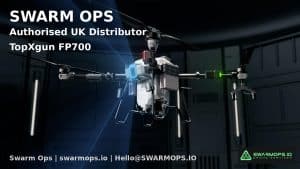



 Ceres Research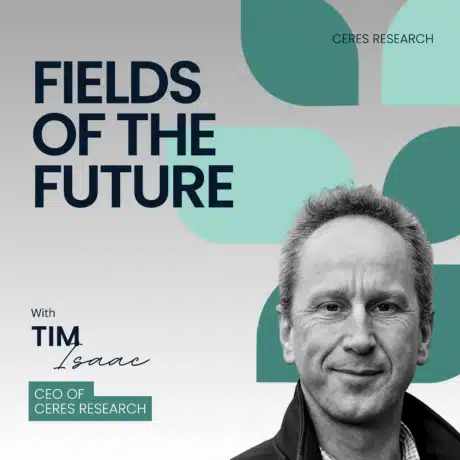


 BugBiome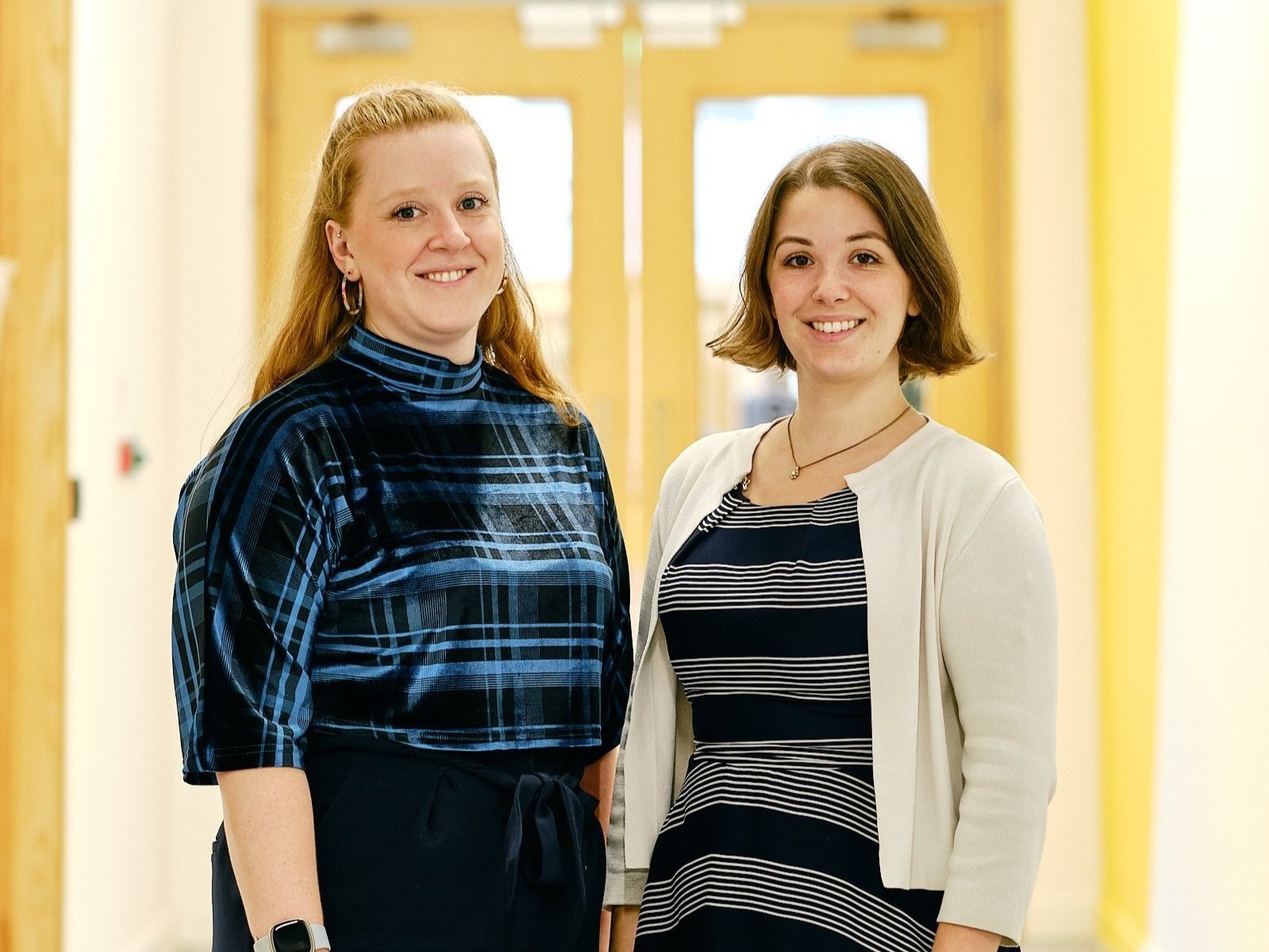
 University of East Anglia (UEA)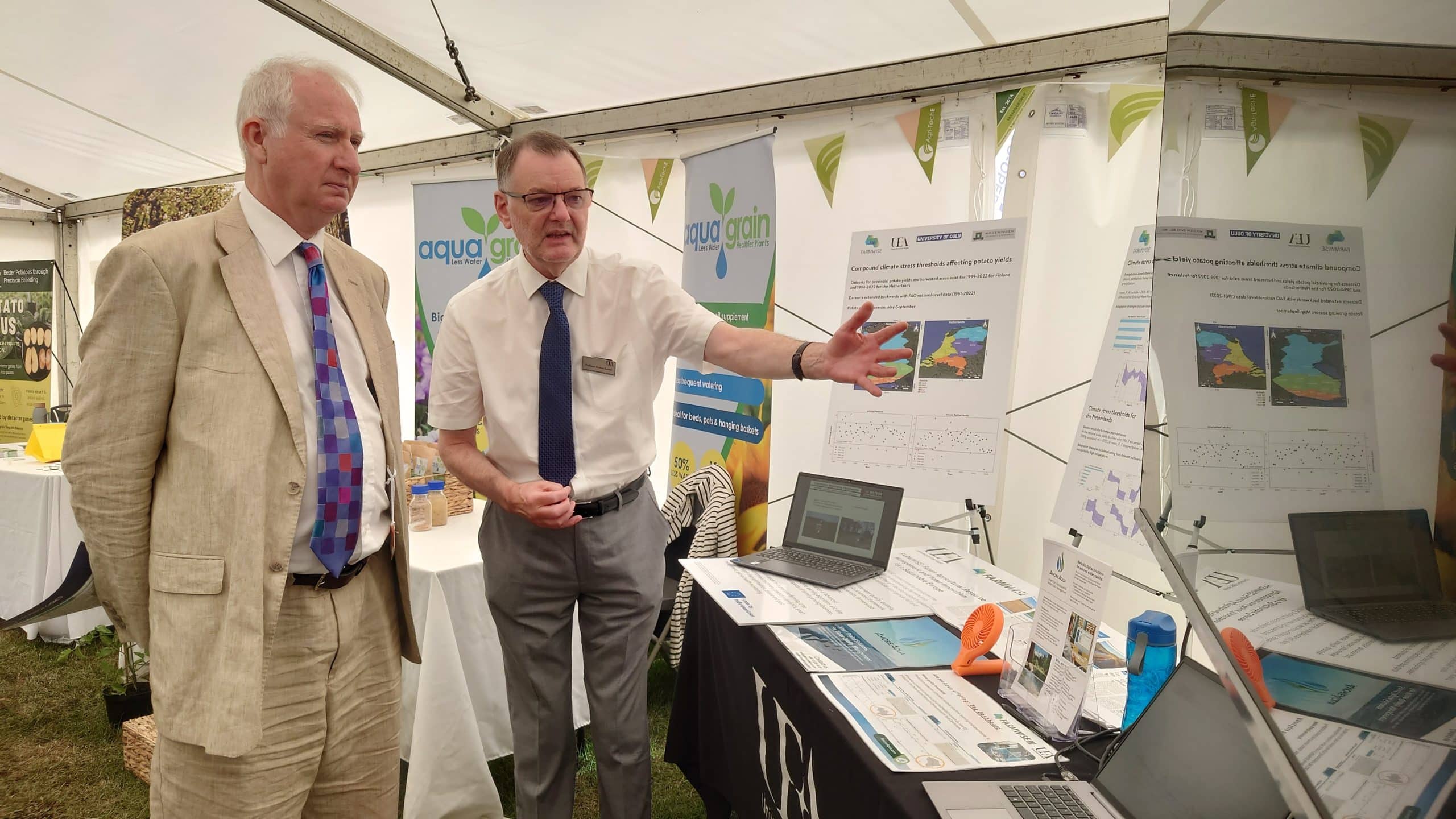








 J A KEMP LLP