ATW 2025: Pioneer Gene-Editing in Agriculture

Member News
The views expressed in this Member News article are the author's own and do not necessarily represent those of Agri-TechE.

Agri-TechE Week 2025 celebrates its 12th year! Our largest yet, featuring 11 events curated by Agri-TechE and hosted by our incredible member community, followed by the REAP Conference on 4th November. This week exemplifies innovation, collaboration, and forward-thinking in agri-tech.

Each event reflects the strength of our ecosystem, showcasing what our community can achieve and bringing together our growers, researchers, and technology developers. A big thank you to our members for hosting – we wouldn’t have an agri-tech week without you and we are very proud to have your membership.

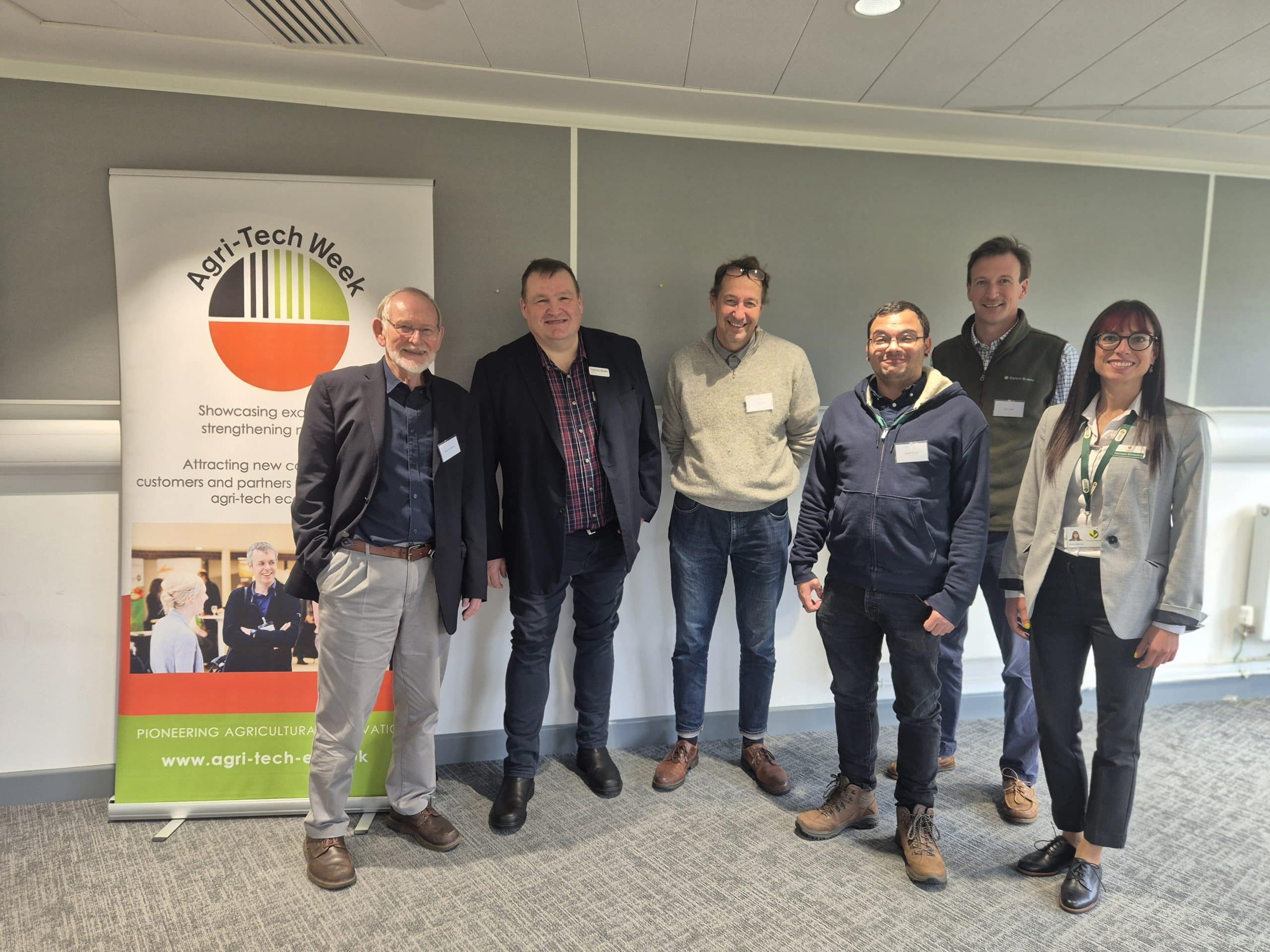
Agri-TechE Week hosted by the RNAA at the Norfolk Showground

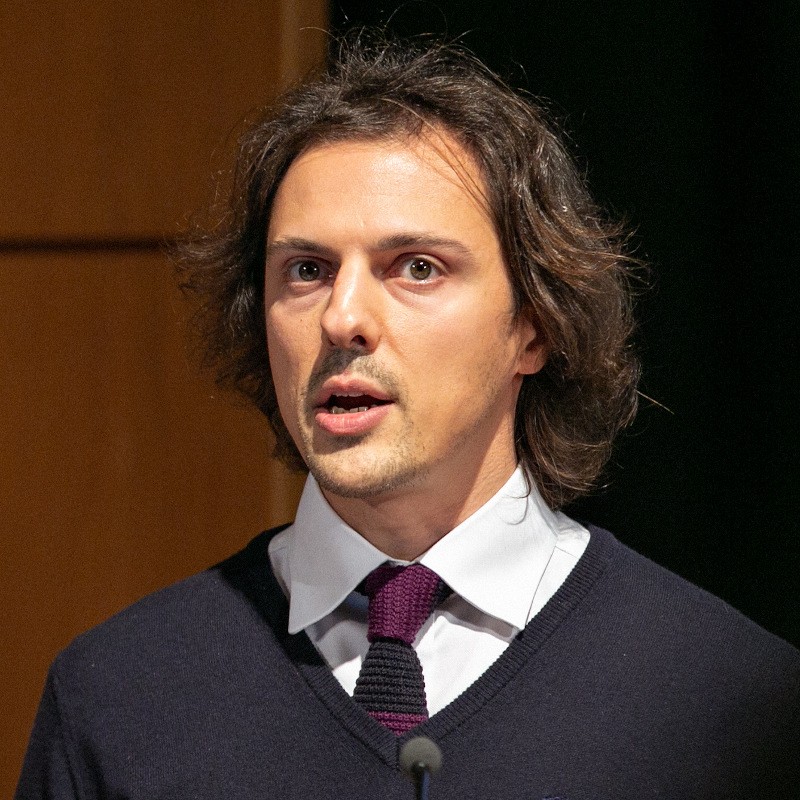
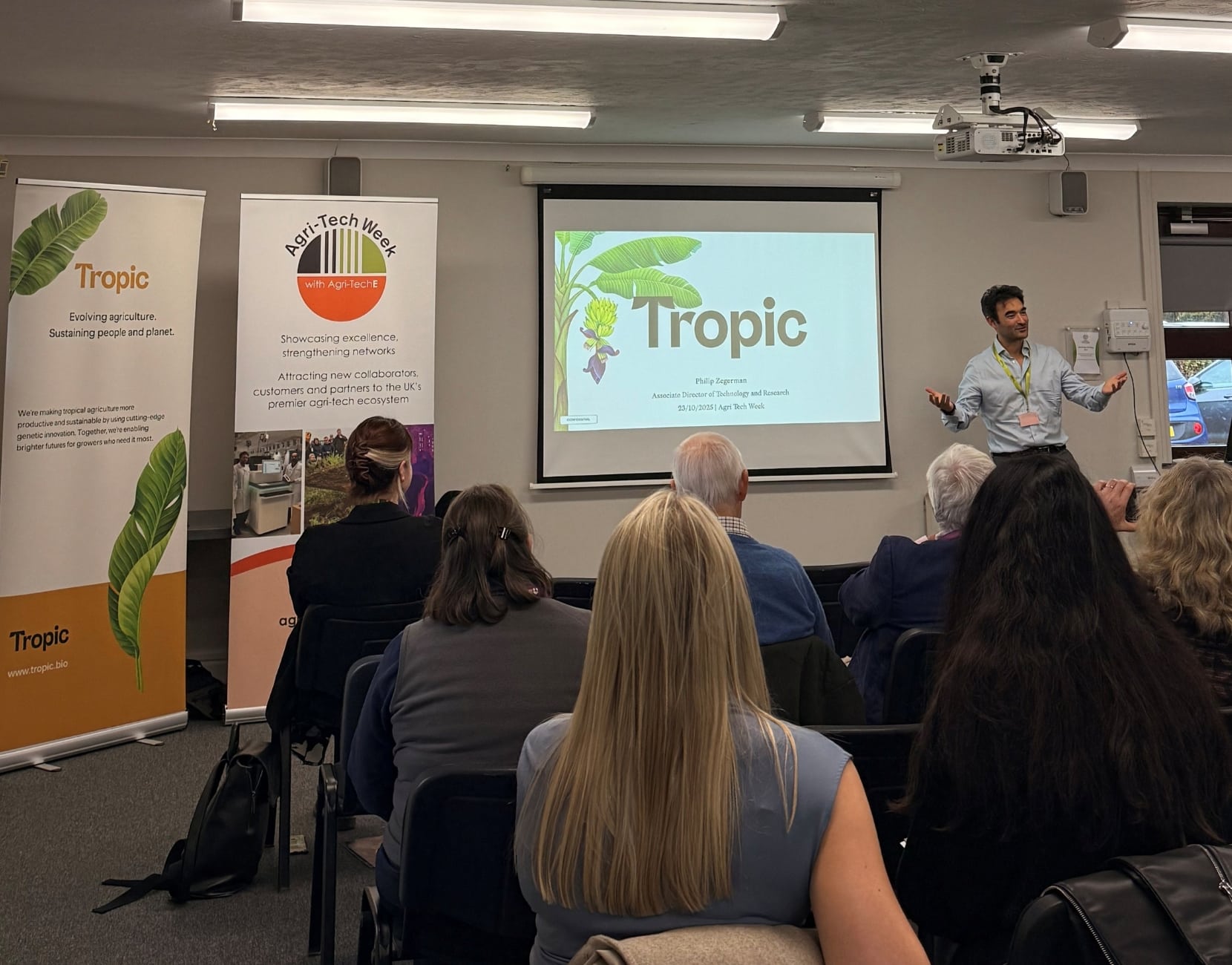
We were delighted to welcome Dr Philip Zegerman, Director of Technology and Research at Tropic Biosciences based on Norwich Research Park. A tropical seed company, with particular interest and expertise in bananas, rice and coffee, Tropic was established in 2016 and now employs 150 staff. The business is moving from a pure R&D focus to commercialisation, having previously raised a number of rounds of funding from investors including sovereign wealth funds.

By 2050, it is anticipated that 75% of global food demand will be from the tropics, but currently only around 19% of commercial R&D funding is spent in the geographical area.
6
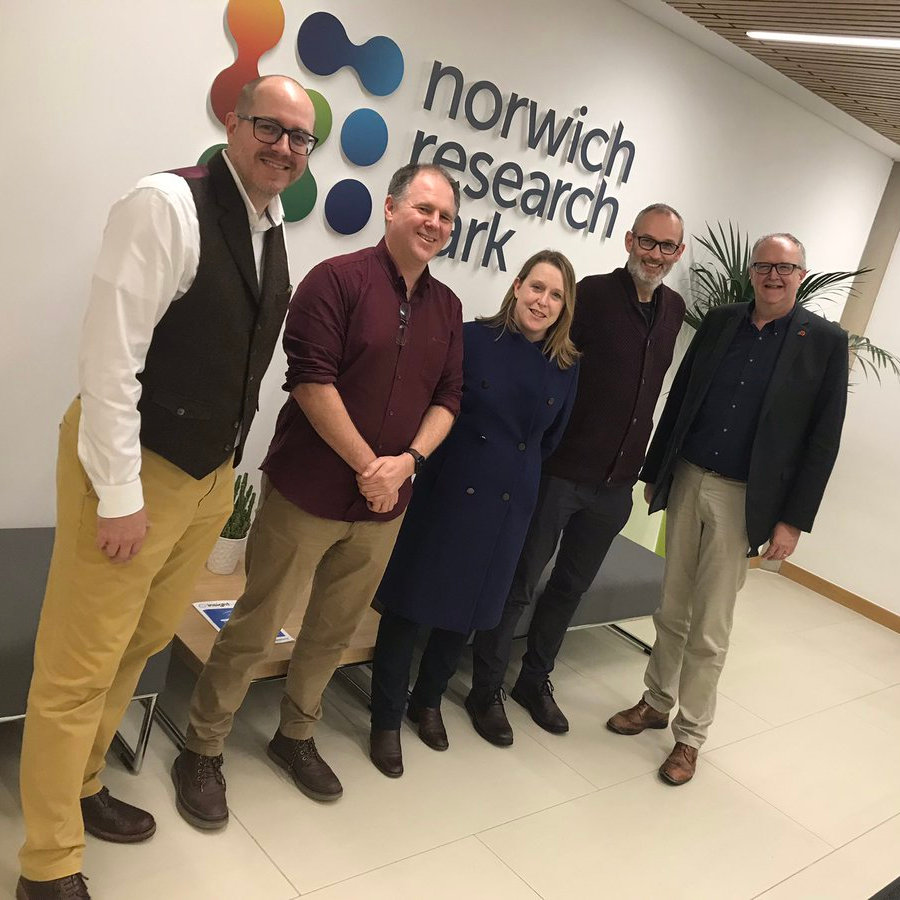
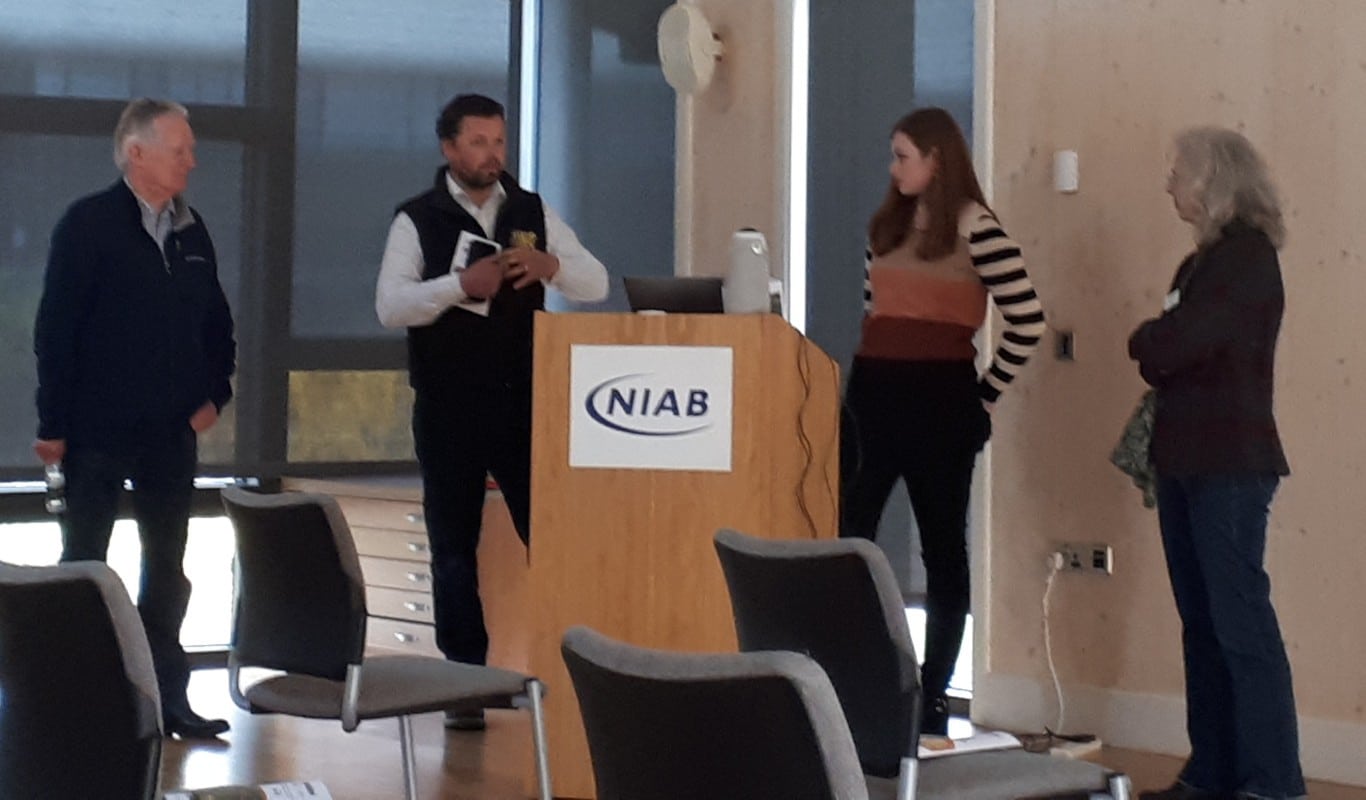
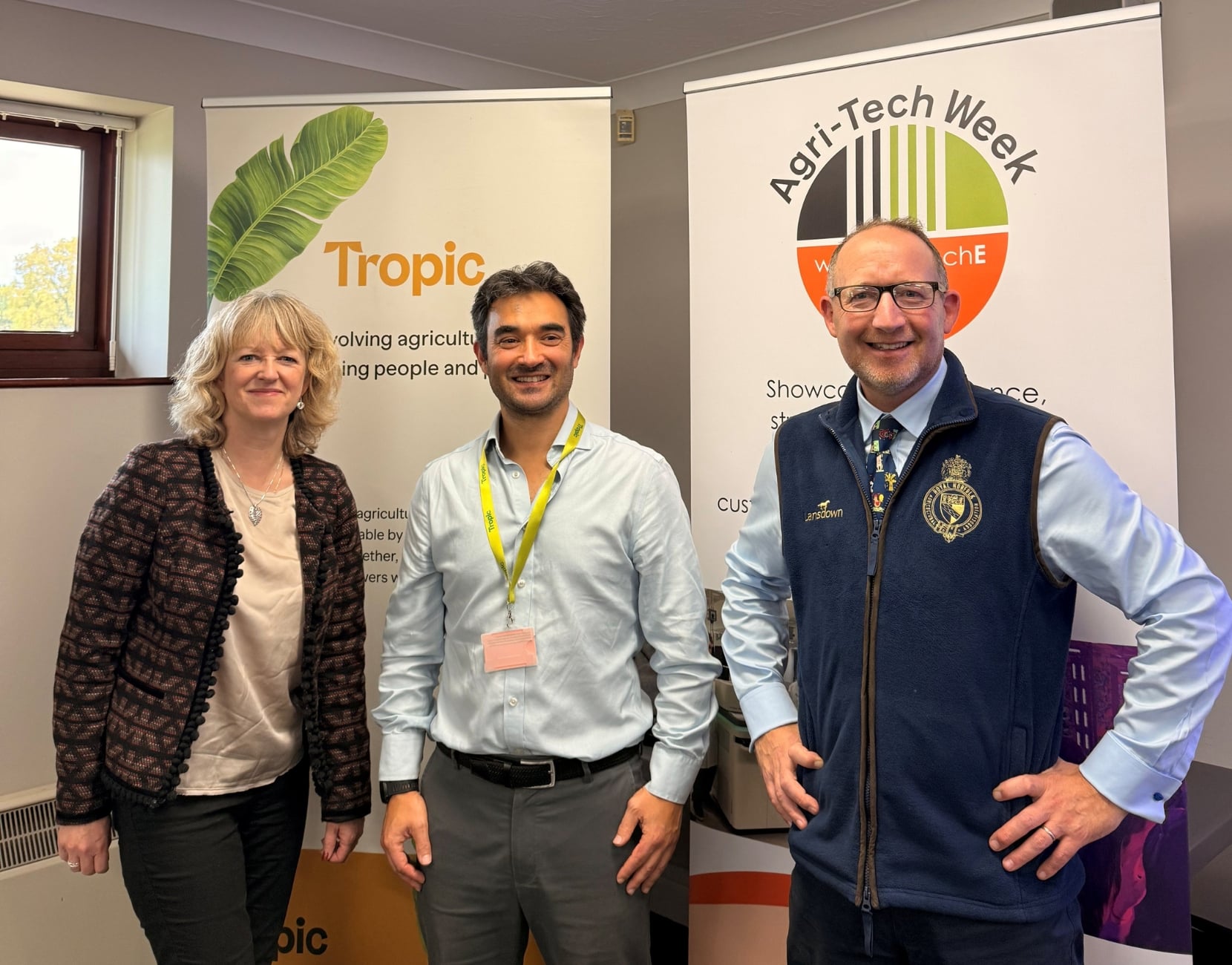
Dr Belinda Clarke, Director Agri-TechE ; Dr Philip Zegerman, Director of Technology and Research at Tropic Biosciences; Mark Nicholas, MD of the Royal Norfolk Agricultural Association
5
Dr Philip Zegerman, presenting at ATW 2025 with the RNAA

Tropic use cutting edge technologies, including CRISPR gene editing, to increase crop resistance to critical diseases and reduce waste in the supply chain. Gene editing differs from genetic modification in that it involves making precise changes to an organism’s DNA, using enzymes to ‘cut’ the sequence and replace sections with material from the same host. The process effectively accelerates and focuses changes to DNA, shortcutting the breeding process.

Dr Zegerman outlined the pioneering work being undertaken by Tropic on bananas, which are the fourth most important crop globally in terms of calorie value. 100 billion bananas are consumed globally each year, and around half the crop is lost to wastage in the supply chain. The Gros Michel was, until the 1950s, the most commonly eaten variety until disease sent it to the edge of extinction. The Cavendish banana which we eat today is now under threat from Tropical Race 4 (TR4) – a soil-borne fungus that causes Panama disease.

Gene editing offers the opportunity to introduce disease resistance to the Cavendish, as well as extending the shelf life of bananas through slowed browning and degradation. This offers a range of benefits including minimising wastage, opening up the prepared food market, enabling access to more distant markets and reducing or eliminating the need for ethylene treatment.

More widely, Tropic’s proprietary gene editing platform, GEiGS® (Gene Editing induced Gene Silencing), offers gene editing possibilities in crops and livestock to improve their natural traits. Two current examples are a collaboration with British Sugar to produce beet with resistance to yellows virus, and work with Genus to develop disease resistance in pigs. Dr Zegerman highlighted the positive approach of the UK government to encourage gene editing, backed up with significant grant funding. The Genetic Technology (Precision Breeding) Act became law in England in 2023, and work is underway on a legislative and regulatory framework. Draft laws have been passed in the EU.

Tropic stands ready to work with growers and producers to develop solutions to issues affecting particular sectors.

For more information, visit https://tropic.bio/ and https://www.geigs.com/

ATW 2025: You have to start somewhere

Member News
The views expressed in this Member News article are the author's own and do not necessarily represent those of Agri-TechE.

Agri-TechE Week 2025 celebrates its 12th year! Our largest yet, featuring 11 events curated by Agri-TechE and hosted by our incredible member community, followed by the REAP Conference on 4th November. This week exemplifies innovation, collaboration, and forward-thinking in agri-tech.

Each event reflects the strength of our ecosystem, showcasing what our community can achieve and bringing together our growers, researchers, and technology developers. A big thank you to our members for hosting – we wouldn’t have an agri-tech week without you and we are very proud to have your membership.

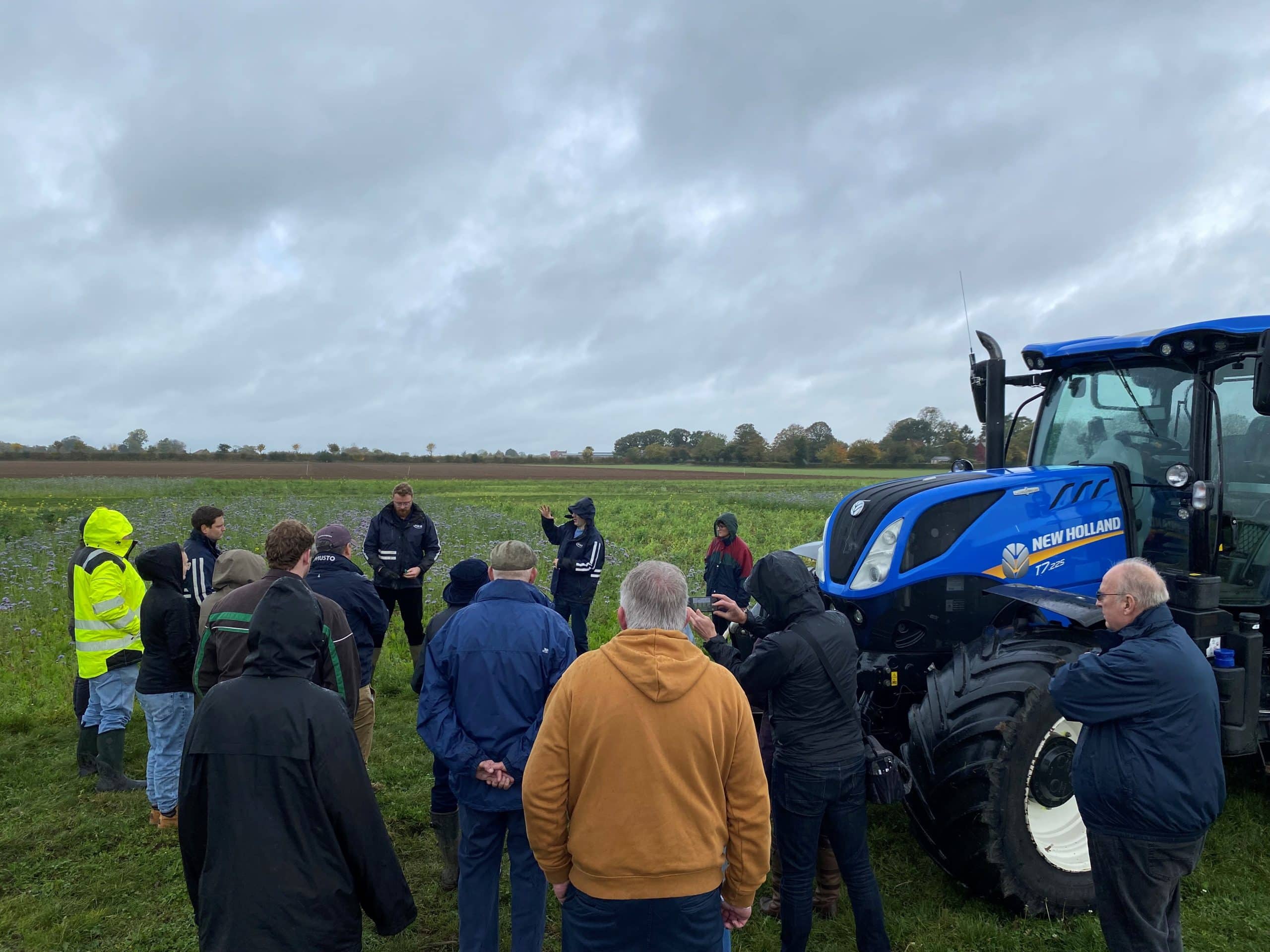
After months of relatively dry weather Agri tech week started at The Morley Agricultural Foundation (TMAF) with an outdoor meeting in the rain, be careful what you wish for.

18 years ago TMAF commissioned then TAG (The Arable Group) now Niab to run a series of long term experiments. With the price of feed wheat at £60/tonne fresh thinking was needed to see a future in cereal production. A number of multifaceted experiments were started and now with 18 years of data it is difficult to sum it up in 2 hours.

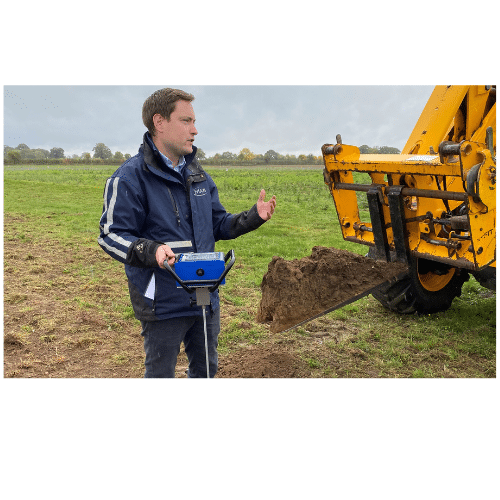
First the guests took a tractor and trailer ride to the field where David Clarke explained the cultivations trial. This is a fully replicated trial using farm scale machinery, the plots are 12 x 36m. The treatments are plough, deep non inversion, shallow non inversion and a managed approach where we do what we think is best each year. Later back in a dry room Nathan Morris explained that generally the wheat and barley years gave good reliable data with break crops less so. The data shows that there are only slight differences in the 4 methods in the early years. The plough often gave slightly better yields but not always the best margin. You might expect the shallow cultivations to get tighter over time to the point where crops would suffer, this has not happened. In the last 6 years the shallow approach has show good growing conditions as the soil has restructured itself without the need for mechanical movement.

Nathan Morris and Jack Poulden demonstrated the various cover crop mixes of the Rotations Trial , including a permanent understory of clover. The aim is to improve soil structure, water infiltration, soil biology and nitrogen availability. The plots are split into 3 with treatments of  0% , 50% and 100% nitrogen fertiliser. The clover did not survive well with the farm standard 100% N dose and showed little benefit. In the 0% N plots the clover gave a improved yields although over all it was disappointing overall.

As mentioned there is a lot of data. For more information please look in the Morley Library  on www.tmaf.co.uk for New Farming systems. Alternatively contact TMAF via website Nathan.Morris@niab.com or David.Clarke@niab.com


ATW 2025 TMAF
Untitled design (18)

An “Oatstanding” break crop…

Meet the Network
Member News
The views expressed in this Member News article are the author's own and do not necessarily represent those of Agri-TechE.

UK farmers are currently grappling with intensifying pressures, including managing persistent cereal diseases, insecticide resistance, and high input costs. This environment makes robust break crops essential, not only for their critical agronomic function in breaking disease cycles (for example in ‘take all control’), but also for their financial resilience.

By diversifying the rotation and requiring fewer inputs, break crops spread risk, helping to insulate the farm business from volatile commodity prices. However, while oilseed rape (OSR) has long been the traditional choice, it now faces a major threat in the form of cabbage stem flea beetle (CSFB), particularly since the neonicotinoid ban in the UK.

Making the case for oats

As growers seek low-input alternatives that deliver guaranteed returns, oats offer a compelling and timely solution as a white straw break crop alternative.

Too often dismissed as a niche crop tied to specialist contracts or health food trends, oats deserve recognition as a strategic staple with broad relevance across the British food system. With rising demand from processors, strong agronomic benefits, and a clear role in sustainable rotations, oats are well-placed to meet the twin pressures of market volatility and environmental mandates.

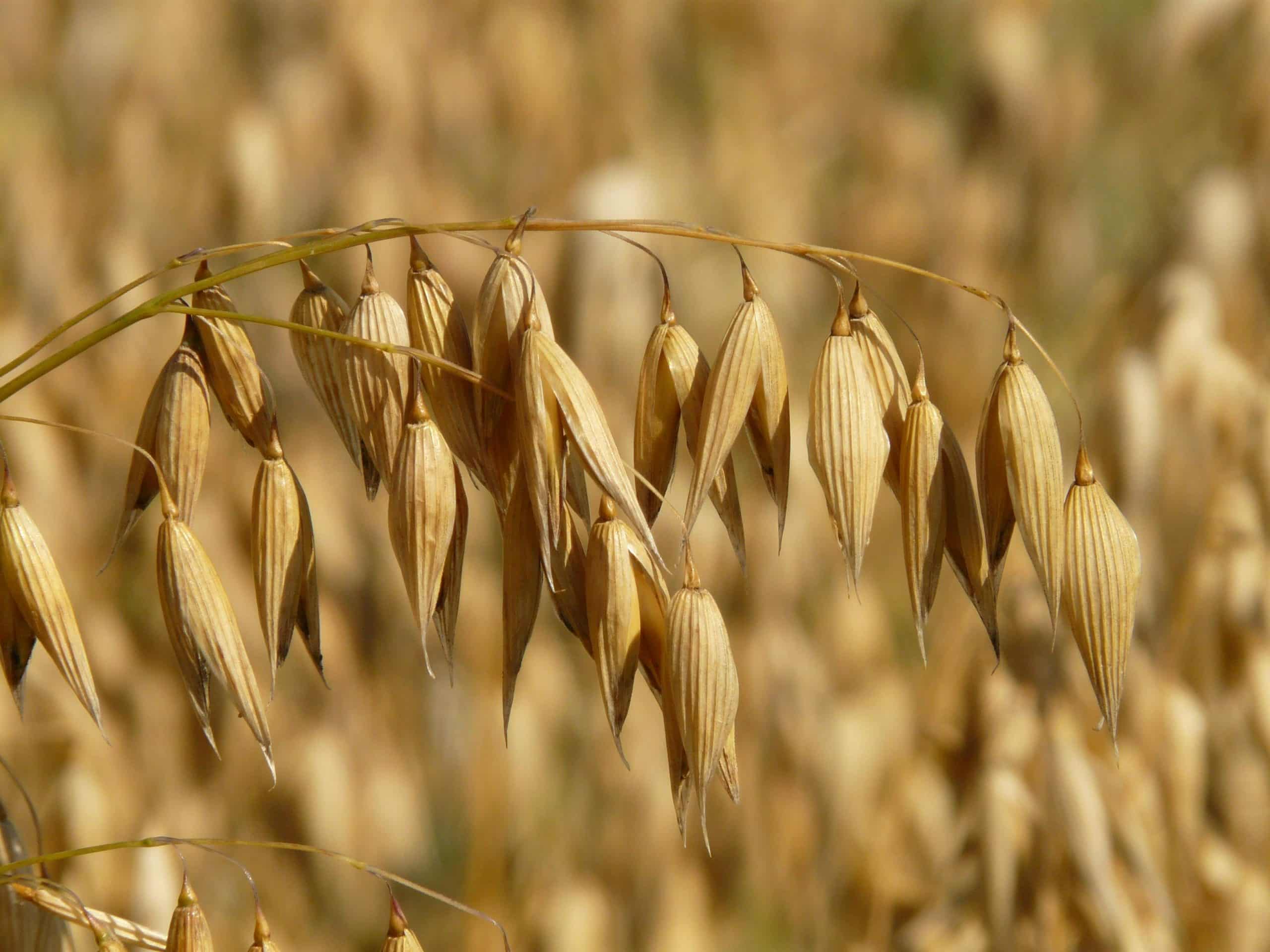
oat plant pexel
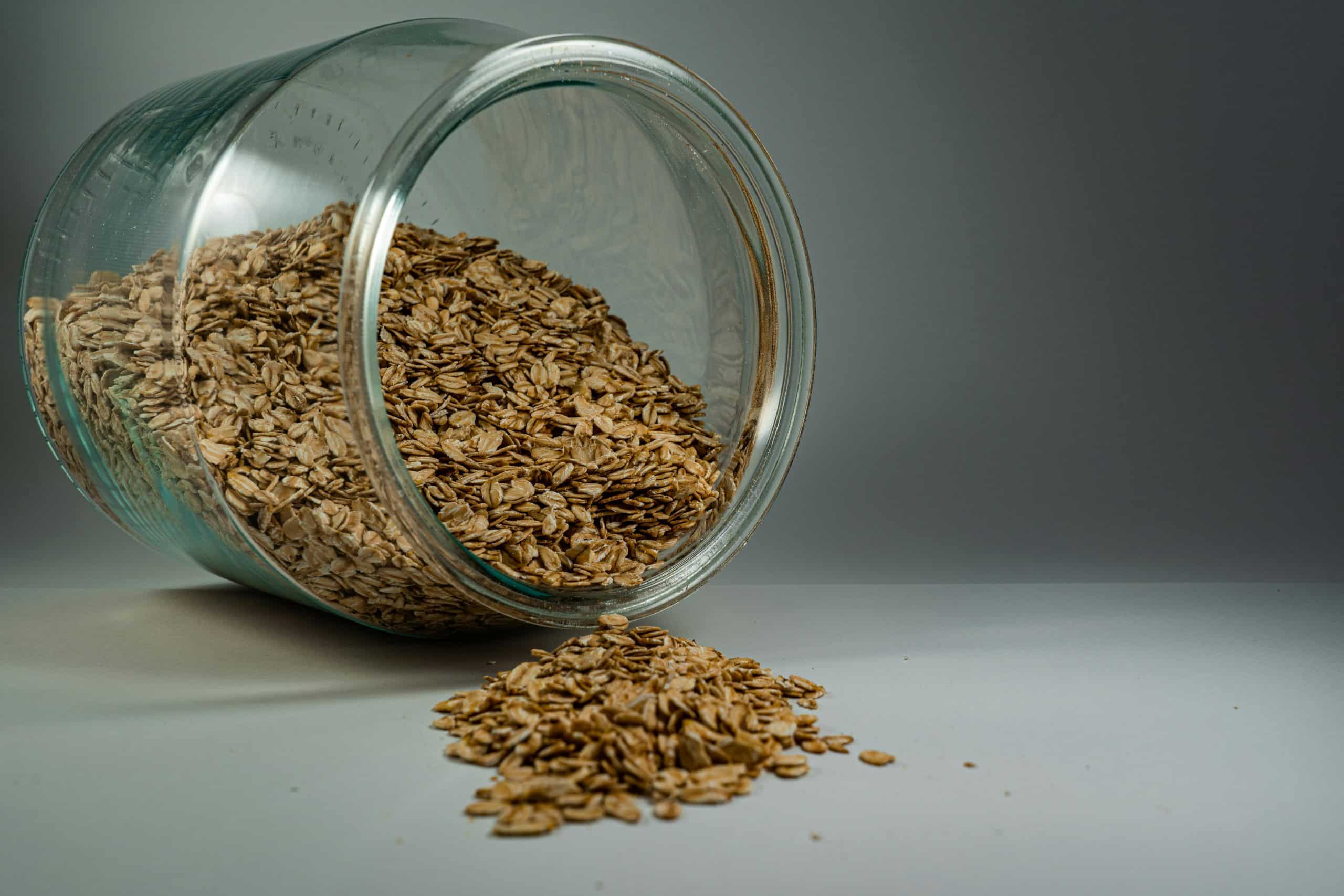
oats pexels 2

Agronomic resilience and environmental benefits

For farming professionals managing farm rotations, integrating oats is demonstrably smart business, providing immediate financial benefits and long-term environmental advantages.

Spring-sown oats effectively tackle persistent grassweeds like black-grass and brome, functioning as a powerful, natural “cleaner” crop. This strategy allows for the effective clean-up of fields, reducing reliance on specific chemical groups and bolstering resistance management strategies.

Furthermore, oats are crucial champions of soil health. They actively combat common soil diseases, notably take-all, by releasing natural compounds called ‘Avenacins’, which are antimicrobial compounds that inhibit the growth of fungi, and their presence in oat roots provides a natural defense mechanism against diseases that would harm other crops like wheat and barley.

Plus the economics are favourable: oats typically require lower inputs of nitrogen fertiliser and fewer fungicide applications compared to alternative cereals. This not only results directly in a lower cost of production, providing a reliable profit margin that aids farm diversification, but also a lower carbon footprint.

Driven by health: the stable domestic market

Then comes the sale. The domestic market for British oats is thriving, driven by strong consumer trends focused on health and nutrition.

Official surveys used by the Food & Drink Federation show only a fraction of UK adults meet the recommended daily fibre intake. Oats, rich in beta-glucan (a soluble dietary fibre), are a great candidate to address this lack of fibre.

The connection to public health is reinforced by EFSA Health Claims that state that beta-glucan from oats contributes to the maintenance of normal blood cholesterol levels and the reduction of blood glucose increase after eating.

This robust link between oats and significant health outcomes has driven major investment from leading UK millers and processors, notably Richardson Milling UK, which maintains extensive local merchant and grower partnerships. Their commitment provides the domestic agricultural sector with a stable, structurally supported market, which through grower contracts offers insulation from the unpredictable fluctuations of global commodity markets.

Market realities and the quality challenge

While the long-term outlook for oats is positive, growers should be pragmatic about the challenges. Like all crops, the farm-gate value can fluctuate with the broader commodity market.

More specifically, the major technical challenge for growers is in providing consistent delivery of high-specification milling-quality grain. Key to this is the de-hulling process – the requirement to cleanly and efficiently remove the tough outer husk to reveal the usable core – called the ‘groat’. Millers assess quality using two key metrics: the percentage of usable groat and the grain’s hullability.

When adverse conditions, such as low moisture during the summer, impede grain filling, the groat can develop poorly, and in some varieties, the husk can stick firmly to the kernel. This results in poorer performance in the mill and higher hulling losses.

The long-standing success of the IBERS-bred winter oat variety ‘Mascani’ demonstrates that genetic breeding offers the best primary defense against quality issues. Ultimately, whether growers select high-spec husked oats or opt for naked oats (which naturally bypass the hulling problem), maximising premium contract potential requires leveraging variety selection.

Knowledge Hub size images (4)
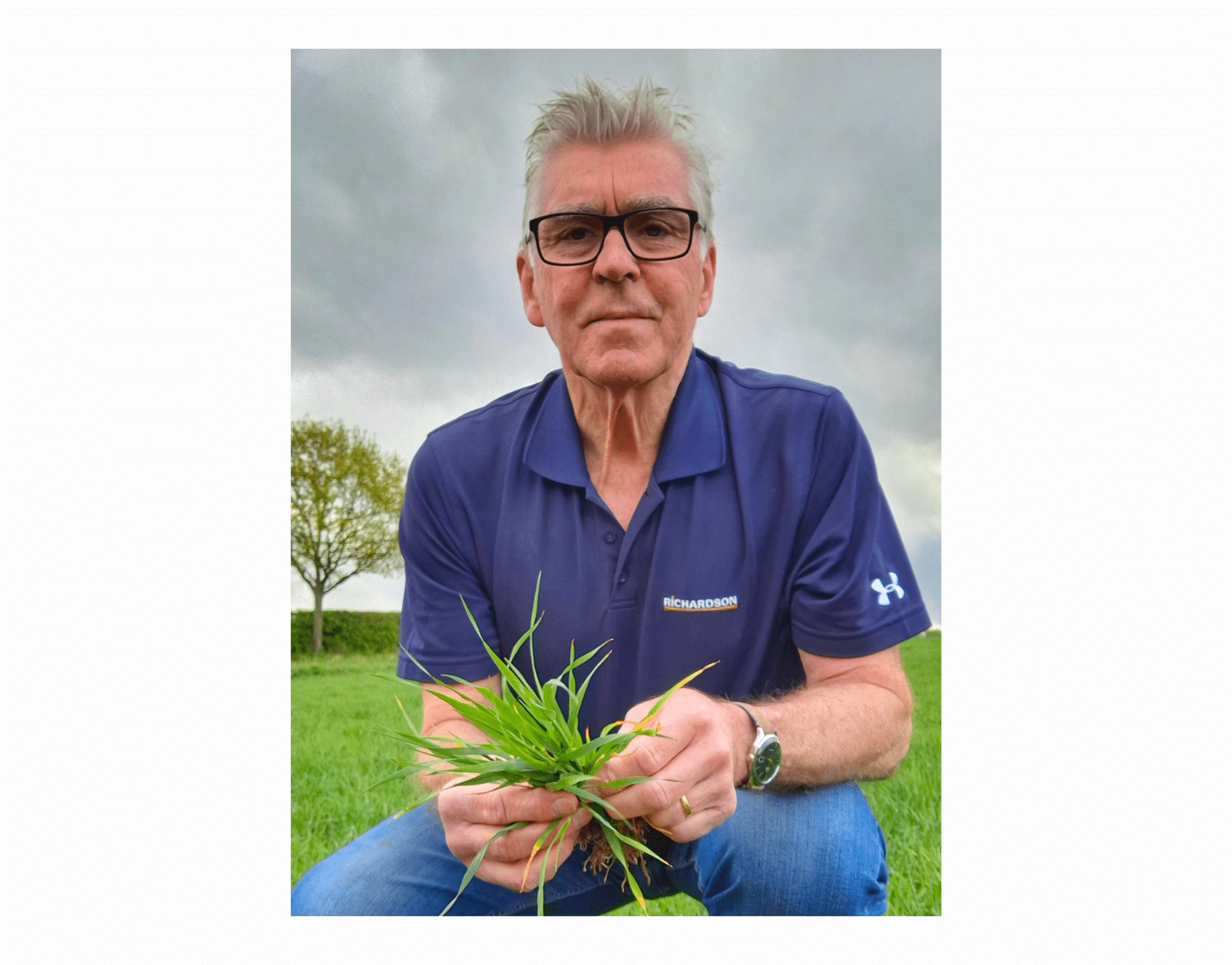
Brin Hughes, Agronomy Manager, Richardson Milling UK
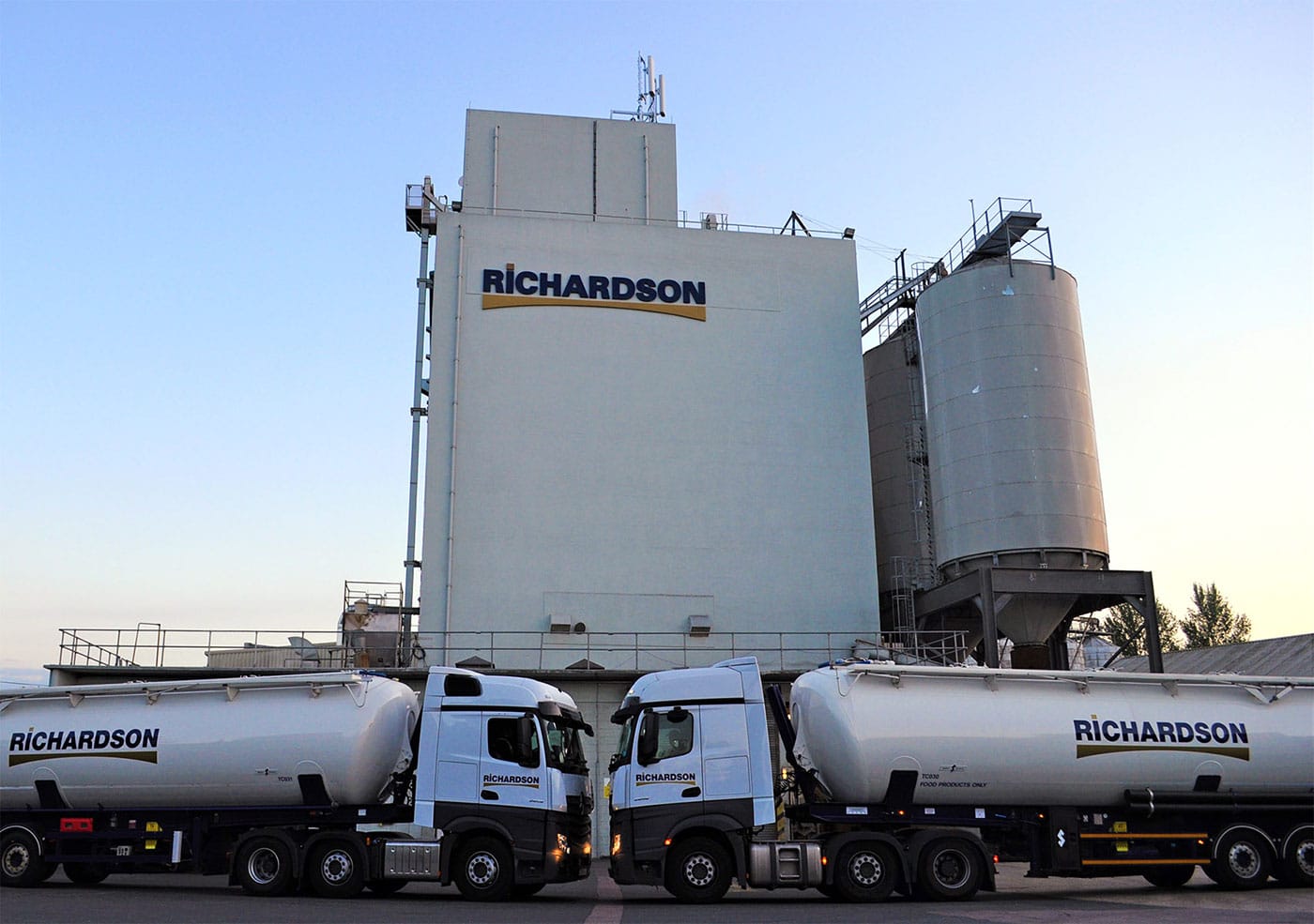
u19128-Bedford-Mill2

Partnering for quality: Richardson Milling UK

Recognising that consistent quality is in everyone’s interest, Richardson Milling UK actively invests in its own trials research, often partnering with major oat breeders to identify the best available varieties and growing techniques to ensure farmers reach the best possible yields and quality. This collaborative approach ensures farmers can reliably meet milling specifications, secure premium contracts, and contribute to a resilient, health-driven domestic supply chain.

In short, oats are no longer a niche crop, they’re a strategic asset with national relevance, backed by a sector ready to support growers who seize the opportunity, with “oatstanding” potential!

ATW 2025: The National Food Strategy – the role of agri-tech in strengthening the UK’s food system
Member News
The views expressed in this Member News article are the author's own and do not necessarily represent those of Agri-TechE.

Agri-TechE Week 2025 celebrates its 12th year! Our largest yet, featuring 11 events curated by Agri-TechE and hosted by our incredible member community, followed by the REAP Conference on 4th November. This week exemplifies innovation, collaboration, and forward-thinking in agri-tech.

Each event reflects the strength of our ecosystem, showcasing what our community can achieve and bringing together our growers, researchers, and technology developers. A big thank you to our members for hosting – we wouldn’t have an agri-tech week without you and we are very proud to have your membership. 

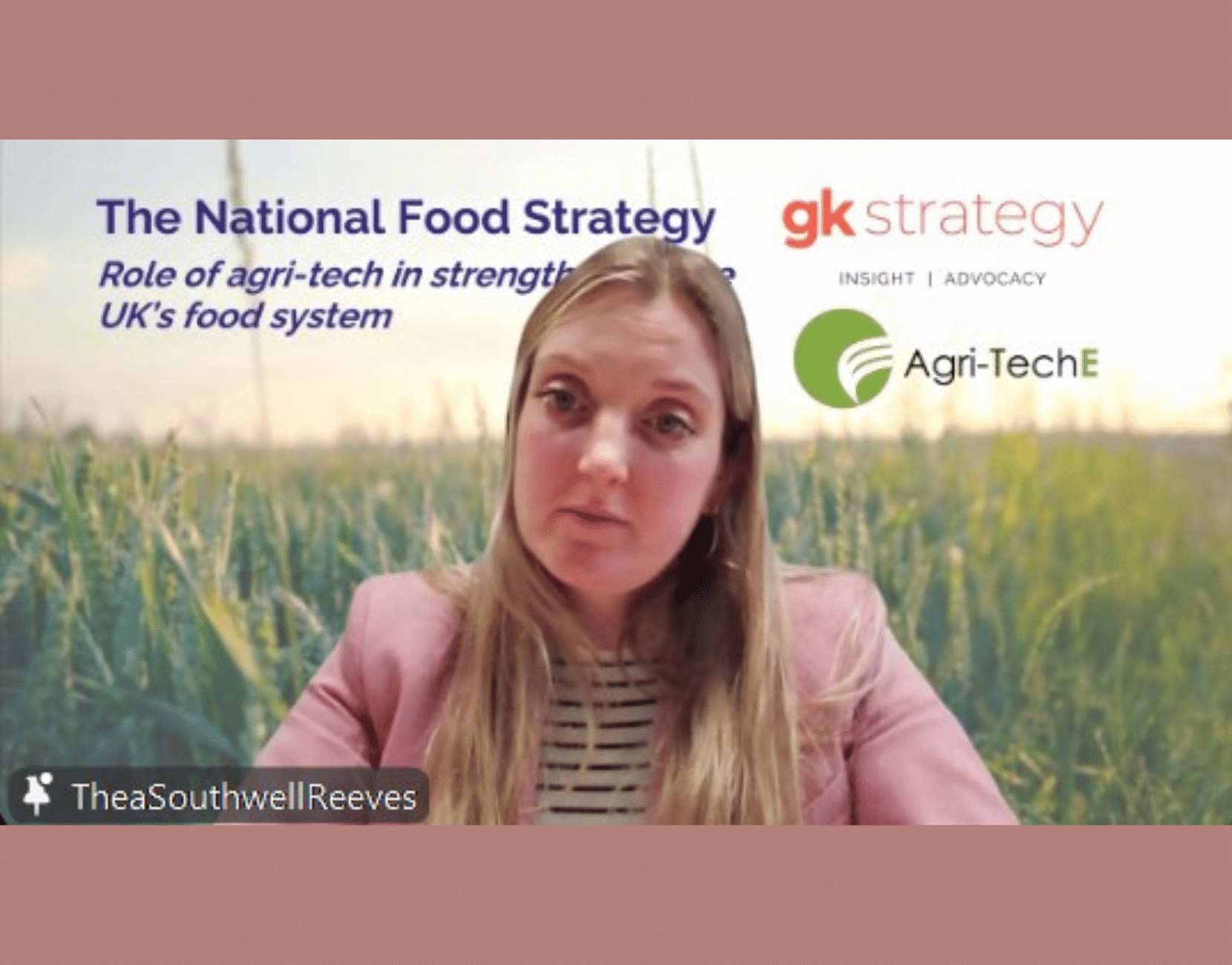
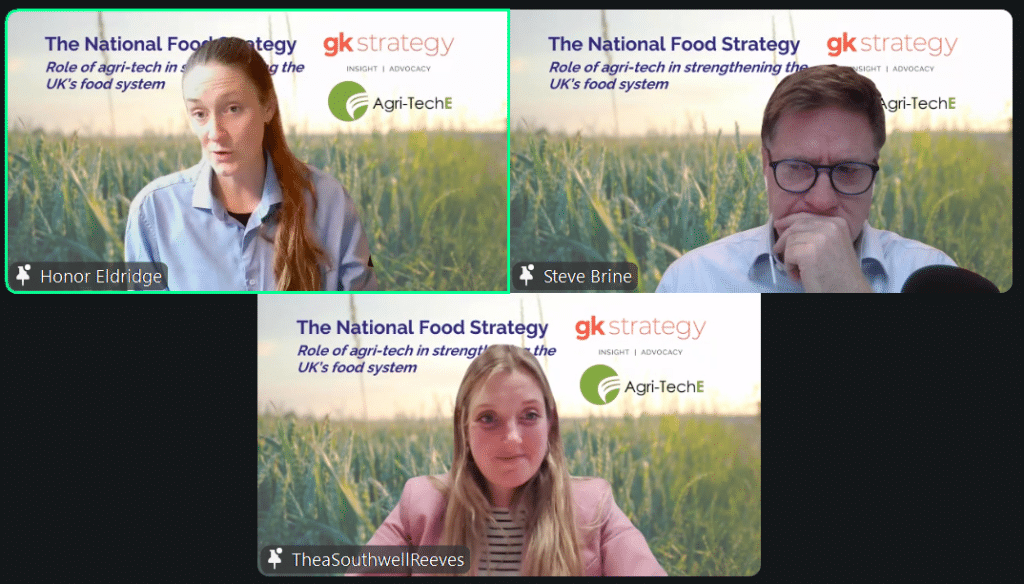
GK Strategy was delighted to host a webinar for Agri-TechE during #AgriTechWeek that featured former health minister Steve Brine, and food systems expert Honor Eldridge.

Food systems expert Honor Eldridge and former MP Steve Brine.

The discussion kicked off with Steve Brine setting the political context of the government’s national food strategy. While the Chancellor has soured relations with the agricultural sector, there is a clear political imperative for Labour MPs to rebuild trust and engagement with the sector. Newly elected Labour MPs in rural marginal constituencies are an important stakeholder in this process.

For the new national food strategy to succeed where its predecessor failed, it needs teeth and not just strong rhetoric. Steve Brine highlighted how fiscal mechanisms will need to be stronger to truly integrate public health priorities and the country’s food systems. Honor Eldridge spoke about how food supply chains demand stronger incentives to drive positive environmental change, including expanding access to agri-tech solutions to SMEs. Expected in Spring 2026, the publication of the national food strategy’s implementation action plan will be a defining moment for the government and the sector.

Both panellists agreed there is a role for the sector to change perceptions of agri-tech among policymakers. Honor brought to light the huge economic potential of agri-tech to help producers ‘do more with less and drive efficiencies’ which strongly aligns with the government’s economic objectives. Steve underscored the importance of framing engagement with Labour MPs in terms of social justice and inequalities. Agri-tech is a vital tool in addressing some of society’s most pressing public health priorities, can improve the country’s food resilience in boosting domestic production, and can help create and develop climate smart farming practices.

If you would like to pick up the conversation, please do not hesitate to contact thea@gkstrategy.com

  • *I have permission from the copyright holder to publish this content and images.

Webinar: A practical guide to protecting plant innovations in Europe and the United Kingdom

Member News
The views expressed in this Member News article are the author's own and do not necessarily represent those of Agri-TechE.

Protecting valuable plant varieties and plant biotechnological inventions requires a nuanced understanding of the evolving legal environment. With regulatory changes and new legislative proposals creating a dynamic landscape for gene-edited plants, this webinar will provide you with the knowledge to make informed strategic decisions in Europe and the United Kingdom. Dr Daniel Shaw and Dr Carsten Reinhard will guide you through the latest developments, offering practical insights into:

  • Navigating the European and British Plant Variety Right (PVR) Systems: Learn the key differences and practicalities of filing and managing plant variety right applications in both jurisdictions.
  • Mastering Plant Patentability: Get up to date on patent-eligibility requirements for plant-related inventions in the European Patent Office, including possible implications of the ongoing debate on patents for gene-edited (NGT) plants.
  • Strategic IP Management: Discover how to build a cohesive IP portfolio by strategically using both patents and plant variety rights to maximise your protection and commercial advantage.

Join us on 11 November 2025 at (16:00 GMT) to ensure your IP strategy is aligned with the current legal realities of plant breeding and agricultural biotechnology.

Register here:

  • *I have permission from the copyright holder to publish this content and images.

Downforce Technologies Featured in Manulife’s Natural Capital Report

Member News
The views expressed in this Member News article are the author's own and do not necessarily represent those of Agri-TechE.

Soil Carbon Data for Scalable, Audit-Ready Climate Reporting

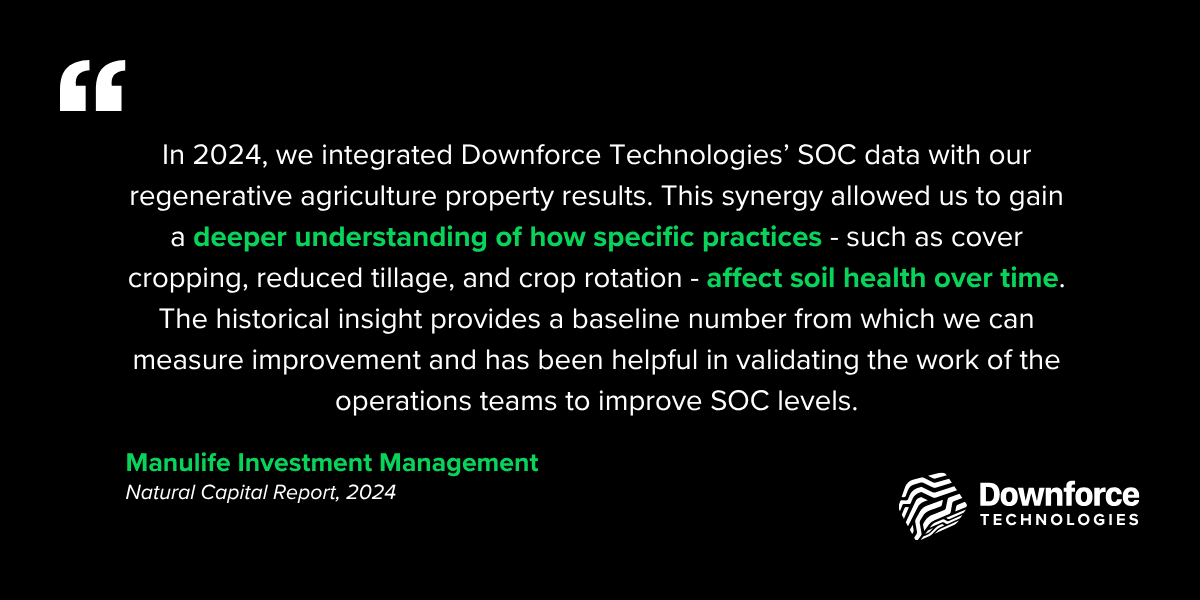
Downforce Technologies has been recognised in Manulife Investment Management’s Natural Capital Report 2024 as a key data partner in advancing scalable, credible soil carbon monitoring for sustainable land management.

Manulife – one of the world’s largest natural capital investors – is using Downforce’s high-resolution platform to monitor and assess soil health across its global farmland portfolio. By integrating Downforce’s data with their regenerative agriculture programme results, Manulife has gained critical insight into how practices such as cover cropping, reduced tillage, and crop rotation are influencing long-term improvements in Soil Organic Carbon (SOC).

Enabling Natural Capital Accounting at Scale

For asset managers, corporates, and landowners committed to climate goals, soil carbon is becoming a vital component of nature-based climate reporting. But for data to support financial-grade decisions, it must be robust, repeatable, and auditable.

That’s where Downforce delivers a unique advantage:

  • High-resolution SOC data from every 10m x 10m pixel
  • Repeatable insights derived from satellite imagery and geospatial analysis
  • Annual SOC data informed by observations every 10 days
  • Aligned with ISO 14064-1 and ISO 14064-2 for GHG accounting and removals reporting

Whether you’re validating the impact of regenerative practices or embedding soil carbon into broader ESG disclosures, Downforce offers a fast, cost-effective path to data that stands up to scrutiny.

Read the full Manulife Natural Capital Report 2024 → see here 

Contact us to learn how our data can support your climate reporting or investment strategy.

  • *I have permission from the copyright holder to publish this content and images.

Case Study: Good Earth Cotton

Member News
The views expressed in this Member News article are the author's own and do not necessarily represent those of Agri-TechE.

“I’ve been in this space for nearly eight years, and I can’t find anything more compelling than this technology.”

Danielle Statham describes her discovery of Downforce Technologies’ remote measurements of soil organic carbon (SOC) which provide historic data and annual monitoring of carbon at 10m resolution, as a “game changer”.

Danielle and her husband David co-own Sundown Pastoral Company and their cotton brand, Good Earth Cotton®, global leaders in regenerative cotton farming, producing cotton that is designed to restore ecosystems by improving soil health and capturing carbon.

Since starting the venture, the pair has been driven by a mission to lift the environmental profile of cotton and provide their supply chain with a climate beneficial fibre, but they needed a way to measure carbon levels at scale and monitor the progress throughout the growing season.

“Downforce gives us the metrics we need to prove our environmental claims,” Ms Statham said.

“It’s not just about saying we’re regenerative, it’s about showing it with real data and transferring that knowledge with integrity.

“Soil tests are essential for NPK testing, but we’re only positioning one point with a soil test. With Downforce, you get thousands of points.

“We thought it was too good to be true at first. But we gave Downforce a few blind tests in a biochar trial paddock where we had multiple soil test results. The Downforce figures came back as pretty much identical.

“The technology itself is a game changer for agriculture and environmental recordings at scale and having someone like Jacquie (McGlade, Downforce Co-Founder and Chief Scientist) and her intel in this space provides tremendous support.

“We work directly with many global brands. Greenwashing is an issue in the fibre industry as much as the textile and garment industry and legislative changes are tightening with what can and cannot be claimed. We can stand side by side with honest GHG Protocol-aligned environmental data, supported by real scientific research from experienced scientists.”

By delivering greenhouse gas emissions data through a three-year central moving average, Downforce enables Good Earth Cotton to quantify the positive outcomes of their farming practices.

Verified Traceability

Full transparency across the cotton supply chain is another key area where Downforce’s data helps Good Earth Cotton substantiate their claims.

Good Earth Cotton has partnered with FibreTrace®, a technology that provides full traceability for every bale of cotton. By embedding a luminescent pigment to the cotton at the gin, FibreTrace provides full fibre integrity and transfers the fibre intel when scanned at every stage of the supply chain, providing both physical and digital verification.

“Traceability has come a long way in recent years, but many brands still have no idea where their cotton comes from or the origin of the fibre it may have been blended with,” Ms Statham said.

“FibreTrace is like tracking a package, or putting an air tag on the cotton. By combining real-time digital monitoring with physical scanning of the garment, it gives visibility across the supply chain, so brands know exactly where their cotton comes from and where it ends up.”

With cotton traveling across continents and blending with other fibres, FibreTrace ensures that Good Earth Cotton’s product can be traced back to the source, maintaining the integrity of the product through to the finished garment or through to recycle.

Watertight traceability requires tangible, verifiable scientific data – which is where Downforce comes in. The data on greenhouse gas emissions, carbon sequestration, and soil health provided by the platform is a safeguard for Good Earth Cotton to verify its product across the supply chain.

Rodd and Gunn’s Shift to Verified Cotton

New Zealand-based menswear brand Rodd and Gunn relies heavily on cotton, which makes up more than 80% of its product range. While the brand has long used high-quality cotton, achieving full traceability back to the farm has proved challenging in the past.

Samantha Helmold, Rodd and Gunn’s Sustainability and Ethical Sourcing Manager, said that changed when Rodd and Gunn partnered with Good Earth Cotton.

“Good Earth Cotton were extremely transparent from the moment we met, providing a level of verified traceability that we previously struggled to achieve,” Ms Helmold said.

“In 2019 when we started voluntary reporting under the Australian Modern Slavery Act, we were becoming increasingly concerned about the allegations of forced labour linked to certain cotton growing regions. With the oncoming global supply chain legislations and increased NGO scrutiny, being able to confidently verify the origin of our cotton became our number one priority.

“Good Earth Cotton, backed by Downforce Technologies, provides us with a complete solution – physical and digital traceability with verified environmental data to support our claims.”

By integrating Good Earth Cotton into its products, Rodd and Gunn now have full transparency across a large majority of their cotton supply chain. FibreTrace ensures the cotton can be scanned and verified at every stage, while Downforce provides environmental impact reports that quantify its footprint.

“We won’t make a claim on our products that we can’t support with verified data,” Ms Helmold said.

“The combination of FibreTrace and Downforce’s data gives us the confidence to know that we’re meeting our commitment to responsible sourcing.

“It provides the consumer with a level of trust and assurance, empowering them to make a purchasing decision based on their own social and environmental values.”

The investment has been significant. In the first season, Rodd and Gunn sourced 300 tonnes of Good Earth Cotton to pilot across some of their core products. Due to an overwhelmingly positive response, the brand increased its order to 1,300 tonnes the following season, enough to produce over 1.5 million garments across their polo, tee, sweat and knitwear categories in the coming year.

The partnership with Good Earth Cotton has also strengthened Rodd and Gunn’s ability to prepare for future challenges, including global regulatory pressure, climate disclosure reporting and growing scrutiny over supply chain practises and partnerships. By leveraging the tools provided by Downforce and FibreTrace, the brand is well-positioned to meet these demands while continuing to deliver high-quality products into the future.

  • *I have permission from the copyright holder to publish this content and images.

Looking Ahead: Building Resilience After Another Testing Season

Member News
The views expressed in this Member News article are the author's own and do not necessarily represent those of Agri-TechE.

I’m still undecided on how I feel about this season, and from an agronomic perspective, I can’t quite predict where yields will land. On one hand, crops have faced relentless pressure: a wet autumn followed by a record breaking dry spring. But on the other hand, some crops have surprised me and are holding up remarkably well.

Oilseed rape crops, in particular, have developed large seed size and stayed remarkably clean. We’ve seen little to no disease all season across the board. The wheat, as expected, is burning off fast, but there’s still a fair amount of green leaf area left for grain fill. I’m cautiously optimistic about hitting protein targets, which feels more achievable this year.

That said, I think most of us are tired of the constant extremes in the weather. But I’m slowly coming to terms with the fact that this isn’t an anomaly anymore, it’s becoming the norm.

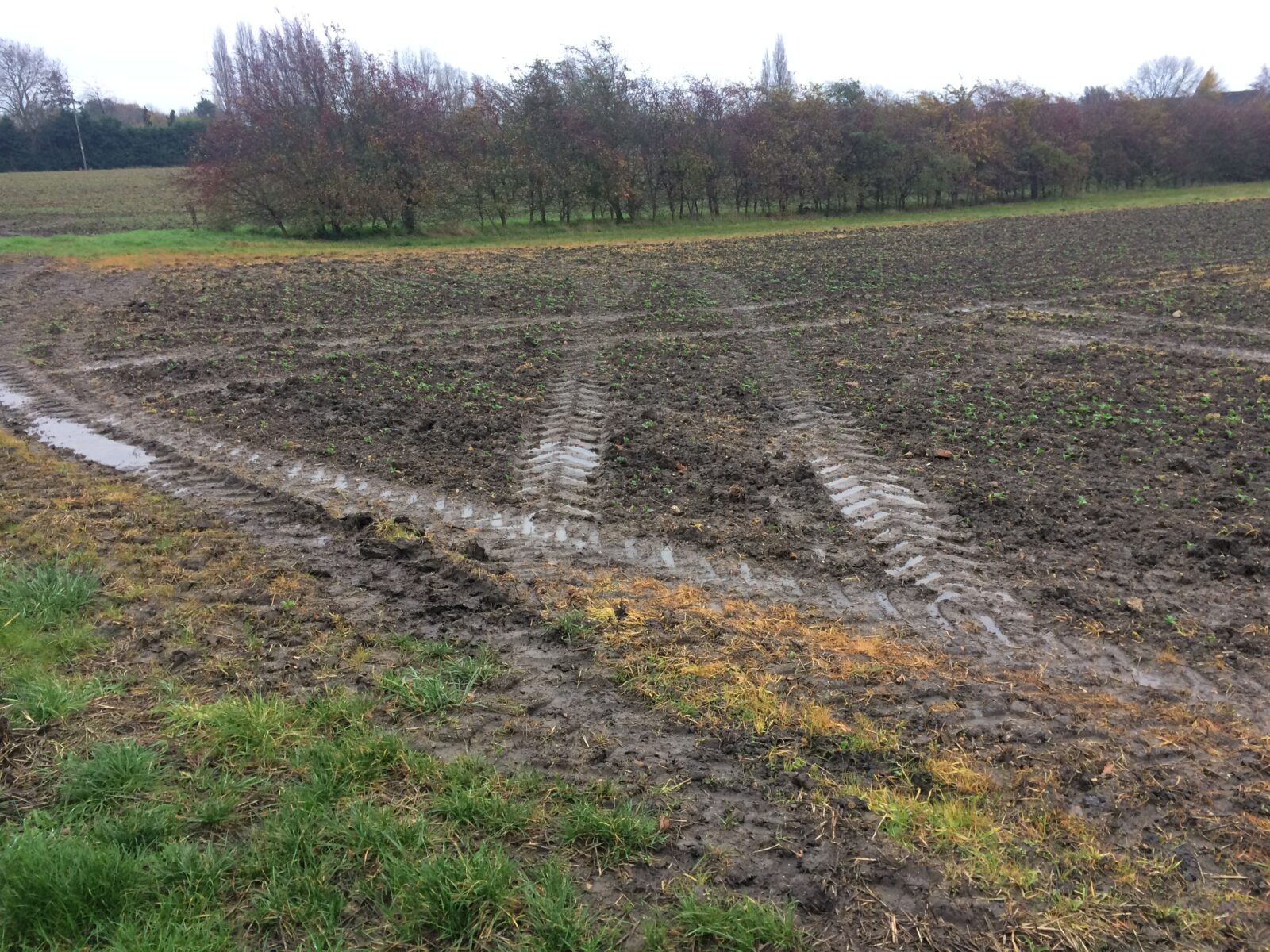
At home on the family farm, our investment in regenerative farming and building soil resilience has really paid off. After the 270 mm of rain we had at the end of September, we couldn’t even think about drilling until mid-November. Yet, the crops look remarkably well considering the challenges. The lighter land, in particular, has benefitted from being left undisturbed. Moisture retention has been far better, and those fields aren’t burning off or showing drought stress as badly as we would’ve anticipated.

Next year, like many of my farming clients, I’m already focusing on the future, though I’ll admit, we’re all getting a bit fed up with constantly hoping that next year will be better.

We do, however, have a number of positive changes on the family farm that we have implemented this year. We were fortunate to secure an SFI agreement before the scheme paused on the 11th of March, though I have to thank a well-timed rumour from a friend for that. Thankfully, I submitted Dad’s application just in time!

Our SFI agreement is designed to support regenerative practices we are already doing, such as direct drilling, companion cropping and no insecticide. As well as helping us to develop and implement further practices such as catch cropping and variable rate application of nutrients. These are to be layered onto our continuous wheat rotation. Some may question whether this is a sustainable rotation in a regenerative system. However, I do believe there is a place for this rotation in a regenerative system and above all this rotation will be profitable in a time when many rotations are marginal. There are several farmers in our area successfully growing continuous wheat with minimal take-all issues, largely thanks to healthy, functioning soils. My aim is to prove that you can grow your most profitable, highest margin crop year after year, but with one critical addition: diversity.

Read the full article here

The Penn Family Farm

Member News
The views expressed in this Member News article are the author's own and do not necessarily represent those of Agri-TechE.

Manor Farm is a part of the Castle Ashby Estate in Northampton and is run by the Penn family.

This includes dad, David, his daughter Louise and sons Robert and George. As 2nd generation tenants, they have been farming wheat for as long as they can remember. A qualified agronomist, Louise is responsible for choosing the crops, when they are planted and implementing regenerative techniques to ensure the farm is working towards being as sustainable as possible.

There is nothing better than spending a summer’s day in the golden fields with the whole family coming together to get that grain in the shed. Dad drives the combine and my brothers or myself will be grain carting. Over the year, so much work goes into growing the best crop we can, but only when you’re sitting on the combine can you see the end result.


Read the full article here


New wheat diversity discovery could provide an urgently-needed solution to global food security

Member News
Research Digest
The views expressed in this Member News article are the author's own and do not necessarily represent those of Agri-TechE.

Newly-discovered diversity in the wheat genome could offer vital new opportunities to improve and ‘climate-proof’ one of the world’s most important staple crops.

A landmark study, led by the Earlham Institute and Helmholtz Munich as part of a global collaboration, has generated the first wheat pan-transcriptome – a comprehensive map of gene activity across multiple wheat varieties.

Wheat has a very large and complex genome. Researchers have found that different varieties can use their genes in different ways. By studying RNA—the molecules that carry out instructions from DNA—researchers can see which genes are active and when. By mapping this gene activity for the first time, researchers are able accelerate international wheat breeding programmes, developing new varieties of wheat which can adapt to the rapidly escalating climate emergency.

Wheat is the most widely cultivated crop in the world, with over 215 million hectares grown annually. To meet the demands of a growing global population, plant breeders face the challenge of increasing wheat production by an estimated 60 per cent within the next 40 years.

The wheat pan-transcriptome offers a powerful tool to help meet this challenge. It will enable plant breeders to accelerate yield improvements and develop more resilient wheat varieties—better equipped to cope with rising temperatures, water shortages, and poor soil quality. Importantly, this can be done without increasing reliance on fertilisers, which are linked to biodiversity loss and pollution.

Senior Postdoctoral Researcher at the Earlham Institute and co-first author Dr Rachel Rusholme-Pilcher said: “We’ve revealed layers of hidden diversity spanning our modern wheat variations. This diversity is likely to underpin the success of wheat over such a wide range of global environments.

“We discovered how groups of genes work together as regulatory networks to control gene expression. Our research allowed us to look at how these network connections differ between wheat varieties revealing new sources of genetic diversity that could be critical in boosting the resilience of wheat.”

Furthermore, this work has created an important resource for the worldwide wheat research community – a clear example of how national and international collaboration and new technologies can lead to scientific breakthroughs in global food security.

Much of the untapped genetic diversity may stem from how wheat has adapted to different environments over time, shaped by over 100 years of modern breeding and more than 10,000 years of cultivation.

Deputy Group Leader in the Plant Genome and Systems Biology Group at Helmholtz Munich Dr Manuel Spannagl, said: “The new expression atlas allowed us to independently predict and compare the gene content of the wheat cultivars. We used those gene predictions together with the pan-transcriptome data to identify pronounced variation in the prolamin superfamily and immune-reactive proteins across cultivars.”

Transcript isoform sequencing and de novo annotation was carried out by the Technical Genomics and Core Bioinformatics Groups at the Earlham Institute through the BBSRC-funded National Bioscience Research Infrastructure in Transformative Genomics.

Dr Karim Gharbi, Head of Technical Genomics at the Earlham Institute, said: “This work demonstrates the power of technology to reveal novel biology, in this case hidden functional diversity which had not been documented before. Wheat pangenomics resources are growing rapidly with more diversity yet to be discovered.”

The paper ‘De Novo Annotation Reveals Transcriptomic Complexity Across the Hexaploid Wheat Pan-Genome’ is published in Nature Communications.

The study was supported by the BBSRC-funded Decoding Biodiversity research programme and National Bioscience Research Infrastructure in Transformative Genomics at the Earlham Institute, as well as the BBSRC cross-institute ‘Delivering Sustainable Wheat’ programme.

The study was conducted as part of the International 10+ Wheat Genome Project, and involved a global collaboration of scientists from countries including Australia, Japan, France, Germany, Switzerland, the United States, the United Kingdom, Saudi Arabia, and Canada.

  • *I have permission from the copyright holder to publish this content and images.

Downforce Becomes Leading Harvest Activator

Member News
The views expressed in this Member News article are the author's own and do not necessarily represent those of Agri-TechE.

Downforce joins Leading Harvest to help scale climate-smart agriculture solutions

Downforce Technologies has joined Leading Harvest as an Activator to accelerate the transition to more sustainable and resilient agricultural systems worldwide.

Leading Harvest is a non-profit organisation that operates one of agriculture’s most extensive sustainability frameworks, with over three million acres (1.2 million hectares) of farmland enrolled globally across more than 100 different crop types.

The Leading Harvest Farmland Management Standard provides a framework for improving agricultural sustainability with core principles ranging from environmental factors including soil health and biodiversity to social factors such as farm labour and protection of special sites. Through the implementation of the Farmland Management Standard (FMS), Leading Harvest is harmonising and mobilising the entire supply chain while also ensuring that companies are continuously improving their operations.

Leading Harvest Director of Strategic Partnerships, Rebecca Gildiner, said “We are thrilled to have Downforce Technologies as an Activator with Leading Harvest. We are excited about the value that they can bring to our membership and are looking forward to the shared impact that we can create together.”

“Certifying members must identify areas for improvement from one year to the next through our core principle of continuous improvement. This generates positive impact for farm businesses each year while ensuring sustainability efforts keep up with evolving scientific findings, agronomic knowledge, and societal expectations,” Ms. Gildiner said.

“Activators like Downforce Technologies play a major role in the Leading Harvest ecosystem to drive continuous improvement and support the community of sustainable agriculture practitioners. Activators assist our members in obtaining certification or measuring outcomes associated with their certification with use of their products or services.”

Downforce Technologies Head of Product & Business Development for the Americas, Luke Richards, said the company was looking forward to supporting the Leading Harvest community and furthering sustainability in agriculture.

“What we like about Leading Harvest is that they have a strong presence with asset managers and those who own the farmland and have the greatest interest in long-term prosperity and sustainability,” Mr Richards said.

“Other sustainability standards usually target the product coming from the farm, but our focus – the soil – doesn’t leave the farm, so targeting the asset just made a lot of sense to us.”

As an Activator, Downforce is already working with an existing Leading Harvest member on a project to measure outcomes associated with certification. This project will assist in meeting two FMS objectives – soil health and conservation, and energy use, air quality and climate change – through its US-patented methodology for remote assessment of soil organic carbon at scale, anywhere in the world.

“In this project, we will work with multiple Leading Harvest Program Users to provide data to measure how effective their on-farm practices are” Mr Richards said.

“It really comes down to the Farmland Management Standard providing a playbook for system change and behavioural change that needs to take place to transition towards a sustainable and resilient global agriculture system.”

“Standardising the approach required enables collective action.”

  • *I have permission from the copyright holder to publish this content and images.

Russ Farn joins eg technology’s Board of Directors

Member News
The views expressed in this Member News article are the author's own and do not necessarily represent those of Agri-TechE.

eg technology is pleased to announce the promotion of Russ Farn to the position of Director.

Russ will join the eg technology Board of Directors, where he will contribute to shaping the company’s strategic direction and guiding the oversight of operational planning and project delivery. The Board also carries fiduciary responsibility to the Employee Ownership Trust, ensuring alignment with its values and long-term vision.

Having joined eg in 2008 as a design engineer with a focus on industrial design, Russ progressed to become the departmental and technical lead for industrial design and mechanical engineering. In 2023, he was appointed as an Associate Director to support the growth of eg technology through the strategic development of internal capabilities and exploration of external opportunities.

Russ continues to oversee the creative and technical direction of complex engineering projects within his multidisciplinary team and is a senior point of contact for clients. In particular, he advises on complex challenges in relation to human factors, concept development, detailed design and transfer to manufacture, focusing on system engineering and risk management.

Russ will join Rouzet Agaiby, Paul Edmondson, Helen Coppen and David Warwick on the Board of Directors from October 1st.

David Warwick said:

“We are delighted to welcome Russ to the Board of eg technology. His input is highly valued, and as well as driving successful outputs from the design team, he has a real passion for the continued development of our employees, seeing this as a key component in the strategic growth of the company. With a wealth of experience, Russ brings a thoughtful perspective and a results-driven approach that will help unlock new opportunities for both our clients and our employee-owners”.

About eg technology

eg technology is a product design, engineering and development specialist based in Cambridge, UK, with a second office in Galway, Ireland. We provide an integrated solution for innovators requiring the expertise to bridge the gap between their idea and a market-ready product. eg works with organisations, from start-up to blue-chip, to deliver inspiring, marketable and industry-transforming products across MedTech, Lab/BioTech, VetCare, CleanTech, AgriTech, Consumer and Food/Drink Sectors. Specialising in electronics and software engineering, industrial and mechanical design, human factors, project management, technical due diligence and regulatory compliance, we know how to solve technical challenges and make things work. eg is an agile and adaptive development partner providing tailored project delivery, whilst minimising risk from concept through to transfer to manufacture in an ISO 13485 accredited framework.

eg transitioned to Employee Ownership in March 2023, placing the ownership and management of the company in the hands of our team, under the careful governance of the Board of Trustees. The transfer of ownership to an Employee Ownership Trust (EOT) provides security for the business going forward, whilst ensuring that our company is run for the benefit of all employees.

eg technology is committed to sustainable growth, collaborative innovation and delivering exceptional value to clients and stakeholders.

For more information on getting your technology or ideas to market, or to chat with one of the eg team about your product design and development requirements, please contact us.

Via email on design@egtechnology.co.uk, by giving us a call on +44 01223 813184, or by clicking here.

  • *I have permission from the copyright holder to publish this content and images.