The views expressed in this Member News article are the author's own and do not necessarily represent those of Agri-TechE.
The inaugural Global AgInvesting (GAI) Australia conference will take place between June 10-11 in Brisbane, Queensland, Australia. Beyond the conference itself, delegates have the option to tour around Central Queensland, Toowoomba, the Lockyer Valley and the Port of Brisbane. It will be an immersive week for international delegates to learn first-hand about Queensland’s excellence in agriculture.
Queensland’s primary industries contributed a hefty A$26.8 billion of gross value to the Queensland economy in FY2024/25. Queensland exported A$15.6 billion of primary goods within the same period, beef accounting for more than half of this figure. Queensland’s primary industries continues to be resilient and adaptable, achieving strong success year-on-year.
The views expressed in this Member News article are the author's own and do not necessarily represent those of Agri-TechE.
The government has recently published a new consultation on the application of the Nutrient Profiling Model (NPM) to advertising and promotion restrictions for ‘less healthy’ food and drink products.
This follows the government’s commitment in the 10 Year Health Plan to align existing restrictions with the latest dietary advice and introduce more impactful regulation.
Current advertising and promotion rules are based on the UK Nutrient Profiling Model developed between 2004 and 2005. Although the model was updated in 2018, these revisions were not previously applied to advertising and promotion policies.
The consultation invites businesses to provide views on how the updated NPM should be implemented within:
The Advertising (Less Healthy Food Definitions and Exemptions) Regulations 2024
The Food (Promotion and Placement) (England) Regulations 2021
In addition, the Government is seeking feedback on proposed implementation timelines for the updated model.
As part of this process, businesses are encouraged to consider and provide evidence on the potential impacts of applying the updated NPM, including effects on:
Children
Businesses
Groups with protected characteristics
A separate consultation on the development of healthier food targets and associated reporting requirements is expected to be published at a later date.
If you are interested in submitting a response to the consultation, or would like further information, please get in touch with lauren.atkins@gkstrategy.com
*I have permission from the copyright holder to publish this content and images.
Post Overview
This story has been submitted by an Agri-TechE member.
The views expressed in this Member News article are the author's own and do not necessarily represent those of Agri-TechE.
Why the best leaders step back when everything tells them to step in.
A lot is happening in the world right now.
Markets are shifting, geopolitical tensions remain high, and economic uncertainty continues to place pressure on many sectors, including agriculture and amenity. And alongside all of that, the constant flow of information, emails, meetings and decisions that arrive before the previous issue has fully settled.
In environments like this, something quietly disappears. Space.
Space to reflect. Space to gather thoughts. Space to think properly about priorities and direction.
For many leaders, the instinct is to move faster. More meetings, more updates, more activity. The pressure to stay on top of everything becomes relentless.
But good judgment rarely improves under constant reaction. It improves with perspective.
The Hidden Risk in Busy Leadership
The issue is not that leaders are not working hard enough. The issue is that they are often working too close to the problem.
When everything is immediate, everything feels important. When everything feels important, priorities blur. And when priorities blur, organisations drift.
What follows is predictable:
Decisions become reactive rather than considered
Issues escalate upwards because clarity is missing
Leadership teams spend more time reporting than thinking
The organisation becomes dependent on a small number of people
From the outside, it looks like activity.
From the inside, it often feels like noise. And noise is not progress.
A Lesson I Learned Earlier in My Career
Earlier in my career, I attended a leadership course that ran for twelve months. As part of the commitment, one Friday every month was completely dedicated to the programme. No meetings, no phone calls, no operational involvement.
At the time, it felt uncomfortable. Like many leaders, I believed the business needed me to be constantly present.
What I discovered, however, was that the business continued perfectly well.
Decisions were made. Issues were resolved. Work progressed.
The organisation did not grind to a halt.
What changed instead was my perspective.
Those days created a rare opportunity to step out of the operational noise and think properly about the business. About strategy, culture, leadership and direction.
In many ways, those days away improved the quality of the decisions made on the days I was present.
The lesson was simple. Space is not indulgence. It is leadership discipline.
The Cost of Constant Reaction
When leaders operate continuously in response mode, several things begin to happen. Decisions become reactive rather than considered. Priorities blur because everything feels urgent. Teams begin to escalate more issues upwards because the organisation senses uncertainty. And personally, the mental load increases.
Many leaders carry more than people realise. Without deliberate moments to step back, the pressure accumulates quietly.
The Boardroom Consequence
This is not just a leadership issue. It is a governance issue.
Boards often mistake activity for progress. Full agendas. Frequent updates. Detailed reports.
But without space to think, challenge, and reflect, the quality of decision-making deteriorates.
The risk is subtle, but significant.
Strategy becomes short-term
Risk is managed reactively rather than proactively
Leadership teams operate tactically rather than intentionally
In these environments, organisations do not usually fail quickly.
They drift.
Creating Space is a Design Choice
Space does not appear naturally in busy organisations.
It has to be created and protected.
In practice, that means:
Setting aside time for strategic thinking.
Creating forums where leadership teams reflect rather than simply report.
Encouraging decision ownership lower in the organisation.
Or simply protecting time to think before reacting.
These are not luxuries. They are part of how good organisations maintain clarity under pressure.
What Changes When Leaders Step Back
When leaders step back, even briefly, something changes. Noise becomes pattern. Urgency becomes priority. Complexity becomes clearer.
And importantly, leadership becomes less about constant presence and more about thoughtful direction.
In uncertain times, it is tempting to move faster. But clarity rarely comes from speed alone. Sometimes it comes from stepping back long enough to see properly.
A Few Questions Worth Asking
For those leading organisations today, a few simple questions are worth reflecting on:
When was the last time you deliberately stepped away from the operational noise to think properly about direction?
Are decisions drifting upwards because people lack clarity, or because they lack confidence in their authority?
If you stepped away for a day, a week or even longer, what would actually stop, and what might quietly improve?
Creating space is not always easy.
But in my experience, it is often where the most important leadership thinking happens.
If you stepped away for a day, a week, or even longer, what would actually stop?
And what might quietly improve?
A Final Thought
In uncertain times, the instinct is to move faster and stay closer. But the organisations that navigate uncertainty best are rarely the busiest.
They are the clearest.
And clarity does not come from constant motion. It comes from space.
The question is not whether you can afford to step back. It is whether you can afford not to.
*I have permission from the copyright holder to publish this content and images.
Post Overview
This story has been submitted by an Agri-TechE member.
Get the latest agri-tech news, events and opportunities direct to your inbox
Data-driven environmental monitoring highlights significant variations in bird biodiversity
Agri-TechE Article
Member News
Agri-TechE
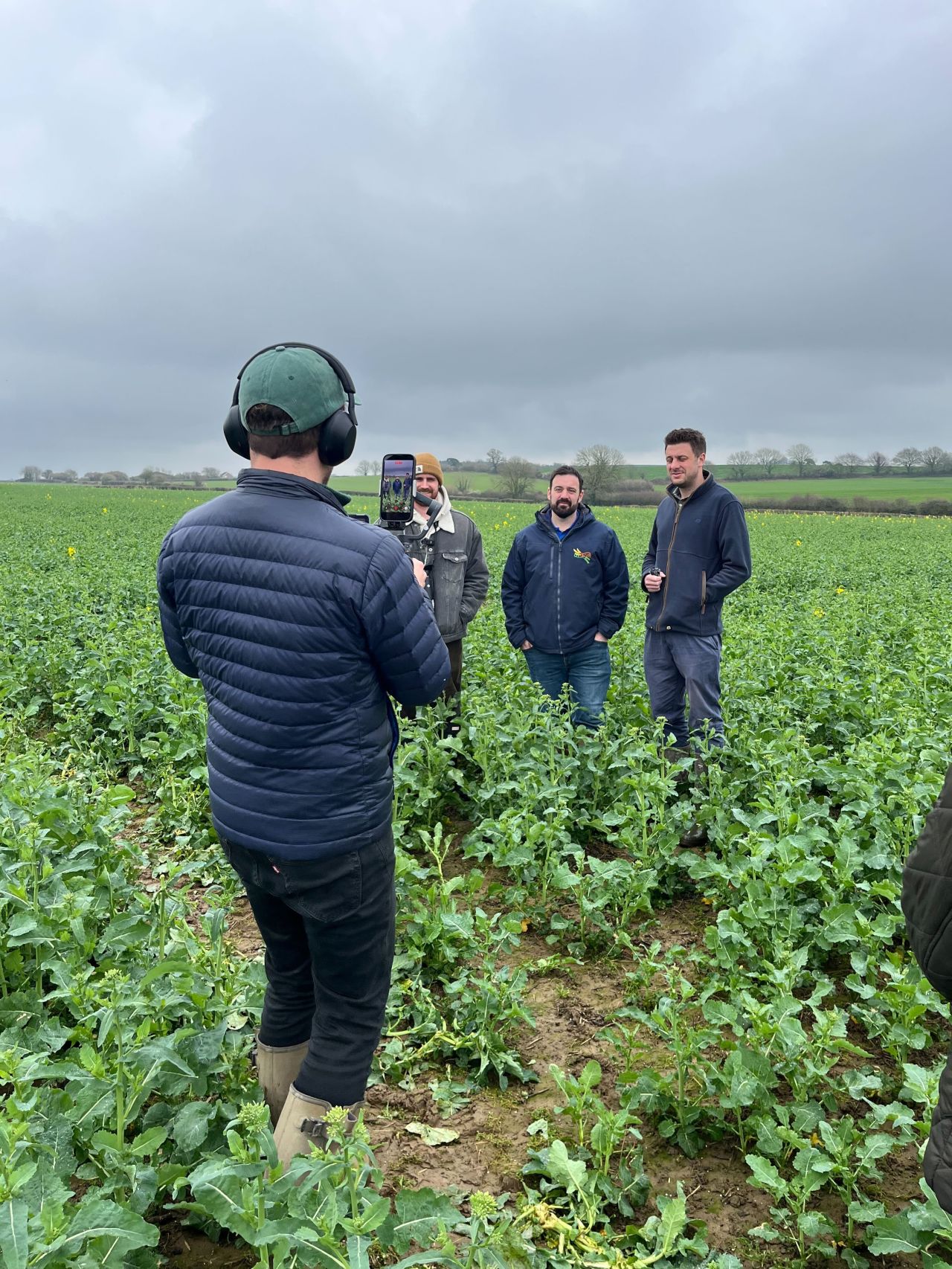
Todd Jex, partnered up with Agri-TechE member Wilder Sensing ahead of the upcoming Nature Technology event on April 28th to see how analysis of recorded bird song can be a bellwether for biodiversity across two farming systems.
Despite his passion for regenerative farming, supported by Todd as his agronomist, Oli Harris of QT Agri, who farms at Barton Farm in Dorset, has a portion of the farm that is still farmed using conventional tillage. This is because of a contract to grow turf for the family’s other business, Sherbourne Turf.
Having two contrasting farming systems within the same farming enterprise provided a fantastic opportunity for Todd to work with Oli to test the Wilder Sensing technology to see the benefits that regenerative farming brings.
“Originally, we adopted no-till regenerative farming practices for financial reasons to scale up the business,” says Oli. “Contractors were doing much of the work, and it was a way to bring all operations back on the farm and take control of arable production.
“Very quickly, it became a passion to see the environmental benefits the new system was having. We have seen a benefit to the wildlife and soil health.”
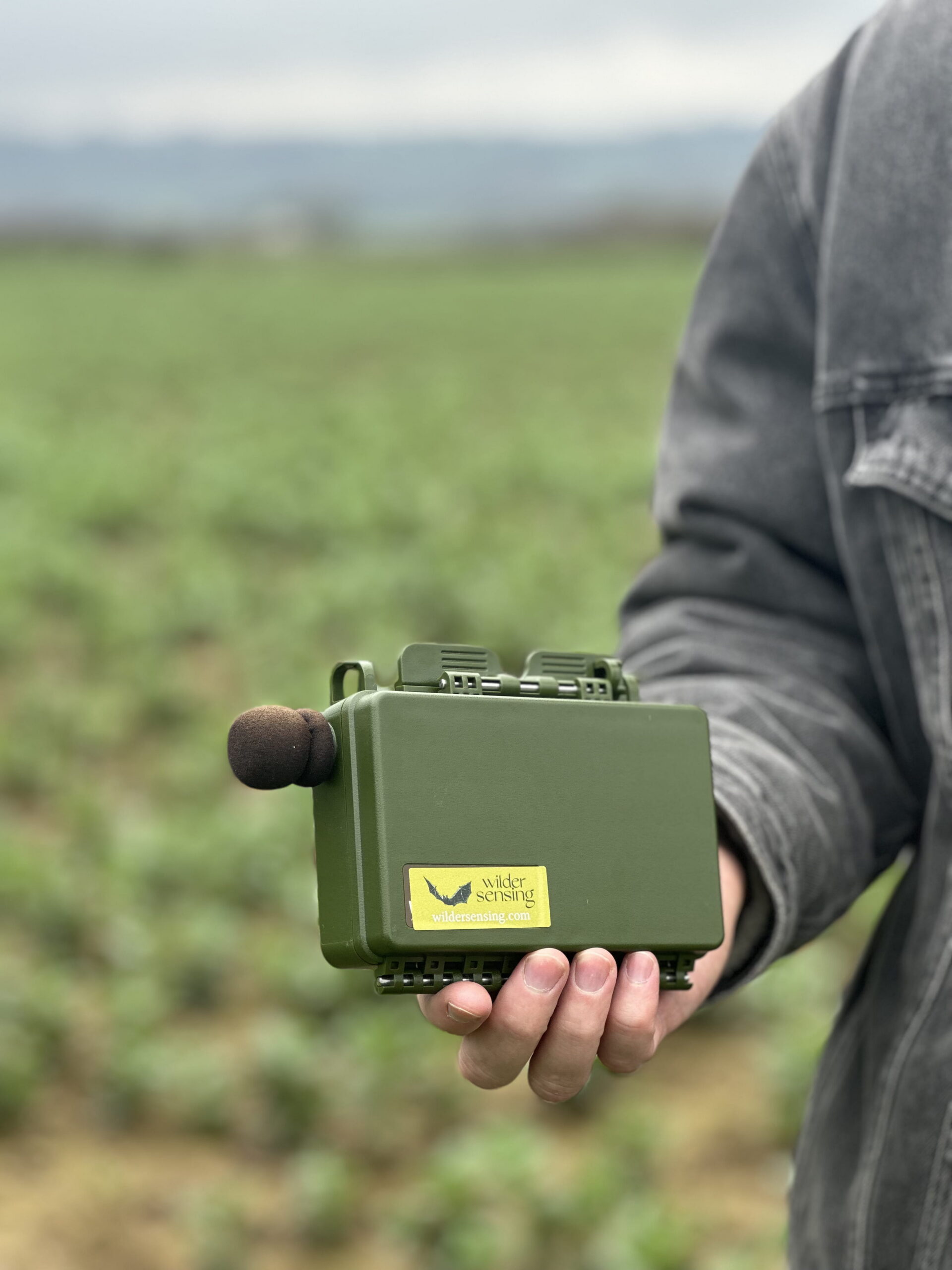
Todd set up two off the shelf recording devices on the farm, which Wilder Sensing can supply, although its technology is based on data processing and analysis rather than the physical devices, explains George Caterer, business development manager at Wilder Sensing.
George Caterer
Business Development Manager, WIlder Sensing
“These recording devices have been available for a long time,” says George. “The limiting factor in their use is the amount of data you get from them and the time it takes to analyse it.
“The trial with Todd ran for six days, and we recorded 20,000 bird calls.
It would take an ecologist days to analyse that data, with varying levels of accuracy, whereas our AI can do that within 24 hours.”
The devices can confidently record a bird’s noise within 50 metres. Because birds can cover a wide area of farmland, he says that each device can cover a decent area. And even though it is only recording the presence of one taxonomic group, birds are a fantastic reference for the health of an ecosystem because they cover all levels of the food chain, according to George.
Wilder Sensing licenses the BirdNET database to give them a reliable reference for every possible bird species in the UK. They have built a cloud-based platform for users to easily access and interpret the analysis.
“The overall number of bird calls isn’t the interesting number. These are the overall numbers and types of species. This gives you a much better idea of the ecological condition of the land,” explains George.
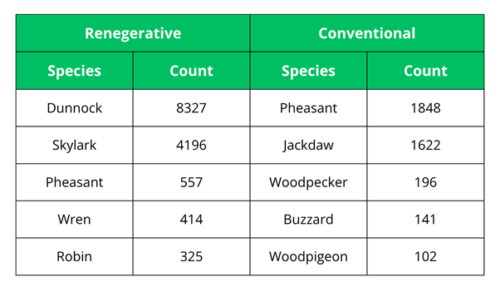
Table 1. The top five species recorded from Wilder Sensing monitoring of Barton Farm, Feb-Mar 2026
Looking at the data gathered at Barton Farm, the conventional field was dominated by corvid and generalist urban birds. Moving over to the regenerative field, there are many more insectivorous and seed-eating birds, notes George. One of the starkest comparisons was between the skylark calls: the regen location had over 4,000, whereas the conventional area only had 11.
Todd has worked with many farmers over the years to help them transition to a regenerative system, and he believes recording baseline data at the start of this process is a vital first step. From here, you can retest after several years to assess the effect of the new system.
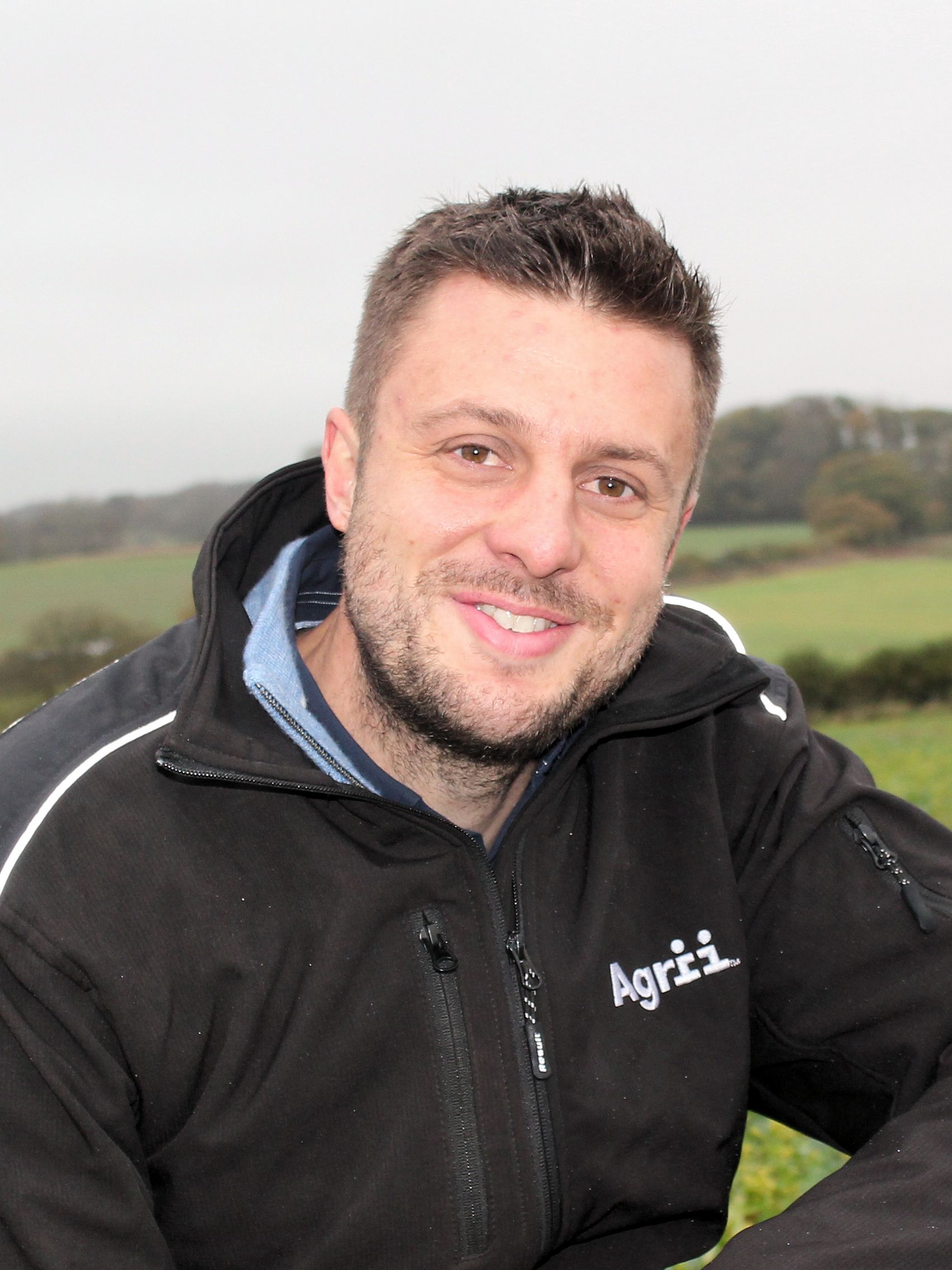
Todd Jex
Agronomist, Agrii
“You need to have the baseline at the point of change to see what is happening for good or for bad,” says Todd.
“You can then make appropriate recommendations if things aren’t evolving the way we want them to.
“The soil analysis we do is very in-depth. Biodiversity is the part we aren’t very good at capturing at the moment, and it’s such a massive part of it.”
Oli adds that historically, biodiversity has been impossible to measure at scale. Whereas soil parameters, such as pH, are much simpler. He is excited that the technology now exists to do this and can see the benefits for his farm.
“It’s reaffirmed that we are doing the right things. We are tenant farmers, and our landowners are keen to see us improve the environment. This data puts us in very good standing with them.
“It also gives us a point of differentiation if we ever try to grow the business by tendering for new land. Often, the people who can offer the most money are those who farm the most intensively, for growing potatoes and the like. Many big landowners want more than that now. This data is a great way to show how we farm sensitively to the environment,” says Oli.
It’s because of benefits like this that George says Wilder Sensing has generated much interest in the technology within the regenerative farming sector. They also have markets developed with renewables, water utilities, housing developers, NGOs and ecology consultants. “It’s about data-driven improvement,” he adds.
Wilder Sensing and Todd Jex will be at The Productive Landscape: NatureTech for Profit and Planet on 28th April at Rothamsted.
Speakers include: Dr Robert Bradburne, Chief Scientist for the Environment Agency, Diane Mitchell, Chief Environment Advisor at the National Farmers Union and David Webster, CEO of LEAF.
The views expressed in this Member News article are the author's own and do not necessarily represent those of Agri-TechE.
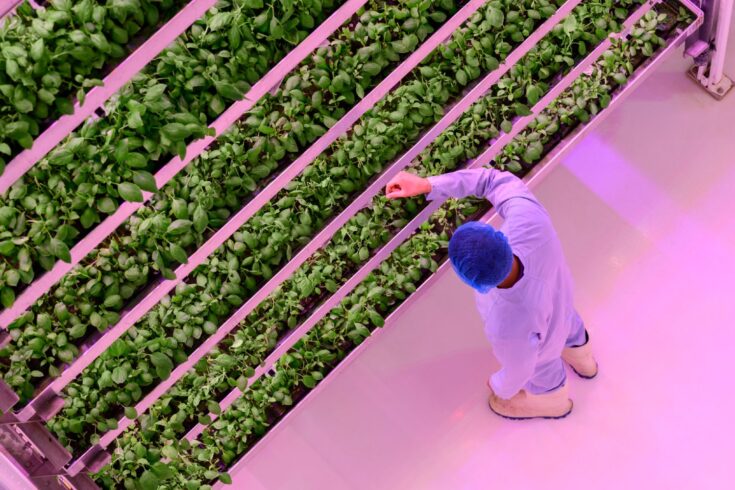
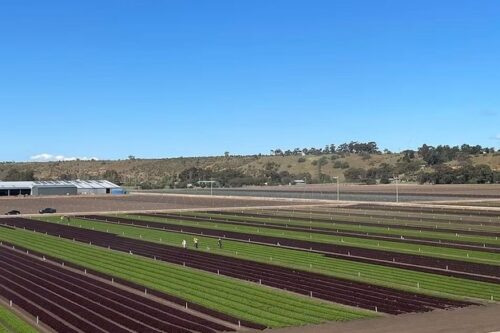
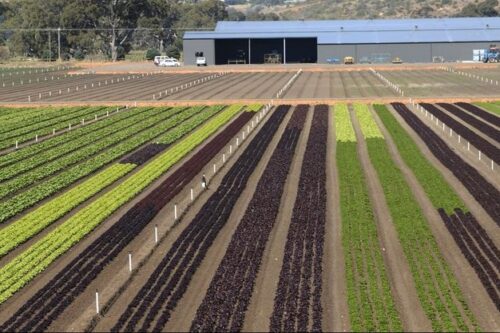
The market for spinach and baby leaf remains tight, constrained by the crop’s fragility and the lack of viable export pathways. Demand is largely fixed given that there’s only so much leaf people want to eat, and export of such a fragile product is not cost-effective.
But the big enemy in growing leafy veg is the weather, particularly the heat and humidity. Even so, Mike Fielden of Boratto Farms says his produce has held up well.
“Season’s been good,” he says, with strong performance a feature of the peak demand periods of Christmas and Australia Day. The third market peak, however, is likely to be more challenging. “Easter will be a bit of a struggle because of quality,” he explains, after a period of high heat and humidity in late summer led to issues such as tip burn, mildew, and pythium. “In Australia… you’re always going to pick up a problem within your three-key-event portfolio.”
For a crop that cannot be stored or redirected, those disruptions carry immediate consequences. Supply and demand have to be tightly wed.
Unlike in other areas of produce, there’s no other outlet, so you can’t simply produce more and hope for the best. “I could take a punt in potatoes, but in baby leaf, if you don’t have a customer, you’re stuffed,” Fielden says. “I can’t store it; I can’t keep it.”
At the same time, rising input costs and retailer pressure on pricing have eroded margins. “You can’t afford to have a return from the acre of land,” he notes.
That cost pressure is driving a growing focus on technology, particularly AI, as a way to reduce waste and improve decision-making across the supply chain. Fielden points to two systems in particular: drone-based field mapping from Polybee and in-line quality assessment from GoMicro AI.
Polybee’s drones fly over fields to create what Fielden describes as a “digital twin”, mapping crop conditions down to leaf level. That allows growers to assess yield and quality before committing further costs. “If they say the crop’s not worth harvesting, I don’t harvest it… I’ve only lost up to that point,” he says. “I haven’t added on my harvest cost and transport costs.”
Once the product moves beyond the field, GoMicro AI provides a second layer of control through objective quality assessment. Here, the focus is on removing the subjectivity that has long defined fresh produce trading.
“The trouble with how we measure things currently is it’s desperately subjective,” Fielden says. “I can look at a leaf of spinach, and you can look at it… and we’re probably both going to have a different assessment. I might think my spinach is fantastic, but you just might not agree.”
By replacing that human variability with consistent, data-driven evaluation, AI creates a shared standard between grower and buyer. “If you can find something that is an objective measurement, then that takes that away,” he says. “It reduces the aggravation between partners.”
The cost implications run through the entire chain. Early rejection of substandard crops avoids unnecessary harvesting, transport, and processing, while more accurate grading reduces labour and waste at the factory level. “You can identify through the entire supply chain costs that you can avoid,” Fielden says, noting that even small savings compound when applied across multiple stages.
Equally important is the data generated over time. With multiple growing cycles each year, spinach offers a rapid feedback loop, allowing patterns to be identified and production adjusted accordingly. “The beauty of AI is you can collect that data… it tells you exactly what it was like,” he says.
In a category where margins are tight and risk is constant, that combination of cost control and consistency is increasingly critical. “The maths soon adds up,” Fielden says. “If it gets a better product on the shelf… we’re all better off.”
Post Overview
This story has been submitted by an Agri-TechE member.
The views expressed in this Member News article are the author's own and do not necessarily represent those of Agri-TechE.
How excess water can become one of our most powerful climate tools
Across many landscapes, heavy rainfall is no longer unusual. Fields flood, planting is delayed, and soil begins to erode. The instinct is to move water on as quickly as possible. But what if that instinct is outdated?
At Ponda, we see a different possibility. In a changing climate, excess rain is not just a disruption, but a really precious resource we can hold in the correct ways. By looking at farming techniques like paludiculture, we unlock one of the most effective ways to store carbon in the landscape.
The Cost of Keeping Land Dry
Modern agriculture has been shaped by drainage and intense drying. Water is treated as a barrier to productivity, something to remove through ditches and pipes, lowering water tables to keep soils workable.
That approach delivers short-term results, but it comes with hidden costs. As soils dry, organic matter breaks down and carbon is released into the atmosphere. Over time, fertility declines and the land becomes harder to sustain. Meanwhile, the water that is pushed off the land does not disappear. It moves downstream, often increasing flood risk elsewhere.
“Over the most recent decade (2015–2024), the UK’s winter half‑year (October to March) has become about 16 % wetter compared with the 1961–1990 average, driven by changes in a warming climate.” – Met Office, 2025
As rainfall intensifies, this traditional system is being pushed to its limits. The effort to stay dry is becoming harder to maintain, and less effective.
Wet soil tells a different story. When land remains saturated, decomposition slows and carbon stays locked in the ground. This is how peatlands and wetlands build some of the most important carbon stores on Earth.
Holding water in the landscape is not just about managing floods. It is a direct way to protect and rebuild soil carbon while stabilising the land itself.
“Nature-based solutions create and interconnect habitats for wildlife and improve soil structure and quality by reducing uncontrolled flooding, run-off and loss of topsoil. This approach can turn less-productive farmland into vibrant wetlands that not only absorb excess water and carbon but also support biodiversity.”
A Different Way to Farm
For many farmers, productivity has traditionally meant only growing grains, vegetables, or livestock. But climate pressures are changing what “productive” really looks like. In some regions, heavy rainfall is the challenge; in others, particularly in eastern England, water scarcity is a constant struggle.
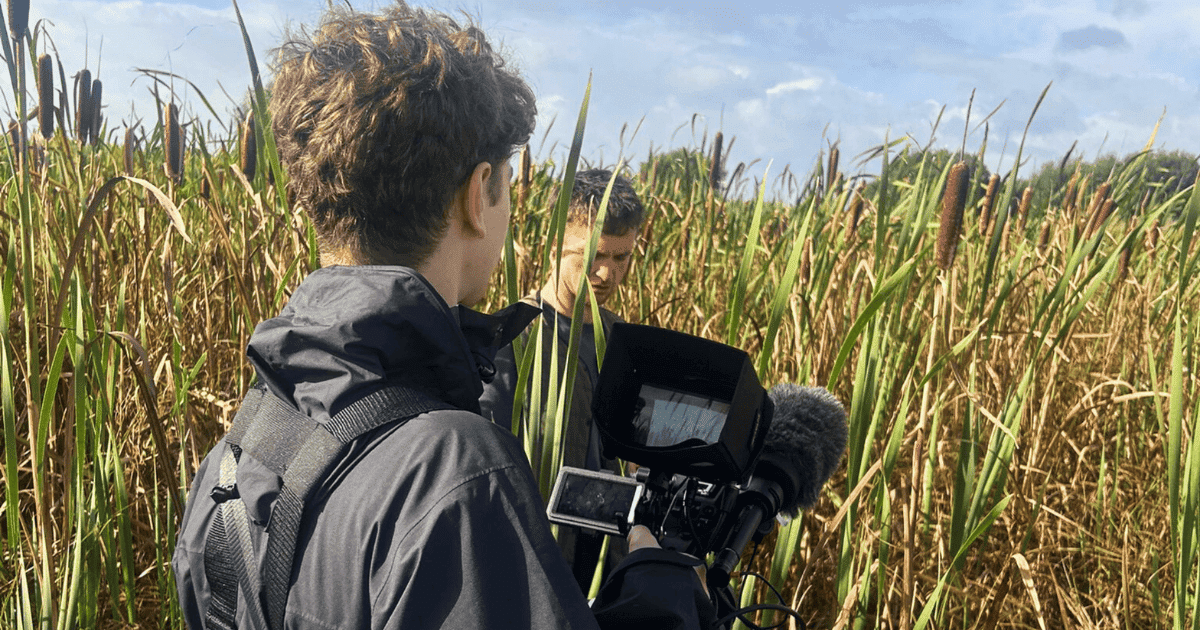
At Ponda, we partner with farmers to re-wet dried land, allowing us to source Typha for our bio-based insulation, BioPuff. Reeds can also be harvested for construction and bioenergy, sphagnum moss for horticultural markets. Even in drier areas, re-wetting degraded peat or capturing rainfall when it occurs creates new opportunities for resilient and profitable farming systems that work with the land and climate rather than against them.
By thinking of land as a multi-purpose asset, farmers can build diverse income streams while also restoring ecosystems, improving soil, and storing carbon. It’s not just about coping with extremes; it’s about using land more creatively to make it productive under a wide range of climate conditions.
Our Agriculture Lead at Ponda, Austin Shepherd explains:
“Growing Typha in a paludiculture or wetter farming system is all about transforming risk into resilience on wetter land. These plants act like sponges, converting waterlogged areas into productive, low-risk zones that protect soils and retain organic matter and carbon on drained areas. They also buffer floods, safeguarding fields better suited to conventional food production. This approach generates feedstock for biobased supply chains like ours, whilst allowing landowners and farms to gain both economic and ecological improvements, working with nature rather than against it.”
The need for this shift is urgent. Farmers face increasing pressures from unpredictable weather, and adapting can feel overwhelming. A recent study by the UK Climate Resilience Programme, published in Climate Risk Management and led by Dr Rebecca Wheeler and Professor Matt Lobley from the University of Exeter’s Centre for Rural Policy Research, highlighted this tension. Dr Wheeler observed:
“Farmers have an array of challenges and uncertainties to cope with, and it is understandable they are focused on the short-term profitability and survival of their business. This seems to be preventing them from adapting to the effects of the climate emergency. It is essential the industry finds ways to build resilience, and that farm businesses are supported in planning and responding to changing weather patterns.”
Paludiculture provides exactly that kind of support. By working with water rather than against it, farmers can protect carbon stores, enhance soil health, and maintain productivity even under increasingly unpredictable rainfall. Crops are carefully selected for wet conditions, from reeds for construction and bioenergy to sphagnum moss for horticulture. Productivity does not vanish, it evolves into something better suited to the environment.
The result is a resilient, climate-smart system. Carbon stays locked in the soil, drainage dependence is reduced, and water moves more slowly across the landscape. At the same time, habitats are restored, biodiversity thrives, and the land becomes more robust against extremes.
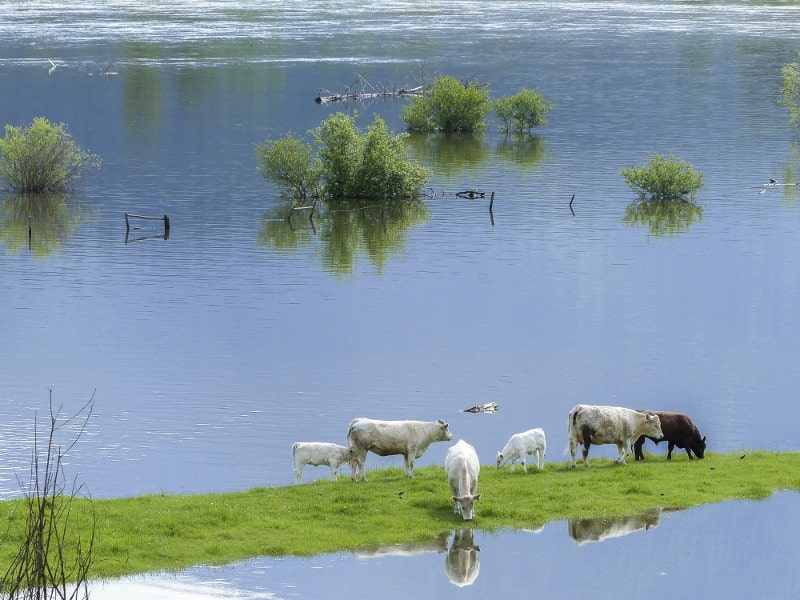
For decades, land management has been about control. Now, resilience depends on collaboration with natural systems. Excess rainfall, when managed strategically, transforms from a threat into an asset. It can store carbon, reduce flood risk, and support new forms of agriculture designed for a wetter, more unpredictable future.
At Ponda, we believe wet landscapes are not marginal. They are essential. Learning to work with water is not just adaptation. It is a chance to restore carbon, support biodiversity, and reshape how land creates value for the future.
If you’re looking to turn your land into something that delivers long-term benefits for the planet and wildlife while supporting a cleaner fashion supply chain, get in touch. We’d love to chat and explore how wetlands could work for you.
For any questions about wetland restoration or Typha cultivation, you can reach Austin at:
Get the latest agri-tech news, events and opportunities direct to your inbox
Demo Day at Elveden Estate 12 May: Soils and Water Management Innovation
Member News
Agri-TechE
Elveden Estate will host Agri‑TechE’s upcoming Demo Day on Soils and Water Management on 12 May, bringing farmers and technologists together to explore practical solutions for soil health and water efficiency in one of the driest regions of the UK.
Attendees will join Managing Director Andrew Blenkiron for a guided walk around the farm, gaining insight into Elveden’s environmentally responsible approach to managing over 10,000 acres of productive farmland. The estate is known for its large‑scale vegetable production, growing significant proportions of the UK’s onions, carrots, parsnips and potatoes, while maintaining a strong commitment to biodiversity and long‑term soil fertility.
The event will feature live demonstrations and pitches from leading innovators in soil and water management, including technologies for soil moisture sensing, irrigation efficiency, biological soil health measurement, and satellite‑enabled connectivity. Participants will also have the chance to network with other farmers and technology developers exploring new tools to support sustainable agriculture.
This Demo Day is ideal for growers seeking practical, on‑farm innovations and for technologists looking to test or showcase new products. Limited places are available, with discounted tickets for Agri‑TechE members and farmers – click here for more info and booking.
The views expressed in this Member News article are the author's own and do not necessarily represent those of Agri-TechE.
For decades, quality in fresh produce has been defined less by science than by interpretation. Buyers set the bar, growers try to meet it, and disputes emerge in the gap between the two. Increasingly, that gap is being targeted by AI systems designed to turn subjective judgment into something closer to measurable, shared standards.
According to Dr Sivam Krish, founder of GoMicro AI, at the centre of the shift is a simple idea: buyers already decide what “good” looks like, so training AI on images that reflect good and bad quality and specific defects allows it to assess produce consistently across the supply chain.
“The one problem is subjective assessment,” says Krish. “The seller, the farmer, thinks his stock is good, it goes to the other side, they say it’s bad for various reasons… and there’s no way to resolve that problem because on the other side, another human being is assessing it subjectively.”
That subjectivity carries a financial penalty. Rejections at the buyer end often leave growers absorbing the loss, with little ability to challenge the outcome. By the time produce is turned away, it may have limited alternative uses, leading to discounting, write-offs, or waste. In this way, subjectivity in quality control operates as a kind of “tax” on the supply chain, as inconsistent assessments create hidden costs at every step.
But being able to apply a unified standard early in the supply chain promises to allow diversion of produce to other uses, rather than allowing it to proceed to rejection and, in some cases, waste.
What changes with AI is not just automation, but alignment. Rather than relying on multiple human inspectors at different points in the chain — each applying slightly different judgment — systems can be trained to replicate a single, consistent standard.
“We replicate the judgment of one human being,” Krish says. “And then that judgment can be applied throughout the chain. There’s no point in the farmer saying it’s good; the buyer has to say it’s good.”
In practical terms, that removes much of the ambiguity that drives disputes. If both shipper and receiver are assessing against the same model, trained on the same definition of quality, disagreements shift from opinion to verifiable difference — or disappear altogether.
For growers, the cost benefits are immediate. Assessing fruit against the buyer’s standard before it leaves the packhouse reduces the risk of rejection and the associated freight, handling, and disposal costs. It also allows the product to be redirected earlier.
“The shipper also knows, okay if I send this… it’s going to be rejected anyway because this is how they judge,” Krish says.
That ability to make decisions upstream is critical in perishable categories such as berries and leafy greens, where delays quickly erode value. Instead of shipping borderline product into high-spec retail channels, growers can allocate it to processing or lower-spec markets, preserving margin that would otherwise be lost.
The technical barrier has historically been accuracy, particularly in produce where defects are subtle or obscured. “If the defects are obvious, it can be done,” Krish says. “But if they are subtle, it’s hard to do.” That includes issues like leaf-on-leaf contamination in spinach or minor bruising in strawberries.
“What we have cracked is the ability to detect very subtle defects, even those that are hard to detect by eye,” he says, adding that systems can assess produce even when items overlap — a longstanding limitation in automated grading.
Crucially, the approach does not depend on a single universal standard. Instead, AI can be trained rapidly on specific buyer preferences using sample sets, effectively digitising subjective judgment.
“This is how the model works. You give it examples of images that show it this is good quality… this is really bad… and the model will learn to reproduce them faithfully. So in that way, you can create categories,” Krish says.
In a sector defined by biological variability and shifting expectations, the result is a shared, transparent framework that reduces friction, cuts waste, and lowers the hidden costs of disagreement — replacing subjective calls with consistent, repeatable assessment.
Post Overview
This story has been submitted by an Agri-TechE member.
The views expressed in this Member News article are the author's own and do not necessarily represent those of Agri-TechE.
While much of the agronomic conversations are focused on upcoming fungicide and spray programmes, the market outlook for wheat and fertiliser is just as important for shaping spring decisions. Here’s what’s driving the market and what it means for farm businesses in Spring 2026.
US Winter Wheat Under Significant Heat Stress
One of the biggest market movers right now comes from the US Plains, where winter wheat crops are battling heat and drought stress.
This includes:
Severely low soil moisture, particularly in Kansas – one of the largest US wheat‑producing states.
A forecast showing temperatures up to 15°C above normal, with some areas expected to hit 30°C next week.
Worsening crop condition scores across several major wheat states.
Figure 1. Example heat map of the US showing temperature anomalies between 21st and 22nd March 2026.
Why this matters:
Tighter US supply expectations tend to support global prices, especially for milling wheat. With US crops under pressure so early in the season, the market is on alert for further deterioration.
UK Wheat Imports Slow – Tightening Domestic Balance
Closer to home, the UK wheat balance sheet is showing signs of tightening:
Imports from July–January are down 443kt compared with last season.
Total wheat imports currently sit at 1.5 million tonnes.
A slower pace of arrivals generally supports domestic basis, particularly in regions dependent on imported milling wheat. If the trend continues into spring, UK buyers may need to stay more active in the market to secure coverage.
Fertiliser Markets: Post‑War Highs and Big Supply Disruptions
Fertiliser markets remain volatile, with several geopolitical and supply‑chain issues adding upward pressure:
Iran has destroyed 16 commercial vessels in the Strait of Hormuz in the first two weeks of the conflict, disrupting critical nitrogen transport routes.
Both energy and fertiliser markets are now trading at post‑war highs.
High nitrogen prices are already influencing planting choices:
US growers shifting towards soya
EU growers leaning to sunflowers or lower‑N alternatives
This shift reduces demand for N‑heavy crops and indirectly supports global grain prices.
A Rare Inverse in the Fertiliser Market
One notable trend is the extremely strong market inverse:
Spot prices are significantly higher than forward values
May–August forward nitrogen is currently ~30% cheaper than today’s spot
This suggests the market is pricing in a short‑term supply squeeze, driven by transport disruption rather than long‑term scarcity.
Practical takeaway:
Growers may benefit from flexible purchasing strategies this spring, particularly if cashflow is under pressure. But any delayed buying comes with the risk of short-term availability issues.
Regulation to Watch: UK CBAM Nitrogen Tax
The UK is considering its own version of CBAM from January 2027, which could further complicate the regulatory landscape and pricing structures. Still, the CBAM coming into effect in the EU from 2026 will have implications on the UK ahead of 2027. Early modelling suggests an uplift of £50–£70/t. This could incentivise greater use of urea, which is more nutrient-dense and may perform better under CBAM rules. You can read more about this new potential carbon cost here.
What Should Farmers Be Thinking About Now?
Given the current climate, wheat and fertiliser markets will remain sensitive to:
US crop ratings over the next 4–6 weeks
Ongoing logistics disruption in the Middle East
UK import pace and domestic demand trends
Spring nitrogen buying behaviour
Regulatory pressure on fertiliser types and timings
For growers, this means staying flexible and well‑informed. Both grain and nitrogen markets look set for another turbulent season, but understanding the forces behind them can help keep decision‑making grounded.
More Information
If you would like to discuss these topics further, please do get in contact today.
*I have permission from the copyright holder to publish this content and images.
Post Overview
This story has been submitted by an Agri-TechE member.
The views expressed in this Member News article are the author's own and do not necessarily represent those of Agri-TechE.
To trial or not to trial?
A practical case for using 2026 as a year to test, learn and build nutrient resilience
For much of the past few seasons, farmers have had to navigate input volatility as part of normal business. But 2026 feels slightly different.
Nitrogen remains closely tied to gas and energy markets. Synthetic phosphorus fertilisers are also under pressure, not only because of cost, but because phosphate supply depends on sulphur and fragile global trade routes. Oil continues to influence the wider cost base through diesel, transport, plastics and logistics.
This is not just a nitrogen story. It is also a phosphorus-efficiency story.
None of that is good news in itself. But it does create a useful moment for the industry.
Instead of viewing this season only as another risk to manage, perhaps it makes more sense to treat it as a year to test practical alternatives that may improve nutrient efficiency and reduce exposure to volatility.
From input buying to nutrient strategy
This is no longer just a fertiliser purchasing conversation. It is becoming a nutrient strategy conversation.
When conventional inputs become harder to predict, harder to justify and more exposed to global disruption, the question shifts. The focus moves away from “How do we buy the same programme more cheaply?” and towards
“How do we make every unit of nitrogen and phosphorus deliver more value?”
That is an important change in mindset.
Nitrogen often gets the most attention because the price risk appears quickly. But phosphorus deserves just as much focus. On many farms, the issue is not simply whether phosphorus is present. The issue is whether the crop can access enough of it when it matters.
On many farms, phosphorus is not missing. It is present, but not fully available to the crop.
That means the industry is dealing with two separate but connected questions at once: how to protect nitrogen efficiency, and how to improve phosphorus availability.
Why this season should be use proactively
In years like this, it is easy to become reactive. Growers watch markets, delay decisions, worry about replacement cost, and try to limit risk. That is understandable. But it may not be the best long-term response. A better response may be to use this season proactively. To test. To compare. To gather evidence under real farm conditions.
Not because biology is a silver bullet. Not because one product will solve every nutrition problem. But because side-by-side farm trials can answer practical commercial questions before the next season arrives.
The questions worth testing now
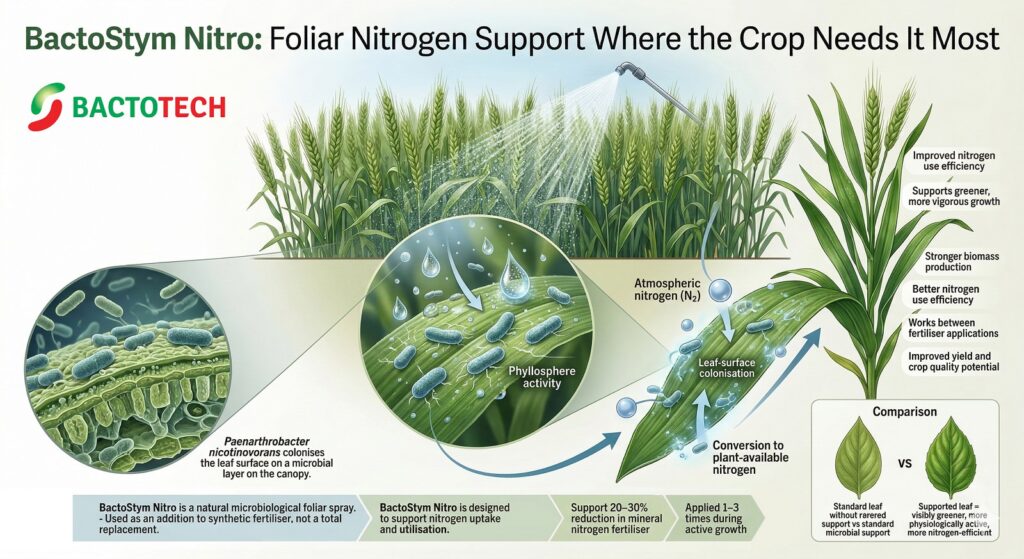
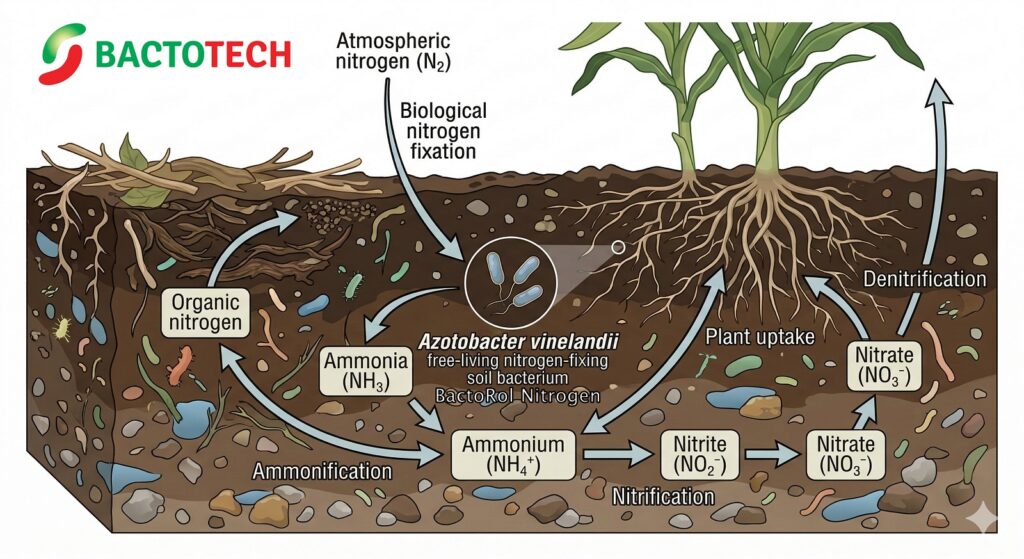
Can a biological tool help unlock more phosphorus that is already in the soil? Can it improve nitrogen use efficiency? Can it support crop response during stress? Can it help reduce dependence on the most volatile parts of the input programme?
Those are worthwhile questions in any season. In 2026, they look especially relevant.
This is a good year to test, not panic.
The case for trials, not hype
Farmers do not need to “believe” in a category first. They need to test it properly. That means keeping comparisons simple, changing as few variables as possible, and measuring more than yield alone. Crop consistency, rooting, visible response, timing, fertiliser rate, and margin all matter.
This is where biological products become more than an interesting idea. They become a practical part of on-farm learning. And that may be the real opportunity this season offers.
If a farm can run a fair strip trial in 2026 and learn something useful about phosphorus availability, nitrogen response or nutrient cycling, that knowledge may prove more valuable than waiting another year and facing the same volatility with no new evidence.
A more positive way to frame the biological conversation
Too often, the conversation around biology swings between two extremes. Either it is oversold as the answer to everything, or dismissed too quickly because it does not replace conventional fertiliser overnight.
Neither view is especially helpful.
But what if this is the year to test whether biological tools can improve nutrient efficiency and reduce exposure to volatile inputs?
The goal is not to replace everything overnight. The goal is to test what works under real farm conditions.
That is a serious, measurable and commercially relevant question that encourages innovation without abandoning practical agronomy.
Most importantly, it shifts the conversation from opinion to evidence.
Why this matters for the industry
No one wants farmers to reach next season and say, “We could have tested that when we had the chance.”
That is why this message matters now.
Not because the industry should panic. Not because farms should make dramatic changes overnight. But because they have an opportunity to use this season well.
There are now more biological tools on the market that target real nutrient-efficiency problems: locked-up phosphorus, inconsistent nitrogen response, stress-related underperformance, and nutrient tie-up in residues. The right response is not to assume they all work. It is to identify the right farm problem, run a proper trial, and measure the outcome honestly. That is how progress happens.
The smart question for 2026
The smart question for 2026 is not, “Why biology?”
It is, “Why not test it properly now?”
If nitrogen and phosphorus are becoming more expensive, more fragile and more politically exposed, then this season may be the right time to trial tools that could help crops make better use of what is already in the system.
This is not a message of fear. It is a message of opportunity.
And for a farming industry that has had to adapt quickly more than once in recent years, that feels like the right message to take into the season ahead.
The views expressed in this Member News article are the author's own and do not necessarily represent those of Agri-TechE.
Ag-Tech innovators are pushing boundaries like never before, but taking a promising idea from concept to commercial on-farm adoption isn’t simple. It requires robust evidence, credible trials, farmer‑facing communication, and clear pathways to scale.
To accelerate this journey, we are excited to launch a new three‑stage service package designed specifically for innovators who want independent validation, on‑farm proof, and real‑world impact: Define > Develop > Demonstrate. Together, these stages provide a clear and practical route from existing evidence through to confident market uptake.
Dr Alex Setchfield, Research & Knowledge Exchange Manager at Ceres Research, says: “We’re excited by the strength of innovation emerging in Ag‑Tech. The key now is helping translate that science and research into confident farm practice through independent evidence, practical fit, and trusted communication. Our Define > Develop > Demonstrate package brings those elements together to support robust validation, informed decision‑making, and credible routes to market.”
So, whether you’re refining early R&D or preparing for widespread market entry, our structured yet flexible approach is designed to support your next steps and help you move forward confidently.
1. DEFINE: Independent Insight to Strengthen Your Innovation
Every successful product journey starts with clarity. Our Define service provides an independent review of your existing R&D data, trial work, and wider scientific literature to uncover opportunities, limitations, and next steps.
We work with you to assess:
Data quality, robustness, and validity
Alignment with peer‑reviewed evidence
Potential for productivity, profitability, and resilience gains
Scalability across soil types, farming systems, and regions
Adoption barriers and routes to overcome them at scale
Where appropriate, we can also include optional site visits with our partners at Ceres Rural to evaluate practical suitability for real‑world farming conditions.
Deliverables:
A clear, actionable report highlighting opportunities to progress your innovation, either refining within Define, or moving ahead to Develop.
2. DEVELOP: Turning R&D Questions into Credible On‑Farm Trials
When you’re ready to test your innovation in real farming systems, our Develop stage provides the scientific rigour, agricultural relevance, and project management needed to generate trusted, defensible evidence.
This includes:
Full trial design and protocols tailored to your R&D or market-entry questions
Trial delivery through Ceres Rural and our laboratory connections
Crop assessments, sample collection, and ongoing trial monitoring
Detailed data analysis, including cost-benefit evaluation at farm level
Clear reporting with results, conclusions, and recommended next steps
Outputs can be tailored to your needs – traditional reports, slide decks, infographics, or publishable industry‑ready material.
Deliverables:
Trial design and delivery, ongoing management and an evidence-backed report showing whether to continue the Development stage, or progress to Demonstrate.
3. DEMONSTRATE: Showcasing Innovation to Drive Farmer Adoption
The final step is taking your innovation to the people who will use it. Demonstrate provides tailored knowledge‑exchange (KE) activities that place your product directly in front of farmers and growers, agronomists and industry partners.
Peer‑to‑peer learning opportunities to accelerate uptakeWe also track impact through attendance metrics, geographic reach, testimonials, and reported adoption intentions.
Deliverables:
A bespoke mix of KE activities, an adoption roadmap, and clear reporting to demonstrate the value and traction of your innovation within its target market.
Why Choose Ceres Research
✔ Independent, science-led evaluation and validation
✔ Real‑world farm trial evidence designed for credibility and commercial readiness
✔ Direct engagement with progressive UK farmers, growers, and agronomists
✔ A structured route from concept to adoption
Whether you’re developing biological innovations, digital tools, machinery, soil and plant technologies, or data‑driven platforms, Define > Develop > Demonstrate gives you the clarity, evidence, and reach to accelerate your product’s journey to market.
Ready to Move Forward?
We’d love to talk about how our new service package can support your R&D or market-entry plans.
The views expressed in this Member News article are the author's own and do not necessarily represent those of Agri-TechE.
Adelaide-based agtech company continues to build its track record in automated produce inspection — and is looking for UK partners.
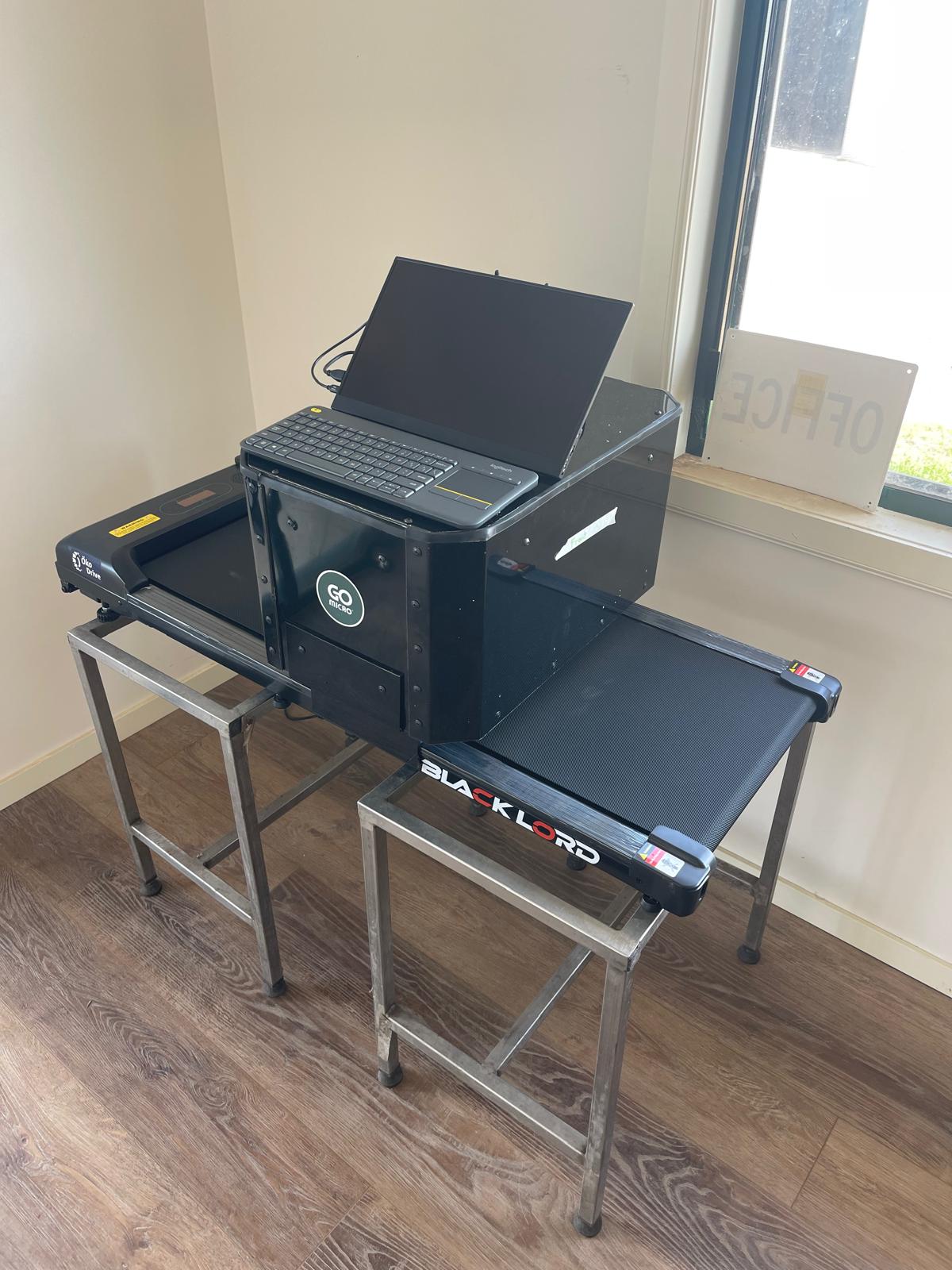
GoMicro, the Australian agtech company developing AI-powered quality assessment for fresh produce, has shipped and installed its second GM Exceed unit at a leafy greens operation in Victoria’s Gippsland region.
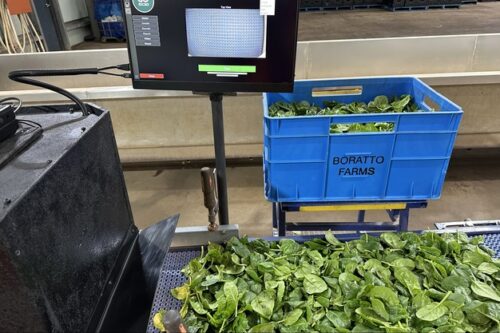
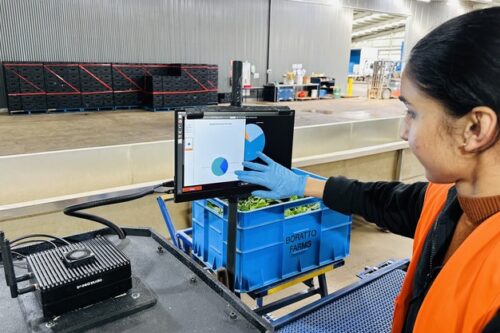
The deployment follows GoMicro’s first commercial installation at Boratto Farms in late 2025 — widely covered in trade media — and represents a significant step in proving the system’s repeatability. The unit was built in Adelaide, shipped directly to the grower, and is now being fine-tuned remotely by GoMicro’s engineering team in collaboration with the farm’s QC lead.
What the Technology Does
The GM Exceed is a compact, self-contained quality assessment system designed for leafy greens packhouses. It uses AI trained on sample images — good quality, poor quality, specific defect types — to detect issues such as yellowing, pest damage, disease, and white spotting in real time. The system produces instant PDF reports with quality and size metrics, giving growers objective data where previously they relied on subjective human judgement.
Critically, the unit is designed so that any farm hand can operate it — no specialist QC training required. It works offline, with internet connectivity used for remote support and sharing QC reports.
Why This Matters for UK Growers
The UK’s leafy greens sector faces many of the same pressures driving adoption in Australia: labour shortages in QC roles, subjective grading that creates disputes between growers and buyers, and increasing retailer demand for traceability and consistency. GoMicro’s system addresses all three, and the company is actively seeking UK partners and early adopters.
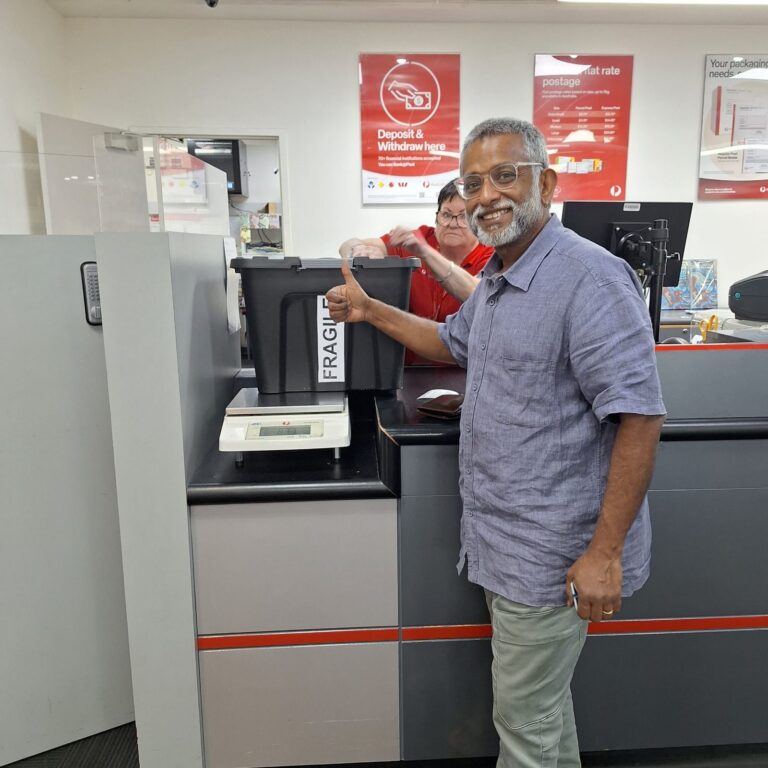
Dr Sivam Krish, GoMicro CEO, preparing the second GM Exceed unit for dispatch from Adelaide
How to Engage with GoMicro
GoMicro is interested in connecting with UK leafy greens growers, packhouse operators, and industry bodies who want to explore AI-assisted quality assessment. The company offers online demonstrations and is open to conversations about how the technology could fit different operations.
What to expect from an initial conversation: a 15–20 minute online demonstration of the GM Exceed system running on real produce, followed by a discussion about your operation’s specific QC challenges and volumes. There is no obligation — GoMicro is genuinely interested in understanding whether its technology fits the UK context before making any commitments.
Get in Touch
Kristie Dutt, Business Development Lead, Email: kristie@gomicro.ai; Web: www.gomicro.ai
Agri-TechE members are welcome to reach out directly.
About GoMicro
GoMicro is an Australian agricultural technology company based at Adelaide’s Tonsley Innovation District. Founded by Dr Sivam Krish, the company develops AI-powered quality assessment systems — branded Quality Intelligence — for fresh produce including leafy greens, berries, and other horticultural crops. GoMicro’s systems are designed for real-world packhouse environments, with a focus on simplicity, durability, and objective repeatability.
Post Overview
This story has been submitted by an Agri-TechE member.

 Trade and Investment Queensland - Australia





 GK Strategy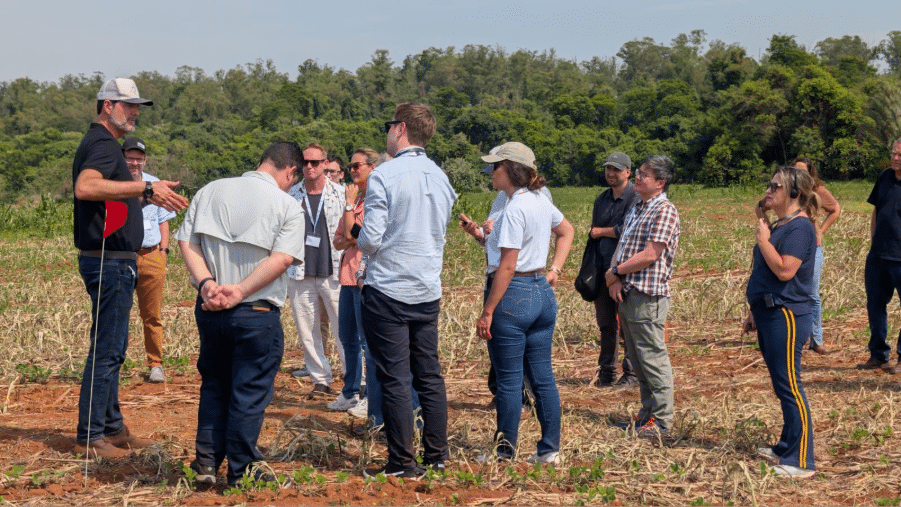



 Populi Consulting Ltd



 Agri-TechE



 GoMicro Ltd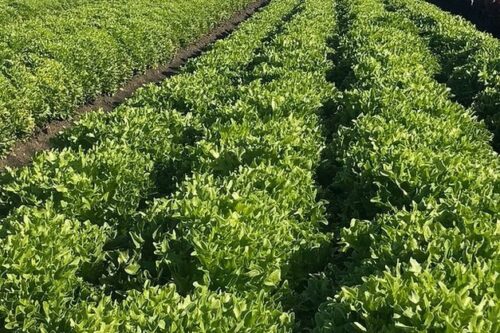


 Ponda
Ponda






 Ceres Research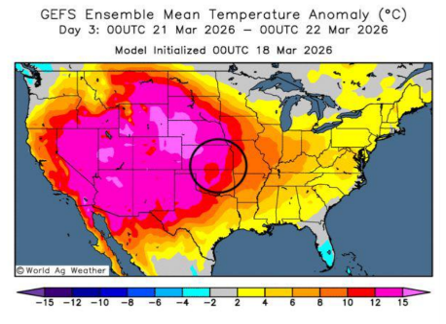



 BactoTech UK