BBRO growing better beet

Agri-TechE

The British Beet Research Organisation (BBRO) is an independent body funded by a levy from growers and British Sugar, its remit is to support the grower enhance yield through consultancy and research. The organisation founded in 2003 has relocated to the Norwich Research Park Innovation Centre.

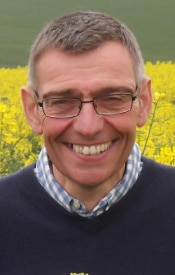
Head of BBRO Colin MacEwan says he is excited by the prospect of greater collaboration with scientists across the Norwich Research Park. “BBRO will be directing its own research to build the knowledge-based within the organisation, and we will have world experts in plant disease, breeding and the impact of climate change within walking distance.

” The growing and harvesting of sugar beet is extremely time sensitive and it is currently only grown in specific areas in east of England. Climate change will have a major impact, if beet can be sown earlier or across a wider area then the yield potential is huge, but if warmer, wetter weather brings new diseases from the Mediterranean the crop could be devastated.”

BBRO lead scientist Dr Mark Stevens studied for his PhD at the University of East Anglia (UEA) in collaboration with JIC, which is internationally recognised as a centre of excellence in fundamental research for agriculture.

Research programmes will include enhanced breeding to improve resistance that is specific to the UK. The availability of DNA sequencing technologies and the expertise of the scientists at John Innes Centre (JIC) will be invaluable for this, offering the potential for improving yield for growers still further.

Colin MacEwan is keen to showcase the potential of the Norwich Research Park to add value to the sugar beet production and create opportunities for growers. “We are strengthening our direct contact with the growers through extension of trial plots across the region and will be establishing a comprehensive research programme to improve crop protection and enhance yield. In addition there is an opportunity to leverage the wider capability of the park to create new markets for its by-products. This is an exciting time for the industry”

Increasing production efficiency

Agri-TechE

Lane Farm Country Foods, based in Brundish near Woodbridge in Suffolk has gained funding from the Eastern Agri-TechE Growth Initiative.

Lane Farm Country Foods will upgrade their existing production operation to bring it under one roof, increasing efficiency and enabling them to expand production. The development would also provide greater flexibility of production allowing the team to develop and expand new lines more quickly in the future.

Ian Whitehead from Lane Farm Country Foods, said: “We are really thrilled to have been awarded this grant under the Agri-TechE programme. The money will kick start the next stage of our expansion plans creating new jobs as well as securing existing ones.

“We have always worked hard on the quality of our products and this grant will enable us to invest in new technology and infrastructure to help us maintain this together with the development of new lines.”

Automated farm gate system

Agri-TechE

Dofygate, which stands for Driver Operated Field and Yard Gate has gained a grant from the new Eastern Agri-TechE Growth Initiative to develop the marketplace and processes for their innovative automated farm gate system.

The farm gates are solar powered and entirely self-contained, allowing them to be easily relocated as required.

Jim Alston from Dofygate Limited, based in Calthorpe near Norwich, said: “The funding provided by the Agri-TechE scheme will help enable Dofygate to develop market place acceptance for this unique, time saving product. We are aiming at the Livestock producer initially, but there are other areas where Dofygate will make the working day that much better, Agri-TechE will help us get there sooner.”


Agri-TechE businesses get funding boost

Agri-TechE

The Agri-TechE sector in the East has received a welcome boost thanks to the first grant allocations from the new Eastern Agri-TechE Growth Initiative. Created to support innovation within the Agri-TechE sector, The Eastern Agri-TechE Growth Initiative will be providing £250,000 from its £3.2 million pot to help four local businesses to deliver innovative new projects.

The successful projects are:

KisanHub – Based in Cambridge, the team at KisanHub have created a cloud-based, integrated software platform that allows farmers to make informed decisions about their day-to-day operations and markets. The funding will be used to develop and trial a Crop Yield Prediction, Irrigation and Fertiliser recommendation model that uses satellite data and meteorological information to support on the ground decisions.

Dofygate Limited – Based in Calthorpe near Norwich, Dofygate (which stands for Driver Operated Field & Yard Gate) will develop the marketplace and processes for their innovative automated farm gate system. The farm gates are solar powered and entirely self-contained, allowing them to be easily relocated as required.

Lane Farm Country Foods – Based in Brundish near Woodbridge in Suffolk, Lane Farm Country Foods will upgrade their existing production operation to bring it under one roof, increasing efficiency and enabling them to expand production. The development would also provide greater flexibility of production allowing the team to develop and expand new lines more quickly in the future.

Pangaea Agrochemicals – Based in Norwich and Cambridge, Pangaea Agrochemicals concentrates on finding solutions to pests and weeds that have become resilient to existing pesticides. The team will use the funding to develop a formulated product that can control resistant weed species using active ingredients that have had efficacy in the past. The funding will accelerate the development of this technology and allow the team to run further trials in the local area.

Mark Reeve, Chairman of the Eastern Agri-TechE Growth Initiative and the Greater Cambridge Greater Peterborough Enterprise Partnership (LEP), explains: “Our funding has been designed to support a wide-range of businesses in the Agri-TechE sectors, from research and development of new products right through to food processing and packaging. The first round of successful grant applicants reflects the diversity of the funding we have available, and the significant positive impact it can have both on the businesses and the wider Agri-TechE community.

Mark continued: “I would encourage businesses in our local area to find out more about the grant funding we have available, and I look forward to making even more funding announcements in the near future.”

Jim Alston from Dofygate, said: “The funding provided by the Agri-TechE scheme will help enable Dofygate to develop market place acceptance for this unique, time saving product. We are aiming at the Livestock producer initially, but there are other areas where Dofygate will make the working day that much better, Agri-TechE will help us get there sooner.”

Michael Gifford from Pangaea Agrochemicals, said: “Pangaea Agrochemicals are delighted to have been awarded this grant. We have a really exciting technology that will prove vital in the battle against resistant Black-grass. The support from the Eastern Agri-TechE Growth Initiative will allow us to develop our solution to this national problem using the world-class facilities and expertise available in East Anglia.”

Ian Whitehead from Lane Farm Country Foods, said: “We are really thrilled to have been awarded this grant under the Agri-TechE programme. The money will kick start the next stage of our expansion plans creating new jobs as well as securing existing ones. We have always worked hard on the quality of our products and this grant will enable us to invest in new technology and infrastructure to help us maintain this together with the development of new lines.”

Giles Barker from KisanHub, said: “The Eastern Agri-tech grant could not have come at a better time for KisanHub. The grant will propel our R&D satellite project so we can bring innovative solutions to farmers at a field level. This will help to establish KisanHub as one of the leading companies in agriculture software. Helping farmers globally ‘grow more, using less’.”

Mark Pendlington, chairman of New Anglia Local Enterprise Partnership said: “We are delighted to be working with our colleagues at Greater Cambridge Greater Peterborough LEP on this initiative and it is tremendous to see the first businesses in our area benefiting from these grants. We are fighting hard for the rural economy ensuring the availability of strong business support and expertise and this kind of initiative will help deliver the skills and growth that will drive the region forward.”

The Eastern Agri-TechE Growth Initiative provides grants of between £10,000 and £150,000 to businesses based in Cambridgeshire, Peterborough, Norfolk, Suffolk, Rutland, North Hertfordshire, or Uttlesford. The funding has been provided by the Government’s Regional Growth Fund following a successful application submitted by the Greater Cambridge Greater Peterborough Enterprise Partnership (LEP) alongside New Anglia LEP, Norfolk County Council, Cambridgeshire County Council, and partners.

In total, the partnership has secured £3.2 million of funding for the Agri-TechE sector that must be used by March 2015. Businesses can find out more about the Eastern Agri-TechE Growth Initiative by visiting www.agritechgrants.co.uk or calling Project Manager Martin Lutman on 01480 277180 or emailing info@agritechgrants.co.uk.

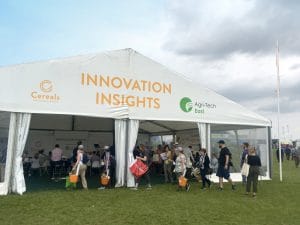
The Eastern Agri-TechE Growth Initiative team will also be at Cereals 2014 on 11th and 12th June at Duxford, and will be happy to talk people through the application process.

– Ends –

Detecting potato rot by ‘smell’

Agri-TechE

Maintaining the quality and health of stored potatoes is vital for growers, processors and consumers but each year there are consistent and substantial losses due to storage diseases. The Lonestar portable freshness monitor can detect volatile chemical signatures associated with bacterial diseases such as blackleg and potato soft-rot in real time. This allows the early detection and isolation of rotten potato stock, helping to prevent further losses.

Every year there are consistent potato stock losses because of storage diseases where in some instances entire stores have to be destroyed. Losses due to potato rot are estimated by the Potato Council to be as high as 15%. Diseased potatoes are associated with the release of specific volatile compounds which if recognised would allow early detection and diagnosis, enabling silo managers to initiate preventative measures ranging from changing the environmental conditions, selling stock early, or the removal and destruction of affected product.

Owlstone’s portable ‘Lonestar’ analyzer uses FAIMS (field asymmetric ion mobility spectrometry) technology for mobile, rapid monitoring of silos for volatile chemicals associated with diseases such as Blackleg and soft-rot, caused by the bacteria Pectobacterium atrosepticum (a variant of Pectobacterium carotovorum).

Potato stores have controlled air flow, and Lonestar is ideally suited to monitor for disease detection through a simple manifold interface with the existing structure of bulk stores. As many stores are designed for bulk-boxes, Lonestar could also be used as a portable device for ‘sniffing’ individual boxes or rooms. Lonestar is designed for use by non-specialists at the point of need. As well as reducing waste Lonestar could be used to ensure that storage facilities use the optimum climate conditions, maximising energy efficiency.

More information www.owlstonenanotech.com/lonestar/apps/detecting-potato-rot

Dr Belinda Clarke to head up new cluster organisation

Agri-TechE

Opportunities for agricultural technology or ‘agri-tech’ in the East of England are set to grow significantly due to the exploitation of innovative science, the increase in both global population, the demand for food.

We are delighted to announce the appointment of the first Agri-TechE Cluster Director for the East of England. The new Director will link the hugely successful organisations in the Norwich-Cambridge region, aiming to create new opportunities that increase employment and economic growth for the UK. We expect to bring agri-tech investment to the region and build upon regional research excellence, catalysing growth for existing companies and supporting start-ups. Naturally this will entail working in closely with other research organisations and companies across the UK and internationally.

Former John Innes Centre scientist Dr Belinda Clarke has been selected from a strong field of candidates. Originally trained as a plant scientist, Dr Clarke has worked for a number of innovation driven organisations and is currently Lead Technologist for biosciences at the Technology Strategy Board; she brings tremendous experience of science and its translation into business opportunities.

JIC Director Prof Dale Sanders FRS said: “I am delighted that Belinda’s appointment will cement existing collaborations in the NorCam agritech cluster, and am looking forward to working with her to develop further links that will help boost regional economic growth.”

Cambridgeshire and Norfolk County Councils and the Local Enterprise Partnerships are working closely to secure the additional social and economic benefits that agri-tech will deliver to the East of England; bringing together the internationally recognised organisations including the John Innes Centre, the National Institute of Agricultural Botany (Niab), the Sainsbury Laboratories in Norwich and Cambridge, and the Universities of East Anglia and Cambridge. Growers and food processors across the region have built tremendously successful businesses with potential to increase export sales for both produce and innovative products.

The East of England has unparalleled expertise in relevant research and agricultural technology that the new Agri-TechE Cluster will integrate and promote. We aim to provide knowledge for UK agriculture to increase productivity while reducing inputs, leading to greater self-sufficiency and export of food and know-how to help sustain the growing populations throughout the world.

Dr Clarke commented “We will build on our strengths through collaboration, sharing ideas and best practice on regional, national and international levels. We will establish a strong, sustainable cluster, creating synergies between the players to deliver additional economic value. The national agritech industrial strategy gives big opportunities for the UK to grow and I am delighted to be taking on the Director role at this exciting time.”

Dr Clarke takes up her post in March and a launch event will be held on Monday March 17th to coincide with Cambridge’s 2014 Business Awards Week

Food Forensics provides protection of “British brand”

Agri-TechE
Can consumers be confident that what they’re buying really is sourced from the location on the label?

Whether the product is apples, tomatoes, pork, chicken or whisky; Food Forensics on the Norwich Research Park can determine not just the country of origin, but potentially the local region.

(more…)

Exploiting Non-Food Opportunities

Agri-TechE

Non-food uses of arable crops and extracting energy from plants.

Engineering, sensing and monitoring

Agri-TechE
Improving control especially by organisations not traditionally associated with the sector.

Agri-Gate Research Hub

Agri-TechE

£0.5 million funding is to be invested in the Agri-Gate Research Hub, a new innovation centre for the Agri-TechE sector.  It aims to support applied research work to reduce waste in the food chain and improve production efficiency.
The investment was from the Eastern Agri-TechE Initiative, created by the Greater Cambridge Greater Peterborough Enterprise Partnership (LEP) and partners. In total, there is a planned investment of £1.76 million into the new scheme over the next three years.

The project, led by Niab , is designed to bring back into use an existing building at Hasse Fen, Soham to provide a unique facility for farmers & growers, food businesses, schools & colleges and other users. The Research Hub will provide space for research work, in-field crop research capacity and modern meeting facilities.

Tina Barsby, from Niab, said: “The new Agri Gate Research Hub will provide our industry with the facilities they need in a sustainable and successful research facility located in the heart of the Fens.”

The research work will range from seedbed preparation, varietal selection, and plant spacing, right through to harvesting, processing, packaging and processes. It will create opportunities for technology transfer by housing pilot and field scale research projects that are vital to the future of the industry.

Mark Reeve, Chairman of the Greater Cambridge Greater Peterborough Enterprise Partnership (LEP) and the Eastern Agri-TechE Initiative Programme Delivery Board, added: “The Eastern Agri-TechE Initiative brings together two world-class research clusters in Cambridge and Norwich coupled with the richest agricultural land in the country. By investing in the Agri Gate Research Hub we are providing space for projects to develop and grow, with the end focus on creating new jobs in the future. This is a significant step forward towards securing our position as global leaders in the Agri-TechE sector.”

Agri-Gate will provide space for pilot scale grading, sorting and waste processing equipment, and access to a wide range of wheeled and trailed machinery, creating a vital link between research generated by the major research organisations in the region and end-users, ensuring that local businesses remain at the forefront of technical developments.

Mark Reeve continued: “In addition to the Agri-Gate project, we also had an interesting proposal from Fenland District Council and Produce World that has great potential to support training for the developing Agri-TechE sector. Whilst we can only select one innovation centre, my team at the LEP are looking at other opportunities and we hope to be able to pick up on this initiative in the future.”

Overall, the project will create 77 new jobs, 15 apprenticeships and safeguard 148 jobs, with further growth across the industry as a result of the research undertaken at the Hub.

Work is due to start on the G’s Group owned site in July and be completed before the end of the year.

The Eastern Agri-TechE Initiative has been created to invest in new market and supply chain development, essential skills training, and the progression, application and commercialisation of Research and Development across the Eastern area. In total £3.2 million of funding has been secured from the Government’s Regional Growth Fund by the Greater Cambridge Greater Peterborough Enterprise Partnership (LEP) in conjunction with New Anglia LEP and the local authorities across both these areas

You can find out more about the Eastern Agri-TechE Initiative, including the grants available to local businesses, at www.agritechgrants.co.uk.


Using data for decisionmaking

Agri-TechE

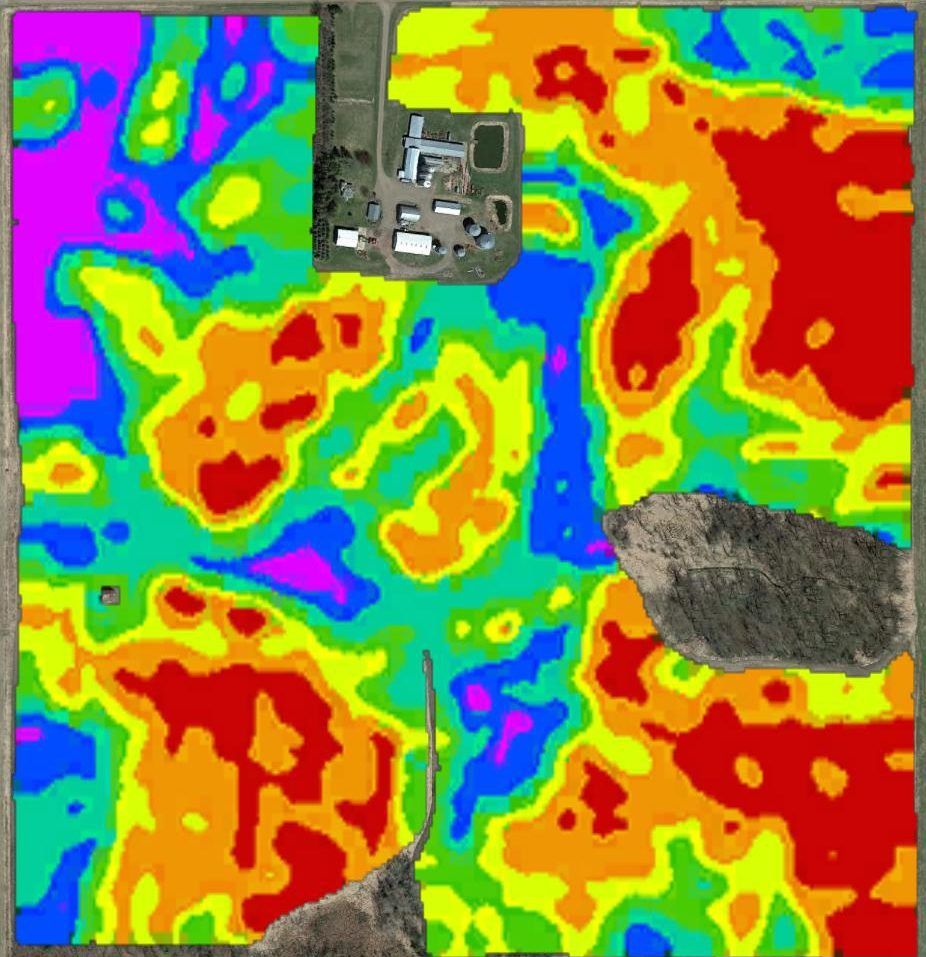
To achieve sustainable intensification within a real farm environment, farmers and agronomists need access to meaningful metrics and to be able to track these to understand the cause and effect of different management strategies.

We are seeing the emergence of a number of on-farm decision-making tools to facilitate this, but it is vital to involve the end users from the start.


Royal Norfolk Agricultural Association Appoints New Trustees

Agri-TechE

The Royal Norfolk Agricultural Association (RNAA) has appointed three new trustees to further support the charity’s core objective of raising awareness about the importance of food, farming and the countryside.

Steffan Griffiths, Head Master of Norwich School, and Dr Belinda Clarke, Chief Executive for the Norwich/Cambridge Agritech Cluster, have joined the now 10 strong board of trustees.

In addition, Roly Beazley, Rural Director at Savills, also becomes a trustee and RNAA Council representative, replacing Jeffrey Bowles, a former partner in T W Gaze.

Commenting of the appointment and role of the trustees at the annual meeting of the RNAA, Sir Nicholas Bacon, Chairman said; “We act as a catalyst, as a forum for the educational and scientific side of agriculture, we cannot possibly hope to compete with Cambridge or UEA in any respect but we can provide a forum for them to communicate what they do to the wider membership of the Association.

“Steffan will bring a strong contemporary education background to the RNAA and Belinda will be able to apprise us of the world class research taking place in the agricultural, food and farming sectors.”

All three trustees will bring a wealth of experience from food, farming and educational sectors, and will play an active role in the future direction and focus of the organisation.

Commenting on his appointment, Roly Beazley said; “I am very flattered and honoured to be invited to be a Trustee of RNAA. I have been attending the Royal Norfolk Show for over 25 years and believe passionately about education and research in the agricultural industry and hope to be able to add expertise to the RNAA whose objectives match my own.”

Belinda Clarke said; “I am looking forward to supporting the RNAA’s ambitions to educate, inform and entertain, especially around the scientific research agenda in the eastern region.”

Steffan Griffiths said of his appointment; “I am particularly attracted by the RNAA’s desire to inculcate in young people an awareness of their county’s rich natural resources and hope I will be able to make a positive contribution”.

For more information on The Royal Norfolk Agricultural Association visit www.royalnorfolkshow.co.uk.

~Ends~

For further details please contact:
The RNAA press office at Shorthose Russell on Tel: 01603 706560 / rnaa@shorthose-russell.co.uk

About the Royal Norfolk Agricultural Association
The Royal Norfolk Agricultural Association (RNAA) is a registered charity which aims to help educate young people and adults, and to bring people and business together through a range of inspiring events to promote a better understanding of food, farming and the countryside.

The RNAA’s origins date back to 1847, with Norfolk being one of the oldest county agricultural associations in the country. In 1908, the Association was granted the Royal prefix by King Edward VII. In 1952, following over 70 years of holding the Royal Norfolk Show at a range of locations throughout the county, the Association purchased some land at Costessey on the outskirts of Norwich to create a permanent showground. The first show was held on the site in 1954. Since this time a great deal of investment has been devoted to enhancing and improving the site, the latest development being the completion of a £1.4m investment in the Norfolk Showground Arena, making it one of the largest and most sophisticated events spaces in the region.

Through the funds it generates, the RNAA annually supports its charitable aims through an extensive educational outreach programme and by making grants and donations to agricultural projects and related organisations around Norfolk.

The sixtieth Show to be held at Costessey will take place on 25 and 26 June 2014.

For more information on the RNAA visit www.royalnorfolkshow.co.uk/rnaa-charity/the-rnaa/who-we-are-what-we-do