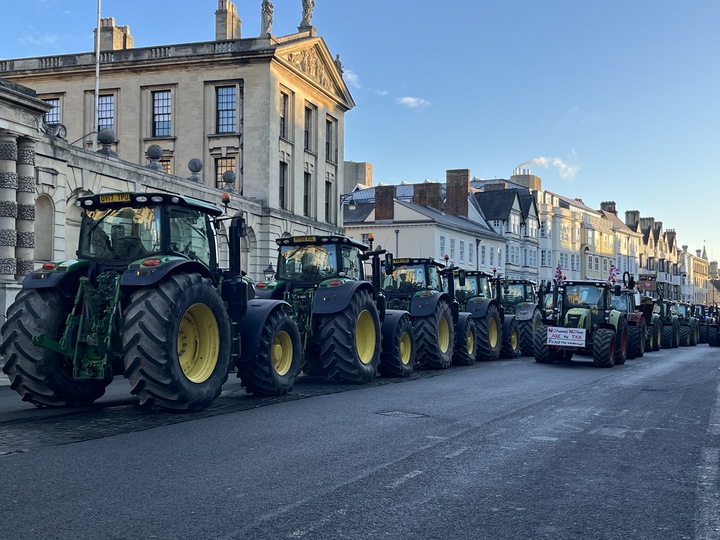
Join us at CropTec, the UK’s leading technical event for the arable sector, on 14-15 January 2026 at the NEC Birmingham. Gain exclusive insights from industry-leading specialists and explore the latest innovations shaping the arable industry.
Explore innovative technologies and practices for enhancing livestock health, welfare, and sustainability in modern agriculture.
Agri-TechE Newsletter
Get the latest agri-tech news, events and opportunities direct to your inbox
Technologies for Animal Welfare
Agri-TechE Article
Meet the Network
Agri-TechE
As the agricultural sector embraces technological innovation, one of the most promising areas of progress is in enhancing animal welfare.
New tools are helping farmers improve the health, comfort, and well-being of livestock, ensuring higher welfare standards. From AI-driven monitoring to improved genetics breeding programs and automated handling systems, these solutions help farmers prevent disease, reduce stress and support natural behaviours.
At Agri-TechE , our network of members is at the forefront of developing these solutions. By embracing these advancements, farmers can create healthier, more comfortable environments for their animals.
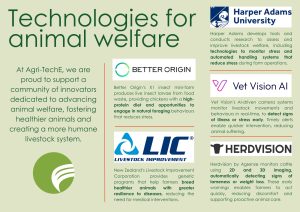
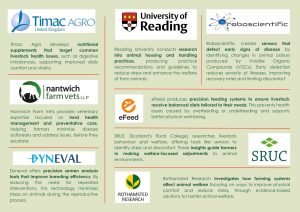
See below some examples of exciting scope of progress from our community.
For more insights on the benefits of technology for animal welfare, check out our latest blog and join upcoming event ‘Moo-ving the Oinksperation’ – focused on technologies for better animal welfare.
Get the latest agri-tech news, events and opportunities direct to your inbox
Is animal welfare on your Christmas menu?
Agri-TechE Blog
Agri-TechE
From the roast turkey to glazed hams, pigs in blankets and joints of beef – as well as the cream (or custard, or brandy butter) with Christmas pudding, and even smoked salmon for a special breakfast, the festive feast relies heavily on livestock and their producers.
While most people (hopefully) prefer that the animals and fish providing their seasonal meals had a happy, comfortable life, and a rapid, pain-free death, we’ve been exploring how technology is helping to improve animal welfare standards.
A Low-Stress Life
We all need less stress in our lives, including livestock. Automated milkers enable cows to offer themselves for milking at will, which improves comfort and provides a bespoke feed ration to optimise the health and nutrition of each animal.
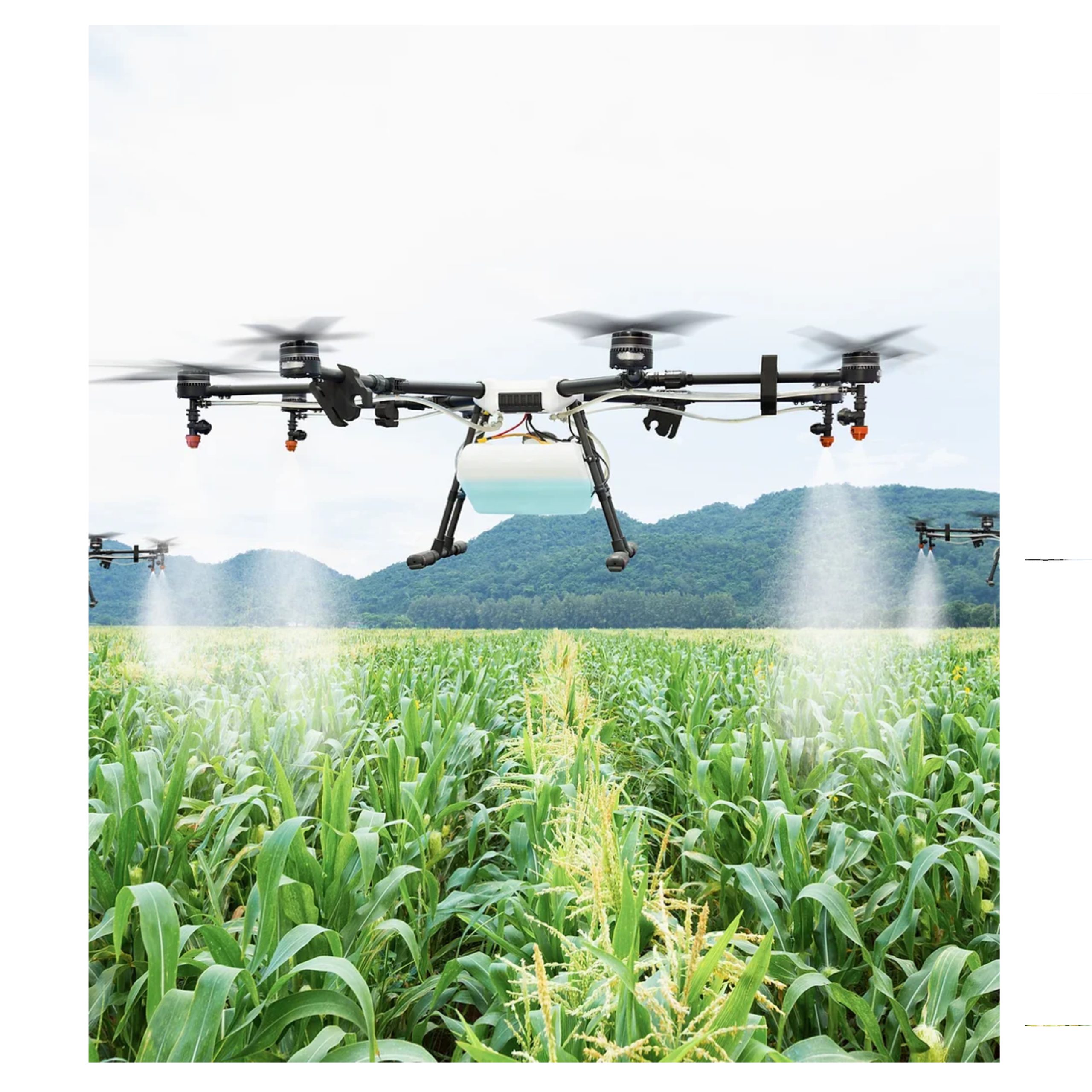
Virtual fencing (using collars that recognise GPS boundaries) reduces the risk of injury, and being able to remotely change the grazing area reduces stress to the animals of being moved with quad bikes or other vehicles. Drones are also being deployed to move and monitor sheep at (far) more than arms-length.
Hydraulic chutes and automated handling systems have also been designed to help make moving and treating animals and fish less stressful, minimising their contact with humans.
Monitoring for Malaise
Trackers and collars, enrichment solutions and environmental monitors are now able to identify changes to animal health and behaviour and provide the opportunity for action.
Computer vision and machine learning is permitting earlier identification of lameness in cattle and the onset of mastitis can be detected by changes in the electrical conductivity in milk around 24 hours before the cow starts to show symptoms.
And a healthy environment makes for better welfare. Detection of volatile organic compounds in the breath of calves and in the air of poultry sheds can reveal pending illness (as in the case of technology by Roboscientific).
Plus, underwater sensors and drones are being used to monitor water quality and analyse behaviour of farmed fish.
Multi-disciplinary Moooves
But what does “well-being” mean for animals?
It is easy to be anthropomorphic about what makes a “happy” animal or fish. Of critical importance is the need for data-based benchmarks as to how a “normal” cow, pig, sheep, chicken or fish behaves. And behavioural ecologists are critical to helping understand behaviours under different states of stress, in order to learn to monitor and reduce them.
Increasingly we are seeing vets either working alongside tech developers (as in the case of Nantwich Farm Vets) or starting their own companies (such as AgSenze and Vet Vision AI) to ensure a sensible correlation between behaviour and health and well-being.
One of the best pieces of advice even given to me about animal welfare was: “just watch your animals. You’ll know when something is wrong.” That’s easy to do with just a few individuals, but at industrial scale we need to deploy the tech to do the watching for us – and then advise on those all-important actions.
Perhaps nowhere is the need for a multi-disciplinary approach stronger than when trying to develop, integrate and adopt new innovations to enhance livestock welfare, alongside the productivity and profitability agendas.
The UK has one of the highest welfare standards in the world. Let’s get technology rolled out globally to ensure all livestock has the happiest, healthiest life possible.
If you are developing or using new technologies to improve animal, welfare, why not join our online event on Jan 27th – “Moooving the Oinkspiration” and be part of the conversation.
While the line-up remains a closely-guarded secret until the big day, 2024’s cohort offers ground-breaking innovations in food technology, protected crops, animal husbandry, and the fruit and horticulture sectors.
We are pleased to reveal our eight Start-ups for 2024.
Versatile RobotX
Versatile RobotX creates innovative and adaptable robotic platforms designed to tackle labour shortages and help solve labour security, food security, and climate sustainability challenges.
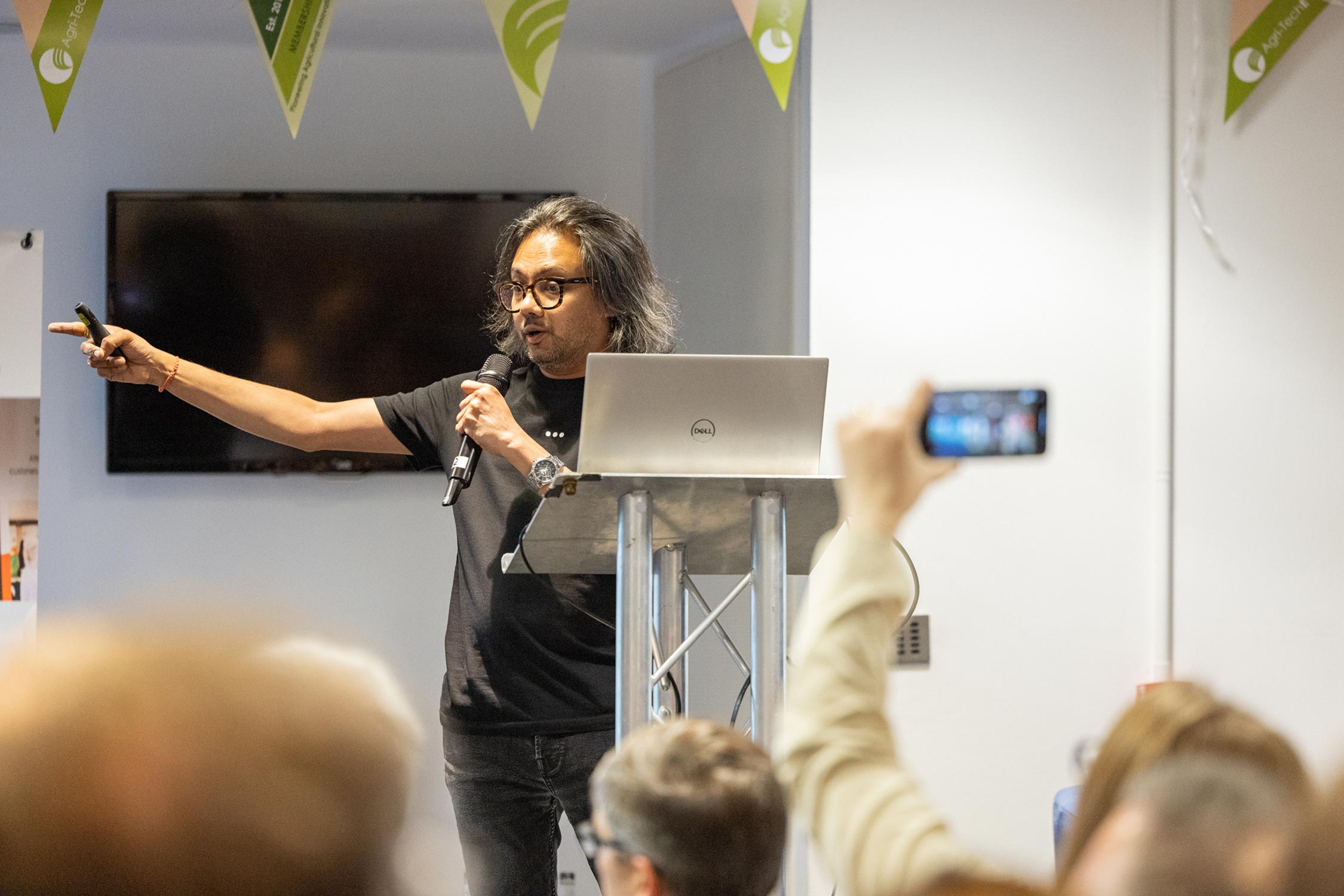
Dr Vishuu Mohan says the focus is to bring versatility to agri robotics, automating the high-value, manual labour-intensive jobs while being easily adaptable to crop types like strawberries, lettuce, tomatoes, onions and growing environments.
Their two flagship products include a mobile autonomous strawberry harvesting platform, successfully trailed in traditional polytunnels and at the UK’s first vertical growing system for soft fruit at Wilkin & Son’s Tiptree.
The same robotic platform and underlying perception-action-decision-making software have been adapted to other crops and tasks – for example, seedling transplantation, float handling and lettuce harvesting.
With £4m in DEFRA funding over the last four years, they are developing a second-generation, low-cost prototype to make agri-tech accessible to smaller farms.
The company’s ABC approach (Adaptive, Biomimetic, Collaborative) offers precision and speed, potentially saving over £200k in annual labour costs with just two robots, each working 7,000 hours annually. As they work to reduce costs further, the next generation of their strawberry picker is expected to launch soon.
Dr Mohan says, “We aim to bring versatility to the industry with low-cost, multipurpose robots that replicate tasks where there’s a critical labour shortage. With challenges in food security, energy, and climate, we’re in the right place at the right time to harness robotics and AI to make a positive difference beyond lab prototypes.”
Extend Robotics
“Labour without limits. Cutting-edge engineering, come rain or shine.”
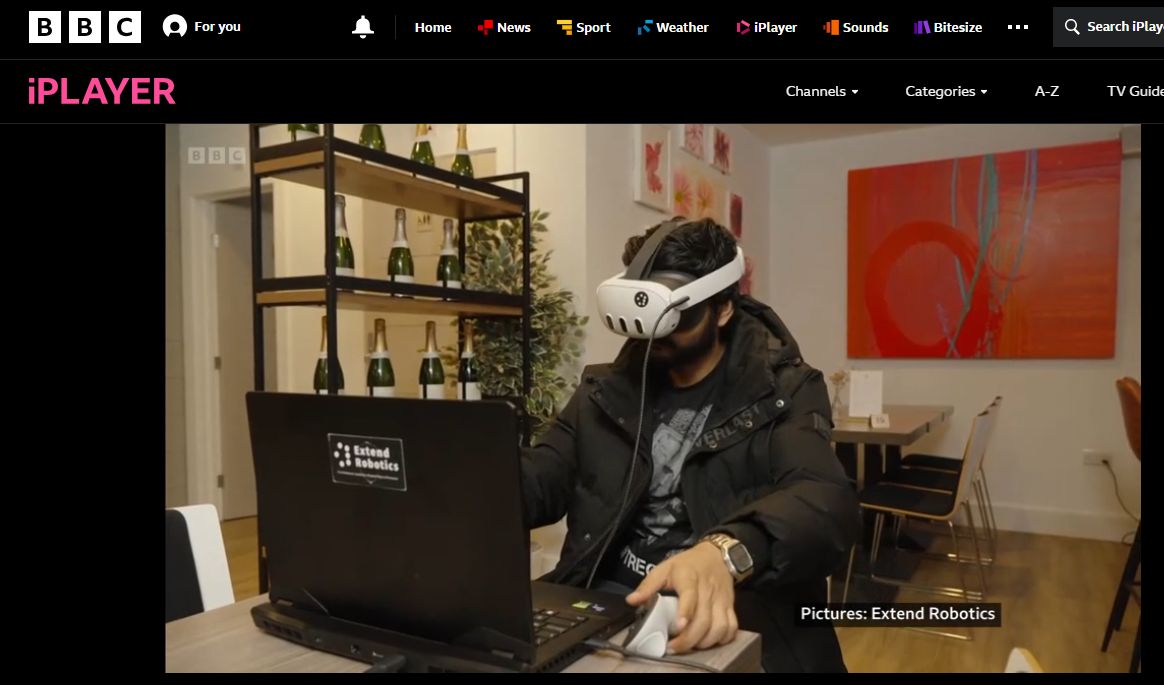
This is how Azmat Hossain, business development director for Extend Robotics, summarises their pioneering immersive augmented reality (AR) software technology that allows operators to remotely supervise, control and train robots to work on farms semi-autonomously.
Designed to tackle the persistent shortage of skilled labour, their scalable digital solution enables workers across the globe to log in and operate robots on farms remotely.
Already being deployed in a vineyard in Eastern England as part of Innovate UK funded Future Farming project, these robots can handle automated tasks, with skilled workers stepping in for those that require human expertise. The aim is to provide farms with a scalable solution that enables them to become fully digital and automated, helping farmers avoid a re-hiring process every harvest.
Through their patented compression and data streaming engine, their system can use standard internet connection and off-the-shelf accessible and affordable hardware. Extend Robotics partners with leading manufacturers, ensuring flexibility in robotic equipment choices.
With plans to expand into crops like tomatoes and strawberries, they are actively seeking farm collaborations to bring their vision of a human-robot workforce to life. They aim to deliver 24/7 automation for farms, ensuring year-round productivity and overcoming labour challenges through accessible technology.
Lambda Agri
Based in Cambridge, Lambda Agri is developing innovative greenhouse solutions to optimise crop yields by enhancing the sun’s natural rays.
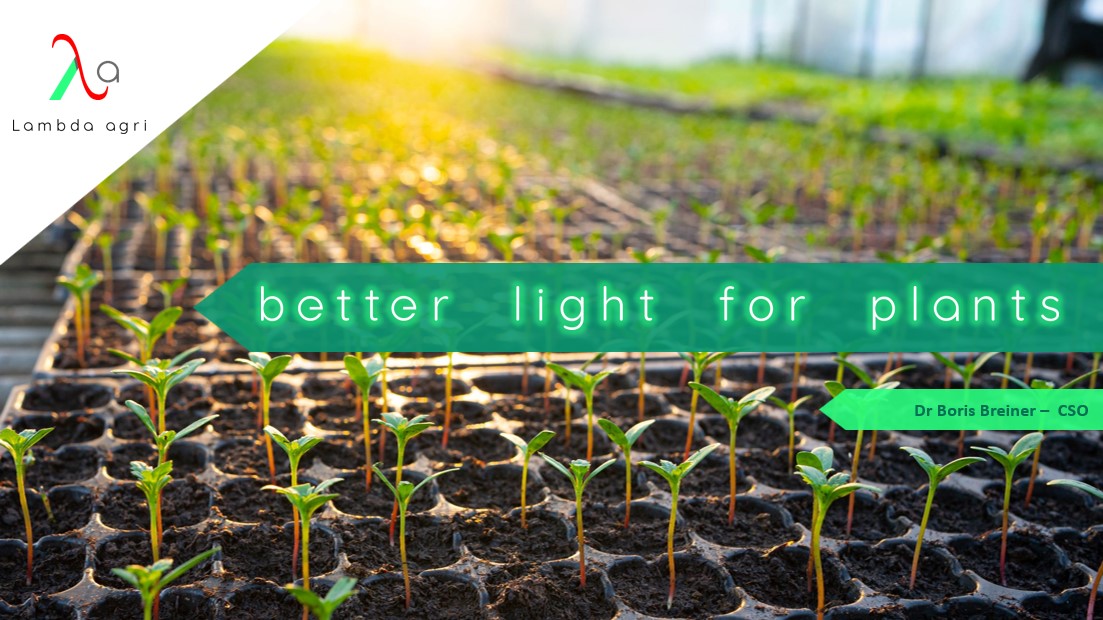
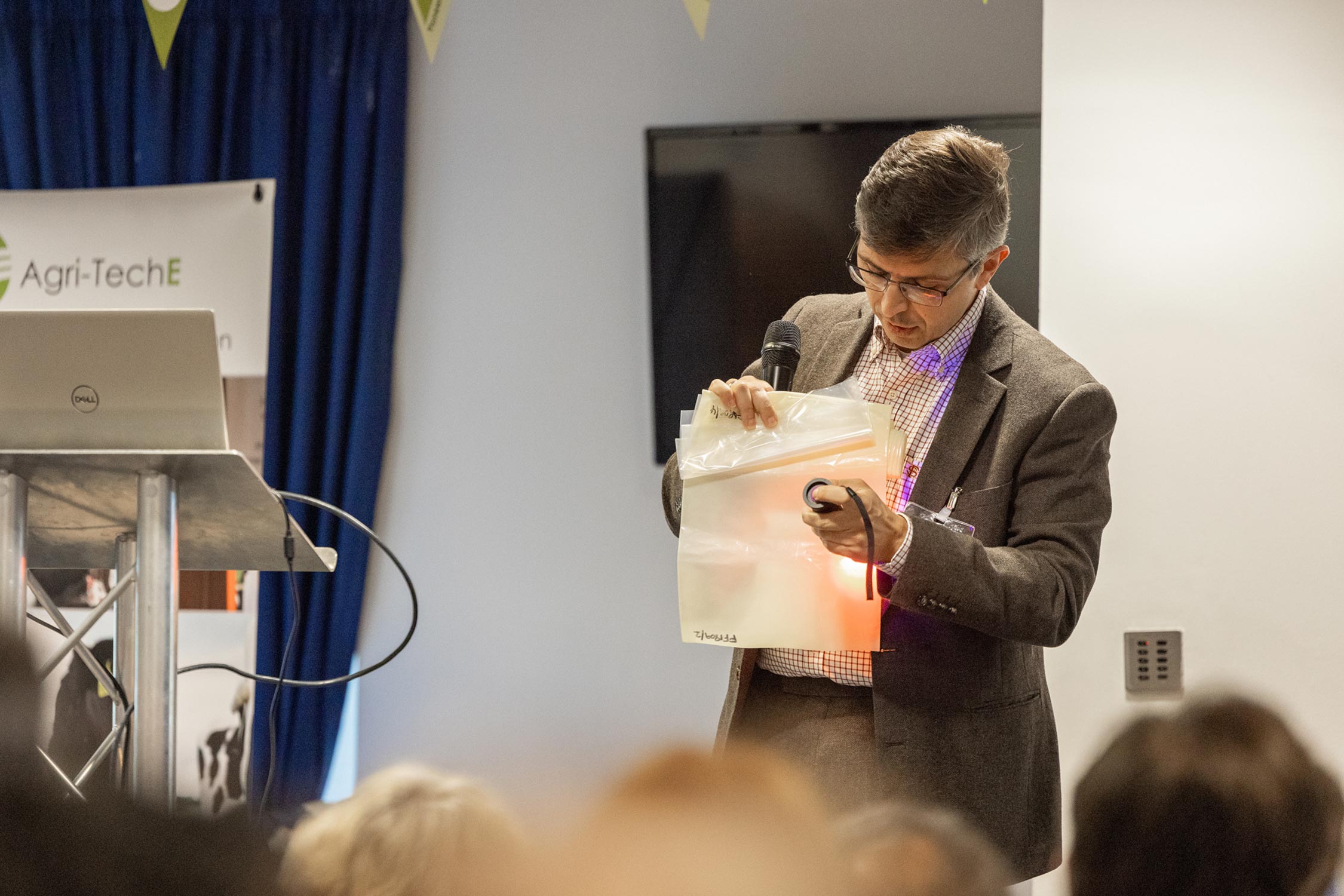
Dr Boris Breiner, chief scientific officer for Lambda Agri, explains how the technology alters the spectral composition of sunlight by converting high-energy UV light into lower-energy red light, in a process known as ‘luminescent downshifting’. This is highly effective for photosynthetic turnover as it boosts plant productivity, acting as a mechanism aiding crops to better harness Earth’s most potent resource, says Boris.
Their current project focuses on bringing a spray-on coating to market, which is applied to the exterior of greenhouses “much like painting a garden fence,” adds Boris. Early trials at Cranfield University showed promising results: basil crops achieved a 10% yield increase, while strawberries saw a 5% rise in sweetness.
Designed to last up to five years after it is applied, Lambda Agri is conducting accelerated lifetime testing to refine the product further.
The team is targeting a commercial launch within the next 12 months. They aim to offer cost-effective, environmentally friendly solutions that improve yields across various crops without causing harm to the ecosystem.
Plant Metrics
Plant Metrics is at the forefront of plant health monitoring with its SAP sensor technology, which measures ionic flow within plants and translates it into voltage readings.
The data reveals critical insights into plant water stress, nutritional stress, and certain disease states.
“Our aim is to give farmers, growers, and agronomists another layer of information previously unavailable for day-to-day farming operations,” says Dr Daniel Holland of Plant Metrics.
Current research includes trials in the USA, Israel, Canada, and the UK, with irrigation trials helping determine voltage levels that indicate drought. In internal trials, the technology detected signs of water stress before any phenotypes appeared on the plants.
Plant Metrics is also developing ionic-specific sensors to provide precise macro and micro nutrient insights, potentially replacing costly, time-consuming tissue testing. These ionic-specific sensors will also be used to explore early onset Huanglongbing disease detection in Citrus Trees in the USA by monitoring iron concentrations.
Over the New Year and into 2025, the team plans to launch a wireless setup for field trials, enabling more work to move out of the lab and into the field.
Morrow
With 3 billion cups of coffee consumed daily and demand skyrocketing, supply for traditional coffee is under pressure due to growers in the equatorial ‘coffee belt’ struggling to maintain yields amongst soaring costs and increasing climate impacts.
Founded in 2023, Morrow is crafting coffee without coffee beans by upcycling ingredients like fruit pips, peels and seeds and using locally grown crops and plants sourced from regenerative farms. “It smells, tastes, and feels like coffee as we replicate the aroma and flavour of a traditional brew,” says Anna Sophie Deetjen, co-founder of Morrow.
By partnering with maltsters, growers, and distributors, Morrow is committed to meeting the demand for sustainable, locally sourced coffee alternatives while proactively combating what they foresee as a looming “coffee deficit.”
Working with Dr Ian Fisk as technical director, the team applies world-leading flavour chemistry, data-driven research and biotransformation to address the environmental challenges of traditional coffee production.
Morrow is in the final stages of product development and is planning to launch across coffee shops, food service, and direct-to-consumer channels this year. They are developing naturally caffeine-free products and exploring instant coffee blends for future release.
Fruit Cast
Accurate yield forecasting is a significant challenge for fruit growers, as even small errors can disrupt supply chain commitments and operational planning. With precise data, growers can avoid miscalculating the productivity of their harvests, which may lead to financial losses and inefficiencies.
Fruit Cast offers a scalable solution to this issue. They analyse millions of images using advanced AI and camera technology to predict fruit yields. This allows growers to confidently forecast when and how much fruit will be ready for harvest, providing reliable and critical data for reporting to supply chains and labour planning.
The delivery-agnostic cameras are designed to attach to various farm vehicles, collecting data that is transformed into clear, actionable strategies through refined software architecture.
Currently in commercial pilot with three significant growers and supported by £3M of investment, Fruit Cast’s subscription-based service is cost-effective and adaptable to various growing environments, says Richard Williamson, CEO of Fruit Cast.
As they prepare to launch commercially in 2025, Fruit Cast is poised to deliver a practical, low-cost solution to one of the soft fruit industry’s most challenging problems.
UPP
Broccoli presents a unique harvesting challenge. With a harvest window of as little as 24 hours due to weather and other factors and reliance on large teams of casual labourers for multiple harvests, growers face both high costs and significant waste. Inconsistent weather conditions can further complicate this, making it difficult to achieve steady yields.
According to Mark Evans, CEO of UPP, they have developed a two-fold solution to tackle these inefficiencies. First, their patent-protected, machine learning-powered, automated harvester reduces the dependency on labour. Rather than teams of up to 20 casual workers, one automated harvester moves up the tramlines quickly and efficiently. This technology helps farmers cut costs and minimise waste.
Secondly, continues Mark, UPP takes what would typically be discarded, the broccoli cores, and turns them into a high-protein, hypoallergenic ingredient. This plant-based protein product can be used in foods such as burgers and sausages to displace high-cost protein ingredients, offering a healthier, more sustainable option for the food industry.
Combining cutting-edge harvesting technology with a novel way to reduce food waste, UPP boosts farm profitability while meeting the growing demand for nutritious, low-cost, sustainable ingredients, adds Mark. Their future plans include scaling production and making their technology commercially accessible to farmers through a rental model.
Vet Vision AI
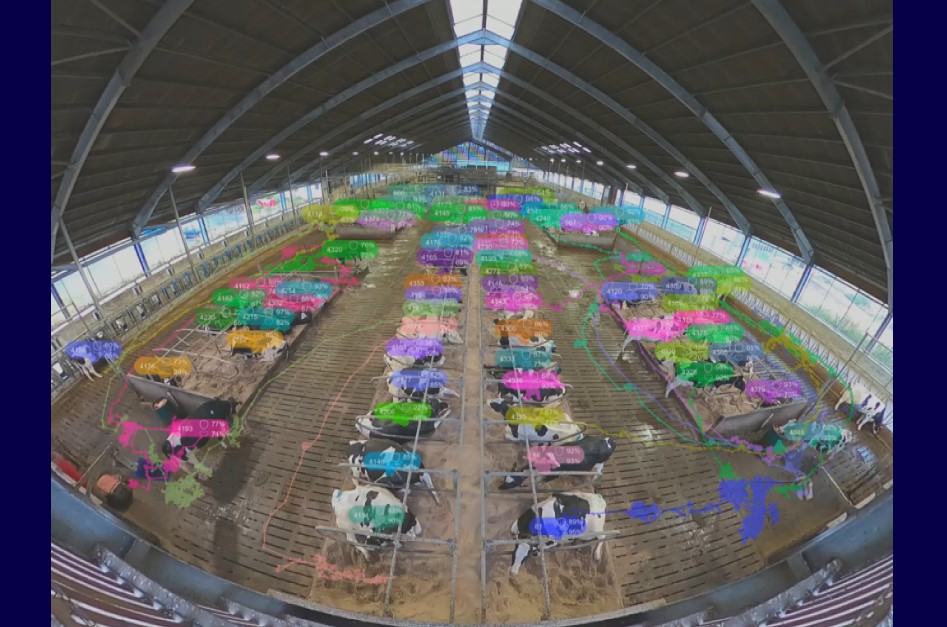
Vet Vision AI is transforming animal welfare monitoring with its innovative computer vision and AI technology.
Frustrated with unreliable sensors that did not provide consistently accurate insights into animal welfare, the team developed AI-powered cameras for continuous, detailed monitoring. “We wanted to use simple cameras combined with AI to make a positive difference to animal health and welfare,” says CEO and co-founder of Vet Vision AI, Dr Charlie Carslake.
Charlie is a qualified vet who gained a PhD at the University of Nottingham before founding the firm.
The cameras require just one week of data collection to deliver insights, tracking behaviours like feed access, lying times, and comfort levels. Data is analysed and linked to a dashboard, offering key performance indicators. Reports created are designed to help vets and farmers improve areas such as equal access to food, comfort and space usage.
“Our goal is to enable better veterinary services,” Charlie adds, noting that the system offers continuous monitoring beyond traditional moment-in-time checks. “We see potential across species and have developed an equine monitoring product that gives owners and vets insights they can use to improve their animals’ wellbeing.”
This technology helps animal owners enhance welfare and performance, enabling vets to broaden their services. It also supports supply chains with transparent, actionable data for high-welfare livestock production accreditation, explains Charlie.
“Developing low-cost, low-infrastructure ways of delivering high-value insights to help improve animal welfare,” says Charlie when summarising the goal of Vet Vision AI.
Post Overview
8th November 2024
Agri-TechE
Agri-TechE Article
Events
Livestock
Machinery, Robotics and AI
Post-Harvest, Storage and Waste
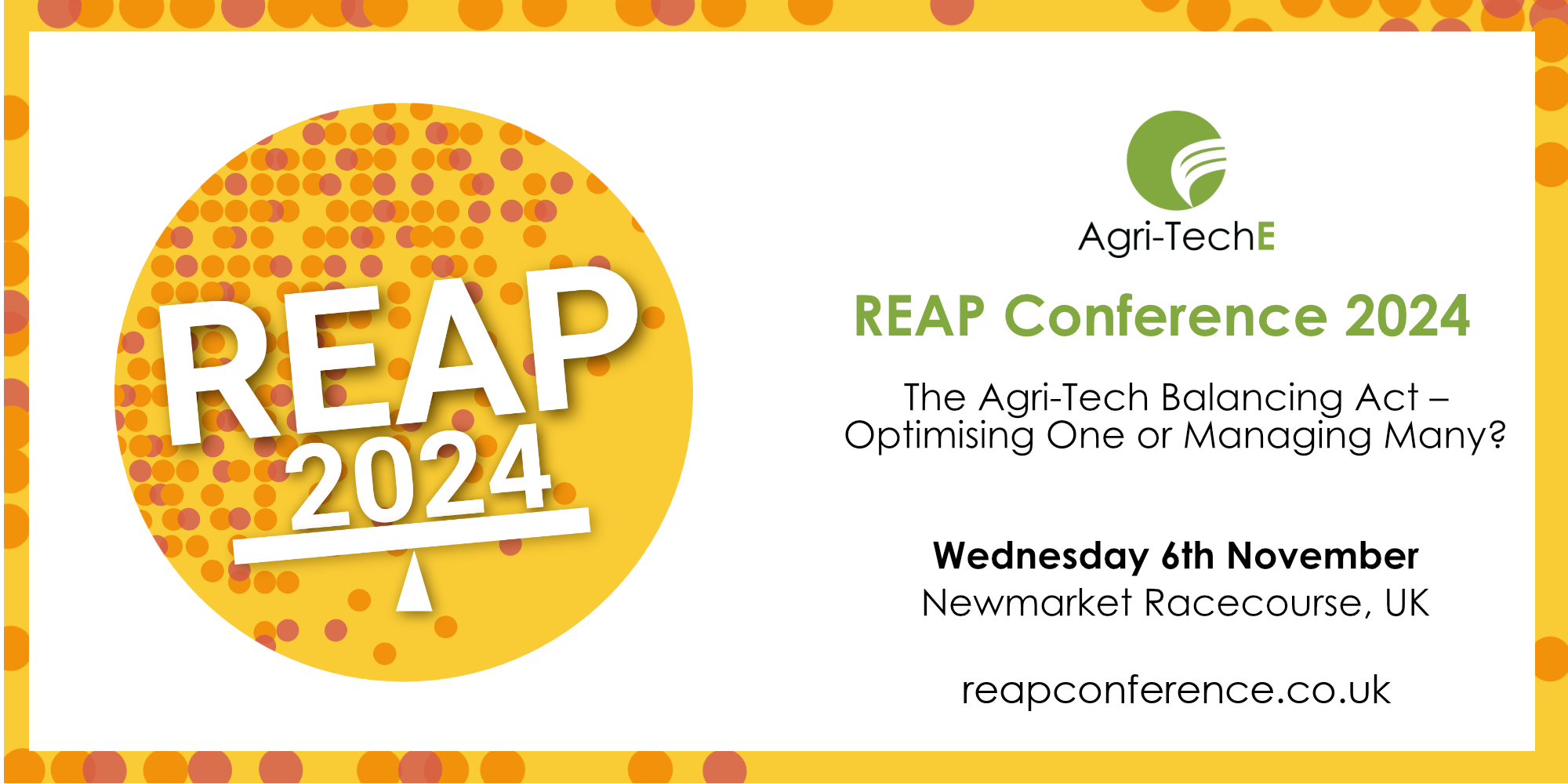
REAP Conference 2024
Share this Page:
Related Posts
New bait spray from Microbiotech traps the fruit-fly before it spoils the strawberries
Get the latest agri-tech news, events and opportunities direct to your inbox
Five reasons for a farmer to attend REAP
Agri-TechE Article
Agri-TechE
Do you want to attend a farming event where you can genuinely learn something new? REAP breaks the mould by focusing on genuine conversations, hands-on insights, and real-world applications.
This is where farmers, scientists, and innovators come together to explore the future of agriculture in an interactive, practical, and refreshingly informal way.
With speakers who are at the forefront of agri-tech, cutting-edge research presented by scientists, and opportunities to network with like-minded farmers, REAP is the place to discover solutions that can help you thrive in an evolving industry.
Here are five reasons why REAP 2024 is the must-attend event for any forward-thinking farmer.
1. Talk with like-minded farmers
REAP 2024 is a gathering of forward-thinking farmers keen to explore how the latest agricultural technology and research can benefit their businesses.
It provides a rare chance to engage directly with early adopters of new tech and learn about real-world applications.
At REAP 2023, John Barrett, Farms Director at Sentry, discussed their completion of a 150 Ha trial on autonomous sugar beet farming using a Robotti robot supplied by another Agri-TechE member, Autonomous Agri Solutions. This sparked enormous interest from other farmers who were keen to learn more about the commercial applications of autonomous technology.
2. Understand and inform agricultural research
How often is a farmer presented with the opportunity to tell the industry’s most prominent scientists what research would make a difference to them?
REAP’s Research in Practice session is all about ensuring that cutting-edge studies deliver real-world impact for farmers.
Chaired by regenerative farmer Tom Pearson, the session gives farmers the unique opportunity to see agricultural research through the lens of a fellow farmer, who will push scientists to explain how their findings translate into practical benefits.
This year’s session features research for improving wheat yields through genetics, utilising soil-plant-machine simulations to optimise farming tools, reducing methane emissions with circular technology, practical guides for integrating farm robotics and detecting crop issues using AI, satellites and remote sensing.
3. Connect with the latest technology developers
REAP is the place to meet agriculture’s hottest start-ups.
Eight early-stage agri-tech companies will pitch their innovations, giving farmers access to new tools and ideas that are shaping the future of farming. Previous participants have raised millions in funding and several have become established parts of the agricultural ecosystem in the UK and abroad.
There are also exhibitions from companies you won’t see anywhere else in the ag event calendar: from robotic pickers to virtual reality-powered tools on display.
Helen Reeve
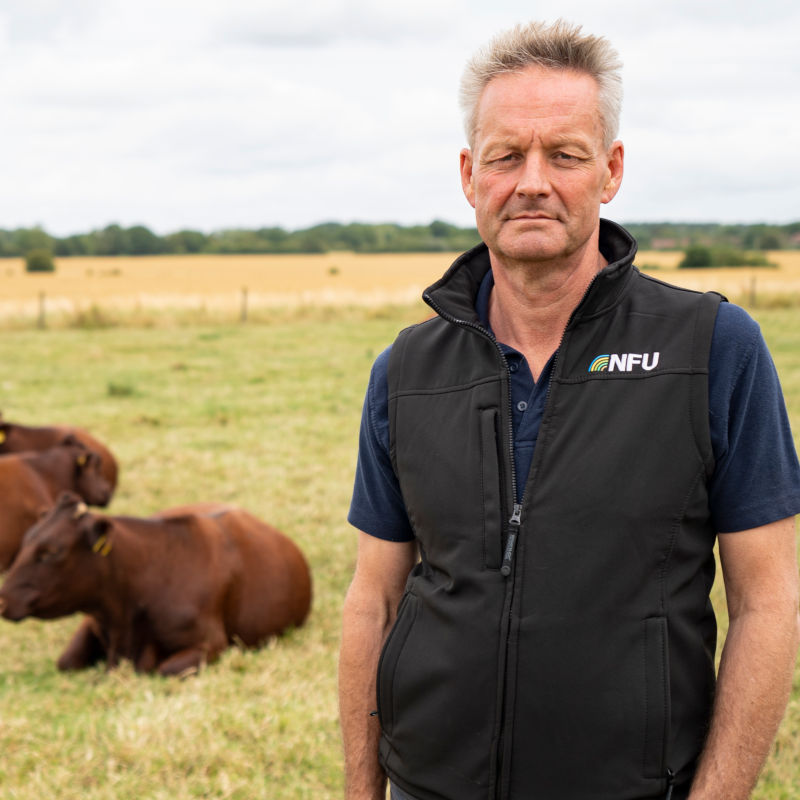
“As a farmer, you need to be innovative and always looking at ways to improve productivity.
REAP is a good place to exchange ideas with people you wouldn’t normally meet out on the farm.”
Owner, Waveney Dexter Beef
4. An exclusive farmer’s breakfast with the speakers
Kick off the day at the exclusive Farmer Breakfast, where you’ll meet leaders in the industry for intimate discussions, including other forward-thinking farmers and our keynote speaker Dr. Elliott Grant.
Elliott, former CEO of Mineral (recently acquired by John Deere), has been at the forefront of applying artificial intelligence to improve agricultural sustainability and resilience. His work with Driscoll’s, the world’s largest berry company, has led to breakthroughs in crop forecasting and quality control.
The breakfast provides a valuable opportunity to discuss how AI and other advanced technologies can transform farm management in the coming years.
5. Farmers can receive discounted tickets with the REAP Bursary
Farmers can attend REAP at a considerably discounted price of £65 (excl. VAT) by applying for the REAP Bursary, kindly sponsored by the Royal Norfolk Agricultural Association (RNAA).
“The RNAA is delighted to support the REAP Conference; we see knowledge exchange as a vital means to inform practitioners within the industry and to inspire new entrants.”
*BONUS: Earn BASIS and NRoSO points while you learn
REAP is BASIS and NRoSO accredited, offering 5 BASIS and 5 NRoSO points to attendees. These points are crucial for maintaining certification in best practices for crop protection and other agricultural inputs.
Attending REAP helps you stay up-to-date while expanding your practical knowledge.
The REAP Conference 2024 takes place on Wednesday 6th November at Newmarket Racecourse.
Get the latest agri-tech news, events and opportunities direct to your inbox
Emerging Agri-Tech: from Research to Practice
Agri-TechE Article
Agri-TechE
One of the standout sessions at REAP 2024 is the Emerging Agri-TechE panel, which bridges the gap between cutting-edge scientific research and its practical application on farms.
During this session, researchers will share the latest progress from their farmer-focussed projects, which often become the seeds for the most exciting future innovations in agriculture and horticulture.
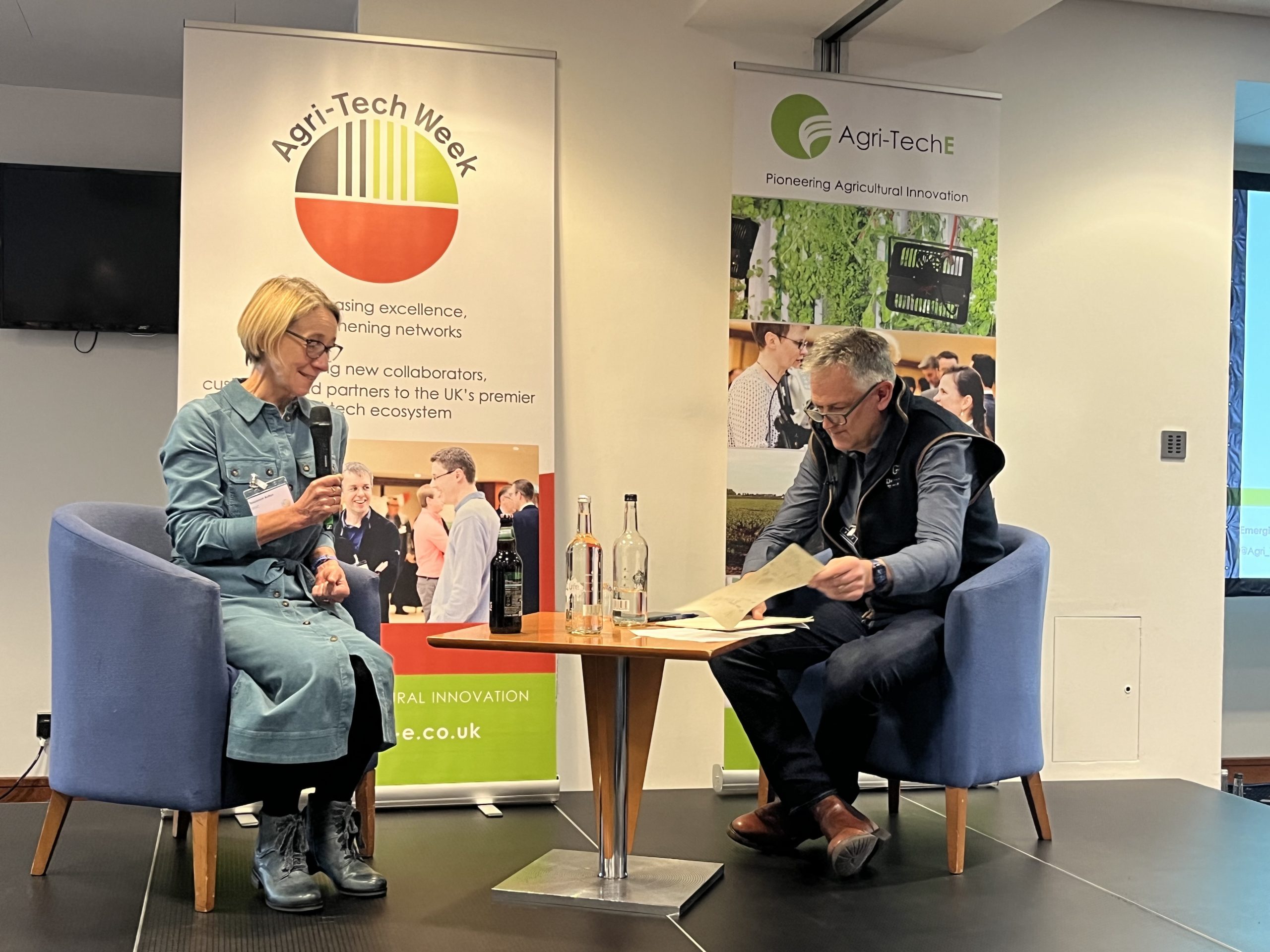
Through the informal ‘fireside chat’ format, Tom will prompt our scientists to explain what their findings mean for farmers, using some curious but everyday objects to help illustrate.
The goal is to ensure that agricultural research aligns with the practical needs of farmers, giving clear insights into how complex scientific understanding can translate to practical benefits on the ground.
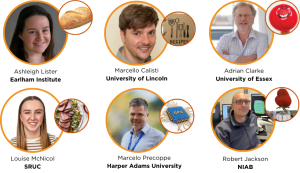
Agri-TechE membership is home to a wide range of world-leading research, and this session offers a glimpse into just a few of the exciting developments happening right now. From machine learning to livestock sustainability, these scientists are paving the way for the next big breakthroughs in agriculture. In the hot seat on November 6 we have:
Can this GPU grow your yields, not just your top scores?
Marcelo Precoppe, Harper Adams University, will explain how simulations between soils, plants, and machines, can improve the design of farming tools.
The beef with methane emissions
Louise McNicol, SRUC, will discuss The GreenShed project, which is looking at how circular technology can help reduce methane emissions in beef farming.
The best thing since sliced bread?
Ashleigh Lister, The Earlham Institute, will show how an understanding of the genetics of pollen cells could improve wheat yields.
What’s cookin’ in agri-tech?
Marcello Calisti, University of Lincoln, will introduce the Robotics Cookbook, a practical guide for integrating robotics on farms.
No clowning around!
Adrian Clark, University of Essex, will show how AI and satellite can help detect crop issues like blackgrass.
Is this the sweetest solution yet?
Robert Jackson, Niab, will explore how AI and remote sensing can improve apple and strawberry farming.
The Emerging Agri-TechE panel offers a rare opportunity to see how academic research is being applied to solve practical challenges, while also giving farmers the chance to engage directly with scientists and ask the all-important question: How does this apply to my farm?
Join us on Wednesday November 6, 2024 to find out!
Get the latest agri-tech news, events and opportunities direct to your inbox
Horizon scanning at the AHDB
Meet the Network
Agri-TechE
Mike Gooding
Crop and Livestock Services and Farming Systems Director for AHDB
Mike Gooding is the Crop and Livestock Services and Farming Systems Director for AHDB. A farmer by background, he joined the AHDB a year ago, after a turbulent period in the levy board’s history, which has seen two sectors leave the board.
With the new CEO Graham Wilkinson at the helm, and AHDB focused on delivering levy payer value, Mike’s focus is to bring a more holistic, systems-based approach to food production.
Levy payers are a diverse group including farmers in different sectors and processors such as abattoirs, millers, and maltsters, while there are many and varied stakeholders right across the industry.
We talked to Mike about the role of AHDB and his thoughts about the future.
A farmer at heart
Mike explains: “It’s a lengthy title, but what I am actually responsible for is the genetics, breeding and research of both crops and livestock, animal health and welfare, and much of AHDB’s research activities.
“I’m a farmer by training, and at heart, and have spent many years working alongside researchers and developers. My aim is to try and bridge that gap that between research and practical reality, to bring new thinking about how those things fit together, rather than sitting in defined silos.”
Horizon scanning
AHDB’s focus is four sectors: beef and lamb, dairy, pork, cereals and oilseeds. It collects a levy from operators in those areas and each sector has its own Council, which, in consultation with levy payers, determines the priorities for its sector.
Part of the remit of AHDB is horizon scanning, providing customer and market insights and an independent evaluation of what is being developed for, and supplied to, the industry.
“We are looking at where we think priorities need to lie, and where the sector councils might want to invest levy money, and that varies from sector to sector,” Mike continues. “For the livestock sectors the emphasis is on marketing activities, to ensure that as buying behaviours change, production is meeting customer needs and aspirations.
“Across cereals and oilseeds, the focus is more on research and pre-farm-gate technical improvement including efficiencies of fungicide use, nutrient uptake and performance in the variety trials.”
Mike gives the example of the newly formed R&KE (Research and Knowledge Exchange) subgroup of the Cereals and Oilseeds Sector Council. Its remit is to gather research ideas from levy payers and stakeholders, evaluate propositions, and commission research and development projects.
Recommended list
One of AHDB’s most iconic products is the Recommended List, which is celebrating its 80th anniversary this year. This ongoing set of varietal trials provides the industry with a unique and objective assessment of new varietal performance.
The research is subcontracted to organisations like Niab, and there are technical boards around each of the cropping groups who assess trial performance. This provides the critical independence and arms-length disconnect from the commercial considerations that is a very important element of AHDB’s role and valued by levy payers.
Mike continues: “As farmers, we tend to focus on immediate problems. And I am just as guilty. If I’m worried about fly strike in my sheep flock and there is potential for strike resilient genetics, I’d be on it tomorrow, but that might not be the most important thing for the long-term future of my sheep flock, or the sector.
“So, part of AHDB’s remit is looking at the direction of travel. We are operating in a world with changing demands on farmers. For example, it is likely we will see the withdrawal certain crop protection products, either through build-up of pest and disease resistance or through market and trading circumstances. This means that the existing arsenal of products will no longer be available to growers. It is critical that we understand these risks and work on alternatives to avoid leaving our farming businesses exposed.”
He explains that AHDB is able to provide the strategic insight that is so important to the future success of agriculture, by bringing together crop and livestock genetics, breeding, and the development of farming systems.
“Intrinsically, farmers understand the value of this,” he says. “They experience day-to-day that their farm has its own variables in soil, climate, management practices and that they are managing a complex system that has many interacting factors.
“However, understanding that these variables always exist and that one ‘blueprint’ cannot relate to all, is not always obvious to those working in R&D that are new to agriculture. So, it is vital to communicate the wider context that new ideas and the opportunities have to operate in.
“I think this disconnect contributes, in part, to the void that people talk about between research and the practical application. Addressing this is part of my role, so in addition to the technical development activity AHDB also has engagement teams to help disseminate this knowledge.”
Mike Gooding on-farm
Mike Gooding - cattle
Q&A with Mike
Q. How do you think the Recommended Lists will evolve, for example do you see the wider use of molecular methods for assessing genetic differences? Also, in the move towards regenerative farming are priorities changing? Is returning a reliable yield under adverse conditions becoming more important than a high potential yield in perfect conditions?
A. We are sitting on a massive bank of data from varietal trials over the last 80 years. We are exploring how we might make greater use of data and new data techniques may well help.
The principles of the RL as an independent assessment are not going to change. As a farmer there is nothing quite like a field trial in your area to give you a clear indication of performance. But these trials are a big investment, so other tools for determining genetic potential are being investigated in parallel.
Additionally, although there will always be a need for the baseline and consistency provided by the RL, many levy payers would like to take the data and evaluate it in their own farming scenarios. For example, a sort of ‘RL plus’ for those moving to a lower input system. We are working on those elements.
So yes, I can see us extending and developing the RL data, benefiting from a greater understanding gained from new science, particularly around data modelling. This will enable us to extract greater value from this resource. If we can use the levy budget to apply the data to more farming situations, then that would be an obvious direction of travel.
Q. At Groundswell earlier this year, one of your colleagues was discussing consumer insights and the difference between what consumers say they want – high animal welfare, lower environmental impacts – and what they actually buy. A member of the audience suggested that rather than adding a premium to products that have been produced more sustainably, wouldn’t it be better to introduce a carbon tax for the others, particularly imports?
A. I have great empathy with the principle that if your domestic production is required to meet a certain standard, you shouldn’t allow products to come into that market that don’t meet the same standards. International trading arrangements are riven with political challenge.
I can see a scenario in the future where we effectively have a licence to farm and if you don’t meet certain standards, you don’t farm.
That said, there is a fundamental difference between what is required as a base level of standards and what I, as an individual farmer, may aspire to in order to generate added value and attract a premium price.
Q. Looking to the future, do you think there is a need for a ‘land use strategy’?
A. There are over 8 billion people on the planet who are only alive because they eat. As a farmer, I think it’s very humble to produce food to feed humanity, and I think we should be very proud of that.
Looking to the future, the pressure on us as food producers to feed society are going to become even greater and we’re going to have to consider how we deliver the nutrition society needs.
All I would observe is the needs of someone who hasn’t eaten for three days are very different from those who can afford to waste 30% of the food they buy each week.
The views expressed in this Member News article are the author's own and do not necessarily represent those of Agri-TechE.
Don’t go into winter without conducting a fodder budget, Barenbrug has advised, following the challenging weather events that have played havoc with silage reserves across the country.
Janet Montgomery, Barenbrug’s agriculture product manager, says that with both quality and quantity affected by this year’s weather, it is essential to assess forage reserves to ensure they’re sufficient for the winter ahead.
“Will it last? Will it provide the performance you need?” Janet asks. “You need to work out those answers and act accordingly.
“We’re not facing an emergency, but neither is there 100% confidence that the country has sufficient forage quantities and qualities.
“There is a chance that feed will be short. But if you act now, and plan, then you won’t get caught out later,” she suggests.
Dry cows and milkers will need up to 1.5t of silage per month, Janet points out. “The first step should be to check how much you have, and whether it’s enough for the winter months. And to do that effectively, you also need to decide now the condition in which you want to leave pastures at the end of 2024.
“There’s always a risk in assuming that pastures will ‘come back’ in time for spring. Ask too much of them during the critical autumn period – for example, by not managing residuals properly, or not indexing fields to prioritise grazing, or reseeding – and they won’t be ready for you in 2025. Then your fodder budget will have been for naught.
“But protect them, and pastures will pay you back handsomely.”
To measure approximate quantities in the clamp, multiply length of the pit by width by average height to calculate the silage volume. Divide that figure by 1.35 for the amount in fresh tonnes. Then take the average silage requirement per day and multiply that by the number of animals to feed, by the number of feeding days required.
“You’ll then be able to compare demand and supply of silage, and see if there’s likely to be a deficit.”
It’s best to assume that winter will be difficult, Janet says, so plan for the worst. “If you’re conservative about when to house the cows, even if it means breaking into the clamp earlier, there’s a good chance that the grass will be ready when you want it.”
Quantity’s one thing, but there are also questions about the quality of much of this year’s silage, with late cuts in particular displaying low biomass and nutritional content.
“If there’s one time you don’t want to merely estimate silage quality, it’s now,” Janet stresses. “You really need to know what you’re feeding, so the second step is to test and analyse your silage, and to calculate your dry matter content. Then you’ll know what supplements you’ll require and can plan accordingly.
“Yes, bought-in supplements will always be more expensive than home-grown feed but by knowing exactly what you will need to balance energy and protein, to maintain your performance targets, you can plan ahead and map out your options in good time.
“Treat the 24/25 fodder budget as a ‘must do’, not an optional extra. It’s worth a bit of time now to ensure you can make it through the winter comfortably, without watching performance tail off.”
Post Overview
This story has been submitted by an Agri-TechE member.
Get the latest agri-tech news, events and opportunities direct to your inbox
Livestock tech provides alerts that boost productivity
Agri-TechE Article
Agri-TechE
Helen Reeve
Waveney Dexter Beef
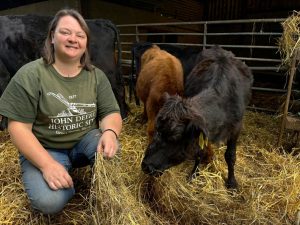
Livestock tech should be designed around the needs of the farmer, says Helen Reeve, a self-confessed cow geek and a lecturer at the Easton College, training and supporting apprentices. She says that it is vital that stock-keepers keep aware of emerging technologies, but she adds it is equally important that livestock tech improves productivity.
“Technology should complement, not replace, the skills of livestock farmers and breeders,” she says.
Helen, the owner of Waveney Dexter Beef, is talking in the Farmer Panel at REAP 2024 and urges farmers and students to apply for a bursary to attend the conference to hear about the latest developments in agri-tech. The bursary is generously provided by the Royal Norfolk Agricultural Association (RNAA) to reduce the cost of participation in this dynamic conference.
Helen has built her herd from nothing and here describes her journey.
Livestock farming – beef and dairy
I have always wanted to be a farmer, but it can be a lonely occupation. When I am visiting apprentices on the farm, I am often aware that I might be one of only a few people that they see regularly, so rural mental health is very important to me – as the hashtag says: #MindTheirHead.
I come from a long line of farmers but sadly there was nothing for me to inherit. So, I started out with a handful of Dexter cows and rented land and buildings along the Waveney Valley in Norfolk.
Dexter cattle are the smallest native breeds of cattle you can get in the UK, and they’re dual purpose, which means they can provide quantities of milk and quality beef.
I have about 60 cows, which I am breeding from. The cows calve on a regular basis every few months; the females are retained to build the herd and the males fattened for beef. The cattle are mostly grass-fed, either through grazing or through winter forage – hay and silage.
All beef cattle is reared to 30 months and then taken to the most local abattoir. The meat returns to me, and I sell it through direct sales – farmers markets and such.
I also milk a herd of Jersey Cows for a fellow farmer; this is my happy place as I can just get on with the task and have space to think.
Livestock tech provides extra eyes for farmer
Although there is now a lot of technology available on-farm, I still use my stock person skills in order to maintain the health and welfare of the animals. Using the technology alongside my skills helps me to do that in a much better way. If you have 200 cows, you can’t be looking at each of them all of the time.
The cows are milked in a herringbone parlour with 24 machines. The cows are tempted into the parlour with a bit of food as a reward. They each have an electronic tag and as they come in this connects to computer system in the office just next door which detects and identifies the cow and records the milk yield from the milk meter.
Over-milking will damage the cow’s udder, causing infection and mastitis, which can be a really big thing. If you’ve got 12 cows lined up it can be hard to see which one has finished, so the milk meter is invaluable: it shows you the milk yield for each cow and also automatically disconnects the cluster from the udder when the cow has been milked out.
Heat time collar has been widely adopted
A recent development is the heat time collar, which acts as type of Fitbit for cattle and tells you information about their movement.
A cow is worth £1,500 to £2,000 and its offspring around £800 to £1,000 so getting the cow into calf at the right time is very important.
When a cow is coming into heat, that is the time you need to inseminate them for breeding. However, it is difficult to predict, and you might not be with them at the time.
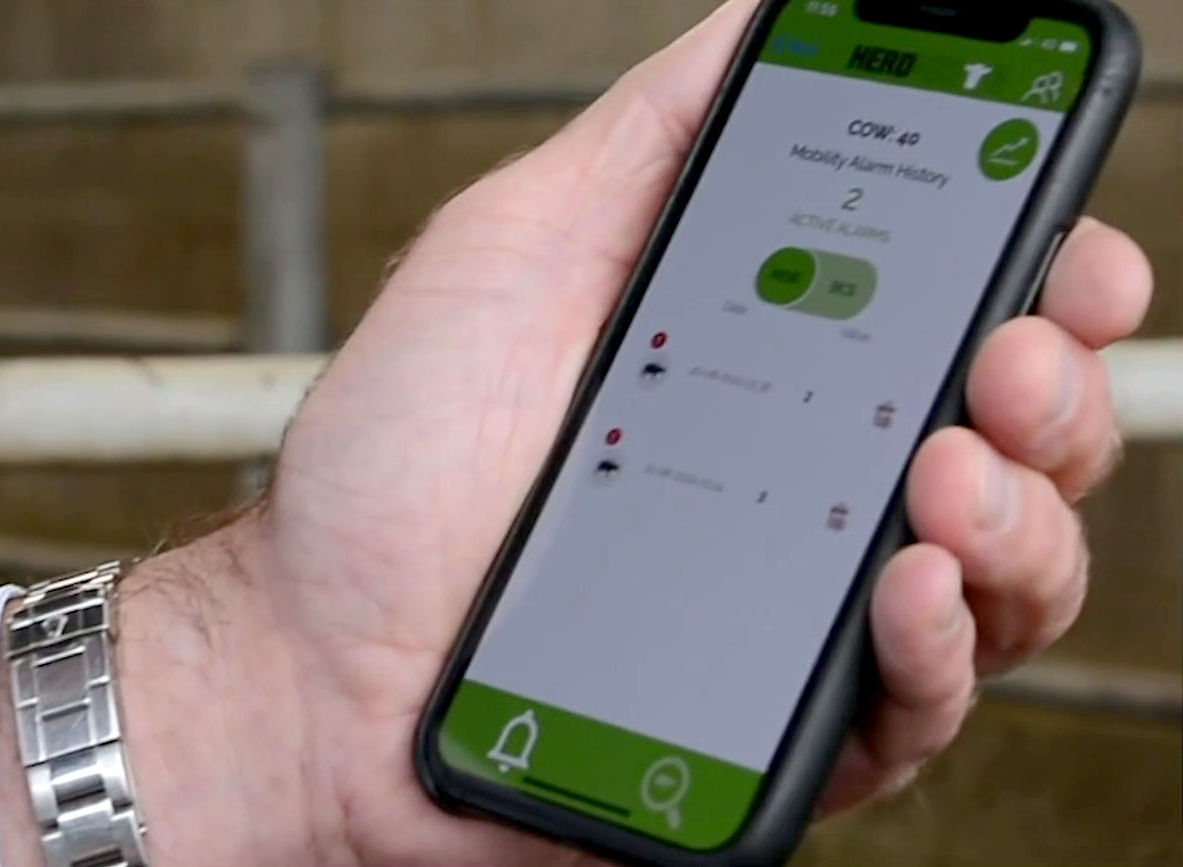
The collar detects the cow becoming more restless, by monitoring the muscles around its tail and neck. This can be a sign it is coming into heat and sends this message to my phone.
The collar can also provide an early sign that the animal is unwell.
The first sign of the cow being poorly is that it will stop ruminating properly. Rumination is the process where a cow breaks down food within its digestive system, by chewing on its cud.
The collar can detect that within about 30 minutes to an hour. When this flashes up on my device, I know to immediately get in the car and see what is wrong.
Early attention can help to prevent loss of production, and at the end of the day if you don’t have the finances sorted, then nothing else matters.
Zelp was part of the Start-Up Showcase at REAP 2019
HerdVision was in the Start-Up Showcase at REAP 2023
REAP provides an opportunity to see the latest technology developments – Zelp and HerdVision have featured in the Start-Up Showcase.
Future technology
REAP is a good place to hear about new developments.
Something I have been watching with interest is an alternative to electric fencing. The idea is that it offers more flexibility than fixed fencing and is safer than electric fences. As someone who has spent a lot of time with a strimmer underneath electric fence lines trying not to short it, the idea of an alternative is very appealing.
Virtual fencing systems offer a lot of benefits for increasing the productivity of pasture management.
The boundary is set by a map on your mobile phone and the cows wear a collar that alerts them when they are straying too far.
I’m not sure whether I would trust the technology straight away, but I might be tempted to trial it in a remote area.
As a farmer, you need to be innovative and always looking at ways to improve productivity. As a technologist I would stress the following key points.
Key points
Technology must be accessible and fit in with the way that farmers work, as every farm is different.
Technology won’t replace the skills of a stock person – but it will improve the way that they work.
If technology improves productivity, it will be quickly adopted – nearly all the cows in our region now have the heat collars.
REAP is a good place to see the science and the technology that is in development.
REAP is a good place to exchange ideas with people you wouldn’t normally meet out on the farm, and I am looking forward to joining the Farmer Panel this year.
Post Overview
2nd September 2024
Agri-TechE
Agri-TechE Article
Livestock
REAP Conference 2024
Share this Page:
Related Posts
Nantwich Farm Vets drive growth of biological fly control on North West farms
The views expressed in this Member News article are the author's own and do not necessarily represent those of Agri-TechE.
As part of our “Back to the Future” project, we’re asking Agri-TechE members to reflect on how the agri-tech industry has evolved over the past decade and to share their vision for the next ten years. By compiling these insights, we aim to create a powerful outlook on the future of agriculture, a compelling call to arms for the industry driven by the diverse perspectives of our community.
This submission is part of the collection of reflections and predictions from our members, offering unique perspectives on the industry’s past milestones and future directions. Each contribution adds to a broader dialogue about the innovations and challenges that will shape the next decade in agri-tech.
Post Overview
This story has been submitted by an Agri-TechE member.
Get the latest agri-tech news, events and opportunities direct to your inbox
Increasing profit margins with precision livestock
Meet the Network
Agri-TechE
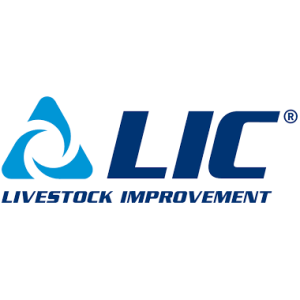
The New Zealand owned company Livestock Improvement Corporation UK Ltd (LIC) is no stranger to precision livestock. “We have been measuring the performance of cows for over 100 years,” explains Mark Ryder of LIC. “The core of the business is dairy genetics and data, and we use that information to help farmers make the best breeding decisions.”
As a small country with no subsidies, New Zealand farmers need to lower the costs of production and be as efficient as possible in order for their exports to compete on a world stage.
So, as a farmer owned cooperative, the focus at LIC is on careful management of grassland, including the use of satellite technologies, to reduce the cost of supplementary feeding and improved genetics, to reduce environmental impacts, cut waste and increase resilience to adverse conditions.
Mark Ryder, LIC
Satellite pasture measurement to improve grassland management
It was LIC that introduced the ‘NZ Controlled Grazing’ system to the UK. It focuses on growing high quality grass through well-managed grazing and utilisation.
The system has been widely adopted by dairy farmers keen to increase profit margins on the supply of milk to the UK’s 65M consumers each day.
However, Mark explains that to be successful this system takes effort, measuring and recording. The company is looking to automate this process with Satellite Pasture Measurement.
“The NZ farmers are already using Satellite Pasture Measurement and we are in the last stages of trials in the UK to adapt the algorithms to local conditions. The satellites pass over the farm every day and measure how much grass is on your farm. It sends you an image along with an estimate of growth rate. This can direct you where to graze next and which paddocks can be cut for silage.
“Any producer with access to grass is trying to increase the proportion of grass in the diet, so we are talking to beef farmers as well as dairy and looking to roll out the system across Scotland, Ireland, and France.”
LIC Newstead
Pasture to Profit– investment in technology
LIC was developed by farmers for farmers and an important element of this is the peer mentoring ‘Pasture to Profit’ discussion groups, which ensure the company is literally in touch with its grassroots.
There are 8 -20 farmers in each group, and they meet up on a member’s farm. A lot of ideas come out of the group. An LIC consultant facilitates the meeting and goes through any of the technical issues that come up, as Mark explains.
“Most of the guys we work with are making a good living out of farming because of the approach they’re taking. These are early adopters of technology, so anything that makes it easier to get staff, improve work/life balance and that has a financial payoff they’ll invest in pretty quick.
“But they are very conscious of cost benefit analysis of purchases they make; it needs to deliver profit and that is their focus.”
“The big thing at the moment is investment into collar technology to help detect oestrus. These smart collars are finally doing what has been promised for years and managing fertility is vital. You need to have a cow calving every 365 days to coincide with grass growth.
“It is not just investment in collars but also the systems that are enabled by them, such as sorting gates and automated data collection.”
Castiles Farm
Achieving Net Zero
LIC has its own team of scientists working alongside government agencies. This includes a trial to see if they can genetically improve a herd to reduce methane emission and nitrate excretion. The trial has revealed a big difference between the best and the worst performing bulls and these two extremes have been used to create heifers and monitor them through a couple of lactations.
“There are many claims of environmentally efficient genetics but very little science behind it,” Mark continues. “This trial will be one of the first to provide that, as the feed intake and outputs are being measured in a controlled environment.”
Mark expects the results to be released shortly as the calves are coming up to a year old and will be mated in August – October 2024.
Mark continues: “Our scientists discovered the SLICK gene sort of by accident. The offspring of one of the bulls we had bred were under heat stress, and kept trying to cool off in the water troughs.
“We found it was caused by a genetic mutation and that led to the discovery of the SLICK gene. Cattle with this gene have a fine coat and lower internal temperatures. So, they can handle the heat, but their milk yield was low.
“We are trialling the development of high index bulls, that can pass on the SLICK gene without compromising the yield. This is attracting a lot of interest in the UK and Europe.”
Importance of good science
“Going forward, there’s a lot of focus in New Zealand, and up here as well, around recording environmental information, just to make sure that we’re reducing impacts on the environment with what we’re doing.
“As we have seen with the SLICK gene, you need to look at the big picture and not optimise for just one thing. This needs good scientific data, that is objective, and has multiple sources.
“The biggest challenge, I think, is that farmers being pushed to make decisions that aren’t based on scientific modelling of outcomes.
“Our approach of supporting independent science with real world trial, aims to provide that rigour for our farmer-base.”
The views expressed in this Member News article are the author's own and do not necessarily represent those of Agri-TechE.
As part of our “Back to the Future” project, we’re asking Agri-TechE members to reflect on how the agri-tech industry has evolved over the past decade and to share their vision for the next ten years. By compiling these insights, we aim to create a powerful outlook on the future of agriculture, a compelling call to arms for the industry driven by the diverse perspectives of our community.
This submission is part of the collection of reflections and predictions from our members, offering unique perspectives on the industry’s past milestones and future directions. Each contribution adds to a broader dialogue about the innovations and challenges that will shape the next decade in agri-tech.
Back to the Future with LIC
Post Overview
This story has been submitted by an Agri-TechE member.
Get the latest agri-tech news, events and opportunities direct to your inbox
3CR Bioscience reduces loss of lambs through rapid ID of genetic markers
Agri-TechE Article
Meet the Network
Agri-TechE
49 percent of lamb mortality occurs within the first 48 hours following birth*, which is devastating for farmers and economically impactful. A new tool, developed by 3CR Bioscience, is making it easier for breeders to detect recessive gene variations that can be lethal when present in both parents.
Differences between individuals of the same species are known as traits and may result from particular sequences in the animals’ DNA. New tools developed by 3CR Bioscience for genotyping are making it easier for breeders to identify these sequence variants and select animals, or plants, with improved qualities and greater resilience to disease or environmental stress. This is key to increasing food security.
3CR Bioscience is a leader in PCR genotyping technology and has developed a patented range of reagents (PACE®) and tools that can accelerate many applications in plant and animal breeding. This includes marker-assisted breeding, pathogen detection, and gene editing, which can significantly reduce both time and costs for the breeder.
Dr Sarah Holme
Dr Sarah Holme of 3CR Bioscience explains: “DNA sequence variants called SNPs (Single Nucleotide Variants) act as useful biomarkers for breeders.
“3CR Bioscience offers a suite of productivity tools for SNP genotyping and has developed a patented range of PCR reagents (PACE®) for replicating the desired section of DNA for analysis.
“With these tools and reagents, breeders can quickly validate markers, implement genomic selection, and conduct marker-assisted selection, thereby identifying and selecting animals with desirable traits more rapidly.”
Overcoming loss of lambs
A recent project has used PACE PCR genotyping to reduce early loss of lambs in French dairy sheep**.
High mortality rates are attributable to a variety of genetic and environmental factors. Some recessive genomic variants are known to be lethal if they are present in both the ram and the ewe.
A team at INRAE in France used PACE PCR to identify these causal variants in multiple key genes. With this knowledge, it will become possible to improve the selection of rams and improve lamb survival rates.
Sarah continues: “The speed and accuracy of PACE genotyping facilitates the rapid analysis of large numbers of animals, this aids the understanding of genetic relationships for animal health as well as evolutionary patterns, and conservation efforts.”
3CR Bioscience is talking about SNP genotyping in the Agri-TechE Innovation Hub at the Royal Norfolk Show 2024 on 26-27th June. The hub is sponsored by BBRO.