Explore advancements in the arable industry
Join us at CropTec, the UK’s leading technical event for the arable sector, on 14-15 January 2026 at the NEC Birmingham. Gain exclusive insights from industry-leading specialists and explore the latest innovations shaping the arable industry.

Stimulating debate in controlled environment agriculture

Agri-TechE

Can we really feed 40,000 people with a ‘SkyFarm’? Or will everyone in London have a ‘Personal Food Computer’ by 2040? These are the sorts of provocative questions being posed ahead of the upcoming Controlled Environment Agriculture (CEA) conference to be held at the John Innes Centre. Please note this event has been postponed until later in the year – see more on the event page.
The event is hosted by Agri-TechE , a business-focused membership organisation that is supporting the growth of a vibrant agri-tech cluster of innovative farmers, food producers and processors, scientists, technologists and entrepreneurs.
Matt Millington, of Method Strategic Design Studio, is a speaker at the event. He comments: “Humans only evolve when they are pushed to. There are technological advances that can contribute to making urban farming a wider reality, but more importantly there are drivers: climate change, soil degradation, urbanisation…”
He’s right about there being drivers of change: models indicate that 70% of the human population will live in cities by 2050*.
CEA, the concept of growing crops in a secure indoor space, is seen by many as the ultimate solution to food security in an urban context and the upcoming conference will provide an opportunity for stakeholders in the field to discuss how to reach the future that they want to see.
Speakers include visionaries: Matt, from Method; and Thomas Cox, a Bristolian Architect with ambitious plans for a modular high-rise farming block. Both will arrive at the upcoming Agri-TechE conference with plenty of thoughts to fuel a debate on the future of CEA.

Food Computers and Cooperatives – Matt Millington, Method

Method is a strategic design studio, making products, services, experiences and businesses for the digital age. They use design as a tool to help organisations make better strategic decisions about the future of business.
Matt says: “At Method, we often make things that are designed to trigger controversy and promote a conversation about what a future might look like, and in this case we hit upon the Personal Food Computer as just that – an object to frame a conversation around.

“What does it mean for the food system, if something like the food computer became common-place?” According to Matt, it’s all part of the mission to simulate debate: “Rather than asking people what they want, we show them that potential future.”
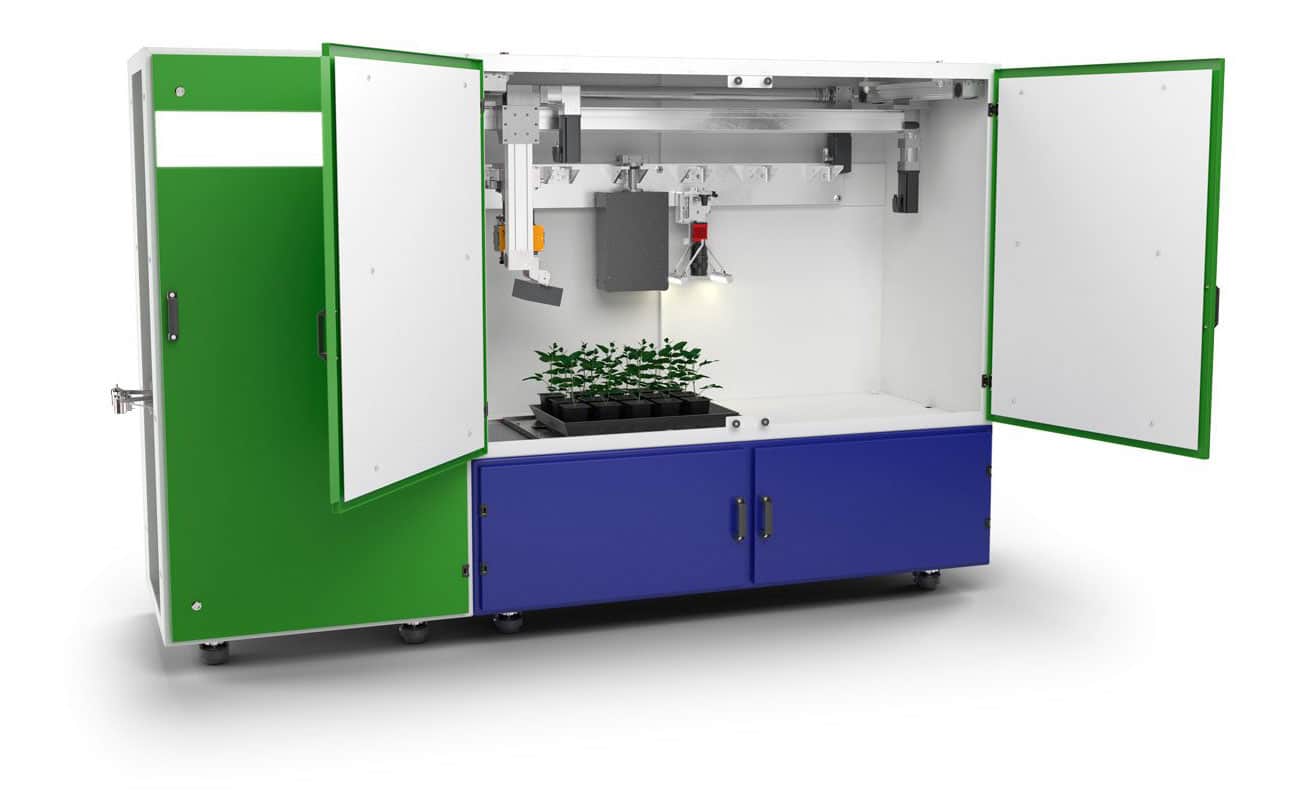
“The food computer is an experimental growth chamber designed to be built by anybody, and at a low cost, with detailed instructions also available for free online,” Matt adds. ‘Growth recipes’, shared via the cloud, enable the grower to control specific attributes of the crop through close monitoring of ‘environmental inputs’ such as lighting.
Matt expects that as CEA is picked up in urban centres, growers could begin to form into cooperatives, which will provide a big boost to the overall productivity: “Much as we’re starting to see local urban energy production in parts of London, producing their own electricity and selling it back, I think you’ll see in future cooperatives within London who are producing their own food on a relatively large scale.
“So, I think you’ll see CEA in cities develop more on a cellular basis – areas of cities providing the urban farming model, which then influences perhaps what a supermarket sells in that region. I think supermarkets will play a big role influencing the sorts of crops that get grown and sold within local communities.”
At the Agri-TechE conference, Matt is ready to fuel debate: “We need to provoke a conversation around what the future should look like… in order to make decisions to design toward that future or, more importantly, away from that future that we don’t want.”

SkyFarms – Thomas Cox, Wotton Donoghue Architects

Thomas Cox is a ‘grey-sky’ thinker. He is concerned by levels of air pollution in dense urban centres. Smog, caused by the release of Nitrogen Oxides from internal combustion engines, is a major health issue in the world’s largest population centres such as Los Angeles, Beijing and Delhi, and is becoming increasingly prevalent in London. Thomas’ response is a building design that he calls the ‘Sky-Farm’.

“The Sky Farm is covered in beans and pulses that take in nitrogen from the air and store it in their roots. Essentially, you have a big greenhouse, which is cleaning up air pollution and converting this into green fertiliser and food.”
Thomas designed his Sky Farm to sit on a small footprint of land in Battersea, on the south bank of the river Thames in London. “The ‘Sky Farm’ was designed to be a small-scale supplement to traditional farming, but I worked out that it could sustainably feed half of the population of the borough of Battersea – approximately 40,000 people.”
“I think we need to plan now, so we’re ready to act when population increase starts to detrimentally affect our quality of life. I know that’s a bit of a bleak vision, and we’re maybe talking 100 years’ time, but we need to stay ahead of the curve.”
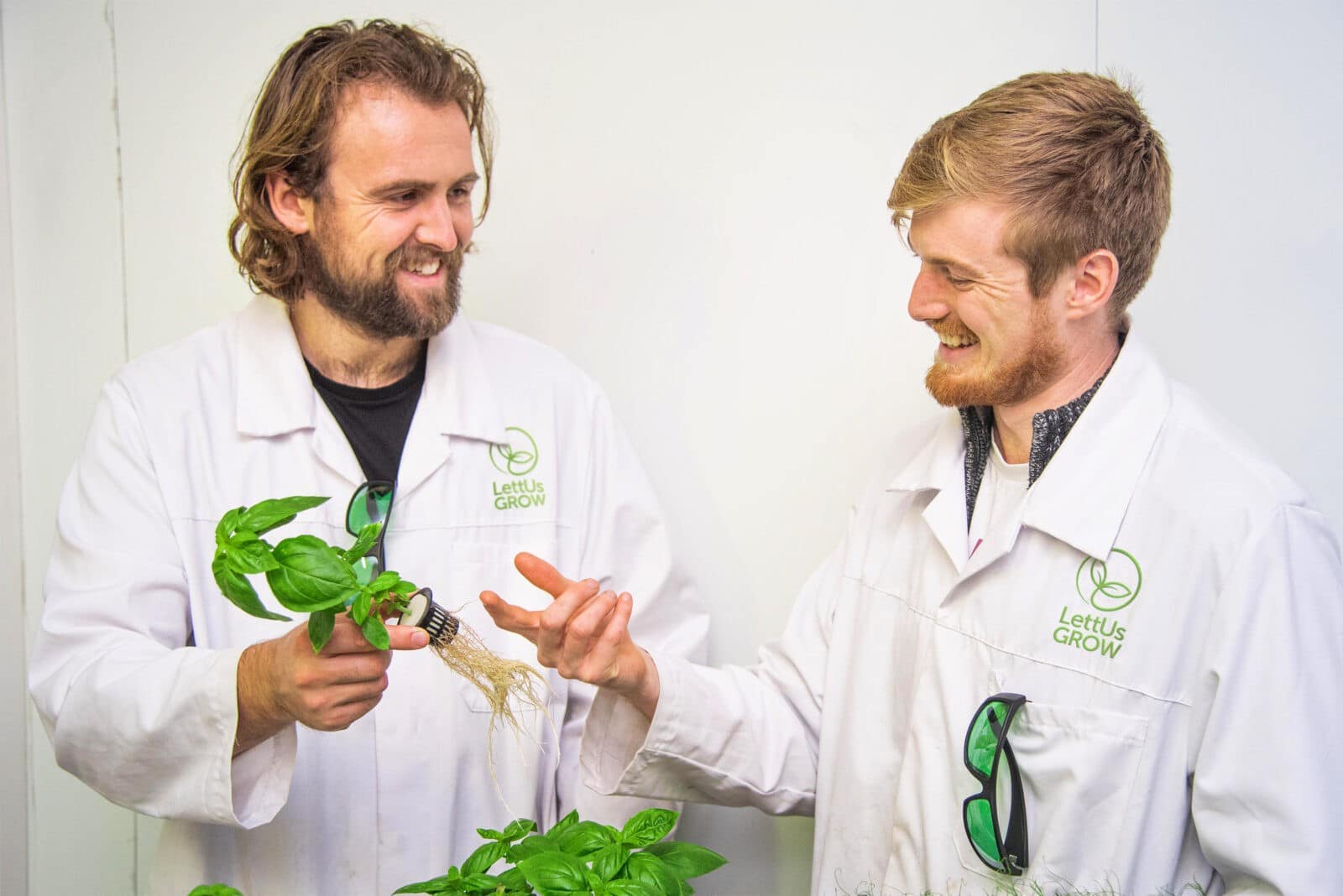
Matt and Thomas will be joining the fray at Agri-TechE ’s ‘Controlled Environment Agriculture – The Industry is Growing Up’ conference, alongside some twenty other speakers. Other participants include: IGS, world-leaders in vertical farm engineering; LettUs Grow, looking at total in-farm automation; and Growpura, designing hydroponics solutions on a massive scale.
The all-day event will be held at The John Innes Centre, Norwich Research Park NR4 7UH  For more information, please visit www.agritechenew.wpengine.com/events
 
*Some seven billion people are expected to live in cities by mid-century, according to the Organisation for Economic Co-operation and Development, in “The Metropolitan Century, 2015”.


Masters of the sun, wind and rain: Intelligent solutions to Controlled Environment Agriculture

Meet the Network
Agri-TechE

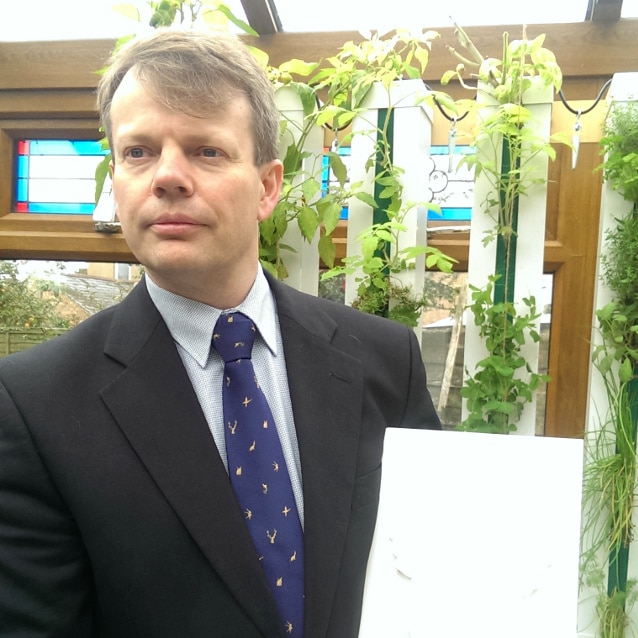
“We need to get honest about three things: the economics; the technical challenges; and the range and quality of things that we can actually grow sustainably. Until we start to get a really serious narrative about these, the industry will never move forward.” David Farquhar is CEO of Intelligent Growth Solutions (IGS), a pioneering Agritech technology vendor, manufacturing state-of-the-art products to deliver TotalControl Environment Agriculture (TCEA).
At an upcoming Agri-TechE event, David and his team will be part of the discussion on new innovations and targets in CEA. He’s demanding serious debate in a field that he sees as increasingly full of hype.
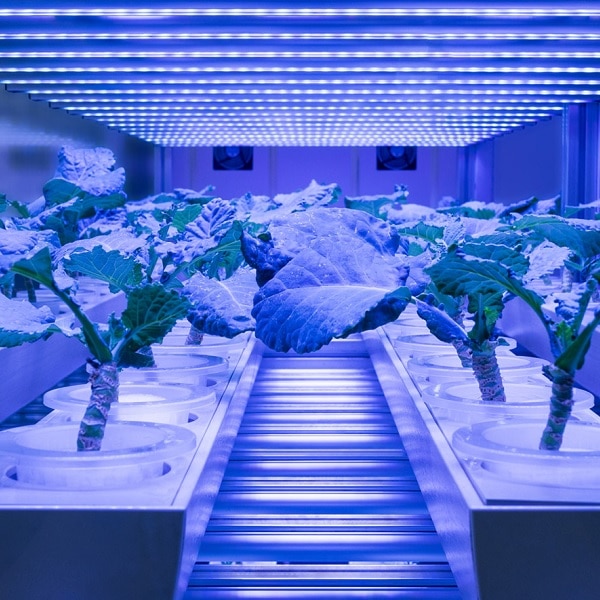
IGS are determined to lead the way to a ‘higher ground’, and have been working with key environmental organisations such as WWF, Zero-Waste Scotland and the Scottish EPA to establish a way of benchmarking  the impact of TCEA on our climate. “We want a genuine comparison between our performance and that of other forms of agriculture”, says David. Boundaries are also being pushed in terms of product quality and the range of things that can be grown. According to David, IGS have found a lucrative market selling their vertical farms to growers wishing to produce delicious, indoor-grown vegetable crops. Perhaps even more interestingly, IGS has been supporting traditional farmers seeking a reliable supply of pest- and disease-free seedlings: “We’ve been doing brassicas, seed potatoes, strawberries – and, in response to demand from Asian markets, we’ve been growing a range of chillies”.
But at its core, IGS is an innovator, always striving to put the control into CEA. “If you’re designing a weather-system… you need to think of it as a three-dimensional thing… The sun, the rain and the wind… and that’s what our appliances do – they make the weather” says David.
The company’s founder, Sir Henry Aykroyd, collaborated with the inventors of the first ‘Crystal Lamps’ (now known as LEDs) at the University of St Andrews, to grow plants indoors. And the advances continue apace, as David explains: “Our various families of patents including Power & Communications Management have made a MASSIVE dent in the global effort to replicate natural light, with our ability to make full diurnal cycles based on any latitude, geography and time of year.”
Following mastery of the light came mastery of the rain. “Irrigation, in many ways, is the simplest of the three factors”, says David – indeed irrigation solutions such as hydroponics and aeroponics have already allowed massive improvements in water use efficiency, in comparison to traditional outdoor farming – “but the big trick is operating closed-loop, so we have zero waste, zero discharges to the ground or water course and only allow the water inside the crop to leave the farm.”
“But right now, the really big thing on the agenda is getting the heat and ventilation right. In a sealed environment – we don’t vent to the outside atmosphere – we are growing dense crops giving off hot, wet oxygen and that has to be dealt with. It turns out, the key to efficient ventilation is managing the vapour pressure deficit in the crop canopy… and we’ve just cracked it.”
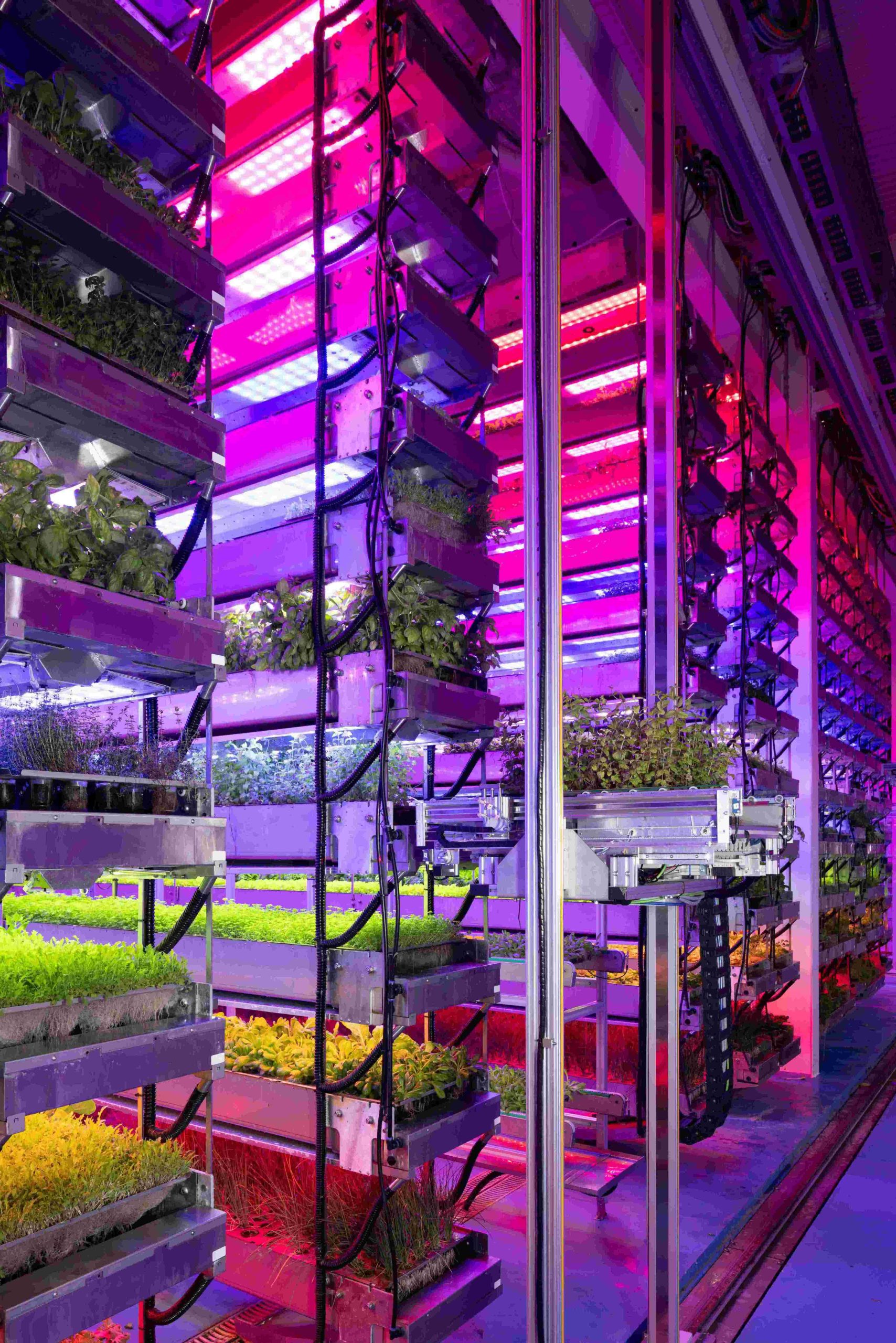
As a result of recent breakthroughs, Intelligent Growth Solutions has reached a pinnacle of control. “Each one of our 6m2 Growth Trays operates as its own micro-climate which guarantees temperature control to within +/-1.5°C, and can maintain a 6°C temperature differential from the trays above and below it. We can grow multiple crops on a single tray and have adjacent trays operating at different stages of the growth cycle…”
But despite the successes of his company, David appears somewhat frustrated by the lack of collaboration coming from the other big players in the indoor farming field. He’s hoping that events, such as the Agri-TechE conference, can stimulate debate: “We know we’ve done some great things but we’re humble enough to say we haven’t cracked everything. We have deliberately designed the IGS Vertical Farm as a modular platform so that we can bring on technologies from new innovators. We’re putting a permanent call out there for people who have great components and subsystems to help us and our customers up our game … if you’ve got a better sensor, camera, whatever, we’d like to hear from you.”
The event ‘Controlled Environment Agriculture – The Industry is Growing Up’ was taking place in March but this event has now been postponed – to register your interest visit the event page here.

Controlled Environment Agriculture – The Industry is Growing Up

Agri-TechE

Conference: Wednesday 18th March 9:00 am – 5:00 pm, The John Innes Centre, Norwich Research Park

 
Kindly sponsored by The John Innes Centre.  Consumer appetite for year-round supply of a diversity of produce has highlighted the vulnerability of urban populations to supply chain issues, and opened minds to alternative scenarios.

  • Could a vertical ‘SkyFarm’ feed 40,000 people?
  • Would a food computer in the kitchen offer personalised diets?
  • Can indoor cultivation overcome limited resources and enable a re-think of food logistics?

Provocative questions are being posed at the Agri-TechE Controlled Environment Agriculture conference, which is exploring emerging technologies for vertical farming and growing crops in a secure indoor spaces.
The industry is growing up, it was worth £1.72bn in 2018, with experts predicting that will rise to £9.84bn by 2026 fuelling innovation.
To join the conversation register now “Until we get a really serious narrative about economics, technical challenges and the range and quality of things we can grow sustainably, the industry will never move forward.” says David Farquhar, CEO of Intelligent Growth Solutions, which is developing robotics and advanced control system for managing vertical farms at scale.
In addition to all year production of an increasing range of high value crops IGS is also supporting traditional farmers seeking a reliable supply of pest- and disease-free seedlings. What do you think? Join us for the discussion.
Read more in our story ‘Plant factories’ – or vertical farms – can outperform even the most efficient greenhouses and achieve higher productivity for all other resources, research by speaker Luuk Graamans of the Wageningen University has found.
The opportunity to radically rethink food production systems in geographies with scare resources is one of the drivers for the rapid growth of CEA.
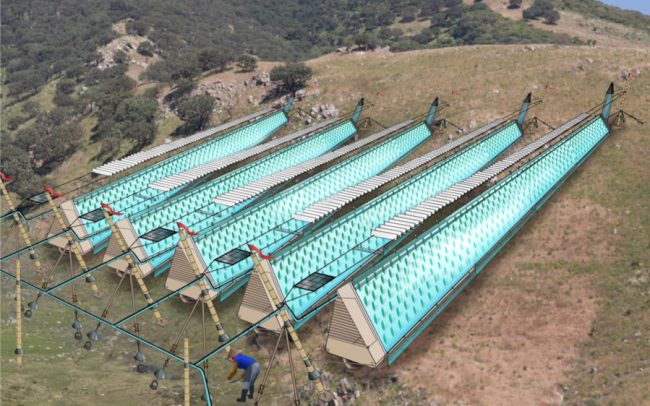
Read more about the opportunities for innovation. This futuristic ‘Urban Sky Farm’ clears air pollution and produces beans and pulses. “At full capacity the tower would sustainably feed 40,000 people,” claims Thomas Cox – one of the visionaries expanding horizons and debate at the conference.
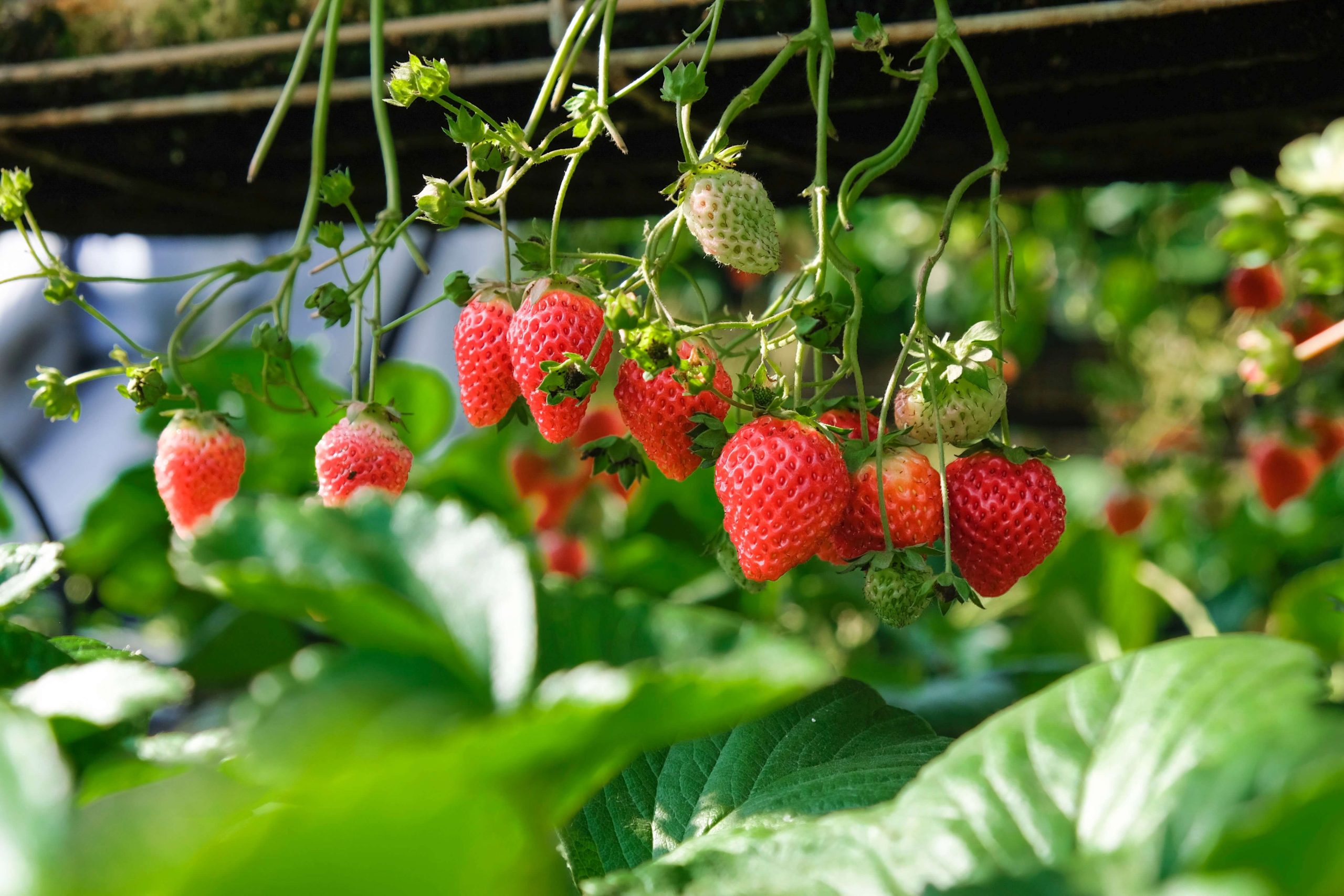
Discover more about the role of vertical farming in the future of architecture design. Micro-urban farms show small can be beautiful. Camden Town Brewery has teamed up with GrowUp Farms to grow its own strawberries on-site with an innovative Aponic vertical soilless growing system that uses 90% less water than traditional growing methods.
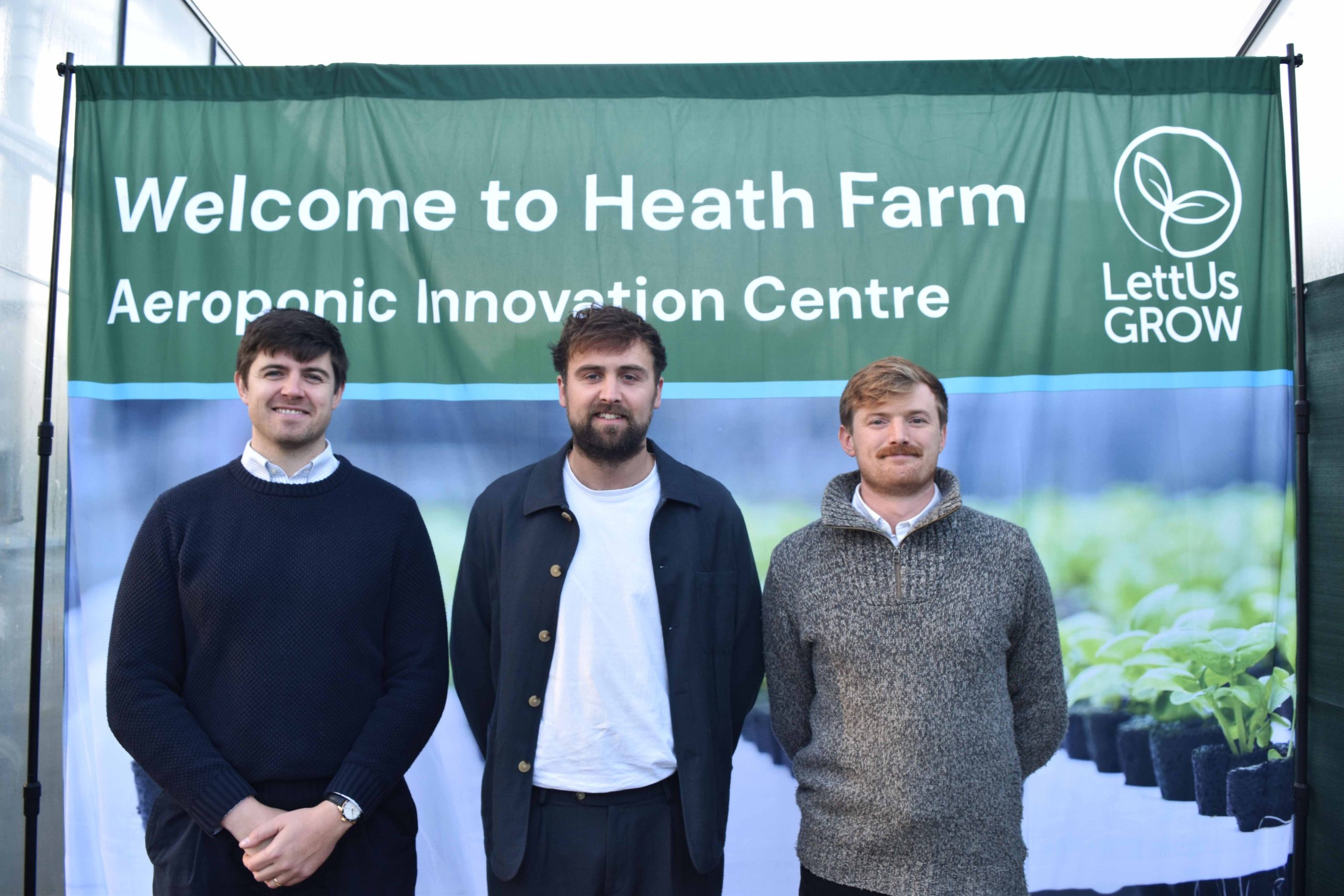
Others believe scale-up is the way to go. LettUs Grow has developed its Ostara management software to enable remote management of fully automated growing systems.
Growpura technology is designed for big production facilities. It uses hydroponics in a clean room environment and features an automated moving system to allow movement of the plants.
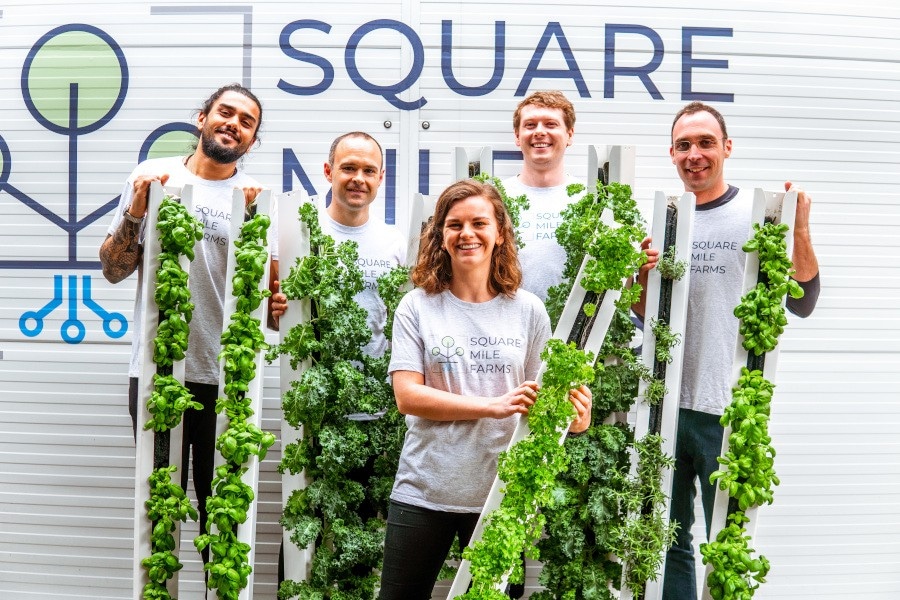
These are just some of the technologies to be discussed in the exhibition; see some of the highlights here. Johnathan Ransom of Square Mile Farms started with the concept of ‘flat pack farms’ for urban areas and now offers farm installations to big businesses, to help them achieve their sustainability and employee engagement goals.
After receiving an invitation from British Land, the company opened its flagship farm in February 2019 at Paddington Central and he will be unveiling his ‘next big thing’ at the conference.
Read more about Square Mile Farms and some of our other spekers. “I think CEA will provide a solution, but not on its own, it has to be part of the bigger picture. We are not leaving land-based food production behind” – Kiryon Skippen of investment firm Capital Agri International – read more here.
“Lighting recipes are designed to optimise plant growth” – Mira Merme, co-founder of Netherlands-based OneFarm – read more here.
“CEA in cities will develop more on a cellular basis, with urban farmers influencing their local supermarket” – John Oswald of Method – read more here.

  • Cambridge Consultants
  • John Innes Centre
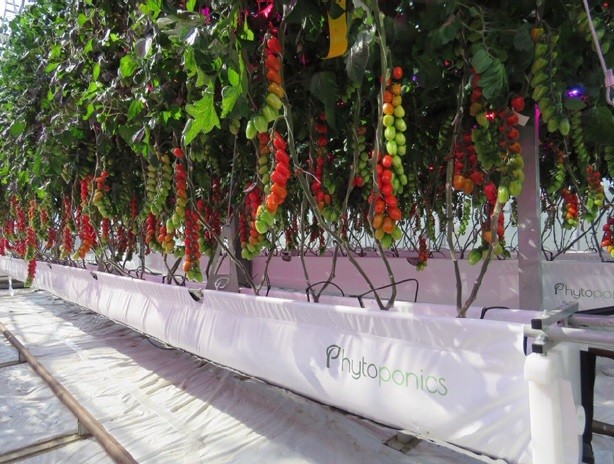
  • Phytoponics
  • Plater Bio
  • Green Lab
  • Home Harvest
  • Vertical Future
  • Method
  • Cranfield University
  • Food Enterprise Park
  • G’s Fresh
  • Lincoln Institute for Agricultural Technologies (LIAT)

  • Infarm
  • Intelligent Growth Solutions
  • JP Trett
  • Niab
  • One Farm
  • Pro-Lite Technology
  • Redfox Executive
  • Rothamsted Enterprises
  • Saturn Bioponics
  • Savills
  • Square Mile Farms
  • MMP Tax

Wednesday 18 March
9:00 – 17:00
The John Innes Centre,
Norwich Research Park
Norwich, Norfolk NR4 7UH

Controlled Environment Exhibition

Agri-TechE

Opportunities to radically rethink food production systems are to be discussed at the one-day conference  Controlled Environment Agriculture – The Industry Is Growing Up’ event.
The technology exhibition will showcase emerging technologies and facilities to support this rapidly growing industry that is predicted will be valued at almost £10Bn by 2026.
The event is to be held at the John Innes Centre, Norwich date to be confirmed – more information here.

Highlights of the exhibition  include:

Aponic – vertical farm at a London Brewery 
Camden Town Brewery has teamed up with GrowUp Farms to grow its own strawberries on-site with an innovative Aponic vertical farm.
Aponic has designed, developed and now manufacture a vertical soilless growing system that uses 90% less water than traditional growing methods. LettUs Grow – Ostara breaking down the barriers of entry  

LettUs Grow management software Ostara is breaking down barriers to entry for indoor farming and aeroponics. It is a farm management toolbox, providing automated control, data collection and organisational tools for growers.

It offers agile, closed-loop control for indoor and vertical farms remotely and be used to optimise plant growth. The two main functions are:

Ostara control
• Automated growing
• Optimise conditions for crops

Management features
• Data collection
• Crop growth analysis
• Trace crop history

Plater Bio
Plater Bio manufactures novel biostimulants and micronutrients for the agriculture and horticulture industries. It manufactures natural extracts using a unique manufacturing system without the use of synthetic chemicals, heat or pressure. Cambridge Consultants – machine learning and robotics for controlled environments
Cambridge Consultants’ technically focused, commercially driven teams uncover novel solutions to long-standing challenges. With advanced capabilities in AI, robotics, sensor development, fluid mechanics and wireless communications, Cambridge Consultants helps companies to improve their precision agriculture product lines by moving to row-by-row and individual plant treatment technologies.
Cranfield University to showcase the Rurban Revolution 
Can ruralising urban areas create a healthy, sustainable & resilient food system?
This is the question being explored by within the Rurban Revolution project. which brings together expertise in ecosystems, psychology, plant sciences and supply chains from Lancaster University, Cranfield University and University of Liverpool.
It is building an interdisciplinary evidence base to see how urban green spaces can influence:

  • Healthy and sustainable diets by improving availability and access to fruit and vegetables
  • Food production in terms of quantity, quality and safety
  • Ecosystem service delivery, both within cities

This project is funded through the Global Food Security’s ‘Resilience of the UK Food System Programme’, with support from BBSRC, ESRC, NERC and The Scottish Government.

Supporting the CEA industry 

Burleigh Dodds Science Publishing
BDS Publishing is a “climate-smart” publisher in agricultural science that is helping researchers in agricultural science. With over 70 published titles its books cover major crops and livestock types from production and  breeding through to harvest and the final product.
Savills
Savills has recently launched Crop17 – a new initiative to support the develop medical cannabis facilities –  in partnership with Hanway Associates, a leading cannabis strategic consultancy, and CambridgeHOK, an innovative glass-house builder.
Savills provides a range of specialist management and consultancy services to food and farming businesses, delivering practical support and guidance in a constantly changing industry. Food Enterprise Park
The Food Enterprise Park is developing a 100 acre site close to the Norwich Research Park to encourage and support food and drink processing and production.
JP Trett
JP Trett is a specialist recruitment and consultancy business in the agricultural and agri tech sectors. Its focus is on developing professional careers for ambitious individuals with a passion for current and future technologies, with a level of adaptability which allows it to remain ahead of the curve in engaging with clients at the forefront of this niche and expanding sector. Redfox
Redfox offers executive recruitment services to some of the best-loved and wholesome brands in the UK and also overseas. From leading international companies right through to small family-owned businesses. Also exhibiting will be Rothamsted Enterprises, Metos UK, Pharm 2 Farm and Pro-Lite Technology.
See more about the Controlled Environment Agriculture exhibition on the event page here.

Could vertical farms help alleviate the pressures facing food and farming?

Meet the Network
Agri-TechE

“Initially the ‘Urban Sky Farm’ would be a small-scale supplement to traditional farming, but at full capacity the vertical farm tower would be capable of sustainably feeding half of the population of the London borough of Battersea, approximately 40,000 people,” comments Part II Architectural Assistant Thomas Cox, who has designed a self-sustaining, eco-efficient skyscraper that absorbs city air pollution and recycles it into organic fertiliser and food-crops.
Thomas, who grew up in Devon on a smallholding, presented his Urban Sky Farm design to the UK’s International Trade Secretary and other key influencers at Hong Kong’s GREAT Festival of Innovation in 2018.
He will be speaking about food production in urban settings at Agri-TechE ’s Controlled Environment Agriculture event (which has been postponed) 

A Utopian concept built on ‘traditional’ agrifood knowledge 

Thomas explains: “I wanted to design a Utopian concept for future food production – where urban populations have continued to increase in density and there is a need to produce vast quantities of food in as compact space as possible. I believe the vertical stacking of crops is, probably, the most feasible way.
“I spoke to my farming relatives, as part of my research; their input about the importance of soil health and PH neutrality made me consider how the nitrogen cycle could become part of my design as well.
“In essence, you have a large self-regulating greenhouse, which is cleaning up air pollution using the practised method of leguminous crop rotations. The bi-product is then collected and mulched into organic fertiliser for use in the vertical farm.”
Thomas designed his Sky Farm to sit on a small footprint of land in Battersea, on the south bank of the river Thames in London.
Vertical farming is in vogue now, but Thomas was keen to design a self-contained urban farming model that stayed true to how the British Agricultural Revolution and food distribution influenced London’s historical growth.
He says: “London has grown up around farmers’ markets – the famous markets of London, Old Spitalfields, Borough, for example – which are purposefully sited in the city, based their produce’s origins.
“The Covent Garden distribution centre is just behind my theoretical site in Battersea and it’s where a lot of the produce gets brought into London and purchased by restaurants, greengrocers and today’s farmers markets. So, I saw the Sky Farm as another link in the chain of London and its food history.”

A sustainable farm for the future

In architecture, as in controlled environment agriculture, expectations around sustainability are higher than ever. “Today, everybody is also looking for carbon neutral and sustainable buildings” Thomas confirms.
“When I was designing the Sky Farm, three years ago, I was looking at concrete as a primary building block because there was an abundance of it used within tall-building construction, but it is energy intense to produce. So, if I’m to make the Sky Farm really future-proof, I would probably consider 3-D printing developments, perhaps using recycled materials as eco-friendly alternatives wherever possible.
“My idea is modular, with 60 or so huge louvres panels down each section. These could open to ventilate and keep the internal building temperature consistent, harnessing additional energy to produce electricity that could be used to pump irrigation systems to achieve required soil moisture levels.
“As the building is climate controlled, you could grow crops that would have traditionally had to be shipped in from around the world – such as grapes, making a vineyard to serve a wine bar on the top of the building, for example, adding to its commercial viability.
“So, the building could be completely off the grid and self-sustainable; you could live there, eat there, drink there.”
Thomas’ Sky Farm was developed as part of his Masters of Architecture thesis at De Montfort University. He admits that, initially, his family – who are mostly dairy farmers – were not that keen on the idea: “Perhaps it was a resistance to change, but change is coming; cities are expanding, green belts are being taken over, so farmers may end up living much closer to or even penned within urban environments.
“I think we need to plan now, so we’re ready to act when population increase starts to detrimentally affect our quality of life. I know that’s a bit of a bleak vision, and we’re hopefully talking in at least a century’s time, but it is paramount to stay ahead of the curve.”
More information about  Agri-TechE ‘s full-day Pollinator‘Controlled Environment Agriculture – The Industry is Growing Up’, which is to be held at the John Innes Centre, Norwich Research Park.

Opportunities for innovation with rapid growth in Controlled Environment Agriculture

Agri-TechE

‘Plant factories’ – or vertical farms – outperform even the most efficient greenhouses in terms of energy efficiency and also achieve higher productivity for all other resources – water, carbon dioxide and land area – research by Luuk Graamans of the Wageningen University & Research and a speaker at the Agri-TechE Controlled Environment Agriculture conference has found.

CEA - Leafy greens and herbs grown by Square Mile Farms on the roof of Microsoft's office in Paddington CREDIT SquareMileFarms
©Square Mile Farms

“The urban population is set to increase to 6.3 billion by 2050 and this will place increasing pressure on supply chains,” Luuk explains. “One proposed solution is a closed production system, that maximises resource use efficiency by adapting the interior climate to provide uniformity and limiting the interaction with the external climate.
“A shortcoming of this system is the need for artificial illumination and high demand for cooling and vapour removal; creating a high energy load. The viability of plant factories depends on their resource productivity.
“Our research shows that when compared to greenhouse , a plant factory produces dry matter that is higher and more consistent and uses resources more efficiently.  This could be further improved by increasing the production layers, enabling more growing area on the same amount of land.”

Significant investment driving innovation in technology and business models 

Opportunities to radically rethink food production systems is one of the drivers for the rapid development of Controlled Environment Agriculture and technologies for vertical farming.
The industry is growing up and attracting significant investment – it was worth £1.72bn in 2018, with experts predicting that will rise to £9.84bn by 2026, according to reports presented to the All-Party Parliamentary Group on Science and Technology in Agriculture.

CEA - Lighting is important - indoor farming - CREDIT Growpura
©Growpura

This growing market creates huge opportunities for innovation – in the construction of the growing units,  improvement of smart water usage,  lighting recipes to deliver all year growth, breeding to optimise rapid production, technologies for micro-control of the growing conditions. The current CEA systems are power hungry so improving efficiencies in order to  reduce the cost of production is vital.  Produce must compete in price with imported land-based alternatives.
Within the key players there is also divergence in business model.  Many believe the future is in scale, creating large production units close to logistics sites to enable ‘growing to order’ and rapid delivery. Others are looking more at the ‘dig for victory’ model, involving city dwellers in the production of their own food.
At the Agri-TechE Controlled Environment Agriculture event we have leaders in the field with speakers that include:
Kiryon Skippen of investment firm Capital Agri International comments: “I think CEA will provide a solution, but not on its own, it has to be part of the bigger picture. We are not leaving land-based food production behind.
“Also, the systems need to be properly de-risked, while indoor farms provide ideal growing conditions for plants, they are good for pests too. Systems in Asia are ahead of us as they’ve built systems more conservatively and then, year on year, tweaked and build them up. A more haste less speed approach.”
Agri-TechE CEA speaker Jack Farmer - Lettus Grow
Jack Farmer, Lettus Grow

Jack Farmer, co-founder of LettUs Grow – developers of aeroponic systems. “We are working with key players to boost productivity and crop quality at scale.”
LettUs Grow is  working on a farm management system, Ostara, that uses powerful data on biological growing conditions to enable automation of facilities. The software can also be retrofitted into more traditional glasshouse environments.
Jack sees synergy between the existing horticulture business model and advances in CEA: “Essentially, vertical farms will prove complementary to glasshouse horticulture, with technology increasingly being shared between them.”
Agri-TechE CEA speaker - Jock Richardson, GrowPura
Jock Richardson, GrowPura

Jock Richardson of Growpura – his technology is designed for big production facilities. It uses hydroponics in a clean room environment and features an automated moving system to allow movement of the plants.
“There is a place for multiple solutions in CE, ” Jock comments. “We are going to see continued invention for small scale hydroponics, but on the industrial end the challenge to be broached is how growing operations are scaled.”
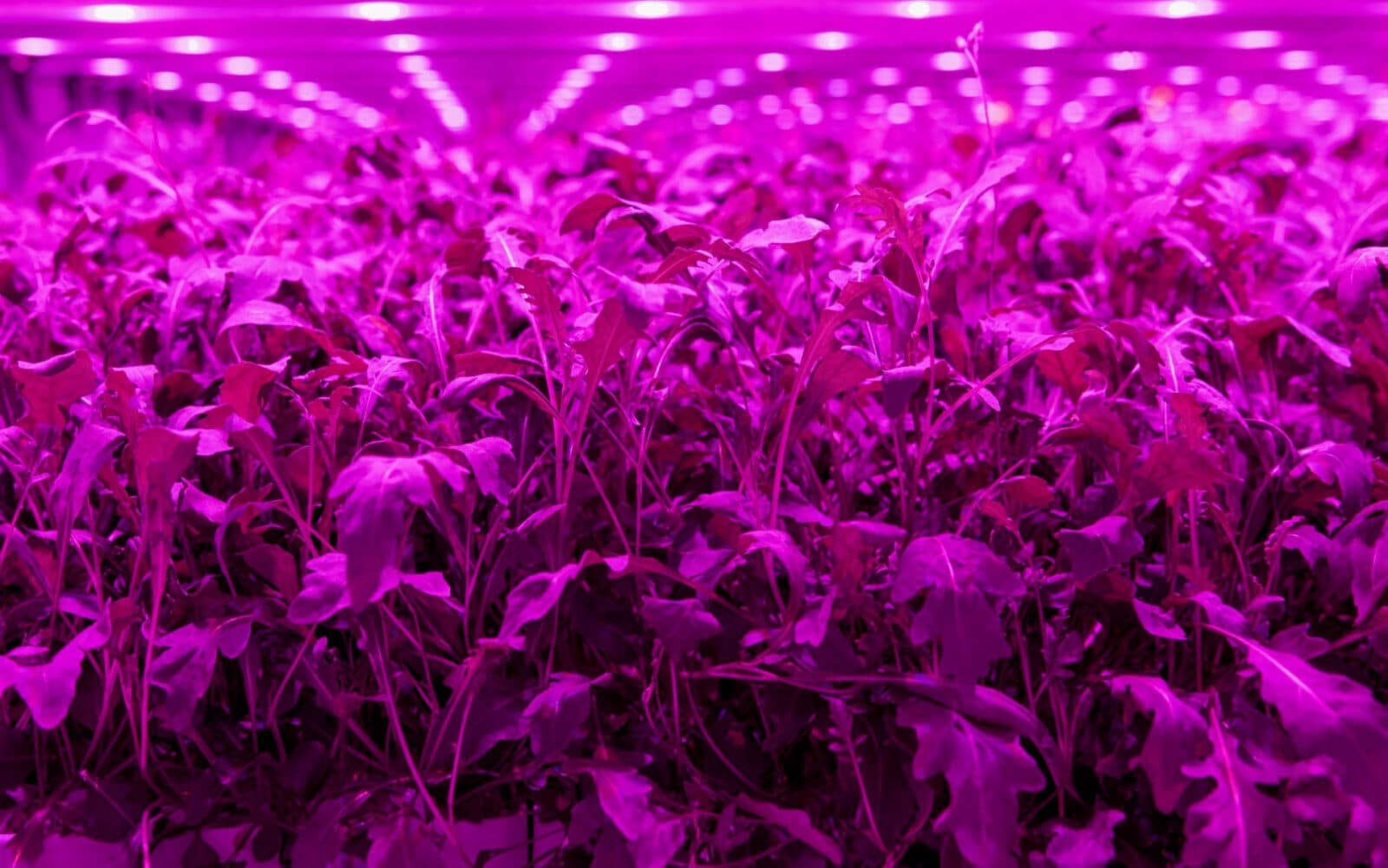
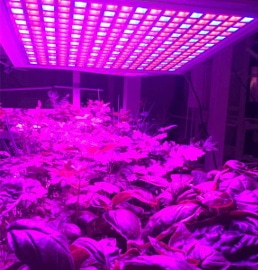
Mira Merme, co-founder of Netherlands-based OneFarm, explains that light spectrums and wavelengths are varied depending on the plant, and its lifecycle stage. The falling cost of LEDs is enabling growers to experiment with lighting recipes designed to optimise plant growth.
Mira says: “It’s like with human beings, we don’t need the same food throughout our growth cycle. Plants are the same.”
Agri-TechE CEA speaker - Johnno Ransom, Square Mile Farms
Johnathan Ransom, Square Mile Farms

Johnathan Ransom of Square Mile Farms started with the concept of ‘flat pack farms’ for urban areas and now offers farm installations to big businesses, to help them achieve their sustainability and employee engagement goals. After receiving an invitation from British Land, the company opened its flagship farm in February 2019 at Paddington Central. 
Other organisations presenting include:

To register for the event or to exhibit:  Controlled Environment Agriculture – The Industry is Growing Up John Innes Conference Centre, Norwich.

Agri-TechE Week 2019: Baby leaf – a growing resource from field to tunnel

Agri-TechE

Baby leaf has increased in value as a salad crop over recent years, with £260m of bagged salad sold in 2005 to a staggering £1.1bn in 2017. Niab hosted an Agri-TechE Week event at its Park Farm Innovation Farm to discuss what would be needed to grow the crop 24/7 with minimal waste to maximise the potential of this crop.
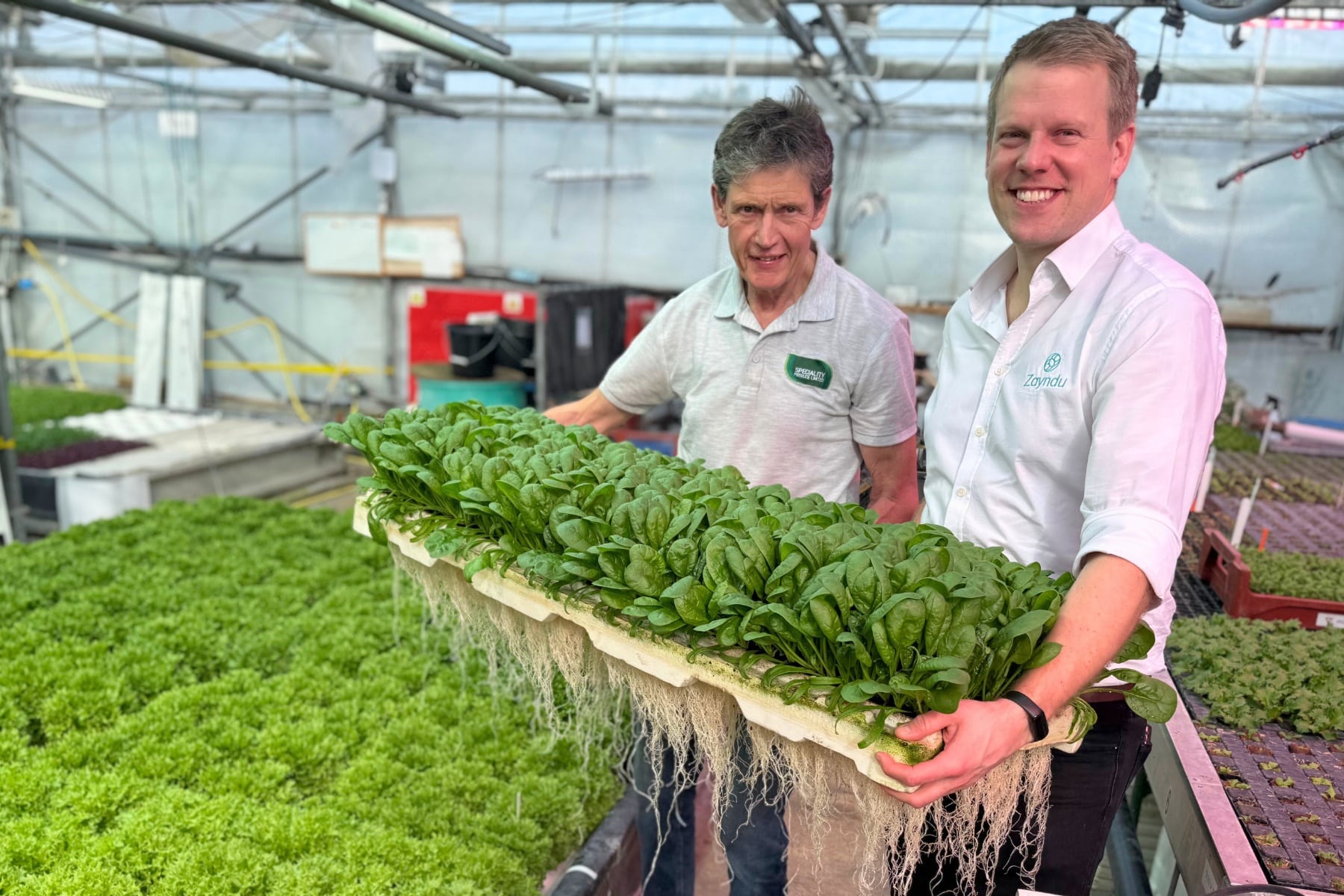
Niab is one of the partners in the Hy4Dense programme which is looking to design a soil-less hydroponics system optimised for baby leaf – rocket, spinach and lambs lettuce.
Graham Taylor, Research Scientist at Niab, explained how the programme, which includes partners in the Netherlands and Belgium, will be experimenting with different types of growing mediums and nutrition and designing a hydroponic system complete with LED lighting. There are several different types of hydroponic system:

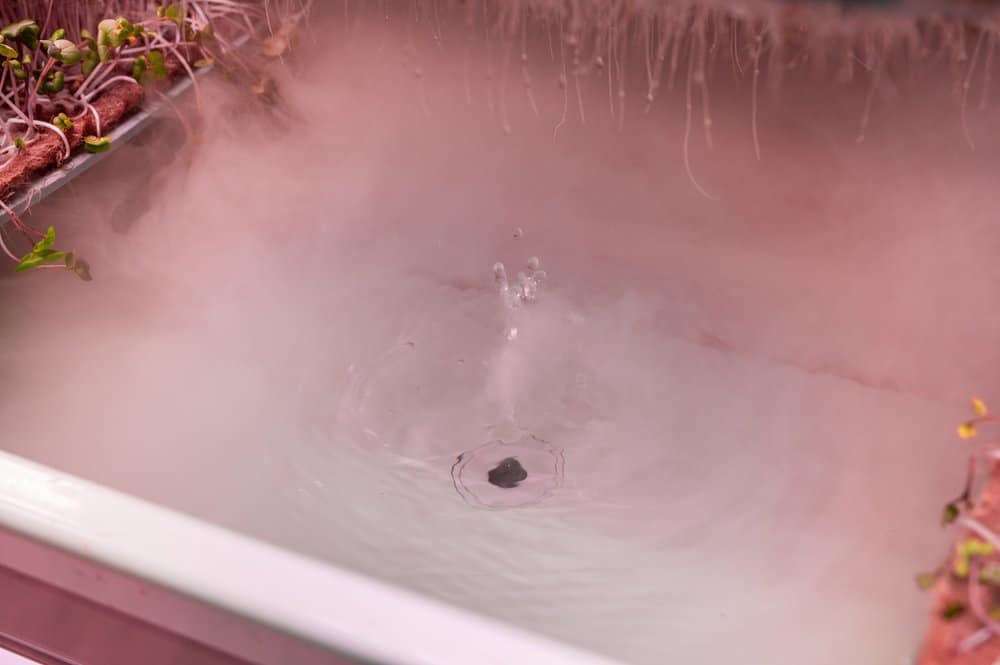
  • Aeroponics – misting around the roots
  • Ebb and flow – where a reservoir is used to top up and refresh the medium
  • Droplet hydration to the root zone

The benefits of hydroponics include:

  • Higher density planting
  • Table-top product so easier to automate the harvesting
  • Reducing water usage – hydroponics uses 20x less than soil
  • Better pest and weed control and reduced use of plant protection products
  • Opportunity to grow closer to consumer and closer matching of supply to demand

Crops like lettuce, strawberries and tomatoes adapt well to hydroponics, but baby leaf has particular challenges. These challenges were discussed by the speakers.

Breeding for hydroponics – Justin Roberts, Vegetable Breeder, Elsoms Seeds

Improving vigour – Lettuce experiences transplant shock when the seedlings are transferred because of the very fine roots, which impacts establishment of the plants. To overcome this Elsoms has been trying to investigate the genetic markers that determine root development, using a cross between an iceberg and rocket. The plants are grown in a 2D hydroponic system – like growing plants on a piece of paper – so the fine root hairs are apparent.
The study found genetic diversity that influenced primary root length, lateral roots, fine hair structure and also the spacing of the roots. By running a cross Justin had identified four regional clusters of genes that could be used commercially to select for traits that are best suited for hydroponics. Meeting customer requirements 
Breeding needs to consider:

  • Seed performance – ease of production, storage and germination rates
  • Growing performance – resistance to mildew, delayed bolting
  • Harvesting process and final product – eg pot grown, cut bagged salad, and mixed whole leaves
  • Grower – wants to reduce waste and improve diseases resistance
  • Retailer – requires consistency of product, availability 24/7 and the opportunity for brand differentiation
  • Consumer – wants good shelf life, taste, convenience and a nutritious product that is chemical free. Rocket has proved particularly challenging as the product taste and appearance varies from the first to the second cut

Outdoor baby leaf production; the next chapter of an ever-changing field! – Robert Parker, Leafy Salad Crop Manager, G’s Fresh

G’s are a major producer of salad crops and grows babyleaf in particular locations on the East coast that are cooler and have access to plentiful clean water. It is grown in the field in rotation with other crops such as sugar beet, celery and vining peas.
Gs Produce Open DayA point of difference is that the leaves are unwashed and so last longer in the consumer’s fridge – seven days, compared to three. However, it has been found that the benefit has not been appreciated by the consumer.

About 20 per cent of the crop is wasted and nearly half this waste is due to over-supply to meet unpredictable demand, although better forecasting using systems like SpinCam, have halved this waste over the last three years.
G’s is currently investigating how to used controlled environments to increase the growing period within a Innovate UK project with Harper Adams. It is looking at indoor baby leaf production and propagation for whole head production. Benefits of controlled environment agriculture would be:

  • More control over the use of chemicals
  • Less risk from disease and soil pathogens
  • Greater water security and quality
  • Opportunity to increase automation to reduce labour requirements
  • Increase the quality and nutritional value of the crop
  • Offer new products that are not currently available in the UK
  • Year-round production

However there are considerable challenges:

  • Price point is a huge issue – for example, in pea shoot production, we can import at 3p a kilo, the cost for indoor is currently closer to £8/kilo
  • Logistics – lighting, heat and moisture need careful control
  • Location – the facility needs to be close to distribution centres to reduce the cost of transporting ‘bags of air’ across the UK

Innovation in hydroponic and soilless cultivation – Arnoud Witteveen, CTO, Saturn Bioponics

Saturn Bioponics supports soil-less cultivation under diffused light in polytunnels. The result is consistent indoor product in vertical units, without a difference in quality from the top to the lower levels. The stacked system increases the planting density, in strawberries this is six times that of a table top system.
The modular system is developed so that the rootzone can be drained and replacement plants popped in as plugs as required and the system scaled as required. Also different crop types can be grown together.
In blind tests of strawberries with consumer an improved flavour was observed. Saturn sees increasing demand for baby leaf products – increasingly M&S ready meals contain salad and other vegetables and these are high value items.
The Saturn system does not use LED lighting; the diffused lighting and reflective white flooring produces sufficient light for salad crops. However, this could be a consideration for the future.

Light quantity and quality can influence crop performance – Jim Stevens, Postdoctoral Researcher, University of Essex

Jim discussed how with the falling price of LEDs it is now possible to create lighting recipes to influence plant growth:

  • Red: far red light can impact the flowering times, which can delay bolting in lettuce. The ratio of red/far red determines the response and also the length of exposure. A longer flash can be used to induce flowering
  • Green: this can stimulate stomatal closing, potentially it could be used to reduce water loss from the plant and therefore the requirement for irrigation
  • Blue: on its own, blue light can trigger stomatal opening and start the photosynthesis process
  • Blue/Red light: this influences the yield and through the impact on volatile compounds the quality of the produce

Jim also described how NDVI, which is a measure of ‘green-ness’ in a plant, can be used to identify its health and provide early warning of a nutrient deficiency. For more information about Hy4Dense visit www.interreg2seas.eu/en/Hy4Dense 
Agri-TechE will be running a conference “Controlled Environment Agriculture – The Industry is Growing Up” on 18th March at the John Innes Centre in Norwich – more information here.

Hydroponics for baby leaf – an Agri-TechE Week Event

Agri-TechE

Although more than 90 per cent of the greenhouse cultivation of fruit and vegetables has shifted to hydroponics, there is currently no system available for densely grown baby leaf salads. Such a system would improve the efficiency of crop cultivation while providing improved control of pests and diseases. Niab are hosting a workshop during Agri-TechE Week to look at the potential for growing baby leaf in this way.

Dr Lydia Smith of Niab

Dr Lydia Smith comments: “Baby leaf salad is on the up-and-up in terms of their popularity in shops, and is commercially valuable. Within the Hy4Dense project, we are looking very specifically at whether it will be feasible to transfer these crops off the land and into a hydroponic, or at least a soil-free, hydroponic or aeroponic system – we don’t know what it’s going to look like yet, as we’re in the process of designing it.
“The input of stakeholders would be very interesting to help inform the design of a novel hydroponic cultivation system. For example,  G’s already have an efficient production system and they are going to work with us to see whether it would be either logistically or economically feasible to make the  change to hydroponics.
“It might be desirable to have different varieties of babyleaf and so we are working with plant breeders. Elsoms, who are a key UK plant breeder within this context, particularly for rocket and baby leaf spinach, will be talking about what their drivers are with respect to varietal types.

Saturn Bioponics for mature lettuce

“The technology side is also important and Saturn Bioponics is an exciting company that is already manufacturing hydroponic systems, both in a sort of ebb-and-flow system and also a vertical tower system. So it will be an interesting discussion.”
Densely sown crops are economically important in the UK, Netherlands and Belgium, so the research collaboration is between the University of Essex and Niab (UK), Howest and Inagro (Belgium) and Proeftuin Zwaagdijk (The Netherlands). Hy4Dense is a play on words – hydroponics for densely sown crops.
The overall objective of the project is to develop a soil-free cultivation system to grow densely sown crops (including lamb’s lettuce, spinach and rocket) by first developing, then upgrading early stage prototypes to efficient hydroponic growing systems.
This one of a series of events happening within Agri-TechE Week – more information here. 

Agri-TechE Week Event: Friday 8th November
11.45 – 16.00: Baby leaf – a growing resource from field to tunnel – Niab

Salad crops are required all year around, so delivering this cost-effectively without the need to import over the winter months will help improve the competitiveness of the industry. This Agri-TechE Week event at Niab will look at evolving salad genetics, innovation in hydroponics, field cultivation of baby leaf, novel cultivation practices and market trends in this interactive workshop.  To register click here. 

Vertical farming has stacks of potential, says Tom Brunt of Savills Food and Farming

Meet the Network
Agri-TechE

Indoor farming in the UK has its roots in urban centres, but is it time now for the technology to move to the countryside?

This is an opinion piece submitted by Tom Brunt of Savills Food and Farming
Until recently, vertical farming was very much an urban enterprise. Entrepreneurs took over industrial units and disused underground tunnels to grow high quality salad products for a discerning local market. Now, some of those same entrepreneurs are looking to take their knowledge and their technology to a larger, more commercial scale.
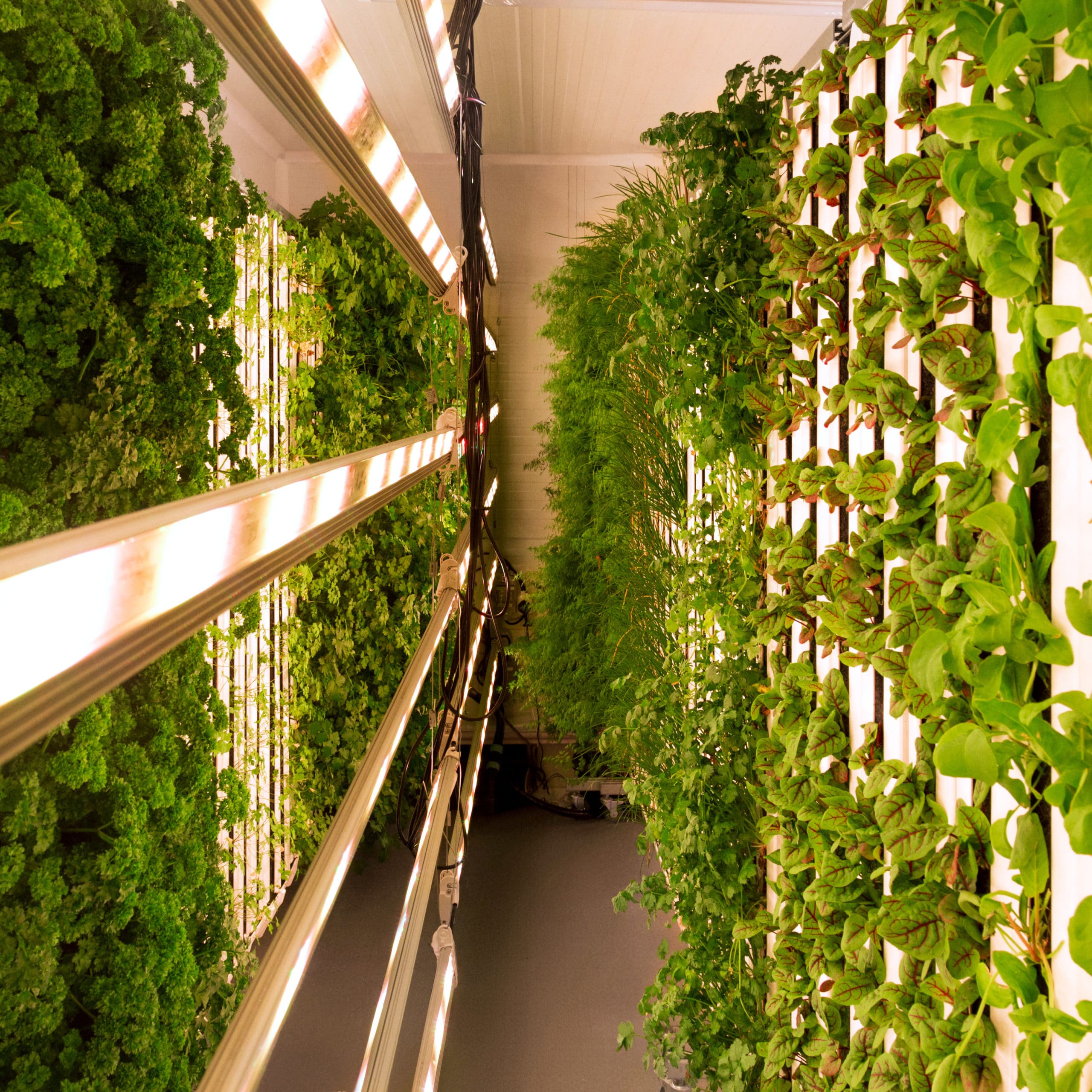
The rural market for vertical farming in this country is very immature, it hasn’t been developed yet. It is being done very well in city-centre locations such as Grow Bristol, for example, which uses lorry containers to bring farming right to the city centre, but the rural model will be to recreate this growing capacity in far larger, industrial scale sheds.
These sheds could be on a farmyard or an industrial park. They could be converted buildings or put up from scratch, as long as they have good access to water, such as a borehole, a renewable energy source to power the lights and good lorry access for getting to market.
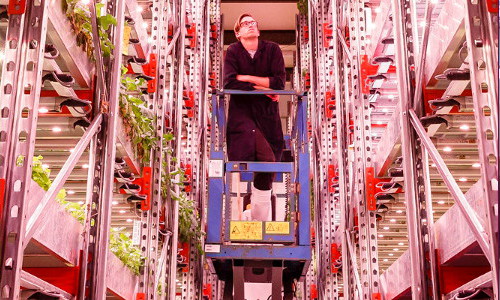
All sorts of sites in rural locations are of interest and we’re currently reviewing site potential. You put up racks for the plants, creating a tiered system of growing beds, then seed comes into the building and leaves as a salad crop, packed and sealed in a bag all on site.
The advantages of vertical farms range from sustainability – they are much more efficient on water and land use – to the ability to offer a year-round supply.
There is no downtime during the winter, it’s 365 day production. You have complete control of your environment in terms of water, heat and light and you’re taking out variables such as the weather. With technology to monitor every aspect of the plant’s growth, you can know in exact detail the length of your growing period and precisely what you’re going to be producing and when, enabling a consistency of supply.

Case study: Grow Up farm

There are clearly many good reasons for indoor, vertical growing, but how do the economics stack up? Kate Hofman is the CEO of Grow Up, a vertical farming enterprise that is switching from an urban to a rural operation.
“Our first farm, Unit 84, was in an industrial unit in East London,” says Hofman. “It produced 20,000kg a year of salad leaves and herbs from a floorspace of 760 square metres. We sold our produce to New Covent Garden Market, local restaurants and top chefs, but it was a prototype and it didn’t make a profit.”
Hofman took the decision to close the urban unit and look for sites where Grow Up could use its learning and its technology to expand to an industrial scale – sheds of 5,500 square metres that will be capable of producing 1.5 tonnes of produce per day. “Even if we open 10 farms of that size, we’d only produce 1.5% of the salad leaves that are currently imported into the UK,” she says.
The farms will cost £13m to build and fit out and will be financed through partnerships and investors. “I think people will come at this from a number of different angles,” says Hofman. “The farms are a valuable asset that will offer a consistent income over a long period of time. In some cases we might have a straightforward rental agreement with a landowner and in others we could operate a more collaborative ownership model.”
Hofman’s farms would grow the product sustainably and wash and pack the product on site. “This keeps the unit cost competitive as it considerably reduces the amount of product that is lost due to handling and wastage through deterioration,” she says.
“Growers were hugely affected by the summer that we have just had, and if you then factor in Brexit and the unknowns that will bring to seasonal labour, the idea of increasing our food security with controlled environment technology makes perfect sense,” she adds.
Certainly countries around the world think so. The global value of vertical farming is predicted to be US$9.9bn by 2025. China now has more than 40 government-backed research institutes dedicated to indoor farming and in the UK, Harper Adams University has an Urban Farming Group and the Scottish sustainability-focused James Hutton Institute hosts a vertical farm run by Intelligent Growth Solutions.
“There’s a huge amount of interest in the field,” says Hofman. “As the LED and automation technology develops, growing will become more efficient and yields even higher. And while for the moment, the main crops are salad leaves and herbs, the ability is there to grow fruiting crops such as peppers, cucumbers and strawberries. They’re just not commercially viable yet.” I am also keen to see what lessons traditional agriculture can take from this growing industry.
Some of the technology that is being used, in terms of the detailed monitoring and how crops respond to nutrients, can be far more closely controlled in a building than the field, which means the learning can be that much more precise. Broad-acre farms use the technology, but there’s scope to go into even more detail.

Great response to Controlled Environment Agriculture conference

Agri-TechE

Note: CEALite will be held on 10th September 2020 find out more 
The Controlled Environment Agriculture conference 2019 was a sell-out event and attracted significant interest from a good mix of people – a big thank you to all our speakers.  Sadly we had to turn people away – but we will be producing one of our insight publications for delegates and Agri-TechE members, so do contact us if you would like to receive this if you’re a member.
One of our members and attendee, Redfox, has produced a vlog about the event; you can watch that opposite: One of the speakers, Ben Barnes from G’s, touched on the problems of managing humidity and temperature within a controlled environment and the cost of this.  This is the subject of a new White Paper from Cambridge Consultants – who were also speaking.
In the paper, Roger Mainwaring-Burton of Cambridge Consultants explains how the requirement for a Heating, Ventilation and Air Conditioning (HVAC) system for a vertical farm are very different to that of an office block,  and so lighting and HVAC systems need to be developed specifically to address the unique challenges of this type of growing environment.
The white paper looks at the following in detail:

  • Sensing – how existing technologies need to developed to enable closed-loop control of a vertical farming system
  • Air management – an overview of the unique challenges created by vertical farming including how crops require different temperature and humidity needs
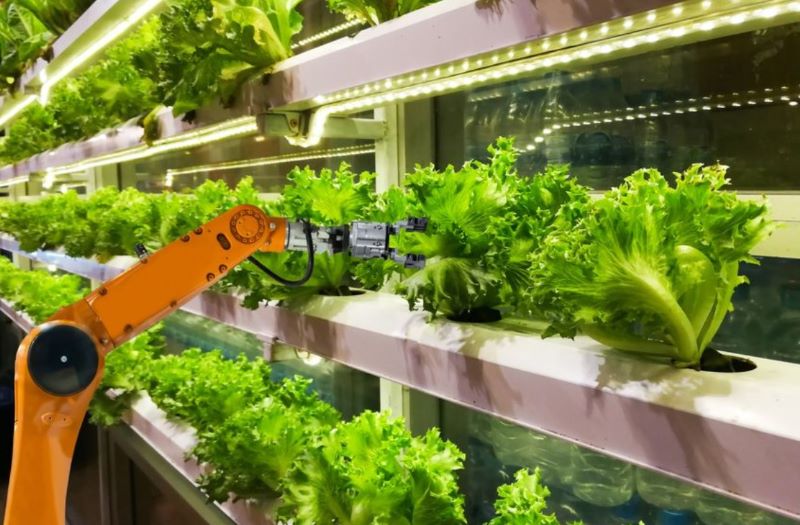
  • Manipulation – how a dynamic growing environment requires something something new from robotics?

More information about the Controlled Environment Agriculture conference.
More information about the Cambridge Consultants white paper The Future Of Vertical Farming: The Intelligent Ecosystem
For more information about Agri-TechE events.

Comments from attendees include:

“Thanks for putting on such an amazing event and getting so many key people organised to turn up on the same date!”
“I appreciated that the relaxed atmosphere, which was conducive to lively interactions among participants, was the outcome of very professional organisation and management of the event”
“Thank you organising the event, it was fantastic. I liked the fact that it was critical in nature, exploring both positives and challenges. The mix was good, businesses and academics”

The future of vertical farming: the intelligent ecosystem

Meet the Network
Agri-TechE

Vertical farming promises a step change in production density, providing significant efficiency savings with the additional benefit of improved product quality. Vertical farming also presents the only viable option for growing crops within urban environments where geographic footprint is limited and demand for just-in-time delivery of produce ever increasing. However while capital investment in large vertical farms delivers economies of scale, operating costs dominate the total cost of ownership.

In a new whitepaper, Roger Mainwaring-Burton of Cambridge Consultants explores real time crop sensing, air management and crop manipulation, showing how the use of off-the-shelf systems designed for other purposes don’t always provide a long-term solution. Treating a vertical farm as a complete ecosystem allows for a more efficient, cost effective and connected solution to be constructed, further enhancing crop production per square foot.
Read the white paper and Roger’s blog about vertical farming on the Cambridge Consultants site here.

Will Controlled Environment Agriculture disrupt the value-chain?

Agri-TechE

Is there a business case for widescale commercial vertical farming in the UK or will it remain a niche opportunity for high-end restaurants and retail? This is the challenge to be discussed by early adopters at the Agri-TechE conference ‘Innovating for Controlled Environment Agriculture’ 19 March. Advances in logistics and the falling cost of LED lighting may enable year-round growing of undercover produce in the UK, but will energy costs and technical issues delay scale-up and integration within the food supply chain?

Potential to be commercially viable

“We do think there is the potential for indoor farming to be commercially viable and there are some immediate gains for growing crops such as leafy salads in high hygiene environments,” comments Lindsay Hargreaves, MD of Frederick Hiam, a farming and fresh produce business with farms in Suffolk and Cambridgeshire. “Growing indoors provides greater control of quality and quantity and fewer inputs of plant protection products.

“There is also the matter of growing crops closer to the point of consumption. Being able to grow more exotic crops in East Anglia close to distribution centres would reduce the food miles. Additionally, there are opportunities to grow crops for pharmaceuticals, cosmetics and vaccines within a controlled environment.”

There are many approaches to indoor cultivation, such as deep-water hydroponics, vertical soilless cultivation, and aeroponics, where exposed roots are sprayed with nutrients. All of these methods are to be discussed at the conference along with advances in monitoring and robotics.

However, despite the news that Sterling Suffolk, one of the UK’s most technically-advanced glasshouses, is set to produce millions of tomatoes starting in February 2019, the cost (£30M) and the technical challenges mean there are few commercial installations in the UK.

Also, it is proving difficult to demonstrate to retailers that controlled environment agriculture (CEA) can bring tangible benefits to their supply chain.

Aquaponics provides fish with a side salad

Kate Hofman, co-founder of GrowUp Farms, which from 2015 to 2017 operated ‘Unit 84’, a commercial-scale aquaponic urban farm inside an industrial warehouse. The 8,200 square feet of growing space could produce enough for 200,000 salad bags and 4,000kg of fish each year. It sold directly into restaurants, through a New Covent Garden distributor and also through bricks and mortar supermarkets and Farmdrop, the online supermarket.

Kate comments: “A key learning over the last six years is that we can’t just focus on technology – we have to partner along the supply chain to create a business model that ultimately delivers commercial success for growers and retailers.

“One of the major challenges for CEA is to optimise operations to bring down the cost of production to match existing imported products. Our prototype urban farm showed that it was possible to use CEA commercially, and we were able to demonstrate the demand for the produce we could grow. This ranged from specialist micro-greens and cut herbs through to mixed baby leaf salad.

“We are now working on scaling up our business. This will involve relocating, so that our production is co-located with a renewable energy plant and working in partnership with more traditional farming businesses to integrate their experience and expertise.”

There are also technology challenges to be addressed when trying to meet the highly variable consumer demand for high quality, fresh produce.

Year around UK production?

G’s Fresh supply baby leaf crops all year round, with much of the winter supply grown in Spain and Italy to ensure security of delivery. In summertime it produces a huge amount of outdoor salad crop, particularly lettuces and celery in the UK. Ben Barnes is investigating how controlled environment agriculture can increase the long-term viability and profitability of both of those parts of the business.
The organisation has a large standard greenhouse facility that is used to propagate seedlings for planting out into the field. It is running two projects: Smart Prop, which is looking at increasing the efficiency of the propagation facility to improve growth and make stronger plants so they transplant better back into the field. And Winter Grow, a pre-commercial trial, to see if it is feasible to produce baby leaf crops during the winter at an affordable price point.

Ben explains: “I’m going to be talking at the Agri-TechE event about the commercial journey, in terms of the go and no-go decision-making process and what the key things are that we need to learn in order to be able to make those kind of investment decisions.

“One element of this is the development of ‘lighting recipes’ to enhance plant growth characteristics. We’ve got multi-spectrum LED lights, so we can turn up the different amounts of red, blue, green and white, and even far red light. These are fairly expensive, so once we have worked out what works best we can buy fixed spectrum lights, which are a tenth of the cost.

“You think LEDs are very efficient, but they still generate a heck of a lot of heat when you’ve got them turned up to full. It is more about keeping the space cool, and the plants obviously are transpirating so we’ve got dehumidifiers in there sucking the moisture out of the air.

“One of the biggest problems with the vertical farming concept is this interaction between moisture and temperature. You’ve got the two factors constantly fighting against each other and that ends up sucking up huge amounts of energy if you’re not careful.”

How will it integrate with the value chain?

Dr Belinda Clarke is director of Agri-Tech, an independent membership organisation that is facilitating the growth of the agri-tech sector, comments that the commercial challenges need addressing along with the technical and agronomic aspects: “The promise of CEA is sustainable, intensive production but achieving that may require a different type of value chain.

“It could be that supermarkets of the future allow you to pick your own fruit and baby leaf instore, or we may see large-scale distribution of veg boxes, with produce grown indoors in optimum conditions or perhaps traditional growers would have more flexibility to grow a greater range of produce all year around with less waste.

“These ideas all have potential but also require significant capital investment and creative solutions for energy management. These are some of the themes we will discuss in the conference.”
Bringing the outside In – Innovating for Controlled Environment Agriculture’ taking place on 19 March from 10.00 – 16.00 at Rothamsted Research, Harpenden. It will look at the different growing systems, emerging technologies, the challenges of implementing a system and the logistics involved with integrating a controlled environment agriculture into the food value chain