Opportunities for innovation with rapid growth in Controlled Environment Agriculture
 Agri-TechE
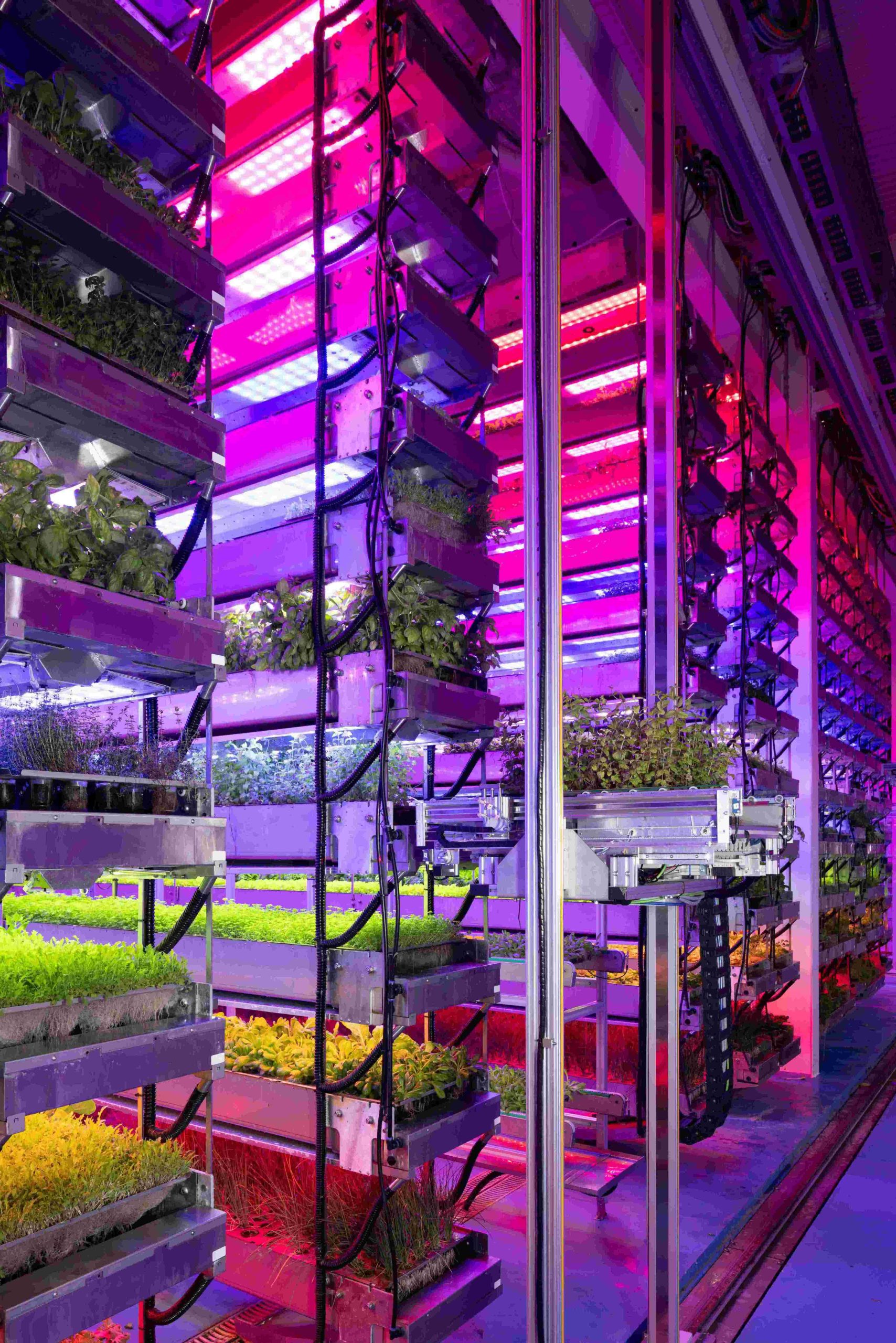
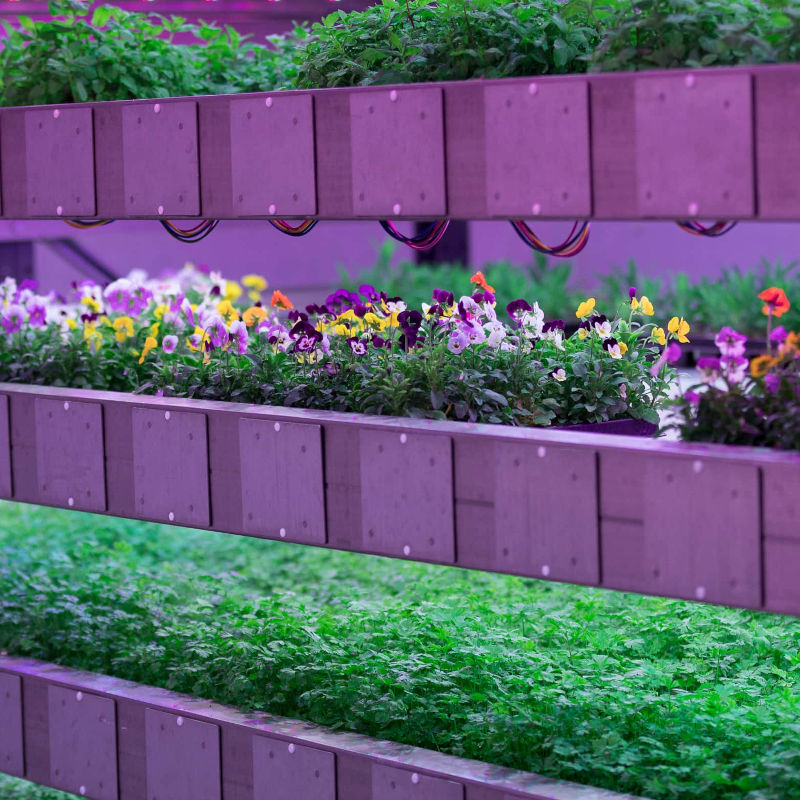
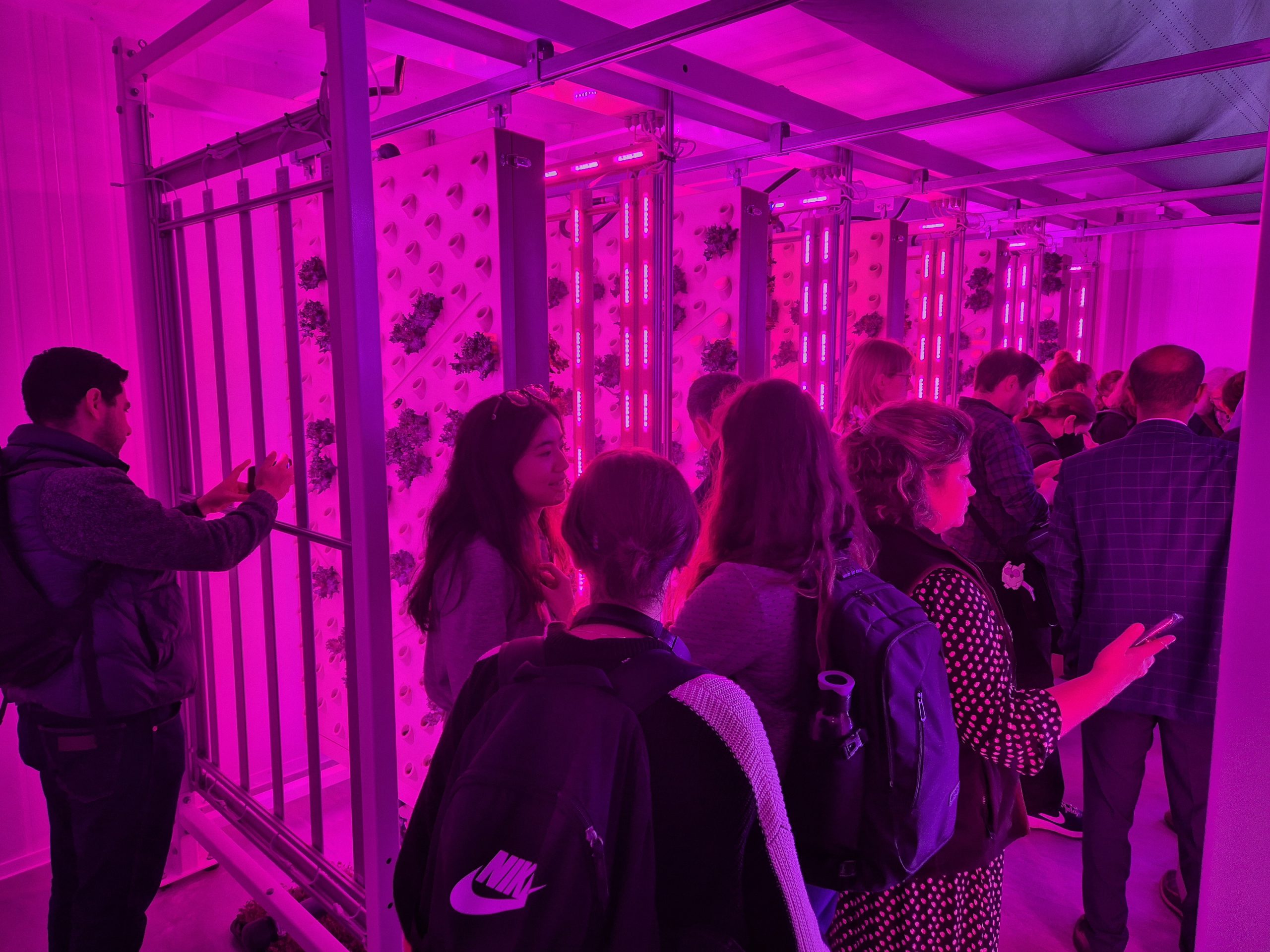
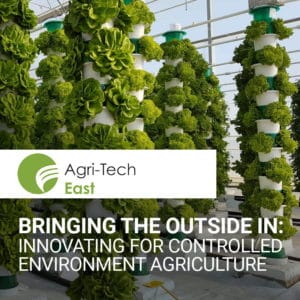
 ‘Plant factories’ – or vertical farms – outperform even the most efficient greenhouses in terms of energy efficiency and also achieve higher productivity for all other resources – water, carbon dioxide and land area – research by Luuk Graamans of the Wageningen University & Research and a speaker at the Agri-TechE Controlled Environment Agriculture conference has found.

“The urban population is set to increase to 6.3 billion by 2050 and this will place increasing pressure on supply chains,” Luuk explains. “One proposed solution is a closed production system, that maximises resource use efficiency by adapting the interior climate to provide uniformity and limiting the interaction with the external climate.
“A shortcoming of this system is the need for artificial illumination and high demand for cooling and vapour removal; creating a high energy load. The viability of plant factories depends on their resource productivity.
“Our research shows that when compared to greenhouse , a plant factory produces dry matter that is higher and more consistent and uses resources more efficiently. This could be further improved by increasing the production layers, enabling more growing area on the same amount of land.”
Significant investment driving innovation in technology and business models
Opportunities to radically rethink food production systems is one of the drivers for the rapid development of Controlled Environment Agriculture and technologies for vertical farming.
The industry is growing up and attracting significant investment – it was worth £1.72bn in 2018, with experts predicting that will rise to £9.84bn by 2026, according to reports presented to the All-Party Parliamentary Group on Science and Technology in Agriculture.

This growing market creates huge opportunities for innovation – in the construction of the growing units, improvement of smart water usage, lighting recipes to deliver all year growth, breeding to optimise rapid production, technologies for micro-control of the growing conditions. The current CEA systems are power hungry so improving efficiencies in order to reduce the cost of production is vital. Produce must compete in price with imported land-based alternatives.
Within the key players there is also divergence in business model. Many believe the future is in scale, creating large production units close to logistics sites to enable ‘growing to order’ and rapid delivery. Others are looking more at the ‘dig for victory’ model, involving city dwellers in the production of their own food.
At the Agri-TechE Controlled Environment Agriculture event we have leaders in the field with speakers that include:
Kiryon Skippen of investment firm Capital Agri International comments: “I think CEA will provide a solution, but not on its own, it has to be part of the bigger picture. We are not leaving land-based food production behind.
“Also, the systems need to be properly de-risked, while indoor farms provide ideal growing conditions for plants, they are good for pests too. Systems in Asia are ahead of us as they’ve built systems more conservatively and then, year on year, tweaked and build them up. A more haste less speed approach.”

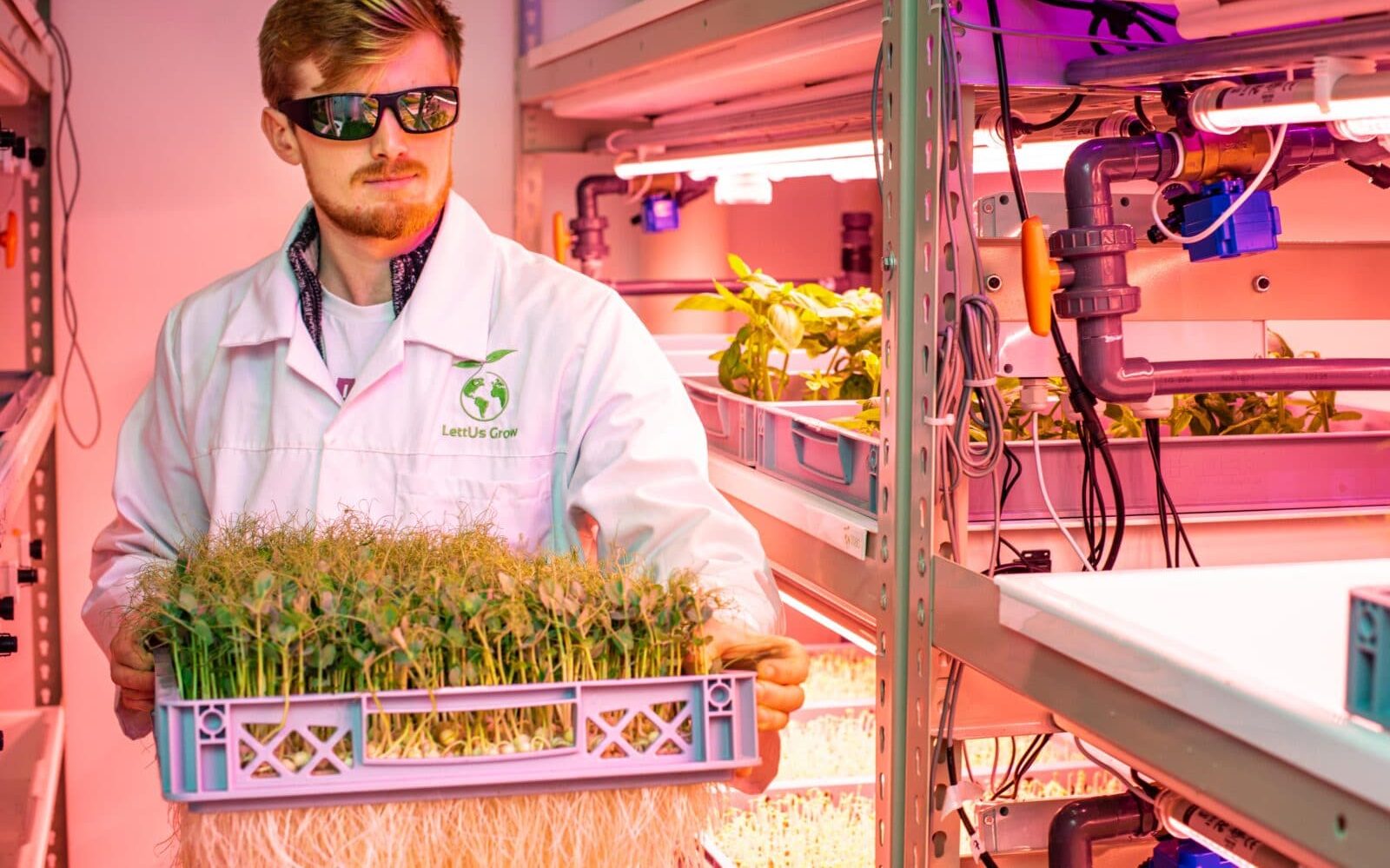
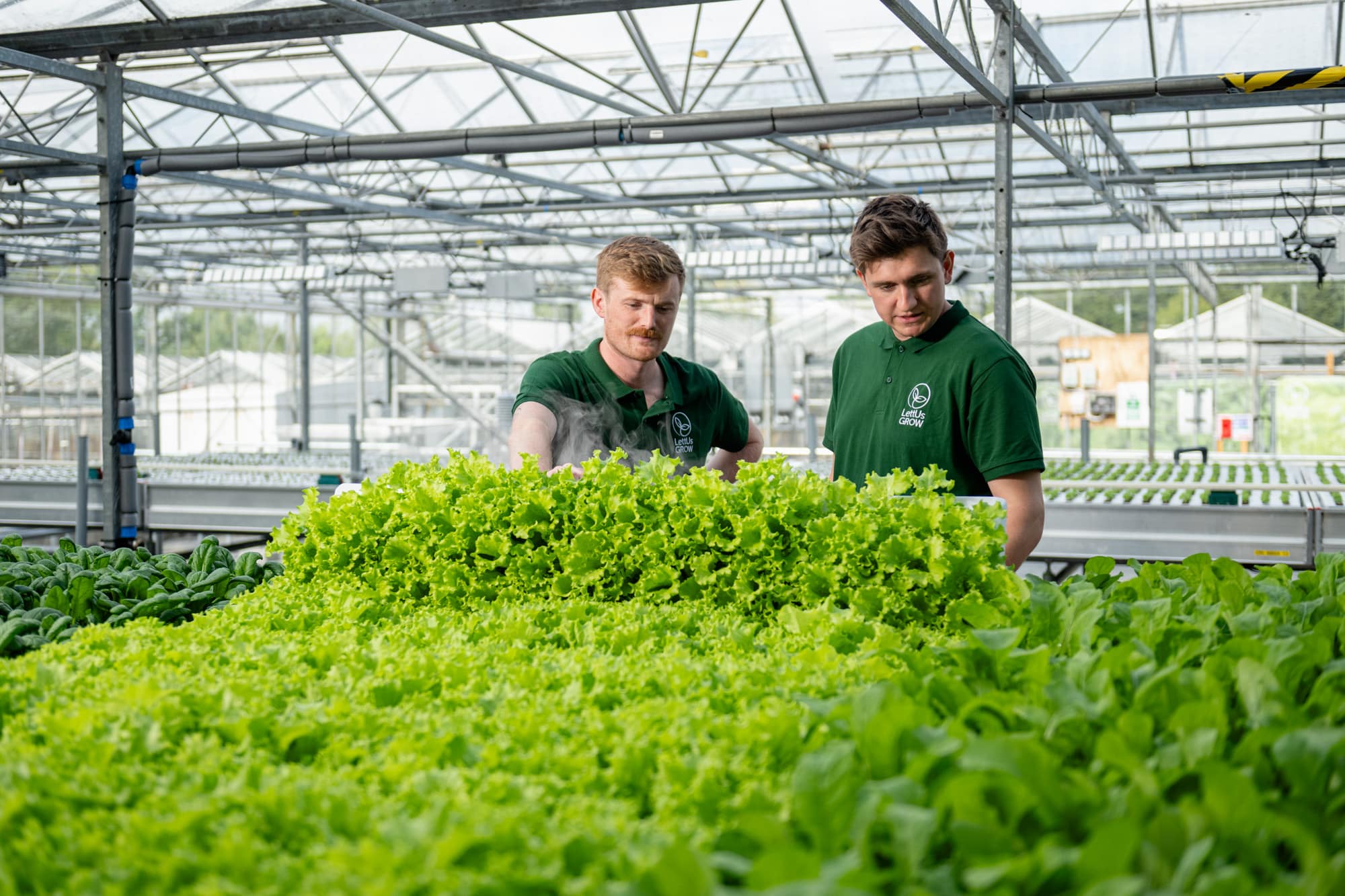
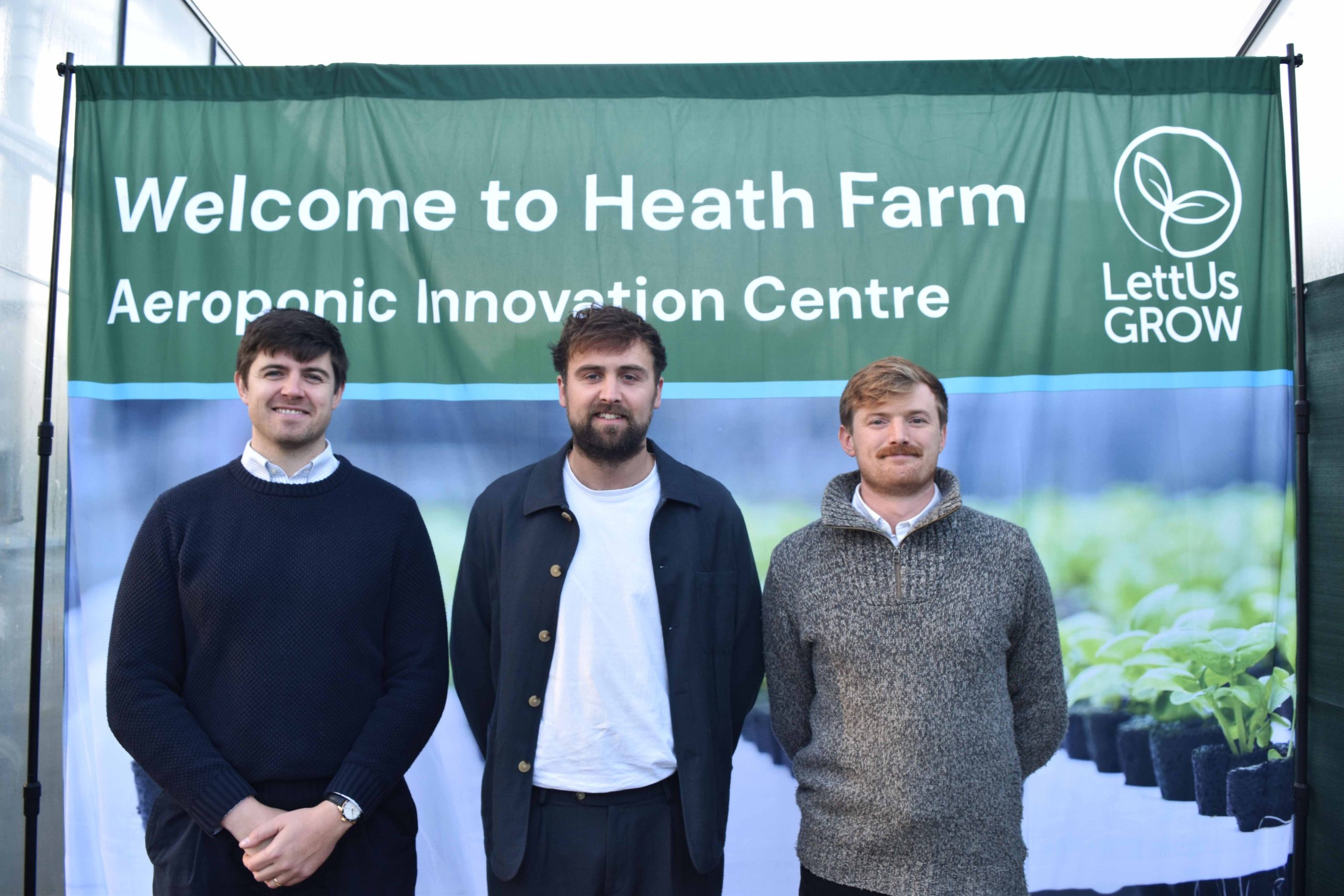
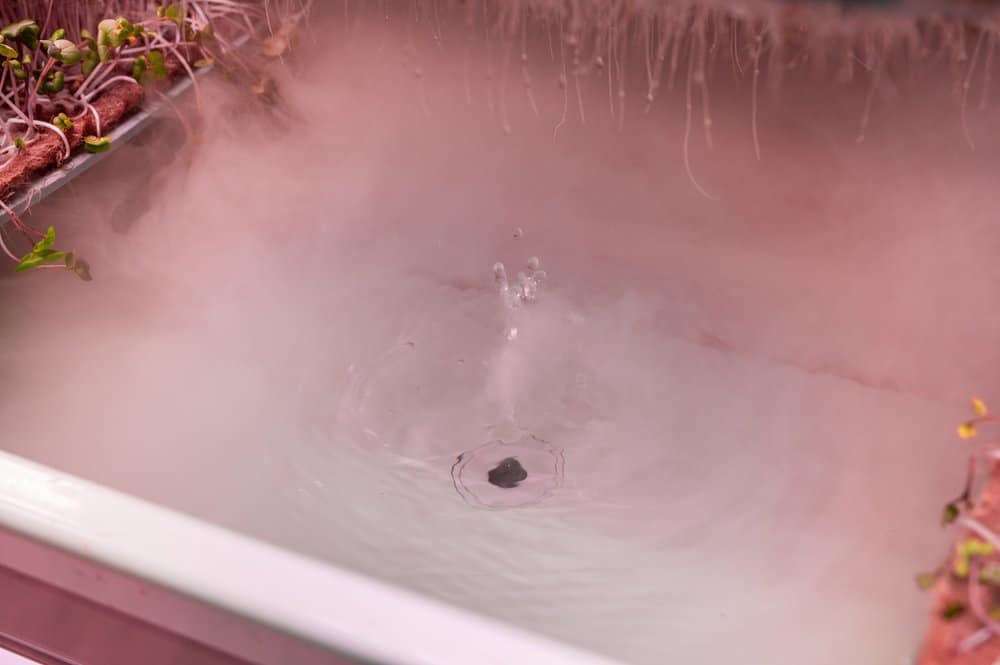
Jack Farmer, co-founder of LettUs Grow – developers of aeroponic systems. “We are working with key players to boost productivity and crop quality at scale.”
LettUs Grow is working on a farm management system, Ostara, that uses powerful data on biological growing conditions to enable automation of facilities. The software can also be retrofitted into more traditional glasshouse environments.
Jack sees synergy between the existing horticulture business model and advances in CEA: “Essentially, vertical farms will prove complementary to glasshouse horticulture, with technology increasingly being shared between them.”

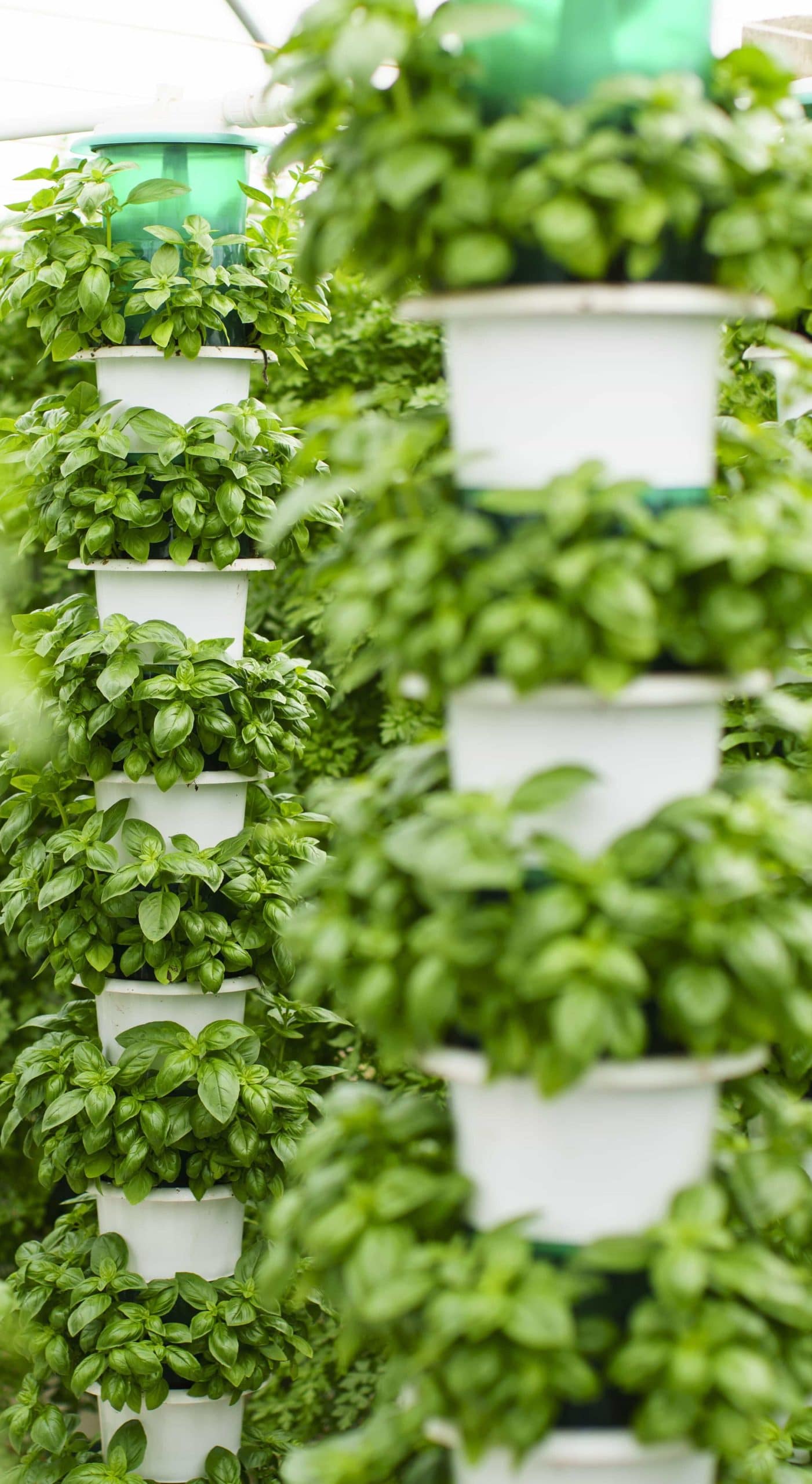
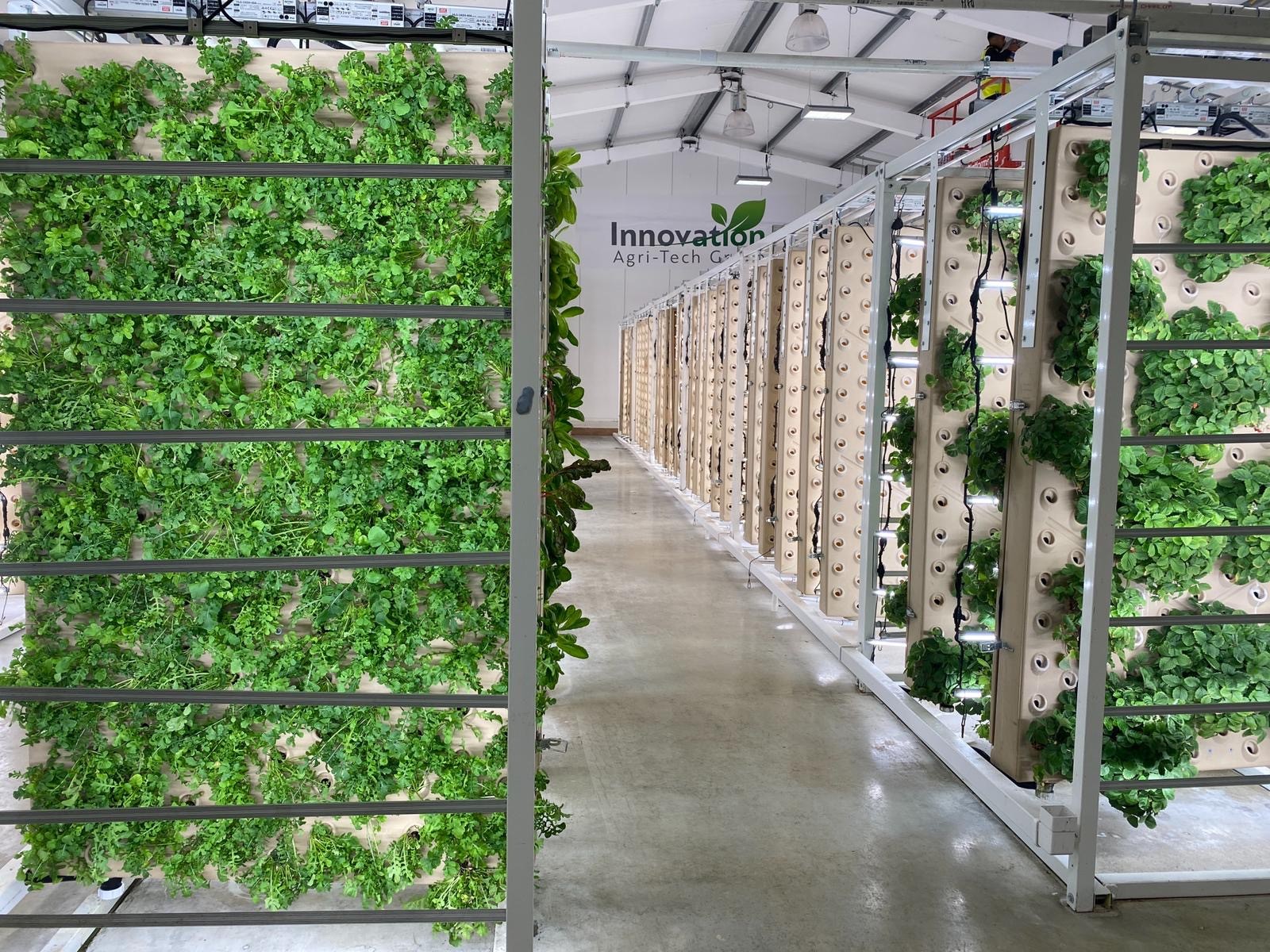
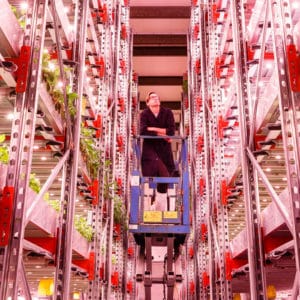
Jock Richardson of Growpura – his technology is designed for big production facilities. It uses hydroponics in a clean room environment and features an automated moving system to allow movement of the plants.
“There is a place for multiple solutions in CE, ” Jock comments. “We are going to see continued invention for small scale hydroponics, but on the industrial end the challenge to be broached is how growing operations are scaled.”
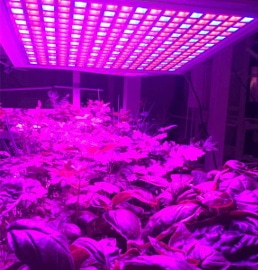
Mira Merme, co-founder of Netherlands-based OneFarm, explains that light spectrums and wavelengths are varied depending on the plant, and its lifecycle stage. The falling cost of LEDs is enabling growers to experiment with lighting recipes designed to optimise plant growth.
Mira says: “It’s like with human beings, we don’t need the same food throughout our growth cycle. Plants are the same.”

Johnathan Ransom of Square Mile Farms started with the concept of ‘flat pack farms’ for urban areas and now offers farm installations to big businesses, to help them achieve their sustainability and employee engagement goals. After receiving an invitation from British Land, the company opened its flagship farm in February 2019 at Paddington Central.
Other organisations presenting include:
- Intelligent Growth Solutions
- John Innes Centre
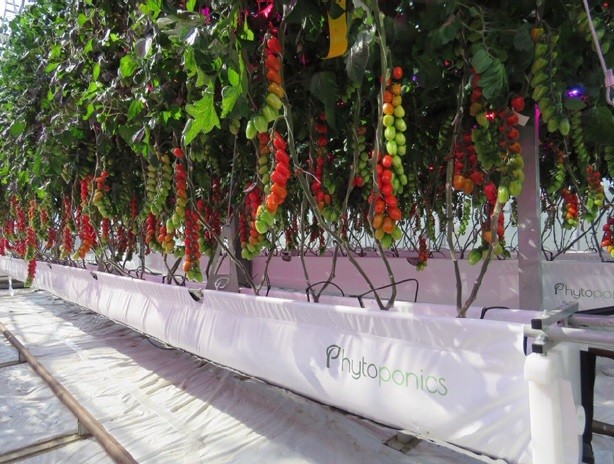
- Phytoponics
- Aponic
- Saturn Bioponics
- Wotton Donaghue Architects
- Green Lab
- Grow Up Labs
- Home Harvest
- Vertical Future
- Method
To register for the event or to exhibit: Controlled Environment Agriculture – The Industry is Growing Up John Innes Conference Centre, Norwich.
Post Overview
Agri-TechE Related Posts

Plants as biofactories – a high value opportunity for vertical farming?

Fish, chips, peas and algae in new Innovation Zone at Royal Norfolk Show
ATW 2024: Growing Expertise – Bridging the Skills Gap Through Research & Innovation
LettUs Grow partners with Octopus Energy to reduce energy costs for vertical farming
Vertical Future listed as the #1 Controlled-environment-agriculture technology company globally in the “FoodTech 500”
 A point of difference is that the leaves are unwashed and so last longer in the consumer’s fridge – seven days, compared to three. However, it has been found that the benefit has not been appreciated by the consumer.




 Agri-TechE


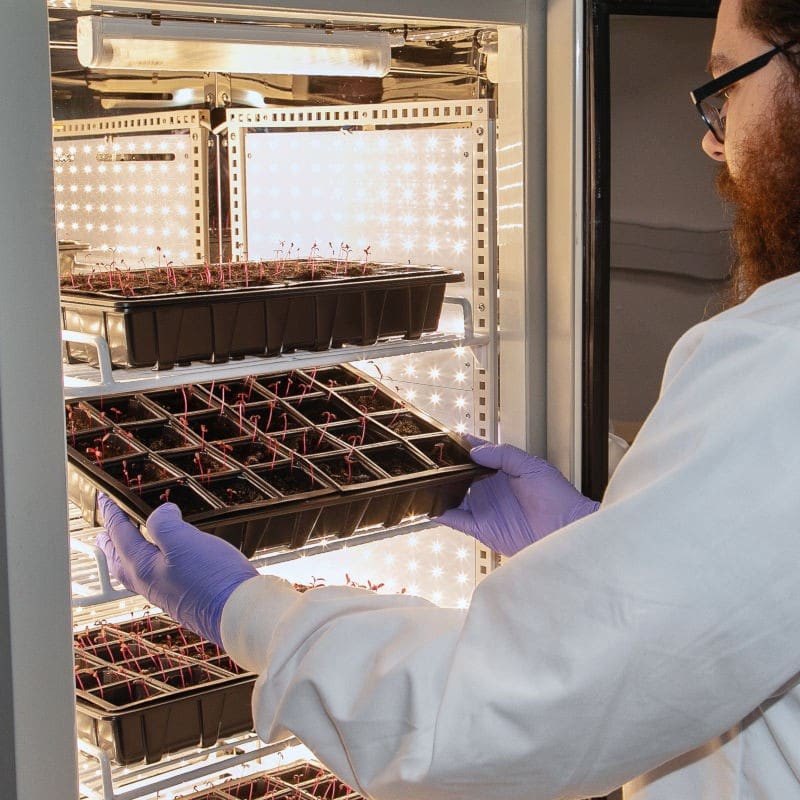



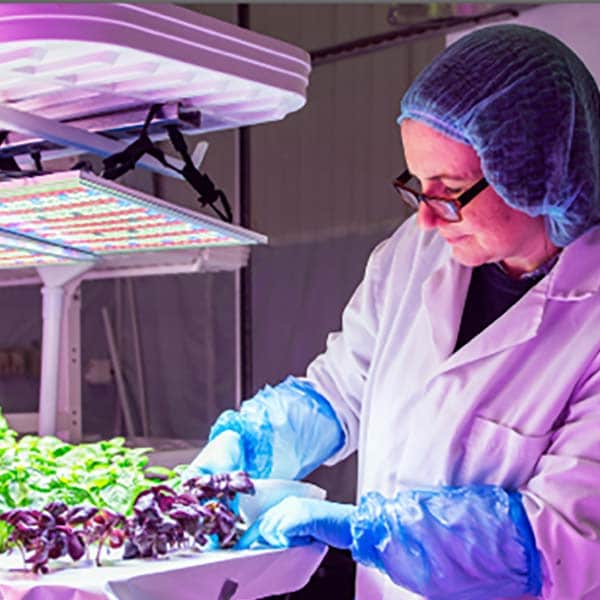
 G’s Fresh produces lettuce and other salad crops to meet the highly variable consumer demand for high quality, fresh produce. Ben Barnes is investigating how controlled environment agriculture can support the business.
 “Another option would be to take out heat and put it into the greenhouse, which would be a cost-saving. “Actually one of the biggest problems with the vertical farming concept is this interaction between moisture and temperature. You’ve got the two factors constantly fighting against each other and that ends up sucking huge amounts of energy if you’re not careful.”

 For centuries farmers have walked the fields to assess the rate of emergence of recently sowed crops, signs of disease and water stress. Now many are using drones to visualise the whole field and using special cameras to assess the rate of growth and provide early detection of pests or nutrient deficiency.
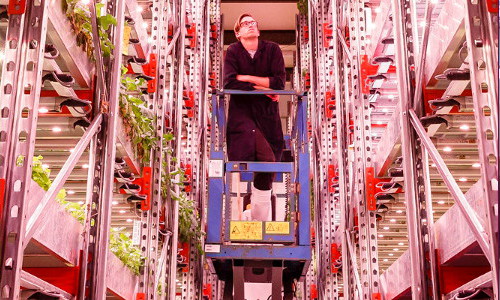
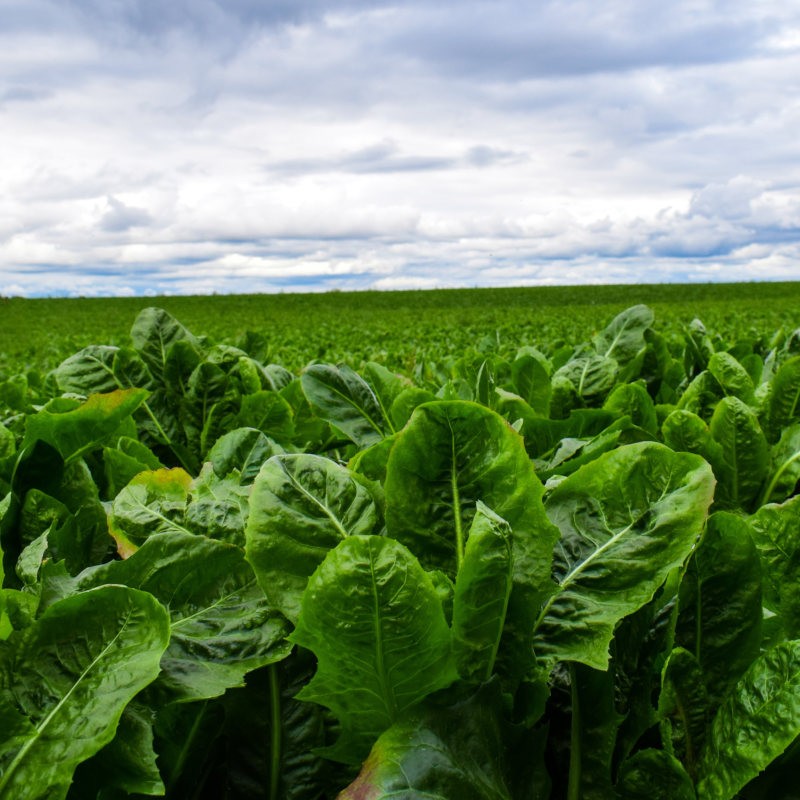


 There is a big market opportunity for controlled environment agriculture (CEA) according to Rhydian Beynon-Davies, Head of Novel Growing Systems at Stockbridge Technology Centre (STC). He comments: “The world will need sustainable solutions to an increasing extent in the future and we should be the ones to supply those solutions.
 Rhydian concludes: “Going forward I think we will see systems which are sub-divided for production of individual varieties, rather than the cavernous spaces growing multiple crops that are common in most current commercial CEA systems.
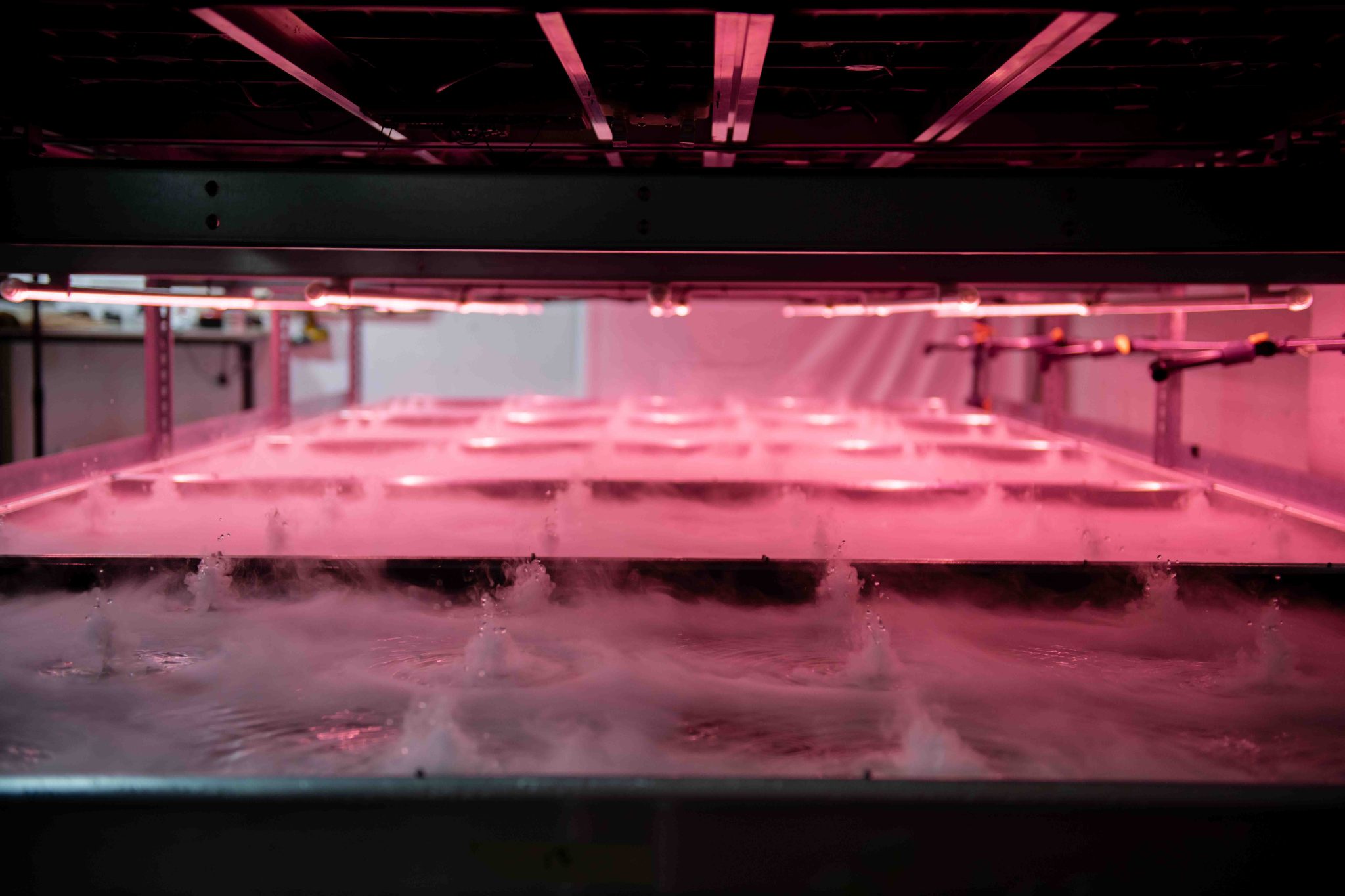
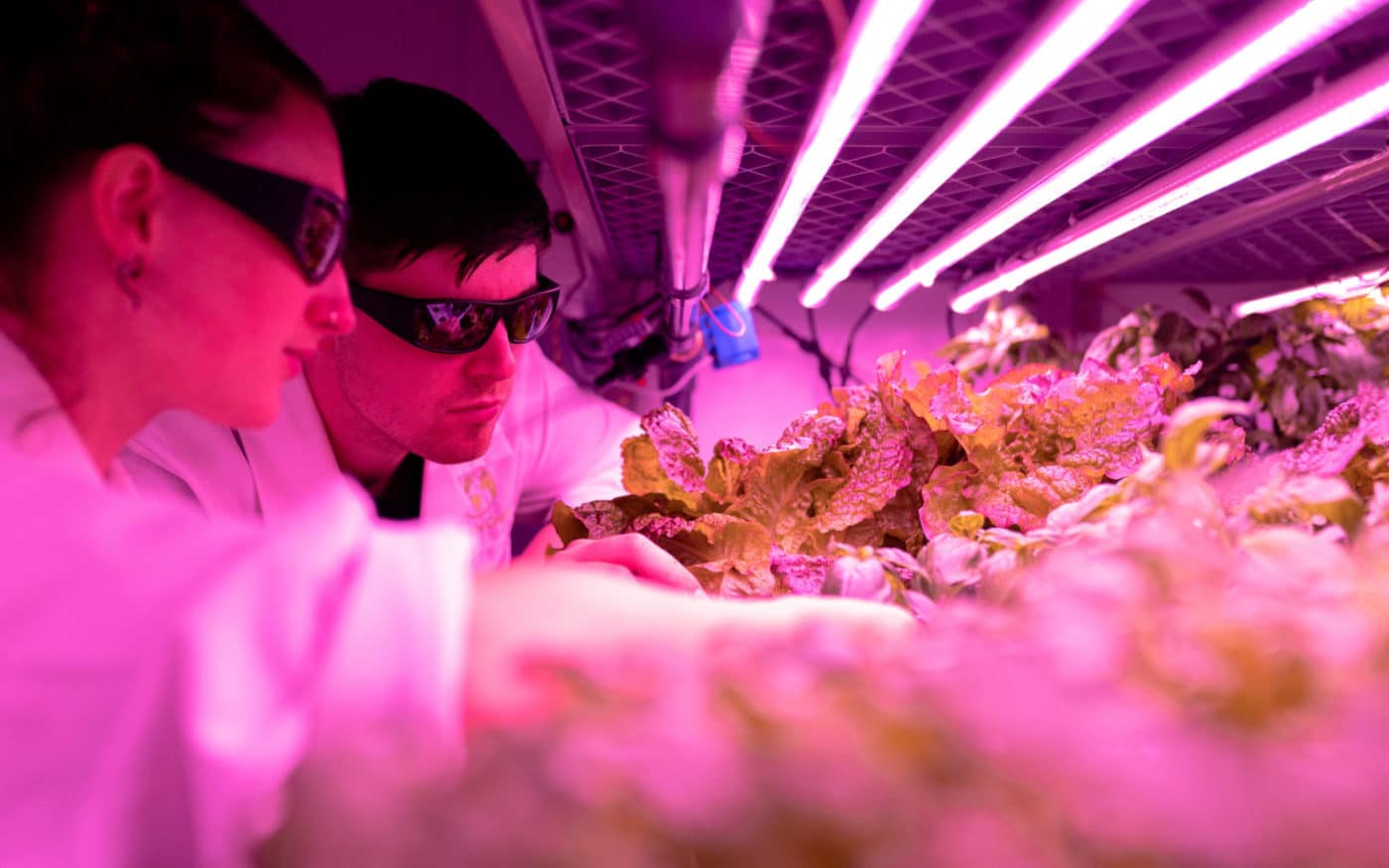
 “The big challenge of Controlled Environment Production (CEP) is to demonstrate to retailers that it can bring tangible benefits to their supply chain and their customers,” comments Kate Hofman, co-founder of GrowUp Farms. She is speaking at the Agri-TechE conference on controlled environment production taking place at Rothamsted Research on 19 March.
 “Our prototype urban farm showed that it was possible to use CEP commercially, and we were able to demonstrate the demand for the produce we could grow. This ranged from specialist micro-greens and cut herbs through to mixed baby leaf salad. We sold directly into restaurants, through a New Covent Garden distributor and also through bricks and mortar supermarkets and Farmdrop, the online supermarket.
 “We do think there is the potential for indoor farming to be commercially viable and there are some immediate gains for growing crops such as leafy salads in high hygiene environments,” comments Lindsay Hargreaves, MD of Frederick Hiam, a Suffolk-based fresh produce business. He is chairing the Agri-TechE conference on controlled environment cultivation taking place at Rothamsted Research on 19 March.
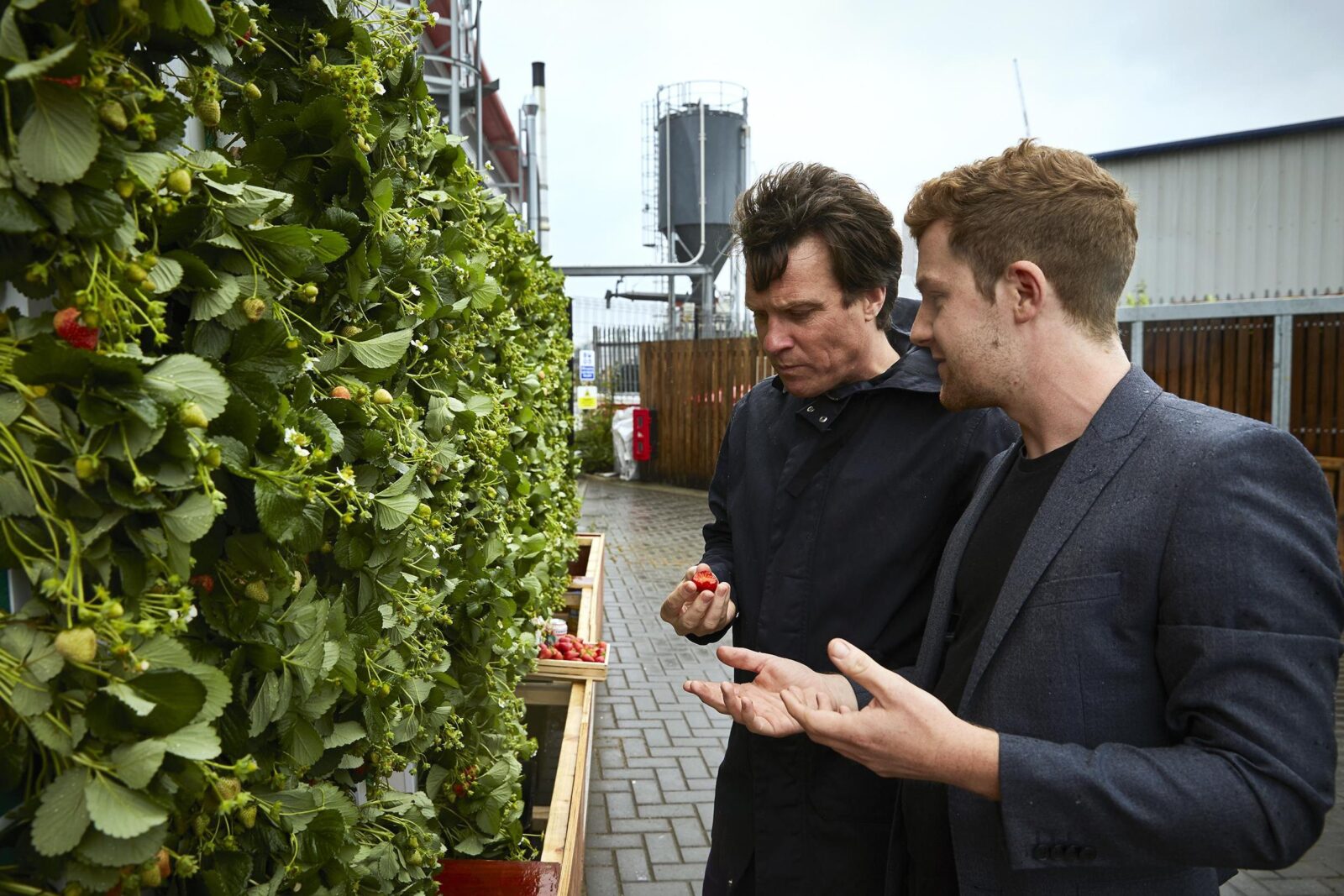
 “There is also seasonality. Thirty years ago the berry market in the UK had a short growing season; now strawberries are a long season as well as high value crop, not just a luxury available for a few weeks. Bringing new crops indoors could open up big markets for UK growers.”
 “However, it is coming. I am sure a few years ago we wouldn’t have imagined that we would have a computer in our pockets so powerful that you could talk face-to-face with someone across the world! You need to have vision.”