Hydroponics in China; is there really no demand?
 Agri-TechE
 In his latest blog, Russell Sharp, Founder of Plater Bio writes:
am often told that there is no significant market for hydroponic fertilizers in China. However, I would love to know your opinion on this. Can this really be the case?
Surely with a massive and growing urban population there will be a demand? As a bare minimum I imagine that in the cities there is a growing interest in vertical farming, green walls, and general ‘amateur’ hydroponics as a hobby. Or am I missing something that makes hydroponic completely unattractive to the Chinese market?
And if there is indeed a market, who will be the first movers to fulfill the unmet demand for hydroponic products in the major mega-cities and go against the current received wisdom of the Chinese horticultural industry?
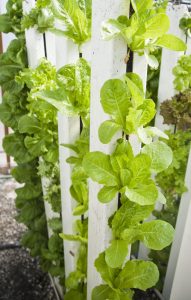
What might in fact be the case is that when I mention ‘hydroponics’, the Chinese viewpoint is to think of large-scale production in glazed greenhouses, AKA ‘Dutch Horticulture’. This is of course the major form of hydroponics currently, and is not a realistic value proposition compared to the current methods of growing fruit and vegetables in China. However, this doesn’t have to be the only way to grow hydroponically, and very simple hydroponic systems are now available that can dramatically reduce initial capital costs and running costs. In fact, the area with perhaps the greatest potential for hydroponics in China is in allowing food production in remote locations where conventional farming is impossible (e.g. isolated villages in the Gobi Desert). At Plater Bio this interests us as the ability of our unique ‘one part’ hydroponic fertilizer Gold Leaf means that the features of hydroponics that make it expensive and complicated are not essential. Dositrons, pH/EC monitoring, multiple fertilizer regimes and complex machinery to deliver fertigation are no longer essential (but can still be used) when switching to a Gold Leaf fertilizer regime. As such, very simple production systems, like this one, could be rolled out in remote locations to improve food production and human nutrition.
One major barrier to entry for hydroponic fertilizers in China that I have so far identified are the requirements set out in the regulations governing the registration of fertilizer products. These regulations state very specific nutrient contents that a liquid fertilizer must meet in order to obtain a registration. These regulations were developed for liquid fertilizers destined for field production and the vast majority of hydroponic fertilizers sold in Europe and USA would fail the requirements. One of these requirements is a total NPK content of no less than 50%! However, there are other allowances that can be made when you look closer at the regulations, and not all hydroponic fertilizers would be excluded. Thankfully Gold Leaf falls into this later category!
I’d be interested in trialling our Gold Leaf fertilizer in low-tech hydroponic systems in China; both in urban and rural situations. Not least because there is a big demand for calcicole crops (Pak Choi, Cabbage etc) in China which need good calcium levels to be maintained. Perhaps, we will need to work with local partners to adapt the technology for local conditions?
So let me me know if you have an opinion on hydroponics in China and if you would like to trial Gold Leaf in your hydroponic system.
Post Overview
Agri-TechE Related Posts
Silal and Aerofarms collaborate to increase resilience of Abu Dhabi agriculture
Advances in underground growing brings salad to London tunnels

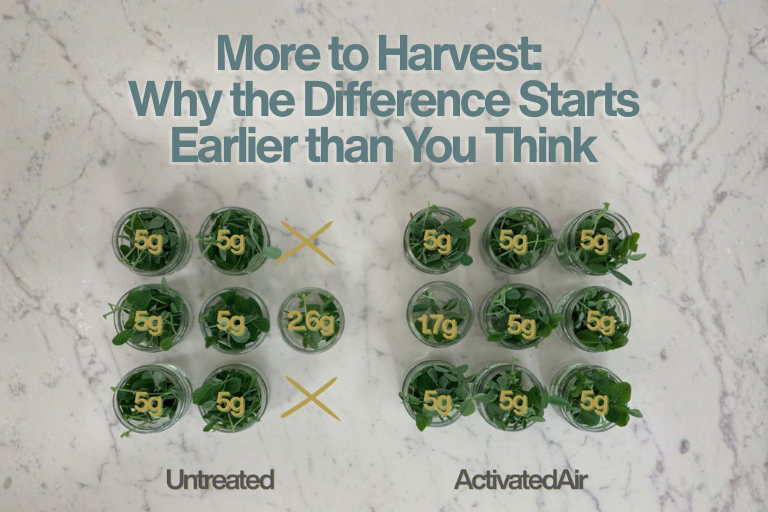
How ActivatedAir® is 80 Acres Farms’ Secret Weapon

Schneider Electric & Agri-TechE convened a workshop exploring the future of vertical farming.
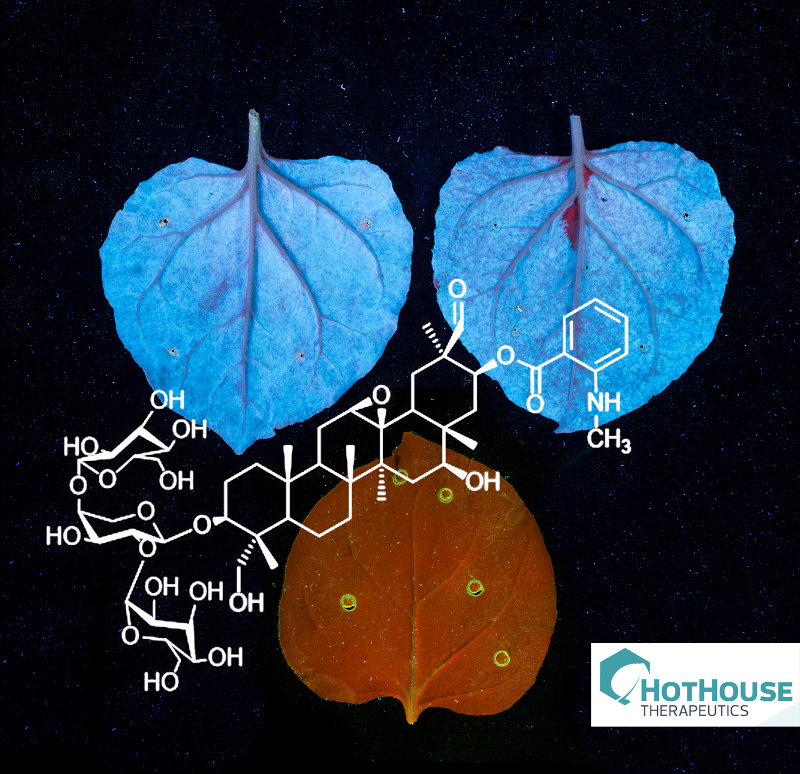
Plants as biofactories – a high value opportunity for vertical farming?
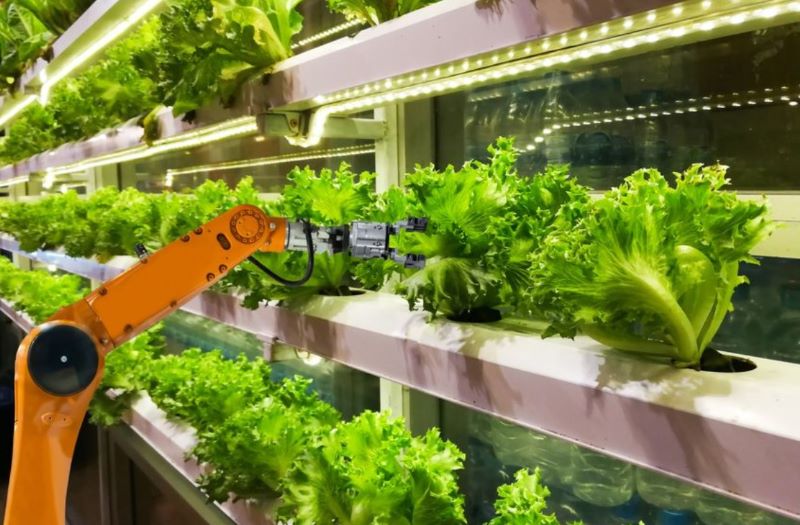



 Agri-TechE
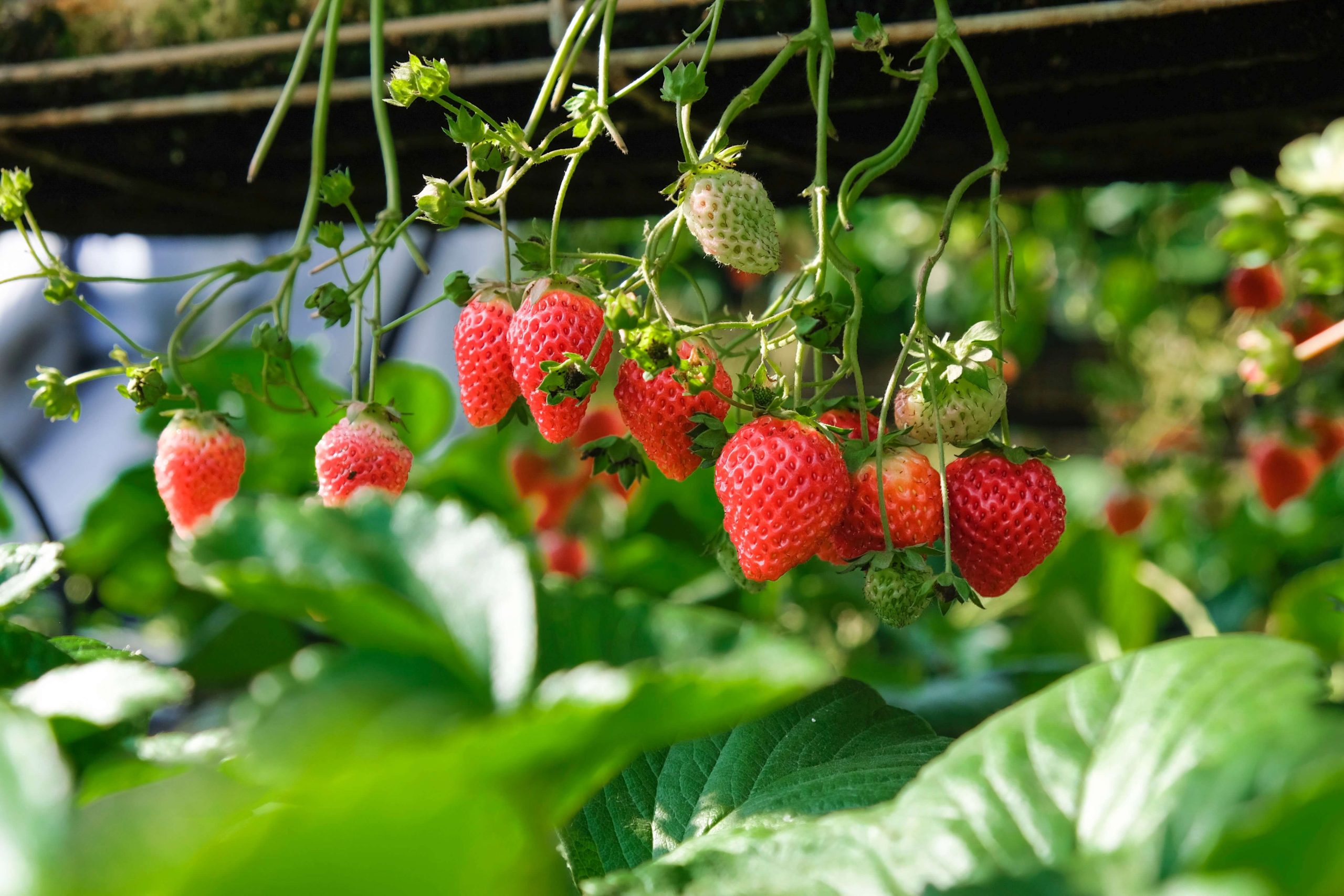
 Tomatoes, strawberries and other crops grown undercover are a rich source of active plant ingredients such as lycopene, anticyanins and isoflavones that are used in the cosmetic and health industries. A workshop hosted by Niab will be reviewing the options for growers in the emerging bioeconomy on Friday 10th November during Agri-Tech’s Agri-TechE Week 2017.


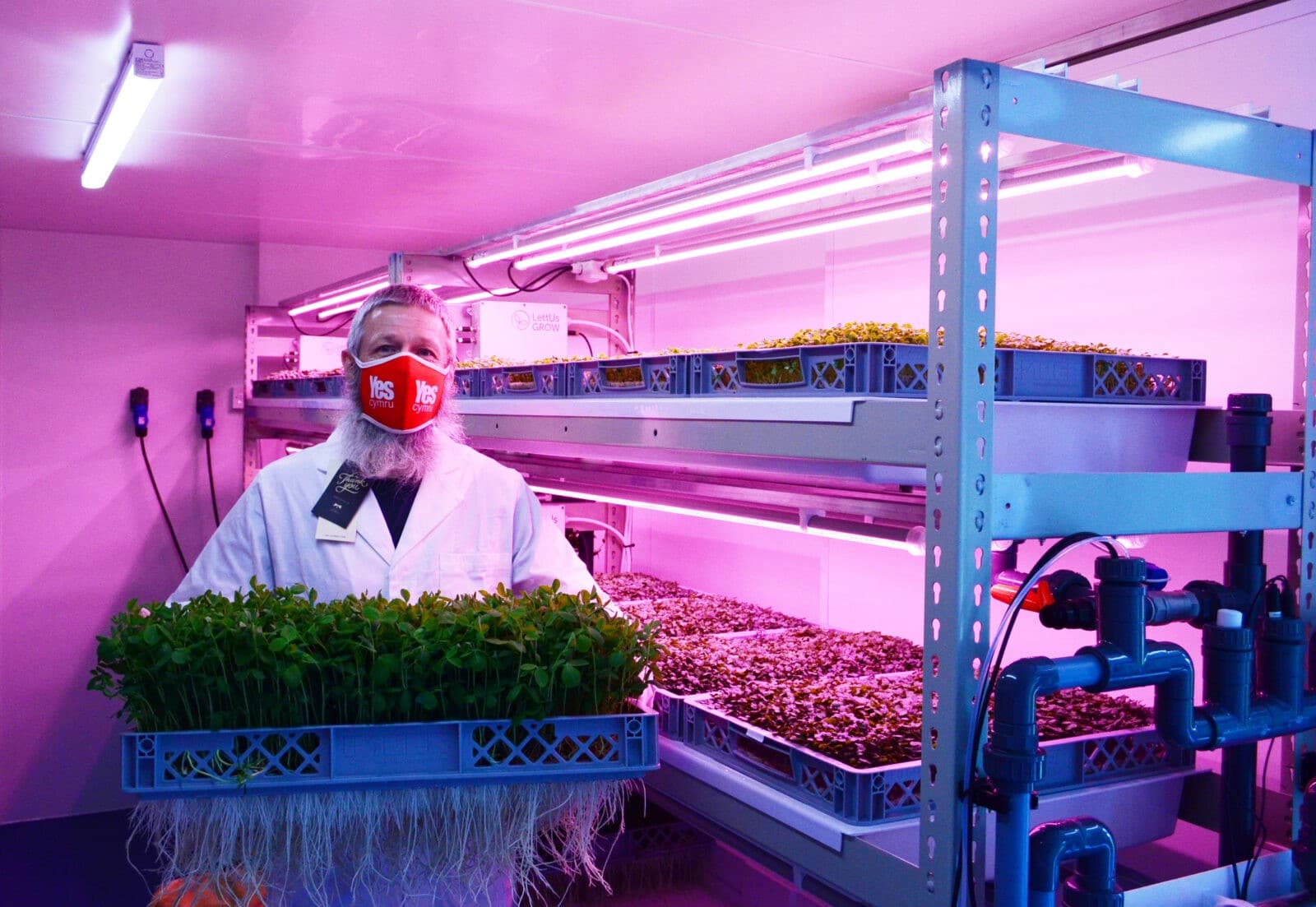

 Sitting thirty-three meters underneath the busy streets of Clapham, a disused air raid shelter from the Second World War is currently producing sustainable and fresh produce, thanks to a new initiative called Growing Underground. These forgotten tunnels provide a pest-free, climate-controlled environment that is close to point of need. This and other innovative new approaches will be discussed at the upcoming Agri-TechE Pollinator meeting “Undercover Agents – New Technologies for Controlled Environment Production” at the Sainsbury Laboratory on 22nd March 2016.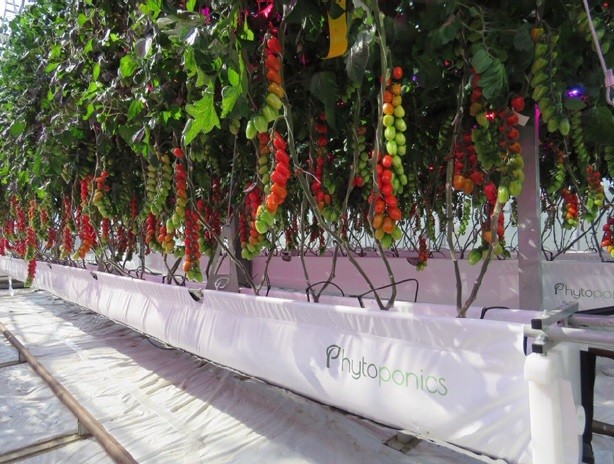
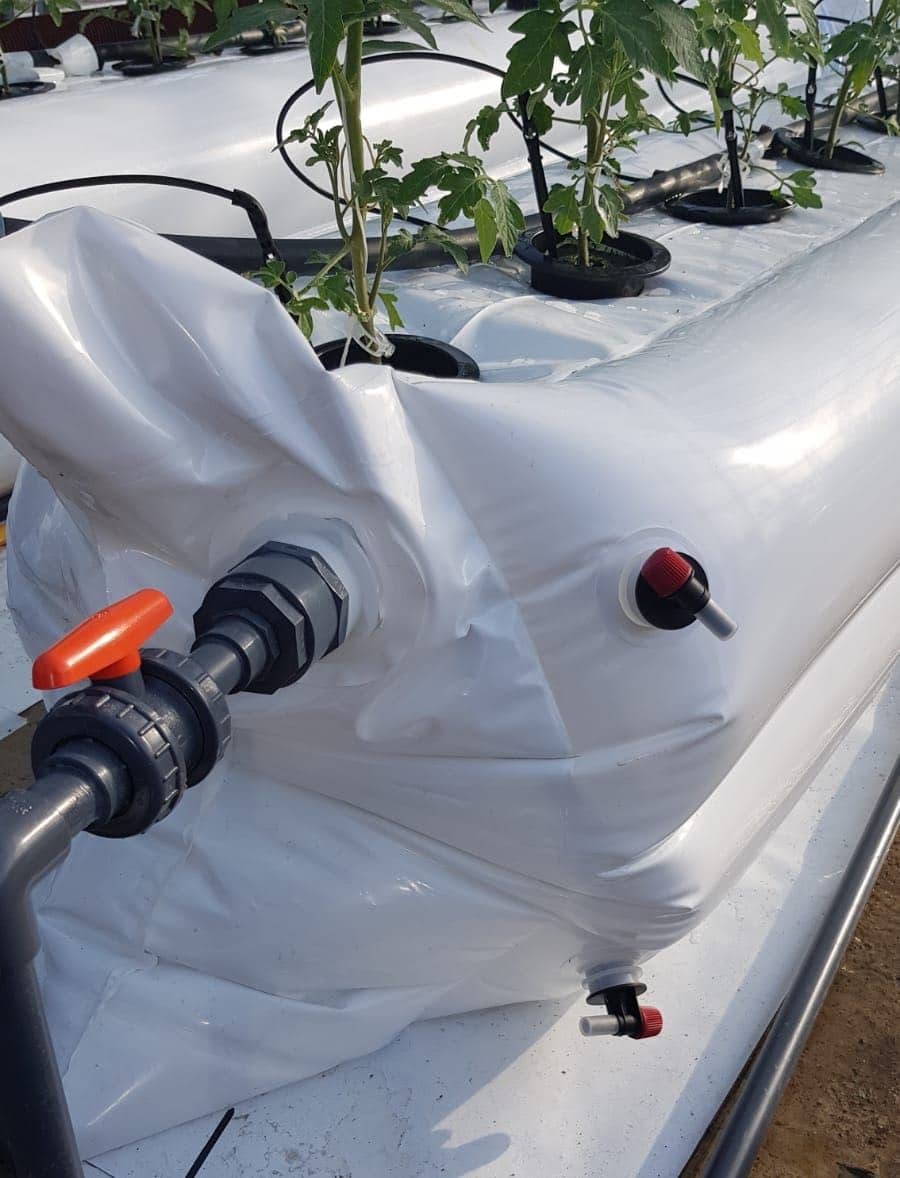

 Aponic Ltd has developed a soilless growing system that uses 90 per cent less water than traditional agriculture, does not emit harmful run-off into the environment, and reduces the dependence on fossil fuels. These advantages have attracted both national and international interest.


 Also on show will be a demonstration of a compact biofermenter by Algenuity, which can be used to grow algae as well as to better understand the best conditions to grow particular algae strains in specific locations worldwide. Andrew Spicer of Algenuity explains: “Algae are tiny microorganisms most closely related to plants and many are a rich source of EPA/DHA omega-3 polyunsaturated fatty acids found in fish oil. This nutrient is associated with protection against a number of major diseases including coronary heart disease, cancer and type 2 diabetes.
 Work at the John Innes Centre is directed at making this crop more desirable to the farmers by improving yields, taste, performance and market value. The research institute has collected peas of all different varieties over many years and is using new knowledge about its pulse genetic resources to benefit traditional breeding. Farmers and environmentalists are keen to ensure that sprays are only used when they are needed.