Explore advancements in the arable industry
Join us at CropTec, the UK’s leading technical event for the arable sector, on 14-15 January 2026 at the NEC Birmingham. Gain exclusive insights from industry-leading specialists and explore the latest innovations shaping the arable industry.

Airponix Solution nutrient spray reduces water requirements in Kenyan trial

Meet the Network
Agri-TechE

airponix
A nutrient spray is being used by Airponix to deliver a growing system that makes agricultural sustainable in extreme conditions. 
Michael Ruggier is speaking at “CEA is Growing Up” he is the CEO of Airponix which has a smart, sustainable and soilless system that is designed to support the growth of a broad range of food and niche crops.
He explains: “Our solution mimics nature, like an orchid growing in air, absorbing light, oxygen, humidity and nutrients from its surroundings. Roots are exposed to a nutrient rich fog which is more effective way of delivering the nutrients than any other systems such as current aeroponics which sprays the roots, or hydroponics which submerges them.
“It does not require an expensive pumping system or for the water to be changed, so in comparison to hydroponics we use a fraction of the water and can provide double the yield.”
 ”It is a simple, low-maintenance, smart, soil-less system.” 
  Airponix is currently trialing the technology in Kenya to provide seed potatoes, and has an agreement with major potato house in the UK. 

Try before buying

Airponix nutrient spray
Airponix is trialing its technology in Kenya

The plan is to lease small units to potential customers for a season so they can test the technology before making a commitment.
Michael explains:  Adopting a new technology is hard enough, especially if it is a new radical change. We are going allow customers to try-before-buying with some clearly defined key performance indicators. When they see how good it is, they’re going to want as many as they can get! 
“This is already underway but currently looking for partners in geographies where there is low food-security but high-income, for example the Middle East) as they will be more comfortable trialing new technology. Once the technology has been proven multiple times we will expand further.” 

Nutrient spray offers benefits over other technologies

Michael explains that the system has benefits when compared to hydroponics and aeroponics.  
Hydroponics uses a lot of water and pumps, and so requires lots of energy  to pump the water. Airponix uses a much more fundamental force, entropy, to deliver the nutrients. 
“Aeroponics also uses a spray but this results in the roots becoming long, drooping, and stuck together. Airponix’s much smaller droplet size allows for the roots to grow out in a much more efficient way making it much easier for the plant to absorb the nutrients as it penetrates deep into all the root hairs. 
 ”In addition, we are developing a new technology (IP secured) that will drastically reduce the running and maintenance cost of the system to keep us ahead of the competition.” 
More about Airponix

Light Science Technologies wins Innovate UK funding for vertical farming sensor

Agri-TechE Article
Agri-TechE

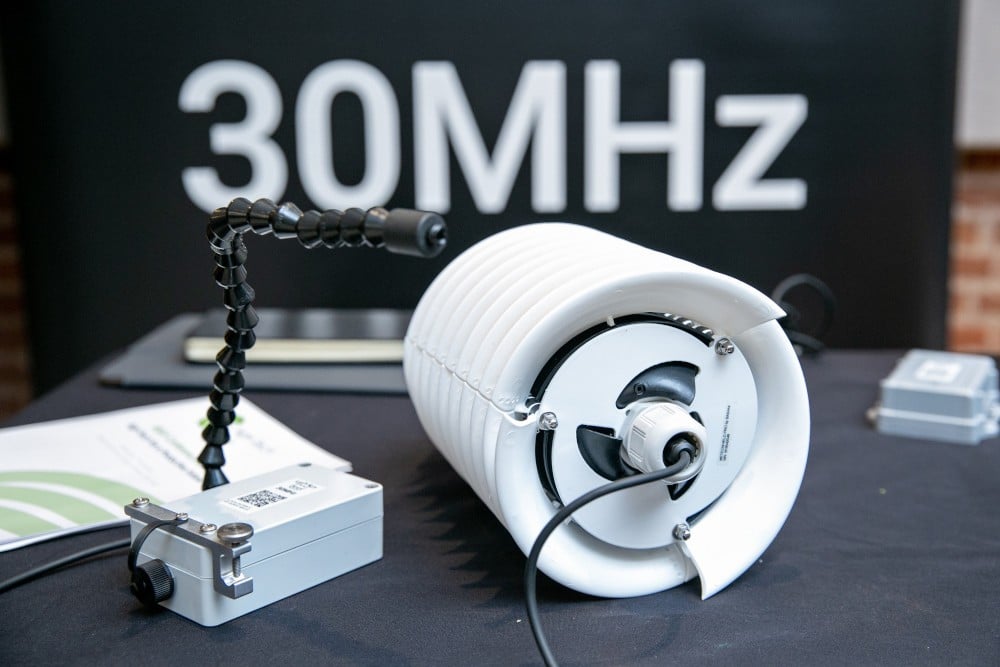
Light Science Technologies (LST) has secured funding to develop an ‘all in one’ sensor for vertical farming. It will measure light, water, air, temperature, humidity, oxygen and soil to enable thevertical farming monitoring and control of the growing environment; ensuring optimal plant productivity and yield.
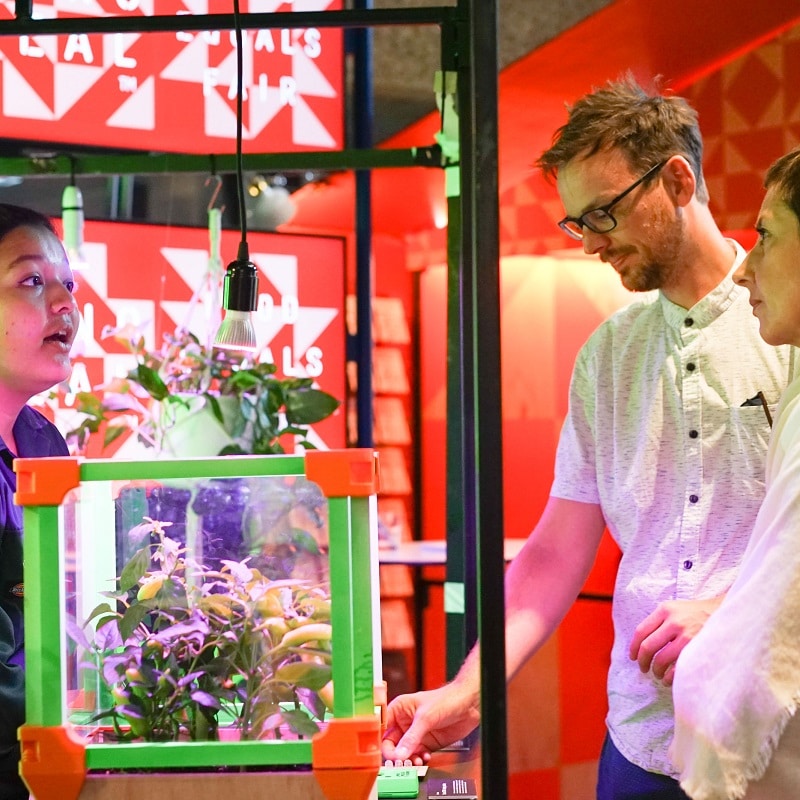
The funding is through the Transforming Food Production (TFP) challenge, part of a £90 million government investment to support the UK’s most innovative technology to boost agricultural productivity and set food production systems towards net zero emissions by 2040.
The Controlled Environment Agricultural (CEA) market is growing fast at a CAGR of 21 per cent.
In partnership with Nottingham Trent University, the LST will be leading the project to develop a growing sensor and innovative transmission node for vertical farms. The sensor will form a vital part of its bespoke offering, reducing energy and saving costs using technology and real-time data.
LST is working with growers to provide an integrated, cost effective and low maintenance solution that can be used across different crops to achieve maximum yield, creating the full growing “recipe” of lighting, nutrient and environment.
The IoT precision data solution will help boost productivity and efficiency of vertical farming, reflecting the government’s drive to help the agricultural sector grow economically with less environmental impact.
LST is focused on becoming a technology driven trailblazer in vertical farming innovation and technology over the next four years.
Simon Deacon, CEO of Light Science Technologies added: “This is an especially important boost to our business. To be selected by Innovate UK is confirmation of the urgent need for more sustainable, productive and cost-effective solutions in farming. Investment in UK technology and innovation in this sector is crucial in achieving a better approach to agricultural production and reducing emissions.”
Innovate UK is part of UK Research and Innovation. For more information visit www.innovateuk.ukri.org.
More information about LST.

What does a Vertical Farmer look like?

Agri-TechE

Content provided by Innovation Agri-Tech

Is he or she recognisable as a farmer? Checked shirt, muddy boots, body warmer, lots of talk about the weather and how to get in hold of a good agronomist – metaphorically speaking. Or is the new generation of Vertical Farmer recognisable at all? Does he or she install the same trust of tradition dictated by years of photos ‘in the field’ flasks of tea and sheaves of wheat?

Are they optimists? Realists? Or misguided?

Well, from my short experience of this alternative additional way of farming, these new researchers, growers and scientists are a very diverse bunch – bringing with them some pretty novel ideas and clever science. Some may have been advocates for alternative farming for donkeys’ years and seen as hippie kibbutz types living in a tye dye world.

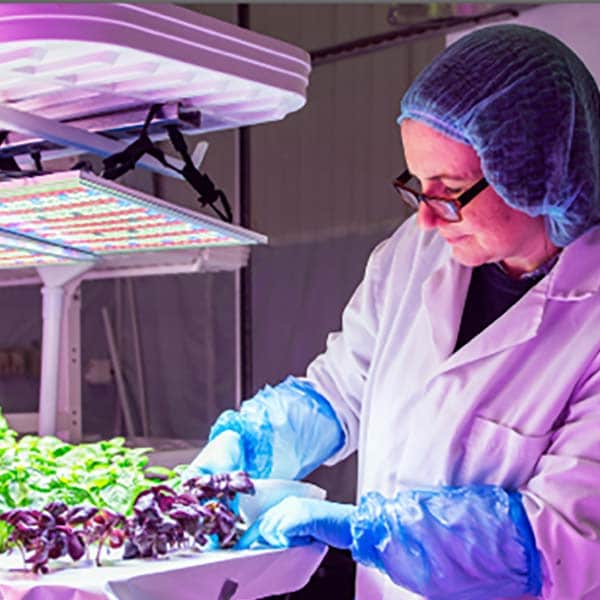
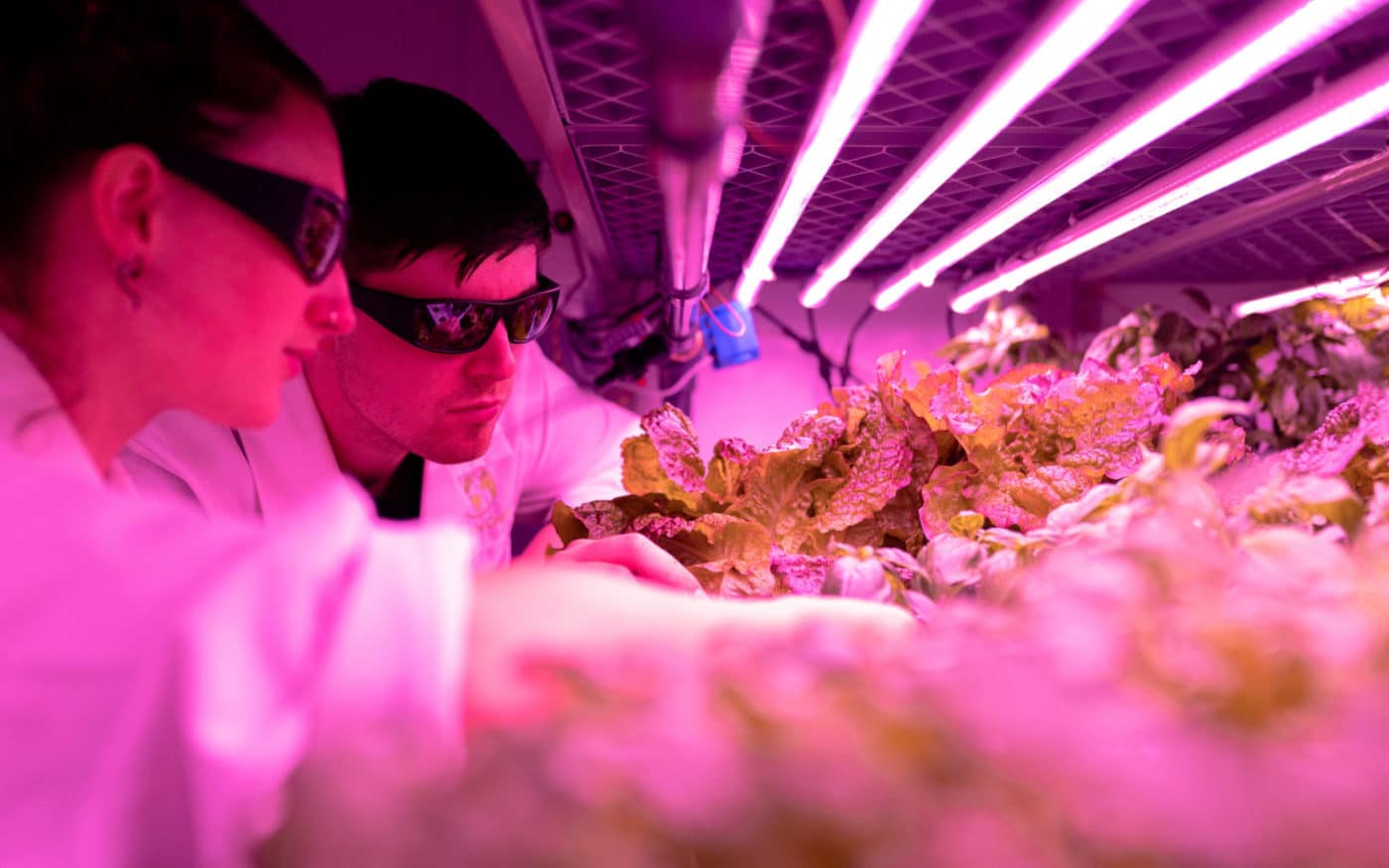
There are the technology buffs, who are excited by light spectrums and purple basil, those affiliated to a University or Research Institute investigating new viable plant species. That leaves the investors – suited and booted looking to support and shore up sustainable food supply for the future by presenting, supporting and chasing funding grants, and bursaries.

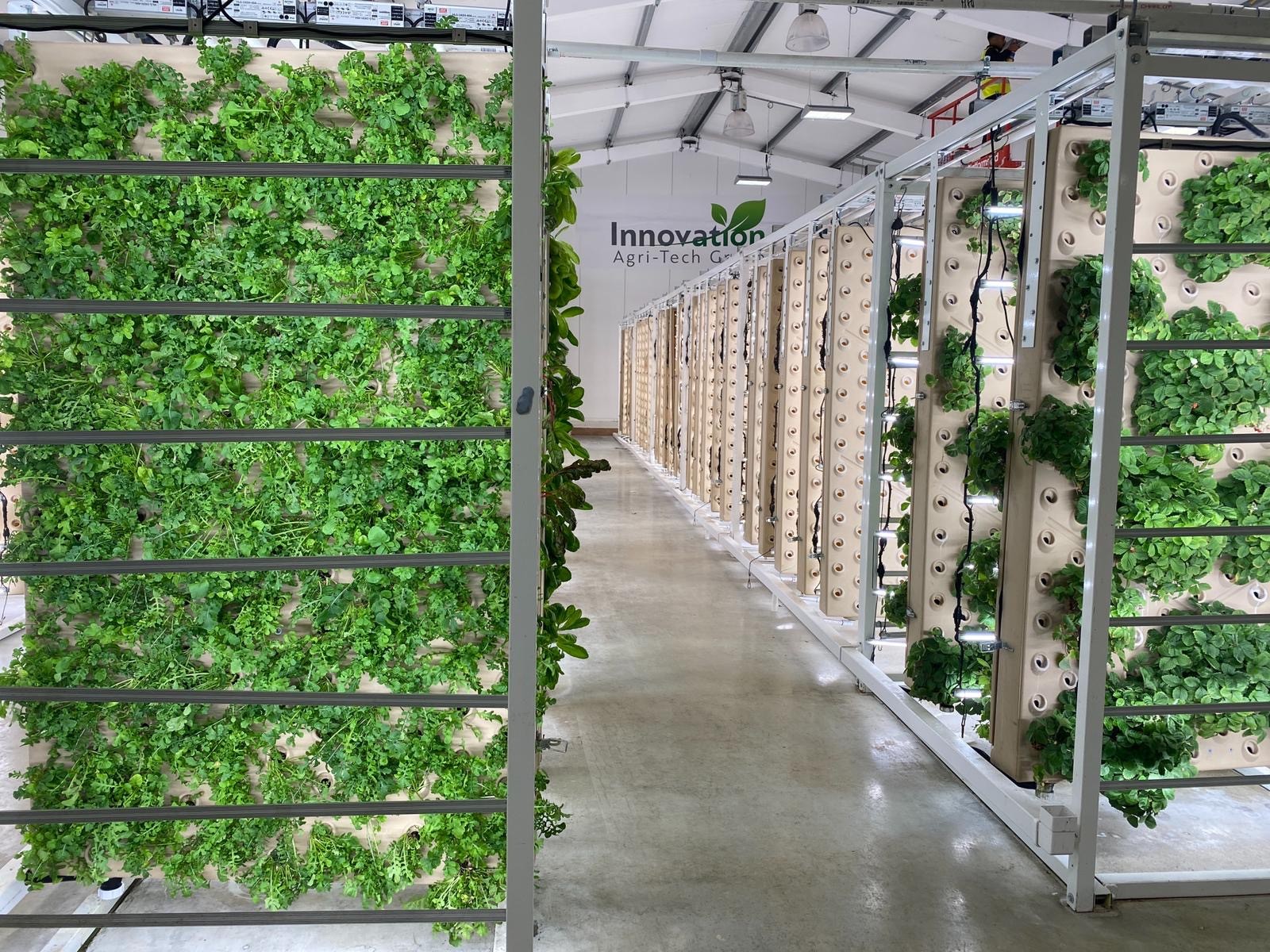
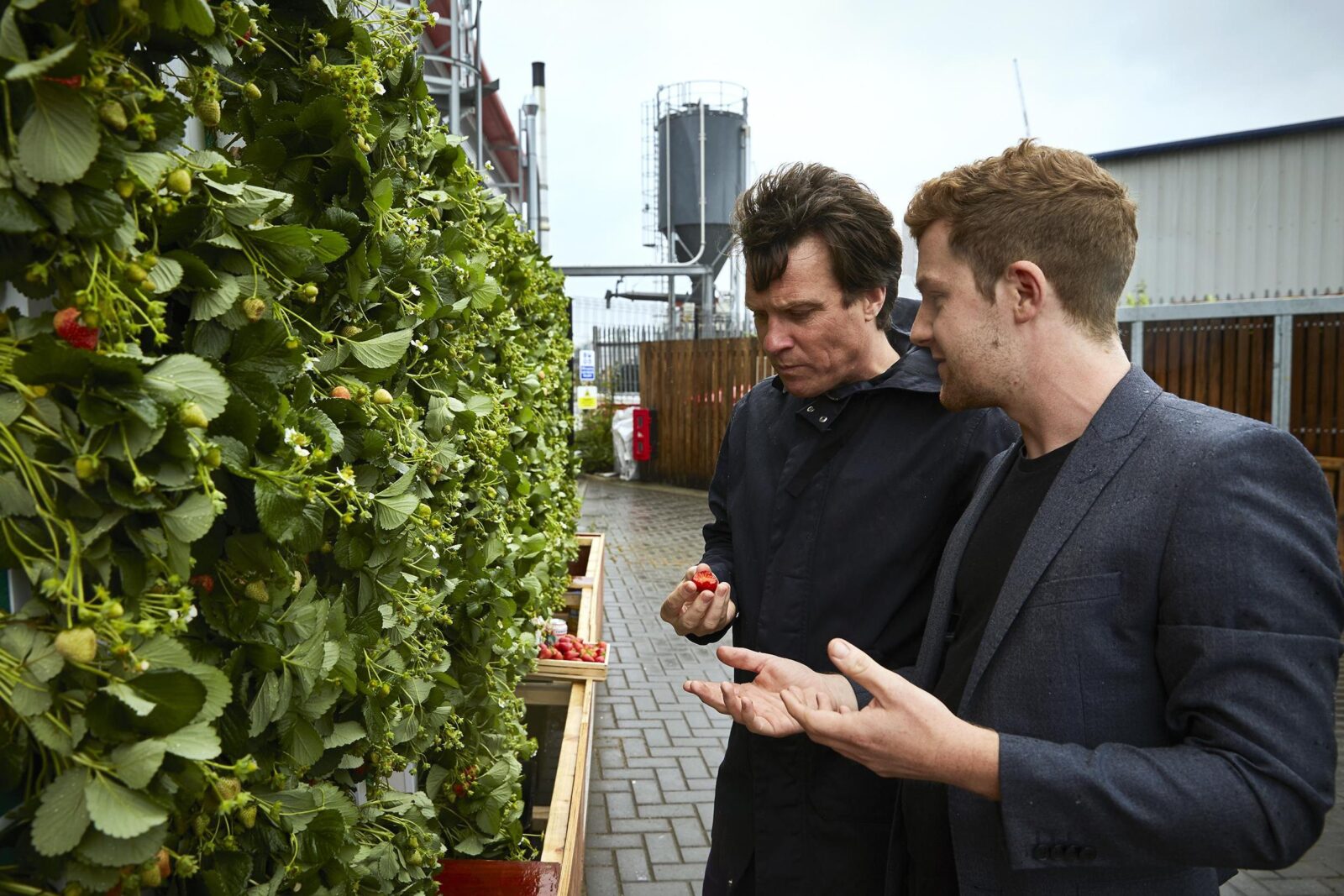
Who does that leave? Well, people like me who are fascinated and compelled to work through it, in it and with it – keen to get the crops growing, find new markets and influence consumer perception where possible, capitalise on the year round nature of these environments to grow funky stuff, no need to talk about the weather (which is a shame as it is a passion of mine). Innovation Agri Tech host tours, accessible for all, we will talk to anyone who will listen about the fact that there is some really refreshing stuff happening with controlled environment farming at the moment from our technology to the crops we have grown and supplied.

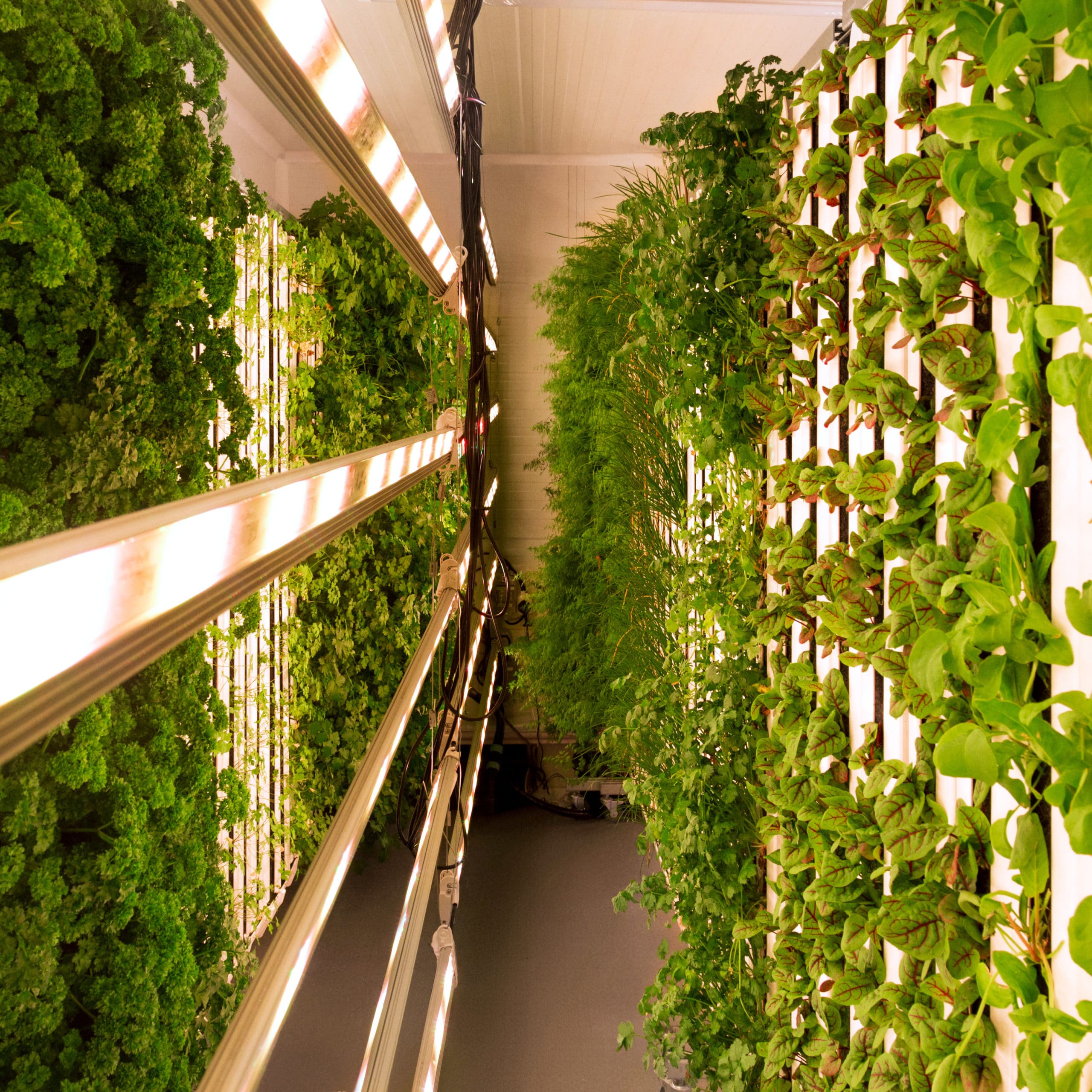
All the knowledge in focus for vertical farmers, whether it be hydroponics, aeroponics, aquaponics and anything in between has been borne from the knowledge gained from traditional farming, ecology and sustainability, these, I think are the drivers from the beginning of time – from when the first crops were grown. It’s just that these brave entrepreneurs are talking nutrient mist rather than mud.

Urban Farming has the ability to support and shore up elements of the current sustainable farming debate, lots written about ‘new world’ farming is anecdotal – traditional farmers who may feel these technological advancements threaten their livelihood and ancestral home. With technology comes data, there is harmony in practice if we join forces. Vertical farming has sustainability at its core, soil and tillage, (we are soil less) , water usage (ours is cleaned and recycled) pesticides, (none required) re wilding (hybrid farms) and entomology (bees can be pivotal to pollination indoors or out). The ingredients are there.

Farm diversification, education and succession, all have a place with the new look vertical farmer – boxes ticked, companies like IAG do not take away, we add to the ecology and sustainability debate with our heads held high.

Hybrid farms is another aspect of my new world and knowledge, wouldn’t it be the pinnacle of ecological biodiversity to be able to see a one site farming collective on the landscape – wind, sun, earth, water, light, bees, fruit, salad, crops?

I would really love to know why so many types of urban or vertical or urban farming are seen as an “also ran? “ No one method of UK food production has all the answers, no “one size fits all” lets celebrate a bit of diversity – I would prefer to call these new-fangled approaches as the perfect complement, maybe like cheese and wine or coffee and cake…

Analytik launches new HyperAixpert multisensor plant phenotyping system

Meet the Network
Agri-TechE

Plant phenotyping is an emerging science that links the structure and appearance of a plant with its underlying genomics.  The genetic make-up is the genotype, the expressed characteristics are the phenotype. The growth and development of the plan is a result of a dynamic interaction between its genetics and the environment both above and below soil.
Analysing the phenotype is therefore important for research so, to determine the success of breeding, a new system from Analytik combines machine-learning with sensors to provide a rapid digital analysis of phenotyping traits. The new HyperAixpert multisensor plant phenotyping system from Analytik uses advanced machine-learning based analytical software together with an intuitive experiment driven design to ensure that data acquisition is both standardised and repeatable.
Suitable for a range of sample types for experiments in genetics, plant research and breeding, plant cultivation products as well as detecting plant stress and diseases.

Key features of HyperAixpert

  • Can be configured to operate hyperspectral cameras in scanning mode
  • Options for PAM chlorophyll fluorescence imaging and NIR imaging also enable the HyperAixpert to deliver top quality physiologically relevant data
  • RGB-imaging and laser scanning sensors enable study of plant morphology of plants under study
  • Comprehensive data sets originating from the broad range of cameras/sensors deliver phenotypic data on both morphological and physiological levels.
  • Broad ranges of typical laboratory samples can be measured, including seedlings up to 20 cm height, samples in MTPs or petri dishes, or detached plant parts.
  • Samples on trays can be loaded into the measuring cabinet by the user, or via an automated TrayProvider unit as an optional accessory.
  • The HyperAixpert is designed for easy integration into climate control chambers.

Though the HyperAixpert was designed to work with model species such as Arabidopsis, it equally handles early-stage seedlings of most crop species. Beneficially the multisensor plant phenotyping diagnostic power of the system is not restricted to just plants, several other sample types match with the system, too. For instance, assessment of fungal growth on plates, or insects feeding on leaf discs are applications that have been investigated by the HyperAixpert.
See more detailed information on the HyperAixpert multisensor plant phenotyping system

Growing in a pandemic – How has indoor farming faired?

Agri-TechE

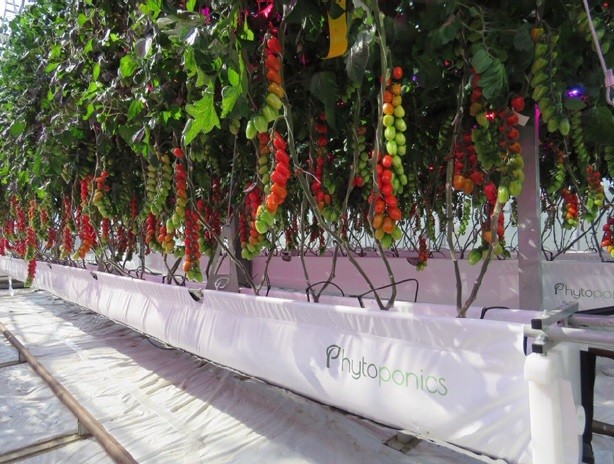
The funding environment is challenging but investment is there for companies with the right solutions,” says Phytoponics CEO Andy Jones. Three Agri-TechE members have announced major funding success this year to build up their indoor farming solutions, and all are set to meet at next week’s CEA-Lite event. Phytoponics has recently raised £0.5M to develop next generation deep-water culture (DWC) modules. Early trials suggest DWC may offer a more profitable alternative to rock wool, whilst cutting carbon emissions and reducing water usage by around 20%.
Andy’s company has recently announced collaborations with two major UK producers. In partnership with Total Produce, Phytoponics will grow strawberries at their facility in Stockbridge Research Station. Meanwhile, working closely with Edward Baarda Limited, the Phytoponics technology will also be applied to producing tomatoes.

Times are changing

Johnathan Ransom, CEO of Square Mile Farms, says views have shifted during the pandemic: “If food security and the damage the conventional food supply chain does to the environment weren’t a priority before COVID, they absolutely are now.”
The company’s Office Farming concept has raised over £500,000 in their latest funding round, beating their funding target by 251% on Seedrs. Johnathan thinks investment in indoor farming will also help change attitudes toward food by growing closer to the consumer, re-engaging the consumer and encouraging them to make better choices.

Cost remains key

But despite increased investment in Controlled Environment Agriculture, cost-effectiveness should remain the number one concern, according to Growpura CEO Jock Richardson. His company produces hydroponic bio-halls focussed on reducing overheads.
“The plants are on a simple conveyor system that provides a sophisticated mode of growth management,” explains fellow co-founder Nick Bateman. “Rather than having infrastructure (irrigation for example) taken to plants, we take the plant to where it needs to be, which gives us a lot of flexibility in how each plant is grown.”
Growpura is to play a key role in constructing a £22.5million demonstrator, education and training facility to help produce the next generation of indoor farmers in the UK. According to SEMLEP, the funding partners, the new facility will be based in Bedfordshire and will partner with SE Midlands college providers for apprenticeship provision, creating 73 new jobs by 2025 and 130 new apprenticeships by 2030.
Growpura, Square Mile Farms and Phytoponics will be discussing the drivers for innovation and investment with leading entrepreneurs, producers and investors in a webinar “CEA Lite ” on 10th September 2020, from 15:00 – 17:00. Book your place here.

Significant interest in Middle East for agri-tech investment says PwC

Agri-TechE

The Middle East agri-tech investment is increasing, presenting an exciting opportunity, according to Rob Bulstrode of PwC.

In support, Agri-TechE has provided insights based on its deep knowledge has has identified member organisations that have significant expertise across the four target sectors:

  • Controlled environment agriculture
  • Algae-based biofuels
  • Precision agriculture
  • Agricultural robotics

Technologies being developed in the ecosystem, such as agri-robotics, vertical farming systems, data management for improved yields and sensors to monitor livestock health, are world leading. In addition, there are a number of platform technologies and point solutions in areas such as biotech, blockchain and the Internet of Things that could easily pivot for application in agriculture. Rob comments that as the global agricultural landscape changes, businesses around the world are actively looking for disruptive technologies to solve key issues, and create new solutions for food production:
“The Abu Dhabi Investment Office has recently invested $100 million in four agritech companies and is keen to create an attractive environment for companies to get established in the region,” he says. “Financial incentives are being planned to encourage international firms to develop a presence in the region, with funds specifically designated for investment in agritech,”
Dr Belinda Clarke, director of Agri-TechE comments that Controlled Environment Agriculture (CEA) is a particular strength within the agri-tech innovation ecosystem and the larger scale of operation that would be needed in the Middle East creates an opportunity to accelerate developments.
“Over recent months we have seen the knowledge and technology required for plant production and environmental control become more robust and scalable. A significant investment in large units would enable the sector to test and develop this technology on an industrial scale and this would lower the barriers for wider adoption in other territories.
“Until now CEA has been reserved for high value fruit, leafy vegetables and herbs. The Middle East has plenty of land, year around solar energy year, but a shortage of water, there is potential for it to become a sustainable supplier of staple crops and a food basket for North Africa.”
Interest in agri-tech is growing in many regions of the world and Agri-TechE is forging relationships with these centres to support its members with collaborations and international expansion.

Middle East agri-tech investment webinar

PwC and Agri-TechE are hosting a webinar for Agri-TechE members to find out more about the opportunities being created in the UAE on 14th September.
In addition, there is an opportunity for all to discuss Controlled Environment Agriculture at “CEA Lite” on 10th September, which is looking a recent development. Topics will include: disruptive business models, the technologies underpinning the movement, the appetite of investors, and the training and transferrable skills needed for vertical farming, in a mix of short presentations, discussions and opportunities for Q&A.
Book your place on the PwC webinar.
Book your place at CEA Lite.

Are automated facilities the future for fresh produce?

Agri-TechE

Agri-TechE bring together Controlled Environment Agriculture technologists, producers and investors to discuss the current landscape and promising developments
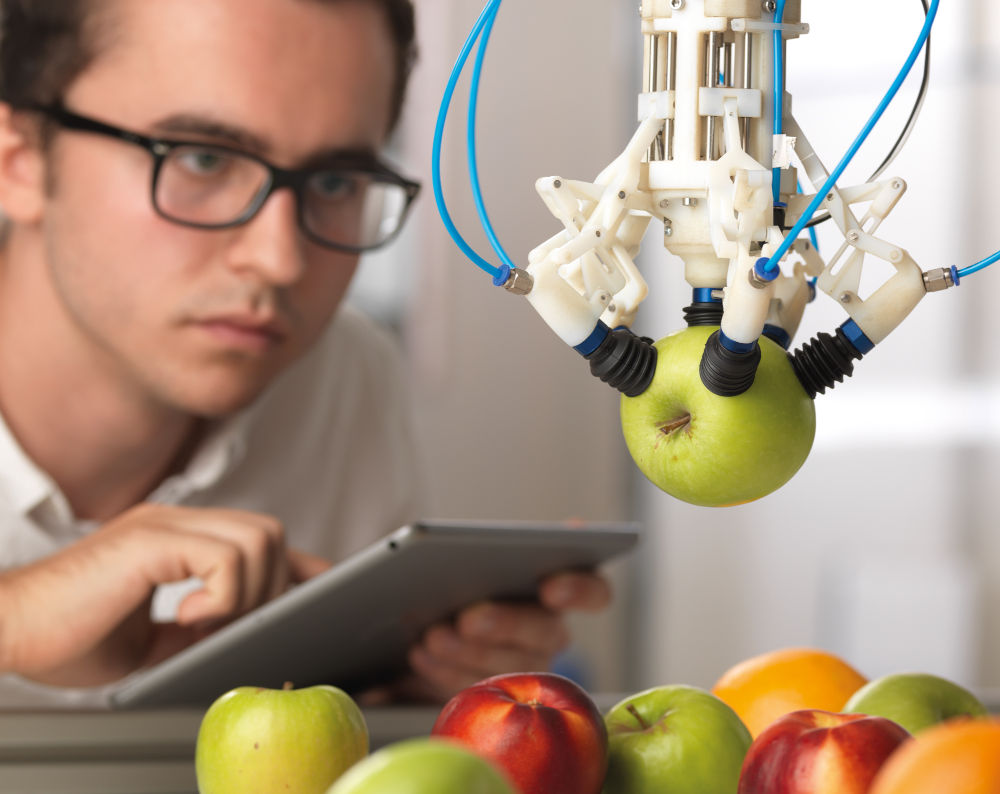
Can growing veg in urban units scale up to meet demand, or is vertical farming a cottage industry focussed on leafy greens? Interest in Controlled Environment Agriculture is increasing internationally. In the UK autonomous growing systems have attracted funding from the Government’s Transforming Food Production programme and tens of millions are being invested in a new training and demonstration facility; but the industry still has many challenges.
Agri-TechE is hosting an event “CEA Lite”, which is discussing the drivers for innovation and investment with leading entrepreneurs, producers and investors on 10th September 2020. Are new business models emerging?
Dr Belinda Clarke, Director of Agri-TechE , says new models of food production are gaining traction. “Year-round intensive cropping of high value crops becomes economically viable if the technology can scale. The Transforming Food Production call focussed on big, inspirational projects and this will help de-risk the technology, particularly around automating the monitoring and harvesting, which are so problematic for open field production.”
Jock Richardson of Growpura agrees: “A lot of operators have some great technology but to grow bigger means a linear (or worse) growth in costs. Scale up is vital but there are operational challenges of how we grow plants at scale and at low cost.” Could scaled-up vertical farms create economic value in vacant retail units?
“I have seen repurposing of buildings for CEA but location remains vitally important”, says Investor Kiryon Skippen of Capital Agri International, “landlords of these buildings need to be realistic in their rent demands and preferably have a real interest in the vertical farming business and work with it, taking the longer term view.”
Jock has seen uplift in interest in localised crop production, but as their system requires cleanroom conditions, refitting an older building could be too costly. “We’ve been talking to major retailers and its clear there is real interest in the use of hydroponics (growing in water) to fulfil the demand for fresh produce but of course it has to be at a competitive cost and offer a reliable supply,” he says. The company will announce funding for a large training and demonstration facility in the coming days, which may provide over 200 jobs and internships in the South East Midlands area. “A vibrant hydroponics industry is essential in the UK. On the licensing front there has been interest from a number of countries particularly in the UAE and Asia and also for non-food products which we are progressing keenly,” Jock continues. Can the industry look beyond leafy greens?
This international interest is a trend David Farquar, of Intelligent Growth Solutions, has also seen. He says; “Interest from NW Europe, the Middle East and SE Asia is increasing the diversity of the food grown under secure conditions to reflect local diets and cuisine; encouraging the CEA industry to look beyond leafy greens and salads.  For example, we have seen more demand for roots and fruits over recent months and interest in re-localising as much of the food supply chain as possible.” Phytoponics has recently raised £0.5M to develop its next generation deep-water culture modules that offer a sustainable more profitable alternative to hydroponics substrates, such as rock wool and coir, and the company has started a series of strawberry trials with Total Produce. CEO Andy Jones, says the funding environment is challenging but that investment is there for companies with the right solutions.
He continues: “For growers, costs remain the big issue and one of the biggest is labour. New approaches need to give growers an economic advantage by reducing those costs.” Are we swapping a labour shortage for a skills shortage?
However Max MacGillivray of Redfox Executive says Brexit, and then COVID-19, have resulted in a marked increase in protected cropping roles as the UK adapts to a new normal: “We’re seeing individuals with plenty of cash establishing vertical farms but with very little experience in agriculture and foods, so there’s a real need for those with growth expertise in controlled environment agriculture.”
CEA Lite is an online event being held on 10th September 2020 15:00 – 17:00. Book your place here.

Time to grow up for Controlled Environment Agriculture?

Meet the Network
Agri-TechE

Jock Richardson thinks it’s time for Controlled Environment Agriculture to grow up. His company, Growpura, is to play a key role in constructing a £22.5million demonstrator, education and training facility to help make this happen in the UK.
“Investment has been focused on exciting technology – AI, automation, robotics – but we also need skilled individuals to build a sustainable, viable operation,” says Jock.
Jock, director and co-founder of Growpura, will be answering audience questions and discussing his plans to support a vibrant Controlled Environment Agriculture (CEA) sector at the upcoming Agri-TechE webinar, “CEA Lite”, on 10th September 2020.
Growpura’s hydroponic bio-halls are popular for their cost-effectiveness and efficiency. “The plants are on a simple conveyor system that provides a sophisticated mode of growth management,” explains fellow co-founder Nick Bateman. “Rather than having infrastructure (irrigation for example) taken to plants, we take the plant to where it needs to be this gives us a lot of flexibility in how each plant is grown.”
“We’re able to supply our plants with natural sunlight, supplemented with artificial light which allows us to reduce energy expenditure on lighting by over 40%.”
“The other differentiator is that the system runs in a clean-room environment, monitored entirely by sensors and without sources of contamination brought in by humans,” Nick explains. “That creates a fresher, more natural product free of pesticides, and eliminating the need for a washing process.”

Origins

Growpura started almost a decade ago, just as large operators were starting to license out indoor farming systems in the United States.
“It seemed to me that there were issues with the technology at the time – so we formed a company to develop our own farms,” Nick recalls. “We up-scaled to a larger operation in Cornwall in 2016, with stacks of growth modules 8 levels high, and we used that facility to test-grow a range of produce and optimise the parameters.”
“From the beginning, we had a number of potential buyers keen on our produce, and we could have sold small quantities to local restaurants with high prestige. But if vertical farming is to play a serious part in today’s world, it needs to be scalable and cost-efficient to sell into the major supermarkets.”

Encouraging apprenticeships

“There’s a skills shortage for protected cropping,” Jock explains. “We’re looking to create a vibrant protected cropping industry in the UK by licensing our large-scale vertical hydroponics facilities… and our customers will also require skilled operators to manage these facilities.”
Growpura received £4.5M, in April 2020, from the South East Midlands Local Enterprise Partnership (SEMLEP) to create a demonstration and training facility for controlled environment agriculture, part of a total investment in the facility of £22.5M.

According to SEMLEP: “The new facility will be based in Bedfordshire and will partner with SE Midlands college providers for apprenticeship provision, creating 73 new jobs by 2025 and 130 new apprenticeships by 2030.”

“The apprenticeship programme will provide students with exposure to a large scale vertical hydroponics facility,” Jock comments.  “There’s simply nothing out there that teaches individuals how to grow at an industrial scale indoors, so we’re looking to run courses focussing on engineering but also with a horticulture component. We’re also seeking university partners for training at undergraduate level.”

Driving social change at scale

“Our funders have been excited by the opportunities for jobs, training and up-skilling in the South-East Midlands region,” says Nick. “If our approach allows the UK to create a viable protected cropping industry then that’s going to create plenty of jobs in engineering, management and logistics.”
But Nick is at pains to explain the importance of efficiency and scale in order to reach that point: “The product needs to be cost-effective to compete with open field production.”
Jock agrees: “Cost remains key – Scale-up is vital but there are operational challenges. By combining automation with moving hydroponics, what we’ve done is come up with a solution that can be scaled without seeing a co-linear growth in costs.”
CEA Lite is an online event being held on 10th September 2020 15:00 – 17:00. Register your interest through the events page.

Square Mile Farms crowdfunding to bring urban farms to workplaces

Meet the Network
Agri-TechE

Johnathan Ransom of Square Mile Farms started with the concept of ‘flat pack farms’ for urban areas and now, through its Office Farming model, is bringing vertical, urban farms to workplaces of big businesses to help them achieve their sustainability and employee wellbeing goals.
He was due to speak at the Agri-TechE event “Controlled Environment Agriculture – The Industry is Growing Up”, which had to be postponed, and a condensed version, CEA Lite, is to be held on 10th September 2020.
A lot has happened in the industry in recent months and – as Square Mile Farms announces their crowdfunding campaign on Seedrs – we caught up with Johnathan to see what progress Square Mile Farms has made. 
STOP PRESS: Square Mile Farms are overfunding by 186% on Seedrs! But there’s still time to join their mission to transform workplaces into greener, more purposeful places through vertical farming! Find out more. After receiving an invitation from British Land, Square Mile Farms opened its flagship farm in June 2019 on the roof of Microsoft’s London HQ at Paddington Central – and then came lockdown. What has happened at Paddington Central since then?
During the lockdown we temporarily moved farm operations to our homes! We’ve since got our Paddington rooftop farm back up and running and are growing plants in order to be ready to transplant into our clients’ office farms once they are back.
With most people at home, and many trying their hand at growing at home we’ve also been using this time to share our knowledge, by producing a series of blogs including how-to guides and troubleshooting common home-growing issues. Our community is important to us and part of our mission is to help urban communities grow their own! Have your plans for the business changed at all during the coronavirus pandemic?
Coronavirus hasn’t altered our business plans. If anything it has further highlighted the debate around the future of the workplace and put the emphasis on the employer to provide a reason to be in the office. Offices, more now than ever, have to be designed around the employee’s lifestyle and provide for their wellbeing, drive engagement and foster creativity.
Our Office Farming model transforms offices and workplaces into green, inviting spaces, creating workplaces of the future. We create a workplace community centred around urban farming through engagement, workshops and knowledge sharing, helping our customers create a culture of sustainable, low impact living. Looking wider – has it increased momentum/made people consider the benefits of shorter supply chains?
Without a doubt. If food security and the damage the conventional food supply chain does to the environment weren’t a priority before COVID, they absolutely are now. The conventional food system has a devastating impact on the environment and on biodiversity.
The key to changing this is by growing closer to the consumer both to improve supply chain resilience, but also to re-engage the consumer, to encourage them to make better choices.
How many urban consumers appreciate the impact that transporting fresh produce long distances has on its nutritional value for instance?
Some of today’s illnesses can be linked back to the lack of understanding we have of the relationship between our bodies and what we put into them. We have to do more to educate ourselves on this relationship and urban farming can play a big part in that. We understand that you are planning a crowdfunding round, what is it for and how much do you need?
We’ve spent the last 16 months building a platform from which to grow our business. We have had early success with clients such as British Land, Grosvenor Estates and Vodafone and have a vision of every business having vertical farms in their office, to create a culture of healthy, sustainable living.
In order to take the business forward we need to invest in our team, technology and profile in order to deliver on the exciting opportunities in our pipeline.
It’s an exciting time to be involved in urban farming, and even more so in the context of the debate around the future of the workplace, given our Office Farming model. We want to share the opportunities this creates with others that share our passion, which is why we’re crowdfunding.
You can see more information about our crowdfunding campaign on Seedrs here.
 
More information about Square Mile Farms.
See more information about the CEA event here.

Enhancing photosynthesis with sugar dots to boost yield by 20%

Agri-TechE

Only 50 percent of the sun’s energy is used by plants and less than 1 percent is converted into biomass. Glaia has developed a new class of plant additive called ‘sugar dots’ that can increase photosynthetic efficiency naturally, increasing yields by up to 20 per cent.

The sugar dots technology, which has been developed by a team at the University of Bristol, has a well-defined mode of action, high efficacy and is patent protected. Studies have shown that sugar-dots are non-toxic and they are already found in food products such as beer and honey.

David Benito-Alifonso says: “Sugar-dots are water soluble and can be applied as a foliar spray or within an irrigation system and have been tested on a variety of crops from soft fruit through to wheat and sorghum. The plant performance improvement results have been impressive and the technology can be applied across agriculture.”

David Benito-Alifonso

Phytoponics secures £500,000 to scale commercial trials

Meet the Network
Agri-TechE

Hydroponics company Phytoponics has just completed a £500,000 equity financing round. The company specialises in the design, development and supply of Deep Water Culture systems for large scale sustainable hydroponic crop production.
In Deep Water Culture (DWC) plants are located in the growing module and the roots of the plant are suspended in the water which has the crop specific nutrient recipe and the correct amount of dissolved oxygen.
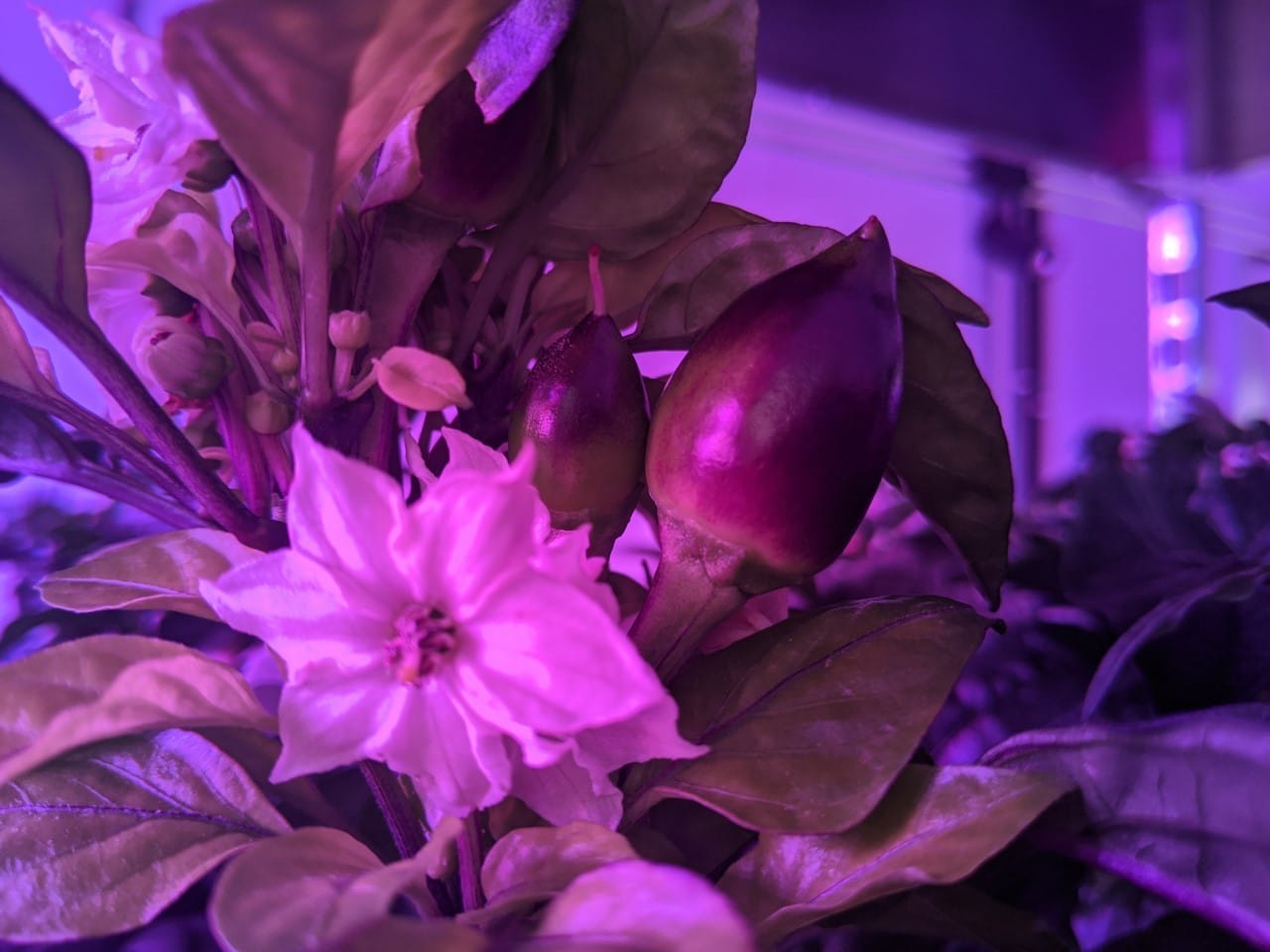
In the Phytoponics system, the growing modules are kept oxygenated by built in aerators and  serviced by a computerised nutrient control system. This maintains the nutrient and pH at optimum levels whilst also irrigating the rootzone of the plants. Phytoponics has a number of controlled-environment glasshouses equipped with various configurations of its DWC hydroponics growing different varieties of tomatoes, cucumbers, snack peppers and strawberries in additional to other experimental crops such as nutrient intensive vine crops, soft / exotic fruits and high value crops such as medical grade cannabis.
The company is also working closely with Edward Baarda Limited, a major produce grower and the first commercial grower in the UK to deploy Phytoponics technology at scale growing tomatoes hydroponically without a rockwool substrate.
Phytoponics Co-Founder Adam Dixon is thrilled to have secured the funding which provides the necessary operating cash to scale up trials of its technology whilst enabling it to innovate further. He says: “I’m excited for the future as we move a step closer to achieving our mission to deliver the sustainable benefits of hydroponic agriculture at scale through the global deployment of our substrate-less Deep Water Culture growing solutions”.
Established in October 2016, Phytoponics is headquartered in Abersytwyth and currently has a technical R&D facility in Yorkshire at Stockbridge Technology Centre, the renowned horticultural research and agriculture innovation hub.
The £500,000 investment comes from a number of existing shareholders with match funding provided by the Development Bank of Wales as the company’s first institutional investor.  Investment Executive David Blake, comments: “We are delighted to support the scaling up and commercialisation of the technology. The potential reach for this exciting new solution is global with UK wide and international opportunities already evident and we wish the team every success.”
Mark Hindmarsh, Phytoponics Chairman, added: “I’ve backed many start-ups over the years and have seen very few that have got to the point Phytoponics has with so little resource, in comparison to some of their sector peers.
“Not only have we enhanced and broadened our technology offering since the early experimental trials with the support of Aberystwyth University, but we’ve successfully proven that it works across a number of crop types.
“To close any level of funding in these uncertain times of the COVID-19 pandemic is no mean feat and I therefore would like to personally thank our new investors and existing shareholders for their continued support and belief in the future potential of the business.”
The Phytoponics investment process was managed internally and supported by the company’s legal representative, Acuity Law and Blake Morgan on behalf of the Development Bank of Wales.
Information on Phytoponics can be found at phytoponics.com

LettUs Grow digs for victory with aeroponic farm modules

Meet the Network
Agri-TechE

Innovate vertical farm will produce fresh food in 10 days and will donate the fresh produce to those in need in Bristol.

LettUs Grow, an indoor farming technology provider, is fast-tracking the building of two vertical farm modules in the city of Bristol during the COVID-19 outbreak.

Jack Farmer, co-founder and Chief Scientific Officer of LettUs Grow said: “When we founded LettUs Grow, we wanted to enable anyone, anywhere in the world, to grow fresh produce near its point of consumption. That mission has hardly ever felt as urgent as it does today. We knew we had to get involved and help in any way we could.

“Because our farm modules can be deployed anywhere with an electricity and water supply, they are uniquely positioned to increase regions’ food supply chain resilience by diversifying local food production.”

The first of the new aeroponic farm modules to be ready to start producing fresh produce from mid-April, with the first harvests ready just ten days later.

Because most of the farm’s operations are automated, they can be run with only one person on site at any given time to allow social distancing of key workers and minimising strain on an already stretched farm labour force.

Once up and running, the farms will be able to provide a consistent, predictable and climate-resilient food supply to the local community all year round.

The coronavirus outbreak has shone a spotlight on the fragility of the UK’s just-in-time food supply chain.

The UK only produces 50% of the food it consumes, which leaves it vulnerable to shocks in the global supply chain. The closures and lockdowns enforced due to the pandemic, have created logistical bottlenecks that ripple across these lengthy chains.

To ensure the produce gets to those who need it most, the food produced in these farm modules will be donated locally.