Increasing the rate of photosynthesis in field and undercover

Agri-TechE

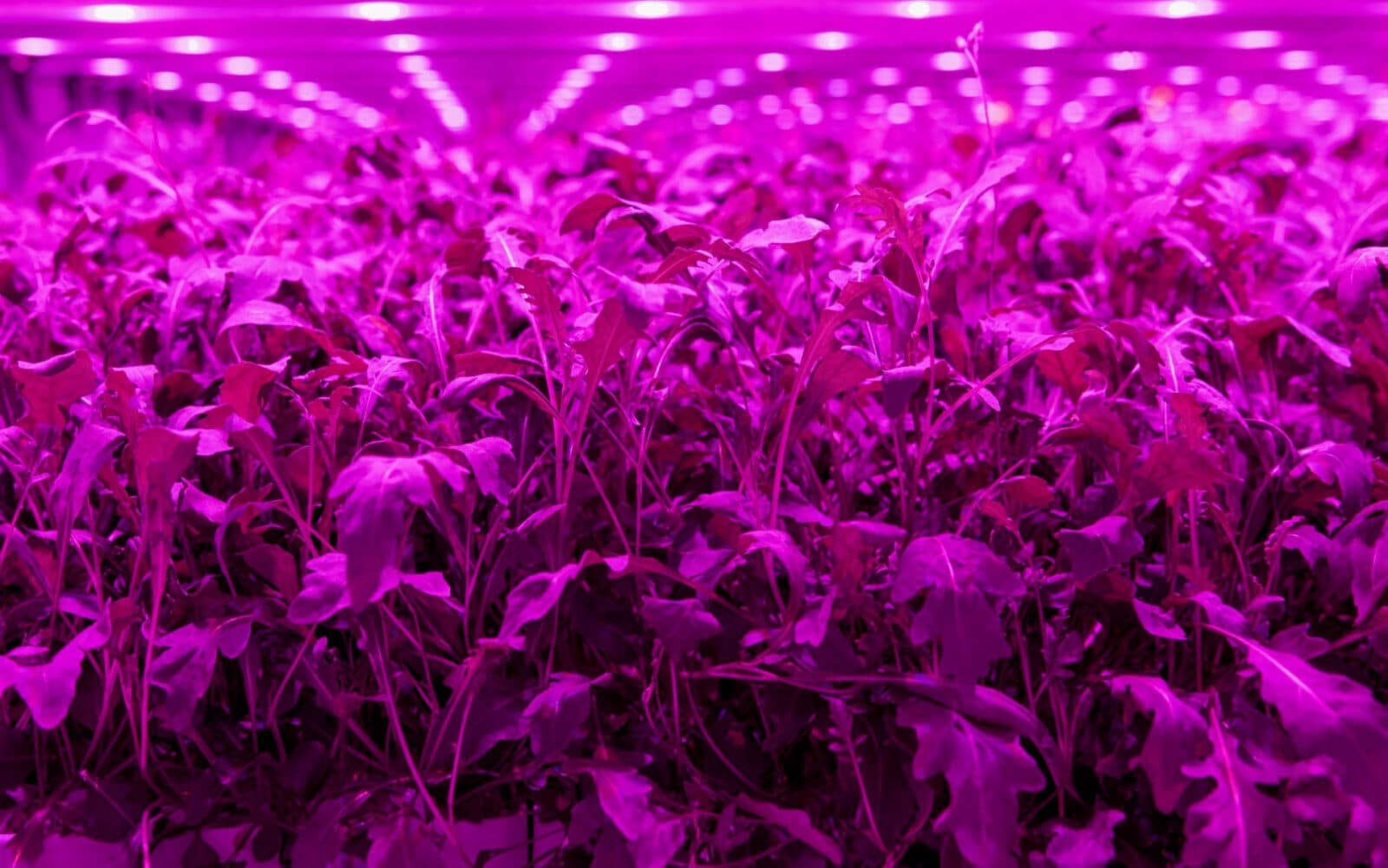
SunYield, taste and time to harvest can all be impacted by light. So, increasing the rate of photosynthesis, the process by which plants convert sunlight to biomass, has the potential to improve agricultural productivity and the nutritional value of the crop. Technologies to extract greater value from available light and the feasibility of year around production of green vegetables are among the topics to be discussed at the Agri-TechE event ‘Let there be Light’ hosted by the University of Essex Plant Innovation Centre on the 22nd February.
This in-person event will include an exhibition with the chance to talk directly to those at the leading-edge of these technologies. 

Could Glaia ‘sugar dots’ increase rate of photosynthesis in field crops?

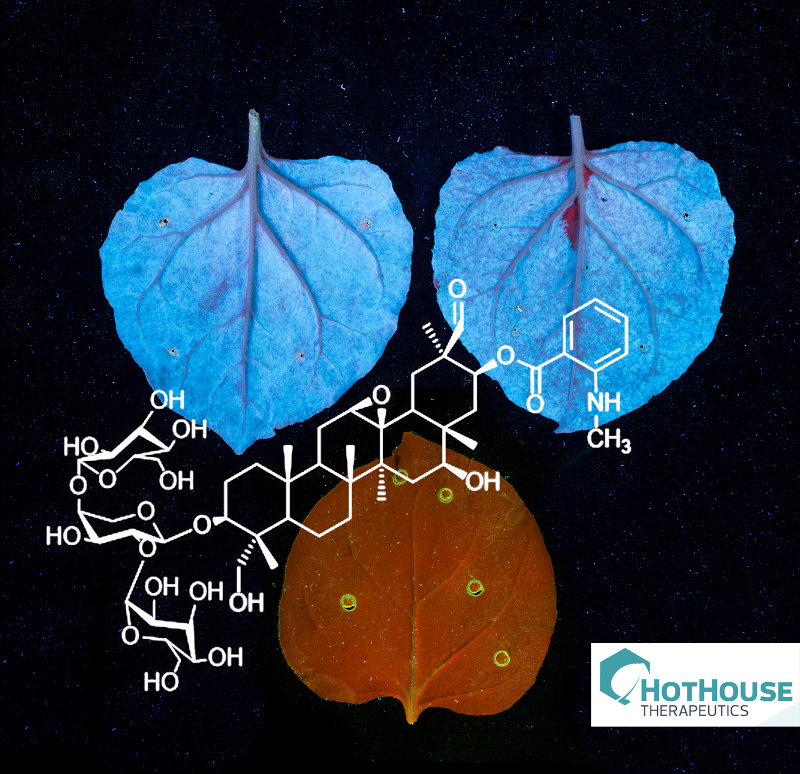
Field crops could also benefit from technology to accelerate the rate of photosynthesis. Agri-tech start-up Glaia is achieving this by using a naturally occurring carbon-nano material to create ‘sugar dots’ that can be sprayed on to foliage. Once located on the leaves the dots increase the number of light-harvesting antenna, improving the response to light. When applied to wheat, strawberries, and tomatoes they have been shown to increase yields between 20-40%.

Could UK be self-sufficient in leafy greens?

John Stamford
John Stamford

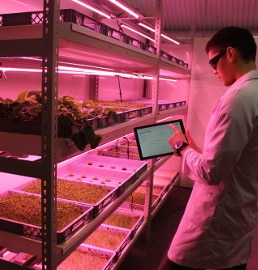
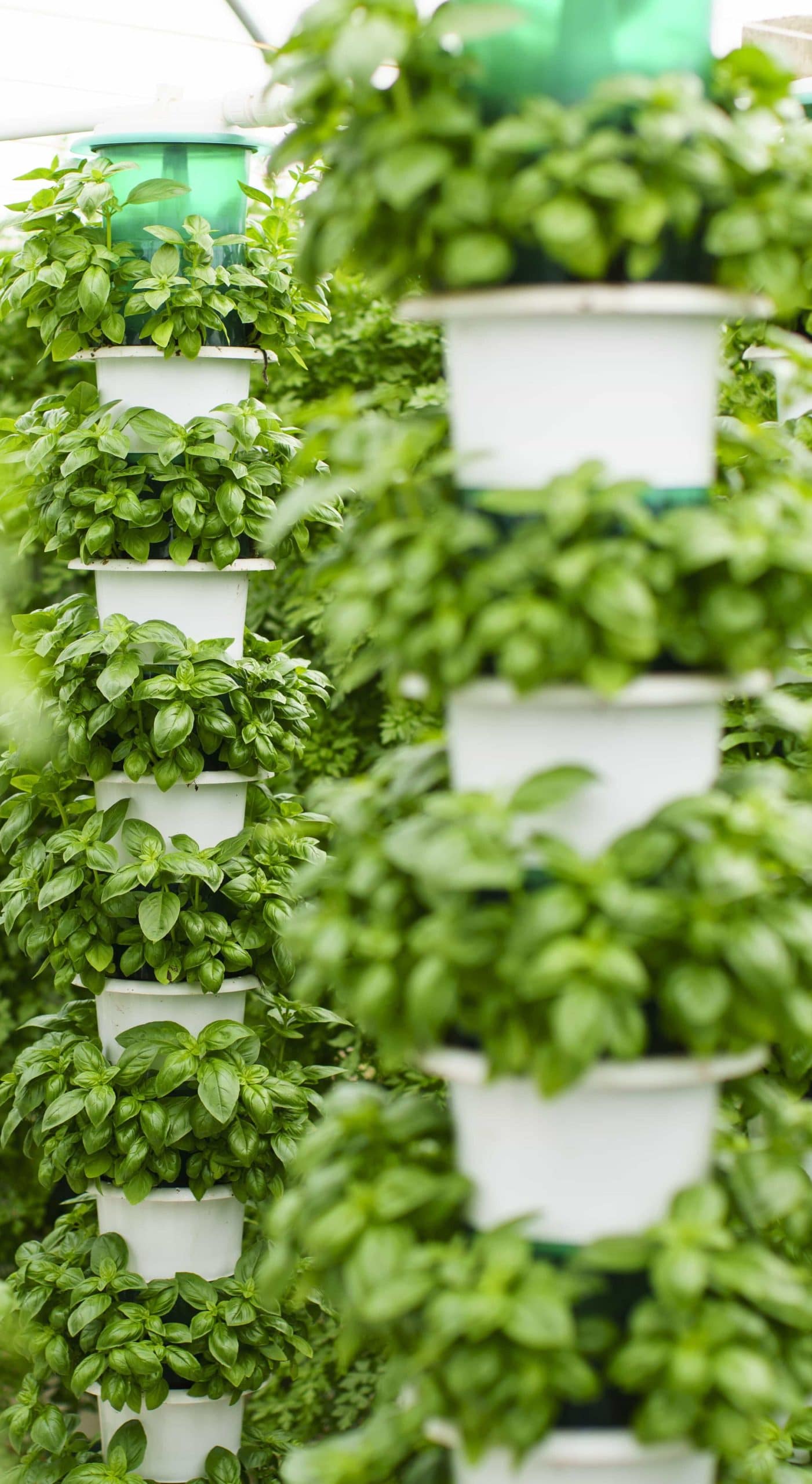
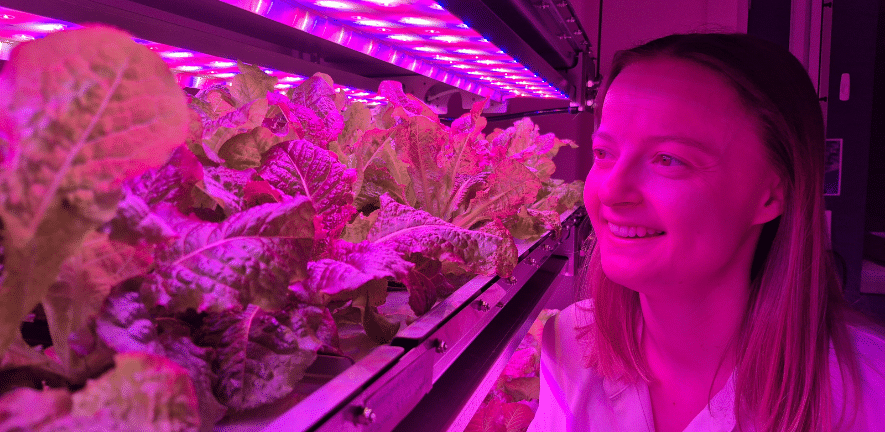
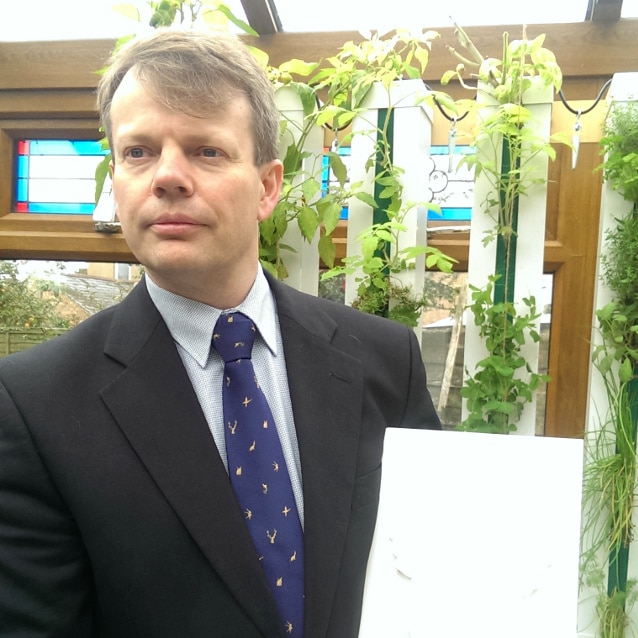
A blended approach of field and undercover cropping may increase the UK’s potential to be self-sufficient in leafy greens, says University of Essex researcher John Stamford, who is looking at how to use tailored LED lighting recipes to improve crop performance and yield as part of the Interreg2Seas funded Hy4Dense project.
“Speaking to farmers, there are a few issues around the supply of leafy greens in the supermarkets. Around November production switches from the UK to Spain which means we are importing these crops over the winter months. The idea here is to improve accessibility of hydroponics in order to potentially have cost-effective year-round UK production. Light plays an important role in that.
“For instance, growing under red light for the first few weeks may cause the plant to focus more on biomass growth, and then transitioning into blue light in the last week before harvest, the plant is stimulated to generate a range of pigments, secondary metabolites, and flavour compounds. So that could maximise yield and flavour in the crop.”
John has experimented with artificial day lengths and changing the quality of light that a plant receives over time to see the impact that has on flavour and other properties: “A plant responds to light quality and quantity in order to optimise itself for the environment, and we can use this response to customise the flavour and morphology of the plant. Some consumers have a preference for larger, leafier, plain tasting leaves whilst others prefer smaller, more flavourful leaves.”

But still challenges to overcome

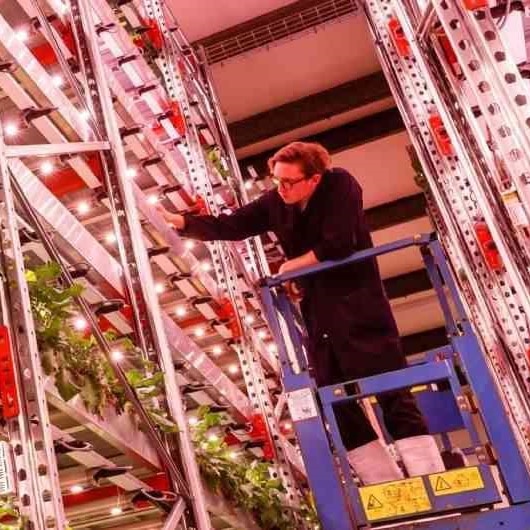
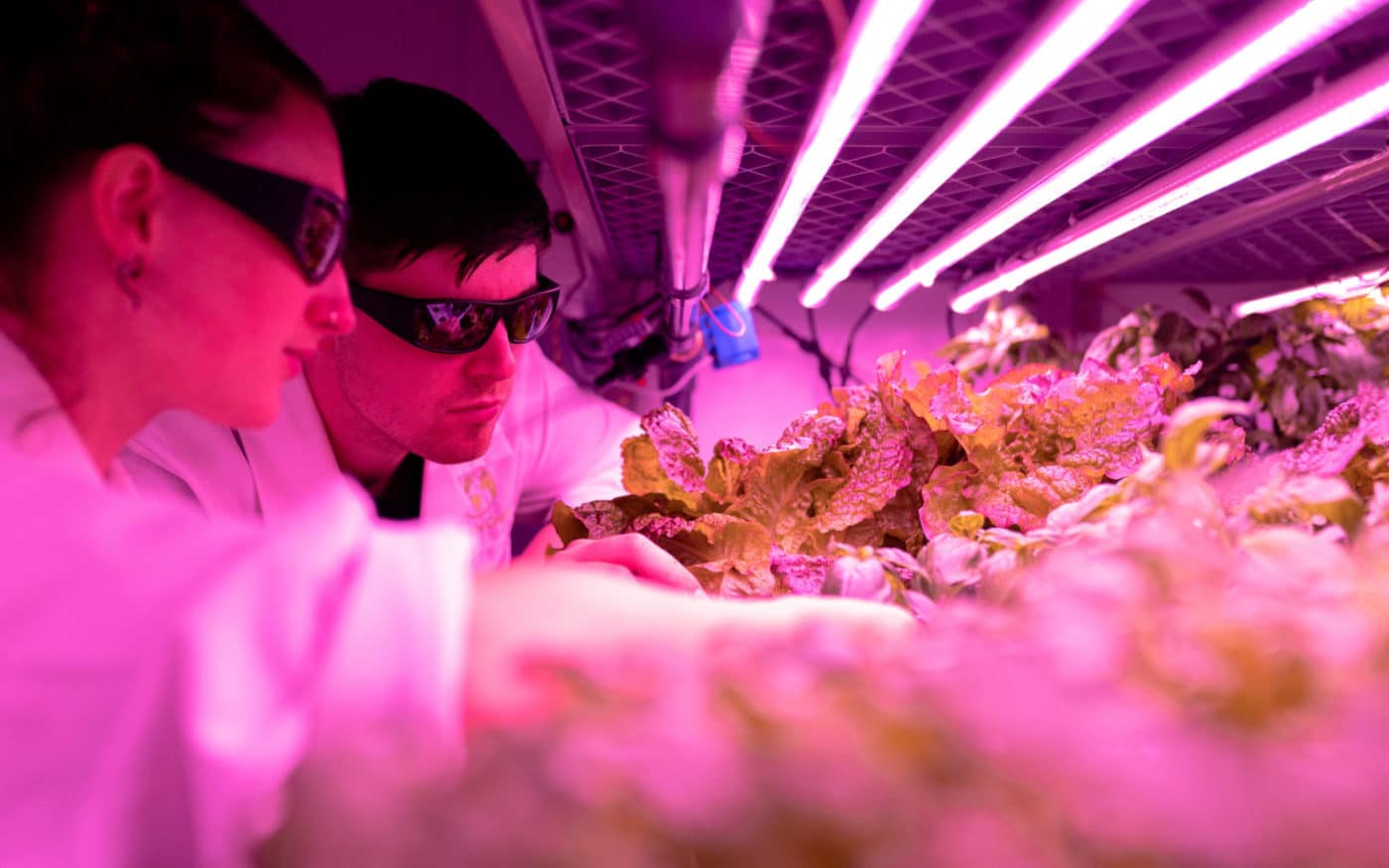
lettuceLighting can also be used to reduce time to harvest, according to research by Jim Stevens of Vertical Future, an engineering firm that designs controlled environments for clients. Vertical Future recently announced a £21million fundraising round, which will be used to boost its development pipeline and widen the options of what can be grown.
Jim explains: “Growing lettuces at supermarket prices in vertical farms may be feasible if we can get their growth cycle down from eight weeks to six or even five. The problem is, lettuces suffer from tip burn, especially if they grow too fast. These ugly brown spots on the leaves are caused mainly by slow transpiration of water through the plants and are unsurprisingly rejected by consumers.”
“One option is to change the light spectrum to increase transpiration at higher light levels – for example turning up the blue spectrum to trigger the plant’s stomata to open and cool the plant.”
Other speakers at ‘Let there be light’ include:

  • Molly Allington, CEO of Albotherm, whose heat-sensitive shade coating optimises the amount of light entering the glasshouse or polytunnel
  • John Matcham, Technical Director of Light Science Technologies, developers of novel lighting recipes for a variety of environments
  • James Millichap-Merrick, CEO of Vitabeam, whose ‘Quantum Energy’ lighting has been shown to boost yield and extend shelf-life of fresh produce.

The exhibitors include:

  • Kroptek  developer of LED grow lights, the company recently announced a collaboration with Surexport to fast-forward the strawberry season by a full month with the best quality of fruit.
  • GE Current – providers of professional horticultural lighting solutions for greenhouses and indoor farms
  • Pro-Lite  – portable plant science instruments that measure and analyse everything from roots to leaves including rate of photosynthesis, canopy structure, leaf area, spectroscopy, and root function.
  • Glaia – developers of nanotechnology-based solutions for sustainable agriculture

Find out more and book your place here.

Event Booking


Overcoming the limitations of time – REAP report launched

Agri-TechE Article
Agri-TechE

Emerging technologies to overcome the limitations of time were discussed at the recent REAP 2021 conference – the report REAP 2021 – ‘Changing Time(s) For Agriculture’ has just been released.
There is much discussion of how more efficient use of resources will make farming more productive, but there are two dimensions that are frequently overlooked – time and light – and these resources are intrinsically linked.
Timing is crucial in agriculture, through the natural cycle of sowing to harvest and birth and maturation of livestock, but also for strategic decision-making such as predicting demand for perishable goods and scheduling interventions. For humans, without automation, the working day is limited by the number of daylight hours available. Light is also key to agricultural production.
At REAP this year the delegates and speakers were asked to imagine a world where time was not an obstacle. Together they reviewed emerging agri-tech that has potential to remove this constraint from agriculture and unlock greater potential from all of its resources.
There was a lot of information to absorb on the day, along with all the networking and the International Café, so the report provides an opportunity to review the content at your leisure. If you are interested in following up with some of the speakers then do let us know. Hope to see you at the next one – save the date Tuesday 8th November for REAP 2022.
In the meantime, thanks again to our 2021 sponsors.

Vitabeam’s novel ‘Quantum Energy’ lighting boosts yield and extends shelf-life

Meet the Network
Agri-TechE

Moulds such as mildew and botrytis are major issues for undercover crops. Vitabeam has developed an innovative lighting system that promotes plant growth whilst improving product shelf life by disinfecting the product during growth and before packaging. Using a unique combination of light wavelengths, the company has created VQe (Vitabeam Quantum Energy), a lighting strip that can be easily used in combination with existing lighting systems.

Vitabeam is talking at the Agri-TechE event ‘Let there be light – powering plant production‘ on 22nd February 2022.

CEO James Millichap-Merrick explains that one contact in the USA was losing 33% of their lettuce at the greenhouse door due to mould attack, before they asked for help from Vitabeam.

“Currently moulds are controlled by spraying the crop with chemicals or by chlorine washing the product post-harvest, but Vitabeam offers the same control without leaving harmful residue on the product.

“The VQe MaxStrip is a safe light energy that can be used throughout the growth cycle of the crop, as well as during storage and shipping of the product. The light strip is hung above the crop and is used in conjunction either with natural lighting or artificial lighting.

“By adding to the spectrum of light already being used, VQe has been shown to give yield enhancements, with some growers finding 10% to 30.1% increases in yield over conventional lighting.”

Vitabeam is gaining interest from the US, India and China and is keen to talk to UK growers at the Agri-TechE event about trials of the product. James continues:
“We began new trials at the end of 2020, following Innovate UK funding, and we now have some really strong relationships – the trials are in greenhouse and polytunnel environments, working with fruits, basil, lettuce and other produce.

“There are known spectra of light that plants respond to, and growers we work with are using LED lighting to create specific ‘light recipes’ and enhance certain traits of the plant.

“Specifically, in basil, our lighting has created stronger plants with a more ‘crisp’ structure, which enhances shelf-life and cold storage. After harvesting, plants can wilt very quickly. Therefore, making the plant structurally stronger by using the VQe MaxStrip is a clear benefit for retailers and customers.

“We are really keen to contact more growers in the UK to establish more of these relationships. And that’s our mission for 2022 – starting with February’s Agri-TechE event.

“Every grower is unique, and there are plenty of variables for us to investigate which alter the performance of our lights, including distance from the crop, intensity, duration and different crop types. There’s a real interest in our technology, from growers, to understand how Vitabeam VQe benefits their growing systems.

Vitabeam VQe strip polytunnel

“Anybody who would like to connect with us can get in touch by email and we will discuss how Vitabeam can help their company, and if they are interested in trials, we can organise that starting with a site visit.”

The Agri-TechE event ‘Let There Be Light – Powering Plant Production’ will take place on Tuesday 22nd February from 10:00 am – 2:00 pm at the University of Essex’s STEM Building in Colchester.
Speaking along with James Millichap-Merrick will be Tracy Lawson and John Stamford from University of Essex, John Matcham from Light Science Technologies, Molly Allington from Albotherm and Jim Stevens from Vertical Future.
Find out more and book your place here.

LettUs Grow partners with Octopus Energy to reduce energy costs for vertical farming

Agri-TechE Article
Meet the Network
Agri-TechE

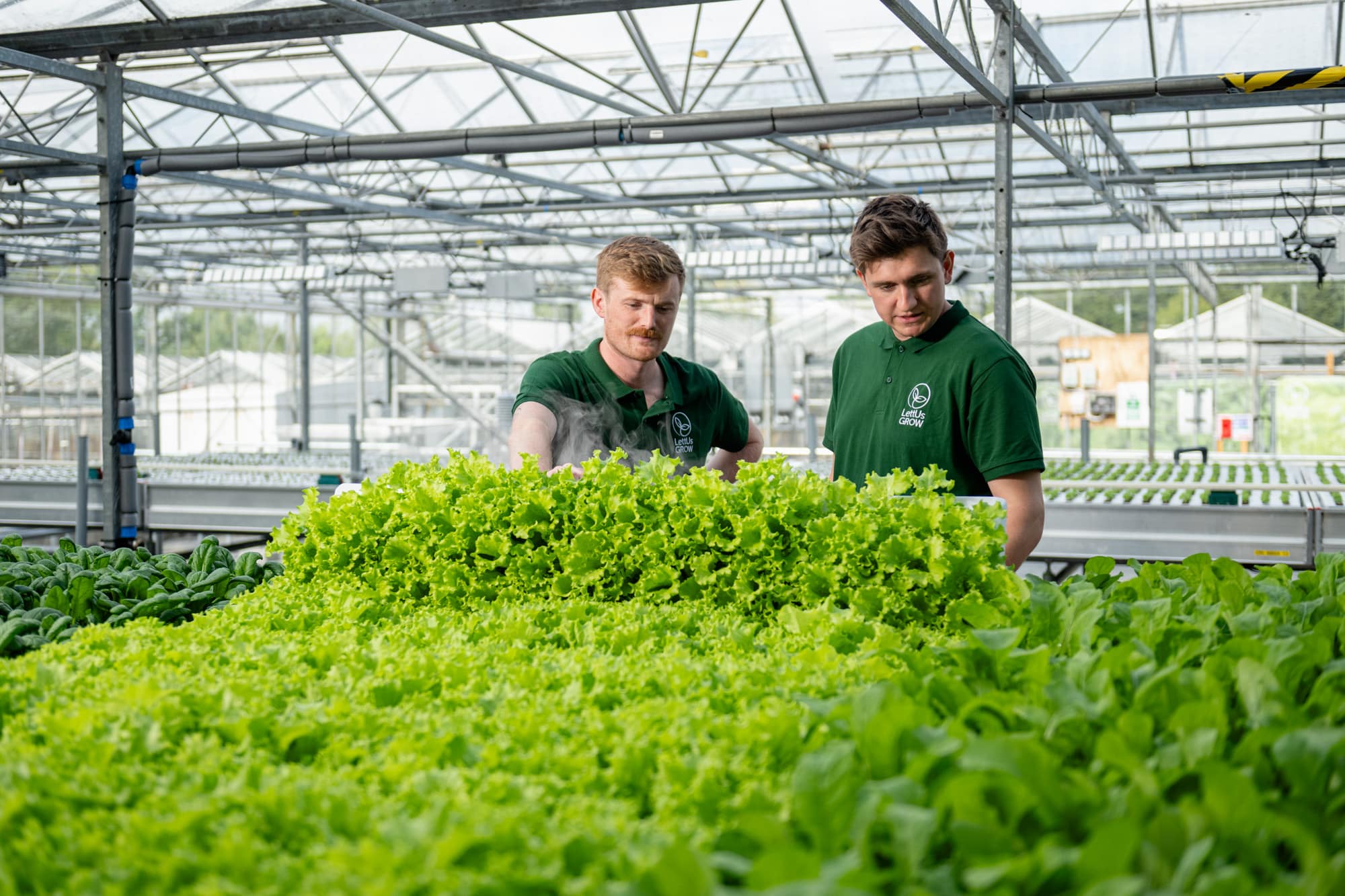
Energy consumption can account for between 40-50% of production costs in vertical farms and lighting costs alone can account for 25-30% of the operational costs. LettUs Grow,LettUs Grow energy efficiency has integrated an Agile Business tariff into its Ostara management system that enables indoor farmers to adjust their plant’s growth cycles to align with lower energy costs.
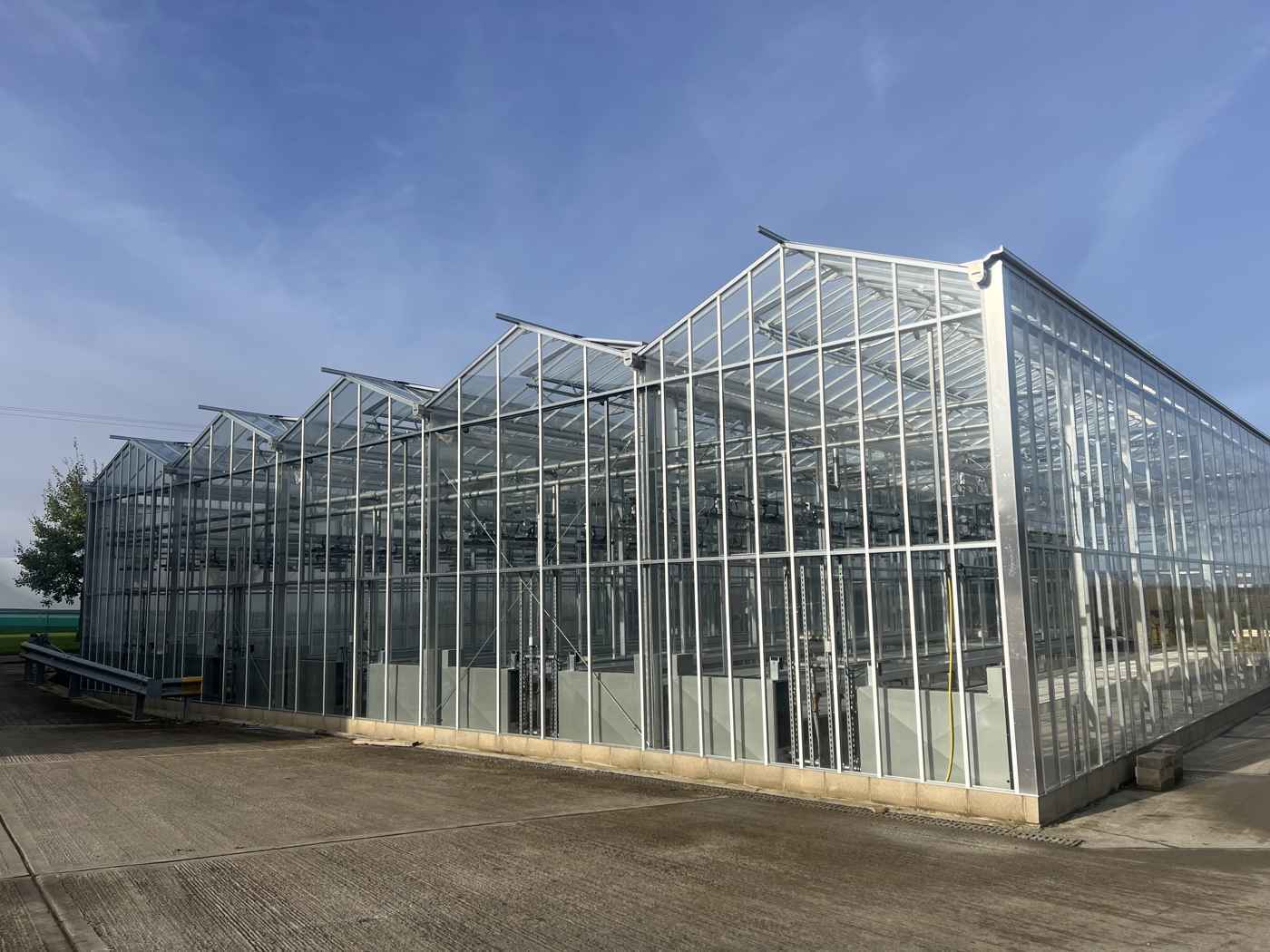
The partnership with Octopus Energy has just won the Best Energy Efficiency category of the Zenith Global Vertical Farming Awards.
Jack Farmer, co-founder and Chief Scientific Officer of LettUs Grow explains that the crops are given ‘down time’ between 3-7pm when electricity is in high demand and most expensive. “This can ultimately cut down on costs, reduce the environmental impact of vertical farms and also takes some pressure off the electrical grid at times when the UK usually has to call on fossil fuel generators to meet demand. Octopus have developed a tailor made tariff ‘Vertical Power’ especially for vertical farms.”

Optimising performance minimising cost

Ostara is a farm management toolbox which can provide agile, closed-loop control and be used to optimise plant growth.
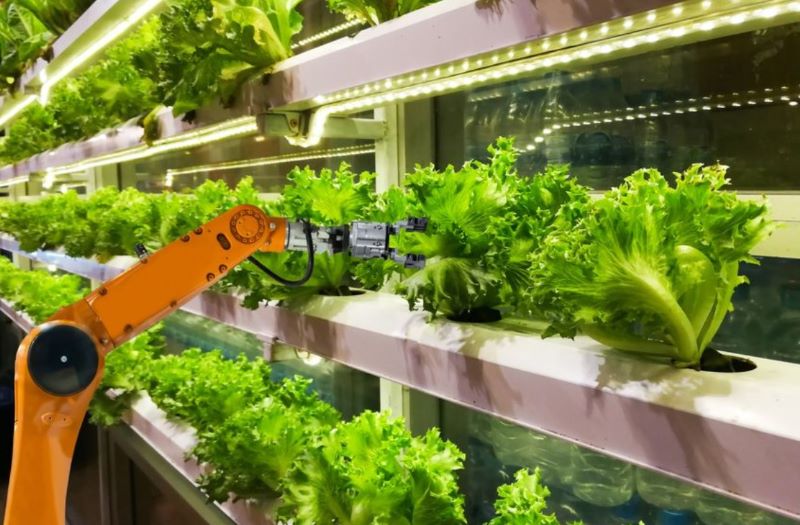
Vertical farming – growing crops indoors under fully controlled conditions using LED lights – is undoubtedly an energy-intensive process, however vertical farms are steady and predictable energy users that have been proven to integrate well with renewable energy production. If supplied by renewable energy, vertical farming can have a carbon footprint of zero, which will help the UK work towards its goal of net zero by 2050.

Agri-TechE CEA speaker Jack Farmer - Lettus Grow
Jack Farmer, LettUs Grow

Jack continues: “Our two research and development vertical farms, based in Bristol, are both powered by Octopus Energy’s 100% renewable energy. We have also teamed up with Octopus Energy to integrate our very own farming management software platform Ostara with their Agile Octopus smart tariff, which received recognition at the Global Vertical Farming Awards and the Better Society Energy Awards this year.
By integrating an Agile Business tariff into Ostara, indoor farmers can adjust their plant’s growth cycles to align with lower energy costs.

Here at LettUs Grow, we are dedicated to reducing carbon footprints, as well as food waste; we are always looking for ways to reduce our environmental impact and reliance on fossil fuels. We are thrilled about winning two energy awards this year with Octopus Energy, and hope our collaboration can continue to bring forth more positive impacts.
More about LettUs Grow
 
 
Agri-TechE has an event on 22nd February 2022 about the use of light for agriculture and it will feature a number of energy-efficient technologies. More information Let There Be Light – Powering Plant Production
 

Zayndu seed cleaning accelerates salad leaf growing cycle

Meet the Network
Agri-TechE

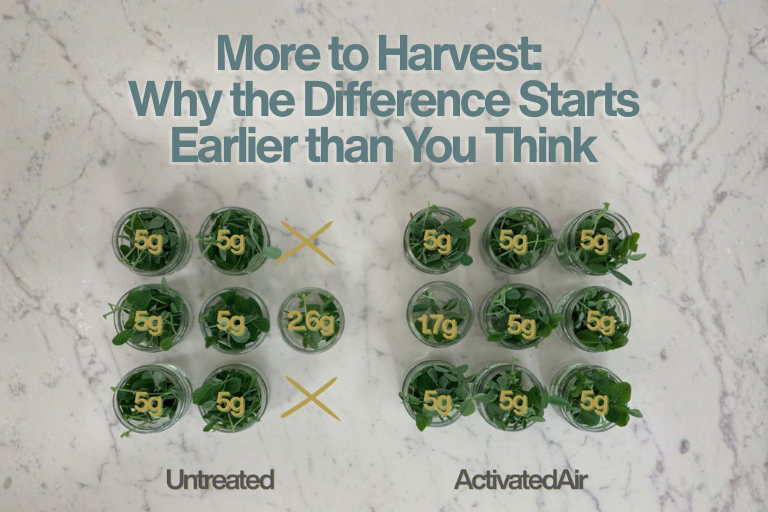
“We’ve seen some amazing results, particularly for crops such as Amaranth, where treated seeds have resulted in significant reductions in infections, improved germination rates, higher yield and reduced losses,” says Dr Katie Wilkins, Senior Plant Scientist at Vertical Future, about Zayndu’s ‘activated air’ seed cleaning technology. Trials have shown baby leaf salad crops germinate a day faster following treatment and Zayndu is to announce its findings at the Global Vertical Farming Expo (GVFE) 2021 on 1-2 December 2021.
Ralph Weir is CEO of Zayndu, a spinout from Loughborough University. He explains that its technology uses a ‘cold plasma’ generated when an electrical current moves through air, splitting the oxygen and nitrogen molecules and creating a powerful disinfectant with no residues. “Our initial focus was removing fungal spores from seeds, and this has been successful,” he says. “We then observed that treated seed was germinating faster and had a higher germination success rate. For crops such as microgreens, where there is a 10-day cycle, 1- or 2-days faster germination will have a massive impact on productivity.
“Cleaning seed with activated air has the potential to increase productivity by 10% or more and reduce the risk of fungal disease, without the need for chemicals or hot water.”
The company is collaborating with Vertical Futures and Niab on CHOPS (CEA Heirloom Optimisation and Pathogen Control of Seed), an Innovate UK funded project to create a quality-marked, high health status seed system.
Vertical farms are closed systems, so are vulnerable to rapidly spreading fungal diseases. To prevent this the highest levels of hygiene are required, including cleaning seeds to remove fungal spores, the options for which are currently limited.
Katie continues: “We are very excited to be working with Zayndu and Niab on this project and using this technology in our vertical farms. Increasing yield has a significant impact on the productivity and sustainability of this industry.” Dr Jane Thomas, senior pathologist at Niab, comments: “A non-chemical approach is really advantageous for vertical farms. Zayndu’s cold plasma treatment is a good technology and one of the few options available for vertical farming.
“The alternatives are hot water treatment, which can knock back germination of viable seed, or possibly UV lighting, which has the potential to damage the seed.
“The accelerated germination rates are very interesting. It could be that the treatment is ‘priming’ the seed by physically altering its coating which is encouraging rapid germination. Salad leaves are a short-lived crop, so reducing the cycle by a day will have a big benefit for productivity, allowing more harvests within a fixed period and space.”
Zayndu’s activated air technology is completely dry and chemical free. The company launched its small mobile unit Aurora Z10 earlier this year to allow small batches of seeds to be disinfected by growers as they are required. For the first time, it enables many high value seeds such as tomato or fast-growing seeds like rocket to be disinfected. Ralph says the technology may also allow more species to be grown undercover.
“Our technology removes fungal spores from seeds, which can be a godsend – for example, we remove 100% of fungus from peas, which are notorious for carrying high fungal loads.
“Infected pea shoots become slimy, smell horrible, and lead to the crop being destroyed – and they may infect other crops within a tightly-packed vertical farm. Removing the fungi would make it easier to grow high value pea shoots in a controlled environment.”
Zayndu is offering a new batch testing service; breeders and growers keen to see the results for themselves should contact Zayndu via seedhealth@zayndu.com, or via the website: zayndu.com.
More about Zayndu.

Gardin’s new device gives rapid insights into plant physiology

Meet the Network
Agri-TechE

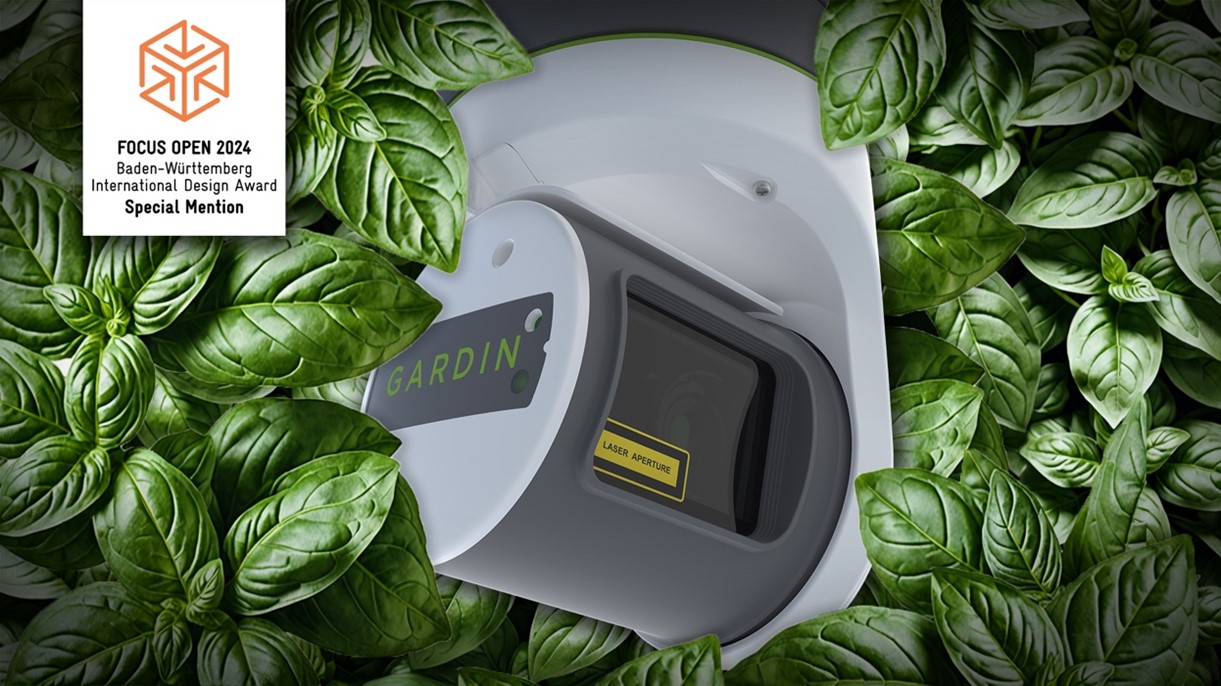
Detecting changes in the rate of photosynthesis can give a fast indication of the plant physiological state, resulting from the levels of water, light, temperature or nutrient levels. Gardin announces at REAP 2021 it has developed an optical phenotyping sensor, this low-cost device gives the grower timely recommendations for action.  
Fabrizio Ticchiarelli, Lead Biologist at Gardin, presented in the Start-up Showcase at REAP 2021. He says: “We wanted to provide a tool that measures plant health, produce quality, ripeness, and plant yield – but we want to be able to measure that directly, to be able to react quickly to problems or engineer desired responses, such as fruiting or increasing the content of specific nutrients. 
“Existing phenotyping devices measure plant features such as height, leaf size, shape and texture, which allows them to report on how well the plant is growing. However, these physical plant metrics are the end-result of processes in the plant cells that have been going on for days or weeks, so there is a lag in these metrics.  
“To get a much more immediate indication of plant health and activity, you need to measure plant cell processes directly. That’s what we’re doing.  
“The optical phenotyping sensor we are currently developing uses chlorophyll fluorescence, which is a signal that allows us to monitor photosynthesis directly, telling us how efficiently photosynthesis is occurring in each leaf and each part of the plant. 
“Our prototype has completed trials in controlled environments with key clients; we would now like to talk to more growers and to tech developers about integration with automated systems and applications within precision agriculture.” 
Find out more at gardin.co.uk 

REAP 2021: Changing Time(s) for Agriculture10th November 2021

Imagine a world where agriculture is not constrained by time. The ability to manage and manipulate time is increasing and REAP 2021 will explore the advances in technology and breakthroughs in science that is making this possible.
REAP brings together people from across the agri-tech ecosystem who believe that innovation is the engine for change. The conference bridges the gap between producer needs and technology solutions and showcases exciting agri-tech start-ups. 

Albotherm’s greenhouse coating maintains optimum temperature

Agri-TechE

A heat sensitive coating for greenhouse glass, that would maintain optimum temperatures all year around and remove the annual cost of applying and removing shading, is being developed by University of Bristol spin-out Albotherm. 
Molly Allington, CEO and Co-founder of Albotherm, says: 
“When the required temperature is reached, the transition from transparent to white is nearly instantaneous – a few seconds; it’s just a matter of the glass having the time to change temperature, and then it’s very, very quick.” 
Molly is looking forward to talking to potential partners, growers, and investors at REAP 2021. 
“At the moment we’re based in Future Space, a start-up incubator based at UWE in Bristol, and testing the products in the lab. We are talking to partners about further product trials and scale-up of our facilities.” 
Find out more at albotherm.com. 

REAP 2021: Changing Time(s) for Agriculture10th November 2021

Imagine a world where agriculture is not constrained by time. The ability to manage and manipulate time is increasing and REAP 2021 will explore the advances in technology and breakthroughs in science that is making this possible.
REAP brings together people from across the agri-tech ecosystem who believe that innovation is the engine for change. The conference bridges the gap between producer needs and technology solutions and showcases exciting agri-tech start-ups. 

1660: Why is Newton’s prism important for high density salads?

Agri-TechE

John Stamford is investigating how light can be used to both measure plants and regulate their growth and performance. He has previously investigated non-invasive physiological tools such as chlorophyll fluorescence, thermography, and spectral reflectance, which are used to monitor crop performance and health.
He is currently working on the Interreg 2Seas funded Hy4Dense project, which aims to develop a novel hydroponic cultivation system for high density growth of baby leaf salads. His particular interest is the role of LED lighting spectra and regimes on plant growth, morphology and performance.

REAP 2021: Changing Time(s) for Agriculture10th November 2021

Imagine a world where agriculture is not constrained by time. The ability to manage and manipulate time is increasing and REAP 2021 will explore the advances in technology and breakthroughs in science that is making this possible.
REAP brings together people from across the agri-tech ecosystem who believe that innovation is the engine for change. The conference bridges the gap between producer needs and technology solutions and showcases exciting agri-tech start-ups. 

Charles Veys, on the challenges of time…

Agri-TechE Article
Agri-TechE

Charles Veys is founder and CEO of Fotenix, developers of a tractor-mounted sensor that uses manipulated colours of light combined with embedded artificial intelligence to detect plant status, such as nutrient levels or disease. Time is central to how we operate in the world of agriculture, as our cloud-enabled cameras create a digital twin of a plant which is a four-dimensional snapshot (shape + content) in time, and can be rewound or fast-forwarded when looking to study and improve the understanding and detection of new pests and disease. 
“An ability to manipulate and revisit outbreaks is crucial to improving our scouting service which enables optimised timing for pesticide application both conventional and biological.”
Charles is a delegate at REAP 2021.

REAP 2021: Changing Time(s) for Agriculture10th November 2021

Imagine a world where agriculture is not constrained by time. The ability to manage and manipulate time is increasing and REAP 2021 will explore the advances in technology and breakthroughs in science that is making this possible.
REAP brings together people from across the agri-tech ecosystem who believe that innovation is the engine for change. The conference bridges the gap between producer needs and technology solutions and showcases exciting agri-tech start-ups. 

Cracking the secret of timing and its potential for agri-tech

Research Digest
Agri-TechE

As scientists, we know from the lab that time of day is important for treatments – herbicides are more effective when sprayed at dawn than dusk – but there is not much evidence that in current agricultural practice, timing of treatment is being considered. This is probably because it is only recently that the technology has become cheap enough to justify the investment.

The chronoculture idea is not just about the plant – it’s also about the fact that automation is now incredibly cheap.

25 years ago, it would have been ridiculously expensive and time consuming to optimise watering by computer. But now, somebody subscribing to a smart app can have automated watering for the cost of a few pounds – and suddenly these smaller benefits can start to accrue.

Professor Alex Webb, Chair of Cell Signalling in the Department of Plant Sciences, University of Cambridge

For example, if it was shown that watering at night would be more beneficial for the plant it would be possible to input this knowledge into the algorithm used to control irrigation. However, if the temperature is very high during the day and it is found that water is beneficial for cooling then the system could override these rules and sprinkle the crop. This dynamic decision making would balance the yield benefit with the cost of the water.

Fundamental research unlocks the secret of timing

Alex Webb’s team at the Department of Plant Sciences, University of Cambridge, had a major breakthrough when they discovered circadian clocks increased the size of the plants they were studying, confirming that this timing mechanism provides an advantage to plants.

Further research revealed that sugars produced by the plant regulate the clock function and calcium controls the circadian rhythm.

Professor Webb says we are at a tipping point where “we’ve got the fundamental biological knowledge and we’ve got the means to exploit it – with expensive automation like robots, cheap automation like smart irrigation, with smart data analysis tools and the ultimate: Controlled Environment Agriculture.”

Our findings about the importance of circadian rhythms in plants and the role of calcium and sugars in regulating their clocks are really fundamental discoveries that help us to understand the biology of the plant. I think this has been the exciting intellectual challenge for the past 25 years!

Now we more or less understand how plants measure time. The big excitement is that these discoveries don’t just apply to daily rhythms, they probably also apply to drought stress biology, pest resistance biology and much more.

We might be able to help adapt plants to different geographies, with different day lengths or breed for a changing environment.

It is already possible to get multiple harvests of wheat in a year under controlled conditions. This is achieved by giving the plants 18 hours of light, four hours of darkness – extreme photoperiods. This is an example of a really radical controlled environmental condition to rapidly accelerate the generation time of wheat – a real example of chronoculture.

But is this applicable in a field environment?  For this we need crop data, and my lab is currently working with Niab and BASF on field trials with wheat. We are growing plants in which the circadian clock is disrupted to see the consequence on different traits.

An application for this could be to adjust harvest time to coincide with optimum environmental conditions, particularly if we have trend towards wet Augusts and warmer drier Autumns.

We now have the opportunity to monitor the plant and control its environment 24 hours a day, which is a significant change in our relationship to farming.

This extends to storage and increasing the shelf-life of fresh produce.

For example, Beko have just released a range of ‘harvest fresh’ fridges which use blue and red lights in the vegetable drawer to simulate a 24-hour sun cycle which mimics natural light conditions ‘to maintain vitamins for longer’.

This feature came directly from fundamental research, where it was found that maintaining a light/dark cycle after harvest reduces pest attacks and maintains the quality of the fruit and vegetables because it stops them whitening and senescing – particularly in brassicas. The papers on this were only published only about 10 years ago.

The big question is: where will this new knowledge bring the best returns?

REAP 2021: Changing Time(s) for Agriculture

10th November 2021

Imagine a world where agriculture is not constrained by time. The ability to manage and manipulate time is increasing and REAP 2021 will explore the advances in technology and breakthroughs in science that is making this possible.

REAP brings together people from across the agri-tech ecosystem who believe that innovation is the engine for change. The conference bridges the gap between producer needs and technology solutions and showcases exciting agri-tech start-ups.

Read more here.

LettUsGrow collaborates on four social impact vertical farming projects

Meet the Network
Agri-TechE

Making fresh produce affordable is the aim of Crop Cycle, an innovative social-impact vertical farming project that brings together four leading companies – LettUs Grow, GrowStack, Digital Farming and Farm Urban – to collaborate in delivering four projects in Wales.
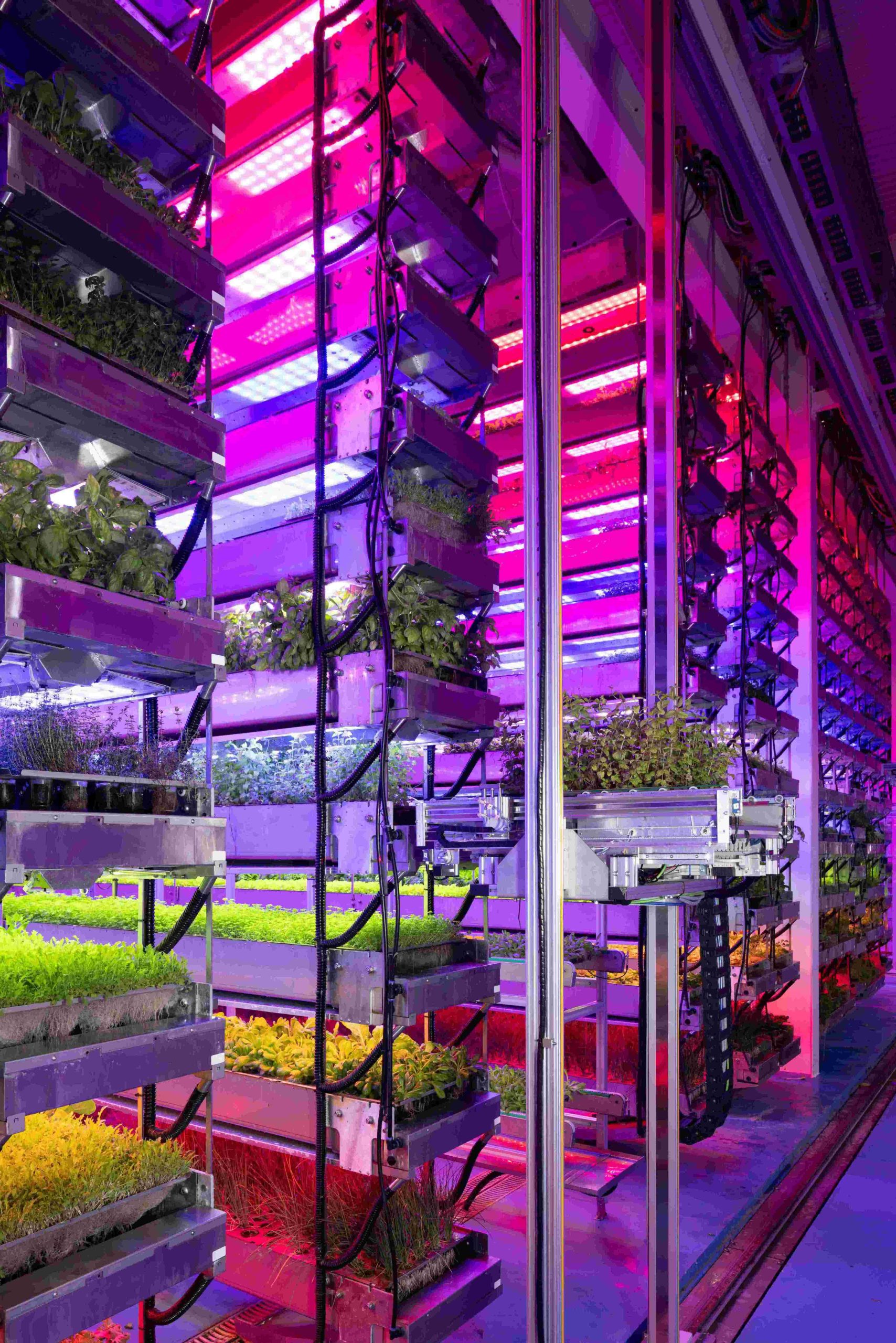
Vertical farming is a way of growing crops indoors on stacked shelves, and can be beneficial for people, plants and the planet. It allows growers to provide fresh, healthy produce to their local area 365 days of the year and can help to supplement outdoor growing. It diversifies our supply chains and boosts local food security. It also has a long stream of environmental benefits, such as using fewer resources including land or water, removing the use of chemical pesticides and reducing the need to transport food across seas. However, a common criticism of vertical farming is that it’s not always accessible or affordable to areas under-served by our food networks. Crop Cycle is looking to bring the benefits of vertical farming directly to communities who could benefit most and is being funded by the Welsh Government through the Foundational Economy Challenge Fund.
Charlie Guy, co-founder and CEO of LettUs Grow, said about the collaborations: “LettUs Grow is delighted to be working alongside these leaders of the UK vertical farming ecosystem and inspiring community projects. We believe a brighter future can only be realised with inclusive partnerships and strong cooperation, built on shared values and a vision which places people and the planet at its epicentre.” The project will introduce year-round food growing right into the heart of Welsh communities, where they’ll be connected to the particular dynamics of the local area. Activities will test new community-based engagement models, focusing on social well-being, local entrepreneurship and environmental impact. In this way, the project will be bringing together community, businesses and local public sector organisations.
Two CEA systems, provided by LettUs Grow and Digital Farming, are being integrated into an active college site and managed by a community group, with a cafe and kitchen, shop, deli and veg box scheme in place. The site is supported by Cultivate, a membership cooperative linking food and community.

How happy is your crop? 30MHz will tell you

Meet the Network
Agri-TechE

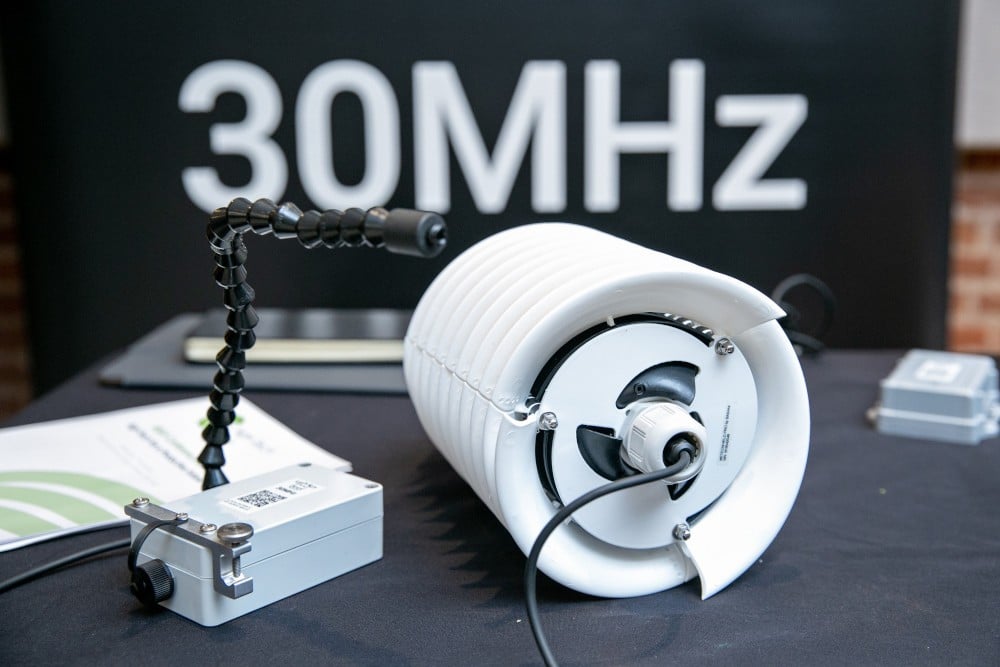
From monitoring single plants to remote management of entire greenhouses, 30MHz has taken its plant-led focus a long way since its first appearance in the Innovation Hub in 2018.

Steven Archer of 30MHz explains that its wireless sensors are able to do an analysis of crop level environmental conditions, including measurement of actual leaf and stem metrics, to more closely assess how “happy” the crop is.  The data is collated into the 30MHz platform for analysis and models are created to enable the development of the optimal growing environment. The company recently reached the finals of the Autonomous Greenhouse Challenge, which aimed to grow healthy cherry tomatoes remotely. Within six months the multidisciplinary team of horticultural experts and computer scientists were able to develop the system and models needed to control a greenhouse autonomously.
Steven explains that this is just one of the applications for the technology: “30MHz provides a data platform for horticulture that collates data from a range of wireless sensors and data sources, analyses and stores the data and then makes it available for many applications. These applications can be simple analysis of a plant or soil moisture or indeed control of an entire controlled environments such as the recent Autonomous Greenhouse Challenge.
“The data is owned by the user and can be utilised in any way they see fit including being sent into other platforms via our API or it can be sent into climate computers for control.”
The platform supports the integration of other sensors such as 2Grow, Sendot and Paskal, with many more coming, and the data is displayed through a fully customisable dashboard accessible on smartphone, putting decision support directly into the hands of the user.
Steven continues: “As it is customisable the data can be displayed in many different ways depending on how the grower wishes to analyse the particular metric in order to make decisions.
“For example, continuous data on substrate or soil conditions can show when sufficient dry back has happened and when irrigation needs to begin. This is particularly important in controlled environments where climate control – particularly managing humidity – is energy intensive.
“Certainly, the optimisation of various metrics has led to less water use, less heat use and in some cases less CO2 pumping.”
More information about the Greenhouse Challenge