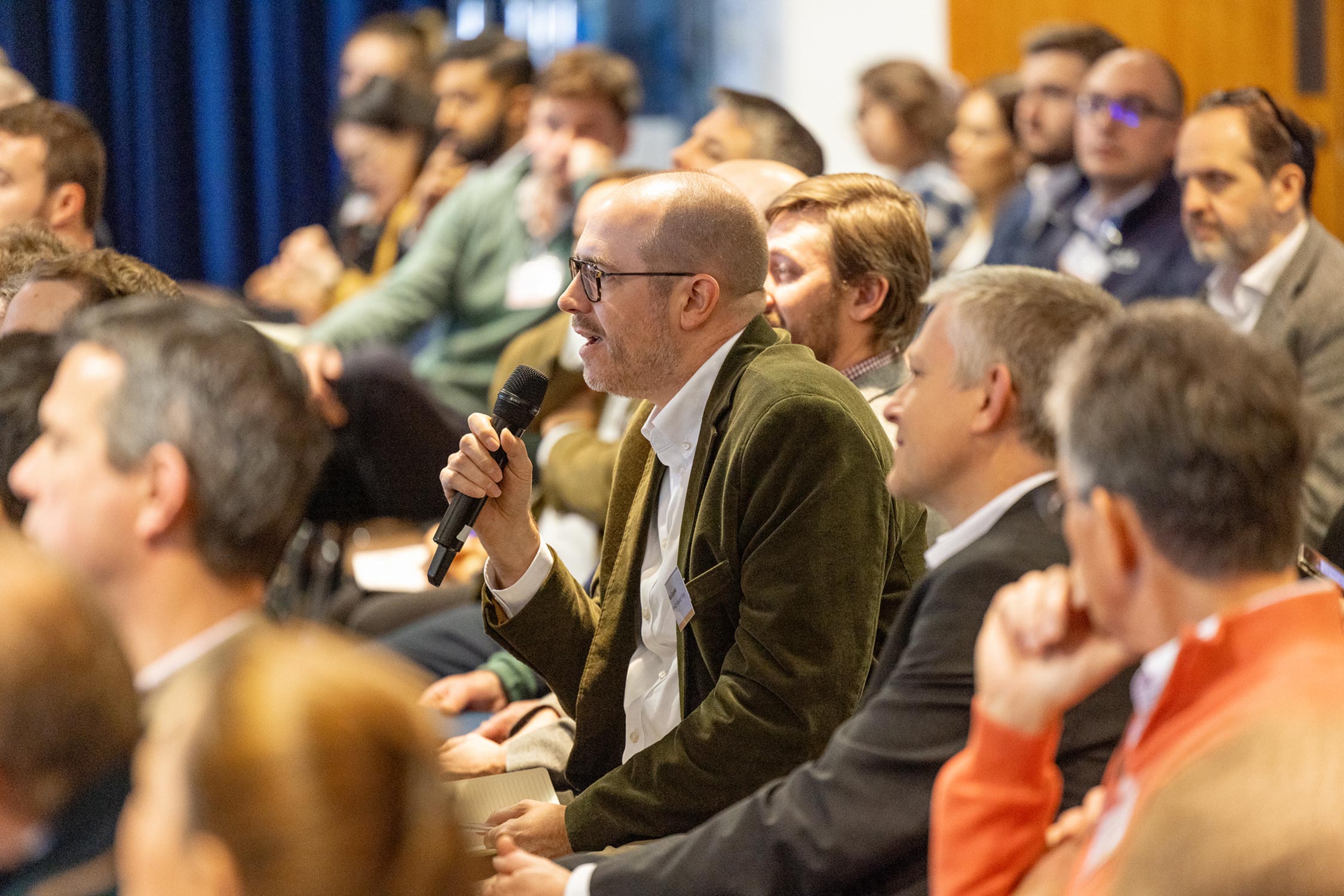
The Productive Landscape: NatureTech for Profit and Planet
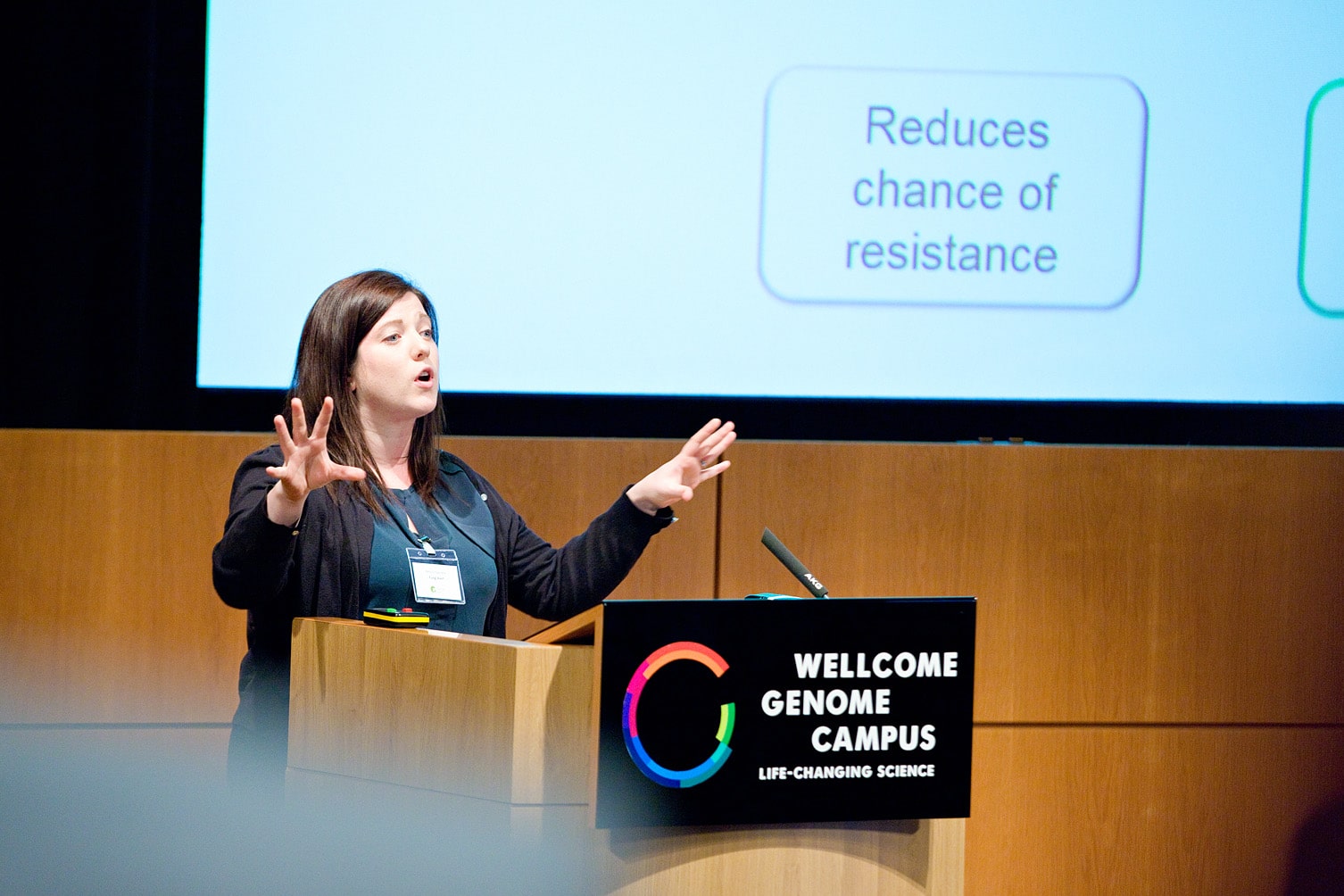
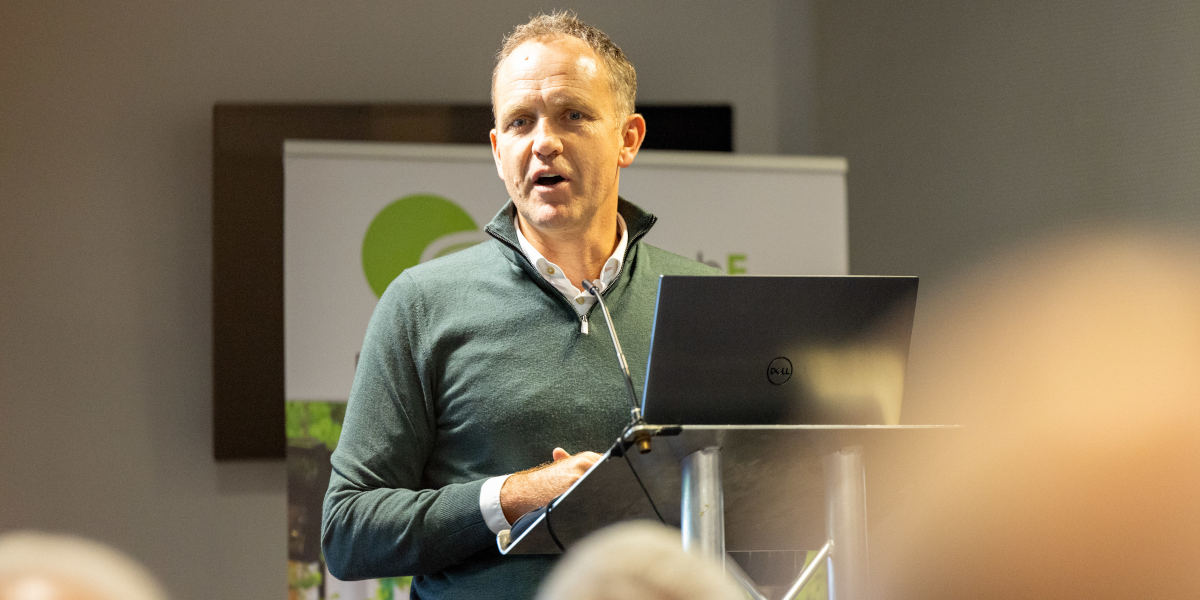
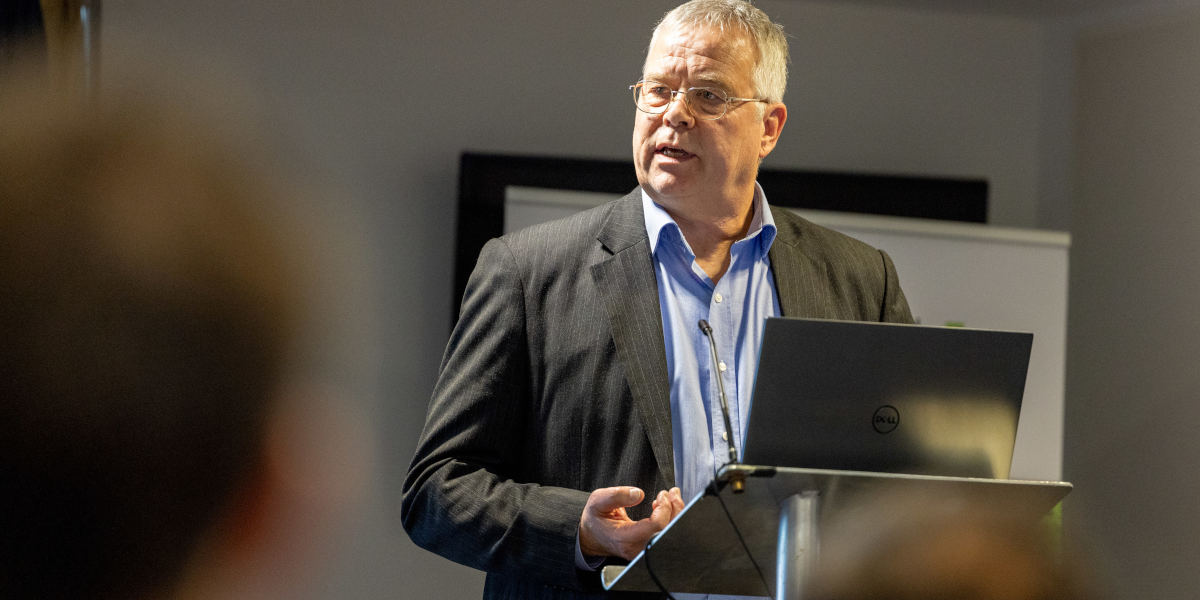
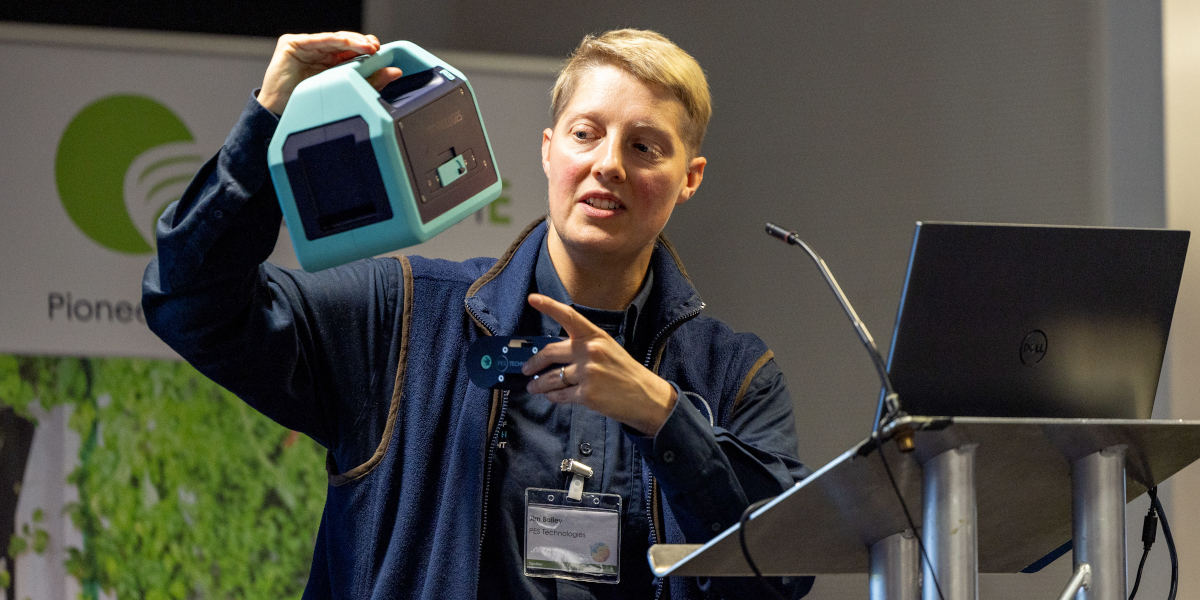
How can technology enable delivery of food, nature recovery, and climate resilience - all at once? The Head of the Environment Agency is asked: what's the national plan for dealing with land use pressures, plus you’ll hear from technologists and land managers working on nature-based and tech-enabled solutions for water, soils and climate adaptation.

Students drive innovation and add value to businesses

Agri-TechE Blog
Agri-TechE

Exam results have been filtering in across the summer, and as the nation’s learners (and those supporting them) prepare for their next steps in academia or the world of work, we’ve been thinking about the role of students in the agri-tech innovation ecosystem.

Notwithstanding the current political debate about the relative value of different degrees and the role of apprenticeships, this month we are arguing for the value of students as vital contributors to the engine of progress.

From internships to collaborative R&D, bringing fresh thinking and team projects to businesses, it’s time to reframe the conversation to recognise that hosting students creates value, as well as providing learning. Being a student is about so much more than gaining new knowledge, the need to ensure learners are fit for the workplace of today (and tomorrow) has never been more important.

Happily, there are a wealth of programmes designed to help them deliver significant value to businesses as well as help individuals gain that all-important ‘experience’ of the sector.

Of course, Agri-TechE ’s Early Career Innovators’ Forum exists to  help those setting out in the industry to gain experience and build their network, but other more structured programmes exist to help businesses access this expertise. Dr Laura Bouvet, Agri-TechE ’s Knowledge Exchange Manager has written an article highlighting her experience as a student working with industry and how it benefitted both.

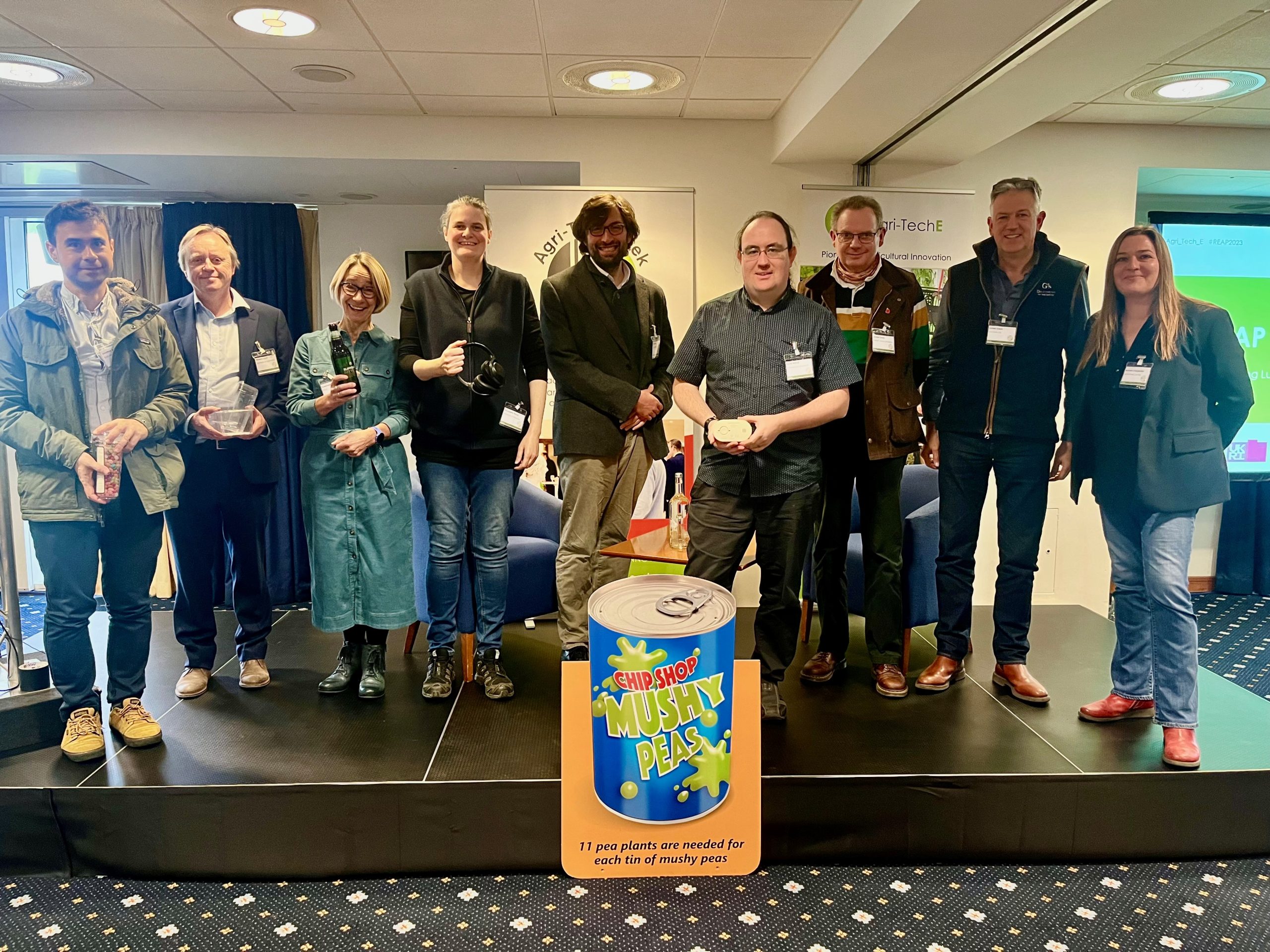
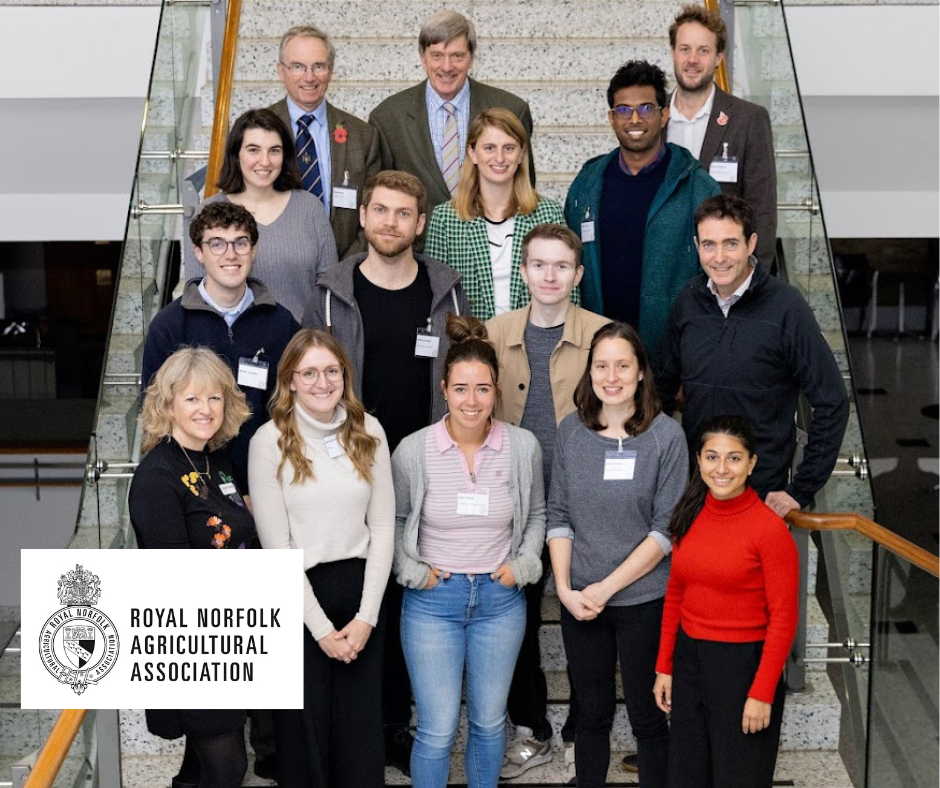
Group_IMG_20231120_152258

Post graduate students funded by BBSRC participate in a PIPS programme (Professional Internships for PhD Students) – a three-month placement in an external organisation. While badged as a learning experience for the student, the opportunity to harness a trained pair of hands and a finely tuned brain shouldn’t be under-estimated.

Similarly, a number of post-graduate courses – such as MBAs at many universities – require the students to undertake a team project applying their learning to address a real-world challenge. So, if you need a piece of desk research carrying out, they can be called upon to provide capacity and capability within your organisation and be specifically tasked with a project pertinent to your strategy.

Need to understand more about your competitors? Get your student team on the phone, searching the web and writing you a report about the current state of the art.

Looking to tackle a new international market? You have a team ready to help do your desk research about potential routes to success.

Wanting some insights into the trends in investment, technology or market forces? They stand ready to help.

So, it’s time to reframe the conversation that you aren’t just offering a learning opportunity – you can gain significant value from engaging with those poised to enter the industry. And you may just find your next employee……

Are we missing a trick?

Agri-TechE Article
Agri-TechE

The future agri-tech workforce is ready and waiting…

Laura Bouvet, Knowledge Exchange Manager at Agri-TechE describes her career path and the benefits she received – and offered – through industry work experience.

Postgraduate studies traditionally focused on training researchers to do research and work in Academia. But with only a small proportion of students continuing in the sector, the landscape has changed significantly in the last decade.

There is now a larger focus on providing students with skills and experience to go on to work in Industry as part of Doctoral Training Partnerships, for example. These offer students the opportunity (and the money through a continuous stipend) to gain work experience in a different field and environment through Professional Internship for Postgraduate Students (PIPS).

And that’s what attracted me to my PhD.

Laura Bouvet

Back in 2016, I was enrolled on the Cambridge Biosciences BBSRC Doctoral Training Programme (I know, it’s a mouthful!) and was looking for an organisation to do my three months’ PIPS.

I set out for CIMMYT, the International Research centre for Maize and Wheat in Mexico, as I had a fascination for their seed conservation work (and have family from there!). There, I mapped out pilot online training modules in genetics and genomics for scientists. These would complement in-person training, so that more scientists could access and make use of the wealth of genetic data available from CIMMYT’s maize seed bank.

5979294226_af07140158_o
FB_IMG_1725540820929
Laura Bouvet

How can it benefit your organisation?

Early-careers researchers, whether Masters, PhD or postdocs represent an untapped pool of skills and experience for innovation in agriculture.

For many organisations, PIPS and other types of student/researcher placements can be a good door opener to knowledgeable and motivated individuals to support ongoing projects, to help complete timely activities or kick off a new collaboration.

At Agri-TechE , we have benefitted from the research skills that Erica Hawkins a postdoctoral researcher at the John Innes Centre. Erica was brought in to work on a digital transformation project with the UEA in 2022.

Across the three research councils that fund Doctoral Training relevant to agriculture and agri-tech (BBSRC, EPSRC, NERC), organisations can benefit from a wide array of technical skills, from computer science to plant science, data science, engineering and animal science – to name a few!

But researchers’ skills extend beyond their topical area of expertise. During my PhD, I was also:

  • Project manager
  • Trials coordinator
  • Data scientist
  • Communicator

These are all transferable skills that I brought to CIMMYT. Skills that most postgraduate researchers will have and that organisations can benefit from. With the added bonus of a fresh perspective and bucket loads of youthful motivation!

Whatever your area of expertise, it’s likely that you’ll benefit from a fresh and different perspective, and who knows, maybe even your next recruit.

I found my way to my PIPS host, maybe it’s time for you to explore the benefits of being one?

Here you can find further information about the different types of postgraduate student placements and how they can benefit you. If you have any projects in mind, please contact us so that we can put you in touch with suitable universities.

Improved version of ‘Robocrop’ only picks ripe raspberries

Member News
The views expressed in this Member News article are the author's own and do not necessarily represent those of Agri-TechE.

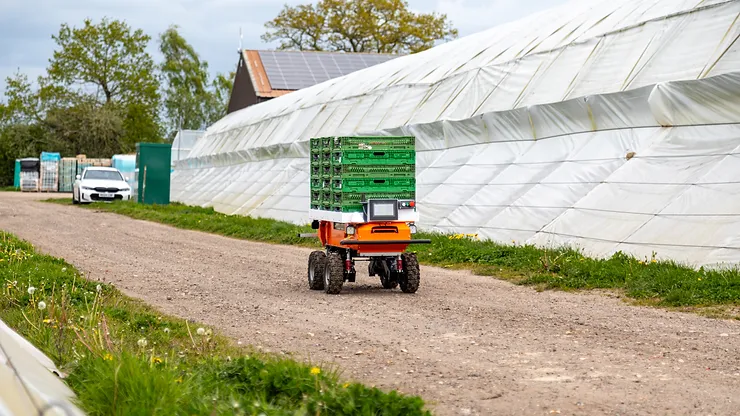
A new version of the world’s first raspberry-picking robot, a four-armed machine powered by artificial intelligence and able to do the job at the speed and effectiveness of a human, is to be employed on farms in the UK, Australia and Portugal over the coming 12 months.

Read the full article here, on The Guardian website.

  • *I have permission from the copyright holder to publish this content and images.

Gardin Appoints Produce Industry Leader As Advisor – Dorn Wenninger

Member News
The views expressed in this Member News article are the author's own and do not necessarily represent those of Agri-TechE.

Gardin, the UK based ag-tech company recently named produce-industry leader, Dorn Wenninger as an Advisor. Sumanta Talukdar, Gardin CEO and Founder said, “Dorn brings a life[1]time of experiences and connections to the most important grower/shippers, breeders and produce retailers around the world. We’re excited to add Dorn’s deep industry knowledge and relationships to the Gardin team as we ramp up our global penetration.”

Dorn is a +30 year produce industry veteran who has held senior roles with both grower/shippers as well as major retailers. As Gardin continues its expansion, Dorn brings a truly global perspective, having visited farmers and retailers in over 100 countries around the world. He spent the first half of his career as a grower shipper with Chiquita Bananas, and then leading Driscoll’s European business. Dorn has spent the second half of his career working with retailers. During his 11 year tenure with Walmart, Dorn spent 9 of those years leading the produce team for Walmart US and then Walmart Mexico. For the past 3 years, Dorn served as Sr. VP of Produce for UNFI, servicing thousands of independent retailers across the US.

Gardin and Wenninger first got connected through the IFPA Technology Accelerator program. “For years, farmers have improved yields by dialing in the use of fertilizers, water and light. Now, the Gardin sensor allows farmers to monitor the plant, in real time, to reach its maximum potential. While measuring photosynthesis (chlorophyll fluorescence) has been possible for years, the Gardin sensor and AI platform finally make it deployable at scale as an everyday tool for farmers and breeders,” said Wenninger. “I’m excited to be a part of the Gardin team as we help farmers around the world be able to consistently reach for higher yields.”

Gardin is a UK based, VC backed, pioneering company specializing in advanced sensor technology and AI for greenhouse farming, seed-breeders and vertical farms. Our innovative solutions provide precise monitoring and data-driven insights to optimize farming agricultural operations and drive sustainable practices.

Gardin: www.gardin.ag

Agritech Thymes: One of Europe’s oldest grape plant variety rights is invalidated

Member News
The views expressed in this Member News article are the author's own and do not necessarily represent those of Agri-TechE.

The Italian courts recently heard a case of infringement of a Plant Variety Right (PVR) held by Sun World International LLC protecting the Sugraone grape variety and of the corresponding trademark ‘Superior Seedless’.

The defendants: Gianni Stea Import-Export s.r.l. and Angela Miglionico, were accused of infringing both the PVR and the trademark. In response, they counterclaimed that the PVR lacked novelty and that the trademark was invalid for non-distinctiveness. The lack of novelty argument is an interesting argument given that the PVR is one of the oldest seedless grape variety rights to exist, having been filed by Sun World in 1983 and held unchallenged. The PVR was near expiry when the case was brought, but clearly valuable enough for Sun World to attempt to enforce.

The defendants argued that the Sugraone PVR lacked novelty over public marketing of the variety in the USA during the late 70s. They provided evidence in reports of significant areas of land in California being used to cultivate the variety. It is generally difficult to prove public prior use of any variety or invention, but especially so when it dates back several decades. However in this case, the proprietor of the PVR in seeking to reinforce the distinctive character of the trademark under dispute alongside the PVR, gifted the evidence to the defendant that the variety was indeed publicly available in the 70s. A testimony provided to the court by the Senior Vice President of Sun World to the EUIPO during the trademark discussions referred to use of the trademark ‘Superior Seedless’ to market the Sugraone variety in the 70s thereby admitting that the variety was disclosed to the public before the PVR was filed, and even before the available grace period at the time.

Sun World tried to escape this admission by arguing that such activities were not novelty destroying for the PVR because novelty could not be destroying by marketing harvested material of the variety i.e. the grapes themselves, however the court disagreed and held that the action of an offer for sale covered both plant and fruit and pointed out that UPOV includes harvested material in the definition of novelty.

The PVR was therefore held to lack novelty, after many years of being in force. Of course breeders must consider what marketing activities they are undertaking relative to the timing of filing for PVRs, more so this case highlights the need for an integrated defence strategy when disputes span across IP rights to ensure that arguments in defence of one right do not prejudice another.


This article was prepared by Partners Punita Shah and Ellie Purnell.
  • *I have permission from the copyright holder to publish this content and images.

Livestock tech provides alerts that boost productivity

Agri-TechE Article
Agri-TechE
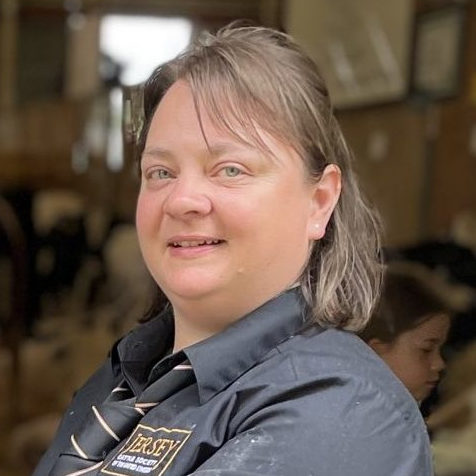
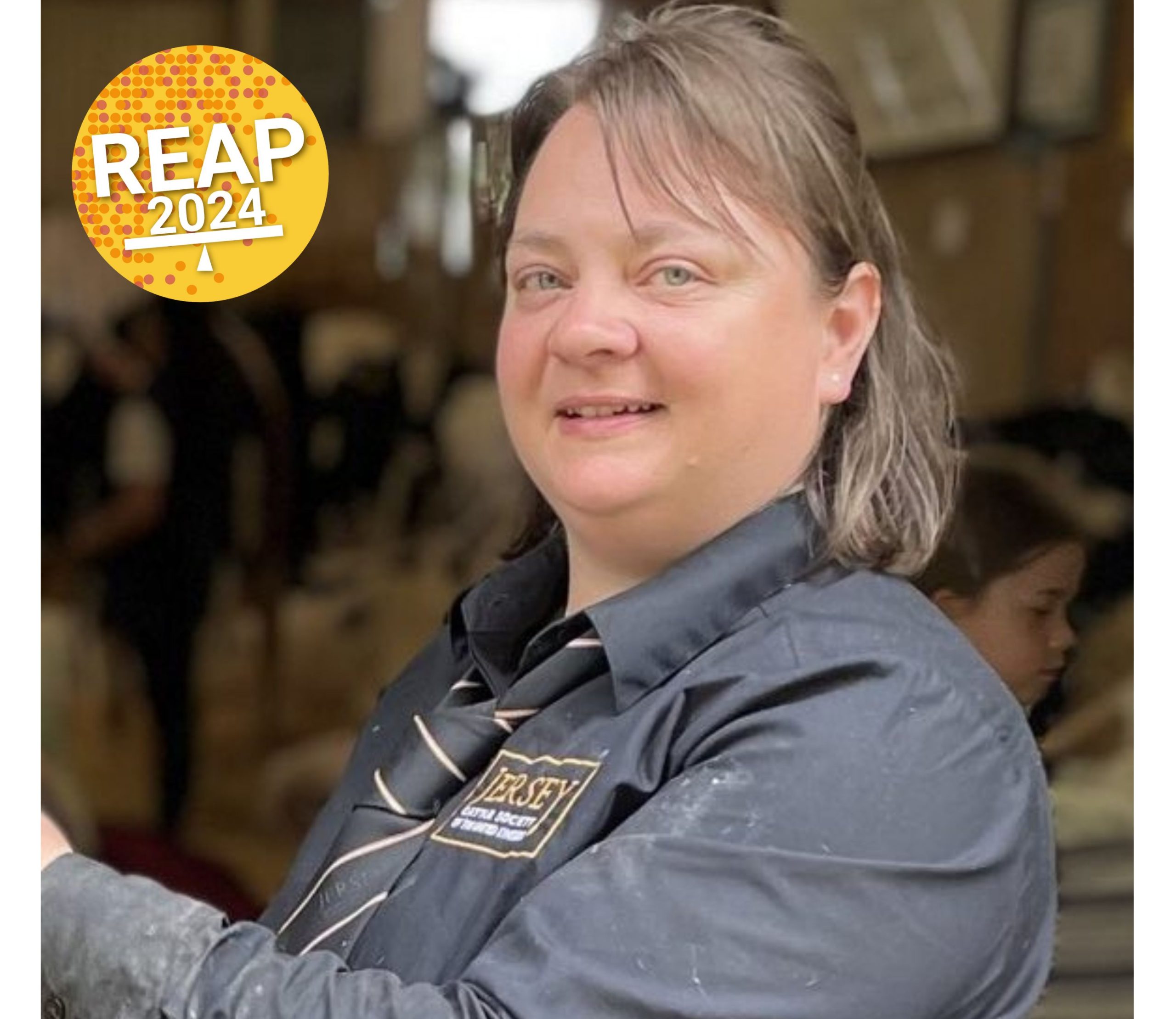
Helen Reeve
Helen Reeve
Waveney Dexter Beef

Livestock tech should be designed around the needs of the farmer, says Helen Reeve, a self-confessed cow geek and a lecturer at the Easton College, training and supporting apprentices. She says that it is vital that stock-keepers keep aware of emerging technologies, but she adds it is equally important that livestock tech improves productivity. 

“Technology should complement, not replace, the skills of livestock farmers and breeders,” she says.

Helen, the owner of Waveney Dexter Beef, is talking in the Farmer Panel at REAP 2024 and urges farmers and students to apply for a bursary to attend the conference to hear about the latest developments in agri-tech. The bursary is generously provided by the Royal Norfolk Agricultural Association (RNAA) to reduce the cost of participation in this dynamic conference.

Helen has built her herd from nothing and here describes her journey.

Livestock farming – beef and dairy

I have always wanted to be a farmer, but it can be a lonely occupation. When I am visiting apprentices on the farm, I am often aware that I might be one of only a few people that they see regularly, so rural mental health is very important to me – as the hashtag says: #MindTheirHead.

I come from a long line of farmers but sadly there was nothing for me to inherit. So, I started out with a handful of Dexter cows and rented land and buildings along the Waveney Valley in Norfolk.

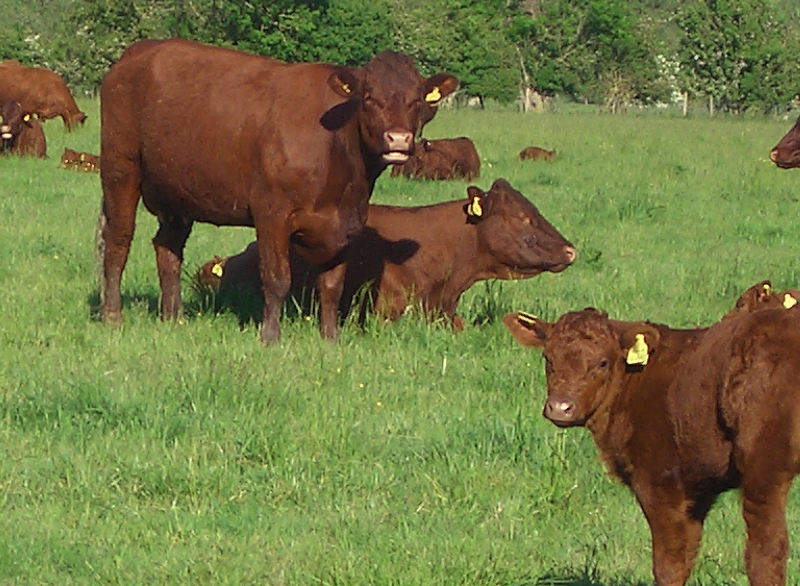
Dexter cattle are the smallest native breeds of cattle you can get in the UK, and they’re dual purpose, which means they can provide quantities of milk and quality beef.

I have about 60 cows, which I am breeding from. The cows calve on a regular basis every few months; the females are retained to build the herd and the males fattened for beef. The cattle are mostly grass-fed, either through grazing or through winter forage – hay and silage.

All beef cattle is reared to 30 months and then taken to the most local abattoir. The meat returns to me, and I sell it through direct sales – farmers markets and such.

I also milk a herd of Jersey Cows for a fellow farmer; this is my happy place as I can just get on with the task and have space to think.

Livestock tech provides extra eyes for farmer

Although there is now a lot of technology available on-farm, I still use my stock person skills in order to maintain the health and welfare of the animals. Using the technology alongside my skills helps me to do that in a much better way. If you have 200 cows, you can’t be looking at each of them all of the time.

The cows are milked in a herringbone parlour with 24 machines. The cows are tempted into the parlour with a bit of food as a reward. They each have an electronic tag and as they come in this connects to computer system in the office just next door which detects and identifies the cow and records the milk yield from the milk meter.

Over-milking will damage the cow’s udder, causing infection and mastitis, which can be a really big thing. If you’ve got 12 cows lined up it can be hard to see which one has finished, so the milk meter is invaluable: it shows you the milk yield for each cow and also automatically disconnects the cluster from the udder when the cow has been milked out.

Heat time collar has been widely adopted

A recent development is the heat time collar, which acts as type of Fitbit for cattle and tells you information about their movement.

A cow is worth £1,500 to £2,000 and its offspring around £800 to £1,000 so getting the cow into calf at the right time is very important.

When a cow is coming into heat, that is the time you need to inseminate them for breeding. However, it is difficult to predict, and you might not be with them at the time.

The collar detects the cow becoming more restless, by monitoring the muscles around its tail and neck. This can be a sign it is coming into heat and sends this message to my phone.

The collar can also provide an early sign that the animal is unwell.

The first sign of the cow being poorly is that it will stop ruminating properly. Rumination is the process where a cow breaks down food within its digestive system, by chewing on its cud.

The collar can detect that within about 30 minutes to an hour. When this flashes up on my device, I know to immediately get in the car and see what is wrong.

Early attention can help to prevent loss of production, and at the end of the day if you don’t have the finances sorted, then nothing else matters.

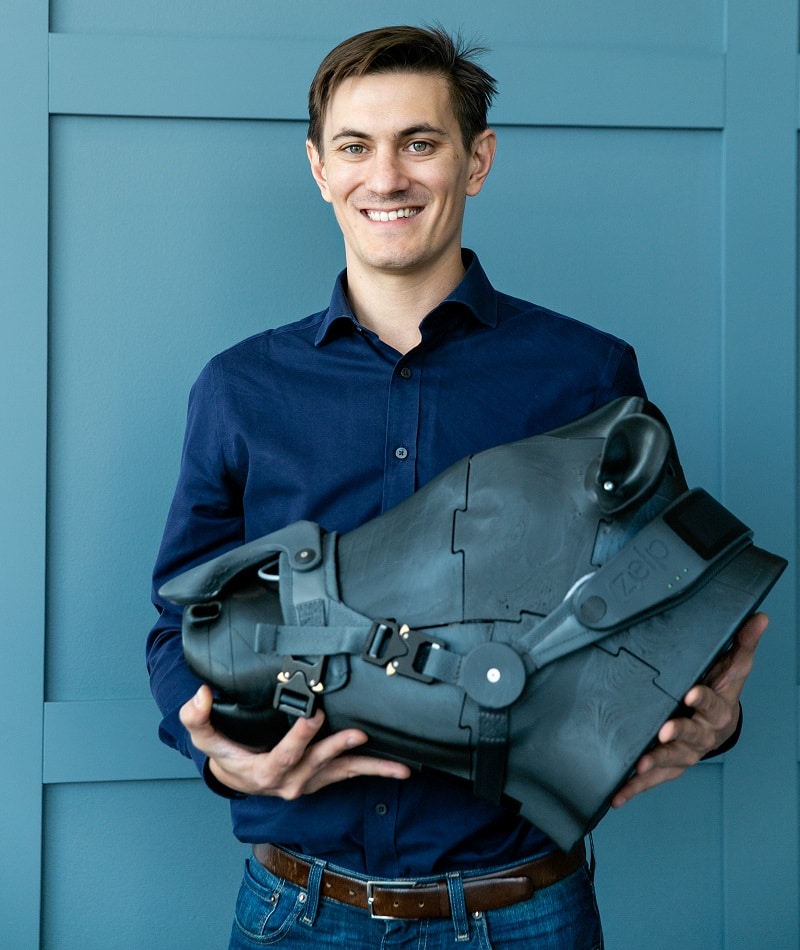
Zelp was part of the Start-Up Showcase at REAP 2019
HerdVision was in the Start-Up Showcase at REAP 2023

REAP provides an opportunity to see the latest technology developments – Zelp and  HerdVision have featured in the Start-Up Showcase.

Future technology

REAP is a good place to hear about new developments.

Something I have been watching with interest is an alternative to electric fencing. The idea is that it offers more flexibility than fixed fencing and is safer than electric fences. As someone who has spent a lot of time with a strimmer underneath electric fence lines trying not to short it, the idea of an alternative is very appealing.

Virtual fencing systems offer a lot of benefits for increasing the productivity of pasture management.

The boundary is set by a map on your mobile phone and the cows wear a collar that alerts them when they are straying too far.

I’m not sure whether I would trust the technology straight away, but I might be tempted to trial it in a remote area.

As a farmer, you need to be innovative and always looking at ways to improve productivity. As a technologist I would stress the following key points.

Key points

  • Technology must be accessible and fit in with the way that farmers work, as every farm is different.
  • Technology won’t replace the skills of a stock person – but it will improve the way that they work.
  • If technology improves productivity, it will be quickly adopted – nearly all the cows in our region now have the heat collars.
  • REAP is a good place to see the science and the technology that is in development.

REAP is a good place to exchange ideas with people you wouldn’t normally meet out on the farm, and I am looking forward to joining the Farmer Panel this year.

LED lighting boosts strawberry propagation

Research Digest
Agri-TechE

As the extended strawberry season continues, ARU Writtle’s recent research offers new insights into the propagation of strawberry plants within vertical farming (VF) systems.  

The study focuses on the everbearing Fragaria × ananassa ‘Malling Ace,’ a leading variety introduced in 2020 that has quickly become important in extending the strawberry growing season in the UK.  

However, as a relatively new variety, optimal propagation methods for ‘Malling Ace’ are still being refined, particularly within controlled environments like vertical farms.  

Writtle 1
strawberry plant HERO

Why strawberries and why now? 

Strawberries are among the UK’s most consumed fruits, with consumption ranking among the highest in Europe. This high demand has driven the adoption of everbearing varieties like ‘Malling Ace,’ which extend the growing season well beyond the traditional summer months. 

Propagators often need to coordinate the reproduction of strawberry stock plants years in advance to ensure an adequate supply of planting material, creating a need for more efficient and reliable propagation methods. 

However, everbearing varieties like ‘Malling Ace’ present unique challenges in propagation as they typically produce fewer runners compared to June-bearing plants, limiting the availability of planting material.  This limitation has made it difficult for growers to meet the high demand for ‘Malling Ace’ plants, highlighting the need for optimised propagation techniques.  

Vertical farming, with its precisely controlled environments, offers a promising solution for addressing these challenges and ensuring consistent quality and supply.  

ARU Writtle’s study provides new insights into how different tipping dates and LED lighting conditions can influence the growth and quality of this relatively understudied cultivar.  

Enhancing strawberry propagation through vertical farming 

The study experimented with different tipping dates – key moments when young plants are transferred to stimulate root development – to determine the optimal timing for robust plant growth.  

The findings show that tipping dates significantly influence shoot biomass, total crown diameter, and leaf chlorophyll content, while their impact on root systems was less pronounced.  

This leeway in tipping timing suggests that growers have some flexibility in scheduling tipping dates, allowing commercial growers to align plant propagation schedules with other operational timelines without compromising root development. 


Light matters: LED impact 

The study also explored how different LED lighting conditions interacted with tipping dates. Various lighting regimes were tested to evaluate their effects on plant growth.  

One specific light treatment that provided a balanced spectrum tailored for photosynthesis, referred to as L1, proved particularly effective. Results showed that plants tipped early and exposed to the L1 light regime showed superior fresh and dry root growth compared to those under other light conditions.  


Energy efficiency in vertical farming 

The research also evaluated the energy efficiency of vertical farming systems by comparing a Direct Current (DC) microgrid powered by solar panels and batteries, with a conventional Alternate Current (AC) unit connected to the national grid.  

The findings revealed that the DC microgrid system offered a 23% reduction in energy demand compared to the AC unit, demonstrating notable advantages in terms of lower energy intensity and reduced electricity consumption.  

This results in significant cost savings and improved sustainability opportunities for commercial growers.


ARU Writtle’s study provided valuable insights into effective strawberry propagation and highlighted the importance of integrating energy-efficient technologies in vertical farming. 

As the industry continues to seek sustainable and efficient methods to meet consumer demand, these findings could play a key role in shaping the future of strawberry propagation.  

To read the full publication: Using vertical farming systems for propagating everbearing strawberry: Physiological and technological feasibility assessment Lorch-Schierning, Elizabeth; Perera, Anya; Baghalian, Kambiz

Know your enemy…

Member News
The views expressed in this Member News article are the author's own and do not necessarily represent those of Agri-TechE.

Discovery-driven sustainable solutions to plant-nematode interactions

Problem we’re looking to solve

The problem we have chosen to work on is the molecular dialogue between two kingdoms of life: plants and their invading parasitic nematodes (microscopic worm-like creature).

We are driven by fundamental discovery and, given that the outcome of this molecular dialogue results in plant disease that constrain human food security, we have a profound sense of responsibility to also deliver sustainable solutions to these parasites.

To give an idea of scale, parasitic nematodes affect most crops, can cause up to 80% yield loss, and are estimated to account for $100 billion in annual loses to global agriculture.


Solution

It is widely accepted that plants which are inherently (i.e. genetically) resistant to a disease are an optimal solution in agriculture from practical, financial, and sustainability/equity-oriented points of view because no additional work/cost/inputs are required to prevent disease and thereby yield loss.

Given the scarcity of such resistant plants, we focus on identifying, characterising, and ultimately understanding the plant genes that are responsible for resistance and susceptibility to disease.


picture1s
nematode1

Why Cambridge, why now, and history of working in this area

While Cambridge has a not insubstantial history of plant-nematode research (dating back some 60 years), the reason why our group is based here is because of critical mass and future direction. Our research group is based at the Crop Science Centre, a recent initiative between the Department of Plant Sciences and the National Institute of Agricultural Botany (Niab) designed to deliver transformational change in agriculture, rooted in fundamental discovery.

Principles of sustainability and equity in farming unite our collective aims. In addition to this impetus, the Crop Science Centre also houses a concentration of expertise on plant interactions with other organisms (ranging from pathogenic to beneficial) that is rare, if not unique. This allows us to share thinking and resources, drawing parallels across systems, to accelerate our collective research.


What is the research – how does it work, what resources are used and who is involved?

How you get to a resistant plant is important. There are, in essence, two ways to do this: the first, and most intuitive, is to add a gene to the plant that has some negative impact on the pathogen (often so called “resistance genes” or “R genes”); the second, and somewhat unintuitive, is to remove a gene from the plant that the pathogen was relying on manipulating in some way in order to cause disease (so called “susceptibility genes” or “S genes”).

The evolutionary biologist might favour the S gene because of a fundamental rule of nature: breaking things is easy – making things is hard. Intuitively, we all know this to be true without the proof. It is easier to break your phone, than it is to make yourself a new phone.

The same is true with the interactions between proteins: mutations that change the shape of a protein are much more likely to break its function than they are to make a new function. This is important because many R genes added to plants work by recognising pathogen proteins in order to mount an immune response. Breaking this recognition is “easy”, and so pathogens readily evolve to avoid this type of resistance.

On the other hand, resistance derived by removing an S gene from the plant, that the pathogen was manipulating and relying on, requires the pathogen to regain this ability in some way (i.e. making something new), and making things is “hard”. As a result, it is generally harder for pathogen evolution to overcome a resistant plant derived from the loss of an S gene, than it is for pathogen evolution to overcome a resistant plant derived from the addition of an R gene.

The biotechnologist and the politician might agree with the evolutionary biologist because of CRISPR/Cas genome editing (termed CRISPR). CRISPR is a revolutionary technology that allows precise edits in the genomes of almost any organism. CRISPR/Cas is extremely good at making targeted deletions in crop genomes, and its approval for commercial use in many geographies is streamlined compared to other biotechnological approaches to crop improvement (e.g. genetic modification).

There is a clear opportunity to use CRISPR/Cas to develop disease resistant crops – based on fundamental understanding – provided the resistant plant is derived by making a targeted deletion (i.e. removing a gene). It is for this reason, that the biotechnologist, the politician, and the evolutionary biologist might favour the S gene.

Discovering more S genes is therefore paramount. We recently discovered a new way to find S genes – termed, “the hologenome theory of S gene discovery”. The term hologenome, coined for use in the hologenome theory of evolution, argues that we should consider the host plus all of its associated symbiotic microbes as a single entity, because they are inseparable in all practical senses.

We used this definition to consider the host and the plant-parasitic nematode – a plant-pathogen of global agricultural importance – as a single unit. Conceptualising them in this way, we could ask, “what is the metabolic capacity of the plant-nematode hologenome?”

Identifying metabolic pathways that were in part contributed by the host genome and in part contributed by the parasite’s genome would highlight genes in the plant that the nematode relies on – and thereby new S genes for CRISPR-mediated crop improvement.

What are the milestones, timelines and what happens next?

Our current work in this area is progressing on two fronts:

1) Discovery of additional S genes based on hologenome theory; and

2) Translating these discoveries into crops   using genome editing. Recent legislation (The Precision Breeding Bill) accelerates the approval process, so we anticipate rapid deployment of new material in field trials in the coming years.


If we solve the problem what can we expect?

Most plants, and all crops, can be infected by one species of plant-parasitic nematode or another. These parasites have a profound impact on global agriculture – affecting both the richest and the poorest farming systems with equal vigor, but of course unequal outcomes.
Addressing plant diseases is therefore a problem of not just sustainability, but also of equity.

Ag101: Your gateway to the agricultural industry

Agri-TechE Article
Agri-TechE

“Ag101 is an introduction to agriculture and horticulture for anyone new to the industry, thinking about tapping into this market, or looking to expand their understanding.

We’ll take you through who to engage with, how decisions are made, and the intricacies of the supply chain – to help you get the most from this dynamic sphere!”

Laura Bouvet, Knowledge Exchange Manager, Agri-TechE

In today’s world, where the demand for sustainable, high-quality produce is constantly increasing, agriculture and horticulture remain the backbone of the global food supply chain. Yet, this vital industry faces significant challenges – ranging from labour shortages to climate change and disruptions in the supply chain.

Understanding these challenges and the context in which they arise is important for anyone working in agriculture. That’s where Ag101 comes in.

Taking place in Cambridge on 17 September 2024, Ag101 is a whole day event tailored for tech innovators, scientists, and researchers exploring opportunities in the sector, professionals in ag-related companies who are new to the industry, and those looking to deepen their understanding of this diverse field. The event offers the knowledge and connections needed to navigate this industry effectively.


Why Attend Ag101?

Gain practical, actionable insights: At Ag101, you’ll gain a clearer understanding of the real issues faced on-farm, such as how farmers take advice, the kinds of challenges they encounter, and the innovative solutions they adopt. This insight is invaluable for anyone in the agricultural supply chain, from tech developers to HR and finance professionals, who need to understand the bigger picture of the industry they support.

Connect with key players across the industry: Farmers are at the heart of agriculture, but they don’t work alone. The agricultural industry relies on a network of relationships that guide farmers in their decision-making. By understanding these relationships, you can better tailor your approaches to connect with the right people. This event offers a rare chance to hear directly from those involved in the day-to-day business of farming, providing personal insights that are often difficult to access.

Navigate the agricultural supply chain: Agriculture isn’t just about what happens on the farm. It’s the first stage in a complex global supply chain that includes processing, manufacturing, packaging, and transport before food reaches the consumer. At Ag101, you’ll explore these interconnected stages, gaining insights into how each segment impacts the others and where innovation could provide solutions.

Explore funding opportunities: Innovation requires financial backing, and navigating the various funding streams can be daunting. At Ag101, you’ll receive practical advice on the available funding options, from early-stage grants to commercialisation support.


Calum Murray
Calum Murray
Head of Agriculture and Food at Innovate UK

“To turn innovative ideas into commercial realities requires financial support, yet many innovators are unaware of the funding streams available at the crucial early stages. Navigating these options and determining eligibility can be challenging for those new to the sector.

That’s why at Innovate UK, we support events like Ag101. They enable us to connect with the next generation of innovators and share information about the various funding mechanisms, including grant aid, that we offer to support their innovative proposals.”

Calum will be speaking at Ag101: The commercial journey of solutions onto a farm.

Who Should Attend?

  • Researchers & Scientists

For researchers who want to better understand how their work impacts agriculture, Ag101 is your gateway. The event helps you understand the sector’s unique challenges and opportunities, ensuring you can effectively progress, pitch and position your innovative research.

  • Tech companies looking to market themselves in agriculture

If you have a validated technology or are a business eyeing agriculture as a growth market, Ag101 provides a roadmap to navigate the industry’s complexities. Learn who to speak to, what to consider, and how to make your entry successful.

  • Non-agricultural professionals in ag-focused roles

Those working in non-ag roles within agricultural organisations, such as HR or finance, will find Ag101 useful as it breaks down the sector’s structure, introduces you to key players and helping you better understand your role within it.

  • Individuals New-to-Agriculture

If you’re considering a career in agriculture or simply want to learn more about the industry, Ag101 offers a comprehensive introduction. The event covers the essentials about who and what happens in the agri-food supply chain, making it accessible to those with limited prior knowledge.


Whether you’re new to agriculture or looking to deepen your understanding, Ag101 is your gateway to success in this growing industry. Book here.


Reflections from an Ag101 participant:

Mick Pearce
Mick Pearce
Founder of Green Cormorant (soon to be GuanoBoost UK), Ag101 participant 2023

“Ag101 was my first introduction to the agriculture sector, and I didn’t know where to begin. The event was brilliantly organised, connecting innovators like me with farmers, agronomists, and key contacts.

For example, I ended up parking in the wrong car park and met James Fortune from VCS (Vegetable Consultancy Services), a speaker at Ag101. We started chatting, and that connection proved invaluable; James introduced me to key contacts and even discussed potential collaborations. Fast forward a year… last week James received his first Guanoboost delivery for use in carrot trials alongside other natural/organic products. This connection has been incredibly helpful in moving forward with trials that will provide the scientific evidence needed to prove that our product works in the UK.

One key tip for new attendees: show genuine interest in others first and listen to people – the art of networking! Don’t try to sell in the first two minutes!

I learned so much from the speakers – everything they discussed resonated with me, even if I didn’t initially think it would impact my business. Come with an open mind, let things flow, and you’ll find a reason to speak to everyone in the room.

Ag101 is a fantastic starting point – be positive, don’t be shy, and make the most of it!”

Secure your place today by registering for Ag101 on our events page.

Celebrating Agri-TechE Week 2024!

Meet the Network
Agri-TechE


Agri-TechE Week 2024 celebrated its 11th year – our largest yet, featuring eleven events curated by Agri-TechE and hosted by our incredible member community. The week exemplified innovation, collaboration, and forward-thinking in agri-tech. The week showcased exciting developments and latest thinking in agriculture-related research and farming practice, through a dynamic mix of events, workshops, farm visits alongside Agri-TechE ‘s flagship REAP Conference.

Each event reflected the strength of our ecosystem, fostering vital connections between growers, researchers, and technology developers.

Thank you to our members for hosting and making Agri-TechE Week possible and showcasing what our community can achieve.

Check out all the events that took place across the week

#Soil Microbiome: exploring challenges and finding real time solutions

A creativity workshop to develop in-field solutions assessing soil health and microbiome activity.

#The Future of Crop Protection: Is it Biological?

Roundtable discussion diving into biological technologies feat. a series of start-ups in the space.

#Discover the Morley Soil and Agronomic Monitoring Study (SAMS) Project

Featuring a farm tour and insight into best monitoring practices across farms. Spade was useful!

#Using satellite earth observation to improve or streamline agricultural processes

Online session of practical case-studies supporting agricultural services using satellite data from ADAS.

#Can Vertical Farming help feed the world?

Farm walk at Fischer Farms vertical facility and an overview of the Broadland Food Innovation Centre.

#REAP Conference: The Agri-TechE Balancing Act – Optimising One or Managing Many?

Agri-TechE ‘s flagship conference that unites the ecosystem around agriculture innovation.

#Surveillance and Monitoring in Plant Protection

An insightful seminar, where experts discussed innovative strategies to protect crops from diseases, pests, and weeds.

#Innovations for 21st Century Challenges

Tour of the brand new STEPS facility and discovery of the world-class research at the University of Essex.

#Growing Expertise: Bridging the Skills Gap through Research & Innovation

Innovation Agri-TechE Group hosted a discussion around the pressing skills gap in agritech, integrating CEA and education to Cultivate Resilient, Sustainable Food Systems of the Future.

#Transition to a sustainable future

Visited Sustainability Farm and saw first hand sustainable agriculture in practice and how we can transition to a more innovative and technology-driven farming system.

#Can Regenerative Agriculture get us closer to Net Zero?

Niab hosted a seminar exploring the role of regenerative farming in the UK.


Soil Microbiome: exploring challenges and finding real time solutions
Monday, 4th November (Basis/Basis EAR/NRoSO - 3 points)

A half day workshop hosted by Anglia Innovation Partnership LLP took a creative format for academic researchers, farmers and industry professionals to jointly explore challenges and develop innovative real-world solutions related to soil microbiome and soil health. This event explored the needs, challenges and key parties involved in developing ground-breaking technology for assessing soil conditions and microbiome ecosystem in real-time outside the confines of a laboratory setting.

Read a summary of the event.

The Future of Crop Protection: Is it Biological?
Monday, 4th November (Basis/NRoSO - 2 points)

This event was for farmers, growers, agronomists, entrepreneurs, and researchers utilising or developing new technologies in crop protection. It aimed to enhance understanding of biological solutions and broader integrated crop management, offering networking opportunities over a hog roast with like-minded people, and contributing to the progress of crop protection practices.

Read a summary of the event here.

Discover the Morley Soil and Agronomic Monitoring Study (SAMS) Project
Tuesday, 5th November (Basis CPD/Basis EAR/NRoSO - 3 points)

A farm tour and roundtable discussion to understand how best to monitor soils across farms, gain insights into the datasets generated, and see how Morley SAMS is supporting projects that improve our understanding of soil and crop interactions across space and time.

Read about the day here.

Transition to a sustainable future
Tuesday, 5th November (Basis CPD/Basis EAR - 3 points)

This event explored the challenges in agriculture, with a particular emphasis on sustainable agriculture and the transition to a more innovative and technology-driven farming system. As the global population continues to grow, it is essential for the agricultural sector to evolve, ensuring maximum yields and economic viability for farmers while adopting sustainable practices that benefit our environment. The event presented practical solutions and strategies to address current agricultural challenges and featured engaging interactive sessions and discussions.

The event took place at Sustainability Farm, the Grange, Wellingborough, where BASF has been partnering with William and Andrew Pitts, for over 15 years, and where attendees saw first-hand how to create a resilient agricultural system meeting the needs of a growing population while safeguarding our environment.

Read about the event here.

Using satellite earth observation to improve or streamline agricultural processes
Tuesday, 5th November (Basis CPD - 1 point)


This online event focused on how satellite earth observation data can be used to support agricultural services. It provided attendees with an understanding of satellite data and some examples of how it could be/has been used in agriculture.

Read a summary of the event.

Can Vertical Farming Help Feed the World?
Tuesday, 5th November (Basis/NRoSO - 2 points)

An RNAA Agri-TechE Week event where attendees viewed Fischer Farms, along with an overview of the Broadland Food Innovation Centre at the Food Enterprise Park.

At Fischer Farms, they are creating the farm of the future. And it’s vertical. They are innovators and pioneers in vertical farming, leading the way in scalable food production to provide a more resilient and sustainable way to feed the world.

Read a summary of this sold-out event.

REAP Conference: The Agri-TechE Balancing Act – Optimising One or Managing Many?
Wednesday, 6th November (Basis/NRoSO - 5 points)

Celebrating its 11th year, the REAP Conference is a cornerstone of the UK’s agri-tech event calendar. By putting farmers at the heart of the discussion, REAP helps delegates navigate the demands of 21st-century agriculture by reframing challenges to inspire new ideas and identify innovative solutions. Agri-TechE ‘s biggest event of the year attracts farmers, researchers, innovators, tech developers and investors, government officials and agribusiness leaders from across the UK and beyond.

Optimise one or manage many? Attendees of REAP 2024 learned that, in the future, both might be possible with new technologies powered by artificial intelligence.

Read our REAP round-up from the day.

Surveillance and Monitoring in Plant Protection
Thursday, 7th November (Basis/NRoSO - 3 points)

An insightful event blending learning and networking where experts discussed innovative strategies to protect crops from diseases, pests, and weeds.

A seminar covered the latest advancements in Surveillance and Monitoring in Plant Protection, featuring early detection techniques for better management, insect monitoring and control with sustainable solutions, as well as weed management tools to identify and control harmful weeds.

The event also included an interactive breakout session and pitches featuring companies based at Rothamsted Agri-tech Business Centre showcasing innovative technologies and real-world applications.

Read a summary from the day here.

Innovations for 21st Century Challenges
Thursday, 7th November (Basis/ Basis EAR - 3 points; NRoSO - 2 points)

What innovative solutions are driving efficiency in energy use, enhancing nutrition, tackling labour shortages, and increasing productivity in all growing environments from controlled-environment agriculture (CEA) to field? This event included a tour of the brand-new Smart Technology Experimental Plant Suite (STEPS), a multi-million pound facility designed to expand the already world leading research that takes place within the Essex Plant Innovation Centre (EPIC).

Hear about the day’s event here.

Growing Expertise: Bridging the Skills Gap through Research & Innovation
Thursday, 7th November (Basis/Basis EAR - 3 points; NRoSO - 2 points)

A visit to the newly installed vertical farm at the University of Essex and discussions into the role of vertical farming and controlled environment agriculture (CEA) in achieving a sustainable food production system – and how university research can help to accelerate its development in the 21st century.

There were live demonstrations of vertical farming technologies, and a discussion on addressing the skills gap in agri-tech.

Read summary from the day here.

Can Regenerative Agriculture get us closer to net Zero?
Friday, 8th November (Basis/Basis EAR/NRoSO - 3 points)

The regenerative agriculture movement has largely grown as a result of a focus on the importance of soil health to support farming system resilience. The focus has widened to include regeneration of biodiversity as well as a rediscovery of the role of biological cycles, alongside targeted use of inputs to support high-quality food production. It was therefore timely to explore the role of regenerative farming in the UK in the context of both adaptation of food systems to climate change and their role in the achievement of net zero.

Experts reflected on the issues and attendees discussed the next steps needed and what roles all stakeholders might play.

Read a summary from the day here.

Could agri-tech bridge the farming divide?

Member News
The views expressed in this Member News article are the author's own and do not necessarily represent those of Agri-TechE.

As part of our “Back to the Future” project, we’re asking Agri-TechE members to reflect on how the agri-tech industry has evolved over the past decade and to share their vision for the next ten years. By compiling these insights, we aim to create a powerful outlook on the future of agriculture, a compelling call to arms for the industry driven by the diverse perspectives of our community.

This submission is part of the collection of reflections and predictions from our members, offering unique perspectives on the industry’s past milestones and future directions. Each contribution adds to a broader dialogue about the innovations and challenges that will shape the next decade in agri-tech.

AgritechE: What do you think is the game-changing tech development we’ve seen in the last 10 years?

Farmable:

Our team works with a large number of fruit growers, who deal with high volumes of people in their operations, particularly around harvest time. It has been very inspiring to see the advancements in robotics that could automate some of the more human-intensive work happening on farms around the world.

Examples of robotics teams that inspire us are:

  1. GUSS: Autonomous Sprayers
  2. Saga Robotics: Autonomous treatment for powdery mildew
  3. Tevel: Autonomous harvesting robots

Challenges still remain. The cost of even piloting these technologies is high and really only accessible to the largest operators out there. Network connectivity and having the necessary technology skills on a farming team are two other factors that can put these types of advancements out of reach for many farms.

So while these advancements are important for the long term viability of the industry, there are barriers to adoptions that need to be addressed first.


AgritechE: What’s the biggest challenge to widespread adoption?

Farmable: Network connectivity.

This is a real frustration for a huge number of farms globally. Our team works with farms primarily across the UK, Germany, Spain, South Africa and Australia. The number of farms who still struggle with network access out in the fields is high. And if you want to record data digitally in the field, in real time, we need rural connectivity.

Fortunately, teams like Starlink are working hard to solve this on a global scale but admittedly it’s frustrating to see that this is still such a significant barrier in 2024.


AgritechE: What do you think is the most exciting thing we’ll see in 10 years’ time?

Farmable: It will be very exciting to see technology empower small and medium sized farms to operate profitable, sustainable businesses.

Family farms are at risk of being left behind in a generation that uses pen and paper to operate a business. At Farmable we aspire for a future where:

  • All farms have network connectivity
  • Digital tools are accessible for all (easy to use and low-cost)

These are fundamental rights to any business that wants to survive in the long run so we feel obligated to ensure the farms that feed us also have these basic services.

If we can do that, small and medium farms have a chance at competing with the big farms. Technology can help them more easily comply with regulations, opening doors to new markets and ensuring they receive value for their products. This becomes a reality when product quality can be verified and traced using technology that is accessible to all. It will allow all farms, small and large, to receive fair payment for the products they grow.

Technology will hopefully be the great equaliser in the future of farming.

Learn more about Farmable

Future-Proofing Tomato Production in the UK

Member News
The views expressed in this Member News article are the author's own and do not necessarily represent those of Agri-TechE.

We are launching a new collaboration with Fera Science Ltd, ADAS, and the British Tomato Growers’ Association (BTGA) to explore a new application for our biostimulant technology!

This is our first big project exploring the potential of our first active ingredient for biostimulation on a high-value crop. More specifically, we will explore its potential to enhance the resilience of tomato plants to heat and drought stress and reduce the carbon footprint of food production.

Our technology was originally developed by academics from Rothamsted Research and Oxford University to boost wheat yields. On that crop, our evaluation field trials show potential to boost yields by up to 22% depending on crop variety and environmental conditions.

We aim to develop science-based biostimulants that are adaptable to existing agricultural practices. To achieve that, in our new study the BTGA will act as Knowledge Exchange Champion and ADAS will model the economic and carbon benefits under three grower scenarios.

Working the Agri-TechE Network:
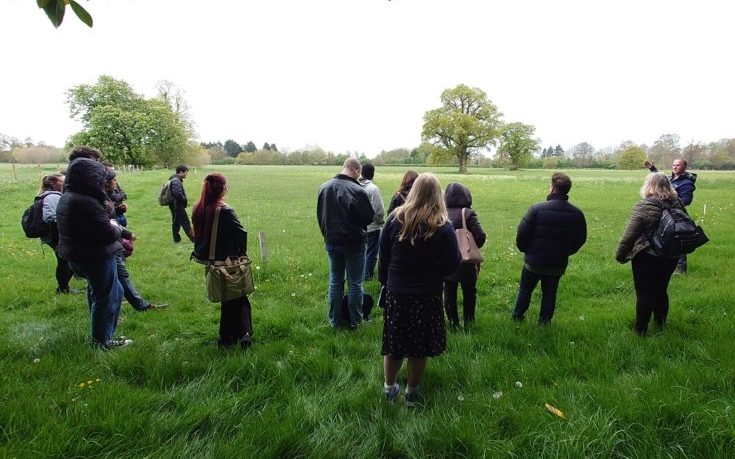
As part of our project, we will be seeking expertise and insights from UK tomato growers. If that is you, check details of our project below and follow our venture page on LinkedIn for upcoming announcements on how you can contribute to this exciting project.

You can explore the project details further here.

If you are an input distributor servicing growers in this market, contact our Business Development Director Bianca Forte via LinkedIn to learn about our B2B business model and explore a potential collaboration with us.

  • *I have permission from the copyright holder to publish this content and images.