The Productive Landscape: NatureTech for Profit and Planet
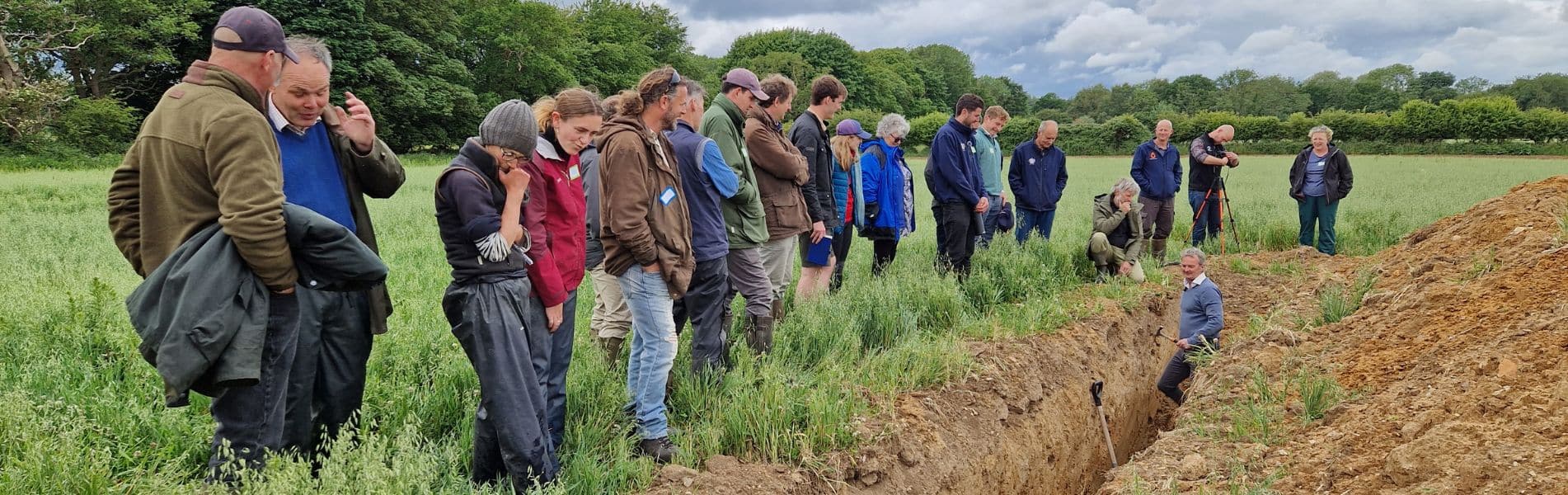
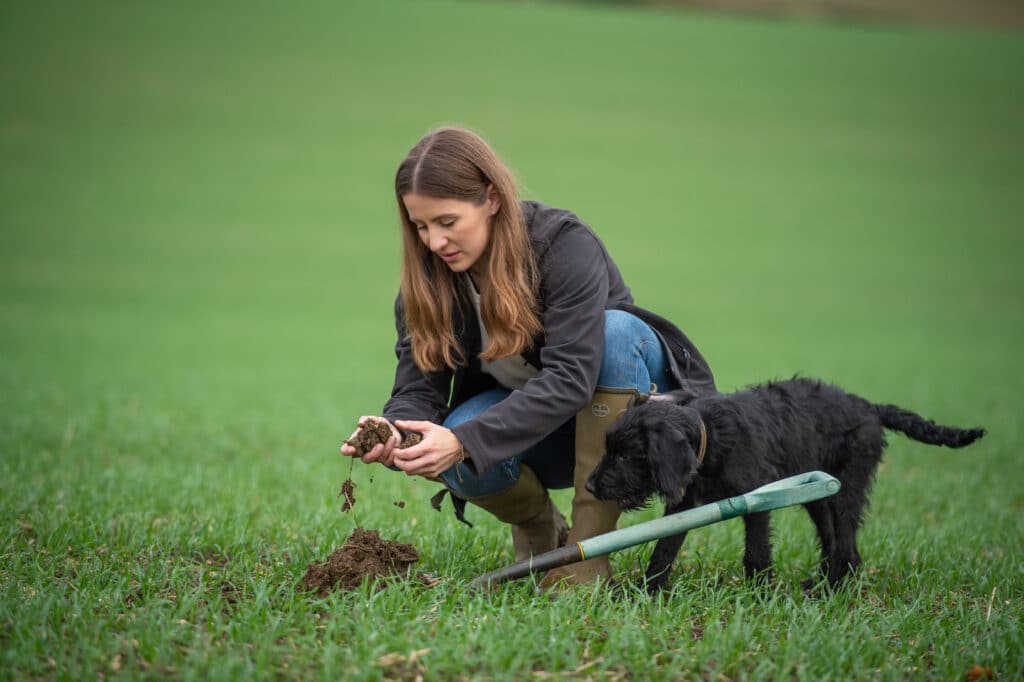
How can technology enable delivery of food, nature recovery, and climate resilience - all at once? The Head of the Environment Agency is asked: what's the national plan for dealing with land use pressures, plus you’ll hear from technologists and land managers working on nature-based and tech-enabled solutions for water, soils and climate adaptation.

Agri-Tech’s Business Model Maze

Agri-TechE Blog
Agri-TechE
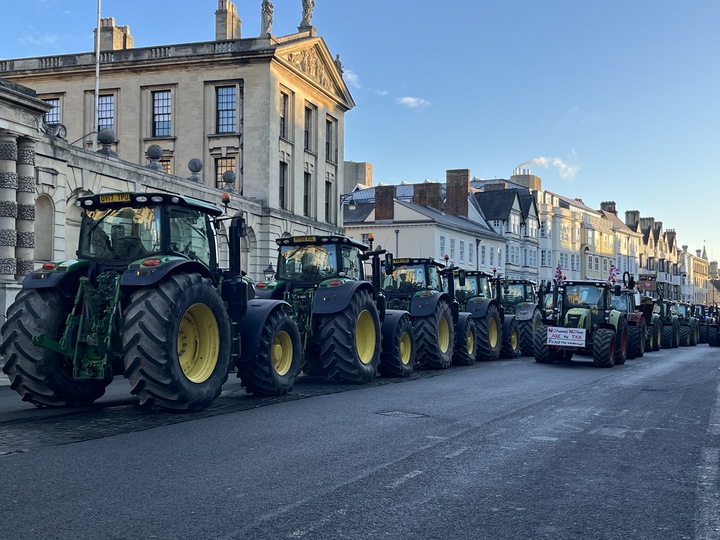
How agri-tech start-ups are moving from hockey stick dreams to marathon revenue plans

Subscription, leasing, purchase or rental – when it comes to business models deployed by agri-tech start-ups, we’ve pretty much seen them all. In fact, if our first question on meeting a new business isn’t “what’s your business model” – it is certainly second or third.

Given the contraction of global investment into agri-tech seen in 2023, this question has never been more pertinent. A likely emphasis on generating revenues at an earlier stage means the “jam tomorrow” premise might be waning when talking to investors.

As every accelerator and entrepreneurs’ boot camp states, it’s not just about the technology, it’s also about the team – and specifically the founder. But it’s also about the business model, which ultimately leads to the exit for the investors – and the narrative is changing.

An interesting phenomenon is underway.

Global investment into agri-food tech has – as we previously reported – dropped by nearly 50 %  from 2022 to 2023, according to AgFunder. Clearly there is less money in the system, arguably creating a fertile ground for consolidation, mergers and acquisitions.

Yet, on the other hand, significant private equity funds are being raised. In the Agri-TechE network alone, there are usually at least one or two organisations putting together a new fund for agri-tech. Some of the big-ticket announcements include Paine Schwartz Partners who have a $1.6 billion fund (version VI) for sustainable investments across the food chain.
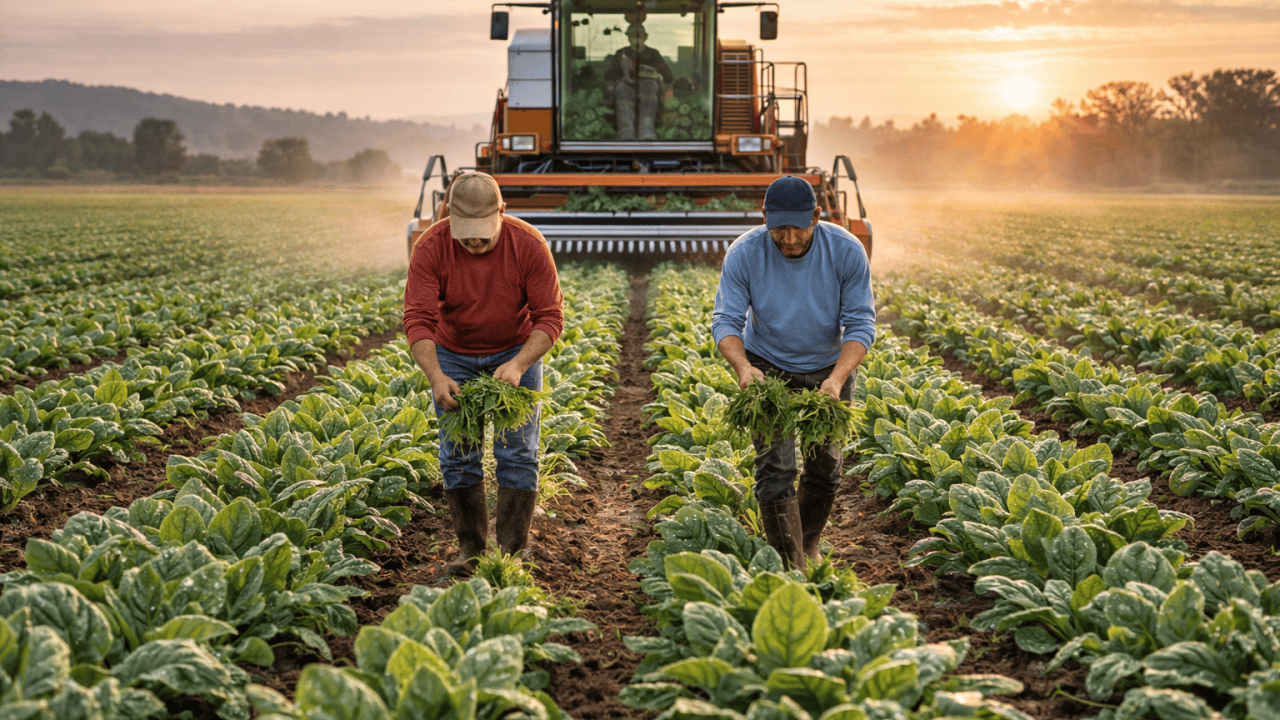
At a UK investor round table last year, the investors – mostly VCs – were discussing the role of government co-investment to de-risk their position. The Innovate UK Investor Partnership Programme is designed to do this at a modest level – micro-businesses and SMEs with a pool of investor partners who provide leveraged finance.

Reality check: revenue rules

But we need to get real. The days of the ambitious “hockey stick” graphs shown by start-ups in investor pitches are probably behind us – as one investor put it, “all hockey and no stick.” Revenues are increasingly important – taking us back to the earlier point about business models.

And we shouldn’t under-estimate the value of government-backed contracts – not a model we often see in agriculture, but procurement by the public purse gives great confidence to investors. Who better to procure UK food for public services than the government itself?

Over the last decade, we’ve showcased over 60 start-ups at the REAP conference – some offering single technology solutions, others whole platforms, and those that charge a minimum price for hardware while also monetising associated consumables. Subscriptions for cloud-based services or access to data platforms are becoming more common, as is leasing for high-capital-cost equipment such as robotics.

REAP 2023 SUSC PES Technologies
Autopickr Robyn Sands REAP 2023

Our Top Three Tips

  • Be different. Know your points of differentiation in this crowded market: your business model will make or break you.
  • Revenues are royalty. How are you going to make money – and fast?!
  • Prepare for partnerships. If indeed the landscape for Mergers and Acquisitions is opening up, start preparing now. Who might be your target partners and what is your value proposition to them?

At REAP 2024 we’ll be showcasing a new crop of start-ups, from livestock welfare solutions to innovations powering the circular economy, alternatives to some of our favourite staples and cutting-edge automation.

What will their business models be, and how will they transition from the hockey stick to a relay race?

Or perhaps that should be marathon…

Join us at REAP 2024 on 6 November to find out!

Embracing Game-changing Technology

Member News
The views expressed in this Member News article are the author's own and do not necessarily represent those of Agri-TechE.

As part of our “Back to the Future” project, we’re asking Agri-TechE members to reflect on how the agri-tech industry has evolved over the past decade and to share their vision for the next ten years. By compiling these insights, we aim to create a powerful outlook on the future of agriculture, a compelling call to arms for the industry driven by the diverse perspectives of our community.
This submission is part of the collection of reflections and predictions from our members, offering unique perspectives on the industry’s past milestones and future directions. Each contribution adds to a broader dialogue about the innovations and challenges that will shape the next decade in agri-tech.

What is the biggest game-changing development you’ve seen in the last ten years?

The key development for me is the improvement of microcontrollers and application processors. It might sound strange to pick these devices, but we have seen them increase in speed and capability, which has a direct effect on what larger plant and assets can do. These devices will be revolutionary once they are used in more and more products. However, they haven’t appeared in force in the agriculture sector yet and we’re still seeing manufactures using older technology.

Seeds of technology

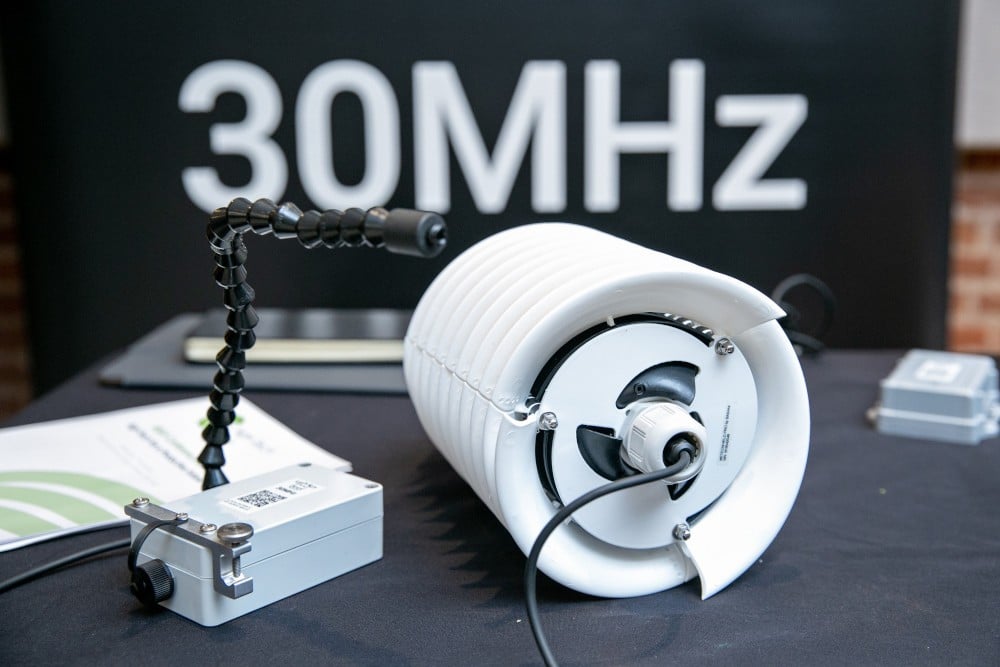
The other real innovation is the range of sensors. We have seen these develop from a box containing one sensor and a large amount of electronics, to a signal device the size of a nail head which is calibrated and has digital interfaces. These tiny computers are the technology seeds which enable larger assets and equipment to become smarter and faster.

Whether you use the software to drive your tractor, measure soil health and nutrient levels, monitor your production line or link your phone so you can see everything operating and make precise decisions about resource allocation, the list of possibilities is endless.

What is the biggest challenge to widespread adoption of your technology in this industry?

The biggest challenge is fear of the unknown – the technology to do whatever farmers need is already here so everyone needs to embrace it and make it work for them. Looking at other sectors, you will see these sensors being used already, for instance with Pulse Width Modulation (PWM) fluid controls and laser image detection (LIDAR).

So, the biggest challenge to widespread adoption in this industry is us. We need to educate and work with the farming community and show them what is possible and relatively simple to achieve, to create solutions for their problems and implement the technology in a way which makes it easy for farmers to use.

Robust solutions

Developers like us have to deliver robust technology products that are fit for purpose and not ‘techo-dreams’. That’s why, at Greenstalk, we always start by really finding out what the farm needs. We don’t offer a ‘one size fits all’ solution, we look at how to implant our technology into existing systems and machinery to make it smarter.

The farming community needs to embrace technological advances and understand how their existing products can be transformed. Putting all this into practice will enable us to develop additional functions and quickly create something which is feature rich. So, let’s embrace the technology and see what happens. It’s coming anyway so we might as well make it work for us.

What do you think is the most exciting thing you think we’ll see in this area in 10 years’ time? OR what do you think this technology will enable in the next 10 years?

Some of the biggest technological innovations will be the use of artificial intelligence (AI) and machine learning (ML). There is a lot of discussion and hype about AI and ML at the moment. A lot of articles claim AI will do everything, but it is really just a sophisticated tool which enables complex algorithms to be calculated very quickly – and that could be great for the farming industry.

When you think that, in seconds, AI can analyse vast datasets, including weather patterns, soil conditions, and historical crop performance and provide recommendations that could optimise a farm’s performance, why wouldn’t we want to use it?

Enhanced yield and reduced cost

In the next 10 years, the systems we design and build will become locked into the core of what we do, so I see technology enhancing yield and reducing the cost base of farming. Making the processes a lot more repeatable and consistent will take the guesswork out of the business and enable food to be produced efficiently.

Using technology from other sectors such as space research and the automotive industry, farm machines will become smarter, smaller and more cost effective – but this is not a new concept. We only need to look at history to see how this has taken place in the manufacturing and car industries and, in some respects, with agriculture itself. It all started with the plough and grew into where we are today.

What is your vision of the future and how will you be responding to that?

I can see technology working in a really positive way for the farming community, with robots being used across the industry for tasks such as selective harvesting, precision planting, and weed control. I also foresee that the workforce will be enhanced by these types of products. The workforce which embraces this revolution will grow and there will be a range of skilled teams supporting and servicing the technology across the board, from software systems to autonomous vehicles.

Information exchange

If farming companies enable their computer systems to talk to each other and exchange information, then their devices, sensors, and platforms could be linked to enable farmers to manage their operations more efficiently, monitor crop health in real-time, and make data-driven decisions. Then you add on top AI, which can bring everything together from vehicles, sensors and the data to predict what needs to be done to get the best results. The future is exciting as long as we work together. If we carry on as stand-alone silos, other players will come into this sector and take control but, if we collaborate, the possibilities are infinite

Could open innovation across the supply chain unlock agri-tech of the future?

Agri-TechE Article
Agri-TechE

Market forces are changing companies’ approach to innovation throughout the ag supply chain. We look at the vital role collaboration and open innovation play in the development and adoption of new technologies.

Extreme weather, stricter regulations, and a drive for sustainability mean farming is returning to system-based solutions rather than singular inputs, which is typified by the rise of regenerative agriculture.

The interconnectivity of farming systems drives even the biggest ag businesses to look further than their capabilities to deliver future innovations.

This approach is known as open innovation. It is built on the premise that organisations can create a bigger pool of ideas and solutions by connecting internal and external knowledge. In an agricultural context, this often means collaborations between large ag companies, smaller firms or start-ups, research organisations and farmer groups.

James Holmes Unilever
Untitled design (38)

Unilever has been using open innovation to develop nutritious, sustainable, and fair food, says James Holmes plant science and technology lead for Unilever.

“Unilever’s mantra is that ‘if we think we can do it alone, we are not thinking big enough’. The diversity of crops, production systems and geographical spread requires an open and collaborative approach to developing and implementing innovation with expert and local partners,” says James.

Phil Taylor, director of ecosystem development for Crop Science R&D at Bayer, sees integrated value chains as the future. He argues that the days of simply selling seeds, traits and synthetic chemistry are long gone.

“The world of agriculture has become more complex, and there is greater need for cooperation, decision support and targeted interventions.

“If industry doesn’t have a value proposition for the farmer, then it is not going to happen. We can have all the tools and technologies, but if at the end of the day it doesn’t fit the farming business model it’s being plugged into, it’s not going anywhere.

“As an industry, we have spent the last five years recognising that we need to work together, and the next ten years will be about how to make the whole system sustainable and self-supporting. To achieve this, we need to find new ways of partnering.”

Machinery is a crucial supply chain integrator, and the consolidated market means a handful of companies facilitate access to many of the agri-tech solutions in development by smaller firms. Mark James, John Deere sprayer product sales specialist, sees their role as ensuring equipment is compatible with as many different systems as possible.

Mark cites the development of closed transfer systems as an excellent example. Several competing closed transfer systems were available, all pushing for their design to become the industry standard.

Mark James
Mark James
John Deere

“The one thing we don’t want to do in this situation is create something that is proprietary. It limits our customer’s choices and pushes them down a closed route.

We want to be as open to as many people as possible.

We got involved in collaborating with other industry members to formulate the ISO standard for the coupling connection.”

End-to-end collaboration

Colman’s is an iconic Unilever brand that produces English mustard and mint sauce, among other products. It has a long and illustrious history going back to 1814, and some farming families have been growing mustard for Colman’s for five generations.

With such strong farmer links to Colman’s, James saw an opportunity to utilise the open innovation approach.

“It takes around 4 million hectares of land to grow the crops Unilever uses to create its products, and since 2020, we have been supporting groups of farmers to adopt regenerative farming practices,” explains James.

“Unilever has been supporting farmers through open innovation to identify, develop and ultimately scale implementation of the innovative practices and technology required to reduce greenhouse gas emissions and limit global warming.”

Like all crops, mustard needs nitrogen fertiliser to reach its target yield. However, the application of ammonium nitrate or urea remains a significant proportion of the carbon footprint associated with mustard and mint crops, says James.

Unilever, Niab, growers and their existing agronomy partner Hutchinsons collectively agreed on a series of trials of regenerative farming practices, including reducing reliance on artificial fertiliser, testing irrigation technology, reducing cultivation and developing conservation biocontrol methods.

“Working with Niab has enabled us to set up a number of trials, testing practices and technologies on commercial farms.

“With Hutchisons’ experience, we were able to identify a number with the potential to reduce the crop requirement for artificial nitrogen. These were put through their paces on farms last spring and will be trialled for a second time in spring 2025,” adds James.

Mustard Unsplash
Colman mustard Unsplash

Regen is the catalyst for novel collaboration

Traditionally, Bayer has been seen by early-stage companies and academic entrepreneurs as a potential customer for a trade sale or acquisition of intellectual property (IP). The emergence of biologicals, active ingredients based on naturally occurring products, has changed that dynamic.

Phil Taylor explains Bayer’s fresh approach to collaborative innovation.

“Until recently, major innovations in traits or chemistry coming to the market needed a very heavy lift from a regulatory or product development perspective, and only the big guys had the firepower to deliver.

“Now the innovation landscape in agriculture is so much broader, with much more opportunity for smaller companies to contribute and stay part of the bigger story.

“With biologicals, we saw a mass of start-ups coming through with novel collections, screening capabilities and such, so the decision was made to lean into our strengths in development and integration.

“The result is we now take a licensing and partnership approach to the early research and let the experts drive it. We can come in with our leadership in product development and regulation and help get it out the door.”

Compatibility is key

Many crop monitoring and decision-support systems rely on fertiliser spreaders and spray technology to deliver variable-rate applications. Like with closed transfer systems, Mark James says John Deere has collaborated to develop a standard file format to upload data to its sprayers from any origin.

John Deere also goes to extremes to ensure its machines are ISOBUS compatible so that anything from another manufacturer can be plugged into a John Deere tractor, and it works.

This open approach is more complex with cutting-edge technology, where one manufacturer may lead the rest of the industry. Mark notes John Deere’s See & Spray as an example of this. It is a camera-based spraying technology that uses machine learning and advanced cameras to spray weeds in crops selectively.

“There are cameras mounted every metre on a 36m spray boom. They spot the weeds in the fields with varying degrees of resolution, whether it’s identifying the shape of the weed or just the green area.

“To do that, the amount of data moving through the system is way more than the industry standard technologies can handle. When it’s operating, it moves something like 5GB of data down a spray boom, which is massive.

“It is here where we need to do something exclusive to the system. Hopefully, that will become the basis for the following standard and be incorporated into subsequent versions to be compatible again,” finishes Mark.

The Supply Chain Panel at REAP 2024

Phil Taylor, James Holmes and Mark James make up the effective and sustainable supply chain panel at REAP 2024, chaired by Calum Murray, Head of Agriculture and Food at Innovate UK.

They hope to explore open innovation further and how smaller companies connect and interact with larger firms at different points. The session will also recognise how farmers aren’t always the end users of tech and organisations across the supply chain utilise and enable it at different points.

To see and interact with the panel first-hand, book a ticket for REAP 2024 – on 6th November, Newmarket Racecourse.

Overcoming Barriers to TCEA Adoption: Lighting, AI, and the Path to Sustainable Farming

Member News
The views expressed in this Member News article are the author's own and do not necessarily represent those of Agri-TechE.

As part of our “Back to the Future” project, we’re asking Agri-TechE members to reflect on how the agri-tech industry has evolved over the past decade and to share their vision for the next ten years. By compiling these insights, we aim to create a powerful outlook on the future of agriculture, a compelling call to arms for the industry driven by the diverse perspectives of our community.

This submission is part of the collection of reflections and predictions from our members, offering unique perspectives on the industry’s past milestones and future directions. Each contribution adds to a broader dialogue about the innovations and challenges that will shape the next decade in agri-tech.

Introduction

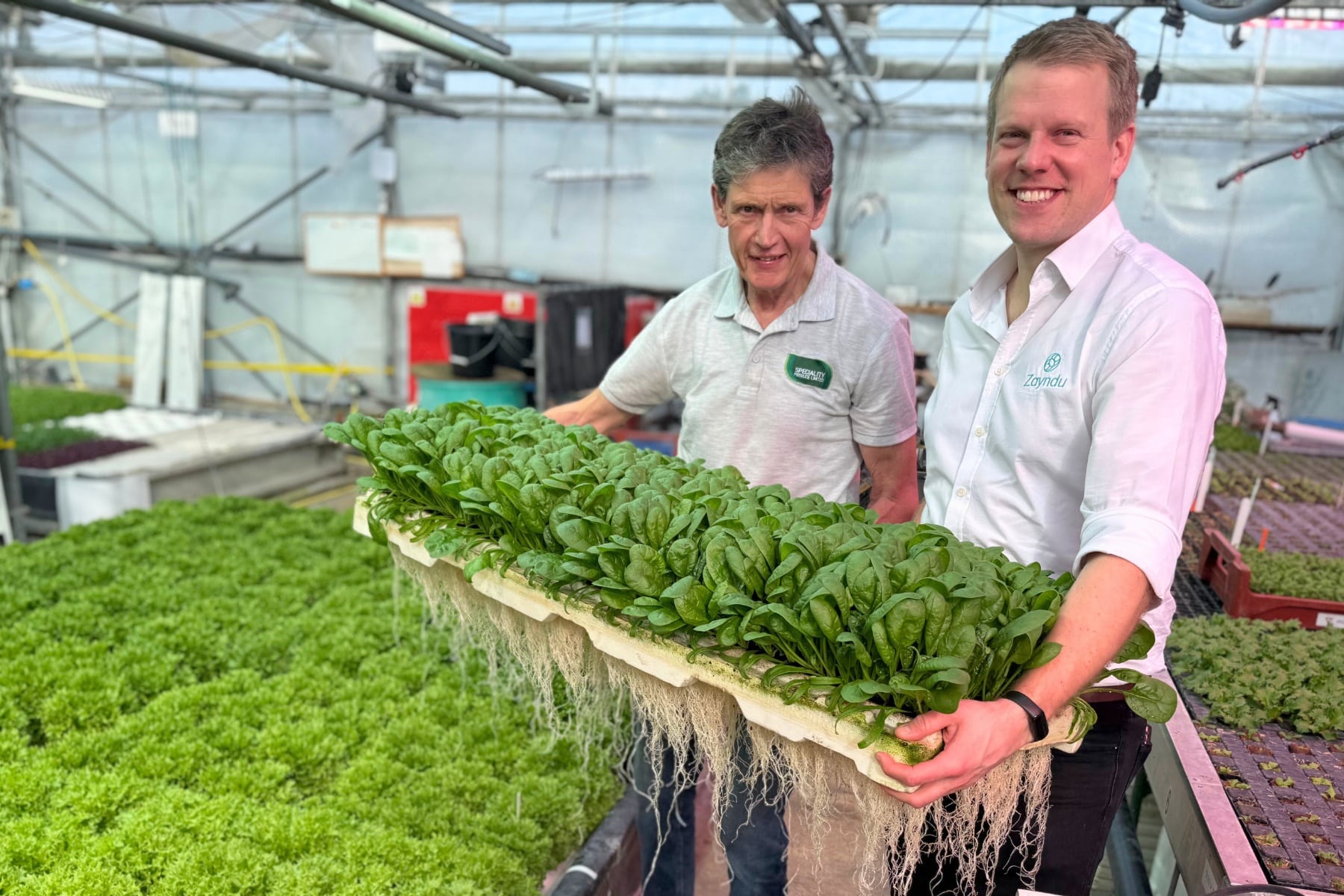
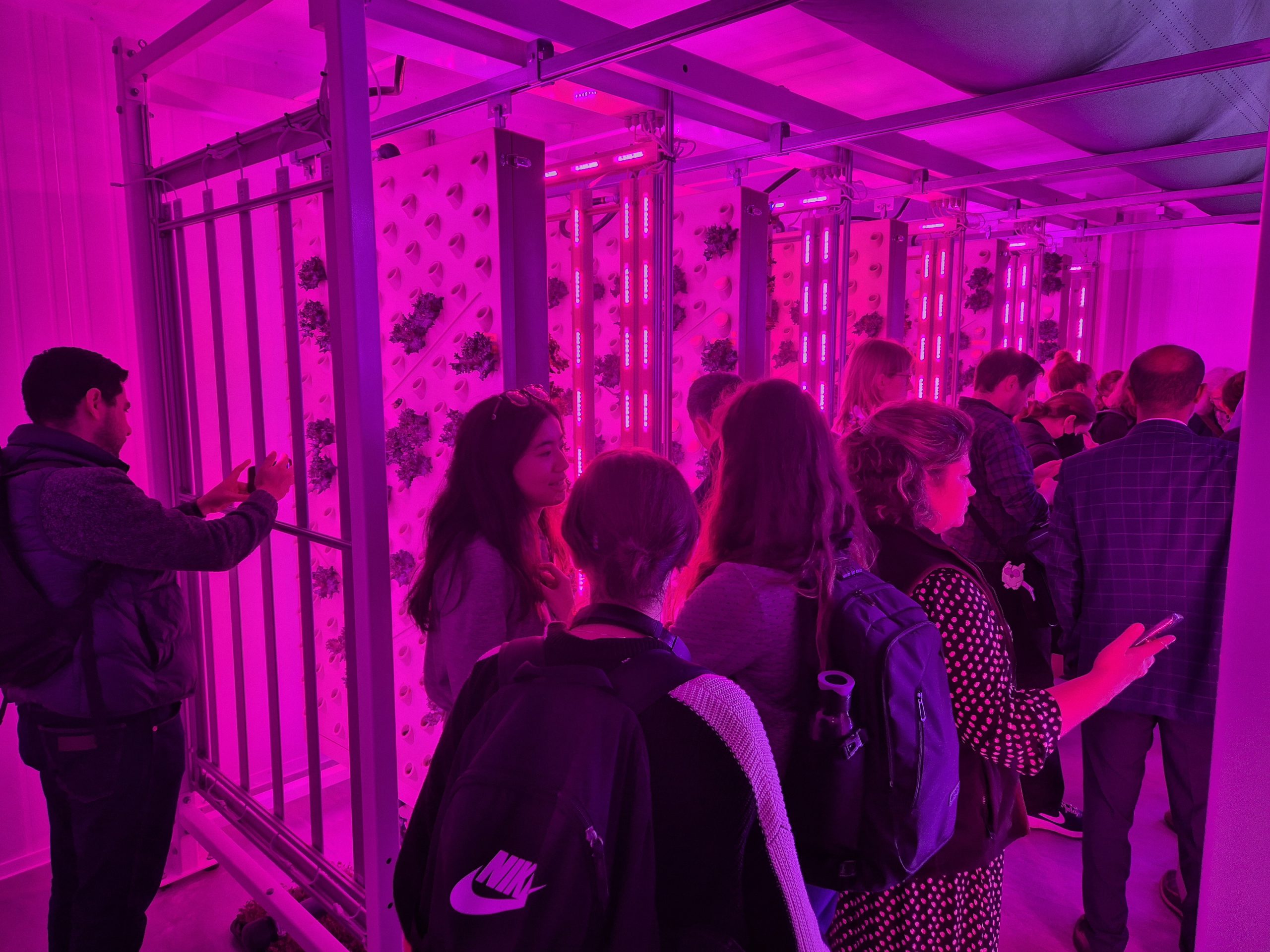
Innovation Agritech Group is developing, producing and installing totally controlled environment agriculture vertical aeroponic solutions for growers around the world. We are committed to using science and technology to develop fully sustainable farming systems allowing reliable production of food crops in an increasingly unstable environment.

What do you think is the game-changing tech development we’ve seen in the last 10 years?

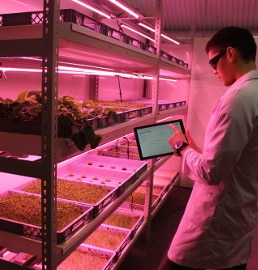
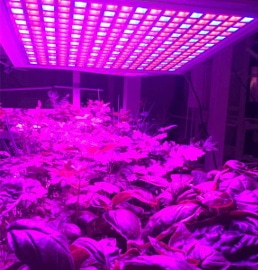
Here at IAG, we consider the improvements made in the field of lighting and lighting control to be the greatest step forward in advancing the development of totally controlled environment agriculture and vertical aeroponics. Replacing fluorescent tubes with LEDs has allowed IAG to accurately manipulate both intensity and spectrum of lighting with LED lights to create and develop recipes for a variety of crops. Control of spectrum allows controlled environment farms to increase blue and red wavelengths to match the optimum pattern plants need to grow without wasting energy on unproductive wavelengths. Despite higher initial costs, lighting has advanced in terms of energy efficiency, giving savings in the longer term. These improvements are likely to increase over time as increased innovation and adoption of LED technology reduces the cost of production further.

Other advancements in lighting include simplified control via software, diffusion systems, for improved light uniformity, improved light cooling, and high frequency colour modulation. Recent efforts have also been made into utilisation of far-red light wavelengths over 700 nm to manipulate plant characteristics such as shoot elongation.

What’s the biggest challenge to widespread adoption?

The biggest challenge to widespread adoption of TCEA vertical aeroponics are the high costs, both of initial investment and running costs, particularly energy. Until these farms no longer require high capital investment, it is difficult to foresee widespread adoption without increases in available funding, limiting the benefits to only those able to afford the upfront cost. Additionally, the high demand of energy by farms of this nature means that adoption of sustainable TCEA will be limited to areas of the world where energy is already cheap, notably the Middle East.

Overcoming this hurdle is the responsibility of two major stakeholders: us technology production companies reducing the cost of our solutions to compete in the emerging market, as well as funding bodies making capital more available to growers. Perception also has a part to play in prevailing over this obstacle, as TCEA and vertical farming become more mainstream, growers will become more willing to adopt technology that has been proven, meaning economies of scale will come into play and prices will fall, hopefully leading to a snowball effect of increasing adoption. IAG are confident we, and other stakeholders can utilise new developments in agritech in the next decade to overcome these challenges.

What do you think is the most exciting thing we’ll see in 10 years’ time and what will this technology enable?

We expect the most important development in TCEA in the next decade to be the application of artificial intelligence. The wide-ranging uses of AI are impossible to fully anticipate but what follows are a few benefits we expect to be able to exploit in the coming years. AI can be used to make data collection and handling simpler and quicker, particularly useful for farmers inexperienced in data management. AI can be used in conjunction with cameras mounted on robotics and drones to record information such as leaf area, ripeness, disease presence. Automation makes it possible to constantly record this information meaning problems such as disease or mineral deficiency can be identified and remedied as early as possible. Importantly, AI may also be able to play a role in acting on this data and engage in decision making processes. These abilities are most beneficial in complex systems, including those beyond the farm gate such as supply chain management. Integrating AI together with existing and novel farm systems and devices together such as irrigation, lighting, and harvest data can be achieved using the Internet of Things.


World’s first GreenShed opens its doors

Member News
The views expressed in this Member News article are the author's own and do not necessarily represent those of Agri-TechE.

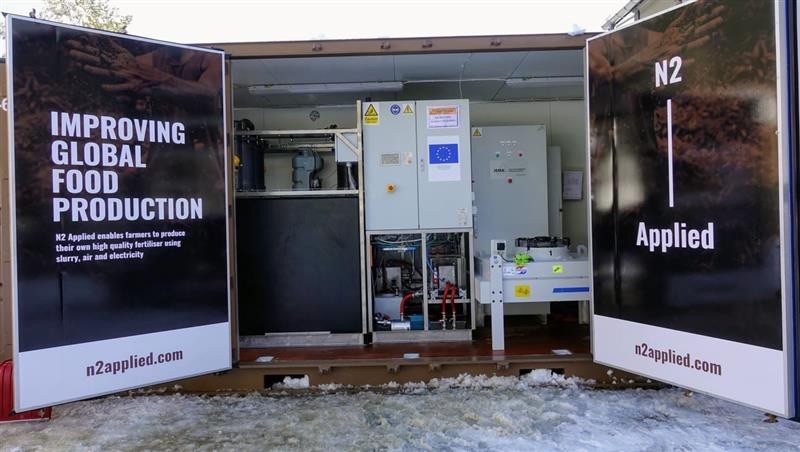
A world-first circular farming system which uses cattle waste to power a shed and grow indoor crops has opened its doors for the first time.

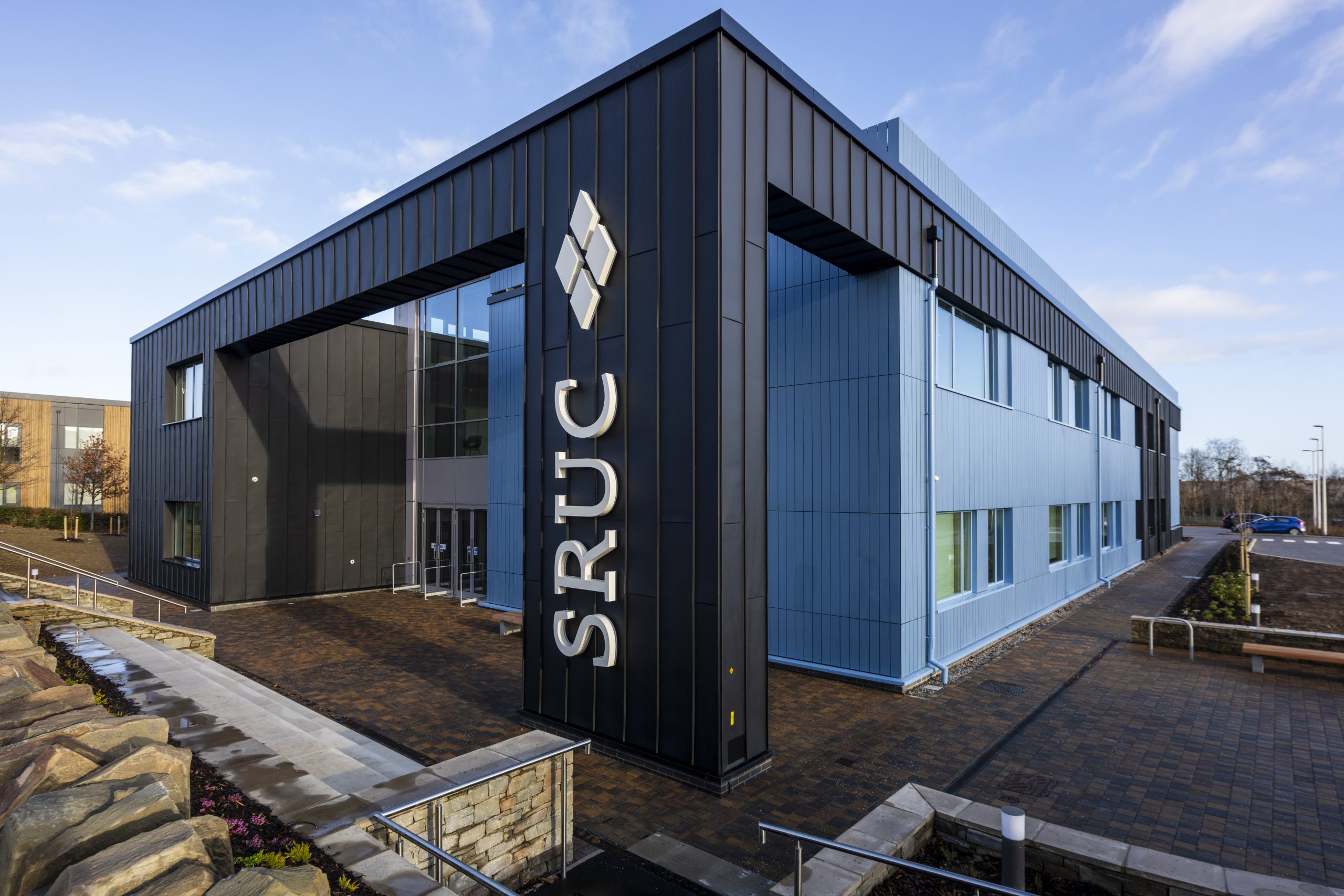
More than 80 members of the beef industry attended the opening of GreenShed at Easter Howgate, an SRUC research farm near Edinburgh.

Martin Kennedy, President of National Farmers Union Scotland, and Kate Rowell, Chair of Quality Meat Scotland, were among the invited guests to enjoy a tour of the new facility.

Funded by the UK Government as part of Phase 2 of the Direct Air Capture and Greenhouse Gas Removal Programme, GreenShed is seen as an important step in the road towards net zero.

It also received funding from the Scottish Government in its feasibility stage.

The event, which was attended by industry representatives from across the supply chain as well as representatives from the UK and Scottish Government and the Scottish Funding Council, also included tours of GreenCow and GreenSheep.

Sascha Grierson from SAC Consulting then chaired an insightful panel session on the Carbon Story of Beef which included Professor Steven Thomson from SRUC, Seamus Murphy from SAC Consulting and Julian Bell from AgreCalc, as well as Lisa Hislop from NFUS and Amanda Watson from Morrisons.

Professor Carol-Anne Duthie, who leads the GreenShed project, said: “Beef farming is facing greater pressure than ever before to reduce its environmental impact while also maintaining or increasing productivity as well as improving its broader sustainability.

“The GreenShed consortium offers a blueprint for the future of low-carbon circular beef farming. It’s a brilliant example of innovative collaboration between research and industry and we were delighted with the levels of engagement on the day.”

Led by SRUC, the other GreenShed partners are the University of Strathclyde, Galebreaker, UKAgriTech Centre, No Pollution Industrial Systems, Organic Power Ireland, Saturn Bioponics and N2 Applied.

Learn more about the GreenShed project on its dedicated webpage.

The Evolution of Farming: Precision Technology and the Role of Agricultural Engineers

Member News
The views expressed in this Member News article are the author's own and do not necessarily represent those of Agri-TechE.

As part of our “Back to the Future” project, we’re asking Agri-TechE members to reflect on how the agri-tech industry has evolved over the past decade and to share their vision for the next ten years. By compiling these insights, we aim to create a powerful outlook on the future of agriculture, a compelling call to arms for the industry driven by the diverse perspectives of our community.

This submission is part of the collection of reflections and predictions from our members, offering unique perspectives on the industry’s past milestones and future directions. Each contribution adds to a broader dialogue about the innovations and challenges that will shape the next decade in agri-tech.


What is the biggest game-changing development you’ve seen in the last 10 years in agricultural engineering?

It’s actually quite difficult to name one “single” game changing technology in agriculture in the last 10 years. What we have seen however is multiple technologies come together and become much more embedded in mainstream agriculture. The technologies I’m referring to are things like GPS guidance, on-board crop sensing, machine/farm office connectivity, sophisticated electronics and software systems on machines, and all the available data it brings. The coming together of this tech has really enabled “precision farming”. I don’t believe that the value proposition promised by this in the early days has actually been realised yet. There are significantly more gains to be made from efficiency and precision techniques applied to all aspects of the various process. One area I do continue to follow closely is min/zero-till and cover crop sowing techniques; there have been some good steps forward in this area, which are giving some great results by reducing input costs and maintaining the soil structure.

What do you think has been the biggest pinch point to the industry progressing – what needs to happen to tackle this and who should lead it?

There seems to be no shortage of money going into agricultural technology. Industry is making huge investments to create products and services to address the balance between food security, climate change and increasing farm profitability. However, there is a lack of leadership around systems thinking. This is impacting the end user, i.e. the farmer in two ways: 1. The deployment of technology on farms is too fragmented leaving the farmer to be the “systems integrator”. It needs to be more joined up so it becomes reliable and easy for the farmer to use, therefore supporting their day job, as opposed to becoming it! Data is a good example of fragmentation. 2. Because the technology is fragmented, the value proposition is hard for the farmer to obtain. Farmers then struggle to see the payback and therefore won’t invest. History shows us that if the technology is right and the payback is clear, the farmers will invest.

What do you think is the most exciting thing you’ll see in this area in 10 years’ time?

I talk to a lot of students, and I tell them all that they are starting their careers in a really exciting decade. There is a technology explosion in agriculture, even your traditional equipment such as tractors and combines will undergo significant change as we see the move away from fossil fuel to things like hydrogen and electric drive technology. The rise of autonomous solutions such as driverless tractors, drones, robotic fruit pickers, etc. is coming, there are some fantastic smaller scale solutions on the market and larger ones to come. I can see some of them have a real place in carrying out the labour-intensive jobs, whether its large scale tillage operations or smaller bed weeding/sowing work. Things like autonomous mechanical weeding systems are reducing chemical usage, along with spot spraying technology. I’m not a subscriber to the vision of tiny swarming field robots, I don’t think we could ever achieve the work rates necessary, especially when you visit the vast acreages of the US, Australia and Eastern Europe. Technology such as crop/soil sensing and vison techniques are really opening up creativity which will help with efficiency and productivity.

What is your vision of the future and how will IAgrE be responding to that?

IAgrE is well placed between industry, academia and research and we can help drive that discussion around the joined-up solutions we need to enable sustainable farming systems. Agricultural engineers are actually very good systems engineers, just think of the disciplines you need to be one; mechanical, electronic, civil, chemical, etc. and the variables that have to be considered. IAgrE’s prime objective hasn’t changed in 86 years, even back then it contained the phrases “application of technology” and “sustainable land-use”. We will continue to offer our members content on future technology development and networking opportunities, whilst promoting careers in the sector and ensuring education is right for industry. There has never been a more exciting time to be an “engineer in agriculture”, and if you think about that description, often people don’t realise that actually you’ve become an “agricultural engineer”!

Charlie Nicklin CEng FIAgrE


SugaROx Wins Another Award! How We’re Revolutionizing Biostimulants

Member News
The views expressed in this Member News article are the author's own and do not necessarily represent those of Agri-TechE.

We did it again! After celebrating our recognition as a top biostimulants solutions provider, our chemists and plant biologists have added another accolade to the trophy cabinet – the CorporateLiveWire Innovation & Excellence Award 2024 for Agriculture Chemical Manufacturer of the Year! Our mission is to develop novel approaches to crop stimulation, and then partner with GTM channels to address unmet needs of farmers. It seems the industry experts who nominated entries to this competition agree that we are going to shake things up!

So, what’s so special about our approach? Well, traditional biostimulants are typically extracts from algae or plants or acid-based formulations products from organic waste. As mixtures of ingredients, it can be difficult for manufacturers to optimise their performance. We’re developing single-molecule formulations whose active ingredients are inspired by the powerful molecules found naturally in plants and whose mode-of-action are well understood by us. In this way, we aim to deliver more precise and effective crop stimulation.

For example, our first AI, a modified version of trehalose-6-phosphate (T6P), can boost wheat yields by up to 22%! That’s a massive jump compared to the 2-5% improvement offered by most traditional biostimulants. By tweaking the natural molecule so it’s easier for plants to absorb, our chemists and biologists have found a way to unlock its full potential.

Working the Agri-TechE network:

We are building SugaROx to become a world-leading venture focused on the science of crop stimulation and early stages of product development. Our first product is 2-3 years away from launch. Through a B2B business model, we want to partner with go-to-market channels to accelerate R&D and sell our products to farmers in the UK and key agricultural countries.

If that is you, follow the link below to learn more about our technology, and reach out to our Business Development Director Bianca Forte via LinkedIn to start a dialogue with us.

  • *I have permission from the copyright holder to publish this content and images.

REAP 2024 Farmer Panel: Opening our minds to alternatives

Agri-TechE Article
Agri-TechE

Gaining the big picture view about emerging agri-tech and bringing together others with different perspectives are two of the benefits of attending REAP, according to Mike Gooding who will be chairing the Farmer Panel.

The future might look quite different

Mike is a farmer by background and has recently joined the AHDB as the Crop and Livestock Services and Farming Systems Director. He says that he learns something new every day: “At REAP we are all learning together so I don’t mind asking what might appear to be the ‘silly question’ – which is probably why I am chairing the session!

“Having a variety of perspectives creates opportunities to open up your mind and to challenge yourself to think more about how ‘the future may well look quite different’.”

Mike also understands the challenges of agri-tech innovation. He chairs a start-up in Cambridge called SmartBell. It is developing an ear tag for livestock that can predict illness through minute changes in the animal’s physiology and behaviour. They are working with other sensors and technologies to bring an in-depth understanding of what happens at different life stages to provide insights that will ultimately secure the animal’s full genetic potential.

Early trials suggest it can detect early indicators of pneumonia in calves enabling interventions before they require antibiotics.

Benefit from different perspectives

The two SmartBell founders are experts in data and sensor technology, and they see agriculture as an area of opportunity. Veena worked for Amazon in the United States, and Jose is a gas and oil engineer.

“Get somebody from Amazon, and data issues are solvable,” continues Mike.  “Ask Jose about making the sensor more robust and he will say ‘well, this is how we do it in the oil industry’.

“What they are really progressing is a different attitude to data, and how it can be used and combined with other forms of data to advantage the livestock and farmer.

“They challenge me about decisions that farmers make – if we can’t justify it, we should open our minds up to alternatives.”

Mike gives the example of lameness which is an endemic condition in sheep but largely avoidable.

Multi-stranded strategy of technology and ideas reduces lameness

Working together with the team at FAI Farms in Oxfordshire a five-point lameness plan was developed offering a multi-stranded strategy of technologies and ideas. “By following this strategy, we reduced lameness to the point where I was able to go from 750 ewes on the farm to 1,250 ewes without any extra fixed costs and I started to make profit out of the sheep,” Mike explains.

“There was a straight economic benefit, a massive animal welfare benefit. And frankly, my staff were much happier because treating grotty, smelly feet is not a pleasant job.

“So, once we opened our minds up to being much more holistic, rather than simply the firefighting problem that’s directly in front of us, we brought around entire system change.”

The five-point lameness plan went on to be adopted across the sheep industry as a national strategy and is credited in reducing the prevalence of the disease in the UK from approximately 10% to 3%, a huge achievement.

“Having those different perspectives does build a much bigger picture. This is where I think the whole REAP conference should be about, not just the exciting technological opportunities, but how we apply them in practise.

Farm-centric innovation

Mike is keen to encourage as many farmers as possible to attend REAP and suggests these viewpoints would be good to discuss:

  • The farmer perspective is vital – current on-farm challenges should be the key motivation for entrepreneurial development – solve that first and then expand. There is still a large group of people who are looking for the silver bullet scenario and it rarely exists and there can be unintended consequences. We do need that spirit and imagination – but arguably that should be financed with a different type of investment.
  • New models are required for agri-tech investment – over the last 18 months it has been really difficult to access finance and increasingly we see investment funds holding the whip hand in what we can and can’t do in our agriculture and their time frames are different. If this country is serious about wanting to be at the forefront of innovation technology and to stimulate genuinely sustainable growth in our food production, then we need to find mechanisms and structures that encourage those agri-tech developments in practical ways and help overcome some of these key blockers.
  • Need greater support from legislation – it’s not just small companies that are experiencing challenges gaining finance, it is a supply chain issue. A global food manufacturing business recently observed that their ability to adopt a more regenerative approach is limited by the requirement of their big institutional investors to deliver a level of return. If there was legislation to say, ‘you need to manufacture your food to X specification’, that would give them the leverage with their investors to say, look, this isn’t a commercial decision, this something we have to do.

The theme of REAP this year is the tipping point and this is multifaceted. We need solutions to on farm problems in the near term, but we’ve also got big challenges on the horizon that are coming closer. So where do you think the balance falls between precision and broad-brush?

Mike Gooding
Mike Gooding
Farmer and Crop and Livestock Services and Farming Systems Director for AHDB

“I see absolutely no practical reason why a wider viewpoint and precision are mutually exclusive. They should be together.

“The fact that I can identify individual animals’ problems is very relevant whilst I’m still trying to do things in a whole systems-based approach. And that’s where technology, offers real benefit.”

“However, I do think we need a much, much more engaged vision, politically, for what we want out of our food and our agriculture.”

Nick Sheppard
Nick Sheppard
Farm manager, Upton Suffolk Farms

“For salad potatoes the size of the potato is critical to the profit margin. We need to be selling more than a million tubers per hectare to make a viable return, but the goal is not just tonnes per hectare – we are after a particular size and quality.

“The size of the potatoes needs to be between 25mm and 47mm in diameter; potatoes larger than 47mm normally have little value and the tubers below 25mm fall through the harvest machinery and are lost. The difference in your returns can be significant if there are too many oversize or conversely too many under size.

“In terms of technology, we use hand digs entirely to monitor the tuber size and determine when to harvest.

“If it were possible to individually analyse the nutritional status of each plant and treat them so more of the tubers were ‘small potatoes’. Also, in real-time measure the quantity and size of the daughter tubers below the ground, then I could see real benefit in that type of technology.

“However, practically it would be difficult to do with a huge crop canopy up to a metre tall and a plant population of up to 100,000 plants per hectare, with each plant having up to six stems.

“Also, we do not currently use variable rate applications for the crops we grow, as we do not have the ability within the harvest machinery to accurately measure the yield per square metre. This information is needed to produce a yield map from which to base the variable rate applications of seeds, fertilizer or sprays etc.”

Helen Reeve
Helen Reeve
Owner, Waveney Dexter Beef

“REAP is a good place to exchange ideas with people you wouldn’t normally meet out on the farm, and I am looking forward to joining the Farmer Panel this year.

“As a farmer, you need to be innovative and always looking at ways to improve productivity and REAP is a good place to see the science and the technology that is in development.

“It is vital that technologists gain the farmer perspective and I would suggest the following to them:

  • Technology must be accessible and fit in with the way that farmers work, as every farm is different.
  • Technology won’t replace the skills of a stock person – but it will improve the way that they work.
  • If technology improves productivity, it will be quickly adopted – nearly all the cows in our region now have the heat collars as the benefits are clear


Jimmy Goodley
Jimmy Goodley
Goodley Farms

“The transition to regenerative agriculture is a steep learning curve and it can take a while to see the benefits. We invite other farmers to come on to the farm and see what we are doing and then help them to do soil testing, baselining in preparation.

“Working together and being part of a cooperative, adds a degree of protection and an opportunity to share experiences and benchmark performance.

“We are looking to further evolve our cover crop policy and introduce more SFI options into the system but essentially the vision remains the big picture view ‘using botany, limited cultivation and soil biology to build healthy soils and crops’.”

To join us at REAP 2024, book your tickets here.

Emerging Agri-Tech: from Research to Practice

Agri-TechE Article
Agri-TechE

One of the standout sessions at REAP 2024 is the Emerging Agri-TechE panel, which bridges the gap between cutting-edge scientific research and its practical application on farms.

During this session, researchers will share the latest progress from their farmer-focussed projects, which often become the seeds for the most exciting future innovations in agriculture and horticulture.

C0905_171
IMG_8883

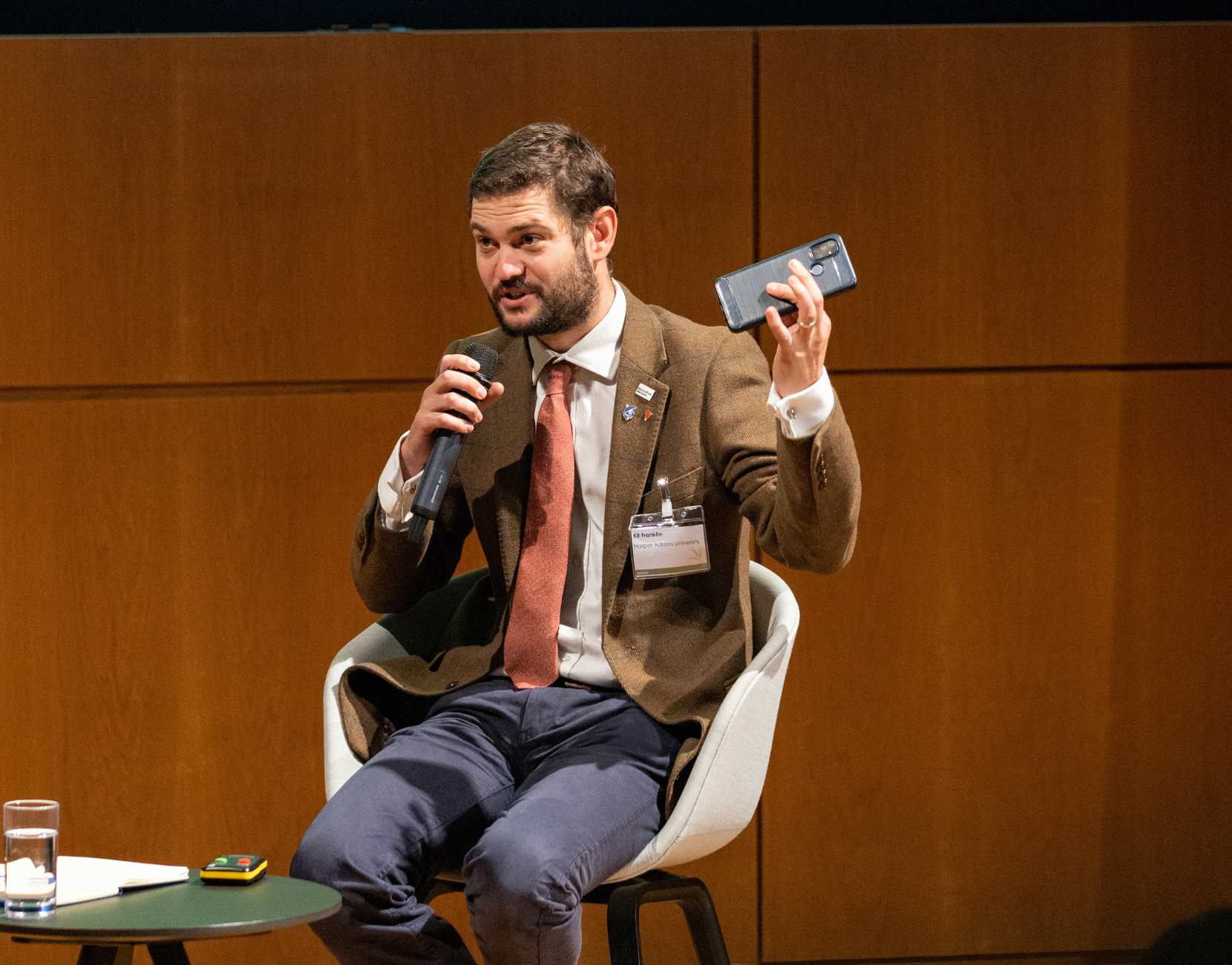
Chaired by Tom Pearson, a regenerative farmer passionate about the role of farmers in driving research that delivers real-world impact, the discussion allows researchers to present their work while addressing its practical relevance.

Through the informal ‘fireside chat’ format, Tom will prompt our scientists to explain what their findings mean for farmers, using some curious but everyday objects to help illustrate.

The goal is to ensure that agricultural research aligns with the practical needs of farmers, giving clear insights into how complex scientific understanding can translate to practical benefits on the ground.


Agri-TechE membership is home to a wide range of world-leading research, and this session offers a glimpse into just a few of the exciting developments happening right now. From machine learning to livestock sustainability, these scientists are paving the way for the next big breakthroughs in agriculture. In the hot seat on November 6 we have:

Can this GPU grow your yields, not just your top scores?

  • Marcelo Precoppe, Harper Adams University, will explain how simulations between soils, plants, and machines, can improve the design of farming tools.

The beef with methane emissions

  • Louise McNicol, SRUC, will discuss The GreenShed project, which is looking at how circular technology can help reduce methane emissions in beef farming.

The best thing since sliced bread?

  • Ashleigh Lister, The Earlham Institute, will show how an understanding of the genetics of pollen cells could improve wheat yields.

What’s cookin’ in agri-tech?

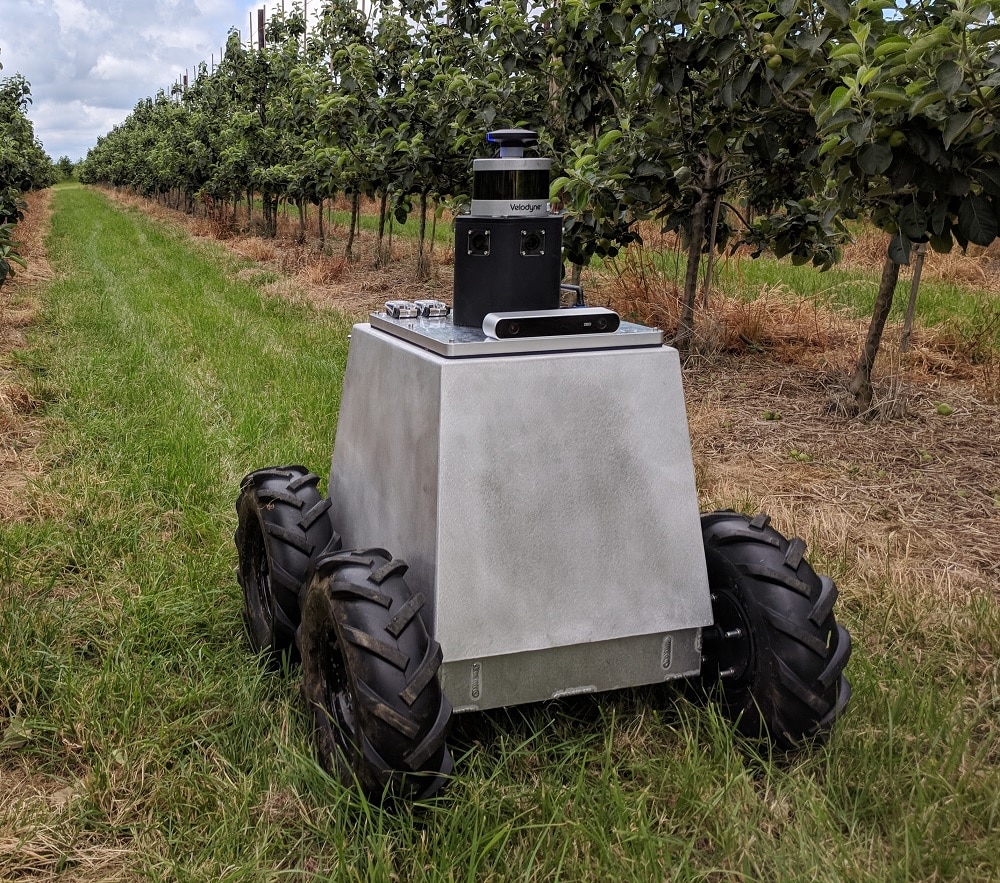
  • Marcello Calisti, University of Lincoln, will introduce the Robotics Cookbook, a practical guide for integrating robotics on farms.

No clowning around!

  • Adrian Clark, University of Essex, will show how AI and satellite can help detect crop issues like blackgrass.

Is this the sweetest solution yet?

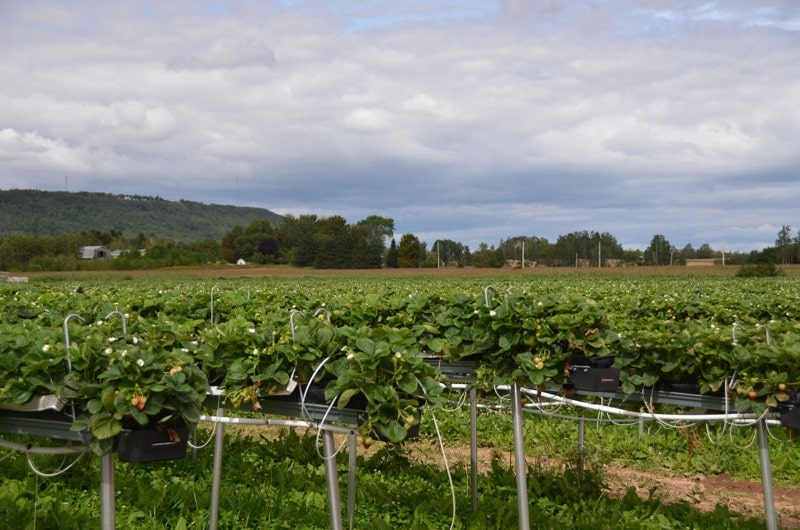
  • Robert Jackson, Niab, will explore how AI and remote sensing can improve apple and strawberry farming.


C0905_180
Em Ag line-up

The Emerging Agri-TechE panel offers a rare opportunity to see how academic research is being applied to solve practical challenges, while also giving farmers the chance to engage directly with scientists and ask the all-important question: How does this apply to my farm?

Join us on Wednesday November 6, 2024 to find out!

Book your REAP 24 tickets here.

Horizon scanning at the AHDB

Meet the Network
Agri-TechE
Mike Gooding
Mike Gooding
Crop and Livestock Services and Farming Systems Director for AHDB

Mike Gooding is the Crop and Livestock Services and Farming Systems Director for AHDB. A farmer by background, he joined the AHDB a year ago, after a turbulent period in the levy board’s history, which has seen two sectors leave the board. 

With the new CEO Graham Wilkinson at the helm, and AHDB focused on delivering levy payer value, Mike’s focus is to bring a more holistic, systems-based approach to food production.

Levy payers are a diverse group including farmers in different sectors and processors such as abattoirs, millers, and maltsters, while there are many and varied stakeholders right across the industry.

We talked to Mike about the role of AHDB and his thoughts about the future.

A farmer at heart

Mike explains: “It’s a lengthy title, but what I am actually responsible for is the genetics, breeding and research of both crops and livestock, animal health and welfare, and much of AHDB’s research activities.

“I’m a farmer by training, and at heart, and have spent many years working alongside researchers and developers. My aim is to try and bridge that gap that between research and practical reality, to bring new thinking about how those things fit together, rather than sitting in defined silos.”

Horizon scanning

AHDB’s focus is four sectors: beef and lamb, dairy, pork, cereals and oilseeds. It collects a levy from operators in those areas and each sector has its own Council, which, in consultation with levy payers, determines the priorities for its sector.

Part of the remit of AHDB is horizon scanning, providing customer and market insights and an independent evaluation of what is being developed for, and supplied to, the industry.

“We are looking at where we think priorities need to lie, and where the sector councils might want to invest levy money, and that varies from sector to sector,” Mike continues. “For the livestock sectors the emphasis is on marketing activities, to ensure that as buying behaviours change, production is meeting customer needs and aspirations.

“Across cereals and oilseeds, the focus is more on research and pre-farm-gate technical improvement including efficiencies of fungicide use, nutrient uptake and performance in the variety trials.”

Mike gives the example of the newly formed R&KE (Research and Knowledge Exchange) subgroup of the Cereals and Oilseeds Sector Council. Its remit is to gather research ideas from levy payers and stakeholders, evaluate propositions, and commission research and development projects.

Recommended list

One of AHDB’s most iconic products is the Recommended List, which is celebrating its 80th anniversary this year.  This ongoing set of varietal trials provides the industry with a unique and objective assessment of new varietal performance.

The research is subcontracted to organisations like Niab, and there are technical boards around each of the cropping groups who assess trial performance. This provides the critical independence and arms-length disconnect from the commercial considerations that is a very important element of AHDB’s role and valued by levy payers.

Mike continues: “As farmers, we tend to focus on immediate problems. And I am just as guilty.  If I’m worried about fly strike in my sheep flock and there is potential for strike resilient genetics, I’d be on it tomorrow, but that might not be the most important thing for the long-term future of my sheep flock, or the sector.

“So, part of AHDB’s remit is looking at the direction of travel. We are operating in a world with changing demands on farmers. For example, it is likely we will see the withdrawal certain crop protection products, either through build-up of pest and disease resistance or through market and trading circumstances. This means that the existing arsenal of products will no longer be available to growers. It is critical that we understand these risks and work on alternatives to avoid leaving our farming businesses exposed.”

He explains that AHDB is able to provide the strategic insight that is so important to the future success of agriculture, by bringing together crop and livestock genetics, breeding, and the development of farming systems.

“Intrinsically, farmers understand the value of this,” he says. “They experience day-to-day that their farm has its own variables in soil, climate, management practices and that they are managing  a complex system that has many interacting factors.

“However, understanding that these variables always exist and that one ‘blueprint’ cannot relate to all, is not always obvious to those working in R&D that are new to agriculture. So, it is vital to communicate the wider context that new ideas and the opportunities have to operate in.

“I think this disconnect contributes, in part, to the void that people talk about between research and the practical application. Addressing this is part of my role, so in addition to the technical development activity AHDB also has engagement teams to help disseminate this knowledge.”

Mike Gooding on-farm
Mike Gooding - cattle

Q&A with Mike

Q. How do you think the Recommended Lists will evolve, for example do you see the wider use of molecular methods for assessing genetic differences? Also, in the move towards regenerative farming are priorities changing? Is returning a reliable yield under adverse conditions becoming more important than a high potential yield in perfect conditions?

A. We are sitting on a massive bank of data from varietal trials over the last 80 years. We are exploring how we might make greater use of data and new data techniques may well help.

The principles of the RL as an independent assessment are not going to change. As a farmer there is nothing quite like a field trial in your area to give you a clear indication of performance. But these trials are a big investment, so other tools for determining genetic potential are being investigated in parallel.

Additionally, although there will always be a need for the baseline and consistency provided by the RL, many levy payers would like to take the data and evaluate it in their own farming scenarios. For example, a sort of ‘RL plus’ for those moving to a lower input system. We are working on those elements.

So yes, I can see us extending and developing the RL data, benefiting from a greater understanding gained from new science, particularly around data modelling.  This will enable us to extract greater value from this resource. If we can use the levy budget to apply the data to more farming situations, then that would be an obvious direction of travel.

Q. At Groundswell earlier this year, one of your colleagues was discussing consumer insights and the difference between what consumers say they want – high animal welfare, lower environmental impacts – and what they actually buy. A member of the audience suggested that rather than adding a premium to products that have been produced more sustainably, wouldn’t it be better to introduce a carbon tax for the others, particularly imports?

A. I have great empathy with the principle that if your domestic production is required to meet a certain standard, you shouldn’t allow products to come into that market that don’t meet the same standards. International trading arrangements are riven with political challenge.

I can see a scenario in the future where we effectively have a licence to farm and if you don’t meet certain standards, you don’t farm.

That said, there is a fundamental difference between what is required as a base level of standards and what I, as an individual farmer, may aspire to in order to generate added value and attract a premium price.

Q. Looking to the future, do you think there is a need for a ‘land use strategy’?

A. There are over 8 billion people on the planet who are only alive because they eat.  As a farmer, I think it’s very humble to produce food to feed humanity, and I think we should be very proud of that.

Looking to the future, the pressure on us as food producers to feed society are going to become even greater and we’re going to have to consider how we deliver the nutrition society needs.

All I would observe is the needs of someone who hasn’t eaten for three days are very different from those who can afford to waste 30% of the food they buy each week.


To join us at REAP 2024, book your tickets here.

Data is the Greatest Accelerant in Ag-tech Innovation

Member News
The views expressed in this Member News article are the author's own and do not necessarily represent those of Agri-TechE.

As part of our “Back to the Future” project, we’re asking Agri-TechE members to reflect on how the agri-tech industry has evolved over the past decade and to share their vision for the next ten years. By compiling these insights, we aim to create a powerful outlook on the future of agriculture, a compelling call to arms for the industry driven by the diverse perspectives of our community.

This submission is part of the collection of reflections and predictions from our members, offering unique perspectives on the industry’s past milestones and future directions. Each contribution adds to a broader dialogue about the innovations and challenges that will shape the next decade in agri-tech.

Data is the greatest accelerant in ag-tech innovation

Agrimetrics is a software services business operating across agri-food, environment, and government. As our customers are responsible for critical infrastructure, we work by providing them with the most advanced expertise in software services to help them build pioneering systems, unlock insight and manage information.

Our customers are faced with significant and consequential challenges; population growth is stretching food production, net zero policies are of increasing impact, consumer attitudes to food and the environment are evolving, and information management is stretching legacy systems.

Data drives innovation

The greatest response to these challenges hasn’t been an individual piece of technology, but rather a cultural change in attitudes towards data. Sharing and utilising data has had a revolutionary impact on the speed and sophistication of innovation in ag-tech. Understanding what is happening on farm at scale allows us to monitor, report and verify the impact it has on the environment. Utilising sophisticated satellite imagery, on farm data collection, and cutting-edge software development, and data science means we are beginning to be able to measure the environmental impact of production with greater accuracy and speed so that we can begin to map whole supply-chains. These trends are set to continue and open the possibility of, for example, management of pest and disease risk at the landscape scale as well as improving sequestration of soil carbon.

Competition for investment

Our desire for a healthier and more sustainable planet has rightly captured the attention of a variety of industries, governments, and sectors. All these areas are competing for funding to help them accelerate towards a more sustainable future, be it for research, machinery, or technology. Identifying the most impactful solutions is paramount in securing funding and so the ag-tech sector needs to continue providing the explicit evidence of how its solutions and research is helping to increase sustainability. Many of the challenges faced are at a scale transcending the small businesses that make up the industry. Raising investment at the level required for transformative change is therefore a challenge, particularly in an environment of high interest rates.

Despite a weaker appetite amongst private investors, the government’s ag-tech strategy alongside its broader Net Zero strategy, which was published in 2022, highlights its commitment to investing in sustainable solutions. Organisations like ours are helping to develop further cooperation by developing world-class knowledge through a network of like-minded organisations. Through research & development as well as the implementation of pioneering technology, we are demonstrating how collaboration on sustainable solutions provides meaningful impact. We have has also recently taken responsibility for the significant upgrade to Defra’s Data Service Platform, which makes large volumes of data openly available, and are adding value to it by making it interoperable so that data from different data sets can be used together easily.

Innovating our way to a sustainable future

The UK’s Net Zero strategy and its ag-tech strategy have the same defining purpose: to lead the world in ending our contribution to climate change, while turning the mission into the greatest opportunity for jobs and prosperity since the industrial revolution. Through the innovation in the ag-tech sector, we can identify ways we can almost double our food production using less land, energy, and water. By ensuring data is easy to find, use and interpret we will be able to digitise our food system, ensuring its security whilst protecting our planet.

The Challenge of Futurism with Barenbrug

Member News
The views expressed in this Member News article are the author's own and do not necessarily represent those of Agri-TechE.

As part of our “Back to the Future” project, we’re asking Agri-TechE members to reflect on how the agri-tech industry has evolved over the past decade and to share their vision for the next ten years. By compiling these insights, we aim to create a powerful outlook on the future of agriculture, a compelling call to arms for the industry driven by the diverse perspectives of our community.

This submission is part of the collection of reflections and predictions from our members, offering unique perspectives on the industry’s past milestones and future directions. Each contribution adds to a broader dialogue about the innovations and challenges that will shape the next decade in agri-tech.

It’s fair to say agriculture has undergone some dramatic changes in the last 10 years.

Technological advances have made agricultural processes significantly more efficient, resulting in cost savings, or increased yields. In the present, farmers are leading the charge in securing our environment for the future, harvesting not just crops but the information and data that will enable them to produce food more efficiently, more economically and yes, more sustainably too.

For Barenbrug, not only as a leading global plant breeder but also one of the UK’s largest grass seed breeders and growers, it is vital that our own breeding programmes consider the requirements of the future. The grass varieties we have in development now won’t be grown on-farm until the 2040s. What will farmers want, expect and need from their grass by then?

It’s not easy being a futurist. But we have good parameters to work within. Many of them are increasingly seen as good, standard practice. Take water utilisation, for instance: farming is a significant consumer of water, with approximately 70% of the world’s freshwater resources dedicated to agriculture. Plant breeders have long prioritised this, focusing on deep rooting traits that make crops less susceptible to drought and high rainfall.

Then there’s the adoption of low-input farming systems, With the concept of regenerative agriculture – where grass can play a resurgent role on every farm – becoming more widely understood and moving into the mainstream agricultural psyche, Barenbrug’s in a privileged position to communicate that, and to use our science-led results to show farmers how to do it.

With the right tools, and the right advice, we can help farmers themselves become part of the solution. Empowering them to adopt climate-smart farming practices, while still producing high-quality food, should be at the top of every plant breeder’s agenda.

That’s why Barenbrug’s model works so well. As far as grass is concerned, the British Isles demands a distinct grass genetics, to get the most from its climate and to satisfy the demands and expectations of British farming practices. There’s our ability to draw on our global genetic resources in the breeding of new UK varieties, and our partnerships with eminent research institutions such as AFBI in Northern Ireland.

Together, these give us the resources and expertise we need to improve and develop UK-specific germplasm that’s ready for the challenges of tomorrow, without compromising on farmers’ expectations today. Not just fancy claims, either: the partnership with AFBI has delivered a cumulative increase in grass yields of around 0.5% per annum over the last 33 years, and nearly 50 varieties added to the Recommended List.

Then there’s the promise of further new technologies. Endophytes, for example – bacteria that strike up a mutually beneficial relationship with plants – can boost the farmers’ arsenal to combat current and future pests and diseases, and improve nutrient acquisition, now that we’re understanding their potential and starting to harness their power. Or decarbonisation of farming: Barenbrug’s discovery of which genes to tackle to make fibre more digestible puts us in a position to demonstrate ‘lower methane’ varieties within 5-10 years.

It’s no understatement that we regard the quest for innovative, long-term solutions to our food production challenges with the same priority as, say, the need for clean energy generation, or the prospect of advances in medical science. Developing a menu of solutions – from the promise of gene editing to the potential of AI – that can be used as and when the elements demand will be key not only for future food production, but for food production that doesn’t harm the planet.

But we can’t do this alone. Farming is a community: we need to work together to support its evolution and agree how to find and adopt the sustainable practices we need to deliver on farming’s double commitment. Agriculture has gone from having the most important job in the world to the two most important jobs: food security and environmental mitigation. By focusing on what we do best – top-notch grass-breeding for the future – Barenbrug can help make that happen.