The Productive Landscape: NatureTech for Profit and Planet
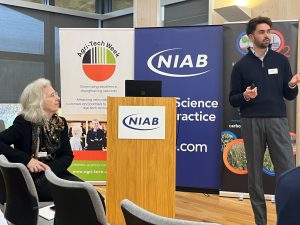
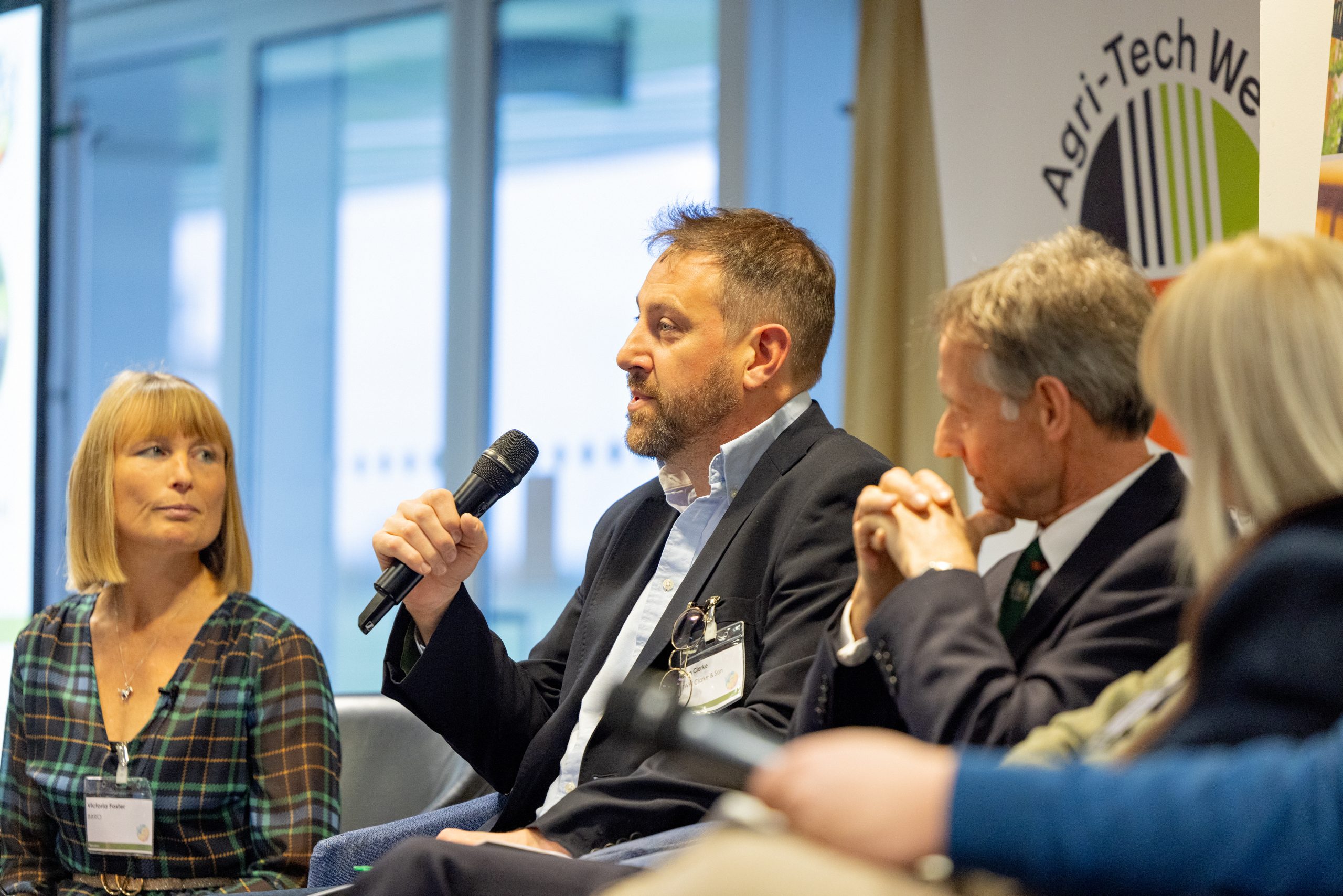
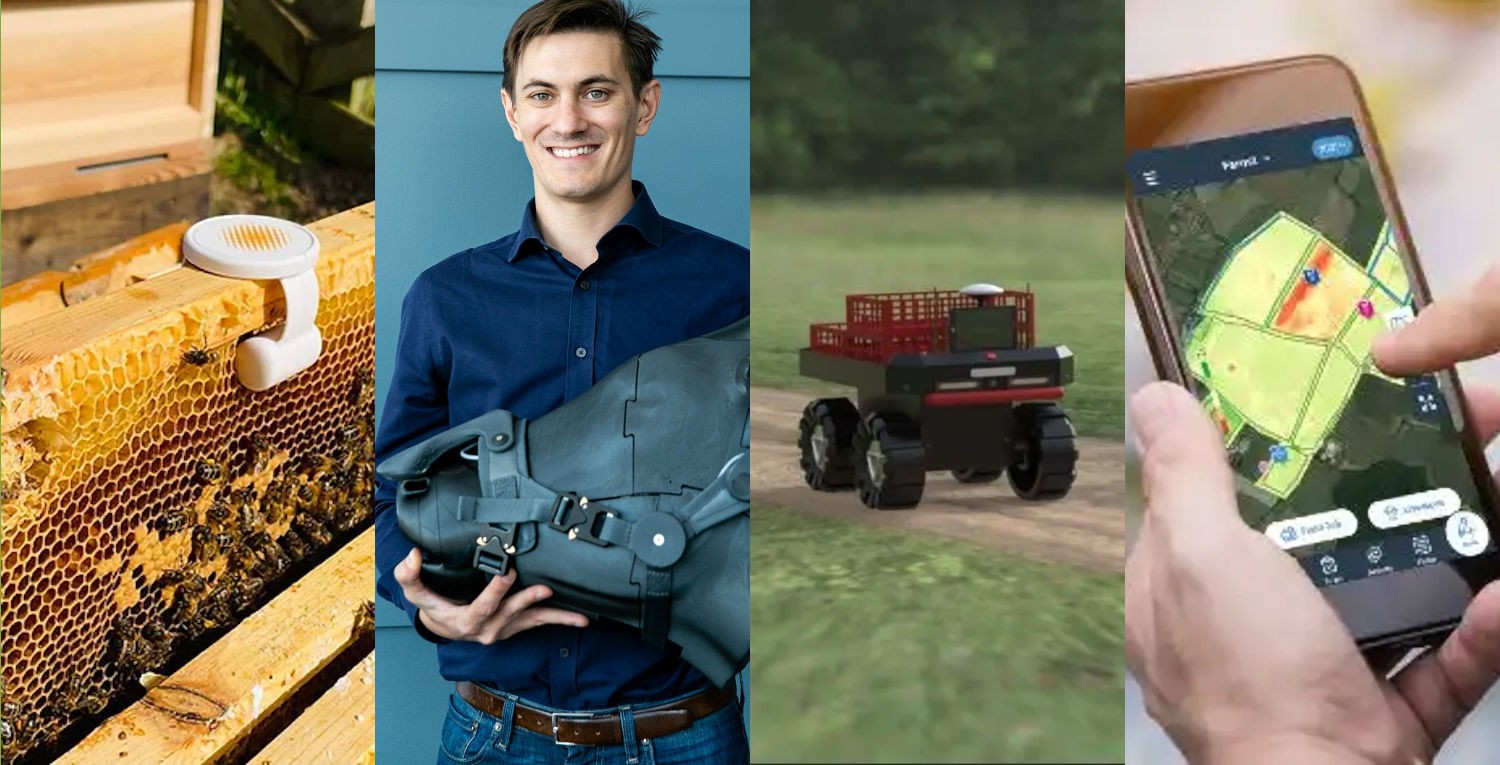
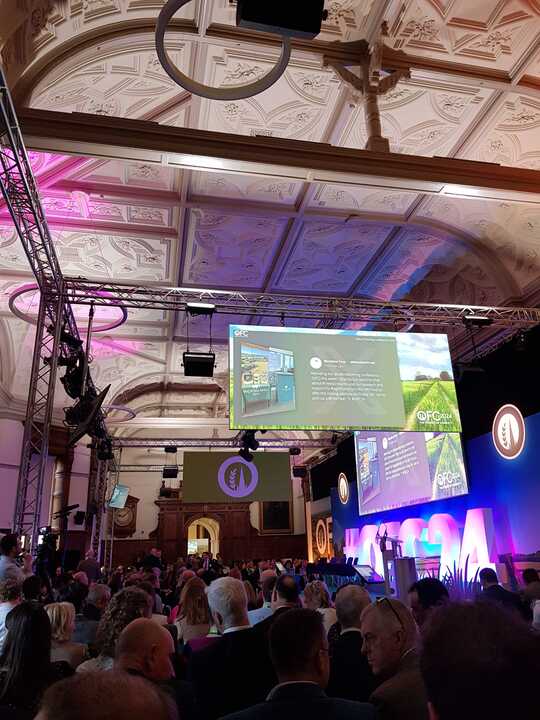
How can technology enable delivery of food, nature recovery, and climate resilience - all at once? The Head of the Environment Agency is asked: what's the national plan for dealing with land use pressures, plus you’ll hear from technologists and land managers working on nature-based and tech-enabled solutions for water, soils and climate adaptation.

ATW 2024: Discover The Morley SAMS Project

Member News
The views expressed in this Member News article are the author's own and do not necessarily represent those of Agri-TechE.

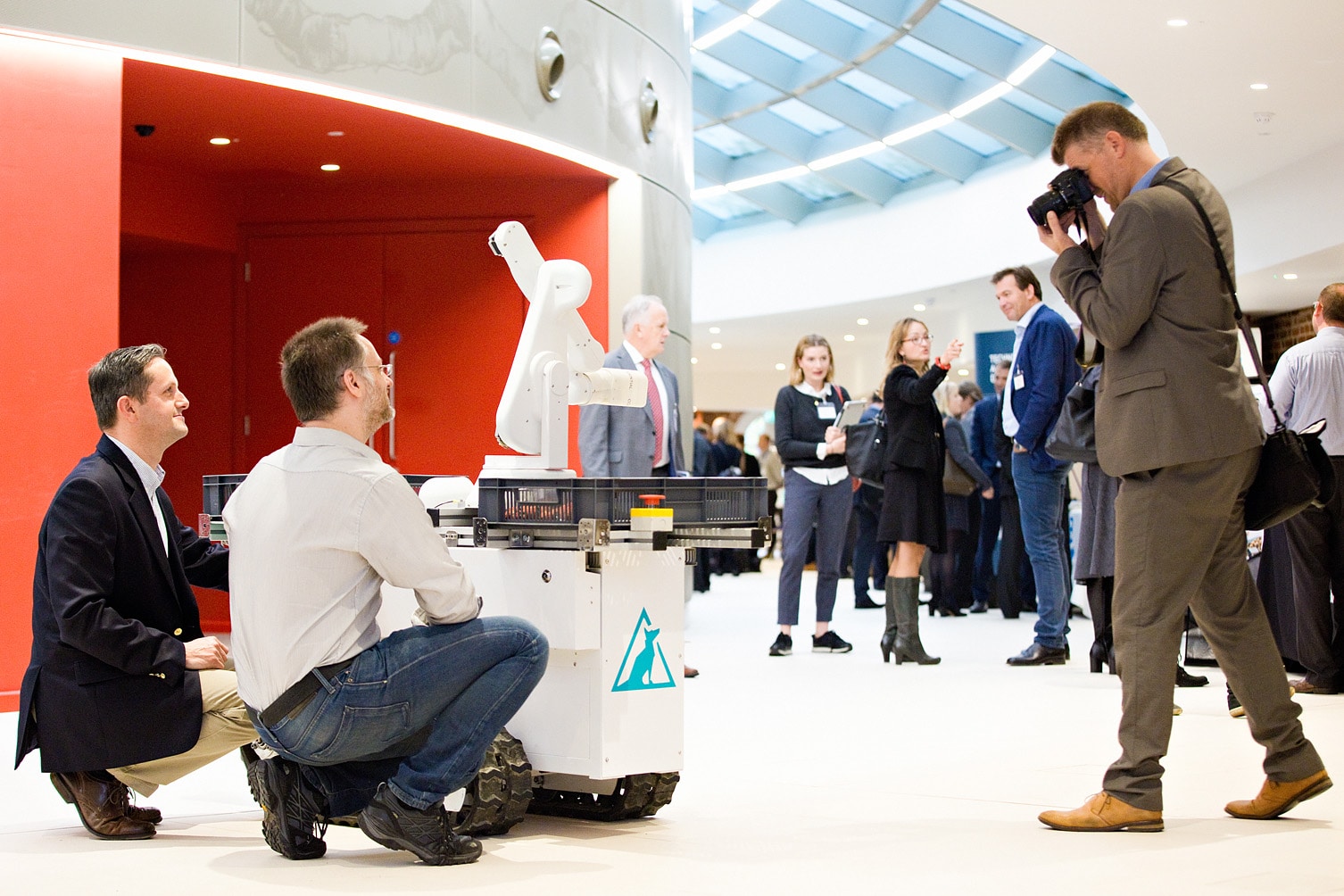
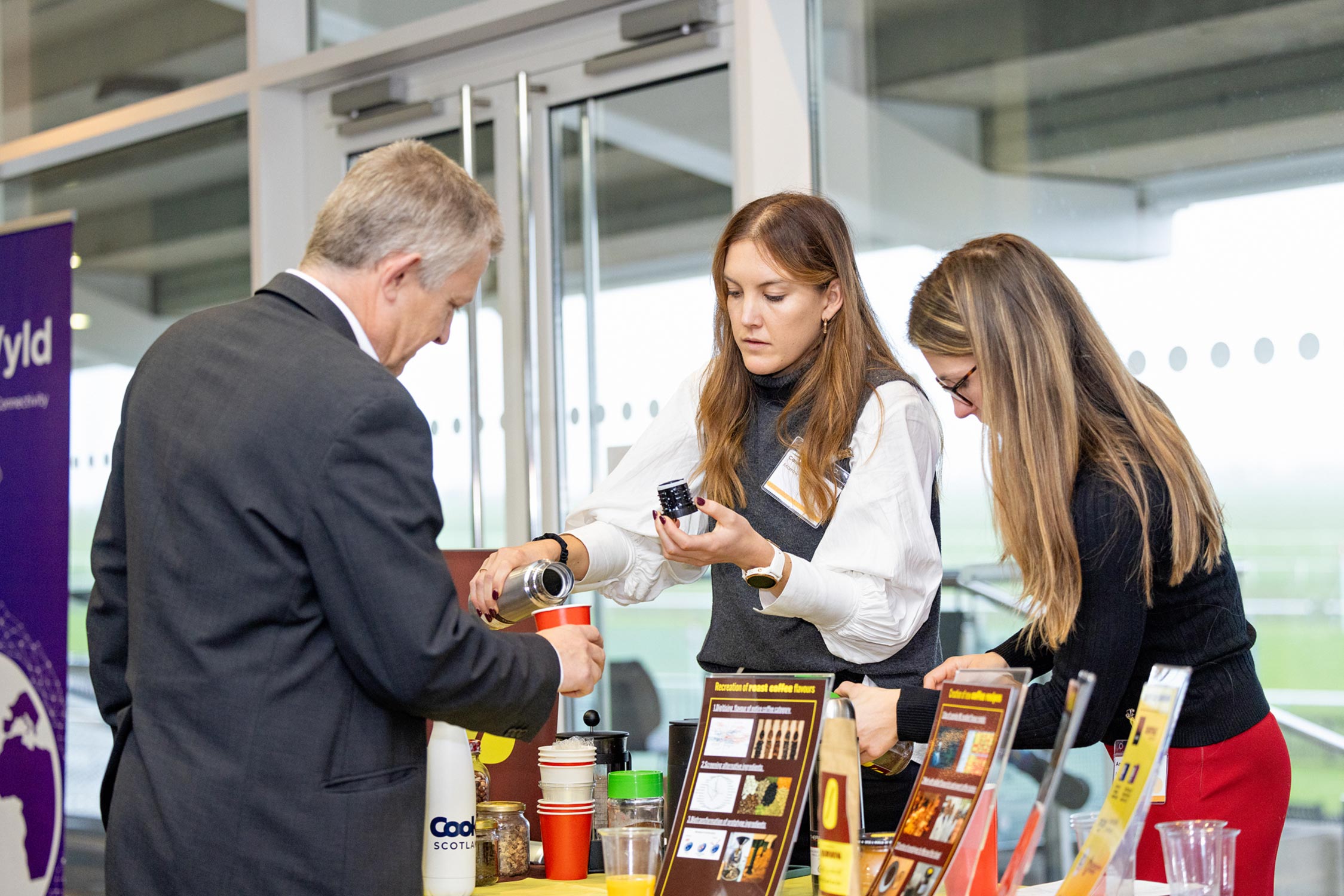
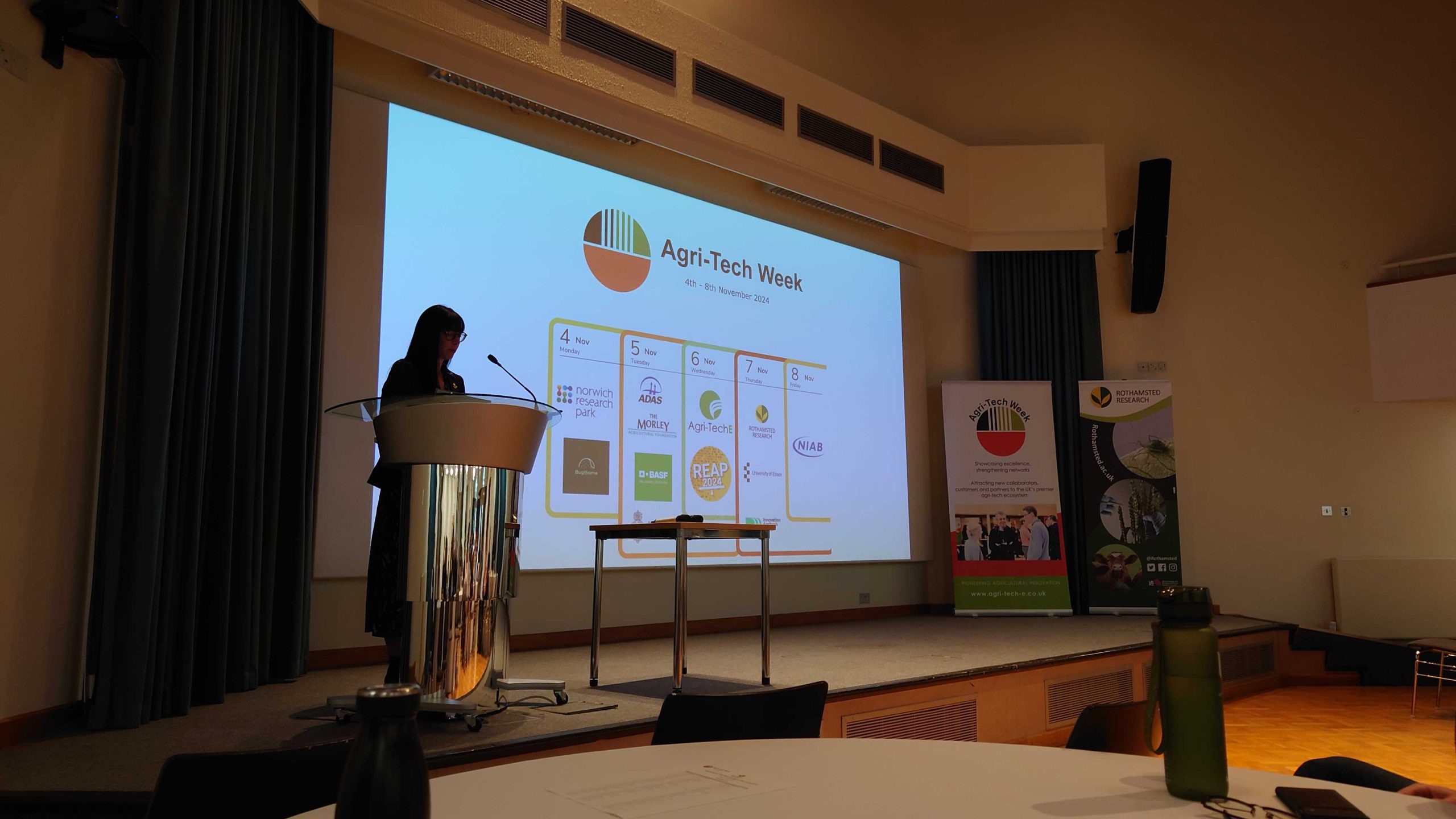
Agri-TechE Week 2024 celebrates its 11th year! Our largest yet, featuring nine events curated by Agri-TechE and hosted by our incredible member community. This week exemplifies innovation, collaboration, and forward-thinking in agri-tech.

Each event reflects the strength of our ecosystem, fostering vital connections between growers, researchers, and technology developers. Thank you to our members for hosting and making Agri-TechE Week possible and showcasing what our community can achieve. Here’s a look at today’s event!

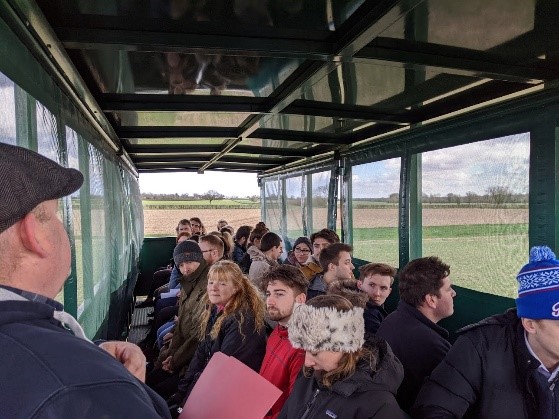
On a still, misty morning, we set off on a quick farm tour on one of The Morley Agricultural Foundation’s (TMAF) tractor and trailers. David Jones introduced us to TMAF and explained that it is a charity that has evolved over more than 120 years. Its current objective is to fund and support agricultural research and education relevant to East Anglian agriculture. Every year, TMAF provides £500,000 to projects and maintains close connections with Niab, BBRO, the John Innes Centre, and various universities.

David highlighted that research is only valuable if the knowledge is shared with others. This sharing can include hosting visits, open days, maintaining a website, publishing papers, and attending conferences. TMAF also funds short courses and offers educational bursaries.

Introducing the Morley SAMS Project

The main focus of the day was the Morley SAMS (Soil and Agronomic Monitoring Study). The project involves 30 sites, each 400 square meters, spread across the farm. These sites are closely monitored for soil and crop properties while the fields are farmed using the best commercial practices.

Now in its sixth year, the project aims to continue well into the future, documenting how agricultural practices evolve, monitoring their impacts on soil health and crop production. Weather and field records are also recorded and allow these to be linked back to measured data. Most fields have more than one monitored site capturing the spatial variation in soil properties across farm – including some headland sites – showing that even under the same conditions, different sites yield varying crop results.

Field Demonstrations and Hands-On Learning

We moved to a field containing SAMS sites, where David Clarke from Niab demonstrated how to do a Visual Evaluation of Soil Structure (VESS). David Jones used a JCB to lift a chunk of soil, exposing its profile with visible roots and structure. We all tried assigning a VESS score in the field.

Key Findings from Year 6

After a break for coffee and a sticky bun, David Clarke presented some results from the first six years. One example showed how a harvested sugar beet crop affected the VESS score on headlands but returned to normal with proper management within two years.

Another finding indicated a link between earthworm populations and crop yield—both tend to thrive under good conditions. The correlations and links between soil health measures and agricultural production and environmental risk where also discussed.

Looking Ahead

The aim of the Morley SAMS project is to monitor consistently and identify potential correlations over time. With six years of valuable data, the project aspires to attract new collaborators and resources.

The Morley SAMS project is more than just research; it represents a long-term commitment to understanding and sharing knowledge to support the future of farming.

  • *I have permission from the copyright holder to publish this content and images.

LettUs Grow Hosts Exclusive Unveiling of New Aeroponic Innovation Centre in Bristol, UK

Member News
The views expressed in this Member News article are the author's own and do not necessarily represent those of Agri-TechE.

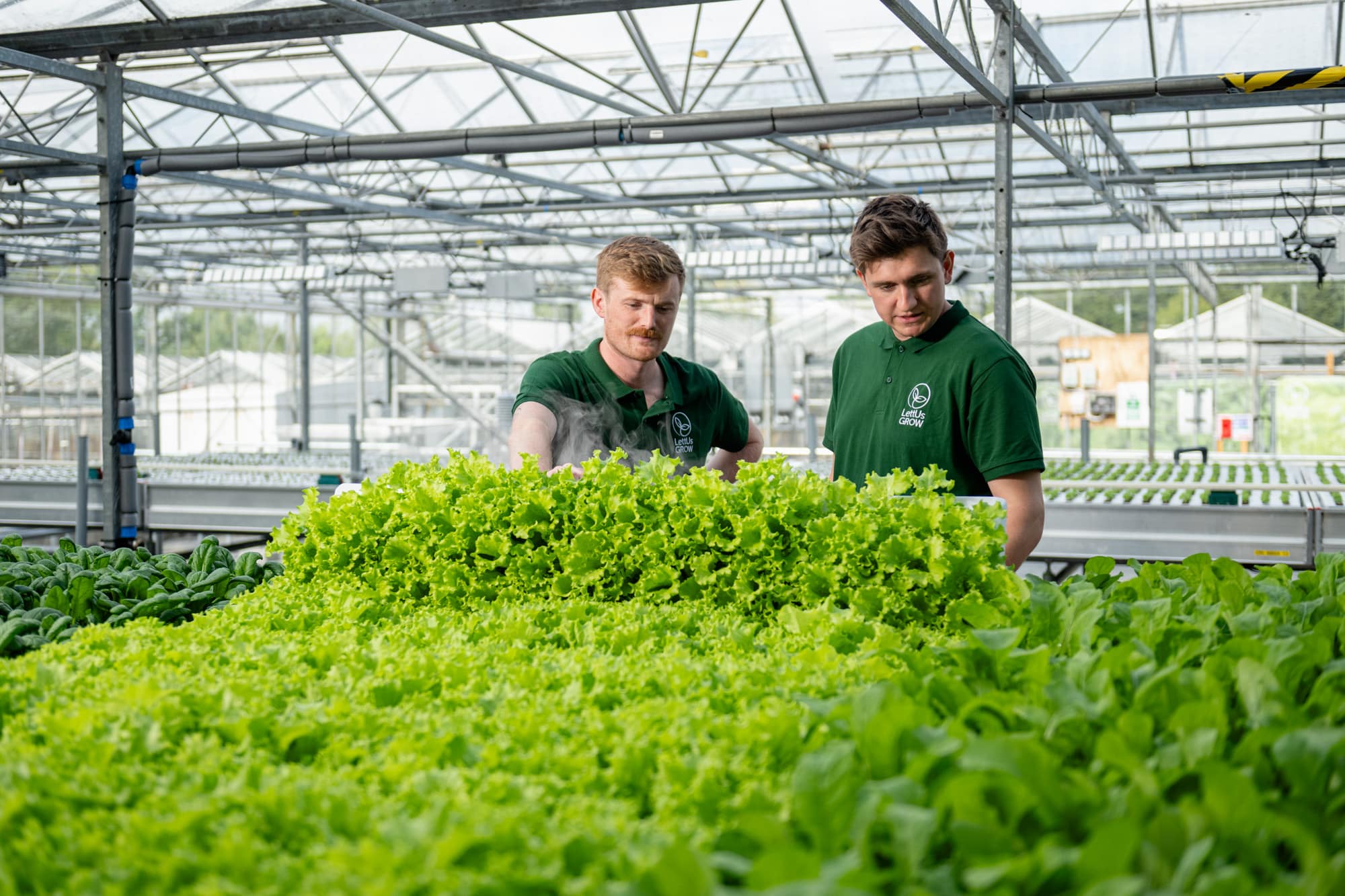
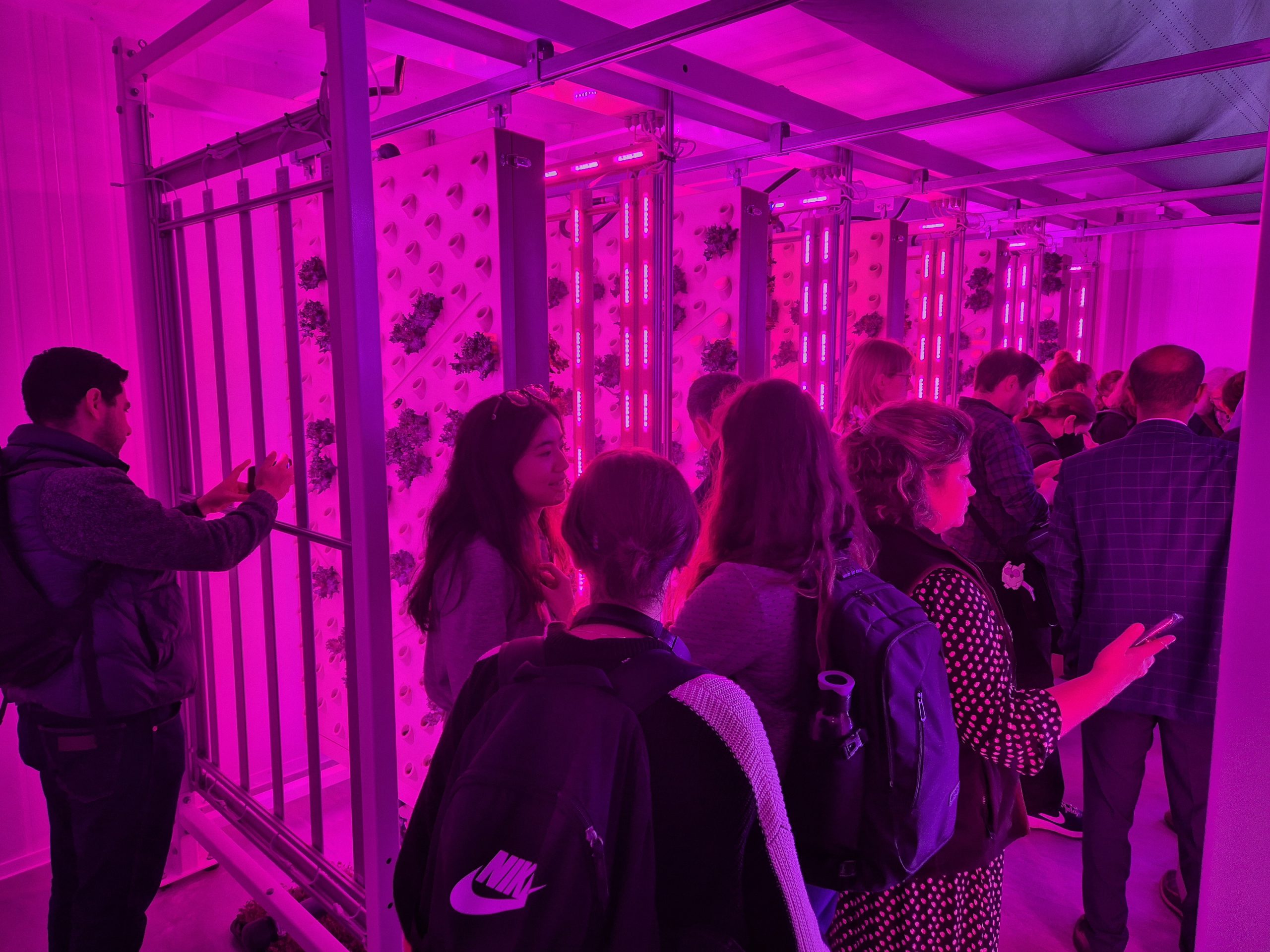
LettUs Grow, experts in advanced aeroponic irrigation, officially unveiled their latest Aeroponic Rolling Bench™ product to an exclusive group of industry partners, customers and commercial growers. The invitation-only technology showcase, held at their Heath Farm: Aeroponic Innovation Centre in Bristol, UK, reinforced the company’s ambition to bring the advantages of aeroponics to the global greenhouse industry at scale. Attendees included leading horticultural technology partners and collaborators from across the UK and the EU, who supported the development of LettUs Grow’s flagship product.

Aeroponic Rolling Benches combine LettUs Grow’s ultrasonic aeroponic irrigation with industry standard rolling bench systems, allowing large-scale indoor growers to increase productivity and outperform annual yield targets. Until now, this breakthrough technology has only been available in vertical farming systems, and now offers greenhouse growers the ability to bring the benefits of aeroponic technology into their current operations with ease.

The showcase brought together collaborators from across the industry, who are key to the development and delivery of Aeroponic Rolling Benches. LettUs Grow have worked with growers, manufacturers and innovators from the early stages of the product’s development, so that Aeroponic Rolling Benches can be utilised by as many growers as possible around the globe. Attendees of the event included industry leaders such as Bosman Van Zaal, Meteor Systems and Staal & Plast, who are all key manufacturers in the production of Aeroponic Rolling Benches.

Charlie Guy, Chief Executive Officer of LettUs Grow said, ”This day marks an important milestone in our company’s development in the greenhouse sector. Before we open the site to larger audiences officially next year, we wanted to bring our existing partners and customers together to celebrate the vital collaborations that are now enabling us to scale our technology globally. We’ve always known that collaboration is absolutely vital in the agritech industry, and we are both proud and grateful that so many of our partners who made this product possible could join us for this celebration.”

Bas Dirven, R&D Manager at Meteor Systems, commented on the event saying “This is our first visit to Heath Farm, and it’s inspiring to see our collaboration come to life and connect with others involved in this journey. We’ve been working with LettUs Grow to develop custom aeroponic plug trays tailored to their system, and we’re excited to see the impact our efforts will have on the cultivation process and for growers using the technology.”

Following the positive feedback from attendees, LettUs Grow will be releasing information on future events and tours throughout 2025 exclusively to their newsletter subscribers, and on the LettUs Grow website. If you are interested in visiting the site privately, please contact enquiries@lettusgrow.com

  • *I have permission from the copyright holder to publish this content and images.

Lessons from the sea – Timac Agro, improving plant and animal resilience

Meet the Network
Agri-TechE
David Newton
David Newton
Technical Product Manager at Timac Agro UK

What do seaweed, lichen and moss have in common? The answer: these plants are adapted to withstand stress and to thrive. Understanding how they achieve this resilience is one strand of research at Timac Agro. The company has one of the largest privately funded agricultural research facilities in Europe and leverages this to provide innovation for the industry.

David Newton, Technical Product Manager at Timac Agro UK, says that the family run company – which was established in Saint-Malo, Brittany in 1959 by Daniel Roullier – was one of the first to see the potential of using marine calcium as a soil conditioner.

From sea to soil health

David explains: “Traditionally, Calcified seaweed is used to provide lime on agricultural land, and Roullier found a way to grind a deposit of marine calcium into a powder, called Calcimer™, to enable it to be more widely used.

“Soil pH is key to the availability of nutrients, especially phosphorus which is locked up at both high (alkaline) and low (acidic) pH. Calcimer acts a pH buffer, regulating the acidity of the soil and increasing the bioavailability of nutrients.”

These nutrients include sulphur, magnesium, boron, zinc and manganese, all of which help the crop grow, but also trace elements such as iodine, cobalt and selenium, which are crucial to livestock health.  In this way soil conditioners can increase the palatability and nutritional density of forage crop.

The company has grown organically, with over 439 subsidiaries, including the UK office, which is located within the agricultural research facility at Rothamsted.

Biostimulants are at the core of the company, which focuses on soil conditioners, plant nutrition and animal nutrition, and is always looking to provide multiple benefits from its products.

For example, new legislation came into effect in 2023 aimed at reducing ammonia emissions from unprotected urea fertilisers. This had been expected and while many in the industry have been focussed on developing a urease inhibitor, Timac Agro is developing a protection solution that not only protects Urea – reducing losses by 40-48% – but also provides a soil microbial stimulant.

Evidence for efficacy

A lack of regulation in the UK market has created some scepticism over the performance of biostimulants. This is set to change in early 2027, when new legislation is to be introduced to provide evidence of efficacy.

As Timac Agro already operates in markets where there is strict regulation, all of its products go through a rigorous testing process, similar to the UK pesticide procedure, to validate their claims.

David explains that its protected nitrogen fertilisers are a good example of this. Its phased-released nitrogen uses an organo-calcic complex to create a protective lattice around the nitrogen, binding it into the soil. Under the influence of temperature and moisture, this complex releases nitrogen at a plant-friendly rate.

The N-PROCESS molecule also releases a suite of trace elements and micronutrients which become available to the plant and increase the nutritional quality of the crop.

He says: “Research has found that the N-process molecule increases expression of a gene that makes an enzyme involved in the protein production. In effect the plant is utilising the nitrogen more efficiently so you can apply a lower rate of nitrogen without affecting performance.”

This benefit has been further evidenced with the use of root growth chambers, which can make the improved root architecture visible under a growing crop.

David is keen to distinguish biostimulants from products aimed at controlling a specific disease. In a recent trial on radish growth with Gs, it was found that improving the crop health and viability with a biostimulant also resulted in a reduction in crop damage from Black Spot. However, this was a result of greater health and vigour in the plant rather than reducing the incidence of the disease.

Rhizotube (credit CMI, Timac Agro)
CMI building Saint Malo (credit CMI, Timac Agro)

Left: Rhizotubes research by Timac Agro; Right: the CMI building in Saint-Malo, Brittany.
Both images courtesy of and credit to Timac Agro / CMI

Boosting beneficial microbial activity

Conditioners also boost the population of beneficial organisms in the soil, and Timac follows this approach rather than introducing microbes.

“One exception is nitrogen fixing microbes, where there can be a case for inoculation in certain conditions to enable the crop to get away faster,” David continues.

“Soil conditioning a multifaceted approach. Improving the structure means there is better oxygen flow and soils will drain better, but at the same time retain moisture in drought conditions. This also creates a more beneficial environment for the microbiome.”

2024 had a particularly wet start and David says that for several years the company has been experimenting with a starter technology, either rooting enhancement or germination enhancement or a combination of the two, to improve the conditions for microbial populations within the soils.

“The aim is to get that increased efficiency of nutrient use and the crops get away faster,” David explains.

Exciting near term and blue-sky research programmes

David continues: “Research is at the heart of what we do. We are currently reviewing the offering that we have as a group, and there are a couple of very interesting developments in the pipeline.

“Increasing shelf life is a particular focus, as an extra day of shelf life gives a huge amount of value and a reduction in waste for producers, supermarkets and end users alike.

“There is also a new generation of soil conditioners coming through that are looking at controlling the redox reaction to enhance the micro-electrical impulses throughout the soil. This has potential to improve bacterial and fungal interactions with plants, enabling further increase in the efficiency of nutrient availability and uptake.

“We’ve got a lot of development work going on in the animal health side of things looking at utilising essential oils and plant extracts to increase parasite resistance, both internal and external.

“Another major focus is reducing methane production within ruminants, and we should be making a big newsworthy announcement on this shortly.

“Looking further to the future, at Saint-Malo we have seaweed growing in one of the greatest tidal ranges in the world. It is saltwater half the time, darkness half the time, it dries out twice a day, and yet it’s one of the fastest growing plant type organisms.

“Being able to capture the natural products that confer this resilience has potential to provide a game-changing breakthrough for crop plants.”

Find out more about Timac Agro UK on the member page.

The Rise of Precision Agriculture in the UK: A Sustainable Future for Farming?

Member News
The views expressed in this Member News article are the author's own and do not necessarily represent those of Agri-TechE.

As part of our “Back to the Future” project, we’re asking Agri-TechE members to reflect on how the agri-tech industry has evolved over the past decade and to share their vision for the next ten years. By compiling these insights, we aim to create a powerful outlook on the future of agriculture, a compelling call to arms for the industry driven by the diverse perspectives of our community.

This submission is part of the collection of reflections and predictions from our members, offering unique perspectives on the industry’s past milestones and future directions. Each contribution adds to a broader dialogue about the innovations and challenges that will shape the next decade in agri-tech.

Ten years is a long time in agriculture. During the mid-2010s, many farmers were growing wheat and oilseed rape on short rotations that invariably involved significant soil inversions as they had many chemical options available to control pernicious weeds, pests and diseases.

Today, oilseed rape is grown on just over a third of the hectares of its peak due to the lack of pest control options, you can get SFI payments for not using an insecticide, and the use of the plough is less and less evident.

And the changes have not stopped there: UK agriculture is undergoing a remarkable transformation, with the noise of drones and the hum of laptops replacing some of the more traditional sounds on the farm, and while the core values of dedication, hard work, and experience remain, the methods employed are evolving rapidly.

Precision agriculture is at the forefront of this change, offering a vision of producing more food with less waste, all without expanding agricultural land. This technology and data-driven approach utilises tools like GPS for precision drilling and fertiliser application, while generating vast amounts of data to optimise farm operations. The benefits are clear: reduced environmental impact, increased efficiency and profitability and a boost towards achieving net-zero targets. Producing food and biomaterials to the highest quality standards rather than just exporting our environmental and carbon footprint and growing less.

However, the path to a high-tech future is not without its challenges. The adoption of these technologies comes with a hefty price tag and requires a new skillset and mindset for farmers to navigate. There is a need for government support whether through incentives, knowledge exchange, education, training and clear data protection regulations to encourage wider adoption, and the complexities of adoption may well act as a deterrent for some farmers.

The future of precision agriculture extends beyond hardware and software. The exciting field of genetics offers a glimpse of revolutionary advancements. The Precision Breeding Act, introduced in May 2023, paves the way for a new era in agricultural science. Imagine crops with greater resistance to disease, capable of enduring extremes of weather, high in vital vitamins and nutrition and delivering higher yields – such crops already work in the field but will require a pragmatic approach by regulators if the significant benefits for society that they offer are to be unlocked for use on UK farms.

Farming in the UK in ten years’ time will undoubtedly be at least as different as the previous ten years but there is much to be optimistic about. Better crop varieties grown in a better way, with a real understanding of what inputs are needed and where optimising land use for food, biomaterial and biodiversity production, combined with a better connection between those that produce food and those that eat it, will certainly result in a more sustainable approach and a better future.

The Internet of Plants

Member News
The views expressed in this Member News article are the author's own and do not necessarily represent those of Agri-TechE.

As part of our “Back to the Future” project, we’re asking Agri-TechE members to reflect on how the agri-tech industry has evolved over the past decade and to share their vision for the next ten years. By compiling these insights, we aim to create a powerful outlook on the future of agriculture, a compelling call to arms for the industry driven by the diverse perspectives of our community.

This submission is part of the collection of reflections and predictions from our members, offering unique perspectives on the industry’s past milestones and future directions. Each contribution adds to a broader dialogue about the innovations and challenges that will shape the next decade in agri-tech.

Precision agriculture and utilization of “big data” has been spearheading the farming revolutions of the 21st century. For example, John Deere tractors have been collecting and streaming soil and crop condition information in real time for over a decade. Similarly, the use of environmental condition sensors (e.g. soil moisture, relative environmental humidity, and temperature), is a common and essential factor in modern agriculture.

These technologies can be broadly considered to be the foundations to a future Internet of Plants (IoP). The IoP aids in the understanding of real-time, real-world crop health conditions, improving farming decision making, enhancing yields, and reducing input costs.

Traditionally, understanding soil, plant tissue, and irrigation water nutrient conditions have required physical sample collection and 3rd party, laboratory-based analysis. This can often be labour intensive, time-consuming, and costly. More importantly, in the case of soil analysis, this provides mainly inferred information on the health status of crops.

To bridge this conceptual gap, and further contribute to the future of the IoP, PlantMetrics have developed a novel in-vivo plant health sensor, able to monitor stress and nutritional requirements in real-time, directly from the plant itself. Agri-TechE assisted greatly in facilitating our relationship with Russel-Smith Farms, better enabling us to develop our technologies in line with practical advice on sensor requirements.

We predict that sensor technologies and IoP networks will be increasingly utilized in agriculture, with sensor technologies maturing and evolving based on valuable real-world data. Ongoing advancements in the field aim to optimize crop yields, resulting in customized agricultural sensor solutions and increasing sensor adoption for reliable and sustainable food production in the future.

As technology developers, it is essential that our product design, testing, and developmental meets the requirements of farmers and growers, and Agri-TechE is an invaluable organization to facilitate these relationships.

Driving Innovation in Agri-Tech

Member News
The views expressed in this Member News article are the author's own and do not necessarily represent those of Agri-TechE.

As part of our “Back to the Future” project, we’re asking Agri-TechE members to reflect on how the agri-tech industry has evolved over the past decade and to share their vision for the next ten years. By compiling these insights, we aim to create a powerful outlook on the future of agriculture, a compelling call to arms for the industry driven by the diverse perspectives of our community.

This submission is part of the collection of reflections and predictions from our members, offering unique perspectives on the industry’s past milestones and future directions. Each contribution adds to a broader dialogue about the innovations and challenges that will shape the next decade in agri-tech.

What trends you have seen in over the past 10 years?

 Ten years is quite a long time in technology!  The continued emergence of robotics, the use of drone technology and the ongoing development of plant sciences have all been areas of significant growth in the past ten years.

There has also been an encouraging proliferation of accelerators and incubators for agri tech with researchers being given much needed space and support to develop their ideas and technologies.

We are also seeing an increasing number of international collaborations – the UK is good at developing world class agri-tech!

What support does your area need to enable advancement in agriculture in the coming 10 years?

There needs to be greater collaboration between research and developers as we come across so many people trying to do the same thing. If we could find a way to efficiently optimise the use of brains and money we would be propelled into a completely different level of innovation.

There is also the age-old challenge of translating and commercialising that science and currently a significant amount of UK research is being commercialised overseas due to a lack of the entrepreneurial skills needed to achieve this successfully.

Alongside all of this that there needs to be more engagement with grass root farmers, agriculturists and advisors as to what they actually need rather than what people think they need – less blue sky and more brown earth!

There is also the challenge of deployment as cost can be a significant factor in farmers and landowners being able to embrace and commercialise at scale the technologies being developed to, for example, address climate change. One way to achieve this would be if supermarkets offered longer term contracts to farmers, then it would enable producers to invest at the required scale.

In terms of regulation natural capital solutions need to develop strong robust models to give confidence to investors in those markets, underpinned by strong codes and regulations, for example an equivalent of the peatland/ woodland code for soil carbon.

What trends are you hoping to see in the future?

Diversification of funding is necessary to continue to retain world class science in the UK.

The government has already identified unlocking money held by pension funds as a potential source of financial support but the means and mechanisms to actually deploy those funds is yet to be identified and delivered.  However, diversification of funding can come from many sources including Family Offices, many of which have agricultural land amongst their asset class, as well as sovereign wealth funds.

It would be great to see the realisation of the vision of the UK as a Science Superpower by not only starting companies here but retaining them as they scale.


Nicola McConville, Partner

Mishcon de Reya LLP

Building a Network in AgriTech

Member News
The views expressed in this Member News article are the author's own and do not necessarily represent those of Agri-TechE.

How do you go about building networks in the AgriTech sector?

AgriTech is a community and, whilst being a domain that has seen large growth in recent years, remains a relatively small world. We see the same faces on a regular basis, and even when connecting with somebody new we often find that we have many shared acquintances.

This is part of the beauty of operating in the agtech sector; it means you can immerse yourself in a relatively short period of time. Not to mention that it’s a world that embraces new people, whether you come from an agri / faming background or not (as new innovations take off, the input of those with different backgrounds and viewpoints is normally welcomed and encouraged!).

At AgRecruit, we have many years of recruitment experience in the agtech domain – yet we are not a team of agriculturalists by origin. Instead, we bring together different recruitment backgrounds – in areas such as technology, engineering, the sciences and more – that allow us support agritech businesses when it comes to hiring across a range of different disciplines. We learned long ago not to be embarrassed about our lack of conventional farming experience – we are bringing something to the sector that has been honed by our experiences outside of it.

In building your networks in this universe, focus on what you can bring to the table, rather than worrying about what you don’t have. Wherever you are in the world, it’s likely there are agtech networks – who will be welcoming of new faces – that you can ingratiate yourself with. From Agri-TechE and The AgriTech Centre in the UK, to 39 North (Missouri) and The Combine (Nebraska), there are many out there!

Even from a standing start you may well find that it doesn’t take too long to get a solid foothold in the domain.

  • *I have permission from the copyright holder to publish this content and images.

eg technology launch Technology Readiness Level (TRL) assessment

Member News
The views expressed in this Member News article are the author's own and do not necessarily represent those of Agri-TechE.

Comprised of both a self-assessment diagnostic tool, through which innovators can assess the Technology Readiness Level of each integral element of their development, and a Framework detailing the stages of product development maturity, our TRL assessment is a practical way for innovators to assess the status of their technology and understand the level of work required in order to bring their technology to market. Aligned with the Horizon Europe TRL scale, the eg model demonstrates how the TRL scale integrates with the product development roadmap, providing innovators with strategic actions on which they should focus in order to streamline their route to market and maximise their chance of product success.

Director at eg, Rouzet Agaiby says:

Product development is highly nuanced and extremely complex. At eg, we are lucky to work on a wide variety of projects and extremely innovative product developments; however, one common issue we encounter is the varied interpretation of how far along the development roadmap a product really is. TRLs are utilised across industries and applied regularly within product design and engineering to assess the maturity of the critical technology being developed. However, there are very few TRL scales which directly integrate with the full product development roadmap, incorporating both clinical and commercial pathways. By integrating TRLs into our development roadmap, we are able to give innovators better visibility and a clearer understanding of the needed processes and requirements. This tool will therefore be invaluable in ensuring critical steps aren’t missed, developments are optimised and in turn the route to market is accelerated”.

 Lois Dixon, eg Marketing Manager says:

The eg TRL assessment is a fantastic way for innovators to get a snapshot of where they are on their route to market and identify any gaps in their programme which may need additional expertise or resource. This insight is crucial for those applying for additional funding, as they can then build a business case around those specific areas which require investment. Whether the assessment is carried out by those confident in their programmes or those requiring a full gap analysis, this self-assessment will provide an indication of where optimisations can be made, or further resources are required”.

Take part in our TRL self-assessment and you can assess the maturity of your development, uncover gaps in your programme, identify areas for long-term investment and pinpoint opportunities for strategic growth.

Take part in eg’s TRL self-assessment now

For more information on getting your technology or ideas to market, or to chat with one of the eg team about your product design and development requirements, please get in touch:

Filling an Engineer role in AgriTech – the one that didn’t go to plan…

Member News
The views expressed in this Member News article are the author's own and do not necessarily represent those of Agri-TechE.

When we were approached by an Agri-Robotics client to help them fill an Engineer position, we were confident of having things successfully delivered on and closed off within a couple of weeks.

This is a client we’d worked with many times before, and filled essentially this very same role for them multiple times before as they grew their engineering team. Our offer acceptance rate with said client had been 100%. However, things don’t always go this smoothly in the world of recruitment…

Initially the process panned out as normal and as planned. Candidates sourced in good time, all seemingly keen on the role. One stood out, was offered the position and immediately accepted verbally. A job well done it seemed. Formal offer letter raised and sent to the candidate to review, sign and return and then… nothing.

Days passed, and still no correspondence from the candidate, with attempts to get hold of them unsuccessful. Long story short, we never heard from this candidate again and I guess we’ll never know what happened. Eventually we had to make a call to rescind the offer and go back to market.

Thankfully we were able to deliver another candidate in quick time, again we sailed through the interview process and to offer relatively trouble free, BUT admittedly with a feeling that the candidate was in a 50/50 situation in terms of whether or not they’d be likely to accept. Unfortunately it didn’t go our way – with the candidate in a relatively stable job and unsure that joining our client, a start-up, would give him the security he needed.

Licking our wounds, we were back to market again. Thankfully, again, we sourced another candidate that we were able to get to offer stage. Primed to accept, on the day of offer we were suddenly greeted by a message from the candidate that they’d ended up in hospital having surgery due to an unforeseen emergency issue. Ultimately they deemed themselves unable to accept – whether or not the hospital issue was true (or maybe other factors were at play?), again we’ll never know.

Now we were in unchartered territory – never having had three offer rejections on one role before. This is where our prior and ongoing relationship with the client came into play. Luckily they still seemed confident in our ability to get the role filled, and our history with them – along with their clear intent to review CVs and move through the process in swift fashion – gave us confidence to persevere.

Another well-matched candidate was sourced, interviews were passed and offer stage was reached. The candidate was extremely enthusiastic, accepted and – success! – offer letter and contracts were signed. The candidate seems a particularly strong match and was even able to start in the job sooner than expected. Maybe everything happens for a reason…

We were in two minds as to whether or not to post this case study – does it look bad on us that we weren’t able to fill the role first time? However, we feel it’s important to convey the reality of recruitment, good and bad. No recruitment agency out there fills every role first time; the question then becomes how willing are they to stick with you when the going gets tough?

We pride ourselves on forging strong partnerships with our clients that allow us to overcome bumps in the road, hopefully this case study is a good example of our ability to do just that.

  • *I have permission from the copyright holder to publish this content and images.

New grant for global centre for plant resilience

Member News
The views expressed in this Member News article are the author's own and do not necessarily represent those of Agri-TechE.

Nicola Patron, head of the Plant Molecular Engineering group at the University of Cambridge, has received a five-year grant to fund a new International Research Center for Enhancing Plant Resilience.

The grant is from the recent call, ‘Global Centres (GC) addressing global challenges through bioeconomy’. This is a multinational call led by the National Science Foundation (NSF) of the USA with awards totaling nearly $82 million.

The International Research Center for Enhancing Plant Resilience

The new International Research Center for Enhancing Plant Resilience is based at Michigan State University and brings together partners from the USA, UK, Canada, Korea and Japan.

Dr Patron is UK lead for the project alongside co-investigators Benjamin Lichman and Ian Graham from the University of York.

The centre will address urgent agricultural problems and explore sustainable solutions for agriculture. It addresses the critical challenge of stabilizing global food production amid unpredictable weather patterns and increasing environmental stressors. By discovering and harnessing natural products from plans and microbes, it aims to enhance plant and soil health and create natural solutions to stabilize crop productivity.

Dr Patron said “Research on the natural products made by plants and microbes has identified numerous molecules and drugs that have improved human health. This chemical diversity also provides the potential to enhance plant health and resilience against climate
change.”

She added “We are excited to be a part of the Global Center for Plant Resilience that aims to enhance agricultural resilience through green chemistry by exploring the untapped chemical diversity of plants and microbes. This project will build on our previous work to produce sustainable alternatives to pesticides.”

2024 Global Centres awards

2024 Global Centers awards focus on advancing bioeconomy research to solve global challenges, whether by increasing crop resilience, converting plant matter or other biomass into fuel, or paving the way for biofoundries to scale-up applications of biotechnology for societal benefit.

The program supports holistic, multidisciplinary projects that bring together international teams and scientific disciplines, including education and social sciences, necessary to achieve use-inspired outcomes. All Global Centers will integrate public engagement and workforce development, paying close attention to impacts on communities.

Partner agencies include the National Endowment for the Humanities in the U.S.; the Natural Sciences and Engineering Research Council (NSERC) of Canada and Social Sciences and Humanities Research Council (SSHRC) of Canada; the Research Council of Finland (RCF) and Innovation Funding Agency Business Finland; the Japan Science and Technology Agency (JST); the Republic of Korea Ministry of Science and ICT and the National Research Foundation of Korea; and the UK Research and Innovation Biotechnology and Biological Sciences Research Council (BBSRC).

“Alongside replacing fossil fuels, there is an urgent need to replace petrochemical industrial feedstocks across a wide range of sectors. This is a global challenge that requires global solutions and UKRI is delighted to be partnering in the NSF Global Centers 2024 programme to meet this need”, said UKRI CEO, Professor Dame Ottoline Leyser.

“The announcement today will be at the forefront of real-world solutions, from improved recycling to new bioplastics, building a sustainable circular economy. The centers will create the global networks and skills needed to drive a thriving bioeconomy benefitting all.”

Five reasons for a farmer to attend REAP

Agri-TechE Article
Agri-TechE

Do you want to attend a farming event where you can genuinely learn something new? REAP breaks the mould by focusing on genuine conversations, hands-on insights, and real-world applications.

This is where farmers, scientists, and innovators come together to explore the future of agriculture in an interactive, practical, and refreshingly informal way.

With speakers who are at the forefront of agri-tech, cutting-edge research presented by scientists, and opportunities to network with like-minded farmers, REAP is the place to discover solutions that can help you thrive in an evolving industry.

Here are five reasons why REAP 2024 is the must-attend event for any forward-thinking farmer.

REAP Farmer Breakfast James Green Gs John Barrett Sentry
C0905_291

1. Talk with like-minded farmers

REAP 2024 is a gathering of forward-thinking farmers keen to explore how the latest agricultural technology and research can benefit their businesses.

It provides a rare chance to engage directly with early adopters of new tech and learn about real-world applications.

At REAP 2023, John Barrett, Farms Director at Sentry, discussed their completion of a 150 Ha trial on autonomous sugar beet farming using a Robotti robot supplied by another Agri-TechE member, Autonomous Agri Solutions. This sparked enormous interest from other farmers who were keen to learn more about the commercial applications of autonomous technology.

2. Understand and inform agricultural research

How often is a farmer presented with the opportunity to tell the industry’s most prominent scientists what research would make a difference to them?

REAP’s Research in Practice session is all about ensuring that cutting-edge studies deliver real-world impact for farmers.

Chaired by regenerative farmer Tom Pearson, the session gives farmers the unique opportunity to see agricultural research through the lens of a fellow farmer, who will push scientists to explain how their findings translate into practical benefits.

This year’s session features research for improving wheat yields through genetics, utilising soil-plant-machine simulations to optimise farming tools, reducing methane emissions with circular technology, practical guides for integrating farm robotics and detecting crop issues using AI, satellites and remote sensing.

C0823_077 EXHIBITION ARWAC
IMG_8883

3. Connect with the latest technology developers

REAP is the place to meet agriculture’s hottest start-ups.

Eight early-stage agri-tech companies will pitch their innovations, giving farmers access to new tools and ideas that are shaping the future of farming. Previous participants have raised millions in funding and several have become established parts of the agricultural ecosystem in the UK and abroad.

There are also exhibitions from companies you won’t see anywhere else in the ag event calendar: from robotic pickers to virtual reality-powered tools on display.

Helen Reeve
Helen Reeve

“As a farmer, you need to be innovative and always looking at ways to improve productivity.

REAP is a good place to exchange ideas with people you wouldn’t normally meet out on the farm.”

Owner, Waveney Dexter Beef

4. An exclusive farmer’s breakfast with the speakers

Kick off the day at the exclusive Farmer Breakfast, where you’ll meet leaders in the industry for intimate discussions, including other forward-thinking farmers and our keynote speaker Dr. Elliott Grant.

Elliott, former CEO of Mineral (recently acquired by John Deere), has been at the forefront of applying artificial intelligence to improve agricultural sustainability and resilience. His work with Driscoll’s, the world’s largest berry company, has led to breakthroughs in crop forecasting and quality control.

The breakfast provides a valuable opportunity to discuss how AI and other advanced technologies can transform farm management in the coming years.

FARMER BREAKFAST Tom Allen-Stevens, Wicklesham Estates
FARMER BREAKFAST Tom Pearson (Raynham Farm) and Matt Riddington (Savills)

5. Farmers can receive discounted tickets with the REAP Bursary

Farmers can attend REAP at a considerably discounted price of £65 (excl. VAT) by applying for the REAP Bursary, kindly sponsored by the Royal Norfolk Agricultural Association (RNAA).

“The RNAA is delighted to support the REAP Conference; we see knowledge exchange as a vital means to inform practitioners within the industry and to inspire new entrants.”

Mark Nicholas MBE, Managing Director of the RNAA.

Don’t miss out! Apply for the bursary today.

*BONUS: Earn BASIS and NRoSO points while you learn

REAP is BASIS and NRoSO accredited, offering 5 BASIS and 5 NRoSO points to attendees. These points are crucial for maintaining certification in best practices for crop protection and other agricultural inputs.

Attending REAP helps you stay up-to-date while expanding your practical knowledge.


The REAP Conference 2024 takes place on Wednesday 6th November at Newmarket Racecourse.

Click here to find out more, book your ticket or apply for a discounted bursary ticket.

Long-term Life Science Investment Partner Announced for Norwich Research Park

Member News
The views expressed in this Member News article are the author's own and do not necessarily represent those of Agri-TechE.

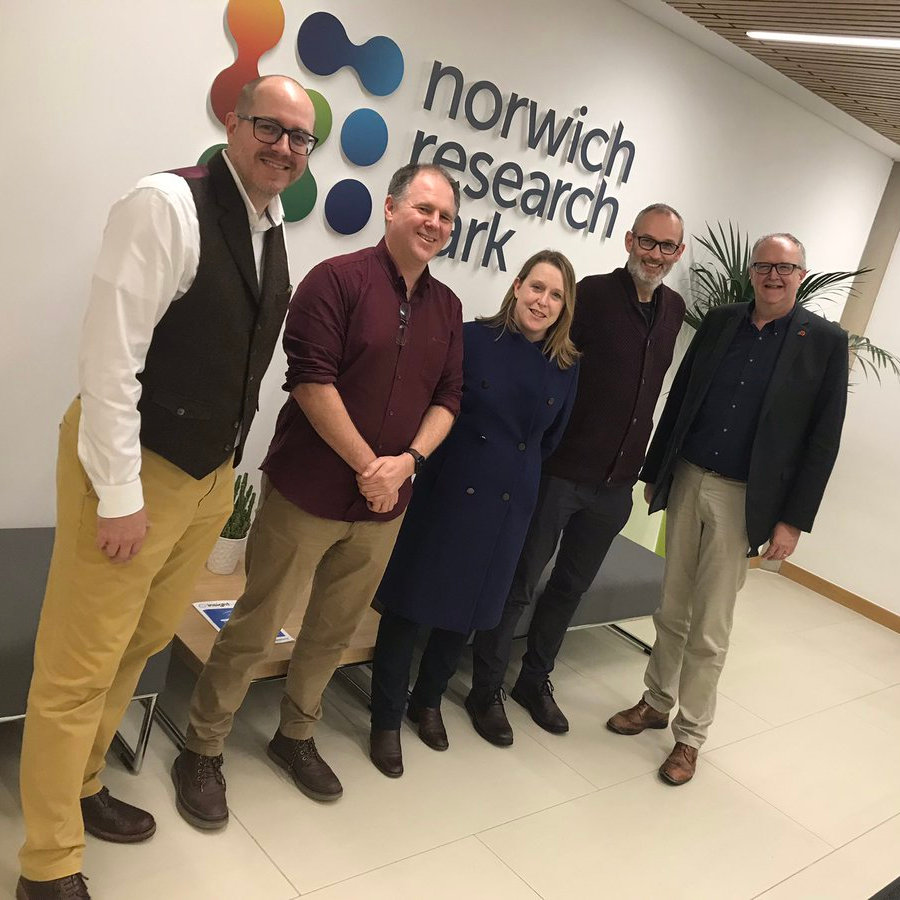
Norwich Research Park is delighted to announce a major new investment partnership with real estate investment manager, Vengrove, to construct new laboratory and office accommodation at the internationally renowned research park, a top-tier global research and innovation campus.

Norwich Research Park hosts a community of more than 30,000 members. Underpinning this thriving ecosystem are six internationally renowned institutions, all within close proximity, creating an unparalleled environment for collaboration and innovation.

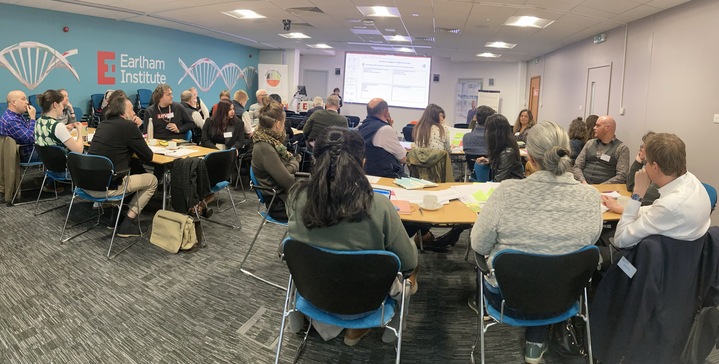
Within walking distance are the Earlham Institute, John Innes Centre, Quadram Institute Bioscience and The Sainsbury Laboratory, four of the UK’s most prestigious bioscience research institutes in the UK.

Also on campus is the University of East Anglia (UEA), a UK top 20 university hailed for delivering high quality, high impact research, and the Norfolk and Norwich University Hospital, a teaching hospital undertaking high value research that seeks to improve patient care and outcomes worldwide.

This cluster of world-class facilities and expertise on a single, integrated, site means Norwich Research Park’s offer is both compelling and unique, making it an appealing proposition for prospective tenants and collaborators from around the globe.

Driving growth and innovation

Over the past two years, UK Research and Innovation (UKRI), the John Innes Foundation (JIF) and UEA (the Norwich Research Park landowners) along with members and the Board of Anglia Innovation Partnership LLP (Norwich Research Park’s campus management company) have actively sought the ideal partner to spearhead an ambitious growth agenda.

This new investment partnership will cater to the evolving needs of both current and prospective tenants, fostering the conversion of research breakthroughs into successful ventures across key market sectors, including:

  • Agribiotech
  • Food biotech
  • Industrial biotech
  • MedTech

With a clear ambition to connect industry, startups and high-growth companies with Norwich Research Park’s world-class research expertise and facilities, Vengrove’s partnership is set to secure the research park’s position as the premier location for research and innovation, both in the UK and on the international stage.

Bolstering the UK’s long-term bioscience prowess

As one of five research and innovation campuses supported by the UKRI Biotechnology and Biological Sciences Research Council (BBSRC), Norwich Research Park also benefits from BBSRC’s strategic investments in the Earlham Institute, John Innes Centre and Quadram Institute Bioscience.

Totalling £163.9 million through to 2028, this funding aims to bolster the UK’s national research capabilities in key areas such as crop resilience, food safety and security, sustainable agriculture, nutrition and health.

Looking ahead, UKRI has also committed to a significant £317 million investment in Norwich Research Park to establish a pioneering plant and microbial research hub by 2030. This venture, backed by UKRI’s infrastructure fund, promises to revolutionise JIC and TSL’s existing capacity and capability, ensuring the long-term success of UK bioscience.

Voices of support

Professor Anne Ferguson-Smith, BBSRC Executive Chair, said: “As well as marking a crucial phase in Norwich Research Park’s ambitious growth plans, this exciting new partnership represents a significant milestone for BBSRC in bolstering the UK’s bioscience research and innovation capabilities. This deal underscores the vital contributions of our strategically supported institutes and research and innovation campuses to the UK’s economic growth through bioscience innovation.”

Professor Nick Talbot FRS, Executive Director of The Sainsbury Laboratory, said: “We are very excited by the new partnership being embarked on between Norwich Research Park and Vengrove Real Estate Management. It is great to see the park developing as a vibrant centre for innovation, capitalising on the amazing discovery science going on in each of the partner institutions. At The Sainsbury Laboratory we are absolutely committed to translating our science into innovative biotechnology applications, for agriculture, healthcare and sustainable industries.  Norwich Research Park can be world-leading in these areas and this investment clearly demonstrates that potential.”

Professor David Maguire, Vice-Chancellor of the University of East Anglia, said: “This is a really exciting partnership that will aid the expansion of Norwich Research Park at a crucial time when growth and innovation have never been more important.  This is a very positive development to take forward the research park into a new era and I warmly welcome it.”

“We very much take a long-term view across our portfolios which means our clients get our full commitment and a stable environment in which to work. Norwich Research Park is undoubtedly world-class in its fields of science and now, with the support of Roz and the team and Board at Anglia Innovation Partnership, we are going to build world-class facilities that will attract further exciting high growth companies to the campus.”

From bench to boardroom

Andrew McLean, Partner and Head of Development at Vengrove, added: “We are very excited to be embarking on this new partnership with the research community at Norwich Research Park. With the potential to deliver 75,000 sqm of market-leading accommodation, we are looking forward to supporting the brilliant science that takes place by providing facilities that will help the transition from bench to boardroom and playing our part to unlock positive economic and social impact for the regional economy and tackling the big global challenges.”

From vision to reality

Roz Bird, CEO of Anglia Innovation Partnership, said: “This is a really significant milestone for the research campus. It will enable us to activate existing planning consent and supply new, flexible laboratory and office accommodation to meet market demand.”

“With the park full of exciting high-growth companies, the time is right to create new accommodation that will be needed to meet the demands of growing companies and help attract and retain companies that want to benefit from being located at Norwich Research Park.”

“With national asset status in engineering biology, and now with access to the necessary real estate investment, Norwich Research Park’s growth trajectory is ensured.”

  • *I have permission from the copyright holder to publish this content and images.