Agri-TechE Week 2018 – a full programme of events

Agri-TechE

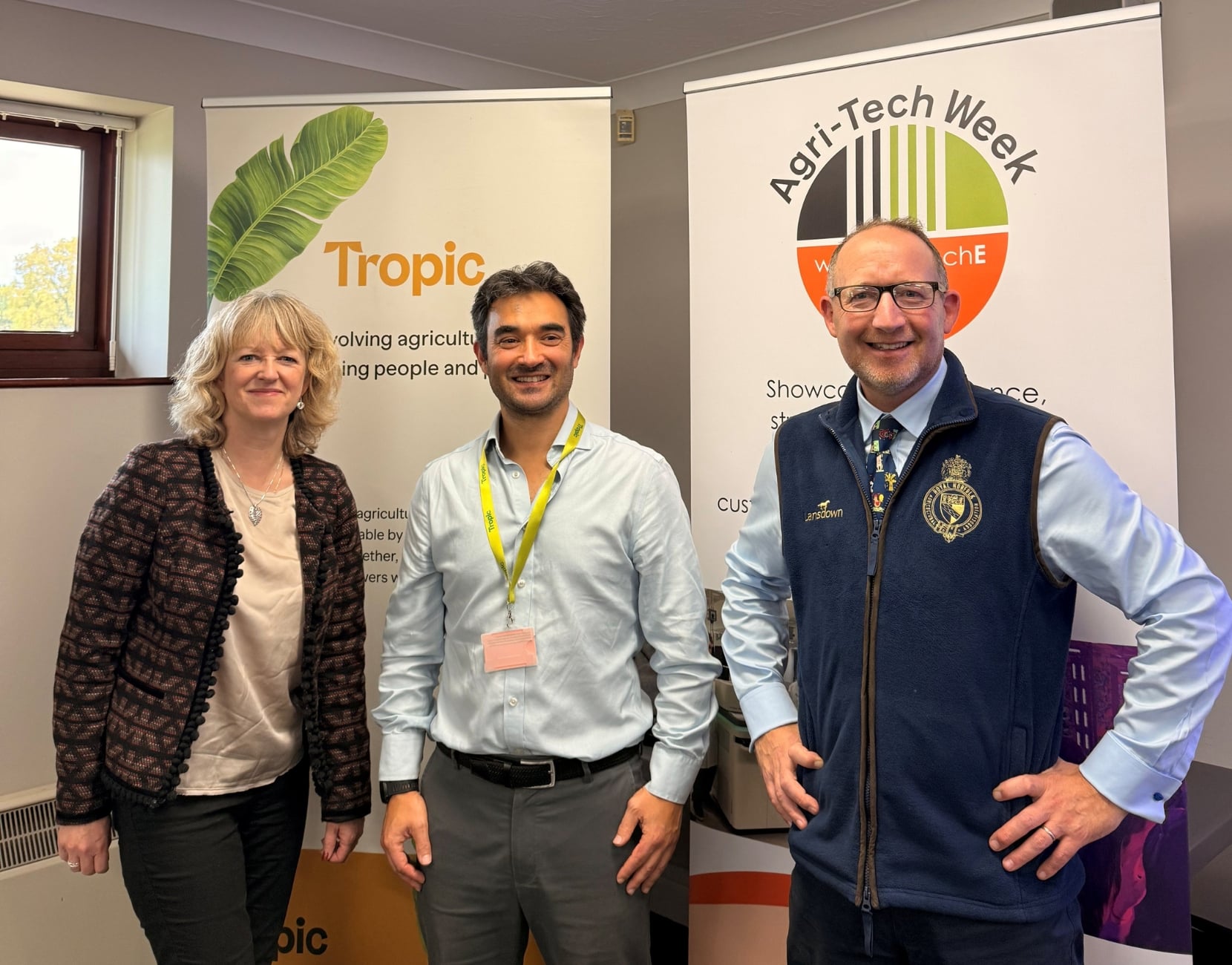
A exciting programme of events has been created for Agri-TechE Week 2018. Including talks, hands-on demonstrations, opportunities for discussion with farmers, growers, scientists, technologists and agri-businesses.
Agri-TechE Week is a partnership initiative founded in 2014 between Agri-Tech, the Royal Norfolk Agricultural Association and the Suffolk Agricultural Association. It aims to celebrate and showcase excellence across the agri-tech value chain, brokering links and fostering new relationships between businesses, researchers and government.

What is gene editing? Scientific community raises concerns over EU classification

Agri-TechE Article
Agri-TechE

An unexpected ruling by the Court of Justice of the European Union (CJEU) has classified a promising gene editing technique as genetic modification and it is therefore banned from use. This decision is being challenged by the farming and scientific community as there are concerns that it will restrict the ability to develop new crops with resistance to disease and resilience to climate change.

What is gene editing?

Genome editing is the deliberate alteration of a selected DNA sequence in a living cell. A strand of DNA is cut at a specific point and naturally existing cellular repair mechanisms then fix the broken DNA strands. Genome editing techniques can be used to delete sections of DNA or alter how a gene functions: for example, by changing a variant that may give rise to disease to one that functions normally.
Unlike genetic modification it does not involve the inclusion of DNA from another species so the alteration being induced could have happened naturally through genetic mutation.
This distinction is supported by Defra that states:“gene-edited organisms should not be regulated as GMOs if the changes to their DNA could have occurred naturally or through traditional breeding methods”.What is gene editing?
Most uses of genome editing have so far been in scientific research – for example to investigate models of human disease. However, the potential applications of these techniques are much wider than just research.

Areas of research and possible applications for gene editing include:

  • Crops and livestock (e.g. increasing yield, introducing resistance to disease and pests, tolerance of different environmental conditions)
  • Industrial biotechnology (e.g. developing ‘third generation’ biofuels and producing chemicals, materials and pharmaceuticals)
  • Biomedicine (e.g. pharmaceutical development, xenotransplantation, gene and cell-based therapies, control of insect-borne diseases)
  • Reproduction (e.g. preventing the inheritance of a disease trait)

Farmers and scientists express concern

Farmer Tom Allen-Stevens is working with the National Farmers’ Union: “As a farmer myself, I’m greatly concerned that as a result of this ruling, the fruits of this valuable research may never reach my farm, and that research into gene-edited crops in the UK may cease altogether,” he said.
This view is supported by the scientific community.
Professor Wendy Harwood, of the department of Crop Genetics at the John Innes Centre, said: “The CJEU decision could have major negative impacts on our ability to respond rapidly to the challenges of providing sufficient, nutritious food, under increasingly challenging conditions.”
Professor Nick Talbot, director of The Sainsbury Laboratory, Norwich, described the ruling as: “a retrograde step that is not based on any scientific evidence,” adding. “Precise modern gene editing technologies allow accurate, predictable changes to be made in a genome. To classify gene edited crops as GMOs and equivalent to transgenic crops is completely incorrect by any scientific definition.”
A group of 33 signatories, which also includes farmer and landowner organisations, have sent an open letter to the government requesting a round-table meeting involving all stakeholders and Defra to agree a clear way forward on research and future use of new plant-breeding technologies.
It adds: “We feel there are significant questions that must be addressed urgently by government if the UK is to retain its strength in plant genetics, to use innovation to boost productivity and competitiveness, and to meet the challenges of nutritional health and environmental protection.”
The 33 signatories of the letter are:
John Innes Centre
Rothamsted Research
Niab
James Hutton Institute
Aberystwyth University
The Sainsbury Laboratory (Norwich)
Quadram Institute
Earlham Institute
Professor Denis Murphy
Professor Ian Crute
National Farmers Union
Tenant Farmers Association
Country Land & Business Association
Linking Environment And Farming
RASE and Innovation for Agriculture
British Society of Plant Breeders
DSV-UK
Germinal
Limagrain UK
RAGT UK
KWS UK
Elsoms Seeds
HL Hutchinson
Agrovista
Frontier Agriculture
Agrii
ProCam
Syngenta UK
Bayer
BASF Agricultural Solutions
Corteva Agriscience
Agricultural Biotechnology Council
Agricultural Industries Confederation
 
Information for this article was gained from a John Innes Centre announcement and the Nuffield Council of Bioethics

New agri measures to invest in R&D and tech

Agri-TechE

Agriculture Bill, new technologiesA new Agricultural Bill is being introduced to Parliament today setting out the UK Government’s plans for farming post-Brexit.
The Bill focuses on payments for ‘public goods’, such as improved soil health, higher animal welfare standards and measures to reduce flooding. These payments, made to farmers and land owners, will replace the current subsidy system of Direct Payments.
In a statement, the Department for Environment, Food and Rural Affairs (Defra) said: “In its place, a new Environmental Land Management system will start from next year. The government will work together with farmers to design, develop and trial the new approach.”
Defra has outlined that the Bill will also be underpinned by measures to increase productivity and invest in R&D. For example, there will be funding available for farmers to collaborate to develop the research projects that they want and need, whether that be on soil health or sustainable livestock farming.
The Government has also committed to making payments during the seven year transition period for famers to invest in new technologies and methods that boost productivity.
Earlier this year, Agri-TechE hosted a workshop as part of Defra’s consultation process, offering members the opportunity to feed into the new legislation’s associated policies.
At the Cambridge-based event, farmers, agronomists, tech developers and academics highlighted the need for smaller, front-loaded pots of money that involve less bureaucratic application processes. Our members also emphasised the need for research outputs to be fed back to the agri community, both successes and failures, to ensure all learnings are captured.
Commenting on the new Agricultural Bill, Agri-TechE Director Belinda Clarke said: “We are really pleased to see measures to increase productivity and investment in R&D included in the new Bill. There is a keen appetite among farmers to engage in the R&D agenda, in which many of our members are already active.
“There is a great opportunity to strengthen existing mechanisms that are already working successfully to facilitate this. New models of support can effectively and efficiently build on current initiatives, bringing together research and practice.”
The specific mechanisms by which farmers will be encouraged to engage in R&D are yet to be announced. Our farmer members will be sharing their ideas about how this could work with Defra at the Savills-sponsored Farmers’ Breakfast at REAP 2018. REAP early bird tickets are still available.
REAP 2018

Offering smarter decisions at REAP 2018

Agri-TechE Article
Agri-TechE

The REAP technology exhibition showcase new innovations, technologies and equipment that will transform the industry.
Here is an overview of some of our exhibitors this year

30MHz – Smart sensing for agriculture

30MHz offers a wireless sensor network that provides growers with everything they need to monitor their crops, growing environment and post-harvest storage.
Customers choose the smart sensors they require and 30MHz provides a private, scalable wireless network complete with an intuitive analytics platform and real time alerts.
30MHz customers see quick paybacks with 5 per cent energy savings and reduced pesticide usage.

Agrimetrics – using data to inspire new solutions

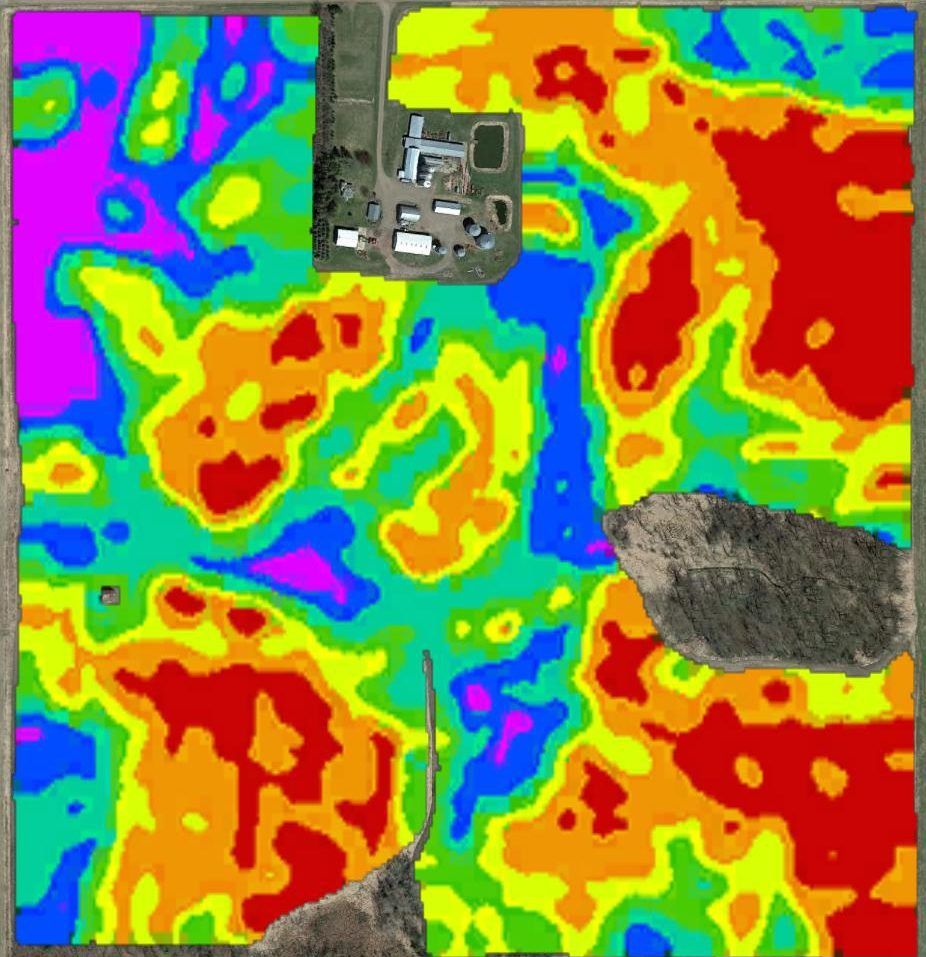
Agrimetrics Field ExplorerAgrimetrics has developed a new suite of products Field Explorer, which provide a single point of access to data on weather, cropping and soil.
These datasets together with its work in interpreting land use and land cover from aerial and satellite assessments will be invaluable to the industry as it moves forward. As determining how best to use land for both ecosystem services and food production is a key theme in Defra’s recent consultation and is expected to be important in determining future payments to farmers and growers.

Analytik – innovative scientific instruments

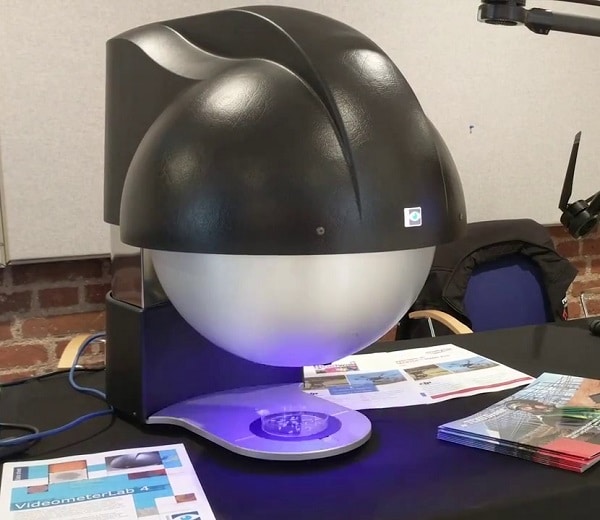
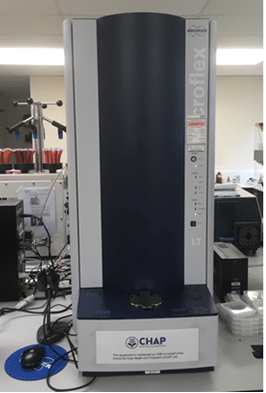
Analytik provides a range of scientific instruments for agri-food supported by consultancy services to tailor the solution for the client.
Applications include:

  • Hyperspectral imaging for disease and weed mapping, monitoring crop growth rate and density, canopy cover.
  • Multispectral Imaging for analysing meat, detecting food fraud and monitoring ripeness.
  • Remote sensing for use in crop and soil research, plant physiology and ecology

Consus Fresh Solutions – field to shelf traceability and quality control


Consus software has been designed to help improve the management of packing processes, cutting waste, increasing profits and reporting on traceability and quality of products in real time.
The integrated system allows customer and BRC compliance by enabling pallets to be traced from field to despatch including full packaging mass balance, pallet temperature alerts and predictive shelf life modelling.
 
DroneAG Field Agent Mobile App

Drone AG – drones for farmers by farmers 

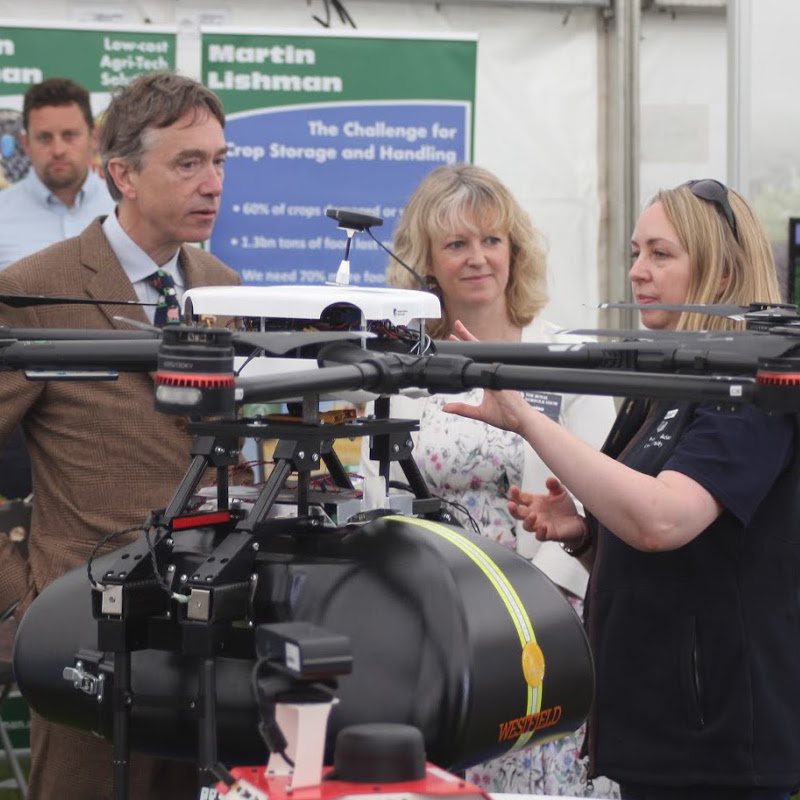
Drone AG supplies drones and provides training courses to enable farmers to maximise the benefits.
Applications include:

  • detecting blackgrass
  • terrain mapping for flood management
  • horticultural analytics
  • high precision boundary mapping


EnviroMonitors – remote monitoring of growing conditions 

onset-hobo-rx3000-weather-station-kit-appEnviroMonitors provides affordable systems that allow remote monitoring of climate and growing environments or soil conditions. The technology provides the data for sound decision-making.
The company is a Premium Dealer for the Davis and RainWise weather stations and is seeing increasing interest from farmers for soil monitoring systems that complementthis equipment. The team is able to configure the ideal system to meet the requirements.

Niab – putting plant science into practice

Niab is at the forefront of translating the best and most recent science and information into practice for the benefit of farmers and growers.
Its innovative products and services include:

  • Online and interactive Potato Yield Modelling service from Niab Digital. By generating real-time forecasts of total and graded potato yields across the season it ensures on-farm and supply chain profitability.
  • Disease diagnostic technologies such as MiniION the portable genome sequencing technology and LAMP, the loop-mediated isothermal amplification, which offers the potential to be used as a simple screening assay in the field

Plater Bio – biostimulants from natural sources

Plater Bio - Russell SharpPlater Bio has developed a portfolio of novel biosimulants and fertilizers derived from naturally occurring materials.
Standout products include:

  • Gold Leaf – the first fertiliser to contain essential nutrients in a fully soluble form
  • Fungal Chitosan – can be used as a biofungicide or biobactericide under EU organic regulations. It is manufactured from fungi and provides a potent elicitor of plant defence mechanisms.
  • Liquid gypsum – 2,000 times more effective than granular gypsum so flocculation will occur at the time of application.


University of Hertfordshire – supporting dynamic agri-tech partnerships

Yongju-Huang-sampling-stemsweb-2

University of Hertfordshire offers Hertfordshire Knowledge Exchange partnerships, which enable companies to benefit from tailored 4-year PhD projects or alternatively to rent facilities or commission scientists to carry out work on their behalf.
This service is part of the Hertfordshire Science Partnership funded by the Hertfordshire Local Enterprise Partnership and the European Regional Development Fund.
UoH will demonstrate its recent research projects in crop protection, plant physiology and genomics and outcomes from its applied degrees.
 
REAP 2018

Transforming food production – time for fresh thinking

Agri-TechE

A new era of innovation in agri-food is opening with the announcement of a new funding call from UK Research and Innovation.

from farm to fork transforming food production
From farm to fork – the government is looking to transform the food supply chain

This is an opportunity for established and early stage companies to gain funding for new product and service developments that improve productivity and environmental outcomes in food production systems.
The projects must include smart technologies that enhance decision support systems, support precision agriculture or connect up supply chains.
Agri-Tech’s membership covers a huge variety of technologists, businesses, farmers and research institutes, so our members directory is a good place to start if you are look for partners and collaborators to support the funding proposals.
More information about the funding call is available here  
To find out more about our members click here.


Considering no-till? Plater Bio is a natural choice

Meet the Network
Agri-TechE

Russell Sharp, Plater BioConcerns over soil degradation have increased interest in no-till cultivation, which, by eliminating ploughing, minimises soil disturbance. Although widely used in the US, concerns over black grass management have restricted its adoption in the UK.
To overcome the challenges Plater Bio provides a number of natural products to support no-till and is conducting a trial to see if liquid gypsum could be used as part of an IPM programme to overcome the problem of pernicious weeds. Plater Bio’s founder and Technical Director Russell Sharp will be at REAP to discuss this with farmers.

Challenges with no-till

No-till cultivation involves preventing or minimising soil disturbance by drilling seeds directly into the seed bed left by the previous crop. This less intense cultivation translates into lower operational costs and long-term improvements to soil structure with associated environmental benefits.
However, there are three key challenges that prevent many farmers adopting no-till.

  • Dealing with the crop residue (stubble) left over from the previous crop
  • Ensuring adequate aeration and drainage without the need for ploughing
  • Control of weeds, in particular black grass (Alopecurus myosuroides), barren brome (Bromus sterilis), and couch grass.

To address these challenges Plater Bio has developed some innovative products
Stubble digester – Residual stubble has been found to delay germination, to be a food for slugs and a source of fungal toxins. It also interferes with the seed drill. Plater Bio’s stubble digester uses carboxylic acid to stimulate the native saprotrophic fungi already in the soil speeding up the breakdown of stubble.
The company has already seen great results from the technology in horticultural settings, and has expanded these trials to no-till arable fields. Russell will be available to discuss these trials.
Phosphorous Liberator – phosphorous is essential to plant growth but it is usually a lack of availability rather than a shortage that is the problem. Plater Bio has developed a phosphorus liberator that helps to dissolve phosphorous locked up in the soil as calcium phosphate to make it available to plants, and also to feed saprotrophic fungi which degrades organic matter in the soil.

Soil erosion from ploughing
PlaterBio’s products aim to combat soil erosion from ploughing

Liquid Gypsum – Plater Bio has been running a series of percolation tests to determine the effectiveness of Liquid Gypsum in increasing and improving the drainage of waterlogged arable fields.
Granular gypsum is worked into the top soil during ploughing and helps to create a crumb structure that improves drainage and aeration. However, this is not possible with no-till cultivation so Plater Bio has developed a Liquid Gypsum. This solution is able to penetrate the entire top soil and flocculate the soil particles at depths where the crop’s roots will be most active. Liquid Gypsum is also 2,000 times more effective than granular gypsum, meaning flocculation will occur at the time of application.
Gypsum is also a good source of calcium and sulphur, which is now deficient in many soils with the reduction of air pollution. Sulphur is particularly important for oil seed rape, as the glucosinolates they produce to resist pests and diseases are sulphur-containing. Calcium is also a key macronutrient that is known to affect crop resilience due to its importance in maintaining healthy cell walls and membranes. Without adequate calcium plants will be more susceptible to environmental stress and attack by pests and disease.
Fungal chitosan – this organic product can be used as a foliar spray or seed coating to control bacterial and fungal diseases and is a powerful flocculant. While popular in Southern Europe, farmers in Britain have yet to adopt the technology. Trials are underway to assess its efficacy on a range of pests and diseases on cereals and rape crops in the UK.
Improving soil condition to manage black grass – black grass is known to thrive in wet and waterlogged soils, and Plater Bio are hoping to assess the long-term impact of liquid gypsum as part of an IPM programme to control this pernicious weed.
Other useful products for no-till include treatments that will stimulate the beneficial soil microbial community (microbiome). This includes seaweed extracts, humates, sugars and amino acids.
Humates are not a panacea and claims that humate products will improve soil drainage or chelate micronutrients have little scientific basis. Instead it should be viewed as a substitute for insufficient soluble humus in the soil, for example in sandy soils early into a conversion program.
The major characteristic of a no-till soil is an abundance of organic matter.
 

More information

Plater Bio (www.platergroup.co.uk) will be exhibiting at the REAP conference on Wednesday 7th November.
Soil improvement is also the subject of several events being held in Agri-TechE Week.
Additionally, if you are interested in alternative approaches to traditional agrichemicals there is a Pollinator event on this subject on 15th January 2019.

Standards and regulation in agri-tech

Agri-TechE Blog
Agri-TechE

Standards and regulation in agri-techCould early sight of transformative innovation by regulators and consistent standards help to drive innovation?

With the wealth of emerging new agricultural technologies, products and services, it is difficult for regulation and standards to keep pace with developments. Rethinking the relationship could mean these elements become enablers rather than barriers. (more…)

Could a re-focusing of our markets future-proof UK food production?

Meet the Network
Agri-TechE

Sustainable food production can only be achieved with a clear market-focus and a degree of pragmatism, believes Mark Suthern, National Head of Agriculture at Barclays, speaking ahead of his panel debate at Agri-Tech’s REAP Conference later this year (7 November).Mark Suthern, REAP 2018 speaker
Mark, who is chairing the all-new debate on whether agri-tech innovations should prioritise land use for competitive sustainable UK food production, has, over the past 25 years, gathered best practice from his work in agriculture at home and abroad.

Seek new markets

Drawing from his experience of working with large-scale farming businesses in South Africa and individual farmers in India, Mark says that: “When the ‘local’ market isn’t there and government support isn’t there, then you really do have to actively seek out new markets. “The principle purpose of farming is to produce quality food at affordable prices for the consumer though. The consumer market is diverse and offers the opportunity to produce premium-priced artisan products alongside cheap, wholesome food,”
Mark continues. “We shouldn’t underestimate the resilience and innovative nature of UK farmers, they have access to land and could use it to generate income not just from beef, sheep, arable but also for entrepreneurial uses like storage and energy generation.” “It’s all about maximising the resources you’ve got. Sometimes in the UK we bemoan our access to market, but in India local farmers travel, by foot or bike 20 or 30 miles, with little more than a basket of plums to sell and earn 30p. We have something to learn from their collaborative way of working to solve a problem.
“In South Africa, they are operating at scale and there is a real focus on new technology. “Irrigation techniques and the science of the soil are an integral part of their business planning – but they are also constantly looking for overseas markets. For citrus fruits, in particular, it is a priority.”

Big wins


“Plant machinery and the use of Big data will be two of the Agri-tech wins,” says Mark, who considers these will make tangible returns on investment.
“Netherlands, it’s the second largest global exporter of food and they produce more tomatoes by square mile than anywhere else in the world. Their levels of bank borrowing are higher than that of the UK’s, but they have leveraged their assets to invest in their businesses.
“When we talk about the provenance of food and policing of the supply chain, it’s about producing and using data that enables farmers and consumers to make informed decisions. Blockchain technology, for example, allows you to track the animal to the slaughterhouse, to the haulier, to the box on the shelf or the restaurant. That level of technology is so powerful.”

REAP debate on priorities for agri-tech 

At Agri-Tech’s REAP Conference, producers, technologists, scientists and advisors will consider whether innovation in agri-tech should be targeted towards food production in broadacre environments, or whether alternative food systems could be more economically and environmentally sustainable.”
The REAP Conference will be held on Wednesday 7 November 2018 at Wellcome Genome Campus Conference Centre, Hinxton, Cambridge, CB10 1RQ.
REAP 2018

AI and robotics urgently needed to meet labour issues – but not yet magic bullet

Agri-TechE

Although the Bank of England’s chief economist has predicted that up to 50% of all jobs could be lost to robots and artificial intelligence (AI) in the next four decades, current technology needs considerable investment before it can address the labour shortage in agriculture. This and other priorities for agri-tech are to be debated by leading agrifood producers, technologists and academics at REAP 2018 (7 November).
(more…)

At last – entire wheat genome sequenced

Research Digest
Agri-TechE

It was considered almost impossible, but now a consortium of scientists has sequenced the huge wheat genome.  The enormous dataset will accelerate innovation in breeding resilient and disease resistant crops by defining the precise location of 107,891 genes.
The wheat genome is 5 times larger than that of the human and more complex. It has three sub-genomes and a large part of it is composed of repetitive elements. This means that vast parts of the genome are very similar, if not identical, to each other. This has made it difficult, until now, to distinguish each sub-genome and to put together the genome into its correct order.
Wheat is the most widely-cultivated crop on Earth. It provides more protein than meat in the human diet, and contributes about a fifth of calories consumed by humans. It also has a large and complex genome with 16 billion base pairs – the building blocks of DNA.
But wheat is susceptible to drought and flood, and swathes of the crop are damaged each year by diseases such as wheat rust. The sequencing of its genome paves the way for much faster production of wheat varieties adapted to climate challenges, with higher yields, enhanced nutritional quality and improved sustainability.

Professor Cristobal Uauy,

Professor Cristobal Uauy, Project Leader in crop genetics at the John Innes Centre says: “Genomic knowledge of other crops has driven progress in selecting and breeding important traits. Tackling the colossal wheat genome has been a Herculean challenge, but completing this work means we can identify genes controlling traits of interest more rapidly. This will facilitate and make more effective the breeding for traits like drought or disease resistance. Where previously we had a broad view and could spot areas of interest, we can now zoom into the detail on the map.”
A paper published in Science by the International Wheat Genome Sequencing Consortium is authored by more than 200 scientists from 73 research institutions in 20 countries including the John Innes Centre, Rothamsted Research and the Sainsbury Laboratory. It details the sequence of the 21 chromosomes,more than 4 million molecular markers, as well as sequence information between the genes containing the regulatory elements influencing the expression of genes
(IWGSC): http://science.sciencemag.org/cgi/doi/10.1126/science.aar7191
 

Smart irrigation becoming more attractive option for spuds

Meet the Network
Agri-TechE

Irrigation from Howseman Agriculture
A sustained dry period, changes in water licences and shortage of labour are making smart irrigation systems more attractive to potato farmers, according to Andrew Howseman of Howseman Agriculture. He will be speaking at the next Agri-TechE Pollinator event, which is looking at smart irrigation, on 13th September 2018.
“Even farmers that have never needed irrigation before are considering it after this June,” says Andrew. “We’ve got people who’ve been irrigating for at least 50-60 days non-stop, which is completely unheard of.
Howseman irrigation 1
“The season was slow to get started with all of the potato crops and root crops planted late in wet and cold conditions – which weren’t conducive to good growing –and then the temperatures that we’ve seen and the prolonged dry hot weather will have had an impact. In my opinion, yield will be affected by both ends of the spectrum.
“Usually, people would irrigate for a couple of weeks and then we would have three quarters of an inch of rain and they’d have a week or ten days off before they started irrigating again. It’s normally a bit of an up and down rollercoaster really.
“But this year people started and haven’t stopped, to the extent that reservoirs are running out of water and growers have had to prioritise specific crops, such as potatoes over onions and carrots. That’s been the juggling act and it continues to be so.
Andrew with Lincolnshire Show award“A season like this is stretching labour, machinery and resources such as water to breaking point, really.”
This is where the drip system developed by Howseman Agriculture comes into its own. It puts the water where it is need and uses 25-30% less water than a traditional hose and reel system and is much less labour intensive. Its six row drip-tape layer recently gained an ‘Innovation for Water’ award at the Lincolnshire Show (image left).
Andrew continues: “Although this is an unusual year, even those who usually have lots of water have been worried and these dry spells could become more frequent and licensing stricter. With our system and a reservoir farmers have some insurance.”
Drip systems are perceived as expensive, but there is so much money riding on a crop of potatoes that the benefit of controlled water is becoming easier to justify. To help support the business case, Howseman Agriculture has started to offer a six-hectare package of drip tape irrigation together with installation and training so that growers can trial it without a big capital investment.
Andrew says: “We’re really pleased to work with Agri-TechE to help people evaluate new technology. We’ve got an open door for people to come and have a look around, open days, and if people want to see what we’re doing on some of the farms where we operate we are more than happy to extend an invitation for them to come and have a look.”
The Howseman  irrigation system
It seems likely that drier periods will become more frequent in future, which is creating more interest in smart irrigation. This is why Agri-TechE is featuring this subject in its next Pollinator on 13 September 2018, where there will be an opportunity to hear, in addition to Andrew: Paul Hammett, National Specialist, Water Resources, National Farmers’ Union; Prof Jerry Knox, Professor of Agricultural Water Management, Cranfield Water Science Institute (CWSI); Steve Moncaster, Supply Demand Strategy Manager, Anglian Water; Ed Bramham-Jones, Farm Advisor, Norfolk Rivers’ Trust; and Nigel Jupe, Chief Executive, Verdesian Ltd.
Venue: Easton Campus, Easton and Otley College, Norwich NR9 5DX
For more information about the event click here.
To see more about Howseman Agriculture visit howsemanagriculture.co.uk

Knowledge sharing should be a conversation

Agri-TechE Blog
Agri-TechE

ConversationFeedback is essential for the effective communication, and in this month’s blog we look at developments in knowledge exchange.

What is Knowledge Exchange?

This simple, yet potentially existential question is circulating around those of us at the interface of research, technology development and the farming community.
The need to understand properly the drivers, mechanisms and barriers to adoption of new technologies and practices has never been more pressing, as government seeks to address the gulf between world-leading frontier research and tangible commercial benefits for the industry.

Opportunity to see firsthand

A recent workshop in a series convened by AHDB brought together industry leaders to discuss the future of farmer-innovation interactions and how they can be made fit for 21st Century agriculture.
Discussions of this nature in agriculture invariably include reference to the days of the former extension services, run by ADAS on behalf of the Ministry of Agriculture. Here, farmers had a hotline to research and new practices, aimed at driving up productivity and yields.
The demise of this service in 1997 has been lamented by some, but the world has moved on and there is now a wealth of support and information from both the public and private sector to communicate new and different practices and technologies to farmers and growers. So what is the role of scientists in this process?

Making science more accessible

In 1985 the Committee on the Public Understanding of Science was created to improve and encourage communications from scientists to “the public”, with the aim of improving practice and raising awareness of research activities.
The initiative gained some traction and for the first time began to encourage scientists to communicate their research more widely beyond their peer groups.
It was, however, criticised for its “uni-directional” flow of information from the research base to so-called “non-specialists”; the underlying concept being that the flow was from “expert” to “non-expert”, with the tacit expectation that greater public understanding of science would lead to increased acceptance and adoption of new practices and technologies. Termed the “deficit” model, it assumed the recipient to be an empty vessel waiting to be “filled” with new knowledge.

Creating a dialogue

As the thinking became more sophisticated, it was realised that such lines of communication needed to be two-way, which led to the concept of the “dialogue” model of science communication. This was more around engagement, understanding better the specific context within which new concepts and innovations were being communicated, and to whom.
And so to “knowledge transfer.” This term was coined to encompass the activities undertaken by the research base to help deliver impact from its findings. Communication to and with the public is a key part of these, but so is engagement with end-users, policy-makers and industry partners.
Knowledge transfer has evolved into “knowledge exchange”.
Building on the public communication “dialogue” model, it reflects the critical importance of bi-directional lines of communication. Yet, in agriculture and horticulture at least, we are away from having a truly equal two-way exchange of knowledge. Universities and research organisations are incentivised via their funding structures to disseminate their research outputs.

Capturing ‘stealth wealth’ 

Public funding for industry/academic collaboration also requires wider communication of the project results.
Yet we are still lacking an institutional mechanism for the innovation community to capture and build on the critical and valuable “stealth wealth” of knowledge from farmers and growers, developed over generations.

Valuable forum

Here at Agri-TechE our aim is to create the forum in which those conversations can take place, but it must become the “norm” for closer interactions between researchers and tech developers with the farming community.
Effective, seamless knowledge exchange must be our collective goal to ensure knowledge generation is informed and accelerated by end-user inputs.