Map of Agriculture predicting the market

Meet the Network
Agri-TechE

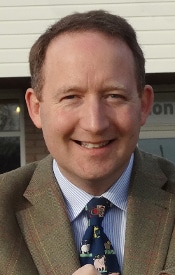
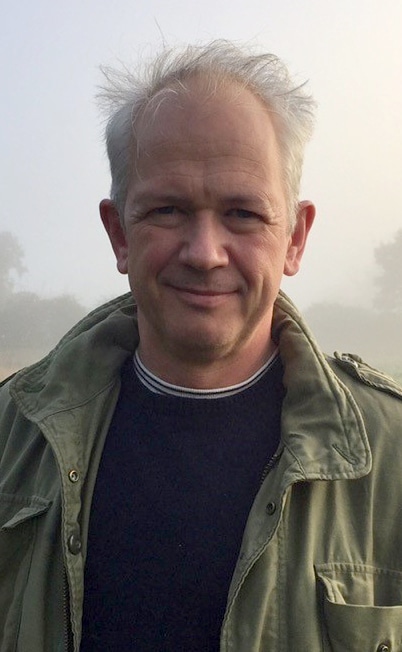
Forbes Elworthy, Map of AgricultureDo you want to know the outcome of the 2018 harvest? Map of Agriculture has already made its predictions across multiple crop types, using numerous data points and in-depth analysis.
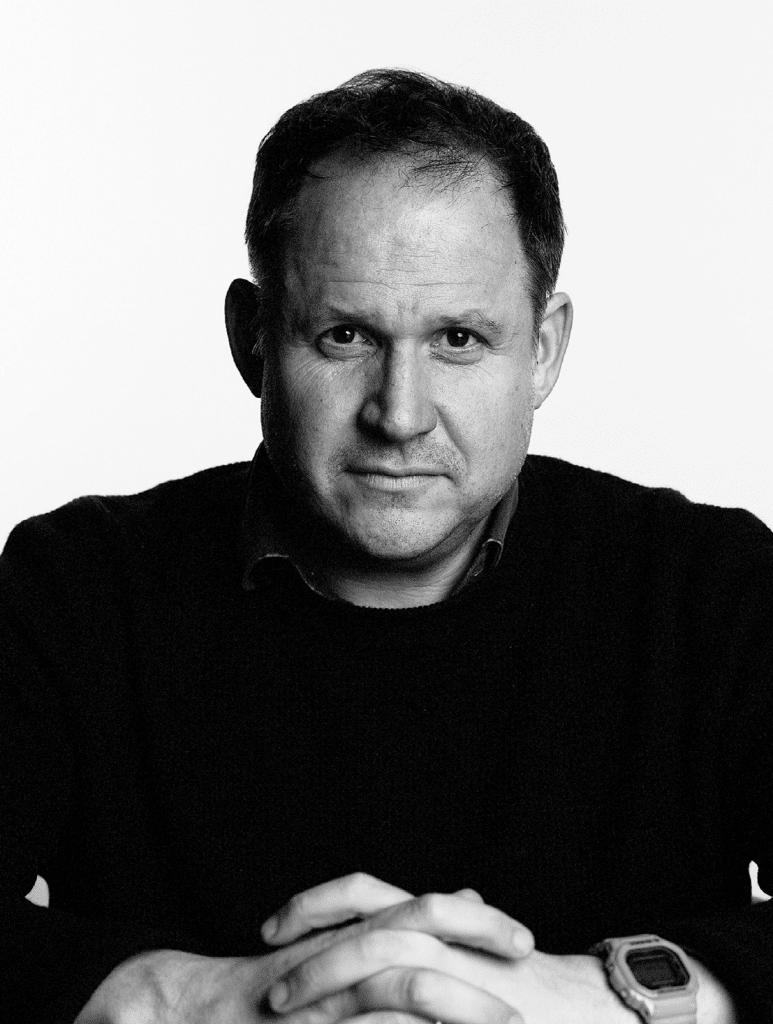
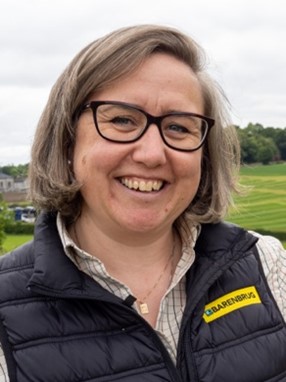
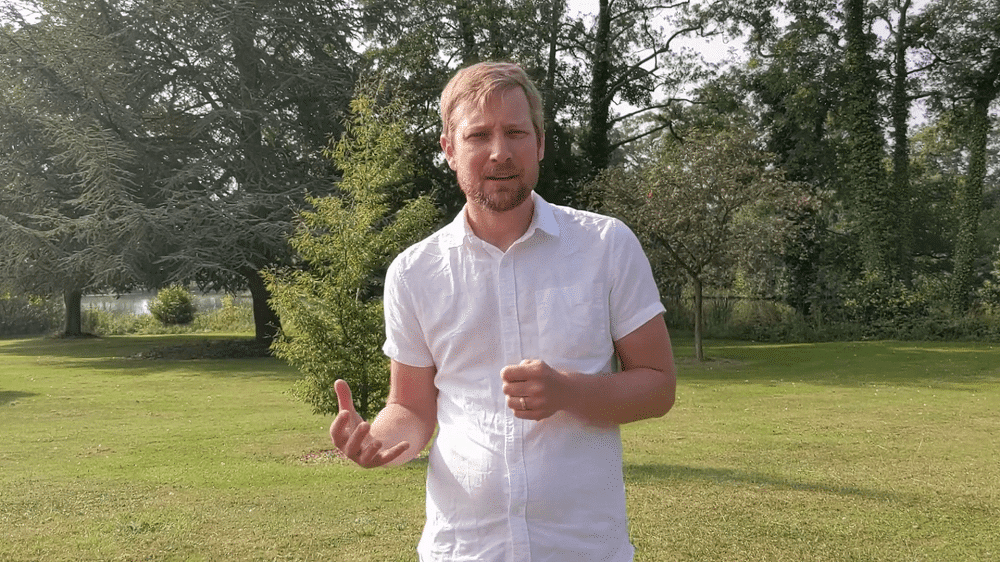
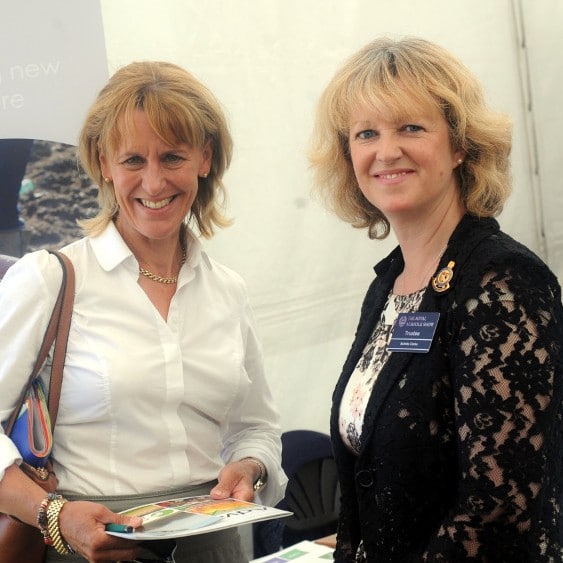
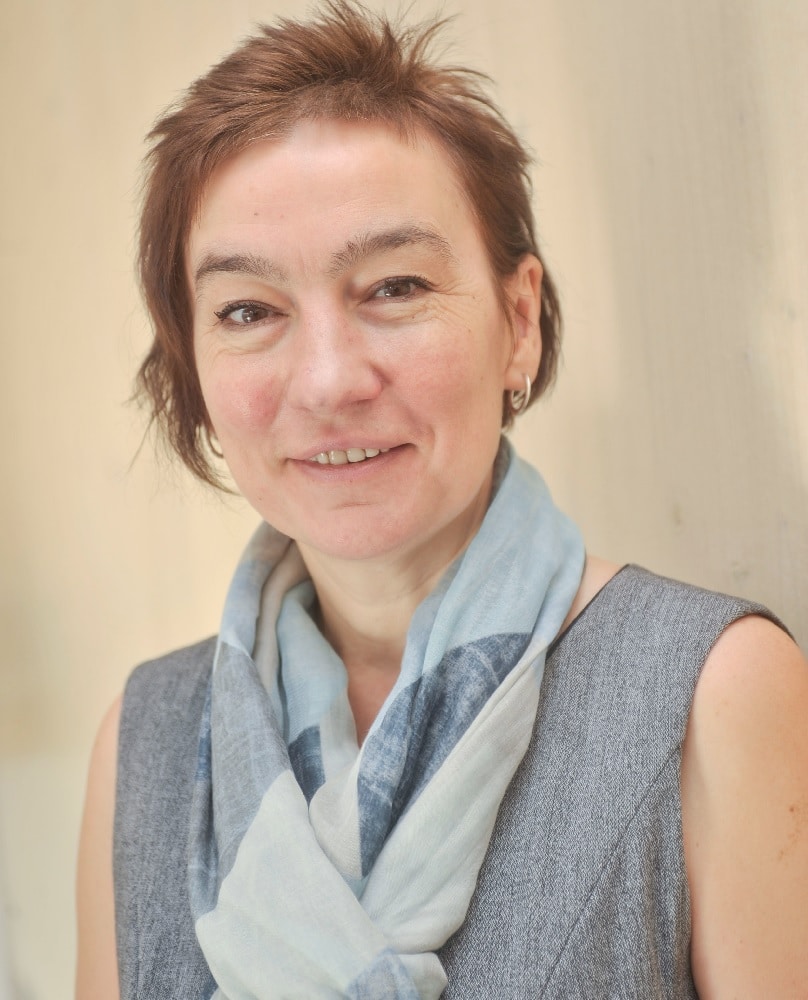
Forbes Elworthy (pictured right) is CEO of Map of Ag, which is a global organisation with UK offices in Oxford and Woodbridge, and is a leader in the field of sustainable agriculture. Forbes’ family has been farming in New Zealand for 150 years. It was the sudden loss of his father that led to a return to farming and Elworthy saw first-hand how understanding market trends is vital to profitable agriculture.
“I made a lot of mistakes, trying new ways of doing things and going away from my father’s belief that Craigmore was suited to one third beef, one third sheep and one third deer.
“We took it to 65 per cent sheep because they were profitable that year. But other farmers were making that same calculation and then the price of sheep went down. We are now pretty close to being back at one third sheep, one third cattle and one third deer.”
Forbes co-founded Map of Ag to help manage farming systems better. It has become a pioneer of real time predictive marketing for agriculture.
Map of Ag’s market insights are based on data from 74,953 farms, with more than 4 million observations going back to the 1994 harvest and up to 150 layers of insight against each farm.
Forbes explains: “We are providing market intelligence on the most important issues in farming. By identifying new market trends our clients are able to create effective marketing strategies.
“Increasingly, we see farmers and their advisors using incoming data feeds to get to grips with their businesses.
“We have been helping them to combine wide swathes of data into a comprehensive view of their enterprise, from which they can make better on-farm management decisions to increase productivity, manage risks and benchmark costs and best practice.”

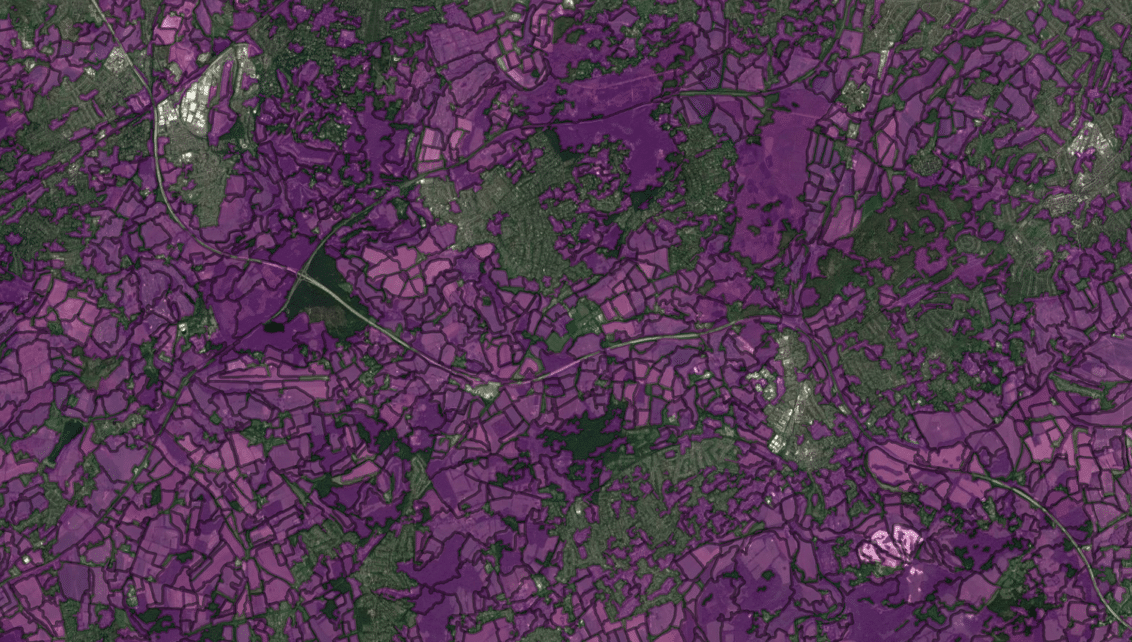
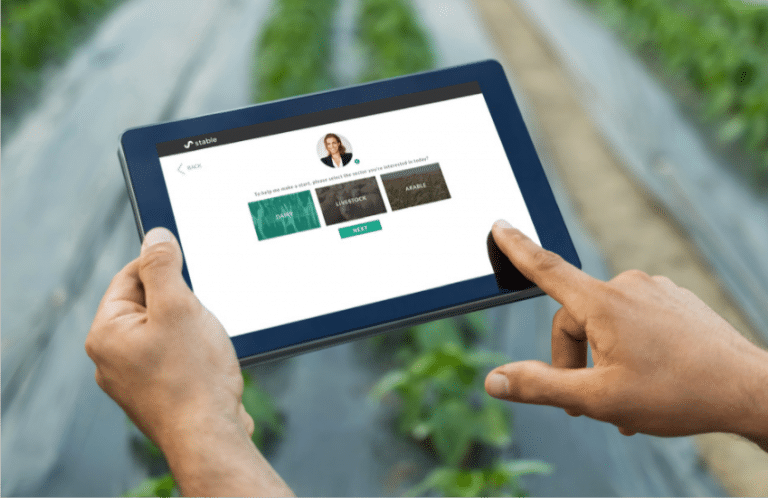
Map of Agriculture information map[click image to enlarge]

He gives the example of Andy Venables, a Cheshire dairy farmer who used insights provided by Map of Agriculture to improve the performance of his family farming business with 300 head of cattle.
“In Andy’s case, we focused on two key sources of data: British Cattle Movement Service (BCMS) data containing his livestock inventory, and dairy portal data which contains production data.
“By merging these two data fields on Andy’s behalf, along with third party data such as weather, we not only helped him to understand his herd’s performance in more detail but also enabled him to produce more accurate milk forecasts.
“Tracking key metrics daily gives farmers an opportunity to adjust forecasting as appropriate. This can significantly improve milk revenues, as an example, as being 7.5 per cent above or below your predicted figures can incur penalties.
“Additionally, monitoring the weather provides an indication of, for example, a damp May when silage quality is adversely affected or a drier summer when buffer feeding might be required increasing costs.”
Map of Agriculture is also working with beef famers in the UK in collaboration with a large restaurant chain to promote sustainable farming.
Forbes explains: “Due to the data landscape of the beef sector we are supplementing on-farm measures with third party data, such as remote sensing data. We help the farm aggregate this to measure economic, environmental and ethical (‘3Es’) performance of their enterprises.
“This objective information is helping to change farmer attitudes to the benefit of the data and also changing farmer behaviour.”
Map of Ag is helping farmers to “take control of their digital future”. Insights from Map of Ag modelling include:

  • Farm Structures Model UK – this was used to predict the rise in milling wheat and spring barley with consequent implications for input use (crop protection, seed usage and demand for fertiliser).
  • The new six-row barley varieties are now performing better than the two-row (wild type barley) with yields equivalent to wheat.
  • Precision application of fertiliser is likely to increase four-fold over the next five years, with an increasing focus on micronutrients.
  • Precision approaches to livestock management are also increasing.
  • There is increasing consolidation in the industry; compared to 1994 we are now modelling fewer farms, and farming bigger areas.
  • Argentine harvest 2017-18 predictions (across multiple crop types also livestock production).

Map of AgricultureSharing these insights with farms and agri-businesses is resulting in adjustments in value chain behaviour.
Forbes continues: “The founders of Map of Ag are farmers and we are eager to empower other farmers so they are in control of their data. The platform is designed so that individual farmers control the way their data flows to their counterparties and restricts the access to others – ‘It is the farmers’ data’. This is our vision for our industry.”
Forbes Elworthy will be speaking at the April Pollinator event ‘Trust, Provenance and Blockchain – impacts and opportunities for agriculture’ on 24 April at The Sainsbury Laboratory in Cambridge – read more information and book your place here.

Chance to shape Defra funding for agri-tech

Agri-TechE

Ben Rayner, Defra
Ben Rayner, Defra

Agri-TechE is hosting a Defra workshop on 24th April that provides an opportunity for everyone with an interest in agri-tech to help shape the future delivery of funding.
The aim is to gather views on the current delivery options, the lessons learnt and the value achieved and to look at ways to improve in the future.
Ben Rayner of the Food Chain Innovation Team at Defra comments: “We are keen to hold this workshop with Agri-TechE to establish relationships and gain feedback from a wider stakeholder group.
“We are hoping this session will provide views, input and data on possible delivery options for future agri-tech R&D and identify potential synergies and other resources.
“We have this opportunity to innovate and a greater diversity of views will provide challenge for our thinking and better solutions going forward.”
The Secretary of State Michael Gove outlined the government’s vision for agriculture in a speech to the Oxford Farming Conference in January. This provided a taster of the Government’s Command Paper on the future of farming, which has recently been published.

In summary, the four key areas of his address were:

  • Develop a coherent policy on food that integrates the needs of consumers, agriculture businesses, the environment, public health and other enterprises.
  • Give farmers and land managers the tools to prepare properly for the changes that are coming.
  • To use the concept of ‘public money for public goods’ to create a new method of financial support for farmers that rewards good stewardship.
  • To ensure that natural capital thinking is built into the government’s approach to promote good decision-making over land use and sustainable management of assets.

The workshop will bring delegates up to speed on the latest policy developments and provide an overview of possible new incentives for industry to invest in innovation and new technologies to increase their profitability.

These proposals could include:

  • Collaborative grants for R&D funds
  • Catalyst projects
  • Research through industry focused PhD fund
  • Capital Investment

The workshop will be held immediately before the Pollinator “Trust, Provenance and Blockchain – impacts and opportunities for agriculture” on 24 April at the Sainsbury Laboratory, University of Cambridge, Bateman Street, Cambridge CB2 1LR
To register for the workshop. 
Delegates are welcome to attend one or both of the events, note there is a charge for non-members to attend the Pollinator.

Useful sources of information

Government consultation ‘Future for Food, Farming and the Environment’

Blockchain generating confidence with smart contracts

Meet the Network
Agri-TechE

Marcus de Wilde, Applied BlockchainFood fraud could be losing the food and drink industry up to £12bn annually, according to a report by NFU Mutual (2017), and high profile cases of deliberate substitution of and tampering with food has impacted consumer confidence.
A technology called blockchain, which provides a secure audit trail for transactions in the food value-chain, could be a way of proving the provenance of products, and this is the theme of our 24th April Pollinator networking event.
Marcus de Wilde is Enterprise Lead at Applied Blockchain, an application development company focused on distributed ledger technology and smart contracts. He is one of the speakers at the event and explains that blockchain technology supports trust and transparency within the agri-food industry.
“Smart supply chain technology can provide confidence on a number of levels,” Marcus says. “For example, I had a recent conversation with a client who has fisheries in his portfolio. This got me to consider the value of traceability from the point of view of ethical sustainability and tackling the issues of foodborne illnesses as well as the practical problem of how to add a fish to a blockchain!”
Blockchain technologies give users a way to create a time-stamped, tamper-proof record of all transactions or ‘data events’ that occur between participants on a network.
Cannabis fieldMarcus gives an example: “One of the applications I’m going to talk about is the use of blockchain in North American cannabis cultivation and distribution. Here blockchain is being used to meet the demands of regulators, consumers, supply chain relationships and financing outside of traditional banking systems.
“Agriculture is all about the supply chain; this touches on the work of producers, commodity traders, warehouses, financiers, insurers, logistics – and that’s before you even begin to think about the consumer.
“I’m working with a number of clients in agriculture and I think this case-study will map well to the type of problems and use cases that the industry is tackling.”
Marcus explains that blockchain is well suited to traceable products although there is still a requirement for external technological infrastructure to help achieve this.
“Blockchain creates a data source that is ‘trustless’ where, in place of a centralised authority, data is validated through the consensus of the crowd.
“There are lots of opportunities to help companies and producers in agriculture consider how to optimise their operations and consider new business models.
“At Applied Blockchain we’ve worked on individual problems across all of these and are eager for the chance to ‘join the dots’ across a single supply chain.
“There is even more that blockchain technologies are capable of and I look forward to discussing these at the event in April.”
Applied Blockchain‘Trust, Provenance and Blockchain – impacts and opportunities for agriculture’ is being held on 24 April 2018 at the Sainsbury Laboratory, Cambridge – see more about the Pollinator on our events page.
Read the NFU Mutual report on their website here.
Visit the Applied Blockchain website here.

Business Secretary Greg Clark announces £90 million for agri-tech

Agri-TechE

Greg Clark MP
(Parliamentary copyright images are reproduced with the permission of Parliament)

A new £90 million investment to make it easier for farmers and agricultural supply-chain businesses to embrace technology and innovation has been announced by the Secretary of State for Business, Energy and Industrial Strategy Secretary the Rt Hon Greg Clark MP. The funding will help to bring together the UK’s world-class agri-food sector with expertise in robotics, AI and data science.
Clark revealed the exciting news in his keynote address at the National Farmers’ Union conference, saying:
“As part of the Industrial Strategy, we announced a Transforming Food Production Challenge and I’m delighted to announce the government will invest £90 million to make this challenge a reality.
“This will include the creation of ‘Translation Hubs’ bringing together farmers and growers businesses, scientists and Centres for Agricultural Innovation to apply the latest research to farming practice.”
The Business Secretary highlighted Rothamsted Research’s CROPROTECT app and Ordnance Survey’s satellite mapping as being particularly beneficial to farming and food production.
“The agricultural sector is the biggest industrial sector in the UK,” Clark told the conference attendees. “Employing almost 4 million people, it is larger than the automotive and aerospace sectors combined.
“For your unique role in stewardship and in feeding the nation like big industry, you need to be profitable and we need to help make the conditions right for investment in the future.
“With the technological revolution that is happening, the skills of the farming workforce need to keep pace. New technologies require new abilities and today’s modern British farmer is a Swiss-Army-Knife of skills. An engineer, an environmentalist, a data scientist a biochemist, an energy producer, a tourism entrepreneur, and an investor too.”
UK Research and Innovation will shortly open a new expressions of interest call for more industry-led challenges that will form part of the next wave of the Industrial Strategy Challenge Fund.
Government investment will help to support the agri-food sector by:

  • Creating new Challenge Platforms to bring together business, farmers and academics on priority research projects
  • Supporting Innovation Accelerators to explore commercial potential of new technology
  • Demonstrating innovative agri-tech projects and how they will work in practice
  • Launching a research programme to identify and accelerate international priorities and export opportunities for pioneering technologies

“I have known all my life that farming is foundational not just to our economy, but to our country,” said Clark. “Providing the food and drink we live on and stewarding the countryside that is so much part of our national and local identity means there is no more essential industry.”
Read the full announcement on gov.uk here.

Data-driven insights in agriculture – international players discuss AI in Ag at sell-out event

Agri-TechE Article
Agri-TechE

A deluge of rain during the 2017 harvest slashed profits overnight – wheat for milling and barley for malting were downgraded and producers incurred additional costs for drying. Few industries have so much at stake than agriculture, and so much to gain from accurate, timely information.
The interest was clearly seen at the ‘AI’m of Machine Learning in Agriculture’ Pollinator, which had to change to a bigger venue to accommodate all the interested farmers, plant scientists and technologists.

Data-driven insights – PA Consulting latest research

Aaron Croucher, ‎Engineer & Consultant at PA Consulting, opened the meeting with findings from PA’s report “Transforming Agriculture with Data-Driven Insights”. He explained how advances in Artificial Intelligence are being used to simplify complexity and improve decision making.

data-insights in agriculture PA Consulting and Fujitsu
Aaron Croucher of PA Consulting and Karl Verhulst, Advanced Technology Division, Fujitsu Global discuss AI with farmers

“Big names in the machine and equipment and agriscience sectors are now fully alert to the opportunities from digital agritech. They’re looking to collaborate with technology companies and start-ups, assembling and analysing data from different sources to unlock new insight and help farmers make smarter decisions,” he comments.
The report identifies eleven companies that dominate the  agritech space. They’re a mix of agriscience leaders (BASF, Bayer, Dow, DuPont, Monsanto, Syngenta) and machine and equipment manufacturers plus two key technology players: Iteris and Trimble.
It suggests that the trigger for interest in AI was Monsanto’s acquisition of the data analytics firm The Climate Corporation. “The $930-million deal seems to have acted as a wake-up call to the rest of the industry.”

Insights from real-time-real world data – Iteris key technology player

John Lord from Iteris spoke at the event alongside industry speakers from After the flood, Fujitsu, Kings College London, and Microsoft.
Lord explains that combining crop and environmental data with artificial intelligence (AI) can help farmers make key decisions.

 data-driven insights Iteris
Data-driven insights

“The UK harvest in 2017 was very disrupted by weather and farmers had a difficult decision over when to make the cut. Is it better to harvest wet and take the expense of drying or to wait for better weather and risk the chance of the grain sprouting in the ear?
“Mechanical drying is a major investment and grain moisture and environmental conditions can change rapidly so timing is everything. By bringing together crop health modelling with field level atmospheric data, our ClearAg app provides harvesting insights that allow users to make more informed decisions on when and where to harvest and dry crops.” He went on to explain that large US farms are reporting a significant return on investment from implementing the technology in this way.
Iteris is also using AI for smart water control. Lord explains that specific land surface models are used to forecast the soil moisture at crop rooting zones. After submitting further information and user feedback, AI is used to validate and augment the complex model process, thereby building confidence in the models and keeping them current.

New era for active data – After the flood

Humans have evolved to quickly extract information from patterns. After the flood is using AI to take data visualisation to a new dimension. It takes insights from multiple interactions (people-machine and machine-machine) and displays the findings as deceptively simple dashboards.

Nick Cross, After the flood

After the flood’s Chairman Nick Cross, who also manages his family farming business, explains: “Traditional data analytics are based on collecting data and then providing retrospective insights. We are moving into a new era of active data that uses real-time data to provide intelligent services.
After the flood creates a dynamic interpretation of live data. This allows fast reactions and the ability to create systems that learn from experience to respond to changes in their environment.
Within agri-food this could be using customer buying behaviours to predict demand for perishable goods, or monitoring fungal spores and weather conditions to allow preventative, precision spraying.
Cross continues: “I think there will be exciting opportunities to create intelligent data flows between customers, stores and the producers themselves, allowing farmers to be more responsive to specific consumers’ tastes and dietary needs. Perhaps there will come a time when food production will be personalised!”
Read more here about After the flood’s dynamic interpretation of live data.

When is machine learning artificial intelligence  – Microsoft explains 

Matthew Smith, Director of Business Development at Microsoft Research, agrees: “I’ve always been excited by creating information services for the food supply chain – finding ways to get the right information, to the right people, at the right time, in the right way. That information supply chain still doesn’t exist as it should; it is fragmented and inefficient.
“Wonderfully, technology is approaching a maturity to create the information supply chains the world needs, harnessing things like cloud computing, IoT, AI and block chain.”
Smith explained the difference between machine learning and AI.
“Machine learning is the ability to infer relationships from data, rather than be explicitly programmed to do so.  Examples of this include: benchmarking, predicting shelf life, estimating soil fertility, predicting oestrus in cattle.
“Artificial intelligence is where machines gain cognitive capabilities for example; image recognition, speech. The applications within agri-food can be described as labour, safety, sustainability, productivity and efficiency.”

Needs to be meaningful and provide ROI – Agri-Tech

Dr Belinda Clarke, Director of Agri-Tech, comments: “Collaboration was identified as essential by the PA Consulting report and this networking event provided a good opportunity for farmers and plant scientists to meet personally with technologists from the companies that are shaping this emerging technology on an international stage.
“The opportunity within agri-food for learning systems that can track multiple sources of input from the environment and elsewhere and present this in a way that is easy for humans – or machines – to understand and take action is immense. But it is vital this is directed at producing meaningful information and provides a good return on investment.”

Useful information

PA Consulting Report “Transforming Agriculture with Data-Driven Insights”
Microsoft is developing Custom Vision Service – pre-trained AI to allow classification of images
Iteris is bringing its technology to the UK in partnership with Muddy Boots.
Agri-TechE brings together farmers and technologists – the next event about big-data is about block-chain and is also to be held at the Sainsbury Laboratory, Bateman Street, Cambridge.
Pollinator 24 April 2018: “ Trust, Provenance and Blockchain
Also there is an opportunity to enter a team in our first hackathon. 

Working with scientists – Andy Cureton of BBSRC explains how

Agri-TechE

Andy CuretonAhead of our Pollinator event “Finding the Funding”, we asked speaker Andy Cureton, Head of Business Engagement of BBSRC, to explain how the organisation – which is a major strategic funder of the biosciences – supports business.



Q. Has the way that the BBSRC works with business changed over the last three years? Can you give some examples of its approach and how the relationship has developed?

BBSRC has a long track record of working with businesses within the agriculture sector and more importantly making sure business are able to work with the universities and the research institutes that we invest research funding in.

Engagement between academic researchers and business, not only ensures that research, from its earliest stage is relevant to business’s needs, but also helps to accelerate the translation of the outcomes of research projects into new products, processes or practices that benefit business.

Over the last few years we have been looking at different approaches to enable engagement. We have supported the establishment of networks to bring together researchers and businesses to better understand and address industry relevant research challenges, for example ARCH-UK for the aquaculture sector.

We have also actively involved Businesses in the scoping of research projects through ‘Sandpits’ ensuring much closer alignment between business need and research.

Q. Science is about asking big questions, innovation is about solving problems in new ways – could it be argued that there is potentially a important role for scientists to be used more as experts within the innovation process rather than trying to ‘translate blue sky research into business’?

Scientists have a role to play throughout the innovation process and researchers we fund have a responsibility to enable benefit to arise from the research they carry out. This can happen in a variety of ways, for some this may be translating blue skies research into business in other cases it may be ensuring policy makers are aware of research outcomes that can inform policy development. 

There is also a really important role that scientists can play in knowledge exchange, informing the development of innovations based on the broad base of expertise they have gained from their research. Knowledge Transfer Partnerships enable academics and businesses to work together in this way and have been successful in the agriculture sector.

Q. Many innovative farmers would like to work more closely with researchers – does the BBSRC support this and do you have any success stories to share?

BBSRC is looking at what its role should be in enabling researchers and farmers to work together. As a Research Council we support research at its earliest stages but alongside that we do have a responsibility to ensure that research we support benefits society. 

As a part of this we have been working with Innovative Farmers and looking at their Field Lab model as a way of supporting greater engagement between the academic researchers we support and farmers. Not only does this enable farmers to access academic research expertise but it also informs further research opportunities.

For example, an Innovative Farmers project looking at helping hens get more protein from eating insects while they range has informed a research project between Bristol University and Stonegate which has received £500,000 funding from BBSRC.

Q. Much of science research is not accessible to non-academics as it locked behind the paywall of publications – does the BBSRC recognise this as a problem? Is it trying to make research more accessible?

BBSRC, along with other Research Councils, is fully committed to making the outputs from its funded research publicly available. All researchers that we fund have to comply with an open access policy meaning that there must be unrestricted, on-line access to peer-reviewed and published research papers. Beyond this policy we work with other partners such as AHDB who we have worked with to disseminate research outcomes from horticulture research projects. Information on all grants funded by the Research Councils and Innovate UK alongside the outcomes of the research are available on Gateway to Research (http://gtr.rcuk.ac.uk).

SMART-AKIS workshop: Finding the Funding – The Research and Business Guide to Smart Agri-TechE Finance
King’s Lynn Innovation Centre, Innovation Drive, King’s Lynn, PE30 5BY, 22 March, 2018

Innovation with a purpose

Agri-TechE Blog
Agri-TechE

WEF - Innovation With A Purpose reportMany of the technologies identified by the World Economic Forum as being key to achieving sustainability goals are being developed within our membership ecosystem.
Most of us have heard of the Fab Four and maybe even the Famous Five but talk at the World Economic Forum is all about the “Transformative Twelve” – a collection of enabling and promising technologies that could change food production systems over the next decade.
The technologies were identified within the “Innovation With A Purpose” report, authored in partnership with McKinsey & Co, and have all been chosen for their potential impact in improving consumer nutrition, increasing supply chain efficiency and transparency and boosting farmer productivity and profitability.
Pleasingly (but perhaps not surprisingly), they include many of the technologies in our cluster.

The “Transformative Twelve” focus around three main drivers:

  1. Changing the shape of demand  – Alternative protein sources, sensing technologies for food safety, quality and traceability and nutrigenetics for personalised nutrition were highlighted. These technologies sit at the consumer-facing end of the value chain which will be influence demand and provide market pull.
  2. Promoting value chain linkages  – Big data and advanced analytics for insurance sit alongside mobile service delivery and blockchain-enabled traceability. These approaches help connect up the value chain, with the so-called “internet-of-things” providing supply chain transparency.
  3. Creating effective production systems  – these will be underpinned by precision agriculture, gene editing tools for multi-trait seeds, technologies to enhance the microbiome for increased crop resilience, and biological-based crop protection and soil nutrient management. Off-grid renewable energy generation and storage will be key to providing access to a reliable electricity supply to power many of these real-time monitoring innovations.

Transforming food systems in this way will, the report argues, require a “holistic approach engaging all stakeholders.  It will also be dependent on a wide array of actions such as improved policy, increased investment, expanded infrastructure, farmer capacity-building, consumer behaviour change and improved resource management.”

Struggling farmers underpin grand goals 

The Sustainable Development Goals (SDGs), otherwise known as the Global Goals, are a universal call to action to end poverty, protect the planet and ensure that all people enjoy peace and prosperity.
Achieving the SDG by 2030 through the efficient production of healthy, nutritious, inclusive, sustainable food for everyone is a massive undertaking which requires a global collaborative effort.
Yet underpinning these somewhat overwhelming grand global challenges are farmers and growers, many of whom are struggling to make their farm business break even, or in extreme cases, feed their family.
Also hopes are resting on the many technology developers, breeders and innovators who are battling the hype and expectation over the day-to-day challenges of funding a small business, recruiting talent and attracting and managing investors to bring these ideas to a point where they stand a chance of being adopted in commercial reality.
Grand visions are necessary, important and align disparate interests. But let’s not forget the those delivering the necessary elements of these grand visions are individuals. Hard-working, committed and smart people whose contribution to the transformation of the food system must be recognised, supported and celebrated.
 
WEF report Innovation with a Purpose: The role of technology in accelerating food systems transformation

Forgotten stem rust harboured in barberry

Research Digest
Agri-TechE

Stem rust of wheat and barley has throughout history been associated with crop failure and famine, and has recently re-emerged in Western Europe 60 years after the last confirmed case.
Scientists Dr Diane Saunders and Dr Brande Wulff from the John Innes Centre identified the infected plant as carrying a UK strain of the Digalu race of the fungus. Digalu was responsible for a devastating outbreak of stem rust in Ethiopia in 2013, and smaller outbreaks in Sweden, Denmark, and Germany in the same year.

Multiple rust aecia on barberry

Further investigations carried out by Dr Jane Thomas at Niab found that over 80% of UK wheat varieties tested are susceptible to this pathogen. This suggests that if the strain became established in the UK, a large proportion of UK wheat could be at risk.
Paul Fenwick, cereal pathologist at Limagrain UK Ltd and co-author of the study, said: “The discovery of stem rust in Suffolk has so far been an isolated one-off occurrence in 2013; however, with global temperatures set to rise by another 1 or 2 degrees over the next century, stem rust could extend its geographic range.
“There is potential for stem rust to become an increasing threat across Europe.”
The situation is made more complex due to the increasing popularity of the hedge row shrub Barberry, which is an alternative host for several rust pathogens including wheat stem rust.
Over the last twenty years or so Barberry shrubs have been planted in efforts to conserve the Barberry Carpet moth, an endangered species. 
In the current study, the authors identified cereal rust on Barberry in the UK for the first time in decades. Cereal rusts have very complicated life cycles, involving five different types of spore and two hosts that they live on in different stages of their life cycle. On cereal crops, stem rust undergoes asexual reproduction, using the plant’s own resources to produce millions of genetically identical spores. The type of spores it generates on cereals can travel on the wind thousands of kilometres.
Barberry bush stem rust
Barberry bush is an alternative host for rust

However, when Barberry is next to a cereal field the pathogen uses it as an alternate host to complete its sexual cycle, potentially leading to a swath of new genetic strains. Fortunately, the spores that form on Barberry only travel short distances, likely up to 10-20 meters, so for a Barberry bush to spread rust to a cereal field, they must be in close proximity.
Mark Parsons of Butterfly Conservation said “We are very concerned about the potential risk from the possible re-establishment of stem rust. The Barberry Carpet moth is an endangered species restricted to just a handful of sites in this country, it being reliant on Common Barberry for survival.
“We are, therefore, pleased to be working closely with the John Innes Centre both to minimize the potential risk from cereal rust, but also to enhance the populations of the Barberry Carpet, and therefore increase its chances of survival in this country.”
The study: “Potential for re-emergence of wheat stem rust in the United Kingdom” was published in “Communications Biology”
The full report: http://dx.doi.org/10.1038/s42003-018-0013-y

Policy priorities for UK agri-science and innovation

Agri-TechE

Agri-TechE is joining AHDB and NFU in providing expert input to the next meeting of the All-Party Parliamentary Group on Science and Technology in Agriculture, the meeting is focussing on the policy priorities for UK agri-science and innovation.

APPG Science and Technology in Agriculture
(Parliamentary copyright images are reproduced with the permission of Parliament)

The APPG on Science and Technology in Agriculture provides an important forum for debate among UK politicians and stakeholders and seeks to identify any policy, knowledge-based or regulatory barriers to its development and application.
A number of recent industry reports have sparked calls for a revolution in UK farm productivity and efficiency, and a new vision to ensure the effective delivery and uptake of on-farm innovation.
The expert speakers include:
Tom Hind, Chief Strategy Officer at AHDB – the Horizon report Driving productivity growth together sets out a five-point plan to drive growth in UK agricultural productivity.
Dr Belinda Clarke, Director of Agri-Tech – its report From grass roots to blue skies: A vision for agri-tech suggests that the current production model for UK agriculture is not sustainable economically or environmentally, and sets out a new vision for the agri-tech sector.
Dr Helen Ferrier, Chief Science and Regulatory Affairs Adviser at NFU to provide a farming industry perspective and report on the outcomes from workshop organised jointly with Rothamsted to explore R&D priorities for UK agriculture.
Professor David Leaver – whose original report for the APPG on R&D priorities in UK agriculture was instrumental in helping to make the case for the Agri-TechE Strategy. Professor Leaver is to offer some personal reflections on the progress made in addressing the key recommendations in his 2010 report.
Belinda comments: “It is privilege to be given the opportunity to address the APPG and a great opportunity to put forward our vision for the agri-tech sector. Science and innovation has a critical role in the future of the agri-food sector and I am looking forward to meeting the group and hearing their input and questions.”

Can you hack it? Best brains given 48 hours to feed the world

Agri-TechE

Can you hack it - sudo grow hackathonThe code-breakers of Bletchley Park were arguably the originators of the hackathon; the Allies were losing the war and drastic measures were needed. Talented people from different disciplines were given a clearly articulated problem and asked to come up with a solution. Using a mixture of engineering, linguistics and algorithms they cracked the Enigma Code and the rest is history.

First agri-hackathon

To accelerate innovation in the agri-food industry, Agri-TechE has partnered with Allia to host the first >sudo : grow hackathon.
The 48-hour hackathon is being delivered by Cambridge Applied Research and is to take place at the Allia Future Business Centre in Cambridge on the weekend of the 7-8th April 2018.
The hackathon will bring together people with knowledge and expertise in the fields of technology and applied science with the goal of solving critical issues proposed by experts from the agri-food industry.
At the end of the weekend, it is anticipated that a number of innovative concepts will emerge with the potential to be developed further into business ideas.

Inspiring challenges 

The agri-food industry is faced with a number of considerable challenges –productivity rates, increasing environmental pressures and growing demand for low-priced nutritious food – that have the potential to be transformed by digital technologies.
Agri-TechE believes that we now have a perfect storm for innovation.
Dr Belinda Clarke, Director of Agri-Tech, explains: “There is a significant political, economic and social imperative to address these issues quickly, and there is money available to fund the development of new approaches and disruptive technologies.
“A hackathon promises to stimulate new thinking in a short time frame. We have not tried one before and so by bringing together people that are passionate about solving problems we hope to generate some innovative responses.”
Paul Hughes, Director of Enterprise Support at Allia, has run several hackathons and says that the sudo format has proven successful, producing some innovative and feasible solutions: “Our hackathons create an environment to stimulate discussion around key impact challenges. They facilitate creative thinking, and create opportunities to utilise technology to collaborate and innovate, with an aim to improve people’s lives.”

The challenges include:

Making food systems consumer-centric – many food crops such as herbs, fruit, salads, and summer vegetables are highly perishable, labour intensive and demand can vary with weather conditions. Cutting food miles by bringing production closer to the centres of population will reduce waste in the system and deliver fresher food. The challenge is how to integrate food product within smart cities, making use of undercover and vertical spaces.
Data Integration for Crop Management –  Farmers capture huge amounts of data from different sources when monitoring and managing their farms. From weather data and crop yield information to soil moisture and drone imagery, there is an increasing amount of ‘big-data’ available in multiple formats. To create actionable insights from this data it is necessary to capture it in a usable format and put it into context using farm business information or data about market prices. This represents a huge challenge to the agricultural industry.

Supporting and enhancing traditional approaches to weed control – many of the chemicals used for pest control are now being withdrawn from use on environmental grounds. This is creating an opportunity for other control methods such as barrier protection, laser hoes, robotic weeders… or something else. The challenge is to develop a way of protecting crops cost-effectively.

Some of the experts and advisors involved in setting and supporting the challenges

Robert Allen of Greenvale, Giles Barker of KisanHub,  John Barret of Sentry Farms, Aaron Croucher of PA Consulting, Darren Gedge of G’s Growers, Andrew Gregson of GreenLab, Jason Hawkins-Rowe of Aponic, Tim Reynolds of Anglia Ruskin University, Luis Wells and Ben Miles of BASF, 
For more information about the first >sudo : grow hackathon visit www.sudochallenge.com.
The >sudo : grow hackathon is sponsored by:
BASF (gigabyte sponsor), Barclays (megabyte sponsor), SmithsonHill (kilobyte sponsor)
BarclaysSmithsonHillBASF

REAP 2017 report: Today’s knowledge meets tomorrow’s technology

Agri-TechE

Land is finite, so the big question is how best to manage this precious resource to provide enough nutritious food for our population – not just in this decade, but generation after generation.
REAP 2017 approached this issue from a number of perspectives and despite the huge challenges facing the industry, the mood was one of optimism, with an impressive dialogue about the emerging science and technology that is swelling the innovation pipeline.
REAP 2017 - Different perspectives, same goalThe Start-Up Showcase was again a highlight of the conference and the supporting technology exhibition profiled a number of early stage companies that have shown significant progress over recent years.

The wrap up session was a lively debate on the sofa.
We have attempted to capture this energy and enthusiasm in the REAP report and look forward to hearing your views and feedback on what to include in this year’s conference.

REAP 2018 will be on 7th November 2018. 

Rate of change accelerating 

Maria Giraudo and Belinda Clark at REAP 2017
María Beatriz Giraudo, Argentinian farmer and proponent of no-till, brought an international perspective to the debate.

Comparing this conference to our first REAP in 2014, it is clear that the revolution in agri-tech is already well advanced. However, Brexit and the uncertainty it creates has become another driver for an even faster rate of change. The only thing that is certain is that change is underway.
This is why at Agri-TechE we create an environment for farmers, producers, technologists, researchers and investors to get together to help shape the direction of change to enhance the productivity, profitability and sustainability of the sector.
If you would like to get involved as a member of Agri-TechE or attend one of our events do get in touch.
You can read the report online here, or download the pdf directly here.

Interactive conference for inspiring innovators

Agri-TechE

You won’t be sitting down at our Young Innovators’ Forum conference. The theme is “Leading Change Through Innovation”, and it will include interactive sessions, workshops and tips on how to communicate better through film.
Save the date 23rd March 2018 and  take a look at what we did last Spring ….

About Young Innovators’ Forum (YIF)

Agri-Tech’s Young Innovators’ Forum is kindly sponsored by The Morley Agricultural Foundation and aims to help young farmers, scientists and industry entrants understand more about each other’s worlds. It organises free to attend, informal events in the lab and the field which aim to help bridge the gap between research and production.
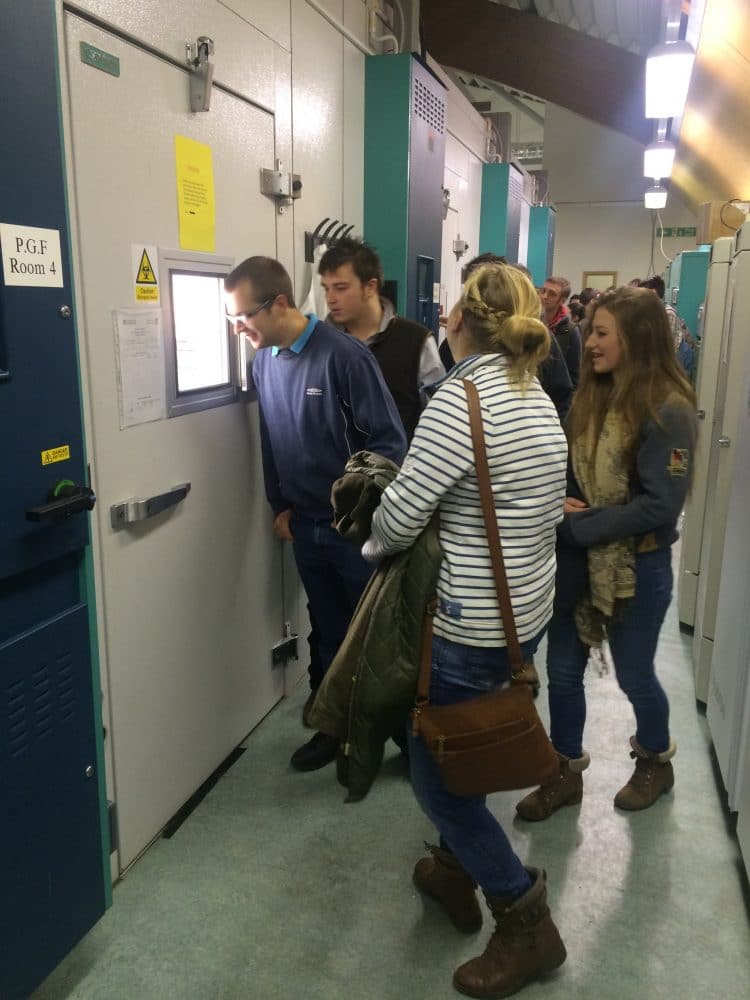
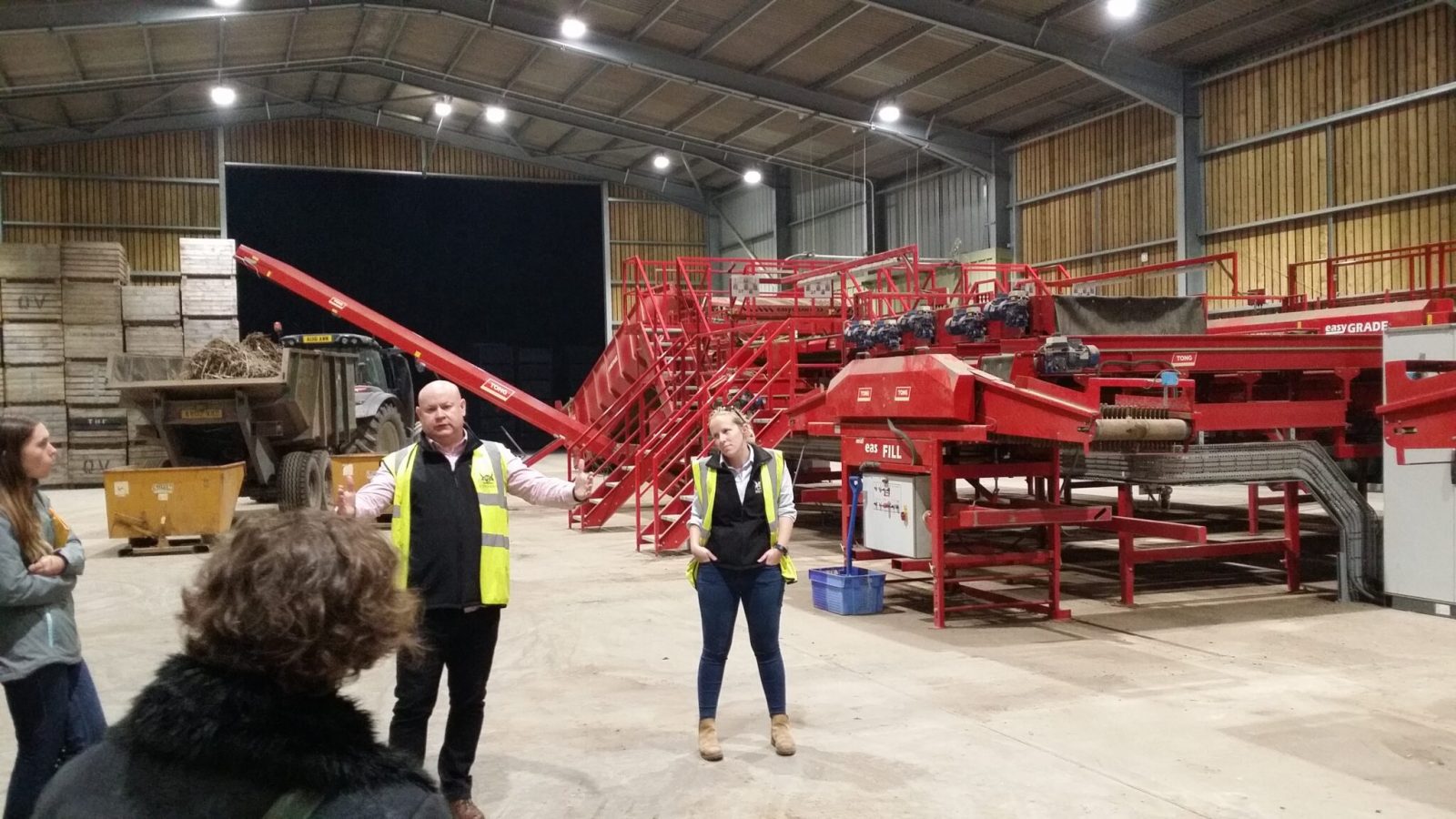
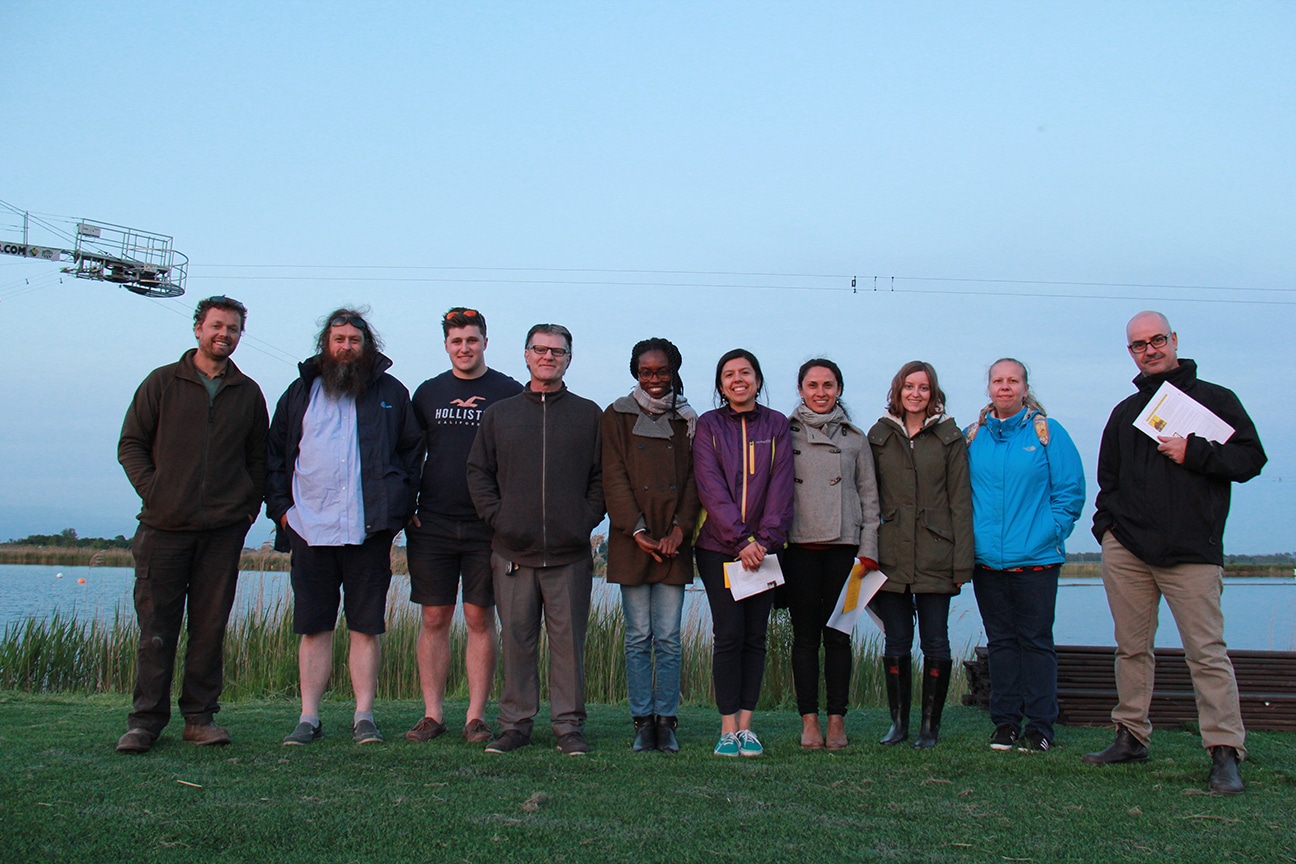
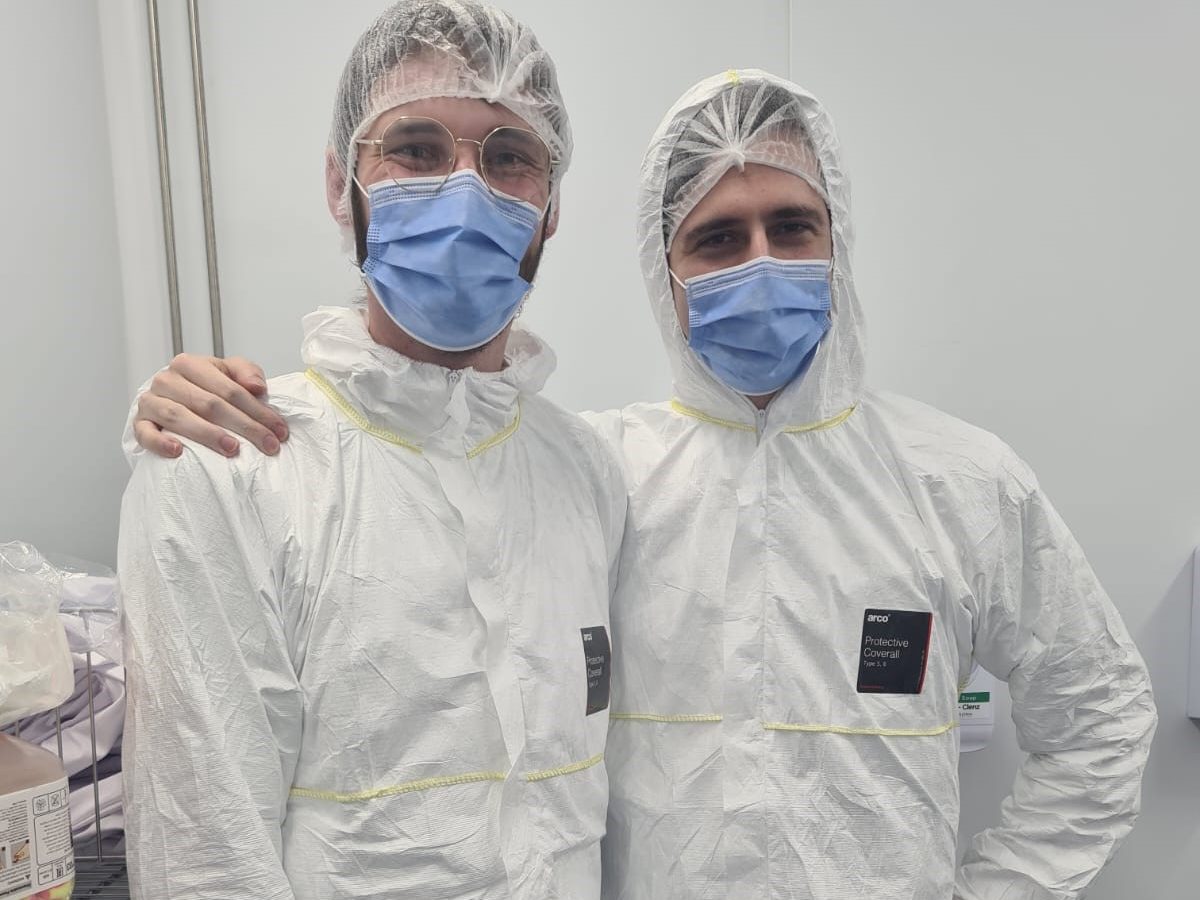
Coordinator Becky Dodds says: “Over the past year alone, we’ve visited a mushroom farm, field variety trials, potato trials, an anaerobic digester and a research farm, in addition to the first Conference held at The Morley Agricultural Foundation (see past blogs).
“It’s been a busy year with lots of new and familiar faces attending the events from institutes such as the University of Cambridge and John Innes Centre, to young farmers in Norfolk and Cambridge and career entrants working at Brown & Co, Bayer and Niab to name but a few.
“What has really struck me over the year is the enthusiasm and curiosity of the Forum – several our hosts were encouraged by the number of questions that were asked and subsequent discussions. For example, a farmer commented how much she would love a programme to automatically calculate various factors for her – and a student in the audience said it would be a good work placement for a data scientist for a few weeks to produce it!
“It’s these kinds of connections and opportunities we would like the Forum to generate that might not otherwise have come to fruition.
“We’re currently in the middle of planning our 2018 events for the Forum, but we do have a visit lined up to Niab’s Eastern Agri-TechE Innovation Hub to look at reducing waste in the supply chain as well as entrepreneurship and commercialising a business idea.
“Plans for our 2018 conference are starting to come together – including keynote speaker Susie Emmett and a workshop on quantifying soil health.
“With farm visits, trial open days and research centre visits on the horizon, make sure to keep an eye on our YIF page or sign up to receive the quarterly YIF newsletter.”
Anyone relatively new to the industry is welcome to join in at these events – for more information please email becky.dodds@agritechenew.wpengine.com.
Events are free to attend and open to all – find out more at agritechenew.wpengine.com/yif
Click here for more information about the conference.