Patenting, Trademarks, Copyright, Trade Secrets...
In the next installment of our micro-learning series, we’ll explore potential legal solutions to help you keep your ideas safe and sound.

Looking after lone workers with world leading technology in the UK

Member News
Agri-TechE

Lone workers make up a large part of the agricultural workforce in the UK. Did you know live tracking of them is not actually a legal requirement? While it’s a great option for some, your legal obligation as an employer is to keep lone workers healthy and safe, just as you do all other workers, taking in to account the risks of working alone.
A bit of background information
According to the definition provided by HSE in their Protecting lone workers guide, it’s reasonable to assume many workers in agriculture would be considered lone workers as they could be ‘someone who works by themselves, without close or direct supervision’. Farm workers, delivery drivers including HGV drivers, van drivers and couriers would all fit this definition.
Lone work can involve long, unsociable hours, have high physical and mental demands, and for jobs like HGV drivers can mean long hours of sedentary work. There are also potential risks such as violence and manual handling. Each individual is different so you need to consider the individual as well as the role or task when considering the risks.
How do I manage the risk?
While it’s not necessary to do a separate risk assessment just for lone workers, you do need to consider the particular risks faced by lone workers in your risk assessing process.
Think about who is going to work alone, and what hazards exist that could cause harm. Wherever possible, avoid anyone having to work alone. If this is not an option, consider the capabilities and training of those undertaking the task and ensure they have been trained in not only the task, but how to keep themselves safe while working alone.
The medical suitability of someone who is going to be a lone worker is a factor in the risk assessment process. Some jobs may have physical demands that may preclude some individuals with pre-existing medical conditions from safely performing them. Think about what training and experience an individual has, and how best to supervise or monitor them.
Some of the risks to consider include:

  • violence in the workplace
  • stress and mental health/wellbeing
  • medical suitability of the person to work alone
  • the workplace itself
  • the work being done

There are high-risk tasks which require another person to be present, such as working in a confined space, near exposed electrical conductors, carrying anything explosive or fumigation. These types of work must not be done by a worker on their own.
You have an obligation to train, supervise and monitor lone workers, as well as keeping in touch and responding to any incident. This is where some think it is mandatory to have monitoring gadgets or devices, however this is not a regulatory requirement. The requirements to train, supervise and monitor workers can be achieved in various ways, and employers should consider multiple options rather than rely on a single approach.
There are some great technological solutions which can assist employers – the most obvious one being the mobile phone. As simple as it seems, using a mobile phone can be a significant part of your strategy to supervise and monitor lone workers but should not be the only control. Of course, relying on phones is only as good as your mobile phone coverage, so think about where your workers may be and what the mobile reception is like there.
Apps on smartphones are also a great way to provide support to lone workers. The Safe Ag Systems app allows workers to let you know when they are at work, you can see there last known location and allows lone workers to notify of an incident so you are able to respond accordingly. The Emergency Page within the app gives the worker the option to notify everyone on farm of a problem, call 999, call a key emergency contact, access chemical safety data sheets and important information in the event of an emergency.
If lone workers are going to be working in an area with little or no mobile phone coverage, you need to find other ways to supervise and monitor. Some ideas include:

  • have two or more people working together or in close proximity
  • use of radios or other communication means
  • know where your workers are and what time they will finish
  • have pre determined check-in times
  • determine when supervisors should visit lone workers
  • make sure the worker is aware of any risks they may face
  • let them know it’s OK to stop work if they feel unsafe – set the boundaries of when to stop and seek help, and create a supportive culture so no one feels they need to take unnecessary risks

Talk with those who work alone – they will know the hazards to be considered and have ideas on the best way to control the risk, as they are the ones doing the work. You should also check records to see if there are any learnings from past incidents involving lone workers.
Make sure lone workers have first aid kits and know how to administer first aid including on themselves. Workers need know who they should contact in the event of an emergency and what the emergency procedures are, including having contact numbers available. If a worker has a known medical issue, for example allergic reactions or asthma, ensure they have appropriate supplies such as auto-injectors and respiratory relievers with them at all times.
What can or should I do now?
If you haven’t already done so, complete or review your risk assessment particularly around lone workers. Have conversations with your employees to find out if there’s anything they can add regarding risks and controls.
And if you want to use an app built by farmers, for farmers, check out www.safeagsystems.com for all your health and safety needs.

This content has been contributed by SafeAg Systems;  the views, thoughts and opinions expressed in this text belong solely to the author, and do not necessarily reflect those of Agri-TechE .

RIDDOR in the UK: A quick introduction

Member News
Agri-TechE

RIDDOR stands for Reporting of Injuries, Diseases and Dangerous Occurrences Regulations 2013. What a mouthful! This regulation is utilised in the United Kingdom. Let’s look at what you need to do and what you need to know.
Employers, self-employed and people in control of work premises are called ‘the responsible person’, and have a legal obligation to report certain work-related accidents under the Regulations. As soon as you become aware a work-related accident may be reportable under RIDDOR, you need to make the report.
Reporting is required for:

  • work-related accidents which cause death
  • work-related accidents that cause certain serious injuries
  • diagnosed cases of certain industrial diseases
  • certain ‘dangerous occurrences’

So how do you know what to report? We’ll explore each of the components of RIDDOR in a little more detail to help explain things.

  1. Let’s start with ‘work-related’.

Not every accident in the workplace is work-related. Here are the key things items that decide if the accident is work-related:

  • the way the work was carried out
  • any machinery, plant, substances or equipment used for the work, or
  • the condition of the site or premises where the accident happened

If none of these factors contributed to the accident, then it may not be work-related and a report isn’t required. It is only physical injuries caused by a work-related accident which are reportable. Mental health issues do not fall in to this category, and are not one of the listed occupational diseases so do not have to be reported.

  1. Injuries

There are 4 types of injury categories which must be reported.
Death – all deaths of workers and non-workers must be reported if they arise from a work-related accident, including physical violence.
Specified injuries – these include:

  • a fracture, other than to fingers, thumbs and toes
  • amputation of an arm, hand, finger, thumb, leg, foot or toe
  • permanent loss of sight or reduction in sight
  • crush injuries leading to internal organ damage
  • serious burns covering 10% or more of the body, or which damage the eyes, respiratory system or other vital organs
  • scalpings (separation of the skin from the head) which require hospital treatment
  • unconsciousness caused by head injury or asphyxia
  • any other injury arising from working in an enclosed space, which leads to hypothermia, heat-induced illness or requires resuscitation or admittance to hospital for more than 24 hours

Over-Seven-Day injuries to workers are where an employee or self-employed person is away from work or unable to perform their usual duties for more than 7 consecutive days. Day 1 is the day after the accident.
Injuries to people not at work are work-related accidents to members of the public if they are injured and are taken from the scene of the accident to hospital for treatment of the injury. The injury need not be traumatic. It can be minor, such as an abrasion or small cut. Being taking to hospital as a precaution when no injury is apparent is not reportable.

  1. Diseases

Certain diagnosed occupational diseases must be reported where they are likely to have been caused or made worse by work. These include:

  • carpal tunnel syndrome
  • severe cramp of the hand or forearm
  • occupational dermatitis
  • hand-arm vibration syndrome
  • occupational asthma
  • tendonitis or tenosynovitis of the hand or forearm
  • any occupational cancer
  • any disease attributable to occupational exposure to a biological agent (e.g. Hendra virus, avian influenza, Q-fever etc. from working with animals)
  1. Dangerous Occurrences

Dangerous occurrences are certain near-miss events (incidents with the potential to cause harm). There are 27 different occurrences, many of which are relevant to agriculture and some not so much. Those most likely relevant to farming include:

  • Lifting equipment– collapse, overturn or failure of any load-bearing part (e.g. a forklift truck tips on its side)
  • Pressure system – any failure (other than a pipeline) which could cause death (e.g. an air compressor valve bursts)
  • Overhead power lines – direct contact or close proximity causing electrical discharge (e.g. the auger of a combine harvester gets close enough to overhead power lines to cause an arc)
  • Electrical incidents causing explosion or fire – if a short circuit or overload results in the plant being unusable for 24 hours, or causes significant risk of death (e.g. plugging a power tool in to a socket which overloads the circuit, resulting in a fire of the electrical switchboard which shuts a workshop down for more than 24 hours while it’s repaired)
  • Explosives – unintentional fire, explosion or ignition, misfire, injury caused, or projection of material beyond the danger zone (e.g. when clearing large rocks from land and the explosive misfired)
  • Biological agents – any release or potential release of biological agents (e.g. Hendra virus)
  • Breathing apparatus – any malfunction which does or could cause significant risk to health and safety (e.g. if used in confined space entry)
  • Collapse of scaffolding – complete or partial collapse of scaffold more than 5 metres in height, working platform falling from a slung or suspended scaffold, or any scaffold collapse that creates a significant risk of a person drowning if they fall from the scaffold (e.g. scaffolding used to reach the roof ridge-cap of a shed partially collapses)
  • Structural collapse – unintentional collapse (full or partial) of any structure involving a fall of more than 5 tonnes of material, any floor or wall of a workplace, any falsework (e.g. a barn collapse after a storm)
  • Explosion or fire – unintentional fire or explosion resulting in stoppage for more than 24 hours (e.g. a combine harvester catches fire and shuts down harvest for a few days)
  • Release of flammable liquids and gases – sudden, unintentional and uncontrolled release of large volumes (e.g. 500kg of a gas in the open air)
  • Hazardous escape of substances – unintentional release or escape of any substance which could cause injury other than via combustion of flammable liquids or gases (e.g. Revysol is spilled)

Phew – that’s a lot of information!
It’s important to understand what you may need to report, and how to report. Remember, only ‘responsible persons’ should submit reports under RIDDOR. Reporting is easy and should be done online, with different links for reporting an injury, dangerous occurrence, case of a disease, flammable gas incident or dangerous gas fitting.
For reporting a fatality or specified incident only, and you are located in the UK, telephone the HSE Incident Contact Centre on 0345 300 9923. The Centre is open Monday – Friday 8.30am – 5pm. In certain circumstances HSE may need to respond out of hours. These include:

  • following a work-related death
  • following a serious incident where there have been multiple casualties
  • following an incident which has caused major disruption such as evacuation of people, closure of roads, large numbers of people going to hospital etc.

If an incident fits any of these descriptions, ring the duty officer in the UK on 0151 922 9235.
Best practice for any UK agribusiness is to have a policy for RIDDOR, including nominating who will contact HSE in the event of a work-related accident.
To find out more about RIDDOR go to https://www.hse.gov.uk/riddor/index.htm
 
This content has been contributed by SafeAg Systems;  the views, thoughts and opinions expressed in this text belong solely to the author, and do not necessarily reflect those of Agri-TechE .

Health and Safety Investigation in the UK – what to expect

Member News
Agri-TechE

You’ve had a serious incident or worse, a fatality on your farm and the HSE inspector arrives to investigate. If there has been a fatality, the police will be involved also. This will seem quite daunting, and it is important you know what you need to do.
HSE in the UK don’t investigate everything that’s reported to them, however if someone has died or sustained a serious injury they will be at your gate soon enough.
What purpose does a health and safety inspection serve?
The purpose of any investigation is to determine how something happened. This information is then used for a range of purposes, including sharing lessons, identifying what actions need to be take to prevent any recurrence, and where appropriate, to gather evidence to bring a prosecution.
If there has been an incident, they will want to see the site. The inspector will take photographs – lots of photographs. It’s possible they may take video footage as well. They may sketch out a bit of a floor plan showing where things are placed.
When it comes to the scene of the accident, you must not alter until an inspector says you can. Of course, you must make the site safe or get a person out for medical treatment, but you can’t fix anything else. Remember that the accident site is treated as a crime scene. If you’ve watched any TV involving police investigations, you can expect similar things for a workplace accident.
What will the inspectors require of you?
The inspector will ask lots of questions. They will ask you, your employees and their representatives, and anyone else on site. They will ask about what was going on when the incident happened, how you think the incident happened, how it could have been prevented and lots of other questions. You will also be required to supply your safety documentation – policies, procedures, evidence of training and induction, maintenance records of any machinery or equipment involved, risk assessments and any other documents.
The inspector will want to know about your own knowledge and experience around health and safety. You will need to be able to talk about the main health and safety issues in your workplace also, and what you’re doing to manage the risks. You will also need to be able to explain what was in place to manage the specific risk which resulted in the incident.
What should I expect next in the investigation process?
HSE may seize machinery or equipment involved in the incident. They may take it for inspection, investigation or as evidence. Think about how you will continue to operate if this occurs.
An investigation of a fatality or serious incident may take a while – days or even weeks. It is likely investigators will be back or want further information. Eventually, a decision will be made about what happens regarding the incident. It is likely that you will be issued with a Notice of Contravention, Improvement Notice, Prohibition Notice or notice that HSE intend to prosecute you for breaking health and safety laws.
You must comply with the requests of an inspector who is investigating a fatality or serious incident. It is advisable to promptly seek counsel from a legal representative who is skilled in health and safety law if you have a reportable incident or fatality.
To reduce the likelihood of a prosecution against you, it’s advisable to have a safety management system which has been implemented across your agribusiness. With this in place, there is far less likelihood of a serious incident occurring and if one does, you will be better protected with a system in place and being used.
 
This content has been contributed by Safe Ag Systems;  the views, thoughts and opinions expressed in this text belong solely to the author, and do not necessarily reflect those of Agri-TechE .

NEW PRODUCT: Davis EnviroMonitor Long Range Antennas

Member News
The views expressed in this Member News article are the author's own and do not necessarily represent those of Agri-TechE.

Prodata Weather Systems is excited to announce a new addition to the Davis range of high-quality environmental monitoring products.

The recently released Long-Range Antenna for the Davis EnviroMonitor system is now available to purchase from Prodata – https://davisenviromonitors.com/long-range-antenna/ (contact for pricing and availability)

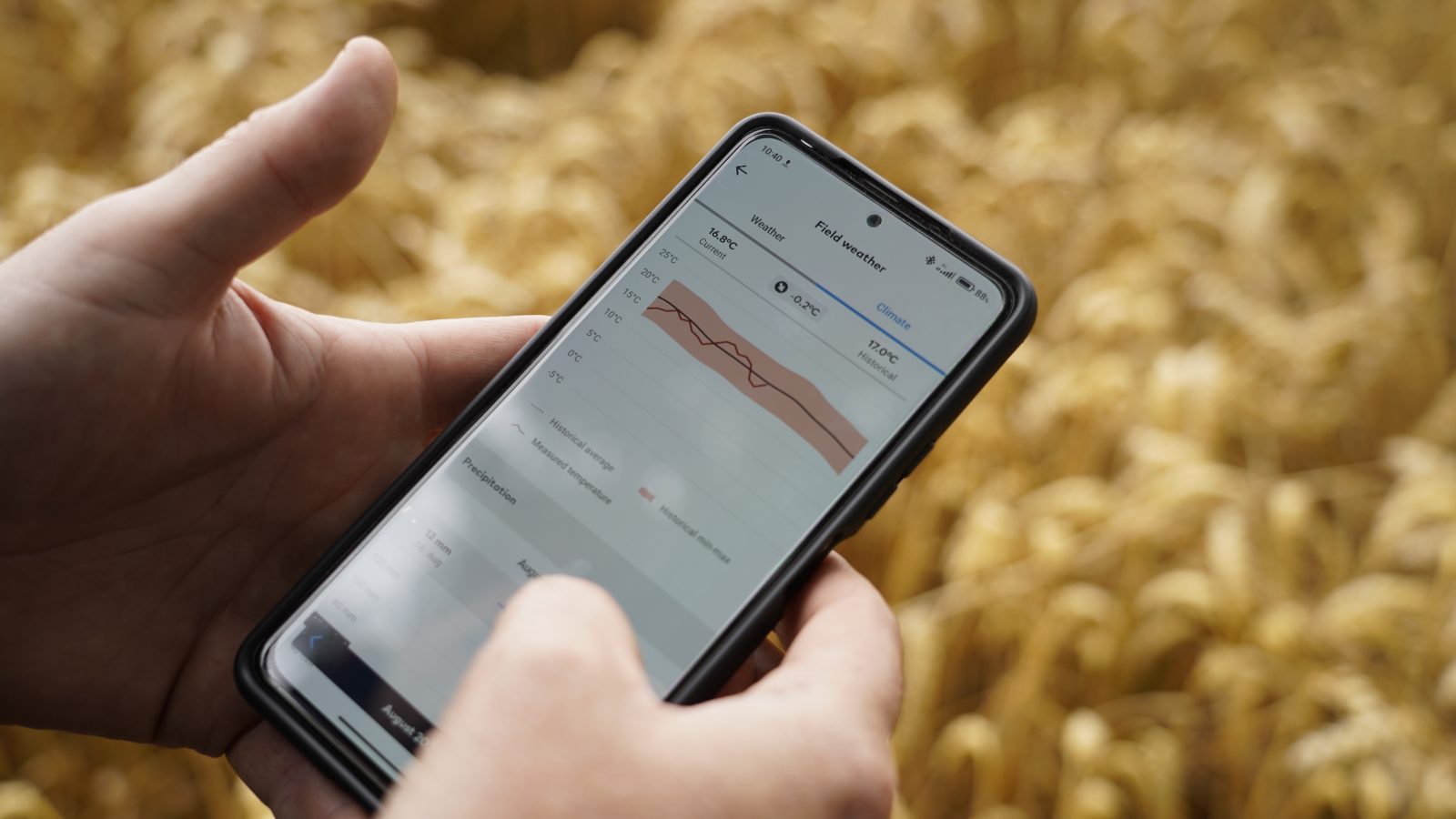
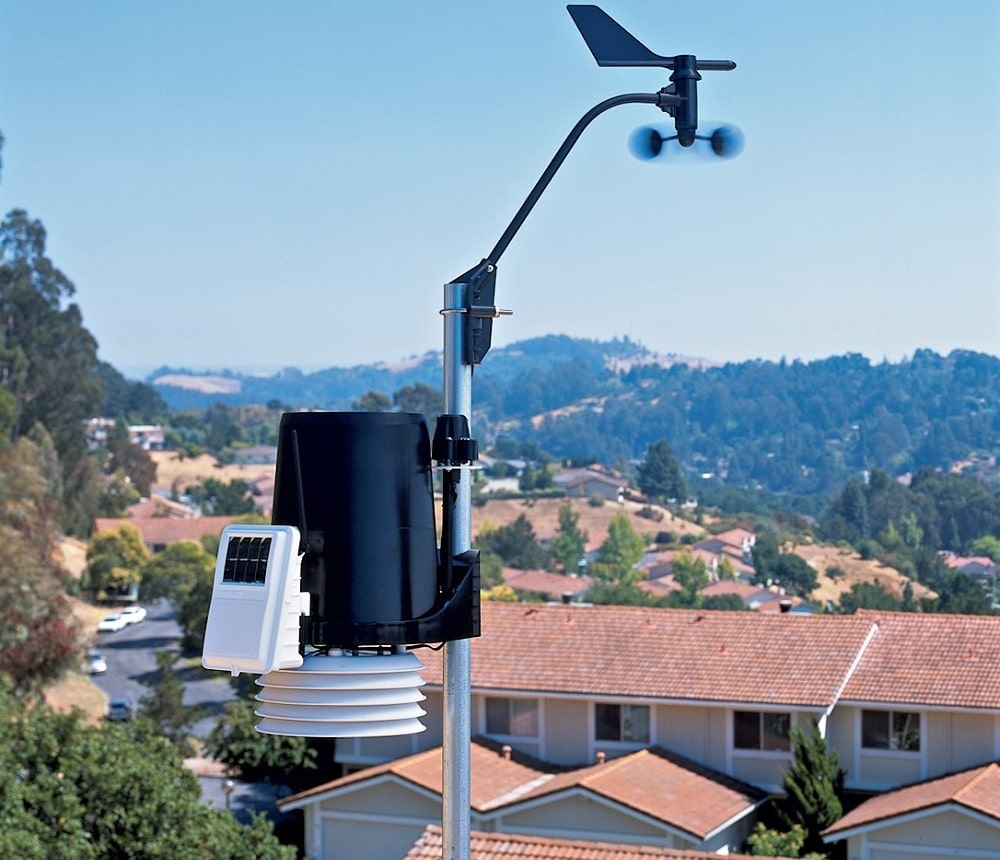
The EnviroMonitor is a highly flexible system able to remotely monitor many physical aspects of the environment, both outdoors and in other settings such as greenhouses. Data readings include weather, soil conditions and many other environmental parameters such as water level, flow rate, water pressure and soil salinity. It provides farmers and growers invaluable information directly to their devices which enables them to make minute-by-minute crop management decisions.

This new Long-Range Antenna dramatically increases the flexibility and cost-effectiveness of the EnviroMonitor network.  Previously farmers and growers could effectively monitor 78ha with one gateway. Now with ideal conditions and the addition of the Long-Range Antennas, one gateway could cover 2,827ha.  By extending the EnviroMonitor network with the addition of further nodes and Long-Range Antennas the area monitored can be increased many times further.

This new product effectively reinvents the EnviroMonitor system by opening up this solution to those who may previously have been put off by the additional licensing and hardware costs as they can now deploy numerous sensors into multiple fields over a far wider area.

Peter Palmer, sales director at Prodata Weather Systems, said: “I believe this new product takes field weather and environmental data collection to a new level and places the Davis EnviroMonitor product well above its competitors.”

Farmers and growers should contact Pete on 03336 664175 or via sales@weatherstations.co.uk for further information.

EnviroMonitor dedicated website: https://davisenviromonitors.com

Cambridge agritech incubator Barn4 on Niab Park Farm gains funding

Member News
Agri-TechE

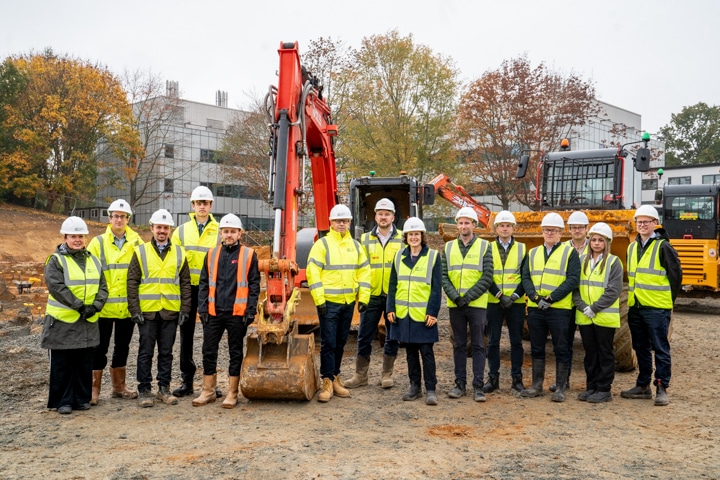
Barn4, a purpose-built Cambridge agritech incubator that will give start-ups access to sector specific expertise and laboratory facilities is to be co-located on the Niab Park Farm site in Histon.  Tenants will gain access to the recently redeveloped Park Farm field research station, which includes two new large research and office buildings and state-of-the-art research glasshouses.
Niab (The National Institute of Agricultural Botany) was founded in 1919 with a mission to provide independent science-based research and information to support, develop and promote agriculture and horticulture; helping the industry to fulfil its potential in supplying food and renewable resources, while respecting the natural environment. Her Majesty The Queen is Niab’s patron.
Niab also supports the Eastern Agri-TechE Innovation Hub, where a number of companies with expertise in controlled environment agriculture and the circular economy are based.

Cambridge agritech incubator Barn4
Barn4 will be a Cambridge agritech incubator providing access to sector specific expertise and facilities

The Barn4 development is supported by £2.5 million funding from The Cambridgeshire and Peterborough Combined Authority, and  will be open to tenants from spring 2021.
It will provide facilities for up to 15 companies with 45 staff
In addition to laboratory, workshop and office space, meeting rooms and video-conferencing facilities. Tenants will be able to gain access to Niab’s high performance computing capability, specialist laboratory facilities and both indoor and outdoor growing spaces.

Unique access to facilities and expertise

The unique offering of state-of-the-art technical facilities and links to Niab, the Cambridge technology cluster and the wider agricultural sector will be ideal for early stage companies to grow and flourish.
Dr Juno McKee, Director of Niab Ventures, says:  “Niab will work with a network of commercial and academic partners to provide a complete ecosystem within which technology driven start-ups and spinouts can thrive.”
Simon Clarke MP Minister for Regional Growth and Local Government  says, “Investing in innovative agritech projects is at the heart of this Government’s commitment to create new, green jobs and reach our target of Net-Zero by 2050. That is why we are investing £2.5 million from the Local Growth Fund in this exciting project to create space for start-ups and small businesses in Cambridgeshire to grow and innovate, creating new jobs for the region and supporting this world-leading centre for agritech.”
Niab’s Director of Commercialisation Dr Michael Gifford explains that to date there have been gaps in support for start-ups including access to sector specific expertise, basic research facilities with laboratory space, field plots, and engineering workshops:  “We are thinking about agritech in its widest sense and expect to have companies specialising in plant genetics, pest management, soil health, and AI to support sustainable farming decisions, farm robotics and much more.”

A Cambridge agritech incubator

A study carried out for Niab by the University of Cambridge’s Judge Institute showed that agritech start-ups felt that they would benefit from sector specific technical expertise and advice – exactly the type of support to be provided with the Cambridge Barn4 logoagritech incubator Barn4.
“In Barn4, Niab will be able to provide an environment in which young companies can thrive in the agritech sector. It allows companies to access the region’s unrivalled technology sector whilst also being on the doorstep of some of the most fertile farmland and progressive farmers in the world,” finishes Dr Gifford.

Transforming Food Production announces 9 innovative projects

Member News
Agri-TechE

Nine innovative projects that apply big data, AI and robotics to UK farming will benefit from £24 million government investment to help the UK meet its net zero target by reducing carbon emissions in food production.

The Transforming Food Production initiative is part of the wider industrial strategy and aims to fund larger more inspirational risky projects that would not be possible without government support.  Agri-TechE members involved in these projects include:  B-Hive, Deep Branch Biotechnology, Niab and University of Lincoln.
Katrina Hayter, Challenge Director, Transforming Food Production comments: “I was delighted and inspired by the great response from the UK’s agriculture community to this call, which was for bold, innovative approaches to radically change the way food is produced.
“We set out to attract new-to-agriculture companies to work alongside those who understand the industry and were really impressed by the range and number of applications that were received. This was an ambitious call, with the aim of funding a few, large, exciting transformational projects and we are optimistic that with Innovate UK’s support, these projects will go on to be game-changers for the UK food system.
The projects include alternative production systems with a supporting strand to create demonstrations.  It also encouraged new players to bring new technologies and skills into the sector, for example Drax power station and Optimal are new to agriculture.

Agri-TechE members are involved in Transforming Food Production projects 

REACT-FIRST converts carbon dioxide into clean animal feed Led by Nottingham company Deep Branch Biotechnology, the project will use its unique technology to turn carbon dioxide from Drax Power’s Selby power station into animal food with minimal water usage and without the need for arable farmland.
The funding will allow the consortium to provide a greener alternative to soy and fishmeal for the animal industry, enabling industries that traditionally create higher levels of waste, such as agriculture, to contribute to a cleaner environment.
The project will work with leading retailer Sainsbury’s as well as the Scottish Aquaculture Innovation Centre to integrate into the fish and poultry supply chain, helping to ensure that industry demand is met. ( Read more about this project)

World’s first Autonomous Growing System (AGS), led by Optimal Labs in London, this project will provide autonomous technology that controls climate, irrigation and lighting, enabling any crop variety to be grown in any location. This will significantly increase production levels and resource-efficiency in existing UK greenhouses, helping to protect the UK’s food system against climate change and population growth. Niab is one of the collaborators.

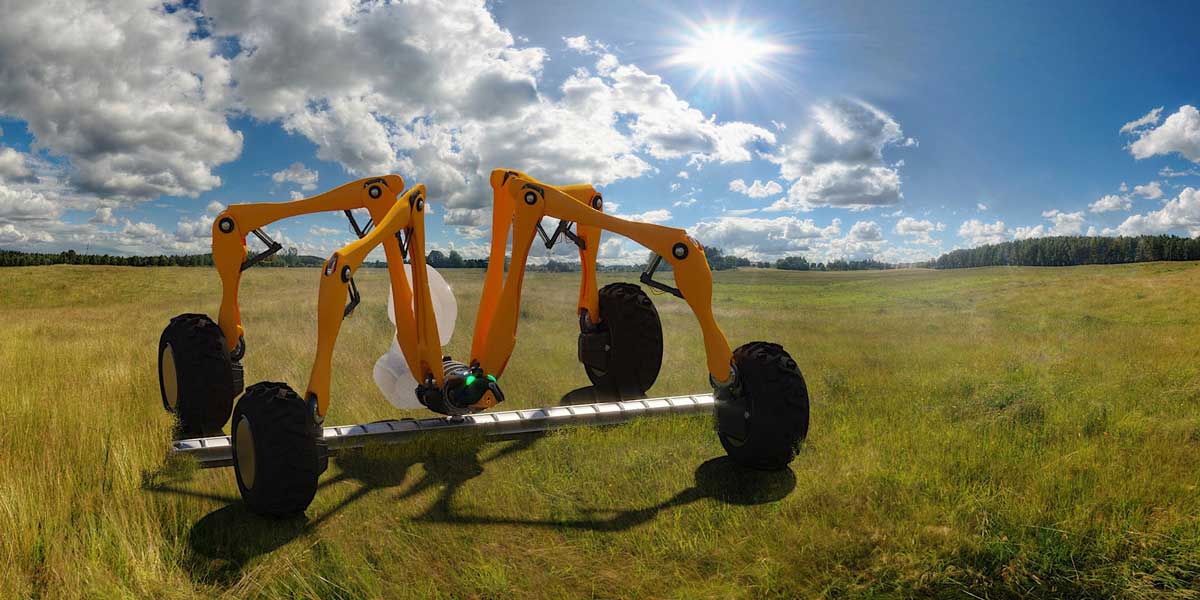
Robot Highways demonstrator of autonomous technology (Lincoln) led by Saga Robotics, will receive nearly £2.5 million to perform the largest known global demonstration of robotics and autonomous technologies on a farm. The robots will assist farmers by carrying out essential, energy intensive physical farm processes such as picking and packing fruit and treating crops to reduce critical pests and diseases. The consortium includes the University of Lincoln. (Read more about this project.)

Production at the Point of Consumption autonomous growing systems  (Maidstone) led by Evogro, will receive nearly £850,000 to research and develop the next generation of autonomous growing systems, to ensure they are affordable for new consumer markets, and to make it an economic method to produce mainstream crops.

InFarm2.x vertical growing systems (London) led by vertical farming business InFarm will receive over £3 million to develop a farming system that can grow a wider variety of fruit and vegetables than is currently possible by growing their crops in vertically stacked levels, rather than on a single level surface, such as a field. It will also use technology including gas sensors and monitoring cameras to observe the growth patterns of their crops, helping to identify the optimal growing conditions, increasing productivity.

AGRI-SATT growing food from algae in deserts (London) led by Feed Algae, will receive over £4 million for its project which is based around an algae growing system that exploits natural seawater to produce food in deserts. This project aims to combine data from the growing system with satellite data to automate production and increase the nutritional quality of the food produced.

GelPonic water conservation (Manchester), led by AEH Innovative Hydrogel, has developed a new growth material that will improve crop yields on farms worldwide. It will receive over £1 million to develop a material that conserves water and protects plants by filtering pathogens and includes a new graphene-based IoT device that allows remote-monitoring of conditions in vertical farms.

REMEDY precision technology for dairy producers (Bath), led by Quality Milk Management Services, will receive over £1.7 million to provide precision technologies to dairy farmers enabling them to access real time data to ensure their farm is as productive, efficient and environmentally friendly as possible. This includes technology such as wearable devices for cows that tracks their behaviour and nutrition, ensuring farmers can make more informed decisions when managing their farm.

TUBERSCAN-DEMO improving potato yield (Lincoln), led by B-hive, will receive nearly £2 million to develop and test an innovative demonstrator system to measure average potato sizes and yield throughout potato fields, providing insights that will enable selective harvesting to take place, optimising crop yield and resource use. It is anticipated that this technology could generate an estimated 5-10% increase in UK marketable potato production.

The investment in new resource efficient, low-emission production systems is part of the government’s commitment to boost spending on research and development to £22 billion by 2024 to 2025. It follows the publication earlier this month of the government’s ambitious R&D Roadmap, announced by the Business Secretary.

Glaia shares in £3.5m SHAKE funding for exciting agri-tech

Member News
Agri-TechE

Three exciting companies have received funding from SHAKE Climate Change Programme to develop solutions for sustainable agriculture.
The three tech firms were chosen from an initial 17 applicants last summer. Of this initial cohort, ten were chosen for a further three-months of intense training to build their ventures. The three successful ventures were then recommended to receive £140,000 funding to develop their businesses under continual mentorship for a further 8-12 months, followed by aftercare support.

Glaia improving photosynthetic efficiency

Only 50 percent of the sun’s energy is used by plants and less than 1 percent is converted into biomass. Glaia has developed a new class of plant additive called ‘sugar dots’ that can increase photosynthetic efficiency naturally, increasing yields by up to 20 per cent.
The sugar dots technology, which has been developed by a team at the University of Bristol, has a well-defined mode of action, high efficacy

David Benito-Alifonso, Glaia

and is patent protected. Studies have shown that sugar-dots are non-toxic and they are already found in food products such as beer and honey.
David Benito-Alifonso says: “Sugar-dots are water soluble and can be applied as a foliar spray or within an irrigation system and have been tested on a variety of crops from soft fruit through to wheat and sorghum. The plant performance improvement results have been impressive and the technology can be applied across agriculture.”
Glaia took part in the Agri-TechE GROW business plan competition and are members.

EcoNomad Solutions affordable biogas

Economad affordable AD

Anaerobic digestion (AD) turns waste into biogas and a nutrient-rich soil additive – but the current solutions are too complex and expensive for smallholdings.
To give smaller farmers the benefit of AD, agri-tech start-up EcoNomad Solutions (founded by Ilan Adler and Alex Demenko see left at REAP ) has re-engineered the technology to create a more affordable option that uses passive heating methods and naturally occurring bacteria.
London-based EcoNomad Solutions, help small farms to improve resource management sustainability and agricultural waste recycling. Their proprietary technology includes biogas and nutrient recovery systems suitable for even the smallest of smallholders.

PheroSyn replacing pesticides with pheromones

The third company to receive the £140k grant is PheroSyn Ltd, whose mission is to scale up the production of and make available pest insect pheromones that can be deployed to protect crops and reduce the use of pesticides.

About Shake Climate Change Programme

The SHAKE Climate Change programme is specifically designed to attract entrepreneurs or start-ups who have developed early stage science or tech-based ideas that can have a significant impact on climate change, as well as form the basis of a sustainable and socially responsible business within the sector.
Professor Angela Karp, interim director and CEO of Rothamsted Research, co-developed the programme with partners at Cranfield University, UCL (University College London), and the University of Hertfordshire.
Professor Karp says:  “All three of the finalists have displayed great ingenuity in their initial ideas to help reduce the climate impact of food and farming, and they have taken really well to the training and mentorship we have provided so far. I am fully confident they will continue to go from strength to strength.”
The SHAKE fund was set up by a consortium of leading scientific research and academic institutions last year in the wake of the climate emergency, with financial backing from the UK-based charitable arm of major European bank, Societe Generale.

Prodata Weather Systems announces new EnviroMonitor bundle to reduce data costs

Member News
Agri-TechE

Prodata Weather Systems, a leading supplier of the Davis EnviroMonitor environmental data monitoring system, has announced new offer to reduce data costs. 

Prodata Weather Systems are suppliers of EnviroMonitor, which collates local environmental data via over 165 sensor options, including soil moisture, soil temperature, fluid levels, pressure, solar radiation, carbon dioxide, temperature and humidity.  Designed as a flexible agriculture-based system, the data collected from these sensors can be customised, sent directly to the Cloud and made accessible via a mobile app or PC.
Peter Palmer, sales director, Prodata Weather Systems says: “It is clear that farmers and growers value the EnviroMonitor, but one question which sensibly arises is around the ongoing cost of their data plans.”
The company is including its EnviroMonitor 6894A 15-minute data plan (covering 24 months) free of charge for those purchasing an EnviroMonitor system until 31st August 2020. This includes purchases made at CerealsLIVE2020 in June.
The EnviroMonitor 6894A 15-minute data plan will be included with each purchase free of charge, saving users £440.00, ex VAT.
The data plan ensures remote field data is uploaded every 15 minutes to the Cloud and is accessible from a device of choice. This includes access to WeatherLink.com, the WeatherLink APP and Mobilize the APP that takes raw data and converts it to information they can use to make critical decisions.  The bundle saves users £440.00, ex VAT.
Pete added: “As an additional bonus we will also be including 3 years warranty with any systems purchased before 30th June 2020.”

Produce Quality Centre Packaging Challenge

Member News
The views expressed in this Member News article are the author's own and do not necessarily represent those of Agri-TechE.

The PQC are coordinating a network of academic and commercial experts in materials science (recyclable and compostable plastics, biocomposites, edible coatings) supply chains and postharvest plant physiology. We are interested to hear from industry stakeholders, with an interest in the efficacy of films with varied recycled content and biodegradable films for fresh produce.

Campaign to find world’s longest running agricultural experiments

Member News
Agri-TechE

Results from long-running agricultural experiments are being made openly available to other scientists to support greater collaboration between projects.
The Global Long-Term Agricultural Experiment Network (GLTEN), based at Rothamsted Research,  and funded by the Thirty Percy Foundation brings together long-running experiments that span nearly two centuries and six continents, as well as representing numerous climates, environments, crop types, farming practices and land-management regimes.
GLTEN represents a potential treasure trove of information – over 1750 years’ worth of data in total – that will help researchers and policymakers design “the farms of the future”.
Dr Jon Storkey is head of the GLTEN network and  helps run an experiment, which at 176 years old, is the oldest to be featured on the site. He  comments:
“The hope is that lessons learnt in one country might improve practices elsewhere – resulting in natural resources being used more efficiently, and in a way that produces a food supply that delivers a nutritionally balanced diet.
“We also hope this initiative will help us uncover ‘hidden’ long-term experiments that we didn’t know about, enabling us to mine and analyse their datasets and insights.
“This will allow new discoveries to be made, leading to a truer account of the costs and benefits of our different dietary choices.”
Dr Storkey said finding ways of farming sustainably requires an understanding of how growing crops impacts the environment over long time scales. “The natural processes that determine the sustainability of food production systems often have complex interactions and so experimental results from a single site over a short-time scale are difficult to interpret.
“With large and high-quality datasets, these long-term agricultural experiments can address these challenges. However, many of these datasets were fragmented, under-utilised or have yet not been published. Our first step has been to bring information on the experiments together in one place and provide it in a consistent, accessible format.”

Impact of man-made fertiliser

A good example of the value of long-term experiments is our understanding the effects of man-made fertiliser use – a practice that began in Europe during the Victorian era. Fertiliser experiments that started in the UK in the 1800s have helped chart the long-term impacts of this switch not just on crop yields, but also soils, water, wildlife, human-health and climate.
Dr Storkey said: “These long-term experiments are a really important global resource for designing farms of the future.”
The 65 sites span the globe, with about 20 in the Americas, a dozen or so in Africa, more than 10 in Europe and several others across both Asia and Australasia. Many of the experiments have been running for many decades – the oldest is the UK’s Broadbalk Experiment at Rothamsted Research which is 176 years old, whilst a further four have also surpassed a century.
“As the network grows, it will be an important part of the exciting new science being developed at Rothamsted and partner institutions around the world to ensure a sustainable food supply and healthy environment for future generations,” added Dr Storkey.
For more information contact  david.stevens@rothamsted.ac.uk 01582 938525 for more info.
Find out more at
http://www.glten.org/
https://thirtypercy.org/

Future Food Sources: Market Developments and Intellectual Property Landscape

Member News
The views expressed in this Member News article are the author's own and do not necessarily represent those of Agri-TechE.

Feeding a growing population in a sustainable, environmentally-friendly manner has become a major challenge that traditional agriculture cannot address. This has given way to a new industry that we refer to as the Future Food Sources industry.

This white paper looks at three key segments of the industry: Animal Product Replacements, Alternative Protein Sources and Future Farming Technologies. Academic, market and patent trends show that most segments are at a relatively early stage but have been undergoing rapid growth and expansion over the last few years.

A combination of market research and patent landscaping provides an overview of the Future Food Sources industry, with a focus on the future product developments and applications of technology in other industry areas. The white paper also incorporates details of key organisations, factors affecting the market, licensing, partnerships and collaborations.

The applications of the technologies are well-aligned with the areas of expertise of IP Pragmatics: Food & Nutrition and Agritech, and more broadly, Human Health and Animal Health. 

Click on the link below to download the full white paper.

PGRO Pulse Agronomy: Field bean seed quality 2018

Member News
Agri-TechE

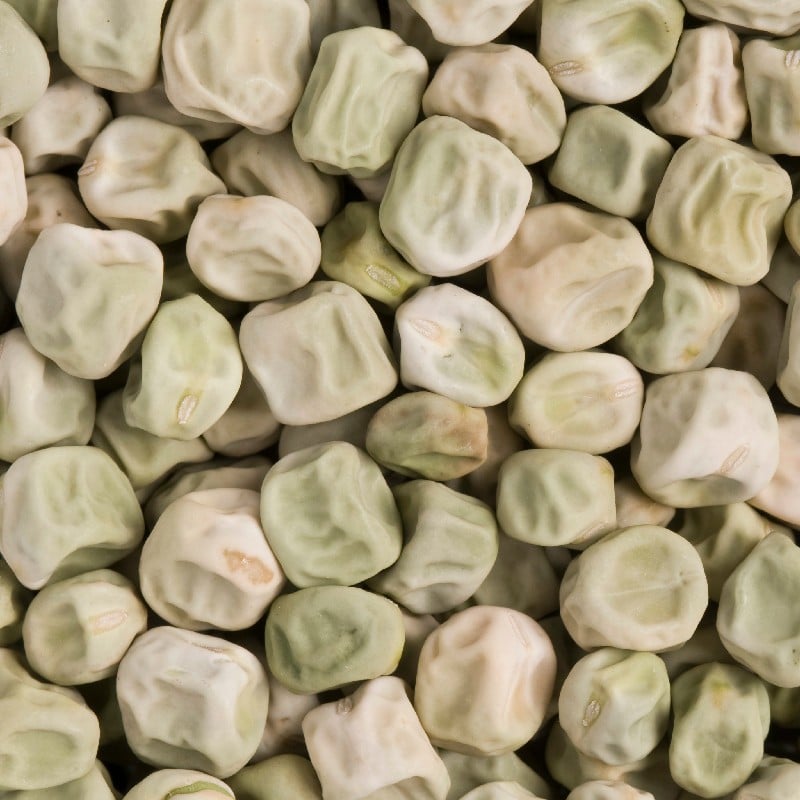
High levels of bruchid damage and very dry weather at harvest in 2018 have led to variable bean seed quality. Field bean samples tested at PGRO from August to October 2018 had an overall average germination capacity of 79.5%, with winter beans having an average of 79% and spring beans 83%.

Germination can be affected by physical damage to the seed caused when harvesting over-dry crops, chemical contamination by glyphosate, or insect damage such as bruchid damage, and if saving seed on-farm, it is important to test seed for germination capacity.

At low levels of bruchid infestation, germination losses may not be significant in larger seeded varieties, although damaged beans can be more susceptible to moulds. It’s likely that lightly infested seeds have a greater chance of survival, with the size of seed and portion remaining following larval feeding being important determinants of germination capacity.

At high levels of seed damage by bruchid, germination is affected, and losses between 10 and 15% germination have been recorded in laboratory tests when bruchid damage is between 40% and 80%. There is potential in the field for the damage to cause seeds to decay before germination occurs, and damage close to the point of attachment with the hypocotyl can cause establishment failure. This occurs more frequently when bruchid damage levels are high.

Crops that are harvested at low moisture content, particularly when less than 12%, may incur mechanical damage during harvesting or cleaning. Mechanical damage to seed causes seedling abnormalities and increased infection by soil-borne pathogens such as damping off (Pythium spp.), lowering the germination capacity.

If glyphosate has been used as a desiccant, seedling abnormalities are likely to arise if the seed from the treated crop is used.

See more in the Pulse ebook Winter 2018-19: