Patenting, Trademarks, Copyright, Trade Secrets...
In the next installment of our micro-learning series, we’ll explore potential legal solutions to help you keep your ideas safe and sound.

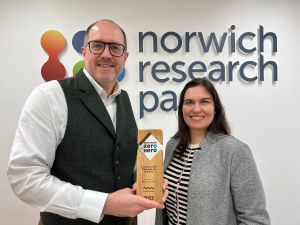
John Innes Centre: Future Farming funding boost to Sugar Beet innovation in Norwich

Member News
The views expressed in this Member News article are the author's own and do not necessarily represent those of Agri-TechE.

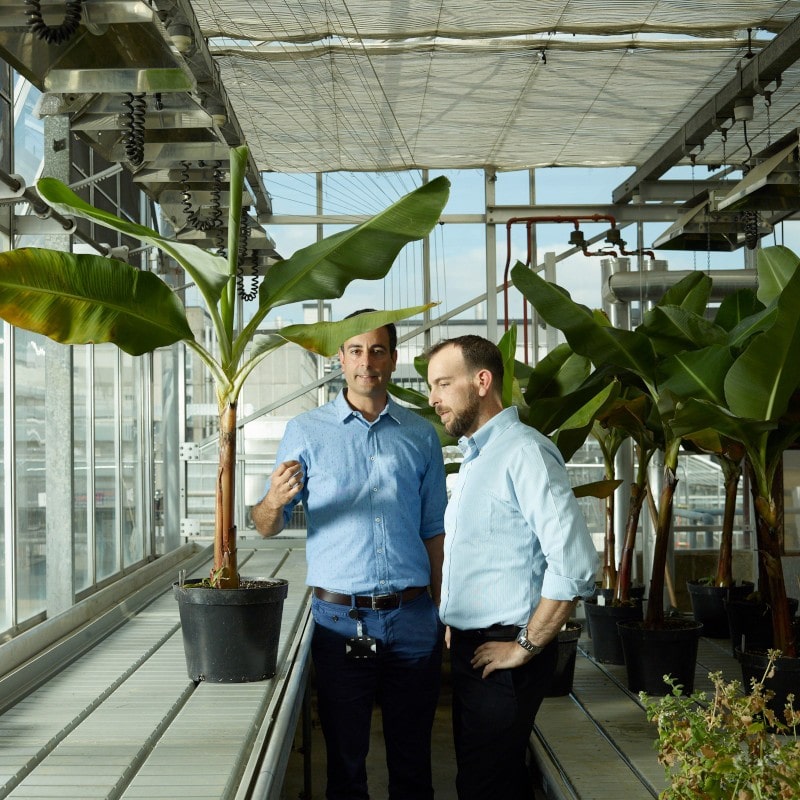
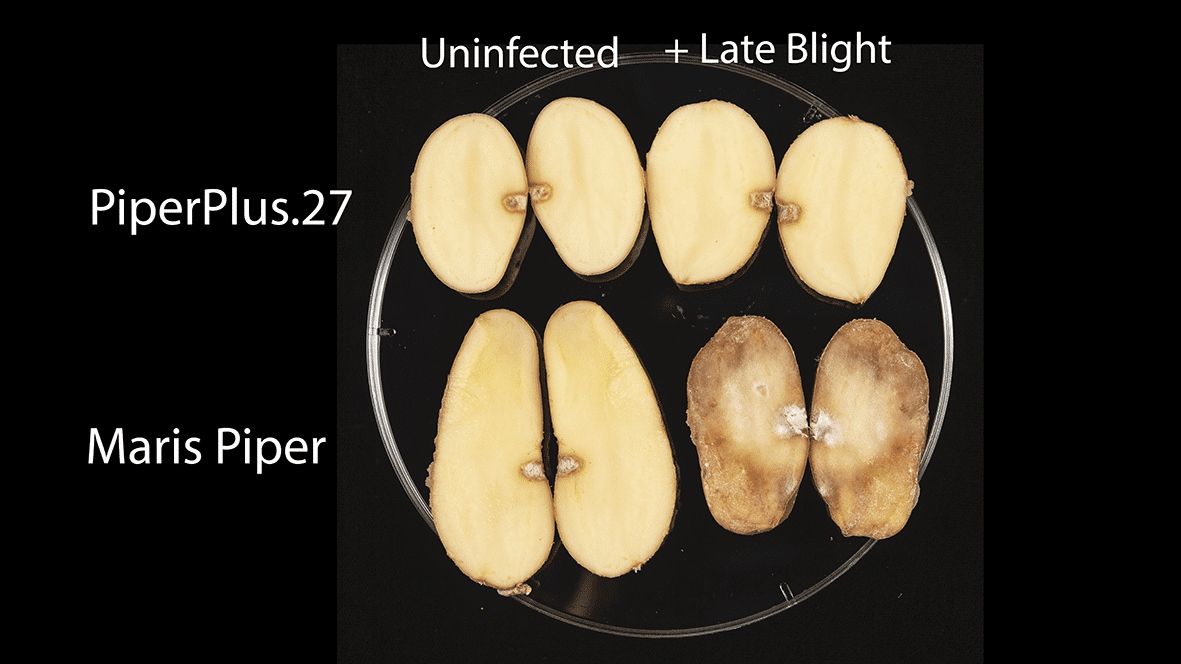
The John Innes Centre, Norwich Research Park partners and British Sugar have secured significant new funding to develop innovative gene editing approaches to protect the British sugar beet crop against potentially catastrophic losses to virus yellows disease. 

The award from Innovate UK’s Farming Futures Research and Development Fund, is made jointly to British Sugar, agricultural biotechnology company Tropic and the John Innes Centre. The British Beet Research Organisation – the UK’s beet sugar industry’s dedicated research centre – will also support the project which aims to build resilience and productivity in this economically important crop. 

The project’s full budget is £1m, of which £663,443 is grant funded by the Department for Environment, Food and Rural Affairs’ (Defra) Farming Innovation Programme, and the remainder by British Sugar, Tropic and the John Innes Centre. 

Professor Steven Penfield, whose group at the John Innes Centre will develop the technology necessary to support the gene-editing of sugar beet, said: “This welcome investment recognises the role of the John Innes Centre as a national capability in developing and applying precision breeding approaches such as gene editing to crop protection. 

“We look forward to deploying this expertise in partnership with British Sugar and Tropic for the benefit of British sugar beet growers.” 

The project will use Tropic’s Gene Editing induced Gene Silencing (GEiGSⓇ) technology platform to introduce minimal, precise genetic changes to redirect sugar beet’s own natural defence mechanisms towards enabling resistance to virus yellows – a crop disease spread by aphids, which had a severe impact on the homegrown sugar industry with significant impacts on the livelihoods of British sugar beet growers. 

Ofir Meir, Chief Technology Officer at Tropic, said: “The GEiGS® technology, which combines elements of precision breeding techniques like gene editing and a naturally occurring immunity mechanism known as gene silencing, is a game changing platform allowing us to develop improved varieties of sugar beet that are better able to withstand disease – and environmental – pressures to enable much more sustainable cropping practices.” 

Ultimately, successful project outcomes will protect British sugar beet farmers from potentially catastrophic losses to virus yellows disease, increase crop productivity, resilience, and sustainability, while supporting progression towards net zero emissions in English agriculture.  

It will also build technical capabilities in sugar beet gene editing for the UK and more generally, develop other traits to protect and enhance the crop.  

This approach has been enabled by the recent passing of the Genetic Technology (Precision Breeding) Act 2023.  

In 2020, the UK beet sugar industry suffered an extreme and unprecedented impact of virus yellows disease, with at least 40% of the crop affected nationally, and overall yields were down 25% on the five-year average. Work has since been ongoing to protect the crop from this disease. 

Dan Green, British Sugar Agriculture Director, said: “We are delighted to have been awarded this funding, which will help us make great strides in our work towards protecting the sugar beet crop from virus yellows disease, and potentially other crop diseases in the future. We look forward to continuing to work with our partners, Tropic and the John Innes Centre, to progress this work over the coming years, for the benefit of the whole UK beet sugar industry.” 

Verdesian Europe and Africa Partners with Bayer’s Better Life Farming Initiative in India

Member News
The views expressed in this Member News article are the author's own and do not necessarily represent those of Agri-TechE.

CARY, N.C. – Verdesian Life Sciences, a worldwide leader in nutrient use efficiency technologies for agricultural use, is pleased to announce that it has joined Bayer’s Better Life Farming initiative in India to provide sustainable agricultural products like AVAIL® Phosphorus Fertilizer Enhancer, SEED100 and Nursery+® to smallholder farmers in India. These products will be offered across more than 750 Better Life Farming Centers supporting over 400,000 smallholder farmers throughout the region.

Bayer’s Better Life Farming (BLF) is a global, multi-stakeholder alliance, which works with partners across the agri-value chain to support smallholder farmers in developing economies to increase crop yields and farm incomes. Launched globally in April 2018, the BLF alliance has global partners that include: Bayer with its expertise in seeds, crop protection and agronomy; IFC, the development finance institution for impact assessment; and Netafim for drip irrigation technologies. In India, the BLF alliance works with additional local partners including: Yara Fertilisers for soil and nutrient management; DeHaat, AgriBazaar and Big Basket as off-takers; and Tata Trusts for improving rural livelihoods and promoting self-reliant agri-entrepreneurship.

“We are a global company, but one with a mission and a heart for small farmers all over the world,” said Kenneth Avery, CEO, Verdesian. “This relationship will allow growers in South Asia access to our sustainable ag products that will allow them to enjoy healthy crops and strong yields through efficient technologies.”

D. Narain, Senior Bayer Representative, South Asia and CEO & MD, Bayer CropScience Limited said, “Empowering smallholder farmers is crucial for India’s food security. Better Life Farming aims at enabling smallholders to unlock their farming potential. Reinforcing Bayer’s commitment to ‘Health for All, Hunger for None,’ the partnership with Verdesian will provide farmers with access to sustainable products encouraging financial security and know-how, thereby aiming at doubling their incomes whilst also protecting the environment. Through such strategic partnerships across the agri-value chain, we aim to create a sustainable eco-system where traditional and digital marketplaces co-exist with the common aim of providing farmers with greater choice.”

Verdesian Life Sciences

Founded in 2012, Verdesian Life Sciences offers patented biological, nutritional, fertiliser enhancers, seed treatment and inoculant technologies for high-value specialty crops, row crops, and turf and ornamental markets. Verdesian’s plant-health products, nutritional catalysts and seed treatments/inoculants help growers farm more efficiently to maximise yields. Verdesian’s technologies answer the needs facing agriculture including increasing pressures on food demand, supply and food safety. Verdesian remains committed to the research and development of environmentally sustainable products.

Bayer

Bayer is a global enterprise with core competencies in the life science fields of health care and nutrition. Its products and services are designed to help people and our planet thrive by supporting efforts to master the major challenges presented by a growing and ageing global population. Bayer is committed to drive sustainable development and generate a positive impact with its businesses. At the same time, the Group aims to increase its earning power and create value through innovation and growth. The Bayer brand stands for trust, reliability and quality throughout the world. In fiscal 2020, the Group employed around 100,000 people and had sales of 41.4 billion euros. R&D expenses before special items amounted to 4.9 billion euros. For more information, please visit www.bayer.com.

John Innes Centre: US gardeners rush to snap up purple tomatoes pioneered in Norfolk

Member News
The views expressed in this Member News article are the author's own and do not necessarily represent those of Agri-TechE.

A genetically modified purple tomato first produced by Norfolk scientists nearly two decades ago has been enthusiastically adopted by home gardeners after it was made available for purchase in the United States. 

Seeds of the high-anthocyanin purple tomato are in strong demand, with more than 1,200 packets selling within 48 hours of launch, and 9,600 sold in the first week. 

Norfolk Healthy Produce, a subsidiary of Norfolk Plant Sciences founded by Norwich Research Park scientists Professor Cathie Martin FRS and Professor Jonathan Jones FRS, launched its striking new product on February 6. 

The commercial launch of their first product, purple tomato seeds retailing at $20 per pack, marks a major milestone in a long journey for Professor Martin, a group leader at the John Innes Centre, who announced the purple tomato in a landmark scientific paper published in 2008. 

Read the full article here

SEAD Artists: Drone RePeat – A future of drones within Paludiculture

Member News
The views expressed in this Member News article are the author's own and do not necessarily represent those of Agri-TechE.

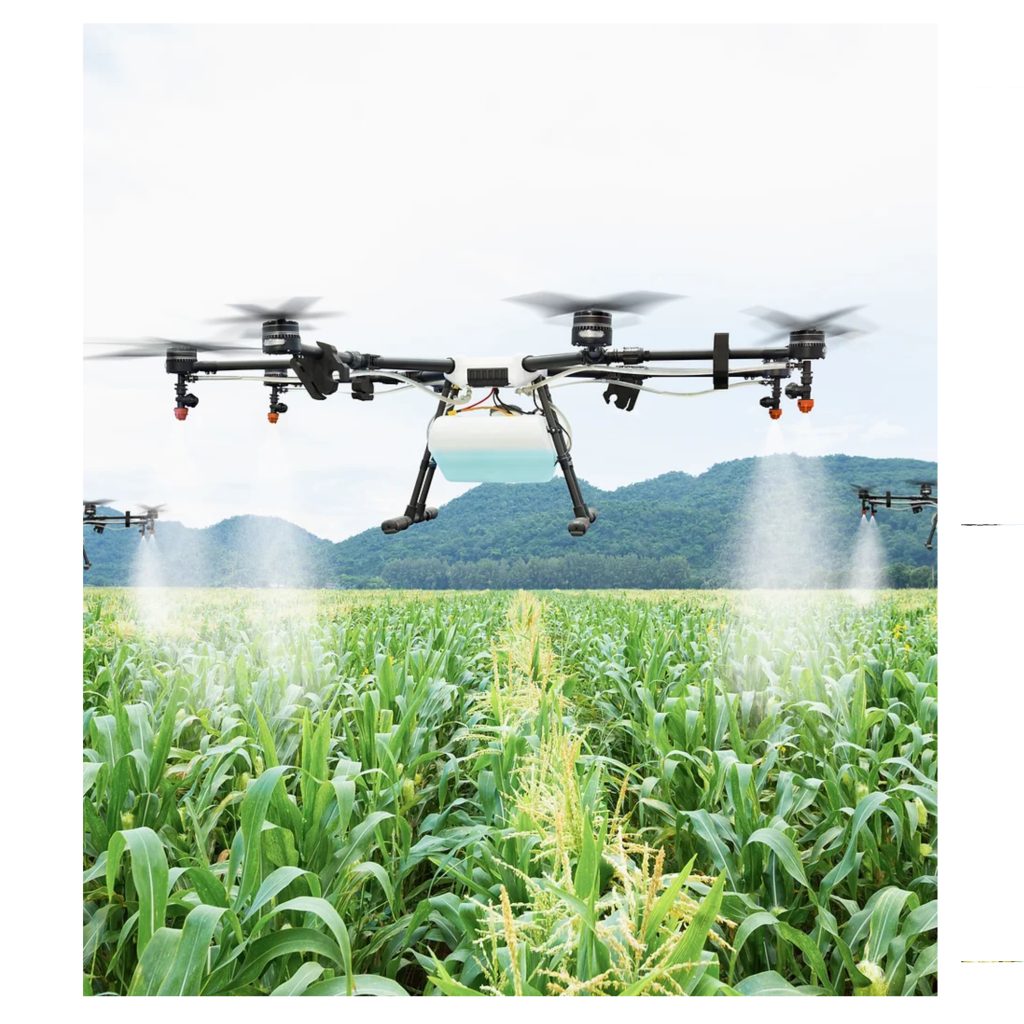
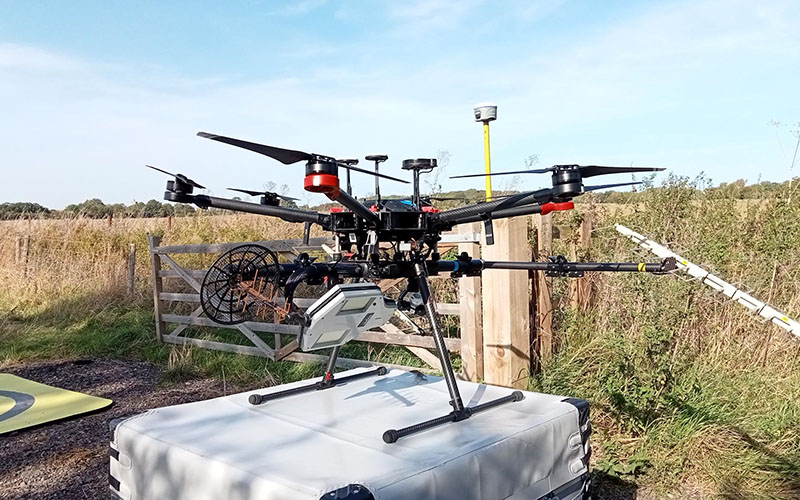
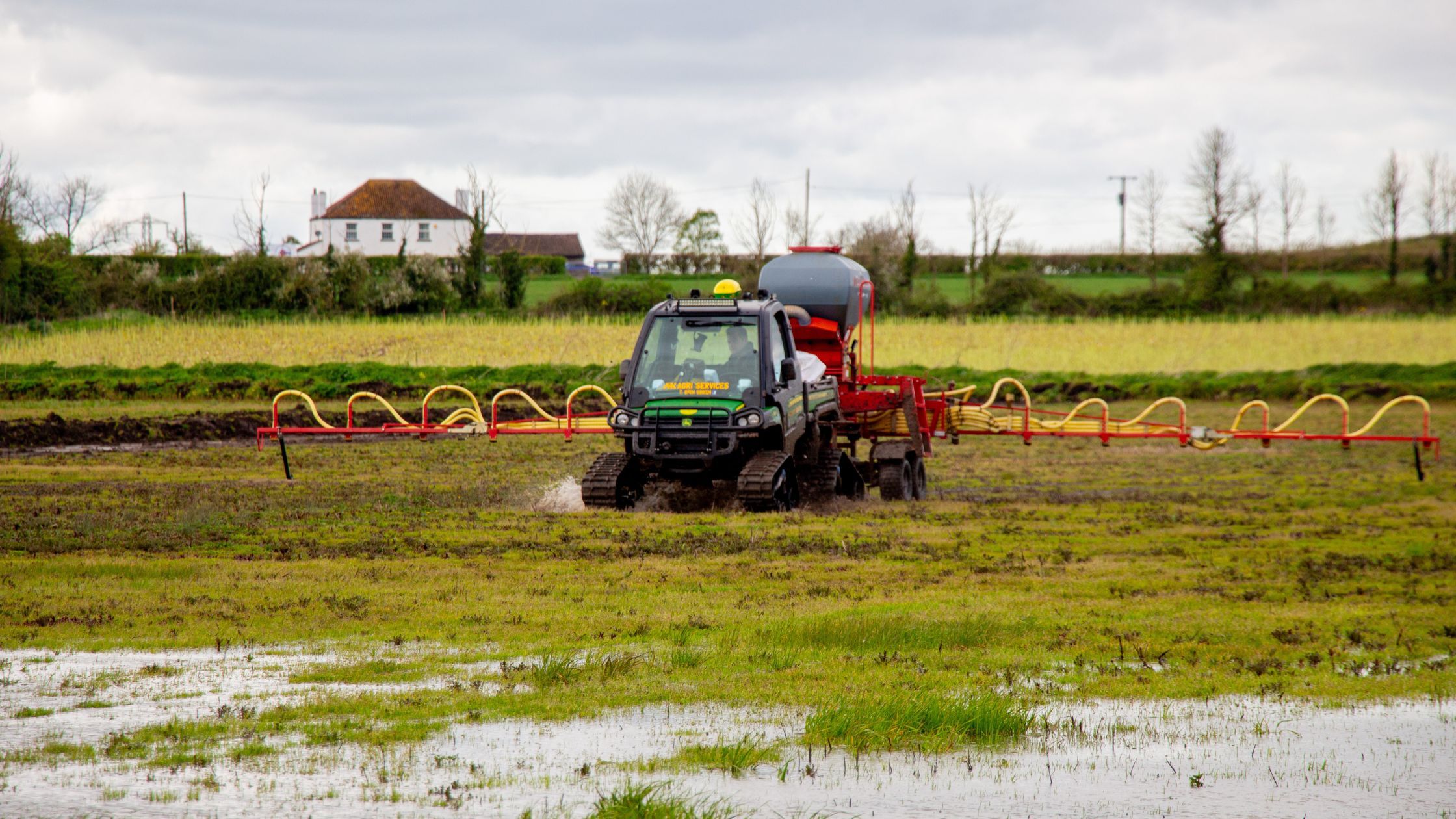
The PEF funded project Drone RePeat, led by AutoSpray Systems and Skypointe Ltd, working with DronePrep, Aerofirm and TAPSW (SEAD Artists) recently launched their project with a webinar “Introduction to the use of drones within Paludiculture” in which they demonstrate the integration of drone technology into agricultural practices and how this project will develop to demonstrate how drone technology can be used within lowland peat.

Read the full article here.

Verdesian Europe and Africa: Exploring BioStimulants – Demand, Growth & Challenges

Member News
Majd Hishmeh
The views expressed in this Member News article are the author's own and do not necessarily represent those of Agri-TechE.

Why Should It Matter?

To solve our climate challenge and protect nature we must embrace, transform, and accelerate innovation in agriculture. ​

As one of the largest greenhouse gas-emitting sectors of the global economy, with inorganic fertilisers accounting for 18% of ammonia pollution and agriculture responsible for 87% of nitrous oxide emissions, efforts to embrace biostimulant technology and solutions in our global food systems need to be at the heart of change.​

To reach our goals we must close the technology gap in agriculture, with new technologies and methods of producing food that protect nature.​

How Can We Make A Difference?

Biostimulants and sustainable farming are amazing and benefit everyone from manufacturers to consumers.​

​We need to move the grower’s mindset to embrace biostimulant advancement as an essential part of their program, needed to achieve world climate goals, crop quality, and ROI outcomes consistently with evidence of efficacy.

Europe is the current leader in the consumption of Biostimulants, sitting at 38%, whilst the US and Canada are at 13% consumption and the Middle East and Africa at 3% with high potential to increase in the Biostimulants sector to increase their quality and yield of their produce.

Global Bio-Stimulants Market

Europe – 38%

Asia – 28%

Latin America – 20%

US & Canada – 13%

Middle East & Africa – 3%

Protect And Nurture

People want to know the food they are eating is safe, and that the production of it is not harming the environment​.

It’s got to be affordable; the scales of the economy need to be high to meet affordability​.

Supermarkets are starting to enforce residue levels, pesticides, and other elements​, which is not the answer to a sustainable and green future.

For the industry to embrace, improve, and grow it needs an industry body that can create greater awareness and understanding​.

Embracing Bio-Stimulants

An example of how we can improve the industry can be seen with our CROP+ bio-stimulant which was successfully trialled with yellow kiwi (Variety G3):

The trial period was 21 days. Results were compared to non-treated crops​.

The 21-day duration of the trial was conducted through a heatwave.​

Fruit drop was successfully reduced by 14.5%, which was compared to untreated crops in the same trial​.

Yield was increased by 6.3 Tonnes per Hectare when compared to the untreated crop in the trial​.

The marketable fruit was increased by 7.6% when compared to the untreated crops​.

Overcoming Abiotic stress​

Furthermore, testing on CROP+ was done to investigate how it reacts to abiotic stress. Abiotic stress is the adverse effect of any abiotic factor (non-living) on a plant in a given environment, impacting plants’ growth and development.

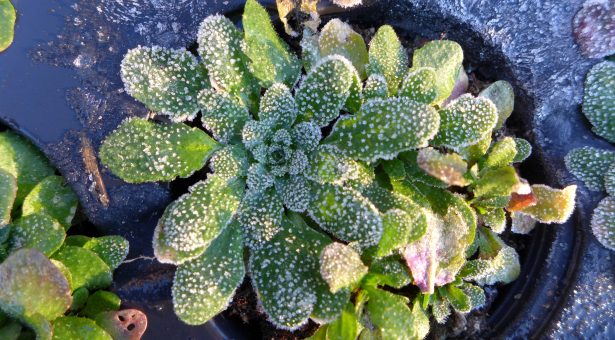
To determine the influence of cold stress; and the effect of use the bio-stimulant CROP+ had on chemical characteristics, two tomato fruit plants were subjected to low-temperature stress. ​

The plant on the right was treated with the Bio-Stimulant CROP+ (shown in Figure 1).​

2 weekly product applications were made to the tomato plant on the right, then both plants were exposed to -5 degrees for periods of 2 hours.​

It was successfully demonstrated that the anti-oxidant technology in CROP+ reduced abiotic stress​.

Key findings:

Improves flavour by increasing the soluble solids/acidity index on tomato fruits, even under water stress​.

Causes Improved quality of taste and sweetness of tomato​.

Leads to an Improvement in quality retained 9 days post-harvest​.

Biostimulant demand is Rising

Demand for Biostimulants is rising, which could have many negative effects on the environment, due to the byproducts of producing them.

S&P Global estimates the bio-stimulants market to be worth around US$2,556 million in 2021, growing at 10% per annum, indicating increasing global demand for bio-stimulants.​

Markets & Markets values the bio-stimulants market at USD 3.5 billion in 2022, projected to grow at a CAGR of 11.8% to reach USD 6.2 billion by 2027.

A log

What NUENeeds To Happen To meet the CAGR forecast​

Agricultural Challenges

Seaweed​

Global seaweed production has risen exponentially to 30Mton annually and could face production limitations​.

37% of bio-stimulants used globally contain seaweed extracts and represent $940m​.

Seaweed has potential as a direct food source for humans and animals, seaweed extracts are not only shown to boost abiotic stress resistance in crops but also to increase their nutritional value. ​

Overall crop yield could be increased by the application of seaweed extracts as bio-stimulants under normal and stress conditions.​

Humic & fulvic acid​

33% of bio-stimulants globally use coal extracts, and this represents $840m globally.​

Coal as a source of energy is damaging the global environment​.

The materials derived from coal are useful in agriculture as fertilisers, insecticides, disinfectants, herbicides, fungicides, fumigants, preservatives, plant-growth regulators, and food dyes. ​

Crop nutrition derived from coal provides phosphorus, calcium, and other nutrients that crops need to grow while increasing soils’ capacity to hold water​.

​Amino acids and Microbials​

30% of bio-stimulants used globally contain amino acids and microbials. Amino acid sources are marine, animal, and veg, which represent $800m globally.​

Amino acids and microbials can modulate gene expression and induce metabolic changes in treated crops​.

The most likely candidates for the biostimulant effects of AC & MB are the complex carbohydrate compounds found in these extracts.​

This is the future, but obstacles exist in the supply chain around the sources of amino acids and amongst industry regulators for microbials.​

Grower Adoption

US market growth is needed, as it is currently so small, and it holds the distinction of being the top producer in the world of maize. ​

The average size of a maize field in the US is around 4 times the size of the average French farm. The cost of facilitating a 2nd treatment/application is potentially inordinate and causing concern amongst growers regarding the retainable ROI​.

Biostimulants going forward must have a clear demonstratable ROI across the environment, climate, quality, and yield.​

Closing The Gap

To reach our projected CAGR and solve our climate challenges, while protecting nature, supermarkets must embrace, transform and help accelerate innovation in agriculture​.

As the preeminent link in the supply chain from manufacturer to consumer tier-one supermarkets need to take accountability and responsibility, by not creating regulations, policies, and procedures for their respective supply chains, outside of the industry, regulator, and consumer requirements​.

To reach our goals we must close the gap in agriculture, with new technologies and methods of producing food that maximise quality and protect nature.

Conclusions

Impact

Growers are unintentionally blocking the projected 11.8% CAGR, due to their compressed margins and the continued pressure to operate at a profit. ​

With many growers in single percentage ROI, they are forming cost-based views around the importance of Bio-Stimulants and sustainable farming. ​

Reduce

The retail sector of the supply chain is the key to overcoming this sustainable farming obstacle as they are the gateway and controller to the consumer. ​

This gives them the power to influence the grower in a sustainability and environmental direction. ​

Quality

The whole industry needs a collective independent body from the 500+ manufacturers within it, to create awareness and educate the retailers. ​

We need to help Retailers do the right thing in their supplier policies back to the growers, encouraging them to embrace our Bio-stimulant advancements and control what they should be doing in their farming practice​.

Agricultural Challenges | Summary

We must:

Collectively move the grower’s mindset​.

Embrace the next generation of technology and innovation.

Reverse our unintentional damage to the environment​.

Support and show commitment with tier-one supermarkets​.

Educate the supply chain​ and the Industry collective body needs to create awareness.

Have a clear ROI for Bio-stimulants going forward (environment, climate, quality, and yield)​.

Link To Presentation

You can find more information on this research in the link to our presentation:

Exploring Bio-Stimulants Presentation

SEAD Artists Webinar: Drone Repeat – Introduction to the use of drones within Paludiculture

Member News
The views expressed in this Member News article are the author's own and do not necessarily represent those of Agri-TechE.


Deploying the capability of drones as a combination of services to survey, spray and seed for both environmental and agricultural benefits – SEAD Artists

Watch the webinar here

Deploying the capability of drones as a combination of services to survey, spray and seed for both environmental and agricultural benefits – SEAD Artists

Our consortium is a winner of the Paludiculture Exploration Fund, and is developing a solution for the use of drones in this area. This introductory video focuses on 3 key parts: a) Drones That Do b) Scaling the Technology (long flights, multiple drones to one operator) c) Remote Sensing

Burleigh Dodds Science Publishing: Agriculture 2050 – The regenerative agriculture podcast

Member News
The views expressed in this Member News article are the author's own and do not necessarily represent those of Agri-TechE.

Burleigh Dodds Science Publishing are launching a regenerative agriculture podcast. Agriculture 2050 will aim to bridge the knowledge gap between science and its application through focussed discussions with a host of experts working within agriculture.

Through these discussions, listeners will hear about the following from some of the world’s most renowned experts working in agriculture:

• The emergence of regenerative agriculture as a sustainable solution to mitigating some of agriculture’s biggest challenges
• The latest advancements in new agricultural products and technologies developed as a means of contributing to achieving net-zero by 2050

Not sure what to expect from the podcast? Listen to the trailer here.

Follow and Subscribe to the podcast to be notified when the first episode will be released!
– X (@agri2050)
Spotify
Apple Podcasts
Amazon Music

Interested in featuring on the podcast or want to highlight a topic/theme that we haven’t yet covered? Contact us: pod@agriculture2050.com.

Verdesian Europe & Africa: How to use seed treatments to boost cereal crop production

Member News
The views expressed in this Member News article are the author's own and do not necessarily represent those of Agri-TechE.

What are seed treatments?

Seed treatments are products that farmers use in the earliest stages of their crops’ growth. Using a seed treatment such as Take Off PGA Biostimulant Seed Treatment and Tuxedo Micronutrient Seed Treatment means that seeds have stimulation from the earliest stage of the growth process, leading to better growth in the long term.

What does a seed treatment do?

A seed treatment does a few different things, including:

Increasing the mass of roots: Having a greater amount of mass in the roots of the crop means that the root collects more nutrients and water from the surrounding ground.
Improving photosynthesis efficiency: More efficient photosynthesis means a greater rate of growth, as the plant has more energy from the same resources.
Supporting nitrogen use: Seed treatments enable more efficient nitrogen transfer, which creates stronger roots and structures within the plant.
More hardy crops: Seed treatments create crops that are more resistant to shocks such as extreme temperature changes and waterlogged fields.

The benefits of using seed treatments

One of the biggest issues farmers face is the limit on the number of resources available for their growth as a business. For example, where a factory can always build in more capacity, a farm can’t always buy the next field. Using a seed treatment on your planted crops means that you increase your yields without spending more on expanding your land or planting more seeds.

Farmers also benefit as their plants are more resilient to the challenges of climate change. NASA forecasts that global temperatures are set to rise between 2.5 to 10 degrees Fahrenheit over the next century. Plants are very susceptible to changes and evolution in the local climate, which means that having a harvest that is more durable ensures that your business is protected from the worst of any climate impacts.

Try Take Off PGA & Tuxedo

If you’re a farmer considering seed treatments to improve your cereal crop output, try Take Off PGA and Tuxedo to discover the benefits of improving yields for your farm today.

CHAP: Shaping the Future of Sustainable, Healthy and Nutritious Food

Member News
The views expressed in this Member News article are the author's own and do not necessarily represent those of Agri-TechE.

Sustainable Farming Techniques

Sustainable agriculture focuses on practices designed to maintain the productivity and health of the land over time. Techniques such as crop rotation, cover cropping, and reduced tillage not only conserve soil health but also influence the nutritional content of food. These practices, by promoting biodiversity and soil fertility, can lead to crops that are potentially richer in nutrients. Crop Health and Protection (CHAP- one of the three Agri-TechE Centres) is committed to sustainable practices that enhance food nutritional quality while minimising environmental impact, and advocates for advances in integrated pest management as well as precision agriculture with projects like SprayBot and SLIMERS.

The Role of Plant-based Proteins

Plant-based diets are not only associated with lower environmental impact but also with improved health outcomes and lower environmental footprints. Foods like legumes, nuts, and whole grains are staples of a plant-based diet and are rich sources of fibre, vitamins, and minerals. By supporting the production of sustainable plant-based proteins, projects including Sustainable Lupins and Sustainable Legumes are contributing to a food system that supports both the planet’s health and our own. Achieving sustainable plant-based proteins within the UK’s production systems is a key part of CHAP’s portfolio of work, highlighting the important role of innovation and collaborative R&D in advancing the alternative protein sector for improved sustainability and productivity.

Nutrient Circularity in Agriculture


Another area of interest which the Agri-TechE Centres have been exploring as part of their New Innovations programme is nutrient circularity. Taking a controlled environment agriculture (CEA) and total controlled environment agriculture (TCEA) approach, there is potential for agricultural practices to produce crops with enhanced nutritional profiles in an environmentally conscious way and can lead to enhanced nutrient profiles in the food produced. Aeroponics increase a plants access to oxygen and nutrients, and CHAP’s collaboration with LettUs Grow on the Advanced Aeroponics project demonstrates how we can integrate tech into improving farming practices both in theory and on a commercial level

The Soil Microbiome’s Impact on Nutrition

The health of the soil microbiome is crucial for sustainable agriculture and can have an impact on the nutritional quality of crops. A diverse and healthy soil microbiome can improve plant growth, increase nutrient uptake, and enhance the nutritional content of crops. Research into the soil microbiome and its role in sustainable agriculture underscores the importance of maintaining soil health for the production of nutritious food.

Join the Conversation

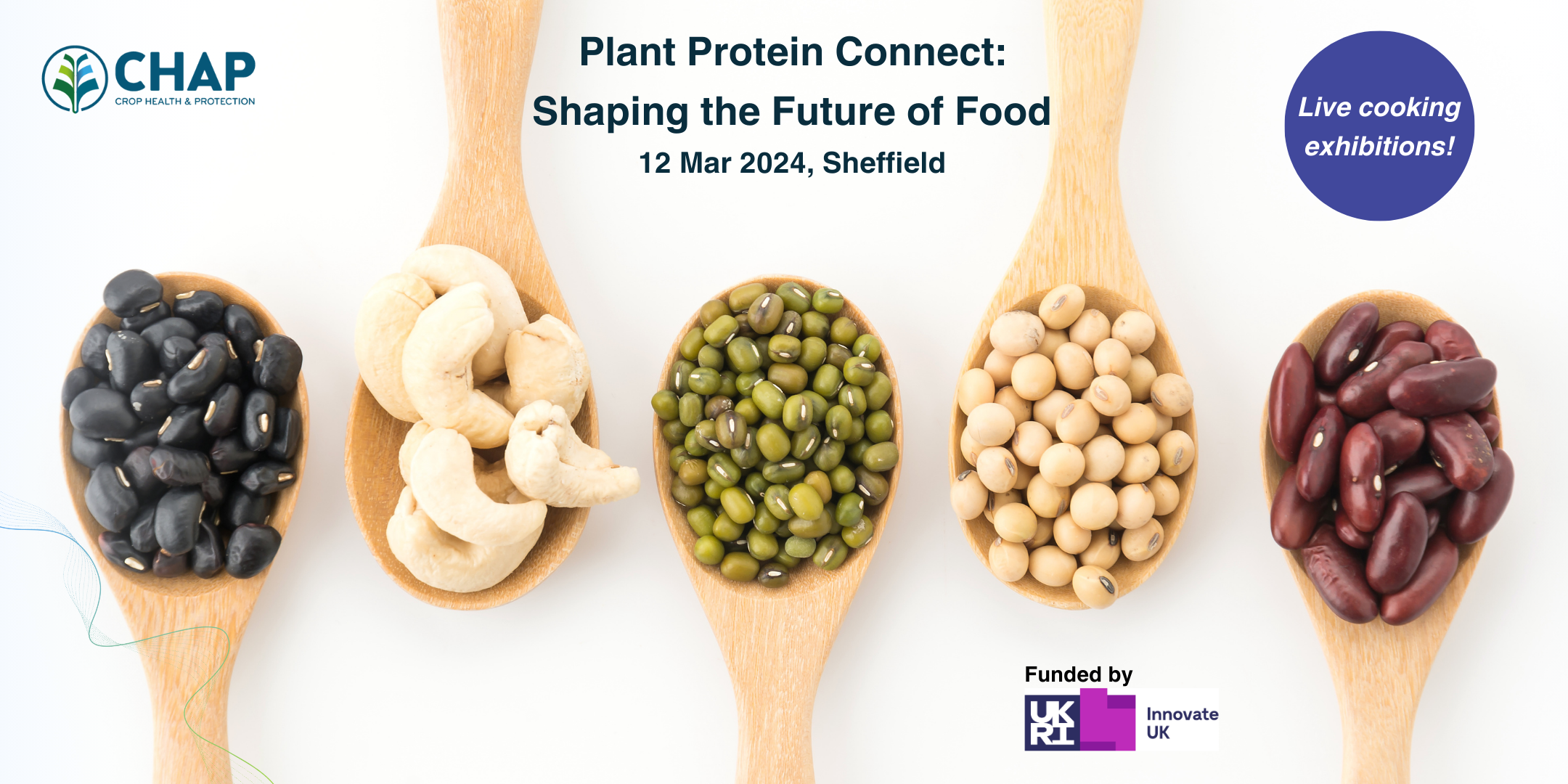
Innovation Sector Lead and alternative protein specialist Dr Réka Haraszi will be discussing the need for a varied sources of protein in the food supply chain, under-utilised crops and inviting delegates from across the sector to join the conversation at the Plant Protein Connect event in Sheffield on 12 March 2024. The event will focus on eliminating the barriers of collaboration within the plant-based protein sector in the UK.

Cranfield University Revolutionising flood and drought management: radar drones could redefine soil moisture monitoring

Member News
The views expressed in this Member News article are the author's own and do not necessarily represent those of Agri-TechE.
Drone based multi-based Synthetic Aperture Radar

Experts at Cranfield University are leading a two-year project which combines Synthetic Aperture Radar with uncrewed aerial vehicles (UAV).

Synthetic Aperture Radar (SAR) uses radio waves to make detailed images of the Earth’s surface. It bounces waves off objects, measures their return time, and combines the data to create a high-resolution map. The project, led by Dr Dan Evans , will assess the accuracy and potential applications of the innovative technology in soil moisture monitoring.

By obtaining detailed measurements of soil moisture at the field scale, the project seeks to improve flood and drought risk management, aiding farmers in making informed irrigation decisions and planning for extreme weather events. The technology could also find applications in testing the stability of railway embankments.

The project also aims to identify the effectiveness of radar-based soil moisture measurements across different land use contexts, including grasslands, arable farmlands, and woodlands.

In addition to Cranfield University , the collaboration includes Surveyar Ltd and other academic partners, with funding of £30,000 from the Douglas Bomford Trust.

Simplifying soil moisture measurements with radar-equipped drones

Traditional soil moisture measurements are often labour-intensive, time-consuming, and costly. In contrast, the radar-equipped drones provide continuous, cost-effective measurements of soil moisture up to 40 centimetres deep, a critical depth for plant growth and yield. While preliminary findings suggest that UAV-based radar is effective at assessing soil moisture, the project will investigate the impact that above-ground vegetation has on the accuracy of these moisture data across different land use contexts.

Cranfield University, along with partner institutions including the University of Stirling and the University of Missouri, will compare the UAV-based radar data with conventional ground-based measurements to validate the accuracy of UAV radar in comparison to existing methods. If successful, the technology could be expanded for applications such as biomass mapping and yield measurements.

Dr Dan Evans, Lecturer in Soil Formation at Cranfield University, said the project would seek to push the boundaries of radar technology by harnessing the power of UAVs.

“Through mounting synthetic aperture radar onto drones, we can conduct comprehensive radar surveys of fields, providing us with detailed measurements of soil moisture. This has significant implications for managing flooding and drought risks. With increasingly warm summers and the threat of extreme weather events, monitoring soil moisture becomes crucial for optimising irrigation practices and mitigating the impact of flooding.

“Our goal is to validate the accuracy of UAV radar in comparison to traditional methods, paving the way for scalable and cost-effective soil moisture monitoring solutions.

“This technology has immense potential not only for agriculture but also for environmental monitoring, biomass mapping, and yield measurement.”

Verdesian Europe and Africa: Major benefits of using Advance 66 & NutriSphere NL

Member News
The views expressed in this Member News article are the author's own and do not necessarily represent those of Agri-TechE.

What is Advance 66?

Advance 66 with added zinc is a foliar biostimulant designed to make sure that your crops use the nutrients they receive more efficiently. It has been shown to significantly increase the production of the key enzyme nitrate reductase and hormone cis-zeatin leading to a 30% increase in root mass in cereal crops with improved nutrient uptake from the soil to the plant.

What are the benefits of using Advance 66?

Advance 66 offers a range of benefits, following the Verdesian model of enabling a sustainable future for farmers through nutrient use efficiency. Just some of the benefits of Advance 66 include:

Root mass: Cereal crops have demonstrated a 30% increase in root mass improving the stability and growth of crops.

Increasing nitrogen: The ability to increase the production within the plant of the key enzyme nitrate reductase increases both the availability and utilisation for the plant of applied nitrogen.

Greater yields: With healthier plants growing more efficiently, your crop yields increase with Advance 66.

What is NutriSphere NL?

NutriSphere NL is an effective tool that limits nitrogen loss in the soil due to leaching and volatilisation. This water-soluble product stabilises nitrogen in the soil, working effectively with liquid nitrogen fertiliser like UAN to ensure more effective crop growth.

The benefits of NutriSphere NL

Nitrogen significantly increases and enhances the yield of crops, so it’s important to consider using a product like NutriSphere NL. Its benefit include:

Environment: Provides the opportunity to increase yield with a lighter environmental touch. Various independent studies have proven NutriSphere NL to have no effect on earthworms, fish, aquatic organisms or the soil biome.

Sustainable growth: Nitrogen is more available from the very start of the growing process to ensure improved crop establishment.

Limiting ammonia loss: Plants utilise applied nitrogen more efficiently providing potential for improved growth and crop quality.

Enhancing your crops

Focusing on enhancement products such as these is ultimately beneficial for your farm and your return on investment. You have a significantly greater revenue ceiling in terms of both better crop quality and yield. Furthermore, farming is facing significant climatic issues such as droughts and flooding which have the ability to reduce final yield and crop quality at the end of the year. Utilising Verdesian technologies such as Advance 66 and Nutrisphere NL can assist in reducing the potential impact from these adverse climatic conditions and at the same time help to reduce environmental impact.

Consider Verdesian

If you have an interest in maximising your crop outup and taking care of the environment, take a look at Verdesian’s range of products, including Advance 66 and NutriSphere NL. With these, you have a better chance of reaching your yield goals and growing the best crops possible year in, year out. Look through the Verdesian range today to learn more.

Cranfield University: £13 million for biotechnology research to address environmental challenges

Member News
The views expressed in this Member News article are the author's own and do not necessarily represent those of Agri-TechE.
  • New research group is first of its kind in the UK
  • Researchers from ten universities will advance functions of micro-organisms
  • Micro-organisms have ‘superhero’ qualities that will help tackle pollutants

A new research centre, the first of its kind in the UK, is being formed to enhance and develop the natural abilities of micro-organisms in cleaning up our planet. Tackling environmental pollutants and waste using microbes, the new centre is being established with £13 million of funding from UK Research and Innovation’s Technology Missions Fund and support from the Biotechnology and Biological Sciences Research Council .

The Environmental Biotechnology Innovation Centre (EBIC), led by Cranfield University, brings together scientists from ten leading UK institutions in a mission to advance the properties and functions of micro-organisms, creating more effective ways to monitor the environment and remove pollutants.

Enormous potential of tiny ‘superhero’ micro-organisms

“They may be tiny, but micro-organisms have ‘superhero’ properties which give them enormous potential to have a positive impact on our world,” says Frederic Coulon, Professor of Environmental Chemistry and Microbiology at Cranfield University and EBIC Project Lead.

“Using advanced technologies, the research team will create entirely new organisms or enhance the functions of existing ones. By doing this, we can design micro-organisms that are better suited for environmental tasks like converting waste into valuable resources.”

Research from lab to field applications

Working together from lab to field applications, scientists involved in the five-year project will examine ways to develop micro-organisms to target and mitigate negative impacts from polluting substances like plastic waste, hydrocarbons, metals and oil. Micro-organisms will not only be used to clean up hazardous and toxic pollutants from the environment, but also to help regenerate or recycle waste.

Cutting-edge techniques from synthetic biology, biotechnology and environmental engineering will be used. With a focus on responsible and ethical research practices, the research team is set to examine and develop new ways to tackle three key areas:

1. Next-generation biosensing for environmental monitoring and surveillance

2. Bioremediation targeting environmental pollutants, promoting cleaner and healthier ecosystems

3. Enhanced wastewater and waste management to improve resource recovery, optimise treatment processes and reduce waste generation

Critical technology to address challenges

Engineering biology is identified as one of the UK Government’s five critical technologies in its Science and Technology Framework .

Professor Leon A. Terry, Pro-Vice Chancellor for Research and Innovation at Cranfield University commented: “This new research centre is set to bring together some of the UK’s leading experts in biotechnology to create a world-class hub of excellence. Working closely with industry and focused on real-world applications, the research will develop a creative and sustainable way to address some of our most pressing environmental challenges.”

Cranfield is working with nine other universities on this project: Brunel University London, the University of Essex, Bangor University, the University of Edinburgh, the University of Southampton, the University of East Anglia, the University of Glasgow, Heriot-Watt University and Newcastle University.