Patenting, Trademarks, Copyright, Trade Secrets...
In the next installment of our micro-learning series, we’ll explore potential legal solutions to help you keep your ideas safe and sound.

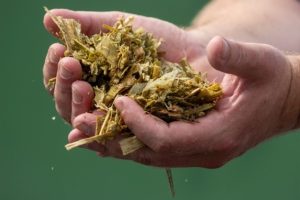
Why a fodder budget is essential this winter

Member News
The views expressed in this Member News article are the author's own and do not necessarily represent those of Agri-TechE.
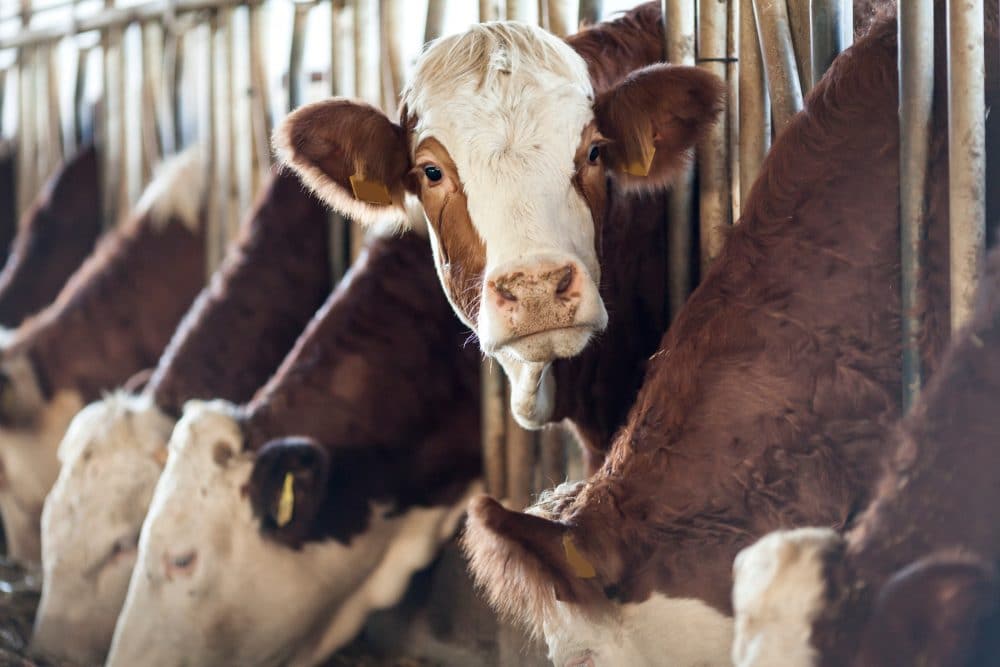
Don’t go into winter without conducting a fodder budget, Barenbrug has advised, following the challenging weather events that have played havoc with silage reserves across the country.

Janet Montgomery, Barenbrug’s agriculture product manager, says that with both quality and quantity affected by this year’s weather, it is essential to assess forage reserves to ensure they’re sufficient for the winter ahead.

“Will it last? Will it provide the performance you need?” Janet asks. “You need to work out those answers and act accordingly.

“We’re not facing an emergency, but neither is there 100% confidence that the country has sufficient forage quantities and qualities.

“There is a chance that feed will be short. But if you act now, and plan, then you won’t get caught out later,” she suggests.

Dry cows and milkers will need up to 1.5t of silage per month, Janet points out. “The first step should be to check how much you have, and whether it’s enough for the winter months. And to do that effectively, you also need to decide now the condition in which you want to leave pastures at the end of 2024.

“There’s always a risk in assuming that pastures will ‘come back’ in time for spring. Ask too much of them during the critical autumn period – for example, by not managing residuals properly, or not indexing fields to prioritise grazing, or reseeding – and they won’t be ready for you in 2025. Then your fodder budget will have been for naught.

“But protect them, and pastures will pay you back handsomely.”

To measure approximate quantities in the clamp, multiply length of the pit by width by average height to calculate the silage volume. Divide that figure by 1.35 for the amount in fresh tonnes. Then take the average silage requirement per day and multiply that by the number of animals to feed, by the number of feeding days required.

“You’ll then be able to compare demand and supply of silage, and see if there’s likely to be a deficit.”

It’s best to assume that winter will be difficult, Janet says, so plan for the worst. “If you’re conservative about when to house the cows, even if it means breaking into the clamp earlier, there’s a good chance that the grass will be ready when you want it.”

Quantity’s one thing, but there are also questions about the quality of much of this year’s silage, with late cuts in particular displaying low biomass and nutritional content.

“If there’s one time you don’t want to merely estimate silage quality, it’s now,” Janet stresses. “You really need to know what you’re feeding, so the second step is to test and analyse your silage, and to calculate your dry matter content. Then you’ll know what supplements you’ll require and can plan accordingly.

“Yes, bought-in supplements will always be more expensive than home-grown feed but by knowing exactly what you will need to balance energy and protein, to maintain your performance targets, you can plan ahead and map out your options in good time.

“Treat the 24/25 fodder budget as a ‘must do’, not an optional extra. It’s worth a bit of time now to ensure you can make it through the winter comfortably, without watching performance tail off.”

CEA as a Technology Proving Ground with LettUs Grow

Member News
The views expressed in this Member News article are the author's own and do not necessarily represent those of Agri-TechE.

As part of our “Back to the Future” project, we’re asking Agri-TechE members to reflect on how the agri-tech industry has evolved over the past decade and to share their vision for the next ten years. By compiling these insights, we aim to create a powerful outlook on the future of agriculture, a compelling call to arms for the industry driven by the diverse perspectives of our community.

This submission is part of the collection of reflections and predictions from our members, offering unique perspectives on the industry’s past milestones and future directions. Each contribution adds to a broader dialogue about the innovations and challenges that will shape the next decade in agri-tech.


Introduction to Jack Farmer & LettUs Grow

Jack is a plant scientist and specialist in aeroponic irrigation systems and their application within controlled environment agriculture (CEA). He co-founded LettUs Grow alongside Ben & Charlie back in 2015 to contribute to the development of controlled environment horticulture and their vision for a sustainable food system for people and planet.

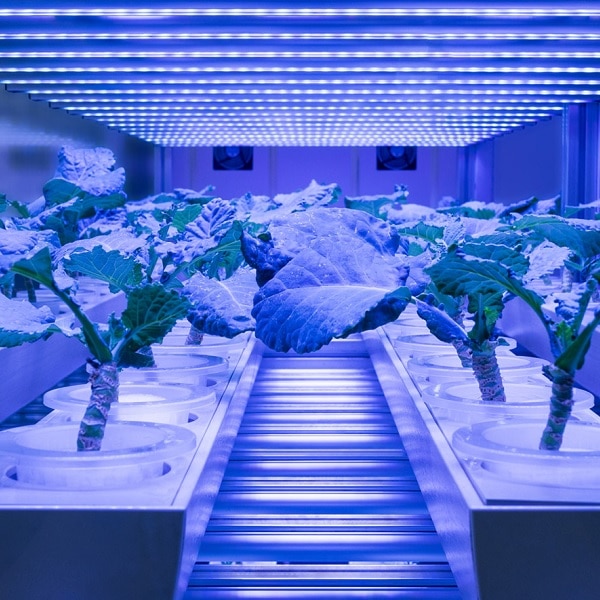
LettUs Grow is an innovative agricultural technology provider based in Bristol, UK. They believe that careful innovation in farming can make the world a better place. LettUs Grow’s ultrasonic aeroponic irrigation systems allow growers to increase productivity & efficiency whilst minimising environmental impact.

Outside of the day-to-day Jack is passionate about the use of agriculture, ecology, and the circular economy to bring about a more sustainable future. He is always looking to promote cross-industry collaborations based on sound science, climate impact and evidence.

What do you think is the game-changing tech development we’ve seen in the last 10 years?

The first thing to state regarding the CEA industry is that it’s a remarkably innovative and strong performer in terms of productivity and financial performance within wider agriculture: operating with minimal subsidy within a UK context. The majority of tech development within the sector is by design around chasing incremental performance improvements – the 5 – 20% increases in yield, quality and/or growth rate that together lead to significantly higher yields overall. This is true across high-tech glasshouse and vertical farming, alongside to an appropriate extent across medium-tech vented polytunnels.

Beyond our innovations in the root zone, alongside peers such as Molear, I would give a shout out to tech companies such as Vivent, 2Grow and Gardin in bringing cost effective biometric sensors to the industry that allow us growers and plant scientists to evaluate crop behaviour and productivity in real-time, rather than waiting harvest to harvest. This is genuinely useful tech and rapidly reduces the time required to take crop steering decisions – empowering a grower to deploy their expertise over a wider area with less (but still many) crop walks.

What’s the biggest challenge to widespread adoption?

Technology adoption in our industry is by its very nature, slow, as almost everything new and useful has hardware involved. Growers have been sold yield-boosting promises since the dawn of time, so naturally most have to trial a technology before major adoption, which slows down progress. This means that all agritech startups need to keep their costs low, minimise overheads and find the fastest, cheapest path to getting their actually novel tech into grower hands – likely by outsourcing manufacture to an existing incumbent.

Lastly, being a tough (low margin) business, there isn’t a massive slush fund for most growers to spend on R&D and/or tech. Hopefully this will be addressed in the future with more government funds being directed to growers to trial technology and validate its performance. There is really good pathways for funding (public and private) technologies to commercial readiness, now we need to see actual state funding for UK growers to trial them – if the tech work this will validate mass adoption, improved performance, and advance the competitiveness of our whole UK industry.

What do you think is the most exciting thing we’ll see in 10 years’ time?

Whilst so far this has focused on plant-level technologies that improve productivity, the genuinely disruptive technology that seems ready to come down the track in the next decade is most likely semi-autonomous robotics entering the CEA growing operation – matching the existing expertise in packhouse automation. Once these machines are in operation and becoming competitive with seasonal labour then this dramatically reduces the exposure of the industry to the vagaries of the international labour market.

As with all new technology, growers will need to keep a very keen eye on keeping many competitors in the market to prevent any provider forming a monopoly – particularly if the government uses these innovations as an excuse to minimise seasonal labour visas. Leasing of robots also could prove a useful model (particularly for the startups) but may expose growers to longer term price inflation, versus the high CapEx of robot acquisition once the tech is mature enough. It will be very interesting to see how this plays out!

Understanding Technology Use Cases with eg technology

Member News
The views expressed in this Member News article are the author's own and do not necessarily represent those of Agri-TechE.

As part of our “Back to the Future” project, we’re asking Agri-TechE members to reflect on how the agri-tech industry has evolved over the past decade and to share their vision for the next ten years. By compiling these insights, we aim to create a powerful outlook on the future of agriculture, a compelling call to arms for the industry driven by the diverse perspectives of our community.

This submission is part of the collection of reflections and predictions from our members, offering unique perspectives on the industry’s past milestones and future directions. Each contribution adds to a broader dialogue about the innovations and challenges that will shape the next decade in agri-tech.

Shaping the Future of Farming with Yagro Ltd

Member News
The views expressed in this Member News article are the author's own and do not necessarily represent those of Agri-TechE.

As part of our “Back to the Future” project, we’re asking Agri-TechE members to reflect on how the agri-tech industry has evolved over the past decade and to share their vision for the next ten years. By compiling these insights, we aim to create a powerful outlook on the future of agriculture, a compelling call to arms for the industry driven by the diverse perspectives of our community.

This submission is part of the collection of reflections and predictions from our members, offering unique perspectives on the industry’s past milestones and future directions. Each contribution adds to a broader dialogue about the innovations and challenges that will shape the next decade in agri-tech.


Leveraging AI for Next Generation Data Analysis & Insights

Modern agriculture, powered by cutting-edge hardware and innovative software, has reshaped the way farmers make decisions and manage resources. Data, technology and innovation are key to transforming our agri-food systems to meet today’s goals of increasing production while reducing environmental impact and maintaining profitability.

The shift towards digital solutions marks a significant leap forward, though it is not purely about adopting new technologies. It’s also about harnessing the value of pre-existing data to make farming more sustainable and efficient.

But herein lies the challenge: how do you manage the exponential growth in the complexity and volume of data?

Luckily, agriculture is not answering this question alone. The world is awash in data, causing a seismic shift in virtually every industry.

In this context, the most game-changing technology over the past 10 years has been the emergence of accessible AI. Sparked by the release of ChatGPT towards the end of 2022, we’re experiencing a pivotal moment where AI can improve efficiency and productivity on an unprecedented scale. Truly a transformative moment of innovation.

This article explores how combining the potential of AI with the present value of advanced farm data analytics is not just theoretical but increasingly practical, offering new ways to enhance farm management and decision-making.


The Evolution of AI

In recent years, AI and related technologies (such as machine learning) have made remarkable progress, triggering waves of innovation and disruption. Examples include Large Language Models (voice assistants like Siri and Alexa), autonomous vehicles and generative AI. In agriculture, there are already implications for precision farming, robotics and farm management software.

Artificial Intelligence is becoming increasingly mainstream, used by companies of all sizes and for everyday tasks.

Although, despite the immense potential, widespread adoption has been hampered by challenges such as cost, complexity, trust and the quality of data required. AI has long been deemed difficult and distant. High initial costs, coupled with steep learning curves and the need for high-quality data to train AI models effectively, were perceived as some of the main challenges. These are now diminishing.

Our industry requires solutions that not only capture and process data, but also understand and adapt to the specifics of agricultural data: variability in breadth and depth, seasonality, geographical context and sensitivity to environmental factors.

YAGRO is taking the lead on data quality and accessibility. Our Data Ingestion Engine is designed to clean, verify and organise farm data from a wide range of sources and types. This not only empowers farmers with more accurate insights, but also has the capacity to provide a rich learning environment for AI algorithms to create new opportunities.


The Future of Farm Data

AI opens up many possibilities in agriculture, building upon advancements in data collection and analysis to enable accurate, real-time decision-making in the field.

Advanced farm data analytics is already providing farmers with the insights they need to succeed in an increasingly digital landscape. Tools like YAGRO’s Tracker transform farm records into actionable insights by providing clean and accurate analysis around in-season spending, helping farmers protect their Gross Margin and associate costs with each decision. Essential components of accurate farm benchmarking.

The power of AI will further improve data analysis and revolutionise the way farmers interact with their data.

Imagine a future where conversing with your data becomes second nature. Conversational AI is one of the most exciting practical prospects for agriculture: the potential for farmers to talk with their data… interacting with their datasets, asking questions, and receiving real-time insights.

Imagine asking “What impact is my nutritional strategy having on this field?” and instantly receiving a response detailing the previous application dates and rates, plus historical data around previous yields, offtake, etc…

This capability promises to transform decision-making processes, empowering farmers with unprecedented levels of knowledge and control in the field – Instantly.

This may seem like fairytale today, something that should be made to be believed. But with the exponential curve of technology, it’s likely this future isn’t too far away.


Conclusion

The next decade will see AI, farm data, and accessible advanced analytics come together to redefine agricultural productivity, sustainability and profitability.

YAGRO is at the forefront of this innovation, shaping data-driven solutions to thrive in the agricultural landscape of today and tomorrow.

Gene Editing and EU Regulations – a patent attorney’s perspective

Member News
The views expressed in this Member News article are the author's own and do not necessarily represent those of Agri-TechE.

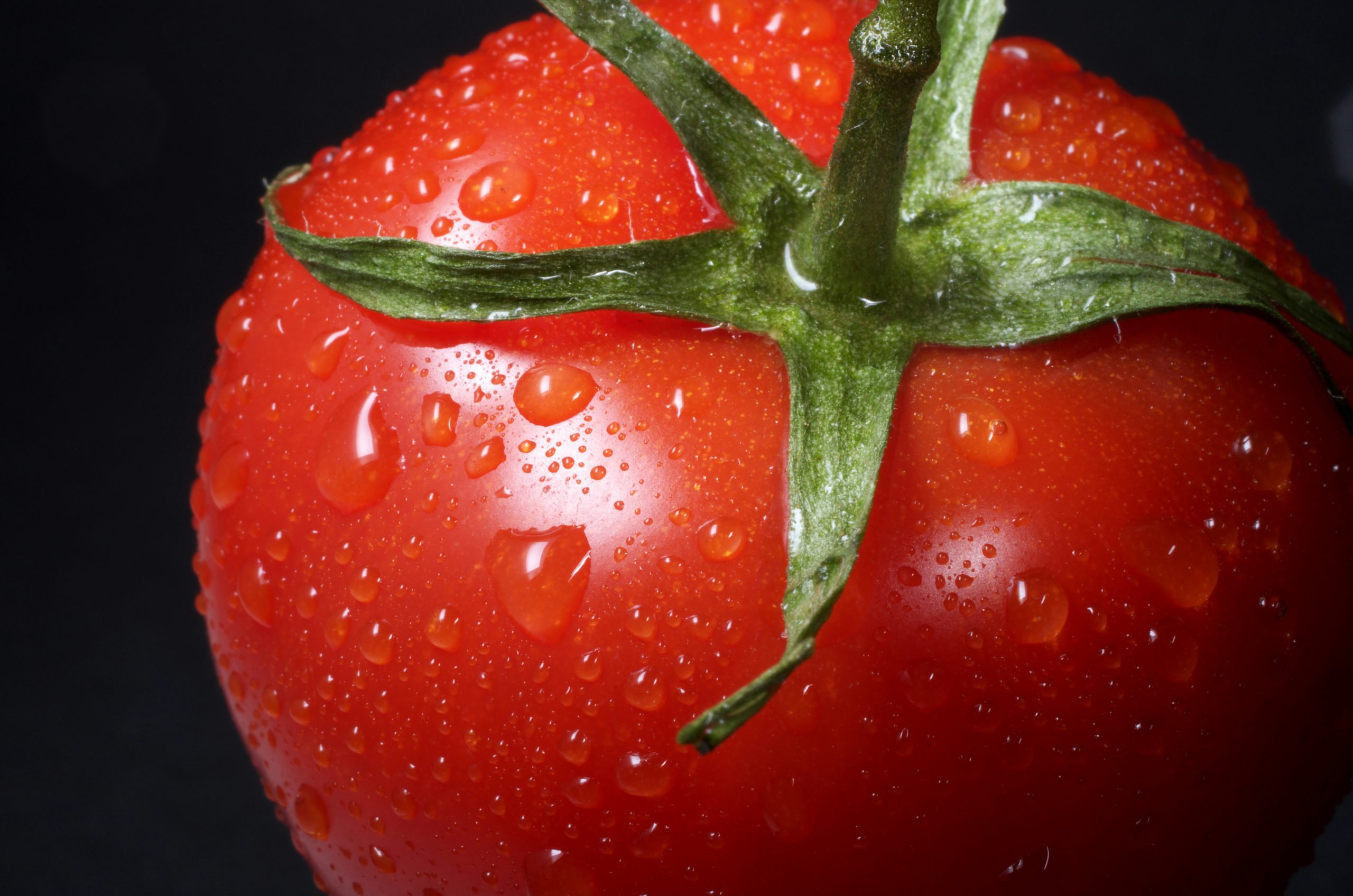
Ten years ago gene editing plants was far from commonplace – indeed, the first CRISPR edited mammalian cells had only just been achieved. Fast-forward ten years and a search for gene edited crops lists numerous successful trials, from GABA-enriched tomatoes for better sleep to disease resistant risotto rice. The possibilities for gene editing to transform agriculture, initially at least, seemed limitless.

As a partner at a European intellectual property (IP) firm, and head of the Agritech Biotech practice, I’ve been closely following the ongoing developments regarding gene-edited plants and crops in the European Union. There’s been considerable confusion and misinformation circulating about the legal status of these innovations. In the following article I will clarify the current situation and discuss potential future changes.

A patent attorney’s perspective: by Andrea Williams, Partner at Marks & Clerk

Tomato unsplash
risotto rice Unsplash

Contrary to popular belief, gene-edited plants are not banned or illegal in the European Union. However, they are currently classified as Genetically Modified Organisms (GMOs) and subject to the same stringent regulatory framework. This classification stems from a 2018 European Court of Justice ruling, which determined that organisms obtained by new mutagenesis techniques should fall under the GMO Directive.

While this doesn’t constitute an outright ban, it can present significant hurdles for bringing gene-edited crops to market in the EU. The regulatory approval process for GMOs is exceptionally rigorous, involving extensive risk assessments and safety evaluations. As a result, only a handful of GMO crops have been approved for cultivation in the EU to date.

Regulatory hurdles aside, it is crucial to understand that – at the moment – companies can still obtain patent protection for their gene-editing innovations in Europe. Put simply, the issue lies not in intellectual property protection, but in the ability to commercialise these products due to the regulatory landscape.

Encouragingly, the European Commission has recently put forward a proposal to relax the regulatory approval process for certain gene-edited plants. This proposal aims to create a more favourable environment for innovation in agricultural biotechnology while maintaining safety standards.

However, and to the surprise of many of us in the intellectual property field, the European Parliament, while agreeing to relaxing the regulatory process, suggested that there should, in addition, be a ban on patenting gene-edited plants. Unsurprisingly, this potential ban has sparked considerable debate within the intellectual property and particularly agritech start-up communities.

As a patent attorney, I have serious concerns about the implications of such a ban. While the intention may be to promote access and prevent monopolisation, it seems difficult to conceive how a ban would not ultimately stifle innovation and investment in this critical field.

Patents in particular play a crucial role in incentivising research and development, particularly in fields like biotechnology that require a substantial upfront investment. In the context of gene-edited crops, a patent can protect groundbreaking innovations that have the potential to address global challenges such as food security, climate change adaptation, and sustainable agriculture. For example:

  1. Drought-resistant crops: Gene editing techniques could be used to develop plants with improved tolerance to water stress, helping farmers maintain yields in increasingly arid conditions.
  2. Pest-resistant varieties: By enhancing a plant’s natural immune responses, gene editing could reduce the need for chemical pesticides, benefiting both farmers and the environment.

Without patent protection, companies may be reluctant to invest in developing these crucial technologies, potentially slowing progress in addressing urgent agricultural challenges.

Rather than an outright ban on patents for gene-edited plants, a more nuanced approach could better serve the interests of innovation, farmers, and society at large. One potential solution is the expansion of the “breeder’s exemption” across all EU national patent laws.

The breeder’s exemption, which already exists in Plant Variety Rights (PVR) legislation, allows breeders to use protected varieties as starting material to develop new varieties without infringing on the rights of the PVR holder. Implementing a similar exemption in patent law could strike a balance between protecting innovators’ rights and ensuring access to genetic resources for further breeding and development.

As the debate over gene editing and patent protection continues in the EU, it’s essential to consider the long-term implications of any regulatory changes. While concerns about monopolisation and access are valid, we must be careful not to implement policies that could inadvertently hinder innovation in this critical field.

A thoughtful, balanced approach that protects intellectual property rights while promoting access and competition is crucial for fostering innovation in agricultural biotechnology. As patent attorneys, we have a responsibility to contribute our expertise to this ongoing dialogue and help shape policies that will drive progress in sustainable agriculture for years to come.

Be Inspired by Soils with Cranfield University

Member News
The views expressed in this Member News article are the author's own and do not necessarily represent those of Agri-TechE.

As part of our “Back to the Future” project, we’re asking Agri-TechE members to reflect on how the agri-tech industry has evolved over the past decade and to share their vision for the next ten years. By compiling these insights, we aim to create a powerful outlook on the future of agriculture, a compelling call to arms for the industry driven by the diverse perspectives of our community.

This submission is part of the collection of reflections and predictions from our members, offering unique perspectives on the industry’s past milestones and future directions. Each contribution adds to a broader dialogue about the innovations and challenges that will shape the next decade in agri-tech.

Back to the Future with Cranfield University

Futureproofing for Innovation with Birkett Long

Member News
The views expressed in this Member News article are the author's own and do not necessarily represent those of Agri-TechE.

As part of our “Back to the Future” project, we’re asking Agri-TechE members to reflect on how the agri-tech industry has evolved over the past decade and to share their vision for the next ten years. By compiling these insights, we aim to create a powerful outlook on the future of agriculture, a compelling call to arms for the industry driven by the diverse perspectives of our community.

This submission is part of the collection of reflections and predictions from our members, offering unique perspectives on the industry’s past milestones and future directions. Each contribution adds to a broader dialogue about the innovations and challenges that will shape the next decade in agri-tech.

Back to the Future with Birkett Long

Collaboration to Enable Change with ARU Writtle

Member News
The views expressed in this Member News article are the author's own and do not necessarily represent those of Agri-TechE.

As part of our “Back to the Future” project, we’re asking Agri-TechE members to reflect on how the agri-tech industry has evolved over the past decade and to share their vision for the next ten years. By compiling these insights, we aim to create a powerful outlook on the future of agriculture, a compelling call to arms for the industry driven by the diverse perspectives of our community.

This submission is part of the collection of reflections and predictions from our members, offering unique perspectives on the industry’s past milestones and future directions. Each contribution adds to a broader dialogue about the innovations and challenges that will shape the next decade in agri-tech.

Back to the Future with ARU Writtle

Agri-TechE Corporate Financing with Citicourt & Co

Member News
The views expressed in this Member News article are the author's own and do not necessarily represent those of Agri-TechE.

As part of our “Back to the Future” project, we’re asking Agri-TechE members to reflect on how the agri-tech industry has evolved over the past decade and to share their vision for the next ten years. By compiling these insights, we aim to create a powerful outlook on the future of agriculture, a compelling call to arms for the industry driven by the diverse perspectives of our community.

This submission is part of the collection of reflections and predictions from our members, offering unique perspectives on the industry’s past milestones and future directions. Each contribution adds to a broader dialogue about the innovations and challenges that will shape the next decade in agri-tech.

Back to the Future with Citicourt & Co

Increased funding for sustainable pulse crops in the UK

Member News
The views expressed in this Member News article are the author's own and do not necessarily represent those of Agri-TechE.

A consortium of four UK research organisations led by the John Innes Centre has won £3m Defra funding to enable the development of climate resilient legume crops.

The Pulse Crop Genetic Improvement Network (PCGIN) which started in 2008, has received the funding boost for the next five years.

The money will support PCGIN-affiliated researchers and its stakeholder network in delivering its mission: to provide improved breeding material for the cultivation of peas, beans and other pulses in the UK.

Pulse crops are an important alternative protein source, and their cultivation improves soils in rotation schemes, reducing the need for nitrogen fertilizer.

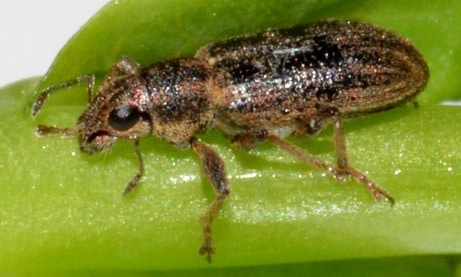
The research will address existing and new threats from pests and diseases, such as root rot in pea and bruchid beetle in faba bean. It will also target nutritional traits such as protein content, minerals and flavour components.

Professor Janneke Balk, group leader at the John Innes Centre and co-lead of PCGIN said: “Over the last 17 years PCGIN has made critical contributions to pea and faba bean development that are now close to being brought to market. In the new funding phase, we will expand our research to lentil and common bean, which could be grown more widely in the future as we see higher temperatures in the UK.”

PCGIN, led by the John Innes Centre, is in collaboration with the University of Reading, Niab in Cambridge, the Institute of Biological, Environmental and Rural Sciences (IBERS) at Aberystwyth University, and PGRO, the Processors and Growers Research Organisation, Peterborough.

The consortium will also look at future climate impacts on UK pulse crops using models from the Met Office. In addition to conventional genetic improvement, gene editing methods will be developed for pea and faba bean.

Dr Sanu Arora, group leader at the John Innes Centre and co-lead of PCGIN, said: “The next five years are key for developing new pulse crops for the UK. We need to work closely with farmers and growers to ensure that our research is targeting the traits that they need in their fields.”

Climate change poses an enormous threat to agriculture, both in the UK and around the world. Legumes, including peas, beans and lentils have a major environmental benefit because they can harvest, or fix, nitrogen from the air with the help of symbiotic bacteria in the soil. This means that they can be grown without the need for inorganic sources of nitrogen, in the form of fertilisers, which have a damaging impact on biodiversity and contribute to greenhouse gas emissions.

Nearly half of the protein in the human diet comes from plants, mostly pulses. The protein composition is different from animal protein, and less ideal for essential amino acids. Understanding the genetic basis of variation in protein enables breeding for better varieties with a more nutritious content, or properties suitable for plant-based alternatives of meat.

PCGIN will invest in gene-editing of pea and faba bean to accelerate genetic improvement and will develop new genetic resources. The latter includes resources to enable cultivation of lentils and Phaseolus (baked beans) in the UK and address questions such as: what types of genetic variation do we need to ensure resistance to local pests and diseases?

Dr Donal O’Sullivan, PCGIN collaborator at the University of Reading said: “This new phase of PCGIN comes at a critical juncture where we need to address the twin challenges of meeting growing demand for sustainably produced plant protein and at the same time mitigating the negative impacts of climate change.”

“Critically, it also enables the training of a new cohort of highly skilled pulse geneticists and brings together complementary skills and capabilities of the partners in a strong national network dedicated to maximizing the health and sustainability opportunities represented by our pulse crops.”

Dr Catherine Howarth, PCGIN collaborator at IBERS, said: “This is a fantastic opportunity to develop tools and genetic resources to enhance resilience to climate change in legumes such as peas and beans using the precision phenotyping platforms available at IBERS. These nitrogen fixing crops provide novel cropping options to enhance environmental sustainability and agrobiodiversity in the UK.”


PCGIN Fact File 

  • PCGIN 2024 – 2029 includes new objectives on climate change relevant to pulse crops in the UK and precision breeding (gene editing);
  • From its inception in 2008 until 2024 this PCGIN was led by Professor Claire Domoney, of the John Innes Centre.
  • PCGIN is managed by the John Innes Centre in collaboration with the University of Reading, Niab, Institute of Biological, Environmental and Rural Sciences (IBERS) at Aberystwyth University and PGRO (Processors and Growers Research Organisation).

The John Innes Centre is an independent, international centre of excellence in plant science and microbiology.

Our mission is to generate knowledge of plants and microbes through innovative research, to train scientists for the future, to apply our knowledge of nature’s diversity to benefit agriculture, the environment, human health, and wellbeing, and engage with policy makers and the public.

To achieve these goals we establish pioneering long-term research objectives in plant and microbial science, with a focus on genetics. These objectives include promoting the translation of research through partnerships to develop improved crops and to make new products from microbes and plants for human health and other applications. We also create new approaches, technologies and resources that enable research advances and help industry to make new products. The knowledge, resources and trained researchers we generate help global societies address important challenges including providing sufficient and affordable food, making new products for human health and industrial applications, and developing sustainable bio-based manufacturing.

This provides a fertile environment for training the next generation of plant and microbial scientists, many of whom go on to careers in industry and academia, around the world.

The John Innes Centre is strategically funded by the Biotechnology and Biological Sciences Research Council (BBSRC), and is supported by the John Innes Foundation through provision of research accommodation, capital funding and long-term support of the Rotation PhD programme.

For more information about the John Innes Centre visit our website www.jic.ac.uk


About LMU Munich

As one of Europe’s leading research universities, LMU Munich is committed to the highest international standards of excellence in research and teaching. Building on its more than 500-year-tradition of scholarship, LMU covers a broad spectrum of disciplines, ranging from the humanities and cultural studies through law, economics and social studies to medicine and the sciences. 18 percent of LMU‘s 50,000 students come from abroad, originating from 130 countries worldwide. The know-how and creativity of LMU’s academics form the foundation of the University’s outstanding research record. This is also reflected in LMU‘s designation as a “university of excellence” in the context of the nationwide Excellence Strategy to promote top-level university research. www.lmu.de/en


About Leiden University

Leiden University is an international research university that provides excellent research and teaching in the arts, the humanities, medicine and the social, natural and life sciences. It has a staff of 5,500 and a student population of over 30,000.

Leiden University
Our research


About BBSRC

The Biotechnology and Biological Sciences Research Council (BBSRC) is part of UK Research and Innovation, a non-departmental public body funded by a grant-in-aid from the UK government.

BBSRC invests in world-class bioscience research and training on behalf of the UK public. Our aim is to further scientific knowledge, to promote economic growth, wealth and job creation and to improve quality of life in the UK and beyond.

Funded by government, BBSRC invested £498 million in world-class bioscience in 2017-18. We support research and training in universities and strategically funded institutes. BBSRC research and the people we fund are helping society to meet major challenges, including food security, green energy and healthier, longer lives. Our investments underpin important UK economic sectors, such as farming, food, industrial biotechnology and pharmaceuticals.

More information about UK Research and Innovation.
More information about BBSRC, our science and our impact.
More information about BBSRC strategically funded institutes.

Future-ready agriculture: embracing bio-stimulants

Member News
The views expressed in this Member News article are the author's own and do not necessarily represent those of Agri-TechE.

As part of our “Back to the Future” project, we’re asking Agri-TechE members to reflect on how the agri-tech industry has evolved over the past decade and to share their vision for the next ten years. By compiling these insights, we aim to create a powerful outlook on the future of agriculture, a compelling call to arms for the industry driven by the diverse perspectives of our community.

This submission is part of the collection of reflections and predictions from our members, offering unique perspectives on the industry’s past milestones and future directions. Each contribution adds to a broader dialogue about the innovations and challenges that will shape the next decade in agri-tech.

The future of growing

Why should it matter

To solve our climate challenge and protect nature over the coming 10 years and beyond we must embrace, transform and accelerate innovation in agriculture. As one of the largest greenhouse gas emitting sectors of the global economy, efforts to embrace bio-stimulant technology and solutions in our global food systems need to be at the heart of change.


How can we make a difference

To reach these goals, industry’s R&D programs must close the technology gap in agriculture, with new technologies and methods of producing food which protect nature.

The bio stimulants industry today has technology and solutions that can deliver improved quality, yield and return on investment for growers around the world. However, is it fully ready to meet the challenges of the next 10 years?

Embracing bio-stimulants

If we are to meet the challenges of Climate Change by reducing the impact of abiotic stress on crops plus reduce greenhouse gas emissions over the next 10 years, then the bio stimulant industry must work more cohesively to move their technologies in that direction.

Alongside this change, the grower’s mindset also needs to embrace advancements in bio stimulant technology, as an essential part of their crop program. In Europe today only 38% of growers embrace bio stimulant technology.

Overcoming abiotic stress

New bio stimulant technologies for the future will deliver the reductions in abiotic stress and assist in reducing environmental impact.

However, as a trade-off growers may have to accept that bio stimulants alone may not be able to continue to deliver increases in crop yield but will deliver improved crop resilience and quality delivered through enhanced abiotic resistance to drought, flood, cold and heat.

Yield enhancements will come more from the domain of plant breeding and genetics.

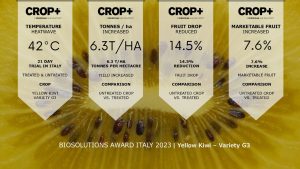
Here is an example of resilience to extreme heat stress, leading to an increase in marketable crop using a foliar bio stimulant called Crop+ from Verdesian Life Sciences.


The example above is an extract from a bio stimulants presentation about demand, growth and challenges.

Agricultural challenges

At present some 30% of bio-stimulants used globally contain amino acids and microbials. Amino acid sources are marine, animal and vegetables.

Importantly, amino acids and microbials can modulate gene expression and induce metabolic changes in treated crops.

The complex carbohydrate compounds found in these technologies are the possible future for delivering the changes growers need.

However, the bio stimulant industry needs to overcome certain obstacles which currently exist in the supply chain around the sources of amino acids, particularly from the animal and marine sector and amongst industry regulators in assessment and expansion of microbials within agriculture.

Lobbying on behalf of the industry is being conducted today primarily by members of the European Bio stimulant Industry Council (EBIC).

Closing the gap

The food retail sector of the supply chain is also the key to overcoming this sustainable farming obstacle as they are the gateway and controller to the consumer.

This gives them the power to influence the grower in a sustainability and environmental direction.

To help close the current technology gap and deliver the technology needed in the coming 10 years, the bio stimulant industry needs to create more awareness and educate the food retailers.

It is important that retailers align their policies to the growers, encouraging them to embrace bio stimulant technologies of the future. Industry platforms like Agri-TechE could play an important role in this regard.

Grower adoption

The bio stimulant industry will play its part in the coming decade alongside regulators and the food industry, but the question remains; ‘will growers fully embrace the technology advancement needed in the coming 10 years to reduce effects of climate change and environmental impact?’

Only if collectively, we can clearly demonstrate that the additional cost of adding these technologies to grower’s crop programs will provide a clear return on investment and will not be seen as a climate change tax.

That is the challenge for the industry in the coming decade.


Next – Generation Drone Systems with SEAD Artists

Member News
The views expressed in this Member News article are the author's own and do not necessarily represent those of Agri-TechE.

As part of our “Back to the Future” project, we’re asking Agri-TechE members to reflect on how the agri-tech industry has evolved over the past decade and to share their vision for the next ten years. By compiling these insights, we aim to create a powerful outlook on the future of agriculture, a compelling call to arms for the industry driven by the diverse perspectives of our community.

This submission is part of the collection of reflections and predictions from our members, offering unique perspectives on the industry’s past milestones and future directions. Each contribution adds to a broader dialogue about the innovations and challenges that will shape the next decade in agri-tech.

Back to the Future with SeadArtists