Patenting, Trademarks, Copyright, Trade Secrets...
In the next installment of our micro-learning series, we’ll explore potential legal solutions to help you keep your ideas safe and sound.

BBRO and Sencrop develop indicator for Cercospora disease risk

Meet the Network
Agri-TechE
IPM BBRO at Innovation Hub 2022
Simon Bowen discusses Integrated Pest Management in the Innovation Hub

Cercospora is a fungal disease of sugar beet, that can spread if temperature and humidity are both high. If there is severe disease pressure, lesions on the leaves coalesce and the entire leaf can be lost.

BBRO is working with Sencrop, developers of connected weather stations, to create an agronomic indication for Cercospora disease risk that will provide early alert through the Sencrop mobile app.

Humidity key to Cercospora disease risk

Following a year of high levels of Cercospora infection in 2020, British Sugar funded an extensive network of weather stations in sugar beet growing areas. These included 40 Sencrop Raincrop connected rain gauges and  Sencrop Leafcrop leaf wetness in-crop sensors. These were used  to monitor the risk of Cercospora in sugar beet crops in the 2021 harvest season.

BBRO head of knowledge exchange, Dr Simon Bowen comments that the relative humidity is a big factor in disease development: “Cercospora development is relatively suppressed at low humidity, even when temperatures are quite warm. However, when we start getting humidity levels of more than 90% for 10-15 hours per day, the disease becomes more active, even at lower temperatures.”

BBRO provided additional information on Cercospora control to growers and agronomists in twice-weekly updates during the 2021 season, using additional SMS (text) messaging when required with information also available via the BBROplus area of BBRO’s website.

Simon says that feedback from the farmers was very positive. “The 2020 season showed how quick and aggressive the disease can be and that you cannot give it the opportunity to get established. For 2021 those who got the fungicide on early, in response to the warning, and kept a tight spraying interval got better control of Cercospora than those who didn’t.”

Cercospora agronomic indicator on mobile app

Sencrop weathertech at Groundswell Cercospora disease risk
Sencrop weathertech at Groundswell

This season, BBRO and British Sugar staff are monitoring the 40 Sencrop weather stations every day via the Sencrop mobile app which displays the Cercospora agronomic indicator. The indicator will be used to give farmers an early warning of when their crop is at risk according to their postcode, along with advice on how, whether and when to spray via SMS text message, the BBRO website or BBRO Bulletin.

The Sencrop Raincrop connected rain gauge is an agricultural weather station that gives farmers real-time weather updates straight from their fields. Sencrop’s mobile app allows collection and analysis from a farm’s weather stations and other stations around. This allows farmers to make informed and targeted decisions concerning crops, anticipating risks and diseases, prioritising actions and applying treatments at optimal times.

Head of product at Sencrop, Kevin Guibert says: “We have worked hand-in-hand with BBRO to develop an accurate and easy-to-use tool. The indicator was tested for more than a season before its launch this month.

“We welcome feedback from sugar beet growers on how the tool can be further improved so we can keep progressing it.”

More about BBRO

More about Sencrop

Insights from predictive models increases confidence in decisions – Map of Ag

Meet the Network
Agri-TechE

Andrew Cooke, Map of Ag
Andrew Cooke, Chief Technology Officer, Map of Ag [from mapof.ag]
Making sense of data is core to the work of Map of Ag with its predictive models offering global insights into markets and environment; ahead of REAP 2022 we asked Andrew Cooke, its Chief Technology Officer, where he sees the challenges. 

“In the past farmers and growers could operate with a great deal of intuition and use the embedded learnings of past generations and seasons.

“Farm systems develop as a result of many factors – farmers’ preferences, market demands and incentives, and the capability of the land and the environment.

“However, today’s world is less certain – the climate is changing, and demands from supply chains, regulators and consumers weigh heavily on farmers.

“Insights from analytics and predictive models will help farmers make more confident decisions in the face of all these changes.

Powering up businesses with trusted data and predictive models

“We have worked closely with agricultural organisations and agri-tech companies over many years, helping them to collect, interpret and add value to agricultural data.

“Pure Farming – Map of Ag’s data integration platform – connects data from multiple sources, standardises it to a common form, and then allows farms to control who accesses that data and for what purposes. We see ourselves as giving control to farmers and also powering up businesses that need to make sense of farm data.

“The insights also help supply chains demonstrate that farmers are genuinely acting on the sustainability and welfare concerns of consumers.

Farming needs to be profitable

“Farmers we speak to want to leave their land and environment in a better state for the next generation – but they also need farm systems that are profitable, not too risky, and are manageable with the time and resources they have.

“Farmers will embrace frugality and sustainable farming using rotational practices, livestock and cover crops, and alternatives to current chemical controls – to the extent that their environment and finances allow.

“Smart technologies, precision tools, and automation will contribute to this by making some practices more feasible or cost effective, or by freeing up their time. I’d like to think that applying Pure Farming to make sense of data and connect technologies will contribute to this.”


REAP 2022: Making Sense of AgricultureREAP 2022: ‘Making Sense of Agriculture’ – Tuesday 8th November 2022 

From yield mapping and precision livestock through to digital twins and cloud computing, at REAP 2022 we will be exploring the technology and looking at the implications from a field to landscape level. Making technology farm-centric is core to Agri-TechE ’s mission so a key feature of the conference will be a panel of farmers and producers discussing the emerging technologies and future scenarios.

reapconference.co.uk

Digital vineyard to offer test bed for tech developers

Meet the Network
Agri-TechE
Ian Beecher-Jones Digital Vineyard
Ian Beecher-Jones Digital Vineyard developing a test-bed for use by tech developers will accelerate the adoption of technology

Accuracy in a vineyard is key, as a mistake can wipe out a whole row of vines – so how do you create an infrastructure that will enable automation with a high degree of precision? This was the challenge Ian Beecher-Jones aimed to answer when he looked to introduce robotics to his 2.2 hectare JoJo’s Vineyard. Ian is one of the speakers at REAP 2022; ahead of the conference we asked him about how a ‘digital vineyard’ supports growers and tech providers.

“The ‘Digital Vineyard’ is an industry-changing project that tackles an international geolocation issue for fixed row production. We are working closely with a number of Australian vineyards that share similar challenges.

“My background is precision agriculture from a broadacre perspective, so when we started to plant up the vineyard about four years ago, I was keen to introduce automation, as a number of tasks, especially mowing and under-vine management, are very labour intensive.

“However, to enable this there is a need to digitise the vineyard accurately and correctly and make a representation that is shareable, so whoever we are working with – drone, robot or satellite providers – can have access to the digital infrastructure of the vineyard.

Speeding up onboarding of technology

“Without this infrastructure model, every time a new technology is introduced, or a grower wants to introduce new software to the vineyard, they need to survey it to get successfully onboarded.

“For example, I had a drone company here recently that wanted to fly the vineyard to try out some new grape AI analysis to model vine growth; we have another company wanting to use a GoPro to capture images of the grapes before being sent to Australia for analysis. Another request was from a PhD student looking at the relationship between yield mapping and forecasting.

Creating a digital twin of the vineyard

Robot using machine vision tool for nitrogen diagnosis of soils at Digital Vineyard

“Currently, onboarding technology for this type of trial is very time-consuming and costly. It can also be very dull for the grower, who may have to go through the process multiple times!

“We are working with the EU-based i4Trust project (i4trust.org) to create a digital twin of the vineyard. We are using an RTK surveying tool that creates a hyper-local GPS grid of the vineyard, showing every post and every vine.

“Once we have an accurate map, we can start to bring in data from a number of sensors. At the moment (June 2022) we are testing the following technology:

  • Node and cordon counting and yield forecasting with Bitwise Greenview
  • Yield mapping with eVineyard
  • Canopy density scanning with TopCon
  • Coverage mapping with Platfarm
  • Vine health with DeepPlanet
  • Robots with Antobot
  • Steering with New Holland & Trimble
  • Weather station with Davis Instruments
  • Soil moisture and leaf wetness with Davis Instruments
  • Soil scanning with SOYL
  • Direct drilling and biostimulant application with the home-made S-Rex drill


Making it easier for the farmer

“With a shareable digital infrastructure, the tech providers will be able to open up an API link to access information about the vineyard – so they don’t need to do the surveying from scratch each time.

“This will increase the speed of onboarding and improve the engagement of the farmer. The tech enthusiasts and smart-tech guys are then doing what they want to do, rather than the boring bit of setting everything up.

“The idea is for the digital twin to be like a 3D digital model of the vineyard, to help us to visualise the science.

“The future is scenario mapping – once you know what your soil type is, and you have got your varieties in there and information on growth, you can start to bring in other data sources and track performance. From there you can scenario plan and test it; there is a huge amount to learn in this area and it is applicable to other crops, such as orchards and soft fruit.

Applicable to other sectors

“Viticulture, especially in the UK, is small in comparison to others agricultural sectors, so if we can use the same modelling and the same methodology across orchards it opens up a much bigger market and lowers the cost of implementation.

“The project is just getting established and by the end of autumn 2022 should be ready for launch.

“At the end of August, we should have our first bottles of wine, so to celebrate we plan to launch a website with more information about the Digital Vineyard project, with news about what we are planning.

“I am looking forward to talking about the project at REAP.”


REAP 2022: Making Sense of AgricultureREAP 2022: ‘Making Sense of Agriculture’ – Tuesday 8th November 2022 

From yield mapping and precision livestock through to digital twins and cloud computing, at REAP 2022 we will be exploring the technology and looking at the implications from a field to landscape level. Making technology farm-centric is core to Agri-TechE ’s mission so a key feature of the conference will be a panel of farmers and producers discussing the emerging technologies and future scenarios.

reapconference.co.uk

Aerial monitoring is useful but ground-truthing is key – Delta-T Devices

Meet the Network
Agri-TechE
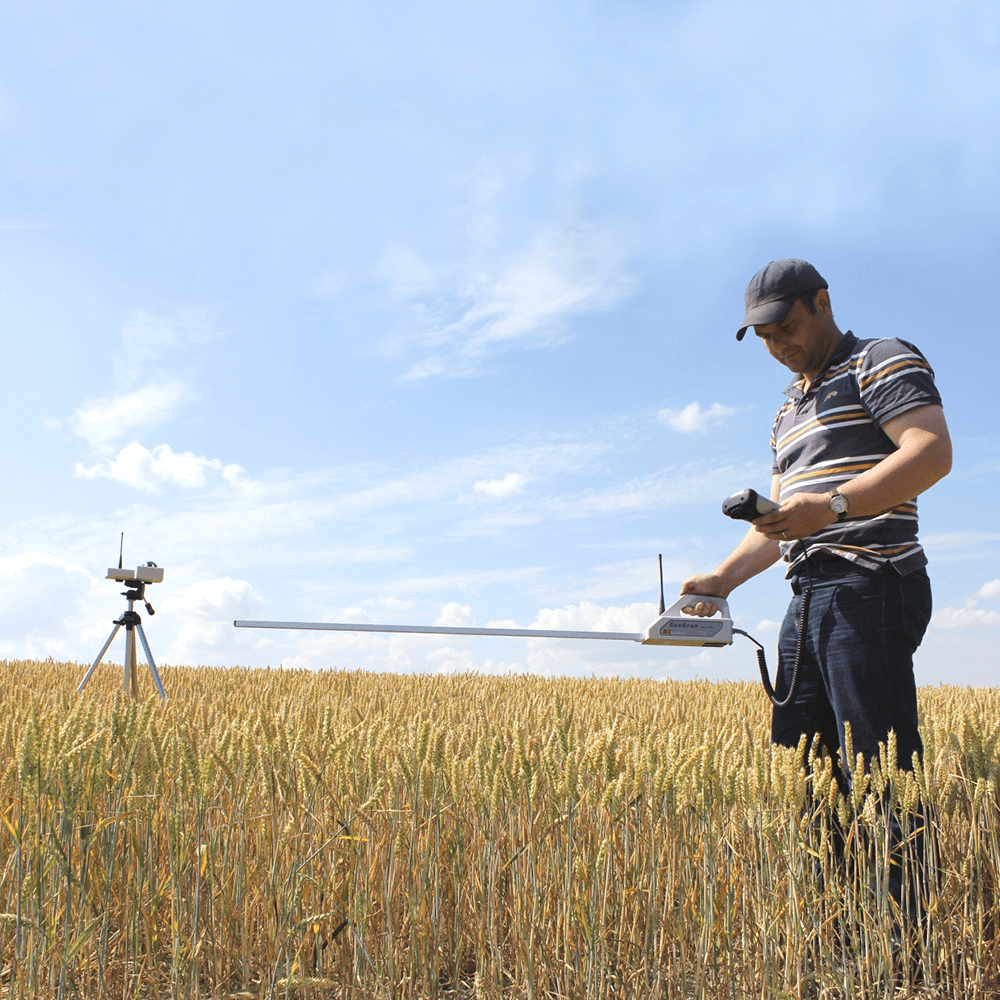
Delta-T SunScan Canopy Analysis

Despite advances in remote monitoring there still remains a crucial need for sensor data on the ground at higher resolution – closer to the crop, or under polytunnels, says Dr John Newstead, Soil Science and Technical Specialist at Delta-T Devices. The company provides real-time environmental data at soil level and has participated in REAP on numerous occasions and collaborates with many fellow members across the ecosystem.

Ahead of REAP 2022 we asked John how Delta-T was making sense of agriculture and where the opportunities are  for improved decision support.  

“Compared to 30 years ago, the technologies that now are available to growers are frankly incredible. Virtually all of the data needed to optimise crop quality, improve sustainability, limit water use, and eliminate needless environmental damage can now be obtained at realistic costs.

“There are a multitude of sensing systems in the market that can generate crucial real-time data, all of which is potentially transformational for the average farm. The key issue that we feel is holding progress back is one of interoperability – i.e. a way of ensuring that different data streams can “talk to each other” and easily be combined – enabling a grower to see a coherent picture on just one screen.

“To a large degree what we are currently lacking are industry-wide communications protocols for integrating and utilising this data easily.

Real-time measurement at soil level

“Although the recent use of ‘Big Data’ obtained from remote sensing and drone images has impacted positively on many farms, there is a need for sensors at ground level, as well managed and functioning soils are the foundation for all crop production. This is a critical element of an integrated solution and essential for improved agricultural practices.

“At Delta-T Devices, we specialise in precise real-time environmental measurement. Our soil sensors, often buried in the soil or substrate, measure right in the root zone, giving fast, accurate readings of moisture, temperature and pore water EC.

“Our sensors can facilitate minute-to-minute monitoring, to help refine models, support decisions, and enable powerful on-farm automation.

“For example, by measuring soil electrical conductivity (a strong indicator of the general nutrient level), our sensors enable growers to monitor and enhance their soil care regimes.

Cloud data provides improved data access

Delta T at RNS 2019 1
Delta-T Devices at the 2019 Royal Norfolk Show

“Another aspect of Delta-T Device’s offering that ‘makes sense’ of agriculture is our cloud data management, display, and sharing platform – Deltalink -Cloud. The proliferation of affordable in-situ wireless sensor networks (that transmit real-time data to the cloud) will be a major new phase in the high tech horticulture revolution, allowing farms to have complete clarity in terms growing conditions and plant growth across their facility.

“Our solution enables growers to get instant remote access to their real-time soil and environmental data on desk based or mobile devices, so any potential issues with moisture and EC conditions can be identified and remedied fast – before they impact on crop health.

“Not only will growers have constant remote access to this comprehensive data on their smart devices, but they will also be able to monitor and control their irrigation/environment systems remotely, allowing them to instantly optimise growing conditions, regardless of their location.

Is the future high tech, frugal or diversified? 

“Looking to the future, on-farm decision making and automation will mean acting upon a wealth of data from varied platforms and sources, most likely in real time. This will require more sophisticated and operationally elegant “back-office” resources working in tandem with fully compatible mechanical (irrigation and environmental control) systems.

“The simple answer to this question is ‘all of the above’. In order to successfully meet its challenging aim of sustainably feeding a growing global population, the agriculture sector will need to optimise every aspect of its operations. Mitigating against soil degradation, diligent use of grey water, and the active use of land previously considered unsuitable for agriculture, are all fundamental requirements to achieving sustainable crop production going forwards.

“Research to improve our understanding of soil processes will undoubtedly be key to achieving these goals – and this scientific activity will require more accurate, convenient and affordable measurement and monitoring systems.

“Diversification is yet another area that will benefit from advancing technology, with AI software and access to “big data” helping to achieve the best routes towards improved sustainability and optimised integration with supply chains.”


REAP 2022: Making Sense of AgricultureREAP 2022: ‘Making Sense of Agriculture’ – Tuesday 8th November 2022 

From yield mapping and precision livestock through to digital twins and cloud computing, at REAP 2022 we will be exploring the technology and looking at the implications from a field to landscape level. Making technology farm-centric is core to Agri-TechE ’s mission so a key feature of the conference will be a panel of farmers and producers discussing the emerging technologies and future scenarios.

reapconference.co.uk

Managing the health of the crop microbiome

Meet the Network
Agri-TechE
Ed Fuchs FOLIUM Science crop microbiome
Ed Fuchs CEO FOLIUM Science discusses importance of crop microbiome

Microorganisms have a key role in the health and yield of crop plants –  FOLIUM Science’ has been collaborating with John Innes Centre, to see how the crop microbiome can be enhanced to reduce the use of pesticides and boost the performance and resilience of plants.

The project evaluated the effect of the company’s Guided Biotics® technology on the yield of tomato plants and on the control of Pseudomonas syringae and Xanthomonas.

In this article Ed Fuchs of FOLIUM Science provides an update on the company’s Guided Biotics® technology and the benefits that it can bring for growers and producers.

Guided Biotics – target unwanted bacteria

FOLIUM Science’s Guided Biotics technology has a very precise mode of action that can target unwanted bacteria in the plant microbiome.

Once the unwanted bacteria are removed this generates space for the “good” bacteria in the microbiome to flourish and strengthen their colonization of the plant. This creates a naturally healthy microbiome that will result in increased yield and improved crop performance

A global food crisis

The United Nations has declared that food production needs to double by 2050 to meet the demands of the world’s growing population.

However, productivity is often constrained by disease, blights, fungal infections, viruses and bacteria.

It is estimated that 70% of crops carry pesticide residues which not only creates consumer concerns but can also have a damaging and lasting impact on the environment. The lead time for the development of new, safe pesticides is 11 years at an average cost of $286m.

Other solutions include copper based chemical treatments, however these will kill all bacteria present in the plant, good and bad, and can drive resistance amongst bacteria.

Managing the Crop Microbiome

Guided BioticsIn the face of these challenges, increased focus is being given to the microbiome of crops and to technology that can modulate or regulate the microbiome to support the good health of the plant.
Robb Fraley, Monsanto’s chief technology officer, compared this new approach to plant health to recent breakthroughs in human health. “The human microbiome has been a breakthrough for human medicine,” he says. “I think the crop microbiome will become a breakthrough for crop production.”

Guided Biotics use a natural host that lives in the plant and that conjugates with many species of bacteria. It is designed to target and kill selected pathogens but cannot replicate or transfer genetic material on its own.

Successful plant trials with John Innes Centre

Between 2018 and 2021, Innovate UK funded FOLIUM Science to lead a project supported by John Innes Centre to evaluate the effect of Guided Biotics on the yield of tomato plants and on the control of Pseudomonas syringae and Xanthomonas.

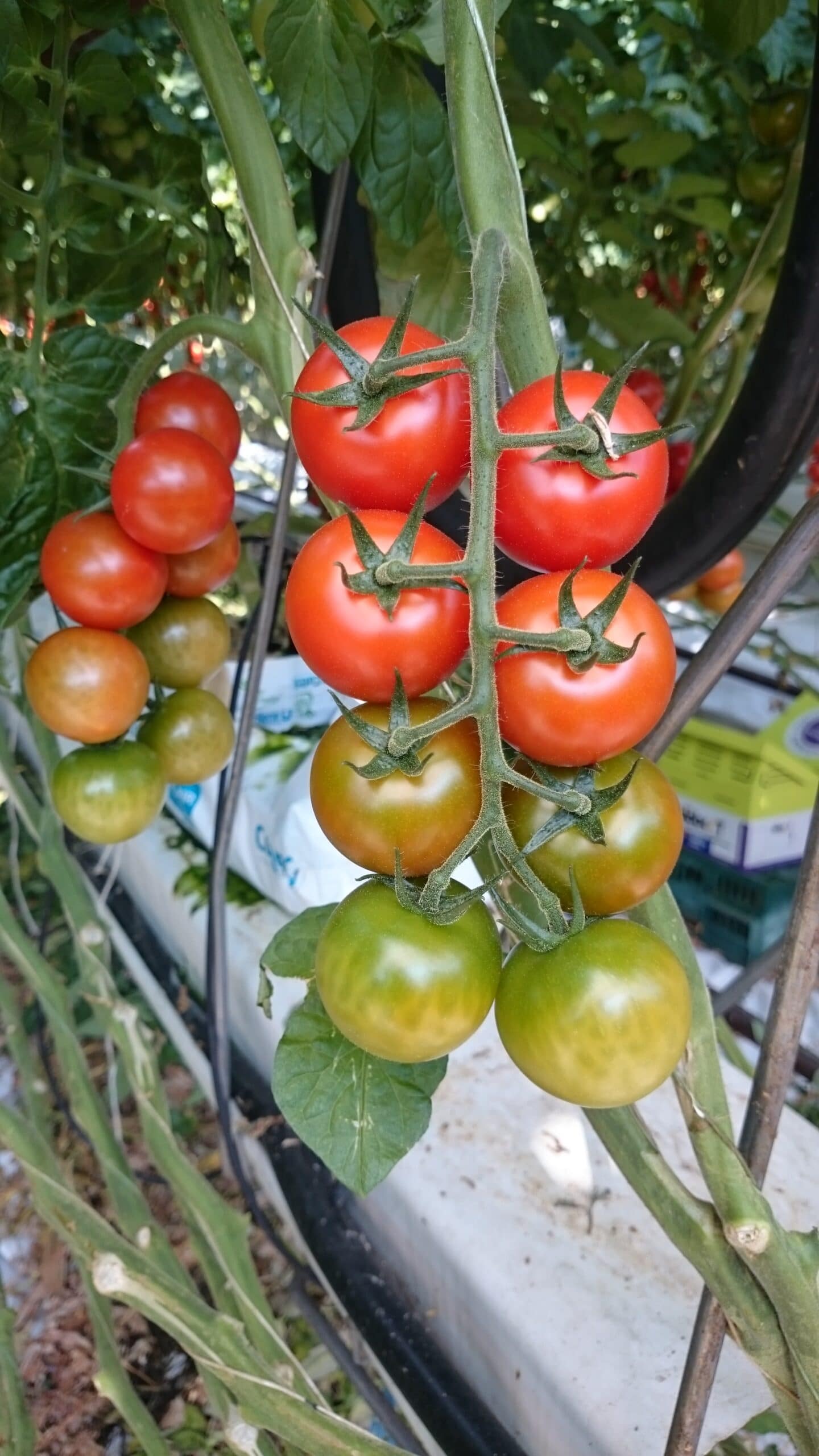
The work showed that Guided Biotics, when applied directly to the plant, can increase tomato yield in the greenhouse compared to an untreated control. It was believed that this was because of a faster maturity rate amongst the treated plants.  Application of Guided Biotics® in glass house trials showed performance increased in two tomato varieties.

With 12 million acres of tomatoes planted globally, the opportunity for a technology that can improve yields is enormous. A 10% increase in yield could deliver as much as $6,000 per acre in additional value to the grower.

The work on Pseudomonas was particularly innovative as it demonstrated that Guided Biotics® can be sprayed precisely and directly onto a plant using unmanned robotic drones that are controlled by artificial intelligence systems.

The use of natural biological systems gives the technology great commercial scope as it is considered non-GMO by regulatory authorities such as Brazil.

FOLIUM Science’s vision for Guided Biotics

The potential for technology that can remove unwanted pathogens is huge. The value of the chemical crop protection market is $60bn with an annual growth rate of 11%. Biopesticides are valued at $3bn and are growing at 15% per year.

FOLIUM Science envisages that the application of Guided Biotics would be beneficial for precise farming techniques, point application spraying or seed treatments or with difficult to solve bacterial problems such as citrus greening or Xyella.

There are also opportunities for high value crops such as marijuana or in vineyards and horticulture.

Guided Biotics technology is on the frontier of modulating the plant microbiome. Success has already been demonstrated in trials on tomato plants and potential exists across a broad spectrum of plant pathogens.

FOLIUM Science welcomes conversations with interested parties to develop the potential of this innovative technology and exploit it in a commercially relevant application.

Small Robot Co brings it’s ‘Per Plant Farming’ service to 50 farms

Meet the Network
Agri-TechE
Tom Small Robot Company
Tom monitoring robot scans crop at plant level

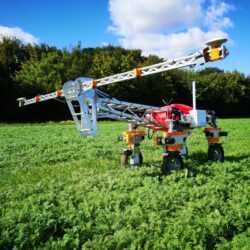
Small Robot Company (SRC) is rolling out its Per Plant Farming service to 50 farms following a pilot that has shown it can reduce herbicide applications by 77% and fertiliser by 15%.

The Per Plant Farming service uses intelligence from the Tom monitoring robot to identify weed density and treat only problem areas.

SRC’s Tom monitoring robot scans the crop to a level of detail that identifies individual plants, gathering data on plant and weed distribution to determine the optimum treatment path.  Tom can successfully identify all the wheat plants, determining precise plant counts, as well as broadleaf weeds. With a survey speed of 2.2ha/hr, Tom gathers 15,000 images from its cameras, or 40Gb of per plant intelligence, for every hectare.

The service will be rolled out in “Service Pods” of up to six local farmers.  They will share the use of a Tom robot to create treatment maps, and use existing sprayer equipment to reduce costs and inputs. Tom will accurately geolocate and analyse data on every plant in the field, and this will be made available to farmers using Wilma, SRC’s AI Advice Engine.

This means farmers can try out the service on as little as 20ha, without a costly machinery outlay.

The new service offering will include:

  • Winter wheat crop count and Per Plant visualisation
  • Weed detection, geolocation and per plant imagery
  • Glyphosate treatment
  • Herbicide treatment
  • Fertiliser treatment

Future services currently in development or trials include robotic non-chemical weeding; disease identification and fungicide treatment sprayer export; soil sampling and insights; and grass weed classification, including blackgrass.

SRC will take plant density information, augmenting this with other metrics, such as biomass assessment, soil insights, physiology, tiller count, growth stage and weather, to support decisions on when and how much fertiliser to apply, and exactly where it’s needed, optimising plant nutrition.


More information SRC


Zayndu Aurora Z25 harnesses ‘plasma agriculture’ to prime seeds for accelerated growth

Meet the Network
Agri-TechE

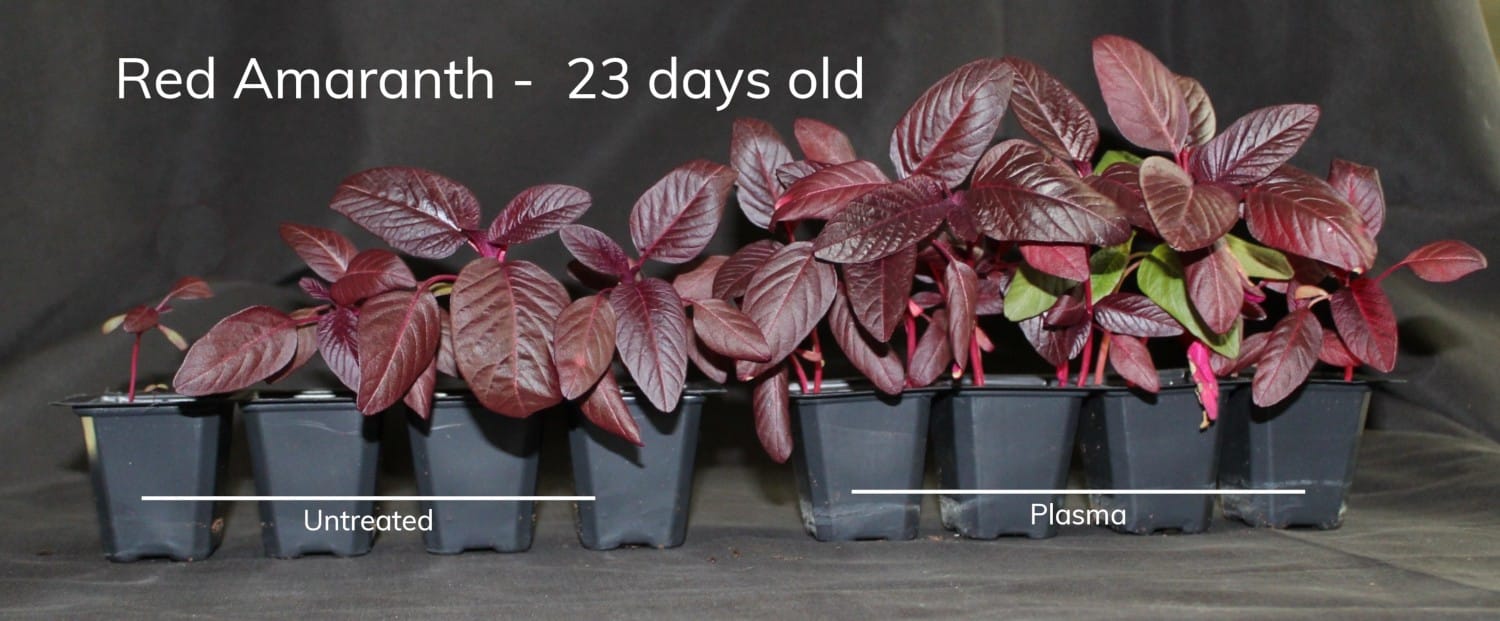
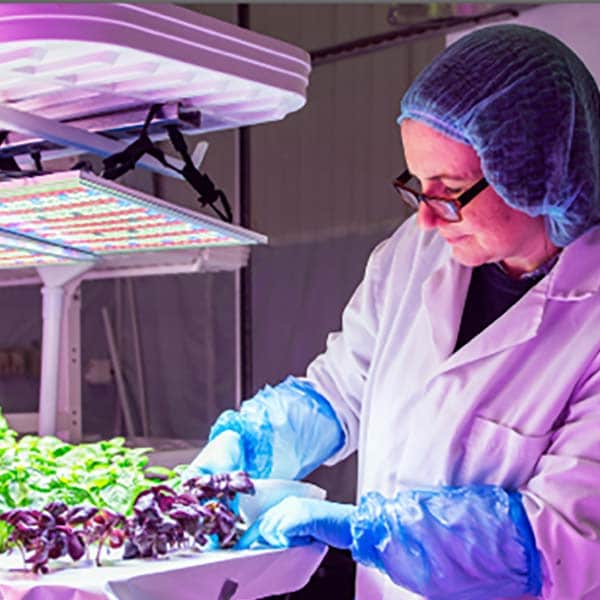
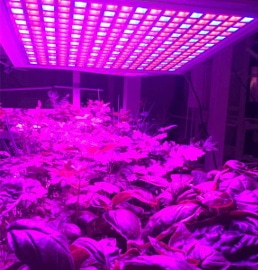
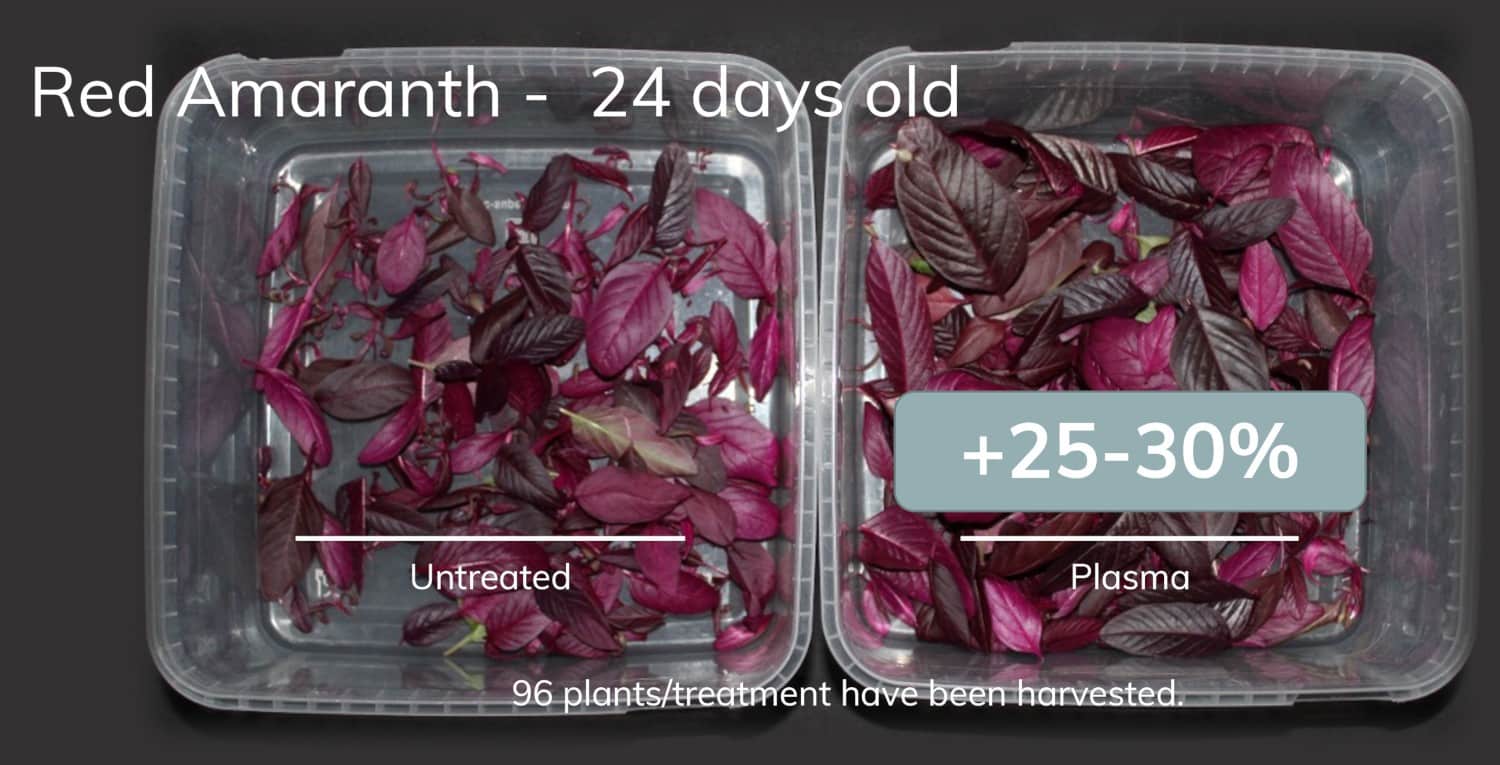
Ten percent more plants from the same number of seeds, faster germination, healthier plants and 25% more fresh weight at harvesting* – by using ‘plasma agriculture’ to clean and prime the seeds in one operation, the new Zayndu Aurora Z25 system has been shown to increase productivity in Vertical Farms. The company is discussing its latest results at GreenTech Amsterdam (14-16 June 2022).
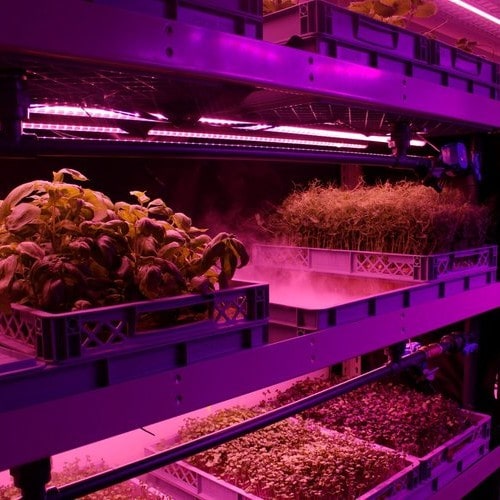
As energy costs bite, Controlled Environment Agriculture (CEA) is looking for incremental ways to boost productivity and reaching a higher volume of produce in a shorter time is key to this.

Red-Amaranth-24-days-oldSeed pathologist Dr Alberto Campanaro leads the R&D facility at Zayndu. He says that the company has so far treated over 60 varieties across 23 different species of plant and is developing priming recipes to enable customers to optimise growth.

“With seed treated by Aurora our customers are seeing faster and more uniform germination. Within four days there are significantly more plants at the same life stage, and this translates into great volume at harvest.”

Aurora generates a plasma in its drum, when an electric current moves through air, splitting oxygen and nitrogen molecules and creating a powerful disinfectant for the seeds. It leaves no residues.

The plasma treatment also primes the seed chemically and physically. The reactive oxygen and nitrogen species (RONS) created induce hormonal changes in the seed, which can influence plant growth from seed to crops**. Studies report increased root length and enhanced growth of seedlings, depending on the dose given. Physical changes to the surface of the seed make its coat more permeable to water, triggering germination.

Growing recipes are likely to extend to plant breeding, according to Diego Durantini, Interdisciplinary Manager at Agri-TechE , a business networking organisation of which Zayndu and many CEA companies are members. Diego was previously a plant breeder for Ernst Benary Samenzucht GmbH and he believes that plant breeding in Vertical Farming will become increasingly important.

“In vertical farming, volume is important rather than height. I can see an opportunity for optimising plants for these conditions: each variety with its own ‘growing recipe’ encompassing priming, light, and feed. Already some Vertical Farms are starting their own in-house breeding programmes, and we are seeing start-ups specifically focussed on breeding gaining investment.

“If the priming creates greater growth uniformity then this is a huge plus in a controlled environment. On a ten-week crop, gaining a week will enable almost one extra harvest a year; immediately that’s a 10% increase in productivity.”

Zayndu will be on stand 05171VF at GreenTech Amsterdam 14-16th June 2022.


* In trials with customer seed of Red Amaranth 94% of treated seed germinated by day 4, compared to 70% of untreated seed. At day 24 treated crop had over 25% greater fresh weight. For Spinach, treatment with Aurora reduces time to harvest by 2.5 days enabling 19 crops/year, compared to 17 for untreated seed.

** Plasma Agriculture: Review from the perspective of the plant and its ecosystem, P.Ranieri et Al Plasma Process Polymers 2020.

LettUs Grow with sound – ultrasonic aeroponics increase growth rate

Meet the Network
Agri-TechE

By growing plants with ultrasonics and water instead of soil, LettUs Grow has doubled growth rates with its ultrasonic aeroponics when compared to conventional hydroponic systems.

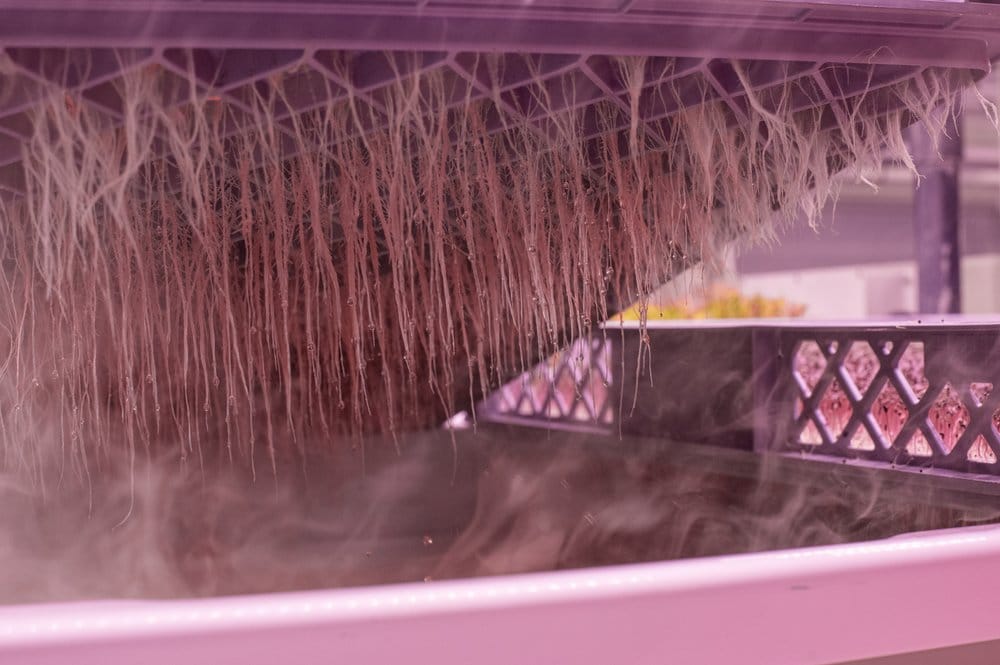
Ultrasonic technology is harnessed to create high-frequency sound waves that shake water until it disperses into lots of tiny droplets, like a mist. This mist can be distributed and controlled to provide the exact amount of water and nutrients to plant roots depending on their needs and stage of growth.

Irrigating plants with mist rather than liquid water is not new – the practice is called aeroponics. Instead of growing in soil, plant roots are suspended in air – this mimics the air pockets found in a healthy soil system, boosts access to oxygen, and results in much faster growth of the plant.

This growing method allows plant roots to grow healthier and faster than in hydroponics, which is the most common irrigation system used in greenhouses and vertical farms today. In-house trials at LettUs Grow have shown that this ultrasonic method also uses much less water.

Charlie Guy, co-founder & CEO of LettUs Grow says: “By harnessing our unique ultrasonic technology, we can offer growers the ability to grow consistent, healthy and high-quality produce with far less impact on our natural environment.”

Ultrasonic aeroponics

Aeroponics more commonly uses nozzles to generate mist. However, technical complexities and issues with maintenance have prevented aeroponics being successful in larger scale agricultural applications such as greenhouses. A key component of ultrasonic aeroponics is the use of an atomiser, the device which transforms liquid into mist. This removes the need for nozzles, therefore increasing the viability of using aeroponics in much larger, commercial growing spaces, where its impact is maximized:

Lilly Manzoni, Head of Research & Development at LettUs Grow. “This is the first atomiser that has been specifically designed for aeroponic agriculture. This means we’ve developed them to be durable and operationally efficient, with the environment and the grower in mind.”

Aeroponics
Aeroponics

As well as being designed to benefit commercial agriculture, aeroponics is also ideal for research applications. This is because the nature of the mist, rather than water, and access to the roots, means it’s possible to have a very precise high-level of control over plants in the system.

“This means that there are so many different potential applications of harnessing this technology, such as in forestry, biomass production and other projects that could improve and protect natural ecosystems.”

More about LettUs Grow

LettUs Grow with sound – ultrasonic aeroponics increase growth rate

Meet the Network
Agri-TechE

By growing plants with ultrasonics and water instead of soil, LettUs Grow has doubled growth rates with its ultrasonic aeroponics when compared to conventional hydroponic systems.

Ultrasonic technology is harnessed to create high-frequency sound waves that shake water until it disperses into lots of tiny droplets, like a mist. This mist can be distributed and controlled to provide the exact amount of water and nutrients to plant roots depending on their needs and stage of growth.

Irrigating plants with mist rather than liquid water is not new – the practice is called aeroponics. Instead of growing in soil, plant roots are suspended in air – this mimics the air pockets found in a healthy soil system, boosts access to oxygen, and results in much faster growth of the plant.

This growing method allows plant roots to grow healthier and faster than in hydroponics, which is the most common irrigation system used in greenhouses and vertical farms today. In-house trials at LettUs Grow have shown that this ultrasonic method also uses much less water.

Charlie Guy, co-founder & CEO of LettUs Grow says: “By harnessing our unique ultrasonic technology, we can offer growers the ability to grow consistent, healthy and high-quality produce with far less impact on our natural environment.”

Ultrasonic aeroponics

Aeroponics more commonly uses nozzles to generate mist. However, technical complexities and issues with maintenance have prevented aeroponics being successful in larger scale agricultural applications such as greenhouses. A key component of ultrasonic aeroponics is the use of an atomiser, the device which transforms liquid into mist. This removes the need for nozzles, therefore increasing the viability of using aeroponics in much larger, commercial growing spaces, where its impact is maximized:

Lilly Manzoni, Head of Research & Development at LettUs Grow. “This is the first atomiser that has been specifically designed for aeroponic agriculture. This means we’ve developed them to be durable and operationally efficient, with the environment and the grower in mind.”

Aeroponics
Aeroponics

As well as being designed to benefit commercial agriculture, aeroponics is also ideal for research applications. This is because the nature of the mist, rather than water, and access to the roots, means it’s possible to have a very precise high-level of control over plants in the system.

“This means that there are so many different potential applications of harnessing this technology, such as in forestry, biomass production and other projects that could improve and protect natural ecosystems.”

More about LettUs Grow

Cereal camo-cropping – BBRO in the Innovation Hub

Meet the Network
Agri-TechE

Camouflage is one of the techniques being deployed by the BBRO (British Beet Research Organisation) to protect sugar beet from viruses spread by aphids. The BBRO has a team of scientists and field trials operators working on industry-focused research projects and it has for many years sponsored the Agri-TechE Innovation Show at the Royal Norfolk Show.

The withdrawal of chemicals has created a challenge for sugar beet growers, but BBRO has been developing an Integrated Pest Management (IPM) approach to provide more sustainable alternatives. 

Dr Vicky Foster, Head of BBRO comments: “BBRO are proud to be sponsoring the Innovation Hub again this year, allowing a number of interesting companies to join us in showcasing new technology and advances inVicky Foster in the Innovation Hub agricultural research. With the changing face of farming and the loss of many chemical actives there is a lot of exciting work to discuss.”
Tackling Virus Yellows with cereal camo-cropping

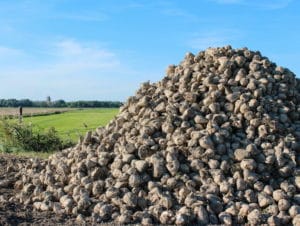
Potatoes, wheat and sugar beet collectively make up more than 55% of the total estimate of waste in primary productionOne of the major concerns for the sugar beet industry at present is the prevalence of Virus Yellows, a complex of three viruses that are transmitted by aphids (Myzus persicae and Macrosiphum euphorbiae). BBRO is researching two potential ways to combat the spread of this disease by using camouflage techniques.


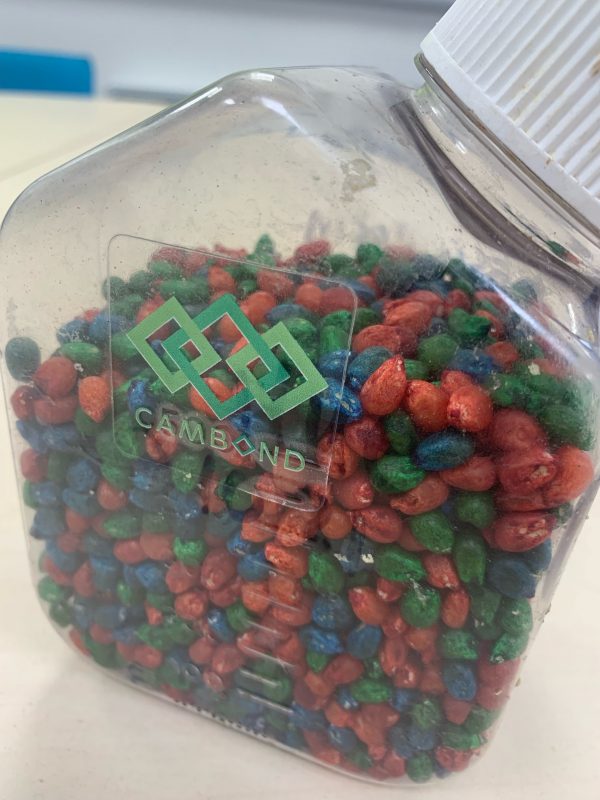
The first is cereal camo-cropping. The theory is that growing a cereal crop in with the sugar beet helps to obscure it by reducing the soil-plant contrast which aphids use to locate sugar beet. The other approach is to use food dyes to change the ground colour and hide the emerging beet. Find out more on the BBRO member page about the field trial being run alongside Morley Farms.

BBRO are also undertaking several projects related to beneficial insects, with intercropping and flowering strips to encourage beneficial numbers and also flowering mixes to act as either repellent’s or draws for the aphids, effectively pulling or pushing the aphids out of the beet crop.

BBRO are committed to finding solutions for the sugar beet industry through integrated pest management (IPM), an area of work led by Dr Alistair Wright and Dr Georgina Barratt, who will be at the show to discuss their trials.

Vicky continues: “It is important to test these techniques under different conditions so we want the help of sugar beet farmers to explore camo-cropping as a future mitigation strategy against virus yellows.”

More information about BBRO


Innovation Hub 2022

Howseman Agriculture’s ‘irrigation as a service’ reduces water and waste

Meet the Network
Agri-TechE

Andrew Howseman and DripUK Irrigation as a Service
Andrew Howesman

A recyclable drip tape system that reduces water, energy and labour while ensuring soil moisture levels at a critical time has been trialled by Norfolk farmers. Howseman Agriculture, with its sister company DripUK, is the first in the UK to offer Streamline X Re-Gen, a drip tape that can be recycled at the end of the season. The company will be discussing smart irrigation in the Innovation Hub at the Royal Norfolk Show. 

Irrigation as a service

Andrew Howseman is Managing Director of Howseman Agriculture, leaders in the field of drip irrigation for potatoes and onions. He explains that the company is offering ‘irrigation as a service’ and has developed a circular system that reduces the cost of irrigation for farmers. He will be talking about the service in the Innovation Hub of the Royal Norfolk Show.

“One of our tape suppliers, Netafim, has developed a product called Streamline X Re-Gen that can use polymer extracted from drip tape. We have worked with Netafim to develop a tape retrieval system that removes the drip tape from the field so that it can recycled.

“We will supply 800 rolls of drip tape this year, sufficient for 200 hectares, which previously would have gone to landfill. The recycling route removes the problem for the grower and they have a certificate to show conformance to an assured produce scheme.”

Potato farmers will see the benefit

The new development is part of a commitment by Howseman Agriculture to invest in machinery that makes drip irrigation more cost-effective. The company can provide a complete service, including installation and removal, enabling irrigation systems to be installed in a timely manner.

Potato Trial
Potato Trial

Andrew says that growers of both pre-pack and process potatoes will benefit. He continues: “We can install the system almost immediately after planting. This gives growers the crop insurance they need to ensure soil moisture levels are exactly where they need to be at tuber initiation.

“We are very aware of changes to abstraction licences that are on the horizon and cannot emphasise enough to growers how important it is to start to look at our systems now.

“Our results are ongoing and not always conclusive, as a wet growing season can level out any gains we would normally see, but in a very dry year we can prove some very significant gains in yield and quality.

“The system offers potato and onion growers lots of benefits in addition to water – fertigation and even biological pest suppression are both areas that we are working hard on.”

Norfolk farmers pioneering new technology

Richard and Will Overton at H.A. Overton & Sons on Laurels Farm in Catfield, near Great Yarmouth, were among the first to trial the new drip irrigation system.

Richard Overton comments: “We saw a need to replace the ageing irrigation reels and saw drip irrigation as an opportunity to reduce the labour requirement and lower the water and energy usage ahead of the restrictions on licencing in this area. The trials have gone well and we are looking for a significant reduction in both the water and energy required to produce our pre-pack quality potatoes.”

Richard and Will trialled 12 acres last season and have increased to 30 acres for 2022.

Howseman Agriculture with DripUK will be participating in the Innovation Hub hosted by Agri-TechE in partnership with the Royal Norfolk Agricultural Association (RNAA) and sponsored by BBRO, at the Royal Norfolk Show on the 29-30th June, as the show looks to come back bigger than ever for 2022.

More about Howseman Agriculture


Innovation Hub 2022

Niab discusses Soil Nutrient Management in the Innovation Hub 2022

Meet the Network
Agri-TechE

As the cost of inputs increases, farmers are looking towards ‘soil nutrient management’ to more closely match nutrient inputs, such as fertilisers and organic manures to crop demand at different stages of its lifecycle. Applying excessive nutrients, or those that are not ‘bio-available’, are a wasted resource.  Niab will be discussing technology used to support soil nutrient management in the Innovation Hub.

Soil nutrient management

The evidence-base for this planning comes from long-term trials. Niab will be discussing the findings from the Saxmundham experimental site, which has been supported by the Morley Agricultural Foundation (TMAF) and delivered by Niab since 2015. The trials are not just looking at the optimal nutrient rates for Phosphorus but also how these rates are best delivered. For this the effects of mineral fertiliser, organic manures, compost, or foliar applications of phosphate are compared by taking a wide range of soil and agronomic measurements throughout the growing season.

The data obtained will guide growers to manage phosphorus inputs ensuring increased productivity, while limiting any negative environmental impacts.

David Clarke of Niab

David Clarke of Niab Soils and Farming Systems, and a PhD student at Cranfield University, explains: “Changes to soil properties can be slow and it may take a number of years of applications for any benefit to become apparent.

“For example after around 100 years of farmyard manure application at the Saxmundham experimental site soil organic matter has only increased by 0.7% (an 18% relative increase), however we are now seeing large benefits to soil and the crop health from this, so we are not expecting to see any significant differences in yield responses between the applications in the short-term.

“This highlights why long-term trials are so important to agricultural research.

“The New Farming Systems trial program has investigated the impact of different cultivations and rotations on economic performance and soil health over the last 15 years. As these projects have recently been extended to continue until at least 2028, some adjustments have been made to the trial to better address the challenges of modern agricultural systems.”

Agri-TechE for soil analysis

Niab is also using a range of technology to gain greater insights into the benefits of each soil treatment.

“In trials investigating nutrient availability, we are using grain nutrient testing along with soil nutrient analysis to compare how supply, soil conditions and crop uptake are interconnected,” continues David. “With the support of PhD students we can use other sensing technology such as gamma ray spectrometry and electrical conductivity scanning to detect changes in soil properties, either through treatment or natural variation, and how this can be better managed.”

The Morley Agricultural Foundation has also been supporting long term trials investigating fungicide response in wheat and barley, with data sets stretching back to the 1980s.

“As technology develops, the range and accuracy of our soil and crop assessments improves. For example, in our winter wheat and barley fungicide trials we are utilising molecular diagnostics to identify the presence of disease before it is visible in the crop,” he says.

Niab will be talking about the technology used for soil and nutrient analysis and the results of the trials in the Innovation Hub.


Innovation Hub 2022