Inspirational thinkers share their views of different aspects of agri-tech.
Agri-TechE Newsletter
Get the latest agri-tech news, events and opportunities direct to your inbox
GrowPura increasing the productivity and profitability of vertical farming
Meet the Network
Agri-TechE
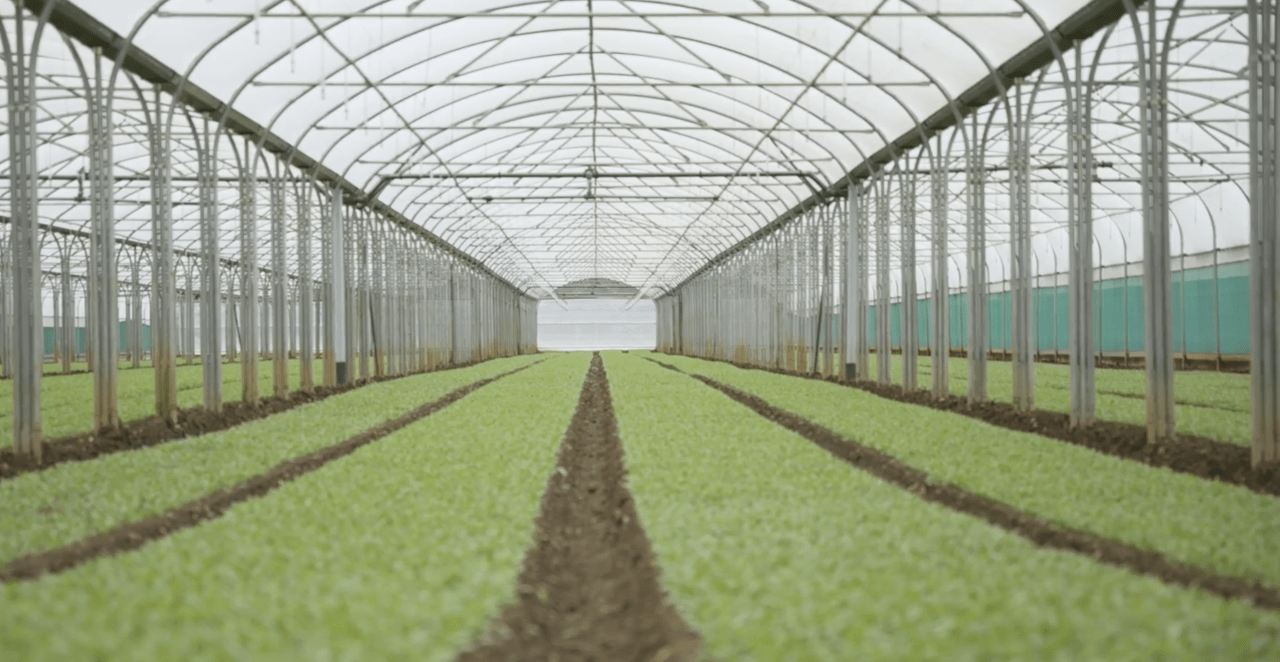
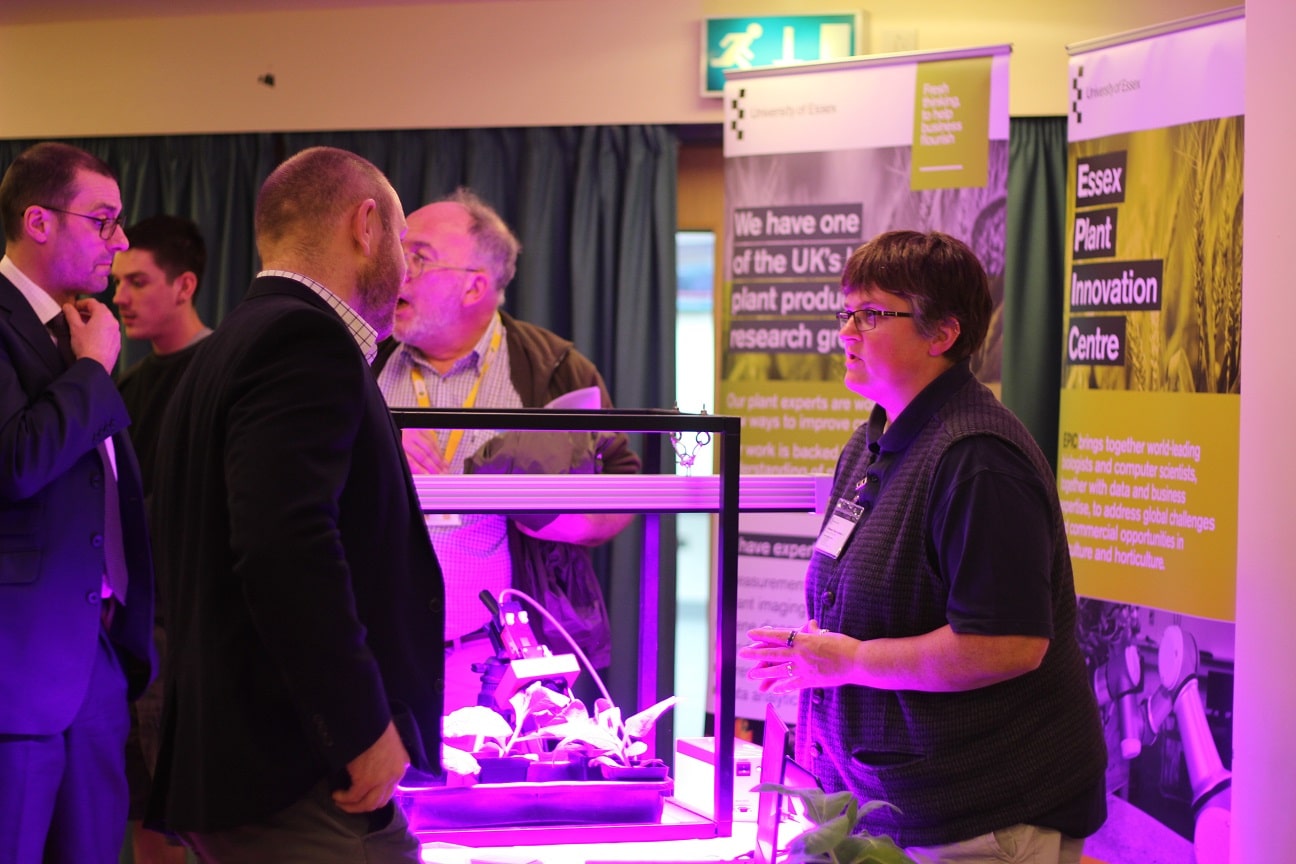
GrowPura Limited has developed the world’s first automated, moving conveyor system for vertical farming that operates in a patented ‘Clean Room’ environment. The company will be discussing the benefits of the system in the 2023 Innovation Hub at the Royal Norfolk Show.
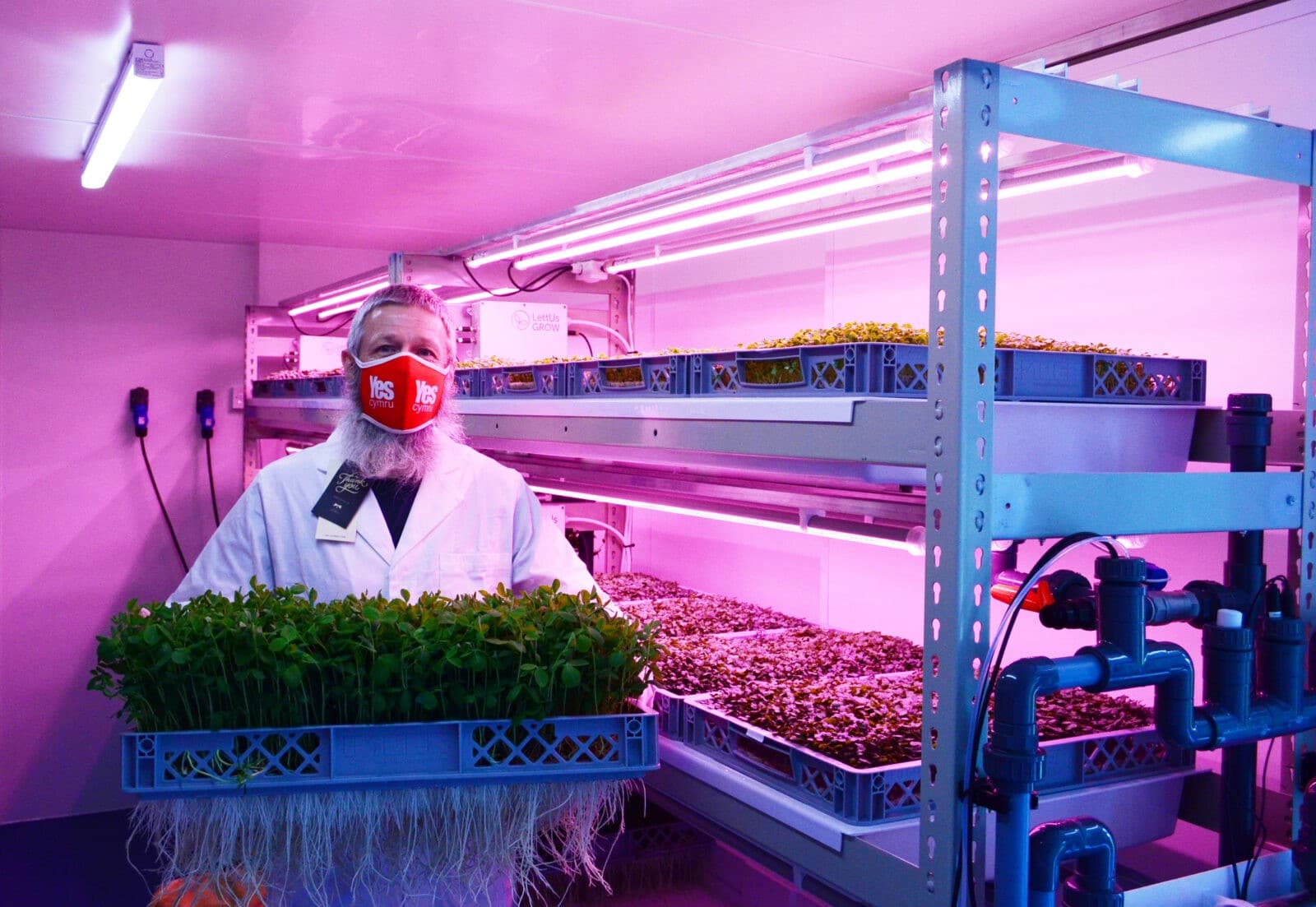
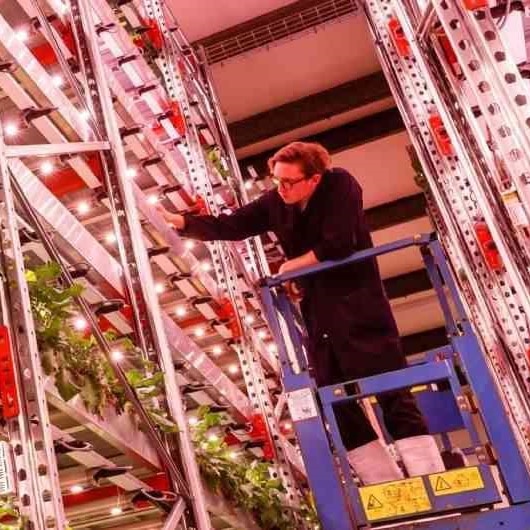
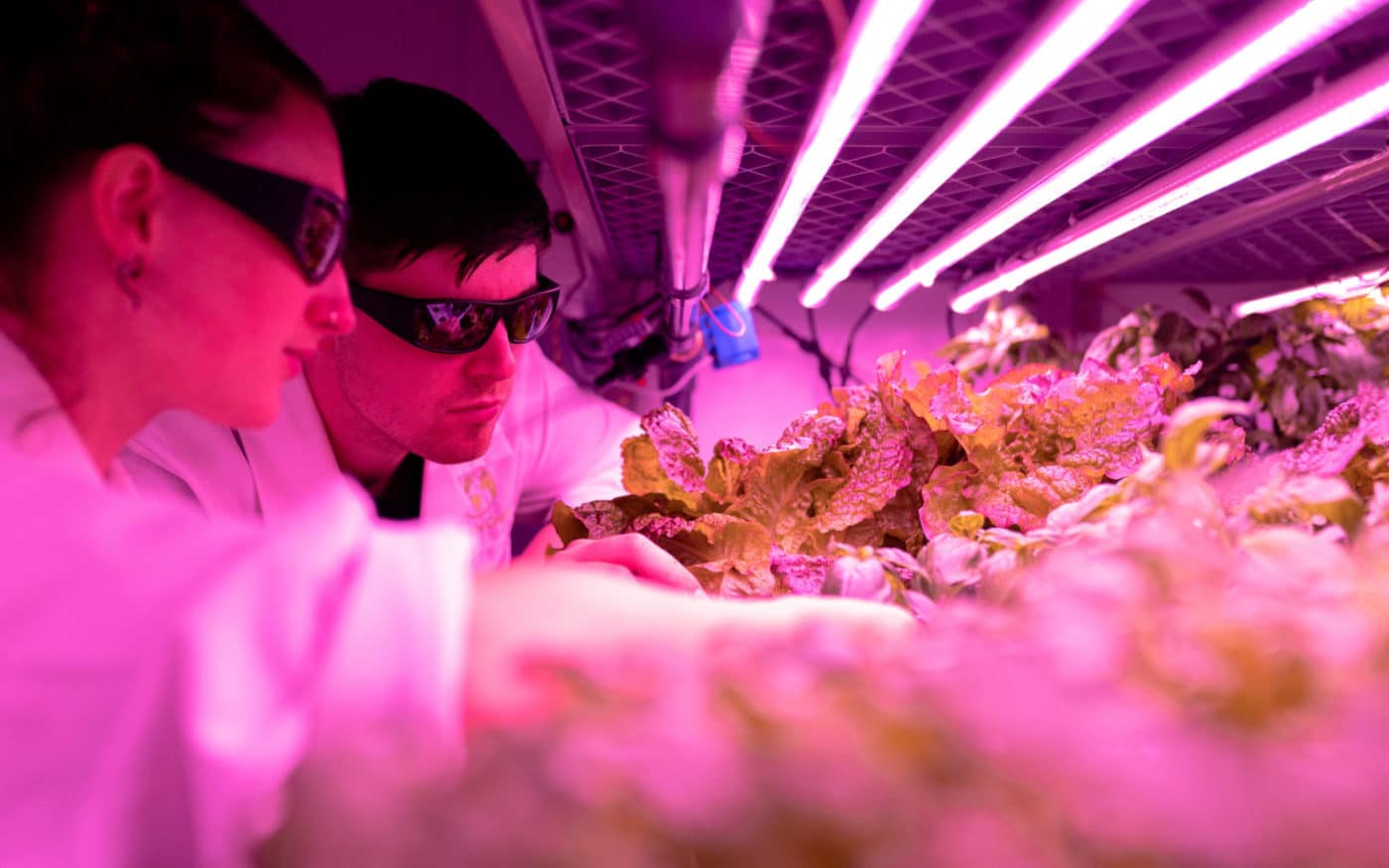
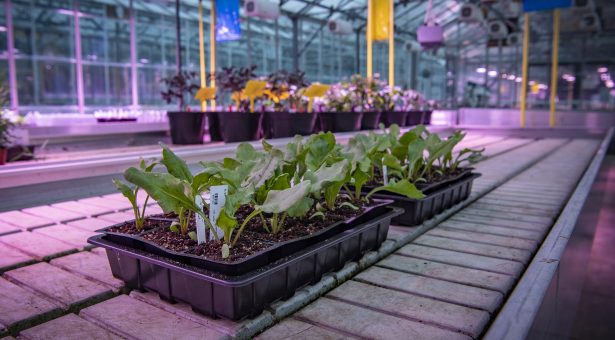
The GrowPura® technology maximises the use of space and reduces input costs. Plants are grown in a vertical hydroponic system with multilevel stacked trays. These move within a bio-hall and are continuously monitored to ensure each tray receives optimum light for growth.
Reducing inputs
As 95% of the water used is recycled it uses a fraction of the water required for field irrigated crops with no runoff.
All aspects of the environment – atmosphere, irrigation, level of lighting, humidity and temperature – can be calibrated to the crop to maximise production efficiency.
The system also uses less energy than conventional vertical farming systems. For example, it uses 50% less LED lighting and requires 50-75% less space. This results in significantly higher output compared to static hydroponic vertical farming methods.
Clean Room environment
All operations – propagation, growing and packing – take place within the clean room environment which uses filtered air and integrated barrier controls to remove the need for pesticides or washing. This means that crops have a longer shelf life once harvested.
The GrowPura® technology improves the economics and reduces the environmental impact of vertical farming while improving the quality of food produced.
The patented technology is available for licensing and turnkey solutions for vertical farming companies.
Get the latest agri-tech news, events and opportunities direct to your inbox
BBRO showcases novel spore detectors
Meet the Network
Agri-TechE
The British Beet Research Organisation (BBRO) is pleased to be sponsoring the Royal Norfolk Show’s Innovation hub again this year. They will also be showcasing their own innovation in the way of some rather special monitoring stations and novel spore detectors that are currently in action across the sugar beet growing region.
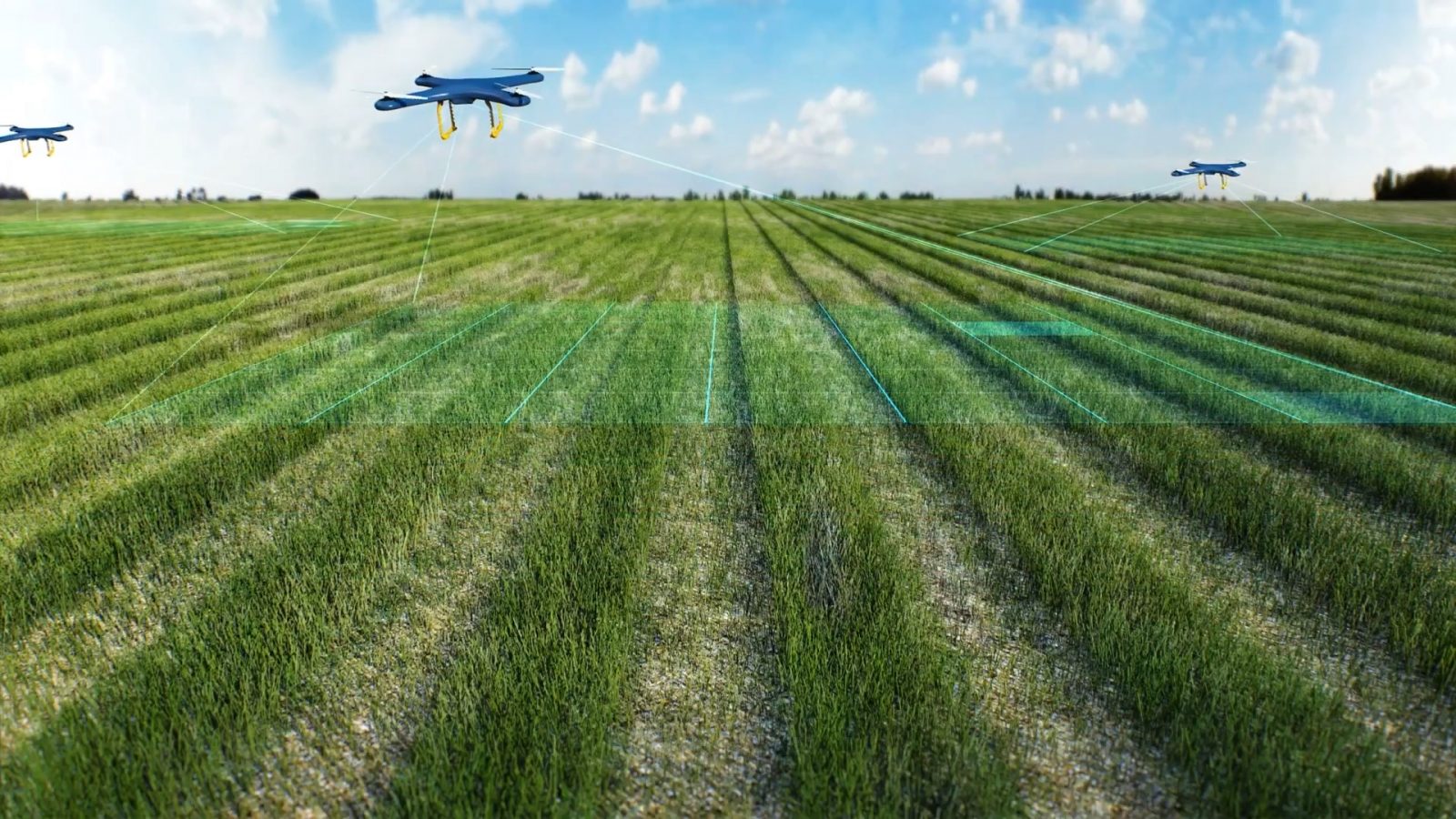
Data is key in any research project, but for agricultural organisations such as the BBRO, the collection of robust in-field data is often thwarted by weather conditions. Certain foliar diseases and pests may prove a major headache to the sugar beet industry one year, but then not seen again for years. For this reason, BBRO is developing new tools to monitor actual in-field environments alongside the early detection of pests and spores to ascertain how the two correlate.
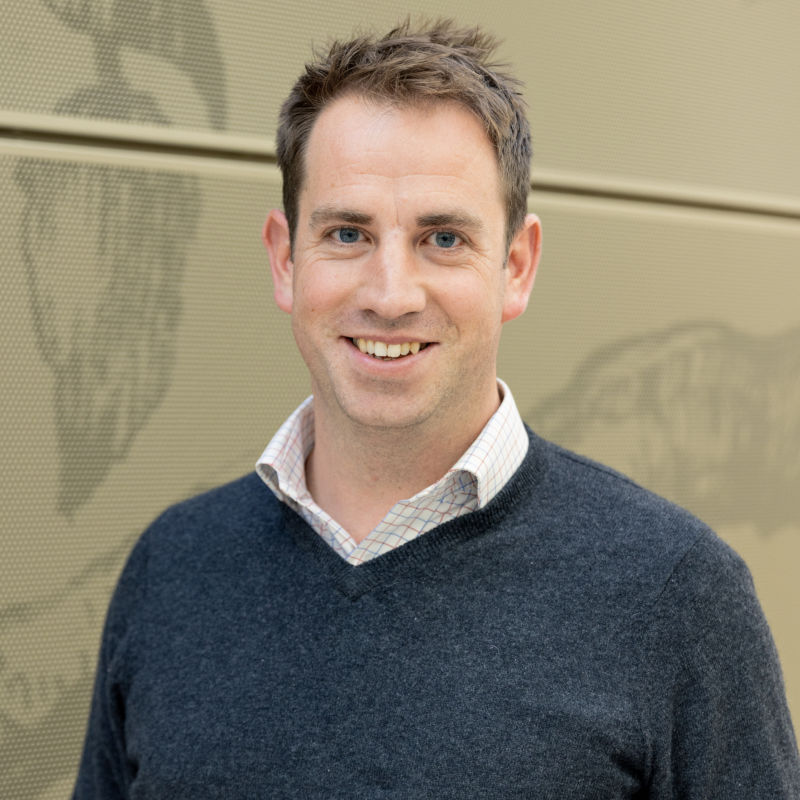
Dr Alistair Wright is leading this work, utilising knowledge gained from travels in America and Canada where diseases such as Cercospora leaf spot are having a major impact.
Dr Alistair Wright
Novel spore detectors
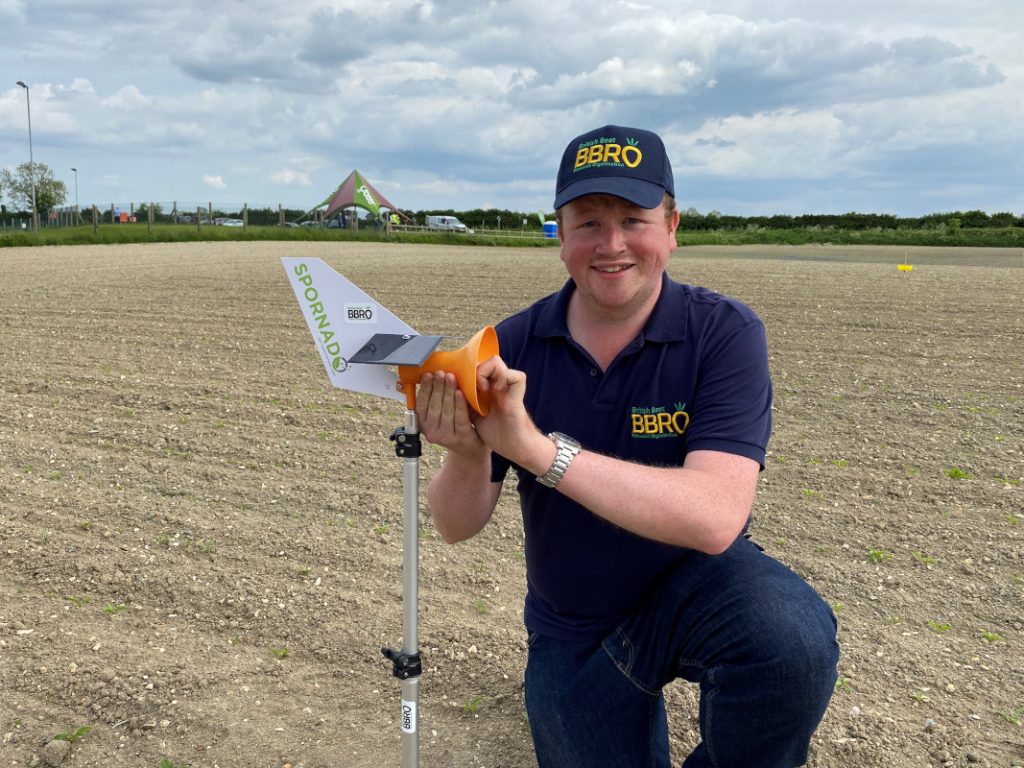
Alistair explains: “One of the most striking features of our monitoring sites is the ‘Spornado’ spore collector. It’s a 3D printed vacuum system, powered by solar that literally hoovers the air for small particles which are collected on a fine mesh for lab analysis.
“At the moment we are looking for Cercospora spores but as we develop the technology and our capabilities, we will be able to identify many other fungal spores, and maybe even pests, to provide an invaluable early detection system for sugar beet growers.
“Whilst understanding the presence and level of spores is important, we also need to define the weather conditions required to cause infection and have therefore introduced a network of Sencrop weather stations on each site. These collect general weather info to determine, rainfall, temperature and humidity levels but also incorporate a leaf sensor that is hidden in the crop to ascertain the actual conditions within the crop canopy.
“By monitoring spores and changing weather conditions we hope to be able to predict the potential level of disease pressure and therefore take action before disease development.”
Defence against virus yellows
“There are 12 of these special monitoring sites which also form part of the BBRO wider yellow water pan network, monitoring the presence of aphids (particularly Myzus persicae a carrier of Virus yellows),” Alistair continues. Further Information relating to the aphid survey is available on the BBRO.
“We have also added several moth pheromone traps to monitor the presence of the Beet moth that caused major destruction to areas of the crop in 2022, particularly in the Bury area.
“Data from all sites will be collected twice a week for at least 12 weeks, which is a huge commitment from those involved. We are indebted to BBRO staff, our partners and supporters for their help in delivering this project.”
Get the latest agri-tech news, events and opportunities direct to your inbox
Data driving up performance in broiler production
Meet the Network
Agri-TechE
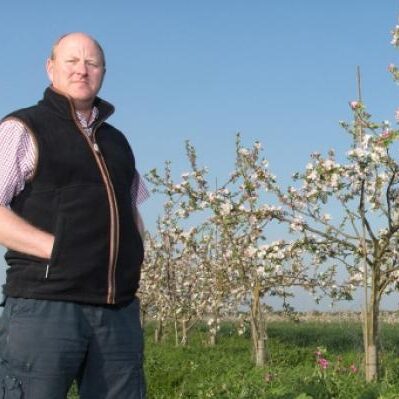
Poultry farmer Peter Mason, farm manager of Uphouse Farm Ltd., is a big believer in precision farming, taking a data-driven approach to improving performance across the farm’s broiler business. This includes live monitoring of key performance metrics such as FCR, live weight gain and daily feed/water intake per bird.Peter was on the farmer panel at REAP 2022. Ahead of the conference we asked him more about the operation at Uphouse Farm.
“We are an 840,000-bird site spread across two farms, both running the higher welfare, in-house hatching ‘Nestborn’ system. We have two great teams of stockmen who are all dedicated to achieving the highest welfare and performance from our birds. The technology we have installed in the sheds gives them a great platform on which to achieve this, and allows us to collect daily performance data and analyse it. If there is a drop in performance, we analyse the information to try and understand the cause.
“For each shed there is an interface that provides a summary of key information, such as numbers of birds remaining in the shed, how much they are eating and drinking, humidity, temperature, lighting pattern and much more. This data then entered each day into a spreadsheet and compared against target performance.
“Attention to detail is crucial for us; if you think about even one drinker line or pan line at the wrong height, this can impact the performance of thousands of birds in each shed. If you then multiply this up over seven and a half flocks per year, across two farms, that will have a significant impact on bird performance.
“The farm also has a 2.2MWh biomass plant, burning our own chicken manure, producing sustainable heat for our own sheds via process called Fluidised Bed Combustion. This produces a drier heat, which reduces the levels of CO, CO2 and ammonia compared to using LPG, consequently creating a much healthier environment for the birds. As well as using around half of our manure produced annually to heat the sheds, a lot goes into our arable operation, which makes the farm cyclical in nature – which is great from a sustainability point of view.
Challenges
“Broiler farming is a high-input high-output business. Soaring input costs and ever-increasing pressure for environmental sustainability are two huge talking points in our industry. Feed is our largest input, making up around 70% of the cost of each flock, simultaneously being responsible for around 80% of greenhouse gas emissions in the poultry sector. That makes our FCRs one the biggest driver of both economic and environmental sustainability.
“The continued adoption of emerging technologies combined with continued analysis of big data will have a huge part to play here, as they will help deliver new efficiencies and continuous improvement around this key metric.”
“Beyond feed, one of the biggest inputs is electricity, and these costs have gone up 165% in the last eight months, which has been a real kicker. For context, across the farm in the height of summer, we have 384 fans that need powering to ensure our birds have an optimal environment in the sheds. We do have 600 KWh of ground and roof mounted solar, but that doesn’t get close to covering our parasitic load.
“We are always looking for new technologies to improve our energy efficiencies, and have commissioned an energy audit to help us do that. I would love to ideally take the farm off-grid, making us self-sustainable, but the only way I can see this happening at present would be to invest in an AD (anaerobic digestion) plant or install battery storage technology when that becomes available.
“Even with ever improving technology, the main issue is large-scale energy generation is an enterprise in itself. The farm already has a full-time heating and farm engineer managing the three biomass boilers, and an AD plant would take significant input of time. However, with the ever-increasing cost of electricity, this is something the business has to consider.
Summary
“I am excited about the potential of data-led and data-driven decision making for the poultry industry and think we can do more in terms of using the data available. Collaboration is key to achieve higher efficiency in our sector and I believe we have a lot to learn from each other.
“At the end of the day, I am a farmer, not a data analyst. We have access to a huge amount of data, and I would like to be able to analyse this in more depth to understand better what we need to change and then see that applied in practice.”
Post Overview
22nd May 2023
Agri-TechE
Agri-TechE Article
Livestock
Share this Page:
Related Posts
Biological ‘lure and kill’ system for bean weevils shows promise
Get the latest agri-tech news, events and opportunities direct to your inbox
Laser weeding by WeedBot for minimum till cultivation
Meet the Network
Agri-TechE
Laser weeding is going to be a game-changer in precision agriculture according to Jānis Jaško, CEO of WeedBot Ltd. The company, originally from Latvia has demonstrated its prototype and plans to launch a commercial unit in Spring 2022. We asked Jānis about his plans for the company and why they chose the UK to set up the business.
WeedBot started as a research project as we were being asked by farmers in Latvia for an alternative to hand weeding.
As we explored the possibilities of using a laser beam, we saw the potential to offer an affordable, cost-efficient, chemical free weeder that offers precision and speed. So, we decided to set up a company to commercialize laser weeding technology.
In 15 months we have built 3 prototypes, of which latest one is a full-scale machinery that is attached to the tractor, and raised 190k EUR from investors in Latvia and UK.
Carrots are just the beginning
At WeedBot we started to develop our first product with clear focus on the problem and end-user. We selected carrot growers as our first target customers because there is a lot of manual work for this crop.
Our laser weeding system can recognize crop (at this moment carrots but other crops will be also added in couple of months), distinguish it from the weeds and zap the weeds with high power laser light.
There are other companies developing different high precision weeding systems (robotic arms, electricity, microwaves, spot herbicide spraying, small hoes), but there are several advantages to our approach:
• Precision – laser treats weeds very close to the crop – just a few millimetres away.
• Very fast – as we don’t need to move heavy equipment and light travels at ..the speed of light!
• No chemicals involved and less CO2 emissions – no environment hazard;
• Minimal disruption of soil – laser treats weed parts that are above surface so there is no movement of soils
Setting up in the UK
We choose UK as our first market in Europe for several reasons: it is one of the largest carrot growing countries, it has a consolidated organic carrot grower network and a well-developed innovation ecosystem.
We participated in Riga-Cambridge Venture Camp in 2021 and as part of this spent one week in Cambridge engaging with local start-up ecosystem. Alan Barrell has been our business mentor since then.
This encouraged us to set up a subsidiary in the UK, and we have had a good service from DIT; introducing the business environment in UK (luckily it is not too different from Latvia but there are several peculiarities) as well providing introductions to local service providers. This is so important when you are totally new in the country. I liked that DIT are proactive and it was great to see our contact Jane at our demo in Shropshire.
Demonstration gained good feedback
It is important for us to engage with growers as much as possible and get their feedback as often as possible.
Due to Covid and Brexit it was not so easy (compared to three years ago) to bring machinery to UK for demo so we were pleased that everything went well and we were able to be in the field and showcase our development.
We were grateful to Nick Tayler farm for hosting us and providing all the support necessary to be able to demonstrate laser weeder in the carrot field.
It is always a bit tricky when demonstrating equipment to end users that is not 100% finished yet – so I do my best to explain what is current development stage and the functionalities that are going to be added or enhanced a bit later.
We are happy for any feedback – as we get external validation on things that work well as well things that needs to be improved either in the machinery or in our way how we present it.
There are differences between countries – climate, weed species, soil type – but the need to keep weed pressure low is universal. I would say that difference between large and small farm within one country is more substantial than between large farmers in different countries. As we primarily work with large growers, they seems quite similar through Europe, at least from our perspective.
Benefits of the agri-tech ecosystem
As several in our team have an academic background in agriculture engineering it was very interesting to visit Engineering Department at Harper Adams University. It was good to see that drones, robotics and sensors networks are in the research spotlight here. I really liked the Hands-Free Hectare concept that has now evolved in Hands Free Farm.
I`ve always be a fan of applied research so this is very good way how bring research closer to producers and vice versa – allow companies to test and demonstrate their latest products for researchers, students and wider audience. Harper Adams also has a research project looking at laser usage in weed control so we had good in-depth conversation about this.
Commercial laser weeding to launch in 2022
Our next large milestone is to deliver first commercial unit for UK growers in Spring next year. We also plan to add at least 2 more crops to our recognition software, to expand application of the laser weeder.
To accomplish that we are now actively looking for investors as we plan to rise 2M EUR as our next funding round in the coming few months. We already have 3 investors/shareholders from UK from our previous round which was kindly organized by Cambridge Agritech at the beginning of this year.
RB Organic (large organic carrot and other vegetable grower) is one of our shareholders with whom we keep close relationship and I think they are an excellent example of how forward-thinking growers are investing in agri-tech start-ups.
This is beneficial in two ways – firstly, it provides financial capital to develop the technology and second (maybe even more important) it provides an indication for institutional investors that technology is desired from end-users.
Besides the investment round, we are planning to recruit new members of which Chief Business Development Officer would be the most senior position.
So, raising general awareness about WeedBot and informing about our near future plans is a great added value from being a member of Agri-TechE .
Post Overview
19th April 2023
Agri-TechE
Agri-TechE Article
Machinery, Robotics and AI
Share this Page:
Related Posts
Precision agri-tech could accelerate uptake of biologicals if regulations can keep up
Get the latest agri-tech news, events and opportunities direct to your inbox
Laser weeding by WeedBot for minimum till cultivation
Meet the Network
Agri-TechE
Laser weeding is going to be a game-changer in precision agriculture according to Jānis Jaško, CEO of WeedBot Ltd. The company, originally from Latvia has demonstrated its prototype and plans to launch a commercial unit in Spring 2022. We asked Jānis about his plans for the company and why they chose the UK to set up the business.
WeedBot started as a research project as we were being asked by farmers in Latvia for an alternative to hand weeding.
As we explored the possibilities of using a laser beam, we saw the potential to offer an affordable, cost-efficient, chemical free weeder that offers precision and speed. So, we decided to set up a company to commercialize laser weeding technology.
In 15 months we have built 3 prototypes, of which latest one is a full-scale machinery that is attached to the tractor, and raised 190k EUR from investors in Latvia and UK.
Carrots are just the beginning
At WeedBot we started to develop our first product with clear focus on the problem and end-user. We selected carrot growers as our first target customers because there is a lot of manual work for this crop.
Our laser weeding system can recognize crop (at this moment carrots but other crops will be also added in couple of months), distinguish it from the weeds and zap the weeds with high power laser light.
There are other companies developing different high precision weeding systems (robotic arms, electricity, microwaves, spot herbicide spraying, small hoes), but there are several advantages to our approach:
• Precision – laser treats weeds very close to the crop – just a few millimetres away.
• Very fast – as we don’t need to move heavy equipment and light travels at ..the speed of light!
• No chemicals involved and less CO2 emissions – no environment hazard;
• Minimal disruption of soil – laser treats weed parts that are above surface so there is no movement of soils
Setting up in the UK
We choose UK as our first market in Europe for several reasons: it is one of the largest carrot growing countries, it has a consolidated organic carrot grower network and a well-developed innovation ecosystem.
We participated in Riga-Cambridge Venture Camp in 2021 and as part of this spent one week in Cambridge engaging with local start-up ecosystem. Alan Barrell has been our business mentor since then.
This encouraged us to set up a subsidiary in the UK, and we have had a good service from DIT; introducing the business environment in UK (luckily it is not too different from Latvia but there are several peculiarities) as well providing introductions to local service providers. This is so important when you are totally new in the country. I liked that DIT are proactive and it was great to see our contact Jane at our demo in Shropshire.
Demonstration gained good feedback
It is important for us to engage with growers as much as possible and get their feedback as often as possible.
Due to Covid and Brexit it was not so easy (compared to three years ago) to bring machinery to UK for demo so we were pleased that everything went well and we were able to be in the field and showcase our development.
We were grateful to Nick Tayler farm for hosting us and providing all the support necessary to be able to demonstrate laser weeder in the carrot field.
It is always a bit tricky when demonstrating equipment to end users that is not 100% finished yet – so I do my best to explain what is current development stage and the functionalities that are going to be added or enhanced a bit later.
We are happy for any feedback – as we get external validation on things that work well as well things that needs to be improved either in the machinery or in our way how we present it.
There are differences between countries – climate, weed species, soil type – but the need to keep weed pressure low is universal. I would say that difference between large and small farm within one country is more substantial than between large farmers in different countries. As we primarily work with large growers, they seems quite similar through Europe, at least from our perspective.
Benefits of the agri-tech ecosystem
As several in our team have an academic background in agriculture engineering it was very interesting to visit Engineering Department at Harper Adams University. It was good to see that drones, robotics and sensors networks are in the research spotlight here. I really liked the Hands-Free Hectare concept that has now evolved in Hands Free Farm.
I`ve always be a fan of applied research so this is very good way how bring research closer to producers and vice versa – allow companies to test and demonstrate their latest products for researchers, students and wider audience. Harper Adams also has a research project looking at laser usage in weed control so we had good in-depth conversation about this.
Commercial laser weeding to launch in 2022
Our next large milestone is to deliver first commercial unit for UK growers in Spring next year. We also plan to add at least 2 more crops to our recognition software, to expand application of the laser weeder.
To accomplish that we are now actively looking for investors as we plan to rise 2M EUR as our next funding round in the coming few months. We already have 3 investors/shareholders from UK from our previous round which was kindly organized by Cambridge Agritech at the beginning of this year.
RB Organic (large organic carrot and other vegetable grower) is one of our shareholders with whom we keep close relationship and I think they are an excellent example of how forward-thinking growers are investing in agri-tech start-ups.
This is beneficial in two ways – firstly, it provides financial capital to develop the technology and second (maybe even more important) it provides an indication for institutional investors that technology is desired from end-users.
Besides the investment round, we are planning to recruit new members of which Chief Business Development Officer would be the most senior position.
So, raising general awareness about WeedBot and informing about our near future plans is a great added value from being a member of Agri-TechE .
Post Overview
19th April 2023
Agri-TechE
Agri-TechE Article
Machinery, Robotics and AI
Share this Page:
Related Posts
Agri-TechE members make connections to the Netherlands around robotics
Get the latest agri-tech news, events and opportunities direct to your inbox
FoodTech 500 – 2022 listing announced
Meet the Network
Agri-TechE
The FoodTech 500 has just been announced and the researchers observe a number of changing trends in the industry.
This international index of companies to watch is devised using Forward Fooding’s own algorithm that includes a measure for profile of the company and provides an interesting indices for measuring the direction of travel.
The trends in FoodTech for 2022 include:
A slow down in the global foodtech sector after a record year in 2021 – some of this is a readjustment after the pandemic, which saw the rapid growth of some sectors such as the food delivery sector.
Fall in valuations of start-ups – the downturn has reduced the numbers of start-ups considering an IP and late stage valuations have fallen.
Doubts about plant-based proteins – as consumers tighten their belts they have less appetite for paying a premium for plant-based alternatives and there has been realignment in the price of some stocks, such as Oatly and Beyond Meat, which arguably were overvalued initially.
Change in the alternative proteins market – a notable point has been interest in fermentation and cellular agriculture, supported by government initiatives and some interesting collaborations.
Agri-TechE members featured in the Official 2022 FoodTech 500 include:
Get the latest agri-tech news, events and opportunities direct to your inbox
Bio Natural Solutions voted one of top 20 start-ups at Fruit Logistica
Meet the Network
Agri-TechE
Avocados are among the fruit that can be protected by waxing
An extract from the discarded peel of tropical fruits is providing a powerful protectant from fungal diseases. The protective coating, developed by Bio Natural Solutions, contains natural compounds with a high antioxidant capacity, which, when applied to the outside of a harvested fruit reduces the incident of phytopathogens. The company was highlighted as one of the 20 best global start-ups at Fruit Logistica.
Nicole Tovar Helfers of Bio Natural Solutions explains: “We have identified that avocados have a high incidence of the fungal diseases Fusarium spp and Colletotrichum spp.
“To protect the fruit we have created an organic coating called ‘Life Cover’. This wax is applied to the entire surface and has a slow release active ingredient that inhibits the growth of the fungi.
“We use tropical fruit residues from the peels and seeds of mango, citrus and avocado peels and extract from natural, harmless compounds with high antioxidant capacity. These active ingredients enhance the effectiveness and protection of our coating, reducing the need to use agrochemicals in post-harvest.
“Being selected as one of the 20 best global start-ups in the sector at Fruit Logistica was a great opportunity. It gave us visibility within the fair as a Peruvian-British start-up and this will allow us greater access to new markets with exposure worldwide.”
Protected from fusarium
Bio Natural Solutions has a range of products for protecting fruit and sanitising surfaces. Nicole says: “Our aim is to change the world one peel at a time, with our patented technology that improves the shelf life of fruits without using agrochemicals.”
Get the latest agri-tech news, events and opportunities direct to your inbox
Analytics can unlock insights – such as when to buy a second seed drill!
Meet the Network
Agri-TechE
“Sometimes the farmer has a gut feeling about something but being able to analyse the data can support or disprove that gut feeling,” explains Emma Kelcher, Senior Customer Success Manager at data analytics company YAGRO. “For one of our customers, just having the financials in front of him made it much easier to justify investment in a second seed drill.” This is just one of the practical examples that Emma will be discussing at the Agri-TechE data event ‘Planning a resilient on-farm data strategy’ on Wednesday 15th March 2023.
Emma Kelcher
Emma joined YAGRO after many years working on-farm as a technical manager for a Suffolk estate and can see clearly how she would have benefited from improved data analytics.
“I have had over 11 years’ experience collecting on-farm data and just one example that was always an obstacle to our work was the inconsistency in field names and cropping types. For example: I might call Winter Wheat ‘WW’ in my farm management software, I might also refer to my varieties as Extase and not KWS Extase, but other users might use different terms for the same thing.
“When you are using several software systems the problem gets more challenging. Yield data was recorded in Weighbridge and Excel files, and with many users there would be errors in field name spelling.”
Improving data collation and consistency
“What YAGRO does is collate, verify, and structure data into a common infrastructure. It recognises that each farm records its data in a way that is unique to them but standardises everything, so that for example field names are consistent year on year, multiply that up to every variable and you get the idea of how much data we process, clean, validate and structure. This makes life easier and enables you to make comparisons.
“I have always had a passion for data and ensuring farmers do the best they can, and the key to YAGRO is unlocking the true value of data to the customers in an efficient and user-friendly way.”
The focus of Emma’s team is ensuring that users are getting the most out of the platform and tools, including training users and extending the scope of the ‘tool kit’.
“My favourite part of the job is when a farmer asks for something our systems doesn’t yet do and either figuring out how it can be done with our tools or working closely with our software engineers to develop new features and elements. It’s really rewarding to see ideas implemented and used by farms.”
Analysing yield data and profit margins
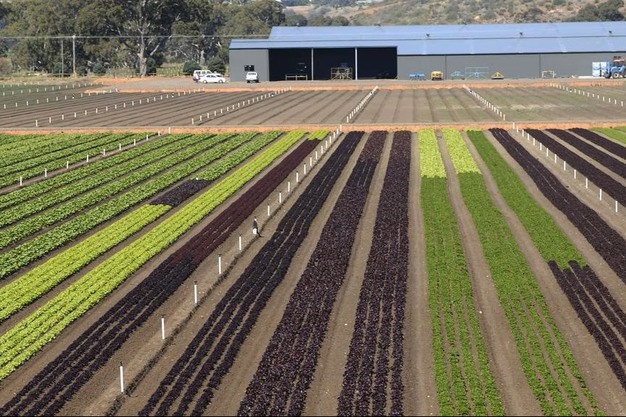
The YAGRO platform treats each field as an individual profit centre and looks to see how every aspect of the farm is contributing to the overall health of the business.
“We have farms who are sending in over six plus years’ worth of field and harvest data which we can then use to highlight trends, like individual field performances – which are improving, which are declining in output – then being able to explore what is driving that change.
“Farms don’t need to organise their data themselves. We do the hard work for them. We structure that into a standardised format to allow it to be anonymised and comparable with others.
“Once the data is cleaned, collated, and validated we present back to the farm that information in a very visual format showing their performance by any metric, with a focus on measuring by cost per tonne produced. We are also able to show them their performance against an anonymised data set, for example where they sit on verified market range on the cost of production for winter wheat.”
Justifying investments
Emma explains that the analysis provides actionable insights: “The other day we had a group of six farms sitting around a table discussing optimal drilling rates. We were exploring their optimum drilling rate and date for each farm. They all had data in our system and had given mutual permission to share their performance at a ‘nitty-gritty’ level – something we call a virtual group.
“One farm had a far longer drilling window than the rest and the resulting gross margin and yield was more volatile. Seeing the financial impact and risk that this was having over a few years made investing in a second drill a no-brainer for them. The farm rented – then bought – a second-hand Varderstad, which cut the drilling window in half. He had suspected that this might have been the case, but by having the financials in front of him and reviewing the wider group performance he was able to make a more informed decision.
Comparing agronomy strategies
“For another farmer we compared the difference in the cost of agronomic advice – where one was based on a walk rate and the other bundled into the input costs. There was a difference on the chemical cost which was as suspected, but the comparison showed a rate difference of 16% between the two blocks, which highlighted what that farm was paying to have a low-risk approach to their disease and weed control. Having the financial analysis allows you to make a more informed decision and actually put a value on their attitude to risk.
Improving data input
“The important part is collecting quality data in the first place. The more data that is collected, the more insight can be gained. Once farms have joined the YAGRO platform you do tend to see the following year the improvements they have made to their data collection on-farm, in some cases even unlocking some technologies such as telematics on their combines being used more, allowing technology to do the hard work for them.
“When I joined YAGRO it was just a small team and since then I have seen it triple in size and the customer base grow which is exciting – it shows the value data has on farm.”
Emma Kelcher of YAGRO and Alastair Grizzell, Head of Sales at Map of Ag, will be among the speakers at the Agri-TechE event: ‘Planning a resilient on-farm data strategy’ on 15th March 2023 at Rothamsted Research from 12.30 – 17.00.
Post Overview
6th February 2023
Agri-TechE
Agri-TechE Article
Digital Farm Management
Machinery, Robotics and AI
Share this Page:
Related Posts
Laser weeding by WeedBot for minimum till cultivation
Get the latest agri-tech news, events and opportunities direct to your inbox
Permissions are key to sharing and benefiting from data
Meet the Network
Agri-TechE
“Sharing data with trusted partners can provide valuable insights for both farmers and the wider industry, but the need for a secure, independent and trusted system to connect and share data is key,” says Alastair Grizzell, Head of Sales at Map of Ag. He is speaking at the forthcoming meeting ‘Planning a resilient on-farm data strategy’ on 15th March 2023.
Alastair Grizzell, Map of Ag
Map of Ag is a leading provider of data services connecting farms and the agrifood industry, using enhanced data integration to evidence baseline activities and make positive steps towards sustainable production systems, supporting environmental performance and profitability.
Alastair continues: “We are seeing an increase in collaborative working. Farmers want to be able to bring their data together in one place and to gain actionable insights from combining information and reviewing it at detail. For this to happen they need to be able to share data with the confidence that they remain in control.”
Meeting sustainability ambitions in the value-chain
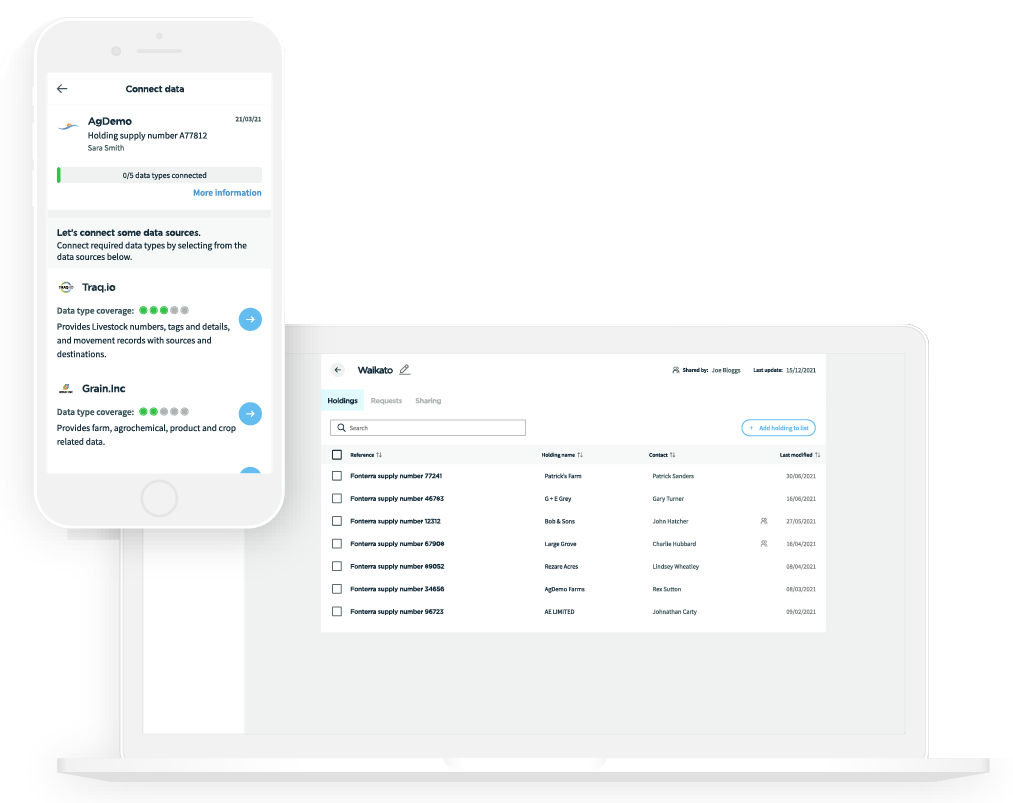
Map of Ag’s data platform, Pure Farming, allows farmers and growers to coordinate and manage their data, so they can share it with complete confidence.
Alastair continues: “By using our intuitive interface, farmers and growers can accept or deny requests for data, connect their data sources, and review and agree to the data-sharing terms and conditions – all in the knowledge the data is secure, encrypted and approved only for the agreed use.”
Map of Ag is working with agrifood producers to engage their farmers, and work together to meet sustainability objectives. Alastair explains: “About four years ago, Weetabix published its sustainability strategy; this is made up of four pillars, with one pillar focusing on sustainable ingredients. We have been working with the Weetabix Growers Group to meet the target set by the company to be carbon net zero by 2050.”
Measuring Nitrogen use efficiency
Map of Ag was engaged to gather robust data in relation to Nitrogen use efficiency (NUE) in wheat production. Following a successful pilot with three growers, Map of Ag then worked with an additional 14 growers – who produce 40% of Weetabix’s protocol wheat – to measure their carbon footprints and NUE.
“After having seen the outcomes from this project, a number of farmers from the Growers Group are going to continue to work with us on measuring emissions and carbon sequestration so they can get a whole-farm picture,” says Alastair. “This shows how data is the key to driving actionable insights for farmers.”
Digitising agriculture
Outside of his work at Map of Ag, Alastair is also a college governor at Hartpury College, and supports their drive on connecting the wider industry with farmers from ‘gate to plate’ as part of broader Agri-TechE Strategy.
“The Hartpury Digital Farm is starting to show how different parts of the industry can engage with farmers and students, focusing on tackling some of the key challenges, such as Net Zero. It’s this coordinated approach which will be key to driving the overall sector forward.”
Get the latest agri-tech news, events and opportunities direct to your inbox
Demystifying aeroponic production – LettUs Grow research collaboration with Wageningen University
Meet the Network
Agri-TechE
LettUs Grow has pioneered the development of an ultrasonic aeroponic system
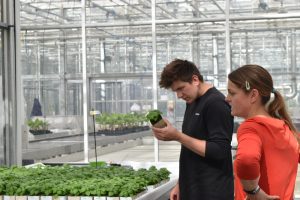
Ultrasonic aeroponics and hydroponic irrigation systems are going head-to-head in a research collaboration between Wageningen University and Research (NL) and the aeroponic technology specialists LettUs Grow (UK). The trials aim to boost the understanding of aeroponics to encourage innovative agricultural practices in the future.
Hydroponics is a method of soil-less growing, where plant roots are supplied with a nutrient solution at intervals or constantly growing in a nutrient solution, whereas in aeroponics plant roots are irrigated with a fine mist of water and nutrients. Ultrasonic aeroponics uses high-frequency sound waves that shake water and nutrients until they disperse into lots of tiny droplets, like a mist.
LettUs Grow: pioneer in ultrasonic aeroponics
LettUs Grow has pioneered the development of an ultrasonic aeroponic system and this will be trialed alongside two other hydroponic systems, ebb and flow and deep water culture, in a greenhouse environment. The research will be conducted at Wageningen’s campus greenhouse facilities over a five month period.
Jack Farmer, Chief Scientific Officer and co-founder of LettUs Grow, said: “It is a core value for us that everything we do and promote is rooted in good science; so it’s really gratifying as a UK technology company within the CEA sector to be collaborating with the leading academics in the space.
“We’re pleased to have the opportunity to build the relationships with Dutch horticulture, which we recognize as world-leading and a cornerstone of the industry.”
Quadruple Helix Model of innovation beneficial
Wageningen is an exemplar of the Quadruple Helix Model of innovation, which is where the university, industry, government and public interact within a knowledge economy.
This policy of investing in and connecting science with policy, industry, and society has enabled the Netherlands to become a global leader in sustainable agriculture. Now, despite its small size, the country is a key agricultural player and second largest exporter of agricultural goods.
Prof. Leo Marcelis, Professor of Horticulture and Product Physiology at Wageningen University, will be leading the trials. He says: “We are happy to conduct this research in cooperation with Lettus Grow, addressing an important question with respect to optimizing growth and quality relevant for greenhouse and vertical farm production systems.”
The trials will compare the crop growth, development and quality of basil in greenhouse cultivation, while also potentially exploring the energy costs associated with each of the three irrigation systems.
Researchers will gather data on:
growth rate
productivity
nutritional content
shelf life
plant physiological characteristics
the effects of seasonality
energy consumption
This is a research collaboration, rather than an outsourced trial, so LettUs Grow will be actively involved in the trial.
Get the latest agri-tech news, events and opportunities direct to your inbox
R&D Tax Credit reduction to impact agri-tech innovation
Meet the Network
Agri-TechE
Alexis Marz cofounder of MMP Tax explains the implications of the R&D Tax Credit reduction
The recent announcement by the government to reduce R&D tax credits from April 2023 will have implications for agri-tech innovation. We asked Agri-TechE members and tax experts MMP to provide the context for this announcement.
In this guest post, Alexis Marz, Director and Co-Founder of MMP Tax limited explains the implications:-
Chancellor of the Exchequer, Jeremy Hunt delivered his first budget in November and announced a number of changes that will have a significant impact on the AgriTech industry from April 2023 and beyond.
As expected, the main rate of Corporation tax is increasing to 25% coupled with a major shakeup of R&D tax incentives. The nature of the reform to the incentives, announced by the Chancellor, is mixed, with positive news for larger companies but it is less so for SMEs.
Reducing the generosity of R&D tax credits
Following a high-profile exposé by The Times recently, revealing the extent of mis-use of the SME R&D Tax Credit, a crackdown on fraudulent or ineligible claims was on the cards.
However, the Government merely introduced a scheme-wide reduction in the generosity level from the current 33.35% rate to 18.6%.
While this may make the scheme less appealing to nefarious parties, the broader effect will see all genuinely innovative SMEs punished as well.
Some of the nation’s most innovative AgriTech companies are small, loss-making businesses who rely on the R&D tax credit to take risks in developing the innovations that go on to enhance farming practices both here in the UK and further afield.
As of 1 April 2023, however, for every £100,000 these businesses spend on eligible R&D, they will receive only £18,600, rather than the previously entitled £33,350.
Increasing corporation tax
The impact will reverberate to small, profit making companies as well. The new, lower R&D tax percentage means their Tax Relief will also be reduced but the increasing tax rates mean it will be even more important to claim. The exact benefit companies receive will depend on their profitability and how the government decides to implement the marginal tax rate. Overall the benefit will be lower, reducing from the previous 24.7% to anything from 21.5% to 16% depending on the company’s situation.
A missed opportunity for reform
A real opportunity for the Government to actively target fraud and, more alarmingly, the large scale abuse of the scheme, has regretfully been missed. Smarter thinking could have brought much needed reform to root out unscrupulous entities while maintaining, or even increasing support for companies involved in genuine R&D.
For large innovative businesses, the picture is thankfully far rosier. The Research and Development Expenditure Credit (RDEC) scheme rate will increase from 13% of eligible spend to 20% of eligible spend, this is almost a 50% increase in net benefit for companies. This will help the Government’s drive to reach its target of 2.4% of GDP on innovation spending.
If you’re a small AgriTech business, looking at other ways to lower your tax burden and obtain funding for your R&D has become more important. Fortunately, the government is looking to increase the amount of money available for grant funding. In addition, the Patent Box will be more impactful, so it is worthwhile considering how your business could benefit in the future.
Advice from MMP Tax
If you have any questions on how the Autumn Statement will impact your business or planned claims for R&D Tax Credits, please do not hesitate to get in touch with MMP Tax and one of our team will be ready and willing to assist.
Get the latest agri-tech news, events and opportunities direct to your inbox
WoodTech project for University of Lincoln and Elsoms
Meet the Network
Agri-TechE
New WoodTech to support the modernisation of tree nurseries will benefit from a £20m ‘Tree Production Innovation fund’ announced by the government announced to improve tree planting stocks, woodland resilience, domestic timber production and accelerate tree planting across England. Also announced is the Woodland Creation Accelerator Fund to support local authorities and rural communities increase tree planting.
Robotic nurseries
One of the projects is aimed at creating a robotic solution for plant processing, called Intelligent Singulating and Labelling of Developing trees Using Robotics (ISILDUR) it is a collaborative project between the University of Lincoln, Elsoms and Royal Botanic Gardens Kew. It aims to automate elements of the forest nursery sector and build capability into robotics
ISILDUR will work with tree nurseries to address labour shortages in the forest nursery sector by developing an intelligent robotics solution for plant processing. The project will involve the design and prototype demonstration of a novel 2-robot solution, combining flexible robotic manipulation and intelligent machine vision in a system capable of performing singulating (using an RFID reader to identify tags used to label trees), grading, counting and packaging.
Increasing germination
In addition, Royal Botanic Gardens Kew, working with Elsoms Seeds and Elsoms Trees, will investigate germination and morphological traits in UK native tree seeds. The project seeks to better understand how such traits vary between wild populations and commercial seed batches, explore how this variation relates to environmental conditions, and apply this knowledge to optimise seed quality and germinability by developing innovative high-throughput seed screening techniques.
Ted Chapman, UK Conservation Partnerships Coordinator, Royal Botanic Gardens Kew, explains that seed lies at the heart of the tree supply chain but, unlike most crops bred for consistency and ease of cultivation, native tree seed is inherently variable in size, shape and germination behaviour. He says: “Understanding this variation and how it impacts on seed quality and germinability will be key to designing efficient production processes, reduce waste and make a wider range of seed available.
“Our TPIF project is an exciting opportunity to link science directly to industry, combining Kew-led research into the morphology and germination ecology of tree seeds with technical development and application in high throughput screening techniques at Elsoms. We are delighted to continue our work and look forward to sharing what we learn as the project progresses.”
Other projects include the University of Cambridge’s TIMBER project, which is designing and creating prototypes for new building materials to drive home-grown, low-carbon and long-lasting construction nationwide.
Unleashing potential of forestry with WoodTech
The United Kingdom consumes 53 million tonnes of wood and wood products each year; however, 81% is imported from abroad. The major investment announced today will support projects developing new technologies and working practices to help homegrown timber production meet a greater proportion of domestic demand. This will help to improve timber security and grow the United Kingdom’s forestry and primary wood processing sectors, which support 30,000 jobs and contribute over £2 billion to our economy every year.
Sir William Worsley, Chair of the Forestry Commission, said: “These funds will unleash the potential of the forestry sector by championing nurseries, charities and businesses operating at the forefront of technological innovation. They will help more people across society get trees in the ground at an unprecedented pace and scale, whilst ensuring their resilience for future generations.
“Through the Woodland Creation Accelerator Fund, local authorities have set out a range of inspiring and ambitious plans which equate to more than 10 million trees being planted on public land across England by 2025.”
New funding streams
Tree Production Innovation Fund
The Tree Production Innovation Fund aims to support innovative projects which explore how new technologies and ways of working can enhance the quantity, quality, and diversity of tree planting stock in England. This will serve to supply young trees in the quantities required to realise ambitious tree planting goals over the coming years. £4.5 million has been made available to support 13 organisations operating across the forestry industry, including collaborations between nurseries, researchers and charities.
Woodland Creation Accelerator Fund
Staff employed or trained through the Woodland Creation Accelerator Fund can include project managers, woodland creation officers, community engagement officers, funding consultants or specialist advisors, such as landscape architects or archaeologists – with each new job created boosting the local economy. Together, the staff will focus on developing planting plans, applications for capital funding in 2023/2024 and 2024/2025, and speeding up the delivery of new woodlands, contributing to our plans to reach net zero emissions by 2050.
Post Overview
28th November 2022
Agri-TechE
Agri-TechE Article
Natural Capital & Innovation for ELMs
Share this Page:
Related Posts
Fruit with your cereal: Is agroforestry profitable in the UK?

 Agri-TechE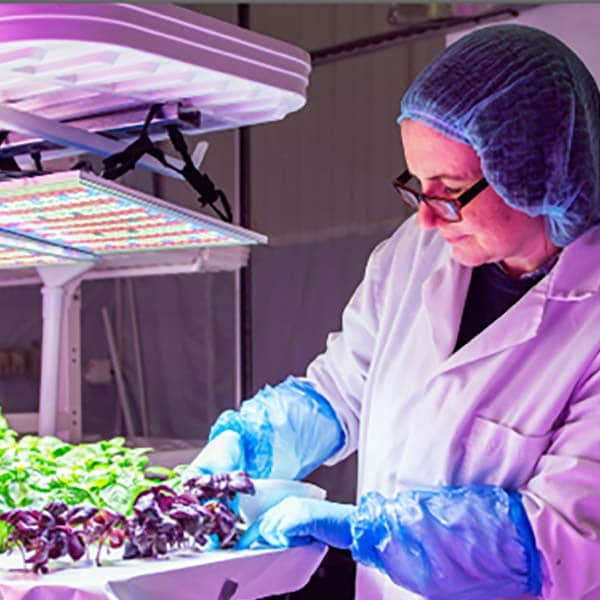















 The YAGRO platform treats each field as an individual profit centre and looks to see how every aspect of the farm is contributing to the overall health of the business.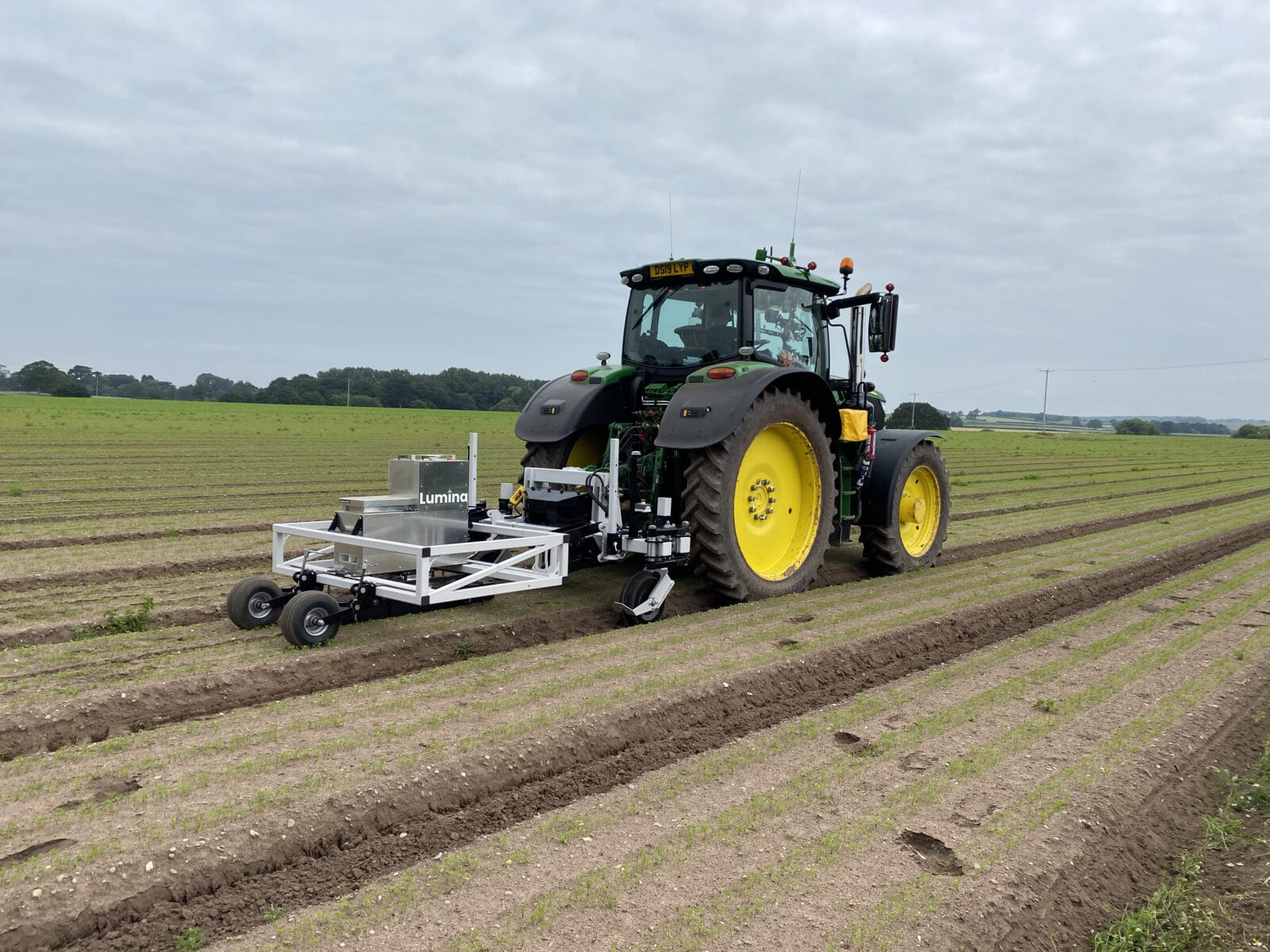




 Measuring Nitrogen use efficiency


 Wageningen is an exemplar of the Quadruple Helix Model of innovation, which is where the university, industry, government and public interact within a knowledge economy.