Patenting, Trademarks, Copyright, Trade Secrets...
In the next installment of our micro-learning series, we’ll explore potential legal solutions to help you keep your ideas safe and sound.

LettUs Grow digs for victory with aeroponic farm modules

Meet the Network
Agri-TechE

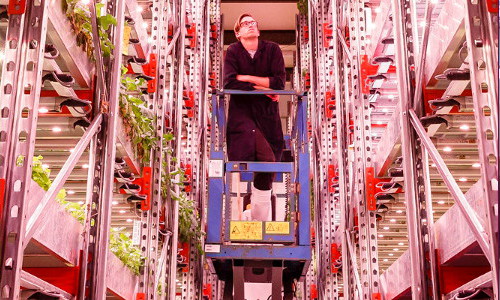
Innovate vertical farm will produce fresh food in 10 days and will donate the fresh produce to those in need in Bristol.

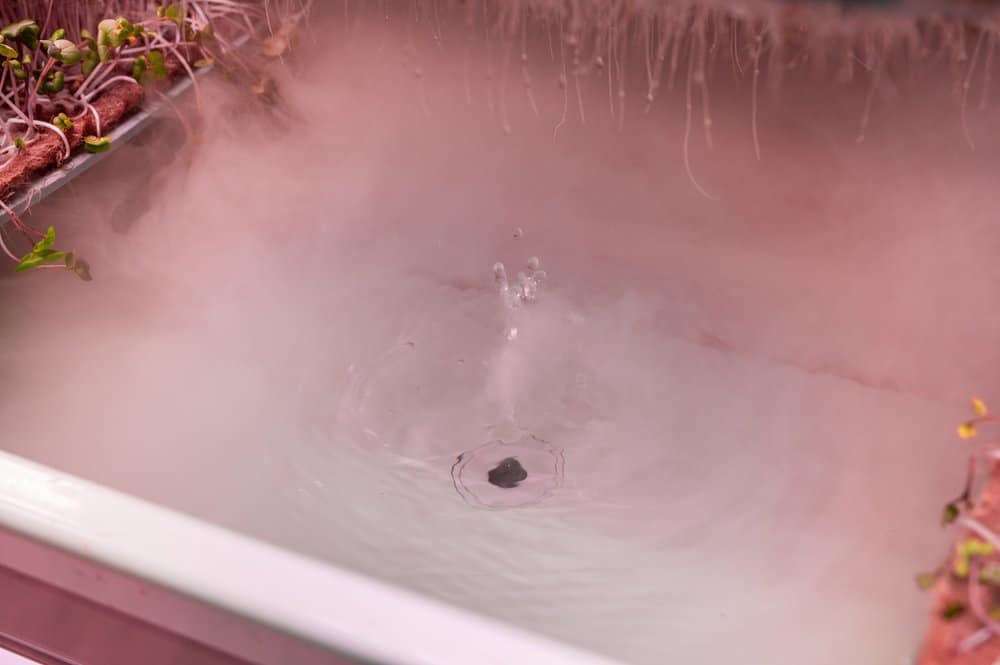
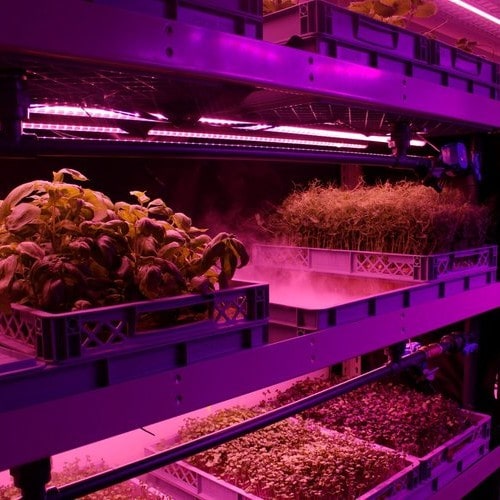
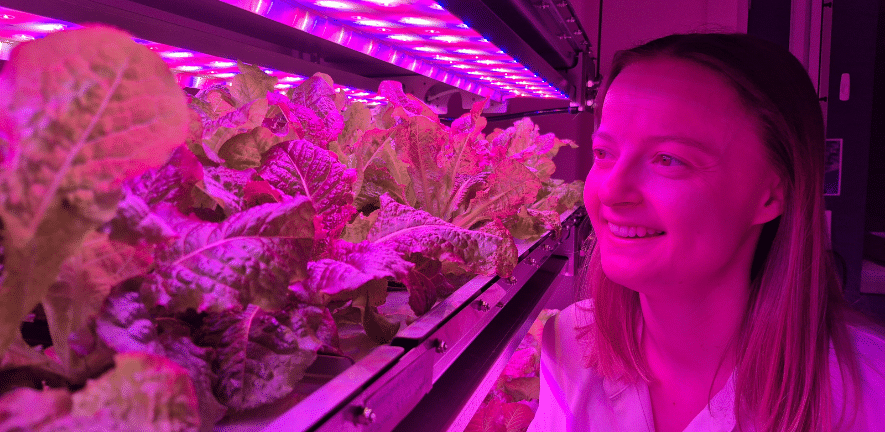
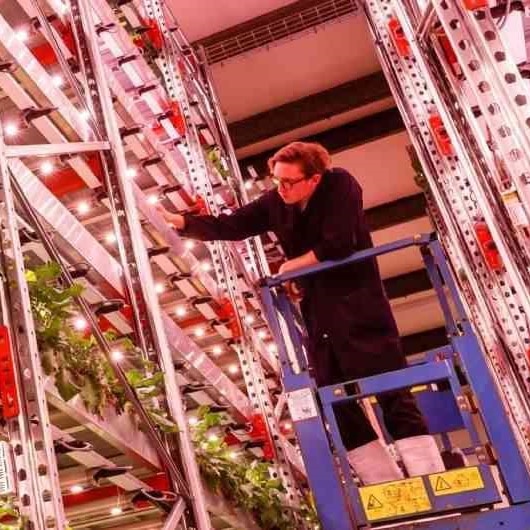
LettUs Grow, an indoor farming technology provider, is fast-tracking the building of two vertical farm modules in the city of Bristol during the COVID-19 outbreak.

Jack Farmer, co-founder and Chief Scientific Officer of LettUs Grow said: “When we founded LettUs Grow, we wanted to enable anyone, anywhere in the world, to grow fresh produce near its point of consumption. That mission has hardly ever felt as urgent as it does today. We knew we had to get involved and help in any way we could.

“Because our farm modules can be deployed anywhere with an electricity and water supply, they are uniquely positioned to increase regions’ food supply chain resilience by diversifying local food production.”

The first of the new aeroponic farm modules to be ready to start producing fresh produce from mid-April, with the first harvests ready just ten days later.

Because most of the farm’s operations are automated, they can be run with only one person on site at any given time to allow social distancing of key workers and minimising strain on an already stretched farm labour force.

Once up and running, the farms will be able to provide a consistent, predictable and climate-resilient food supply to the local community all year round.

The coronavirus outbreak has shone a spotlight on the fragility of the UK’s just-in-time food supply chain.

The UK only produces 50% of the food it consumes, which leaves it vulnerable to shocks in the global supply chain. The closures and lockdowns enforced due to the pandemic, have created logistical bottlenecks that ripple across these lengthy chains.

To ensure the produce gets to those who need it most, the food produced in these farm modules will be donated locally.

Cervest creating ways to analyse and measure the risk of climate uncertainty on any asset

Meet the Network
Agri-TechE

“Essentially we want to help ensure the world remains healthy for years to come,” says Mark Hodgson, Chief Business Officer at Cervest. Mark will be speaking at the Pollinator ‘Keeping a Sunny Outlook – De-risking Agriculture Through Weather-Tech’.
“There are subtle and not so subtle signs in our climate that we may be putting our own livelihoods at risk unless we accurately and objectively understand how climate uncertainty effects the assets we own or rely on, and have a better way to manage them.”
We asked Mark more about his vision for Cervest, progress so far and plans for the future.

There must be a better way to predict adverse weather events?

We believe there is. After working in global tech and finance sector organisations, in 2009 our founder Iggy Bassi launched a farm-to-market agribusiness in West Africa. There he saw first-hand the impacts of extreme climate events and natural resource volatility. This experience, combined with what he had learned in data analytics, resulted in the origins of Cervest: to work on ways to help growers and their value chains make sustainable and cost effective decisions in the face of growing climate variability. We think climate volatility affects all of us: every organisation, every government, every community and every person. Traditional models are not effective for forecasting extreme events and there is a significant information gap between climate awareness and the decisions that need to be made.
We are pioneering ways to provide organisations and individuals with an early warning of extreme events such as floods and fires. We plan to do this by analysing climate data and making predictions on an extreme event’s specific impact to any natural and built asset (crops, forest, flood plains, utility infrastructure, buildings) on any parcel of land, globally. The result is that more people and business sectors, including agriculture, are more ready for increased climate uncertainty.

So you are mapping the world one land-parcel at a time?

We are mapping the world but much faster than one land parcel at a time. To provide more resilience against climate uncertainty everywhere as quickly as possible, we have started building a global inventory –with UK/Europe first – of land assets such as those just described and then mapping them at speed. At the same time we are aggregating data from lots of sources, so that we can connect extreme weather patterns with likely outcomes which we share with users.

Can historical data determine what is an anomaly?

The reason we collect historical data is that customers need to understand whether the situation they see now is a trend: it’s raining a lot now but is that normal for this time of the year or is it an anomaly? Is there a new weather trend that is going to last a generations? Are we in another cycle lasting 2-5 years? That’s important to know as it has bearings on longer term planning and investment.

Is it possible to predict flood events in areas that have not flooded before?

We can’t do flood predictions right now. I believe that further down the line we will be able to gauge the risk to assets from potential flooding across all the areas we monitor.
In time we are incorporating data on wind and hydrological patterns. We want to ensure our risk analysis has taken into account how an entire water basin operates and in what situations, diagnosed against other factors at play such as current land uses nearby, and the residual impact of historical usage, for example soil depletion, upstream flood defences and deforestation.

So Cervest utilises a systems approach, looking at the whole thing in its entirety, rather than just trying to do point changes?

Yes. This is an interconnected issue. A system level analysis of complex global climate change makes personalised decisions everywhere a possibility.
A fundamental problem is that climate impact on a parcel of land can be the result of behaviours and circumstances far away, where the knock-on effects are seen but not understood. A decision by a farmer in Somerset to mitigate against flooding on their farm might be better served by a system-wide understanding of the new weather patterns across UK and an approach to flooding based on a system-wide understanding of all the relevant factors at play, where decisions on land-use across the entire watershed within which the farm is located are connected to make the watershed more resilient. Same at the national level: as a country we need to take national measures to improve land management as a longer term solution to which our Somerset farmer is intrinsically connected.
To help with better decisions, we want our data to be accessible to anyone who has an interest or ownership in the land itself or the asset that sits on top of it. We are working with the insurance industry to evaluate the challenges they face in developing better tools to assess climate risk and how our data can independently inform them and their clients, and in turn help make better decisions on preparing for an extreme event or steps to improve the long term resilience of the land itself or what’s grown or located on it.

How will you make your money if you want people to share it and have open access?

We believe that by giving businesses, government and individuals access to an independent risk assessment then they will be prepared to pay for the value that comes from it – better risk knowledge which in turn aids better decisions on all assets.

It sounds as though there’s quite a strong altruistic core running through your organisation, would that be fair to say?

We are a commercial enterprise that understands the advantages of sustainable economics. Put bluntly, a healthy world means a healthier economy and a healthier society. The technology we’re using is cutting edge and its potency is still being understood. Thinking through the consequences of powerful technology is implicit to everything we do. We’ve built up a very strong set of principles around the ethics of the work we’re doing and we want to make sure appropriate use is made of this information. It’s more than important, it’s essential.
Secondly, we wish to improve the long term resilience of the planet through enabling informed decisions. We want everyone to have access to the data to empower them to respond and react in a more sustainable manner to climatic uncertainty, ensuring we’re doing the right things instead of the wrong things. That’s why we have this purposeful attitude to what we’re doing: there is no Planet B – we’ve got nowhere else to go.
Find out more about the Pollinator ‘Keeping a Sunny Outlook – De-risking Agriculture Through Weather-Tech’, on our events page.
See more about Cervest at cervest.earth.

Breedr launches free app to improve productivity in livestock supply chain

Meet the Network
Agri-TechE

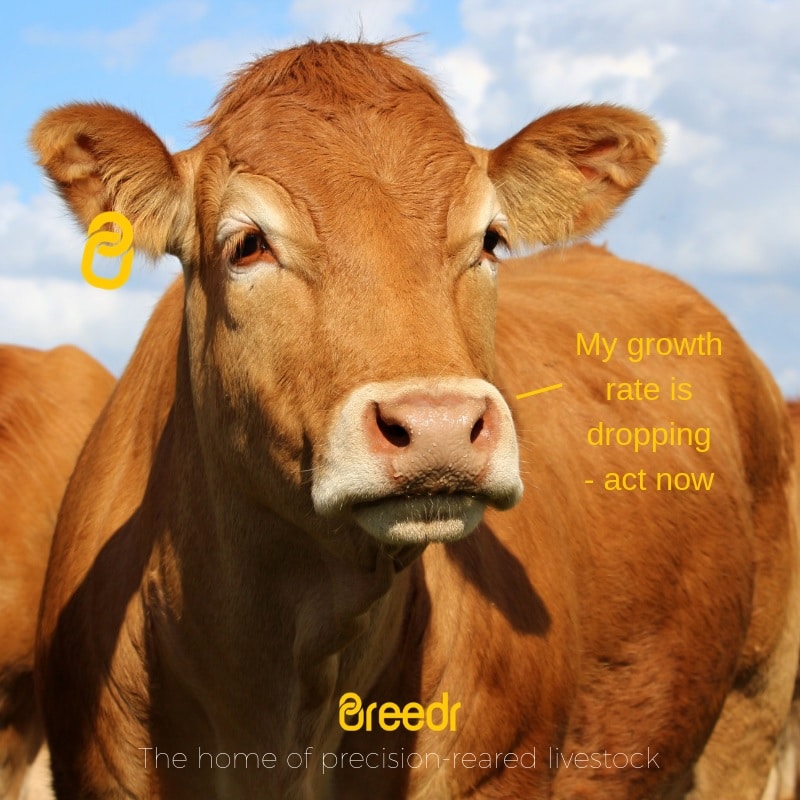
“Our vision is to radically change livestock production, so the industry can deliver meat of consistently high eating quality for consumers, with less waste and higher returns for farmers,” says Ian Wheal, founder of Breedr. As latest figures show a drop in meat sales, both in terms of volume and value*, Breedr is making its powerful precision livestock app free of charge to drive productivity improvements across the whole value chain.
Breedr is revolutionising the way that livestock is reared, finished and traded. The company has invested over £2M in development** and has consulted across the industry to create an app that offers immediate productivity benefits.
Something that founder Ian Wheal, son of an Australia cattle farmer, feels passionate about: “Meat is a premium product and consumers want assurance of a good experience. We believe the best way to achieve this is to use the data farmers are already collecting – movements, vet meds, weighing – and digitise livestock production, enabling improvements at every stage.
“So, we are giving every farmer in the UK, no matter of their size, free access to a really sophisticated livestock app that makes it easy to collect and interpret animal data. It gives immediate access to information about health and weight and the powerful analytics tools will boost the herd’s productivity and profitability.”
Breedr is an app on your phone that connects to a secure trading network on the cloud. Data collated through the app about live weight gain, feed, health and parentage is used to make predictions about the animal’s performance and optimum date of sale for peak-profit for the farmer. The app creates a digital profile for each animal that can be matched with a contract and traded online, meaning producers have an assured sale and buyers can easily source prime beef to order.
To achieve this, data needs to follow the animal throughout the value chain, so Breedr has made it easy to connect to the BCMS and then link all of the information gathered about that animal throughout its lifetime – from weigh heads to veterinary records – to a digital record.
Breedr has been trialling its app with top beef producers and has been in consultation with processors, retailers and other stakeholders across the industry. Achieving consistency with minimal waste was the key demand. As Ian Sturmer, UK Beef Farmer of the Year, and one of the first to trial the Breedr app, explains: “Meat is now a luxury product and we need to be making sure of the consistent quality and sustainability of these products, to the highest standards. With Breedr we have become aware of the importance of breeding. Variety in the quality of the bulls within a breed is staggering.
“With the support of Breedr, we are now considering selecting the semen and working with dairy farmers to improve growth rate and performance and meat quality. We can breed animals that use less food, grow more and taste better. That has really excited us.
“With Breedr we are able to have a more powerful complete supply chain analysis, from the dairy farm right the way through to consumption. If we are going to have a vibrant beef sector in the UK and take advantage of the many export opportunities, I think it’s of paramount importance that we try.”
Ian Wheal agrees: “We’ve spent two years building the technology to make this possible, but we can’t do it alone. We need farmers of every size, age and system – who share our vision and want to boost the profit of their operations immediately – to bring their animals onboard and join the amazing farms already using Breedr.
“That’s why we’ve decided to give every farmer in the UK the Breedr livestock app for free.”
To sign up to Breedr’s free performance and trading platform, or for more information, visit www.breedr.co.

* Latest figures shows retail sales of beef fell in both volume and value terms, compared to a year earlier, according to the Government’s Agriculture and Horticulture Development Board (AHDB) https://ahdb.org.uk/news/sales-of-beef-and-lamb-fall-in-both-volume-and-value [published 4 March 2020]
** Breedr has raised £2.2 million in funding, in a seed round led by London-based Local Global, with investment from Mons Investment and other industry angel investors who joined early backers Forward Partners and Gumtree founder Michael Pennington. The investment includes a grant of just over £236k from Innovate UK, the UK’s innovation agency, to lead the development of an innovative Smart Contracts system for the meat and livestock sector.  It will use blockchain or distributed ledger technology (DLT) to capture the complicated flows of data and transactions between multiple parties and improve transparency and trust.

ADAS and Brown & Co win success in £1 million Future Farming Resilience Funding

Meet the Network
Agri-TechE
Victoria Prentis MP
Victoria Prentis MP (image from gov.uk)

New projects to help farmers and land managers prepare for life outside the EU’s Common Agricultural Policy have been given the green light, Farming Minister Victoria Prentis announced today.
Nine organisations, including Agri-TechE members Brown & Co and ADAS, have been awarded a share of the government’s £1 million Future Farming Resilience Funding. The projects will provide farmers with tailored on-farm advice to help them fully understand the changes ahead and to identify how to adapt their business models – through one-to-one advice on farms or group information workshops.
The seven-year Agricultural Transition period will start in 2021 and see the current subsidy system of Direct Payments – which pay for the amount of land farmed – phased out from 2021. It will be replaced with a new system that rewards farmers and land managers for the ‘public goods’ they provide, such as better air and water quality, improved access to the countryside and measures to reduce flooding.
Ahead of the future Environment Land Management (ELM) scheme being fully rolled out, farmers and land managers are also being encouraged to apply for Countryside Stewardship (CS) as an additional income stream so they can start delivering environmental benefits on their land now.
Beyond this, the government will help increase productivity and support diversification through a transformative package of productivity grants, launching in 2021.
Farming Minister Victoria Prentis said: “We are transforming British farming to boost productivity, enhance our environment for future generations and support a strong food production sector.
“Whilst we’re not switching off direct payments overnight, we recognise this is a time of huge change for the industry, and we want to help our land managers grasp the exciting opportunities our domestic agricultural policy will provide.
“This initial phase will be thoroughly evaluated to inform future decisions about expanding the Future Farming Resilience Funding in the future, so that more farmers have access to advice and guidance around future change.”
The funding will go to rural-facing organisations across a range of sectors and regions in England and is set to benefit approximately 1,700 farmers this year.
Charles Whitaker, Managing Partner at Brown & Co, said: “Brown & Co are pleased to be awarded this important DEFRA contract at a crucial time of change for the industry. Recognising upfront the challenges and changes to the sector that will be driven through the new British Agricultural Policy as we move away from support under the CAP and BPS is vital, and we believe this project will help farmers and farming families to do so.”
The grants have been awarded following a competitive process from September to November 2019. The projects will be carried out by Bishop Grosseteste University, Brown & Co, Devon County Council, Ricardo-AEA, RSK-ADAS, Soil Association and SRUC (Scotland’s Rural College).
Farmers and land managers should follow these organisations on social media and sign up to mailing lists to hear about local information events and available support.
More information: https://www.gov.uk/government/news/1-million-to-support-transition-to-future-farming-system

Farmable productivity app for fruit growers

Meet the Network
Agri-TechE

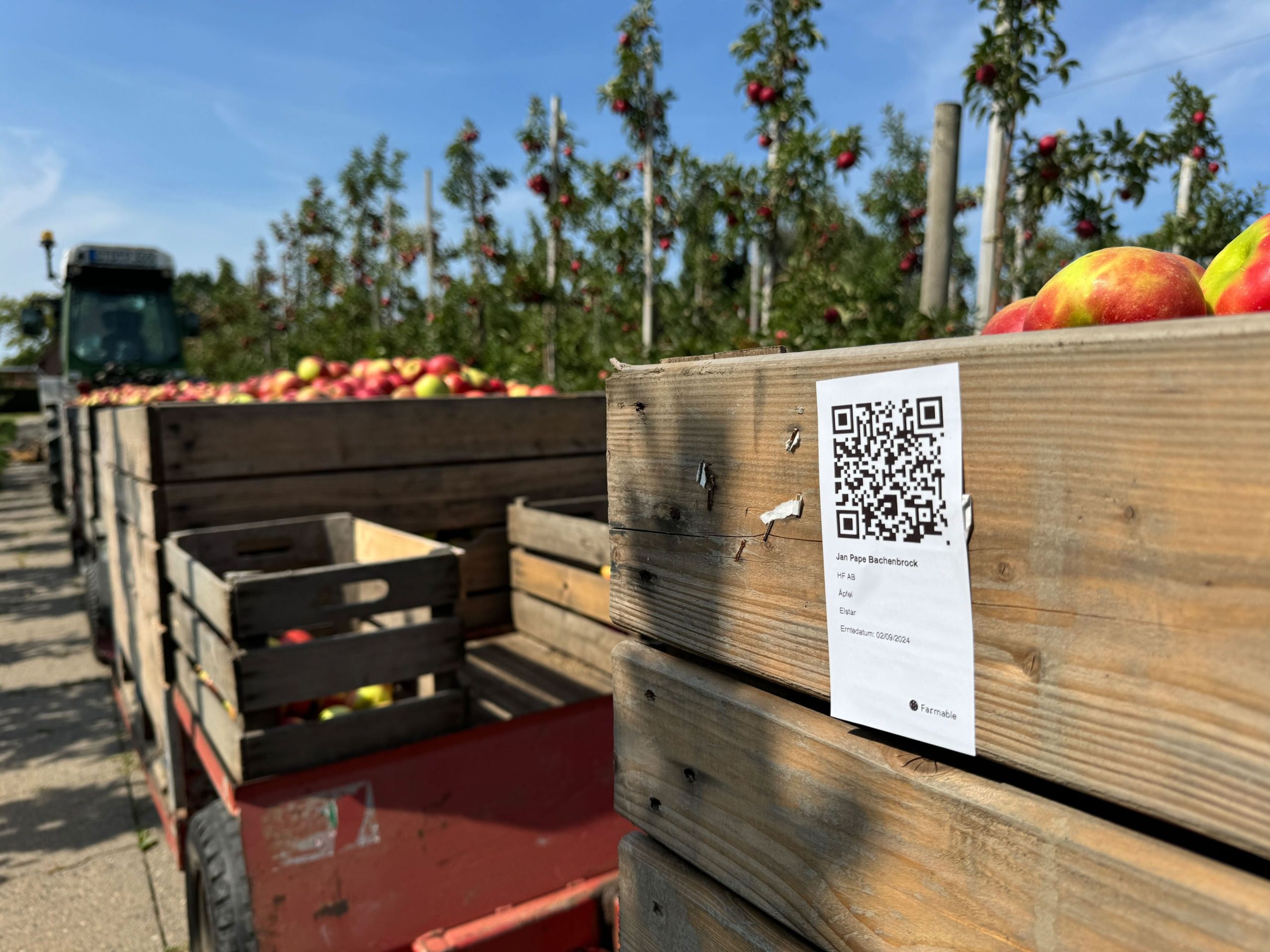
Farmable is a mobile app designed in Norway specifically for top fruit, which is fruit grown on trees such as apples and pears. All data from field operations are collected in one place and form the basis for a digital model of the farm to support decision making.
Lars Blikom is the Farmable CEO and co-owner of one of Norway’s largest fruit farms. He was looking for simple and pragmatic software to bridge the current gap between spreadsheets and robotics when he came up with the concept for Farmable.
Benefits for the grower with Farmable include:

  • Document crop treatment and access a spray calculator that specifies the amount of product needed.
  • A job management function uses GPS technology to track spraying in the field and automatically logs activity.
  • Issues spotted in the field can easily be recorded using the app’s field notes. These notes can be shared together with GPS coordinates with agronomists or other team members.
  • Harvest logging allows users to track yield back to the trees at a block level.

After spending three months with ten pilot growers in Australia, the Farmable team gained valuable feedback from vineyard and orchard managers across the country. The concept was so successful in Australia that the team will expand its pilot program to the UK and Germany for the 2020 season.
Mitchell McNab, an orchard manager from Victoria, Australia, has been one of the first to use Farmable. He says: “It’s incredibly rewarding to contribute to a digital future and watch new ideas take shape. I think particularly in horticulture, the grower needs to be central to the development of any new app if we expect to have technology adopted for fruit production. This means making time to try new things and offer genuine advice.”
“Not everyone we approach is keen to try,” says Blikom. “Many feel too busy or perhaps intimidated by new technology, but we try to include all types of growers in our pilot programs. You don’t need to be a computer nerd to make a big impact in a software trial.” Since the pilot, Farmable has gone ‘all-in’ on the Australian market. In addition to launching their latest mobile app in Australia, the team spent three weeks across Queensland, Victoria and South Australia to present their technology at evokeAg, AdvanceAg and meet many of their pilot growers face to face.
By working closely with growers across a variety of regions Farmable aspires to build global best practices into the technology. Blikom continues: “We have a great appreciation for the feedback we receive from pilot users around the world. There is a recurring theme in Europe and Australia on the challenges of increasing documentation requirements and it’s overwhelming for growers. In the same way, the teams developing software experience a never-ending list of features that could be built. When you consider the need to create a simple, user friendly tool, frequent input from growers becomes essential.”
Farmable has used grower input to determine its first features, which include: mapping blocks, recording scout notes (with GPS coordinates and images), tracking crop treatments, and logging harvest volumes down to the block level. In the coming months, Farmable will launch task management, weather system integration and an exportable reporting tool for spray records.
In April 2020, the team plans to launch a complementary profile for agronomists to improve the flow of information between growers and advisors. This means the team will be expanding their search for pilot growers to include pilot advisors.
If you are interested in participating in a pilot program for Farmable do get in touch at hello@farmable.tech.
You can find more information on Farmable’s member profile here.

YAGRO launches new farm insurance delivering 30% savings

Meet the Network
Agri-TechE

With farm insurance premiums regularly a third more than the current competitive rate – and providing too much or little cover – YAGRO is partnering with Scrutton Bland insurance brokers to help improve farmers’ bottom line.
Insurance may not be a ‘big ticket’ item and requesting quotes can be a long and painful process, but, left unchecked, insurance premiums can creep up over the years and many businesses will now be paying 30% over the odds for their insurance.
That quickly adds up to a hefty annual saving, especially for an industry that is striving to cut costs and improve efficiencies.

The just-launched YAGRO Insurance addresses this very issue by delivering hassle-free automated quotes through their new cutting edge digital platform. They are teaming up with Scrutton Bland, which have a long history of specialist farm insurance provision, a fantastic customer service track record and strong relationships with leading global insurance underwriters. Ensuring the best cover at the sharpest premiums can be delivered to UK farms.
YAGRO’s software automates much of the insurance process, further improving the efficiency of application – generating savings which can be passed back to the farmer. All at the click of a button.
Each quote is laid out in a comparable way through their online platform, with a tailored recommendation specific to your business from the experts at Scrutton Bland. Delivering all the process and benefits of consumer insurance comparison sites – to modern farming.
Claims payments also promise to be reliable and fast – and the panel of insurers have a 99% repayment rate on claims.
Reasons to regularly review your insurance

  1. Easy savings. We regularly find insurance premiums at 30% above the current competitive rate. This particularly happens if you haven’t reviewed premiums in a while, as premiums creep up over time.
  2. You have too much – or too little – cover. This happens when you haven’t reviewed your insurance levels for a while. In some cases you may have new machinery which is not covered in your existing policy. Or, you find that some risks are over-insured, or even covered multiple times across your policy. Streamlining your cover makes sure you are getting the most efficient and accurate risk protection for your business.

An insurance quote tailored to you
You can send your documents (current schedule, renewal quote, and key claims) directly through the ‘Insurance’ section of your YAGRO platform or at data@yagro.com for new customers. Alternatively, register for the service on our website for a call back from one of our team.
We will process the information and securely pass to our insurance experts for them to initiate quotes.
Your confidential, tailored quotes will come back within days, allowing you to transparently compare and select your chosen option.
Applications are at no cost to farmers, and with practically zero administration required, find out more at YAGRO’s website.

De-risking weather – Stable Group provides unique price insurance

Meet the Network
Agri-TechE

Stable was founded when Richard Counsell – a farmer’s son with 15 years of experience gained from running technology businesses in Chicago, London and Melbourne – realised how agri-food businesses like his own could protect themselves from volatile prices. 
Ahead of the Pollinator event ‘Keeping a Sunny Outlook – De-risking Agriculture Through Weather-Tech’, Joe Brooker, a Senior Analyst at Stable, explains further about how Stable can help manage the risk of extreme weather.

Please can you explain how by using a platform such as Stable farmers can reduce the risk of extreme weather?

Among the many risks farmers have to deal with the largest are around price and yield.
These two main risks are linked but also independent: weather impacts yield which can impact price depending on scale, timing and other factors, weather may impact yield but not price and price may move without a change in weather.
Price is more volatile than weather and Stable allows farmers to mitigate this price risk. If we take the production of corn in 2019 as an example, early issues with flooding made an impact on the potential yield of corn in the US.
If we look at the corn price (see graph opposite), the rally at the start of the season in May, resulted in prices jumping from $3.40 to $4.60 in a matter of weeks. However as yield impacts became better understood in August (and other factors impacted price) corn prices then dropped back to $3.40.
If a farmer was hedging he would have had only a short window in which to trade to gain this higher price. With Stable a farmer could have purchased an insurance policy mitigating that downside risk (but not having to pay the margin call when prices fell). In agriculture there is always shifts from boom to bust, and this is partly a function of weather; Stable allows farmers to take the risk of boom to bust out of their operations by insuring their price levels.
You can find more details here: https://www.nass.usda.gov/Charts_and_Maps/Field_Crops/cornyld.php

Looking back over 2019, when were the most problematic times of the year? When did most of the claims occur?

There are periods of the crop cycle where vulnerability to yield and weather risk is heightened, this changes by crop type, but can include rate of emergence, grain filling, root growth, etc.
In 2019 planting issues at the start of the spring season were a major issue for producers, however, it was too early to have a definitive idea about yield.
Certainly the market reacted to the planting issues, but in the end the crop was only modestly below the yield trade (see graph opposite).
In this theoretical example – as Stable does not write policies in the US – the majority of claims would have been based on price reduction, therefore the price drop in Jul-Aug would have been when claims would have occurred.

Looking forward to 2020, do you think the use of weather predictions can reduce risk in farming? If so can you give an example?

Weather predictions can be useful for scheduling crop management, but they are still limited in their temporal abilities as the accuracy of forecasts drops very quick after a week. This is why a product like Stable is needed… to plan for the longer term and have the confidence to invest in the future.
More information about how Stable Price insurance protects the British farmer from volatile prices – stableprice.com/farming

Masters of the sun, wind and rain: Intelligent solutions to Controlled Environment Agriculture

Meet the Network
Agri-TechE


“We need to get honest about three things: the economics; the technical challenges; and the range and quality of things that we can actually grow sustainably. Until we start to get a really serious narrative about these, the industry will never move forward.” David Farquhar is CEO of Intelligent Growth Solutions (IGS), a pioneering Agritech technology vendor, manufacturing state-of-the-art products to deliver TotalControl Environment Agriculture (TCEA).
At an upcoming Agri-TechE event, David and his team will be part of the discussion on new innovations and targets in CEA. He’s demanding serious debate in a field that he sees as increasingly full of hype.
IGS are determined to lead the way to a ‘higher ground’, and have been working with key environmental organisations such as WWF, Zero-Waste Scotland and the Scottish EPA to establish a way of benchmarking  the impact of TCEA on our climate. “We want a genuine comparison between our performance and that of other forms of agriculture”, says David. Boundaries are also being pushed in terms of product quality and the range of things that can be grown. According to David, IGS have found a lucrative market selling their vertical farms to growers wishing to produce delicious, indoor-grown vegetable crops. Perhaps even more interestingly, IGS has been supporting traditional farmers seeking a reliable supply of pest- and disease-free seedlings: “We’ve been doing brassicas, seed potatoes, strawberries – and, in response to demand from Asian markets, we’ve been growing a range of chillies”.
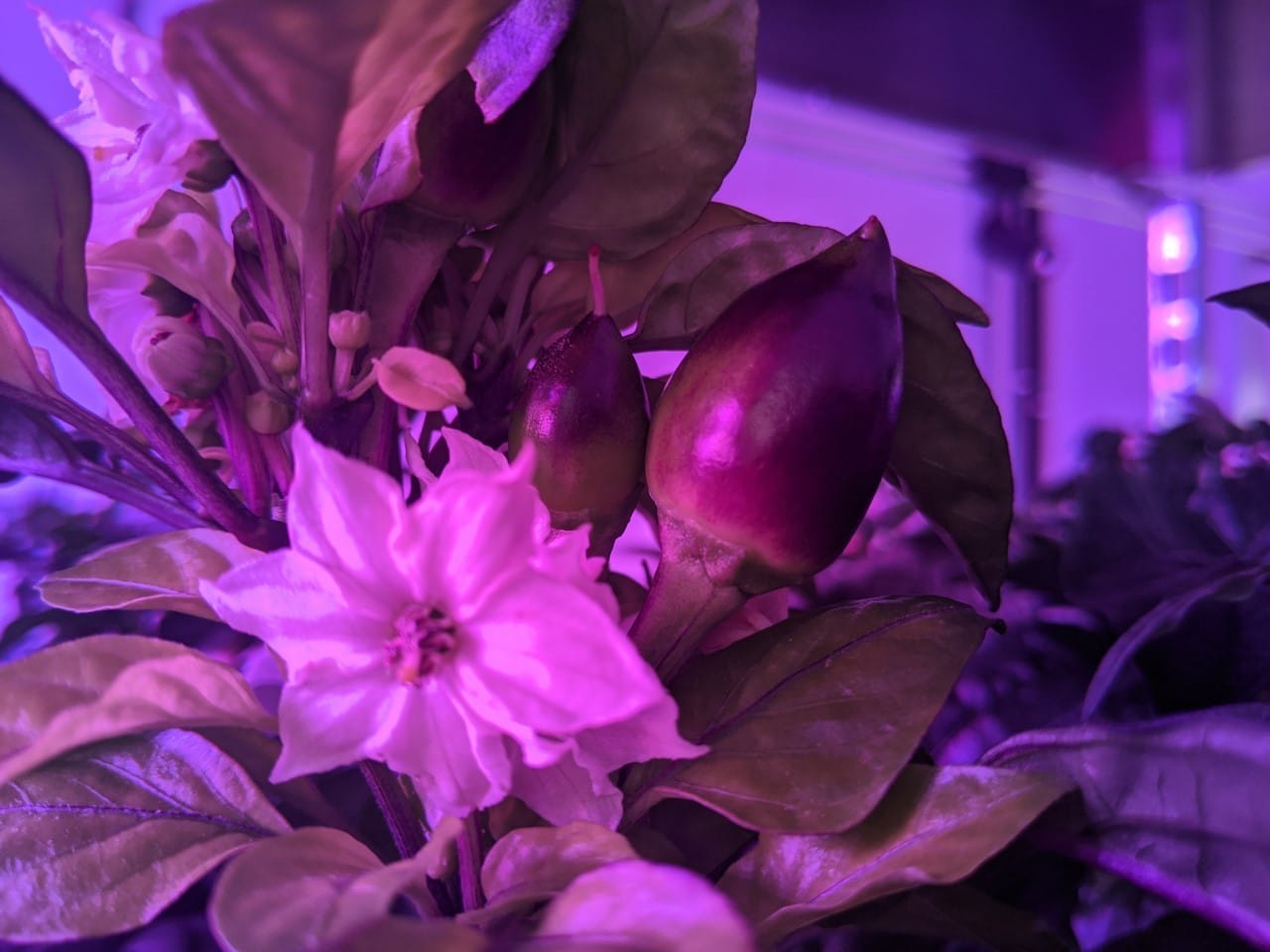
But at its core, IGS is an innovator, always striving to put the control into CEA. “If you’re designing a weather-system… you need to think of it as a three-dimensional thing… The sun, the rain and the wind… and that’s what our appliances do – they make the weather” says David.
The company’s founder, Sir Henry Aykroyd, collaborated with the inventors of the first ‘Crystal Lamps’ (now known as LEDs) at the University of St Andrews, to grow plants indoors. And the advances continue apace, as David explains: “Our various families of patents including Power & Communications Management have made a MASSIVE dent in the global effort to replicate natural light, with our ability to make full diurnal cycles based on any latitude, geography and time of year.”
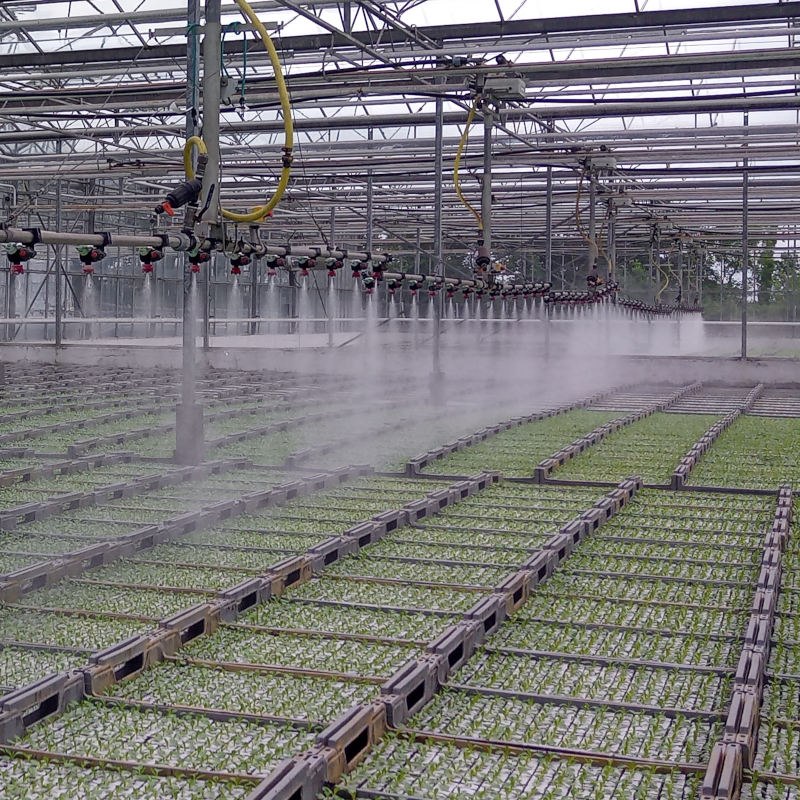
Following mastery of the light came mastery of the rain. “Irrigation, in many ways, is the simplest of the three factors”, says David – indeed irrigation solutions such as hydroponics and aeroponics have already allowed massive improvements in water use efficiency, in comparison to traditional outdoor farming – “but the big trick is operating closed-loop, so we have zero waste, zero discharges to the ground or water course and only allow the water inside the crop to leave the farm.”
“But right now, the really big thing on the agenda is getting the heat and ventilation right. In a sealed environment – we don’t vent to the outside atmosphere – we are growing dense crops giving off hot, wet oxygen and that has to be dealt with. It turns out, the key to efficient ventilation is managing the vapour pressure deficit in the crop canopy… and we’ve just cracked it.”
As a result of recent breakthroughs, Intelligent Growth Solutions has reached a pinnacle of control. “Each one of our 6m2 Growth Trays operates as its own micro-climate which guarantees temperature control to within +/-1.5°C, and can maintain a 6°C temperature differential from the trays above and below it. We can grow multiple crops on a single tray and have adjacent trays operating at different stages of the growth cycle…”
But despite the successes of his company, David appears somewhat frustrated by the lack of collaboration coming from the other big players in the indoor farming field. He’s hoping that events, such as the Agri-TechE conference, can stimulate debate: “We know we’ve done some great things but we’re humble enough to say we haven’t cracked everything. We have deliberately designed the IGS Vertical Farm as a modular platform so that we can bring on technologies from new innovators. We’re putting a permanent call out there for people who have great components and subsystems to help us and our customers up our game … if you’ve got a better sensor, camera, whatever, we’d like to hear from you.”
The event ‘Controlled Environment Agriculture – The Industry is Growing Up’ was taking place in March but this event has now been postponed – to register your interest visit the event page here.

Farmable kicks off 2020 with a mobile app for horticulture

Meet the Network
Agri-TechE

Farmable is the latest agtech player to arrive in the UK market. With a mobile app designed specifically for tree-crop growers, the team has a focused approach that sets it apart from the many farm management applications which are often built for broad-acre.
The Norwegian-based startup spent the winter season getting to know commercial farms in Kent, gaining feedback from vineyard and orchard managers across the region. Farmable’s mission is to offer horticulture farmers a simple, user-friendly way to capture and organize their field data. Initially, the product will allow users to map fields, take scouting notes (with GPS coordinates and images), document crop treatments and track harvest volumes back to the field level.
Next month, Farmable will launch features for job delegation to drivers and advisor recommendations, which is intended to improve the flow of information between growers and advisors. Before summer, the system will have an updated desktop portal with exportable reports for crop treatment documentation.
Farmable Co-founder and CEO, Lars Petter Blikom, is happy with the decision to focus on the UK as a primary market. As the owner of Norway’s largest fruit farm he has a deep understanding of how busy growers can be and the challenge to find time to try out new systems.
“We have tremendous appreciation for the feedback we have received from our pilot users. In order to build a solution that fits the needs of British growers, collaboration directly with farm managers and agronomists is essential.” 
As of January 3rd, the Farmable app is freely available for download at both the App Store and Google Play
Interested in being a pilot user? Check out www.farmable.tech/pilot

Could vertical farms help alleviate the pressures facing food and farming?

Meet the Network
Agri-TechE

“Initially the ‘Urban Sky Farm’ would be a small-scale supplement to traditional farming, but at full capacity the vertical farm tower would be capable of sustainably feeding half of the population of the London borough of Battersea, approximately 40,000 people,” comments Part II Architectural Assistant Thomas Cox, who has designed a self-sustaining, eco-efficient skyscraper that absorbs city air pollution and recycles it into organic fertiliser and food-crops.
Thomas, who grew up in Devon on a smallholding, presented his Urban Sky Farm design to the UK’s International Trade Secretary and other key influencers at Hong Kong’s GREAT Festival of Innovation in 2018.
He will be speaking about food production in urban settings at Agri-TechE ’s Controlled Environment Agriculture event (which has been postponed) 

A Utopian concept built on ‘traditional’ agrifood knowledge 

Thomas explains: “I wanted to design a Utopian concept for future food production – where urban populations have continued to increase in density and there is a need to produce vast quantities of food in as compact space as possible. I believe the vertical stacking of crops is, probably, the most feasible way.
“I spoke to my farming relatives, as part of my research; their input about the importance of soil health and PH neutrality made me consider how the nitrogen cycle could become part of my design as well.
“In essence, you have a large self-regulating greenhouse, which is cleaning up air pollution using the practised method of leguminous crop rotations. The bi-product is then collected and mulched into organic fertiliser for use in the vertical farm.”
Thomas designed his Sky Farm to sit on a small footprint of land in Battersea, on the south bank of the river Thames in London.
Vertical farming is in vogue now, but Thomas was keen to design a self-contained urban farming model that stayed true to how the British Agricultural Revolution and food distribution influenced London’s historical growth.
He says: “London has grown up around farmers’ markets – the famous markets of London, Old Spitalfields, Borough, for example – which are purposefully sited in the city, based their produce’s origins.
“The Covent Garden distribution centre is just behind my theoretical site in Battersea and it’s where a lot of the produce gets brought into London and purchased by restaurants, greengrocers and today’s farmers markets. So, I saw the Sky Farm as another link in the chain of London and its food history.”

A sustainable farm for the future

In architecture, as in controlled environment agriculture, expectations around sustainability are higher than ever. “Today, everybody is also looking for carbon neutral and sustainable buildings” Thomas confirms.
“When I was designing the Sky Farm, three years ago, I was looking at concrete as a primary building block because there was an abundance of it used within tall-building construction, but it is energy intense to produce. So, if I’m to make the Sky Farm really future-proof, I would probably consider 3-D printing developments, perhaps using recycled materials as eco-friendly alternatives wherever possible.
“My idea is modular, with 60 or so huge louvres panels down each section. These could open to ventilate and keep the internal building temperature consistent, harnessing additional energy to produce electricity that could be used to pump irrigation systems to achieve required soil moisture levels.
“As the building is climate controlled, you could grow crops that would have traditionally had to be shipped in from around the world – such as grapes, making a vineyard to serve a wine bar on the top of the building, for example, adding to its commercial viability.
“So, the building could be completely off the grid and self-sustainable; you could live there, eat there, drink there.”
Thomas’ Sky Farm was developed as part of his Masters of Architecture thesis at De Montfort University. He admits that, initially, his family – who are mostly dairy farmers – were not that keen on the idea: “Perhaps it was a resistance to change, but change is coming; cities are expanding, green belts are being taken over, so farmers may end up living much closer to or even penned within urban environments.
“I think we need to plan now, so we’re ready to act when population increase starts to detrimentally affect our quality of life. I know that’s a bit of a bleak vision, and we’re hopefully talking in at least a century’s time, but it is paramount to stay ahead of the curve.”
More information about  Agri-TechE ‘s full-day Pollinator‘Controlled Environment Agriculture – The Industry is Growing Up’, which is to be held at the John Innes Centre, Norwich Research Park.

Creating a vineyard in Norfolk

Meet the Network
Agri-TechE
Ben & Hannah Witchell in the vines - credit Flint Vineyard
Ben Witchell of Flint Vineyards will be sharing experiences of setting up a vineyard

Adrian Hipwell is a Norfolk farmer, a chance e-mail from a young couple passionate about wine created an exciting opportunity for diversification.  Ben and Hannah Witchell shared their plans for producing quality wine in the UK and very soon Flint Vineyards was up and running.
The vineyard had its first harvest in 2019, which promises to be a vintage year for English wines.  Hannah spoke to Agri-TechE about their experiences.
Ben is one of the speakers in  the February 2020 Pollinator.    which will look at the opportunities viticulture offers for farmers and technologists.

Did you and Ben have experience of growing grapes before you set up the vineyard? What motivated you to take this step?

Ben studied for a BSc in Viticulture & Oenology and spent time working in France, California, Greece and England.
Ben was originally motivated to study viticulture and winemaking due to a long held interest in wine and a desire to do something more creative as a career.
We were confident that England would be a good place for growing grapes, this was based on Ben’s experience in working for vineyards during his time studying.

What were the biggest challenges you faced when setting up the vineyard? 

Flint Vineyard_WineryIt was a new site. The biggest challenge in any vineyard is making sure the site is right. Site selection is the biggest factor in vineyard success, particularly with regard to issues such as frost, temperature, exposure to wind.
Based on Ben’s experience, he had a good idea which varieties to grow from commercial, taste and regional suitability perspectives.
Many many learning points – one main one is not to dwell too much on minute factors – there are many things to consider – variety, rootstock, planting density, training system, row orientation; it goes on and each decision can take up a lot of thought.
It’s important to make good decisions and move on!

On a day to day level what are your concerns – water and nutrition? Pests? Getting sufficient staff for harvest? Issues with bottling?

Water and nutrition are important, particularly on our free draining, sandy soil and in the early years of a vineyard when the root system is still small.
We are lucky with staff for harvest as we have a great team as well as a group of helpers who are part of our membership club and like to get involved in key aspects of the vineyard and winery.
Frost is a worry in Spring, rain and cold conditions in September and October (harvest), rainfall in June (flowering). Winemaking is relatively easy….!

If you could have a dream invention to make vineyards more productive what would it be?

Automated robot pruning and weed control for efficiency.
An effective and easy to use way of warming the micro-climate around the vine (e.g. cloches).

Vineyards have increased in the UK – what do you think the future holds?

The future looks positive for UK wine. The industry is still small and young and we have plenty of wine drinkers in this country so the demand seems to be there. Quality is on the rise and consumers seem to appreciate the lighter, more aromatic wines that we can produce.
Flint Vineyard's 2018 Vintage TrioWe are already planting for the future with regard to climate change, using more classic varieties that ripen later and haven’t been traditionally planted in England (e.g. Pinot blanc, Pinot gris, Sauvignon blanc).
At present, warming due to climate change does not present a problem for cool climates such as ours. It is mainly the warm climates (southern France / California) that are worried about warming, as their harvest dates are being brought forward, sometimes risking the grapes not being physiologically ripe.
However, other aspects of climate change are a worry in England; late Spring frosts combined with earlier onset of warm weather in Spring risk frost events on young buds…
To hear more from Ben and register for the Pollinator ‘Nothing to W(h)ine About – Uncorking the Opportunities for Innovation in Viticulture’ being held at Cambridge Consultants CB4 0DW on 11 February 2020, 2:00 pm – 6:00 pm

As bovine TB reaches record levels in Wales permission is given for first trial of PBD Biotech’s Actiphage® blood test

Meet the Network
Agri-TechE

A record 12,799 cattle have been slaughtered in Wales this past year because of bovine TB; a 28% increase year on year, with one region recording a 190% increase.
Now a dairy farm on the west Welsh coast, stricken by bovine TB, is the first to gain permission to trial PBD Biotech’s rapid Actiphage® blood test for Mycobacterium bovis (M. bovis), the pathogen that causes this devastating disease.

New government guidelines allow use of Actiphage

This follows the launch of new guidelines by the Welsh Government, clarifying the use of non-validated testing.  PBD Biotech is encouraging more farmers to participate in further trials in order to gain the World Organisation for Animal Health (OIE) validation.
Under the terms of the Welsh Government’s protocol, cattle not condemned for slaughter could be tested with Actiphage. Those that give a positive result are identified with a ‘management’ marker, monitored and milked separately. To prevent further contamination of the environment and to minimise risk to uninfected cattle, animals found to be ‘shedders’ are removed from the farm. Although a decision to remove cattle based on a non-validated test will be at the farmers’ own expense, the APHA(Animal and Plant Health Agency) has confirmed that during the trial, where a positive result is confirmed with statutory tests, the animals will be removed with compensation as normal. In Spring 2019, The Office of the Chief Veterinary Officer for Wales granted permission for vet Robert Price-Jones to use Actiphage to screen high-risk cattle for M. bovis.
Robert, who has been leading the trial, comments: “Actiphage is able to identify the presence of relatively low numbers of M. bovis in the blood stream of infected cattle. It is not dependent upon an immune system response to the pathogen – in contrast to current validated tests – and so has greater sensitivity than such as the official Tuberculin SICCT skin test.
“The benefit of using Actiphage is that it offers the potential for eradicating the disease from the farm; as early identification of animals at risk of bovine TB enables heightened disease management and control.”
To help accelerate the development of alternatives to the current tests, the Welsh Government issued (14 November 2019), a new policy that set out the conditions needed for authorised use of non-validated tests in a cattle herd affected by a bovine TB breakdown. A similar protocol was issued by UK Government last year (May 2018) for cattle herds in England; it includes Actiphage, following the test’s use as part of a successful private eradication plan on Devon dairy farm Gatcombe.

Revolutionise control of bovine TB

The Actiphage test offers the potential to revolutionise control of bovine TB by allowing detection of the disease within hours from a blood or milk sample.
Mossman Farming, in Ceredigion, is located in an area of chronic breakdown. It is a spring-calving milking herd with a total stock of 529, to date 312 dairy cows have been slaughtered.
Farmer Chris Mossman agreed to trial Actiphage after hearing about the Gatcombe pilot.
Chris explains: “TB is a massive problem in Ceredigion, so when I heard about Actiphage’s use at Gatcombe, helping to clear that dairy herd for the first time in six years, I wanted to try and replicate those findings here. Me – and many other farmers – are losing large numbers of animals. I’m trying to do all I can to get rid of this disease from my herd.”
So far, 100 animals from Mossman Farming have been tested with Actiphage and vet Robert Price-Jones is preparing a paper to publish the findings in early 2020.
PBD Biotech is offering reduced cost testing to support trials where the findings are made available to support validation of the test.

Part of the agri-tech cluster

PBD Biotech launched at REAP a few years ago as part of the Start-up Showcase and has benefited from involvement in the HARVEST programme, setting up trials and an HQ in Canada.