Patenting, Trademarks, Copyright, Trade Secrets...
In the next installment of our micro-learning series, we’ll explore potential legal solutions to help you keep your ideas safe and sound.

Intelligent facility offers potential of net zero livestock production

Meet the Network
Agri-TechE

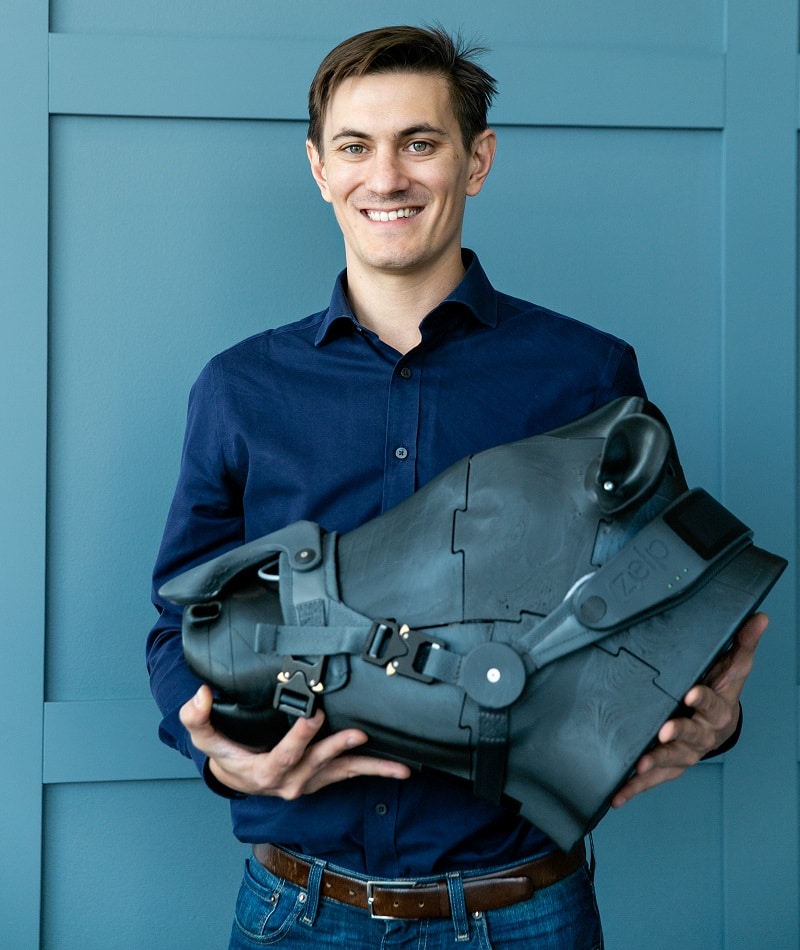
An innovative inflatable livestock production facility that offers the optimum conditions for animal wellbeing and productivity was announced at Agri-TechE ’s 2020 REAP Conference by Daniel Larn, managing director of Willand Group. The Willand Intelligent Livestock System (WIL System) can be installed and fitted-out within weeks and offers the potential for methane and carbon capture to enable net zero livestock production.
Daniel Larn was brought up on the family farm, but made a career in the oil and gas industry. With the downturn in 2017 he considered a move into farming, but then saw the potential for a way of transforming the way livestock is reared.
He explains: “The demand for meat is increasing internationally but the Middle East and Africa is environmentally unsuitable for intensive production.
“Happy animals are the most productive and we saw the opportunity for ‘sensitive intensification’: a climate controlled environment that would offer the animals space and protection from pests and harsh conditions. If we can scale production then the units would also be suitable for temperate countries offering benefits from standardising conditions and reducing greenhouse gas emissions.” Daniel Larn, Willand Group

Pop-up system removes GHG for outlet air

The WIL System – which resembles the inflatable structures used for many years to provide undercover sports facilities – can be installed quickly on a green field site. Fresh air is drawn in to maintain the pressure and stale air extracted and scrubbed to remove water, carbon dioxide and methane.
Daniel has been consulting with meat processors that have networks of suppliers. They see the potential to mass produce the livestock facility to lower the cost for farmers and support standardisation of the meat product.
The company is working with a leading university to create a prototype system and is looking for potential partners and investors to accelerate proof of concept so it can fulfil demand from Nigeria and the Middle East.
Willand Group has specialist expertise in IT systems integration, creating a platform into which third party devices such as sensors, monitors, and climate control can be installed and then managed remotely through a dashboard.
The company is working with ‘best in class’ suppliers across the industry to supply a robust and cost-effective next-generation livestock production facility.

Net zero livestock production creating value from co-products

Daniel believes that by removing ammonia and nitrates from the exhaust air and containing the slurry, units can also generate value from the by-products as fertiliser or through carbon capture. Although technically possible at the moment, more development is required for it to be cost-effective.
“In the UK, we are working with planning authorities and the Environment Agency to ensure that the units meet quality standards. This will enable installation of the WIL System in non-traditional sites close to centres of population if required.
“We are offering a complete installation package, together with finance as required and anticipate that it will take a month on site to go from bare field to fully functional unit.”
Belinda Clarke, Director of Agri-TechE , says: “In the race for net zero emissions from agriculture, Willand’s ‘pop-up’ solution for livestock management facilities has the potential to be a game-changer. This innovation will bring together a range of technologies to improve emissions and animal welfare.”
More information about Willand Group.

REAP 2020 Start-Up Showcase: Xampla

Meet the Network
Agri-TechE

A plant-based alternative to micro plastics is being developed by Xampla. The company is currently making edible plastics but sees a bigger opportunity in creating biodegradable products from non-food crops and waste streams.
Simon Hombersley is founder of Cambridge-based Xampla, and says plant-based plastics are a major opportunity for growers: “We are currently using pea protein powder to create nutritional microcapsules and we are interested in talking to farmers and the wider supply chain about sources of pea and other protein.”

The Start-Up Showcase at REAP 2020 is kindly sponsored by Rothamsted Enterprises.

REAP 2020 Start-Up Showcase: PheroSyn

Meet the Network
Agri-TechE

“Smart monitoring approaches with pheromones are designed to remove the need for prophylactic pesticide application, therefore reducing spraying overall,” explains Dan Bahia, who co-founded PheroSyn in 2019 alongside a highly experienced team of Rothamsted chemists.
PheroSyn, based at Rothamsted, has developed a cost-effective Smart Monitoring system for orange wheat blossom midge using the insect’s own communication channel, pheromones, used by the midge to communicate and find a mate over long distances.

The Start-Up Showcase at REAP 2020 is kindly sponsored by Rothamsted Enterprises.

REAP 2020 Start-Up Showcase: BeeSecure

Meet the Network
Agri-TechE

By tapping into vibrations in the hive, agri-tech start-up BeeSecure is able to listen into conversations ensuring that the bees are happy, healthy and performing well. Roberto Pasi, co founder of BeeSecure, says the company can understand ten main topics, quickly identifying issues.
BeeSecure is based in Italy and supports thousands of beehives across mainland Europe. It is part of the EIT Food Accelerator Programme and has just started working with beekeeper associations and farmers in the UK. Its new product BeeSecure is changing the way bee services are rented on-farm.

The Start-Up Showcase at REAP 2020 is kindly sponsored by Rothamsted Enterprises.

REAP 2020 Start-Up Showcase: The Land App

Meet the Network
Agri-TechE

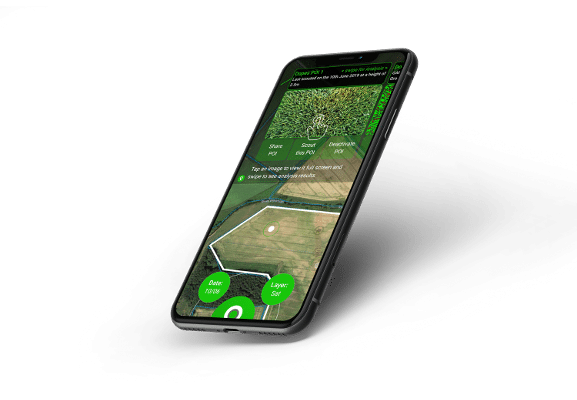
The Land App is an easy to use digital mapping platform that enables land managers to benefit from new agri-environmental schemes, connect with Natural Capital investors and design integrated estate plans that support best practice.
Tim Hopkin founded the company in 2015 out of personal frustration when he struggled to save the family farm in Sussex. “I was trying to work out how best to use the land assets to stop us having to sell the farm and found the available information so fragmented. The solution is The Land App. It supports land managers with design integrated estate plans that support diversification, has 1.2 million hectares of farmland represented within the platform and contracts with major regional and local land agents.”

The Start-Up Showcase at REAP 2020 is kindly sponsored by Rothamsted Enterprises.

REAP 2020 Start-Up Showcase: Willand Group

Meet the Network
Agri-TechE

“Happy animals are the most productive and we saw the opportunity for a climate-controlled environment that would offer the animals space and protection from pests and harsh conditions; standardising conditions and reducing greenhouse gas emissions,” explains Daniel Larn, MD of Willand Group, Plymouth.
The Willand Intelligent Livestock System (WIL System) – resembling the inflatable structures used for many years to provide undercover sports facilities – can be installed and fitted-out within weeks and offers the potential for methane and carbon capture to enable the industry to meet its Net Zero targets profitably.

The Start-Up Showcase at REAP 2020 is kindly sponsored by Rothamsted Enterprises.

REAP 2020 Start-up Showcase: Antobot

Meet the Network
Agri-TechE

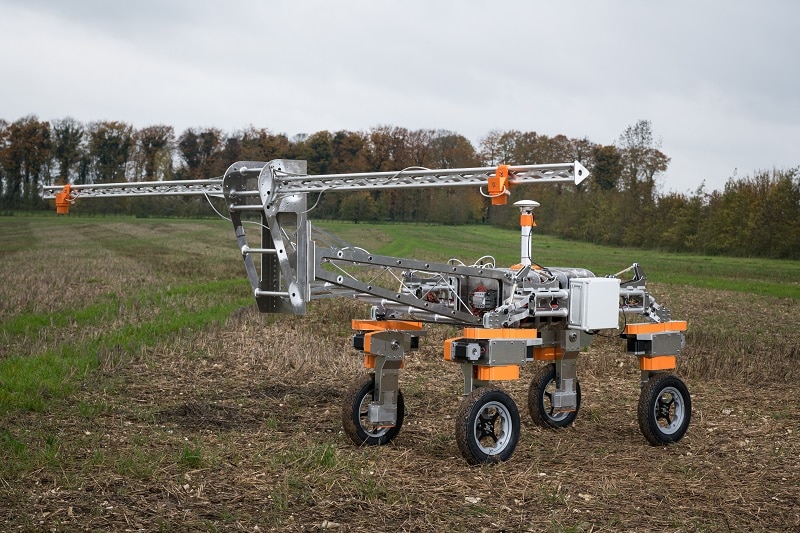
Smaller, faster, cheaper and more durable intelligent mobile robots will be possible with Antobot Ltd technology, which offers twice the ‘brain’ power of commercially available mobile robots in a third of the size. The company has recently been awarded Innovate UK and Eastern Agri-TechE Growth Initiative grants to help develop its mobile agriculture robot prototypes.
Howard Wu is founder of Antobot, based in Cambridge and China. He explains: “Our first commercial product will be a highly compact 4-wheel-drive scouting robot capable of counting fruits, determining fruit ripeness and size whilst also mapping fruiting locations in three dimensions to allow picking at a later stage.”

The Start-Up Showcase at REAP 2020 is kindly sponsored by Rothamsted Enterprises.

REAP 2020 Start-Up Showcase: Mantle Labs

Meet the Network
Agri-TechE

“We saw the opportunity to offer a world view of global agriculture with our Geobotanics crop monitoring platform, which mixes data from multiple satellites to provide a daily update with zero interference from clouds,” says Jon Pierre of Mantle Labs. The company’s revolutionary AI algorithm called Helios ‘sees through clouds’, increasing the accuracy of satellite imagery for risk assessment and crop monitoring

Mantle Labs now has a presence in the UK (Southampton), India and Austria and operates internationally. It recently won the special commendation award at the Financial Times / International Finance Corporation Transformational Business 2020 Awards in the Food, Land and Water Category.

The Start-Up Showcase at REAP 2020 is kindly sponsored by Rothamsted Enterprises.

Deep Branch’s tech converting industrial emissions to animal feed secures €2.5M

Meet the Network
Agri-TechE

Using microbes to convert carbon dioxide from industrial emissions into a new type of single-cell protein, called Proton, Deep Branch has developed a low carbon animal feed with a nutritional profile that is comparable with fishmeal, the gold-standard protein source in aquafeed. The company has secured €2.5 million of European Innovation Council (EIC) Accelerator funding to build a new facility at the Netherlands-based Brightlands Chemelot Campus, a hub for circular chemistry and chemical processes.
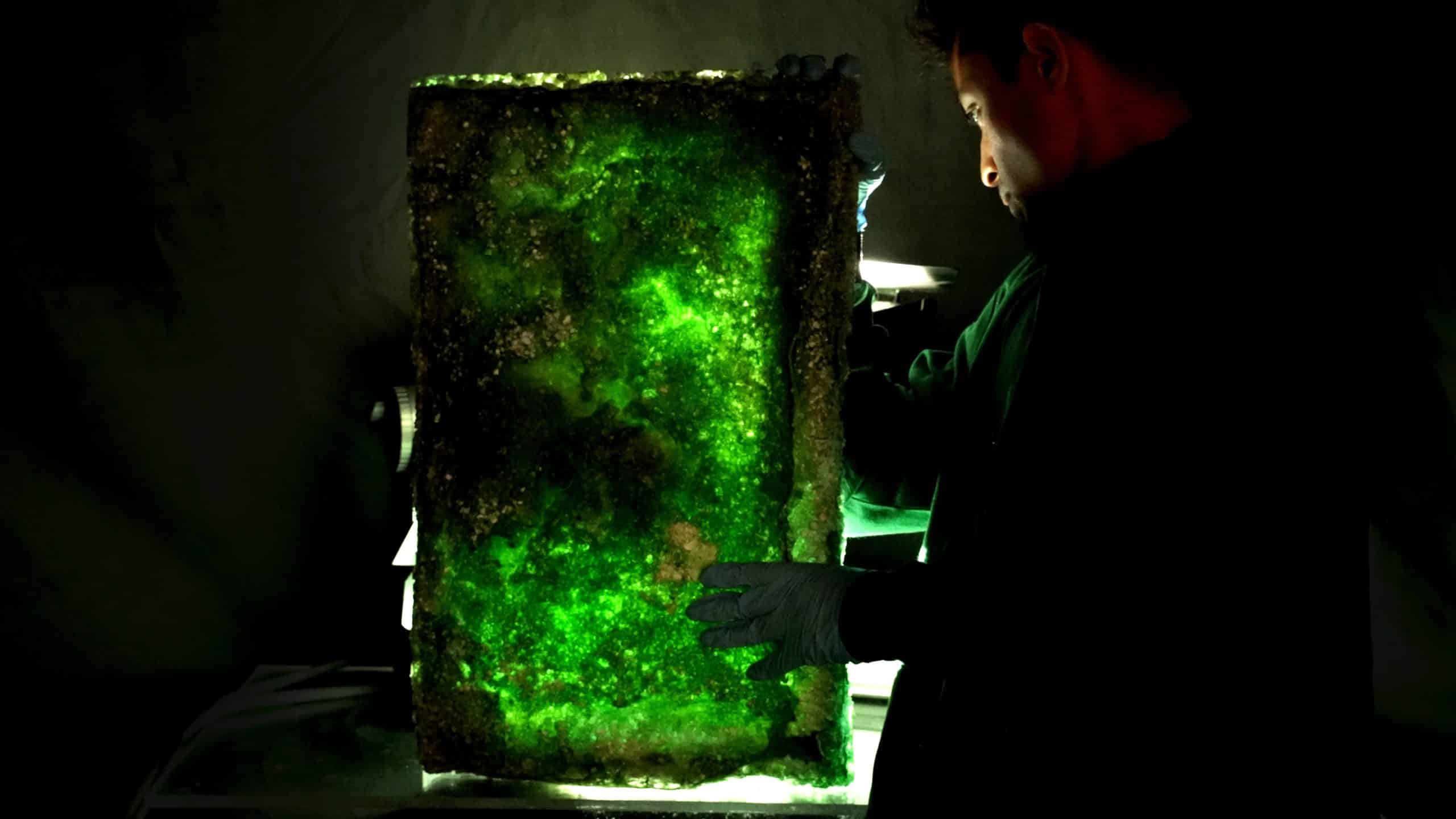
The new facility will complement the REACT-FIRST project supported by Innovate UK, which through extensive research and testing will help the partners to gather valuable data about the cost, digestibility, nutritional quality and carbon footprint of Proton. Working with renewable power company, Drax, as well as a consortium of industry leading partners, the technology has already been proven on a smaller scale. This latest funding will enable Deep Branch to scale up increasing production to enable animal feed manufacturers to expedite performance testing of the new protein. Deep Branch expects the facility to be operational by Q2 2021.
Peter Rowe, CEO of Deep Branch, said: “In the UK, and in Europe, poultry and farmed fish are usually fed on fishmeal and soy, which is mainly imported from South America and has a huge environmental impact. We are developing a new, sustainable way of producing animal feed, which reduces CO2 emissions by more than 90 percent, compared to the currently used protein sources.”

Industrial emissions to animal feed 

Unlike fishmeal, Proton can be produced year-round, reducing the impact of any seasonal fluctuations in price or yield.
“We’ll be undertaking further trials with BioMar and AB Agri, two leading animal feed companies that support the salmon and poultry farming industries. Thanks to the EU’s Horizon 2020 research and innovation support, we can expand our production capacity to match the volumes that feed producers need to run these trials.
Bert Kip, CEO of Brightlands Chemelot Campus, said: “Deep Branch fits into our sustainable profile perfectly, and is the first organization at this campus that is active in gas fermentation. This is another area where we can develop a leading position.”

Analytik launches new HyperAixpert multisensor plant phenotyping system

Meet the Network
Agri-TechE

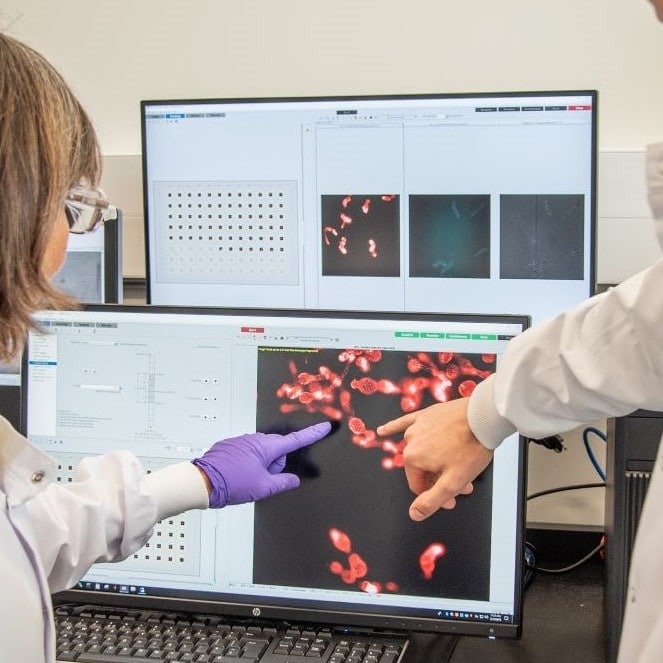
Plant phenotyping is an emerging science that links the structure and appearance of a plant with its underlying genomics.  The genetic make-up is the genotype, the expressed characteristics are the phenotype. The growth and development of the plan is a result of a dynamic interaction between its genetics and the environment both above and below soil.
Analysing the phenotype is therefore important for research so, to determine the success of breeding, a new system from Analytik combines machine-learning with sensors to provide a rapid digital analysis of phenotyping traits. The new HyperAixpert multisensor plant phenotyping system from Analytik uses advanced machine-learning based analytical software together with an intuitive experiment driven design to ensure that data acquisition is both standardised and repeatable.
Suitable for a range of sample types for experiments in genetics, plant research and breeding, plant cultivation products as well as detecting plant stress and diseases.

Key features of HyperAixpert

  • Can be configured to operate hyperspectral cameras in scanning mode
  • Options for PAM chlorophyll fluorescence imaging and NIR imaging also enable the HyperAixpert to deliver top quality physiologically relevant data
  • RGB-imaging and laser scanning sensors enable study of plant morphology of plants under study
  • Comprehensive data sets originating from the broad range of cameras/sensors deliver phenotypic data on both morphological and physiological levels.
  • Broad ranges of typical laboratory samples can be measured, including seedlings up to 20 cm height, samples in MTPs or petri dishes, or detached plant parts.
  • Samples on trays can be loaded into the measuring cabinet by the user, or via an automated TrayProvider unit as an optional accessory.
  • The HyperAixpert is designed for easy integration into climate control chambers.

Though the HyperAixpert was designed to work with model species such as Arabidopsis, it equally handles early-stage seedlings of most crop species. Beneficially the multisensor plant phenotyping diagnostic power of the system is not restricted to just plants, several other sample types match with the system, too. For instance, assessment of fungal growth on plates, or insects feeding on leaf discs are applications that have been investigated by the HyperAixpert.
See more detailed information on the HyperAixpert multisensor plant phenotyping system

Launch of the Crop Science Centre – the start of a special journey

Meet the Network
Agri-TechE

“We are on the cusp of a golden era,” said Sir David Baulcombe at the launch of new Crop Science Centre, which aims to translate cutting-edge plant science into real change in how crops are developed and grown. The Centre brings together excellence in discovery science from the University of Cambridge’s Department of Plant Sciences and unparalleled expertise in applied crop research from Niab. The alliance is designed to fast-track technologies that will sustainably improve farmers’ yields worldwide.
Director of the Crop Science Centre, Professor Giles Oldroyd is internationally respected for his work on nitrogen fixation, which aims to replace inorganic chemistry with biological approaches.
Giles comments: “We are excited to be opening this new Centre, which can drive the transformative change we so desperately need.”

The Crop Science Centre will focus on three key areas:

  • Pests and diseases – specifically how plants use their resources for defence against pathogens, utilising these mechanisms would increase resilience to environmental stress
  • Nitrogen – how plants harvest the nutrients they need, enhancing this would reduce the need for inorganic fertilisers
  • Photosynthesis – carbon capture by plants is the first stage of food production, increasing its efficiency would increase yields

Giles discussed how the work of the centre would be a force for good; highlighting how Sub Saharan agriculture is achieving less than 20 per cent of its potential and the impact that supporting those farmers would have on food security, overcoming nutritional shortages and improving farm incomes. “The future could be sustainable, climate ready agriculture that is accessible to all the world’s farmers.”

Driven by impact, fuelled by excellence

Professor Stephen Toope, Vice-Chancellor of the University of Cambridge, said: “Urgent action is required to sustainably provide enough quality food for the world’s growing population. By combining our expertise in fundamental plant science with Niab’s long experience in crop improvement, I am confident that we will make progress towards this vital goal.” The Centre will focus on improving the sustainability and equity of global food production. It will use an understanding of how plants work at the most fundamental level to drive transformative change in how food is grow, for example, reducing agricultural reliance on chemical inputs such as inorganic fertilisers, while maximising crop productivity.
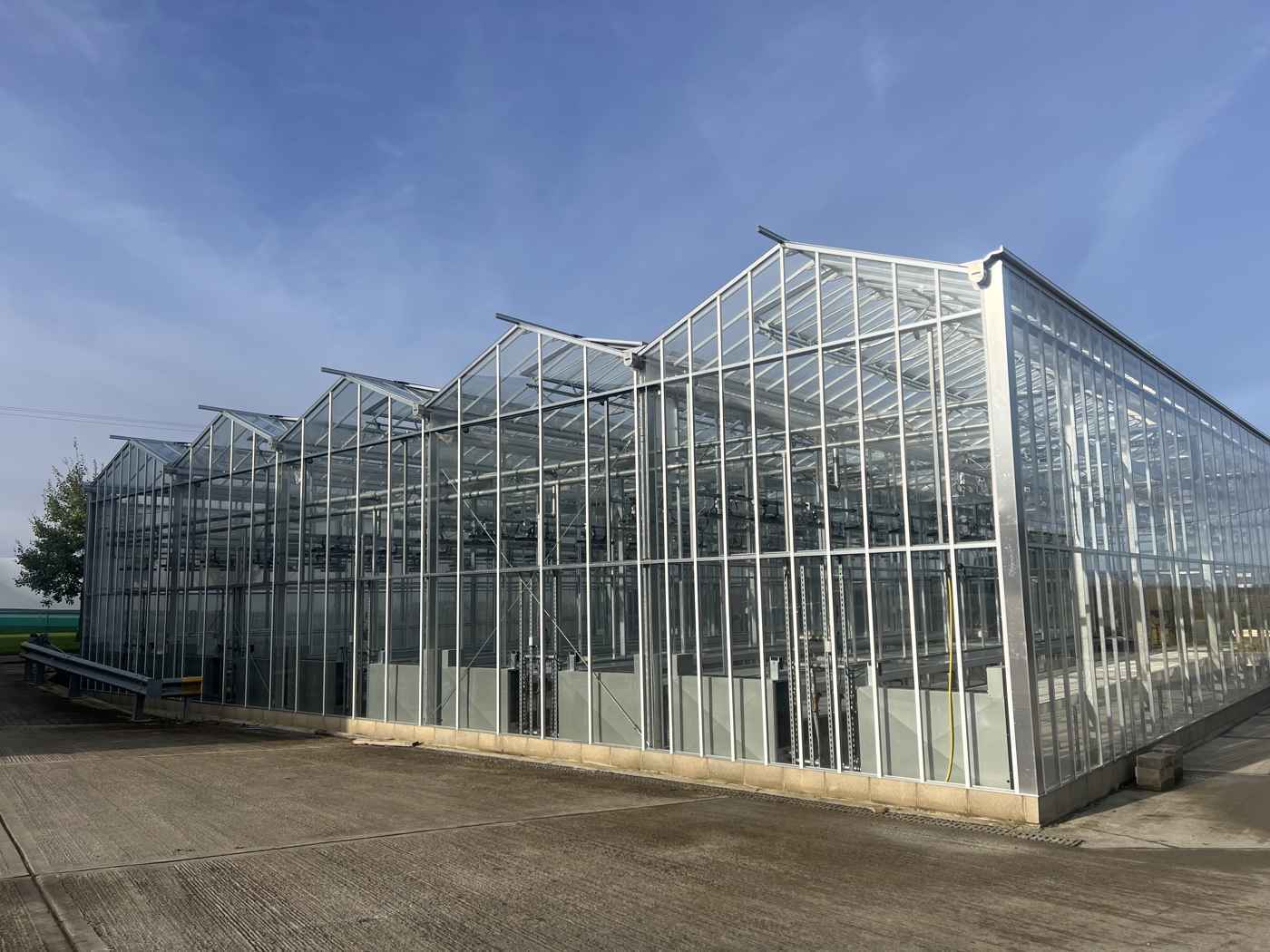
Niab, is an internationally recognised centre for crop innovation. Dr Tina Barsby, CEO of Niab commented about the role of the centre which is to bring research to farmers and growers and tests products through its extensive field trials. The alliance will maximise the pace of research and accelerate crop improvements. The new centre is at Niab’s Lawrence Weaver Road campus in the north-west of Cambridge and will be next to Park Farm and its state-of-the-art glasshouses.
The Centre will serve as a global hub for crop science research and a base for collaborations with research partners around the world, to ensure global agricultural impact from the ground-breaking science.

Increasing diversity in crops

The speakers took questions from delegates.  A question was raised about a recent report ‘The State of the Worlds Plants and Fungi – that identified over 7,000 species that have potential for new crops, but also highlighted that 90 percent of the world’s food energy comes from just 15 species.
David took this question and gave the example of Ground Cherry.  “This is a plant that is highly nutritious and has the potential to be one of our 5 a day, but it is difficult to grow; with a gene editing technique this has been overcome.  From a nutritional viewpoint we should be eating more variety of plants and seeds and ecologically there are benefits in growing a wider range of species.
“We have made great advances in understanding the fundamental science and have a tool kit of technologies – gene editing, speed breeding, sequencing, modelling and AI – now we have the opportunity to transfer this knowledge to crops; increasing the diversity of species we can grow and facilitating low input agriculture.”

Introducing new traits to small holders 

Other questions were around how the knowledge and agri-tech would be implemented. Giles stressed that this could only be achieved through partnerships, with other groups and with local people on the ground.
He explained the four elements that are needed.

  1. Make the right products and talk to the farmers to ensure they meet their requirements
  2. Be visionary, transformational change cannot be envisioned by those concentrating on meeting short term needs, scientists need to looking at what is possible for the future
  3. Use the right technology for the right trait -in many situations plant breeding is best, but we shouldn’t be scared of using genetic modification if that would enable us to reduce the use of inorganic fertilisers.
  4. Build partnerships – this is also across different disciplines of science – engineering, robotics, social science.

Giles also cautioned about the need to see the big picture – “We want to be sure the impact we have is the impact we want” and warned of the dangers of creating waste and of the need to engage with the public.
Tina concluded “Through transformative crop science technologies, research at the new Centre aims to ensure even the world’s poorest farmers can grow enough food. I would like to thank David, in particular, for his persistance which has enabled to get us to this point and I am excited that Giles is in post to take this vision forward.”
Further information about the Crop Science Centre is available at www.cropsciencecentre.org and @cropscicentre

Tree Seeds Primed for Growth

Meet the Network
Agri-TechE

Forestry and Land Scotland has strong ambitions to grow millions more trees, but they simply don’t have enough trees to meet demand,” says Phillip Ayres of Elsoms Seeds. “Tree seed supplies are sporadic – good years of production, called mast years, are interspaced with a series of barren years during which seed availability is poor; creating shortages.”
“We spotted an article about the CivTech Challenge that was looking at improving Scotland’s tree-seed. We felt that the sort of issues described were very similar to those we deal with in the vegetable industry – so that’s when we got interested,” says Phillip, who manages Technical Sales at Elsoms Seeds, leading plant breeding specialists in the UK.

Getting a good start

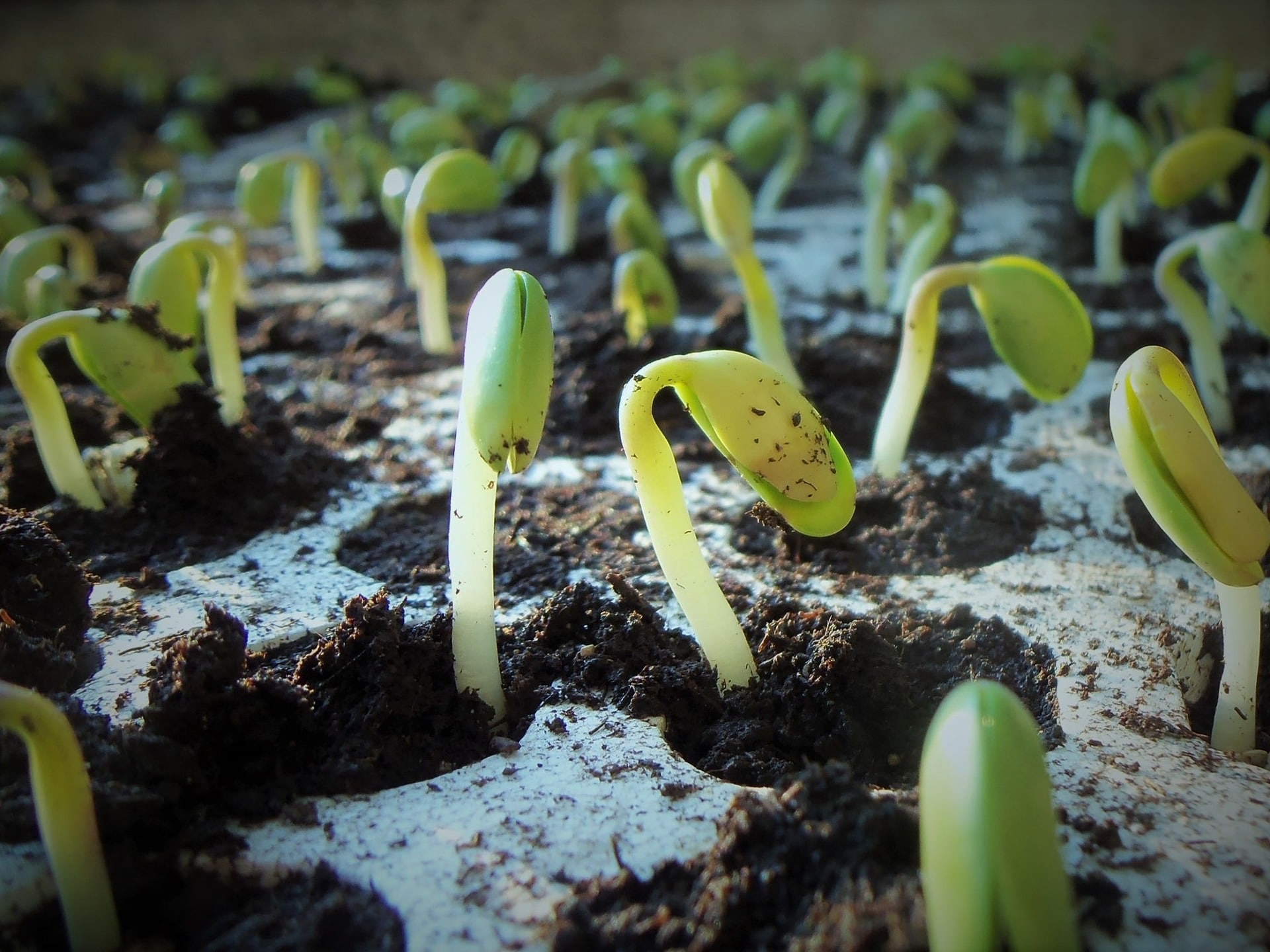
“They were getting tree seeds with high germination rates in the laboratory, but when they got it out into the field, the success rates were very low. So our idea was to take some tree seed and apply the sort of technology we use in vegetable seeds.” “To encourage germination we prime the seeds. Priming is a tailored process of hydration and conditioning – it doesn’t involve any chemical additives,” Phillip explains. “What we’re aiming to do is get a more even germination, but also to improve the vigour. So, in vegetables, the treatment means you get a quicker strike off, quicker establishments, and in turn a better root ball establishment, all of which gives a generally more vigorous plant.”
“In vegetable seeds we’d be looking for >86% germination rate, whereas the foresters we spoke to considered 20% as good. So, if we could increase that to just 40% we would already be doubling the number of viable trees available for sale.”
The priming process at Elsoms Seeds is able to maintain seeds in a state ready for germination. This would help to mitigate the sporadic seed supply in trees. Phillip says it’s still early days; “We’ve only been working on this since November 2019 so we’re still in our first set of trials.”

A Biological boost

Looking to the future, Elsoms Seeds is investigating additional means of increasing plant germination and survival, as chemical seed treatments are increasingly being withdrawn.
“Biologicals are a microbe package that helps boost the ability of the tree to take up fertiliser, to stimulate root growth of the plant,” Phillip explains. “Some of them work by multiplying in the soil, to surround the germinating tree with healthy fungi and bacteria and this stops pathogens from reaching the plant. This is an area that agriculture is currently moving towards, so we felt it would be a good idea to start looking at microbials in tree trials.”
“We’ve started tree seed trials with three of our biologicals that were already on the market for vegetables – this is something that Forestry and Land Scotland were very interested in.” Phillip Ayres will be speaking alongside Jim O’Neill of the Forestry Commission, Greg Beeton of Brown and Co and Stephen Briggs of Whitehall Farm at the Agri-TechE online event, ‘Seeing the Wood for the Trees,’ on October 8th. For more info and to reserve your place, click here.