Inspirational thinkers share their views of different aspects of agri-tech.
Agri-TechE Newsletter
Get the latest agri-tech news, events and opportunities direct to your inbox
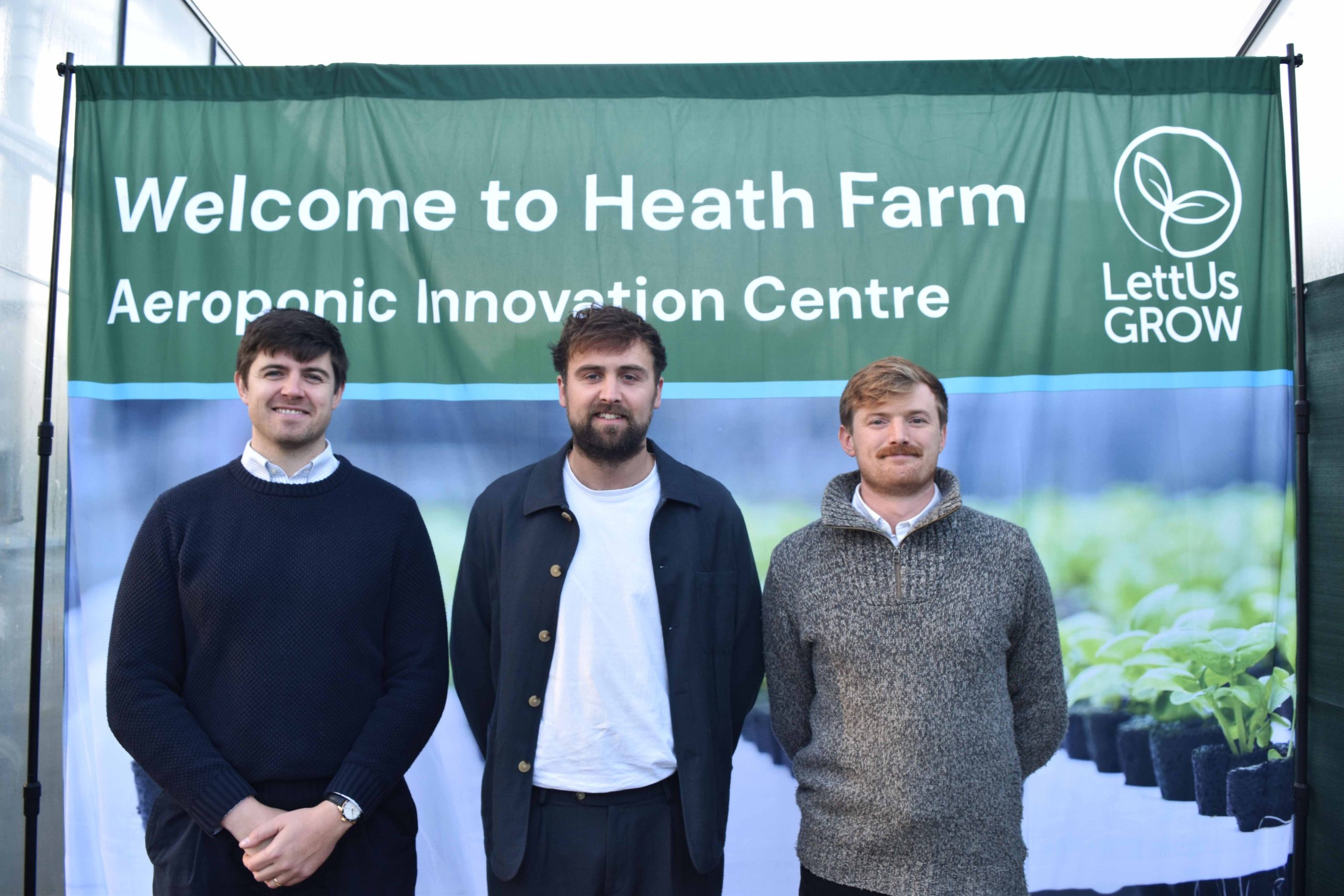
LettUsGrow collaborates on four social impact vertical farming projects
Meet the Network
Agri-TechE
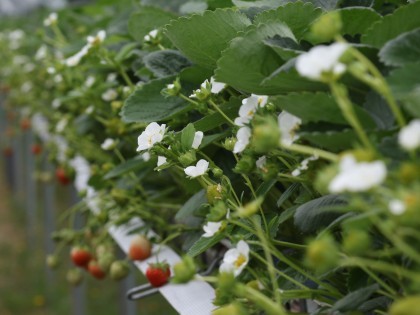
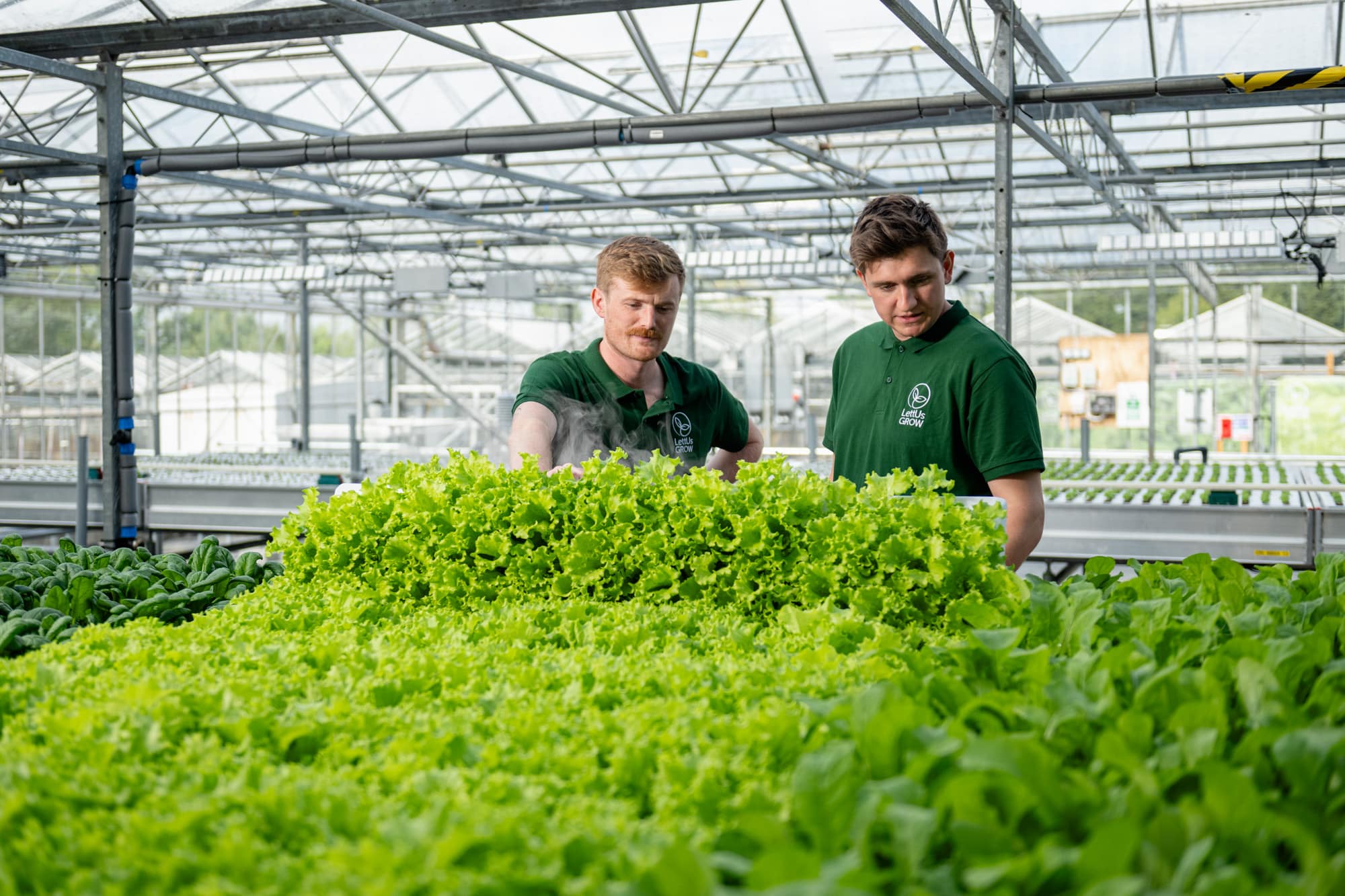
Making fresh produce affordable is the aim of Crop Cycle, an innovative social-impact vertical farming project that brings together four leading companies – LettUs Grow, GrowStack, Digital Farming and Farm Urban – to collaborate in delivering four projects in Wales.
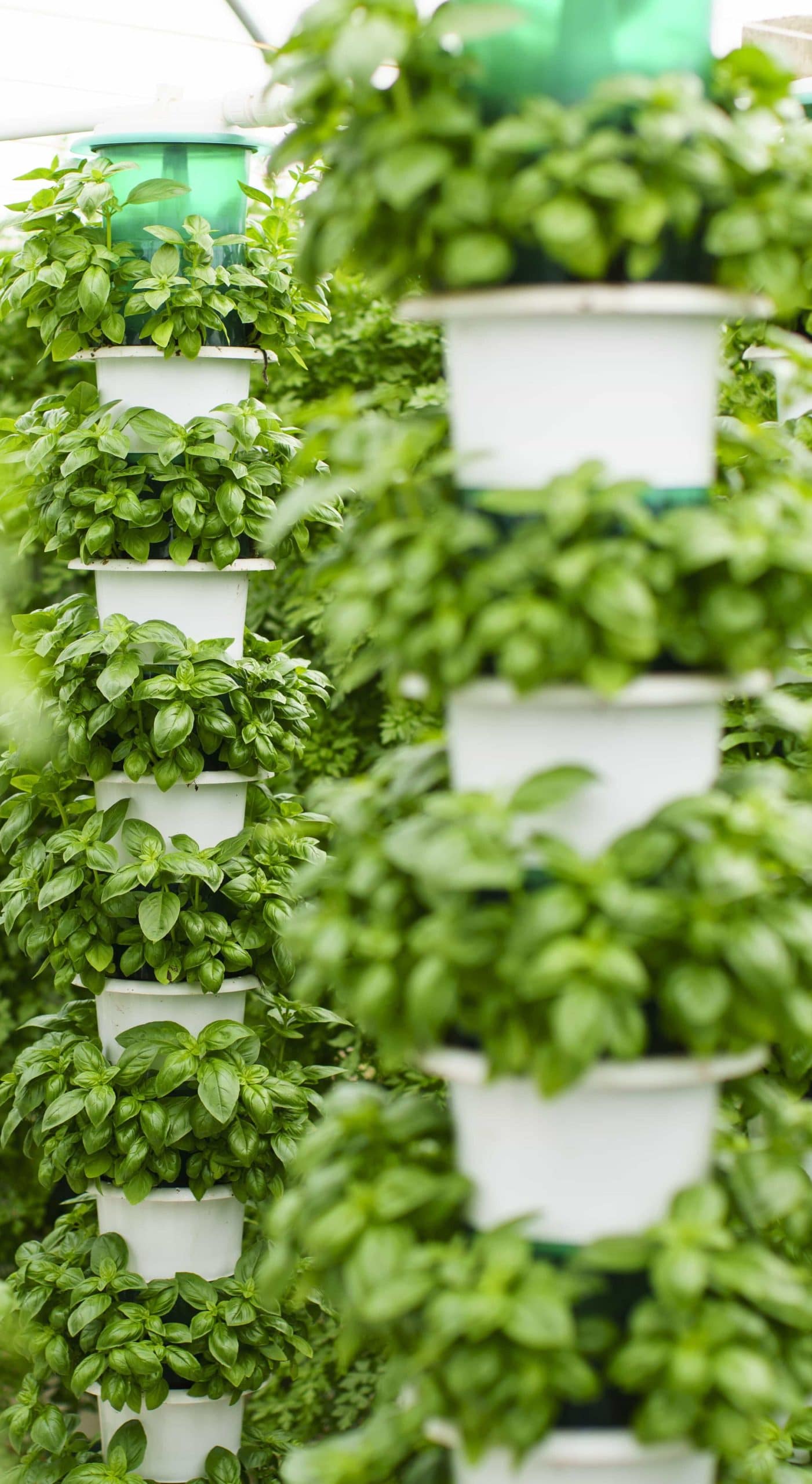
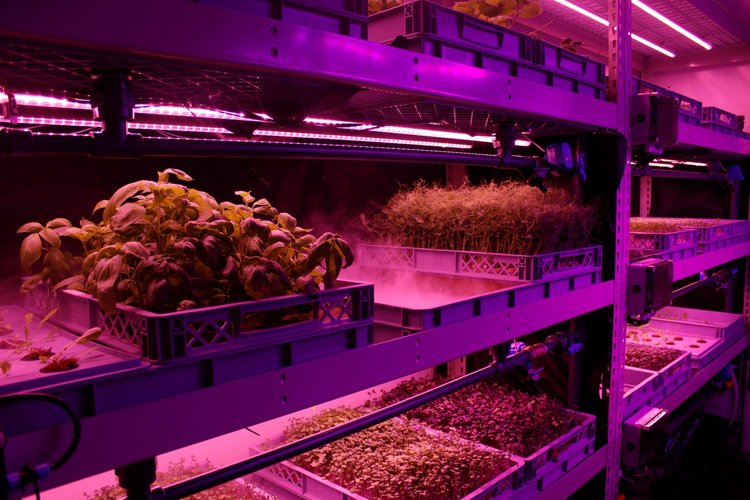
Vertical farming is a way of growing crops indoors on stacked shelves, and can be beneficial for people, plants and the planet. It allows growers to provide fresh, healthy produce to their local area 365 days of the year and can help to supplement outdoor growing. It diversifies our supply chains and boosts local food security. It also has a long stream of environmental benefits, such as using fewer resources including land or water, removing the use of chemical pesticides and reducing the need to transport food across seas. However, a common criticism of vertical farming is that it’s not always accessible or affordable to areas under-served by our food networks. Crop Cycle is looking to bring the benefits of vertical farming directly to communities who could benefit most and is being funded by the Welsh Government through the Foundational Economy Challenge Fund.
Charlie Guy, co-founder and CEO of LettUs Grow, said about the collaborations: “LettUs Grow is delighted to be working alongside these leaders of the UK vertical farming ecosystem and inspiring community projects. We believe a brighter future can only be realised with inclusive partnerships and strong cooperation, built on shared values and a vision which places people and the planet at its epicentre.” The project will introduce year-round food growing right into the heart of Welsh communities, where they’ll be connected to the particular dynamics of the local area. Activities will test new community-based engagement models, focusing on social well-being, local entrepreneurship and environmental impact. In this way, the project will be bringing together community, businesses and local public sector organisations.
Two CEA systems, provided by LettUs Grow and Digital Farming, are being integrated into an active college site and managed by a community group, with a cafe and kitchen, shop, deli and veg box scheme in place. The site is supported by Cultivate, a membership cooperative linking food and community.
Post Overview
30th July 2021
Agri-TechE
Agri-TechE Article
CEA and Vertical Farming
Share this Page:
Related Posts
Thinkable Studio & Gardin Selected for a Prestigious German Design Award
Get the latest agri-tech news, events and opportunities direct to your inbox
Burleigh-Dodds celebrates 100th title of curated agri-science research findings
Meet the Network
Agri-TechE
Agri-Science specialists Burleigh Dodds (BDS) have published their 100th title, Reducing greenhouse gas emissions from livestock production, after debuting with Achieving sustainable production of poultry meat in 2017.
Founder Rob Burleigh explains: “That was just the start, as by the end of 2017 we’d published over 20 titles in crop and livestock science, covering key research trends in breeding, cultivation, animal nutrition and welfare. And as of 2021, we have worked with over 4000 agricultural professionals from 1500+ different worldwide organisations across academia and industry.”
“It’s taken us just over 4½ years to reach our biggest milestone yet and we couldn’t have chosen a better title in the form of Reducing greenhouse gas emissions from livestock production to celebrate this achievement as it channels so many of the reasons as to why we chose to publish in agricultural science.”
“Since our books are carefully-curated collections of literature reviews of thousands of journal articles and other pieces of research, all of our titles are about saving our customers time by picking out the key information they need from the overwhelming amount available.”
“When the company was first launched, we could see the direction of travel for accessing research information and set out to create an authoritative database of agricultural science content underpinned by a taxonomy for topics and themes. However, reader preferences dictate the need to be able to supply content in a variety of formats and many even now, prefer print rather than online or as an eBook.”
An innovative feature from Burleigh-Dodds is that readers can select individual chapters of interest and ask for them to be compiled either into an eBook, or printed, and the publication can even be personalised or branded.
Key points from the latest publication Reducing greenhouse gas emissions from livestock production:
Ruminants, among the first domesticated animals, have been providing food, leather, wool, draft and by-products to humanity for at least 10000 years.
Methane (CH4) gas was first isolated by the Italian physicist Alessandro Volta in 1776 and described as the ‘inflammable air native of marshes’. (p.3)
The key future research should centre on biogenic methane’s impact on global warming. (p.50)
The expected 70% increase in food demand requires an annual increase in food production of 1.3% per annum. (p.57-58)
Animal production is responsible for 14.5% of total anthropogenic GHG emissions (Gerber et al., 2013). Approximately half of these emissions originate directly from animal production, whereas the other half comes from feed production. (p.59)
Post Overview
14th July 2021
Agri-TechE
Agri-TechE Article
Business Support
Share this Page:
Related Posts
Policy spotlight: the future of the UK food system
Get the latest agri-tech news, events and opportunities direct to your inbox
Resilience, resistance and reduction in fungicides – The Sainsbury Laboratory demonstrates how it can be done
Meet the Network
Agri-TechE
About The Sainsbury Laboratory
The Sainsbury Laboratory is a world-leading research institute working on the science of plant-microbe interactions. It deploys the latest technologies to combat plant diseases and accelerate crop improvement. Discoveries in fundamental research translate to scientific solutions that tackle crop losses caused by existing and emerging plant diseases, particularly in low-income countries. These solutions support the Sustainable Development Goal of zero hunger.
In 2009 researchers first reported a novel gene for combatting potato late blight. Since then they have added two more, and were able to show that these genes are effective under field conditions. At the 2017 Innovation Hub researchers showed their initial work – this work has advanced significantly.
In 2016 a trio of studies from The Sainsbury Laboratory appeared in Nature Biotechnology, demonstrating the potential of developing disease resistance in three globally important crops: soybeans, potatoes and wheat. Two of these projects were supported by the 2Blades Foundation and the Laboratory has continued to engage with key industry partners to ensure that this technology reaches growers.
Increasing resilience to rust – soybean
Asian soybean rust is caused by the fungus Phakopsora pachyrhizi and can lead to up to 80% loss in soybean yield. Increasing genetic resistance to fungicides and the huge costs associated with disease control emphasises the need for a more robust and sustainable solution. Currently the cost of disease management and yield loss is two billion dollars a year, and soybean crops rely on three to four fungal sprays a season to keep infections under control. By transferring a resistance gene from the orphan legume pigeon pea to soybeans, scientists at The Sainsbury Laboratory were able to create lines of soybean that were substantially more resistant to this fungal disease.
Unlocking resistance – wheat and barley
The stem rust fungus Puccinia graminis f. sp tritici infects economically important cereal crops, such as wheat and barley. In the last decade we have seen an increasing frequency of outbreaks, along with the evolution of more virulent races. Wheat varieties in the UK are highly susceptible to this disease and as temperatures increase in the UK due to climate change, the risk of stem rust re-establishing becomes even higher. The bread wheat genome is notoriously complex consisting of three genomes that evolved from three different grass species.
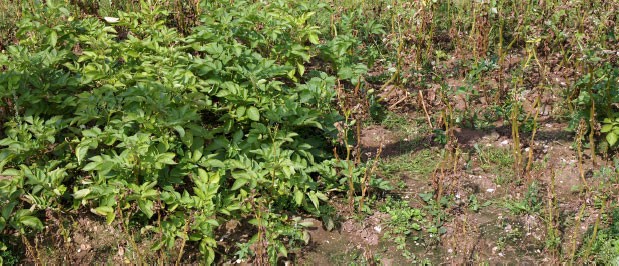
Photo taken by Andrew Davis, John Innes Centre
These genomes can interact in a way that suppresses resistance to stem rust, making the plant more susceptible to disease. By identifying and isolating a gene on the wheat D-genome that is supressing this resistance, scientists at The Sainsbury Laboratory are making headway on the potential to unlock reservoirs of inherent resistance genes and develop more resistant wheat varieties.
Infection with Phytophthora infestans in the field destroys currently used potato varieties but not the Rpi-vnt1 immune receptor engineered plants. Photo taken by Andrew Davis, John Innes Centre.
Reducing loss in the supply chain – potatoes
Potato late-blight is caused by the fungus-like microorganism, Phytophthora infestans. This plant pathogen triggered the Irish potato famine in the 1840s. Today, UK farmers are still battling this devastating crop disease, and depend on 15-20 fungicidal sprays per year to keep it under control. The Sainsbury Laboratory has developed a Maris Piper variety that is not only blight-resistant, but also resistant to tuber blight during storage. This PiperPlus potato incorporates three resistance genes from wild potato relatives. By combining different resistance genes, they can protect each other from being overcome by mutations that would allow the pathogen to evade their detection. This means that all these genes continue to stay effective in protecting the plant from diseases in the long term.
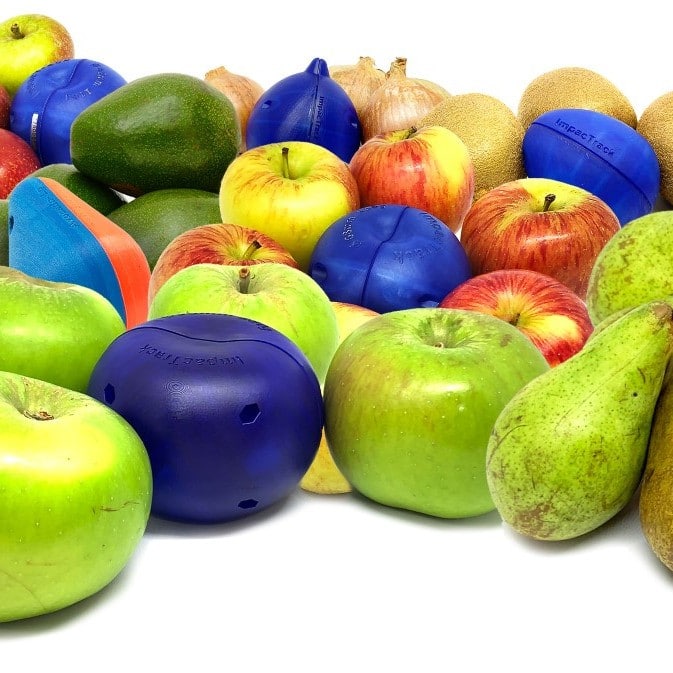
In addition to blight resistance, the PiperPlus potato has added qualities of reduced cold sugar formation and reduced bruising which will cut down on yield losses in the supply chain. Researchers at The Sainsbury Laboratory are now generating PiperPlus lines that also carry potato virus Y resistance and elevated nematode resistance.
Researchers at The Sainsbury Laboratory are now generating PiperPlus lines that also carry potato virus Y resistance and elevated nematode resistance. By combining different genes and modes of action there is less of an opportunity for pathogens to become resistant to any single gene. This enables gene stewardship, which means that these valuable resistance genes continue to stay effective over time. The PiperPlus potato is an excellent example of how stacking different genes can confer durable blight resistance.
The future
Many of the research projects conducted at The Sainsbury Laboratory have provided evidence that engineering disease resistance in crops can reduce several agricultural challenges associated with plant pathogens. If resistant varieties of crops were available for stem rust, late blight and soybean rust it would not only save millions of pounds in annual yield loss, but also drastically reduce the amount of fungicides needed in agriculture, thus making a major contribution to more sustainable crop production.
Get the latest agri-tech news, events and opportunities direct to your inbox
How happy is your crop? 30MHz will tell you
Meet the Network
Agri-TechE
From monitoring single plants to remote management of entire greenhouses, 30MHz has taken its plant-led focus a long way since its first appearance in the Innovation Hub in 2018.
Steven Archer of 30MHz explains that its wireless sensors are able to do an analysis of crop level environmental conditions, including measurement of actual leaf and stem metrics, to more closely assess how “happy” the crop is. The data is collated into the 30MHz platform for analysis and models are created to enable the development of the optimal growing environment. The company recently reached the finals of the Autonomous Greenhouse Challenge, which aimed to grow healthy cherry tomatoes remotely. Within six months the multidisciplinary team of horticultural experts and computer scientists were able to develop the system and models needed to control a greenhouse autonomously.
Steven explains that this is just one of the applications for the technology: “30MHz provides a data platform for horticulture that collates data from a range of wireless sensors and data sources, analyses and stores the data and then makes it available for many applications. These applications can be simple analysis of a plant or soil moisture or indeed control of an entire controlled environments such as the recent Autonomous Greenhouse Challenge.
“The data is owned by the user and can be utilised in any way they see fit including being sent into other platforms via our API or it can be sent into climate computers for control.”
The platform supports the integration of other sensors such as 2Grow, Sendot and Paskal, with many more coming, and the data is displayed through a fully customisable dashboard accessible on smartphone, putting decision support directly into the hands of the user.
Steven continues: “As it is customisable the data can be displayed in many different ways depending on how the grower wishes to analyse the particular metric in order to make decisions.
“For example, continuous data on substrate or soil conditions can show when sufficient dry back has happened and when irrigation needs to begin. This is particularly important in controlled environments where climate control – particularly managing humidity – is energy intensive.
“Certainly, the optimisation of various metrics has led to less water use, less heat use and in some cases less CO2 pumping.” More information about the Greenhouse Challenge
Post Overview
28th June 2021
Agri-TechE
Agri-TechE Article
CEA and Vertical Farming
Share this Page:
Related Posts
LettUs Grow joins QuBOOSTR Consortium to pioneer UK glasshouse rubber production
Get the latest agri-tech news, events and opportunities direct to your inbox
Skippy Scout ten times faster than field walking says Drone Ag
Meet the Network
Agri-TechE
Drone Ag showcased Skippy Scout, its crop scouting app, at the 2019 Innovation Hub, before launching the app at Lamma in 2020, where it won the Gold Future Innovation Award. Since then, over 20 farms in Norfolk and Suffolk are using the app which automates drone flight to photograph broad acre crops. “The app is currently ten times faster than traditional crop walking methods and we intend to make it faster still as we develop the technology further,” says founder Jack Wrangham.
Image analysis of whole field in minutes
The first version of Skippy Scout could image crops and provide an accurate green area index (GAI) figure. The new version 2.5 offers field overview, automated scouting and PDF field reports using maps uploaded by the user, and images taken by the drone
“Our image analysis takes only minutes to provide an easy-to-understand report of the whole field,” says Jack.
The reports are generated using unique image analysis to flag up potential crop issues and can also be compared to satellite and yield maps to find correlations in field performance. “It also provides a breakdown with indicators for green area index (GAI), healthy and unhealthy crop cover percentage, weed percentage, and it gives an insect damage measurement,” he says.
Users can therefore identify crop issues such as weeds or pests more quickly by subsequently viewing the leaf level images on their phone or tablet. “Long term, the reports will also benchmark fields of the same crop to provide a picture of changes and crop progress over time,” he adds. The latest version of the app is also able to identify the development of specific crops such as oilseed rape (OSR). Skippy has been used to monitor OSR in much more detail this season. The aerial photos of the crop are interpreted by the software to establish GAI and even flower fractions. “‘Skippy can measure crop GAI in almost real-time and provide week-on-week tracking of changes, as well as measuring flowering fraction. Therefore, decisions on when and how much foliar nitrogen, and other inputs, to apply can be made based on crop progression indicators such as a GAI of 3.5 when flowering starts,” explains Jack.
Improvements and new features
Skippy Scout has been improved multiple times over the past sixteen months, with the optimisation of current features and the addition of new ones. These new features include more crop monitoring metrics within field reports, such as the aforementioned flowering fraction in OSR, and now a uniformity percentage for all crops that shows how even a field is overall.
At emergence, reports can now even provide plant counts per square metre in bean crops and cereals, with OSR to closely follow suit.
The addition of NDVI maps from the French start-up satellite data company, SpaceSense, now allows users to plan scouting routes based on up-to-date crop health imagery – and there are no plans to stop there…
The next six months are set to include updates in the form of flight route optimisation, speed improvements and even more analysis metrics (plus a few “revolutionary”, top secret features, coming soon).
Two hundred users
Drone AG is approaching two hundred users and Jack cannot see a reason why every arable farmer and agronomist would not want to save time by using Skippy and a drone to walk crops. He says: “It is cheap and easy to use so we expect user numbers to grow significantly in the next 12 months,” he says.
Existing users can update their app to version 2.5 for free now, and new users will benefit from all the additional features when they register. “It is easy to start using Skippy. Anyone who owns a drone can sign up online with monthly subscriptions starting from just £30,” concludes Jack.
Get the latest agri-tech news, events and opportunities direct to your inbox
Biocleave teams up with Rothamsted Research to synthesise promising biopesticides
Meet the Network
Agri-TechE
Biocleave uses soil bacteria to create synthetic insect pheromones as natural crop defence
Insect pheromones used in nature for communication are to be engineered synthetically to produce powerful crop protection tools, following a collaboration between biotech company Biocleave and Rothamsted Research. Biocleave uses a benign soil bacterium, Clostridium, as a micro-factory to create recombinant proteins such as enzymes, for use in the production of biopesticides.
Semiochemicals, such as pheromones, are naturally occurring compounds used by insects to convey specific messages. Disrupting these communications can prevent them from attracting mates and breeding and so provide an exciting opportunity for the creation of highly specific biopesticides that are non-toxic to beneficial insects and natural predators.
Naturally occurring compounds are difficult to make using the traditional chemistry techniques that are currently used to generate fertilisers and pesticides from petrochemicals. Instead, the single-cell organism, E.coli, is often used as a bio-factory to create these. However, some of the ingredients of semiochemicals are toxic to E.coli, so as production of these novel crop protection compounds increases, an alternative bio-factory is needed.
Biocleave overcomes a bottleneck in production
Biocleave is using a new organism, the soil bacterium Clostridium, to produce biological semiochemicals.
Dr Liz Jenkinson, CEO of Biocleave, explains: “There are a whole host of semiochemicals, including sex pheromones, that have been demonstrated to have efficacy at replacing traditional pesticides. “However, it is difficult to produce these semiochemicals as they are created through pathways of enzymes – so obtaining these enzymes is currently the bottleneck; preventing the synthetic production of these biopesticides. Essentially we are harnessing the power of nature to make these enzymes. and then supporting various production partners, to use those enzymes to make the final biopesticide.”
Biocleave gained investment in December 2020, which has enabled it to develop its novel gene editing technology CLEAVE™ and rebrand the company to take it to market.
Strong track record
The original company, Green Biologics, was an industrial biotech company using Clostridium to make biochemicals, biobutanol and bioacetone – it had a plant in the US to produce these biomolecules. In parallel with this the company was developing new technologies and one strand has been using Clostridium as a new host for making recombinant proteins.
Recombinant proteins can include drugs, antibodies and enzymes for disease treatment. A small section of DNA that codes for protein production is inserted into a micro-organism host and as that host rapidly replicates, the protein is produced.
The most widely used host is E.coli, but this often contains toxins in its cell wall, called endotoxins, that are released when the cell breaks down, so products from the cell require purification and this can reduce the efficacy of the product.
Liz continues: “Clostridium is free of endotoxins, and so does not require purification. In some cases, ours is the best current solution for making certain types of recombinant protein.”
Liz Jenkinson, CEO, Biocleave
Applications for agriculture
Biocleave’s Commercial Director Dr Nathan Fairhurst explains the company currently has a BBSRC funded project with Rothamsted Research.
“Insect pheromones are used in traps to monitor insects, such as the Codling Moth, to identify the presence of adults to time spraying of orchards to kill the larvae. Rothamsted has identified a number of semiochemicals that have potential as biopesticides to lure insects away from crops or to disrupt their behaviour to prevent mating.”
“Rothamsted has done some limited field trials to demonstrate their efficacy but has been unable to scale production in a way to enable them to commercialise it. In this case it is because the enzymes needed are toxic to E. coli.”
“Our technology overcomes this issue. so, we are working with Rothamsted to develop these enzymes and demonstrate that they can be used in the production of semiochemicals.
“Rothamsted has connections with growers and the farming community and a spin-out company PheroSyn, which is starting to commercialise other semiochemicals so there is already a channel to market.”
Nathan Fairhurst, Commercial Director, Biocleave
Benefits of semiochemicals
Semiochemicals are used differently depending upon crop and insect, but they can either be used as attractants or as repellents – with attractant semiochemicals loaded into traps at the edges of the crop, and repellents applied in the centre of the crop to push the insects away from the crop into the traps. In other cases, you would just use one or the other.
Semiochemicals have big advantages over traditional insecticides, not only are they more targeted and can be used just when required, reducing the volumes of inputs required, but also the production process requires less energy and produces significantly less greenhouse gas emissions.
Nathan concludes: “Semiochemicals as biopesticides is an area that we’re really excited about, and Rothamsted are really excited about. They have identified the semiochemicals, and we’re providing the ability to make them.”
Nathan Fairhurst will be speaking at the Agri-TechE event ‘Advances in Breeding for Agriculture – New Tools for New Solutions’. The event will be looking at the application of genetic tools in breeding of livestock (including insects) and crops, as well as in cultivation of microbes. Nathan will be joined at the event by Helen Sang of the Roslin Institute; Thomas Ferrugia, CEO of Beta Bugs; Gilad Gershon, CEO of Tropic Bioscience; Ingo Hein, from the James Hutton Institute; and Mike Coffey, of the SRUC.
Post Overview
23rd June 2021
Agri-TechE
Agri-TechE Article
Crops, Varieties, Breeds, Rotations
Livestock
Share this Page:
Related Posts
AbacusBio believes the Precision Breeding Act presents a ‘huge opportunity’
Get the latest agri-tech news, events and opportunities direct to your inbox
REAP Start-up Antobot raises £1.2m
Meet the Network
Agri-TechE
Smaller, faster, cheaper and more durable intelligent mobile robots will be possible with Antobot robotics technology, which offers twice the ‘brain’ power of commercially available mobile robots in a third of the size. It has recently secured £1.2 million in their seed funding round to help develop its mobile agriculture robot prototypes.
Antobot Ltd is a robotics technology company, with teams in Cambridge UK and China, which is focused on the control hardware and software development for intelligent mobile robots. It presented as part of the Start-Up Showcase at the Agri-TechE REAP 2020 conference.
Antobot’s robotics presented at REAP 2020
At the conference Antobot’s founder, Howard Wu, explained: “Our first commercial product will be a highly compact four-wheel-drive scouting robot capable of counting fruits and determining fruit ripeness and size, whilst also mapping fruiting locations in three dimensions to allow picking at a later stage.
“Small ground-based machines are able to fit into narrow spaces between plants to map fruit location in detail, and being light also prevents soil compaction. But the challenge of building very small robots is the requirement for a smaller control unit.
“Our universal Robot Control Unit (uRCU®) achieves twice as much ‘brain’ power as the current market leading mobile robot company, despite being just 1/3rd the size,” says Wu. “We also offer our uRCU to other robotics companies, to accelerate their robotics application development.”
The uRCU®’s sophisticated design combines the core hardware and advanced software for agri-robotic applications in one compact single unit.
Funding for fruit scouting robot
Funding from Intron Technology Holdings Ltd a leading automotive electronics solutions provider in China, will enable Antobot to develop various full applications using its modular platform, starting with its scouting robot, Insight.
Focusing initially on the £875 million UK fruit sector, Insight travels autonomously through the farm and, using artificial intelligence, gathers accurate, timely and rich data for deeper insight into crop yield, profile, and pest / disease management.
Unlike manual scouting or scouting using large heavy machinery, Insight is powered by renewable energy and does not require any labour. Working with a selection of partner farms in England, Insight will be trialled in UK fields this summer of 2021.
Eddie Chan, Co-CEO and Executive Director of Intron Technology says. “We are strongly committed to Research and Development at Intron, particularly when promoting sustainability. And we are looking forward to working with Antobot, learning from each other, and helping Antobot grow into the leading force in the agricultural robotics sector we know it can be”
Dr Belinda Clarke, Director of Agri-TechE , says: “In the crowded agri-robotics market, Antobot is focussing on affordability and providing a platform solution to differentiate itself. It’s particularly exciting to see the application of expertise from other sectors into agriculture and the company is ground-truthing the potential application with farmers.” Find out more about Antobot on their member page.
Post Overview
4th June 2021
Agri-TechE
Agri-TechE Article
Machinery, Robotics and AI
Share this Page:
Related Posts
Unlocking emerging agri-tech with everyday objects
Get the latest agri-tech news, events and opportunities direct to your inbox
Heartbreak & Hope in the fight against bovine TB
Meet the Network
Agri-TechE
Johnnie Yewdall sees potential of Actiphage to break the cycle of bTB
Jonnie Yewdall, a former dairy farmer, has been appointed Commercial Director at PBD Biotech. The company recently gained funding to take its Actiphage® blood test for bovine TB (bTB) and Johne’s Disease through the validation required for international industry acceptance.
Jonnie will be talking about his experiences and development of the Actiphage test at the Agri-TechE event ‘Heartbreak and hope – the story of a new diagnostic for bovine TB’
Devastation of bTB
Jonnie has worked in a commercial role in other industries, but he knows first-hand the devastating impact bTB and Johne’s disease can have on farmers through his experiences on a family farm in North Devon, where the herd was decimated by these diseases.
He lost a third of his Guernsey herd following a positive bTB test, and then the replacement animals began to show signs of Johne’s Disease, another mycobacterial disease. Unfortunately, this was the final straw. The emotional toil and the ongoing financial loss were too great and the Yewdalls sold the family farm.
Don’t want other farmers to go through same experience
Jonnie says: “I think that Covid-19 has shown the wider business community what it is like to be a dairy farmer at risk from bTB – you are locked-down and you can’t plan or budget.
“I don’t want any farmers to go through what we did, which is why I have joined PBD Biotech. With tools like Actiphage the industry has an opportunity to work together to potentially eradicate these very difficult diseases.”
Actiphage is an extremely specific test, as it detects the DNA from live bacteria in a sample of blood or milk, not just the animal’s immune reaction. It can detect just a few cells; this enables farmers to identify carriers of the disease and remove them from the herd before they become spreaders. This was a recent recommendation from the cattle health certification standards regulatory body Checs.
Actiphage has been approved by APHA for use under special conditions, and when used on-farm as part of a disease management programme it has been proven to eradicate bovine TB.
Supports farms gain bTB disease free status
By recently gaining £2.3M of funding, PBD Biotech is now able to take Actiphage through trials to gain OIE (the World Organisation for Animal Health) validation for the test which will enable international acceptance.
Jonnie sees potential for Actiphage to be used as part of a wider disease management programme to enable farmers to eradicate and then maintain a disease-free status on the farm.
“Actiphage is a blood test for live mycobacteria that gives you a simple yes/no answer. When this is authorised for use on the farm, we could use it in parallel with the statutory testing to manage the infection risk, for example isolating inconclusive reactors pending a further skin test,” he says.
“It could be used as a ‘pre-movement’ test to check animals before they are introduced into a herd and also as a ‘DIVA’ test to differentiate infected from vaccinated animals, paving the way for the introduction of a vaccination programme.”
Agri-TechE event
Jonnie will be talking about his experiences and development of the Actiphage test at the Agri-TechE event ‘Heartbreak and hope – the story of a new diagnostic for bovine TB’on Tuesday 6thJuly 2021, from10am-11am.
Get the latest agri-tech news, events and opportunities direct to your inbox
UK’s first protein-from-potato ‘plant’ to open in Lincoln
Meet the Network
Agri-TechE
The UK’s first factory to convert potatoes into functional plant-based protein for vegetarian and vegan foods is being made possible following the development of a new extraction process by B-hive Innovations in collaboration with potato suppliers Branston.
Plant-based protein from potato
Lincoln-based B-hive Innovations develops new technologies for the fresh produce industry. Its new extraction process offers the potential to use potatoes in new ways. In addition to the plant-based protein the process also generates a starch co-product that has a range of applications.
Alison Wright, R&D project manager at B-hive Innovations, said: “The process enables gentle extraction of food-grade functional protein that is free from allergens. Market research revealed there was a growing demand for UK-grown, clean-label, 100% plant-based ingredients, highlighting a commercial need that fitted perfectly with Branston’s drive to utilise all harvested crop.”
The technology is part of a collaborative project with potato suppliers Branston. Construction of the new £6m protein facility has started at the Branston headquarters in Lincolnshire
Branston supports new technologies
Branston is one of the UK’s leading suppliers of potatoes for retail and wholesale and provides seed for potato growers. Working closely with its producer groups across its three sites at Lincoln, Scotland and the South West, Branston is supporting the development and adoption of new technologies.
This includes HarvestEye, a unique system that provides insights on root crops during harvest, that was highly commended in industry awards.
HarvestEye accurately measures potato size, count and crop variation, giving instant insight on marketable yield, ensuring producers get the best price for their harvest.
Post Overview
24th May 2021
Agri-TechE
Agri-TechE Article
Crops, Varieties, Breeds, Rotations
Share this Page:
Related Posts
Not so simple: mosses and ferns offer new hope for crop protection
Get the latest agri-tech news, events and opportunities direct to your inbox
Is per plant robotic weeding the answer to blackgrass?
Meet the Network
Agri-TechE
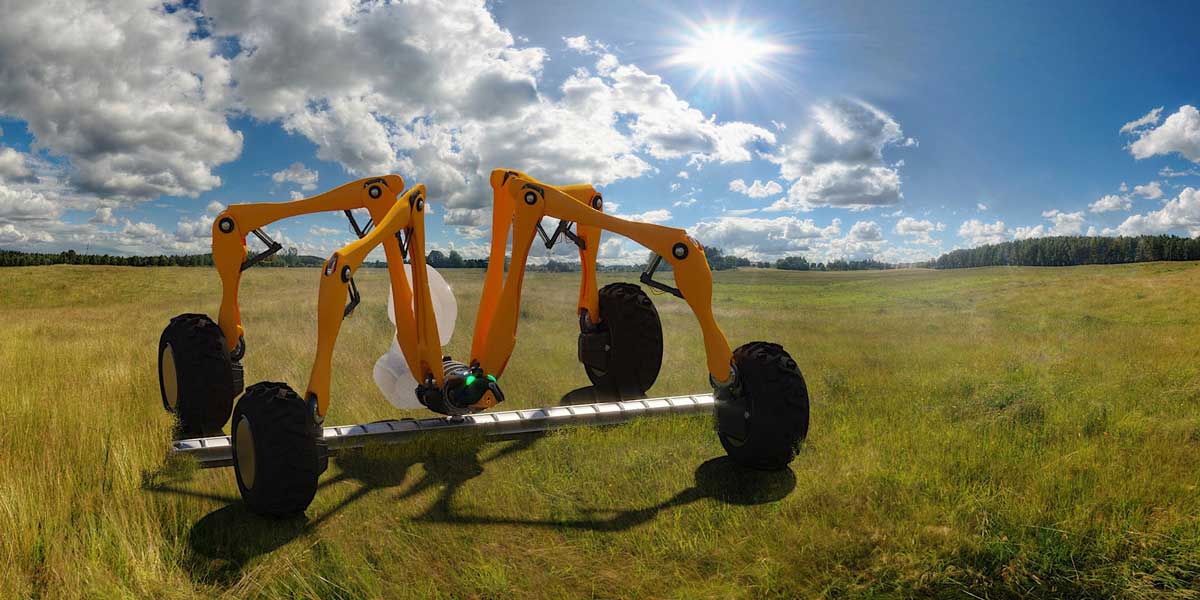
Ben Scott-Robinson, CEO and co-founder, Small Robot Company with the ‘Dick’ non-chemical weeding prototype:
The world’s first ‘per plant weeding’ service has been demonstrated by the Small Robot Company (SRC), its first customer is the Lockerley Estate, where robots are a key part of a regenerative farming strategy.
The service uses two robots, Tom a scanning robot and weeding prototype and ‘Dick’ that zaps individual weeds with electrical ‘lightning strikes’, using no chemicals. On-farm pilots of the service will commence this autumn.
In future, Tom will also gather data from multiple sources, such as sensors and microphones for birdsong and pollinators, to assess soil health and biodiversity.
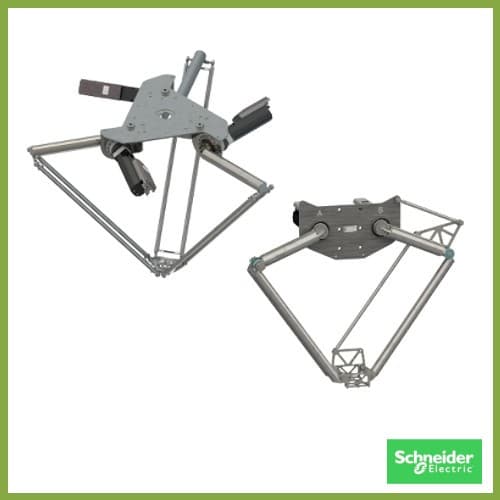
The ‘Dick’ robot prototype deploys RootWave non-chemical weeding technology mounted on an igus delta robotic arm to zap the weeds.
“To prove the power of per plant farming we are focusing on answering the biggest problem that farmers face at the moment which is weeding,” said Ben Scott-Robinson, CEO and co-founder, Small Robot Company.
“We’ve now proved we can deliver per plant weeding: a world first. The focus for us now is being able to move forward to deliver this, repeatedly, and at scale. This will be game-changing.”
Black grass costing a fortune
“Weeds, especially black grass, are crippling. It’s costing the industry a fortune,” commented Craig Livingstone, Lockerley Estate farm manager and National Food Strategy advisory panel. “Resistance to herbicides is the number one problem. The robot offers us a real chance to stop using artificial inputs, which goes towards our regenerative model of farming.”
Rob Macklin, the National Trust’s Head of Farming and Soils, agreed: “Technology needs to play a big part in solving many of the issues we currently face in farming – particularly improving soil health and carbon sequestration, reducing our reliance on fossil fuel power and fertilisers and avoiding the adverse impacts of synthetic chemicals on the environment. We have started small robot trials at Wimpole and intend to extend trials to other estates in the near future. Tom scanning robot is commercially available
Tom is now delivered to commercial specification, ready for ramp up of the service to more than 100 farms in 2023.
Other benefits from the mapping service include yield predictions, measurement of herbicide efficacy, and giving farmers the ability to take “no spray” decisions with confidence. The first crop for the service is wheat. SRC is now working on being able to recognise different weed species, with the next phase being multiple crop types. It has also just started a project to be able to detect disease in wheat.
Tom will cover 20 hectares per day autonomously, collecting about 6 terabytes of data in an 8 hour shift, and detecting millions of data points per field. As an example, Tom collected 12.7 million plants in a single 6 hectare field, of which 250,000 were identified as weeds.
He can distinguish plant details at submillimetre resolution, with less than one millimetre per pixel resolution on the ground. He is robust and weather-proof and can be used all year round. The next generation Tom also incorporates increased speed, 5K camera capacity and extended battery life.
Get the latest agri-tech news, events and opportunities direct to your inbox
Removing the heartache and headache of farm safety and compliance
Meet the Network
Agri-TechE
It was after a near-miss at the family farm in Arthurton, South Australia, that the idea behind Safe Ag Systems came about. The software is currently used by over 1,000 agribusinesses to remove the paperwork associated with compliance, and make it easier to embed a safe working culture into the business.
New free interactive risk assessment tool
Safe Ag Systems launched its safety app in the UK in late 2020 and co-founder Katy Landt will be talking at the event ‘Improving Farm Safety‘ in May, about the latest project to deliver a free interactive Risk Assessment Tool that will support any agribusiness in completing a risk assessment. Safe Ag Systems simplifies compliance to health and safety regulations. It is a software tool on both desktop and mobile that is used to gain efficiencies within the operational side of business. Currently over 8,000 users utilise the tool to captured records across employment, machinery maintenance, company policy and any type of procedure. This data is then used to evidence compliance. The product is also a great tool to educate workers, capture chemical or fuel usage, report hazards and alert anyone in an emergency.
Katy says that data tells us the greatest risk on farm comes from machinery, working at heights or with livestock. It is also most likely to occur to the 60+ demographic and the new workforce that is untrained. She says: “Agriculture has some of the highest risks of any industry when it comes to health and safety. Fatigue and working alone, in remote or isolated areas, where it’s hard to get help quickly if you need it, is also a huge contributor to our statistics.
“The reality is we can’t prevent or eliminate all of these risks, but what we can do is reduce them.
“This can be through things like guards and training for equipment and machinery, recording maintenance to ensure nothing is missed, training and easily accessible PPE for everyone.
“The easiest step is to create a simple checklist.”
Benefits of the Safe Ag Systems app
The company originates from Australia, but engages a go-to market strategy through advocates based locally. The selected organisations are currently operating successful farm management services and will expand this offering to include safety and compliance.
Agribusinesses will be able to come to Safe Farm Ag directly or to outsource the setup and management to these advocates.
Benefits of the app include:
Less down time from faulty equipment or injuries
Less insurance claims – so lower premiums
Time saving as records are updated as you work, information is readily accessible for audits
Staff management, employment records, easy inductions and work allocation.
Simple ‘Safety Rating’ to monitor H&S performance
Connected approach to compliance
In Agriculture, compliance covers a range of subjects from health and safety through to traceability, sustainability and food safety.
Katy says that the aim is that Safe Ag Systems will become a ‘bucket’ for record keeping. As every audit process requires a separate exchange of data, one set of maintained records can address multiple sets of criteria.
The company is continuing to innovate and its focus has expanded with the development of a smart auditor. This tool will connect real-time evidence directly into an audit assessment form such as Red Tractor or Global Gap.
Katy explains: “If safety is tied into an operational tool on-farm – utilised by everyone – it can then provide evidence of behavioural change and also of good practice toward food safety, fair employment and sustainability. Our product is now helping thousands of businesses gain certifications easily.
“We are excited to say we are also developing a free interactive Risk Assessment Tool that will support any business in completing a risk assessment. We will address two types of risk assessments, Machinery and Equipment, and a General Risk assessment.
“Due to launch in June 2021, we are designing the Safe Ag Systems Risk Assessment tool to utilise likelihood and consequence as specified in ISO31000.”
Agri-TechE event: Improving Farm Safety with Innovative Agri-Tech
Katy Landt, CEO, Safe Ag Systems will be joining Ben Turner, Director, Ben Burgess, Elizabeth Creed, CEO, Farm 365 Ltd, Ben Sturgess, Founder and CEO, Pathfindr and Stuart McClimont, Technical and Standards Director, Agricultural Engineers Association for the Agri-TechE event: “Improving Farm Safety With Innovative Agri-Tech” on Monday 24th May @ 2:00 pm – 4:00pm.
Get the latest agri-tech news, events and opportunities direct to your inbox
NRI to lead new Food Systems Centre for Doctoral Training
Meet the Network
Agri-TechE
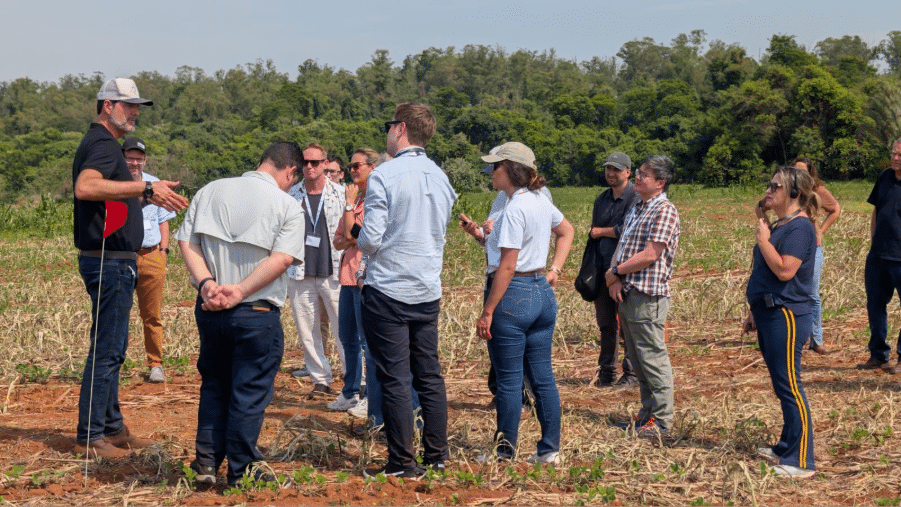
To support the transformation of the UK system into one that prioritises health, a new training facility is being established called the UK Food Systems Centre for Doctoral Training (UKFS-CDT). The Food Systems Centre aims to produce a new type of doctoral graduate with the core capabilities and characteristics necessary to contribute to food system transformation in a constantly shifting landscape with emerging challenges.
UKFS-CDT will train 60 researchers and champions and it is being led by The Natural Resources Institute (NRI) of the University of Greenwich.
In addition to the training courses, students will have their individual training needs analysed and undertake tailored training. This will be drawn from a wide range of postgraduate modules offered by the academic partners, which include: University College London; University of Sussex; Aberystwyth University; the Royal Veterinary College; City University; Brunel University London; NRI, Niab-EMR and Rothamsted Research.
Students will benefit from project discovery rotation with both a natural science and a social science research group.
These will be inter-institutional to leverage the strengths of multiple project partners.
Each student will also benefit from a 3-month placement with a government, business or civil society partner administered through the Professional Internship for PhD Students programme.
The UKFS-CDT will provide a rich forum for networking and collaboration between food system actors. The Academy has an open membership and details can be found at the CDT website www.foodsystems-cdt.ac.uk.
For more information contact: info@foodsystems-cdt.ac.uk
Post Overview
9th April 2021
Agri-TechE
Agri-TechE Article
Funding, Finance & Investment
Post-Harvest, Storage and Waste
Share this Page:
Related Posts
Five crop science projects funded under Bayer – Niab Challenge Grant Program

 Agri-TechE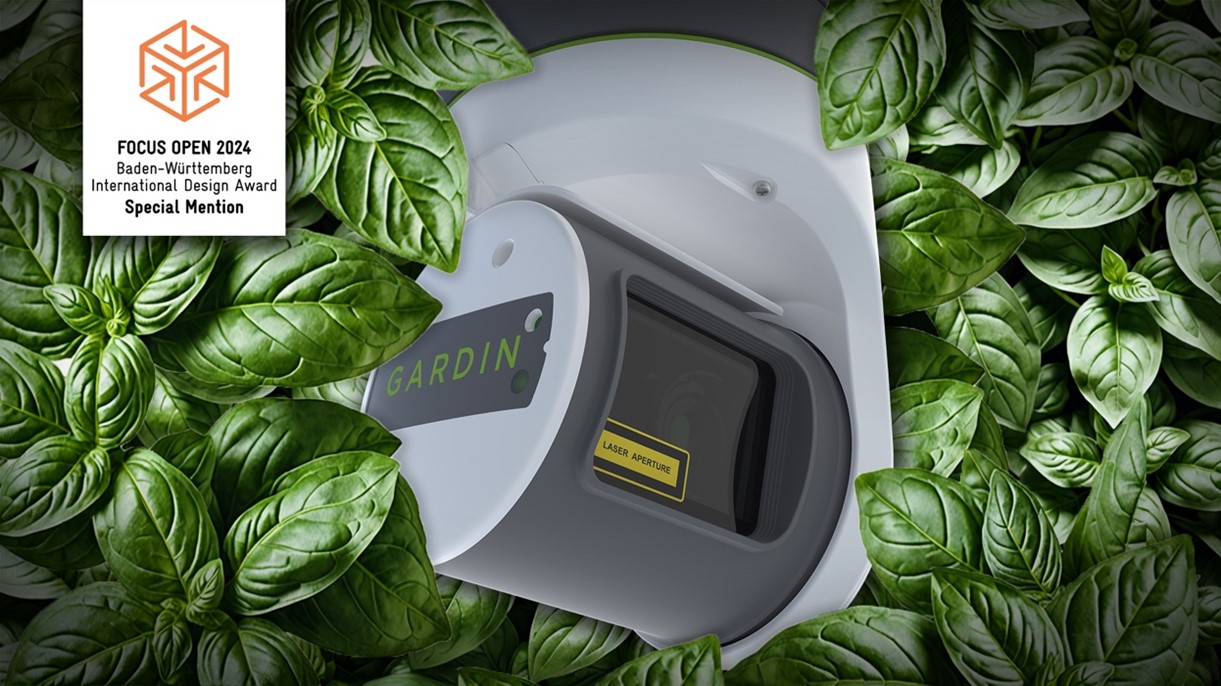








 Agri-TechE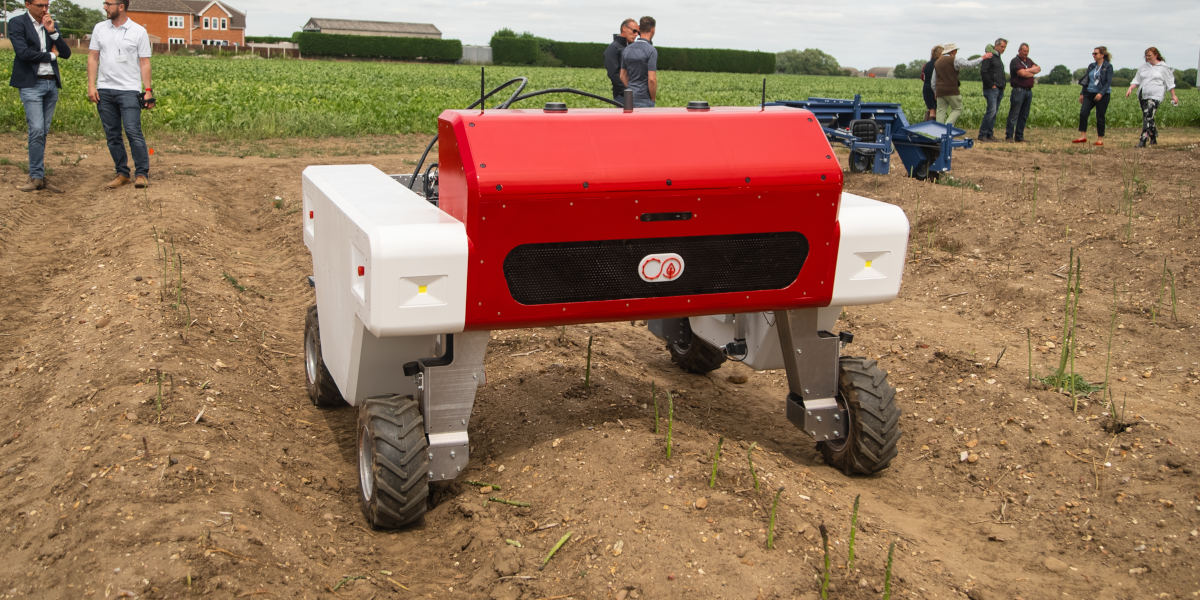






















 The Food Systems Centre aims to produce a new type of doctoral graduate with the core capabilities and characteristics necessary to contribute to food system transformation in a constantly shifting landscape with emerging challenges.