Explore innovative technologies and practices for enhancing livestock health, welfare, and sustainability in modern agriculture.
Agri-TechE Newsletter
Get the latest agri-tech news, events and opportunities direct to your inbox
Top innovation award for Actiphage, rapid tuberculosis test
Meet the Network
Agri-TechE
Actiphage®, a rapid, accurate test for tuberculosis that detects the presence of the live mycobacteria in a sample of blood or milk, has been awarded the Innovation Award 2021 by Veterinary Record, the official journal of the British Veterinary Association (BVA).
Tuberculosis (TB), Bovine Tuberculosis (bTB) and Johne’s Disease continue to be devastating diseases across the globe, and there are currently few reliable diagnostic tests available. Actiphage is a simple test that can detect the diseases in livestock, humans and companion pets as well as wildlife and exotic animals.
Actiphage is developed by PBD Biotech; CEO Mark Hammond says: “Vets know first-hand the devastation caused by bTB, so this award by the BVA provides a powerful endorsement of Actiphage’s innovation. By directly detecting mycobacteria at an early stage, Actiphage provides vets with a new tool for managing and eradicating bTB and Johne’s Disease.”
The other finalists for the Vet Record Innovation Award 2021 were the Animal Welfare Assessment Grid, presented by Sarah Wolfensohn of University of Surrey, and U-treat, presented by Rachel Kirkby of Test & Trace. Both showed innovative new ways to support improved diagnosis of other animal diseases. The support of vets is invaluable to PBD Biotech as the company is planning more on-farm trials of Actiphage in the near future.
Actiphage was named as a promising test in the review of UK bovine TB strategy conducted by Professor Sir Charles Godfray. It has also been approved by the APHA for exceptional private use in areas of chronic bTB infection.
Mark continues: “Although 2020 was a challenging year for almost everyone, we have been working closely with vets and farmers to further develop the test, and in parallel have been fund-raising. Our goal is to provide the validation data necessary for Actiphage to achieve international certification by the World Organisation for Animal Health (OIE).”
As Actiphage can distinguish between live and dead mycobacteria and also differentiate between wild strains and vaccine strains, it would be very effective to develop as a DIVA test – for Distinguishing Infected from Vaccinated Animals – a pre-requirement before a successful vaccination strategy can be introduced.
Actiphage has been shown to detect TB in livestock, domestic animals, wildlife and exotic species, so is of interest across the veterinary profession.
It also provides an accurate and non-invasive blood test for human TB and work is progressing to develop a clinically proven test in human TB.
Get the latest agri-tech news, events and opportunities direct to your inbox
Smartbell gives early warning of calf illness
Agri-TechE
Using indicators such as the animal repeatedly flicking at its ears, the Smartbell system can identify if a calf is becoming ill three days before any symptoms emerge. Early treatment then means reduced suffering for the calf. Smartbell offers an ‘internet of cows’ by tracking calves, minute by minute, using an ear tag which monitors their activity and movements. The Cambridge start-up was awarded Commendation Award for Innovation at The Cream Awards 2021, a prestigious British industry trade award.
Veena Adityan, CEO of Smartbell, said: “It’s an honour to receive such an award. It is tremendous validation from the industry of work we are doing and the real difference it makes to farmers, the welfare of their animals, and also be a benefit to society.” The information from electronic tags is relayed to a farmer’s phone, or laptop, providing real time insights into the health of every animal in a herd. A powerful algorithm alerts the farmer to any concerns about the livestock.
Jose Chitty, Chief of Operations at Smartbell, said: “The smart tag is like an electronic herdsman, who never sleeps. If a dog is man’s best friend, this tag could become a farmer’s best mate.”
A calf which is in good health in its first three months of life yields, on average has optimal growth and productivity. It also needs far fewer antibiotics, and less food and water, minimising the animal’s carbon footprint.
The company has previously been awarded £1M in research funding by Innovate UK, a government agency which promotes research and innovation. They are partnering with Scottish Rural College and Parklands Veterinary Group (now part of Vet Partners) and Agri-EPI Centre to further develop this technology.
Get the latest agri-tech news, events and opportunities direct to your inbox
Well-beeing sounded out with BeeSecure
Agri-TechE Article
Agri-TechE
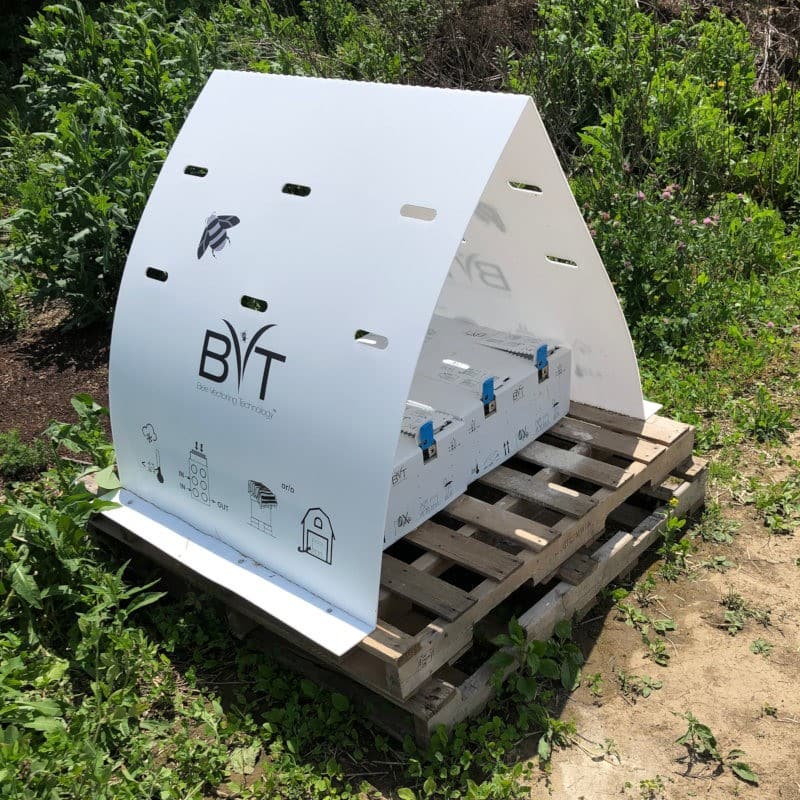
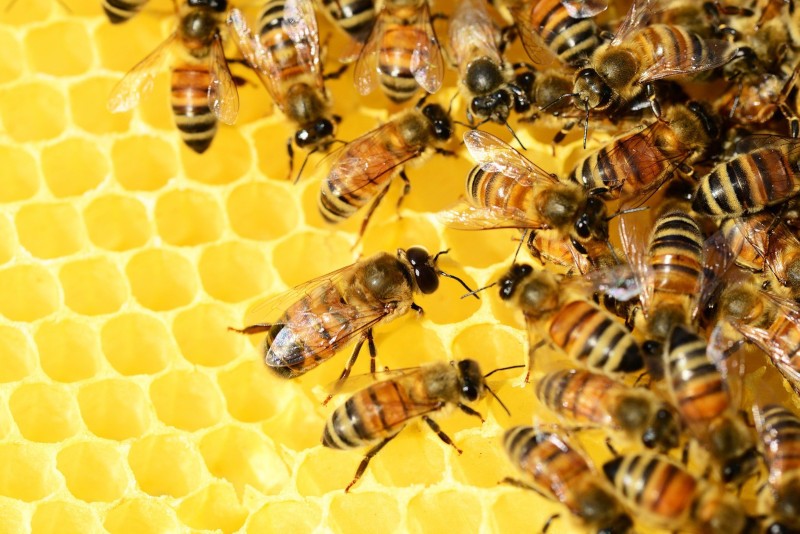
By tapping into vibrations in the hive, agri-tech start-up BeeSecure is able to listen into conversations ensuring that the bees are happy, healthy and performing well. Co-founder Roberto Pasi says the company can understand ten main topics, quickly identifying issues. The company was part of the Start-Up Showcase at Agri-TechE ’s 2020 REAP conference.
BeeSecure is based in Italy and supports thousands of beehives across mainland Europe. It is part of the EIT Food Accelerator Programme and has just started working with beekeeper associations and farmers in the UK. Its new product BeeSecure is changing the way bee services are rented on farm. By providing a ‘high-performance pollination service’ well-kept bees are able to significantly boost yields of insect pollinated crops. Hives can be rented by farmers as required but keepers are concerned about the pesticides that might be used and farmers have little knowledge of the health of the bees.
Co-founded by Roberto with CTO Gabriele Garavini, BeeSecure uses IoT devices such as sensors to monitor the temperature, humidity and sound, Roberto explains:
“We have a little microphone that is able to translate vibration within the bee hive; it can’t pick up the individual conversations, but just like sitting in Old Trafford watching Manchester United, if somebody scores a goal, you’re really going to hear it.
“At the moment we can understand the ten most important topics, from ‘the Queen is dead’ to ‘there are not enough flowers nearby’ and this is sufficient to determine a problem with the hive and understand the size of the colony.
“Additionally, bees maintain a constant temperature of 35˚C; if that suddenly changes that is a real alarm that something is wrong.”
Roberto Pasi inherited his passion for bees from his grandfather, who left him 20 hives a decade ago. “It started as a hobby, but then we got thinking ‘bees are so important so why is there no technology to support beekeepers? There has been a massive loss of bees in recent years and no one really knows the reason for this.” Hive theft is an increasing problem for beekeepers so BeeSecure also contains a GPS tracker, which provides an alert if the hive is moved.
Data from the hives can be viewed in real-time by the farmer and keeper via a secure app
“So now we have the way to create a trusting relationship between farmer and beekeeper – we can guarantee the farmer that the rented bees are performing well – and at the same time we can guarantee the bee keeper that the bees will be returned in a healthy condition.”
Roberto is keen to talk to UK farmers about the rental of beehives and the BeeSecure system and to find partners with specialist knowledge of bumblebees, which are used for undercover pollination.
Post Overview
28th December 2020
Agri-TechE
Agri-TechE Article
Livestock
Share this Page:
Related Posts
Smartbell animal health system still reaping benefits of GROW agri-tech competition
Get the latest agri-tech news, events and opportunities direct to your inbox
A cocktail to catch a midge – PheroSyn bringing new smells to market
Agri-TechE Article
Agri-TechE
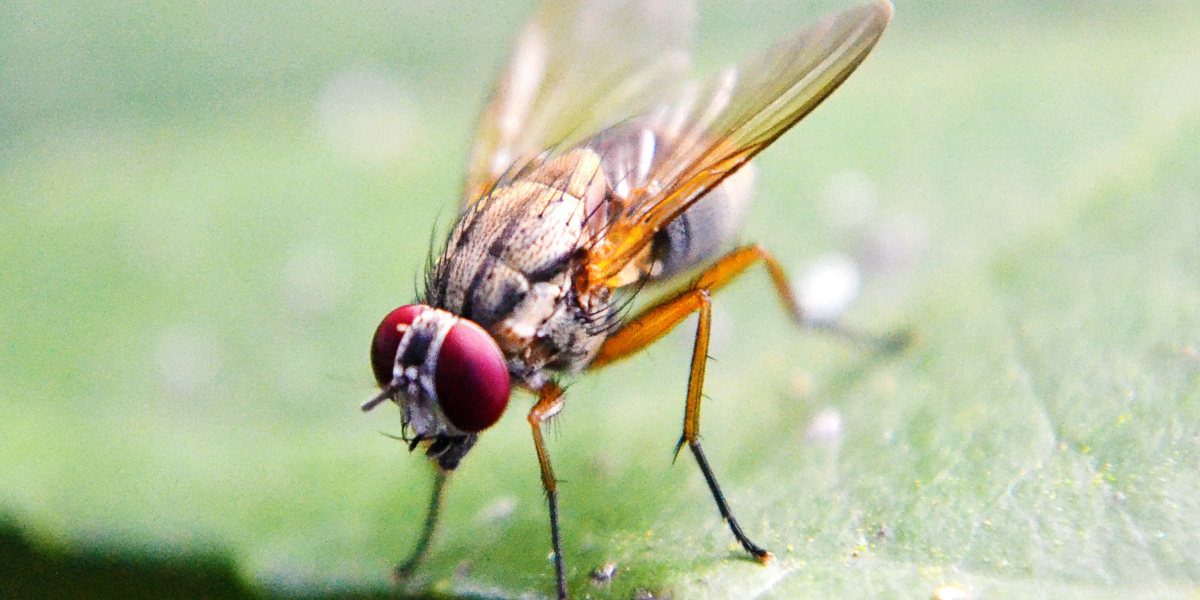
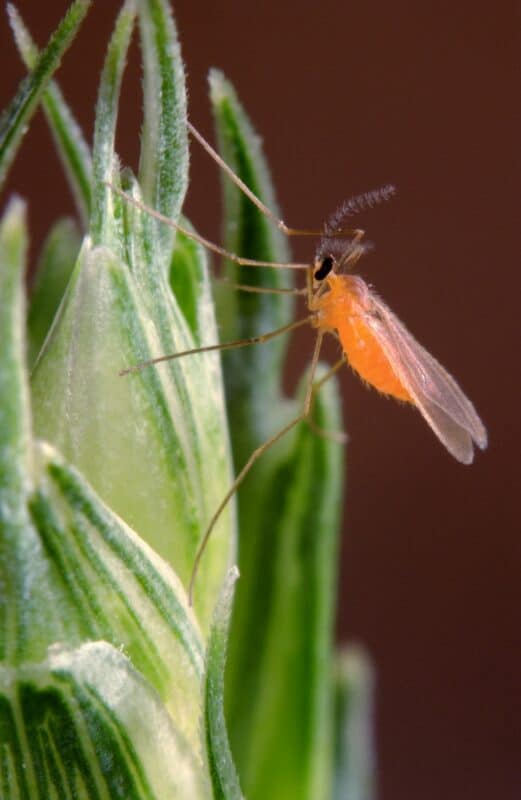
Swarms of orange midges dancing around an ear of wheat can be a worrying sight for growers – in bad years the UK has lost one million tonnes of grain to midge pests. But chemistry start-up PheroSyn has a smart solution, unveiled during the Start-Up Showcase at this years’ REAP conference.
Their small size and evening activity make midges, such as the notorious orange wheat blossom midge (OWBM), difficult to detect, and the difficulties mounted in 2016 with the UK government ban of the most effective treatment, Chlorpyrifos.
In response, PheroSyn has developed a cost-effective Smart Monitoring system using the insect’s own communication channel: Pheromones.
Smart, sticky and smelly
“Midges such as OWBM use pheromones to communicate and find a mate over long distances,” says Dan Bahia, co-founder and Business Manager at PheroSyn. “Our company aims to manufacture these natural high-value pheromones and then supply them into the agribusiness sector.”
“The pheromone is loaded into a slow-release mechanism, housed in a prism of card with a sticky inner surface,” the co-founder explains. “By surrounding the crop with just a few of these traps, the grower can easily determine whether pest control is necessary and, if so, when will be the most effective time to make the application.
“We’re looking to make pesticide use smarter in crop protection, for safer, greener and cost-effective insect pest management that is crucially also climate-friendly.” With increased temperatures being seen in the UK over the past decades, pest outbreaks are becoming increasingly unpredictable. “It’s vitally important for the grower to have a monitoring approach in place,” warns Dan, previously of the Smart Crop Protection team at Rothamsted Research.
He explains that midge swarms can migrate long distances on winds, before settling on a crop. After mating, the female lays her eggs into the developing grain buds of the wheat. “Once the eggs are laid, it’s too late for topical spraying,” Dan explains, “so the insecticide is needed early, to kill the female, before the eggs enter the grain buds.”
Cost-effective control
Pheromones have been used as part of IPM strategies for over thirty years, but the need to extract the chemicals from plants meant only specific pests could be targeted. “That’s where PheroSyn comes in,” Dan says. “We’ve started off with these midge pests but with the expertise we’ve developed, we could create synthetic pheromones for control against any insect pest.”
Pheromone traps have been shown to reduce costs for growers. “Smart monitoring approaches with pheromones are designed to remove the need for prophylactic pesticide application, therefore reducing spraying overall,” explains Dan, who co-founded PheroSyn in 2019 alongside a highly experienced team of Rothamsted chemists.
“The big problem with pesticides is that insects can become resistant to them,” says the co-founder. “Another benefit of using our pheromones in smart management systems is that not only will chemical pesticide application be reduced, but the longevity of the pesticide will be potentially extended by reducing the rate of development of pesticide resistance.
“We’ve created a product that’s very difficult for the insect to adapt to – the pheromone is identical to what the insects themselves are producing, and our slow release mechanism ensures that the amount of pheromone also matches that created by the insect.”
Perfect Chemistry
The team, which has a combined 40 years chemistry experience, received an immediate boost when they were awarded seed funding from this year’s Shake Climate Change competition. “The award gave us an incredible chance to work with experts, develop the business and the way we are selling our products – and it’s given me the ability to spend all of my time guiding the business through its initial stages.
“Our founders have a huge amount of experience in the scientific area. The expert guidance in entrepreneurship and start-ups from the Shake Climate Change competition will allow us to develop our business expertise, refine our business model and draw up a really solid investment plan.
“In addition to the OWBM pheromone, we’re now able to produce the saddle gall midge and pea midge pheromones for sale and we’re in the process of scaling up production for commercial volume. We’ve already been approached by members of the Agribusiness community who see the tremendous potential of pheromones but have until now been unable to exploit them due to unavailability.
“Based on previous work, we’ve been able to roll out three products immediately, producing at lab-scale, and we’re in the process of scaling this up for commercial volume. We’re very excited to have joined the Agribusiness community and are looking forward to meeting farming partners as part of the Agri-TechE cluster at the REAP conference.” More information about PheroSyn
Post Overview
8th December 2020
Agri-TechE
Agri-TechE Article
Livestock
Share this Page:
Related Posts
Deep Branch’s tech converting industrial emissions to animal feed secures €2.5M
Get the latest agri-tech news, events and opportunities direct to your inbox
Intelligent facility offers potential of net zero livestock production
Meet the Network
Agri-TechE
An innovative inflatable livestock production facility that offers the optimum conditions for animal wellbeing and productivity was announced at Agri-TechE ’s 2020 REAP Conference by Daniel Larn, managing director of Willand Group. The Willand Intelligent Livestock System (WIL System) can be installed and fitted-out within weeks and offers the potential for methane and carbon capture to enable net zero livestock production.
Daniel Larn was brought up on the family farm, but made a career in the oil and gas industry. With the downturn in 2017 he considered a move into farming, but then saw the potential for a way of transforming the way livestock is reared.
He explains: “The demand for meat is increasing internationally but the Middle East and Africa is environmentally unsuitable for intensive production. “Happy animals are the most productive and we saw the opportunity for ‘sensitive intensification’: a climate controlled environment that would offer the animals space and protection from pests and harsh conditions. If we can scale production then the units would also be suitable for temperate countries offering benefits from standardising conditions and reducing greenhouse gas emissions.” Daniel Larn, Willand Group
Pop-up system removes GHG for outlet air
The WIL System – which resembles the inflatable structures used for many years to provide undercover sports facilities – can be installed quickly on a green field site. Fresh air is drawn in to maintain the pressure and stale air extracted and scrubbed to remove water, carbon dioxide and methane.
Daniel has been consulting with meat processors that have networks of suppliers. They see the potential to mass produce the livestock facility to lower the cost for farmers and support standardisation of the meat product.
The company is working with a leading university to create a prototype system and is looking for potential partners and investors to accelerate proof of concept so it can fulfil demand from Nigeria and the Middle East.
Willand Group has specialist expertise in IT systems integration, creating a platform into which third party devices such as sensors, monitors, and climate control can be installed and then managed remotely through a dashboard.
The company is working with ‘best in class’ suppliers across the industry to supply a robust and cost-effective next-generation livestock production facility.
Net zero livestock production creating value from co-products
Daniel believes that by removing ammonia and nitrates from the exhaust air and containing the slurry, units can also generate value from the by-products as fertiliser or through carbon capture. Although technically possible at the moment, more development is required for it to be cost-effective.
“In the UK, we are working with planning authorities and the Environment Agency to ensure that the units meet quality standards. This will enable installation of the WIL System in non-traditional sites close to centres of population if required.
“We are offering a complete installation package, together with finance as required and anticipate that it will take a month on site to go from bare field to fully functional unit.”
Belinda Clarke, Director of Agri-TechE , says: “In the race for net zero emissions from agriculture, Willand’s ‘pop-up’ solution for livestock management facilities has the potential to be a game-changer. This innovation will bring together a range of technologies to improve emissions and animal welfare.” More information about Willand Group.
Get the latest agri-tech news, events and opportunities direct to your inbox
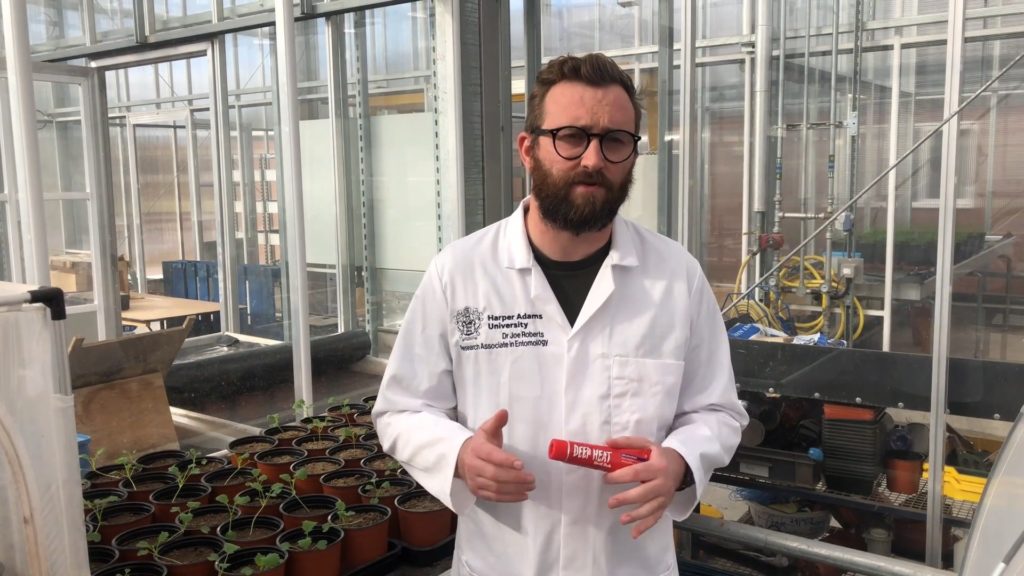
A smelly approach to crop protection – Joe Roberts
Agri-TechE Article
Agri-TechE
Joe Roberts
Lecturer in Entomology and Integrated Pest Management, Harper Adams University
“Could aromatherapy tools be used to kill pests such as peach-potato aphids that are resistant to pyrethroids? Orange oil is an aromatic that has been shown to interfere with the basic metabolic, biochemical and physiological functions of insects. Could botanical pesticides have lethal effects and modify behaviour to lead to crop avoidance?”
The Emerging Agri-TechE session at REAP 2020 is kindly sponsored by EIT Food.
Post Overview
10th November 2020
Agri-TechE
Agri-TechE Article
Livestock
Share this Page:
Related Posts
Collaborative Effort by PIC®, Vetline, and AbacusBio Elevates Uganda’s Pig Farming
Get the latest agri-tech news, events and opportunities direct to your inbox
REAP 2020 Start-Up Showcase: BeeSecure
Meet the Network
Agri-TechE
By tapping into vibrations in the hive, agri-tech start-up BeeSecure is able to listen into conversations ensuring that the bees are happy, healthy and performing well. Roberto Pasi, co founder of BeeSecure, says the company can understand ten main topics, quickly identifying issues.
BeeSecure is based in Italy and supports thousands of beehives across mainland Europe. It is part of the EIT Food Accelerator Programme and has just started working with beekeeper associations and farmers in the UK. Its new product BeeSecure is changing the way bee services are rented on-farm.
Get the latest agri-tech news, events and opportunities direct to your inbox
REAP 2020 Start-Up Showcase: Willand Group
Meet the Network
Agri-TechE
“Happy animals are the most productive and we saw the opportunity for a climate-controlled environment that would offer the animals space and protection from pests and harsh conditions; standardising conditions and reducing greenhouse gas emissions,” explains Daniel Larn, MD of Willand Group, Plymouth.
The Willand Intelligent Livestock System (WIL System) – resembling the inflatable structures used for many years to provide undercover sports facilities – can be installed and fitted-out within weeks and offers the potential for methane and carbon capture to enable the industry to meet its Net Zero targets profitably.
Get the latest agri-tech news, events and opportunities direct to your inbox
How to increase farmer adoption of new innovations
Agri-TechE Article
Agri-TechE
“How can we increase farmer adoption of new innovations?” A question that continues to challenge policy-makers, technology developers and the research community, and probably the one the Agri-TechE team is asked most often. So why are there no easy answers to this seemingly simple question? The year REAP 2020 is looking at managing across the levels from micro-scale to landscape and the technology that is needed to do this.
Dr Belinda Clarke Director of Agri-TechE says that there is significant appetite among farmers for new and improved tools, products and services to help reduce costs, enhance outputs and increase sustainability, and there is certainly no shortage of companies developing novel solutions.
However, as she comments: “As we have learned over the years, it’s more complicated than just a simple introduction between developer and farmer and expecting magic to happen.
“The inability to accurately predict a return on investment in new technologies, issues of trust in new technologies, and the lack of clarity about which will become the “gold standard” solutions are all barriers to adoption.
“Add in the lack of inter-operability of some new tech with existing systems, and the barriers to adoption start to stack-up.”
Creating an innovation ecosystem
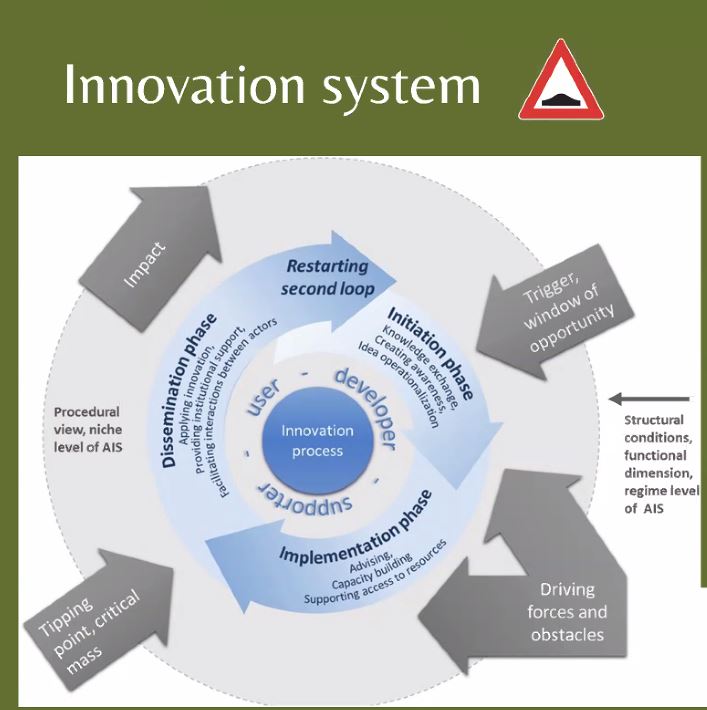
To help overcome this situation Agri-TechE ( or Agri-TechE as it was known) started to bring bring farmers together with researchers and technologists to gain mutual understanding of these types of issue.
Back in 2014, the big issue was a lack of understanding about what farmers wanted and needed in terms of new solutions and the research and innovation communities were eager for audiences with farmers to learn about their challenges, to help inform future development in line with the needs of the industry. So the first REAP conference contained a “Producers’ Panel” designed to provide a platform for farmers to describe their challenges.
This started to create a forum for innovation that placed the end users of the technology at the centre of its development. It has been interesting to see over recent years how collaborations between farmers and technologist have evolved. In addition, how the technologies have changed from point solutions to a particular issue to platforms that support decision-making.
It has become clearer that a more systems approach is required that looks at the interconnections and the ‘big picture’ as well as the minutiae.
At REAP 2020 a number of entrepreneurs that have appeared in previous Start-Up Showcase sessions at the conference have returned with their farmer collaborators to give two perspectives on how the farmer-tech relationship started, grew and any tips for ensuring a successful outcome to adoption of the new tool, product or service.
Precision livestock production
George Fell, a Yorkshire beef farmer, has formed a very successful integrated supply chain with a local calf rearer and a finisher, all underpinned by the Breedr app, which tracks the performance of each animal, revolutionising the way that livestock is produced and traded. Ian Wheal founder of Breedr
The beef industry has been singled out in recent years for its impact on greenhouse gas production, so agri-tech that enables the industry to increase its productivity while reducing its methane production is to be welcomed. Breedr has worked closely with all players in the value chain to improve the consistency and quality of meat.
George says, “Since the start of the year we’ve sold all our cattle through Breedr – it’s all worked seamlessly, it’s an easy system, we’ve been paid promptly, and it’s working well.”
He will be talking at REAP about his experiences of working with Breedr.
Another beef farmer Ian Sturmer, one of the first to trial the Breedr app, agrees: “With Breedr we are able to have a more powerful complete supply chain analysis, from the dairy farm right the way through to consumption. If we are going to have a vibrant beef sector in the UK and take advantage of the many export opportunities, I think it’s of paramount importance that we try.”
Precision fruit production
Tom Hulme has worked closely with Outfield
Precision measurement is available too in horticulture. Outfield is an orchard management platform that provides growers with yield estimates for fruit counting based on drone imagery. Growers are set up with their own low cost, off-the-shelf drone systems, and Outfield supports them to autonomously capture pictures of the orchard.
Jim McDougall, Commercial Director of Outfield Technologies, explains that there can be a three-fold difference between fruit production on neighbouring trees in an orchard. “
At the moment, in an orchard of 5000 trees, growers count the fruit on around ten – with outfield we add the remaining 4,990 trees to the count; creating an accurate yield map.”
One satisfied user of the Outfield system is Tom Hulme, Director of A.C. Hulme & Sons, a family run farming business of over half a million apple and fruit trees and has won the East Kent Fruit Society best orchard award 2 out of the last 3 years, he will be talking about the use of Outfield and its applications for fruit sizing, disease detection and orchard maintenance.
Precision crop protection
Arable, based in California, has developed a portable weatherstation, Arable Mark 2, which provides localised weather and plant health status in real time via a mobile phone. The company is presenting with one of its US clients and vineyard owner Will Drayton.
In the UK Arable has partnered with xarvio in the UK to combine its hyper-local crop and weather data with xarvio’s powerful crop production optimisation, to support more precise in-field decisions. Xarvio is taking part in the TechHub at this year’s REAP and previewed its xarvio Field Manager at REAP 2019. David Hurn, a fenland farmer has worked with Arable and xarvio
One of the UK users is David Hurn, a fenland farmer based near Kings Lynn, he says that precision farming is the future: “As a smaller farmer – having average yields isn’t going to cut it. We need to be at the top of our game, all the time, or we won’t be here.
“I have been very impressed with the Arable weather station and the Arable team. It is a simple system, very easy to set-up and move between fields. It is compatible with the PC and my phone, you don’t need anything complicated to log in or subscribe to and I can share the information from the webpage with my Agronomist.
“Being linked to the xarvio software is very useful, the localised weather data from the Arable Mark ensures the best accuracy from the growth stage and disease modelling in Field Manager. We can then see the spraying windows around that.
“I have found the modelling pretty accurate – it only needs tweaking occasionally, as it uses machine learning. With all the users providing input it will get better and better. “This is the sort of feedback we are giving to xarvio and to Arable Labs and they are responsive. You need to feedback both ways – not just on the problems but also when things are good.
Increase farmer adoption of new innovations
“In a previous blog we have talked about ensuring a win-win situation between farmers and technology developers. And now we will hear first-hand from those who have made it work
“Working closely with farmers can provide mutual benefit, but relationship management is an under-appreciated skill. This Farmer Tech session will provide some interesting insights into how this can be achieved ” says Belinda.
“While there are successful examples, we know as an industry we aren’t there yet with seamless adoption of new agri-tech innovations. But by learning from those who have done it, we might just learn how to do it better.” Arable,Outfield and Breedr will all be available at REAP 2020 for 1-2-1 chats and are looking forward to discussing collaborations with farmers or industry members at REAP 10th November 2020.
Post Overview
10th November 2020
Agri-TechE
Agri-TechE Article
Events
Livestock
Share this Page:
Related Posts
ATW22: Thursday: Scaling of agricultural innovation
Get the latest agri-tech news, events and opportunities direct to your inbox
Deep Branch’s tech converting industrial emissions to animal feed secures €2.5M
Meet the Network
Agri-TechE
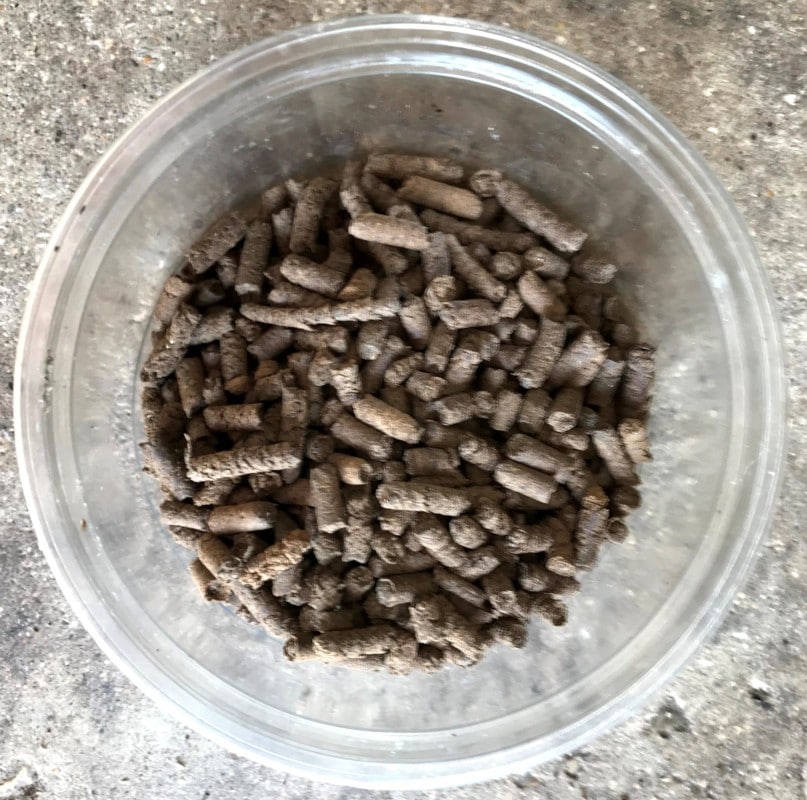
Using microbes to convert carbon dioxide from industrial emissions into a new type of single-cell protein, called Proton, Deep Branch has developed a low carbon animal feed with a nutritional profile that is comparable with fishmeal, the gold-standard protein source in aquafeed. The company has secured €2.5 million of European Innovation Council (EIC) Accelerator funding to build a new facility at the Netherlands-based Brightlands Chemelot Campus, a hub for circular chemistry and chemical processes.
The new facility will complement the REACT-FIRST project supported by Innovate UK, which through extensive research and testing will help the partners to gather valuable data about the cost, digestibility, nutritional quality and carbon footprint of Proton. Working with renewable power company, Drax, as well as a consortium of industry leading partners, the technology has already been proven on a smaller scale. This latest funding will enable Deep Branch to scale up increasing production to enable animal feed manufacturers to expedite performance testing of the new protein. Deep Branch expects the facility to be operational by Q2 2021.
Peter Rowe, CEO of Deep Branch, said: “In the UK, and in Europe, poultry and farmed fish are usually fed on fishmeal and soy, which is mainly imported from South America and has a huge environmental impact. We are developing a new, sustainable way of producing animal feed, which reduces CO2 emissions by more than 90 percent, compared to the currently used protein sources.”
Industrial emissions to animal feed
Unlike fishmeal, Proton can be produced year-round, reducing the impact of any seasonal fluctuations in price or yield.
“We’ll be undertaking further trials with BioMar and AB Agri, two leading animal feed companies that support the salmon and poultry farming industries. Thanks to the EU’s Horizon 2020 research and innovation support, we can expand our production capacity to match the volumes that feed producers need to run these trials.
Bert Kip, CEO of Brightlands Chemelot Campus, said: “Deep Branch fits into our sustainable profile perfectly, and is the first organization at this campus that is active in gas fermentation. This is another area where we can develop a leading position.”
Post Overview
28th October 2020
Agri-TechE
Agri-TechE Article
Crops, Varieties, Breeds, Rotations
Livestock
Share this Page:
Related Posts
Hempcrete as a high-value, green alternative to oilseed rape?
Get the latest agri-tech news, events and opportunities direct to your inbox
REAP Start-Up Showcase for farmer-centric agri-tech innovation
Meet the Network
Agri-TechE
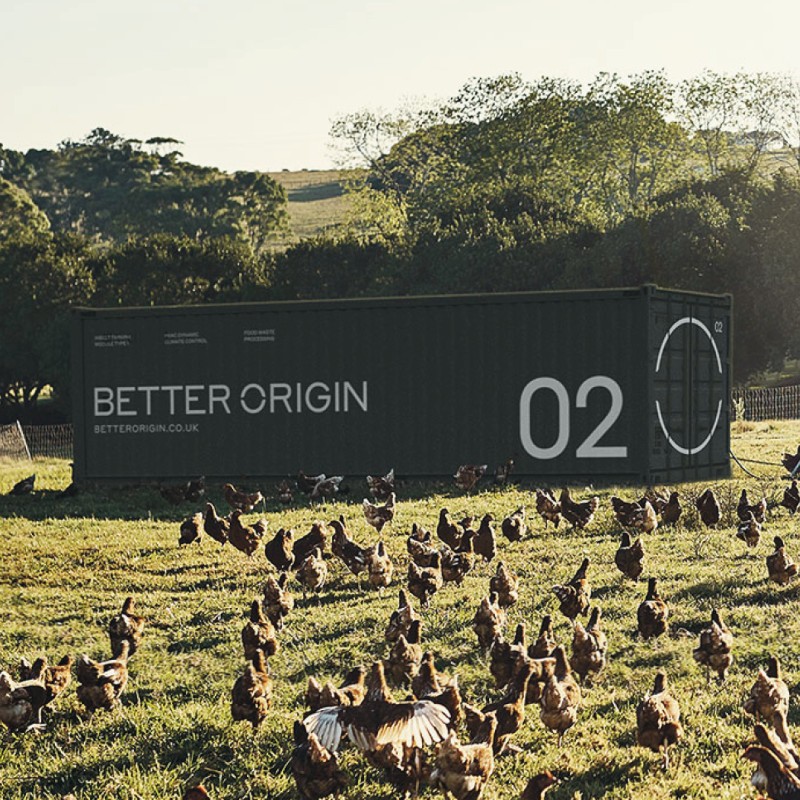
The REAP Start-Up Showcase has helped to launch many agri-tech innovations that address a real world challenge. Below is an update on some of the companies that have been featured over the last six years. We keep the line-up for the REAP start-up showcase highly confidential to ensure the attendees (potential clients and investors) get the full benefit of the presentation, as it has been the launch-pad for some of the most exciting young companies in agri-tech – as you can see below. AGRIinsight – has announced major commercial partnerships with Tanzania and Kenya based partners, completing the digitisation of their rice supply chain. The company can now offer a full digital ‘farm-to-fork’ service that allows smallholders to connect directly with large urban markets. Better Origin (formerly Entomics) – featured in the Forbes article ‘Three Greentech Startups To Watch In 2020 And Beyond: Bringing Innovative Solutions To Food Waste’. Breedr – has launched the world’s first fully-traceable livestock marketplace, hailed by John Royle, Chief Livestock advisor for the NFU, as “creating a virtual supply chain that builds confidence and trust between producers and processors … and supports the NFU net zero target.” Connecting Food – the French Foodtech start-up has raised more than €5M since its creation in 2016, accelerating its technological and commercial development and asserting itself as a market leader in food transparency. Vidacycle – has developed a new product focus on the needs of viticulture. EcoNomad Solutions – has gained £140k from the SHAKE Climate Change Programme to commercialise its innovative biodigester aimed at small farms. fieldmargin – has launched DroneDeploy to make it easy to create a visual record of your farm using a drone, enabling farmers to draw maps, make notes, leave messages for the team and more, with or without an internet connection. Yagro – has launched a new product developed with the input of a farmers to analyse the cost of production at a field level. PBD Biotech – has had their novel phage-based technology test, Actiphage, named by APHA as one of the unvalidated tests to be used in bovine TB disease management. Dogtooth Technologies – has been mentioned by FT.com as one of the companies “accelerating certain robotics and automation projects in an effort to counter farm labour shortages.” Dogtooth Technologies is developing a prototype strawberry harvester. Hummingbird Technologies – has signed resellers for its innovative data analytics and artificial intelligence platform that improves the management of cereal crop health. Winner of the 2019 Agri-TechE Innovation award. Small Robot Company – has developed the first non-chemical robotic weeder and has announced a strategic partnership with SpaceTime Labs on a Per-Plant farming solution for Latin America. Farming Data – is delivering an “integrated trading platform and data analytics for Colombian small farmers”, working with Colombian partners: Región Central, RAP-E, ASOCAFE Manantial and Patrimonio Natural. Its digital platform enables direct transactions between farmers and buyers through SMS and smartphone application. FOLIUM Science – has announced a partnership with John Innes Centre to accelerate development of its Guided Biotics technology that could eliminate or reduce the need for antibiotic use in the raising of farm animals. Fotenix – has been selected for the #TescoAgriTJam; the company is making high quality disease analytics accessible to smaller farmers. FungiAlert – was highlighted by StartUs Insights as a top genetic testing start-up for its unique soil health analyses and microbial discovery platform. Glas Data – has secured £140k funding and announced partnership with Agrimetrics to add value to farmers’ data and make it more meaningful. GrainSense – has been congratulated by The Innovation Platform, who hailed its hand held device for measuring grain quality on the spot as a breakthrough MOA Technologies – profiled by Chemical & Engineering News as taking a back-to-the-drawing-board approach to pesticide discovery: “probing for novel biological targets inside weeds and other pests, experimenting with new chemical building blocks, and taking advantage of cutting-edge tools like DNA-encoded libraries”. Nova Extraction – has launched a low-energy extractor that is gaining interest as a means to gain a high yield of cannabidiol (CBD) from leaves of Cannabis sativa. DryGro – received £1.4m in Series A investment to progress towards commercial-scale production of sustainable protein.
About the Start-up Showcase – agri-tech innovation
The REAP Start-Up Showcase offers a proven, high-profile platform that helps early agri-tech businesses connect with investors, advisors, customers and collaborators. This year’s selected companies will be introduced to REAP delegates on the day.
The Start-Up Showcase will feature at REAP 2020 on Tuesday 10th November. More information about REAP
Get the latest agri-tech news, events and opportunities direct to your inbox
Iceni Diagnostics identifying viruses with sugars
Agri-TechE
The current pandemic has highlighted the economic and societal need for rapid testing for viruses. Iceni Diagnostics is developing a rapid, accurate test for viral infections that mimics the process that a virus uses to identify its host. It provides a yes/no answer in less than 15 minutes and can be used to detect a range of diseases with minimal training.
Influenza infections are generally specific to a particular species, such as avian flu, swine flu, equine flu. The virus identifies its particular host by the structure of glycans, chains of sugars on the surface of their cells. Dr Dedola discusses a new mode of rapid flu diagnosis
As about 90 per cent of viruses use glycan recognition for infection it is applicable to the diagnosis of many diseases. Glycans for identifying viruses
Dr Simone Dedola, R&D Manager at Iceni Diagnostics comments: “In any infectious disease outbreak, it is important to identify carriers of disease quickly as this is key to controlling the spread of infection.”
One of the priorities for the company is equine flu. An outbreak of this disease last year resulted in the loss of many racing events and millions of pounds of revenue. The availability of a rapid test that could have identified affected horses before they left the stable would have helped to prevent the spread of this disease.
The Iceni Diagnostics test uses a nasal swab to test the horse’s mucus and a colour change in the device indicates the sample is positive.
The unique benefit of the Iceni Diagnostics approach is that it utilises a natural process of infection that has evolved over millions of years and remains stable even when the genetic material in the virus mutates.
This provides a reliable diagnostic that is able to accurately identify the strain of flu.
Iceni Diagnostics was quick to address the need for a test for coronavirus and the company is making good progress towards a test that will identify in minutes if someone is infected, enabling it to be used on the spot to screen for disease.
A key advantage of this technology is that the test kit is inexpensive to produce and can be scaled up, using established manufacture and distribution chains. This would allow a device to be mass-produced to meet the substantial demands for immediate and recurrent coronavirus testing.
Post Overview
1st July 2020
Agri-TechE
Agri-TechE Article
Livestock
Share this Page:
Related Posts
PBD Biotech gains funding from Canadian government to tackle Johne’s Disease

 Agri-TechE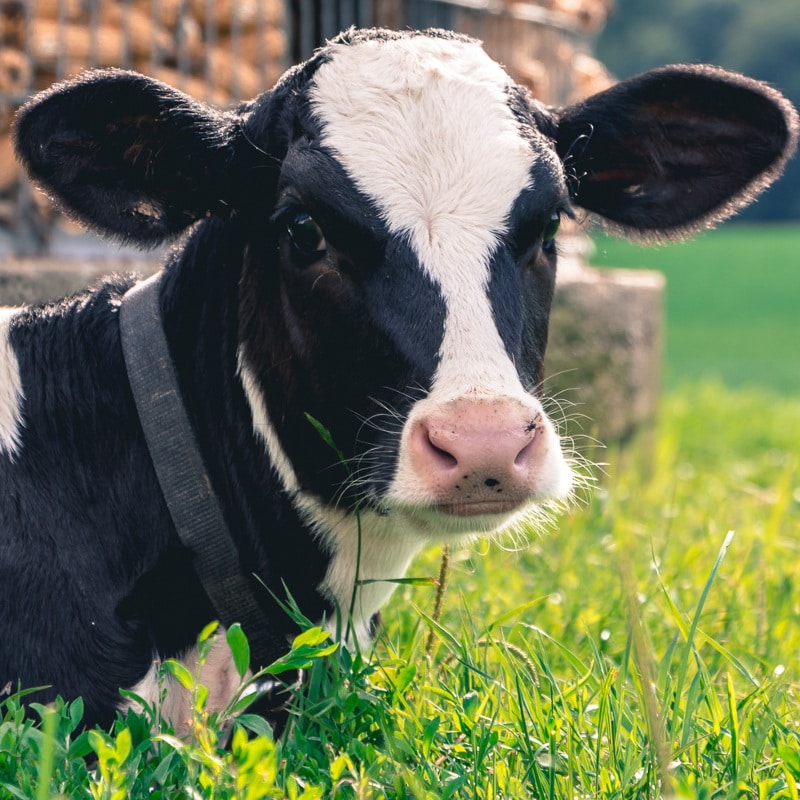


 Agri-TechE