Join us at CropTec, the UK’s leading technical event for the arable sector, on 14-15 January 2026 at the NEC Birmingham. Gain exclusive insights from industry-leading specialists and explore the latest innovations shaping the arable industry.
Explore controlled environment agriculture (CEA): innovative techniques for optimising crop growth, enhancing yield, and ensuring sustainable farming in any climate.
Agri-TechE Newsletter
Get the latest agri-tech news, events and opportunities direct to your inbox
Albotherm’s greenhouse coating maintains optimum temperature
Agri-TechE
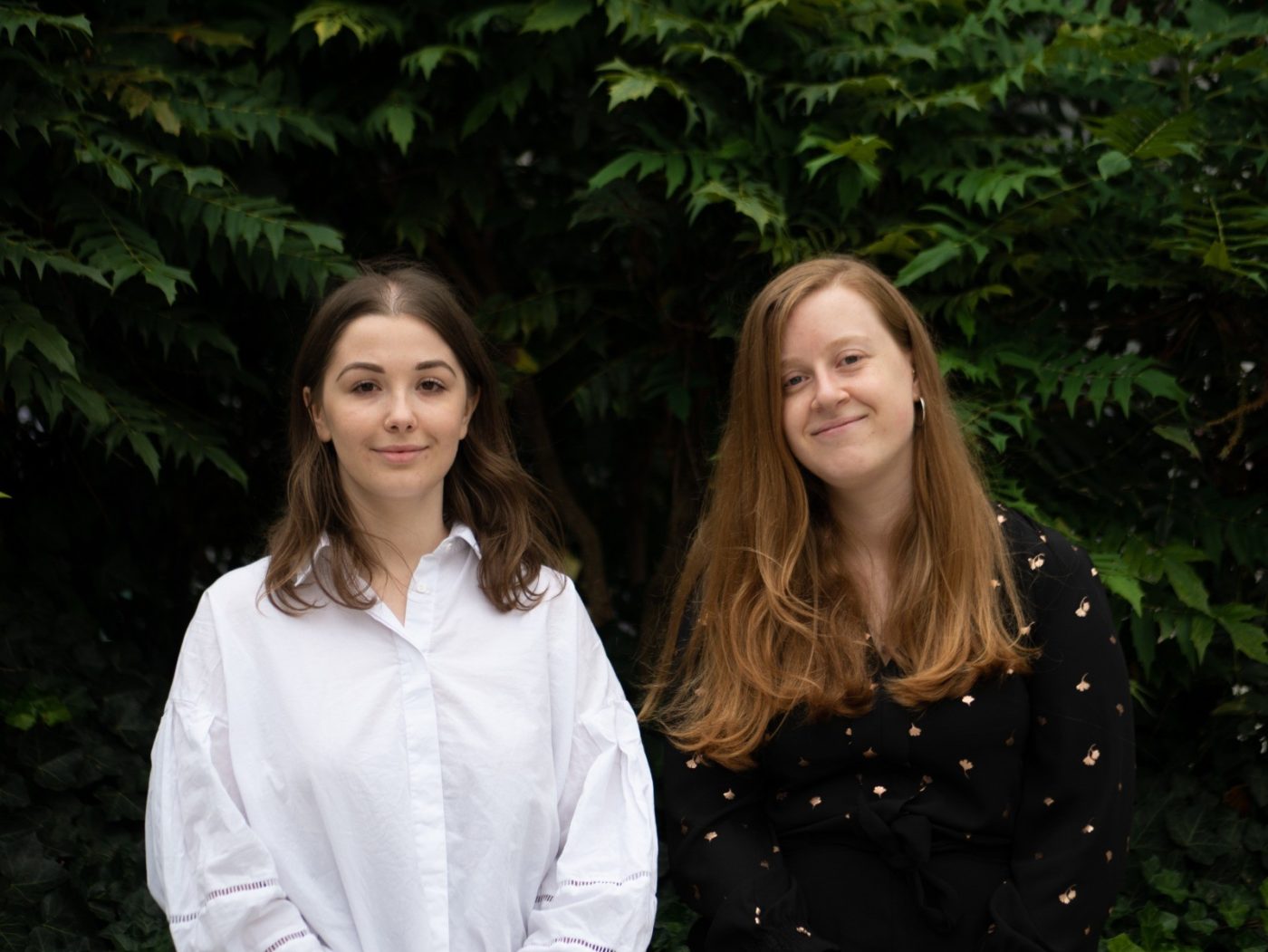
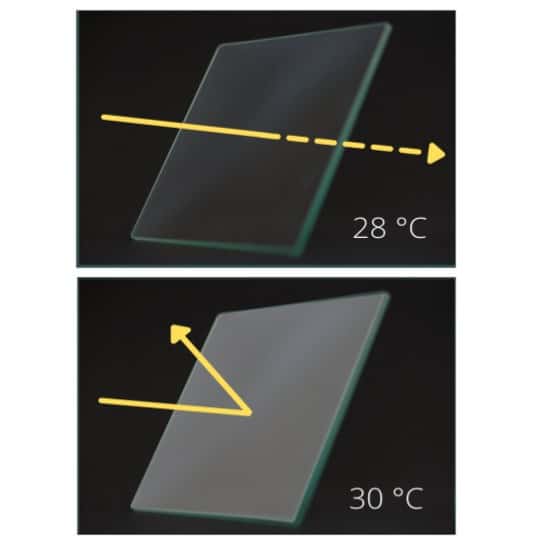
A heat sensitive coating for greenhouse glass, that would maintain optimum temperatures all year around and remove the annual cost of applying and removing shading, is being developed by University of Bristol spin-out Albotherm. Molly Allington, CEO and Co-founder of Albotherm, says: “When the required temperature is reached, the transition from transparent to white is nearly instantaneous – a few seconds; it’s just a matter of the glass having the time to change temperature, and then it’s very, very quick.” Molly is looking forward to talking to potential partners, growers, and investors at REAP 2021. “At the moment we’re based in Future Space, a start-up incubator based at UWE in Bristol, and testing the products in the lab. We are talking to partners about further product trials and scale-up of our facilities.” Find out more at albotherm.com.
Imagine a world where agriculture is not constrained by time. The ability to manage and manipulate time is increasing and REAP 2021 will explore the advances in technology and breakthroughs in science that is making this possible. REAP brings together people from across the agri-tech ecosystem who believe that innovation is the engine for change. The conference bridges the gap between producer needs and technology solutions and showcases exciting agri-tech start-ups.
Post Overview
10th November 2021
Agri-TechE
Agri-TechE Article
CEA and Vertical Farming
Share this Page:
Related Posts
Soilless growing attracting attention from drought prone countries
Get the latest agri-tech news, events and opportunities direct to your inbox
1660: Why is Newton’s prism important for high density salads?
Agri-TechE
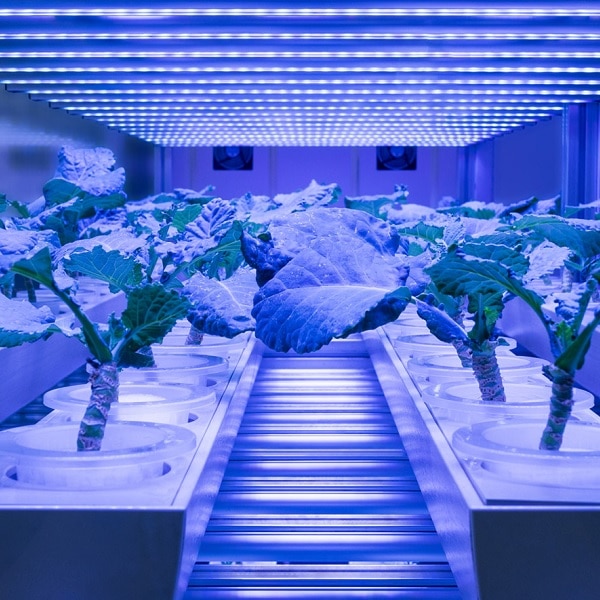
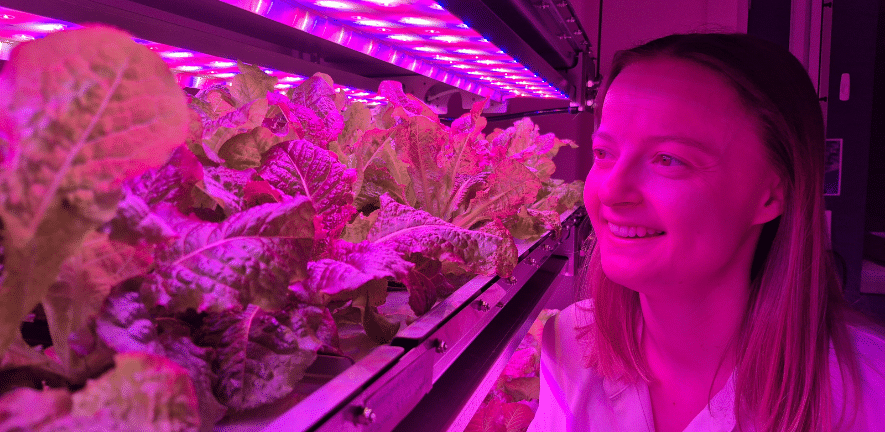
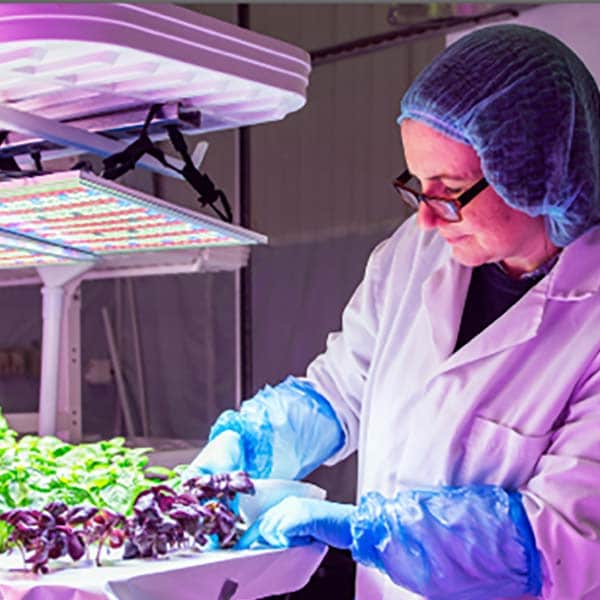
John Stamford is investigating how light can be used to both measure plants and regulate their growth and performance. He has previously investigated non-invasive physiological tools such as chlorophyll fluorescence, thermography, and spectral reflectance, which are used to monitor crop performance and health.
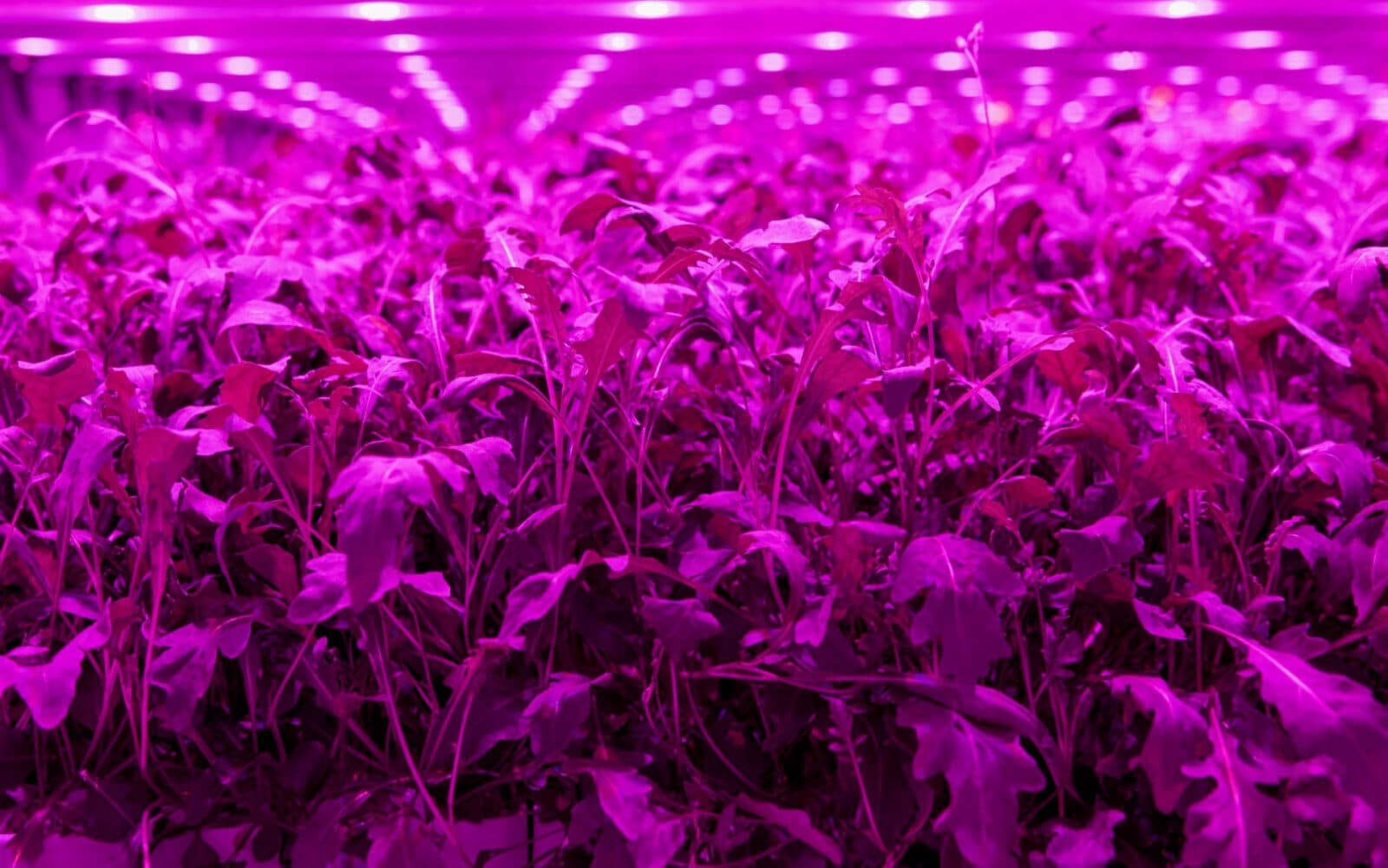
He is currently working on the Interreg 2Seas funded Hy4Dense project, which aims to develop a novel hydroponic cultivation system for high density growth of baby leaf salads. His particular interest is the role of LED lighting spectra and regimes on plant growth, morphology and performance.
Imagine a world where agriculture is not constrained by time. The ability to manage and manipulate time is increasing and REAP 2021 will explore the advances in technology and breakthroughs in science that is making this possible. REAP brings together people from across the agri-tech ecosystem who believe that innovation is the engine for change. The conference bridges the gap between producer needs and technology solutions and showcases exciting agri-tech start-ups.
Post Overview
10th November 2021
Agri-TechE
Agri-TechE Article

CEA and Vertical Farming
Share this Page:
Related Posts
Soilless growing attracting attention from drought prone countries
Get the latest agri-tech news, events and opportunities direct to your inbox
Charles Veys, on the challenges of time…
Agri-TechE Article
Agri-TechE
Charles Veys is founder and CEO of Fotenix, developers of a tractor-mounted sensor that uses manipulated colours of light combined with embedded artificial intelligence to detect plant status, such as nutrient levels or disease. Time is central to how we operate in the world of agriculture, as our cloud-enabled cameras create a digital twin of a plant which is a four-dimensional snapshot (shape + content) in time, and can be rewound or fast-forwarded when looking to study and improve the understanding and detection of new pests and disease. “An ability to manipulate and revisit outbreaks is crucial to improving our scouting service which enables optimised timing for pesticide application both conventional and biological.”
Charles is a delegate at REAP 2021.
Imagine a world where agriculture is not constrained by time. The ability to manage and manipulate time is increasing and REAP 2021 will explore the advances in technology and breakthroughs in science that is making this possible. REAP brings together people from across the agri-tech ecosystem who believe that innovation is the engine for change. The conference bridges the gap between producer needs and technology solutions and showcases exciting agri-tech start-ups.
Post Overview
15th October 2021
Agri-TechE
Agri-TechE Article
CEA and Vertical Farming
Share this Page:
Related Posts
Controlled Environment Agriculture – The Industry is Growing Up
Get the latest agri-tech news, events and opportunities direct to your inbox
Cracking the secret of timing and its potential for agri-tech
Research Digest
Agri-TechE
As scientists, we know from the lab that time of day is important for treatments – herbicides are more effective when sprayed at dawn than dusk – but there is not much evidence that in current agricultural practice, timing of treatment is being considered. This is probably because it is only recently that the technology has become cheap enough to justify the investment.
The chronoculture idea is not just about the plant – it’s also about the fact that automation is now incredibly cheap.
25 years ago, it would have been ridiculously expensive and time consuming to optimise watering by computer. But now, somebody subscribing to a smart app can have automated watering for the cost of a few pounds – and suddenly these smaller benefits can start to accrue.
Professor Alex Webb, Chair of Cell Signalling in the Department of Plant Sciences, University of Cambridge
For example, if it was shown that watering at night would be more beneficial for the plant it would be possible to input this knowledge into the algorithm used to control irrigation. However, if the temperature is very high during the day and it is found that water is beneficial for cooling then the system could override these rules and sprinkle the crop. This dynamic decision making would balance the yield benefit with the cost of the water.
Fundamental research unlocks the secret of timing
Alex Webb’s team at the Department of Plant Sciences, University of Cambridge, had a major breakthrough when they discovered circadian clocks increased the size of the plants they were studying, confirming that this timing mechanism provides an advantage to plants.
Further research revealed that sugars produced by the plant regulate the clock function and calcium controls the circadian rhythm.
Professor Webb says we are at a tipping point where “we’ve got the fundamental biological knowledge and we’ve got the means to exploit it – with expensive automation like robots, cheap automation like smart irrigation, with smart data analysis tools and the ultimate: Controlled Environment Agriculture.”
Our findings about the importance of circadian rhythms in plants and the role of calcium and sugars in regulating their clocks are really fundamental discoveries that help us to understand the biology of the plant. I think this has been the exciting intellectual challenge for the past 25 years!
Now we more or less understand how plants measure time. The big excitement is that these discoveries don’t just apply to daily rhythms, they probably also apply to drought stress biology, pest resistance biology and much more.
We might be able to help adapt plants to different geographies, with different day lengths or breed for a changing environment.
It is already possible to get multiple harvests of wheat in a year under controlled conditions. This is achieved by giving the plants 18 hours of light, four hours of darkness – extreme photoperiods. This is an example of a really radical controlled environmental condition to rapidly accelerate the generation time of wheat – a real example of chronoculture.
But is this applicable in a field environment? For this we need crop data, and my lab is currently working with Niab and BASF on field trials with wheat. We are growing plants in which the circadian clock is disrupted to see the consequence on different traits.
An application for this could be to adjust harvest time to coincide with optimum environmental conditions, particularly if we have trend towards wet Augusts and warmer drier Autumns.
We now have the opportunity to monitor the plant and control its environment 24 hours a day, which is a significant change in our relationship to farming.
This extends to storage and increasing the shelf-life of fresh produce.
For example, Beko have just released a range of ‘harvest fresh’ fridges which use blue and red lights in the vegetable drawer to simulate a 24-hour sun cycle which mimics natural light conditions ‘to maintain vitamins for longer’.
This feature came directly from fundamental research, where it was found that maintaining a light/dark cycle after harvest reduces pest attacks and maintains the quality of the fruit and vegetables because it stops them whitening and senescing – particularly in brassicas. The papers on this were only published only about 10 years ago.
The big question is: where will this new knowledge bring the best returns?
REAP 2021: Changing Time(s) for Agriculture
10th November 2021
Imagine a world where agriculture is not constrained by time. The ability to manage and manipulate time is increasing and REAP 2021 will explore the advances in technology and breakthroughs in science that is making this possible.
REAP brings together people from across the agri-tech ecosystem who believe that innovation is the engine for change. The conference bridges the gap between producer needs and technology solutions and showcases exciting agri-tech start-ups.
Get the latest agri-tech news, events and opportunities direct to your inbox
LettUsGrow collaborates on four social impact vertical farming projects
Meet the Network
Agri-TechE
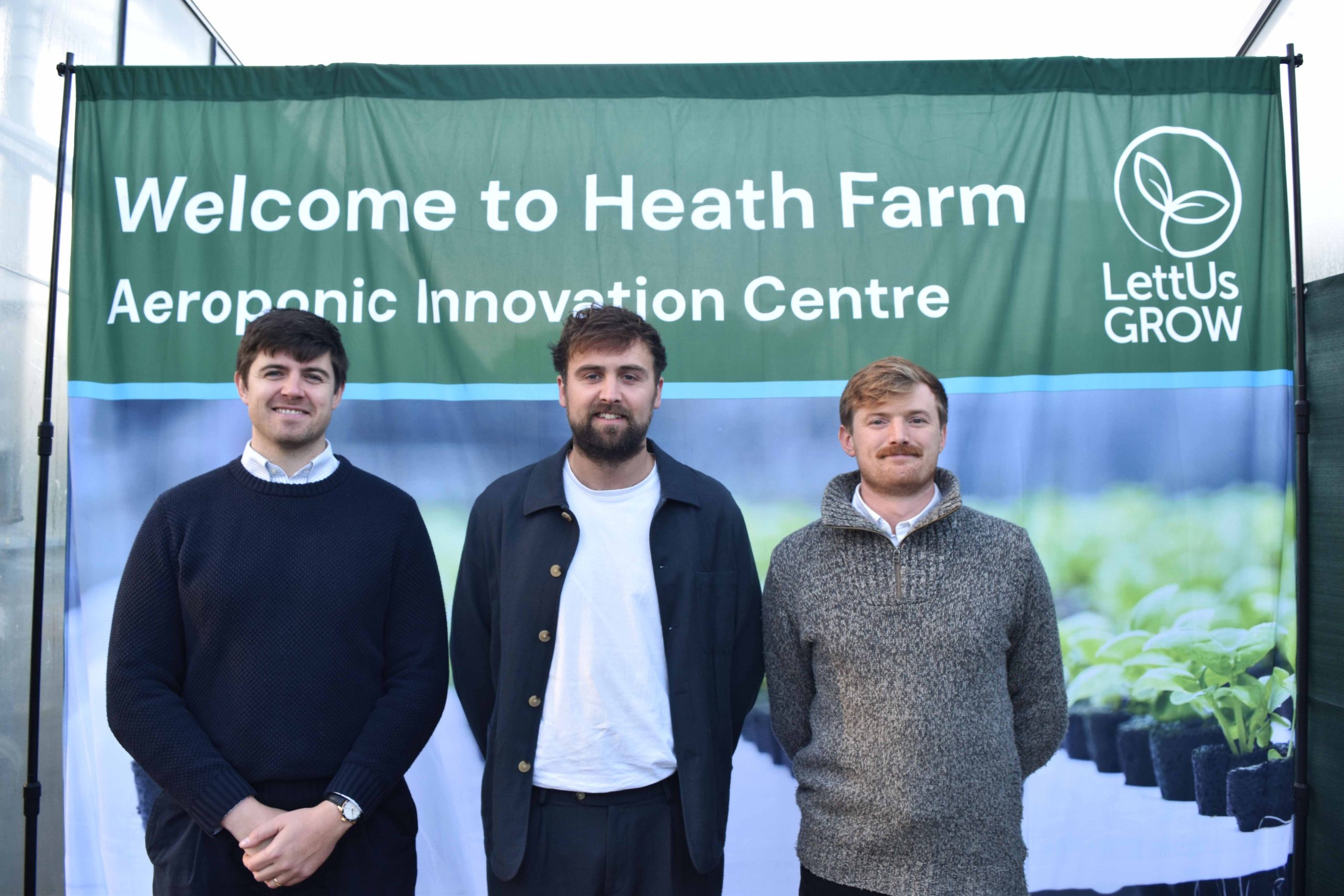
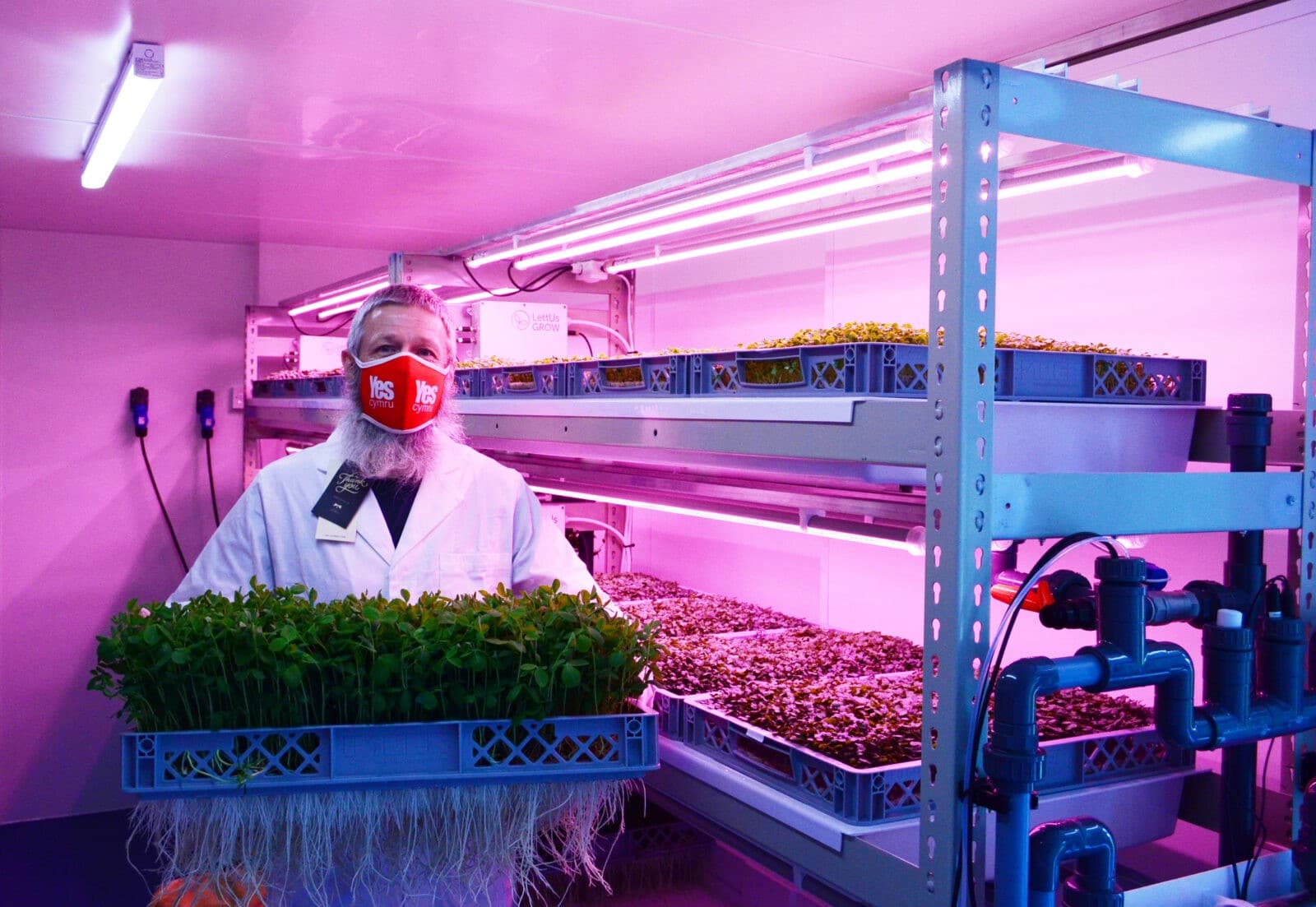
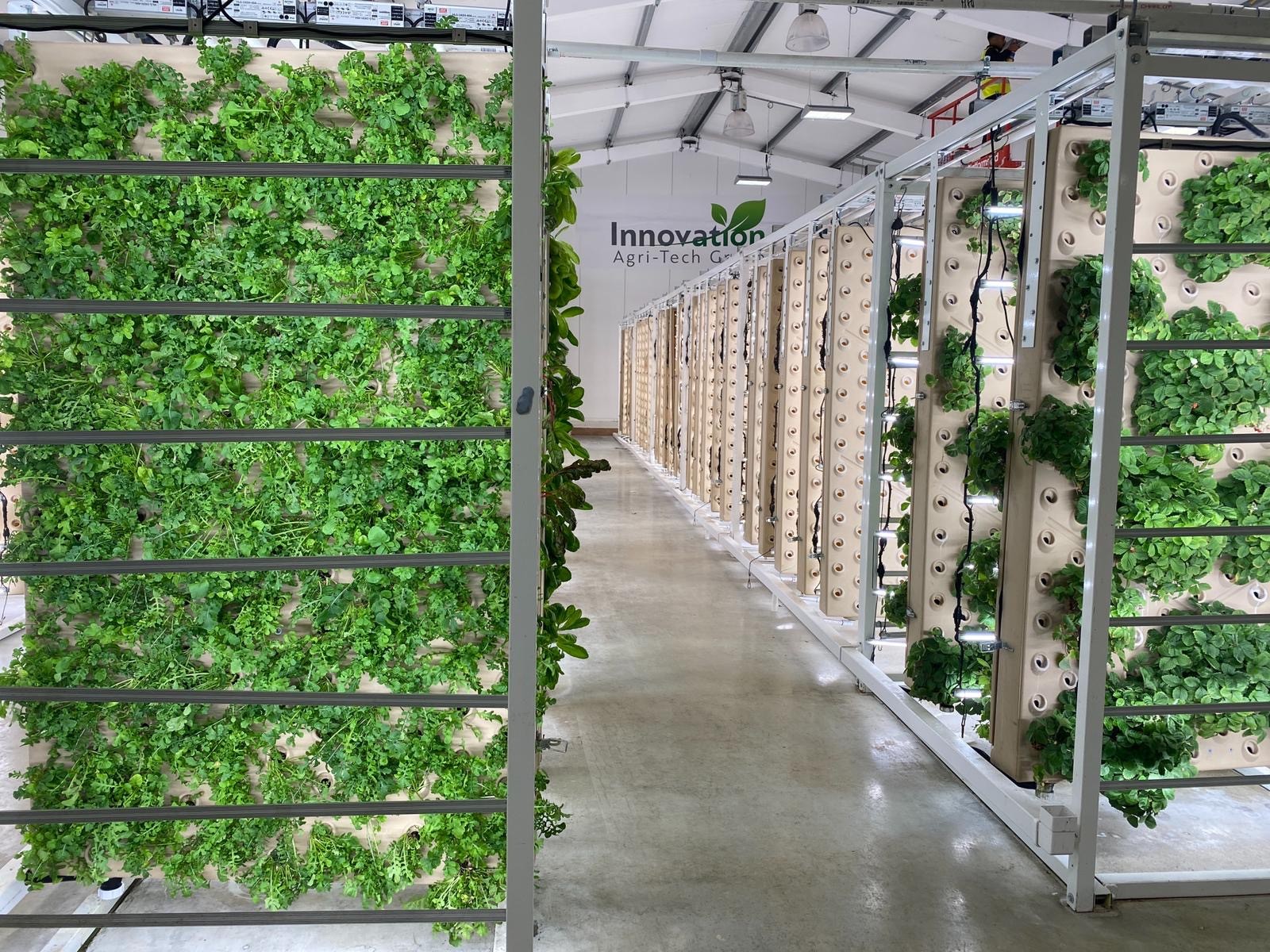
Making fresh produce affordable is the aim of Crop Cycle, an innovative social-impact vertical farming project that brings together four leading companies – LettUs Grow, GrowStack, Digital Farming and Farm Urban – to collaborate in delivering four projects in Wales.
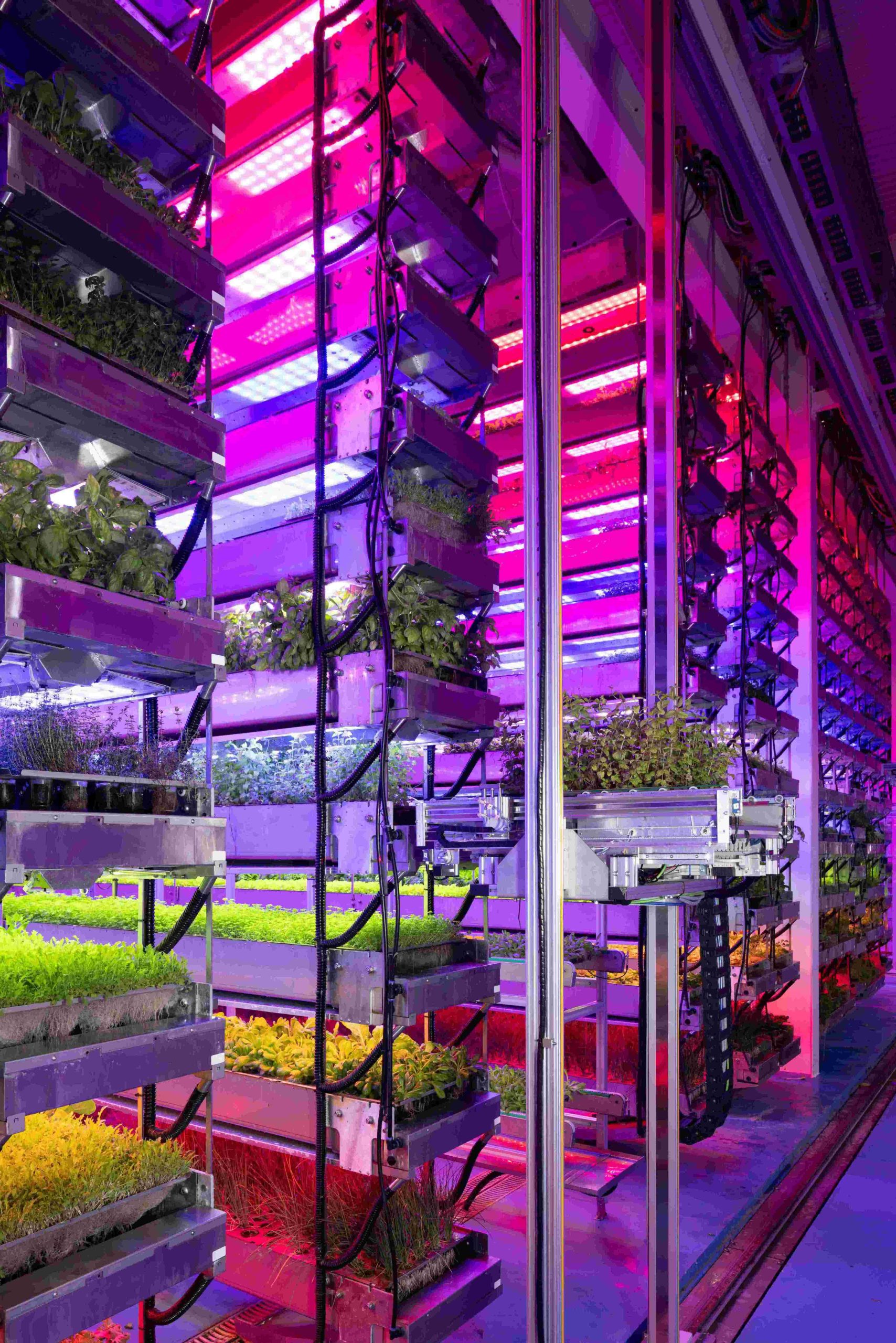
Vertical farming is a way of growing crops indoors on stacked shelves, and can be beneficial for people, plants and the planet. It allows growers to provide fresh, healthy produce to their local area 365 days of the year and can help to supplement outdoor growing. It diversifies our supply chains and boosts local food security. It also has a long stream of environmental benefits, such as using fewer resources including land or water, removing the use of chemical pesticides and reducing the need to transport food across seas. However, a common criticism of vertical farming is that it’s not always accessible or affordable to areas under-served by our food networks. Crop Cycle is looking to bring the benefits of vertical farming directly to communities who could benefit most and is being funded by the Welsh Government through the Foundational Economy Challenge Fund.
Charlie Guy, co-founder and CEO of LettUs Grow, said about the collaborations: “LettUs Grow is delighted to be working alongside these leaders of the UK vertical farming ecosystem and inspiring community projects. We believe a brighter future can only be realised with inclusive partnerships and strong cooperation, built on shared values and a vision which places people and the planet at its epicentre.” The project will introduce year-round food growing right into the heart of Welsh communities, where they’ll be connected to the particular dynamics of the local area. Activities will test new community-based engagement models, focusing on social well-being, local entrepreneurship and environmental impact. In this way, the project will be bringing together community, businesses and local public sector organisations.
Two CEA systems, provided by LettUs Grow and Digital Farming, are being integrated into an active college site and managed by a community group, with a cafe and kitchen, shop, deli and veg box scheme in place. The site is supported by Cultivate, a membership cooperative linking food and community.
Get the latest agri-tech news, events and opportunities direct to your inbox
How happy is your crop? 30MHz will tell you
Meet the Network
Agri-TechE
From monitoring single plants to remote management of entire greenhouses, 30MHz has taken its plant-led focus a long way since its first appearance in the Innovation Hub in 2018.
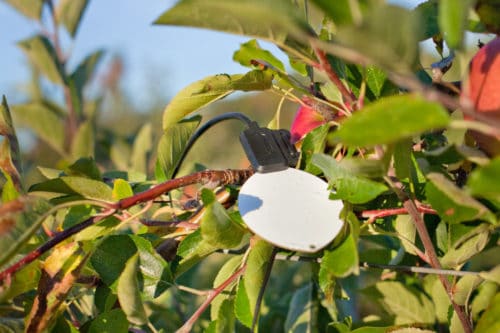
Steven Archer of 30MHz explains that its wireless sensors are able to do an analysis of crop level environmental conditions, including measurement of actual leaf and stem metrics, to more closely assess how “happy” the crop is. The data is collated into the 30MHz platform for analysis and models are created to enable the development of the optimal growing environment. The company recently reached the finals of the Autonomous Greenhouse Challenge, which aimed to grow healthy cherry tomatoes remotely. Within six months the multidisciplinary team of horticultural experts and computer scientists were able to develop the system and models needed to control a greenhouse autonomously.
Steven explains that this is just one of the applications for the technology: “30MHz provides a data platform for horticulture that collates data from a range of wireless sensors and data sources, analyses and stores the data and then makes it available for many applications. These applications can be simple analysis of a plant or soil moisture or indeed control of an entire controlled environments such as the recent Autonomous Greenhouse Challenge.
“The data is owned by the user and can be utilised in any way they see fit including being sent into other platforms via our API or it can be sent into climate computers for control.”
The platform supports the integration of other sensors such as 2Grow, Sendot and Paskal, with many more coming, and the data is displayed through a fully customisable dashboard accessible on smartphone, putting decision support directly into the hands of the user.
Steven continues: “As it is customisable the data can be displayed in many different ways depending on how the grower wishes to analyse the particular metric in order to make decisions.
“For example, continuous data on substrate or soil conditions can show when sufficient dry back has happened and when irrigation needs to begin. This is particularly important in controlled environments where climate control – particularly managing humidity – is energy intensive.
“Certainly, the optimisation of various metrics has led to less water use, less heat use and in some cases less CO2 pumping.” More information about the Greenhouse Challenge
Post Overview
28th June 2021
Agri-TechE
Agri-TechE Article
CEA and Vertical Farming
Share this Page:
Related Posts
Gardin sensors provide deep understanding of plant stress
Get the latest agri-tech news, events and opportunities direct to your inbox
‘Controlled Environment Agriculture: The Industry is Growing up’ Event Report
Agri-TechE
Agri-TechE has seen the Controlled Environment Agriculture sector grow rapidly in maturity and the dialogue has changed considerably in just a couple of years.
Significant investment in vertical farming and controlled environment operations has seen the industry develop commercial-scale operations. The challenge now is around developing the business models for deployment and investment.
Innovations aimed at reducing the cost of production, optimising the growing environment and the breeding of plants best suited to these conditions are attracting significant interest from both conventional growers and newcomers, stimulating further research developments.
The social and economic disruptions of recent months and growing recognition of the benefits of transparent and responsive supply chains is also creating a new dynamic.
The 2021 CEA conference saw speakers from across the agri-tech ecosystem, each with different perspectives, review progress, look at the recent developments and gain informed glimpses of the future.
Get the latest agri-tech news, events and opportunities direct to your inbox
How Drop & Grow container farms offer chance to rethink urban food systems
Meet the Network
Agri-TechE
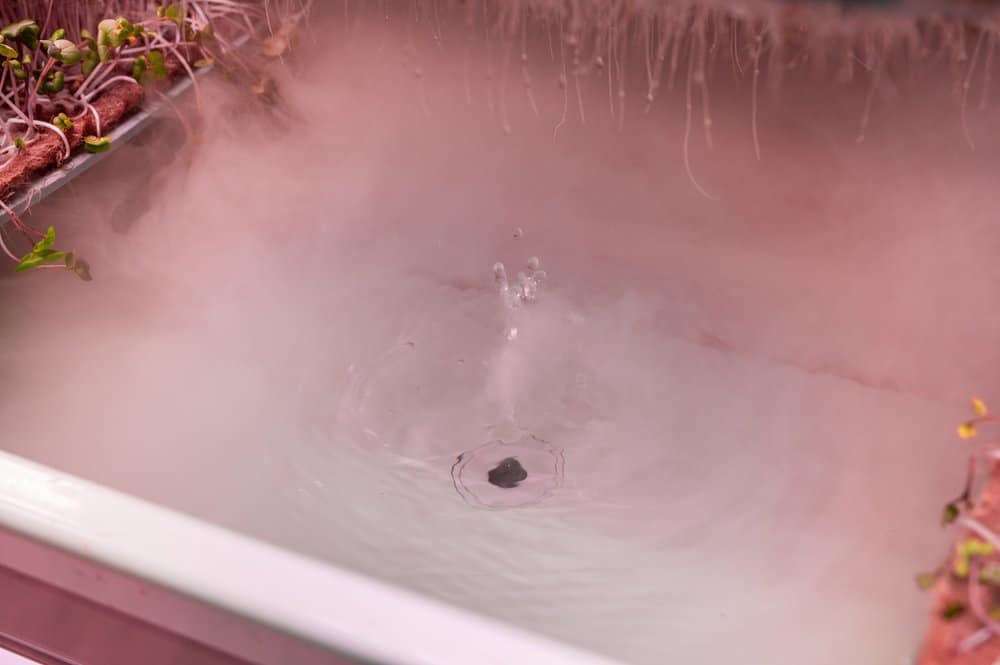
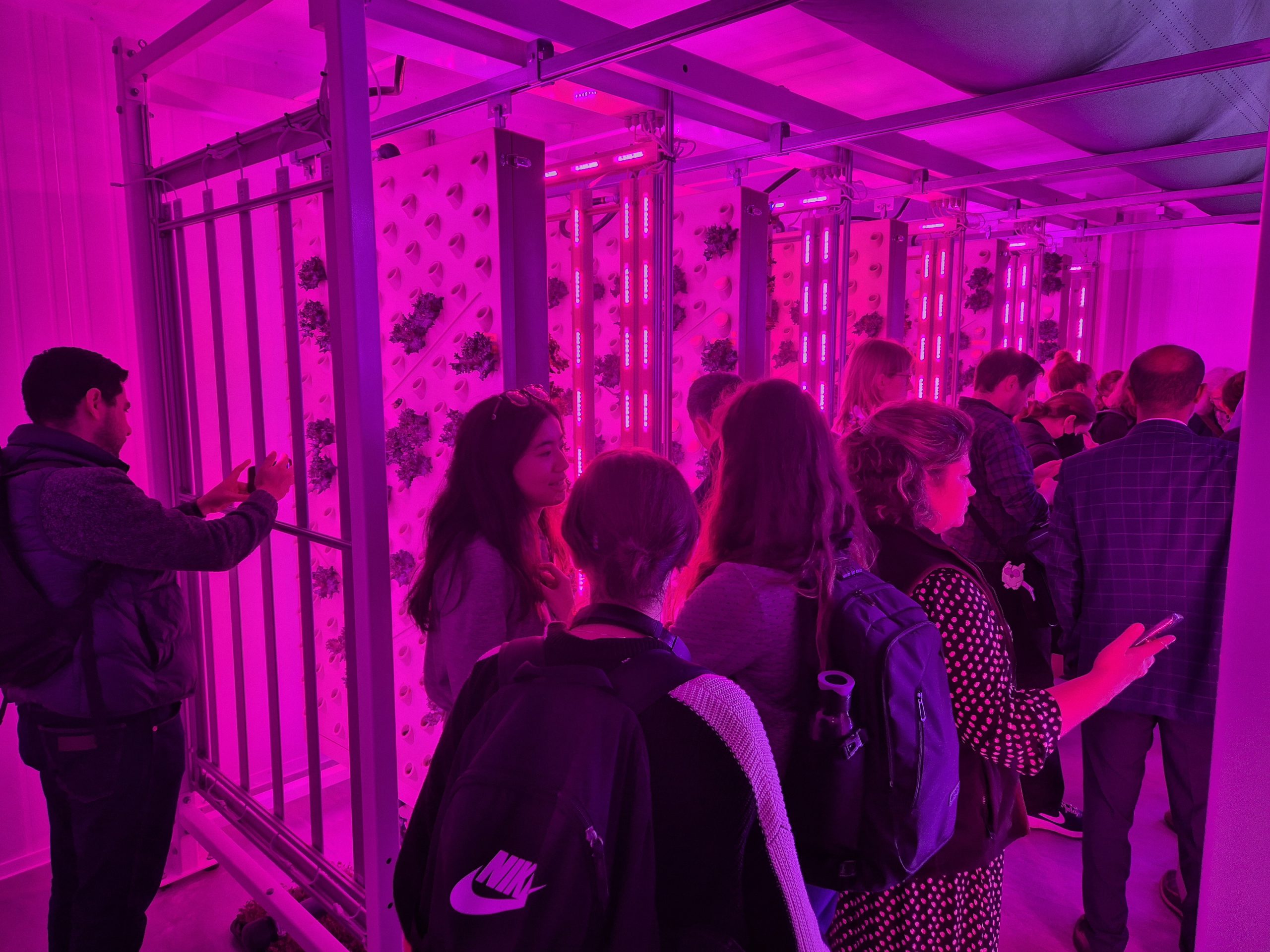
Aeroponic container farms offer the potential to grow high value fresh produce 24/7. Jack Farmer, Co-founder and CSO, of LettUs Grow will explain at “CEA isGrowing Up” how the company is pioneering a new concept in farming with its Drop & Grow aeroponic container farms. During the first lockdown of 2020 the technology company devoted production from its R&D facility in Bristol to local food banks. This showed on a small scale how there is an opportunity for a new type of value chain to feed urban populations. We have created an aeroponic container farm, called Drop & Grow, which includes everything you need to start growing fresh produce, it utilises our automated management software. The aeroponic container farms are portable and can be moved with the kit pre-installed, they are also modular so they can be scaled as required. This new product will be despatched across the UK in the first half of this year The smaller model Drop & Grow:24 is primarily focussed on people entering the horticultural space, be they entrepreneurs, new growers, agriculturalists who weren’t previously into CEA. Some units are also being funded by a philanthropic fund or government finance as an educational or community tool to get newcomers interested in growing.
Most productive container farm on the market
We expect Drop & Grow to be one of the most productive, ethical, and easy to use container farms on the market. It is a core part of our strategy to be the leading technology provider in this space.
High brand awareness will create an experiential experience
Container farms are a distinct market opportunity that offers high levels of brand impact but we are also working with large-scale growers as Drop & Grow can also be used for propagation of plants for use in greenhouses or field. The farm management and control software Ostara, has been designed within a vertical farm but has applicability to different types of CEA including glasshouse. Our approach is very collaborative, working with our partners to see how we can add value by integrating our technologies. A key part of our growth strategy is to be selling our core technologies at a larger scale for usage in a broad spectrum of settings ranging from glasshouses to vertical farms. To support this ambition, we’ve got collaborations with academics in University of Bristol, JIC and Uni of York. Projects range from investigations of root morphology and root exudates, speed breeding programs for developing economies, through to more plant physiological investigation of how you would breed for a vertical farm. These are generally programmes that have broader impact outside of LettUs Grow.
Prospects for 2021
2021 is looking really exciting, regardless of what happens with Covid – supermarkets are investing to ensure a sustainable source of food production in the UK, which is what CEA provides. Access to capital for building horticultural installations is also very good. Two interesting trends that will impact CEA are:
Boom in online shopping – online is massively benefitting from the pandemic, and a lot of the bigger vertical farms are now positioning themselves as distribution centres next to the food distribution centre – I think that trend will continue
Growth in ‘experiential’ side of food and retail – the collapse of traditional high-street retail is probably an accelerated long-term trend – but the question as to what replaces it. Container farming as we do it is essentially experiential growing – the fact that the farm is very visible and local to consumers of the product has significant brand value to surrounding restaurants and supermarkets.
There is quite a big pull in the UK right now – it’s a good place for CEA – still being a small company, we need to collaborate with bigger players in order to feel that pull. So the UK is certainly taking all of our short-term attention. More about LettUs Grow.
Post Overview
29th January 2021
Agri-TechE
Agri-TechE Article
CEA and Vertical Farming
Share this Page:
Related Posts
Advances in underground growing brings salad to London tunnels
Get the latest agri-tech news, events and opportunities direct to your inbox
GrowUp Farms aims to change food systems
Agri-TechE
Kate Hofman is the CEO of GrowUp Farms. In 2014, the company established Unit 84, the UK’s first commercial-scale vertical farm. Sales from the prototype Unit 84 were made through local supply chains and restaurants across London – with a focus on social and environmental sustainability. Kate Hofman CEO GrowUp Farms Having been in the business of commercial controlled environment salad production since 2012, starting off with shipping container aquaponics before scaling up, Kate is in an excellent position to comment on the challenges of breaking into the UK leafy green supply chain using a vertical farm.
Q. Are GrowUp technology developers or growers?
Our focus is very much as a salad grower that grows a fantastic product that everyone will want to buy. To bring down the cost of sustainable food, means doing it at a big enough scale to gain the economies of production that are needed to be able to sell at everyday prices.Our long-term strategy is to continue to build toward this model of producing affordable product, and to continue to be a grower rather than a technologist.
From a tech development point of view, indoor farming is still at a relatively early stage, and any industry at this stage will see ideas and concepts start in academia or start-ups, into early-stage development, later-stage development, and then into commercialisation from there. That’s reflected in where the indoor farming market is at the moment – a growing number of projects, technologies, business and products at different stages of development, and operating at different stages of the supply chain.
Q. What did you learn from your vertical farm: Unit 84?
Unit 84 was the UK’s first commercial vertical farm
Unit 84 was our commercial prototype, and was the largest in the UK when we built it – and that ran until the end of 2017. We had a local supply chain – our farm was in East London; we used an electric van to do all our local deliveries and worked with a wholesaler in Covent Garden market. We sold to local restaurants and various independent stores.
We have pivoted away from aquaponics, and now focus on controlled environment hydroponics; looking at how to optimise large scale production to bring down costs and reduce impacts.
Because of the scale we are now looking at, we are focussed on a wholesale model, so although we are less likely to work directly with individual restaurants and retailers as we did before, having conversations directly with consumers through smaller channels will always be important. It helps people understand where food comes from and how it’s made, and they can make better food decisions for themselves if they understand more about sustainability.
It is hard to break into traditional salad supply chains as the conventional industry is very consolidated and very commoditised.
We are a member of the leafy salad association, the AHDB’s salad wing, and because our ambition is to make what we do part of mainstream food production in the UK, we see the value in opening dialogues with all sectors of the industry in terms of research and best practise – there are opportunities for collaboration around things like sustainability and food safety.
And there is some overlap – I know several projects where conventional growers have looked into applying controlled environment technology to what they’re doing, but we are positioning ourselves as an alternative supplier to retailers.
Q. What does the future look like for vertical farming?
It will be really interesting to see how the food service world recovers after lockdown – the rough numbers are that supermarket trade was up at least 11% in the last year – so retail still looks like a really good direction to go in. If we want to have an impact on the food system in the UK and change it for the better, we’re committed to partnering with those big retailers to help them deliver on their sustainability and values-driven goals.
There are lots of exciting technological developments occurring, and I see that as a very positive thing. I like the idea of the UK becoming a centre of excellence for CEA production in the same way as we are for other agricultural innovation – it’s not just about the technology it’s about growing world class quality food and maintaining that agricultural heritage as a country known for its delicious produce. More information about GrowUp Farms.
Post Overview
29th January 2021
Agri-TechE
Agri-TechE Article
CEA and Vertical Farming
Share this Page:
Related Posts
Lighting increases tomato yield by 12% – Light Science Technologies and CHAP trial finds
Get the latest agri-tech news, events and opportunities direct to your inbox
Aponic to launch new vertical aeroponic farming system
Agri-TechE
Aponic develops vertical aeroponic farming systems for sustainable, commercial produce growing.
Jason Hawkins-Row founder of Aponic
Jason Hawkins-Rowe is the CEO of Aponic, the company is to release a new product in March aimed at large commercial farmers. It offers a new farming system in a modular form that will convert existing and under-utilised buildings into high profit areas on farms. He says: “We are now being invited onto farms to show our ways to encourage meaningful diversification, 5 years ago it was a very different story!”
The idea for Aponic emerged when Jason had his fresh produce stolen from his allotment, he saw a way to increase production within a smaller footprint and developed a vertical farming unit. He sees the system as offering the potential for diversification.
“We are constantly trialling new crops this includes pharmaceuticals and food crops that are usually grown in other climates, such as ginger. We are also experimenting with crops such as asparagus, and potatoes, they are difficult to grow efficiently out of soil but all around growing might be useful for breeding.
“For some varieties, such as herbs, vertical aeroponic farming delivers higher oil and sugar content and this can be further enhanced by light stress and other factors.
“To bring profit margins up, we are also looking at efficient ways to process fresh product before it crop leaves the farm gate. For example, ways to maximise profits from crops by extracting oils and other elements on the farm.
“This creates opportunities for farmers to gain new value from their buildings. We are not aiming to replace broad acre farming, but instead to enable farmers to diversify in their core market and make a stable income from existing assets and we think this is only going to grow in future. ”
Post Overview
29th January 2021
Agri-TechE
Agri-TechE Article
CEA and Vertical Farming
Share this Page:
Related Posts
Light Science Technologies aims to cut energy usage for growers through CHAP and STC trial
Get the latest agri-tech news, events and opportunities direct to your inbox
CEA in action with Mira Merme from OneFarm
Agri-TechE
Plant-based pharmaceuticals are one of the crops to be grown in OneFarm CEA vertical farms. Mira Merme, OneFarm CEO
Mira Merme is the CEO of UK based OneFarm, the company’s goal is to provide affordable fresh healthy food and plant pharmaceuticals to local communities to mitigate the upcoming food crisis and has plans to roll-out a large scale CEA vertical farms.
OneFarm combines knowledge about food and plant pharma, technology, infrastructure. The data produced feeds into an open source feedback learning system which can be used to inform the selection of seeds, new product development and long term control of growing environment – leading to first mover advantages.
Mira comments: “The system aims to optimise water usage, energy use, substrate and plant nutrition. Also to reduce waste in food by increasing the shelf life
“The UK population has now unfortunately had first hand experience of the impact of being import reliant for key food products and continues to be more at risk on supply and pricing with Covid and Brexit impacting food distribution – so ensuring a better, safe and secure food supply has become more critical.
Dutch agri-tech has benefited enormously from a collaborative approach and joint learning, particularly in their flower industry where there is definitely a ‘common good’ philosophy. I would like to see this happening more in the UK.” More information about OneFarm
Post Overview
29th January 2021
Agri-TechE
Agri-TechE Article

CEA and Vertical Farming
Share this Page:
Related Posts
Revolutionising British strawberries: Dyson Farming’s new growing system