Explore controlled environment agriculture (CEA): innovative techniques for optimising crop growth, enhancing yield, and ensuring sustainable farming in any climate.
Agri-TechE Newsletter
Get the latest agri-tech news, events and opportunities direct to your inbox
LettUs Grow and Valoya India partner to bring advanced aeroponic technology to India/Middle East
The views expressed in this Member News article are the author's own and do not necessarily represent those of Agri-TechE.
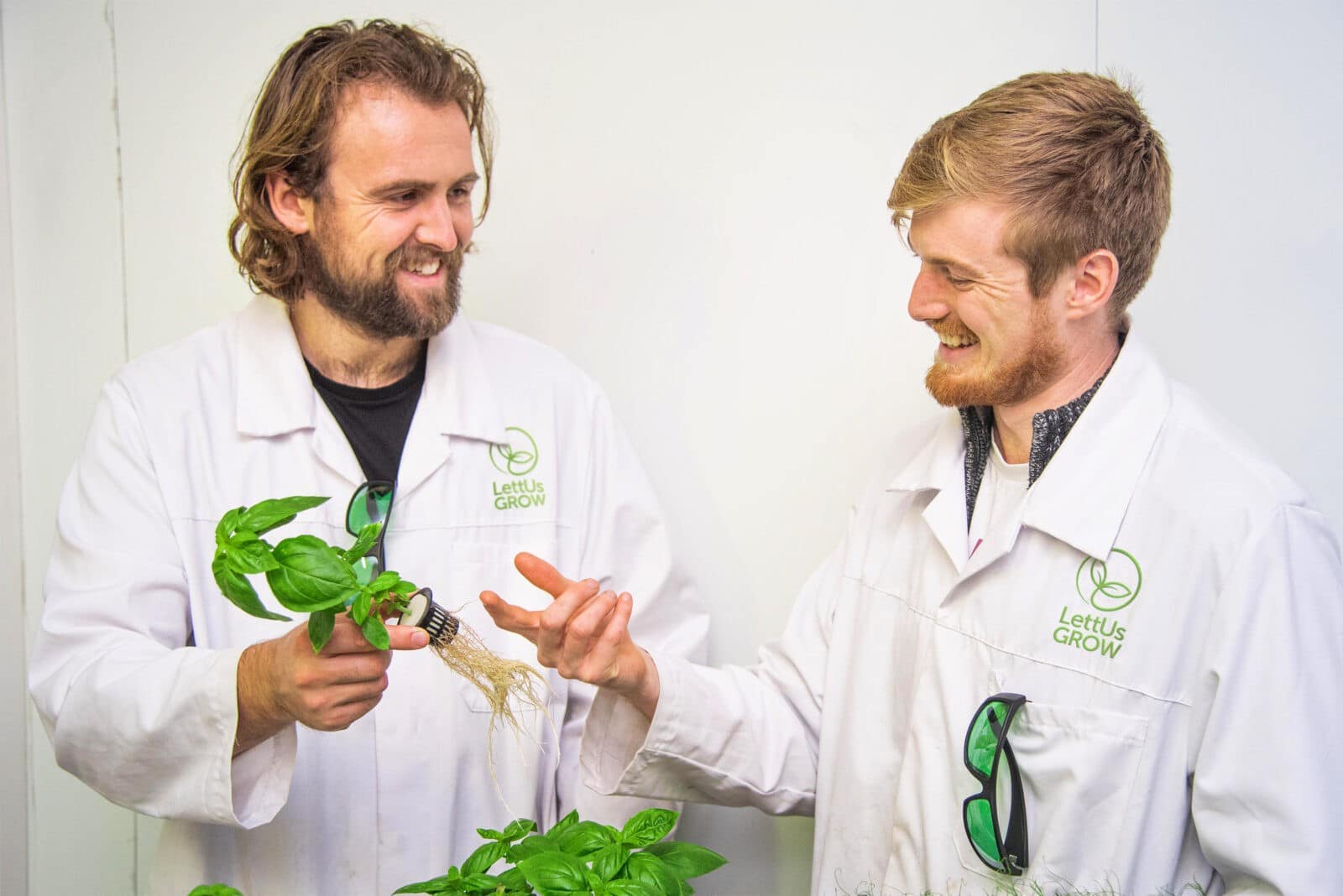
In an exciting partnership that will introduce aeroponic technology to India and the Middle East, LettUs Grow and Valoya India will combine their expertise to optimise crop production for indoor growers.
Valoya India is the second group to join LettUs Grow’s global partnership programme, which focuses on licensing aeroponic technology to key agricultural manufacturers around the world. LettUs Grow’s aeroponics has been shown to improve growth rates in comparison to hydroponic irrigation methods, as demonstrated in successful growth trials at Wageningen University’s R&D greenhouse facility, and more recently at Stockbridge Technology Centre in collaboration with CHAP.
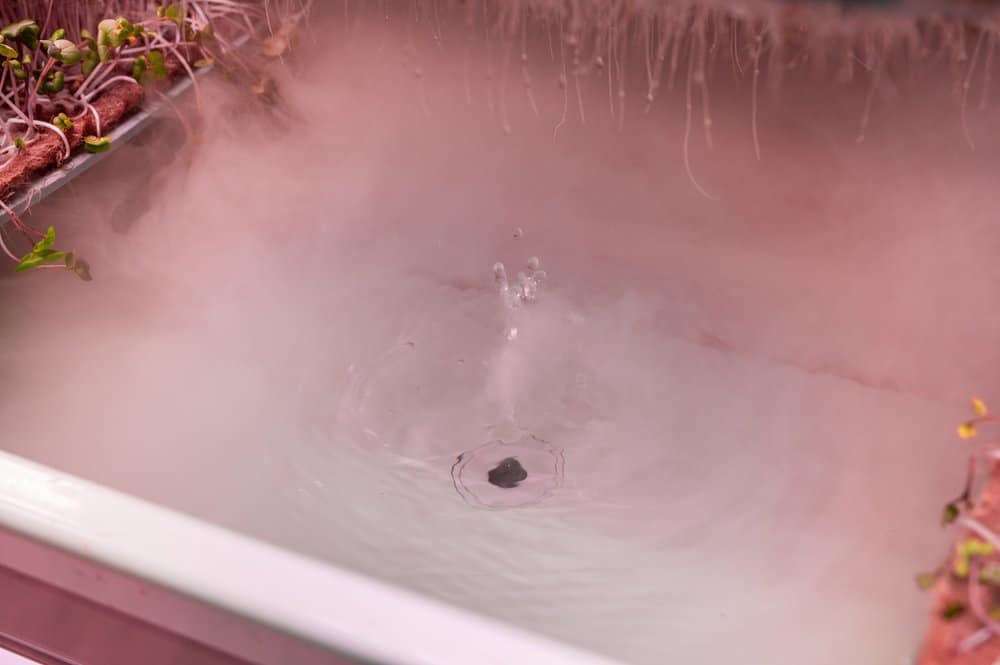
Valoya India will licence LettUs Grow’s patented ultrasonic aeroponic irrigation systems and offer a turnkey building solution for vertical farming companies. This will allow growers to increase yields, improve the quality of their crop and minimise water use. LettUs Grow’s expertise in aeroponics alongside Valoya India’s world-leading manufacturing capacity will bring the benefits of aeroponics to the exciting emerging controlled environment agriculture (CEA) market in India, as well as the more established markets in the Middle East.
Valoya stands as a pioneer in research-oriented LED lighting solutions tailored for horticulture. Leveraging patented technology and a wide spectrum, Valoya’s solutions are crafted to maximize plant growth across various sectors including crop science, crop production (greenhouse, controlled environment agriculture (CEA), medicinal plants and vertical farming), even extending to unique applications like algae cultivation. With an impressive track record of over 700 plant trials spanning more than 300 plant species, Valoya has established itself as the industry leader. Strengthening its global footprint, Valoya operates subsidiaries strategically positioned in the USA and Valoya India (eAge Electronics Pvt. Ltd), each committed to catering to the specific needs of their respective markets.
India has been penned as one of the world’s fastest growing economies, with the agricultural sector being the significant contributor to its growth, and is the second largest producer of food grains, fruits and vegetables in the world. With climate change, water scarcity and soil degradation becoming a growing threat to agricultural development, CEA provides an alternative to traditional outdoor farming, which is dependent on using large quantities of water, fertiliser and pesticides.
By combining LettUs Grow’s state-of-the-art aeroponic technology with Valoya’s ambitious plans for turnkey vertical farming solutions, the partnership aims to strengthen and support food security across India, addressing the challenges posed by the changing climate and water usage. The partnership will also look to support the Middle Eastern CEA market, who face similar challenges and are striving to increase the amount of produce that is produced locally.
Charlie Guy, CEO of LettUs Grow, said: “India is primed to become one of the most exciting emerging markets for CEA, and this partnership marks another significant step forward in our mission to reduce the impact of fresh produce production across the globe, through careful innovation and collaboration. By working together with Valoya, we aim to empower farmers across India and The Middle East to improve access to fresh produce, allowing the agricultural sector to thrive, while still conserving precious groundwater reserves and resources.”
LettUs Grow and Valoya will conduct crop growth trials from a Valoya India labs based at eAge Electronics offices in Noida, UP, India. The focus will be to tailor the technology to the Indian market. This will also provide the opportunity for future collaborators, tech adopters and growers to see aeroponics in action.
“We are thrilled to partner with LettUs Grow to introduce their unique aeroponics to the growing CEA sector across India and the Middle East. Combined with Valoya’s cutting edge LED lighting solutions and spectrums for horticulture applications, we believe it could be an extremely beneficial and advantageous turnkey solution for all our clients.” said Dhruv Mahajan, Vice President at Valoya India. “We are very excited to conduct, observe and document the results of our combined trials and develop tailor-made solutions for a host of crops/plants suited to the India and Middle East Markets as a starting point to our collaboration.”
The views expressed in this Member News article are the author's own and do not necessarily represent those of Agri-TechE.
UNITED KINGDOM: UK-based CEA technology and data company Vertical Future has been recognised as the number one CEA technology company globally in this year’s FoodTech500, a 35 position rise through the ranks compared to 2023. VF also ranked #12 amongst all companies globally in the food technology space.
VF designs, manufactures, and deploys intelligent autonomous CEA systems across the globe. The systems and the technologies within them are primarily used to improve food production, addressing key issues such as food scarcity, water security, population growth, and complex global supply chains. Increasingly, however, VF’s systems are finding their way into new use cases such as pharmaceuticals, nutraceuticals, integration with greenhouses, and even (as per recent news), research and development for application in outer space, working with NASA and the U.K. Space Agency.
2023 was a difficult year for the global CEA sector, encompassing many failed business models, negative press, and overall difficult market conditions. There were many reasons contributing to these market difficulties, including poor technology selection, over-expansion, the drying up of capital investment, rising interest rates, and a natural attrition rate given the relative lack of maturity of the sector and number of new market entrants who were insufficiently funded or chose the wrong business model.
Positive activity, including substantial capital investments in Q4 of 2023 followed by several large-scale deals in the U.S. and more broadly, have led to a more positive outlook on the sector. This is coupled with a continued rise for innovative solutions that address the impact of climate change and many other negative factors addressing the world today.
The independent recognition validates VF’s innovative, unique model, that has, since 2018, been plant science and technology-led, following VF’s initial phase as a vertical farming grower across London and the U.K. The achievement comes after eight years of hard work and pivotal strategic decisions, such as moving almost every operation in-house (including manufacturing), focusing on scale to achieve price parity, championing a science-led approach, and providing products and services to secondary markets.
FoodTech500 by Forward Fooding is the world’s first list of global entrepreneurial talent at the intersection of food, technology, and sustainability. Since its launch in 2019, it had over 9,000 applicants, reached over 180 countries, and amounted to $24,6 billion USD in investment raised by the winners. The ranking is based on business size, digital footprint, and sustainability practices.
Commenting on the achievement, Jamie Burrows, Founder and CEO of Vertical Futures, said: “We are delighted with Vertical Future’s recent recognition as the #1 CEA technology company globally and #12 amongst the entire global Food Technology community on the FoodTech500 list. It’s the market telling us that our almost eight years of hard work, movement from being an operator to a tech and data company, and constant push to develop the best system and overall model have not been in vain. Strategic decisions combined with our hard work and top-of-the-range, innovative offerings are all factors that together make Vertical Future unique. Our journey is far from over.”
About Vertical Future Vertical Future (“VF”) is a global CEA technology and data company, headquartered in London and founded in 2016. VF designs, manufactures, and deploys autonomous vertical farms across the world into multiple use cases, from food through to pharmaceuticals, and soon to be reforestation. VF’s fully integrated model is unique globally with a goal of contributing to healthier people and planet. VF has raised over £37 million of funding to date, has received over 12 Innovate U.K. grants, and operates with a team of over 60 staff across engineering, software engineering, plant sciences, operations, and commercial. To find out more about Vertical Future, go to verticalfuture.com.
Post Overview
This story has been submitted by an Agri-TechE member.
Get the latest agri-tech news, events and opportunities direct to your inbox
Plants as biofactories – a high value opportunity for vertical farming?
Agri-TechE Article
Agri-TechE
As technologies emerge that enable a wide range of naturally occurring medicinal compounds to be reproduced by a host plant within a controlled environment, is it time to review the use of plants as biofactories? Agri-TechE is partnering with the life-sciences network OneNucleus to combine the expertise of their two communities and explore the market potential of using plant factories to mass produce rare drugs, colour pigments for cosmetics and other high value opportunities.
Starting point for novel chemistry
Contributing his expertise to the workshop is Malcolm Skingle, Director of Academic Liaison at GSK, who has seen the evolution of natural products over many years. GSK has dipped in and out of plant-derived pharmaceuticals and used alkaloids as starting points for novel chemistry programmes.
Malcolm says the key challenges with natural products have been issues around purifying the active ingredients, and ensuring consistency of potency and yield: “The pharmaceutical industry has been fickle in the area of natural products as the yields have been low. However, the technology moves on and I have, through GSK and work with BBSRC, kept a watching brief on developments.”
Malcolm Skingle of GSK
Bark of the white willow was the original source of salicylates for multiple medicinal uses. The active ingredient is now synthesised as Aspirin.
Commercial exploitation as vaccines and adjuvants
Technologies developed at the John Innes Centre (JIC), a member of Agri-TechE , have been used by Canadian company Medicago to produce proteins for vaccines using Nicotinana Benthaminana (tobacco) plants as bioreactors.
The company used the technology to develop a COVID-19 vaccine candidate in collaboration with the Canadian government, using an adjuvant manufactured by GSK. Unfortunately, the first Canadian-made vaccine was rejected by the UN due to the involvement of the tobacco industry, however other plants – including the potato – also have potential as biofactories.
Dr Belinda Clarke, Director of Agri-TechE , observes: “The commercial exploitation of technologies developed at JIC show there is market potential for production of high value active ingredients in plant biofactories, but there are still many elements to be co-aligned, not least the regulatory environment.”
Technology breakthrough ignites renewed interest
Adjuvants are a potential opportunity for biofactories – they boost the immune system and are a critical component of many vaccines, but only a few have been approved by the US Food and Drugs Administration.
HotHouse Therapeutics aims to explore this niche. It was spun out from JIC following a breakthrough from Professor Anne Osbourn’s lab that created an understanding of the biosynthesis of the vaccine adjuvant QS-21, used in vaccines for Covid 19, malaria, shingles, and RSV.
QS-21 is currently extracted from the bark of the Chilean Soapbark Tree and a single gram of the pure material costs more than $100,000. However, the tree bark also contains even more potent molecules that are present in such tiny amounts that they cannot be extracted at commercial scale.
HotHouse Therapeutics’ technology has the potential to synthesise these hyper-potent molecules in a biofactory, removing the need for extraction from wild trees and addressing a significant unmet need in the vaccine industry.
Martin Stocks, HotHouse Therapeutics CEO
Martin Stocks, co-founder of HotHouse Therapeutics, explains: “HotHouse Therapeutics has the capability of isolating and reconstructing entire biosynthetic pathways that generate metabolites/chemicals of interest, from plants or other organisms.
“We can not only produce a compound of interest in our plant biofactory but also modify the pathway to improve its properties.” The company views vertical farming technology companies as a key element for the future development of these innovations.
Tony Jones from OneNucleus comments: “By bringing together pharma and agri-tech we plan to explore the current obstacles and the innovations needed to help realise the potential of this exciting prospect.”
Next steps – explore the potential
Post Overview
4th April 2024
Agri-TechE
Agri-TechE Article
CEA and Vertical Farming
Events
Share this Page:
Related Posts
Analytik launches new HyperAixpert multisensor plant phenotyping system
The views expressed in this Member News article are the author's own and do not necessarily represent those of Agri-TechE.
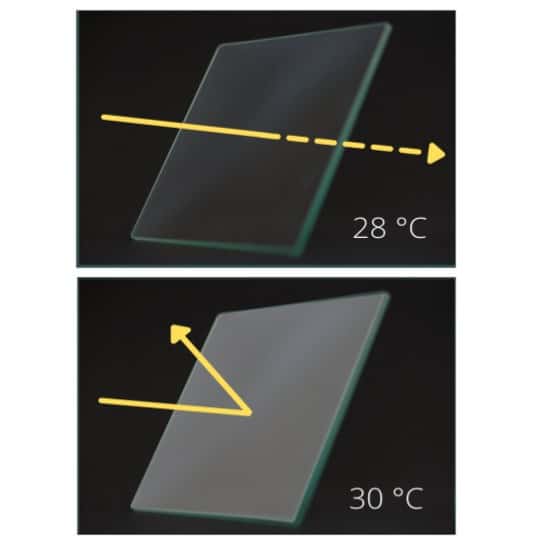
LettUs Grow is embarking on a research project with Albotherm, a fellow Bristol-based agri-tech company, to investigate the impact of intuitive shading technology on glasshouse productivity and energy efficiency.
The study will use a combination of Albotherm’s responsive glass coating and LettUs Grow’s farm management software, Ostara, to monitor performance and capture data.
Get the latest agri-tech news, events and opportunities direct to your inbox
Industrial Horticulture is at a crossroads – new report urges expansion not decline
Agri-TechE Article
Agri-TechE
Controlled environment agriculture (CEA) within industrial-scale greenhouses could make the UK a significant exporter of horticultural produce within ten years, a review of the sector – published by Defra and produced by Camrosh Ltd and the Institute for Manufacturing Engage, University of Cambridge – has concluded.
The Foresight study, compared the relative gains, costs, feasibility, and scalability of current and future ‘industrial horticulture’, including greenhouses and vertical farms. It comes at a critical time for the sector.
CEA has huge potential to increase UK self-sufficiency. It produces 10 to 20 times the volume of food from the same land footprint as field-grown crops while using less than 10% of the water resources required for open field growing, and there is potential to further improve productivity.
The report proposes that the UK has both the climate and the renewable energy resources to be a major global player in low carbon CEA food production. This vision is supported by reports of a decline in field production in other geographies – for example, an EU report predicts Spanish tomato production will fall by 20% by 2030 – indicating that an expansion of domestic CEA would contribute to food security.
However, the sector runs almost entirely on natural gas-fired combined heat and power (CHP) and has been badly hit over the past three years by the increase in fuel prices and by a shortage of labour. This has led to production falling to its lowest level in 30 years, with many producers scaling back out-of-season growing or shutting down permanently.
Dr Bernhard Strauss is Director of Research at technology strategy consultancy Camrosh. In collaboration with IfM Engage, University of Cambridge, he is a co-author on the report. He comments: “The report comes as the CEA sector is at a crossroads on the journey towards net-zero. The UK has a choice: to actively support and build a CEA sector, or risk losing ground and seeing the industry fall into decline.”
The researchers consulted a multi-disciplinary group of experts and stakeholders across the CEA sector, and the authoritative report provides an in-depth analysis of the current situation and the opportunities offered as well as the challenges of a number of alternative and renewable energy supply solutions. In addition, the role of various agri-tech innovations in the sector for reducing energy demand is discussed.
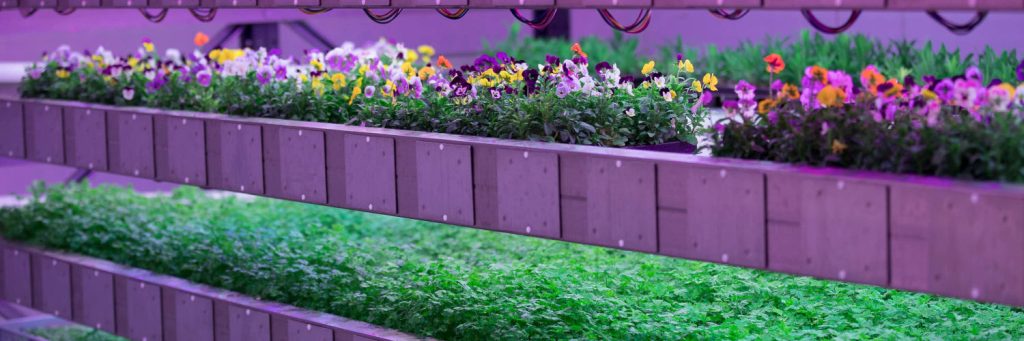
Violas grown in IGS’ hydroponics
Co-locate with renewables to enable sector to scale
Intelligent Growth Solutions (IGS) is a vertical farming technology company that has recently announced a project in Dubai, which aims to replace 1% of the country’s fresh produce imports. Business Development Manager Andrew Haxton says this illustrates the potential of the sector, if CEA is located close to renewable energy production and it is possible to plug in with a private wire and not rely on the grid. “For the energy producer and the grower, this offers much greater price stability, the key is to scale-up.”
Although strongly emphasising the role of alternative energy sources in the transition to net-zero, the report warns that ‘one size doesn’t fit all’ and advises that the design of an appropriate energy system is strongly dependent on the energy demand profile of the crop and the production facility.
The study uses ‘Marginal Abatement Cost Curves’ (MACC) analysis to present six alternative scenarios of the future to provide illustrations of the technology roadmap required to transform the sector towards net-zero by 2050.
The MACC visualisation technique enables policymakers and industry to make informed decisions about which technologies and measures are most cost-effective in terms of boosting productivity whilst reducing energy usage and greenhouse gas emissions.
Technical solutions already here
The technical solutions that would enable CEA to transition to low carbon production are already available today, the authors observe, so the challenge is no longer technical but rather an economic and political issue, coupled with the need to achieve economies of scale.
Future Biogas is one of the largest producers of biomethane in the UK; Business Development Director Dr Becky Wheeler comments: “At a time of climate crisis, there has never been a more urgent need for cross-sectoral and multidisciplinary collaboration to decarbonise food production and increase food security. With the right economies of scale, policies and regulatory support, the AD industry could play a significant role in supporting the CEA sector.”
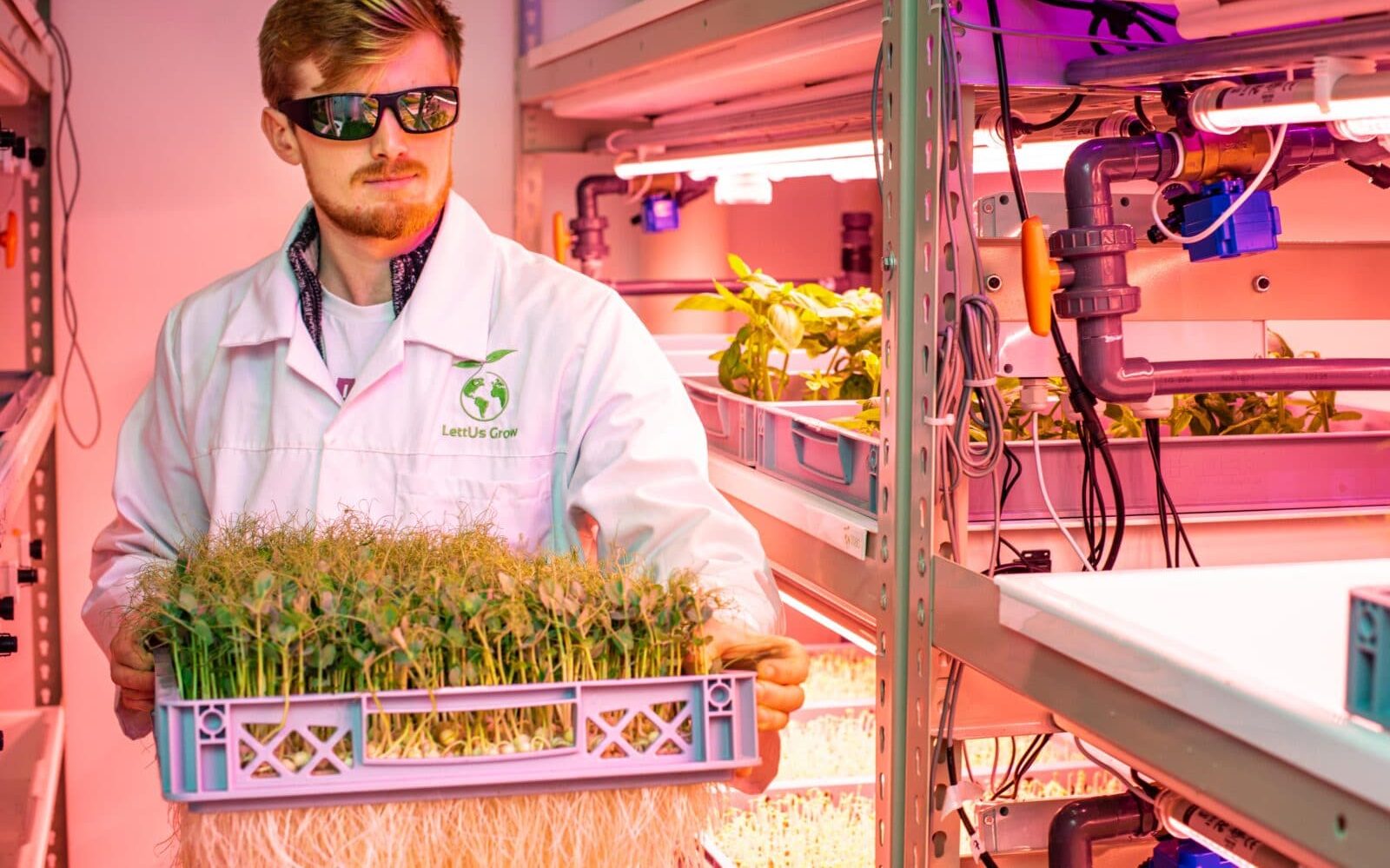
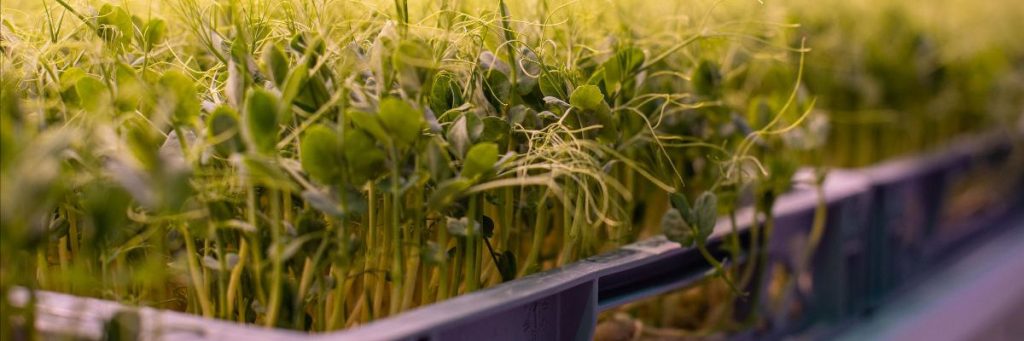
Pea shoots growing in the LettUs Grow aeroponic vertical farm
Joined-up Government policy needed
The report concludes that many energy efficiency measures – such as installing thermal screens, improving monitoring and control systems, and enhanced maintenance – require low investment and could significantly reduce energy consumption in the short term. However, to transition to a low energy, low carbon future requires joined-up government policy and incentives for long-term investment. India Langley of LettUs Grow Ltd agrees: “We need a joined up national policy to make investment in renewable infrastructure easier and far more attractive.
“We often think about financial incentives, but an important part of this is planning policy levers around enabling that co-location. It is not uncommon for commercial growers to get planning permission for a new glasshouse but be unable to build because they can’t get planning permission for the solar farm on the field next door.
“There are imbalances in the planning sector that could be addressed to try and tie some of these co-located and valuable opportunities together so that they don’t just get stuck within the system.”
Recommendations from the report include:
Gain economies of scale – efficiencies increase with larger facilities, particularly if co-located close to sources of renewable energy production or when investing in the latest high-tech greenhouse innovations. The UK currently only has 50 large growers with over ten hectares and a further 50 medium-to-large growers. Expanding the land area dedicated to CEA is recommended by independent experts.
Optimise energy usage – Next Generation Growing (NGG) is already the industry standard in the Netherlands, seeing the integration of control systems to maximise plant growth and yield while minimising heat and energy consumption.
Technologies including wireless sensors, vision systems, the Internet of Things, digital twins, AI, and others can provide real-time automated monitoring and continuous adjustment of temperature, humidity, CO2, air circulation, light, nutrient supply, and alerts for symptoms of fungal disease to optimise growing conditions and yields.
Equipment optimisation – the report observes that switching lighting to high efficiency LEDs will reduce energy consumption whilst enabling the potential to ‘tune’ the colour spectrum to maximise photosynthesis and other physiological functions, thereby boosting crop performance.
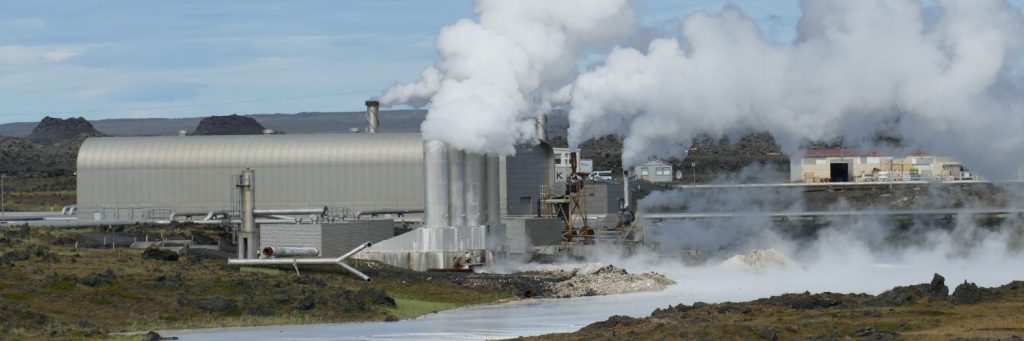
Geothermal energy in Iceland
Renewable energy sources – a number of alternatives are discussed in the report and the advantages and obstacles assessed. A conclusion is that of greatest value are integrated solutions using more than one energy source, where businesses can also generate their own renewables, or hot-wire from a co-located source. More extensive use of renewable electricity for heat pumps in combination with biogas from anaerobic digesters for heating could be another combination to help move forward on the path to net-zero. However, challenges are often not technical, but rather financial, regulatory, or political to get such approaches off the ground at the necessary scale.
Potential technologies include:
Agrivolatics – growing crops beneath transparent photovoltaic panels, thereby generating energy and food. However, solar power requires battery storage as the requirement is greatest during periods of low irradiation; therefore, the cost and maturity of battery technology is an obstacle at present.
Anaerobic digestion – decomposition of waste organic material or energy crops to create biomethane. This can be used to replace natural gas for CHP units and boilers and supply CO2 for plants. However, AD production needs skilled staff and economies of scale. Where co-location may not be possible, gas could be sleeved throughout the existing network.
Hydrogen – this is a complex proposition and viable only at scale once the required infrastructure and markets have become much more mature.
Heat recovery – transfer of thermal energy using a phase-change fluid or refrigerant gas. Offers matching of cooling/heating, for example to keep a packhouse cool while a greenhouse warm. However, bespoke solutions are often required so the costs for larger installations are high.
Geothermal – used to some extent in other European countries, such as Germany or Austria, after the Netherlands pioneering its use on a large industrial scale for the horticulture sector with an ambition to provide 65% of its CEA energy demands by 2050. It is a relatively mature technology, however the initiation costs are high, and operations would need to be coupled in most instances with other large power users to make it commercially viable
Consider diversification to increase profitability – there is a strongly growing market for high value medicinal plants, such as cannabis, and the plant-based production of vitamins and other active ingredients; however, these will not contribute to food security.
Precision breeding – gene editing technologies could be used to develop new crops that might thrive in cooler growing conditions, which would reduce energy consumption. Although using this technology to find the traits for commercial and environmental success can be a lengthy process, first successful field trials in the UK have already shown very promising results and its potential for the future.
Post Overview
1st February 2024
Agri-TechE
Agri-TechE Article
CEA and Vertical Farming
Share this Page:
Related Posts
LettUs Grow reduces strawberry plant production period with aeroponics
The views expressed in this Member News article are the author's own and do not necessarily represent those of Agri-TechE.
A research network to help bring forth advancements in vertical farming
We have launcheda world-first international Research Network designed to bring together leading minds in crop and data science – as well as multiple engineering disciplines – to drive innovation in vertical farming, a technology that can dramatically improve global food security.
Vertical farm infrastructure enables producers to grow crops regardless of climate, weather or environmental conditions such as soil health. It is a crucial tool in helping the world sustainably feed a growing population, improving food security and reducing food miles while catering to local needs and tastes.
The Research Network so far spans four continents, bringing together the brightest minds in plant science, data science horticulture, forestry and engineering to continue to broaden the application of vertical farming technology and the range of its applications.
Its aims include maximising and defining optimum conditions to grow regionally important crops, speed breeding, new variety development, establishing best practice to reduce energy and water consumption as well as proving the technology’s capabilities to efficiently grow novel crops.
David Farquhar, CEO of IGS, said: “Formally launching this network of globally linked research institutions is a huge milestone not only for IGS, but also for the wider CEA industry. We are confident that by bringing together diverse mindsets from all regions of the world with such a wealth of experience across key areas such as horticulture, agriculture and forestry, we will be able to continue to broaden the application of our vertical farming machinery.
“IGS has always been an engineering business with the double-helix of crop and data science at our core, so establishing a way to give the research community direct access not only to our technology, but also to a closely-linked network of like-minded institutions is a significant step. The more we understand about vertical farming, its scope, opportunities and limitations, the greater the impact our technology can have on securing a greener, more sustainable future, in close partnership with traditional growing methods.”
Among those to have so far signed up as inaugural members of the IGS Research Network are the James Hutton Institute in Scotland – a long-term research partner with IGS – England’s Nottingham Trent University, the University of Queensland, Australia, and Germany’s University of Applied Science, HSWT. Each member will build an IGS vertical farm on their site, supported by IGS, to allow them to study crop growth and performance in their own geography and environment.
Chris Horne, who will lead the research project for IGS, said: “Our aim with the research network is to continue to drive forward crop science and indoor growing innovation by collaborating with the leading minds across the world, validating the technology across different environments and climates, thus improving even further the growth recipes we’ve already developed.
“The World Resources Institute estimates that we need 56% more food than available today to feed the global population by 2050. This work has never been more important. So far, we have proved that more than 200 varieties of crops can be successfully grown indoors – and we’ve demonstrated that having total control of the growing environment enables us to produce high-quality crops at up to six times the speed of other techniques, such as traditional farming or glass houses.”
Priority themes for research include plant analysis, photobiology, and nutrition, including studying ways to enhance nutritional density with an emphasis on produce freshness, flavour and quality. Researchers will also have the chance to work together and share knowledge across different climates and markets.
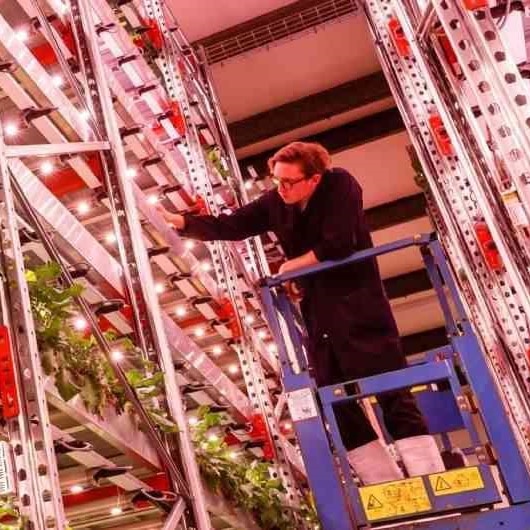
IGS’ technology is protected by more than 25 patents that uniquely allow automation of every element of the growing environment, including providing optimal light, airflow, watering and nutrition.
Professor Derek Stewart from the Advanced Plant Growth Centre at the James Hutton Institute said: “Having worked with IGS for several years we know very clearly how the IGS system adds to our research toolbox and is complimentary to other assets like growth chambers and glasshouses. Effectively it gives us 50 lab benches in each tower to enable crop research under very precise control but also at scale. It is also what I call a “time machine” for research, speeding up cycles within projects. We are looking forward to collaborating across the IGS Research Network to accelerate crop science – it will dovetail perfectly with our existing work at the Advanced Plant Growth Centre.”
What our partners said
Professor Chungui Lu from Nottingham Trent University said: “Nottingham Trent University (NTU) is strategically positioned to make substantial investments in vertical farming. With partners from Intelligent Growth Solutions (IGS), we are establishing a Collaborative Research Centre of Excellence in Vertical Farming for our leading position in this sector around the world and to help foster impactful collaborations.
“We are at the forefront of integrating intelligent technologies to redefine conventional crop cultivation methods. Our current research on Smart Green Grow, including AI-based light and nutrient recipes, can optimise plant growth and significantly improve profitability and ecological sustainability simultaneously. A cornerstone of our innovative approach is the deployment of IGS towers, pivotal in expanding the horizons of our research capabilities. These state-of-the-art vertical farming systems afford us precise control over environmental variables, ensuring consistent and tailored growth conditions for diverse crops.
“What distinguishes our collaboration within the IGS Research Network is the invaluable opportunity it provides to engage with a global community of like-minded researchers and practitioners. This collaboration will facilitate knowledge exchange, and collectively pursues sustainable and efficient farming solutions, impeccably aligned with our mission at the Centre. Moreover, this endeavour grants us a unique platform for teaching and training in the realm of smart vertical farming.”
Professor Paul Gauthier from the University of Queensland, said: ““Queensland Alliance for Agriculture and food Innovation at the University of Queensland is proud to join the IGS Research Network and support the development of innovative solutions for the success of vertical farming as a solution to feed a growing global population. This initiative aligns with our vision on reaching the UN sustainable goals and increase food production by 70% by 2050 through innovations and cutting-edge science.
“With climate change and extreme weather impacting our daily agricultural productions, it is critical to change our approach to research and develop a more collaborative network where data and results could be shared openly. We believe that the success of indoor vertical farming remains through multi-disciplinary collaboration and the IGS Research network is the first step in the right direction.
“Such a network will allow us to develop methodologies to grow crops that won’t be available to grow in the near future due to climate change and biological pressures. But the IGS Research Network is also about finding solutions to support current and future farmers by providing them with vigorous and adapted crops to mitigate the impact of climate change on productivity and create a resilient global food supply.”
Professor Derek Stewart from the Advanced Plant Growth Centre at the James Hutton Institute said: “Having worked with IGS for several years we know very clearly how the IGS system adds to our research toolbox and is complimentary to other assets like growth chambers and glasshouses. Effectively it gives us 50 lab benches in each tower to enable crop research under very precise control but also at scale.
“It is also what I call a “time machine” for research, speeding up cycles within projects. We are looking forward to collaborating across the IGS Research Network to accelerate crop science – it will dovetail perfectly with our existing work at the Advanced Plant Growth Centre.”
Professor Heike Mempel from HSWT said: ““Winning IGS as a partner is a milestone for the further development of HSWT as a key player in the field of vertical farming. In the long term, this will pave the way for the ‘IGS Tower’ to be brought to the HSWT as one of the currently best technologies for vertical farming. As part of the IGS research network and with the HSWT’s Applied Science Center (ASC) for Smart Indoor Farming, which has been active since 2020, we can achieve our goal of establishing ourselves as a contact for vertical farming in Bavaria and far beyond take it to a whole new level.”
Post Overview
This story has been submitted by an Agri-TechE member.
The views expressed in this Member News article are the author's own and do not necessarily represent those of Agri-TechE.
A pioneering project led by LettUs Grow – in collaboration with Fotenix, Rothamsted Research, CHAP, and Vertically Urban – is set to revolutionise the Total Controlled Environment Agriculture (TCEA) landscape in the UK. The Advanced Crop Dynamic Control (ACDC) project aims to develop highly energy-efficient and sustainable indoor farming systems through image-based analysis, AI and software that optimises the growing environment based on plant health and dynamic market environments.
The project’s core objective is to tackle the inefficiencies prevalent in TCEA by leveraging innovative technologies and methodologies – thereby improving energy efficiency.
Energy is one of the largest operational costs for TCEA but it’s not just a question of cost; it’s also one of sustainability. Choosing the right energy source and improving energy efficiency is crucial to reducing emissions.
By combining expertise from diverse fields, the consortium aims to pioneer novel TCEA growing methods that optimise environmental control efficiencies, encompassing lighting, irrigation, and nutrient supply. These improvements seek to address significant contributors to the carbon footprint within TCEA.
An integral aspect of this initiative is the automation of manual operations, coupled with the enhancement of produce safety, consistency, quality, and shelf-life for both retailers and consumers. This will be achieved by dynamically adjusting the growth environment, ushering in a new era of responsive TCEA technology.
Unprecedented in its approach, the project will utilise an integrated spectral imaging system coupled with an AI-based plant screening technology, designed by Fotenix, to measure crop physiological status. Fotenix CEO, Charles Veys, said: “Farms use our cameras to detect pest and disease, so why not use this to follow recipe evolution across economy or premium recipes? This project will fast-track collaboration between key suppliers into an industry-ready package at such a pivotal time for energy and food security.”
This data will inform illumination intensity, composition, and energy management, with a focus on integrating renewable energy sources – all of which will be controlled by the software platform, Ostara – originally developed by LettUs Grow. By prioritising plant health, the project aims to devise greener production recipes using advanced responsive control methodologies.
Adam Waterman, Chief Technical Officer of Ostara said: “It’s exciting to see how Ostara can be used as the gateway linking AI to farming systems. Because Ostara seamlessly plugs into farming controls – interfacing with lighting, irrigation, fertigation and environment systems – when sensors detect plant stress, Ostara has the potential to utilise Fotenix’s AI data to dynamically adjust controls to align plant health with energy-usage”.
Spinach, a high-protein leaf crop, holds a pivotal role in this project. Not only will it serve as a test crop to validate the integrated TCEA technology, but it also represents an alternative protein source poised to unlock new markets.
The project’s impact will be rigorously assessed by evaluating changes in crop yield against operational benchmarks, considering cost-benefit analyses and comparing outcomes against existing industry standards.
Dr Harry Langford, Innovation Network Lead at CHAP said: “Systems-level integration of novel technologies capitalises on the UK’s strengths in TCEA and delivers turn-key solutions with global market appeal, so it is excellent to have been able to secure funding for this exciting project. As well as collaborating on development work, CHAP will conduct demonstration trials within our Vertical Farming Development Centre, to engage and exchange knowledge with the sector around the operational efficiencies achieved, and the potential to deliver on Net Zero.”
The consortium spearheading this initiative, comprises LettUs Grow, alongside two technology companies—Fotenix and Vertically Urban. Collaborating with them are notable research institutes: CHAP (a Research Technology Organisation), and Rothamsted Research (an academic partner).
Commenting on this collaboration, the consortium’s partners expressed their enthusiasm for the project’s potential to significantly reshape sustainable agriculture practices in the UK. They emphasised their commitment to driving innovation that not only addresses food security challenges but also contributes to a more environmentally conscious and economically viable future for TCEA.
“Vertically Urban is thrilled to be collaborating with leading CEA technology companies in the UK, and I am eagerly anticipating the outcomes of our endeavours” expressed Dr. Phoebe Sutton, Plant Scientist at Vertically Urban.
She elaborated, stating, “This project will unlock the efficient versatility of our Tunable luminaires by integrating seamlessly with the intelligent control features offered by Ostara and Fotenix. This synergy will result in substantial advancements in both energy efficiency and yield for an important crop.”
“Rothamsted Research is looking forward to working with partners to develop energy efficient , sustainable indoor farming systems. The integration of image-based analysis and AI to optimise the growing environment will help to optimise the growing conditions, whilst reducing the energy requirements, crucial to lowering UK emissions. Further, linking metabolite data from the plants will allow an integrated evaluation of the plants health and nutritional status.” said Dr Jane Ward, Principal Research Scientist at Rothamsted Research.
Innovate UK’s support underscores the critical importance of such initiatives in fostering innovation and resilience in the face of complex global challenges.
Post Overview
This story has been submitted by an Agri-TechE member.
The global vertical farming industry in 2022 was worth nearly $4.2 bn and is projected to exceed $27 bn by 2030 (Fortune Business Insights, 2023). It has made significant technological advancements and inspired new thinking about the future of food production for increasingly urban populations. It has attracted significant private and public investment and has secured major capital investment to build and run extensive state-of-the-art production facilities.
The views expressed in this Member News article are the author's own and do not necessarily represent those of Agri-TechE.
“GigaFarm” capable of replacing 1% of UAE food imports set for construction in Dubai Food Tech Valley
Food Tech Valley has signed an agreement at COP28 with ReFarmTM to start construction on a 900,000 sq. ft. game-changing “GigaFarm”. The innovative waste-to-value farm will be capable of recycling more than 50,000 tonnes of food waste and growing two billion plants each year.
ReFarmTM was established in the UAE by SSK Enterprise and Christof Global Impact (CGI) as a group of companies with a focus on projects with circularity and clean technologies. The brand chose vertical farming technology developed by infrastructure supplier Intelligent Growth Solutions (IGS) and is set to start construction in mid-2024 at Dubai’s Food Tech Valley, a master development launched by His Highness Sheikh Mohammed bin Rashid Al Maktoum and being led by major Dubai property developer, Wasl. ReFarmTM has engaged its lead bank to arrange support from UK Export Finance within the UK Government’s Department for Business & Trade.
The views expressed in this Member News article are the author's own and do not necessarily represent those of Agri-TechE.
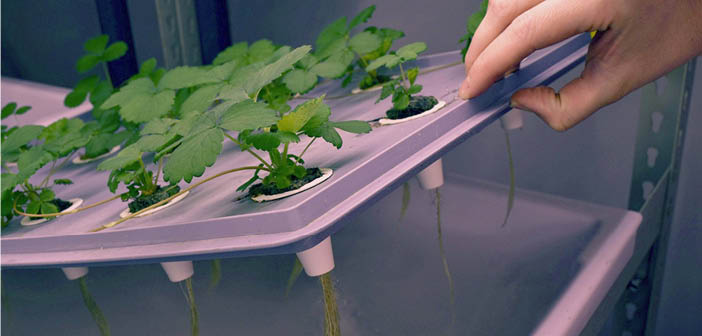
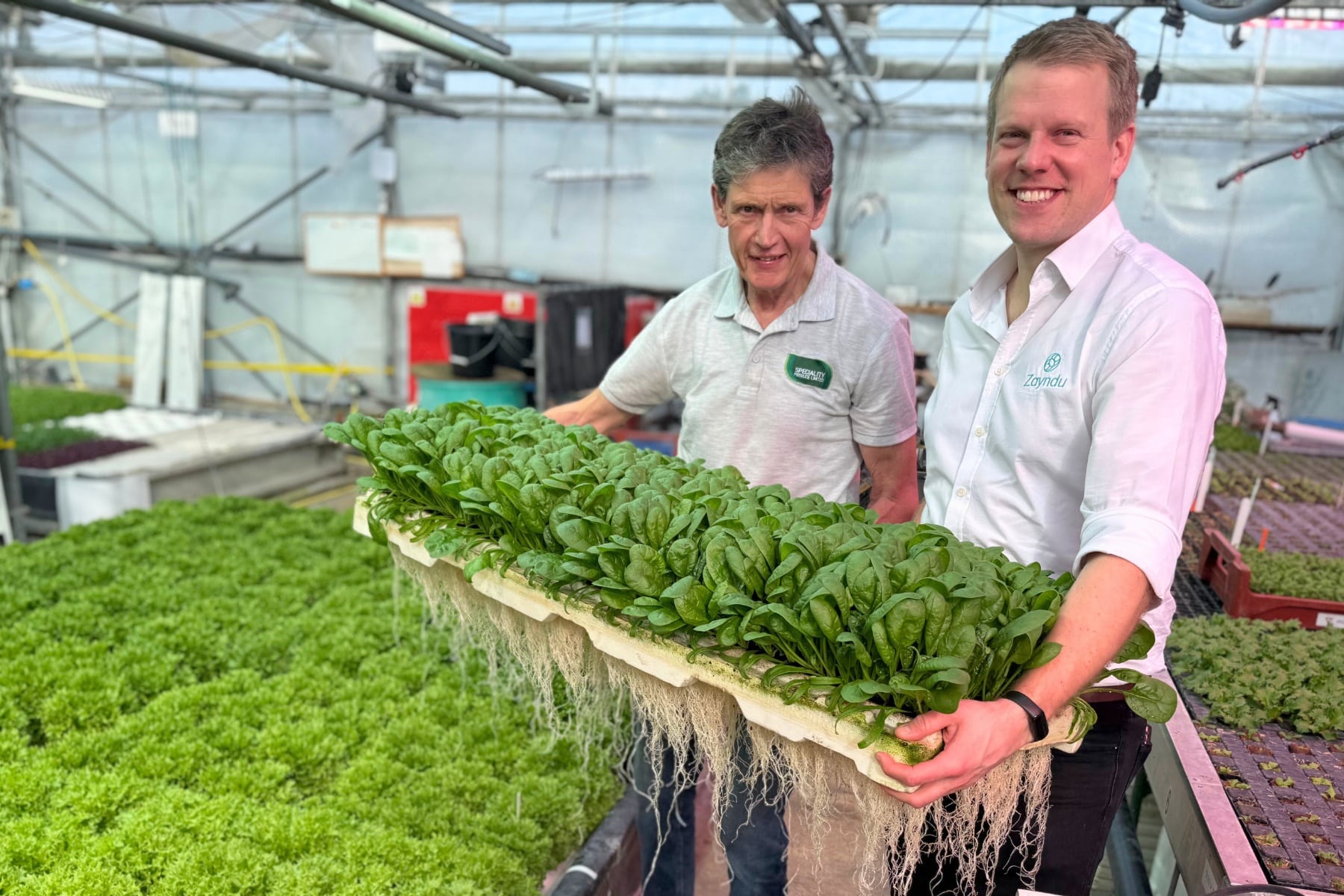
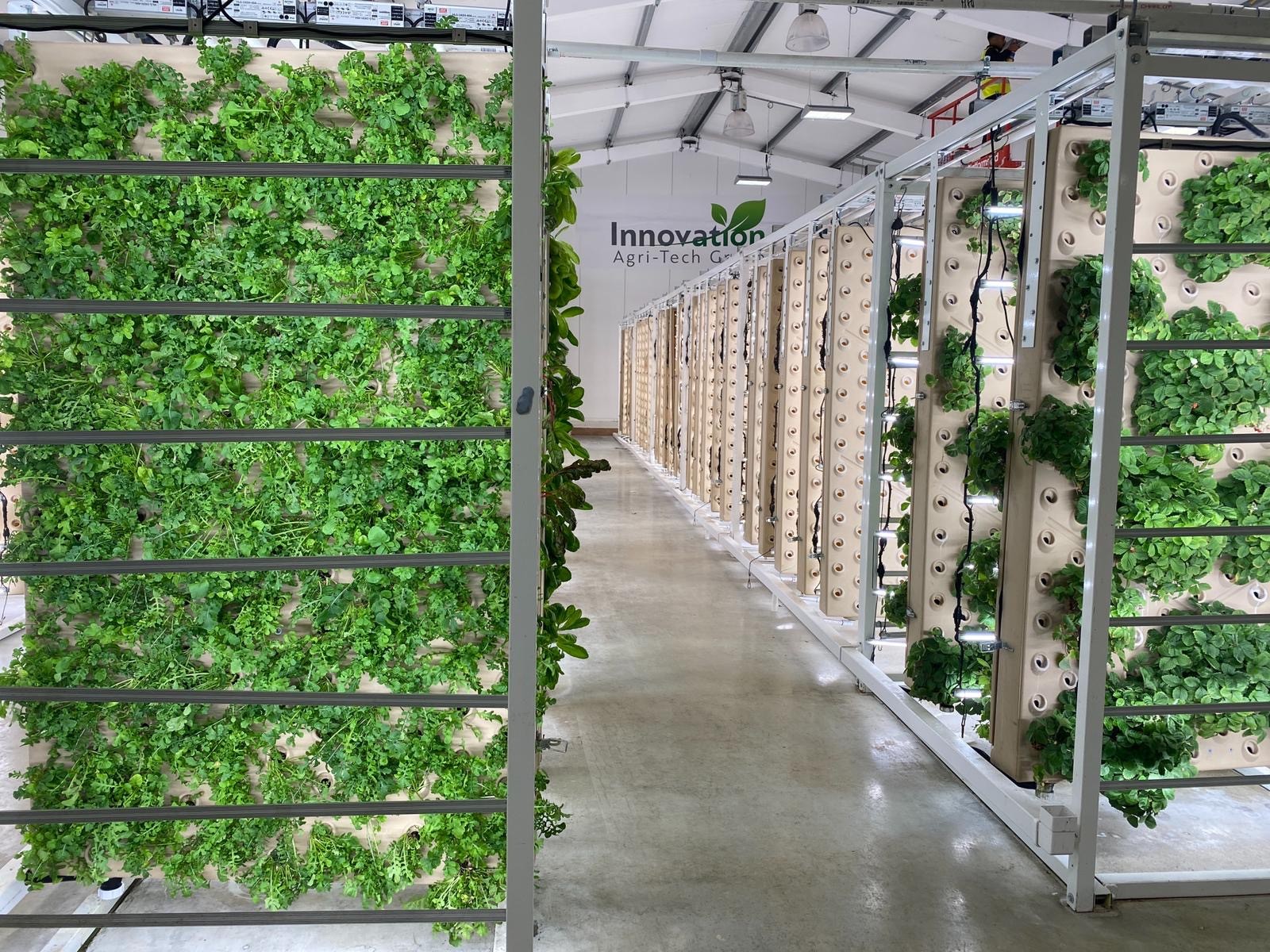
At LettUs Grow, a large portion of our work is dedicated to exploring the potential of controlled environment agriculture beyond growing herbs, salads and leafy greens. By using aeroponic technology at key stages of plant development, particularly during propagation phases, we can potentially increase the productivity, efficiency and sustainability of the growth cycles for many different plants. During this set of trials, we explore propagating strawberries in an aeroponic indoor farm.
HotHouse Therapeutics uses a plant factory to mass produce rare medicinal drugs
Some of the most potent drugs known to mankind are produced by plants, but issues such as accessing source material from rare plants and modifying the complex chemicals have meant they have been largely abandoned by the drug discovery industry. This challenge has been overcome by technology from HotHouse Therapeutics (a spin-out from the laboratory of Professor Anne Osbourn OBE FRS at the John Innes Centre) which enables any naturally occurring medicinal compound to be reproduced by a host plant, creating a high value crop for Controlled Environment Agriculture.
Martin Stocks, co-founder of HotHouse Therapeutics, says: “We imminently expect to close our seed funding round of more than £2.5m from a consortium of UK venture capital investors.
“The endgame for HotHouse Therapeutics will be the generation of novel plant-produced drugs, probably made in specifically engineered plant lines. Such lines will require secure, contained facilities to grow the biomass needed for drug production.
“We are considering the potential of hydroponics and vertical farming in the manufacture of our products. We are interested in engaging potential partners in this space and accessing development funding to explore routes to viable and sustainable production systems.”
Wednesday 8th November, 9:30 am – 6:30 pm Rowley Mile Conference Centre, Newmarket
Surviving and thriving under increasingly extreme and unpredictable challenges is the theme of the 2023 REAP conference. To build a productive, profitable and sustainable agri-food industry, we must move away from the comfort zone and become open to the new opportunities that exist when we ‘stretch’. Be a part of that future – bring yourself and your ideas to REAP.
Get the latest agri-tech news, events and opportunities direct to your inbox
Looking forward to Agri-TechE Week 2023
Agri-TechE Article
Agri-TechE
Agri-TechE Week creates a unique opportunity to meet the people behind the latest science and innovations and to visit those on-farm that are adopting cutting-edge technology.
The week aims to showcase exciting developments in agri-techthrough a dynamic mix of events, workshops, farm visits and, of course, the Agri-TechE REAP conference.
Many crop growing regions are expected to experience reduced rainfall and prolonged droughts, which can have serious implications for agriculture productivity. In this event researchers will explore various mechanisms to predict and mitigate these impacts on food security.
This free in-person event is hosted by the University of Essex, and looks at innovations that may offer a lifeline to this sector.
This interactive event discusses learning points from three EU funded integrated pest management projects. It will signpost the tools and information that are available and discuss the results of field based demonstrations.
This free in-person event is hosted by ADAS RSK at the Over Community Centre, Cambridge, CB24 5NW.
Commercially-driven scientists discuss how they have spun out new companies from their research in areas such as plant-based therapeutics, made-to-order disease resistance and biofortification.
This event at The Sainsbury Laboratory, Norwich, NR4 7UG, explores the success of its Entrepreneur-in-Residence Programme and includes interactive displays.
REAP conference 2023: Adaptation through innovation; beyond the comfort zone
Can agriculture improve its resilience to increasingly frequent ‘extreme’ events and what is the role of science and innovation in creating opportunity out of challenge?
Expert speakers drawn from farming and policy, ground-breaking scientists and technology visionaries discuss at Agri-TechE ’s REAP conference 2023 at the Rowley Mile Conference Centre, Newmarket, CB8 0TF.
The first European field trial of genome-edited wheat at Rothamsted Research showed a significant reduction of asparagine, with no effects on yield or nitrogen content of the grain. This is one of the breakthroughs that will benefit from the new Genetic Technology (Precision Breeding) Act that will enable the development and marketing of gene edited crops in England.
This free event hosted at Rothamsted Research, Harpenden, AL5 2JQ, reviews the technology and its potential.
Explore first-hand how technology is at the root of vegetable consumption
Farming and fresh produce company, Fredrick Hiam Foods Ltd, has introduced automation technologies in its field operations and factory. There will be a chance to see Robotti demonstrated by Autonomous Agri Solutions and a Laser Weed Sprayer demonstrated by VCS Agronomy and the parsnip processor Wyma in the packing shed.
This event is hosted by Royal Norfolk Agricultural Associationand takes place at Fredrick Hiam Foods Ltd, Brick Kiln Farm IP27 OSE
Novel crops offer resilience and new market opportunities, but how do you grow and harvest them and what are the market opportunities? Niab’s Centre for High Carbon Capture Cropping aims to answer these types of questions.
This lively event brings together a diverse range of speakers to talk about the value chains and products.
A hybrid event taking place at Niab Park Farm, Cambridge CB24 9NZ.

 LettUs Grow Ltd.

 Vertical Future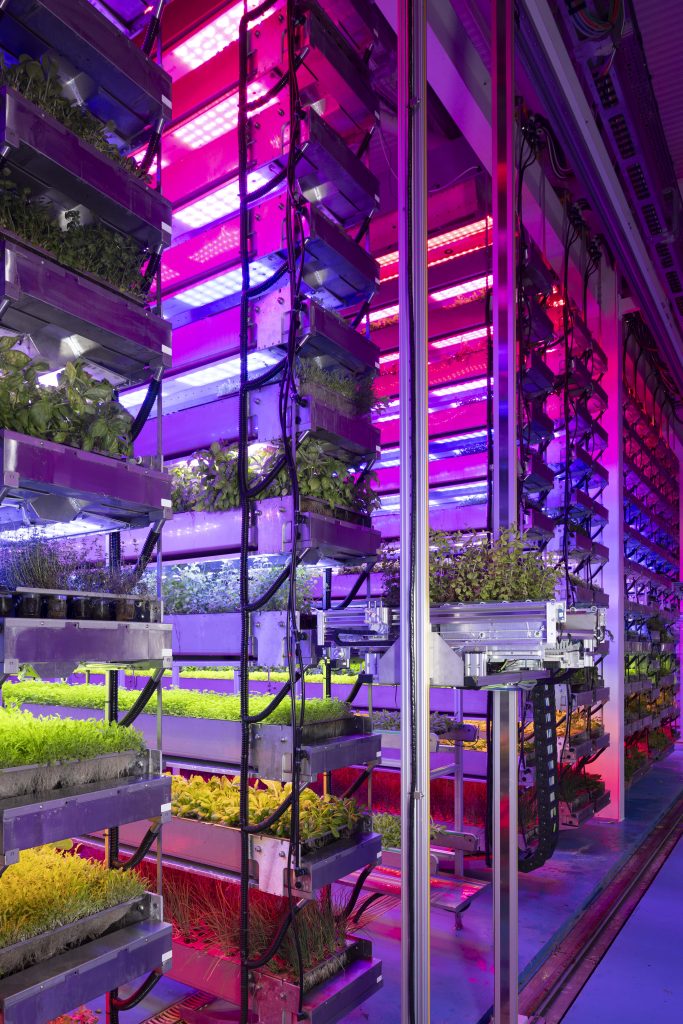




 Agri-TechE











 Intelligent Growth Solutions


 Schneider Electric