Patenting, Trademarks, Copyright, Trade Secrets...
In the next installment of our micro-learning series, we’ll explore potential legal solutions to help you keep your ideas safe and sound.

The future of AI in agriculture: the keynote address at REAP 2024

Agri-TechE Article
Agri-TechE

We are in the early stages of AI in agriculture. What should growers be thinking about as they plan for the future?

At REAP 2024 we will be considering where the optimum balance lies between “management of the many” and “optimisation of the one.”

Dr Elliott Grant
Dr Elliott Grant
Former CEO of Mineral

‘I think in 20 years we will look back and be incredulous that we used the same treatment across a whole field.’

Dr Grant, keynote speaker at Agri-TechE ’s REAP Conference on Wednesday 6th November 2024.

Mineral set out to apply the transformative power of AI to help make agriculture more sustainable and to increase its resilience to climate change.  The team developed tools to gather, organise, and analyse information about the plant world at a new level of precision and speed. Using millions of data points, they provided insights into the relationship between crop genetics, environmental impacts, and management practices on the farm.

Elliott argues that plant monitoring at high frequency, not just high resolution, will create additional knowledge that will unlock new paradigms in farming.

Mineral partnered closely with US-based Driscoll’s, the world’s leading berry company, to develop AI tools to improve crop phenotyping, better forecast yields, and optimise quality inspections.

Integrating hundreds of different data types like imagery, soils, weather, planting times, and historical yield is well-suited to the power of AI.  A key learning from these initiatives was the synergy between human expertise and machine intelligence. It was found that the careful combination of human intuition and raw AI power, with each learning from the other, gave the best results.

From this experience, Mineral developed a three-layered perception framework for agriculture: what can a machine see? (perception); what can a machine deduce from this information? (reasoning and decision-making); and how can the machine act on it? (action).

Elliott gives one example of a possible future scenario. Instead of a shed full of task-specific equipment, next-gen farms may have software-defined robots updated with new capabilities remotely. This would enable multi-functional machines, replacing the need for investment in specialised equipment each time the farmer wants to diversify.

“We’re at the cusp of a new era in agriculture,” Grant said. “With the help of AI, we can begin to build farms that are more resilient to climate change and more efficient in their use of resources. The future of farming is bright, and I’m excited to be a part of it.”

In addition to his keynote address, Grant will participate in a panel discussion on the future of agriculture and a farmer breakfast on the morning of 6th November.

To listen to Dr Grant in person and have the opportunity to ask him questions, book a ticket for REAP 2024.
Global agriculture has evolved into a dual landscape of both vast scale and intricate detail, and technologies are now available for the precise management of individuals within the field, herd or flock. But where is the tipping point in which the benefits from bespoke management of individual crops and livestock outweigh the broader, more general oversight of larger populations?

At REAP 2024, we’ll examine the practicality and return on investment of personalised care, the impact on yields and quality, and the implications for achieving net zero GHG emissions.

reapconference.co.uk

Livestock tech provides alerts that boost productivity

Agri-TechE Article
Agri-TechE
Helen Reeve
Helen Reeve
Waveney Dexter Beef

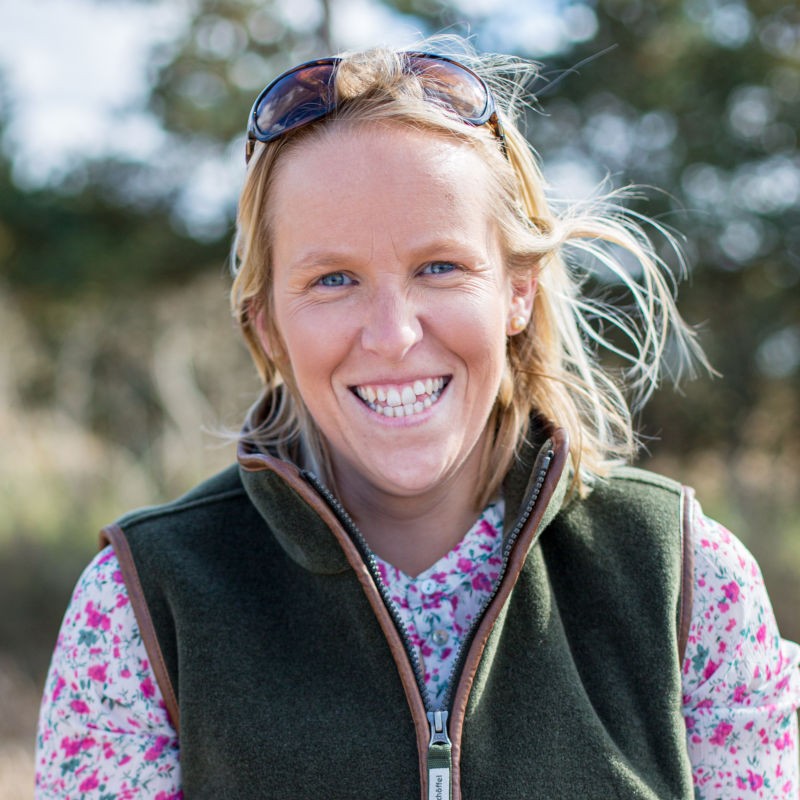
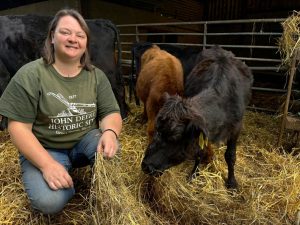
Livestock tech should be designed around the needs of the farmer, says Helen Reeve, a self-confessed cow geek and a lecturer at the Easton College, training and supporting apprentices. She says that it is vital that stock-keepers keep aware of emerging technologies, but she adds it is equally important that livestock tech improves productivity. 

“Technology should complement, not replace, the skills of livestock farmers and breeders,” she says.

Helen, the owner of Waveney Dexter Beef, is talking in the Farmer Panel at REAP 2024 and urges farmers and students to apply for a bursary to attend the conference to hear about the latest developments in agri-tech. The bursary is generously provided by the Royal Norfolk Agricultural Association (RNAA) to reduce the cost of participation in this dynamic conference.

Helen has built her herd from nothing and here describes her journey.

Livestock farming – beef and dairy

I have always wanted to be a farmer, but it can be a lonely occupation. When I am visiting apprentices on the farm, I am often aware that I might be one of only a few people that they see regularly, so rural mental health is very important to me – as the hashtag says: #MindTheirHead.

I come from a long line of farmers but sadly there was nothing for me to inherit. So, I started out with a handful of Dexter cows and rented land and buildings along the Waveney Valley in Norfolk.

Dexter cattle are the smallest native breeds of cattle you can get in the UK, and they’re dual purpose, which means they can provide quantities of milk and quality beef.

I have about 60 cows, which I am breeding from. The cows calve on a regular basis every few months; the females are retained to build the herd and the males fattened for beef. The cattle are mostly grass-fed, either through grazing or through winter forage – hay and silage.

All beef cattle is reared to 30 months and then taken to the most local abattoir. The meat returns to me, and I sell it through direct sales – farmers markets and such.

I also milk a herd of Jersey Cows for a fellow farmer; this is my happy place as I can just get on with the task and have space to think.

Livestock tech provides extra eyes for farmer

Although there is now a lot of technology available on-farm, I still use my stock person skills in order to maintain the health and welfare of the animals. Using the technology alongside my skills helps me to do that in a much better way. If you have 200 cows, you can’t be looking at each of them all of the time.

The cows are milked in a herringbone parlour with 24 machines. The cows are tempted into the parlour with a bit of food as a reward. They each have an electronic tag and as they come in this connects to computer system in the office just next door which detects and identifies the cow and records the milk yield from the milk meter.

Over-milking will damage the cow’s udder, causing infection and mastitis, which can be a really big thing. If you’ve got 12 cows lined up it can be hard to see which one has finished, so the milk meter is invaluable: it shows you the milk yield for each cow and also automatically disconnects the cluster from the udder when the cow has been milked out.

Heat time collar has been widely adopted

A recent development is the heat time collar, which acts as type of Fitbit for cattle and tells you information about their movement.

A cow is worth £1,500 to £2,000 and its offspring around £800 to £1,000 so getting the cow into calf at the right time is very important.

When a cow is coming into heat, that is the time you need to inseminate them for breeding. However, it is difficult to predict, and you might not be with them at the time.

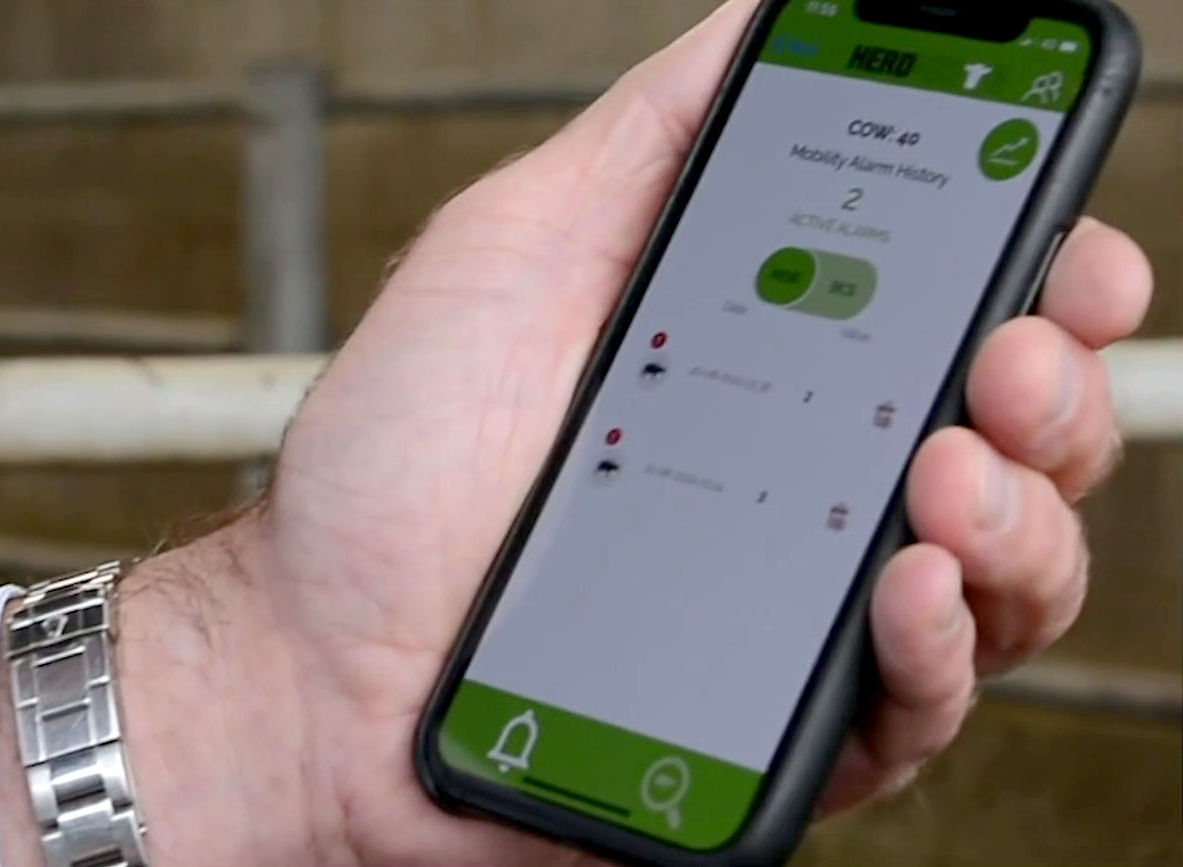
The collar detects the cow becoming more restless, by monitoring the muscles around its tail and neck. This can be a sign it is coming into heat and sends this message to my phone.

The collar can also provide an early sign that the animal is unwell.

The first sign of the cow being poorly is that it will stop ruminating properly. Rumination is the process where a cow breaks down food within its digestive system, by chewing on its cud.

The collar can detect that within about 30 minutes to an hour. When this flashes up on my device, I know to immediately get in the car and see what is wrong.

Early attention can help to prevent loss of production, and at the end of the day if you don’t have the finances sorted, then nothing else matters.

Zelp was part of the Start-Up Showcase at REAP 2019
HerdVision was in the Start-Up Showcase at REAP 2023

REAP provides an opportunity to see the latest technology developments – Zelp and  HerdVision have featured in the Start-Up Showcase.

Future technology

REAP is a good place to hear about new developments.

Something I have been watching with interest is an alternative to electric fencing. The idea is that it offers more flexibility than fixed fencing and is safer than electric fences. As someone who has spent a lot of time with a strimmer underneath electric fence lines trying not to short it, the idea of an alternative is very appealing.

Virtual fencing systems offer a lot of benefits for increasing the productivity of pasture management.

The boundary is set by a map on your mobile phone and the cows wear a collar that alerts them when they are straying too far.

I’m not sure whether I would trust the technology straight away, but I might be tempted to trial it in a remote area.

As a farmer, you need to be innovative and always looking at ways to improve productivity. As a technologist I would stress the following key points.

Key points

  • Technology must be accessible and fit in with the way that farmers work, as every farm is different.
  • Technology won’t replace the skills of a stock person – but it will improve the way that they work.
  • If technology improves productivity, it will be quickly adopted – nearly all the cows in our region now have the heat collars.
  • REAP is a good place to see the science and the technology that is in development.

REAP is a good place to exchange ideas with people you wouldn’t normally meet out on the farm, and I am looking forward to joining the Farmer Panel this year.

Celebrating Agri-TechE Week 2024!

Meet the Network
Agri-TechE


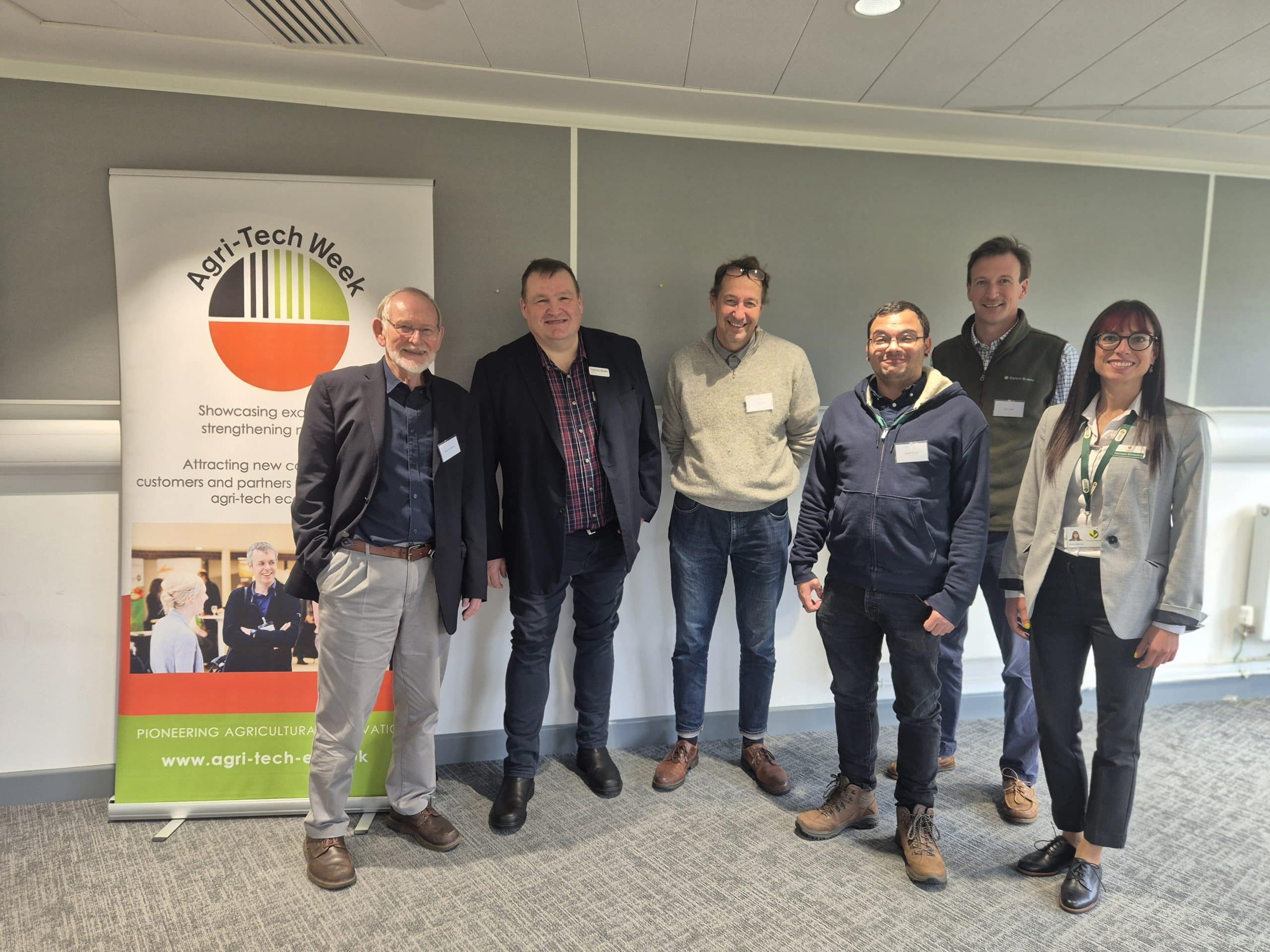
Agri-TechE Week 2024 celebrated its 11th year – our largest yet, featuring eleven events curated by Agri-TechE and hosted by our incredible member community. The week exemplified innovation, collaboration, and forward-thinking in agri-tech. The week showcased exciting developments and latest thinking in agriculture-related research and farming practice, through a dynamic mix of events, workshops, farm visits alongside Agri-TechE ‘s flagship REAP Conference.
Each event reflected the strength of our ecosystem, fostering vital connections between growers, researchers, and technology developers.

Thank you to our members for hosting and making Agri-TechE Week possible and showcasing what our community can achieve.
Check out all the events that took place across the week

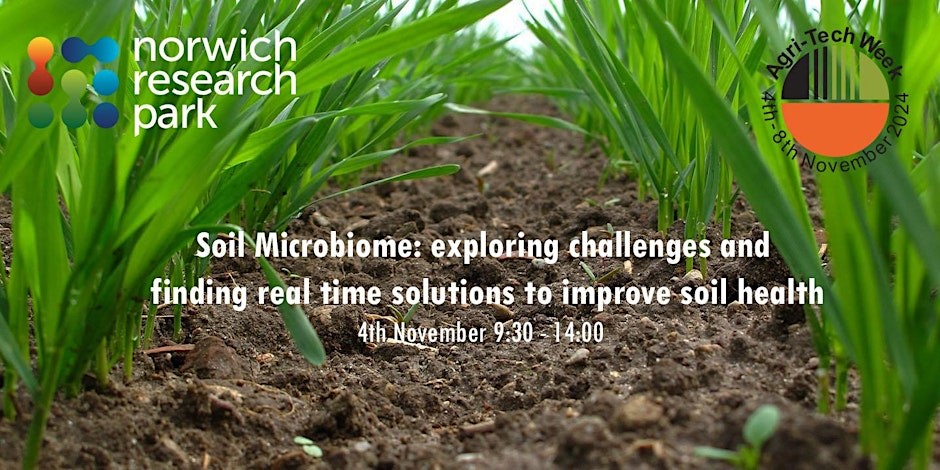
#Soil Microbiome: exploring challenges and finding real time solutions

A creativity workshop to develop in-field solutions assessing soil health and microbiome activity.

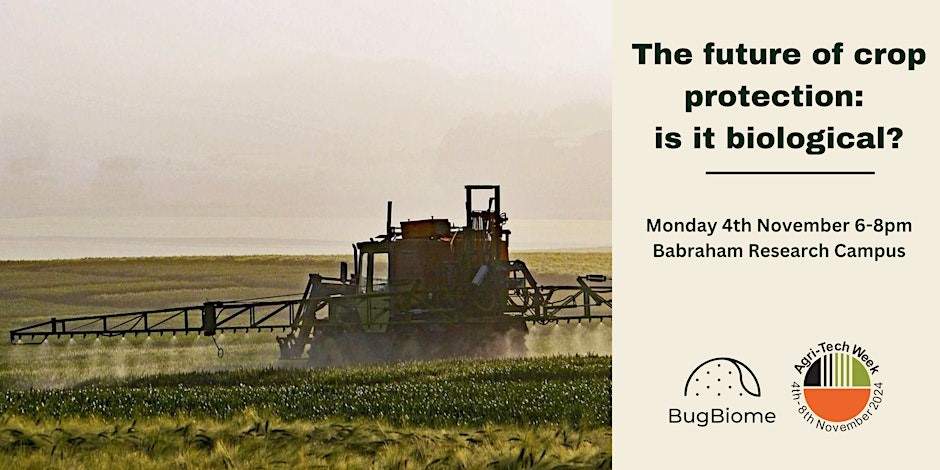
#The Future of Crop Protection: Is it Biological?

Roundtable discussion diving into biological technologies feat. a series of start-ups in the space.

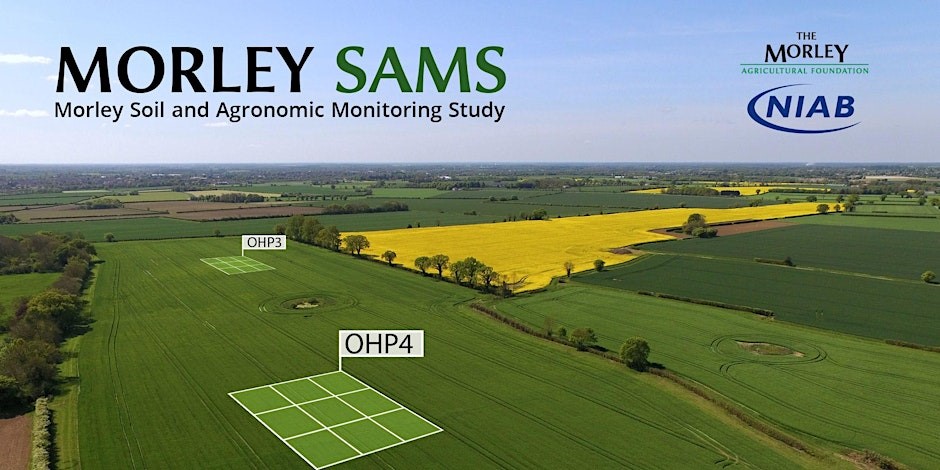
#Discover the Morley Soil and Agronomic Monitoring Study (SAMS) Project

Featuring a farm tour and insight into best monitoring practices across farms. Spade was useful!

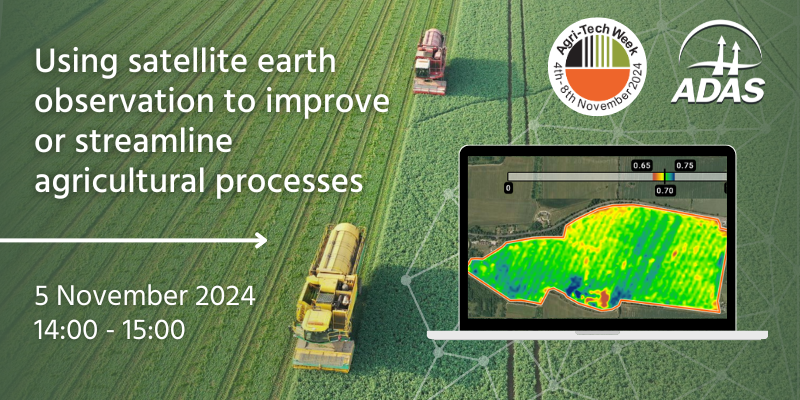
#Using satellite earth observation to improve or streamline agricultural processes

Online session of practical case-studies supporting agricultural services using satellite data from ADAS.

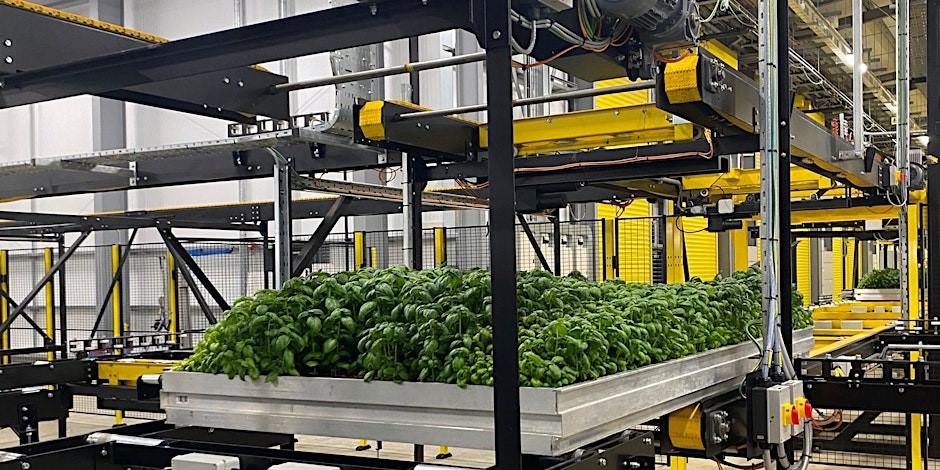
#Can Vertical Farming help feed the world?

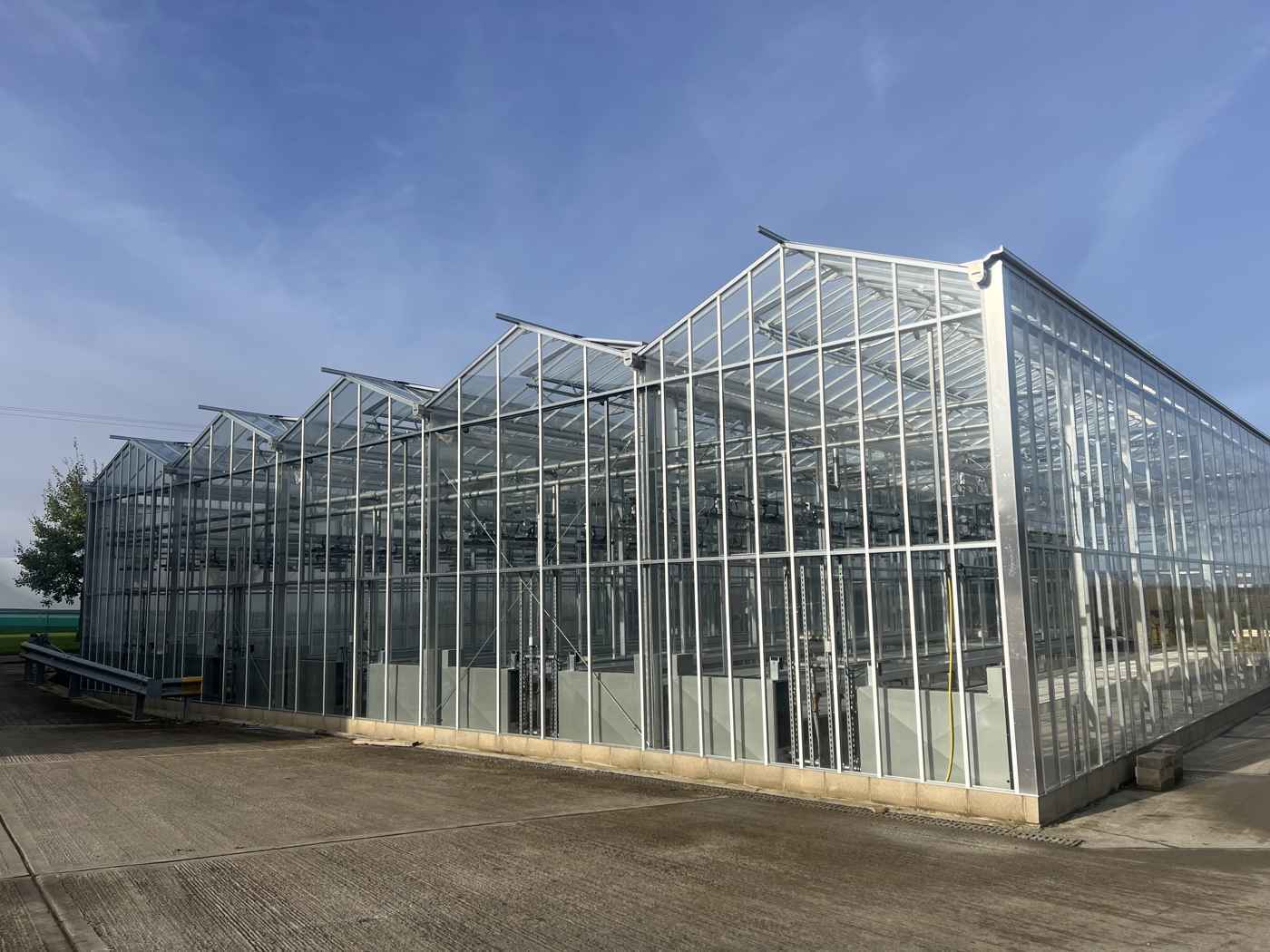
Farm walk at Fischer Farms vertical facility and an overview of the Broadland Food Innovation Centre.

#REAP Conference: The Agri-TechE Balancing Act – Optimising One or Managing Many?
Agri-TechE ‘s flagship conference that unites the ecosystem around agriculture innovation.

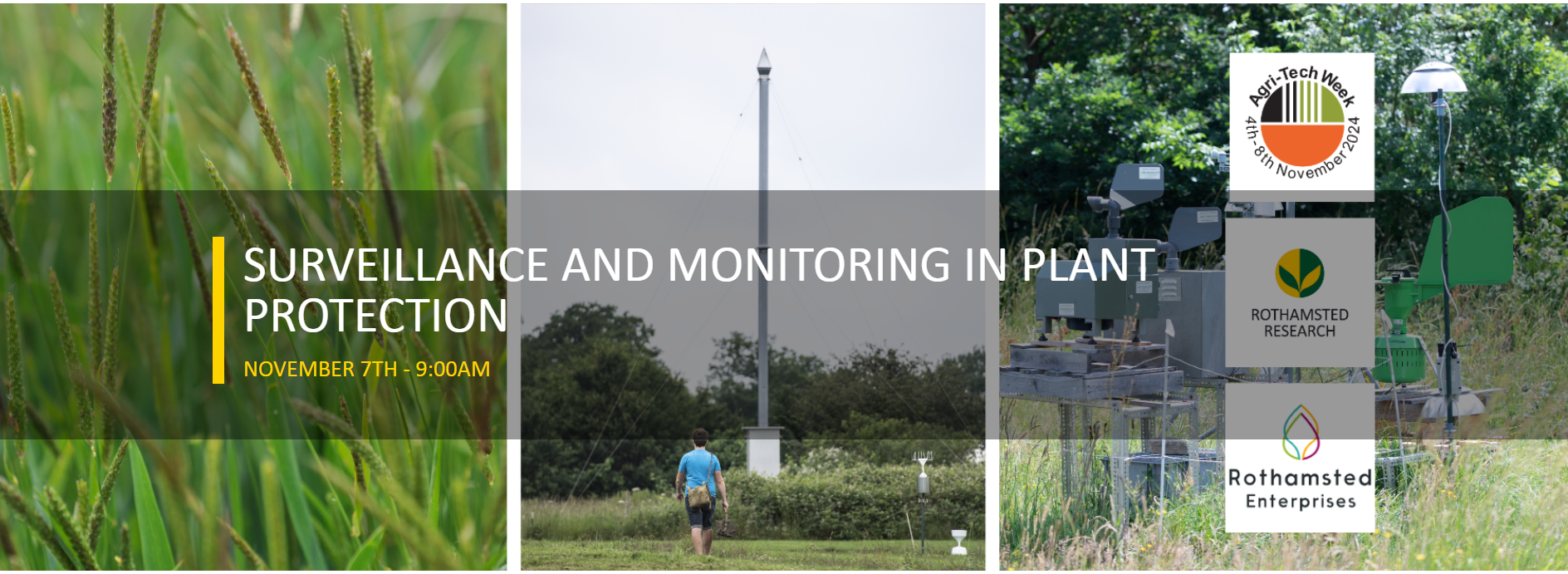
#Surveillance and Monitoring in Plant Protection

An insightful seminar, where experts discussed innovative strategies to protect crops from diseases, pests, and weeds.

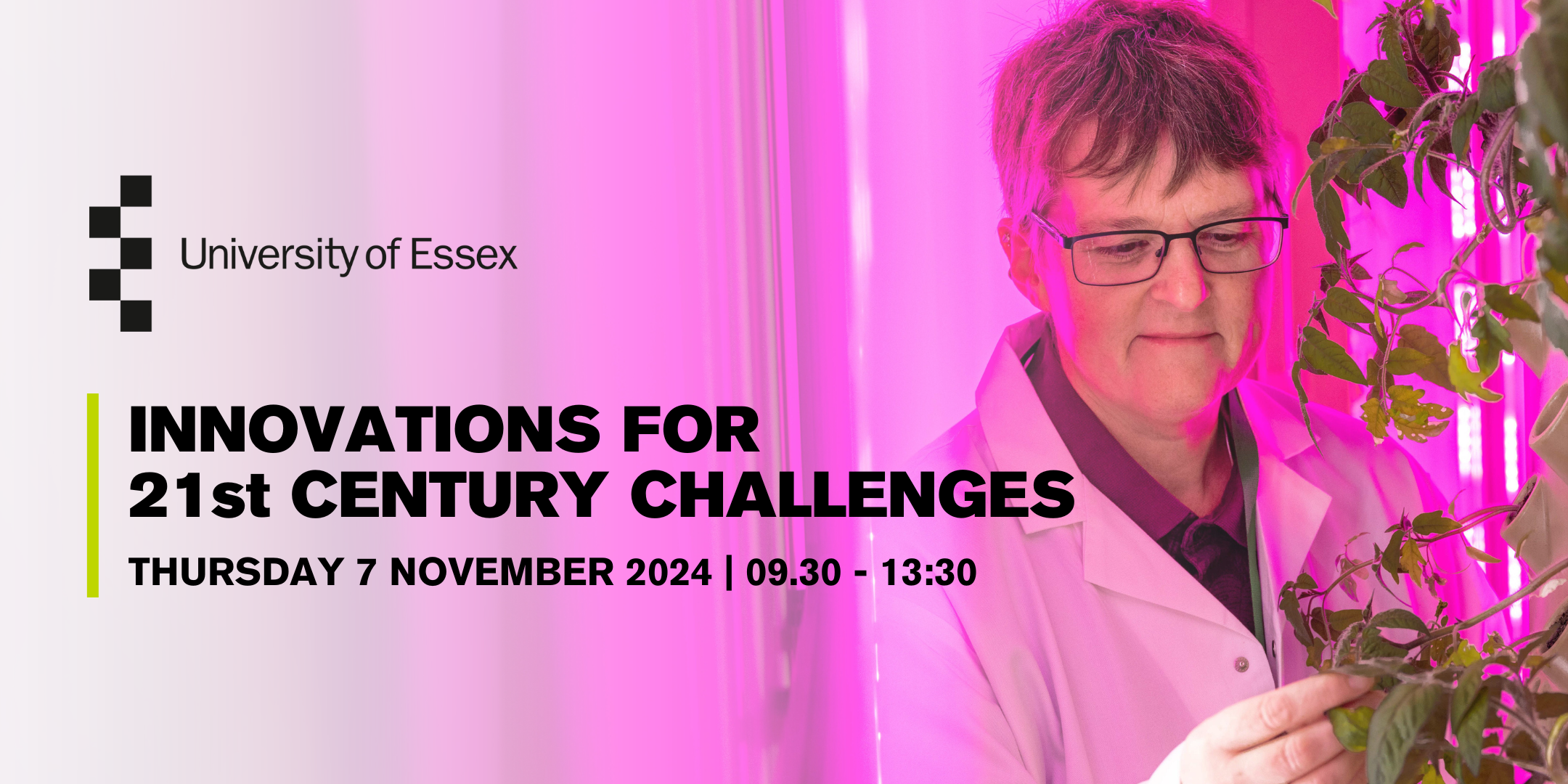
#Innovations for 21st Century Challenges

Tour of the brand new STEPS facility and discovery of the world-class research at the University of Essex.

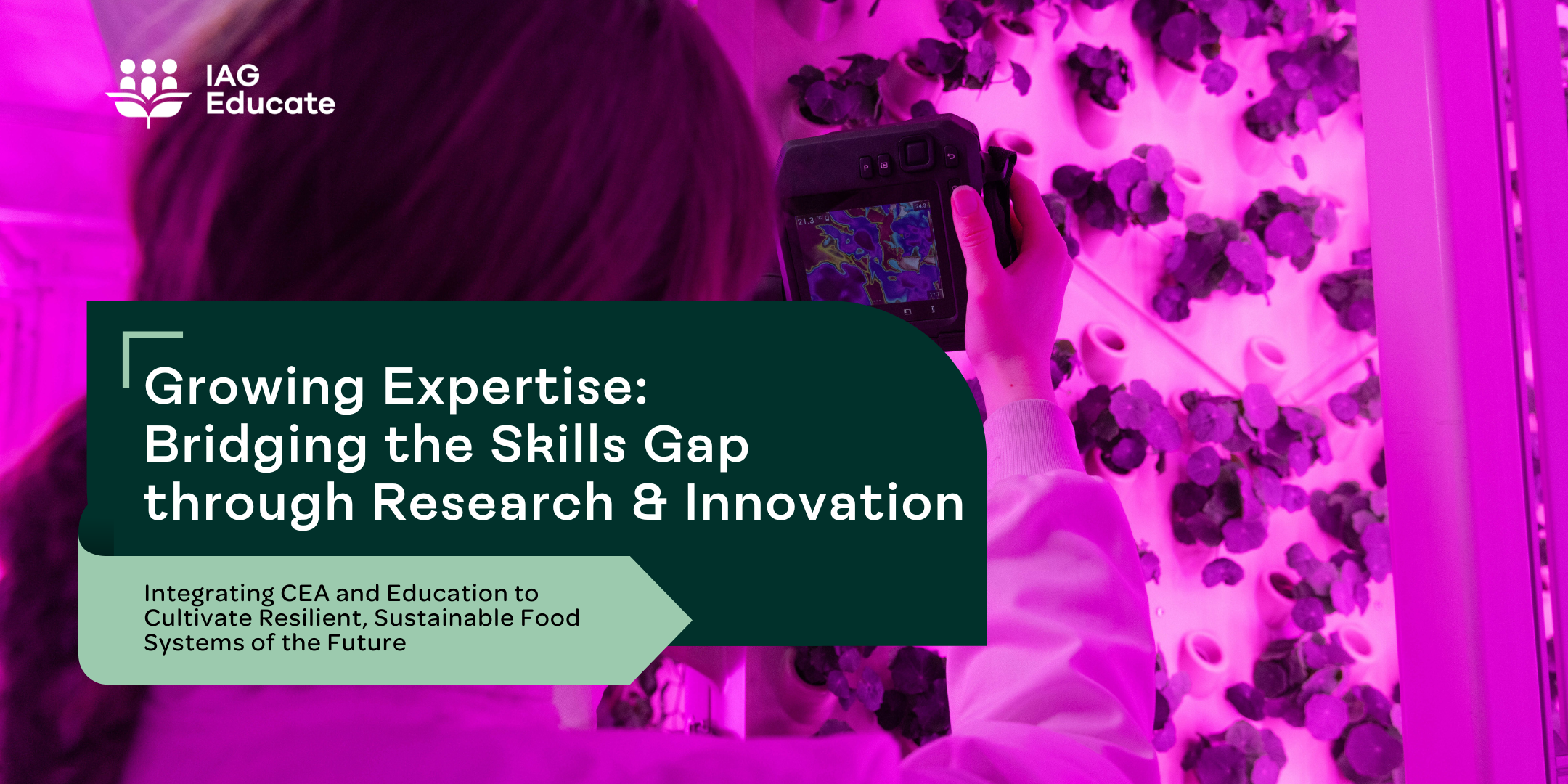
#Growing Expertise: Bridging the Skills Gap through Research & Innovation

Innovation Agri-TechE Group hosted a discussion around the pressing skills gap in agritech, integrating CEA and education to Cultivate Resilient, Sustainable Food Systems of the Future.
#Transition to a sustainable future

Visited Sustainability Farm and saw first hand sustainable agriculture in practice and how we can transition to a more innovative and technology-driven farming system.

#Can Regenerative Agriculture get us closer to Net Zero?

Niab hosted a seminar exploring the role of regenerative farming in the UK.


Soil Microbiome: exploring challenges and finding real time solutions
Monday, 4th November (Basis/Basis EAR/NRoSO - 3 points)

A half day workshop hosted by Anglia Innovation Partnership LLP took a creative format for academic researchers, farmers and industry professionals to jointly explore challenges and develop innovative real-world solutions related to soil microbiome and soil health. This event explored the needs, challenges and key parties involved in developing ground-breaking technology for assessing soil conditions and microbiome ecosystem in real-time outside the confines of a laboratory setting.

Read a summary of the event.

The Future of Crop Protection: Is it Biological?
Monday, 4th November (Basis/NRoSO - 2 points)

This event was for farmers, growers, agronomists, entrepreneurs, and researchers utilising or developing new technologies in crop protection. It aimed to enhance understanding of biological solutions and broader integrated crop management, offering networking opportunities over a hog roast with like-minded people, and contributing to the progress of crop protection practices.

Read a summary of the event here.

Discover the Morley Soil and Agronomic Monitoring Study (SAMS) Project
Tuesday, 5th November (Basis CPD/Basis EAR/NRoSO - 3 points)

A farm tour and roundtable discussion to understand how best to monitor soils across farms, gain insights into the datasets generated, and see how Morley SAMS is supporting projects that improve our understanding of soil and crop interactions across space and time.

Read about the day here.

Transition to a sustainable future
Tuesday, 5th November (Basis CPD/Basis EAR - 3 points)

This event explored the challenges in agriculture, with a particular emphasis on sustainable agriculture and the transition to a more innovative and technology-driven farming system. As the global population continues to grow, it is essential for the agricultural sector to evolve, ensuring maximum yields and economic viability for farmers while adopting sustainable practices that benefit our environment. The event presented practical solutions and strategies to address current agricultural challenges and featured engaging interactive sessions and discussions.

The event took place at Sustainability Farm, the Grange, Wellingborough, where BASF has been partnering with William and Andrew Pitts, for over 15 years, and where attendees saw first-hand how to create a resilient agricultural system meeting the needs of a growing population while safeguarding our environment.

Read about the event here.

Using satellite earth observation to improve or streamline agricultural processes
Tuesday, 5th November (Basis CPD - 1 point)


This online event focused on how satellite earth observation data can be used to support agricultural services. It provided attendees with an understanding of satellite data and some examples of how it could be/has been used in agriculture.

Read a summary of the event.

Can Vertical Farming Help Feed the World?
Tuesday, 5th November (Basis/NRoSO - 2 points)

An RNAA Agri-TechE Week event where attendees viewed Fischer Farms, along with an overview of the Broadland Food Innovation Centre at the Food Enterprise Park.
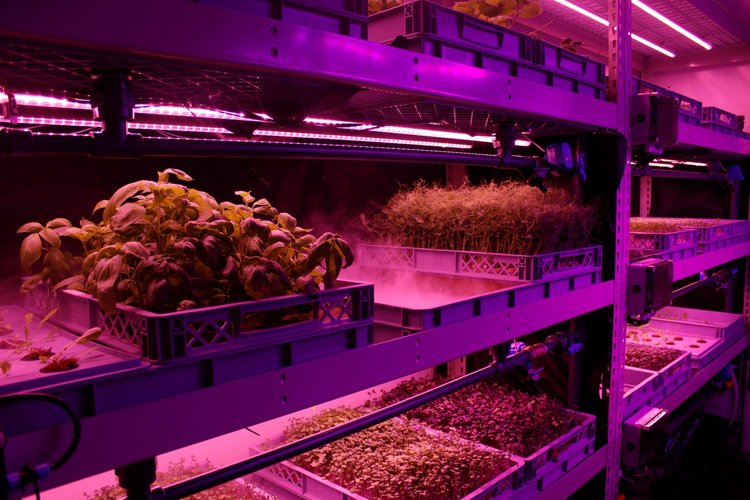
At Fischer Farms, they are creating the farm of the future. And it’s vertical. They are innovators and pioneers in vertical farming, leading the way in scalable food production to provide a more resilient and sustainable way to feed the world.

Read a summary of this sold-out event.

REAP Conference: The Agri-TechE Balancing Act – Optimising One or Managing Many?
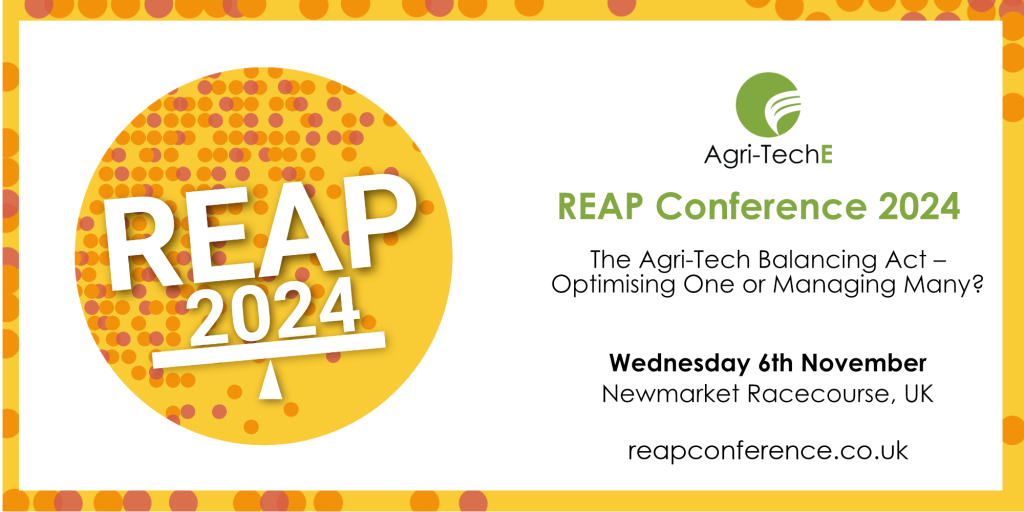
Wednesday, 6th November (Basis/NRoSO - 5 points)

Celebrating its 11th year, the REAP Conference is a cornerstone of the UK’s agri-tech event calendar. By putting farmers at the heart of the discussion, REAP helps delegates navigate the demands of 21st-century agriculture by reframing challenges to inspire new ideas and identify innovative solutions. Agri-TechE ‘s biggest event of the year attracts farmers, researchers, innovators, tech developers and investors, government officials and agribusiness leaders from across the UK and beyond.
Optimise one or manage many? Attendees of REAP 2024 learned that, in the future, both might be possible with new technologies powered by artificial intelligence.

Read our REAP round-up from the day.

Surveillance and Monitoring in Plant Protection
Thursday, 7th November (Basis/NRoSO - 3 points)

An insightful event blending learning and networking where experts discussed innovative strategies to protect crops from diseases, pests, and weeds.

A seminar covered the latest advancements in Surveillance and Monitoring in Plant Protection, featuring early detection techniques for better management, insect monitoring and control with sustainable solutions, as well as weed management tools to identify and control harmful weeds.

The event also included an interactive breakout session and pitches featuring companies based at Rothamsted Agri-tech Business Centre showcasing innovative technologies and real-world applications.

Read a summary from the day here.

Innovations for 21st Century Challenges
Thursday, 7th November (Basis/ Basis EAR - 3 points; NRoSO - 2 points)

What innovative solutions are driving efficiency in energy use, enhancing nutrition, tackling labour shortages, and increasing productivity in all growing environments from controlled-environment agriculture (CEA) to field? This event included a tour of the brand-new Smart Technology Experimental Plant Suite (STEPS), a multi-million pound facility designed to expand the already world leading research that takes place within the Essex Plant Innovation Centre (EPIC).

Hear about the day’s event here.

Growing Expertise: Bridging the Skills Gap through Research & Innovation
Thursday, 7th November (Basis/Basis EAR - 3 points; NRoSO - 2 points)

A visit to the newly installed vertical farm at the University of Essex and discussions into the role of vertical farming and controlled environment agriculture (CEA) in achieving a sustainable food production system – and how university research can help to accelerate its development in the 21st century.

There were live demonstrations of vertical farming technologies, and a discussion on addressing the skills gap in agri-tech.

Read summary from the day here.

Can Regenerative Agriculture get us closer to net Zero?
Friday, 8th November (Basis/Basis EAR/NRoSO - 3 points)

The regenerative agriculture movement has largely grown as a result of a focus on the importance of soil health to support farming system resilience. The focus has widened to include regeneration of biodiversity as well as a rediscovery of the role of biological cycles, alongside targeted use of inputs to support high-quality food production. It was therefore timely to explore the role of regenerative farming in the UK in the context of both adaptation of food systems to climate change and their role in the achievement of net zero.

Experts reflected on the issues and attendees discussed the next steps needed and what roles all stakeholders might play.

Read a summary from the day here.

The benefits of farmer-led regenerative agriculture research

Agri-TechE Article
Agri-TechE

The transition from a conventional farming system to a more regenerative approach involves an element of risk for the farmer as there are so many unknowns.

Progressive farmers are therefore keen to encourage more research and sharing of learning points to help them create best practice and avoid the pitfalls.

Tom Pearson is one of those pioneering farmers taking an active part in a large research programme called H3 (‘Healthy Soil, Healthy Food, Healthy People’), and he is a keen believer that an evidence-based approach is a key component in supporting this transition.

He will be chairing the Emerging Agriculture session at REAP 2024 and has provided his learning points from on-farm trials.

Five principles of regenerative agriculture

There is currently no agreed definition of regenerative agriculture, but an evolving consensus suggests that it involves, to a greater or lesser degree, the adoption of five key principles which aim to improve soil health and the wider environment.

  1. Avoiding disturbance to the soil – through minimum or zero tillage and reducing damage to the soil structure by heavy machinery.
  2. Keeping the soil covered throughout the year.
  3. Growing a diverse range of crops in a rotation that includes those that fix nitrogen and have deeper roots.
  4. Retaining living roots in the soil to maintain the soil microbiome.
  5. Integrating livestock where possible or using organic manures.

Three of the larger regenerative agriculture projects currently underway include AgZero+, Fix Our Food, and H3.

The H3 project aims to understand the potential farm-scale beneficial effects of regenerative agriculture in two distinct UK farming landscapes through in-field and laboratory-based measurements of soil and wider environmental outcomes.

There is also a significant social science component of the research, which seeks to understand the diversity of views on ‘regenerative agriculture’ and the drivers and barriers to farmers changing their farming practices.

Tom Pearson
Tom Pearson

Tom gives his perspective as a  farmer 

Tom runs an arable family farm in Cambridgeshire which has been transitioning to regenerative practices over the last eight years. Originally a medical doctor, he has first-hand experience of working with people struggling with diet related chronic disease, so the H3 project, with a scope that includes social sciences and nutrition, was of both personal and professional interest.

The project will conclude next year (2025), and Tom shares his learning points from a farmer’s perspective.

Tom’s learning points

1: Work with farm clusters – the H3 research focusses on two farm clusters in different geographies. The advantage of working with an established cluster is that we already know and trust each other and so are happy to collaborate and share resources and data.

2: Get a farmer on the steering committee – having a representative farmer on board from the outset provides vital input into the research design. The original concepts proposed by the scientists in H3 would not have worked on a commercial farm.

3: Timescales for research projects are an issue for all – academic research projects are typically only about 3-5 years. H3 is a five-year project ending in December 2025. However, agriculture needs longer time frames, so we are making contingencies for when it finishes. One of these actions was to use some of the research budget to pay for subscriptions to the Vidacycle Soilmentor Regen Platform. Farmer participants have time and support to make it an established part of their practices and once the research is completed, the annual subscription fee will be an affordable cost going forward.

4: Bi-annual review valuable to farmers – for the farmers, bi-annual meetings to review the findings and learning points are very useful. It doesn’t need to be all the logistics of the research, but deep dives with guest experts and group discussions on subjects such as cover cropping, and reducing inputs in a sensible way, are valuable.

5: Include a social science perspective – the H3 project is part of the government funded “Transforming UK Food Systems” programme and so will feed into future policy. If there are going to be policy decisions around the support of regenerative farming, it is important to make sure the farmers’ story is included and to understand the potential bottlenecks and problems. I think the social science element of H3 is a fantastic addition.

6: Allow a budget for the farmer – if the project is to be farmer-led it is important to allow a budget for the farmer’s time in the proposal.
In the H3 project there was no payment for the farmers.  We were very transparent with this and made it clear that although they are not being paid, they are getting a lot of great stuff. Katherine Berthon did an excellent mid-term bespoke report for each farm with their data which was well received. However, if you want a farmer on the advisory board then you need to pay for their time.

7: Research as a farm diversification – you can’t have a researcher on the farm all the time, but if we had a small budget for sampling then I could write that into the job description when someone new is hired. Being part of a research project makes it exciting for the team and the research could be kept going beyond the lifetime of the academic project.
There is a model for this. BOFIN (British on Farm Innovation Network) has managed to find a way of finding those grants and remunerating farmers for hosting research and gain additional payments for sampling. This opens the opportunity for that to be a new source of revenue.
BOFIN have proven that self-selected farmers are more than capable of delivering quality sampling at good value. What’s more, surveying that needs to be done at multiple geographical sites in small weather windows would be logistically and financially challenging if undertaken by in-house academic staff. So, academics benefit from being able to conduct research that might otherwise never see the light of day.

8: Support transformation – the benefits of H3 will go on beyond the lifetime of the project. Our group is growing as farmers are ‘looking over the hedge’ and seeing the benefits. There are currently 36 farmers benefiting from the H3 research, of which seven are currently practicing regenerative agriculture. Research is a brilliant way of sharing and facilitating learning.

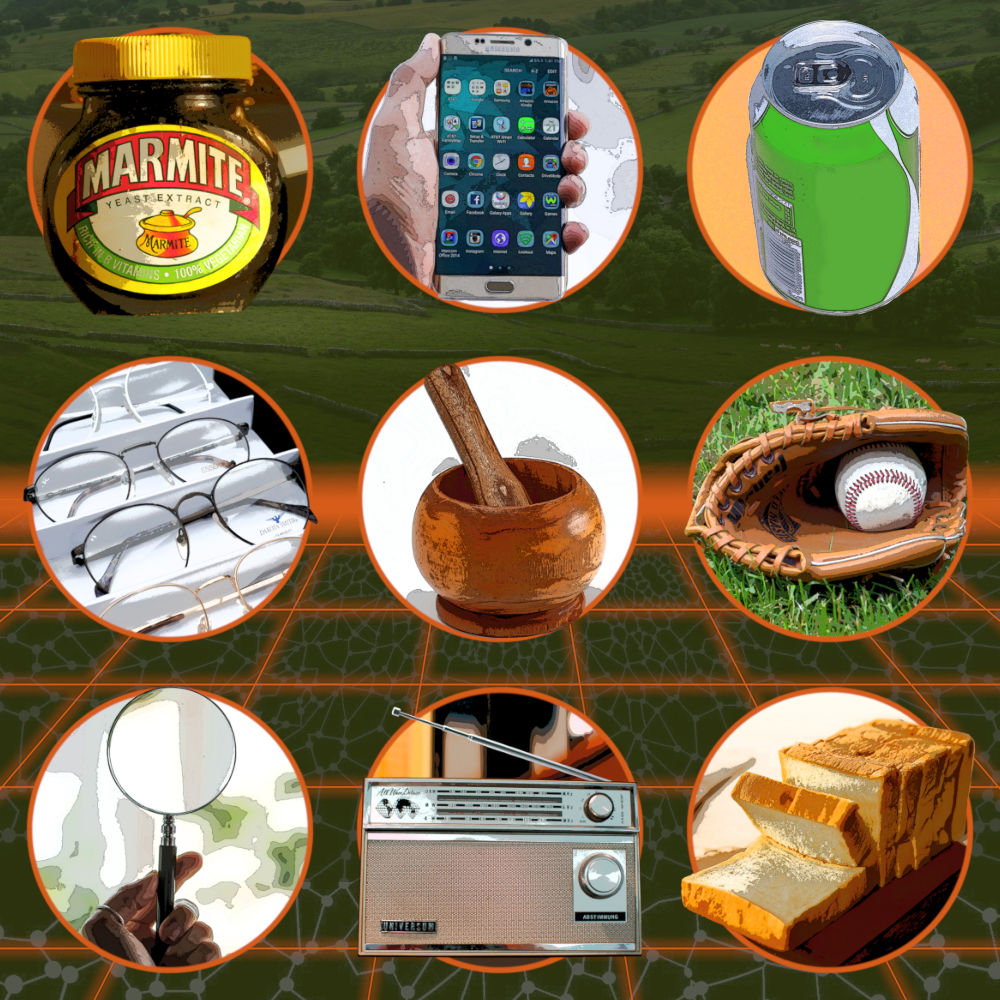
Tom Pearson will be chairing a ‘fireside chat’ with research scientists during the Emerging Agri-TechE session at REAP 2024. Research scientists will each bring a household object that captures the concept of their research and Tom will be asking ‘what does this mean for farmers?’

Researchers will include:

Louise McNicol, Researcher at SRUC’s Beef and Sheep Research Centre

Robert Jackson, Senior Data Scientist at Niab

Marcello Calisti, Associate Professor of Agri-Robotics at University of Lincoln

Ashleigh Lister, Senior Research Assistant at Earlham Institute

Marcelo Precoppe, Reader in Agricultural Engineering at Harper Adams University

Louise McNicol, Research Associate at SRUC

Find out more and book your ticket at  reapconference.co.uk

Unveiling the theme for REAP 2024

Agri-TechE Blog
Agri-TechE

“You’re ALL individuals” proclaims Brian, the anti-hero in Monty Python’s infamous film, The Life of Brian.

“Yes” replies the assembled crowd, speaking in unison… “We ARE all individuals.”

Global agriculture has become simultaneously both larger scale and yet more granular and personalised, thanks to technology. But do the benefits of bespoke management of individual plants, animals or birds really outweigh the costs when compared with broadscale handling of the entire crop, herd or flock?

On the one hand, the ability to observe and manage very large areas of land is a triumph of productivity and efficiency, enabling farm and land operations to take place at scale. Within that, however, are innovations that are enabling ever more precise management of crops and livestock – to the point where individual plants, animals and land areas can benefit from specific, tailored husbandry regimes.

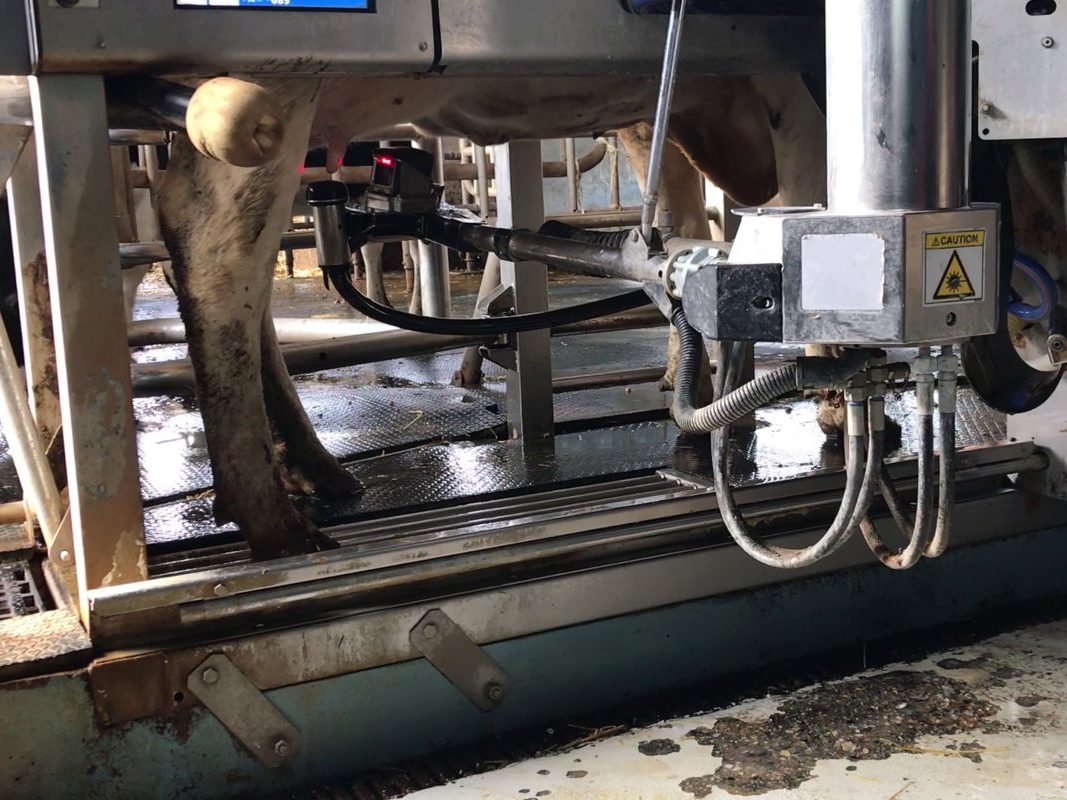
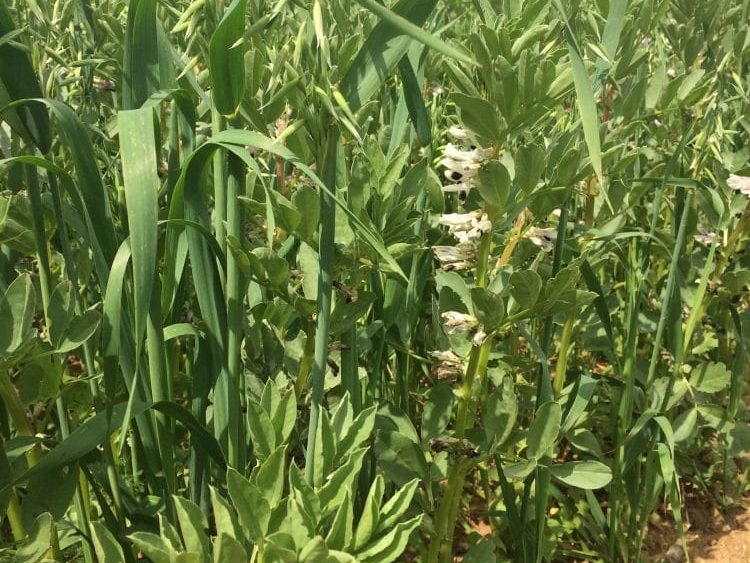
Robotic dairies have made management of individual dairy cows a reality, and the rise of robotics and automation enables per-plant management. As interest rises in inter-cropping, it’s even possible to manage two or more crops simultaneously in a field, so one size – or blanket application – no longer fits all.

Robotic dairy
Milking robot at Mill Farm Dairy
Intercropping plants
Intercropping beans

But how feasible is it to deliver optimal nutrition, water, and bespoke pest and disease prevention to every individual and, is it worth the return on the investment?

Do yields, quality and welfare increase significantly by better, bespoke management?

Will this accelerate the journey to reaching net zero GHG emissions for the industry?

And will precision management mean that individuals become more resilient to a lower input future, or will it lead to even more dependence and an unmanageable data tsunami to keep track of the various demands and needs of individuals?

Just because technology enables detailed information to be gathered at a very granular level, is it desirable to do so? What is this information revealing about what to do differently?

Enter REAP 2024.

theme for REAP 2024

To answer all these, for our theme this year we’ll be considering where the balance lies between “management of the many” compared with “optimisation of the one.”

As well as hearing about the hottest agri-tech start-ups, the exciting emerging farm-facing research, and meeting existing and future contacts, registration is now open for REAP 2024.

Our keynote REAP speaker, Elliott Grant from Mineral, has been pioneering “computational agriculture” to transform agriculture. His thesis is that high frequency – not just high-resolution management in farming is now possible, with autonomous, AI-enabled machines working alongside humans. This way, the robots and humans can learn together the specific details of a farm, field, soil type, and management practices can build on previous learned knowledge and designed experimentation.

Join us on 6 November, 2024. REAP 2024 Early Bird tickets are on sale now.

And, we are accepting applications for organisations to join our REAP technology exhibition.