The Productive Landscape: NatureTech for Profit and Planet
How can technology enable delivery of food, nature recovery, and climate resilience - all at once? The Head of the Environment Agency is asked: what's the national plan for dealing with land use pressures, plus you’ll hear from technologists and land managers working on nature-based and tech-enabled solutions for water, soils and climate adaptation.

Wyld Networks has signed an agreement with a Brazilian strawberry producer

Member News
The views expressed in this Member News article are the author's own and do not necessarily represent those of Agri-TechE.

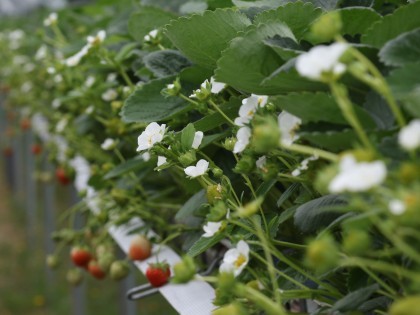
Wyld Networks has signed an agreement with the Brazilian strawberry producer, Staw Agricultura.

They will deploy Wyld Network’s sensor to satellite connectivity to collect soil moisture data from strawberry farms, ensuring high yields, high-quality fruit and sustainability.

Nano Electronic Services: Thinking differently about electronics manufacturing

Member News
The views expressed in this Member News article are the author's own and do not necessarily represent those of Agri-TechE.

Nano Electronic Services is breaking the mould on PCB assembly. As a manufacturing agency, Nano sits between the customer and supply chain and manages the process.

The model is analogous to a travel agent. If people want to go on holiday, they can choose an area, research hotels, find deals, make bookings, negotiate rates and organise flights, insurances, car parking and more. Alternatively, they
could ask they local travel agent to handle everything.


Nano has looked at the market, identified key suppliers and negotiated preferential terms with the supply network. By matching projects to factories there is no compromise. Prototypes and low volume
assembly are placed with factories setup for this, while production is placed with factories suitable for higher volume. Offering a single NRE per project means customers only pay one set of tooling charges. Should the build move from one factory to another, no extra charges are incurred. This means Nano can offer a wider choice of suppliers and bottlenecks and delays are reduced by having two or three factories capable of producing the same board. Obviously, if factory A has built boards and always can, then factory A does. Builds are not moved for the sake of it.


Each factory has a proven assembly track record and receives regular audits so Nano can ensure quality and reliability. Adding new suppliers as required is easy. For the customer nothing changes as they are still working with Nano so the accounts team don’t get upset with new suppliers being added. A single point of contact to multiple factories with Nano accepting the challenge of managing the process.

An ideal approach for start ups who maybe don’t know where to go for support, or end up talking to multiple people about the same thing.

More information here

eFeed: Cattle and Climate – A Comprehensive Review on Feeding Strategies to Control Enteric Methane Emission from Cattle

Member News
The views expressed in this Member News article are the author's own and do not necessarily represent those of Agri-TechE.

Feeding strategies to mitigate methane emissions from dairy and beef cattle pertaining to ration balancing program and use of phytochemical feed additives: A Review

a. V. Vismitha Shree, b. Parag Ghogale, c. Kumar Ranjan

eFeed Life Sciences, Research and Development,

a. Product Manager, eFeed Life Sciences
b. Senior Dairy Nutritionist, eFeed Life Sciences
c. Chief Executive Officer, eFeed Life Sciences

Abstract

The escalating global demand for animal-derived foods places strain on livestock systems, notably contributing to the 14.5% of total greenhouse gases emitted by livestock. Among these emissions, methane from cattle, primarily in beef and dairy production, stands out as a major concern. This comprehensive review explores sustainable strategies to mitigate methane emissions, focusing on early-life interventions, Total Mixed Ration (TMR) balancing, and the use of phytochemical feed additives such as essential oils, allicin, tannins, saponins, and curcuminoids. These diverse approaches not only reduce methane production but also enhance animal productivity, emphasising the critical need for environmentally responsible and economically viable practices in livestock farming.

Keywords:
Methane emissions, Livestock, Sustainable feeding, Total Mixed Ration (TMR), Phytochemical feed additives, Essential oils, Allicin, Tannins, Saponins, Curcuminoids.

Introduction


The global demand for animal-derived foods continues to rise, placing immense pressure on livestock systems. Modern feeding patterns have introduced more concentrate based rations which are leading to more emissions from dairy cattle. Livestock emissions, contributing to 14.5% of total greenhouse gases, are a major focus, with cattle being primary contributors, particularly in beef and dairy production, notably in methane emissions (1-3). Almost 71% of total methane production originates inside the rumen during digestion and fermentation of feed and forages, leading to a higher production of metabolic hydrogen (H2), subsequently converted to CH4 as a protective mechanism (3). Sustainable animal feeding is a crucial aspect of modern agriculture, emphasising the efficient utilisation of natural feed resources while safeguarding the environment and ensuring the production of economically viable and safe animal products (Makkar, 2016)

Methane emission stands as a significant obstacle to environmental sustainability, being a major contributor to greenhouse gases (Chuntrakort et al., 2014). Beyond its environmental implications, methane represents a loss of carbon sources, leading to unproductive dietary energy use, with potential losses of up to 12% of dietary energy intake (Kim et al., 2012). eFeed is currently working on strategies to reduce methanogenic microbiota in calves during the process of rumen development.

To balance conventional feed and fodder through TMR feeding to limit methanogenesis by using RationCraft software and natural ingredients to use in cattle feed or feed supplements to reduce methane emissions and thereby improve FCR of dairy animals by diverting energy lost towards production and body maintenance. Calves fed with feed additives since birth to weaning showed decrease in methane emissions post-weaning to 1 year of age. However, further research and studies are required to reduced methane emissions from calving stage as developing rumen is further going to harbour more methanogenic bacteria and archeas in due course of time.

Balanced total mixed ration and improved feeding practices results in higher feed conversion ratio, thereby increasing milk production and weight gain and also reduces methane emission. Once the protein: energy (P:E ratio) is maintained in the diet, it will help to utilise amount of protein and amino acids for growth, production and reproduction. Utilising energy in this way will allow in more hydrogen ions to be used in the process, which leads to less availability of hydrogen ions for methane generation
Research is going on various feed additives to competitively reduce hydrogen ion availability and to inhibit methanogens. Many of the ingredients are synthetic and not environment friendly. Therefore using natural ingredients will be a sustainable approach to tackle this issue.

Plant secondary metabolites, including saponins, tannins, essential oils, organo-sulphur compounds, and flavonoids, are known for their antimicrobial properties (Hague et al., 2018). Herbs and spices, rich sources of these metabolites, present a natural and safe alternative to chemical feed antibiotics (Yang et al., 2015). Feeding bioactive-endowed plant products not only benefits in sustainable management practice but also improves productivity without posing any adverse effects. This approach has the potential to mitigate enteric methane and nitrogen emissions through the modulation of rumen function and microbial community (Kamra et al., 2012; Salami et al., 2019) The inhibitory effects of oils on Gram-positive bacteria, influencing H2 production and methanogenesis, have been demonstrated in various studies (17, 18).

In conclusion, the comprehensive exploration of sustainable animal feeding encompasses bioactive feed resources, medicinal herbs, and strategic feeding. By understanding the potential of these diverse elements, researchers seek to address the dual challenge of improving animal product quality while mitigating environmental impacts, particularly methane emissions. The findings from these studies are expected to contribute valuable insights and innovative solutions to the ongoing discourse on sustainable and efficient livestock production. As global demands for animal-derived foods continue to escalate, the imperative to develop environmentally responsible and economically viable practices in the livestock sector becomes increasingly valuable.

Mechanisms governing enteric methane production
Two primary mechanisms underpin the variation in methane production in cattle. The first revolves around the amount of dietary carbohydrate fermented in the reticulorumen. This intricate mechanism involves numerous diet-animal interactions that impact the equilibrium between carbohydrate fermentation rates and passage rates. The second mechanism regulates the available hydrogen supply and subsequent methane production through the ratio of volatile fatty acids (VFA) produced.
The critical factor in this regulation is the fraction of propionic acid produced relative to acetic acid. The acetic:propionic acid ratio has a profound impact on methane production. If all carbohydrate is fermented to acetic acid with no propionic acid production, energy loss as methane would be as high as 33% (Wolin and Miller, 1988). Given that the acetic:propionic acid ratio typically varies from approximately 0.9 to 4, the corresponding methane losses exhibit significant variability.

Research indicates that as the daily feed intake of an animal increases, the percentage of dietary gross energy lost as methane decreases by an average of 1.6% per level of intake (Johnson et al., 1993b). The type of carbohydrate fermented significantly influences methane production, likely through its impact on ruminal pH and microbial population. Fermentation of cell wall fiber results in higher acetic:propionic acid ratios and, consequently, higher methane losses (Moe and Tyrrell, 1979; Beever et al., 1989). Grinding and pelleting of forages can markedly decrease methane production (Blaxter, 1989). These effects become more apparent at high intakes, with methane losses per unit of diet potentially reduced by 20 to 40%.

The addition of fats to ruminant diets influences methane losses through multiple mechanisms, including the biohydrogenation of unsaturated fatty acids, enhanced propionic acid production, and protozoal inhibition (Czerkawski et al., 1966). While the addition of long-chain polyunsaturated fatty acids has been shown to decrease methanogenesis, the overall impact on total metabolic hydrogen remains relatively small. Ruminal protozoa may play a significant role in methane production, particularly when cattle are fed high-concentrate diets. Observations suggest possible interspecies hydrogen transfer between ruminal methanogens and protozoal species (Stumm et al., 1982)

Feeding strategies to control methane emissions
Feed & Fodder
Among the strategies aimed at mitigating methane emissions, dietary manipulation stands out as a straightforward and practical approach. This method not only promotes enhanced animal productivity but also contributes to the reduction of methane emissions. Dietary strategies can be categorised into two primary groups: i) enhancing forage quality and adjusting the diet proportions, and ii) supplementing the diet with additives that either directly impede methanogens or modify metabolic pathways, thereby reducing the substrate available for methanogenesis.

The prevailing method involves modifying the type or quality of forage and adjusting the concentrate-to-forage ratio in the feed. Opting for younger plants with higher fermentable carbohydrates, reduced non-digestible fiber (NDF), and a lower C:N ratio contributes to high-quality forage, ensuring increased digestibility and passage rate. This, in turn, steers rumen fermentation towards propionate production [34, 35]. As propionate serves as an alternative hydrogen (H2) sink, an elevation in propionate production results in less H2 available for methanogenesis [36]. However, solely relying on forage is insufficient to enhance animal performance, as concentrates are typically incorporated into the feed in varying proportions. Concentrates, with fewer cell walls and readily fermentable carbohydrates such as starch and sugar, play a crucial role. Studies have indicated that the addition of 35% or 60% concentrate to the feed leads to a reduction in methane (CH4) production, accompanied by improved productivity.

Essential oils and Plant extracts
Essential oils (EOs) are volatile, aromatic liquids derived from various plant sources, encompassing flowers, seeds, buds, leaves, herbs, wood, fruits, twigs, and roots [74]. Microbes exhibit varied responses to EOs, either promoting or inhibiting specific microbial groups like methanogens. Some EOs hinder protozoa growth indirectly or through biohydrogenation of unsaturated fatty acids, limiting hydrogen availability for methanogens [77, 78]. Guyader et al. demonstrated a 29% reduction in methane emissions and a 50% decrease in protozoal population with increasing saponin dosage in an in vitro batch culture [95].

The methane-suppressing effects of plant secondary metabolites (PSM), including essential oils, are attributed to their antimicrobial properties against bacteria, protozoa, and fungi in the rumen [77, 78, 79]. Due to their lipophilic nature, essential oils have a high affinity for microbial cell membranes, impacting microbial populations by interacting with functional groups on the cell membrane [58]. Methanogenesis is further inhibited by essential oils, influencing protein degradation and amino acid determination [59]. Ongoing research is essential to explore the potential incorporation of essential oils into mainstream livestock farming practices, considering their promising impact on mitigating methane emissions and optimizing microbial balance in the rumen.

a.Cinnamon extracts

Cinnamon powder, rich in flavonoids, saponin, and tannin, has demonstrated methane-reducing properties in livestock. The addition of cinnamon powder to the substrate resulted in a notable decrease in total gas methane production, with reductions ranging between 7% and 14%. The key bioactive compounds in cinnamon, such as polyphenols and cinnamaldehyde, contribute to its inhibitory effects on methane production. Studies confirm the presence of various secondary metabolites in cinnamon, including flavonoids, tannins, saponins, and alkaloids. The tannin content in cinnamon powder, determined through the Folin Ciocalteu method, was found to be 5.64%, along with other constituents like flavonoids (7.21%) and saponins (6.02%)

b.Saponin in Yucca schidigera extracts

Yucca schidigera (YS), belonging to the Agavaceae family, holds substantial potential for various applications, historically recognized for its effective treatment of inflammatory conditions. Originally native to North America, particularly the arid Mexican desert, YS extracts (YSE) offer diverse benefits in animal nutrition. Rich in phytochemicals, including steroidal saponins and polyphenolics like resveratrol, YS is regarded as a major commercial saponin source, contributing to odour control in intensive farming. Continuous discovery of new steroidal saponins in YS adds to its bioactive profile.
Studies primarily focused on ruminants, especially cattle and sheep, reveal promising effects of YSE on gas mitigation. Increased YSE feeding in lactating dairy cows demonstrated a significant linear effect on 4-hour and 24-hour gas production. Similarly, in vitro experiments with various ruminal substrates showed increased total gas production as dietary saponin levels rose. YSE addition effectively reduced methane production in multiple studies without adversely affecting gas production rates. Adjusting saponin levels in YSE treatments aimed to avoid potential side effects on ruminal fermentation, maintaining non-significant differences in methane production. Notably, a 1% sarsaponin concentration effectively inhibited methane in steers without compromising animal performance. Ongoing analysis of YS structures and bioactive components promises further insights, offering potential applications for environmental pollution mitigation in the livestock industry and improved feed efficiency.#

c. Allicin

Allicin has been reported to reduce the production of CH4 by reducing the number of methanogens (Kongmun et al., 2011). Busquet et al. (2005) reported that CH4 production was significantly reduced by allicin supplementation. They also found that the supplementation of allicin reduced the deoxyribonucleic acid (DNA) of methanogens. Meanwhile, Liu et al. (2013) suggested that illite had a high CH4 adsorption capacity, which reduced CH4 production in the intestine and Biswas et al. (2018) found that CH4 production was reduced by 13% with 1% illite supplementations. As a result, it was presumed that allicin affected the methanogens, reduced CH4 production and thereby increased the concentration of CO2. Based on batch culture and dual flow continuous culture studies, the supplementation of garlic oil (300 mg/L) and allicin (a sulphur-containing bioactive compound in garlic; 300 mg/L) decreased CH4 yield (mL/g dry matter (DM)) by 73.6 and 19.5%, respectively, compared with control basal diets consisting of 50:50 forage:concentrate ratio, over 24 h [37]. Dietary supplementation of allicin at 2 g/d for 42 d decreased CH4 yield (mL/g DM) by 6% compared to a control diet in sheep [10
Garlic contains the organosulphur compounds allicin (C6H10S2O), alliin (C6H11NO3S), diallyl sulphide (C6H10S), diallyl disulphide (C6H10S2), and allyl mercaptan (C3H6S) [137–140] (Figure 3). These compounds are widely known for their unique therapeutic properties and health benefits, as they act as antioxidants to scavenge free radicals [141]. Garlic derived organosulphur compounds demonstrate different biochemical pathways that may provoke multiple inhibitions [142]. One potential pathway for the direct inhibition of methanogenesis by garlic is via the inhibition of CH4-producing microorganisms such as archaea [142]. Archaea possess unique glycerol-containing membrane lipids linked to long-chain isoprenoid alcohols, which are essential for cell membrane stability. The synthesis of isoprenoid units in methanogenic archaea is catalysed by the enzyme hydroxyl methyl glutaryl coenzyme A (HMG-CoA) reductase. Garlic oil is a potent inhibitor of HMG-CoA reductase Gebhardt and Beck [142]; as a result, the synthesis of isoprenoid units is inhibited, the membrane becomes unstable, and cells die.

d. Plant polyphenols

Early studies on the effects of dietary PP focused mostly on the effect of tannins on ruminants’ performance and feed utilization efficiency: in fact, tannins have been shown to possess both detrimental and favorable effects, depending on the diet composition, the animal species, the tannin source, and the level of their inclusion in the diet (Frutos et al., 2004; Waghorn, 2008). Tannins might have a toxic effect on some rumen microbes, by altering the permeability of membranes (Frutos et al., 2004). Moreover, tannins may inhibit the enzyme activity of ruminal microorganisms (Jones et al., 1994). However, the toxic effect is strongly dependent on the dose and the nature of tannins as well as the bacteria species. For instance, an in vitro study demonstrated that the activity of proanthocyanidin against Clostridium aminophilum, B. fibrisolvens, and Clostridium proteoclasticum depended to their chemical structure, whereas the growth of Ruminococcus albus and Peptostreptococcus anaerobius was strongly affected, regardless of the fraction of proanthocyanidin adopted or the dose applied (Sivakumaran et al., 2004). Condensed tannins have a direct inhibitory effect on hemicellulases, endoglucanase, and proteolytic enzymes of several rumen microbes such as F. succinogenes, B. fibrisolvens, Ruminobacter amylophilus, and S. bovis (Jones et al., 1994; Bhat et al., 1998). Conversely, P. ruminicola is able to counteract the negative effect of tannins by producing protective extracellular material (Jones et al., 1994).

I.Tannins

An interesting development in CH4 mitigation research is the development of forages with higher levels of tannins, such as clover and other legumes, including trefoil, vetch, sulla and chicory [29]. The anti-methanogenic activity of tannins has recently been investigated in vitro and in vivo [83]. The CH4-suppressing mechanism of tannins has not been described clearly; however, this mechanism may inhibit ruminal microorganisms [77]. Tannins may inhibit, through bactericidal or bacteriostatic activities, the growth or activity of rumen methanogens and protozoa [84]. Methane production was reduced (up to 55%) when ruminants were fed tannin-rich forages, such as lucerne, sulla, red clover, chicory and lotus [81]. Although tannins appear promising for CH4 mitigation, these impede forage digestibility and animal productivity when fed at a higher concentration, limiting their future wide-scale use in CH4 abatement [19]. However, more research may identify the balance between CH4 reduction and possible anti-nutritional side effects as associated with tannin supplementation.

II. Saponins

Saponins are naturally occurring surface-active glycosides that are found in a wide variety of cultivated and wild plant species that reduce CH4 production in the rumen [29, 79]. Saponins have a potent antiprotozoal activity by forming complex sterols in protozoan cell membranes [83] and, to some extent, exhibit bacteriolytic activity in the rumen [66]. Saponins are antiprotozoal at lower concentrations [85], whereas higher concentrations can suppress methanogens [77]. Saponins inhibit ruminal bacterial and fungal species [79] and limit the H2 availability for methanogenesis in the rumen, thereby reducing CH4 production [77]. Methane reduction of up to 50% has been reported with the addition of saponins [86]. However, a wider range of CH4 reduction (14–96% depending on the plant and the solvent that was used for extraction has been reported [62].

e. Curcuminoids

Turmeric, recognized for its medicinal properties, contains fat-soluble polyphenolic pigments known as curcuminoids, contributing to its status as a medicinal plant. Enriched with nonnutritive phytochemical constituents, turmeric is acknowledged for its disease preventive properties, containing approximately 3-6% phenolic compounds collectively referred to as curcuminoids (Niranjan and Prakash, 2008).
In experiments, turmeric consistently and significantly reduced gas production when included at levels above 5 mg/g of substrate throughout a 48-hour incubation period. Notably, at 10–15 mg/g inclusion, turmeric exhibited a significant reduction in methane, carbon dioxide, ammonia, total volatile fatty acids production, and substrate degradation. Concurrently, the inclusion of turmeric led to a reduction in rumen bacteria and protozoa at 10–15 mg/g, with fungi reduction observed at 15 mg/g inclusion. Microbial biomass reduction was evident at 15 mg/g of turmeric inclusion.
Turmeric’s impact on gas production, particularly the sustained reduction above 5 mg/g, suggests its potential to inhibit carbohydrate degradation in the rumen. The initial reduction effect diminishing at 5 mg/g after 27 hours implies microbial adaptation to turmeric at lower inclusion levels during fermentation. The observed decrease in total volatile fatty acids aligns with reduced acetic acid and butyrate production, given that gas production typically occurs during the fermentation of substrate carbohydrates to acetate and butyrate. Furthermore, turmeric’s inhibitory effect on ammonia production suggests potential benefits in optimizing dietary protein utilization in the rumen, showcasing its multifaceted impact on ruminal fermentation dynamics.

Conclusion

In conclusion, addressing methane emissions from cattle is imperative for environmental sustainability. Designing diets that reduce methane emissions while maintaining optimal nutrition and productivity can be challenging. Research and development are needed to identify and refine additives that are both practical for on-farm use and environmentally sustainable. Many farmers may not be aware of or understand the importance of methane mitigation strategies. Implementing effective educational programs to disseminate knowledge and encourage the adoption of sustainable practices among farmers is challenging. Developing standardized and cost-effective measurement techniques to monitor emissions on a large scale is essential and still needs research. Methane emissions from cattle are a global issue that requires international collaboration. Coordinating efforts and policies across countries to address methane mitigation uniformly and effectively is of great importance. This comprehensive review highlights importance of mitigating methane emissions early life stage of cattle, diverse feeding strategies through TMR balancing and using advanced software , emphasising use of phytochemical additives, essential oils, and naturally occurring compounds like allicin, tannins, saponins, and curcuminoids. These approaches offer multifaceted benefits, from inhibiting methanogenesis to improving animal productivity. Phytochemical feed additives are emerging as a particularly impactful candidate, consistently reducing gas production and methane while influencing microbial populations in the rumen. The ongoing pursuit of sustainable animal feeding practices is essential for meeting global food demands while mitigating environmental challenges.


Institutional Review Board Statement: This study neither involved human/animal participation, experiment, nor human data/tissues.
Data Availability Statement: All data generated during the study are included in the published article(s) cited within the text and acknowledged in the reference section.
Acknowledgments: Open Access Funding by eFeed Life Sciences
Conflicts of Interest: The authors declare that they have no conflict of interest
References

Verdesian Europe and Africa: Circular Economy

Member News
The views expressed in this Member News article are the author's own and do not necessarily represent those of Agri-TechE.

What Is A Circular Economy?

How many natural resources do we have left on this planet? Do we want to take resources, consume them and then dispose of them? Given the challenges of climate change, pollution and waste, a circular economy aims to reduce the usage of finite resources and wastes.

A circular economy is based on three basic principles:

1. Design Out Waste & Pollution
2. Keep Products & Materials In Use
3. Regenerate Natural Systems

In contrast to a linear economy which takes natural resources and turns them into consumable products then disposes of the waste, a circular economy will recycle, reuse and remanufacture with the aim of reducing waste by limiting the use of natural resources.

Why Use A Circular Economy?

The obvious benefits are a reduction of wastes and conservation of natural resources but also this can directly benefit businesses, the environment and society in general.

In a circular economy, the value of products and materials is maintained for as long as possible, while waste and resource use are minimised.

A product produced from a circular economy will have minimal need for natural resources and are designed to be efficient and environmentally friendly.

Back in 2014, the circularity rate of materials in the EU was 3.6%.In 2019, this figure jumped up to 11.8%. As can be clearly seen from this trend, the propensity of the EU is to adopt a circular economy going forward to allow for a greener environment.

How does the circular economy work in farming?

Many industries are already adopting a circular economy and one of these industries is the agricultural sector.

The aim of a circular economy within agriculture, just like in other industries, is to minimise external inputs for the production of food and reduce the impact on the environment.

This helps increase economic and ecological efficiency.

Advantages of a Circular Economy

Perhaps one of the most useful aspects of a circular economy in agriculture is upcycling or reusing by-products which in a linear economy would be discarded as waste.

In fact, a circular economy has already existed in some form since antiquity, as animal waste from livestocks is re-used or processed into fertiliser. Biomass digesters are also using low value organic matter from plants or animals and upcycling to produce a source of energy plus fertliser.

Regenerating Natural Systems

With the amount of pollution and food wastage going on around the world, adopting a circular economy within the agricultural industry is imperative, as we continue to minimise wastage and reduce the impact on the environment.

Verdesian is one of the world’s leading companies in producing products that help develop a sustainable economy. Verdesian is developing a new range of products to help support the circular economy, through the upcycling of marine resources and by-products normally discarded as waste.

More information and results on this new range of Circular Economy products will be shared from the Verdesian Research and development team in the coming months.

Subscribe to our newsletter to ensure you can keep up to date with our advances.

Resources

Bury Lane Farm: houseplants sales continues to soar

Member News
The views expressed in this Member News article are the author's own and do not necessarily represent those of Agri-TechE.

Bury Lane, a peat-free grower near Royston, Hertfordshire, and a major Tesco supplier, has witnessed a surge in houseplant sales, now producing over 500,000 annually, as reported in major publications like The Guardian, Telegraph, Independent, Mail, Times, Sun, Mirror, and Evening Standard.

The growing demand, attributed to the work-from-home generation’s preference for ‘indoor gardens,’ has led to Bury Lane shifting from cut flowers to houseplants, catering to the trend that originated during the pandemic and continues to thrive, fueled by social media engagement. This strategic shift reflects the adaptability of innovative farmers and agri-tech businesses and their responsiveness to changing consumer preferences. 

John Innes Centre: Future Farming funding boost to Sugar Beet innovation in Norwich

Member News
The views expressed in this Member News article are the author's own and do not necessarily represent those of Agri-TechE.

The John Innes Centre, Norwich Research Park partners and British Sugar have secured significant new funding to develop innovative gene editing approaches to protect the British sugar beet crop against potentially catastrophic losses to virus yellows disease. 

The award from Innovate UK’s Farming Futures Research and Development Fund, is made jointly to British Sugar, agricultural biotechnology company Tropic and the John Innes Centre. The British Beet Research Organisation – the UK’s beet sugar industry’s dedicated research centre – will also support the project which aims to build resilience and productivity in this economically important crop. 

The project’s full budget is £1m, of which £663,443 is grant funded by the Department for Environment, Food and Rural Affairs’ (Defra) Farming Innovation Programme, and the remainder by British Sugar, Tropic and the John Innes Centre. 

Professor Steven Penfield, whose group at the John Innes Centre will develop the technology necessary to support the gene-editing of sugar beet, said: “This welcome investment recognises the role of the John Innes Centre as a national capability in developing and applying precision breeding approaches such as gene editing to crop protection. 

“We look forward to deploying this expertise in partnership with British Sugar and Tropic for the benefit of British sugar beet growers.” 

The project will use Tropic’s Gene Editing induced Gene Silencing (GEiGSⓇ) technology platform to introduce minimal, precise genetic changes to redirect sugar beet’s own natural defence mechanisms towards enabling resistance to virus yellows – a crop disease spread by aphids, which had a severe impact on the homegrown sugar industry with significant impacts on the livelihoods of British sugar beet growers. 

Ofir Meir, Chief Technology Officer at Tropic, said: “The GEiGS® technology, which combines elements of precision breeding techniques like gene editing and a naturally occurring immunity mechanism known as gene silencing, is a game changing platform allowing us to develop improved varieties of sugar beet that are better able to withstand disease – and environmental – pressures to enable much more sustainable cropping practices.” 

Ultimately, successful project outcomes will protect British sugar beet farmers from potentially catastrophic losses to virus yellows disease, increase crop productivity, resilience, and sustainability, while supporting progression towards net zero emissions in English agriculture.  

It will also build technical capabilities in sugar beet gene editing for the UK and more generally, develop other traits to protect and enhance the crop.  

This approach has been enabled by the recent passing of the Genetic Technology (Precision Breeding) Act 2023.  

In 2020, the UK beet sugar industry suffered an extreme and unprecedented impact of virus yellows disease, with at least 40% of the crop affected nationally, and overall yields were down 25% on the five-year average. Work has since been ongoing to protect the crop from this disease. 

Dan Green, British Sugar Agriculture Director, said: “We are delighted to have been awarded this funding, which will help us make great strides in our work towards protecting the sugar beet crop from virus yellows disease, and potentially other crop diseases in the future. We look forward to continuing to work with our partners, Tropic and the John Innes Centre, to progress this work over the coming years, for the benefit of the whole UK beet sugar industry.” 

Verdesian Europe and Africa Partners with Bayer’s Better Life Farming Initiative in India

Member News
The views expressed in this Member News article are the author's own and do not necessarily represent those of Agri-TechE.

CARY, N.C. – Verdesian Life Sciences, a worldwide leader in nutrient use efficiency technologies for agricultural use, is pleased to announce that it has joined Bayer’s Better Life Farming initiative in India to provide sustainable agricultural products like AVAIL® Phosphorus Fertilizer Enhancer, SEED100 and Nursery+® to smallholder farmers in India. These products will be offered across more than 750 Better Life Farming Centers supporting over 400,000 smallholder farmers throughout the region.

Bayer’s Better Life Farming (BLF) is a global, multi-stakeholder alliance, which works with partners across the agri-value chain to support smallholder farmers in developing economies to increase crop yields and farm incomes. Launched globally in April 2018, the BLF alliance has global partners that include: Bayer with its expertise in seeds, crop protection and agronomy; IFC, the development finance institution for impact assessment; and Netafim for drip irrigation technologies. In India, the BLF alliance works with additional local partners including: Yara Fertilisers for soil and nutrient management; DeHaat, AgriBazaar and Big Basket as off-takers; and Tata Trusts for improving rural livelihoods and promoting self-reliant agri-entrepreneurship.

“We are a global company, but one with a mission and a heart for small farmers all over the world,” said Kenneth Avery, CEO, Verdesian. “This relationship will allow growers in South Asia access to our sustainable ag products that will allow them to enjoy healthy crops and strong yields through efficient technologies.”

D. Narain, Senior Bayer Representative, South Asia and CEO & MD, Bayer CropScience Limited said, “Empowering smallholder farmers is crucial for India’s food security. Better Life Farming aims at enabling smallholders to unlock their farming potential. Reinforcing Bayer’s commitment to ‘Health for All, Hunger for None,’ the partnership with Verdesian will provide farmers with access to sustainable products encouraging financial security and know-how, thereby aiming at doubling their incomes whilst also protecting the environment. Through such strategic partnerships across the agri-value chain, we aim to create a sustainable eco-system where traditional and digital marketplaces co-exist with the common aim of providing farmers with greater choice.”

Verdesian Life Sciences

Founded in 2012, Verdesian Life Sciences offers patented biological, nutritional, fertiliser enhancers, seed treatment and inoculant technologies for high-value specialty crops, row crops, and turf and ornamental markets. Verdesian’s plant-health products, nutritional catalysts and seed treatments/inoculants help growers farm more efficiently to maximise yields. Verdesian’s technologies answer the needs facing agriculture including increasing pressures on food demand, supply and food safety. Verdesian remains committed to the research and development of environmentally sustainable products.

Bayer

Bayer is a global enterprise with core competencies in the life science fields of health care and nutrition. Its products and services are designed to help people and our planet thrive by supporting efforts to master the major challenges presented by a growing and ageing global population. Bayer is committed to drive sustainable development and generate a positive impact with its businesses. At the same time, the Group aims to increase its earning power and create value through innovation and growth. The Bayer brand stands for trust, reliability and quality throughout the world. In fiscal 2020, the Group employed around 100,000 people and had sales of 41.4 billion euros. R&D expenses before special items amounted to 4.9 billion euros. For more information, please visit www.bayer.com.

John Innes Centre: US gardeners rush to snap up purple tomatoes pioneered in Norfolk

Member News
The views expressed in this Member News article are the author's own and do not necessarily represent those of Agri-TechE.

A genetically modified purple tomato first produced by Norfolk scientists nearly two decades ago has been enthusiastically adopted by home gardeners after it was made available for purchase in the United States. 

Seeds of the high-anthocyanin purple tomato are in strong demand, with more than 1,200 packets selling within 48 hours of launch, and 9,600 sold in the first week. 

Norfolk Healthy Produce, a subsidiary of Norfolk Plant Sciences founded by Norwich Research Park scientists Professor Cathie Martin FRS and Professor Jonathan Jones FRS, launched its striking new product on February 6. 

The commercial launch of their first product, purple tomato seeds retailing at $20 per pack, marks a major milestone in a long journey for Professor Martin, a group leader at the John Innes Centre, who announced the purple tomato in a landmark scientific paper published in 2008. 

Read the full article here

SEAD Artists: Drone RePeat – A future of drones within Paludiculture

Member News
The views expressed in this Member News article are the author's own and do not necessarily represent those of Agri-TechE.

The PEF funded project Drone RePeat, led by AutoSpray Systems and Skypointe Ltd, working with DronePrep, Aerofirm and TAPSW (SEAD Artists) recently launched their project with a webinar “Introduction to the use of drones within Paludiculture” in which they demonstrate the integration of drone technology into agricultural practices and how this project will develop to demonstrate how drone technology can be used within lowland peat.

Read the full article here.

Verdesian Europe and Africa: Exploring BioStimulants – Demand, Growth & Challenges

Member News
Majd Hishmeh
The views expressed in this Member News article are the author's own and do not necessarily represent those of Agri-TechE.

Why Should It Matter?

To solve our climate challenge and protect nature we must embrace, transform, and accelerate innovation in agriculture. ​

As one of the largest greenhouse gas-emitting sectors of the global economy, with inorganic fertilisers accounting for 18% of ammonia pollution and agriculture responsible for 87% of nitrous oxide emissions, efforts to embrace biostimulant technology and solutions in our global food systems need to be at the heart of change.​

To reach our goals we must close the technology gap in agriculture, with new technologies and methods of producing food that protect nature.​

How Can We Make A Difference?

Biostimulants and sustainable farming are amazing and benefit everyone from manufacturers to consumers.​

​We need to move the grower’s mindset to embrace biostimulant advancement as an essential part of their program, needed to achieve world climate goals, crop quality, and ROI outcomes consistently with evidence of efficacy.

Europe is the current leader in the consumption of Biostimulants, sitting at 38%, whilst the US and Canada are at 13% consumption and the Middle East and Africa at 3% with high potential to increase in the Biostimulants sector to increase their quality and yield of their produce.

Global Bio-Stimulants Market

Europe – 38%

Asia – 28%

Latin America – 20%

US & Canada – 13%

Middle East & Africa – 3%

Protect And Nurture

People want to know the food they are eating is safe, and that the production of it is not harming the environment​.

It’s got to be affordable; the scales of the economy need to be high to meet affordability​.

Supermarkets are starting to enforce residue levels, pesticides, and other elements​, which is not the answer to a sustainable and green future.

For the industry to embrace, improve, and grow it needs an industry body that can create greater awareness and understanding​.

Embracing Bio-Stimulants

An example of how we can improve the industry can be seen with our CROP+ bio-stimulant which was successfully trialled with yellow kiwi (Variety G3):

The trial period was 21 days. Results were compared to non-treated crops​.

The 21-day duration of the trial was conducted through a heatwave.​

Fruit drop was successfully reduced by 14.5%, which was compared to untreated crops in the same trial​.

Yield was increased by 6.3 Tonnes per Hectare when compared to the untreated crop in the trial​.

The marketable fruit was increased by 7.6% when compared to the untreated crops​.

Overcoming Abiotic stress​

Furthermore, testing on CROP+ was done to investigate how it reacts to abiotic stress. Abiotic stress is the adverse effect of any abiotic factor (non-living) on a plant in a given environment, impacting plants’ growth and development.

To determine the influence of cold stress; and the effect of use the bio-stimulant CROP+ had on chemical characteristics, two tomato fruit plants were subjected to low-temperature stress. ​

The plant on the right was treated with the Bio-Stimulant CROP+ (shown in Figure 1).​

2 weekly product applications were made to the tomato plant on the right, then both plants were exposed to -5 degrees for periods of 2 hours.​

It was successfully demonstrated that the anti-oxidant technology in CROP+ reduced abiotic stress​.

Key findings:

Improves flavour by increasing the soluble solids/acidity index on tomato fruits, even under water stress​.

Causes Improved quality of taste and sweetness of tomato​.

Leads to an Improvement in quality retained 9 days post-harvest​.

Biostimulant demand is Rising

Demand for Biostimulants is rising, which could have many negative effects on the environment, due to the byproducts of producing them.

S&P Global estimates the bio-stimulants market to be worth around US$2,556 million in 2021, growing at 10% per annum, indicating increasing global demand for bio-stimulants.​

Markets & Markets values the bio-stimulants market at USD 3.5 billion in 2022, projected to grow at a CAGR of 11.8% to reach USD 6.2 billion by 2027.

A log

What NUENeeds To Happen To meet the CAGR forecast​

Agricultural Challenges

Seaweed​

Global seaweed production has risen exponentially to 30Mton annually and could face production limitations​.

37% of bio-stimulants used globally contain seaweed extracts and represent $940m​.

Seaweed has potential as a direct food source for humans and animals, seaweed extracts are not only shown to boost abiotic stress resistance in crops but also to increase their nutritional value. ​

Overall crop yield could be increased by the application of seaweed extracts as bio-stimulants under normal and stress conditions.​

Humic & fulvic acid​

33% of bio-stimulants globally use coal extracts, and this represents $840m globally.​

Coal as a source of energy is damaging the global environment​.

The materials derived from coal are useful in agriculture as fertilisers, insecticides, disinfectants, herbicides, fungicides, fumigants, preservatives, plant-growth regulators, and food dyes. ​

Crop nutrition derived from coal provides phosphorus, calcium, and other nutrients that crops need to grow while increasing soils’ capacity to hold water​.

​Amino acids and Microbials​

30% of bio-stimulants used globally contain amino acids and microbials. Amino acid sources are marine, animal, and veg, which represent $800m globally.​

Amino acids and microbials can modulate gene expression and induce metabolic changes in treated crops​.

The most likely candidates for the biostimulant effects of AC & MB are the complex carbohydrate compounds found in these extracts.​

This is the future, but obstacles exist in the supply chain around the sources of amino acids and amongst industry regulators for microbials.​

Grower Adoption

US market growth is needed, as it is currently so small, and it holds the distinction of being the top producer in the world of maize. ​

The average size of a maize field in the US is around 4 times the size of the average French farm. The cost of facilitating a 2nd treatment/application is potentially inordinate and causing concern amongst growers regarding the retainable ROI​.

Biostimulants going forward must have a clear demonstratable ROI across the environment, climate, quality, and yield.​

Closing The Gap

To reach our projected CAGR and solve our climate challenges, while protecting nature, supermarkets must embrace, transform and help accelerate innovation in agriculture​.

As the preeminent link in the supply chain from manufacturer to consumer tier-one supermarkets need to take accountability and responsibility, by not creating regulations, policies, and procedures for their respective supply chains, outside of the industry, regulator, and consumer requirements​.

To reach our goals we must close the gap in agriculture, with new technologies and methods of producing food that maximise quality and protect nature.

Conclusions

Impact

Growers are unintentionally blocking the projected 11.8% CAGR, due to their compressed margins and the continued pressure to operate at a profit. ​

With many growers in single percentage ROI, they are forming cost-based views around the importance of Bio-Stimulants and sustainable farming. ​

Reduce

The retail sector of the supply chain is the key to overcoming this sustainable farming obstacle as they are the gateway and controller to the consumer. ​

This gives them the power to influence the grower in a sustainability and environmental direction. ​

Quality

The whole industry needs a collective independent body from the 500+ manufacturers within it, to create awareness and educate the retailers. ​

We need to help Retailers do the right thing in their supplier policies back to the growers, encouraging them to embrace our Bio-stimulant advancements and control what they should be doing in their farming practice​.

Agricultural Challenges | Summary

We must:

Collectively move the grower’s mindset​.

Embrace the next generation of technology and innovation.

Reverse our unintentional damage to the environment​.

Support and show commitment with tier-one supermarkets​.

Educate the supply chain​ and the Industry collective body needs to create awareness.

Have a clear ROI for Bio-stimulants going forward (environment, climate, quality, and yield)​.

Link To Presentation

You can find more information on this research in the link to our presentation:

Exploring Bio-Stimulants Presentation

Verdesian Europe & Africa: How to use seed treatments to boost cereal crop production

Member News
The views expressed in this Member News article are the author's own and do not necessarily represent those of Agri-TechE.

What are seed treatments?

Seed treatments are products that farmers use in the earliest stages of their crops’ growth. Using a seed treatment such as Take Off PGA Biostimulant Seed Treatment and Tuxedo Micronutrient Seed Treatment means that seeds have stimulation from the earliest stage of the growth process, leading to better growth in the long term.

What does a seed treatment do?

A seed treatment does a few different things, including:

Increasing the mass of roots: Having a greater amount of mass in the roots of the crop means that the root collects more nutrients and water from the surrounding ground.
Improving photosynthesis efficiency: More efficient photosynthesis means a greater rate of growth, as the plant has more energy from the same resources.
Supporting nitrogen use: Seed treatments enable more efficient nitrogen transfer, which creates stronger roots and structures within the plant.
More hardy crops: Seed treatments create crops that are more resistant to shocks such as extreme temperature changes and waterlogged fields.

The benefits of using seed treatments

One of the biggest issues farmers face is the limit on the number of resources available for their growth as a business. For example, where a factory can always build in more capacity, a farm can’t always buy the next field. Using a seed treatment on your planted crops means that you increase your yields without spending more on expanding your land or planting more seeds.

Farmers also benefit as their plants are more resilient to the challenges of climate change. NASA forecasts that global temperatures are set to rise between 2.5 to 10 degrees Fahrenheit over the next century. Plants are very susceptible to changes and evolution in the local climate, which means that having a harvest that is more durable ensures that your business is protected from the worst of any climate impacts.

Try Take Off PGA & Tuxedo

If you’re a farmer considering seed treatments to improve your cereal crop output, try Take Off PGA and Tuxedo to discover the benefits of improving yields for your farm today.

NFU Conference – thinking beyond the politics

Agri-TechE Article
Agri-TechE

Food security, water management and the logistics of cross border trade were among the key themes of a discussion between NFU president Minette Batters and the PM Rishi Sunak at the NFU Conference. Thinking beyond the politics there is a need for innovation in all these areas to tackle the root causes.

It was the first time that a prime minister had spoken at the conference for over a decade and Sunak was keen to discuss the government’s recent responses to farmers’ concerns. These included a withdrawal from the trade deal with Canada, new legislation to support fair and transparent contracts in the dairy and poultry sector, and the introduction of a new Food Security Index that would differentiate home-grown produce.

However, questions from the floor soon highlighted how extreme events are impacting the sector, creating deep seated challenges that need a longer term strategic response.

The PM voiced the desire for British farmers to produce a higher proportion of the food consumed in the UK, citing tomatoes, lettuces and plums as examples of produce that could be grown locally to fulfil demand. He suggested that better labelling would support this.

Recent weeks have seen farmers being asked to store water on their land to protect houses and businesses. In response to Minette Batters’ suggestion that a different approach was needed to water management. He replied that the flood recovery framework was offering up to £25k for land damaged by flood waters.

And when a Hertfordshire farmer described how the cost of trade with EU neighbours was prohibitive, the PM said progress had been made with Sweden and Austria.

Under the shadow of an election, a politician’s response will always offer a short-term fix for the symptoms, when what is needed for agriculture is a sustainable solution for an uncertain future.

Day 1 of NFU Annual Conference 2024 at the International Convention Centre, Birmingham, England, United Kingdom. Pictured Prime Minister The Rt Hon Rishi Sunak MP Credit: Jonathan Hipkiss / Exposure Photos 20/2/2024

It is time to look beyond the politics. Times journalist Ben Spencer reported today (20 Feb 2024) that a University of Oxford spinout has developed a new solar cell that can capture 28.6 per cent of the solar energy that strikes it and he juxtapositions this with the fact that every 14.5 seconds enough solar energy hits the earth’s surface to power all our needs for a day.

Although this prospect is beyond futuristic, the reality is that in many cases we already have the technology that can overcome the intractable challenges in agriculture. What is needed is the will, of industry and policy, and agronomic context in which to apply it.

Improved food security in one of the world’s most fertile countries is a realistic concept. A recent Defra commissioned report concluded that the technology was already available to make the UK’s Industrial Horticulture Sector not only profitable and productive but also an exporter of produce on the international stage. Significant investment is required, but food insecurity is only going to intensify.

Water management needs to address excess and shortage so a whole catchment approach is needed to plan water resources. This needs to go beyond creating new reservoirs and restricting abstraction licences.

Our recent investigation of novel agri-tech for smart water management, revealed opportunities for improved storage in the environment, ways to protect soil from water loss and opportunities to repurpose grey water. Obviously small scale solutions can only address local issues but we know from history that engineering solutions can revolutionise water management.

As a nation the UK imports 46% of the food it consumes, with around a quarter of the UK’s food imports passing through the Short Strait (Dover and the Channel Tunnel). The UK food supply chain is dependent upon just-in-time logistics systems, which allow the transportation of food as close as possible to when it is needed.

The technology exists for digital verification and validation of units down to the size of a tablet. This technology embedded into pack sheds and integrated into current logistics could enable digital passports for fresh produce, fast tracking it through the ports and across borders.

Design thinking is rarely applied to agriculture. This innovation concept takes the view of the (technology) user and designs the solution around their needs.

In a political vacuum, using this approach to garner multi-disciplinary perspectives to industry challenges, could potentially move the industry beyond promises to deliverables.

Further outcomes from the conference

Prime Minister’s speech – The Government has committed to maintaining the farming budget of £2.4bn for this Parliament and there will be a Farm-to-Fork food summit each year. Also a new annual UK-wide Food Security Index to capture and present the data needed to monitor levels of food security.

£220m (already announced) is now available for innovation and productivity grants that includes grants for solar and no-till drills:

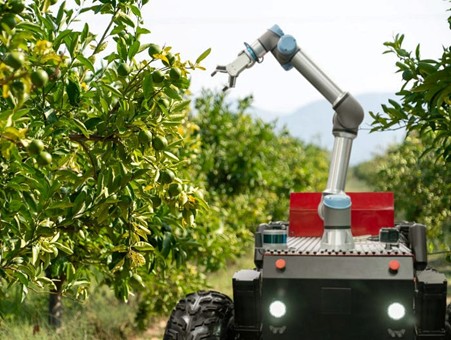
  • Robotics and solar grants for farmers including for autonomous tractors and robotic weeders
  • Farm Equipment and Technology Fund plans to incentivise the use of no-till drills

More about funding.

Alan Lovell, chair of the Environment Agency – outlines response to water management including a £25 million fund for natural flood management, with successful projects to be announced 23 Feb 2024.