Patenting, Trademarks, Copyright, Trade Secrets...
In the next installment of our micro-learning series, we’ll explore potential legal solutions to help you keep your ideas safe and sound.

Grain to Glass: Setting the Standard for Industry-Wide Sustainability in Beer Production

Member News
The views expressed in this Member News article are the author's own and do not necessarily represent those of Agri-TechE.

 Colorado’s First Climate Smart Barley Project Shows Greenhouse Gas Removal

(FORT COLLINS, CO – DATE, 2025) – Today, New Belgium Brewing, Olander Farms, and Root Shoot Malting, in collaboration with Downforce Technologies, announced the successful demonstration of climate smart barley farming’s ability to remove greenhouse gases from the atmosphere while maintaining high brewing quality standards. The Climate Smart Barley project, funded by the Colorado Department of Agriculture, is the first in the state to demonstrate a climate-smart barley supply chain that meets international greenhouse gas standards (ISO 14064).

As part of this initiative, Olander Farms’ barley fields achieved an estimated net removal of over 4,000 tons of carbon while also improving farm-level operational performance. In addition to carbon removal, Olander Farms achieved a relative soil health score of 84%, representing best in class agricultural performance. This score was calculated using Downforce Technologies’ advanced soil health system and a patented U.S. land classification model which compares how similar pieces of land perform, using 20 variables.

Brewing trials confirmed that the high quality of the barley was fully maintained, suggesting the supply chain’s potential to scale climate-smart practices across the beer industry.

“A part of New Belgium’s climate strategy focuses on reducing greenhouse gas emissions in our operations and supply chain so that the product consumers pull off the shelf does not contribute to irreversible climate change,” said New Belgium’s Senior Director of Environmental Programs Walker Modic. “Having this project’s data indicates we can make sustainable, low-emissions beer from grain to glass.”

Using Downforce Technologies’ ISO 14064-aligned verification and advanced soil health measurements, the project provides audit-ready sustainability data that breweries can use to meet carbon reduction commitments and inform Scope 3 reporting of indirect emissions across a company’s value chain.

“Olander Farms is a 100-year-old, five-generation family farm, and we’re proud to supply craft malt to breweries and distilleries throughout the US.,” said Todd Olander. “The Climate Smart Barley project demonstrated that our regenerative practices aren’t just good for the land, they’re actively removing carbon from the atmosphere. It’s a meaningful step forward for the agriculture and brewery supply chain.”

The project indicates a replicable model that is designed to not only build sustainability credentials but also establish supply chain resilience and a premium product for the consumer.

“The project shows that connecting farmers, maltsters, and breweries through verified data can turn climate smart barley into a reliable, resilience-building asset,” said Head of Product & Business Development (Americas) at Downforce Technologies Luke Richards. “Many consumers are willing to pay more for sustainably produced beer, and with Colorado’s sizeable barley production and craft industry, scaling the Climate Smart Barley project’s verification framework could deliver significant environmental and economic benefits.”

This shared project was made possible by the Colorado Department of Agriculture.

DOWNLOAD THE CASE STUDY HERE: https://tinyurl.com/Beer-project

About New Belgium Brewing

New Belgium Brewing is a leading US premium adult beverage company, known for its iconic portfolio and unique approach to business. Founded in a Fort Collins, CO basement in 1991, New Belgium has grown into one of the most successful breweries in the country, known for Voodoo Ranger IPA, Fat Tire Ale, Bell’s Two Hearted IPA, Oberon Ale, an award-winning wood cellar program, and much more. Over the past three decades, New Belgium’s Human Powered Business model of caring for people, protecting the environment, and owning our impact has remained consistent, guiding our business practices in all that we do. This ethos continues on today and has enabled us to reach many significant milestones over the past three decades including becoming the first craft brewery to become a certified B-corp still in operation, developing the first carbon-neutral beer in Fat Tire, and much more.

New Belgium expanded to Asheville, NC, in 2016, Daleville, VA, in 2023, and acquired Bell’s Brewery, in Kalamazoo, MI in 2021.To learn more about New Belgium, visit www.newbelgium.com and to learn more about Bell’s, visit www.bellsbeer.com.

About Olander Farms/Root Shoot Malting

Root Shoot Malting is a fifth-generation family farm and a first-generation craft malthouse producing responsibly-raised, caringly-crafted, high-quality malts. We believe farmers are stewards of the land and that responsible agriculture can support a better food and beverage industry. Located on the Olander family farm in Loveland, Colo., Root Shoot produces malts made from barley, wheat, rye, oats and corn and is working to protect farmland through its conservation easement with Colorado Open Lands. Find our craft malts online at rootshootmalting.com.

About Downforce Technologies

Downforce Technologies is a climate technology company delivering independent, science-led soil health and carbon monitoring at scale. Our mission is to be the world’s leading enabler of agricultural soil health regeneration by providing low-cost, accurate data that helps land managers restore soils and habitats, improve resilience, and contribute to global climate and food security goals.

Built on world-leading, independently verified science, our ISO 14064-validated and U.S.-patented platform uses advanced modelling and remote sensing to measure soil health and soil organic carbon with accuracy and consistency. This impartial digital MRV approach empowers supply chain leaders, sustainability managers, and landowners to monitor impact, track progress toward targets, assess risk, and identify opportunities for profitability, productivity, and regeneration.

Operating in 22 countries and having assessed over 100 million acres globally, Downforce Technologies is making trusted soil data accessible worldwide to accelerate the transition to sustainable agriculture and nature-positive land management.

  • *I have permission from the copyright holder to publish this content and images.

Fields of the Future: Episode 3 – Biodiversity Net Gain – Opportunity or Obligation?

Member News
The views expressed in this Member News article are the author's own and do not necessarily represent those of Agri-TechE.

Introducing Fields of the Future, a new podcast for farmers who want to get the most out of their farm businesses and unlock their agricultural potential. 

Each episode brings together voices from across the industry – farmers, agronomists, researchers, and innovators – to share independent, science-led insights that matter in the field. Whether you’re looking for practical advice, emerging trends, or a deeper understanding of the challenges shaping the sector, Fields of the Future is your go-to source for informed, accessible conversations.

Episode 3: Biodiversity Net Gain – Opportunity or Obligation?

In this episode, we explore Biodiversity Net Gain from three key perspectives: an estate already benefitting from this income stream, a developer navigating planning complexities, and rural consultants helping landowners unlock the potential of their land. This is a must-listen for understanding how BNG is reshaping the rural economy.

Listen now:

Subscribe to Fields of the Future on your favourite podcast platform and follow Ceres Research on social media @ceresresearch_ for updates, research highlights, and future episodes.

Become a Ceres Research Member

As a Ceres Research member, you will have access to more podcast content, exclusive insights, and tools to help unlock the full potential of your farming business. Click here to find out more.
  • *I have permission from the copyright holder to publish this content and images.

Funding Alert: New DEFRA grant competitions now open for Agri-TechE innovators

Member News
The views expressed in this Member News article are the author's own and do not necessarily represent those of Agri-TechE.

DEFRA has announced two new funding opportunities under its Farming Innovation Programme, giving UK agri-tech innovators the chance to access substantial collaborative R&D support.

To be eligible, your project must:

  • Address a significant industry challenge or opportunity in at least one of the following subsectors:
    • Farmed animals
    • Plants
    • Novel food production systems
    • Bioeconomy and agroforestry
  • Significantly improve:
    • Productivity
    • Resilience
    • Sustainability
    • Progression towards low-emission farming
  • Clearly demonstrate how it will benefit farmers, growers or foresters in England

These schemes are designed to accelerate cutting-edge innovation in sustainable agriculture, with projects required to deliver benefits that can be exploited in England.

🌱 Farming Innovation Programme: Small R&D Partnership Projects (Round 4)

This competition is aimed at collaborative R&D projects that push forward innovative solutions for farming and food production.

Key details:

  • Open now – closes 5 November
  • Project costs: £1m–£3m
  • Duration: up to 30 months
  • Must be collaborative
  • Project start: by 1 July 2026
  • Project end: by 31 December 2028

🌾 Farming Innovation Programme: Feasibility (Round 4)

This strand is designed to support feasibility studies that test the potential of early-stage ideas before progressing to larger-scale development.

Key details:

  • Open now – closes 3 December
  • Total eligible costs: £200,000–£500,000
  • Duration: up to 24 months
  • Must be collaborative
  • Project start: by 1 July 2026
  • Project end: by 30 June 2028

⏰ Don’t miss out

With deadlines fast approaching, now is the time to scope your project ideas and identify partners.

Project scoping and application preparation

At Tatton Consulting, we’ve helped secure over £100m in non-dilutive grant funding, including £25m+ for agriculture, food, and agri-tech. With a 70%+ success rate and a proven track record across Innovate UK, DEFRA and more, we bring strategic insight and hands-on bid expertise that can make all the difference.

🔍 Agri-TechE Member Perks

To support the Agri-TechE network, we’re offering:

  • Free 30-minute project scoping & assessment session
  • 10% discount on all grant support fees

Our team provides honest, upfront advice, no boilerplate bids, and bespoke project design to maximise your competitiveness. And with a ‘No-Win, No-Fee’ option, there’s no risk in exploring your eligibility.

📧 Book your session: funding@tattonconsulting.co.uk
🌐 Learn more: ukgrantfunding.co.uk


  • *I have permission from the copyright holder to publish this content and images.

Organic September Spotlight: How Far Organic Farming Has Come (and What’s Next?)

Member News
The views expressed in this Member News article are the author's own and do not necessarily represent those of Agri-TechE.

Key points:

  • Evidence of Healthy Soils: Organic farming can improve soil health factors, especially soil biology. But do you need to go organic to reap these benefits? This report underscores practices that all farmers – organic or not – can consider in improving their soil, the key asset on any farm.
  • Profitability Gap Narrows: While organic yields can typically be 18% lower than conventional, price premiums (20–30%) can offset this, making organic farming financially viable, but only with the right market and policy support.
  • UK Needs to Rethink Policy: The UK is lagging in support for organic farming, despite rising consumer demand. Imports are filling the gap. Stronger policies, such as conversion payments, farm advice programmes, consumer education, and procurement support, often evident in EU counterparts, are needed to strengthen domestic production.

Organic farming has transitioned from a niche movement into a well-studied approach at the heart of sustainable agriculture. As we celebrate Organic September – a month-long focus on organic food and farming – it’s a good time to reflect on how far organic practices have come in the UK and internationally.  Drawing on recent research and industry data, this article explores soil health, farm profitability, and policy support, while offering actionable insights for farmers and agri-professionals.

Healthier Soils: Organic’s Living Legacy

One of organic farming’s clearest successes has been its positive impact on soil health. Organic systems rely on natural inputs (compost, manure, diverse rotations) and biological processes to maintain fertility. The result? Soil that is richer in life and resilience. A recent comprehensive review of 463 studies in temperate climates (Dongo, 2025) shows significant improvements in soil biological activity under organic management:

  • Microbial biomass: +34-84% increase in soil microbes in organic vs conventional fields
  • Earthworm abundance: +78% higher earthworm populations on average under organic management
  • Nitrate leaching: -26% reduction in nitrate loss from soils with organic practices

Healthier soils mean not only improved biodiversity below ground, but also cleaner water, stronger resilience, and potential carbon sequestration. The message applies beyond organic: all farmers can benefit from practices like diverse rotations, organic matter additions, reduced agrochemical use, and fostering soil biodiversity.

Profitability and Yields: Closing the Gap

Historically, the biggest question mark around organic farming was whether it could be productive and profitable enough. Organic yields are often lower than conventional yields, especially during the early transition years. However, decades of data and a number of systematic reviews reveal a more encouraging picture today: with the right market conditions and support, organic farms can achieve comparable financial performance to conventional farms – and sometimes even better.

  • A global meta-analysis found organic yields average 18% lower, yet 20–30% price premiums often more than offset this gap. In fact, a 5–7% premium may be enough to break even (SC Department for Agriculture, 2015).
  • In the UK, Farm Business Survey data show organic farm incomes broadly comparable to conventional farms across several sectors (Villa, 2021).

Still, organic economics hinge on two key factors:

  • Premiums – Consumers must be willing to pay more, and supply chains must deliver fair returns.
  • Policy support – Conversion is the hardest phase: farmers must follow organic standards but cannot yet market their produce as organic. Yields may dip while premiums remain out of reach, creating a financial squeeze.

EU countries help offset this through area-based subsidies, recognising the public benefits organic farming provides. With such measures in place, organic farming can stand as both an environmental and economic success.

Policy and Adoption: The UK in Context

As organic farming’s benefits and viability have become clearer, many governments and industry bodies have set ambitious goals to scale up organics. Europe leads the charge: the EU’s flagship target aims for 25% of farmland to be organic by 2030, a dramatic increase from roughly 10% today (Mohring, 2024). Several European countries are already well ahead – for instance, Austria has about 27% of its agricultural land organic (the highest in Europe), and nations like Denmark, Sweden, and Germany are pushing toward 20–30% organic land in the coming years. This growth is propelled by strong policy support: from conversion payments and farm advice programmes to consumer education and procurement policies favouring organic produce.

The UK, however, has stalled. Only about 3% of farmland is organic, a figure largely unchanged in recent years (FarmingUK, 2024). Meanwhile, demand is climbing: the UK organic food and drink market logged its 12th straight year of growth in 2023, reaching £3.2 billion in sales (nearly double its 2011 value). Much of that demand is met by imports.

Why the disparity?

  • Policy gaps: Less government support than in Europe.
  • Market structures: Weaker supply-chain incentives for domestic producers.

The Soil Association (2024) has called for a “radical rethink,” urging policymakers, retailers, and industry to work together on conversion support, domestic production, and consumer access.

Actionable Takeaways for Farmers & the Industry

Organic September is not only a celebration of organic food and farming – it’s also a prompt to consider actionable insights that can benefit farms today. Whether or not one is ready to go “all-in” on organic certification, the lessons from organic farming’s journey can inform better agricultural practices and strategies in the round. Here are some key takeaways:

  • Build Soil Wealth: Soil is every farmer’s core asset. Adopting organic techniques for soil building can pay off. Even conventional farms can borrow organic practices – for instance, planting cover crops or diversifying rotations – to improve soil health, fertility, and drought resilience.
  • Mind Your Inputs: Organic farming shows that it’s possible to rely less on synthetic inputs in some systems. It’s a stepwise journey: start by monitoring soil nutrients closely and using inputs more judiciously, which is aligned with both organic principles and good business.
  • Plan for Profitability: Leverage available conversion support grants and line up your marketing channels early – whether that’s organic milk buyers, grain processors, or local direct-to-consumer sales – to ensure you can secure the premium your organic produce warrants.

In summary, organic farming has come a long way: what started as an alternative philosophy is now backed by solid data and growing adoption worldwide. The UK’s organic sector has achieved a lot, but there is room to grow further – especially in domestic production and policy support.

As we reflect during Organic September, the overarching message is one of integration: integrating the hard-won lessons from organic practices into the broader agricultural mainstream.

References

  1. Dongo, 2025. Benefits of organic agriculture for environment and animal welfare: a comprehensive review – FoodTimes
  2. SC Department for Agriculture, 2015. 2015-06-agriculture-profitable-farmers.pdf
  3. Villa, 2021. 2015-06-agriculture-profitable-farmers.pdf
  4. Mohring, 2024. Farmers’ adoption of organic agriculture—a systematic global literature review | European Review of Agricultural Economics | Oxford Academic
  5. FarmingUK, 2024. UK organic farmland remains static despite growth in organic market – FarmingUK News
  • *I have permission from the copyright holder to publish this content and images.

Ceres Group Respond To: Expanding The Role Of The Private Sector In Nature Recovery

Member News
The views expressed in this Member News article are the author's own and do not necessarily represent those of Agri-TechE.

The UK Government recently launched a call for evidence to explore how the private sector can play a greater role in nature recovery. This initiative sought views on two key areas:

  1. The role of government in enabling and growing private investment in nature.
  2. Opportunities to increase investment in environmental outcomes such as water quality, carbon reduction, flood mitigation, and sustainable food production.

At Ceres Group, we believe it is vital to contribute to these discussions. With our deep expertise across the rural economy and our work supporting over 1,100 farmers and landowners, we are uniquely positioned to offer practical, evidence-based insights.

Our response, submitted on behalf of Ceres Group, outlines three key areas we believe the government must prioritise to align its economic growth mission with environmental sustainability. These include:

  • Strengthening the economic case for nature-based investment.
  • Creating clear, long-term policy frameworks.
  • Supporting market development for ecosystem services.

We welcome the opportunity to support the development of policies that will unlock greater private sector investment in protecting and enhancing our natural environment.

Read our full response here

Looking for advice? We’re here to help.

If you have any concerns or would like tailored guidance on how these policy developments might affect you or your business, please don’t hesitate to contact us.

  • *I have permission from the copyright holder to publish this content and images.

Cranfield academic receives UKRI Future Leaders Fellowship

Member News
The views expressed in this Member News article are the author's own and do not necessarily represent those of Agri-TechE.

Dr Dan Evans, Senior Lecturer in Soil Science at Cranfield University, has been awarded a prestigious Future Leaders Fellowship from UK Research and Innovation (UKRI), which will provide his work with £1.5million of funding.

The Future Leaders Fellowship scheme exists to provide long-term support to talented people in universities, businesses and other research and innovation environments. It allows those institutions to support early career researchers with the aim of developing the next wave of world-class research and innovation leaders.

“Receiving this fellowship from UKRI is a huge honour,” said Dr Evans. “Funding like this is the foundation for long-term, complex research that allows us to tackle global issues which is exactly what my research here focuses on.”

Tackling real-world problems through research

Dr Evans’s project is called ‘Today’s Carbon in Tomorrow’s Soils: unlocking new opportunities for climate action with soil parent materials.’ It will examine the factors that affect the long-term storage of organic carbon in soil parent materials. This layer, which sits directly beneath the soil profile and is the material from which soils form, has never been included in soil carbon budgets before now.

In an already completed, award-winning, research project Dr Evans has shown that soil parent materials can hold a significant amount of carbon, representing a potentially game-changing approach to boosting the amount of carbon which is captured and stored underground.

“Imagine trying to squeeze everything you own into a single-room house,” explains Dr Evans. “For years, soil scientists have been trying to put more carbon into soils. But soils are thinning, and that ‘room’ is shrinking. Now imagine discovering a hidden basement beneath the floor, which significantly expands that storage capacity. Under the soil is an untapped opportunity to store and lock carbon long-term.”

However, some types of bedrock release carbon as well as store it.

“Shale, for example, releases ‘petrogenic carbon’ – ancient carbon locked in when these rocks first formed – back into soils. So, a part of my Fellowship will investigate the extent to which climate change and land management affects this release of carbon, and the implications for achieving Net Zero.”

Professor Leon Terry, Pro-Vice Chancellor for Research and Innovation at Cranfield University, said “Massive congratulations to Dan on being awarded this prestigious Fellowship. Recognition like this really underlines Cranfield’s position as a thriving hub for internationally leading research.”

Event: 𝐅𝐫𝐨𝐦 𝐓𝐫𝐚𝐢𝐧𝐢𝐧𝐠 𝐭𝐨 𝐓𝐫𝐚𝐧𝐬𝐟𝐨𝐫𝐦𝐚𝐭𝐢𝐨𝐧: 𝐁𝐮𝐢𝐥𝐝𝐢𝐧𝐠 𝐚 𝐁𝐕𝐋𝐎𝐒-𝐑𝐞𝐚𝐝𝐲 𝐀𝐠𝐫𝐢-𝐃𝐫𝐨𝐧𝐞 𝐈𝐧𝐝𝐮𝐬𝐭𝐫𝐲

Member News
The views expressed in this Member News article are the author's own and do not necessarily represent those of Agri-TechE.

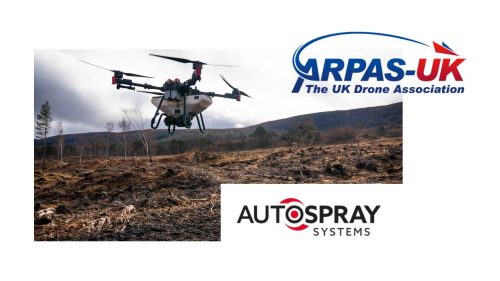
Join AutoSpray Systems and ARPAS-UK for a landmark digital event to explore how pioneering drone technology is set to transform both environmental conservation and UK agriculture. This one-hour session will serve as a launchpad for the first commercial use of Beyond Visual Line of Sight (BVLOS) operations at scale.

Thurs 9 Oct 2025 at 12.30pm

Register here!

First occurrence of pea bruchid in UK commercial crop confirmed

Member News
The views expressed in this Member News article are the author's own and do not necessarily represent those of Agri-TechE.

The Processors and Growers Research Organisation (PGRO) has confirmed the presence of pea bruchid in a UK-grown commercial pea crop for the first time.

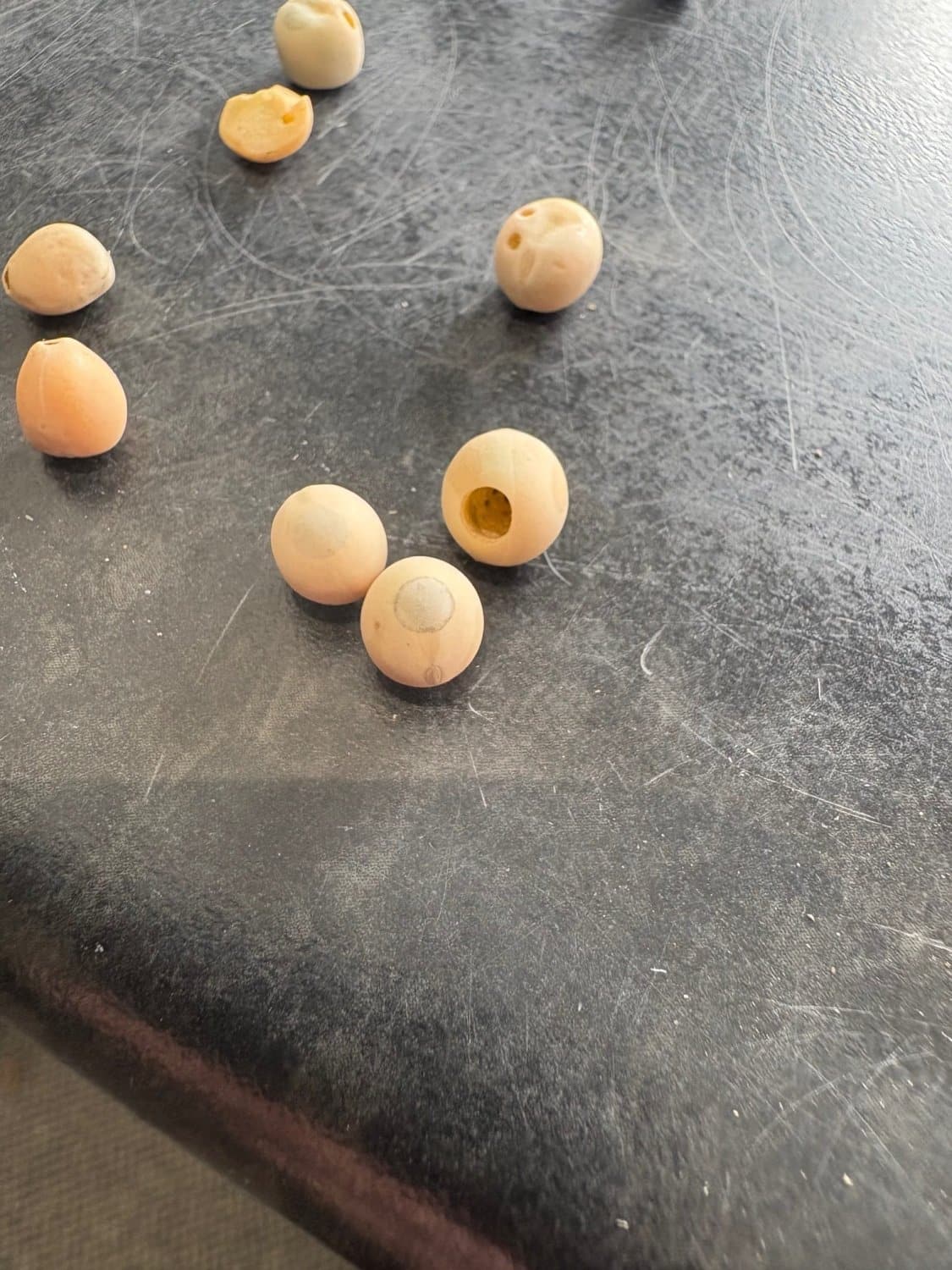
For many years, the PGRO has warned of the potential for this serious pest to establish in the UK, and it has now been discovered in a single sample grown on a farm in Cambridgeshire.

Widely found across continental Europe, pea bruchid is a regular problem for growers in northern France. This spring’s unusually warm and dry conditions appear to have allowed the pest to complete its full life cycle in a UK crop for the first time.

Pea bruchid has a similar life cycle to the closely related bruchid that affects faba beans. The beetle lays eggs on young pea pods and larvae develop and mature within the grains. Small holes appear in the harvested crop when adult bruchids emerge. The resulting damage significantly reduces crop value, particularly for peas grown for human consumption.

Roger Vickers, PGRO Chief Executive, said: “This is the first confirmed occurrence of pea bruchid in a UK commercial crop, and it is vital that the industry responds swiftly and collectively. If this pest were to become established here, the consequences for pea growers and the supply chain would be extremely costly.

“Our immediate priority is to understand the extent of the issue and to prevent pea bruchid from establishing a permanent presence in the UK.”

Call for vigilance and reporting

The PGRO is establishing an incidence log to monitor the spread of pea bruchid.

Growers and traders are urged to inspect pea crops and produce carefully for signs of damage. Findings should be reported on the free PGRO Crop Monitor App including images and crop location details. Good-quality images are essential, as bruchid damage can be mistaken for that caused by pea moth.

The PGRO is also convening a forum with the trade to agree a plan of action to prevent adult pea bruchids resuming their life cycle in spring 2026. A coordinated effort will be needed to stop egg-laying next year and to prevent the pest’s permanent establishment.

Pre-drilling advice

Preventing spread via seed is critical. The PGRO advises that all pea seed imported into the UK must be free of pea bruchid. If live insects are present, the seed lot should be fumigated, rejected, or destroyed.

Any incidence of live bruchids in seed lots must be reported. If the pest is detected in pea seed for seed production, APHA must be informed, and restrictions will apply to its movement.

Next steps

While pesticide intervention should remain a last resort within an integrated pest management approach, the PGRO is currently investigating available control options. Advisory support and awareness campaigns will follow in the coming months.

“A healthy crop starts with good-quality, clean seed,” added Mr Vickers. “Grower understanding and active participation will be essential in ensuring we prevent pea bruchid from gaining a foothold in the UK.”

bRUCHID
IMAGE 2

Bioinsecticide start-up BugBiome strengthens pipeline with new funding and Norwich Park relocation

Member News
The views expressed in this Member News article are the author's own and do not necessarily represent those of Agri-TechE.

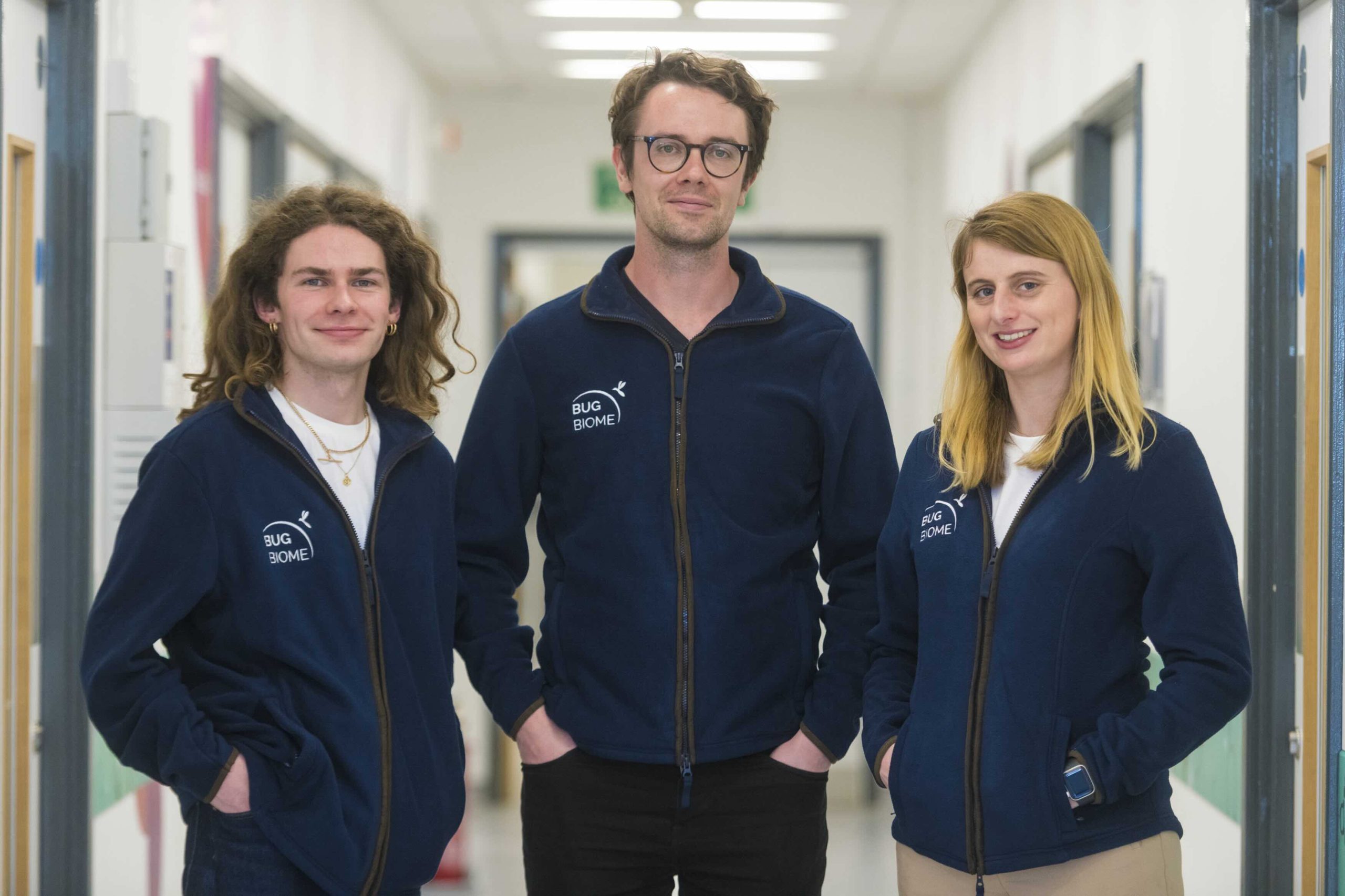
Bioinsecticide start-up BugBiome focuses on lead product development with move to Norwich Research Park

Enhanced access to agritech community & trial capacity follows recent investment from European funds Rockstart & Biotope

  • In the next phase of its development, BugBiome has relocated to Norwich Research Park where it will focus on field validation of its lead product, an aphicide
  • As well as having all its activities on one site, BugBiome will benefit from being part of the food and agritech community at the Park campus
  • European VCs Rockstart & Biotope recently invested in the company, supporting its focus on field validation for the lead product

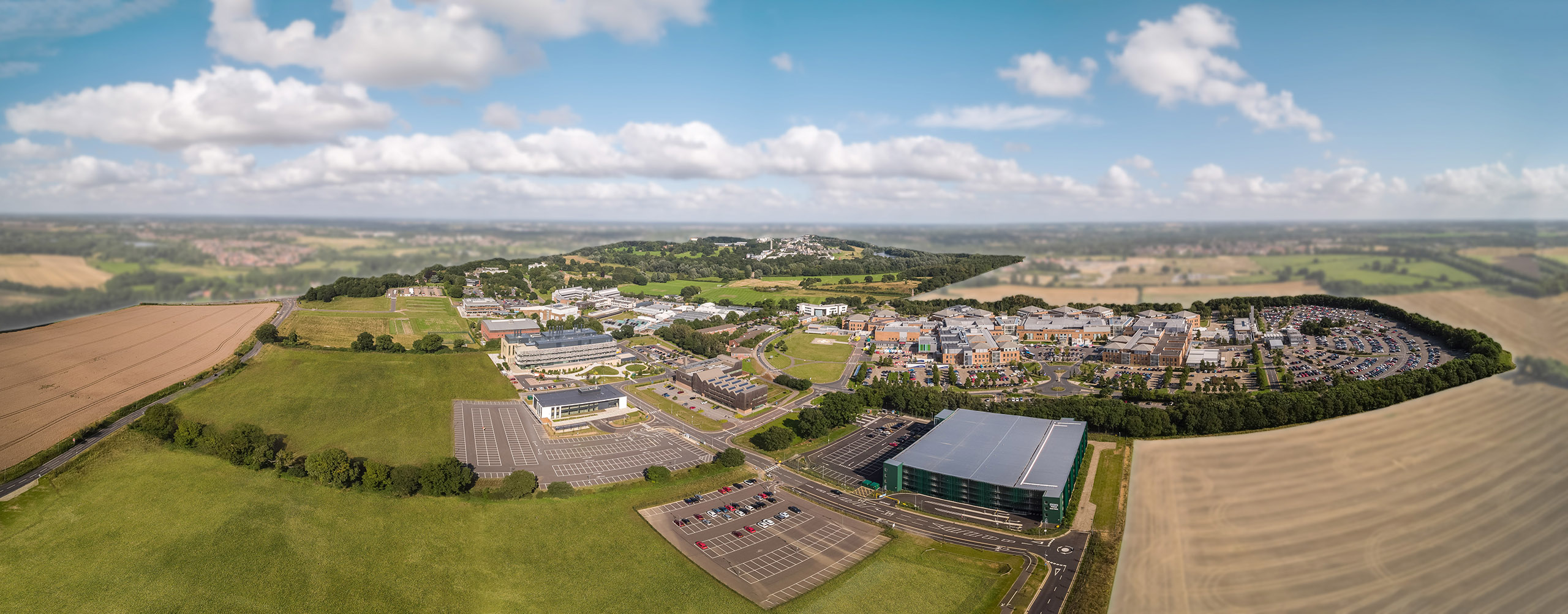
BugBiome, the agri-tech innovator developing new bioinsecticides from crop-associated microbes, has relocated to Norwich Research Park as it focuses on moving its lead aphicide into field trials in 2026. Consolidating on a single site in proximity to its greenhouses enhances its progress towards this field validation milestone for the first product from AvidX, its proprietary discovery engine. In its new location at Norwich Research Park, one of the largest single-site concentrations of research in food, genomics, and health in Europe, BugBiome has established a presence at the John Innes Centre, providing direct access to world-leading expertise.

The company’s lead asset has shown promising efficacy in greenhouse trials on sugar beet and oilseed rape, with preparation for field validation now underway.

The company joined the Agrifood portfolio of the purpose-led VC fund Rockstart earlier this year, followed by investment from Biotope, which is focused on positive change for planetary health. Its other backers are Cambridge Angels, Discovery Park Ventures, IndieBio/SOSV and AgLaunch. Proceeds from its ongoing fundraising round will further support development and commercialisation of its lead biopesticide, as well as generation of a pipeline of follow-up products targeting beetles/weevils and lepidoptera, broadening BugBiome’s reach across major crop pests.

Dr Alicia Showering, CEO of BugBiome, saidDemonstrating field efficacy of our aphid product is a critical milestone for commercialisation and partnering, and the environment here will enable us to accelerate not only this product but also the broader portfolio of new bioinsecticide solutions farmers urgently need.

This move to Norwich Research Park places us in the heart of the UK’s agritech community. Our relocation and integration have proceeded smoothly and we are delighted to enter this next phase of our development here.’

Roz Bird, CEO of Anglia Innovation Partnership, the campus management organisation for Norwich Research Park, said “We are delighted to welcome BugBiome to our campus, adding another highly innovative agri-biotech start-up company to our community. Over the last three years, we have developed a successful ecosystem and incubator programme to support spin-outs, spin-ins and start-ups as they establish themselves and grow. Agri-biotech along with food biotech, industrial biotech and medtech are the sectors where we have an enormous amount of experience, expertise and state-of-the-art-facilities to nurture both the research and subsequent commercialisation. We are looking forward to supporting BugBiome’s next phase of development and helping it to achieve its business ambitions.”

  • *I have permission from the copyright holder to publish this content and images.

Why Measuring Soil Water Provides Better Insights than Rainfall

Member News
The views expressed in this Member News article are the author's own and do not necessarily represent those of Agri-TechE.

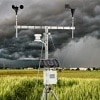
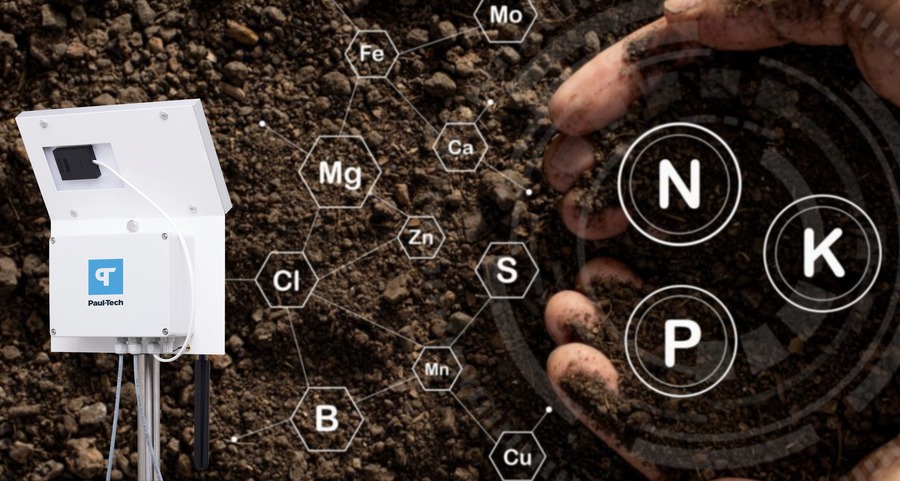
Most farmers are accustomed to keeping an eye on rainfall – when it rains a lot, it feels like the fields must have plenty of moisture, and when rainfall is scarce, conditions are automatically considered dry. In reality, however, the rain gauge does not always reflect how much water plants can actually take up from the soil. This is where soil water measurement comes into play, showing more precisely whether there is enough moisture at root level.

In crop production, soil water levels are more important than rainfall readings, because soil water directly indicates the amount of water available to plants. Measuring soil water also takes into account soil type, organic matter content and structure, all of which affect the soil’s ability to retain water. Rainfall only shows how much water has fallen onto the surface, without revealing how much of it has actually infiltrated the soil or how long it will remain there.

Simply measuring rainfall overlooks many crucial factors that influence how well plants are supplied with water. Soil water also affects the feasibility and quality of field operations.

Soil Type and Structure: Different soils hold water differently. For example, sandy soils let water drain through quickly, while clay soils retain it for longer. A rain gauge does not reveal whether rainfall has soaked into the soil or run off, whether fields are trafficable for machinery, or whether the soil structure is suitable for cultivation.

Plant-Available Water Capacity: Only part of the soil’s total water content is available to plants. By measuring soil water, it is possible to assess the exact proportion of water that plant roots can absorb.

Evaporation: After rainfall, some water may evaporate quickly from the soil surface, especially in hot and windy weather. Soil water measurement accounts for this loss.

Irrigation Needs: Rainfall data alone does not give a clear picture of whether crops require supplementary irrigation. For instance, a short, intense shower may register a high rainfall amount, but the water might not reach deep enough into the soil layers where roots are located. Soil water measurements, on the other hand, provide real-time feedback on whether the soil has enough moisture.

Therefore, while rainfall is the source of water, soil water readings give a far more accurate and practical picture of the actual water supply available to plants and of the soil’s condition, both of which are critical for planning fieldwork. Using this direct indicator of plant growth conditions allows risks to be assessed more precisely, leading to much more efficient farm management.

  • Monitoring soil water is essential for timing sowing, fertilisation, crop protection and other field operations. It helps avoid crop damage caused by drought or excessive moisture. When planning fieldwork, it also helps account for soil structure and load-bearing capacity. 
  • Soil water sensors provide a direct signal of when irrigation is needed, when to avoid over-fertilisation, or when to prevent soil compaction.
  • Soil water is the main factor determining yield, because it is from the soil that plant roots take up water.
  • *I have permission from the copyright holder to publish this content and images.

Good Time Boards: Why Comfort Kills Resilience

Member News
The views expressed in this Member News article are the author's own and do not necessarily represent those of Agri-TechE.

In business, the boardroom is often painted as the pinnacle of leadership. A place of wisdom, oversight, and accountability. Yet too often, we see boards that are not leading but coasting, what I call “Good Time Boards.”

A Good Time Board looks fine on the surface. Meetings are cordial, lunches are pleasant, and reports are nodded through. But beneath the smiles, there’s a lack of rigour. Too many difficult questions are left unasked. Too many assumptions go unchallenged. And too often, the board exists for the comfort of its members rather than the growth and security of the business.

What do Good Time Boards look like?

  • Consensus over candour – members would rather agree than debate.
  • Comfort over challenge – hard truths are smoothed over in the name of harmony.
  • Process over progress – the agenda is ticked off, but little value is added.
  • Friendship over function – loyalty to individuals outweighs loyalty to the organisation.
  • Blind spots in perception – directors often have little understanding of how they themselves are viewed by staff, customers, or partners.
  • Disconnected from reality – many don’t know how the organisation really works day-to-day, preferring a neat report to messy reality.
  • The iceberg of ignorance – 4% of front-line problems reach top management; boards often operate on the thinnest tip of the iceberg.
  • Lack of listening – little curiosity about what people at every level are experiencing; no genuine interest in hearing voices beyond the boardroom.

In short, Good Time Boards thrive in the good times. When markets are buoyant and margins healthy, it’s easy to convince yourself that all is well. But when conditions change, as they inevitably do, these boards are exposed. Without the habit of scrutiny, they lack the resilience to steer through a crisis.

Why does it happen?

The reasons are usually human, not structural. Directors are wary of upsetting the chair. Chairs are wary of upsetting the CEO. Nobody wants to be the awkward voice in the room. And sometimes, people just enjoy the status and social aspect more than the responsibility.

What does a healthy board look like?

A high-functioning boardroom is not always comfortable. The best boards are those where trust is high enough for challenge to be real. Where directors feel not only permitted but obliged to ask the awkward question. Where people are clear that their duty is to the organisation and its stakeholders, not to keep the peace.

Strong board balance:

  • Challenge with support – the CEO is backed, but not shielded.
  • Short-term reality with long-term vision – today’s numbers matter, but so does tomorrow’s direction.
  • Collective responsibility with individual accountability – nobody hides in the crowd.
  • Insight with humility – board members listen, learn, and respect that they rarely see the full picture.

Moving beyond Good Time Boards

For chairs and directors alike, the work is about resetting expectations:

  1. Re-establish purpose – why does this board exist, and for whom?
  2. Invite discomfort – ask the questions nobody else is asking.
  3. Measure value – does each meeting leave the business stronger than before?
  4. Model honesty and listening – leaders set the tone by being candid, curious, and humble enough to hear unwelcome truths.

When boards do this well, they become more than a governance mechanism. They become a genuine leadership team guiding, protecting, and stretching the business through both good times and hard times.

Because the truth is this: a board that only works in good times is not a good board.

If you recognise elements of a Good Time Board in your own organisation, now is the moment to act. Regulation, investor scrutiny, market pressures, and shifting stakeholder expectations mean resilience is no longer optional.

This is where I help. My work with boards is about creating that balance, high trust, real challenge, and genuine leadership. If your board needs a reset, let’s talk.

Board Meeting Self-Checklist

Before your next meeting, take a moment to test the health of your own board. The questions below are designed to spark honest reflection and, if needed, uncomfortable conversations. They’re also the kind of conversations I help boards navigate: constructive challenge, sharper focus, and stronger governance. If you’re wondering whether your board is slipping into “Good Time” mode, start with these questions:

1.    When was the last time someone asked a question that genuinely unsettled the room, and was that welcomed?
2.    Do people feel more loyalty to fellow board members or to the organisation and its stakeholders?
3.    How much of the understanding of the business comes from neat reports, and how much from direct contact with staff, customers, or partners?
4.    If markets turned tomorrow, would the current board habits prepare us to respond quickly and decisively?
5.    Does every meeting leave the organisation stronger than before, or just more comfortable?

Populi Consulting helps boards move from ‘Good Time’ habits to resilient, effective leadership.

  • *I have permission from the copyright holder to publish this content and images.

Agritech Thymes: A review of protection for gene edited plants

Member News
The views expressed in this Member News article are the author's own and do not necessarily represent those of Agri-TechE.

As we head into a new season, it’s a good time to revisit the current status of protection for Essentially Derived Varieties (EDVs) and plants derived from New Genomic Techniques (NGTs).

The “Breeders Exemption” allows the development of new varieties from a protected variety without having to wait for the initial PVR to expire. If the new variety falls within the definition of an EDV, as set out below, its owner will need permission from the initial PVR holder in order to commercialise it, so providing some economic recompense to the PVR owner.  If a third party, for example another breeder, wants to use that EDV, they would need permission from both the PVR owner and the new EDV owner. Any new EDV may itself be protected by a PVR, provided it meets the requirements of stability, uniformity and distinctiveness.

As a reminder, an EDV is a plant which is “predominantly derived” from the initial variety – meaning that it has more of the genome of the original variety from which it is derived than would be expected from a normal cross. It must also retain the expression of “essential characteristics” of the initial variety, and be “distinguishable” from the initial variety by one or more characteristics which are capable of a precise description.

Of course, an EDV may be used to generate further EDVs. But when considering protection, it is important to remember that the PVR only extends to the first “generation” of EDVs.  So, if a party is planning to use an EDV generated from an earlier EDV, they would need permission from the initial PVR holder (until the PVR ceases) and from the owner of the last EDV from which it is derived if this is protected by a PVR, but not from the owners of any intermediate EDVs. This becomes interesting when we look at how New Genomic Techniques are being used to generate new plant varieties.

It has been acknowledged by Defra and UPOV that an EDV may be produced from the initial variety by methods including genetic engineering, including precision breeding techniques. However, in 2023 UPOV issued non-binding Explanatory notes which suggested that an EDV does not need to completely share the essential characteristics of the initial variety, as long as the missing essential characteristics are missing as a result of the act of derivation. These Explanatory notes have been interpreted as broadening the definition of an EDV to encompass offspring plants which do not share all essential characteristics with the initial variety. Because the initial PVR provides protection for the first generation EDV but not for intermediate EDVs, if all NGT plants fall within the definition of an EDV then the effective scope of protection of the PBR would be reduced because a greater number of gene edited plants may fall within an intermediate EDV category.

Over a year since the Explanatory Notes have been issued, there remains uncertainty in the field regarding the scope of PBR protection for precision bred EDVs.

In addition, further talks on how to simplify and accelerate the approval process for NGT plants have recently been halted, as the parties have been unable to agree on several issues including labelling of NGT plants. It is hoped that agreement will be reached and the proposed regulation finalised during the Danish presidency in the second half of 2025.

For the time being, HGF’s advice remains to continue with existing patent and PVR filing strategies.


This article was prepared by Partner & Patent Attorney Punita Shah.

  • *I have permission from the copyright holder to publish this content and images.