Patenting, Trademarks, Copyright, Trade Secrets...
In the next installment of our micro-learning series, we’ll explore potential legal solutions to help you keep your ideas safe and sound.

BugBiome, the biotech start-up secures investment for pioneering research in sustainable pest protection

Member News
The views expressed in this Member News article are the author's own and do not necessarily represent those of Agri-TechE.

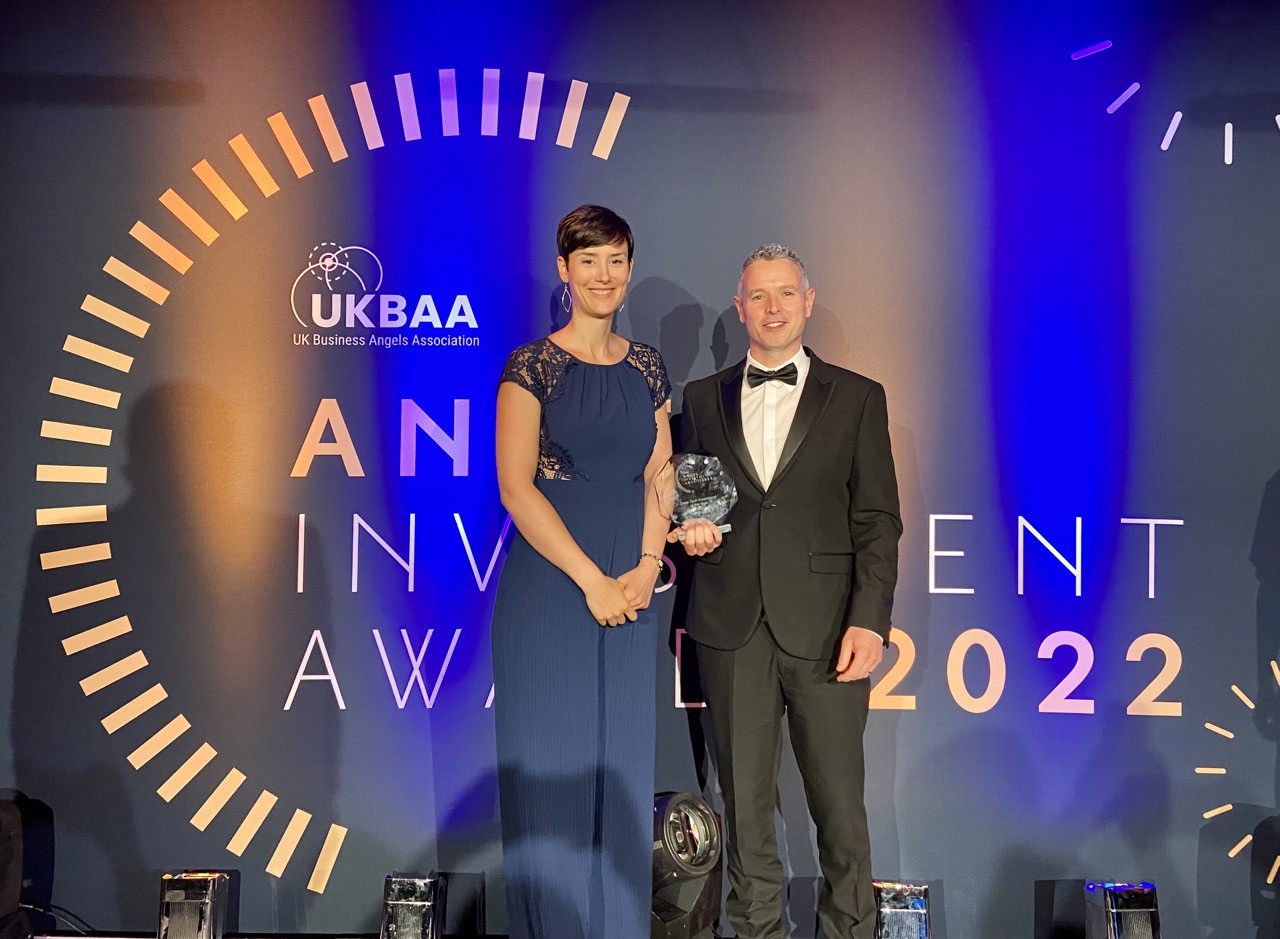
Cambridge, UK, 12th February 2024: BugBiome, a biotech harnessing nature’s microbial defences for pest protection to benefit human and planet health, has successfully closed a pre-seed funding round, securing £310k from Cambridge Angels and Discovery Park Ventures.

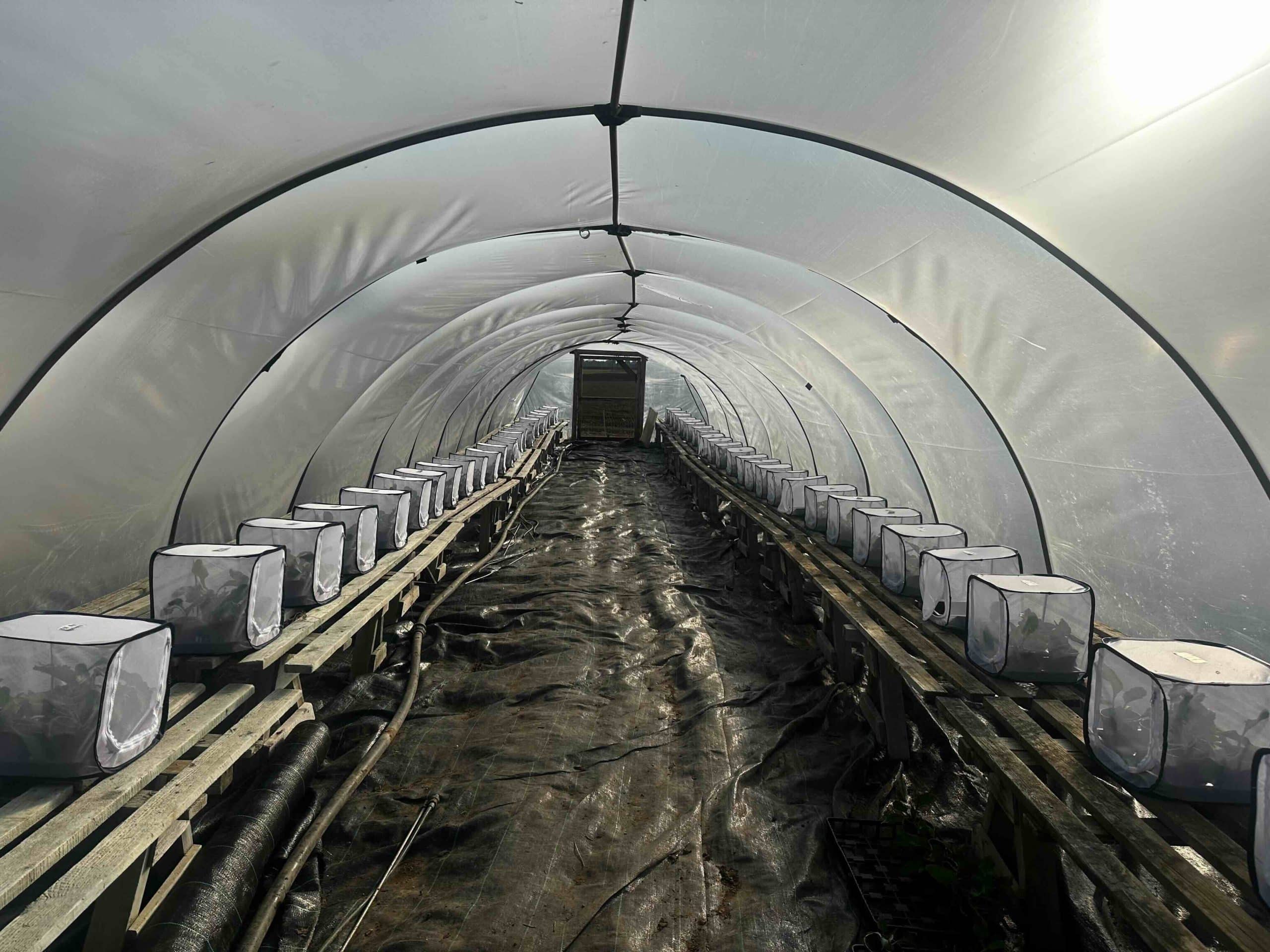
This investment will support BugBiome’s mission to address agricultural and human pest protection with naturally derived solutions harnessing the microbiome as a sustainable source of alternatives to synthetic and bio-accumulative chemicals. It also provides matched funding for a £330k Engineering Biology Grant from Innovate UK, to identify new methods to control aphids in crop protection. The 12-month project aligns with BugBiome’s focus for sustainable, insect control solutions that do not compromise biodiversity, including a pipeline of targets across human and agricultural pests.

Following the investment, Emma Palmer Foster of Discovery Park Ventures and James Thomas of Cambridge Angels join the Board as Investor Directors.

Accelerate@Babraham

BugBiome recently completed the 2023 cohort of Accelerate@Babraham – the Babraham Research Campus’ pre-seed company support programme. Drawing on year on year experience and lessons learned, Accelerate@Babraham brings together a network of experts, mentors, and investors to equip early career science entrepreneurs with the skills, confidence, connections, and access to communal laboratories to start up, test and build their business propositions.

Dr Alicia Showering, co-founder and CEO of BugBiome, said: “We are delighted to announce a successful pre-seed funding round with the support of Cambridge Angels and Discovery Park Ventures. This investment enables our non-dilutive Innovate UK grant and will help us to advance our pipeline of innovative microbial solutions for pest protection, offering an effective alternative to chemicals. With this new funding, we are expanding our team, accelerating the development of our microbial products against pests.”

Dr Andy Richards, founder member of Cambridge Angels, added: “We have been impressed by the entrepreneurial acumen of the BugBiome team, who have achieved such a lot in a short time. The microbiome is increasingly being seen as a vitally important aspect of biological systems. The team at BugBiome have identified that the interaction between the microbiome on a surface, be that human skin or a plant surface, plays a vital role in the attraction of insects which can impact on human health and on the environment. We look forward to helping them on their journey to exploit these learnings.”

Emma Palmer Foster, Director, Discovery Park Ventures, said: “BugBiome’s ground-breaking research addresses a critical aspect of the global focus on feeding the population sustainably and enhancing crop protection. Our investment in BugBiome makes it our tenth portfolio company and underscores the company’s potential to make a significant and sustainable impact in the agricultural sector and human health.”

Universty of Reading: Reducing Food Loss at the primary production stage

Member News
The views expressed in this Member News article are the author's own and do not necessarily represent those of Agri-TechE.

The University of Reading is a partner in an EU funded project, FOLOU, that is investigating the potential of innovative technologies to facilitate the systemic transition of EU food systems by setting up the necessary mechanisms to:
• measure and estimate food losses at primary production stage
• monitor and report food losses at Member State and European levels
• assess the magnitude and impact of Food Losses, and identify key drivers


New cost-effective tools for the measurement/estimation of food losses will be developed along with a robust and harmonized quantification methodology for five main commodity groups. The FOLOU project will investigate the potential of the following six innovative applications of agritechnologies:
o RGB cameras on UAVs to enable direct estimates of fruit and vegetables unfit for human consumption
o RGB video cameras embedded on tractors to detect and localise weeds
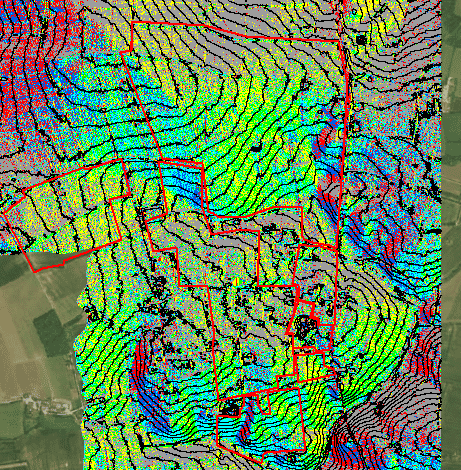
o Satellite and UAV images to estimate food losses in case study arable crops
o An automatic system for removal of dead eggs from fish farming systems using multi-spectral cameras and robotic arms
o Blockchain and distributed ledger technologies to estimate food losses in cold chains
o Use of big data and AI to estimate consumers’ demand shifts


The University of Reading will develop a series of educational training courses and workshops to bring the outcomes from the FOLOU project to a range of audiences. For further information about the project, please get in touch with Alice Mauchline (a.l.mauchline@reading.ac.uk).

Lettus Grow collaborates with Albotherm

Member News
The views expressed in this Member News article are the author's own and do not necessarily represent those of Agri-TechE.
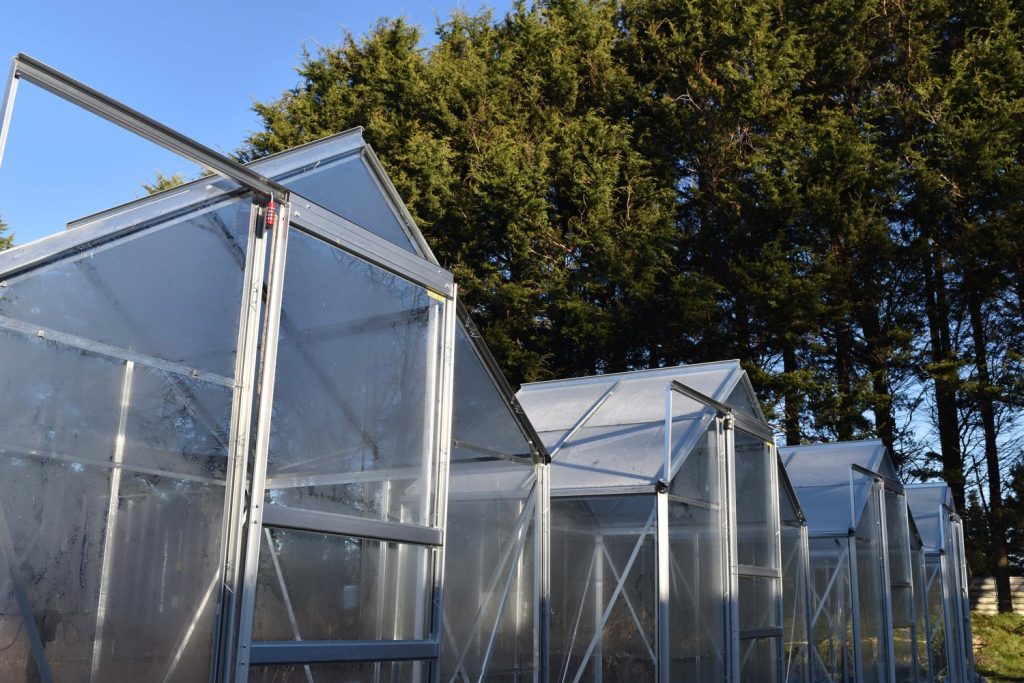
Picture of LettUs Grow collaborates with greenhouse shading technology experts, Albotherm

LettUs Grow is embarking on a research project with Albotherm, a fellow Bristol-based agri-tech company, to investigate the impact of intuitive shading technology on glasshouse productivity and energy efficiency.

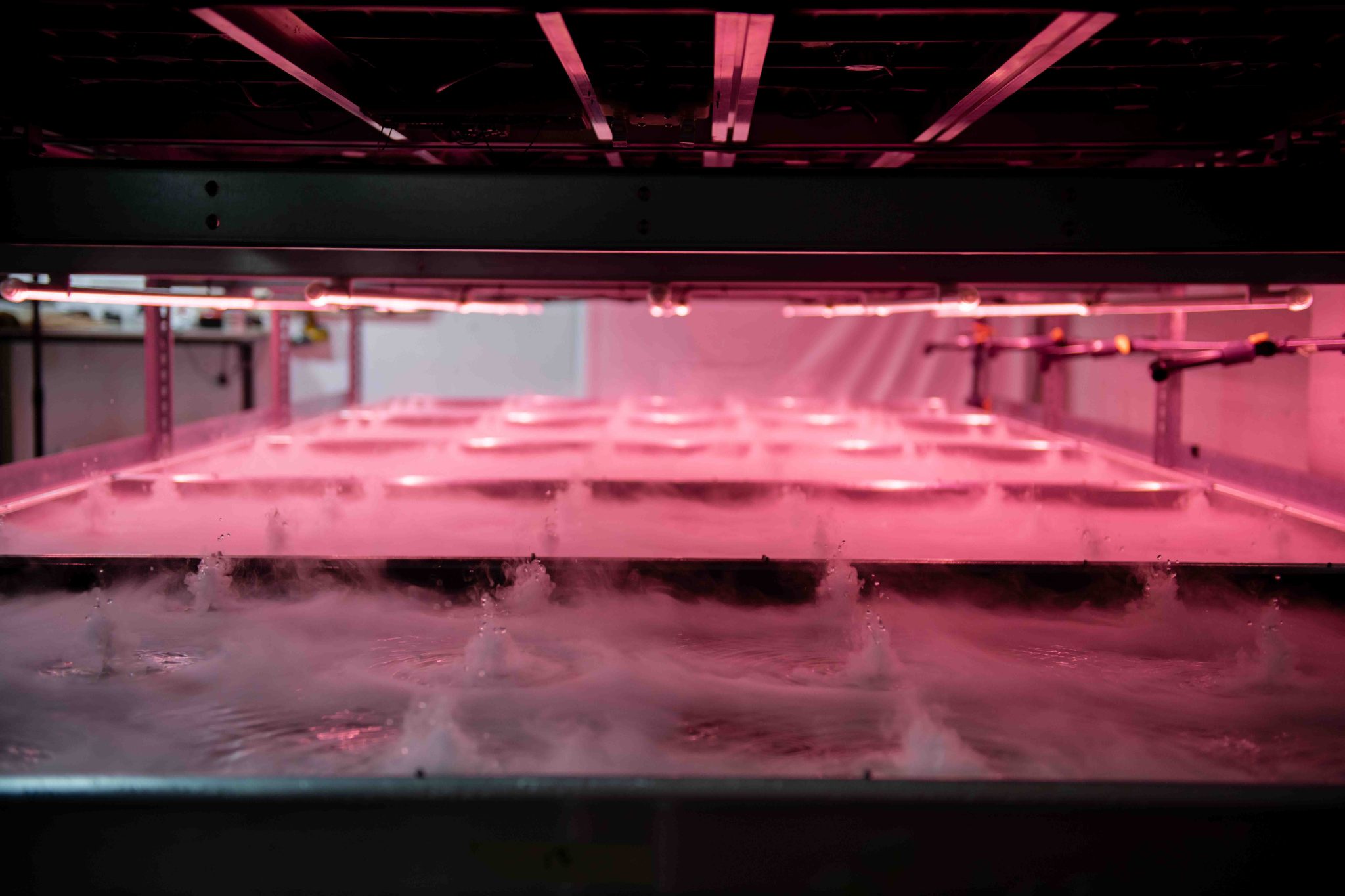
The study will use a combination of Albotherm’s responsive glass coating and LettUs Grow’s farm management software, Ostara, to monitor performance and capture data.

Read the full article here

CeraPhi Energy Acquires former fracking company Third Energy Onshore Ltd

Member News
The views expressed in this Member News article are the author's own and do not necessarily represent those of Agri-TechE.

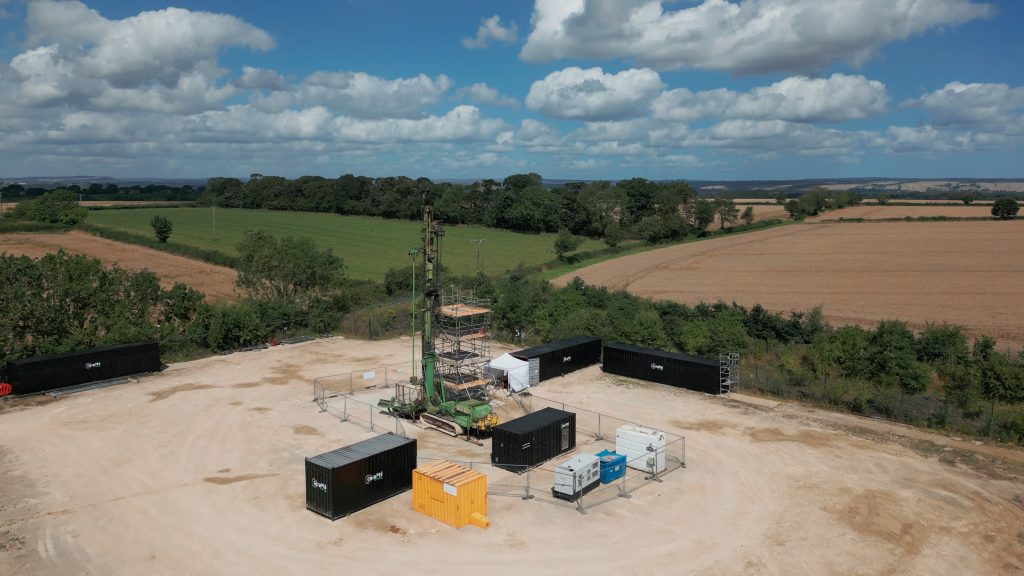
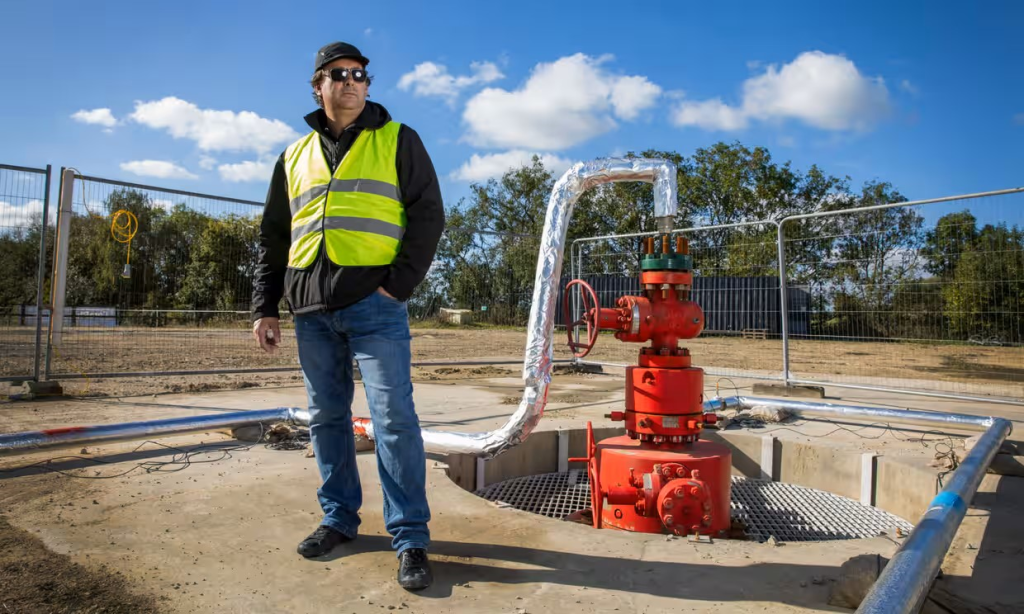
Geothermal development company CeraPhi Energy has acquired the business of Third Energy Limited, a former shale gas development company with plans to repurpose the existing wells into clean geothermal energy centres.

The acquisition includes the subsidiaries, namely Third Energy Trading Limited, Wolfland Renewables Limited, Wolfland Utilities Limited, Third Energy UK Gas Limited, and the 50% holding in West Heslerton Renewables Limited.

The assets located in North Yorkshire UK, include 8 well sites consisting of 12 former gas wells in a suspended state, 22.4 km of 6-inch and 16.6 km of 3-inch subterranean pipelines and a further 22.4 km of buried fibre optic comms lines.

CeraPhi is the UK’s leading closed-loop geothermal energy developer using its proprietary CeraPhiWell system and CeraPhiPro™ modelling software providing an end-to-end solution for closed-loop geothermal energy anywhere for everyone.

CeraPhi completed a commercial demonstration of its CeraPhiWell™ system earlier in the summer using the Third Energy KMA site. CeraPhi’s strategy is to de-risk the scaling and commercialisation of large-scale heat networks using boreholes down to a depth of 2km, reducing the space required for deployment of large-scale systems and increasing the extraction of thermal energy available for network connections. By both drilling new wells and repurposing end-of-life and non-producing oil and gas wells, the CeraPhi solution will provide “huge commercial potential” for the scaling of geothermal heat networks in the UK and globally.

CeraPhi Energy CEO Karl Farrow said:
“The decarbonisation of heat represents a huge UK and global challenge in meeting our net zero targets. Combined with the continued insecurity customers face with volatility and seasonal cost of fossil fuels, we have to move geothermal energy to scale to reduce the cost of deploying direct use heat, which is an endless resource not subject to price fluctuation, enabling a move away from our dependency on fossil fuels within our day-to-day energy mix.

By using the inexhaustible resource beneath our feet using closed-loop technology we can access this energy anywhere with zero environmental risk, requiring no hydraulic fracturing, no use of water and providing enough energy within the next 15 years to solve our energy crisis indefinitely. “

Third Energy Managing Director Russell Hoare said:
“Third Energy have been pursuing a transition strategy for several years now with geothermal energy at the centre of that strategy and in CeraPhi we have found a capable and accomplished partner, as proven by the successful geothermal demonstrator project at our KMA site last summer. Bringing together the expertise of CeraPhi with the assets of Third Energy is a natural progression and I look forward to working with Karl and his team to continue the story.”

Ceraphi Energy: Geothermal Energy Gets a Financial Boost

Member News
The views expressed in this Member News article are the author's own and do not necessarily represent those of Agri-TechE.

UK Geothermal Energy pioneers CeraPhi Energy, and Climate Change Ventures (CCV), the integrated financial services and green project development specialists, have joined forces to exploit their knowledge and experience in bringing terrestrial, thermally derived green energy to the marketplace with CCV facilitating significant investment in CeraPhi’ s portfolio of projects.
CeraPhi has pioneered the use of advanced “closed loop” geothermal technologies, which can be optimised to re-use redundant Oil and Gas wells in a cost-effective, highly efficient way. With a portfolio of acquisitions, they are now set to exploit a series of opportunities, promising shortened development timeframes, and much needed, 24/7 supplies of heat and derived energy at attractive costs of production. CCV, is bringing project finance, using a “Green Bond” mechanism to enable CeraPhi to help realise their vision to exploit “the heat beneath our feet”.
The arrangement was concluded in an agreement between both parties signed by Karl Farrow, CEO of CeraPhi, and Horacio Carvalho, CEO of CCV. Karl Farrow said, “CeraPhi has developed a portfolio of projects around the reusing of end-of-life Oil and Gas wells over the last 12 months, whilst working with CCV to develop a viable financial model to accelerate our project development as a leader in the geothermal energy utility space.” The availability of funding through the facility set up by CCV will allow the company to deliver multiple commercial-scale geothermal energy projects, which will help consolidate our position as a leader in the geothermal energy space. We are a mission-driven business and initiatives like this are what are required to shift the trajectory in carbon reduction and to help governments achieve Net Zero targets”.
Horacio Carvalho commented, “We have been observing the innovative approach to green heat and power production adopted by CeraPhi for some time now, and we have grown to appreciate the true potential that they can provide for reducing greenhouse gases and making our planet a safer place. We are delighted to be working alongside them in funding our joint ambition to bring to the market their contribution to solving the climate crisis problem. Exciting times lie ahead.”

Ecospray gains EU registration for garlic nematode deterrent

Member News
The views expressed in this Member News article are the author's own and do not necessarily represent those of Agri-TechE.

The protective force of garlic is the stuff of legend, but it has a sound scientific basis. Now, Ecospray, has gained European Union plant protection product (PPP) registration for its Nemguard product, which uses garlic extract to repel nematodes in potatoes and other root crops.

Peter McDonald, CEO of Ecospray Limited, says that EU registration is a long and expensive process.

“Ecospray has developed a stabilised formulation of garlic extract containing a defined fingerprint of different polysulfide molecules. It is this achievement that has enabled Nemguard to be registered as a plant protection product within the European Union as well as other territories across the world.”

Peter McDonald, Ecospray
Peter McDonald, CEO of Ecospray

Polysulfides are produced when the garlic is crushed, they are lipophilic and so can pass through the cuticle of the pest and interfere with its metabolism. A cascade of chemical reactions result in oxidative stress and the death of the pest. The complex mode of action means that it is unlikely to trigger resistance.

By creating a stablised formulation, Nemguard is highly specific to parasitic nematodes, sparing beneficial microfauna in the soil. This has been qualified by the De Vega Group at the Earlham Institute . It has been working with Ecospray on the development of Nemguard and is using metagenomics – a study of the diversity of the soil microbiome – to understand the impact on the soil microbial community.

Peter continues: “We have been conducting extensive trials on a range of crops such as carrots, parsnips, potatoes as well as glasshouse crops such as tomatoes, peppers, cucumbers and melons and Nemguard has demonstrated efficacy as a soil applied treatment on pathogenic nematodes.”

“Of particular interest are recent trials with Niab where we have undertaken a first season on potato evaluation.”

Garlic in Ecospray Nemguard repels nematodes

Ecometric carbon credits validated by Regen Network

Member News
The views expressed in this Member News article are the author's own and do not necessarily represent those of Agri-TechE.

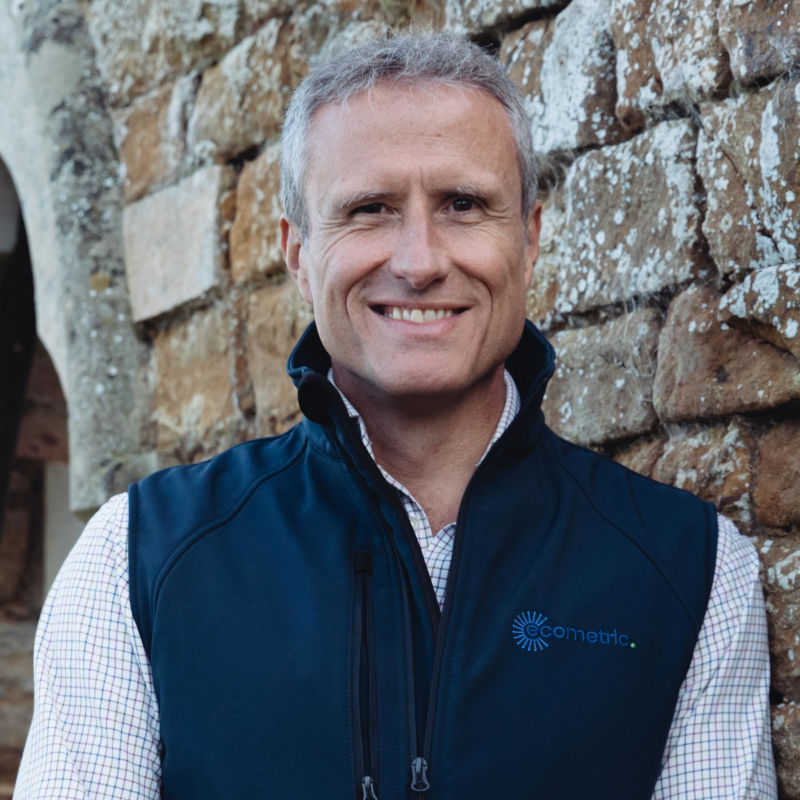
Increasing the amount of organic carbon in agricultural soil is vital to its health and resilience. There are other benefits too as being able to provide evidence that carbon levels are increasing can bring a financial return. Ecometric, provides accurate, verifiable measurement of soil organic carbon and its recently been allocated its own Credit Class on the Regen Network.

David Wright, CEO of Ecometric, explains what Soil Organic Carbon is, how it is stored and how it can be used as a carbon credit.

David Wright, CEO of Ecometric

SOC is ultimately the product of photosynthesis, which is where plants use energy from the sun to convert carbon dioxide and water into starch stored in the biomass and oxygen is released.

By maximising the amount and duration of green cover over a growing season, the amount of atmospheric CO2 removed is maximised, some of which ends up in the soil as decaying organic matter and root exudates, feeding the soil biome.

SOC is made up of a complex matrix of these components, varying in size, turnover time and composition but each contributing to the overall soil health and structure.

Regenerative farming minimises the disruption of the soil and maximises coverage of the soil at all times. These two actions reduce the amount of ‘oxidation’ or release of carbon dioxide to the air and increases the annual photosynthetic activity, this results in successive carbon ‘capture’ during each growing season. This process is called carbon sequestration.

Ecometric has been monitoring SOC across a diversity of soils. It currently has over 50 multi-year carbon projects in operation in 8 countries. It is benchmarking results across all projects to rank performance and optimise evidence based management decisions.

This data covers over 20,000ha and the benchmarking process clearly identifies which soil type and practice combinations achieve the lowest carbon footprint and highest sequestration rates, while maximising Nitrogen Use Efficiency (NUE) and yield.

Ecometric provides a measurement, reporting, and verification service to accurately quantify soil organic carbon. It combines infield sampling and laboratory analysis with spectral data from satellite imagery, and uses ground-breaking AI technology to reduce the amount of sampling required.

Currently, the only way of directly measuring soil organic carbon is the DUMAS laboratory test analysis. This standardised method enables the comparison of different soils from different locations.

The soil sampling must also be carefully designed to include a high enough density and number to capture the full range of SOC values in the sampled field or area. This is to make sure the DUMAS results are representative and the estimation of total SOC stock is as accurate as possible. So, the same sample locations and laboratory should be used for each cycle.

Ecometric carries out dense soil sampling on each monitoring cycle, while also recording the reflected light spectra (spectral sampling) to increase total sample numbers. The powerful AI system then combines these two sample types to increase the accuracy of field level SOC stock quantification over soil sampling alone.

The ecometric methodology has been independently peer reviewed.

Regen farming

Independent scientific scrutiny is a vital integrity protection within the voluntary carbon markets (VCM) to avoid self declared accuracy and ensure rigorous third party review and verification.

Ecometric has now completed the 4-stage US Carbon Registry Regen Network peer review process and has been allocated its own Credit Class on the Regen Registry.

Ultimately Ecometric data is used for:

  • Evidence based practice change
  • Highly accurate carbon footprint reporting
  • Carbon credit issue

The peer review accreditation and governance process imposed by the Regen Registry and independent verifiers builds trust. So, Ecometric’s accreditation combined with Regen Networks governance meets the highest buyer integrity requirements and will guarantee farmers a higher price for credits.

The Ecometric system can be used to quantify and evidence farm businesses that have achieved a climate positive position where more carbon is being sequestered than emitted during each production cycle.

To calculate this requires a highly accurate carbon balance achieved by deducting annual GHG emissions from annual SOC gains, and only issuing credits for a positive surplus which proves that more carbon has been added to the soil than emitted in growing the crop.

Ecometric is just completing its second year of carbon credit trades evidencing the annual carbon revenue potential as a replacement for BPS. This is complementary to SFI which rewards regenerative practice adoption and optimisation, which in turn increases the sequestration potential and future carbon revenue generation.

Demand for high integrity, measured, carbon dioxide removal credits is increasing, and this has driven Ecometric credit price up by 40% in the last 12-months.

This is forecast to continue into the next decade as businesses look for high integrity credits to balance out the surplus emissions that they have been unable to remove from their own supply chains and hit net-zero commitments.

With depleted SOC levels of UK soils and the wider use of regen practices to increase stocks the opportunity to use the Ecometric methodology to quantify the gains creates a significant carbon revenue opportunity for UK agriculture.

Innovation in salad propagation by Crystal Heart improves resilience in horticulture

Member News
The views expressed in this Member News article are the author's own and do not necessarily represent those of Agri-TechE.

Good establishment is fundamental to crop performance, so for many salad and vegetable crops, working with a specialist propagator such as Crystal Heart Salad Company is an essential aspect of the crop production process. Innovations by the company include collaboration on a project to design an innovative greenhouse that would enable a protected environment for cooler-climate crops.

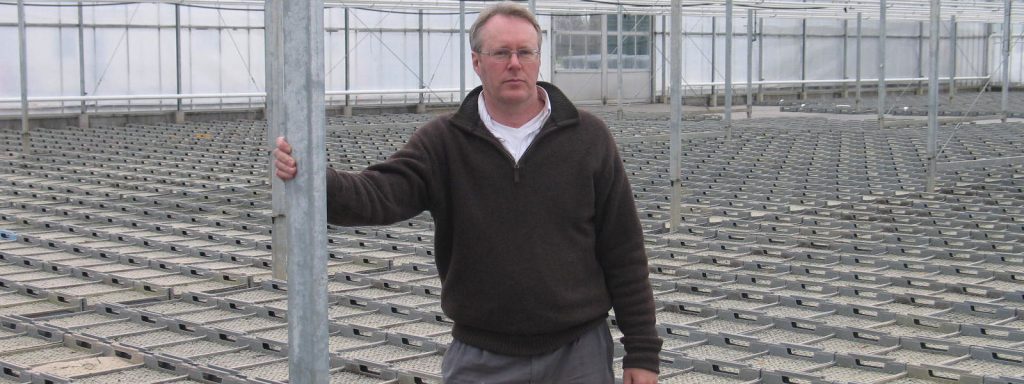
James Bean of Crystal Heart Salad in greenhouse

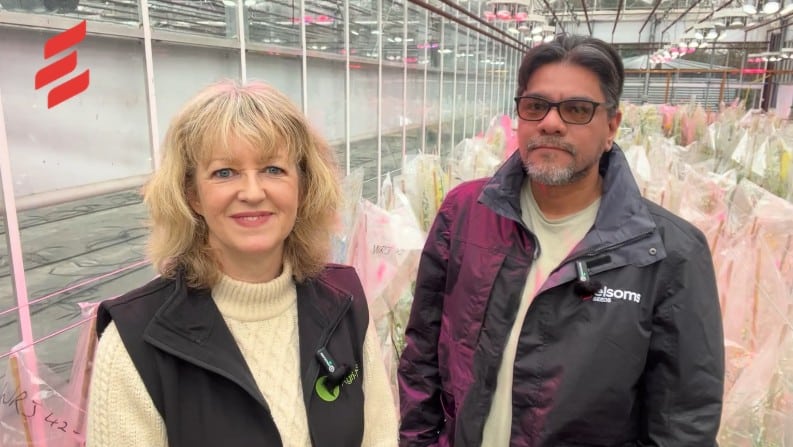
James Bean is Managing Director of Crystal Heart Salad Company, a specialist propagator of salad and vegetable plants.

James explains: “Our customers are farmers and growers in the UK. We propagate young plants for them to plant out. Nearly all of these are produced from seed, so we sow the seed into blocks (plugs), germinate them, establish them in a greenhouse and harden off outdoors before delivery. Our principal product is lettuce, but we also provide celery, pak choi, leeks and herbs.

“Most of our customers grow outdoors, however we do have a number of customers who also grow in greenhouses and a couple who grow in hydroponic systems in vertical farms.”

“There are many challenges in our industry at present – labour availability and cost, erratic climate, increasing costs and low sales prices, and pressure to improve sustainability, including discontinuing peat use.

“Salad growers are exploring several different approaches to addressing these and we are seeing a greater diversity in the way that crops are grown or established in the field, including a move towards greater automation.

“A major requirement in this case is to provide plants and blocks which are suited to the semi-automatic planting systems used by customers.”

To support its customers, Crystal Heart has a number of ongoing R&D projects involving automation of planting, developing non-peat media and developing novel greenhouse climate systems.

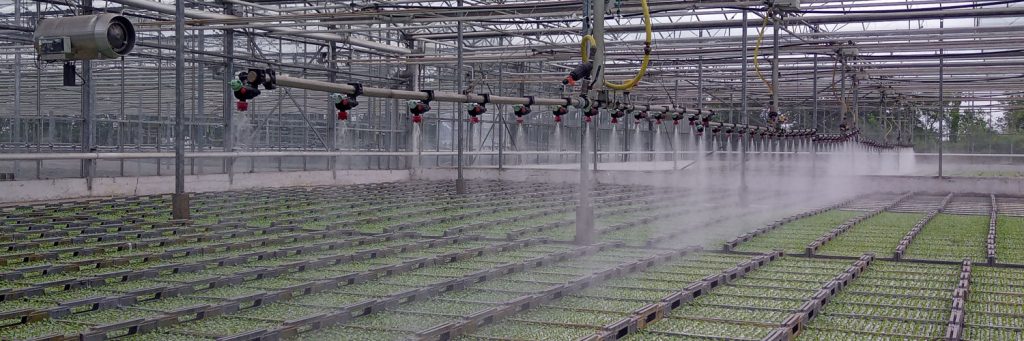
Crystal Heart plants in production
Crystal Heart Salad plants in production

Most greenhouses are designed for warm climate crops such as tomatoes and the increased humidity and temperature are an issue for temperate crops such as lettuces. These crops are therefore more usually field-grown and vulnerable to extreme weather and pests.

To address this challenge, Crystal Heart is leading a project funded through Defra’s Farming Innovation Programme. The aim is to create a closed greenhouse that can optimise natural light while incorporating a novel heating, ventilation, and air conditioning (HVAC) system. This would enable year-round cultivation of lettuce cost-effectively in the UK.

James continues: “For growers, this solution will ultimately mean less risk and uncertainty, coupled with the ability for greater control over inputs across extending cropping seasons.

“We have a close working relationship with our customers, which includes development of new processes and ideas as much as day-to-day management of production and logistics. Together we are supporting the growth of a high-value industry.”

Agrasta predicts a farm carbon audit will soon become a licence to trade

Member News
The views expressed in this Member News article are the author's own and do not necessarily represent those of Agri-TechE.

Industry estimates used to calculate Scope 3 emissions can vary by 800 percent, warns Susan Gregory, CEO of Agrasta, who recommends using audited farm-level data. The company was established to provide an online platform that helps food and beverage companies reduce Scope 3 emissions, reach net-zero targets faster and avoid unnecessary costs.

Susan explains: “We are seeing more food businesses looking, and prepared to pay a premium, for low carbon produce. If they have previously relied on industry estimates to calculate the carbon emissions from third parties – known as Scope 3 – they are likely to see an immediate reduction by moving to an audited supplier. A carbon audit for a farm will soon become a licence to trade.

Susan Gregory
Susan Gregory, CEO of Agrasta

“There are a range of farm audits available, such as Agrecalc, Cool Farm Tool, Farm Carbon Toolkit and more. Many are free of charge to farmers, making this a great time to baseline farm operations. We’ve also been told that visibility of input costs can lead to savings of 10-15%. Audits can be undertaken by farmers themselves or in conjunction with a third party – a form of verification that is preferred by downstream customers.

“Agrasta research of 344 farmers shows that only 30% of farmers have baselined their farms. Of the remaining 70%, three-quarters would do an audit if there were a financial incentive to do so. Changing farm practices risks a reduction in yield and related revenue and we would strongly recommend that the food and beverage companies reward audited producers, to recognise their decarbonisation efforts and drive the adoption of Net Zero interventions through the industry.”

Agrasta has seen considerable discrepancies between estimated emissions and those calculated on-farm and is shortly to start two pilot schemes to quantify this.

“The industry is picking its way through the regulations and the metrics,” Susan continues. “But as increasing numbers of food businesses are signed up to the Science Based Targets initiative (SBTi) and one of the first milestones is 2030, we’re seeing an urgency coming through.”

There are many carbon monitoring and measurement systems available, and Susan expects there to be some consolidation in the market.

“There is a vast range, from the farm audits mentioned previously, to retailer specific appraisals, working through consultancies. There will be an element of standardisation and benchmarking will be applied. Just as software has updates and fixes, audit improvements will be implemented.

Agrasta

“However, I think it’s unlikely there will ever be a global standard, as food and beverage organisations already accept multiple data sources. The most important factor is to provide full transparency of information to highlight any differences or gaps in data.

“At the same time, for the NFU to meet their target of net-zero by 2040, agriculture needs to increase its annual rate of decarbonisation eightfold vs 1990-2020.

“If we wait for the perfect carbon measuring system to arrive, we’re just delaying any action to decarbonise.”

Goodley Farm Services, your partner on the regen journey

Member News
The views expressed in this Member News article are the author's own and do not necessarily represent those of Agri-TechE.

Jimmy Goodley has introduced a zero-tillage system on his family farm and has established Goodley Farm Services to support others to make the transition to regenerative agriculture.

Goodley Farm Services, based in the Stiffkey Valley, North Norfolk, offers a regenerative contract farming service to fellow farmers.

The farm grows wheat, oil seed rape, peas, and forage rye and uses cover crops to ensure that nothing is left brown over the winter. The cover crops also provide an indication of underlying soil issues, such as compaction or nutritional deficiency. The soil ranges from heavy clay to blow away sand.

The transition to regenerative agriculture is a steep learning curve and it can take a while to see the benefits.

Jimmy comments: “When we started on this journey eight years ago there was an element of trial and error to see what worked best, we are now in a position to help others avoid the pitfalls and understand the progression if things haven’t gone as planned.

“We invite other farmers to come on to the farm and see what we are doing and then help them to do soil testing, and baselining in preparation for introducing regen principles. If there is a synergy and a willingness to buy-in to the cooperative, then they agree to proceed.

“Crucially, the landowner will be involved in the decision-making process, they are invited to come on farm walks, and engage with their assets in a way they haven’t done before.

Goodley Farm Services is based in the Stiffkey Valley
Farmland in Stiffkey Valley (Photo © N Chadwick (cc-by-sa/2.0))

“Being part of a cooperative, adds a degree of protection and an opportunity to share experiences and benchmark performance.

“2023 saw good yields and we are looking to further evolve our cover crop policy and introduce more SFI options into the system for 2024.

“But essentially the vision remains the same ‘using botany, limited cultivation and soil biology to build healthy soils and crops.”

Contact Agri-TechE if you wish to connect with Goodley Farm Services.

Use ESG reporting to build sustainable businesses says Aethr Associates

Member News
The views expressed in this Member News article are the author's own and do not necessarily represent those of Agri-TechE.

As new environmental legislation comes into force Aethr Associates says this provides an opportunity to de-risk an agrifood company.

ESG (Environmental stewardship, Social responsibility, and corporate Governance) reporting focuses on reducing an organisation’s impact, promoting productivity and increasing long-term business resilience.

So when the Summer Berry Company was acquired by ethical investor Cibus, the company was required to introduce comprehensive ESG reporting.

Spurred by this experience and its benefits, two of the directors, Ben Jones and Richard Bonn, who led The Summer Berry Company through this transition have now established their own company, Aethr Associates. It aims to help others incorporate ESG principles into their own business strategies and turn that strategy into action.

Ben Jones, Aethr Associates Co-founder
Richard Bonn, Aethr Associates Co-Founder
Aethr Associates

We are seeing a cascading effect from big retail and big food down to suppliers. This is being driven by changes in their disclosure requirements like TCFD or Corporate Sustainability Reporting (CSRD in the EU), but also by consumer pressure on both big brands and retailers which is impacting their purchasing strategies and discussions with their supply chains.

The challenge for complex primary producers, like many fresh produce businesses, is that they have extensive environmental and social touch points and so require a well-structured approach to ESG.

The ESG Strategy and Reporting framework encompasses carbon footprinting, input reduction, water efficiency, biodiversity improvement, labour welfare and climate risk, which helps to transition the impact of a company and gives confidence to staff, stakeholders and investors.

As Aethr Associates we have refined the learnings we have gained from The Summer Berry Company to help businesses to incorporate ESG principles into their own businesses. The process also brings other benefits in terms of insights and efficiency improvements.

It is widely accepted that Scope 3 emissions are by far the largest part of most food producers’ carbon footprints, but they’re the least understood or mapped.

It still feels like the food industry is some way off from taking meaningful action on Scope 3 reductions, with some other industries moving much more rapidly.

Last year, big retail (and big brand manufacturers) passed down sign-up deadlines for their big supplier partners to reduce their emissions, with the likes of SBTi (Science Based Targets Initiative) or Manufacture 2030 as required accreditations.

A pragmatic place to start is by measuring the carbon footprint of your business. Aethr can help identify the best option on how this is achieved, from self-measurement to sophisticated software platforms. Aethr can also facilitate an ESG strategic review to help companies to identify priority projects that will improve footprint and impact and significantly build medium to long term business resilience.

We firmly believe that companies with a strong ESG strategy will be more profitable and value creating, and to help our clients we have developed six guiding principles:

  1. Businesses require pragmatic and practical impact plans
  2. As expectations increase, prioritisation is fundamental
  3. ESG is more than just environmental impact
  4. Sustainability and climate factors will impact commercial outcomes for businesses
  5. Climate change will impact on a business’s ability to operate
  6. ‘Impact’ resilient businesses will win through in the next ten years

To support companies on this journey, we can offer a series of other services including sustainability strategy workshops, ESG advice for company boards, business resilience evaluation, climate risk assessment, and ESG manager training and mentoring.

Jan 2024 Food & Drink Update from Mills & Reeve

Member News
The views expressed in this Member News article are the author's own and do not necessarily represent those of Agri-TechE.

This post highlights a few short summaries from the Mills & Reeves January 2024 update; for more details on any of the topics mentioned below and further updates around labelling and the EU Green Claims proposal, you can visit their blog here.

Brexit Border Checks

Long-awaited changes to border controls on the import of animals, food and flowers from the EU into the UK will be subject to new Brexit customs controls from the end of January.

Under the new restrictions, imports of chilled and frozen meat and fish, cheese and dairy products, and five common varieties of cut flowers will require an export health certificate, signed off by a European vet or plant inspector, before they can enter the UK.

From 30 April the same categories of goods will face physical inspections at the border, raising the prospect of delays and potential for increased costs.

Allergen labelling in non-prepacked foods

The FSA is backing calls for “Owen’s Law” which will introduce guidance for food businesses of non-prepacked foods ie cafes and restaurants, on how best to provide written allergen information. In the meantime, the FSA will work to develop strong guidance for food businesses on how to provide written allergen information to help drive up compliance and make it easier for people with a food allergy, intolerance and coeliac disease to protect themselves when eating out.

Contractual unfairness in the agri-food supply chain

Defra consultation on Fresh Produce follows similar consultations that have already taken place looking at the dairy, pig and egg sectors, and is the next step in delivering on the UK government’s commitment to consult on the need for supply chain fairness regulations on a sector-by-sector basis.

Consultation on contractual relationships in the UK fresh produce industry – consultation document.docx. Consultation ends 22 February

Bird Flu & Eggs

Defra is consulting on a revision to egg labelling restriction.  If agreed, producers will no longer need to change how eggs are labelled during a bird flu outbreak.

Currently, when mandatory housing orders are introduced, eggs from free-range birds may continue to be labelled as “free-range” for 16 weeks and then must be labelled as barn eggs.

The proposals for England and Scotland will consult until 5 March 2024 and will amend the regulations to remove the “derogation” period. This would mean that free-range eggs can stay labelled as such throughout mandatory housing measures. It would also align the free-range egg marketing rules with the European Union

Visit the Food & Drink blog here.