The views expressed in this Member News article are the author's own and do not necessarily represent those of Agri-TechE.
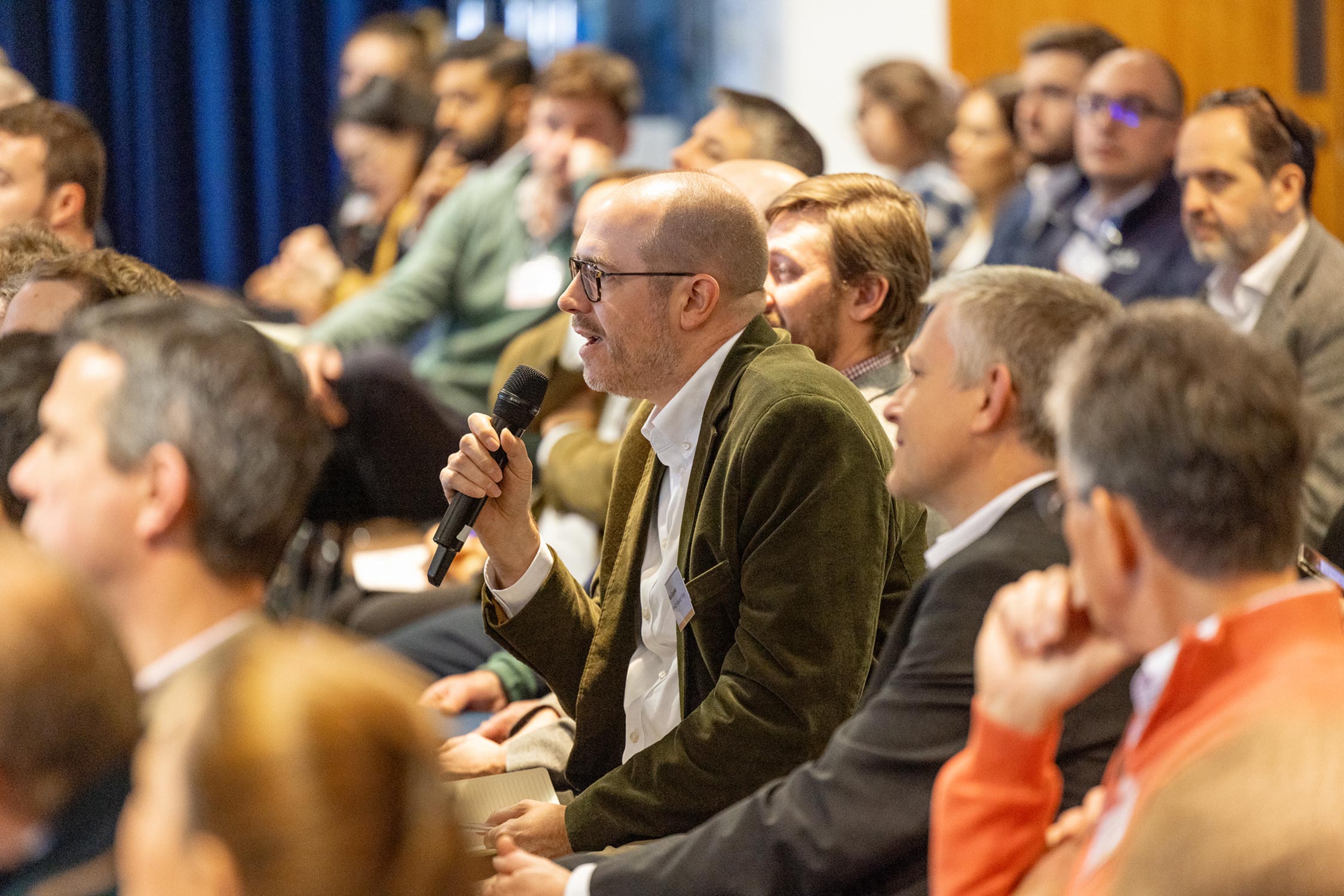
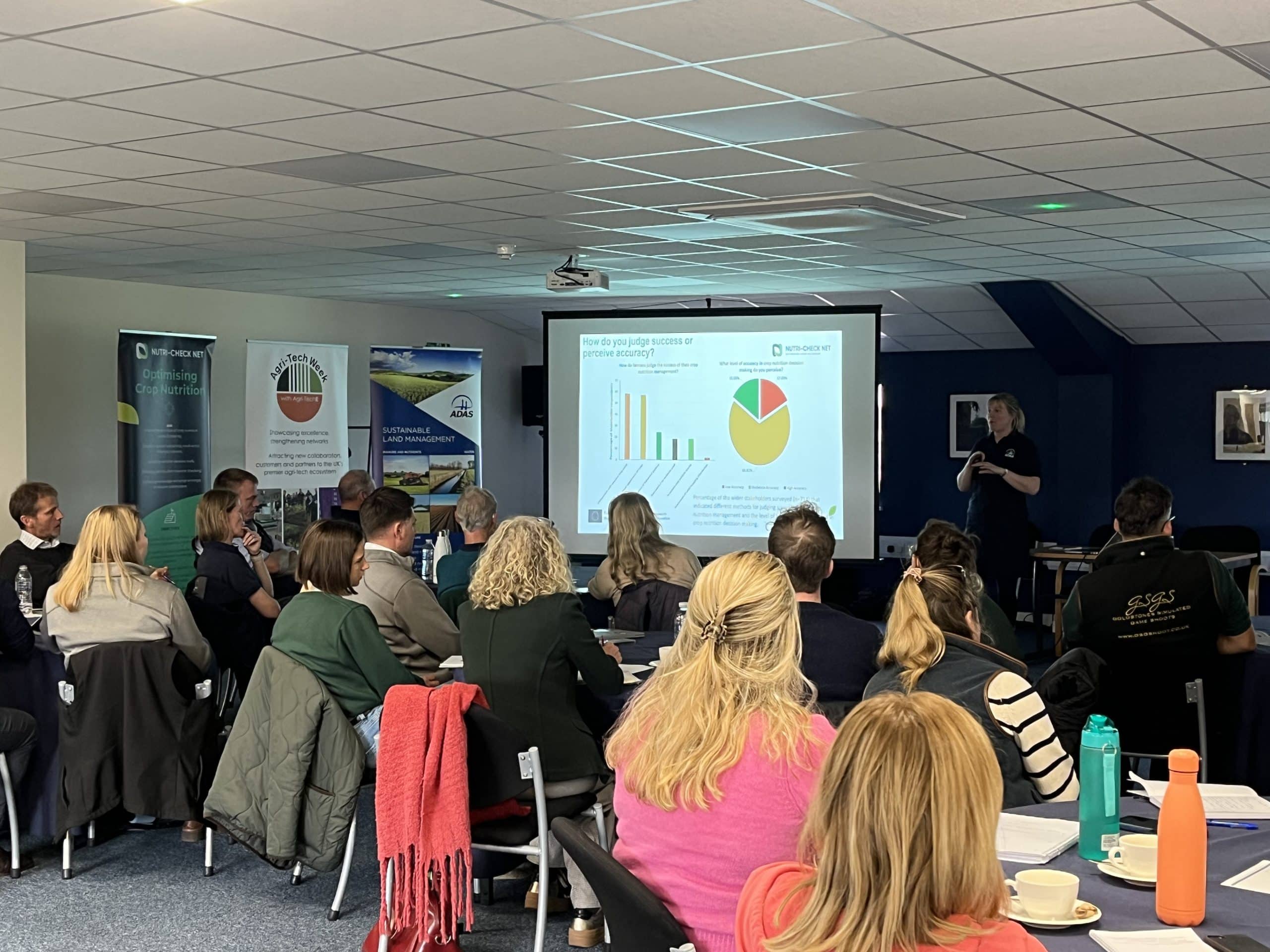
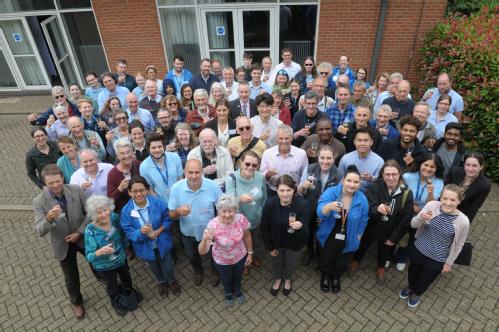
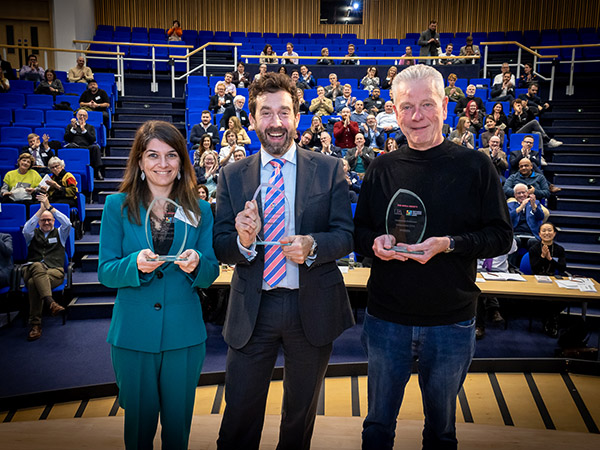
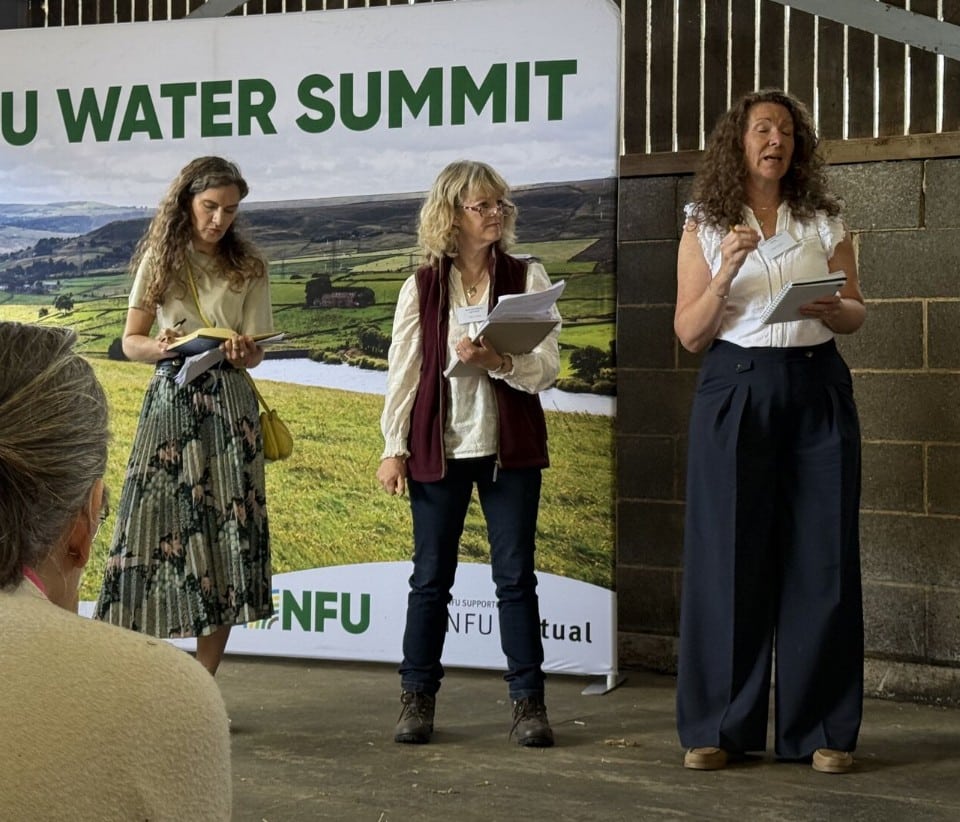
NU Farms invites everyone to the ‘Women in Farming’ event on Wednesday 8 October, from 1pm – 3.30pm at Nafferton Farm. Those interested in getting involved (in any capacity) or joining a panel discussion should contact snes.engage@newcastle.ac.uk, as we are in need of participants. No matter where you are in your career, your insights are important, and we would love to hear from you.
The event strives to cover hot topics related to women in farming, for example, challenges and opportunities, leadership and empowerment, sustainable farming practices, work-life balance, access to resources as well as networking and mentorship.
Participants can share their experiences and future goals too. This is a great opportunity to network, discuss important issues, and explore exciting research. Ideas and topics welcome.
This fully inclusive event welcomes all genders. Don’t miss out on this chance to connect and contribute in a relaxed and welcoming setting!
*I have permission from the copyright holder to publish this content and images.
Post Overview
This story has been submitted by an Agri-TechE member.
The views expressed in this Member News article are the author's own and do not necessarily represent those of Agri-TechE.
As we move through 2025, Ceres Research continues to make significant strides in agricultural research and knowledge exchange. Since January, we have been actively involved in various projects, conferences, and initiatives aimed at enhancing the agricultural sector by bridging the gap between the latest scientific research and what happens on farm. Here’s an update on some of our recent activities.
Expanding Our Team and Capabilities
Since the addition of Dr Alex Setchfield and Dr Danni Robb in October 2024, Ceres Research has been able to meet the growing demand for independent agricultural research. Our skills and expertise, combined with those of Ceres Rural, have been instrumental in driving our projects (such as those mentioned below) forward and expanding our research capabilities.
Example Key Projects and Initiatives
Independent Trial Validation and Reporting: We are independently validating Timac AGRO UK’s demonstration trials on various crops – including onions, sugar beet, winter wheat, maize, and potatoes – to showcase the effectiveness of their latest biostimulant products. Our work here has involved finding the right trials site from within our Ceres farm network, formulating an experimental design and trial protocol for the host farmer, collecting in-field data (with the help of Ceres Rural), analysing the data, and most recently, presenting the results back to the Timac AGRO team and various other attendees at a Farming Innovation and Technology Showcase day in July. The day was a great success, with Dr Danni Robb also sharing her PhD insights into the mechanistic science behind biostimulant impacts on soil health and crop performance. As we could only present mid-season results at the time, we’re looking forward to exploring the pre-harvest and yield data to finalise the findings!
Industry Insights: We are providing a comprehensive biannual Farming Update to a large tenant farmer group on behalf of the landowner client, with the aim of enhancing collaboration between landlords and tenants across various farming sectors. The update, delivered in a printed and digital booklet, showcases tenant projects, outlines the latest updates on government funding and grant opportunities, and provides technical insights to improve productivity, significantly improving relationships and business resilience. If this is of interest, we can tailor Farming Updates to suit the needs of your business and your stakeholders. Get in touch with us today to discuss your ideas and requirements further.
Early Disease Detection: To support OptiGene with their new venture into early pest and disease detection in the agricultural sector using COVID-like testing techniques, we recently provided technical insight to support them in developing a ‘Playbook’ for early disease detection in winter wheat, as part of their ‘Grow Smarter’ campaign. By combining OptiGene’s expertise in molecular diagnostics with our expertise in precision agriculture and agronomy, this playbook explores with the user the ‘why’, ‘what’, and ‘how’, when it comes to early disease detection with molecular diagnostics using the example of winter wheat. This includes what diseases to test for, when and why, immediate practical actions following early detection, and the outcomes and wider impacts of early disease detection in agriculture. This initiative may provide farmers with valuable tools for early pest and disease detection and management at the pre-symptomatic stage.
Farming Innovation Programme: Our team has been actively involved in preparing multiple project proposals for the Defra / Innovate UK led Farming Innovation Programme, which includes the ADOPT grant for farmer-led projects, and the Low Emissions Farming fund. These projects cover several angles within agriculture, from food system integrity to oilseed rape establishment strategies. We are working collaboratively with farmers and other industry stakeholders to increase the probability of success and scalability, and hope to share positive outcomes soon. If you have an idea or would like to join a consortium application in the future, please contact us.
Industry Collaboration: Through the ‘OSR Reboot’ campaign, we have endorsed the latest AHDB management strategies for cabbage stem flea beetle (CSFB) in oilseed rape, alongside other key industry players such as the NFU, AICC, Corteva, KWS, BASF, BASIS, and United Oilseeds. This document details the strongest set of CSFB management strategies to date to help preserve and improve OSR growth, an important break crop in the UK and domestic edible oil source. This strategy document provides farmers and growers with a general understanding of the current status quo, all in one place. As part of the consortium, Ceres Research will continue to support the AHDB in monitoring and reviewing OSR management strategies. We will also provide insights to adapt the strategies in response to new evidence and situations as they evolve.
As we look forward to the rest of 2025, we are committed to advancing research and knowledge exchange in the agricultural and related sectors. Our skilled team, extensive industry partnerships and innovative project experience, position us well to continue making a positive impact on the industry.
We encourage you to stay connected with Ceres Research through our website and social media channels, where you’ll find the latest updates and insights from across the industry and related sectors. Do not hesitate to get in contact if we can be of any help, or collaborate to advance agricultural innovation together.
*I have permission from the copyright holder to publish this content and images.
Post Overview
This story has been submitted by an Agri-TechE member.
The views expressed in this Member News article are the author's own and do not necessarily represent those of Agri-TechE.
Research Partnerships
Opportunity for
Agtech companies and researchers to submit research ideas that align with Dairy Australia’s forage R&D priority areas.
Opportunity description
Industry challenge
Australia’s dairy industry relies heavily on forages and pastures to drive nutrition intake for dairy herds. Yet current forage productivity, resilience, and utilisation are not keeping pace with the evolving demands of the sector. Without a coordinated, forward-looking national approach, the dairy sector risks falling behind in feed base innovation affecting profitability, environmental performance, and long-term resilience. The National Dairy Forages R&D initiative seeks to overcome these systemic challenges by building a connected, nationally aligned research platform that accelerates forage innovation and adoption across Australian dairy regions.
Current opportunity
Dairy Moving Forward via Dairy Australia are seeking submissions for research ideas that align with their National Dairy Forages R&D Priorities.
These priorities are:
Low emissions forage systems:
Design integrated forage systems for low-emissions dairying that deliver productivity, profitability and sustainability
NextGen Technologies:
Harness next-generation technologies to transform forage management
Optimise Management Practices:
Refresh forage management practices to maximise genetic potential and to adapt to changing conditions
Optimise Mechanically Harvested Forages
Optimise yield, quality, and system performance of mechanically harvest forages
Track soil-plant microbiomes:
Track emerging insights into soil-plant microbiomes to guide future innovation.
Submission process
To receive the resource pack containing the documents required for the idea proposal, submit your interest via the ‘Enquire now’ button.
The resource pack contains:
Capability and infrastructure template
Idea proposal template
Information pack.
Collaboration for proposals is encouraged. Ideas submitted must be singularly focused on responding to above priorities. More detail on focus area and scope of priorities can be found in the info pack attached.
Once you have been filled out, please email them to: nfs@dairyaustralia.com.au
Questions can also be directed to: nfs@dairyaustralia.com.au and will be responded to by email by the 8th of August.
The views expressed in this Member News article are the author's own and do not necessarily represent those of Agri-TechE.
Welcome to the Ceres Rural Farming Update, a publication that provides independent insights on agricultural issues, from policy and grant funding, to administrative updates and key market information.
Looking for deeper insights and enhanced reporting?
Become a Ceres Research Member to unlock the full potential of your farming knowledge with Ceres Rural Farming Update Plus— a premium publication that takes a deep dive into the key topics covered in our regular updates. With extended analysis, expert commentary, and exclusive content, it’s your essential companion for staying ahead in agriculture.
The views expressed in this Member News article are the author's own and do not necessarily represent those of Agri-TechE.
The projected increase in the global population means that current consumption patterns are unsustainable. In this Insight, we explore how advances in plant biotechnology can help drive sustainability and tackle United Nations Sustainable Development Goal 12: “Ensure sustainable consumption and production patterns”.
The role of plant biotechnology in sustainability
The global population is projected to exceed 9 billion by 2050, and experts estimate that maintaining present lifestyles at such a scale would require the resources of almost three planets. This highlights the urgency of UN SDG #12, which seeks to promote sustainable consumption and production by halving global food waste per capita, ensuring the environmentally sound management of chemicals and waste throughout their lifecycle, and reducing waste generation through prevention, recycling, and reuse.
Plant biotechnology is playing a pivotal role in transforming agriculture, offering innovative solutions to reduce food waste, optimise resource use, and enhance sustainability. Advances in synthetic biology and genome editing enable scientists to engineer crop traits that minimise post-harvest losses and improve nitrogen use efficiency. These approaches support both environmental sustainability and food security, aligning with global goals for responsible resource management.
A significant proportion of global food waste occurs post-harvest, often due to damage, spoilage, or disease. Genome editing, particularly CRISPR technology, is enabling scientists to enhance crop resistance to bacterial and fungal pathogens that contribute to post-harvest spoilage. In tomatoes, CRISPR has been used to identify genes that improve resistance to fungal pathogens such as Oidium neolycopersici, Fusarium oxysporum, and Botrytis cinerea, all of which contribute to significant losses in food supply chains. These genetic traits can be engineered into tomato species or selected for use in traditional breeding programmes.
Beyond disease resistance, plant biotechnology has also been employed to reduce enzymatic browning in crops such as bananas, apples, potatoes, and mushrooms. Browning, which occurs when enzymes such as polyphenol oxidase (PPO) are activated upon bruising or wounding, can lead to substantial food waste. Scientists have used a variety of different plant biotechnology and gene editing approaches, such as CRISPR and RNA interference (RNAi), to suppress PPO activity and extend the shelf life of these crops, thereby reducing unnecessary waste and improving food sustainability. Tropic, a Norwich-based agricultural-biotechnology company, has developed a non-browning banana that has the potential to reduce food waste and CO2 emissions along the supply chain by more than 25%! These advances not only enhance food security but also ensure that more of what is grown reaches consumers rather than being discarded, supporting the objectives of UN SDG #12.
Improving nitrogen use efficiency: reducing dependence on fertilisers
Nitrogen is a vital nutrient for plant growth, yet most crops cannot directly utilise atmospheric nitrogen. As a result, chemical nitrogen fertilisers are widely used to enhance crop yields. However, excessive fertiliser use contributes to environmental degradation by increasing nitrous oxide emissions, a potent greenhouse gas, and causing soil and water pollution. Furthermore, the reliance on synthetic fertilisers imposes economic burdens on farmers, creating a need for more sustainable agricultural practices.
Leguminous plants, such as peas and soybeans, naturally form symbiotic relationships with nitrogen-fixing bacteria known as rhizobia, which convert atmospheric nitrogen into a form that plants can use, such as ammonia and amino acids. There is on-going work to determine the underlying genetic circuitry that regulates such plant-bacterial interactions. Engineering similar nitrogen-fixing abilities into staple cereal crops, such as maize, wheat, and rice, therefore represents a promising approach to improve nitrogen-use efficiency and reduce dependency on synthetic fertilisers while maintaining high yields.
Striking a balance between sustainability and food security remains essential. While UN SDG #12 focuses on responsible consumption and resource efficiency, it is equally important to align these efforts with UN SDG #2 (as discussed in our earlier Insight), which aims to achieve global food security. Innovations in nitrogen-use efficiency offer a promising solution to this challenge by enhancing agricultural productivity while minimising environmental impact.
Innovation for a sustainable future
As the global population continues to rise, sustainable resource management is becoming increasingly critical. Plant biotechnology is at the forefront of agricultural sustainability, providing advanced solutions to food waste reduction and resource efficiency. These innovations not only have significant environmental benefits but also present commercial opportunities for agribusinesses, researchers, and biotech investors, ensuring that the sector remains at the cutting edge of sustainable agriculture.
How J A Kemp can help
For businesses and researchers pioneering advancements in crop improvement, robust IP strategies are key to maximising innovation, investment, and impact. However, patenting plant biotechnology inventions presents challenges, as discussed in detail in our Technical Briefing on Patenting Plants in Europe and the UK. We have several experts working in this area and are uniquely placed to advise on overcoming these challenges.
The views expressed in this Member News article are the author's own and do not necessarily represent those of Agri-TechE.
Introducing Fields of the Future, a new podcast for farmers who want to get the most out of their farm businesses and unlock their agricultural potential.
Each episode brings together voices from across the industry – farmers, agronomists, researchers, and innovators – to share independent, science-led insights that matter in the field. Whether you’re looking for practical advice, emerging trends, or a deeper understanding of the challenges shaping the sector, Fields of the Future is your go-to source for informed, accessible conversations.
Episode 2: Tackling Labour & Recruitment in Farming
In this episode, we dig into the heart of the labour and recruitment challenges facing the farming sector. Speaking directly with farmers, harvest students and farming consultants, we uncover the real-world hurdles of finding and retaining seasonal workers, the evolving expectations of student job seekers, and the disconnects that often slow down the hiring process.
From contract complexities and accommodation to the desire for meaningful work and career development, this conversation explores both sides of the field. We also highlight ideas and practical solutions to make recruitment smoother, faster, and more successful for everyone involved.
Listen now:
Stay Connected
Subscribe to Fields of the Future on your favourite podcast platform and follow Ceres Research on social media @ceresresearch_ for updates, research highlights, and future episodes.
As a Ceres Research member, you will have access to more podcast content, exclusive insights, and tools to help unlock the full potential of your farming business. Click here to find out more.
*I have permission from the copyright holder to publish this content and images.
Post Overview
This story has been submitted by an Agri-TechE member.
The views expressed in this Member News article are the author's own and do not necessarily represent those of Agri-TechE.
In our recently published White Paper, 3DP/IP2025, we mentioned that according to a recent Protolabs Report, 87% of respondents in the agricultural industry said they had printed more parts in 2023 than the year before, a much higher figure than the cross-industry average of 70%.
When considering the need for easy access to spare parts, it is perhaps unsurprising that agriculture, along with the automotive industry, has been an early adopter of additive manufacturing. But a closer look reveals that the applications for 3D printing in farming actually go far beyond keeping machinery running.
A paper published by Smart Agricultural Technology looks at 3D printing applications in “smart farming” in detail. Obviously, on-demand manufacture of replacement machinery parts is first on the list, but it soon becomes clear that what drives the growth of additive technologies on the farm is the ability to produce customised, specialist equipment.
For example, custom irrigation parts – sprinkler heads designed for different chemicals, nozzles with specific geometries and spray rates, bespoke connectors – can be designed and produced with the farm’s unique requirements in mind. 3D printed sensors, which monitor everything from crop health to soil moisture levels, can provide agriculturalists with real-time data, which feeds into resource management, often using AI solutions. Specialist crop handling tools, such as grippers, planting and cutting tools, and sorting mechanisms, can be developed and manufactured for individual crop varieties, leading to less damage and increased production. And of course autonomous vehicles, robots and drones can be fitted with GPS trackers, sensors and applicators using 3D printed mounts and holders.
Finally, the rapid prototyping afforded by additive manufacturing allows farmers to iteratively create and test their bespoke tool designs.
Major players in both the additive and agricultural industries already recognise the potential for market growth. Manufacturers such as Stratasys have products and solutions aimed directly at the agricultural sector, and agri-tech companies including AGCO, John Deere and Caterpillar are using additive technology to customise their machinery.
Described by some as a “transformative force” and a “revolutionary tool”, 3D printing clearly has great potential in the agricultural sector – but there are barriers.
Commercial 3D printers can require significant financial investment, which may be out of the reach of some farmers. Perhaps more importantly, a degree of technical knowledge – including how to use scanning and/or modeling software, and how to deal with any technical issues that arise – is required. And although 3D printing enables rapid prototyping, in practice it can be slower than conventional manufacturing techniques.
Nevertheless, as the paper points out, 3D printing has the capacity to transform smart farming. As innovative applications and bespoke designs continue to be created in this sector, it is encouraging to see that the frameworks intended to protect intellectual property – including patents and industrial designs – are being revised and updated to encompass 3D printing, as noted in our recent White Paper.
Marks & Clerk has a dedicated team of 3D printing specialists, who can help you navigate the complexities of this rapidly-developing field. We are also proud to be a member of Additive Manufacturing UK, a leading organisation dedicated to promoting and advancing the use of additive manufacturing technologies in the UK.
The views expressed in this Member News article are the author's own and do not necessarily represent those of Agri-TechE.
Join us at the Ceres AgriStrategy Conference on Thursday 4th December.
Are you ready to turn this year’s challenges into next season’s strategies?
Hosted by Ceres Research and Ceres Rural, this one-day conference is your opportunity to:
– Reflect on the 2025 harvest with expert insights
– Explore sustainable rotations and input efficiency
– Discover the latest in agri-tech and innovation
– Gain strategic tools for profitability and resilience
– Network with forward-thinking farmers and agri-leaders
Featuring keynote speakers like Charlie Ireland, Jeremy Moody, Sir Peter Kendall and Quintin McKellar, plus a full day of expert-led sessions, panel Q&As, and a networking dinner.
Through expert-led sessions, data-driven reviews, and future-focused discussions, the conference empowers the agricultural community to make informed, resilient, and sustainable decisions.
Dinner is available – make sure you select the add-on at check out.
Click here to view the full agenda and to book your tickets.
*I have permission from the copyright holder to publish this content and images.
Post Overview
This story has been submitted by an Agri-TechE member.
The views expressed in this Member News article are the author's own and do not necessarily represent those of Agri-TechE.
A tributary of the River Wensum has lent its name to a radical nature recovery project spanning 2,000 acres near Dereham in Norfolk.
Established in 2021 the Wendling Beck project focuses on habitat creation, nature restoration and regenerative farming, building financial and environmental resilience for farmers, and delivering access and education for people. Essential to success is data gathering.
Wilder Sensing has been deployed to monitor bioacoustics across the project. Its powerful machine learning algorithm allows the team to automatically identify and classify bird species and build a dataset to help track species recovery.
Key triggers that created Wendling Beck
Three key factors acted as catalysts.
Firstly, post-Brexit the Basic Payment Scheme (farming subsidy) was reduced, and subsequently removed. The land which now makes up Wendling Beck was poor arable quality and without the support of subsidies had become marginal. Landowners needed new ways to increase financial resilience in their businesses, whilst delivering environmental improvement.
Secondly, the Covid pandemic in 2020 provided an opportunity to take a step back, consider traditional land uses and co-design a new land-use model. Importantly, it enabled four neighbouring landowners to collaborate and pool their land to deliver something very different.
The final catalyst in this trilogy was the 2021 Environment Act. This included Biodiversity Net Gain (BNG), a policy that seeks to ensure habitats lost through development are replaced and provide a measurable gain on what existed.
“The BNG aspect of the Environment Act enabled us to think about doing something quite radical and to come together to deliver it at scale – we started changing our mindset from farming to under standing more about nature restoration within the landscape.” said Glenn Anderson, Landowner and Founder, Wendling Beck.
New ways of working and monetising land use
Wendling Beck began to think about catchment level management, a process of managing land to improve water quality and the environment. To achieve this, they needed to revert poor quality land from arable production and find a business model which would monetise the delivery of nature through ecosystem services. Working closely with The Nature Conservancy (TNC), along with other project partners, they created an investment model to deliver landscape level change and transform unviable farmland to a mosaic of high-distinctiveness habitats.
“It has been a learning curve – we have had to retrain ourselves and understand how the new policies work, we have become well informed in a nascent market.” said Anderson.
The team created a project operating company, owned and managed by the four landowners, and have entered into long-term legal agreements; they are now at the delivery and implementation stage and are actively trading the ecosystem services.
Other stakeholders include the Norfolk Rivers Trust; Norfolk Wildlife Trust; Norfolk County Council, Breckland Council and Anglian Water.
“Selling a few environmental credits has given every one a little bit of confidence, there was a massive amount of risk taking most of the land out of production, constant shifts in Government policy have added to the lack of certainty – but the business model is working.” added Anderson.
What happened on the ground?
Wendling Beck was selected by Natural England to be one of its statutory BNG pilots. The aim was to take 800 hectares of grade 3 arable land and create a mosaic of species-rich meadows, lowland heath, wetlands, woodlands, and restored chalk streams sit alongside 30 hectares of retained regenerative black currant farming.
The team undertook a Defra test and trial project, which engaged dozens of other farmers regionally to look at different monitoring methods used in conservation and gauged their effectiveness, relevance and validity within the farming sector. The team were introduced to bioacoustics experts Wilder Sensing by eCountability, the ecologists leading the monitoring strategy.
“We wanted to dovetail monitoring techniques with technology – bioacoustics, environmental DNA, and remote sensing solutions.” said Lizzie Emmett, Project Lead, Wendling Beck.
Working with Wilder Sensing provided the opportunity to try a new method of monitoring, the project currently has 22 monitors spread over 2000 acres. These, alongside camera trapping and manual bird recordings are maintained by Wendling Beck’s ecologist who changes the data cards and uploads to the Wilder Sensing platform.
“The obvious benefit of the monitors is that it’s all remote and you don’t need to be there.” explained Dave Appleton, Ecologist, Wendling Beck “You can get some false positives, but it’s a very low percentage. I have checked against manual observations, and it was as low as 1 in 1000 recordings.”
The system has proved an effective way to understand species presence in the landscape over time. As expected, there are a lot more species in the areas that have been left to nature than in the arable control points. The monitoring devices provide the baseline data from which Wendling Beck can demonstrate that the interventions on the ground are responsible
for the species recovery curve.
“We have rare breeding birds back on the land which we have not seen for years. We hope that with more sensors and time we will hear and identify turtle doves and nightingales – if we can, that will be off the scale.” said Emmett.
With the change of habitats from arable to rich grass land there have been substantial changes in invertebrate and on the ground species and an increasingly varied bird species list. Key is not the length of a species list picked up by monitors but finding out which species currently exist and the fluctuations in the presence of different species. This data has helped Wendling Beck with its ground management.
“Using the bioacoustic monitors has become a really useful tool in understanding the presence of different bird species. Crucially, it allows us to track species types and population changes as habitats are created and land is restored across the project.” said Glenn Anderson.
Going forward – measurement and data
Wendling Beck are determined to go above and beyond the minimum requirement for ecosystem services. Although not legally required to use bioacoustics as part of the process, they wanted to understand how the species assemblage changes and whether species recovery is more effective at a landscape scale, with a rich mosaic of habitats, rather than small areas of fragmented habitat. The demand for bioacoustic data is only expected to expand over the coming years.
“We see ourselves as ecosystem engineers, measurement and data is the most important part of the process – it underpins the project – we are effectively selling data – measuring the uplift of habitat value and using the habitat as a proxy for species recovery. This is a minimum 30-year project, and it is a lot more complex than farming!” concluded Glenn Anderson.
*I have permission from the copyright holder to publish this content and images.
Post Overview
This story has been submitted by an Agri-TechE member.
The views expressed in this Member News article are the author's own and do not necessarily represent those of Agri-TechE.
Tropic, a pioneering gene-editing company, is dedicated to developing resilient agricultural crops through advanced biotechnological solutions. The company’s primary focus has been on modifying bananas to combat devastating plant diseases such as Black Sigatoka and TR4 Fusarium Wilt, both of which threaten the future health and supply of the crop. Tropic is also preparing to launch a revolutionary gene-edited banana that resists browning for hours after peeling. Developed using the firm’s proprietary GEiGS® technology, the non-browning banana stays visually fresh and yellow for up to six hours—dramatically extending shelf life and reducing food waste across the supply chain. This innovation addresses both the cosmetic standards imposed by global retailers and the environmental burden of discarded produce.
As Tropic matures from an early-stage venture to a commercial entity, the need for a robust laboratory data management system (LIMS) became paramount. This case study explores how Tropic implemented Interactive Software’s Achiever LIMS to enhance data traceability, regulatory compliance, and operational efficiency.
Challenges faced by Tropic
As a young start-up, Tropic initially relied on Excel® spreadsheets and other task-specific data management practices.
As the business has grown quicky into a commercial entity, the need for data traceability has become synonymous with the company’s success. Gene-edited crops must undergo rigorous testing to meet regulatory standards and ensure public safety. Detailed traceability was required to demonstrate the development journey of each plant from cell transformation to a fully developed banana plant. As an ETS-certified company, Tropic needed a system that met stringent data traceability and reporting requirements.
As Tropic neared commercialisation and the volume of data produced increased, it made spreadsheet-based management inefficient and heightened the risk of human error during input. The company required a system that allowed scalability and centralisation. Data needed to be centralised in a single system to improve accessibility and reduce duplication of effort. The company also needed a secure, structured way to document and protect its intellectual property, particularly given the innovative nature of its genetic modifications.
An earlier attempt at implementing a LIMS had failed due to the premature adoption of the system and the selection of an unsuitable provider, leading to financial and time losses. Lessons learned from this experience underscored the importance of selecting the right vendor and system to support Tropic’s unique needs.
Why Tropic chose Achiever LIMS
Tropic undertook a thorough six-month evaluation process, starting with a wide range of potential LIMS providers before gradually narrowing the selection down to two finalists.
Ultimately, they chose Achiever LIMS based on several key considerations.
One of the most important factors was the flexibility and adaptability of the system. Tropic was particularly impressed by Interactive Software’s (ISL’s) structured approach and its ability to adapt to their unique requirements. Interactive Software have a strong market presence in sectors including biobanking and clinical research which are heavily regulated, hence the team had a particular understanding of the challenges facing Tropic and its work in gene editing. Achiever LIMS provided a structured yet straightforward framework that was well-suited to the regulated nature of Tropic’s work. The system’s user-friendly interface and structured data management capabilities made it an ideal choice, particularly as the company transitioned from Excel®-based processes.
Another crucial element in the decision was Interactive Software’s strong vendor partnership approach. In selecting the right vendor, Tropic prioritised collaboration and engagement. The team at ISL demonstrated a clear commitment to working closely with them, ensuring that the system could be tailored to suit their specific workflows and data management needs.
Finally, Tropic opted for a cloud-based solution through a Software-as-a-Service (SaaS) model. This allowed them to share the scalability challenge with ISL rather than investing in their own physical infrastructure. The decision not only ensured cost savings but also provided the flexibility needed for future growth and expansion.
Implementation process
The implementation process of Achiever LIMS at Tropic is being carried out in multiple phases, beginning with planning and selection. The contract negotiation phase ensured that both parties were aligned on expectation. Discussions and preparations for implementation started early in the development process to ensure that the project began quickly and without hinderance.
The next phase involved data migration and system deployment. One of the biggest challenges was cleansing and structuring the data to ensure accuracy and integrity before migrating it into Achiever LIMS. Through this process, Tropic identified several data inconsistencies and errors, highlighting the necessity of a centralised system. The deployment was carried out in stages, allowing for a structured and gradual transition.
Training and user adoption were critical to the success of the implementation. Initial training sessions focused on key users, who then shared their knowledge with their respective teams. In addition, technical training was provided to system administrators, enabling Tropic to manage the system internally. The flexibility of Achiever LIMS allowed the team to quickly adapt and take full ownership of the system, ensuring a smooth transition and effective long-term use.
Benefits and impact
Within two months of going live, Tropic observed significant data management improvements:
Enhanced data integrity and traceability: Manual data entry errors were reduced, improving the accuracy of critical research and regulatory data. Researchers can now trace plant development seamlessly from cell transformation to final product.
Operational efficiency and time savings: Data input time was reduced by at least 50%, freeing up lab technicians to focus on scientific work rather than administrative tasks. Real-time data entry using iPads and tablets streamlined workflows.
Regulatory compliance confidence: The structured data system provided Tropic with confidence in meeting regulatory requirements for product approval. Secure data management also supported intellectual property protection.
Improved decision-making and data access: Previous Excel files were consolidated, enabling quick search and retrieval of relevant data. In addition, the management had greater visibility into research and development progress, aiding strategic planning.
“The collaboration between Tropic and Interactive Software has raised the bar for supplier excellence. From the outset, Interactive Software demonstrated a deep understanding of our scientific and operational requirements, delivering a Laboratory Information Management System that is both robust, adaptable and scalable. Their professionalism, responsiveness, and commitment to co-creation enabled a seamless implementation that has significantly enhanced our data integrity, regulatory compliance, and research efficiency. This partnership has laid a strong foundation for continued innovation and growth.”
Dan Fox, VP Product Development, Tropic.
Looking to the future
With the successful implementation of Phase 1, Tropic is now looking ahead to further expanding and enhancing its use of Achiever LIMS. The next step, Phase 2, involves extending Achiever LIMS to the rice development pipeline. This expansion includes plans for a go-live date in March 2025 and the integration of genotyping data to streamline research and development processes.
Beyond this, future phases will focus on incorporating additional research functions. One key initiative is the integration of pathology data into the system, enabling more comprehensive product assessments. Tropic is also exploring the potential of using LIMS for discovery work, including the identification of new genes and transformation mechanisms.
Conclusion
Tropic’s implementation of Achiever LIMS has marked a significant milestone in its transition from an early-stage company to a commercial enterprise. By choosing a flexible and adaptable system, prioritising vendor partnership, and taking a phased approach, Tropic successfully overcame its previous LIMS implementation challenges. With improved traceability, regulatory compliance, and efficiency, Achiever LIMS has become an essential tool in supporting Tropic’s mission to revolutionise agricultural resilience. Looking ahead, the system’s scalability and integration potential will continue to play a key role in Tropic’s growth and innovation.
*I have permission from the copyright holder to publish this content and images.
Post Overview
This story has been submitted by an Agri-TechE member.
The views expressed in this Member News article are the author's own and do not necessarily represent those of Agri-TechE.
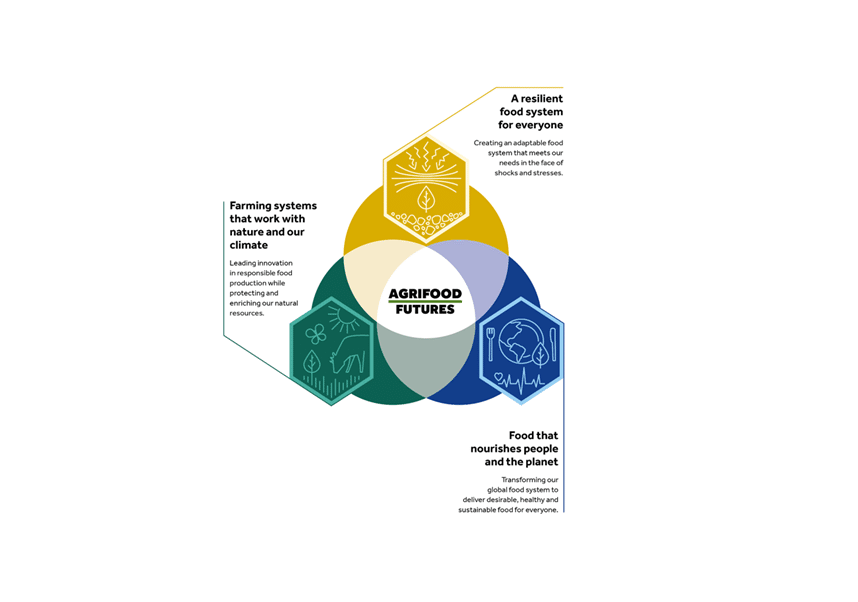
Agrifood Futures is the new, ambitious research strategy that builds on the University of Reading’s reputation for research excellence and work with global partners.
National and global challenges in our food system include climate-driven disruption of food production, rising levels of malnutrition and hunger, and the degradation of natural resources. The University of Reading is well-placed to drive change thanks to its deep expertise across the food system.
The three priority areas are:
A resilient food system for everyone – Creating an adaptable food system that meets our needs in the face of shocks and stresses
Farming systems that work with nature and our climate – Leading innovation in responsible food production while protecting and enriching our natural resources
Food that nourishes people and the planet– Transforming our global food system to deliver desirable, healthy and sustainable food for everyone
Our vision is that everyone across the world is able to consume a sufficient, healthy, sustainable diet that leaves the lightest possible footprint on the planet. Agrifood Futures will unlock innovation and drive the transformation needed to create an equitable, resilient and sustainable global food system for 2050.
The views expressed in this Member News article are the author's own and do not necessarily represent those of Agri-TechE.
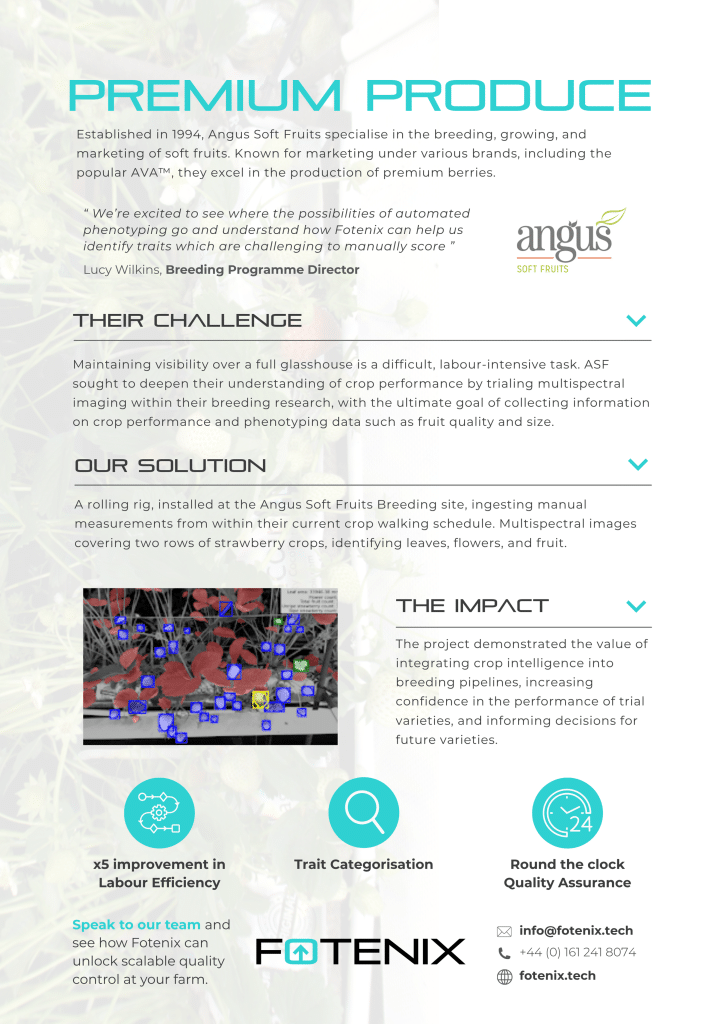
We’re excited to share a recent success story!
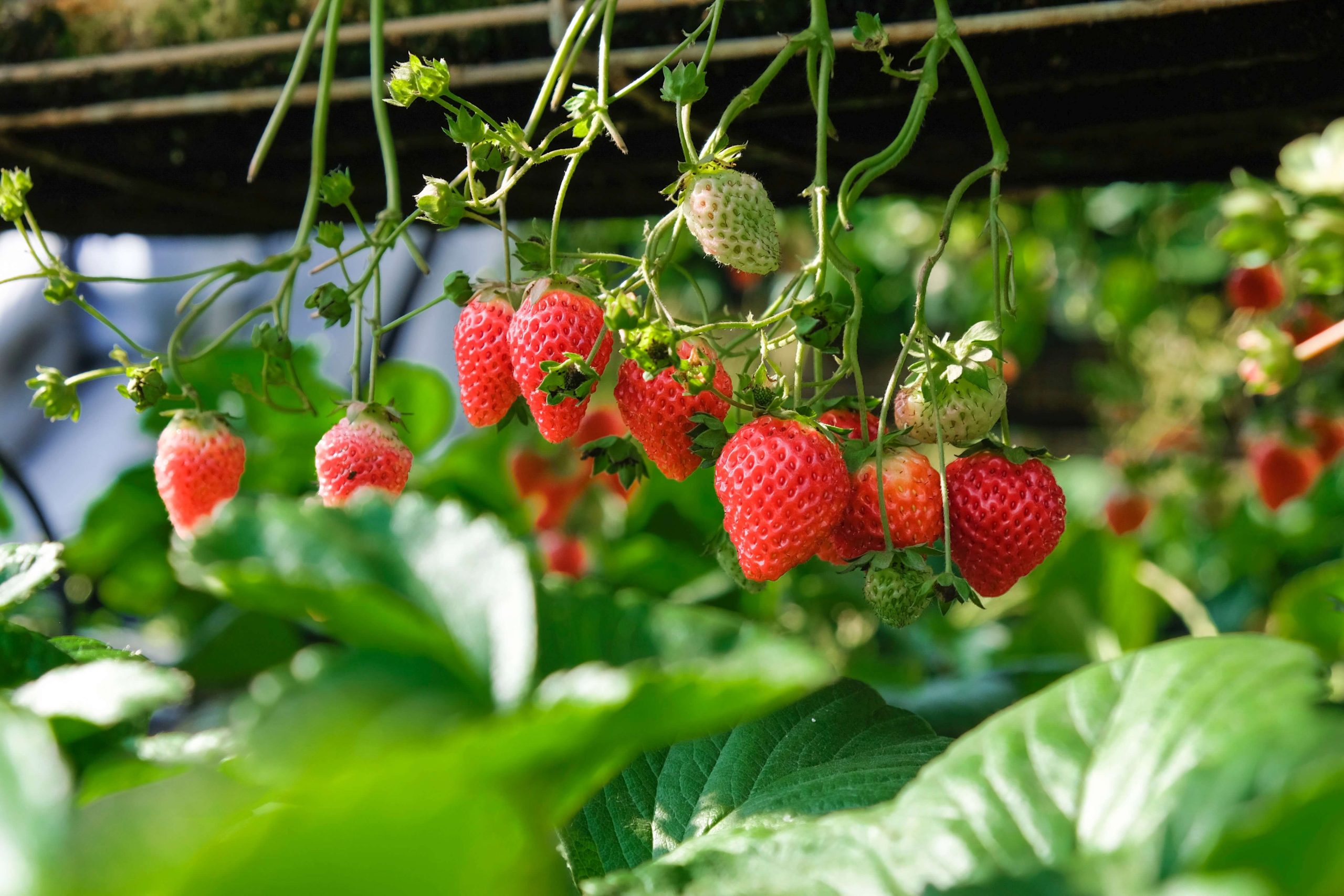
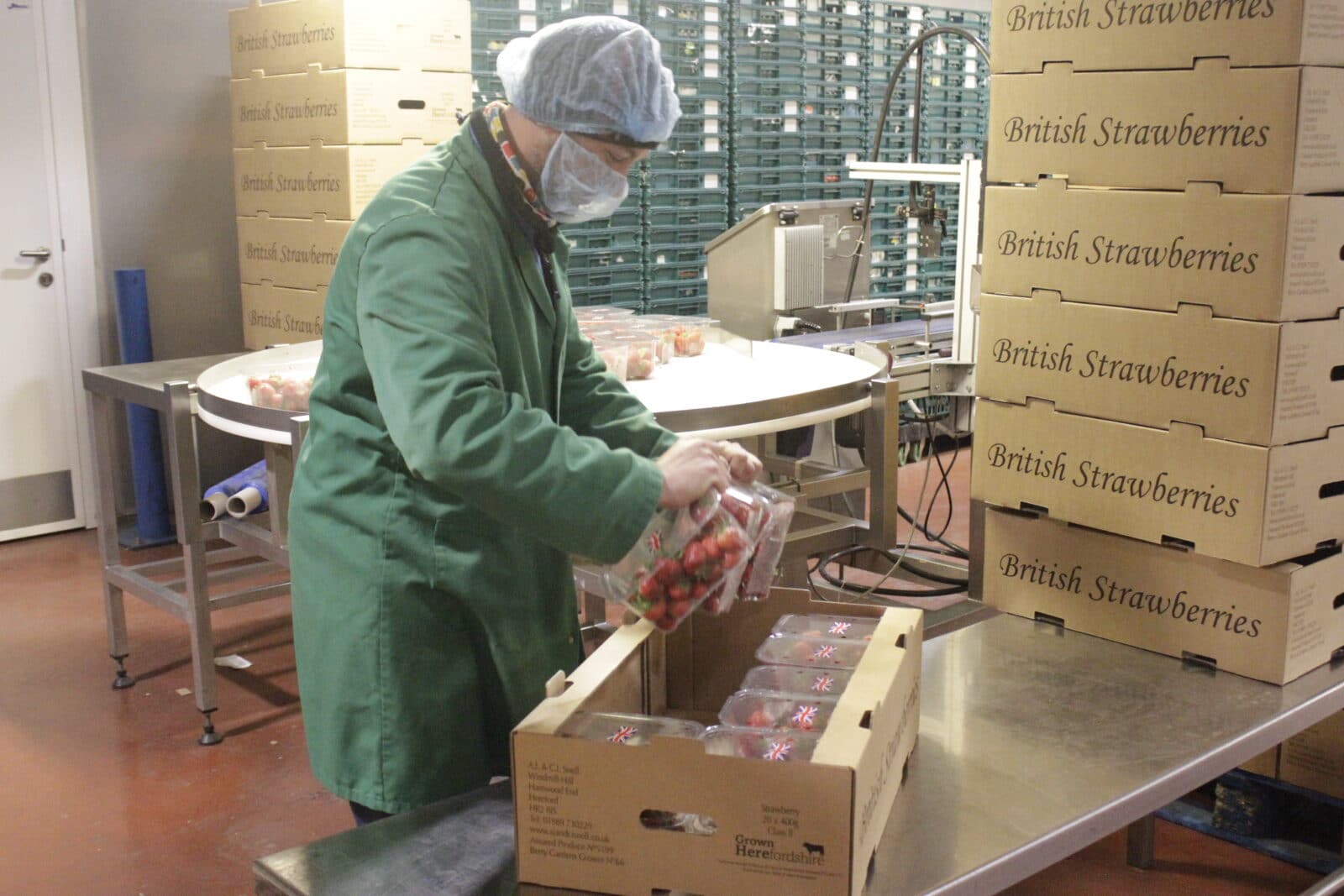
We partnered with Angus Soft Fruits to solve a critical challenge in large-scale glasshouse management: gaining clear visibility and collecting detailed data on crop performance, including fruit quality and size. 🍓
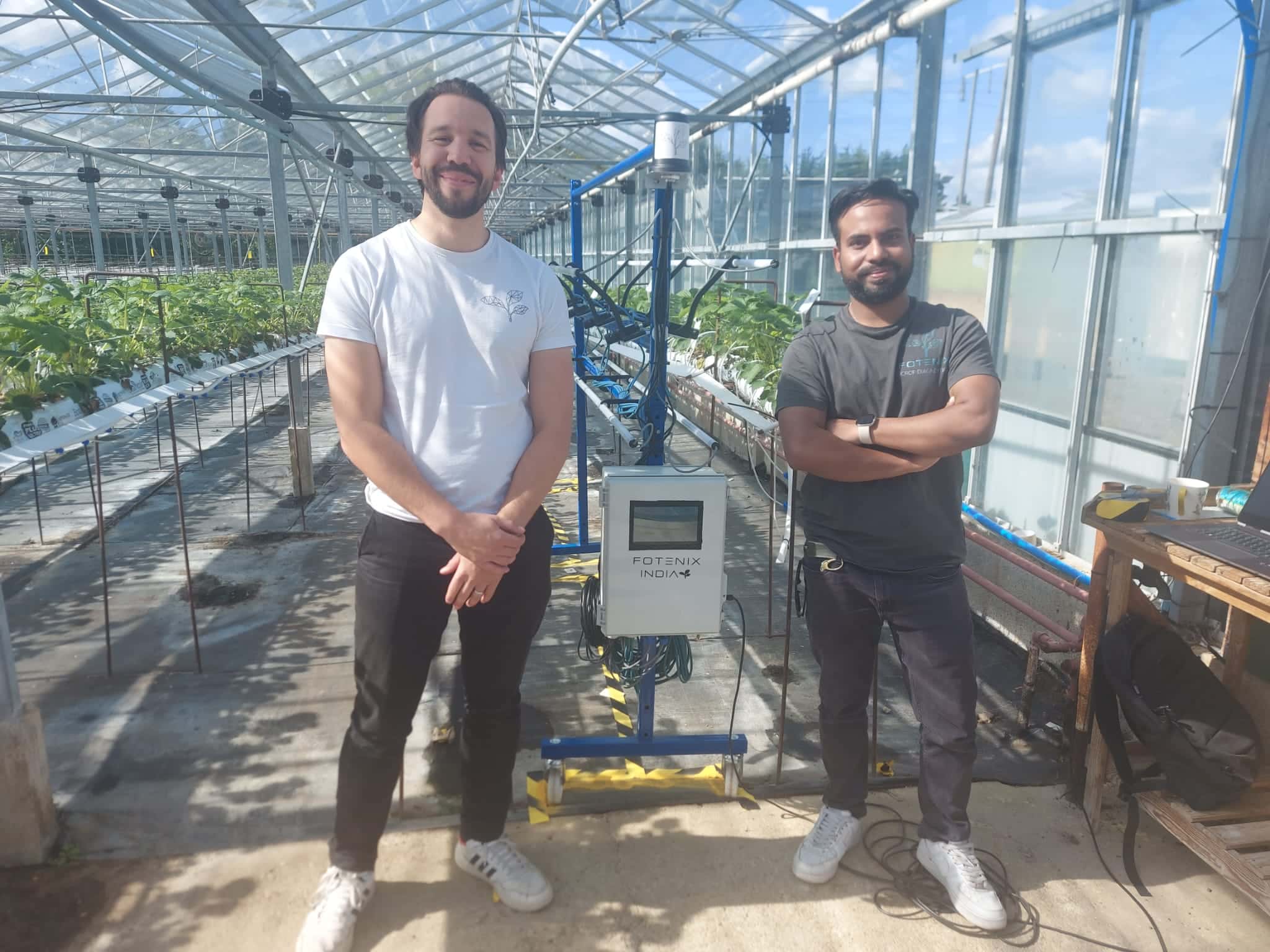
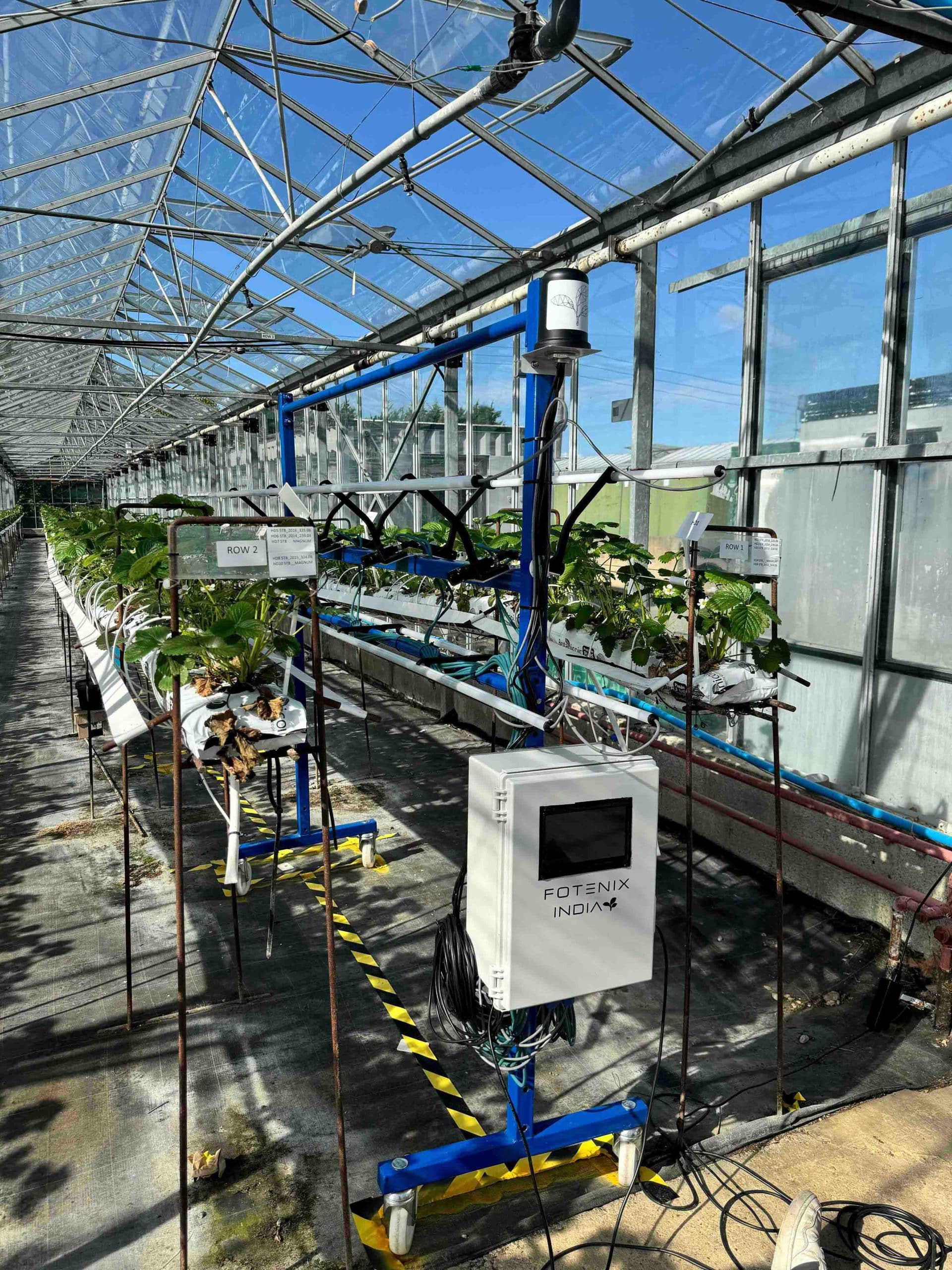
Our solution involved deploying a rolling rig at their breeding site. This innovative system seamlessly integrated with their existing crop walking routines, capturing multispectral images across strawberry rows. This allows for precise identification and measurement of leaves, flowers, and fruit, even incorporating manual data for a complete picture.
It’s incredibly rewarding to see this technology empower Angus Soft Fruits with the detailed insights they need for superior crop understanding and decision-making
Are you facing similar challenges in crop management, or curious about how our services can benefit your operations? We’d love to chat! Get in touch to learn more, info@fotenix.tech.
Post Overview
This story has been submitted by an Agri-TechE member.

 Newcastle University
 Ceres Research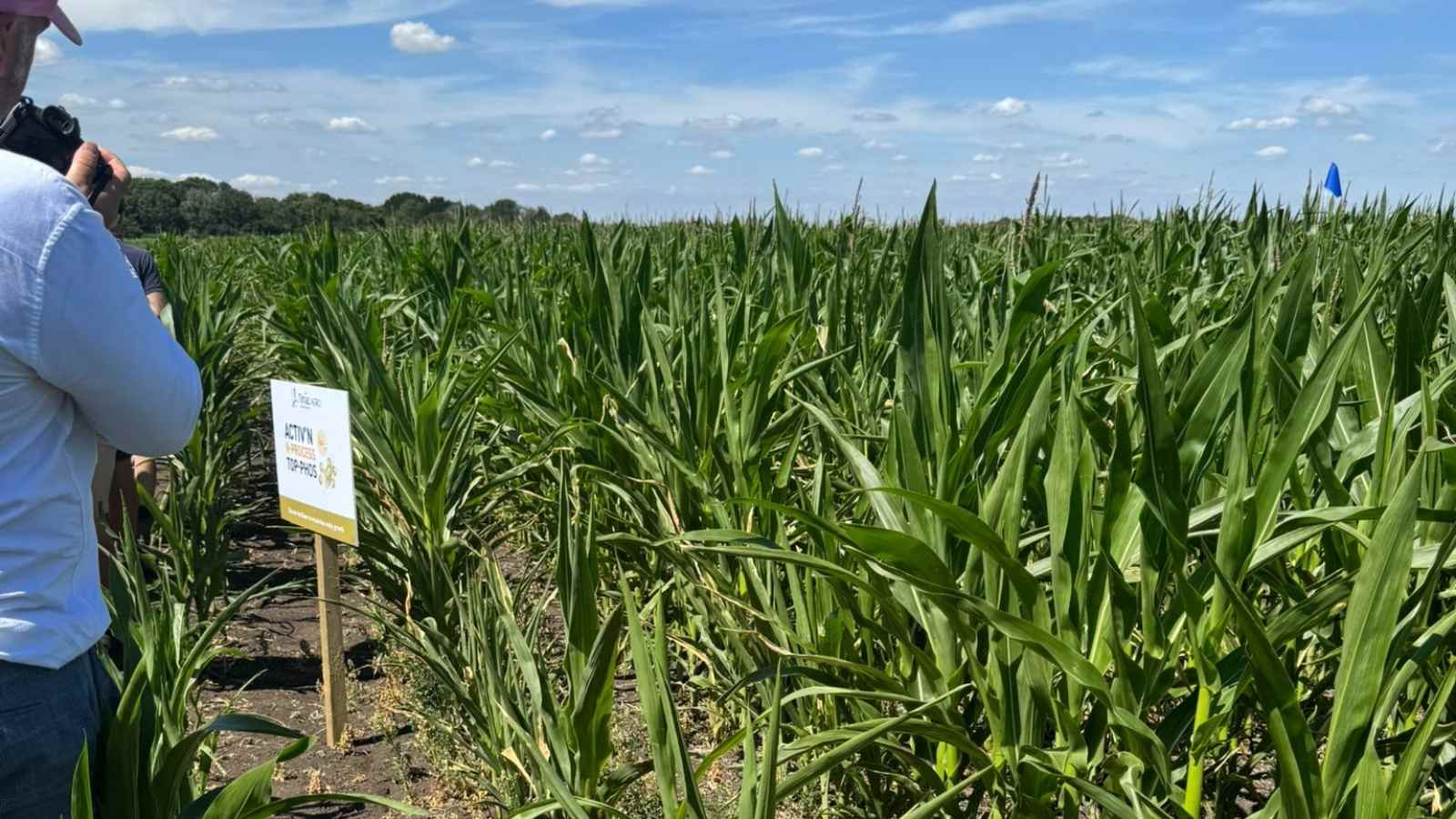


 AgriFutures growAG





 J A KEMP LLP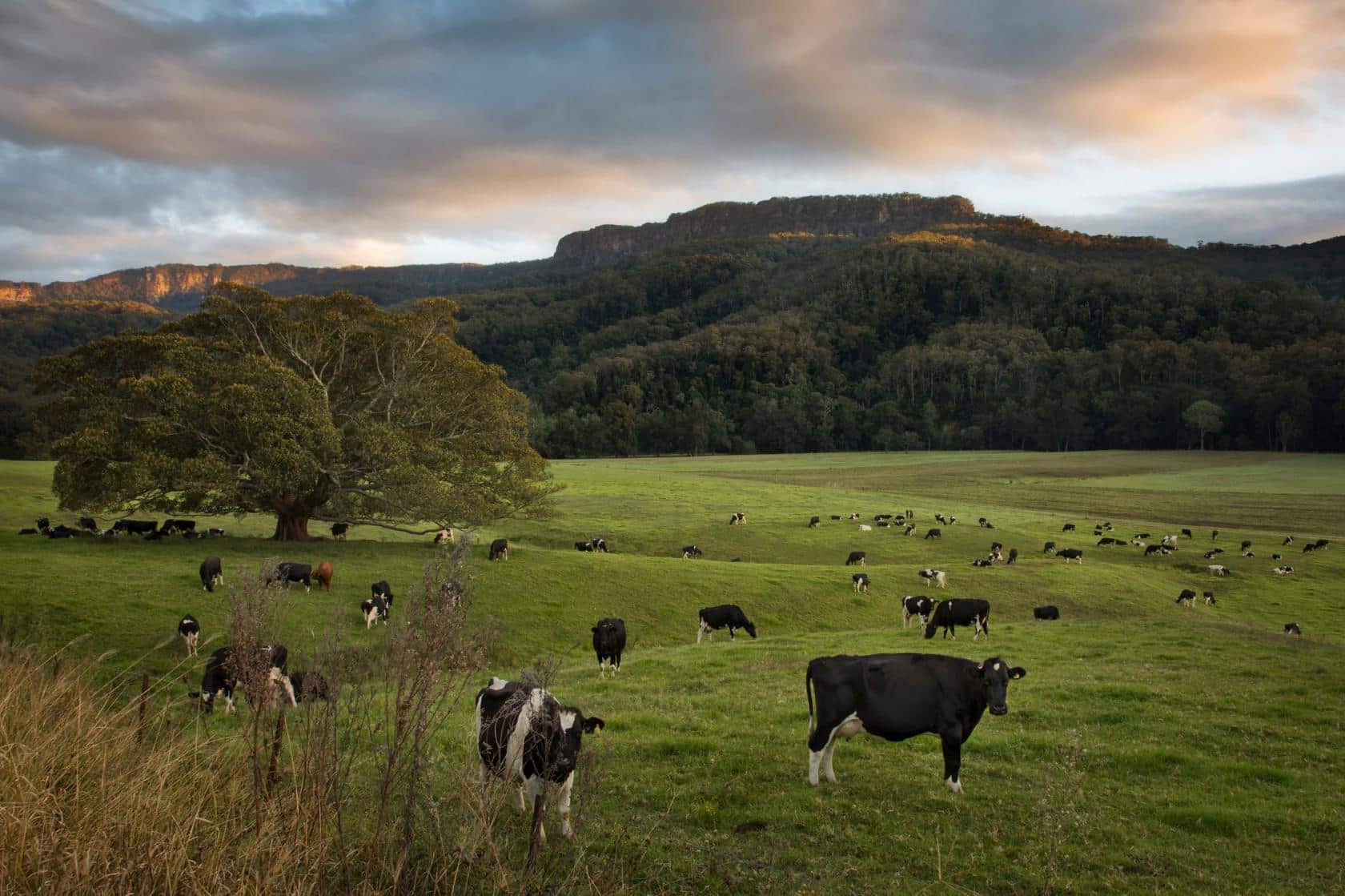









 Marks & Clerk LLP



 Wilder Sensing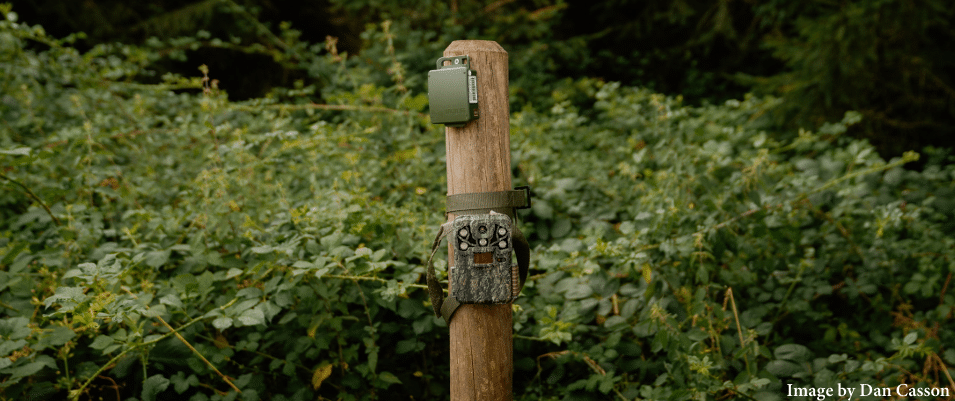



 Interactive Software Ltd - Achiever LIMS


 University of Reading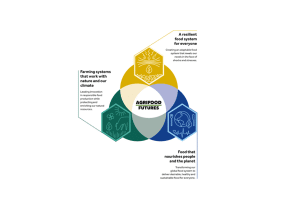


 FOTENIX