Patenting, Trademarks, Copyright, Trade Secrets...
In the next installment of our micro-learning series, we’ll explore potential legal solutions to help you keep your ideas safe and sound.

After the flood making information beautiful

Meet the Network
Agri-TechE

Nick Cross, After the floodTo survive in a complex world humans have evolved the skill to extract information quickly from patterns. This ability is exploited by infographics, graphics that display data as pictures. Familiar examples include the London Underground map, which supports navigation, and the Met Office maps, which allow weather prediction.
After the flood is now taking this type of data visualisation to a new dimension with artificial intelligence. It takes insights from multiple interactions (people-machine and machine-machine) and displays the findings as deceptively simple dashboards.

Personalised food production 

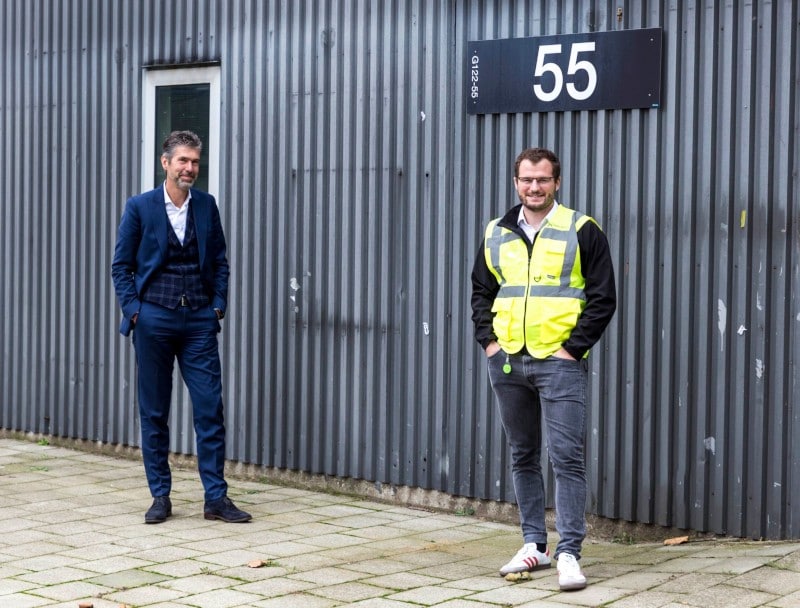
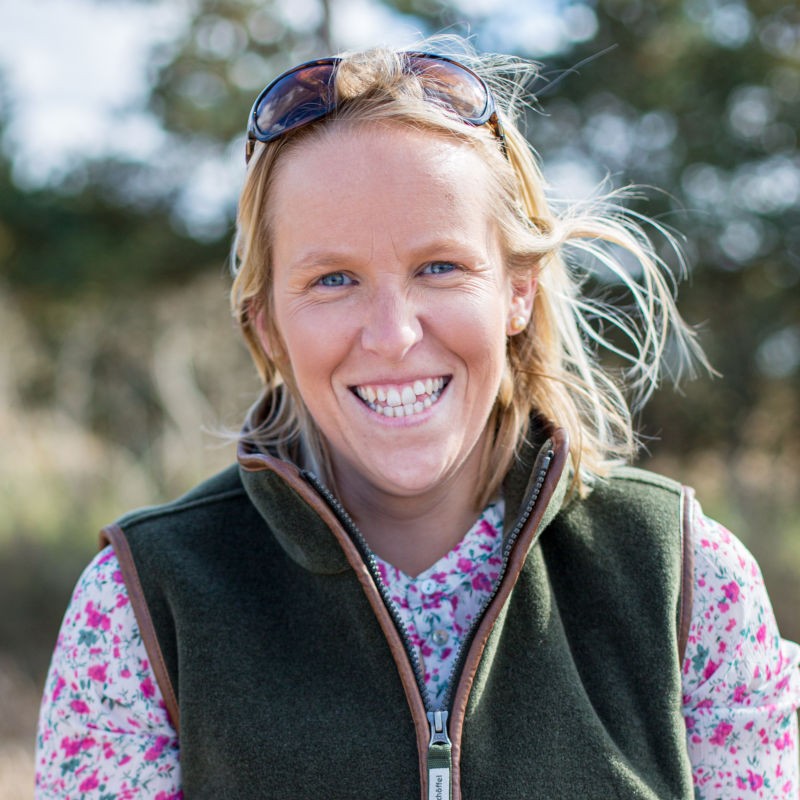
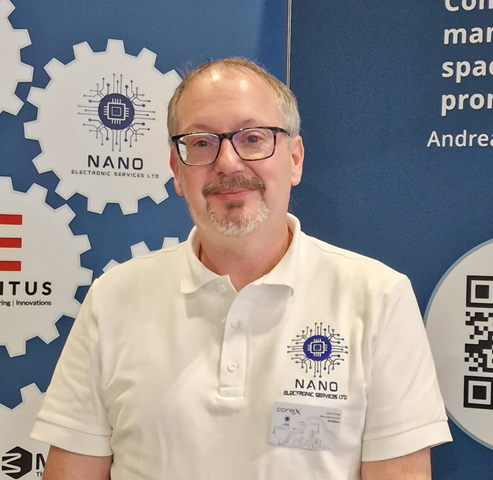
After the flood’s Chairman Nick Cross (pictured right), who also manages his family farming business in Suffolk, explains: “Traditional data analytics are based on collecting data and then providing retrospective insights.
“We are moving into a new era of active data that uses real-time data to provide intelligent services. Perhaps there will come a time when food production will be personalised!”
Instead of creating static images using historical data, After the flood creates a dynamic interpretation of live data. This allows fast reactions and the ability to create systems that learn from experience to respond to changes in their environment.
Within agri-food this could be using customer buying behaviours to predict demand for perishable goods, or monitoring fungal spores and weather conditions to allow preventative, precision spraying.
Nick continues: “I think there will be exciting opportunities to create intelligent data flows between customers, stores and the producers themselves, allowing farmers to be more responsive to specific consumers’ tastes and dietary needs.”

Information is beautiful 

After the flood has won an ‘Information is Beautiful’ award for its London Squared Map (see below)
London squared - After the flood
In partnership with Future Cities Catapult, After the flood turned London’s boroughs into a choropleth – or series of shaded cells – that can contain numerous types of data more effectively than a traditional geographical map.
The London Squared Map allows data to be compared across boroughs very easily, and governmental and other agencies are able to edit it to create their own versions for their web pages; for example the London Fire Brigade is one of several organisations that now use it. Some versions even place Instagram images inside the squares.

Managing for the public good

Nick says: “Who knows how the application of AI will really play out with farmers at the sharp end. If you go back 15 years or so, few people would have predicted the impact of cameras on mobile phones and how this has changed the way we live and interact.
“There is already a lot of noise about the role of AI in developing efficient crop production techniques.
“My guess is that there will also be exciting opportunities as farmers take on the challenge of managing land resources for the public good – because we will have to develop a much more sensitive, localised and dynamic picture of the impact we’re having on things like soil, climate change and invertebrates.”

Find out more 

Nick Cross will be presenting at the Agri-TechE Pollinator “The AI’m of machine learning in agriculture” on 20 February 2018 at The Sainsbury Laboratory, 47 Bateman Street, Cambridge, CB2 1LR.

Could ‘flying flocks’ be the answer to soil fertility and low margins?

Meet the Network
Agri-TechE

“We know as arable farmers that we need to do something to improve soil health and structure and the inclusion of livestock in the rotation must be beneficial,” says Jamie Lockhart, Farm Manager at Honingham Thorpe Farms. But livestock farming is struggling to be profitable, and with Brexit coming many of the farmers are selling their sheep. The question arises: is there a different commercial model that would be mutually beneficial?
The farm is taking part in a novel trial to explore the benefit of introducing sheep into arable rotations for both the grazier and arable farmer.
Honingham Thorpe Farms is a contract farming business based in Norfolk. Originally a mixed enterprise with livestock and traditional Norfolk cropping of wheat, barley, potatoes, peas, beans, maize, linseed and oilseed rape, it has now streamlined its activities with less crops and more specialisation. The success of this approach has been achieved with a dedicated team and the most advanced equipment available in the sector.

Working trial

Honingham Thorpe Farms - machineryJamie Lockhart is entrepreneurial, with an interest in working with other businesses to share the benefits of spreading costs and using resources in new ways. He explains how he became involved in a pioneering trial on the farm.
“I was approached in July by Simon Wearmouth of Brown & Co who already had the backing of AHDB, National Sheep Association (NSA), the Organic Research Centre (ORC) and Frontier, to see if we were interested in running a working trial on the farm. The aim was to look at the potential benefits of having a ‘flying flock’ on an arable farm. The idea sounded exciting so we agreed immediately.”
Rather than just renting permanent pasture to the livestock farmer or growing a specific fodder crop for winter forage, the trial would look at the benefits to soil health and fertility of a grass ley (a mix of grasses, clovers and herbs) grazed and manured by livestock. If both parties achieved sufficient quantifiable benefit this could form the basis of new type of commercial relationship.
Jamie explains: “The sheep are owned by EM & JF Peacock and we would normally charge rent for permanent grazing land. Using livestock as part of rotation to build soil fertility is a different concept and it will be interesting to see if there is a yield uplift.”

Mutual benefits

Honingham Thorpe FarmsThe trial aims to demonstrate the mutual benefit for both arable and grazing enterprises of grass in the rotation, and is being conducted by Brown & Co in partnership with AHDB, NSA and Frontier Agriculture Ltd.
Honingham Thorpe Farms has about 12 ha of land that has previously grown wheat for 2017 harvest. This has been sown as a grass ley split into two blocks, one a grazing mixture of grasses and white clover and the other a herbal ley, which contains a diverse mixture of grasses, clovers and herbs, including plantain and chicory.
Weekly assessment of grass and forage availability will be made to track grass growth and to help decisions to be made in terms of fertiliser use and stocking rate. Two separate groups of ewes and lambs will graze the blocks and weights will be collected so live weight gain will be tracked up until the lambs are weaned in July/August. It will provide evidence on the best mixture in terms of grass growth rates and animal performance. The trial will also be looking at the benefits to the grazier of clean grazing for parasite control and animal performance.
The benefits to the soil may include increased accumulation of organic matter, improved microbial activity, the introduction of micronutrients and greater availability of mineralised nitrogen. The fields have been GPS mapped, they will be sampled and analysed throughout the trial by Frontier. These factors may lead to better soil structure, health and resilience and potentially an uplift in yield for the following arable crops.
To provide objective assessments, Frontier has developed soil maps for the field to provide a baseline comparison, and the farm has good yield data for three years and information for previous years.
Additionally, using livestock in the rotation may provide weed control. The selected field had a problem with blackgrass, which is becoming increasingly resistant to chemical control. Grazing the plants before they have a chance to seed may control and manage the problem.

Flying flocks a new model

Introducing livestock to arable farms requires careful management and an investment in infrastructure, such as water supplies and fencing. Jamie comments: “We need to do something about the soil and also to look beyond subsidies for directing land use. This trial should give us a good understanding of the true costs and benefits to our farm and for the grazier.”

Honingham Thorpe FarmsNote: Honingham Thorpe Farms is hosting a trial to demonstrate the benefit of introducing sheep into arable rotations for both the grazier and arable farmer. The trial is being conducted by Brown & Co in partnership with AHDB, National Sheep Association (NSA), the Organic Research Centre (ORC) and Frontier Agriculture Ltd. This project has received funding from the European Union’s Horizon 2020 research and innovation programme under grant agreement No 679302, as part of the Innovation for Sustainable Sheep and Goat production in Europe project (iSAGE – www.isage.eu).
Looking forward

Meet the Network
Agri-TechE

Norfolk broads
As the Secretary of State for Environment, Food and Rural Affairs commented at the Oxford Farming Conference last week “…if we want to preserve that which we cherish – a thriving agricultural sector, a healthy rural economy, beautiful landscapes, rich habitats for wildlife, a just society and fair economy – then we need to be able to shape change rather than seeking to resist it.”
We start the year with a Pollinator that aims to help farmers understand how to cost and value – in financial terms – the natural capital assets they have and also the contextual specificity of the land use.  For example, would a reservoir in dry Norfolk be “worth” more than one on the Somerset Levels which is prone to flooding? And how can a farmer assign a real financial value to the benefits, both to the environment and the business, to that asset? Similarly wildflower margins that encourage pollinating insects – what quantified benefits can be seen for crop yield?
From the work that we have been doing we know that farmers face real difficulties in calculating (or even estimating) return on investment (ROI)  of some new practices or technologies, and this is a real barrier to their adoption and commercial integration into their business. Farmers have invested significant time and energy over the years into environmental stewardship – but how do they quantify the benefit of maintaining a healthy balance within the ecosystem? Join us at the Norwich Research Park on January 24th to discuss it. We’ll also be talking about agricultural audit systems using blockchain technologies at our Pollinator in April.
We are also looking forward to welcoming a new member to our team to help progress projects that will allow us to better understand these complex questions.
The desire for change is being underpinned by an increase in funding for innovation. According to Saville investment in agri-tech has increased from £50m in 2010 to £850m in 2016, this shows the confidence that the investment community has in the sector and of its increasing importance.
Improving the dialogue between producers, researchers, engineers and technologists to ensure that the agri-tech being developed is fit for purpose will be a continuing theme for us in 2018.
Our developing events programme for the year can be viewed here and our growing portfolio of industry reports can be viewed here.  As always it is your involvement that makes the difference so if you are ready to embrace and direct change then get involved.

Connecting Food uses Blockchain to secure food quality

Meet the Network
Agri-TechE

Connecting FoodConnecting Food is developing an authentication system based on block-chain technology that would allow food operators to get real-time insight into whether a given product meets End Product Specifications (EPS).

The company is developing an approach that would help detect issues at an early stage and allow the problem to be managed effectively potentially saving the industry millions by reducing contamination that results in product recalls.  (more…)

Olombria flies to the rescue of orchards threatened by lack of pollinators

Meet the Network
Agri-TechE

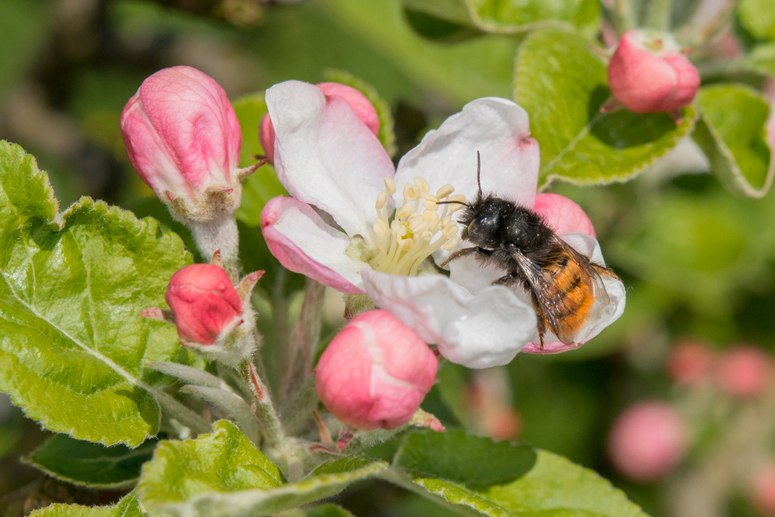
Hairy flies that mimic the behaviour of honeybees are being conscripted by start-up Olombria (formerly known as POM) to overcome the dramatic decline in pollinators, it was announced at REAP 2017. The fly ‘body doubles’ are being lured to orchards by pheromones that encourage them to forage among the blossom, pollinating the crop as they do so.

The early-stage company participated in the Technology Exhibition at REAP.

Louis Alderson-Bythell, co-founder of POM, explains: “The numbers of bees and other wild pollinators have been decimated in recent years; although a number of initiatives are trying to boost the numbers of bees, we thought that the role of other pollinators was being overlooked.”

There are a number of species of fly that resemble bees and have hairy bodies that can trap pollen and transport it to the next flower. Their larvae also eat aphids and so have a dual benefit.

Alderson-Bythell was part of a team that entered the RCA’s entry to the 2017 Biodesign Challenge. Their solution uses pheromones to stimulate the fly’s foraging response; these chemicals are released through a series of nodes located through the orchard.

The flies themselves are easy to breed and die at the end of the season so do not need the same degree of care required by bees. POM believes that the large monocultures across California and Australia, which rely on migrant beekeepers, have the most to gain from its pollination system.

Olombria is working with leading agricultural research organisations including Imperial College, Rothamsted Research, and Niab-EMR to develop an Internet-of-things (IoT) system consisting of a network of small nodes spread throughout an orchard. The nodes collect data and curate the behaviour of flies in the field. Olombria aims to work with natural systems to manage and support rather than exploit local ecosystems.

The start-up’s work originated from the RCA’s entry to the 2017 Biodesign Challenge and is led by RCA graduates Louis Alderson-Bythell, Tashia Tucker and Sam Roots, and current student Greg Swan.

Find out more about Olombria at flypollination.com or follow them on Twitter: @flypollination

Update on Olombria. 

No-till in a time of climate change challenges thinking at REAP2017

Meet the Network
Agri-TechE

Tillage practices – ploughing operations that disturb the soil – affect soil carbon, water pollution, and farmers’ energy and pesticide use, and therefore the approach to cultivation can have a major impact on the environment and also the productivity and profitability of the farm. Taking a big picture view of tillage can be valuable for challenging the perceived wisdom of current practices and creating the opportunity to ask if there are valid alternatives.
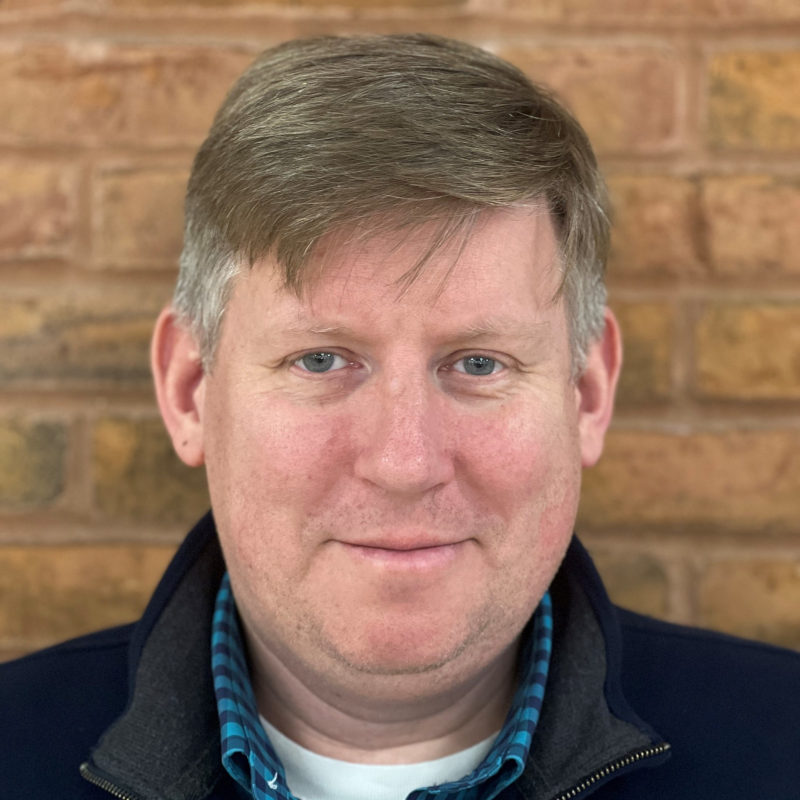

Maria “Pilu” Giraudo is a fifth generation farmer from central Argentina and she was recently awarded the prestigious Kleckner Award, an annual recognition given by Global Farmer Network to a farmer who shows leadership and vision. Giraudo was brought up on a ‘no-till’ farm. About 40 years ago her father had seen his soil eroding. He experimented with different cultivation practices until he found that drilling new seed directly into the ground, without disturbing it, reduced soil loss.

Giraudo has continued with ‘no-till’ cultivation of the 9,800-acre farm, which produces soybeans, wheat, barley, sorghum and livestock. As an agronomist, she also consults with farmers who collectively own about 50,000 acres in Argentina.

Glyphosphates? More science needed

She says: “One of the most important achievements of no-till system is the increase in yields, but what is better is that more soil stability is achieved. This is a crucial point for our industry. “We have experience and scientific evidence based on more than 30 years of no-till practice.”

In Europe the practice of no-till has been criticised for its heavy usage of glyphosate and this might be withdrawn from use. Giraudo suggests that more research is needed on alternatives.

“Glyphosate was key in the beginnings of the adoption of direct sowing for its broad spectrum of control, its low toxicity and residual activity. It would be a big mistake to ban the use of this chemical without proposing better alternatives.

“To date science does not give all the solutions for producing without herbicides, but we are improving day by day, using less and less. This is an opportunity for the industry. “Although no-till is the first non-negotiable technology within the system, there are plenty of others that can be applied separately or together over time to achieve sustainable production.

“Continuous ground cover is still not sufficient to keep weeds under control, but we are making progress in the use of different crops, with intensification on crop rotation (diversity and intensity) and including cover crops. This is highlighting for us the right path.”

No Till suitable for all crops?

Currently plants are bred for conventional farming and the machinery is designed also to support this. Does Giraudo consider that no-till needs adaptations?

“The most important element of no-till is that it is part of a system. And you must adapt it for each agro-ecological, commercial, cultural demands of each region of the planet. “Of course, the first step is to have not only the soil in good condition, but also a suitable seeder machine with the right weight and correct accessories.

“The seeds and the crops need a different management that conventional farming, from sowing to harvesting. This requires greater training and knowledge, also continuous monitoring for timely decision making. “It is amazing, you are learning each day from nature, science and how the hands of man can be improving, not destroying.”

In South America no-till has been practiced for many years and in the US the practice is increasing. In 2009 approximately 35.5 per cent of U.S. cropland (88 million acres) planted to eight major crops had no tillage operations1. However in Europe it has not had the same success. Giraudo considers that the situation is ripe for change. She comments that when her father changed his fields over to no-till, “many thought he was mad,” but now, many farmers are beginning to see no-till as a route for soil recovery in physical, biological and chemical ways.

According to a study (2) published in International Soil and Water Conservation Research in 2014, which looked at the changes in Argentine soil practice, no-till farming went from just a few hundred thousand hectares in 1990 to more than 23 million hectares, or around 79 per cent of the grain cropped area in 2010.

Much of this change is attributed to the Argentina No Till Farmers Association, an organisation of 3,000 members that Giraudo was president of until April 2016. Giraudo says: “There is a disconnection between the scientific and technical environment and the producers and vice versa. But the only barrier is people’s minds.”

References

1. “No-Till” Farming Is a Growing Practice – J.Horowitz, R.Ebel, A Report from the Economic Research Service

2. “The transformation of agriculture in Argentina through soil conservation” R. Peiretti., J. Dumanski. http://www.sciencedirect.com/science/article/pii/S2095633915300101

Good taste and fresh ideas from M&S at REAP

Meet the Network
Agri-TechE
Matt O’Hagan, Senior Agronomist at M&S

“M&S is looking at ways to increase the nutritional value of food, particularly by increasing levels of the vitamins and minerals found in vegetables, that may be lacking from peoples’ diets,” says Matt O’Hagan, Senior Agronomist at Marks & Spencer.

A suntanned mushroom rich in Vitamin D is one of the developments by Marks & Spencer aimed at boosting the nutrition and flavour of vegetables. Matt will be speaking at REAP about how the company encourages sustainable practice by farmers, and also the important role of new technology and precision farming.

Themed ‘Today’s Knowledge Meets Tomorrow’s Technology’, REAP will focus on the emerging agri-tech that is securing a productive, profitable and sustainable future.

“There is a lot of merit in the older varieties, particularly for flavour.  Many of these old varieties have been lost, as they couldn’t stand up to today’s commercial practices. Identifying the traits that make them more sustainable and matching that with how we farm in the future, will be an important way to capture the best of what we have now and improve on that.”

Matt has been with M&S for over four years, and prior to that he was the Technical Development Director at DPS, developing its exotic fruit business.

Enhancing nutritional value with lighting

Vitamin D is vital for healthy bones and the body can make it from sunlight, however many people suffer from a deficiency, as during autumn and winter the sun in the UK is not strong enough to produce the vitamin D they need.[1] Since it is difficult to get vitamin D from food alone, M&S makes all of its breads with yeast that produces the vitamin naturally.

The retailer is also expanding this enhancement to other products as Matt explains:

“We have developed Vitamin D enriched mushrooms. The mushrooms go through a process of absorbing a specific ultraviolet light, which effectively gives them a ‘suntan’. When eaten, the Vitamin D is readily used by the body.”

“Looking to the future, the use of LED and indoor systems will be more commonplace. Whether that is urban farming remains to be seen, but it has a lot of potential, as you can grow products anywhere without glass.”

Within an enclosed area robotics become a closer reality and Matt sees the benefit for vegetable cultivation in the upcoming years of uncertainty.

He explains: “I think robotics have to start playing a part, particularly with labour issues on the back of Brexit, and to keep costs under control. This is important in the vegetable sector, as hand labour is still predominant. If we can find solutions to some of the harvesting problems, it will be a massive win.”

Benefiting from Precision Farming

Nutrition can also be enhanced through good agricultural practice as the fertility of the soil determines the amount of protein and vitamins in the food.

“I think we’ve only just scratched the surface of precision farming,” says Matt. “M&S has looked at Controlled Traffic Farming, yield maps and how we can use inputs more efficiently.

“As an industry, I don’t think we pay enough attention to the health of our soils; whether it is the level of organic matter, the number of cultivations undertaken and the release of carbon.

“It is critical to understand what is actually happening in our soils. It is a complete circle, as when you have healthier soil, you have a healthier crop with the potential to reduce the amounts of inputs that you are using. “

Farming for the Future

M&S Marks and Spencer“Marks & Spencer has a ‘Farming for the Future’ programme, where we encourage our farmers and growers to use technology to future-proof their businesses,” says Matt. “It might be looking at alternative energy, improving soil health or animal welfare.

“We reward suppliers and growers who have shown initiative and are making their businesses wholly sustainable.

“For example, we have a number of growers using Anaerobic Digestion plants to power their facilities and reducing the amount of fertiliser that they use.”

However, Matt agrees that it is difficult to measure the sustainability performance and believes that the agri-food sector is not fully up to grips with how to analyse the available information.

Sustainability Metrics

He says: “Some businesses are looking at how they can use big data and measure sustainability performance – if you can’t measure it, you can’t manage it.

“We can look at demonstration farms to see the impact of a particular method of farming over time, but there aren’t many of those farms around. I think it’s an area that we need to look at further.

“Also there needs to be an alignment between the different stakeholders on sustainability metrics – and agreement on what they need to be. If you have someone coming from a wholly environmental perspective, they will have a different set of criteria to someone from a production-oriented background.”

Old ways benefit from new thinking

Crop rotation was invented in Norfolk a few centuries ago and Matt believes that it can be improved in the future.

“We are pretty good when it comes to potato and carrot rotation, but perhaps less so with brassicas. We are just realising the benefits of cover crops, as there is often a lot of bare area in the field for large periods of the year when growing vegetables.”

He considers it possible to bring back valuable aspects of older crop varieties, which were phased out over time.

“It comes down to breeding,” explains Matt. “You have to select the right variety and identify what traits give good taste and flavour.

“Many of these old varieties are now defunct, because they couldn’t stand up to today’s commercial practices. So it is about identifying the valuable traits for future farming.”

 Matt O’Hagan of Marks & Spencer is set to speak at this year’s ‘Realising our Economic and Agricultural Potential’ (REAP) conference on Tuesday 7th November, at the Wellcome Gencome Campus Conference Centre in Hinxton, Cambridge. For further information and registration details, please click here.

Marks & Spencer (M&S) is a major British multinational retailer headquartered in the City of Westminster, London. It is listed on the London Stock Exchange and is a constituent of the FTSE 100 Index.

[1] http://www.nhs.uk/news/2016/07July/Pages/The-new-guidelines-on-vitamin-D-what-you-need-to-know.aspx

REAP Conference 2017

Climate smart agriculture

Meet the Network
Agri-TechE

Farmneed from Express WeatherExpress Weather has developed a decision support system called Farmneed that quantifies weather risk in agriculture.

The innovative application is device agnostic and delivers bespoke content on weather and early warning for disease and pest infestation. It also provides on-demand guidance on crop protection, agri input management and soil management based on location, crop and field conditions.

Farmneed has been developed through multidimensional research related to crop and weather relationship including disease infestation and agri input management. The interactive platform easily connects a farmer or grower with other stakeholders in the agriculture value chain.

Angshujyoti Das, Express WeatherAngshujyoti Das, founder of Express Weather, explains:

“Agriculture in developing and under developed nations is mainly rain fed, so to determine the exact time for sowing seed, it is important to consider rainfall. During the early stages seed germination and crop establishment requires adequate water, but excess rainfall is as harmful as insufficient water.

“Humidity can also increase the risk of disease and pest infestation. By mapping weather parameters against germination possibilities helps to identify the level of risk.

“Armed with the above knowledge of disease related risk it is possible to determine the right application of pesticide.

“Farmneed changes a schedule-based pesticide application programme to one that is need-driven. This helps to reduce cost, waste and contamination of water supplies.

“Mapping water availability is also important for fertilizers that have a water soluble component. Rainfall is a key trigger for fertilizer application.

“A smart irrigation system is also possible if you can map soil conditions against rainfall. Rainfall after irrigation may cause excess water, and an accurate forecast can prevent loss of both energy and water.”

Farmneed promotes “climate-smart agriculture” for the whole agri-food chain, from individual growers, farming groups and agri input companies to agri funding agencies, insurers and even researchers and academics.

The simple registration system works on basic inputs: personal information, location information (geo tagging), crop and plot level information. Based on this one-time input, the system gets activated automatically to deliver bespoke content covering the following key areas:

  • Crop protection
  • Crop management
  • Agri input management
  • Soil and water management
  • Overall sustainable practice in agriculture
  • Rural employment generation

Das got the idea for Farmneed when he was working on a project on sustainable tourism in West Bengal, India. He wanted to gain historical wind data for the location and found that such data was only available though an American agency

“India is a big agriculture economy that lacks quality weather data,” says Das.

“I evaluated the technical feasibility of generating quality weather forecasts for Indian grain population. As farmers in India are unfamiliar with standalone weather data, I realised that it would be more meaningful if the implications of weather data on their crop was available to them.”

Farmneed - climate smart agricultureTo ensure the accuracy of their guidance, Express Weather has collaborated with centres of excellence in India, who have provided weather related risk knowledge during life cycle stages of particular crops.
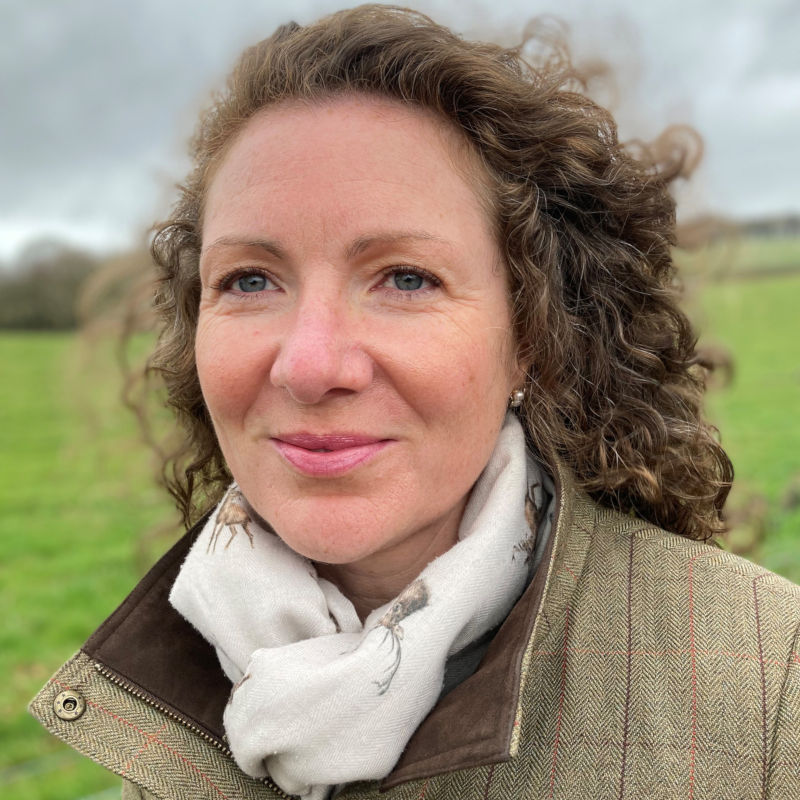
Das is looking forward to showcasing the Farmneed platform at REAP: “The technology and the platform is a good fit for Europe but it requires some customization based on local context. We would like to gather primary information on local level challenges, market, available technology etc. Identifying funding scope would also be an important agenda.

“We are keen to find a knowledge partner, who should have readily available research data on crop weather relationship.”

Find out more about Farmneed at www.farmneed.com

For more information about Express Weather visit www.expressweather.in

Find out more about REAP here.

REAP 2017

Forecasting a barbecue weekend at G’s Growers

Meet the Network
Agri-TechE

John Shropshire of GA recent report released by WRAP estimates that around nineteen per cent of all lettuces were unharvested in 2015, with 38,000 tonnes lost across the sector worth an estimated £7million. To ensure that supply meets demand the industry overproduces, this partially due to uncertainty over weather conditions, but also as a result of specifications over the desirable ‘head size’.

Progressive producers, like G’s Growers, are working with others in the value-chain to address this issue.

Forecasting to reduce waste

John Shropshire is Director of G’s Growers, based at Soham on the Fens and one of the largest producers of salad and vegetable crops in Europe.  He explained to an audience at the House of Lords how joining Agri-TechE had helped the family-run company improve forecasting.

John says: “Across the UK, the yield and quality of crops varies greatly between farms, but even within an individual field or crop there is quite a lot of scope to improve efficiency. New technologies will enable us to do that.”

Forecasting is an area where a small improvement in accuracy could make a huge difference in profitability for farmers and producers.

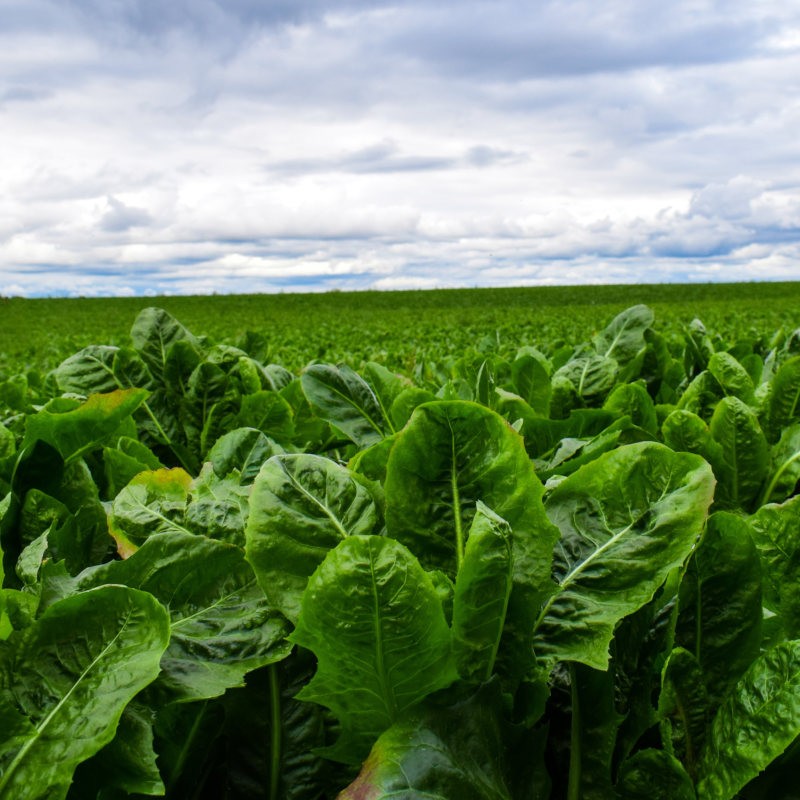
Lettuce - Forecasting a barbecue weekendSalad consumption is highly variable depending on weather – a ‘barbeque weekend’ will boost demand and a wet one depress it. The maturity of the lettuce head is another variable: there is only a short time when it achieves the quality requirements of the supermarkets; if the head is too developed it will not have the required shelf life.
Much of this material can be recycled as compost or within an anaerobic digester so the waste is not visible, but if better forecasting was available this land could be used more profitably.

John continues: “The demand for iceberg lettuce is 24/7 and we overgrow by 30 percent to make sure we have enough. Agri-TechE introduced us to an ecologist at Microsoft to look at new ways to solve the problem.”

Following a discussion with Microsoft at an Agri-TechE meeting, G’s Growers saw the potential to create a model that would reduce waste in the production of Iceberg lettuces. After initial discussions with Microsoft provided proof of concept, G’s subsequent collaboration with the Smith Institute has been instrumental in developing the concept further.

G’s has employed sophisticated monitoring systems to measure the growth of the lettuces and also collate data on weather and microclimate. This has enabled it to identify key growth stages and amend sowing and planting schedules to mitigate against potential shortfalls in crop availability.

The Smith Institute has been helping G’s to use this data to develop optimal production schedules that can cope with uncertainty. Additionally, it is creating an engine capable of analysing the data and creating ‘what if’ scenarios, which would allow the in-house team to consider different management strategies.

“Sophisticated monitoring technology has allowed us to identify key growth stages in the lettuce and also to collate data on weather and microclimate.” John explains.  “We are now able to predict demand better than the retailers and to adjust our production schedules to mitigate against potential shortfalls, reducing waste.”

IceCAM model is now in commercial practice in the UK and Spain.

30MHz to show “smart sensing toolkit” at REAP

Meet the Network
Agri-TechE

30MHz to show smart sensing toolkit at REAP

“There’s this perception that with the Internet of Things everything has to be very lofty and large scale, but there are so many very basic challenges or questions in agriculture that can be solved just by installing a sensor,” says Joanna Madej, Head of Communications at 30MHz. The company will be demonstrating its “smart sensing toolkit” at REAP in November.

The “toolkit” provided by the Netherlands-based company allows the collection of data using a variety of sensors across a large area, whether it’s a greenhouse, field or busy port.

“Consider the toolkit like Lego pieces of a smart sensing solution,” continues Madej. “It includes sensors, an adjustable mesh network, and analytics and alerts in the form of a dashboard that’s accessible from any device.

Joanna Madej, 30MHz
Joanna Madej

“Depending on the metric you want to capture – such as temperature, soil moisture, humidity or wind speed – the sensors will be different, and they are all adjustable. In essence the thing that unifies all our customers is that they have a problem they want to solve that requires monitoring physical space, and we have the sensors and the data capabilities to do that in real-time.

Madej comments that agriculture is the industry that really sees the potential in sensing, and has the strongest case for it: “We have seen just how innovative the agricultural space is in the Netherlands, and we see that same drive for innovation in the UK.

“British farmers are very tech-savvy, but they are looking for solutions that are easy to use and not unnecessarily complicated,” she continues. “Every time we speak to them we see that they are looking for new technologies, new ways to be more sustainable, productive and cost-effective.”

30MHz focuses on customisability, accessibility and scalability, aiming to make it easy for companies of all sizes to capture data from their physical environments and make better decisions with a product that’s out of the box and easy to deploy.

“We want the bottom line to be simplicity, usability and the ability to solve problems straight away,” says Madej. “We don’t want to be over-complicated for the more basic needs, but if you have more complex data and analytic needs the product can grow to accommodate that as well.”

30MHz focuses on customisability, accessibility and scalabilityThroughout its two-and-a-half year history, 30MHz has worked within several industry sectors, including monitoring damage on mooring posts for the port of Amsterdam, and monitoring occupancy and people flow in the Van Gogh Museum.

However, significant work has been done within the agri-food chain, including with retailers, transport, storage and producers and companies such as Bejo Zaden, Syngenta, Pop Vriend Seeds, Rijk Zwaan, Svensson and Jan de Wit & Sons.

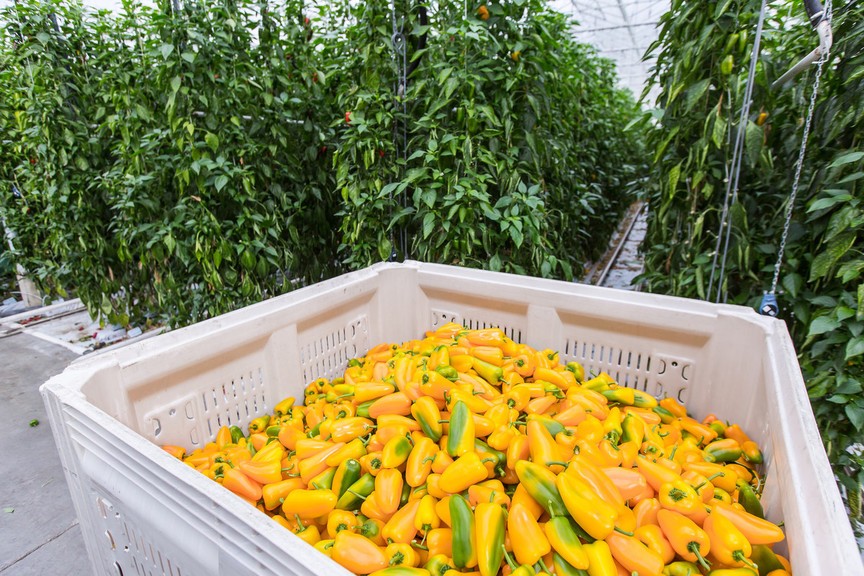
“One of our most successful sensors is a pointed temperature sensor that we developed with Dutch commercial pepper farmers Kwekerij Moors,” continues Madej (see more about this project here). “It’s a flexible, contactless temperature sensor that can accommodate the irregular shapes of fruit, vegetables and leaves. We were told by the customer that it was something they needed, that it didn’t exist, so we worked with them to create it.”

The UK’s passion for evolving the agricultural industry is why 30MHz will be exhibiting at REAP. They will be showcasing a variety of sensors alongside their analytics dashboard to demonstrate the real-time monitoring capabilities of their products.

“We are very interested in speaking to more British farmers, to understand their vision, their challenges and the opportunities they see to innovate within their sector. If Dutch agriculture is any indication, smart sensing is a big part of that. Coming to REAP felt like a really good fit – it’s exactly the kind of audience that we would resonate with.”

For more information about REAP, including the technology exhibition, click here.

Visit the 30MHz website at: www.30mhz.com

See more about 30MHz’s projects on YouTube here.

REAP 2017

John Deere focused on precision technology

Meet the Network
Agri-TechE

David Purdy, John Deere, will be speaking at REAP “Yield mapping is now cheap as chips, and you can’t buy a combine without it. It’s a really accurate technology – for a narrow width it takes readings every couple of seconds. It’s the most precise record you can make and extremely worthwhile” says David Purdy, Territory Manager at John Deere UK. He believes precision farming is critical to improving profitability for farmers.

David will be sharing his insights on the relationship between current farming knowledge and new technology at this year’s Agri-Tech’s REAP conference on 7 November 2017.

Invest in management time

John Deere has been at the forefront of agricultural equipment manufacturing for 180 years; as the agriculture industry has evolved, so has John Deere, supporting best farming practice with precision technology. David believes this is critical to improving profitability for farmers.

He explains: “By taking five years of data it is possible to see which areas of the field are consistently lower yielding – which ones are normalised, and which ones are above normal. This indicates where to sample the soil to understand better what is happening and can drive a whole host of different decisions; particularly if a good farm manager or agronomist, spends time with the data that is collected.

“The issue, I think, is that often not enough management time is given to considering the options.”

Predictive maintenance

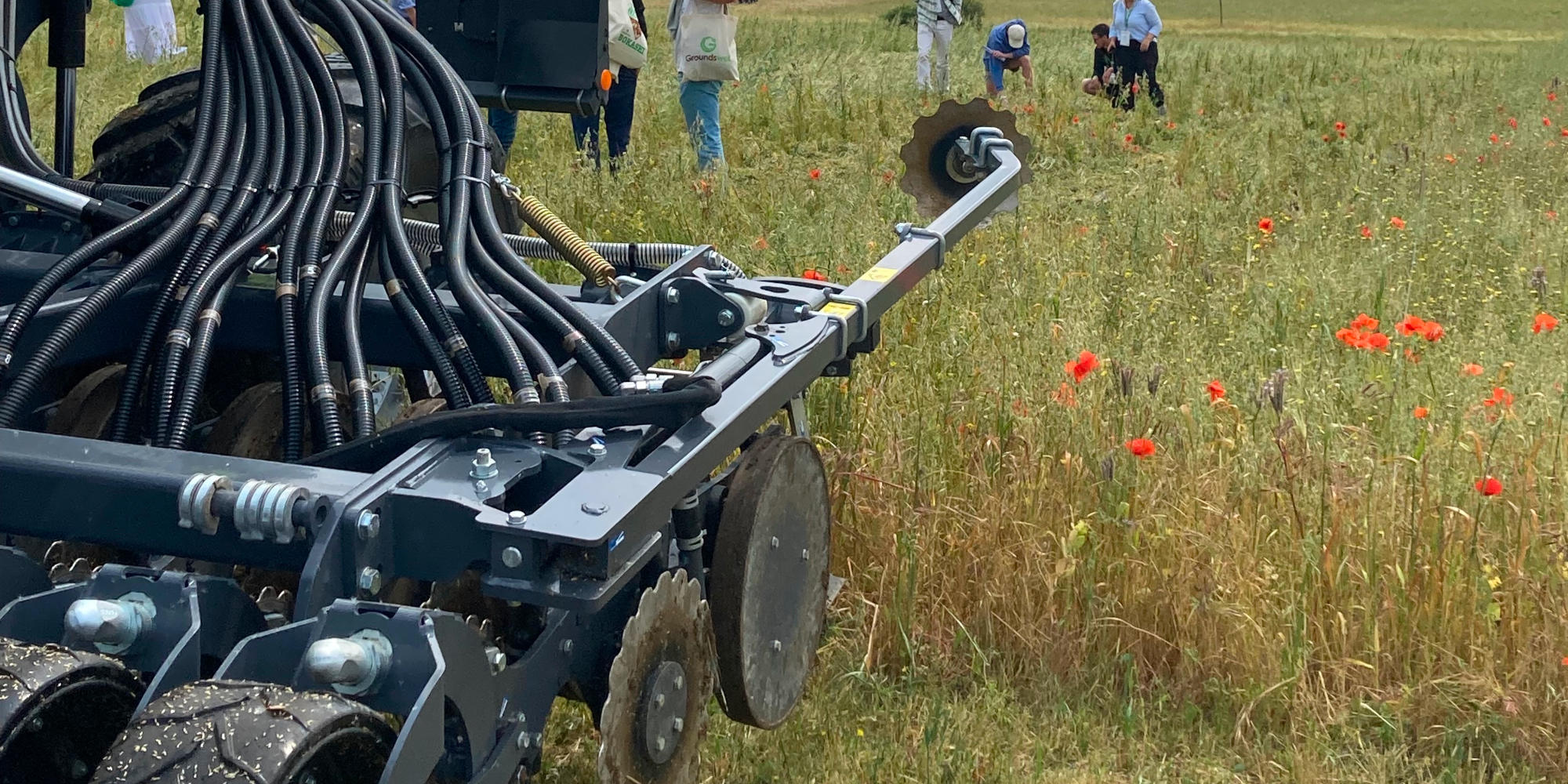
John Deere remains focused on precision technologyThe integration of sophisticated technology into farm equipment is enabling the company to provide intelligent data-backed services, for product support.

“We are collecting a huge amount of data about our machines, which can be used to improve their efficiency for farmers,” says David. “John Deere can mine this information to predict what might happen to a machine during its lifecycle.

“We can identify when a part is likely to fail, enabling us to make a preventative repair before it becomes an issue. We also go back to the supplier of that part, and tell them what needs to be improved. The aerospace and trucking industries already have this in place, but in agriculture we are well on our way.”

Managing traffic in the field

David cites the renewed interest in soil health as the stand out topic in farming. One method of preventing damage to soil health is to control traffic in the field

“Tyre pressure is one of the factors that can reduce damage to the soil as it is important to get the power to weight ratio right to avoid soil compaction,” explains David. “John Deere is talking to people where the fields are heavily trafficked.  We have been able to help them reduce that dramatically, with the adoption of simple machinery alterations, guidance systems and good training for staff.” In addition the management and use of consistent guidance lines through the cropping year and beyond can also reduce traffic longer term

Integration of farm management systems

John Deere at the forefront of agricultural equipment manufacturing for 180 yearsA lack of interoperability between some technologies is a point often raised by farmers. Although there have been some integration of farm management systems – there are many issues.
David says: “The move towards precision farming has changed the industry dramatically over the last five years.

“It’s an evolving story and a positive one. Will the issue ever be totally fixed? Well, there are intellectual property factors to be considered, which lock people into using certain methods. When millions of USD is invested into developing these systems, there will always to be an element of competition. I don’t think we’ll get to a stage where everything will just plug and play, but I think that most manufacturers are beginning to sing to the same song sheet. The progress of technologies such as ISOBUS and machine connectivity is improving all the time.

“However, much of the issue is the speed of change.  There are old legacy systems that are still in use. At present people want to connect these up to the newer technology but the development needed is not worth it. With wider adoption of digital technologies there will be less compatibility problems. It’s a function of time as much as willingness to integrate.”

David Purdy will be speaking as part of the Sofa Session at REAP 2017, which will reflect on the day and discuss the close interaction between emerging agri-tech and current knowledge amongst the farming and growing community. For further information, please click here.

REAP 2017

Liberating soils and raising farm profits with Controlled Traffic Farming

Meet the Network
Agri-TechE
Tim Chamen of CTF Europe

“We can’t eliminate soil compaction from our fields, but with careful planning and clever technology, we can permanently minimise the area that it affects,” says Tim Chamen, founder of CTF Europe. Established in 2007, CTF Europe works closely with farmers to adopt Controlled Traffic Farming (CTF), confining wheels or tracks to the least possible area of permanent traffic lanes.

Driving on soil with heavy machinery causes soil damage and reduces farm profit, so Chamen recommends CTF to ‘bring order to the chaos’ associated with ‘random traffic farming’. He will be presenting at ‘Smarter Farming for Soils and Water Management’, held by Agri-TechE and Smart-AKIS at Cranfield University on 14th September. (more…)