Laying foundations for Internet of Agri-Things

Meet the Network
Agri-TechE

East Anglia is one of five broadband “black spots” across the UK, according to a recent report by the Financial Times.
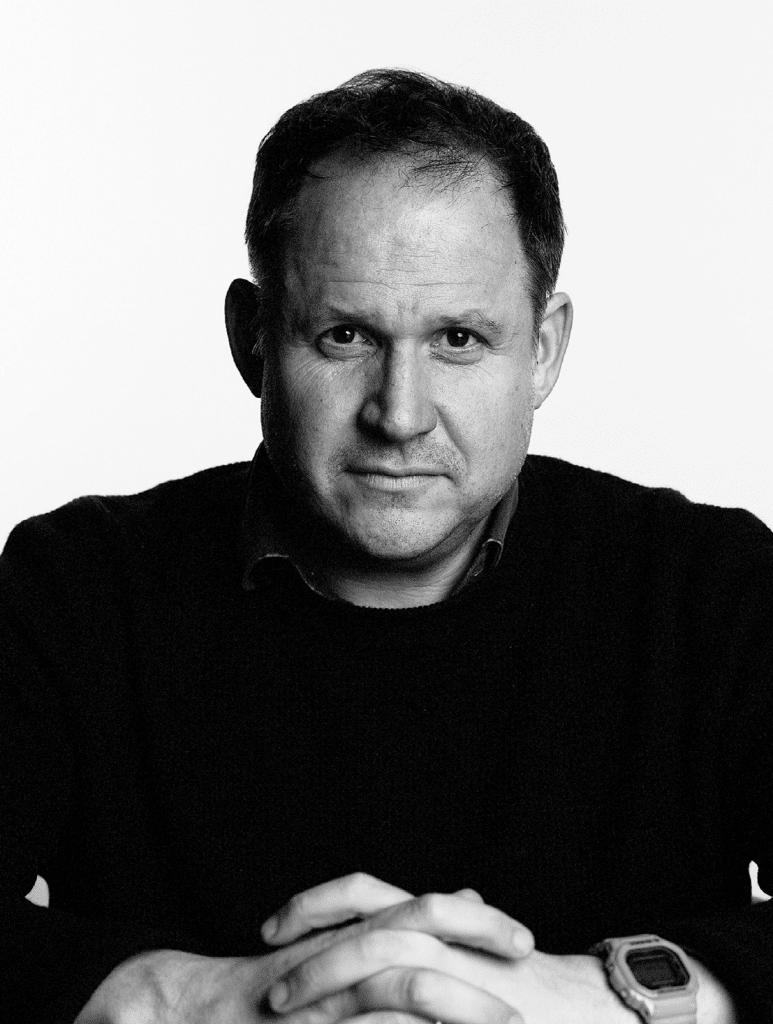
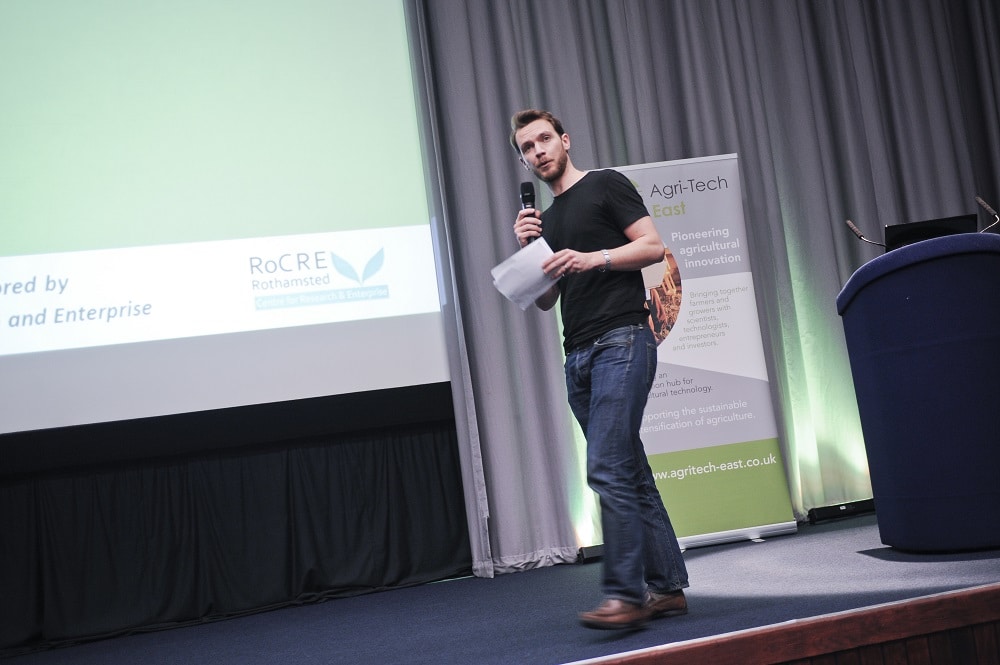
Improving this infrastructure is vital to support the digitisation of agriculture, Professor Gerard Parr is to say in his presentation at REAP.  He will be discussing a new initiative aimed at supporting the emerging Internet of Agri-Things.
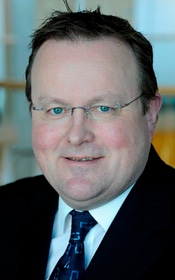
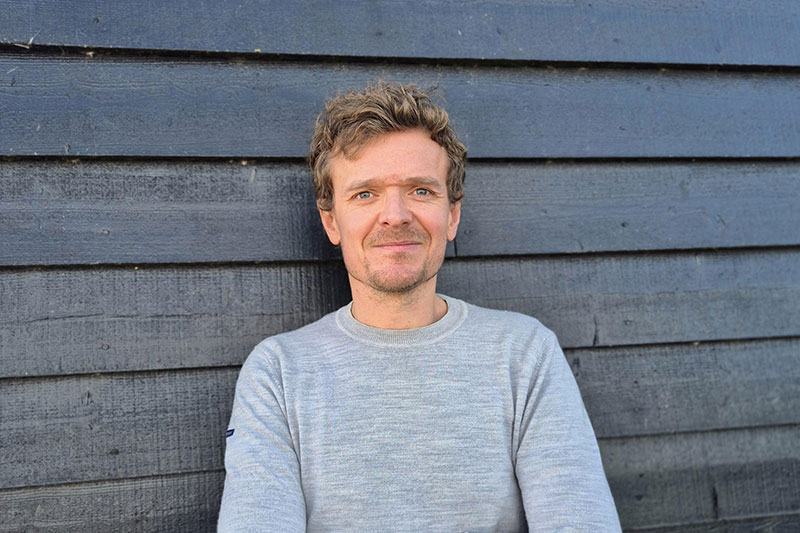
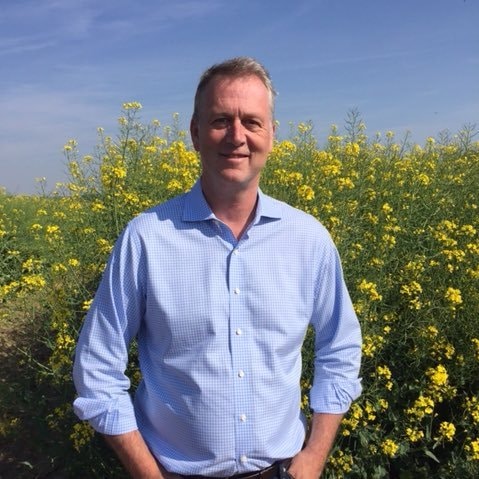
Professor Gerard Parr, who started as the University of East Anglia’s (UEA) Head of Computing Sciences two years ago, is driving a unique initiative to create the East of England Smart Emerging Technologies Institute (EoE SETI).

Prof Gerard Parr REAP 2018 speaker PLACEHOLDER
Prof Gerard Parr to speak at REAP

Gerard intends to build on his 30 years’ experience, collaborating with agencies and organisations such as IBM and BT, to help create a unique research and innovation facility in the East of England. EoE SETI aims to design and implement a number of high-speed digital test beds to support innovation over fixed and wireless connections. For agrifood this includes artificial intelligence (AI), imaging, genomics, robotics and smart sensors as part of large scale trials.

A crucial but absent foundation

The 2017 East of England Science and Innovation Audit, commissioned by UK Government, recognised that Information and Communications Technology (ICT) is a crucial foundation for the functioning of key market sectors and the local economy.
However, most rural areas are still underserved by ICT. Commenting on the absence of a foundational, pervasive high-speed infrastructure in the region.
Gerard said: “There’s a huge amount of research talent in East Anglia, in animal, plant and human health expertise as well as in Internet technologies, Al, cyber security, telecommunications and cloud communications. But much of the region is still experiencing worse speeds than rural parts of India. We need to take these available innovations into the field.”Internet of Agri Things
To better understand the requirements and potential impact, the EoE SETI initiative is also planning interlinking Internet of Things testbeds, which will be deployed to benefit smart farming and the wider region.
The Internet of Things (IoT) refers to objects communicating with each other over remote wireless connections and this is becoming more feasible with the development of low cost, low energy, electronic devices – much of this work is happening in Cambridge, with increasing linked work taking place at UEA. The IoT is creating the opportunity for new types of decision-support for farmers.

Establishing an ‘Internet of Food Things’

Gerard has joined UEA from Ulster University in Northern Ireland, where he advised Government on the roll-out of superfast broadband. In the 2018 New Year Honours, Gerard received a MBE for his lead on a multi-million pound initiative that connected Ireland, the UK and North America with high-speed submarine connections and a global data centre for the benefit of the regional economy.
Most recently, the UAE Head of Computing Sciences – in partnership with the universities of Lincoln, Southampton, Surrey and the Open University – has achieved Government funding to establish The Internet of Food Things (IoFT). The network will bring together data and computer scientists, chemists and economists to investigate how AI, data analytics and emerging technologies can enhance the digitalisation of the UK food supply chain.
Gerard continues: “The food and agri-tech sectors are increasingly reliant on novel digital sensor, communications and Internet technologies. There are so many opportunities for bilateral engagement across different industries, but to underpin this we need a cohesive, large-scale solution based on excellent research for the longer term. Through the IoFT multidisciplinary network, we will investigate new innovations to help the sector improve security, robustness and productivity of their systems and plan for new market opportunities.”

Internet of Agri-Things 

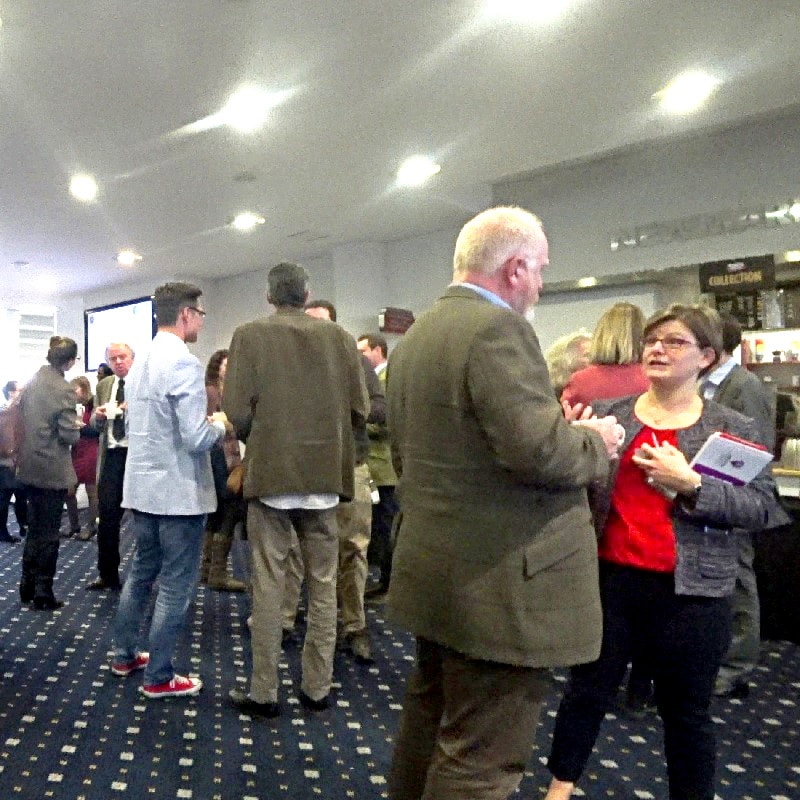
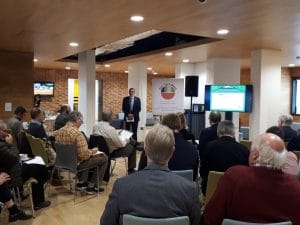
Gerard will be giving a keynote address to other scientists, technologists, farmers and producers at this year’s Agri-TechE REAP Conference.
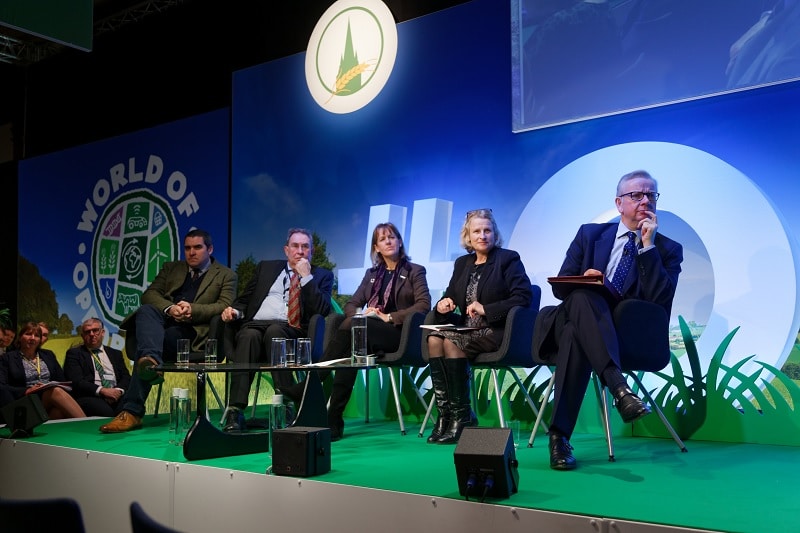
Also at REAP is a debate by a panel about the best use of agri-tech innovations and ICT, including the priorities for investment in agri-tech innovation.
The 2018 REAP Conference will be held on Wednesday 7 November at Wellcome Genome Campus Conference Centre, Hinxton, Cambridge, CB10 1RQ.
REAP 2018

Agri-TechE Week 2018 – a full programme of events

Agri-TechE

A exciting programme of events has been created for Agri-TechE Week 2018. Including talks, hands-on demonstrations, opportunities for discussion with farmers, growers, scientists, technologists and agri-businesses.
Agri-TechE Week is a partnership initiative founded in 2014 between Agri-Tech, the Royal Norfolk Agricultural Association and the Suffolk Agricultural Association. It aims to celebrate and showcase excellence across the agri-tech value chain, brokering links and fostering new relationships between businesses, researchers and government.

New agri measures to invest in R&D and tech

Agri-TechE

Agriculture Bill, new technologiesA new Agricultural Bill is being introduced to Parliament today setting out the UK Government’s plans for farming post-Brexit.
The Bill focuses on payments for ‘public goods’, such as improved soil health, higher animal welfare standards and measures to reduce flooding. These payments, made to farmers and land owners, will replace the current subsidy system of Direct Payments.
In a statement, the Department for Environment, Food and Rural Affairs (Defra) said: “In its place, a new Environmental Land Management system will start from next year. The government will work together with farmers to design, develop and trial the new approach.”
Defra has outlined that the Bill will also be underpinned by measures to increase productivity and invest in R&D. For example, there will be funding available for farmers to collaborate to develop the research projects that they want and need, whether that be on soil health or sustainable livestock farming.
The Government has also committed to making payments during the seven year transition period for famers to invest in new technologies and methods that boost productivity.
Earlier this year, Agri-TechE hosted a workshop as part of Defra’s consultation process, offering members the opportunity to feed into the new legislation’s associated policies.
At the Cambridge-based event, farmers, agronomists, tech developers and academics highlighted the need for smaller, front-loaded pots of money that involve less bureaucratic application processes. Our members also emphasised the need for research outputs to be fed back to the agri community, both successes and failures, to ensure all learnings are captured.
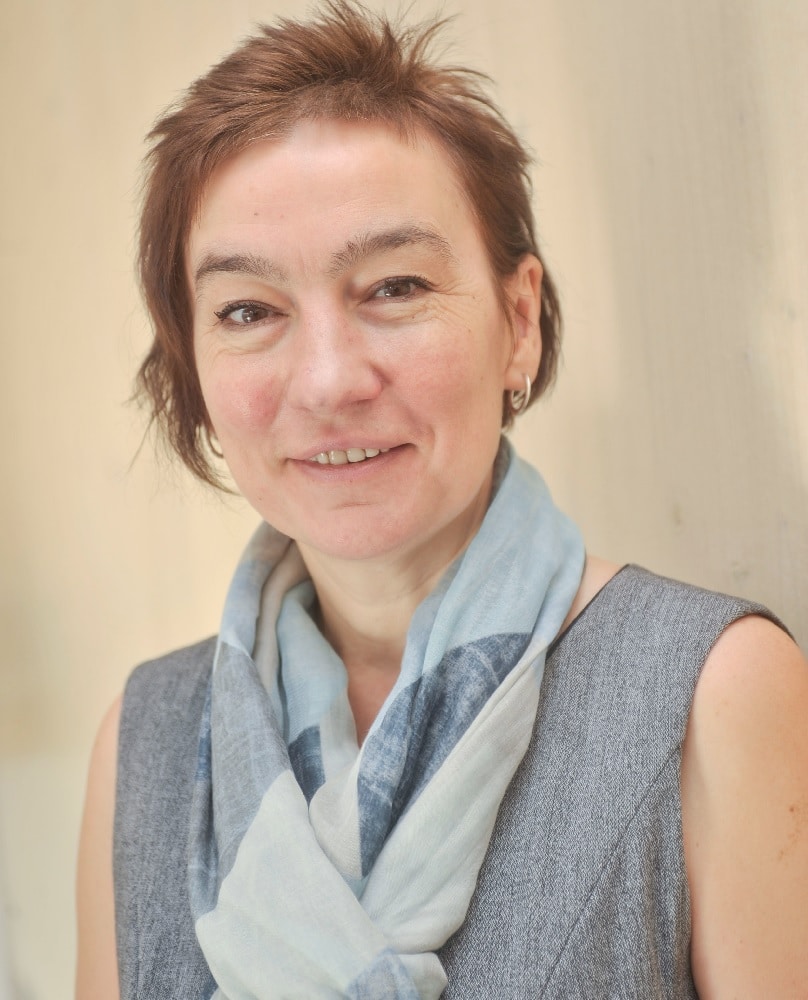
Commenting on the new Agricultural Bill, Agri-TechE Director Belinda Clarke said: “We are really pleased to see measures to increase productivity and investment in R&D included in the new Bill. There is a keen appetite among farmers to engage in the R&D agenda, in which many of our members are already active.
“There is a great opportunity to strengthen existing mechanisms that are already working successfully to facilitate this. New models of support can effectively and efficiently build on current initiatives, bringing together research and practice.”
The specific mechanisms by which farmers will be encouraged to engage in R&D are yet to be announced. Our farmer members will be sharing their ideas about how this could work with Defra at the Savills-sponsored Farmers’ Breakfast at REAP 2018. REAP early bird tickets are still available.
REAP 2018

Transforming food production – time for fresh thinking

Agri-TechE

A new era of innovation in agri-food is opening with the announcement of a new funding call from UK Research and Innovation.

from farm to fork transforming food production
From farm to fork – the government is looking to transform the food supply chain

This is an opportunity for established and early stage companies to gain funding for new product and service developments that improve productivity and environmental outcomes in food production systems.
The projects must include smart technologies that enhance decision support systems, support precision agriculture or connect up supply chains.
Agri-Tech’s membership covers a huge variety of technologists, businesses, farmers and research institutes, so our members directory is a good place to start if you are look for partners and collaborators to support the funding proposals.
More information about the funding call is available here  
To find out more about our members click here.


Standards and regulation in agri-tech

Agri-TechE Blog
Agri-TechE

Standards and regulation in agri-techCould early sight of transformative innovation by regulators and consistent standards help to drive innovation?

With the wealth of emerging new agricultural technologies, products and services, it is difficult for regulation and standards to keep pace with developments. Rethinking the relationship could mean these elements become enablers rather than barriers. (more…)

Could a re-focusing of our markets future-proof UK food production?

Meet the Network
Agri-TechE

Sustainable food production can only be achieved with a clear market-focus and a degree of pragmatism, believes Mark Suthern, National Head of Agriculture at Barclays, speaking ahead of his panel debate at Agri-Tech’s REAP Conference later this year (7 November).Mark Suthern, REAP 2018 speaker
Mark, who is chairing the all-new debate on whether agri-tech innovations should prioritise land use for competitive sustainable UK food production, has, over the past 25 years, gathered best practice from his work in agriculture at home and abroad.

Seek new markets

Drawing from his experience of working with large-scale farming businesses in South Africa and individual farmers in India, Mark says that: “When the ‘local’ market isn’t there and government support isn’t there, then you really do have to actively seek out new markets. “The principle purpose of farming is to produce quality food at affordable prices for the consumer though. The consumer market is diverse and offers the opportunity to produce premium-priced artisan products alongside cheap, wholesome food,”
Mark continues. “We shouldn’t underestimate the resilience and innovative nature of UK farmers, they have access to land and could use it to generate income not just from beef, sheep, arable but also for entrepreneurial uses like storage and energy generation.” “It’s all about maximising the resources you’ve got. Sometimes in the UK we bemoan our access to market, but in India local farmers travel, by foot or bike 20 or 30 miles, with little more than a basket of plums to sell and earn 30p. We have something to learn from their collaborative way of working to solve a problem.
“In South Africa, they are operating at scale and there is a real focus on new technology. “Irrigation techniques and the science of the soil are an integral part of their business planning – but they are also constantly looking for overseas markets. For citrus fruits, in particular, it is a priority.”

Big wins


“Plant machinery and the use of Big data will be two of the Agri-tech wins,” says Mark, who considers these will make tangible returns on investment.
“Netherlands, it’s the second largest global exporter of food and they produce more tomatoes by square mile than anywhere else in the world. Their levels of bank borrowing are higher than that of the UK’s, but they have leveraged their assets to invest in their businesses.
“When we talk about the provenance of food and policing of the supply chain, it’s about producing and using data that enables farmers and consumers to make informed decisions. Blockchain technology, for example, allows you to track the animal to the slaughterhouse, to the haulier, to the box on the shelf or the restaurant. That level of technology is so powerful.”

REAP debate on priorities for agri-tech 

At Agri-Tech’s REAP Conference, producers, technologists, scientists and advisors will consider whether innovation in agri-tech should be targeted towards food production in broadacre environments, or whether alternative food systems could be more economically and environmentally sustainable.”
The REAP Conference will be held on Wednesday 7 November 2018 at Wellcome Genome Campus Conference Centre, Hinxton, Cambridge, CB10 1RQ.
REAP 2018

At last – entire wheat genome sequenced

Research Digest
Agri-TechE

It was considered almost impossible, but now a consortium of scientists has sequenced the huge wheat genome.  The enormous dataset will accelerate innovation in breeding resilient and disease resistant crops by defining the precise location of 107,891 genes.
The wheat genome is 5 times larger than that of the human and more complex. It has three sub-genomes and a large part of it is composed of repetitive elements. This means that vast parts of the genome are very similar, if not identical, to each other. This has made it difficult, until now, to distinguish each sub-genome and to put together the genome into its correct order.
Wheat is the most widely-cultivated crop on Earth. It provides more protein than meat in the human diet, and contributes about a fifth of calories consumed by humans. It also has a large and complex genome with 16 billion base pairs – the building blocks of DNA.
But wheat is susceptible to drought and flood, and swathes of the crop are damaged each year by diseases such as wheat rust. The sequencing of its genome paves the way for much faster production of wheat varieties adapted to climate challenges, with higher yields, enhanced nutritional quality and improved sustainability.

Professor Cristobal Uauy,

Professor Cristobal Uauy, Project Leader in crop genetics at the John Innes Centre says: “Genomic knowledge of other crops has driven progress in selecting and breeding important traits. Tackling the colossal wheat genome has been a Herculean challenge, but completing this work means we can identify genes controlling traits of interest more rapidly. This will facilitate and make more effective the breeding for traits like drought or disease resistance. Where previously we had a broad view and could spot areas of interest, we can now zoom into the detail on the map.”
A paper published in Science by the International Wheat Genome Sequencing Consortium is authored by more than 200 scientists from 73 research institutions in 20 countries including the John Innes Centre, Rothamsted Research and the Sainsbury Laboratory. It details the sequence of the 21 chromosomes,more than 4 million molecular markers, as well as sequence information between the genes containing the regulatory elements influencing the expression of genes
(IWGSC): http://science.sciencemag.org/cgi/doi/10.1126/science.aar7191
 

Knowledge sharing should be a conversation

Agri-TechE Blog
Agri-TechE

ConversationFeedback is essential for the effective communication, and in this month’s blog we look at developments in knowledge exchange.

What is Knowledge Exchange?

This simple, yet potentially existential question is circulating around those of us at the interface of research, technology development and the farming community.
The need to understand properly the drivers, mechanisms and barriers to adoption of new technologies and practices has never been more pressing, as government seeks to address the gulf between world-leading frontier research and tangible commercial benefits for the industry.

Opportunity to see firsthand

A recent workshop in a series convened by AHDB brought together industry leaders to discuss the future of farmer-innovation interactions and how they can be made fit for 21st Century agriculture.
Discussions of this nature in agriculture invariably include reference to the days of the former extension services, run by ADAS on behalf of the Ministry of Agriculture. Here, farmers had a hotline to research and new practices, aimed at driving up productivity and yields.
The demise of this service in 1997 has been lamented by some, but the world has moved on and there is now a wealth of support and information from both the public and private sector to communicate new and different practices and technologies to farmers and growers. So what is the role of scientists in this process?

Making science more accessible

In 1985 the Committee on the Public Understanding of Science was created to improve and encourage communications from scientists to “the public”, with the aim of improving practice and raising awareness of research activities.
The initiative gained some traction and for the first time began to encourage scientists to communicate their research more widely beyond their peer groups.
It was, however, criticised for its “uni-directional” flow of information from the research base to so-called “non-specialists”; the underlying concept being that the flow was from “expert” to “non-expert”, with the tacit expectation that greater public understanding of science would lead to increased acceptance and adoption of new practices and technologies. Termed the “deficit” model, it assumed the recipient to be an empty vessel waiting to be “filled” with new knowledge.

Creating a dialogue

As the thinking became more sophisticated, it was realised that such lines of communication needed to be two-way, which led to the concept of the “dialogue” model of science communication. This was more around engagement, understanding better the specific context within which new concepts and innovations were being communicated, and to whom.
And so to “knowledge transfer.” This term was coined to encompass the activities undertaken by the research base to help deliver impact from its findings. Communication to and with the public is a key part of these, but so is engagement with end-users, policy-makers and industry partners.
Knowledge transfer has evolved into “knowledge exchange”.
Building on the public communication “dialogue” model, it reflects the critical importance of bi-directional lines of communication. Yet, in agriculture and horticulture at least, we are away from having a truly equal two-way exchange of knowledge. Universities and research organisations are incentivised via their funding structures to disseminate their research outputs.

Capturing ‘stealth wealth’ 

Public funding for industry/academic collaboration also requires wider communication of the project results.
Yet we are still lacking an institutional mechanism for the innovation community to capture and build on the critical and valuable “stealth wealth” of knowledge from farmers and growers, developed over generations.

Valuable forum

Here at Agri-TechE our aim is to create the forum in which those conversations can take place, but it must become the “norm” for closer interactions between researchers and tech developers with the farming community.
Effective, seamless knowledge exchange must be our collective goal to ensure knowledge generation is informed and accelerated by end-user inputs.

Agri-TechE can help make us world class and competitive

Meet the Network
Agri-TechE

Tony Bambridge, B&C Farming“As an industry, I think we need to focus on things that the market really wants us to provide and where we have a chance of being world-class and competitive,” says Tony Bambridge, Managing Director of B&C Farming, who will be joining a debate about the priorities for agri-tech at Agri-Tech’s REAP Conference on the 7th November 2018.
“There will still be a need for British beef and oven chips are not going to start pouring in from Brazil. I think most East Anglian farmers actually produce products that are really needed by brewers, bakers, confectioners and the poultry industry – but there will need to be a rebalancing and refocusing of our market,” Bambridge says.
With significant changes already taking place in UK agriculture, he believes there is more to come: “We’re going to have to try and compete with those who have tremendous cost advantages in terms of land and labour, and with less regulatory measures. But they will have to compete with our traceability and unique products,” says Bambridge, who is also the NFU County Chair for Norfolk 2017-18.

Improving yield by reducing costs 

With a growing global population, including the UK’s 65 million mouths to feed three times a day, Tony is clear that improving yield while reducing costs is the only way UK agriculture will be able to remain competitive – particularly while game-changing techniques like gene editing are not yet permitted.
For Tony, agri-tech’s key role will be helping to make labour cost-saving measures: “We have to raise productivity and driving that, in part, is going to be how we can achieve more with our time and reduce labour costs.
“At B&C, we are investing in superfast computing and imaging to remove stones out of potatoes – in the coming years, I could see a situation where we have one operator actually controlling two or three or four vehicles in a field.
“In the next ten years, we will see some pretty significant changes in the structure of our industry.”

Gene editing has potential 

Although Bambridge sees incremental improvements in productivity he considers that gene editing has the potential to provide a step change.
“If we were permitted to use gene editing this would have a profound effect within a decade through reduced spoilage through pest and disease, improved yields and less waste. That would be a major step.”

Realistic pricing

Loaf of bread
However he also considers that encouraging more realistic pricing of products at the farm gate would improve sustainability.
He says: “A penny on a loaf of bread puts about £18 per tonne onto the wheat price. So, is your loaf of bread £1.12 or £1.13? Who actually looked at the price of bread last time they went out? Half a pence on the cost of a bag of oven chips puts £20 per tonne on the potatoes. If this went back to the producer it would off-set the lost of subsidies.”

REAP Debate 

The priorities for agri-tech is to be debated at REAP – a new feature for the conference. Producers, technologists, scientists and advisors will consider the question of if it is cheaper to import food than produce our own should agri-tech investment focus on other, more lucrative, uses of land?
The Agri-TechE REAP Conference is on Wednesday 7th November 2018, Wellcome Genome Campus Conference Centre, Hinxton, Cambridge, CB10 1RQ.

Read all about it – reports for members

Agri-TechE

Agri-TechE publications 2018If you have missed any of our events this year you can catch up by reading one of the reports. These give a great overview of the key points and contact details for speakers to gain more information.
In addition to the report we launched at the House of Lords, we have six new reports from this year that are available free to our members through the publication page.
Here are some of the titles:
 

Healthy Soils: Waiting for the Worms

It is well established that earthworms are a good indicator of “soil health” but what can farmers do to encourage more earthworm activity in soils? How can worm numbers be increased and measured – and what types of soils attract which types of worms? And how is the world of worms affected by different cropping and management regimes?
This report captures the presentations and discussions of the event, including results of an investigation showing how adding organic matter to soil produces a yield benefit.

Trust, Provenance and Blockchain: Impacts and Opportunities for Agriculture

The internet revolutionised our society by enabling information exchange between individuals across the globe; blockchain technology will have the same global impact, but this time by enabling the exchange of value rather than information between individuals, says PwC’s Patrick Spens, one of the speakers at this event.
Among the benefits of blockchain discussed at this event was how it can offer huge savings to the agifood industry, through reduced back office systems, intermediaries and invoice waiting periods.

Finding the Funding – The Research and Business Guide to Smart Agri-Tech

This report provides a useful overview of the current funding streams available for agri-tech innovation .

Smart Farming: The ‘AI’m of Machine Learning in Agriculture

Can machines be taught to spot diseased crops and weeds and take action to solve the problem? So-called machine learning is already being used to spot patterns and make decisions – in fraud detection, advertising and self-driving vehicles, and it is poised to be the next new decision support tool for agriculture.
This report captures the discussions and insights about the future of the ‘connected farm’ via the Internet of Things – including research looking at how wearable tech is helping to train people to train robots to work more effectively in areas specific to agriculture.

Counting the Cost, Value and Benefits of Natural Capital in Agriculture

“Natural capital” is an attempt to value in economic terms natural resources such as soils, air, waterways and the flora and fauna that live in them. For farmers, the so-called “ecosystem services” that are delivered by these natural resources are a huge part of the living landscape and indeed all farm businesses, but it can be difficult to justify investing in natural capital assets without being able to value them properly and calculate return on investment.
If you are not a member and want to purchase one of these reports then do get in contact. 

Click here to see our news archive

Agri-TechE

Speed breeding and the rise of stem rust

Agri-TechE

Speed breeding of wheat, the secrets of rice immune systems and the worrying rise of stem rust are among the recent research findings recorded in the research digest.

Dr Brande Wulff of the John Innes Centre
Dr Brande Wulff of the John Innes Centre produced 6 harvests a year

One of the most promising achievements is the use of LED lighting to produce six harvests of wheat a year under glass, offering a new way to boost food production.
Also revealed is the flawed thinking behind burying carbon in the soil. Soil data from long-term experiments were used to debunk the idea of using crops to collect more atmospheric carbon and locking it into soil’s organic matter to offset fossil fuel emissions.
Read more information in the Agri-Tech Research Digest.