The Productive Landscape: NatureTech for Profit and Planet
How can technology enable delivery of food, nature recovery, and climate resilience - all at once? The Head of the Environment Agency is asked: what's the national plan for dealing with land use pressures, plus you’ll hear from technologists and land managers working on nature-based and tech-enabled solutions for water, soils and climate adaptation.

Alternative net-zero futures: planning and making a path forward together

Agri-TechE Article
Agri-TechE

Utopian or dystopian – what future do you want?

This virtual workshop is creating a new kind of discussion: highly engaging, collaborative, and requiring a willingness to bring an open mind. It’s designed to appeal to the entire membership – the more perspectives and experiences the better.
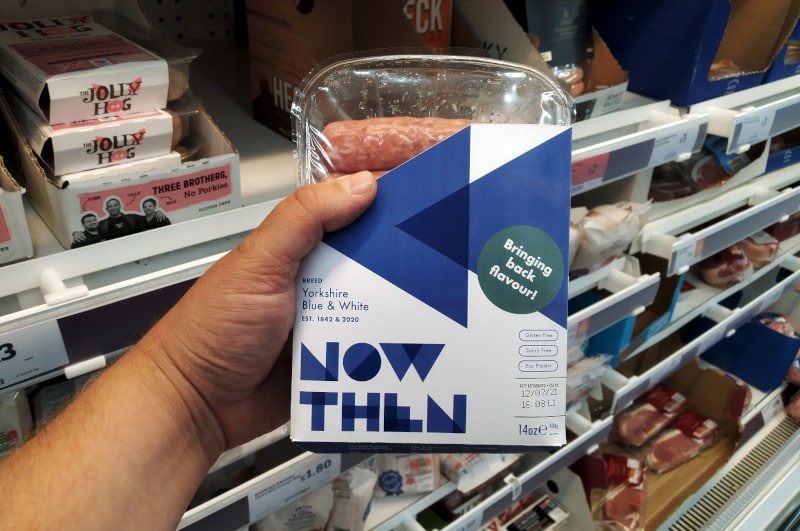
This is an exclusive event designed to make connections, think differently, look ahead creatively and move forward with a new vision and sense of the potential we have as a membership to achieve our net-zero goals. By looking ahead several years into alternative net-zero futures, provoked by “artefacts from the future” like future food products and a discarded till receipt from 2035, we will put ourselves into the shoes of individuals from 2035 and work together in carefully planned groups to track backwards and think “what do we need to do now to either embrace this, or avoid that”.
At the end of our session together, the goal is that we all see and feel our world differently, and return to our roles with a renewed sense of perspective, and a willingness to create new partnerships and collaborations.
This members-only event is to be held on 4th February 1.30 – 5.00 pm.
Register here. Hear from Method Europe’s Managing Director John Oswald and Agri-TechE Membership Manager Becky Dodds to find out what you can expect from this event and how it might help your business plan to achieve net zero.

New Farming Investment Fund welcomed by Agri-TechE

Agri-TechE Article

Agri-TechE
Farming Investment Fund
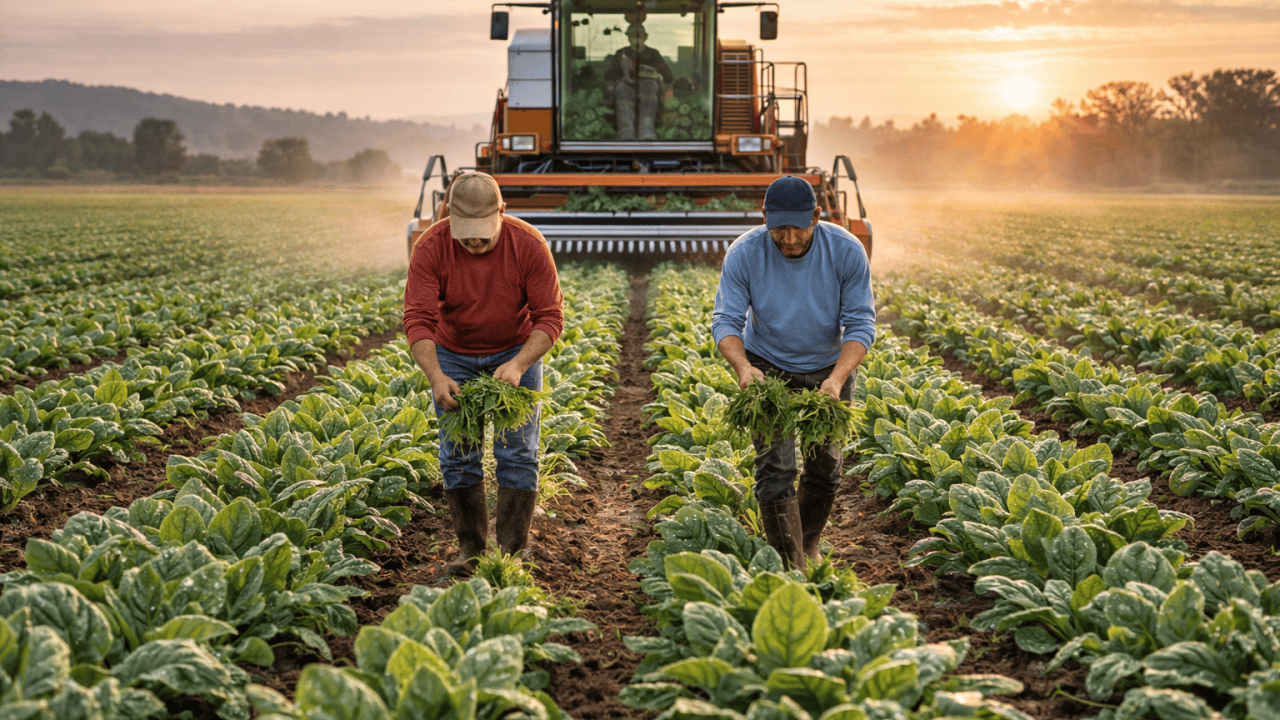
Automated harvesting of soft fruit is one of the technologies potentially eligible for funding under the new Farming Investment Fund

The government has announced (30th November 2020) the launch of a Farming Investment Fund to support innovation and productivity.  This will be in the form of grants  for farmers to invest in equipment, technology and infrastructure with the potential to transform business performance.
Agri-TechE director Dr Belinda Clarke welcomes support for farmers that will encourage adoption of new technologies, she comments:
The proposed new Farming Investment Fund, we hope, will help de-risk the investment in new technologies which we see is often a barrier to uptake by farmers. Key to its success will be ease of access and the type of impact metrics which will be sought by Defra to establish the success of the scheme.
“We hope the outcomes will be assessed by meaningful metrics which are relevant to farmers, as well as relatively simple to capture”
The type of eligible investments may include: –

  • on-farm water storage infrastructure
  • robotic or automated technology
  • technology to improve animal health and welfare
  • equipment for processing agricultural products, which may help farmers to streamline or diversify their businesses.

This funding is in addition to an increased investment in a programme of farmer-led R&D projects to trial and demonstrate viability of new and existing technologies. These technologies will be selected to address immediate on-farm productivity challenges as well as research into how agriculture can meet its longer term goals to reduce greenhouse gas emissions and achieve net zero.
Example projects could be trialling new feed additives or demonstrating the integration of autonomous farm machinery.
The fund was announced as part of a package of measures to support the transition from the Basic Payment Scheme towards the new Environmental Land Management scheme which is designed to incentivise sustainable farming practices. 
More information is available here 

Agri-TechE Week 2020 Niab: Soil health and the circular economy – a sustainable future for agriculture

Agri-TechE Article
Agri-TechE

Sustainable farming systems

The sustainability of agriculture is a hot topic. When considering our farming systems, the three main pillars of consideration are the impact on society, the economy and the environment. As we transition into the Environmental Land Management Scheme (ELMS), sustainable practices are becoming a greater focus for farmers. Benchmarking different farming systems by utilising farm business data from over 99,000 farms, Prof. Adrian Collins (Rothamsted Research) and his team have worked with farmers to explore the best management practices in respect to the environmental performance on farm. Utilising the known information about comparable farming systems across the country, areas are identified for attention, simulations can be carried out to show the impact of what could happen. “This data is really useful as a benchmarking tool for farmers, particularly in the context of ELMS. The data can then be used to provide support and advice on suitable interventions” said Prof Collins. The focus could include the range and number of livestock or energy use.
We heard from a number of research projects investigating various sustainable practices throughout the event, provided a bigger picture of practical solutions on offer to farmers.

How can we increase soil organic matter?

The importance of having healthy soils has never been more greatly understood. Ensuring a high level of soil organic matter results in better soil structure, feeds beneficial microbes, and has a knock-on effect on the crop. Adding organic soil amendments can contribute to the improvement of soil health. “These amendments can range from highly nitrogenous organic wastes such as farm animal manure, to lower grade amendments for mulches” explains Dr Ralph Noble, Technical Director at Microbiotech Ltd. Introducing anaerobic digestate or compost may be seen to increase the risk of contamination and introduction of pest and disease. Ralph demonstrated that due to the heat involved in the processing of such products most pests and diseases cannot survive and the only risk is then due to surface contamination during storage. In fact, adding organic amendments can suppress some pests and diseases, with diseases such as apple replant disease and in pests such as Black vine weevil. This also provides the opportunity to add in other beneficial organisms such as mycorrhizal fungi and biocontrol agents which when combined with compost had the most beneficial impact
The use of certain plants in different leys in a crop rotation is also emerging as another way to add to the soil organic matter. Patrick McKenna, Postdoctoral Research Associate, discussed a Niab trial in which early results have indicated a higher level of dry matter and organic matter from the diverse herbal ley treatment in comparison to the simple grass treatment.

Farmer Insight – ‘try everything and preclude nothing’

Craig Livingstone, Farm Manager of Lockerley Estate, gave an insight into the journey he is on to develop his farm practices. “Our approach to developing a more regenerative system is to be flexible across our varied soil types on the farm, try everything and preclude nothing”. By exploring min till, introduction of livestock, greater diversity in the rotation, use of cover crops and a more focused assessment of the soil health, we’ve seen an increase in key nutrients, a reduction in the use of fertilisers and pesticides and a noticeable difference in the health of their soils. Looking to the future, work with the Small Robot Company could open up more possibilities but current practices allow for solutions to today’s problems.

How can we better manage nutrients for the benefit of crops and soils?

Ensuring the right levels of plant nutrition contributes to good soil health and minimises environmental impact. The use of digestate is one way farmers can add nitrogen back into their soils. A group of farmers have been part of an Innovative Farmers project to explore how they could make digestate work harder for them and have a reduced environmental impact. Laura Bouvet, Agri-TechE Knowledge Exchange Manager, oversaw the project which found that cover crops reduced leaching of the nitrogen after digestate application. Adding bacteria alongside nitrogen fertiliser has also been proven to support a higher crop yield. Having developed the SR3 bacteria, Natalia Gulbis, Technical and Arable Farming Lead – Plantworks Ltd, shared trials that have been carried out trials to explore the benefits of this product finding that SR3 reduced the level of Nitrogen needing to be applied on Winter Wheat increasing the crop yield and final profit.
But maybe looking elsewhere for a sustainable alternative to crop nutrition and create a greater circular economy, designing out waste, re-using more product and lowering our carbon footprint. Batteries could be the answer. 80% of an Alkaline battery is Manganese & Zinc, this can be extracted and purified which can then be used to for crop nutrition according to David Harrod of Payne Crop Nutrition Ltd.

Is growing in soil still the best way of growing?

Leafy salads have increased in demand over the last 10 years but are still impacted by numerous challenges including climate, pests and disease, distance to market and seasonal consumer demand and consistency. So is the answer to take control and grow another way?
Graham Taylor, Research Scientist – Niab explained the Hy4Dense project in which hydroponics is being trailed as a ‘hospital environment’ for growing salad crops as it provides a contamination free environment in which all elements of the process can be controlled as well as the opportunity to plant in higher density. The research will also explore other mediums alternative to soil to offer the same filtration, algal mitigation and water retention that soils does.

Farmer Insight – ‘the problem is we have to harvest every day, we can’t say to Mr Tesco we can’t cut today’

Balancing improving soil health alongside the requirements of babyleaf salad production is a challenge. “Unlike cereals, growing salads crops are more constrained in how soil health can be enhanced due to the need to produce safe food which removes some of the more widely used practices.” explained Adam Lockwood, Managing Director of Lockwood Salads Ltd . There are still ways: soil enhancements are being made through the use of cover crops; better weather forecasting, irrigation infrastructure and investment in equipment.
The future outlook would favour controlled environment growing to overcome a number of the current challenges, maintain demand and this will likely include the use of robotics.

Niab hosts: Soil health and the circular economy; A sustainable future for agriculture

Friday 13th November, 10:00am – 12:30 pm
Soil structure, health and performance can be improved and enhanced in a variety of different ways. From farm waste to cover crops, bacterial inoculum and more, this practical and evidence-based webinar will be sharing the outputs of a number of strategic projects in soil health and the circular economy.
The use of farm waste to improve soil structure, health and performance are key themes for this practical, evidence-based seminar. The outputs of a number of strategic projects will be discussed. The programme will be as follows:
Session One 10:00 – 11:30

  • Use of farm waste, valorising for farm, soil inputs – Lydia Smith, Niab
  • Benchmarking your farm – where are the pinch points? – Adie Collins, Hydrologist, North Wyke
  • Effects of organic soil amendments on crop and pest diseases – Ralph Noble, Microbiotech Ltd
  • Herbal leys for structural health and productivity – monitoring the results – Patrick McKenna, Niab
  • Working with a complex variable soil – how to mix up treatments and amendments – Craig Livingstone, Lockerley Estate Manager

Session Two 11:40 – 12:30

  • Cover crops to optimise the use of digestate – Laura Bouvet, Agri-TechE
  • Hy4Dense technology – understanding soil monitoring – Graham Taylor, Niab
  • Bacterial consortium mixes – inoculum to use on farm – Natalia Gulbis, Plantworks
  • Recycling waste minerals – providing sustainable crop nutrition – David Harrod, Payne Crop Nutrition
  • Salad and soil – challenges and resolutions – Adam Lockwood, Lockwood Salads Ltd.

2 BASIS points
For more information about Agri-TechE Week

Agri-tech innovation offers response to global challenges

Agri-TechE Article
Agri-TechE

International farmers, researchers and tech entrepreneurs come together to pursue the goal of sustainable, productive and profitable agriculture.

Innovation in agri-tech has the potential to address many global sustainability and productivity challenges in agriculture, but to be effective requires an interconnected view of natural systems and collaborative solutions. To explore how they can work together on mutual challenges, a number of international players announced initiatives at Agri-TechE ’s REAP 2020 conference.
Announcements include:

Dr Belinda Clarke, Director of Agri-TechE , comments: “The theme for REAP 2020 is ‘From micro-scape to landscape – Innovating at the frontier’, acknowledging that small changes in the micro-scape can have big impacts on the landscape and vice versa. It is interactions on a microbial scale in soils that drive the carbon cycle and impact climate change.
“To achieve the global ambitions for agriculture, food production and land management, we need a much better understanding of how systems at these different scales operate and interact. We are delighted that this vision is shared by other agri-tech communities as this will create the global scale needed to make real change.
“We hope these exciting new initiatives we are announcing today will provide value to our members to access new market opportunities and gain new insights into best practice on farm. Connecting with best-in-class globally is the way to tackle the challenges facing agriculture and we are proud of our new partnerships.”

Farmers share a virtual beer and talk soils

Agri-TechE Article
Agri-TechE

“Never has the health of our soils, its environmental and monetary value been higher on the agenda for both our clients and potential investors seeking to enter the sector in which we operate,” comments Alex Bragg, Director of Food & Farming for Savills, sponsor of the exclusive farmer Q&A session with keynote speaker Prof David Montgomery of the University of Washington in Seattle.
Professor Montgomery, author of Growing a Revolution, has a global view of soil health. Within his keynote address he discussed ways to manage soils health and gave examples of successful soil regeneration. He says:  “I have seen how the recipe of minimal disturbance, keeping the soil covered with living plants at all times and growing at least three or more crops in rotation works on farms around the world. “The simplest advice boils down to ‘ditch the plough, cover up and grow diversity’. However, there is also an urgent need for innovation to accelerate soil building.”
Alex observed that soil health is top of mind for those involved in agriculture: “We have an unmissable opportunity to understand more of David’s experiences and lessons learnt as we approach a new era of agriculture in the UK.”
Reward for public goods is one element of the UK agricultural strategy but difficult to measure. Prof Montgomery observes: “We should incentivise practices that build soil health by linking specific verifiable practices, like no-till and cover crops, to credits based on regionally calibrated studies to establish an expected benefit, such as increase in carbon content or maintenance of it in the soil. This would reward farmers not only for increasing carbon but also for good practice that has helped retain it.”
Carbon storage is a source of revenue for farmers. Tools for monitoring, measuring and managing soil carbon could provide metrics for rewarding best practice. The technology that is needed to underpin this was discussed during REAP and the farmer session was an opportunity to reflect on the implications for land management.

Partnership with Western Growers to accelerate field harvest automation

Agri-TechE Article
Agri-TechE

Members of Western Growers are family farmers growing fresh produce in Arizona, California, Colorado and New Mexico, together they provide over half the nation’s fresh fruits, vegetables and tree nuts, including nearly half of America’s fresh organic produce.
To help accelerate innovation in field harvest automation, a  new partnership is being announced at REAP between Western Growers Center for Innovation & Technology (WGCIT), a premiere U.S.-based agtech incubator, and Agri-TechE , the leading UK agri-tech innovation network.
The partnership will focus on connecting farmers, scientists, academics, technologists and entrepreneurs in both the United States and United Kingdom to collaborate on shared strategic priorities—most notably, field harvest automation and food safety solutions. “We have some big challenges facing us, such as extreme weather, need for harvesting automation, concerns about resistance to pesticides, and water shortages,” said Dennis Donohue, WGCIT Director.
“We didn’t want to reinvent the wheel so we decided to find out what agri-tech is out there and to start a conversation. With Agri-TechE , we saw the potential to create a viable relationship that would accelerate the development of solutions, and ultimately, solve the issues our growers are facing.”
Agri-TechE is a business-focused organisation, supporting the growth of a world-leading network of innovative farmers, producers, scientists, technologists and entrepreneurs who share a vision of increasing the productivity, profitability and sustainability of agriculture. Together with Western Growers—which represents family farmers who grow fresh produce and tree nuts across California, Arizona, Colorado and New Mexico—the partnership will identify technologies to solve harvest automation issues and determine how to best adapt them for growers’ needs.
“I had been introduced to Dr. Belinda Clarke, Director of Agri-TechE , through a mutual friend in Australia and we shared a strong believe that growers need to be close to technology innovation to ensure it meets their needs,” said Donohue.
“Also, that a multi-disciplinary approach is needed, which fits well with Agri-TechE ’s network so we started to talk about how to collaborate.”
Belinda says that harvest automation is already a major focus for the organisation’s research and tech members and many of its growers are trialing solutions in the field.
“Being part of an ecosystem helps accelerate innovation,” she said. “Our early-stage high-growth technology companies need to expand beyond the domestic market and working with the Western Growers offers huge potential. Likewise, the adoption of technology on a large scale will de-risk and drive down the cost of automation for our local growers.”
The partnership between Agri-TechE and Western Growers and its Center for Innovation & Technology will be formally announced during REAP Conference 2020 on 10 November 2020.
The conference is Agri-TechE ’s flagship event focused on bridging the gap between producer needs and innovation-based solutions and will include presentations about the Robot Highway’ project from Professor Simon Pearson, of The Lincoln Institute of Agri Food Technology, an announcement by the Small Robot Company about its robotic ‘per plant crop care’ service and other developers of AI, machine learning and robotic solutions for harvesting vegetables and fruit.
There will be an opportunity for discussions and one-on-one meetings through the interactive virtual environment of REAP 2020.

REAP 2020 Sofa Session – towards a technology roadmap

Agri-TechE Article
Agri-TechE

“REAP is a conference that dares to be different being one where farmers and growers, scientists, innovative companies and entrepreneurs come together to discuss how agri-tech can positively impact the 72 per cent of land in the UK that is cultivated,” comments Dr Julian Little,  who is chairing the Sofa Session. “This year’s “lockdown” version is no different with its theme of From micro-scape to landscape – Innovating at the frontier, acknowledging that small changes in the micro-scape can have big impacts on the landscape and vice versa, for example it is interactions on a microbial scale in soils that drive the carbon cycle and impact climate change.
“So, anything that we so to improve soil health through agri-tech could expand carbon storage and at the same time, increase productivity and enhance biodiversity. Could capturing carbon provide new revenue streams for farmers?
“This sofa session will be, I hope, a fascinating opportunity to explore how systems at different scales operate and interact with each other, recognising that taking a broader ‘one agricultural’ type approaches that recognise natural systems are interconnected, will enable us to be more innovative with our solutions at a local microscopic level, or to solve some of the greatest challenges that mankind has yet faced.”

The Sofa Session will review the conference and the potential for a roadmap

David Montgomery

Professor of geomorphology at the University of Washington

“Humans have degraded about a third of the world’s viable cropland in the past 60 years, and we’re on track to degrade another third by the end of this century… however within that big picture there are many farmers that through minor changes are restoring soil quality and fertility and that’s why I’m so excited about [the ideas that we’re discussing at REAP2020].”

Jane Rickson

Professor of Soil Erosion and Conservation at the Cranfield Soil and Agrifood Institute

“Soil is so fundamental to our cultural being – it underpins our green and pleasant land in the UK – and that is determined by how we manage it … Topsoil quality determines our crop yields, but also the nutritional value of what we eat… good soil structure determines water retention and can therefore protect us against both flooding and droughts… all of these services are driven by soil microbiology, which is critical to the long-term health of the soil…”

Stuart Hill

Head of Technology and Innovation, Hutchinsons Ltd

“Understanding the grower and their business is the starting point. We are looking at interconnected systems at whatever scale we take. Whether this is soils or biodiversity across individual fields, individual farms to groups of growers or even regions – agri-tech can help us to see where interventions can be made to make a difference.”

Duncan Wingham

Executive Chair, National Environmental Research Council

“If you ask what’s driving biodiversity loss, the answer is land use change, agricultural intensification, and to a degree pollution arising from agriculture… so the question of our time has to be: ‘How do we feed the world without destroying it?’”

Mike Green

Agricultural Sustainability Manager in BASF UK & Ireland

“I am interested in how new systems and innovations can maintain on-farm yields whilst improving the cultural and ecosystem services that farmland provides for us all. That requires a big picture view on long term profitability and sustainability, but reinforced by fine-scale monitoring and measurements.”

Small Robot Company launches Wilma, the brains behind its farmbots, at REAP 2020

Agri-TechE Article
Agri-TechE

The brains behind Small Robot Company’s team of agri-robots has been launched at REAP 2020. Wilma provides ‘per plant intelligence’, using precise information gleaned by Tom, the scouting robot, on the health of the plant. If she identifies the plant as a weed then Dick – the world’s first non-chemical robotic weeder – is dispatched to zap it.
Ben Scott-Robinson, CEO and co-founder of Small Robot Company, explains that the robots are being trialled on three farms and their success is creating tremendous excitement among farmers that have invested in the technology.
He says: “The first commercial version of Wilma was unveiled at REAP. She creates a per-plant crop map and is then AI-enabled to recognise disease and the nutrient status of the plant, enabling precision weeding by the farmbots and, in the future, application of water, nutrients or fungicide as appropriate – cutting chemical use and emissions. “Wilma can direct Dick on the most effective course across the field. The robot then kills the weeds, such as blackgrass, using the Rootwave technology, which is electric so there is no problem with resistance,” explains Ben.
“In a post-glycophosphate world the ability to quickly kill pernicious weeds as they appear means that farmers don’t need to wait to drill and can take the opportunity to get crops started in the better weather in early autumn. Our lightweight farmbot Harry will also be equipped to precision drill without damaging the soil.”
Small Robot Company raised £1.1 million – over 275% more than its target – in a recent crowdfunding campaign. Many of the supporters were farmers eager for the technology to become commercially available. They have been involved in testing the technology, helping to ensure that it is farm ready, and over 30 have prepaid for services. Craig Livingstone, one of the first farmers to trial the new technology and part of the SRC Farmer Advisory Group was Farmers Weekly ‘Farmer of the Year 2018.’
He says, “Robotics offer us a real chance to answer the many questions of modern agriculture in responding to climate change, carbon sequestration, biodiversity and of course soil and food security. The light weight, low impact monitoring robot Tom is now on my farm scanning emerging wheat, for the first time giving me a per plant view of my fields.
“With the Wilma artificial intelligence, we can determine weed density and locations, and are also looking to assess potential yield. In time, by reducing the trafficking on our soil, minimising the use of pesticides, I’m convinced this can only add to more productive, functioning soils capable of producing quality nutritious food.”
The weed zapping and slug control are two initial applications for the farmbots and these applications are attracting attention in Latin America.
Slugs are a growing problem as new varieties of slug have invaded and the traditional slug pellets which contain metaldehyde or Iron (Ferric) phosphate are being withdrawn.
Tom can also detect slugs using hyperspectral imagery and artificial intelligence. It is intended that detection and mapping of slug infestations will be happening in-field in summer 2021, with Dick adding precision spraying as part of his ‘crop care service’ later in the year. Small Robot Company previewed its Farming as a Service model at the REAP 2017 Start-Up Showcase and returned in 2018 to launch Harry, a 1.8 metre-square spider shaped robot for drilling seeds autonomously.
Ben says: “The support we have been given by Agri-TechE at REAP has been invaluable. It has helped us to quickly gain traction in the industry and gain profile for our innovation with farmers, investors and partners. We are delighted to launch Wilma at REAP 2020.”
Agri-TechE director Dr Belinda Clarke commented that agri-tech companies with disruptive technologies need to scale quickly and look for opportunities overseas. “Small Robot Company is very close to the grower community and this has helped it make such an impact. We have a good number of international organisations participating in REAP so we anticipate that the next chapter will be very exciting.”

Unlocking emerging agri-tech with everyday objects

Agri-TechE Article
Agri-TechE

What can a Rubik’s cube, PVA glue, Deep Heat, 3D printing, a bomb…. and more, tell us about emerging agri-tech? Join us at REAP 2020 to find out!

Snap that rust. Scoring plants for diseases such as rust is time-consuming and needs the eye of a trained pathologist. Could machine learning be used to score images taken on a phone? Could this technology enable farmers to identify pathogens quickly in the field?
Read more. Life used to be simple, farmers were paid to grow food – now they are also expected to store carbon and deliver biodiversity all against the background of an ever depleting armoury of chemical crop protection products. Could a systems based approach that integrates technology with nature be the solution?
Read more. Microscopic fungi provide the glue that aggregates soil particles; a better understanding of the role of glycoproteins could provide insights into improving soil resilience and structure. How does tillage impact this glue?
Read more. In which order should crops be rotated to get the best outcome, and why? The answers are hidden in the soil, but are finally being revealed with forensic technologies such as DNA Barcoding. It offers unprecedented insights into the fungi and bacterial communities that have such a huge impact on crop growth and yield. Now is the time to finally find out what is happening beneath your feet.
Read more. Are robot highways the future?  The COVID-19 crisis has shown the fragility of food supply chains. It has also accelerated the labour challenges for the agricultural industry predicted for the UK post-BREXIT. Both these elements have generated interest and a sense of urgency for new methods of automating agricultural processes – but how far is this from the farm gate?
Read more. We are entering a golden era of crop science – basic science has given us insights into how plants grow and defend themselves against disease and stress and we now have a tool box to improve these traits – the explosive next step in the journey will be to replace chemistry with biological nutrition.
Read more. Headlines suggest the world’s topsoil could be gone in 60 years, but does the evidence support these claims? For the first time, a global study has assessed soil lifespans, revealing the urgency needed to combat soil thinning. While most soils are thinning, some soil conservation practices are bucking the trend.
Read more. Airborne crop diseases are responsible for devastating loss of yield and over-reliance on pesticides. Current detection regimes often rely on expert identification of the pathogen from plant damage. Together with collaborators, we have developed Air-seq, a new approach that seeks to identify pathogens through sequencing of biological material present in the air.
Read more. Could aromatherapy be used to kill pests such as peach-potato aphids that are resistant to pyrethroids?  Orange oil is an aromatic that has been shown to interfere with the basic metabolic, biochemical and physiological functions of insects. Could botanically pesticides modify behaviour to provide crop avoidance?
Read more.

A smelly approach to crop protection – Joe Roberts

Agri-TechE Article
Agri-TechE

Joe Roberts

Lecturer in Entomology and Integrated Pest Management, Harper Adams University

“Could aromatherapy tools be used to kill pests such as peach-potato aphids that are resistant to pyrethroids?  Orange oil is an aromatic that has been shown to interfere with the basic metabolic, biochemical and physiological functions of insects. Could botanical pesticides have lethal effects and modify behaviour to lead to crop avoidance?”

Joe Roberts

The Emerging Agri-TechE session at REAP 2020 is kindly sponsored by EIT Food.

WheatsApp: An AI app for plant disease detection – Megan Long

Agri-TechE Article
Agri-TechE

Megan Long

Post-graduate researcher at John Innes Centre

“Snap that rust. Scoring plants for diseases such as rust is time-consuming and needs the eye of a trained pathologist. Could machine learning be used to score images taken on a phone? Could this technology enable farmers to identify pathogens quickly in the field?” 

Megan Long

The Emerging Agri-TechE session at REAP 2020 is kindly sponsored by EIT Food.

South Korea Launchpad offer to agri-tech companies at REAP

Agri-TechE Article
Agri-TechE

“South Korea can be a base camp to enable UK companies to develop technology for Asian countries,” Professor Kyeong-Hwan Lee, of Chonnam National University, South Korea, says ahead of REAP 2020.  He attended Agri-TechE ’s REAP conference last year with several directors of the Ministry of Agriculture, Food and Rural Affairs to build on this connection and he has a brought a delegation of companies to this year’s virtual event.
Professor Lee served as a director of the Agricultural and Robotics and Automation Research Center, which was established by the Ministry in 2014 and is creating a pilot test farm in Chonnam province as the first step toward building an agri-tech science park.
“I think South Korea has good resources to develop agri-tech and become the hub for agri-tech in Asia. Our area, Chonnam province and Gwangju city, is the core of agriculture production and the national research centre of artificial intelligence will also be founded here.” In 2019, Professor Lee invited Dr Belinda Clarke, director of Agri-TechE to the Leaders Forum held in Korea. “We talked about Agri-TechE and cooperation between UK and Korea and I followed this up with a visit to REAP.
“Asia will be the major market of agri-tech in near future. My goal is to build an agri-tech science park and create a new paradigm in agriculture using agri-tech. I believe it can contribute to accelerate agriculture industrialization and this can make a new growth driver in both the countries.
“European companies can develop core technology by cooperating with several international companies in Korea and testing it under local conditions that are typical of the Asian climate, soil, and crops. In some case, some big data can also be provided.” Dr Clarke welcomes closer cooperation between Agri-TechE and the emerging agri-tech hub in South Korea.  “During our meetings in Seoul it was inspiring to hear the vision and to learn about the potential complementarity between the UK agri-tech ecosystem and the needs in the wider Asian markets.
“We look forward to working with Prof Lee and the Ministry, as well as the Department for International Trade in Seoul to supporting these exciting plans and forging some productive partnerships.”
Seven companies and one association from South Korea will be participating in the TechHub of REAP with discussions and one-on-one meetings facilitated by members of the Agri-TechE team and also AI-enabled to ensure productive networking.
The South Korean companies include: 
Cesl Primus Co. – Image analysis and vertical strawberry cultivation
Daehoeng – platform for data acquisition, data preprocessing, analysis, and decision-making through technology convergence, and its Smart-AG collects growth information to predict harvest time and yield.
FACT  – The Foundation of AG. Tech, Commercialization and Transfer
GINT Co. – fleet management services and self-driving technologies for tractors.
Geospatial Information Co. – UAV developer for precision agriculture.
INFEEL Co. – support for selling crops worldwide
UCONSYSTEM Co. – Survey and mapping by drone and multi-spectral sensors
Synerex Inc – GNSS RTK receivers