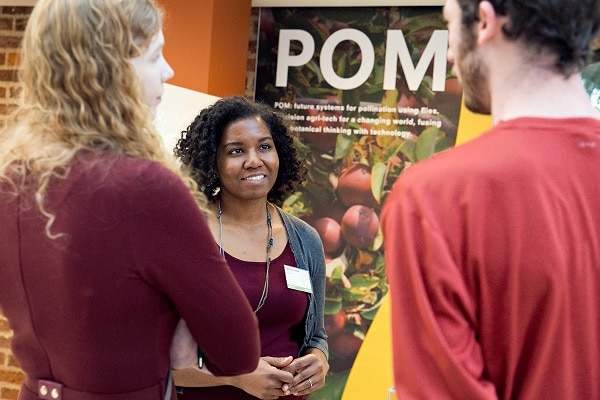
Collaborating to create resilient celery

Member News
The views expressed in this Member News article are the author's own and do not necessarily represent those of Agri-TechE.

Earlham Institute and Tozer seeds are working together to harness celery diversity and develop varieties that meet the needs of both producers and consumers.

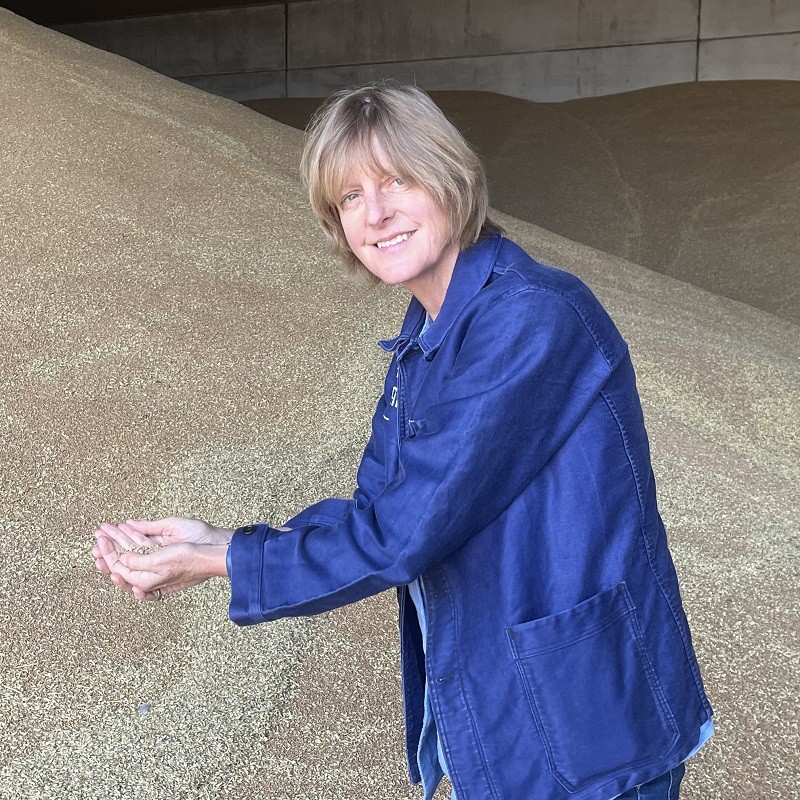
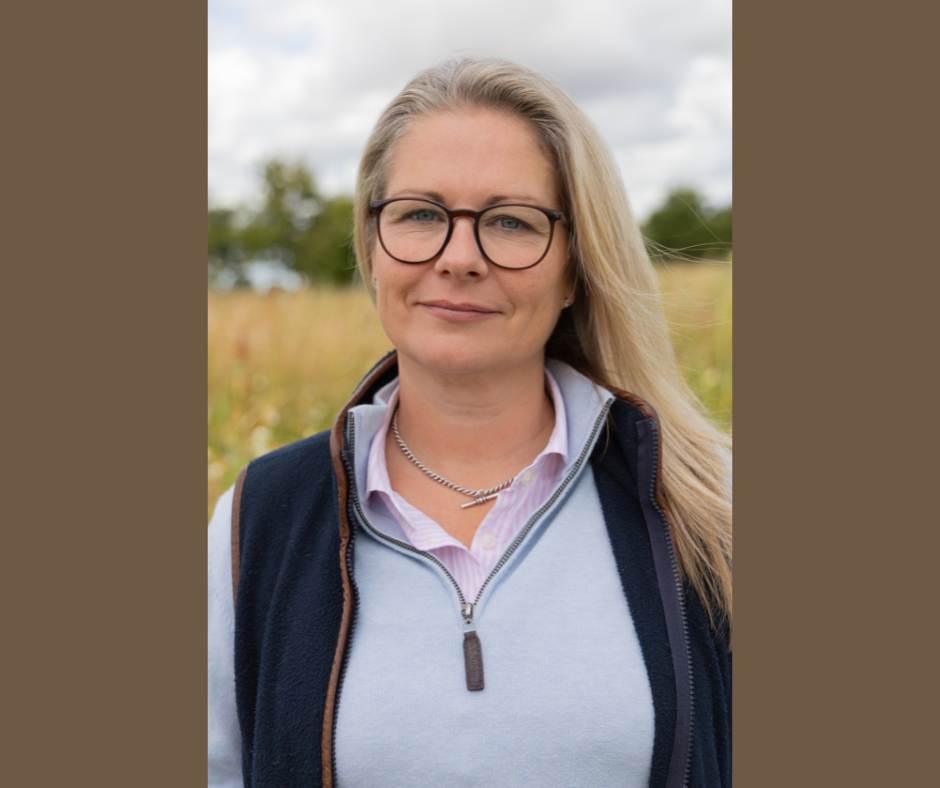
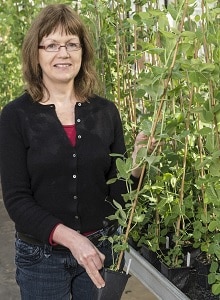
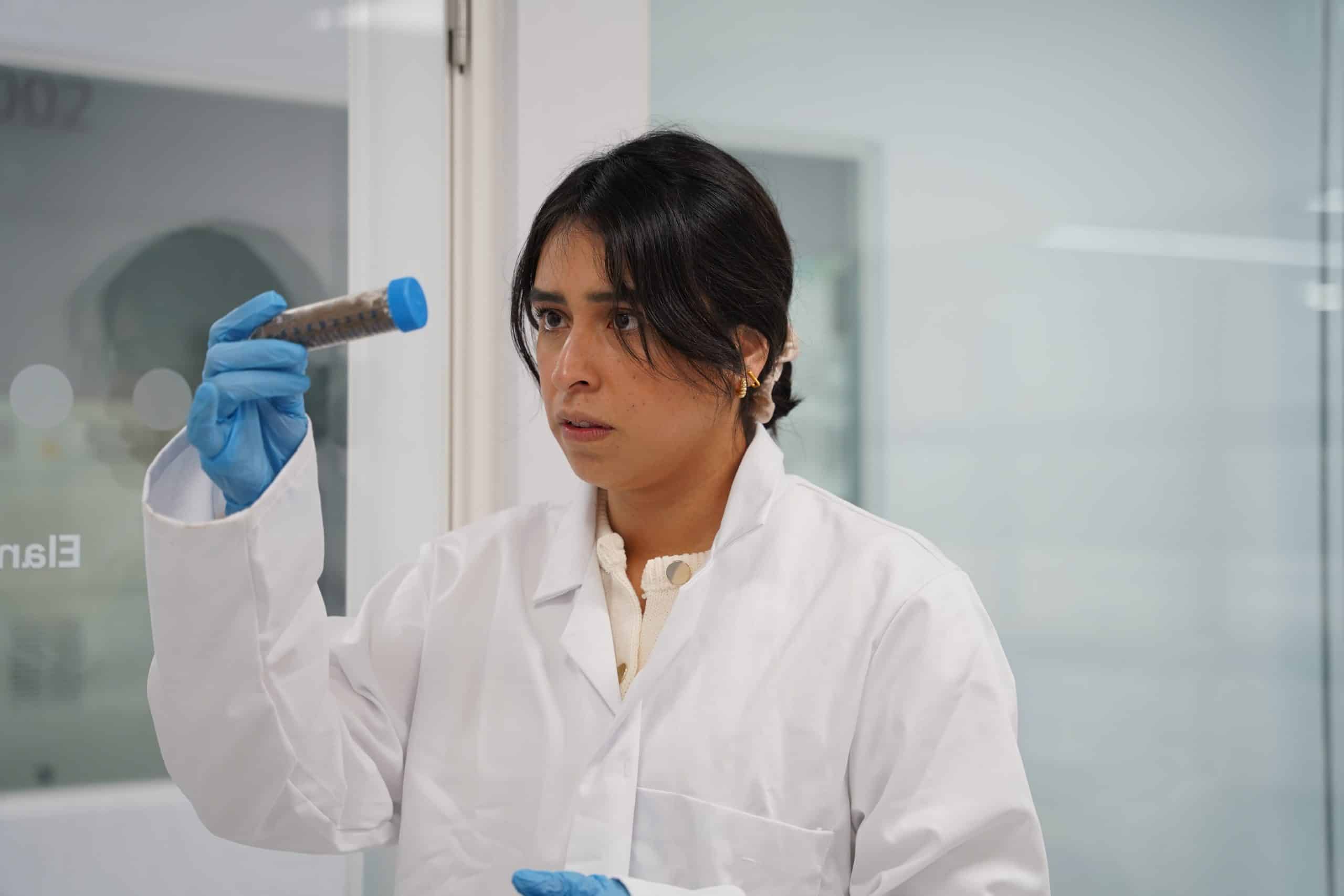
There is immense value in connecting growers, researchers, and breeders to produce commercially focused research. Dr Jamie Pike, a researcher working between the Tozer Seeds Research and Development department and the Jose De Vega Group at Earlham Institute, is a prime example of how successful this approach can be.

There is an urgent need to develop improved, more resilient crops, both to cope with increasing global demand and to introduce resilience to climate change and plant pathogens.

Working together in the field and the lab, this collaboration aims to harness celery diversity and develop varieties that meet the needs of both producers and consumers. With resistant plant pathogens such as Fusarium becoming more widespread – causing stunted growth, internal browning, and wilting leaves – Jamie’s collaborative work is critical to ensure the longevity of this crop.

This collaboration has been enabled through a Knowledge Transfer Partnership project between the Earlham Institute and Tozer Seeds. Knowledge Transfer Partnership awards help to bridge the gap between academia and industry.

This project is helping breeders take the approaches Earlham Institute have developed and benchmarked in some major crops and adopt these in crops that are under resourced but important for UK food security.

As Dr Jamie Pike explained, ”Through this Knowledge Transfer Partnership I get the best of both worlds. I can apply cutting-edge science directly to real-world breeding challenges. For Tozer Seeds, it brings access to novel approaches and world class expertise that accelerate variety development, while for the Earlham Institute, it provides a route to see research translated into impact.”

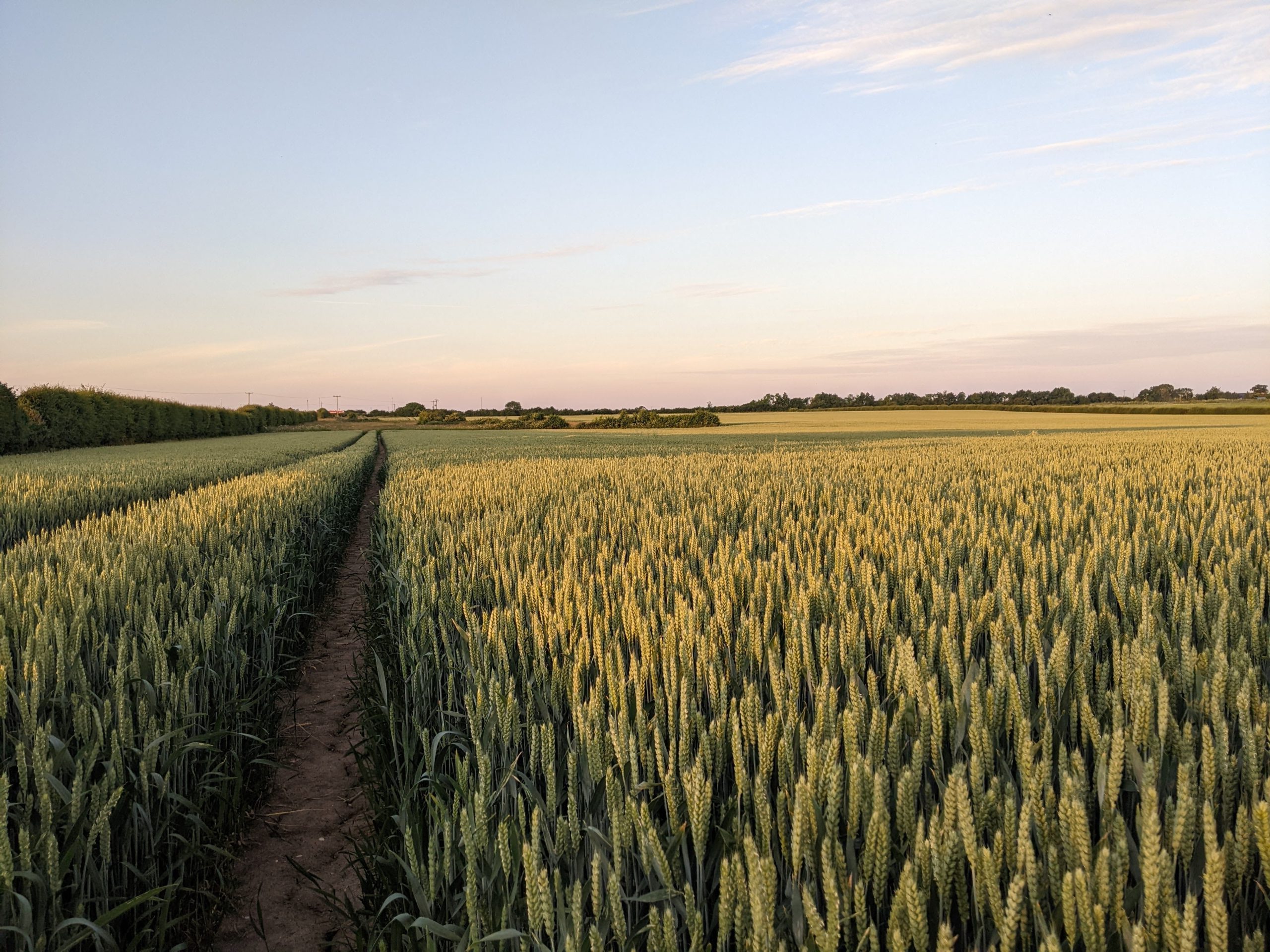
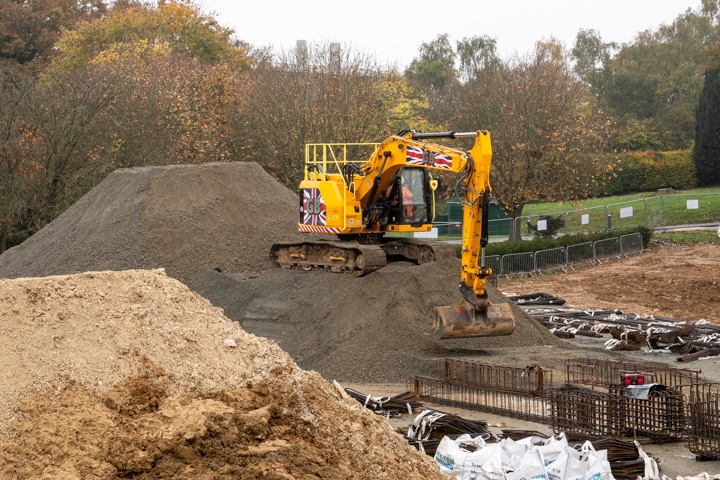
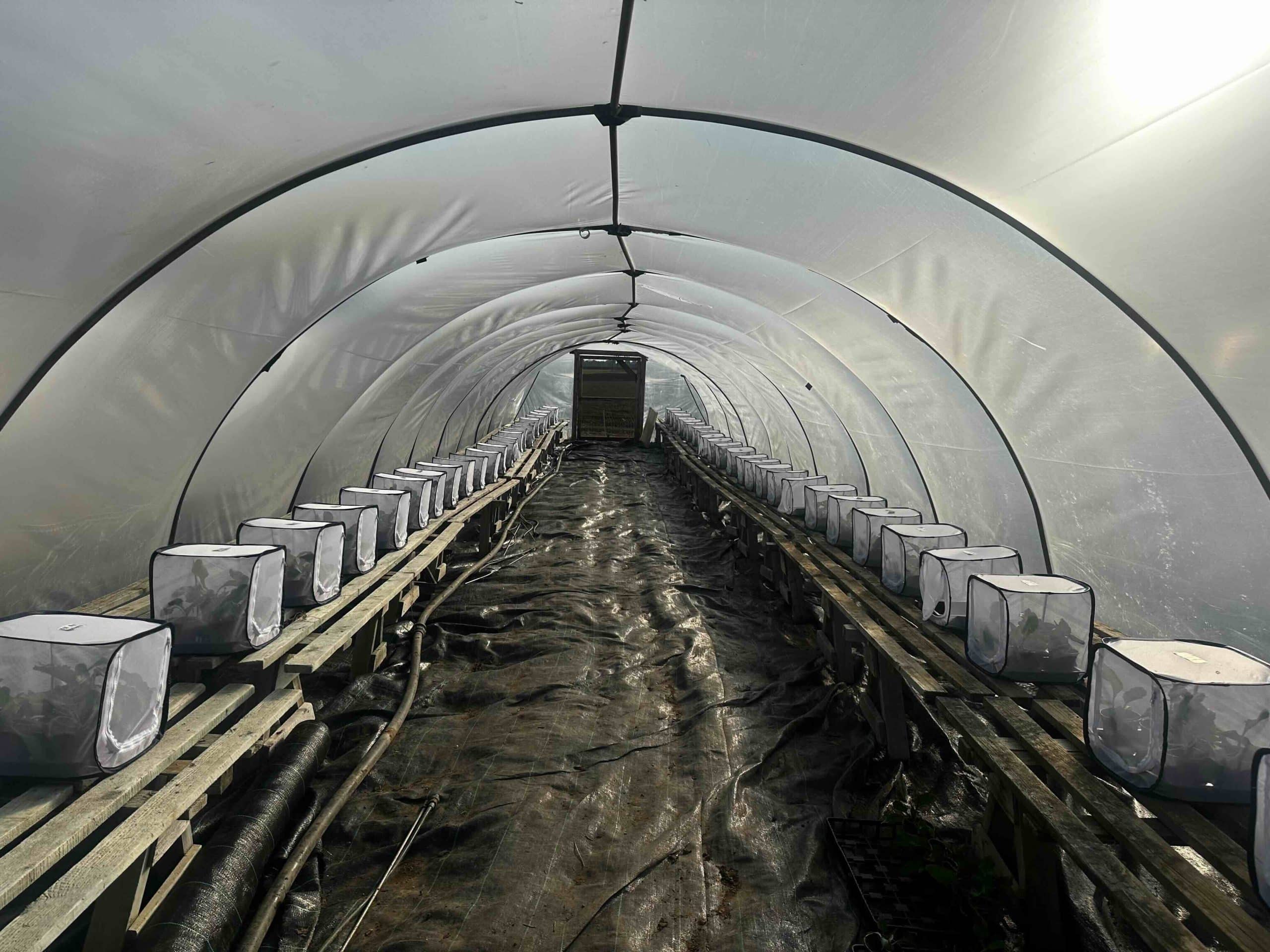
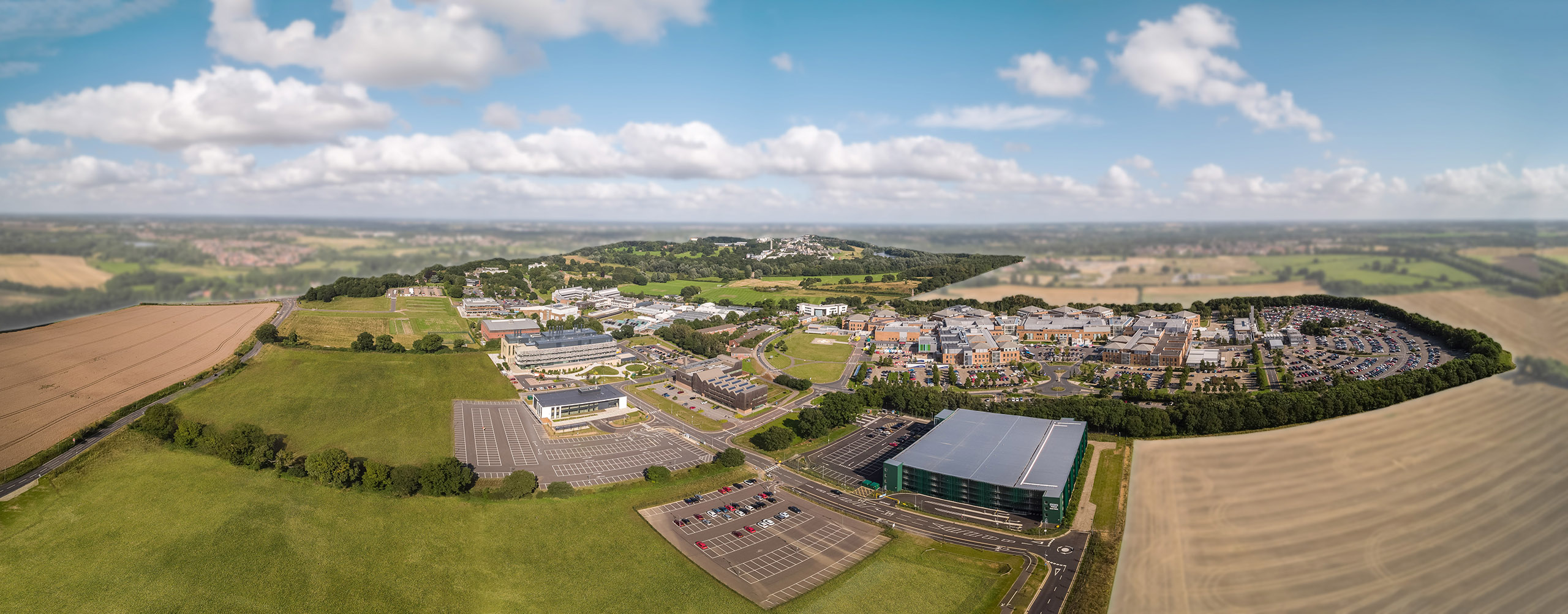
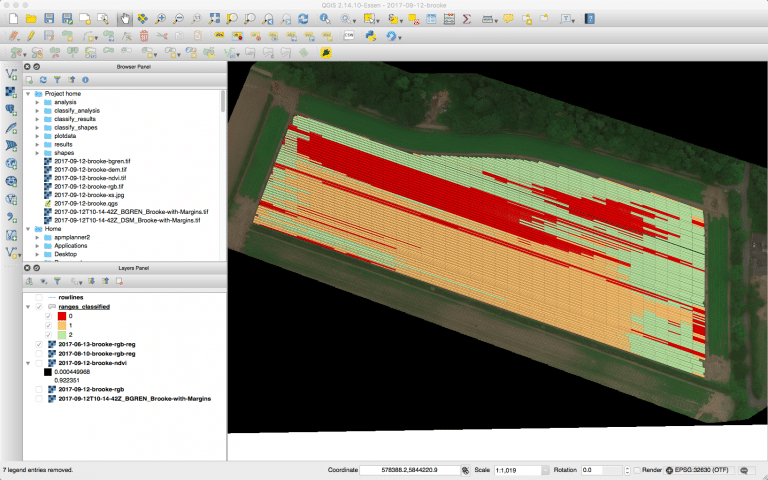
Fundamental to the success of this research is a large-scale field trial containing 96 different celery varieties, hosted by celery grower G’s Wissey Farms.

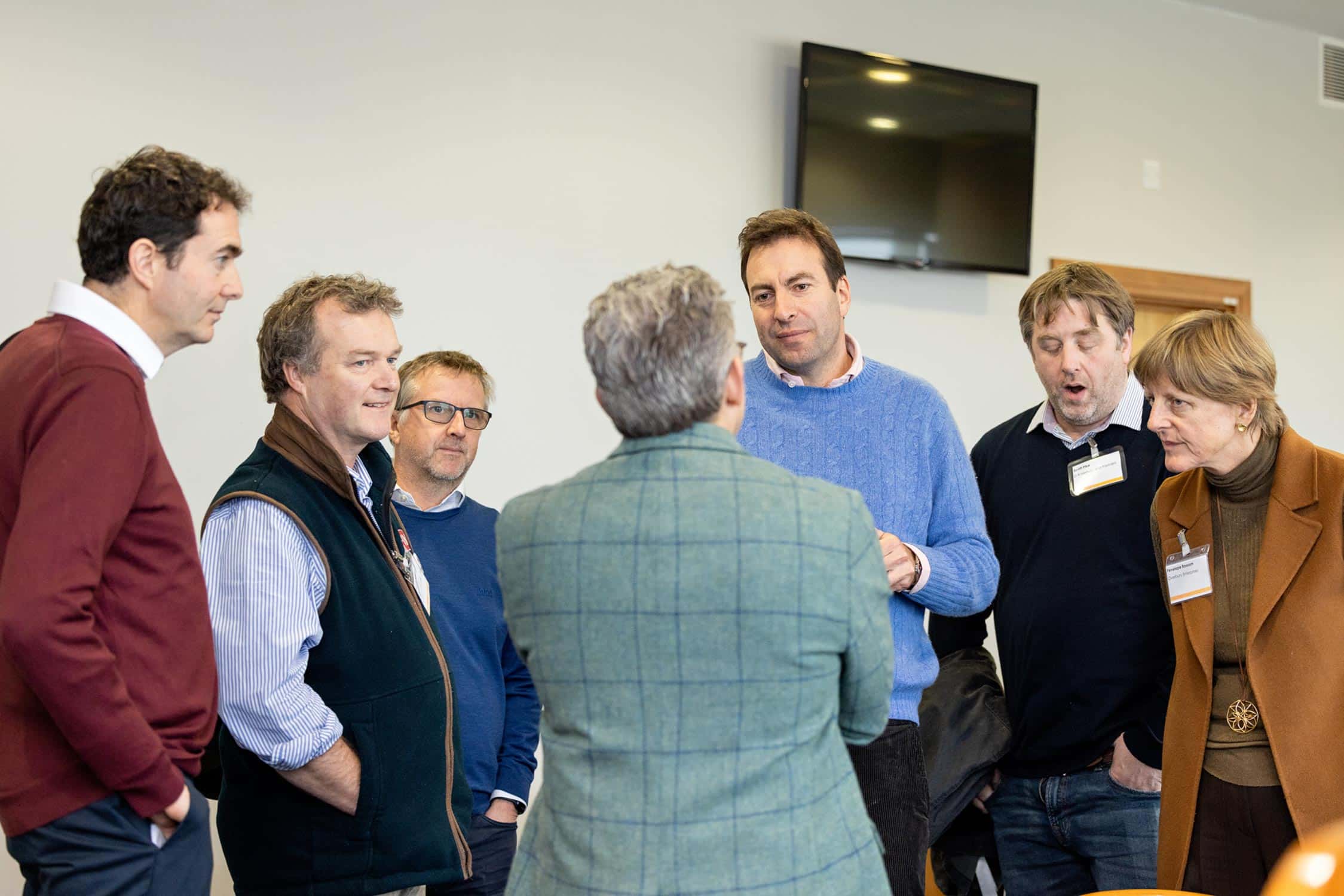
A recent visit brought together representatives from the Earlham Institute, Tozer Seeds, G’s, ADAS, and Harper Adams University to showcase celery diversity and discuss how collaboration between academia and industry can directly benefit growers.

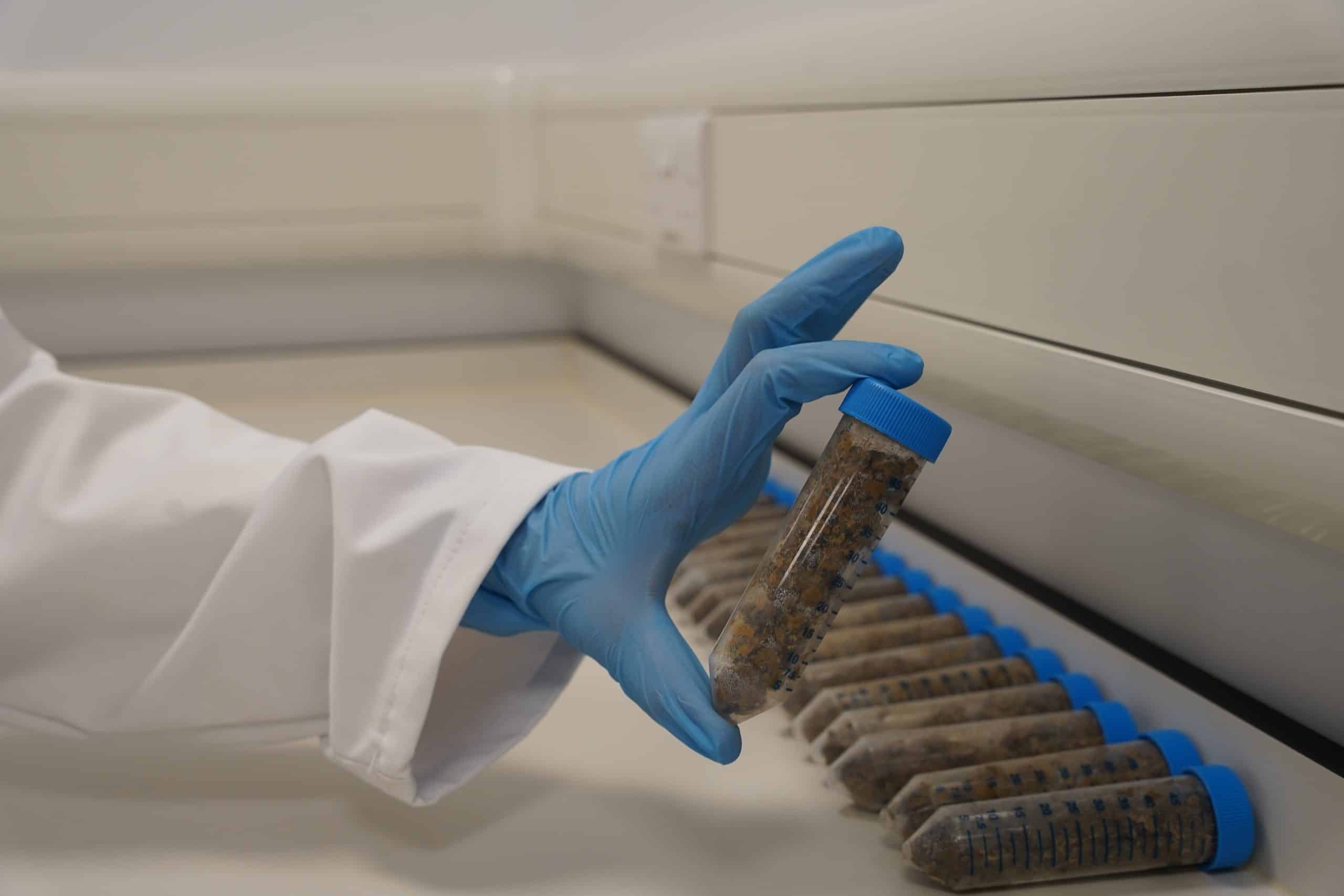
The partnership uses much of the Earlham Institute’s existing expertise, pipelines, and software tools to assess a range of phenotypes and genotypes, from which they can identify the right genetic markers for these traits. Those new markers will allow these beneficial traits to be brought into the breeding process.

The field trial focused on addressing key grower challenges and desirable traits, including bolt tolerance (delayed premature flowering) and reduced side shoots (minimising unwanted shoots growing from the plant’s base to reduce harvesting time).

Jamie has combined data collected from this trial with genomic analysis to identify DNA markers, which will then be used to design lab tests for screening new celery lines.

“Dr Pike is embedding this knowledge within an innovative commercial business so that successful new varieties that respond to fast evolving challenges such as climate change and disease can be more quickly developed than traditional techniques currently used, potentially saving us years of work,” said Dr Liliya Serazetdinova, Head of Business Development and Impact.

This collaborative approach will significantly accelerate the breeding process, enabling faster development of disease-resistant varieties with the traits growers need -supporting a more resilient and sustainable celery sector for the future.

The Earlham Institute pioneers the use of new technologies to overcome issues of scale and complexity in data-driven biology, including approaches that could be used to accelerate crop breeding.

The partnership benefits from the bioinformatics expertise within the Institute, making use of many of the innovations developed in-house for genomic predictions and marker identification.

KTP Awards enable cutting-edge research to be applied in an industrial setting, supporting the implementation of new marker-assisted and genomic-based selection methods for desirable traits in celery and other vegetables commercialised by Tozer.

Find out how to work with our team > https://www.earlham.ac.uk/engaging-us

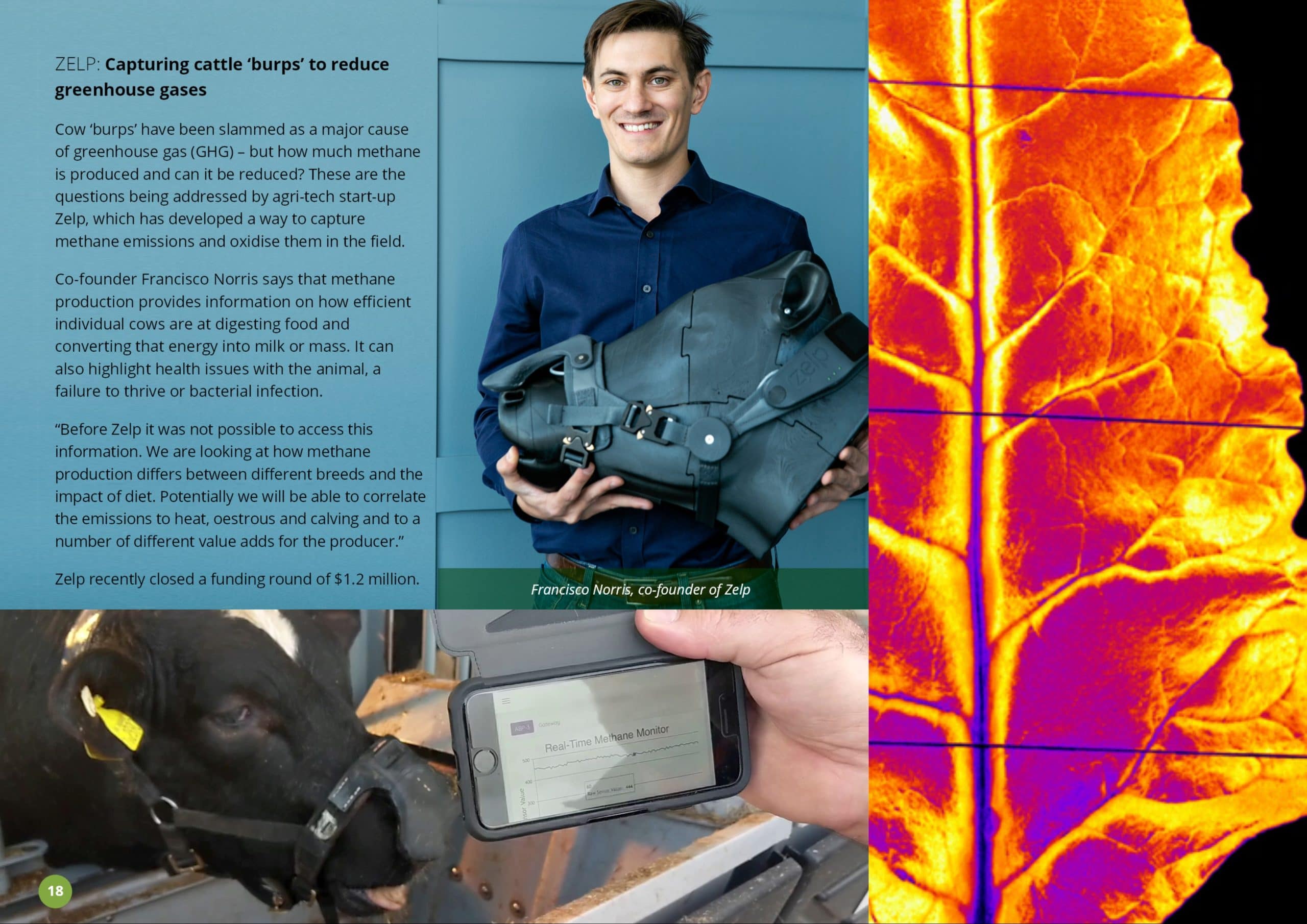
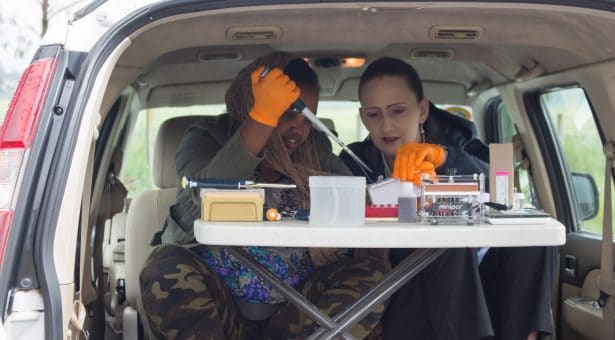
Image credit: Dr Jamie Pike, Knowledge Transfer Partnership (KTP) Associate working with Earlham Institute and Tozer Seeds

  • *I have permission from the copyright holder to publish this content and images.
ATW 2025: Climate Adaptation in Agronomy with Satellite Technology

Member News
The views expressed in this Member News article are the author's own and do not necessarily represent those of Agri-TechE.

Agri-TechE Week 2025 celebrates its 12th year! Our largest yet, featuring 11 events curated by Agri-TechE and hosted by our incredible member community, followed by the REAP Conference on 4th November. This week exemplifies innovation, collaboration, and forward-thinking in agri-tech.

Each event reflects the strength of our ecosystem, showcasing what our community can achieve and bringing together our growers, researchers, and technology developers. A big thank you to our members for hosting – we wouldn’t have an agri-tech week without you and we are very proud to have your membership.

The session began with Pixalytics’ Managing Director, Dr Samantha Lavender, explaining the Space4Climate Market Breakthrough project we’re involved in that aims to understand the use of space-based technology by stakeholders delivering ‘the last mile’ of innovation to farms, including advisors, agronomists, farm management platforms, and machinery providers. Sam talked about what we had discovered in our conversations and interviews this summer, including the results of a survey we have been running – it is still available if you would like to add your thoughts.

We then heard from three organisations using space tech in different ways:
  • Ben Hockridge from ADAS discussed a real-world example of using satellite imagery in agriculture, highlighting the PeaSat project.
  • Eric Hewitson from Lacuna Space discussed the role of Internet-of-Things (IoT) sensors and how Low-Earth Orbit (LEO) satellites provide essential, low-data connectivity for low-power, remote sensors such as temperature, soil moisture, and livestock tracking on farms.
  • Dr Dannielle Robb from Ceres Research was the final presenter and spoke about data management on farms. She began by highlighting that farmers have access to a huge amount of data, and the critical elements are storing, integrating, and turning that data into useful information to support decision-making in their businesses.
After the talks, there was a panel discussion that covered topics including whether AI is positive or negative for the future of farming, the technical and social issues of data sharing in agriculture, and the longer-term challenges of climate adaptation.

You can watch the webinar below:

In Conversation With: Ponda Head of Agriculture

Member News
The views expressed in this Member News article are the author's own and do not necessarily represent those of Agri-TechE.

At Ponda, we’re on a mission to regenerate carbon-emitting wetlands and create a more sustainable future for people and the planet. By cultivating Typha latifolia, a resilient wetland plant, we’re helping to build a new supply chain that supports biodiversity, captures carbon, and sustains farmers’ livelihoods.

Typha is a hardy, low-maintenance crop grown through paludiculture, a method of farming on rewetted peatlands, bogs and fens. These unique landscapes are among the most powerful natural carbon stores on Earth, holding over 40% of all soil carbon, which is twice as much as the world’s forests combined. However, traditional land drainage has resulted in these precious carbon stores becoming carbon emitters.  Typha grows quickly, helps restore ecosystems, and produces a high-quality fibre used in sustainable textiles such as BioPuff.

Behind this work is a dedicated team of growers, scientists and innovators, including Austin, Ponda’s Head of Agriculture. With experience across farming, forestry and sustainable supply chains, Austin leads the development of Ponda’s agricultural systems. He works closely with farmers and landowners to cultivate, harvest and scale Typha production, ensuring each project contributes to environmental restoration and long-term impact.

Could you share a bit about your background and what first drew you to agriculture and environmental restoration?

Growing up in rural Wiltshire, I was surrounded by agriculture and nature. My childhood was spent exploring the countryside, and my first jobs were on farms and rural estates.

Later, I moved into logistics and supply chain management while studying for an MSc in Sustainable Agriculture and Food Security. This path eventually led me to work in sustainable forestry certification with the Soil Association before joining Ponda.

What does a typical day look like in your role as Head of Agriculture at Ponda?

There’s really no such thing as a typical day. One day I might be organising international shipping documentation for a delivery of Typha from the EU, and the next I could be working with farmers and landowners on-site design, crop establishment or harvest planning.

I also collaborate closely with our product and manufacturing teams to enhance fibre quality and performance through agronomic improvements. At Ponda, our teams are highly collaborative, so my work constantly shifts between supply chain, field and product development challenges.

What excites you most about the work Ponda is doing right now?

We’re giving farmers and landowners a profitable, regenerative alternative to traditional crops, while also providing brands and consumers with sustainable options that reduce the impact of resource-intensive textiles.

It’s inspiring to be driving change in such a new and innovative area of material development, especially within an industry I never imagined I’d be part of back when I was working on farms as a teenager.

Has nature ever taught you something that’s changed the way you approach your work?

Nature is always changing and adapting to its surroundings. Nothing stays the same for long, and that constant evolution has shaped how I approach my work. It’s taught me to stay flexible, responsive and ready to make the most of opportunities as they arise, because you never know when they might disappear.

What are some of the key environmental benefits of wetland restoration, especially when it comes to reducing carbon emissions?

Restoring wetlands captures and stores carbon while preventing its release. It also supports nutrient management and improves water quality. Healthy wetland systems filter nutrients such as phosphorus and nitrogen, reducing downstream pollution and helping to meet nutrient neutrality goals. Fast-growing plants like Typha store carbon in both their biomass and soil and can ultimately be harvested for sustainable materials like BioPuff.

How does Ponda support farmers as they transition from traditional agriculture to wetland cultivation?

We collaborate closely with our farmers from site design and planting through to establishment, harvest and logistics. It’s a truly collaborative process. We’re also integrating new technologies such as drone sowing and mechanical harvesting. The continuous feedback loop between us and our farmers is essential to shared success.


In your view, how could wetland farming shape the future of regenerative agriculture and sustainable material innovation?

Wetland farming will play a key role in the future of regenerative agriculture because it strikes a balance between commercial viability, emissions reduction, biodiversity and water quality, while also leading to innovative and sustainable materials.

If you could share one message with farmers or landowners thinking about restoring wetlands, what would it be?

If you’re looking to turn your land into something that delivers long-term benefits for the planet and wildlife while supporting a cleaner fashion supply chain, get in touch. We’d love to chat and explore how wetlands could work for you.

For any questions about wetland restoration or Typha cultivation, you can reach Austin at:

Email: austin@ponda.bio
LinkedIn: @AustinShepherd

The Iceberg of Ignorance in Agriculture and Amenity

Member News
The views expressed in this Member News article are the author's own and do not necessarily represent those of Agri-TechE.

In leadership circles, there’s a well-known concept known as “the iceberg of ignorance”. It suggests that only a tiny fraction of problems at the frontline ever reach the top of an organisation. Some studies suggest that as few as 4% of issues reach senior management.

In both agriculture and amenity, that iceberg is especially dangerous.

The reality on the ground whether in a wheat field, a golf course, a football pitch, or a glasshouse is messy, fast-moving, and unforgiving. Crops don’t wait, pests don’t pause, turf doesn’t stop growing, and weather doesn’t negotiate. Yet too often boards and senior leaders sit comfortably above the waterline, seeing only the neat summaries in reports. The jagged bulk of the iceberg — farmer frustration, greenkeeper pressures, trial failures, customer complaints, regulatory snags — remains unseen and unspoken.

Why it matters in agriculture and amenity

  • Product performance – trials and demos may show mixed results, but only the positives get reported upwards. By the time the truth surfaces, reputations are already damaged.
  • End-user trust – whether growers, greenkeepers or grounds managers, if dissatisfaction builds at the frontline, boards are often the last to know.
  • Regulation and compliance – changes in approvals or safety restrictions are often spotted in practice months before they’re flagged at board level.
  • People pressure – agronomists, grounds staff, and field managers carry stresses that leaders don’t always grasp, leading to burnout or disengagement.

Why the iceberg grows

Agriculture and amenity sectors share some common habits that make the problem worse:

  • A culture of “don’t bring bad news unless you have to.”
  • Long, complex supply chains where each layer filters the message.
  • Boards more comfortable with financial dashboards than soil, turf, pest, or people realities.
  • Lack of listening habits: no structured way to hear voices from the ground right up to the boardroom.

Melting the iceberg

If boards want to avoid being good time boards (that only work in calm seas), they need to get under the waterline:

  1. Walk the ground – directors should visit trials, farms, sports pitches, and depots, not just attend polished presentations.
  2. Listen wider – create channels for staff, farmers, greenkeepers, distributors, and regulators to speak directly to the board.
  3. Reward honesty – show that bad news is not career-limiting; it’s valued and acted on.
  4. Ask naïve questions – humility is strength; even basic questions uncover realities others assume away.
  5. Balance dashboards with stories – numbers matter, but so do people’s experiences, frustrations, and insights.

The leadership choice

Icebergs don’t sink ships because they exist. They sink ships because leaders fail to look beneath the surface.

Boards in agriculture and amenity who ignore the unseen are gambling with more than profits — they are gambling with trust, resilience, and the long-term future of the land, the turf, and the people who work on them. Those who learn to melt the iceberg, to listen deeply and act courageously, will steer their organisations through both calm and storm.

Because in both agriculture and amenity, the unseen reality is usually the one that matters most.

At Populi, we help boards and leadership teams see beneath the surface, creating space for honest conversation, better decisions, and stronger, people-centred performance.

If you’d like to explore how your board or leadership team can build greater clarity, challenge, and connection, get in touch: Contact Paul Johnson | Explore Board Support & Strategic Leadership

Want to see how your board measures up?

Download our practical checklist to test whether your board really sees what lies beneath the surface.

Board Review Checklist: The Iceberg of Ignorance – A practical tool for boards and leadership teams in agriculture and amenity to test whether they’re really seeing what lies beneath the surface of their organisation.

Download the Board Review Checklist (PDF)

  • *I have permission from the copyright holder to publish this content and images.
ATW 2025: When Biology Meets Technology – University of Essex

Member News
The views expressed in this Member News article are the author's own and do not necessarily represent those of Agri-TechE.

Agri-TechE Week 2025 celebrates its 12th year! Our largest yet, featuring 11 events curated by Agri-TechE and hosted by our incredible member community, followed by the REAP Conference on 4th November. This week exemplifies innovation, collaboration, and forward-thinking in agri-tech.

Each event reflects the strength of our ecosystem, showcasing what our community can achieve and bringing together our growers, researchers, and technology developers. A big thank you to our members for hosting – we wouldn’t have an agri-tech week without you and we are very proud to have your membership.

Industry representatives and researchers from the Essex Plant Innovation Centre (EPIC) at the University of Essex got together to explore the latest research & innovations that are addressing challenges faced by the agricultural industry.

Talk Summaries

The first talks addressed genome editing in agriculture. A keynote talk from Professor Jim Dunwell (ACRE) provided a thorough overview of the legal background and recent changes affecting the use of genome editing tools and organisms. Jim also discussed some recent project that have utilised genome editing. Dr Andrew Simkin (University of Essex), who also hosted the event, gave a talk about the use of genetic technologies in optimising plants for vertical farms. Andrew and his colleagues are exploring how genetic traits that cause semi‑dwarfing in cereal crops could be adapted for use in cucumber and pepper plants, potentially improving production efficiencies for indoor‑grown plants.

Dr Jacob Pullin, CEO of HiFe Plants, presented his team’s work on developing high‑iron plant varieties. Iron deficiency is one of the most prevalent examples of micronutrient deficiencies globally, particularly in women of a reproductive age, and current supplementation techniques lack bioavailability and cause unpleasant side effects. HiFe are working to develop plants that are able to incorporate large quantities of bioavailable iron that will address this dietary deficiency.

The audience then heard from Dr Pallavi Singh (University of Essex) about her work on engineering rice crops with increased water use efficiency. Rice is one of the most important staple crops on the planet, but requires large amounts of water to grow, particularly problematic considering the climate crisis. Pallavi and her team are working on novel techniques that can reduce water use.

Arjomand Ghareghani, Chief Scientific Officer at Aquagrain then talked on his companies work developing a product that addresses water use efficiency, soil erosion and soil quality. Produced from waste food products, Aquagrain is a nutrient, micro‑nutrient and trace element‑rich biodegradable soil additive that absorbs large amounts of water, enabling growers to produce crops in poor‑quality and arid soils. The company has won multiple international prizes in recent years.

Two University of Essex early career researchers then gave lighting talks on their work. Myo Wai is working with the British Beet Research Organisation to improve the sugar beet industry’s ability to withstand drought conditions. Yathreb Mahjoubi, in conjunction with Stourgarden, is leading an investigation into the commercial viability of growing Allium in a controlled environment.

Conclusions

Technological advance has a key role to play in enabling the agricultural industry to develop to flourish, from the micro‑scale of genome editing to optimisation of indoor onion growing the collaboration of research and industry will continue to be key in global crop production.

UoE Agri Tech Event Arjomand Ghareghani
UoE Agri Tech Event Speakers

ATW 2025: How can Agriculture Decarbonise the Supply Chain?

Member News
The views expressed in this Member News article are the author's own and do not necessarily represent those of Agri-TechE.

Agri-TechE Week 2025 celebrates its 12th year! Our largest yet, featuring 11 events curated by Agri-TechE and hosted by our incredible member community, followed by the REAP Conference on 4th November. This week exemplifies innovation, collaboration, and forward-thinking in agri-tech.

Each event reflects the strength of our ecosystem, showcasing what our community can achieve and bringing together our growers, researchers, and technology developers. A big thank you to our members for hosting – we wouldn’t have an agri-tech week without you and we are very proud to have your membership.

With Government and UK industries across the board looking at ways to decarbonise their operations, Niab asked the question; how can agriculture achieve this aim and contribute to sustainable revenue further down the supply chain?

Farmers are addressing multiple questions to achieve this but fundamentally, they want to produce good quality saleable crops, free from disease and pests, using all necessary inputs efficiently – and whilst maintaining their resources such as soil quality and ecosystem services. Industry-users need reliable, high-quality produce to survive in competitive markets, often dominated by high carbon, high energy-reliant systems.

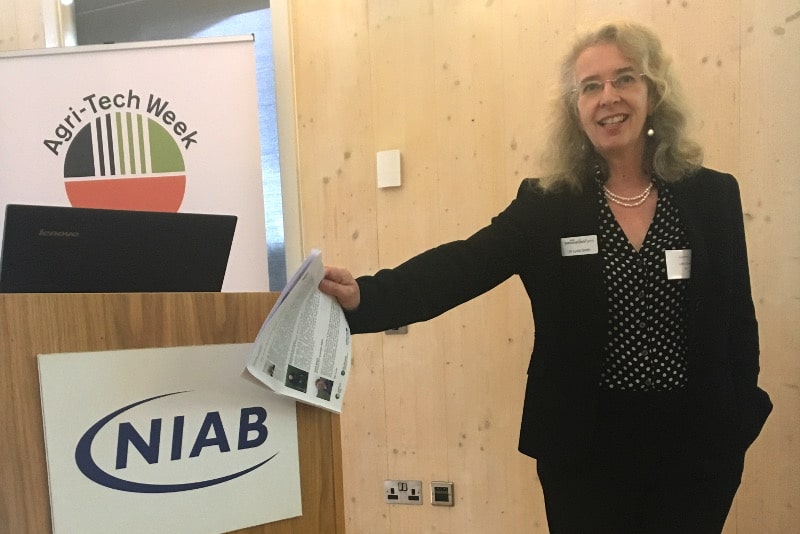
Dr Lydia Smith welcomed all to Niab she noted that the event was not so well supported by farmers as in previous years of Agri-tech week, who are reeling from one of the worst harvests for 40 years, but making use of today’s fine weather.

Lydia introduced the day through reference to The Centre for High Carbon Capture Cropping (CHCx3). This project, led by Niab, is targeting routes to carbon-capture and Net Zero through cropping and market development. Four exemplar crop groups are being considered along with their product outcomes and markets.

Using industrial hemp as an example, she referenced the routes to production of this crop, which are acceptable to users and does not present insuperable challenges in post-farmgate processing.  The project is working with many stakeholders to provide resources, information and other help via the Hub.

Niab event card 2025
image001
Charlie Sampson, Finance Officer and CEO for Fibra described how his company is working ‘From Field to Factory – Decarbonising the UK Supply Chain with Hemp.

Fibra set out to address the lack of post farm-gate processing needed for industrial hemp fibre and shivs.

Fibra have set up a full turnkey solution to help farmers through all the potential pitfalls; enabling production of proven high-performance fibre and shiv for users across multiple sectors, from female hygiene products through to automotive parts. A real spring-break alternative to unpredictable peas, beans and rape, hemp provides a high C-Capture alternative with good gross margin and low input needs.

Florian Ilias, Managing Director from Terravesta is bringing Miscanthus to the forefront in Europe, a biomass crop with multiple applications, real potential for cultivation on less productive land and zero fertiliser requirement.

Like Fibra, Terravesta has set up full logistical support for farmers including planting, cutting and harvest infra-structure.

Miscanthus has suffered negative press for replacing food, but he notes that nearly 50% of maize, soybean and sugarcane are used for bioenergy. Furthermore, Miscanthus’ cropping lifecycle means that vital nutrients are returned to the soil before harvest. The combined extensive root biomass plus senescent leaves have huge soil-improvement capability. He notes that the UK is waking up to its merits and we are seeing rising demand, which will likely outstrip production if growers are slow to respond.

David Prior-Hope CTO from FIBE are developing technology to ‘Make Mass-Market sustainable Textile fibres from Agri-waste.

This relatively young company has, he says now developed innovative technology to produce high-quality yarn from waste potato haulms (stem). Since the fashion industry has the dubious record of being the “second-worst polluter after oil and gas”, he points out that this is a real, sensible and much needed alternative to both synthetic fabrics and cotton.

Potato haulme is a good choice; being a waste product from a major crop, but lacking applications in animal feed or AD, due to its toxin content, 4.6M tonnes/year is burnt; with huge contribution to CO2 emissions. A recent addition of hemp to their feedstocks is also looking very attractive to industry partners.

Chloe Donovan MD from Natural Building Systems introduced the audience to the concept of AGRITECTURE – utilisation of natural products for utilisation in buildings.

Like fashion, the building industry has an excessively high carbon footprint and is beginning to benefit from utilisation of natural locally sourced regenerative materials in house-building. A major feedstock for her innovations is industrial hemp, which is “equally efficient at capturing carbon as established forest’ and grows much more quickly to reach harvest – after only 100 days.

Their trademarked product HempSil® “improves air quality, has thermal and acoustic buffering reduces the risk of damp and mould and reduces the need for mechanical ventilation. Furthermore their ADEPT® production model introduces the concept of scalable manufacturing and for actually re-using or recycling components of buildings.

Farmer, Richard Bowe, has diversified his farming operations to set up a company that is producing products based on biochar.

His young company Re-Generation Earth is using the “ancient art of pyrolysis to produce biochar”; process the outcomes and mix with other ingredients such as chicken manure and utilising the heat from the production process for local heating solutions.

His feedstocks are primarily waste and material from hardwood forest maintenance, such as local horse chestnuts in Kent. Optimisation has benefited from interaction with the University of Kent under the Growing Kent and Medway support scheme. Ongoing work will utilise the fast growing Paulownia as a feedstock.

Dr Robert Jackson, Niab has been exploring the need for decarbonising agriculture from the viewpoint of highly efficient use of inputs that are used in agriculture and horticulture.

He has focussed on ‘Precision Orchard Management for (the) Environment – or the POME project led by Hutchinsons. This multi-partner collaboration is combining AI and remote sensing using DRONE technology to address use of crop husbandry in orchards.

Orchards have been a very high input system for years, due to the apparent customer need for perfect fruit allied to the many pests and diseases that can compromise this aim. The POME group has learnt to re-visualise an orchard so that developing blossom/fruit (and tree health) are identified. The outcome is highly focussed pruning and other treatments and a quantified reduction in expensive and high-carbon footprint management requirements.

5
Becky Dodds, Director of Communities at Agri-TechE , browsing stand at Niab ATW event
David Prior-Hope CTO from FIBE
David Prior-Hope, CTO from FIBE, presenting at ATW 2025

Discussions in two rotating groups then discussed two vital components contributing to farmers-industry engaging on cultivation and use of novel and under-utilised crops feeding into the sort of value chains discussed in this event. The questions and delegate views are summarised below:

How can government incentivise farmers/growers to grow these sustainable product crops?

  • Government would benefit from a better understanding of how Agriculture works; this could lead to incentives and help for end users – such as the incentives seen for industry to use sustainable biobased materials and systems seen in France, Germany and Netherlands.
  • There are communication barriers; investment in infrastructure and knowledge – bases would facilitate better interaction between users and farmer-producers.
  • Gov could contribute to establishing a more effective/fair carbon – market where there is shared responsibility AND benefit right along the supply chain
  • Tax policy and legislation should be reviewed to both ensure a level – playing field for existing high-carbon products and novel biobased ones – alongside requirements for high energy-consumption/C-footprint industry to use a minimum level of sustainable products.
  • UK regulation on imports to ensure that the whole value chain is sustainable end-to -end in comparison to UK produced sustainable alternatives
  • Government provision of shared infrastructure to enable small and larger companies to process end-products; which can be rented by users to pay for themselves.
  • Match funding or help from initiatives by big farmer organisations e.g. ‘Anglia Farmers in providing impetus and help to growers.
  • Government could use templates from other industry to set up help or user ‘Hub’s such as is seen in glass industries.

How can industry and government reduce impediments to supply chains & end users to increase take-up?

  • Delegates noted that Scotland now has a ‘Zero Waste Policy; England and Wales would benefit from similar legislation to help remove cost barriers to take up of valorised products
  • Remove negative legislation that prevents use of novel or valorised or biobased products due to excessive and expensive testing regimes inappropriate to product safety issues.
  • Liberate the potential for utilisation of large capital pots, which could be used to invest in biobased and sustainable technologies – such as pension funds
  • Revisit national policies or government advice that prevent banks or other investors from supporting crops that have been artificially labelled as ‘high risk’ – such as Industrial hemp, which is erroneously linked to pharmaceutical crop lines.
  • Ensure fair, transparent and accurate labelling of products so that consumers can more accurately choose sustainable products in line with their expectations
  • Raise the profile of the benefits of Bioeconomy so that both consumers and industry can make more accurate decisions about their choices and preferences
  • Contribute focussed legislation to more accurate pricing of Carbon within carbon-trading marketplaces and include Agricultural outcomes in Low-Carbon Net-Zero calculations and reports.
  • Build on the excellent ADOPT; Farming Innovation Pathway calls; perhaps with slightly longer projects and a simpler set of questions.

ATW 2025: Pioneer Gene-Editing in Agriculture

Member News
The views expressed in this Member News article are the author's own and do not necessarily represent those of Agri-TechE.

Agri-TechE Week 2025 celebrates its 12th year! Our largest yet, featuring 11 events curated by Agri-TechE and hosted by our incredible member community, followed by the REAP Conference on 4th November. This week exemplifies innovation, collaboration, and forward-thinking in agri-tech.

Each event reflects the strength of our ecosystem, showcasing what our community can achieve and bringing together our growers, researchers, and technology developers. A big thank you to our members for hosting – we wouldn’t have an agri-tech week without you and we are very proud to have your membership.

Agri-TechE Week hosted by the RNAA at the Norfolk Showground

We were delighted to welcome Dr Philip Zegerman, Director of Technology and Research at Tropic Biosciences based on Norwich Research Park. A tropical seed company, with particular interest and expertise in bananas, rice and coffee, Tropic was established in 2016 and now employs 150 staff. The business is moving from a pure R&D focus to commercialisation, having previously raised a number of rounds of funding from investors including sovereign wealth funds.

By 2050, it is anticipated that 75% of global food demand will be from the tropics, but currently only around 19% of commercial R&D funding is spent in the geographical area.

6
Dr Belinda Clarke, Director Agri-TechE ; Dr Philip Zegerman, Director of Technology and Research at Tropic Biosciences; Mark Nicholas, MD of the Royal Norfolk Agricultural Association
5
Dr Philip Zegerman, presenting at ATW 2025 with the RNAA

Tropic use cutting edge technologies, including CRISPR gene editing, to increase crop resistance to critical diseases and reduce waste in the supply chain. Gene editing differs from genetic modification in that it involves making precise changes to an organism’s DNA, using enzymes to ‘cut’ the sequence and replace sections with material from the same host. The process effectively accelerates and focuses changes to DNA, shortcutting the breeding process.

Dr Zegerman outlined the pioneering work being undertaken by Tropic on bananas, which are the fourth most important crop globally in terms of calorie value. 100 billion bananas are consumed globally each year, and around half the crop is lost to wastage in the supply chain. The Gros Michel was, until the 1950s, the most commonly eaten variety until disease sent it to the edge of extinction. The Cavendish banana which we eat today is now under threat from Tropical Race 4 (TR4) – a soil-borne fungus that causes Panama disease.

Gene editing offers the opportunity to introduce disease resistance to the Cavendish, as well as extending the shelf life of bananas through slowed browning and degradation. This offers a range of benefits including minimising wastage, opening up the prepared food market, enabling access to more distant markets and reducing or eliminating the need for ethylene treatment.

More widely, Tropic’s proprietary gene editing platform, GEiGS® (Gene Editing induced Gene Silencing), offers gene editing possibilities in crops and livestock to improve their natural traits. Two current examples are a collaboration with British Sugar to produce beet with resistance to yellows virus, and work with Genus to develop disease resistance in pigs. Dr Zegerman highlighted the positive approach of the UK government to encourage gene editing, backed up with significant grant funding. The Genetic Technology (Precision Breeding) Act became law in England in 2023, and work is underway on a legislative and regulatory framework. Draft laws have been passed in the EU.

Tropic stands ready to work with growers and producers to develop solutions to issues affecting particular sectors.

For more information, visit https://tropic.bio/ and https://www.geigs.com/

ATW 2025: You have to start somewhere

Member News
The views expressed in this Member News article are the author's own and do not necessarily represent those of Agri-TechE.

Agri-TechE Week 2025 celebrates its 12th year! Our largest yet, featuring 11 events curated by Agri-TechE and hosted by our incredible member community, followed by the REAP Conference on 4th November. This week exemplifies innovation, collaboration, and forward-thinking in agri-tech.

Each event reflects the strength of our ecosystem, showcasing what our community can achieve and bringing together our growers, researchers, and technology developers. A big thank you to our members for hosting – we wouldn’t have an agri-tech week without you and we are very proud to have your membership.

After months of relatively dry weather Agri tech week started at The Morley Agricultural Foundation (TMAF) with an outdoor meeting in the rain, be careful what you wish for.

18 years ago TMAF commissioned then TAG (The Arable Group) now Niab to run a series of long term experiments. With the price of feed wheat at £60/tonne fresh thinking was needed to see a future in cereal production. A number of multifaceted experiments were started and now with 18 years of data it is difficult to sum it up in 2 hours.

First the guests took a tractor and trailer ride to the field where David Clarke explained the cultivations trial. This is a fully replicated trial using farm scale machinery, the plots are 12 x 36m. The treatments are plough, deep non inversion, shallow non inversion and a managed approach where we do what we think is best each year. Later back in a dry room Nathan Morris explained that generally the wheat and barley years gave good reliable data with break crops less so. The data shows that there are only slight differences in the 4 methods in the early years. The plough often gave slightly better yields but not always the best margin. You might expect the shallow cultivations to get tighter over time to the point where crops would suffer, this has not happened. In the last 6 years the shallow approach has show good growing conditions as the soil has restructured itself without the need for mechanical movement.

Nathan Morris and Jack Poulden demonstrated the various cover crop mixes of the Rotations Trial , including a permanent understory of clover. The aim is to improve soil structure, water infiltration, soil biology and nitrogen availability. The plots are split into 3 with treatments of  0% , 50% and 100% nitrogen fertiliser. The clover did not survive well with the farm standard 100% N dose and showed little benefit. In the 0% N plots the clover gave a improved yields although over all it was disappointing overall.

As mentioned there is a lot of data. For more information please look in the Morley Library  on www.tmaf.co.uk for New Farming systems. Alternatively contact TMAF via website Nathan.Morris@niab.com or David.Clarke@niab.com


ATW 2025 TMAF
Untitled design (18)

An “Oatstanding” break crop…

Meet the Network
Member News
The views expressed in this Member News article are the author's own and do not necessarily represent those of Agri-TechE.

UK farmers are currently grappling with intensifying pressures, including managing persistent cereal diseases, insecticide resistance, and high input costs. This environment makes robust break crops essential, not only for their critical agronomic function in breaking disease cycles (for example in ‘take all control’), but also for their financial resilience.

By diversifying the rotation and requiring fewer inputs, break crops spread risk, helping to insulate the farm business from volatile commodity prices. However, while oilseed rape (OSR) has long been the traditional choice, it now faces a major threat in the form of cabbage stem flea beetle (CSFB), particularly since the neonicotinoid ban in the UK.

Making the case for oats

As growers seek low-input alternatives that deliver guaranteed returns, oats offer a compelling and timely solution as a white straw break crop alternative.

Too often dismissed as a niche crop tied to specialist contracts or health food trends, oats deserve recognition as a strategic staple with broad relevance across the British food system. With rising demand from processors, strong agronomic benefits, and a clear role in sustainable rotations, oats are well-placed to meet the twin pressures of market volatility and environmental mandates.

oat plant pexel
oats pexels 2

Agronomic resilience and environmental benefits

For farming professionals managing farm rotations, integrating oats is demonstrably smart business, providing immediate financial benefits and long-term environmental advantages.

Spring-sown oats effectively tackle persistent grassweeds like black-grass and brome, functioning as a powerful, natural “cleaner” crop. This strategy allows for the effective clean-up of fields, reducing reliance on specific chemical groups and bolstering resistance management strategies.

Furthermore, oats are crucial champions of soil health. They actively combat common soil diseases, notably take-all, by releasing natural compounds called ‘Avenacins’, which are antimicrobial compounds that inhibit the growth of fungi, and their presence in oat roots provides a natural defense mechanism against diseases that would harm other crops like wheat and barley.

Plus the economics are favourable: oats typically require lower inputs of nitrogen fertiliser and fewer fungicide applications compared to alternative cereals. This not only results directly in a lower cost of production, providing a reliable profit margin that aids farm diversification, but also a lower carbon footprint.

Driven by health: the stable domestic market

Then comes the sale. The domestic market for British oats is thriving, driven by strong consumer trends focused on health and nutrition.

Official surveys used by the Food & Drink Federation show only a fraction of UK adults meet the recommended daily fibre intake. Oats, rich in beta-glucan (a soluble dietary fibre), are a great candidate to address this lack of fibre.

The connection to public health is reinforced by EFSA Health Claims that state that beta-glucan from oats contributes to the maintenance of normal blood cholesterol levels and the reduction of blood glucose increase after eating.

This robust link between oats and significant health outcomes has driven major investment from leading UK millers and processors, notably Richardson Milling UK, which maintains extensive local merchant and grower partnerships. Their commitment provides the domestic agricultural sector with a stable, structurally supported market, which through grower contracts offers insulation from the unpredictable fluctuations of global commodity markets.

Market realities and the quality challenge

While the long-term outlook for oats is positive, growers should be pragmatic about the challenges. Like all crops, the farm-gate value can fluctuate with the broader commodity market.

More specifically, the major technical challenge for growers is in providing consistent delivery of high-specification milling-quality grain. Key to this is the de-hulling process – the requirement to cleanly and efficiently remove the tough outer husk to reveal the usable core – called the ‘groat’. Millers assess quality using two key metrics: the percentage of usable groat and the grain’s hullability.

When adverse conditions, such as low moisture during the summer, impede grain filling, the groat can develop poorly, and in some varieties, the husk can stick firmly to the kernel. This results in poorer performance in the mill and higher hulling losses.

The long-standing success of the IBERS-bred winter oat variety ‘Mascani’ demonstrates that genetic breeding offers the best primary defense against quality issues. Ultimately, whether growers select high-spec husked oats or opt for naked oats (which naturally bypass the hulling problem), maximising premium contract potential requires leveraging variety selection.

Knowledge Hub size images (4)
Brin Hughes, Agronomy Manager, Richardson Milling UK
u19128-Bedford-Mill2

Partnering for quality: Richardson Milling UK

Recognising that consistent quality is in everyone’s interest, Richardson Milling UK actively invests in its own trials research, often partnering with major oat breeders to identify the best available varieties and growing techniques to ensure farmers reach the best possible yields and quality. This collaborative approach ensures farmers can reliably meet milling specifications, secure premium contracts, and contribute to a resilient, health-driven domestic supply chain.

In short, oats are no longer a niche crop, they’re a strategic asset with national relevance, backed by a sector ready to support growers who seize the opportunity, with “oatstanding” potential!

ATW 2025: The National Food Strategy – the role of agri-tech in strengthening the UK’s food system

Member News
The views expressed in this Member News article are the author's own and do not necessarily represent those of Agri-TechE.

Agri-TechE Week 2025 celebrates its 12th year! Our largest yet, featuring 11 events curated by Agri-TechE and hosted by our incredible member community, followed by the REAP Conference on 4th November. This week exemplifies innovation, collaboration, and forward-thinking in agri-tech.

Each event reflects the strength of our ecosystem, showcasing what our community can achieve and bringing together our growers, researchers, and technology developers. A big thank you to our members for hosting – we wouldn’t have an agri-tech week without you and we are very proud to have your membership. 

GK Strategy was delighted to host a webinar for Agri-TechE during #AgriTechWeek that featured former health minister Steve Brine, and food systems expert Honor Eldridge.

Food systems expert Honor Eldridge and former MP Steve Brine.

The discussion kicked off with Steve Brine setting the political context of the government’s national food strategy. While the Chancellor has soured relations with the agricultural sector, there is a clear political imperative for Labour MPs to rebuild trust and engagement with the sector. Newly elected Labour MPs in rural marginal constituencies are an important stakeholder in this process.

For the new national food strategy to succeed where its predecessor failed, it needs teeth and not just strong rhetoric. Steve Brine highlighted how fiscal mechanisms will need to be stronger to truly integrate public health priorities and the country’s food systems. Honor Eldridge spoke about how food supply chains demand stronger incentives to drive positive environmental change, including expanding access to agri-tech solutions to SMEs. Expected in Spring 2026, the publication of the national food strategy’s implementation action plan will be a defining moment for the government and the sector.

Both panellists agreed there is a role for the sector to change perceptions of agri-tech among policymakers. Honor brought to light the huge economic potential of agri-tech to help producers ‘do more with less and drive efficiencies’ which strongly aligns with the government’s economic objectives. Steve underscored the importance of framing engagement with Labour MPs in terms of social justice and inequalities. Agri-tech is a vital tool in addressing some of society’s most pressing public health priorities, can improve the country’s food resilience in boosting domestic production, and can help create and develop climate smart farming practices.

If you would like to pick up the conversation, please do not hesitate to contact thea@gkstrategy.com

  • *I have permission from the copyright holder to publish this content and images.
Webinar: A practical guide to protecting plant innovations in Europe and the United Kingdom

Member News
The views expressed in this Member News article are the author's own and do not necessarily represent those of Agri-TechE.

Protecting valuable plant varieties and plant biotechnological inventions requires a nuanced understanding of the evolving legal environment. With regulatory changes and new legislative proposals creating a dynamic landscape for gene-edited plants, this webinar will provide you with the knowledge to make informed strategic decisions in Europe and the United Kingdom. Dr Daniel Shaw and Dr Carsten Reinhard will guide you through the latest developments, offering practical insights into:

  • Navigating the European and British Plant Variety Right (PVR) Systems: Learn the key differences and practicalities of filing and managing plant variety right applications in both jurisdictions.
  • Mastering Plant Patentability: Get up to date on patent-eligibility requirements for plant-related inventions in the European Patent Office, including possible implications of the ongoing debate on patents for gene-edited (NGT) plants.
  • Strategic IP Management: Discover how to build a cohesive IP portfolio by strategically using both patents and plant variety rights to maximise your protection and commercial advantage.

Join us on 11 November 2025 at (16:00 GMT) to ensure your IP strategy is aligned with the current legal realities of plant breeding and agricultural biotechnology.

Register here:

  • *I have permission from the copyright holder to publish this content and images.

Is scaling ever plain-sailing in agri-tech?!

Agri-TechE Blog
Agri-TechE
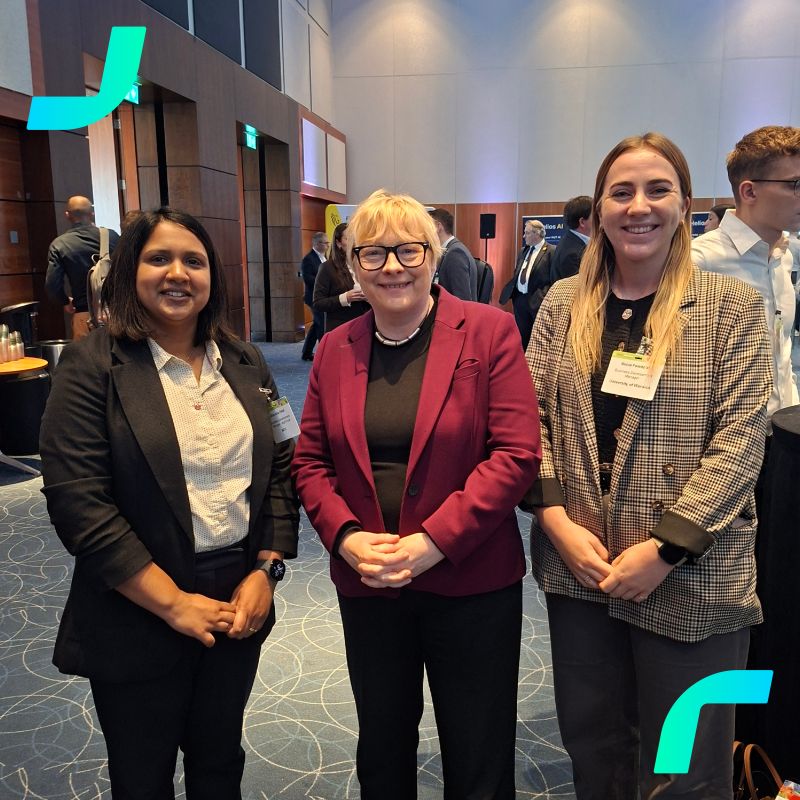
Minister for Food Security and Rural Affairs, Dame Angela Eagle, talking with Agri-TechE Director, Dr Belinda Clarke.

“Growing pains; the struggle to scale in agri-tech”

The recent announcement at WATIS of the UK’s new “Agri-Scale” programme (with Agri-TechE member MTC as partner) shows the government’s recognition of the challenges of growing agri-tech businesses. But why is agri-tech growth such a bumpy road, and what are we doing to tackle it?

The “scale-up challenge” is a well-articulated issue that isn’t unique to agri-tech but one which is, for various reasons, even harder in our sector. Seasonality (you may only get a data set once a year), the weather, pests or diseases wiping out a critical on-farm trial, and the lack of “agri-literacy” among some investors means the ground for agri-tech growth hasn’t been as fertile as we’d like.

Added to that, some farmers won’t engage at scale without the business having a proven track record. Their (not unreasonable) concerns about working with a small venture that might not stay the course are common and threatening to strangle the growth ambitions of many businesses.

Global from the get-go… or not?

There is often a mismatch between the ambitions of the founders and their investors, and the support structures in place to help them. Investors (especially venture capitalists) – with a keen eye on the size of the prize – might push to “go global” to gain rapid growth in different markets.

But a lack of growth-stage capital or finance for operational scaling – certainly in the UK – might be at odds with that ambition. This can send UK-seeded companies off-shore in search of a more nurturing environment in which to flourish – taking their value with them.

There is also a shortage of mid-market support structures. Companies quickly outgrow incubators and accelerators years before they’re ready for exit, so they turn to non-dilutive grant finance to get them through the Valley of Death.

This can be a lifeline, it can also trigger investor scepticism – demonstrating that they are great at writing grant applications, not gaining commercial traction. So, while it’s a useful strategic tool, it should be deployed with caution.


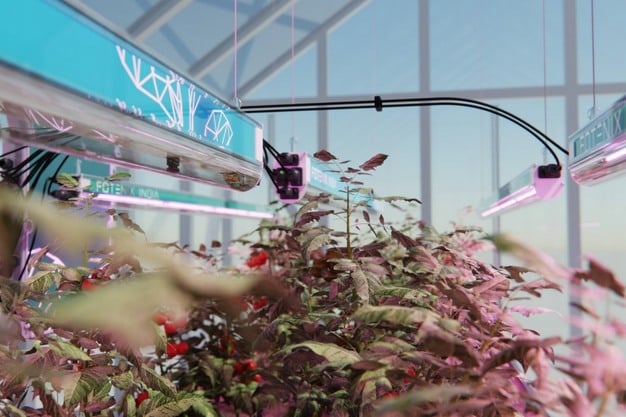
Charles Veys, CEO FOTENIX, at REAP 2019
Charles Veys CEO FOTENIX, at REAP 2019
Cara Griffiths, Co-Founder and CTO of SugaROx, at REAP 2022

Over a decade of REAP Start-Up Showcases

At our upcoming REAP conference we’ll be featuring our hotly-anticipated line-up of growing ventures seeking investment, partners, collaborators, and customers.

Looking back over the years, it’s heartening to see some of the businesses who are delivering the technology at scale. Some through strategic partnerships (such as Yagro and fieldmargin who were part of the 2015 Start Up Showcase cohort), Better Origin (2015) is still going strong, as is Dogtooth Robotics (2016), Petiole (2017), Fotenix (2019), Sound Agriculture (2021) and SugaROx (2022), and many more of their counterparts we have featured.

“What are your prospects?”

We like to think we have got pretty good at picking winners – in all modesty!

In other sectors, such as pharmaceuticals, the sole aim of many companies is to grow the value in the business for an acquisition or licensing deal with a big player. We need to get better at developing a long “engagement” with the ambition of an eventual “marriage”, rather than lots of singletons hoping to gain traction one farm business at a time. It might just help with the scaling issue to have a willing suitor waiting.

To discuss this in more detail, Agri-TechE is hosting an event in partnership with Syngenta to discuss global de-risking and scaling – it is invitation only but if you are growing global and would like to apply to join us, please get in touch.