The Innovation Hub 2025
 Agri-TechE
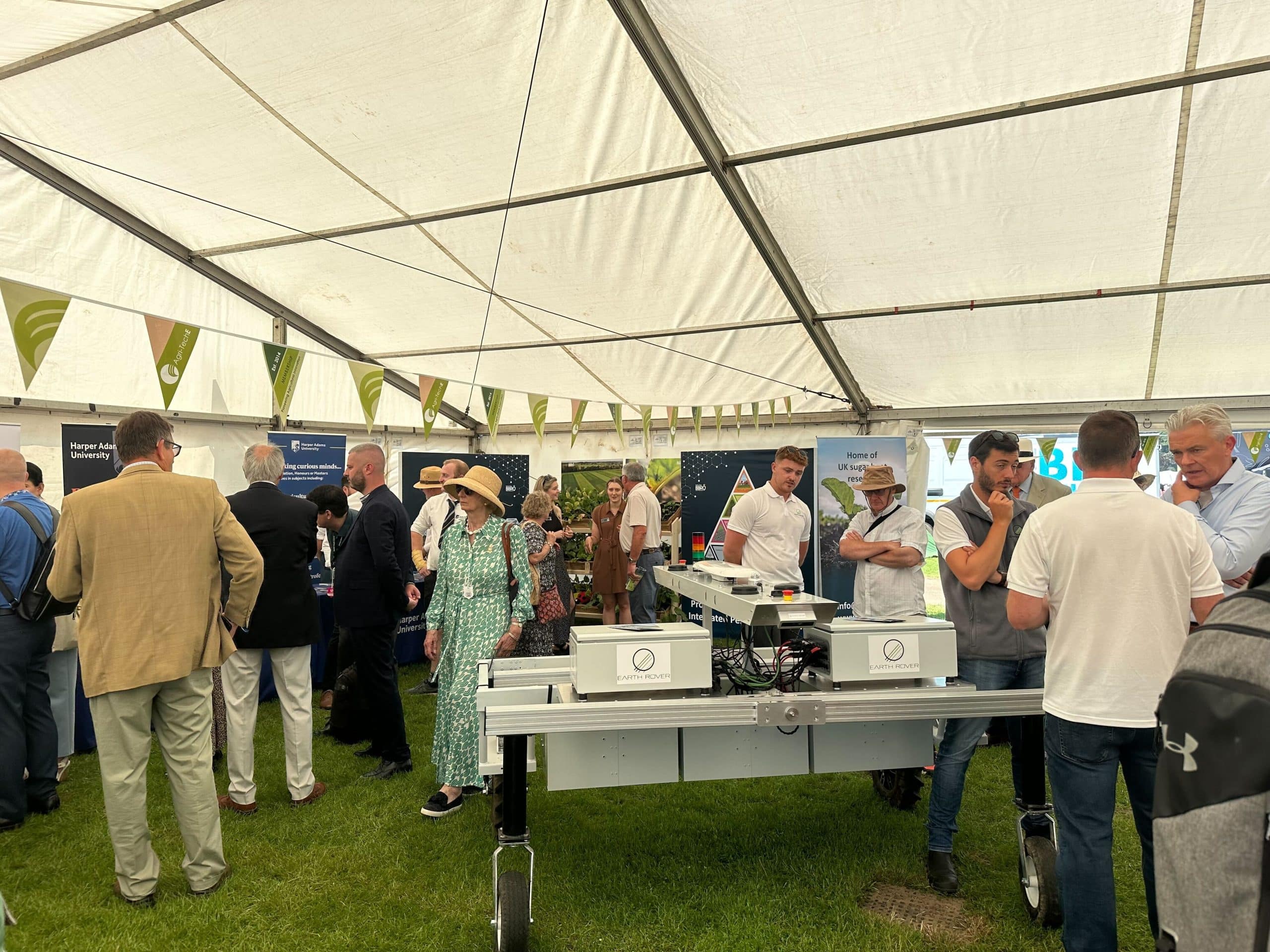
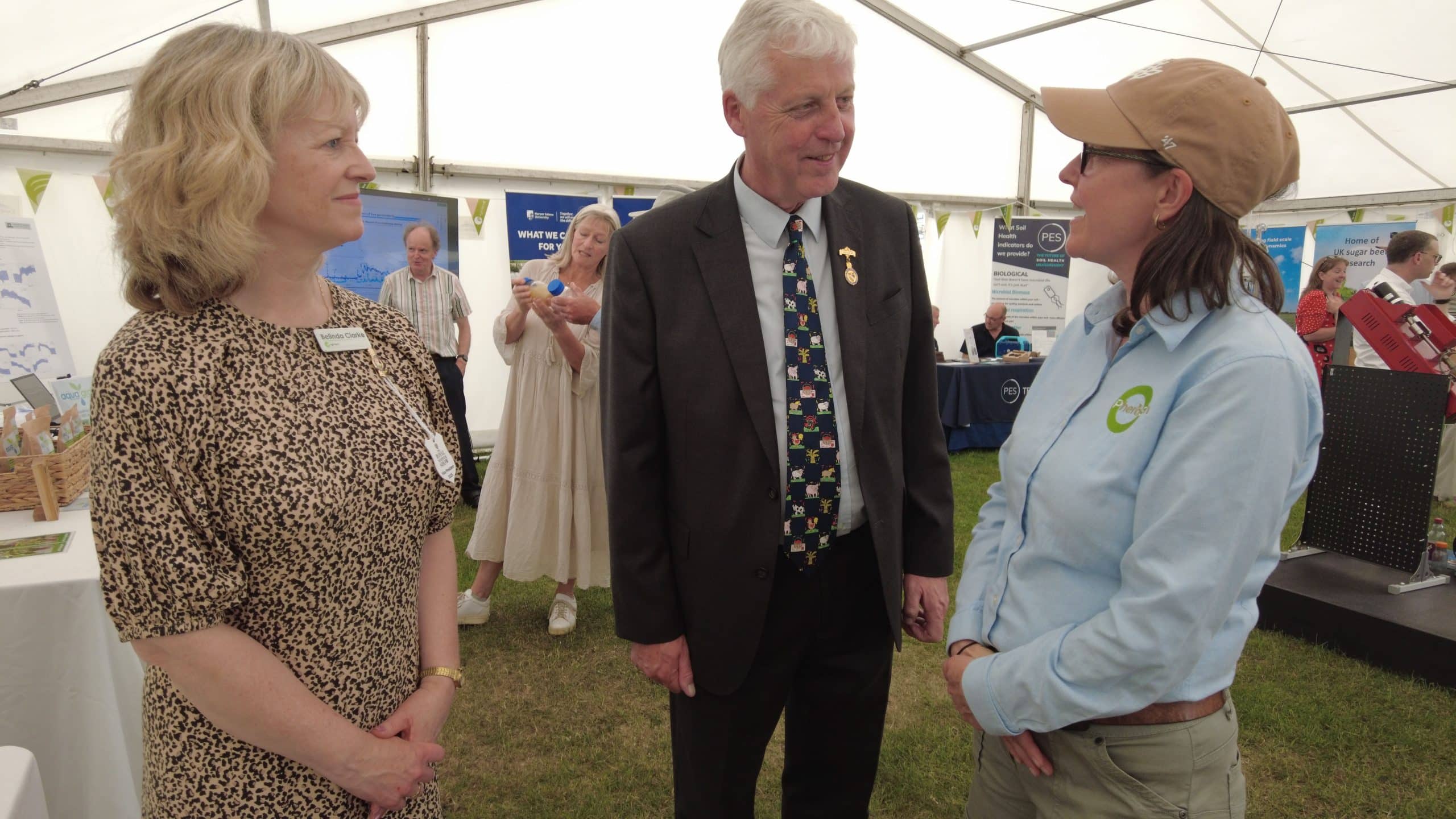
Curated by Agri-TechE and sponsored by BBRO, the Innovation Hub at the Royal Norfolk Show showcases cutting-edge solutions to everyday farming challenges.
From disease detection in livestock to water-efficient crop technologies, this year’s line-up features nine organisations presenting the latest scientific advancements and practical tools ready for implementation
The 2025 Innovation Hub line-up:
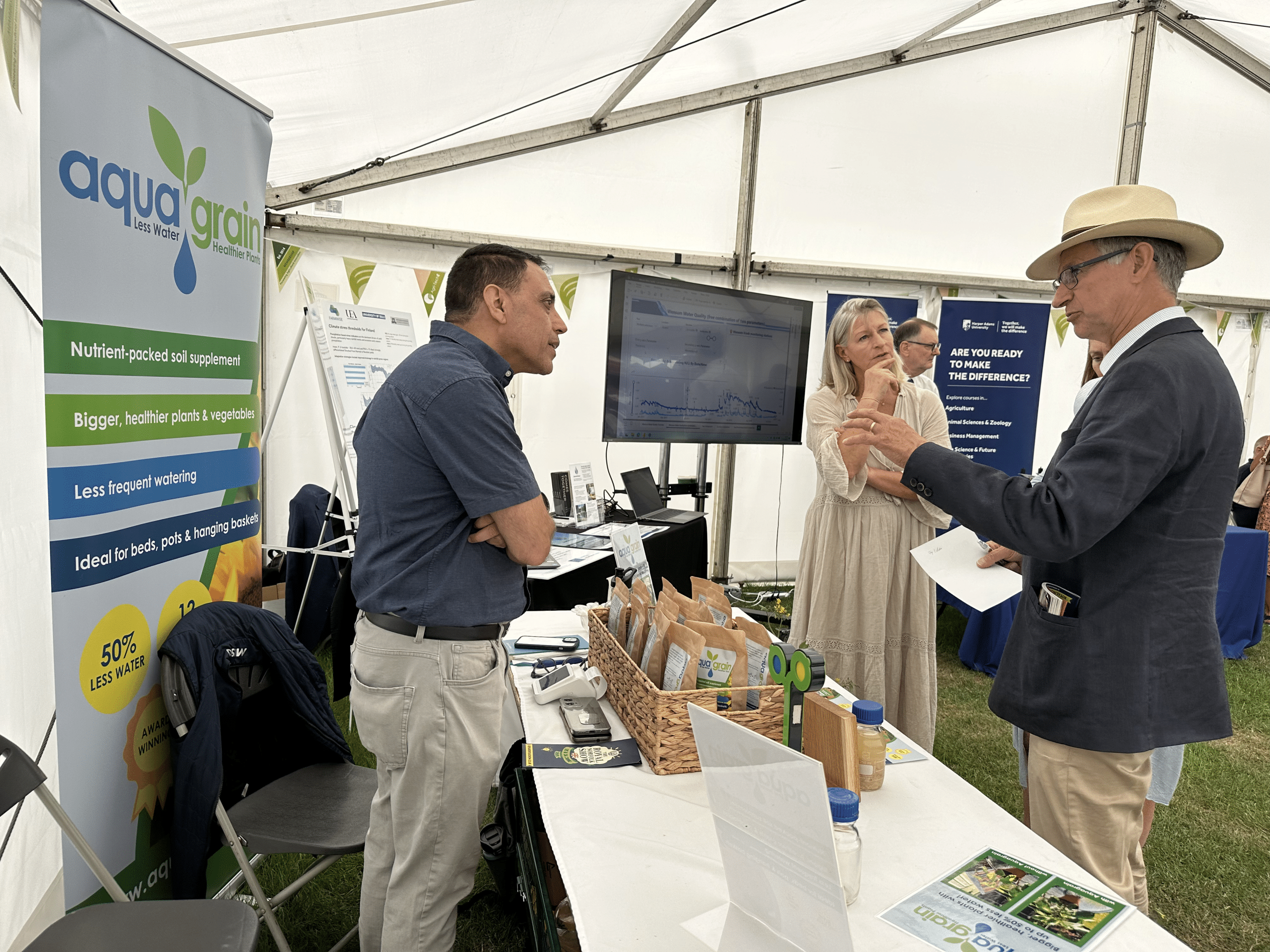
Aquagrain
Launching at the Royal Norfolk Show, Aquagrain is a revolutionary solution for growers in horticulture and agriculture – a nutrient soil supplement which improves plant health and yield.
Absorbing up to 30 times its mass in water, when mixed with a growing medium Aquagrain gradually releases moisture and nutrients directly to the plant root system. The results are healthier, faster growing plants, enabling a reduction in irrigation needs by over 50%, while increasing crop yields by 20% to 100%.
Effective in all soils, especially sandy or nutrient-poor ones, it’s ideal for arid regions or improving farmland efficiency. Their mission goes beyond innovation – committed to reducing agricultural water consumption globally with active support for charitable initiatives in Africa aimed at empowering communities and promoting sustainable farming practices.
BBRO
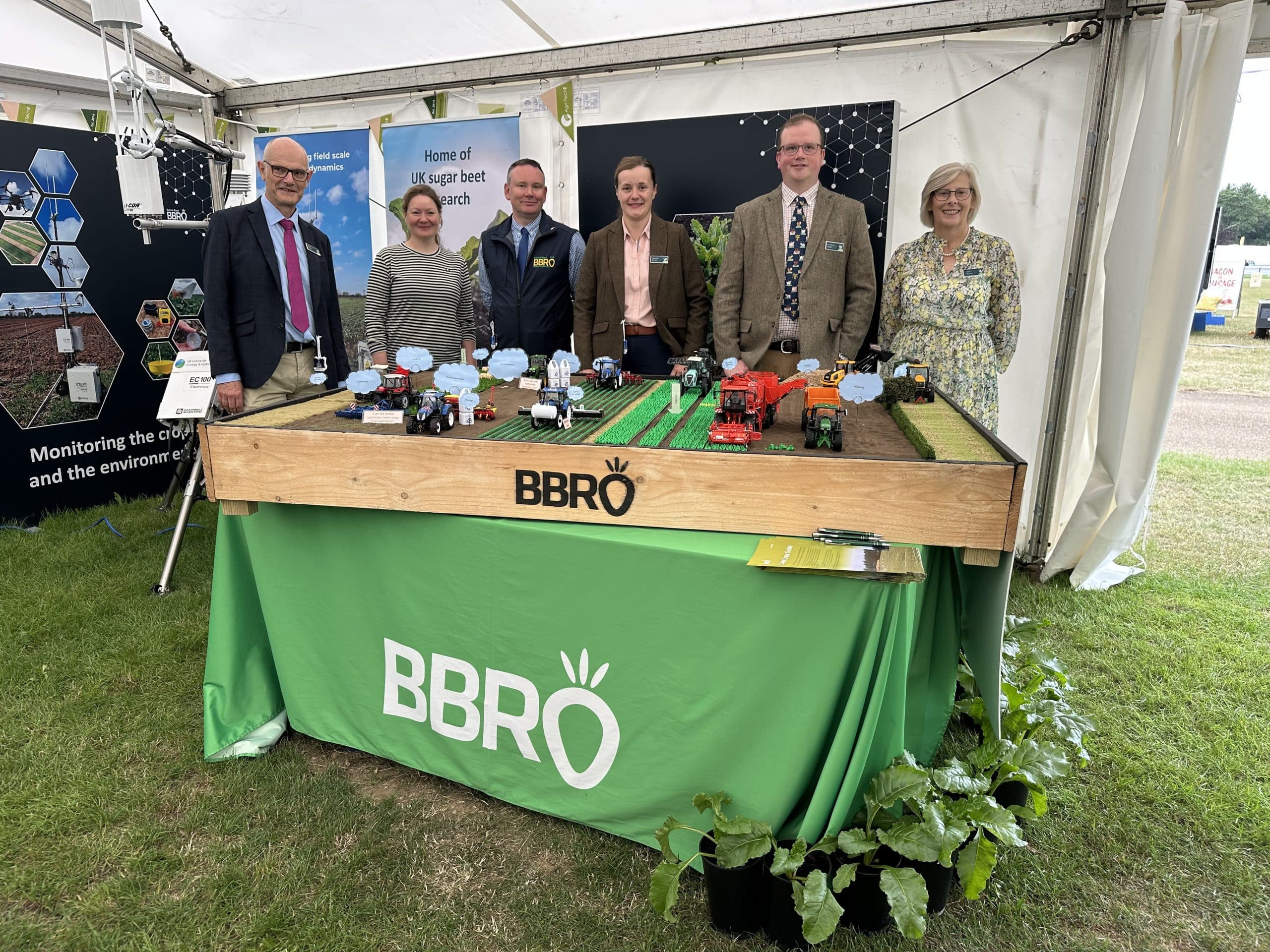
What does net zero mean for sugar beet?
Every industry has a target to reach net zero – and sugar production is no different. But how do we quantify greenhouse gas emissions and uptake when growing beet?
BBRO aims to provide sugar beet growers and wider industry with the resources required to grow a healthy and profitable sugar beet crop in the UK. Find out how BBRO is measuring the emissions of sugar beet crops to demystify what is happening throughout the growing season. Also get an insight into projects focused on reducing emissions on tillage and fertiliser practices.

Harper Adams University
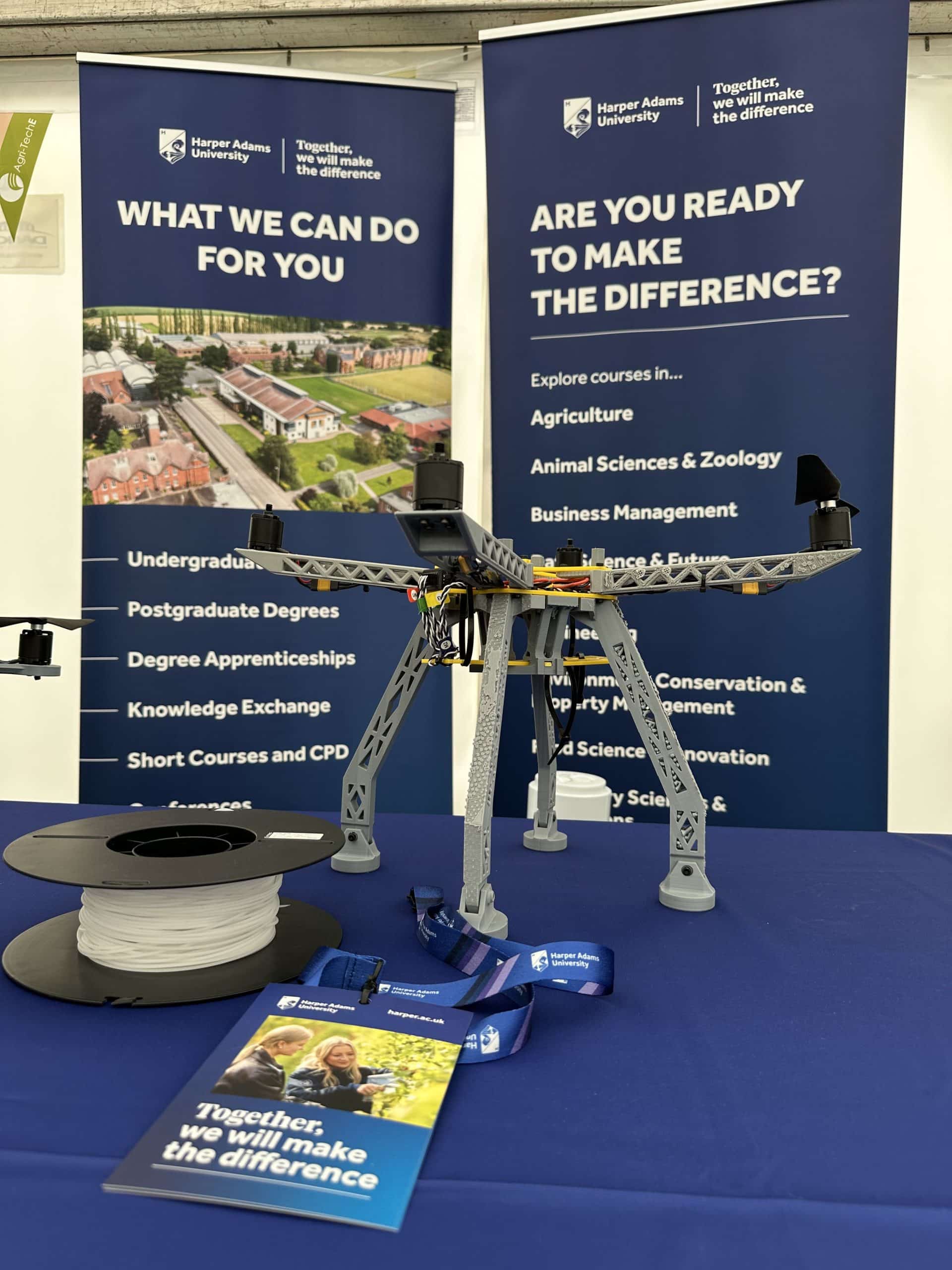
Engineering students at Harper Adams University are using increasing amounts of 3D-printer filament on FDM rapid prototyping machines. At the same time, the university is working to reduce its footprint.
Recent student studies have shown that three different common waste plastics – HDPE (plastic milk bottles), PET (single-use water bottles) and PLA (food containers) – can be recycled by converting into filament after separating, washing and shredding. Work is continuing to optimise the processes for the extrusion and printing these filaments as a move to self-sufficiency.
At the Hub, Harper Adams will be displaying drones built by students using 3D printing.

Niab
Niab works closely with farmers, researchers, industry partners and funders to provide practical ways of enhancing soil biology, soil monitoring and making soils more resilient to extremes of weather.
The National Institute of Agricultural Botany (Niab) exhibit will showcase its research work, carried out at sites across East Anglia. Find out how cropping systems, soils and the environment are responding to the challenges of climate change, food security, changing biodiversity and improving sustainability – and what interventions can enhance resilience.
From earthworms to cover crops, soil organic matter levels to rotations, discover how evolving farming practices are changing our farmed landscapes.


PES Technologies
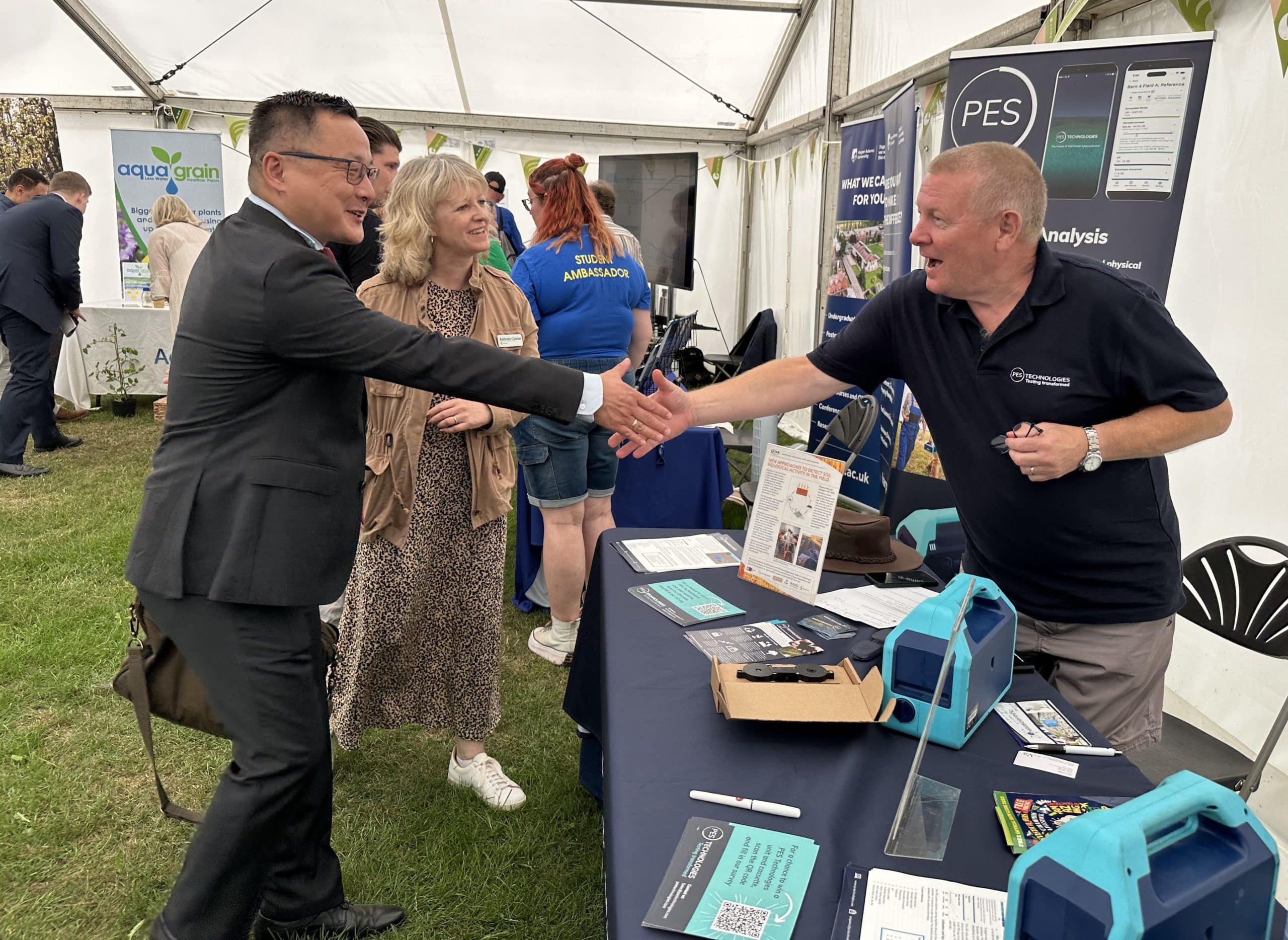
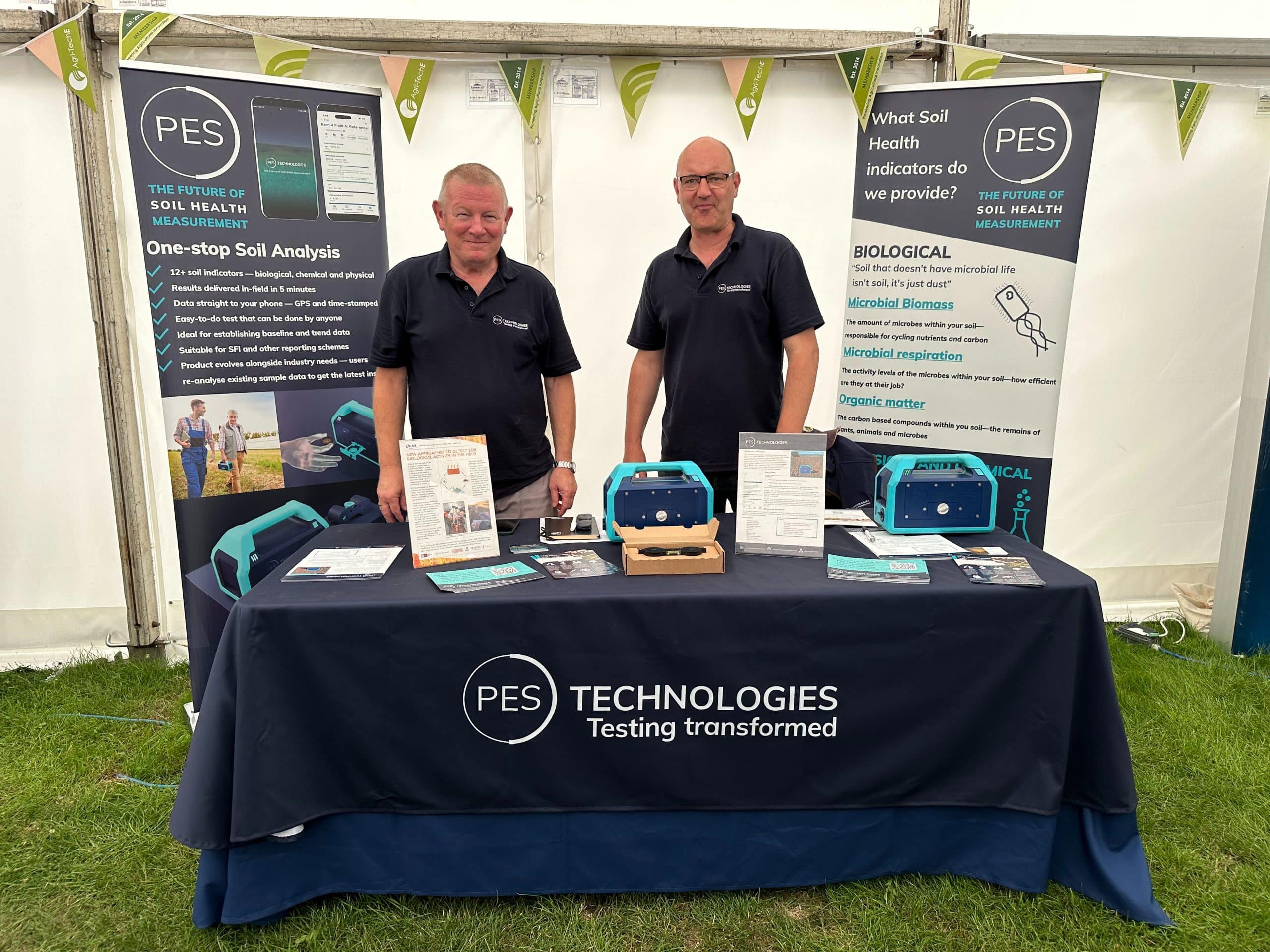
PES Technologies is an innovative in-field, soil health indicator measurement unit. The portable handheld device delivers rapid, lab-quality soil analysis right in the field, giving insights to make smarter, more sustainable decisions.
By combining advanced sensors with machine learning, PES Technologies helps to optimise crop performance, reduce input costs and support regenerative practices.
Visit their stand at the Innovation Hub to discover how PES is transforming the future of farming – one soil sample at a time.
PheroSyn
Spun out from Rothamsted Research, PheroSyn employs the sustainable, responsible use of chemistry to reduce the environmental footprint and biodiversity loss associated with food production.
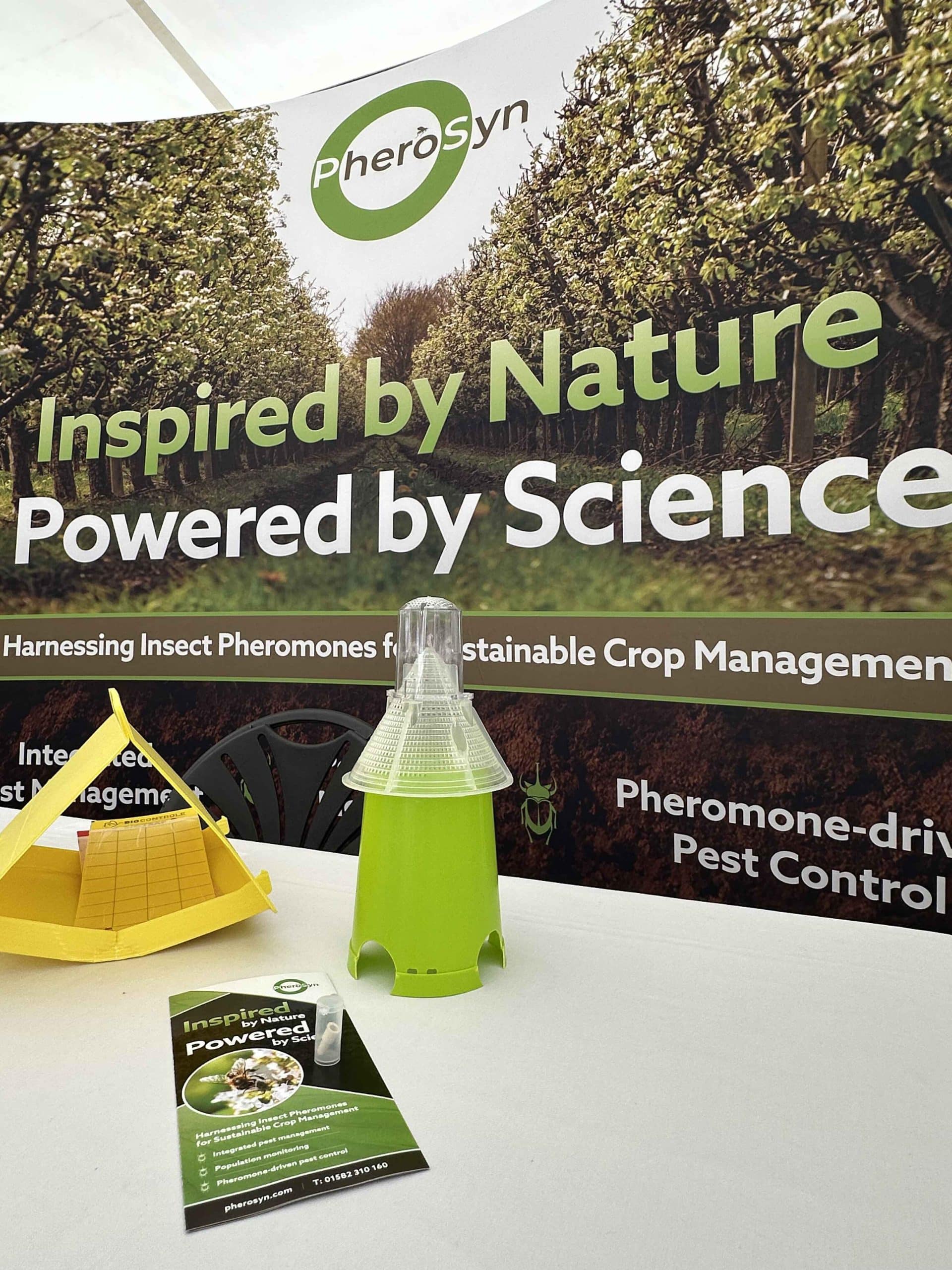
At the Hub, PheroSyn will showcase its innovative pheromone-based solutions that use species-specific pheromones to attract target pests, allowing growers to monitor population levels and make informed, timely decisions about targeted control measures – reducing reliance on broad-spectrum pesticides. Their products have been designed to effectively monitor insect pests in orchards, greenhouses and open field crops, with minimal environmental impact.
PheroSyn will demonstrate their pear and pea traps in action – whether you’re a grower of peas, beans, pears or cereals, an agronomist, or simply interested in the future of farming, speak with experts from PheroSyn to learn how these tools are being used in real-world agricultural settings to support healthier crops and more resilient farming.
RoboScientific
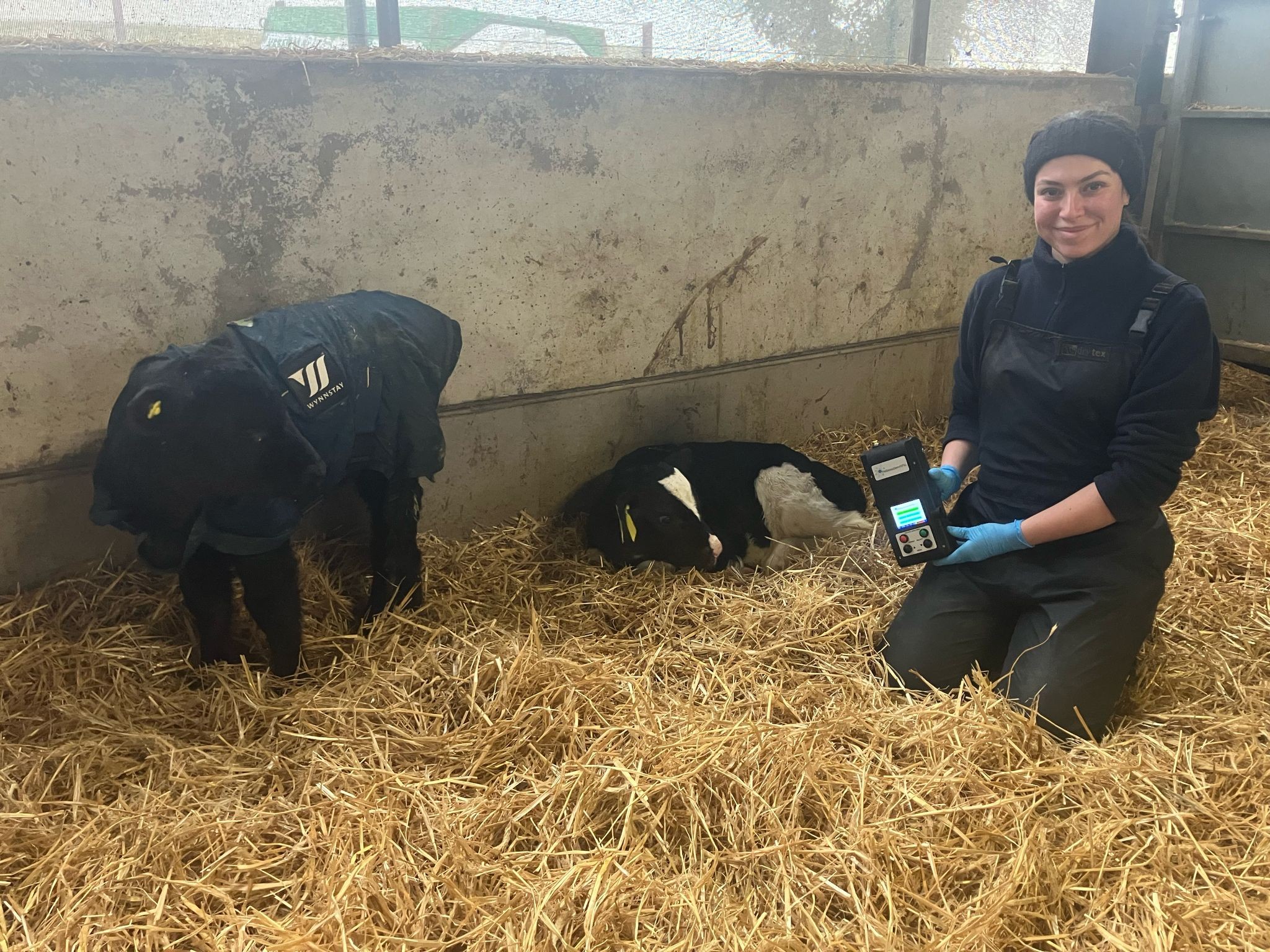
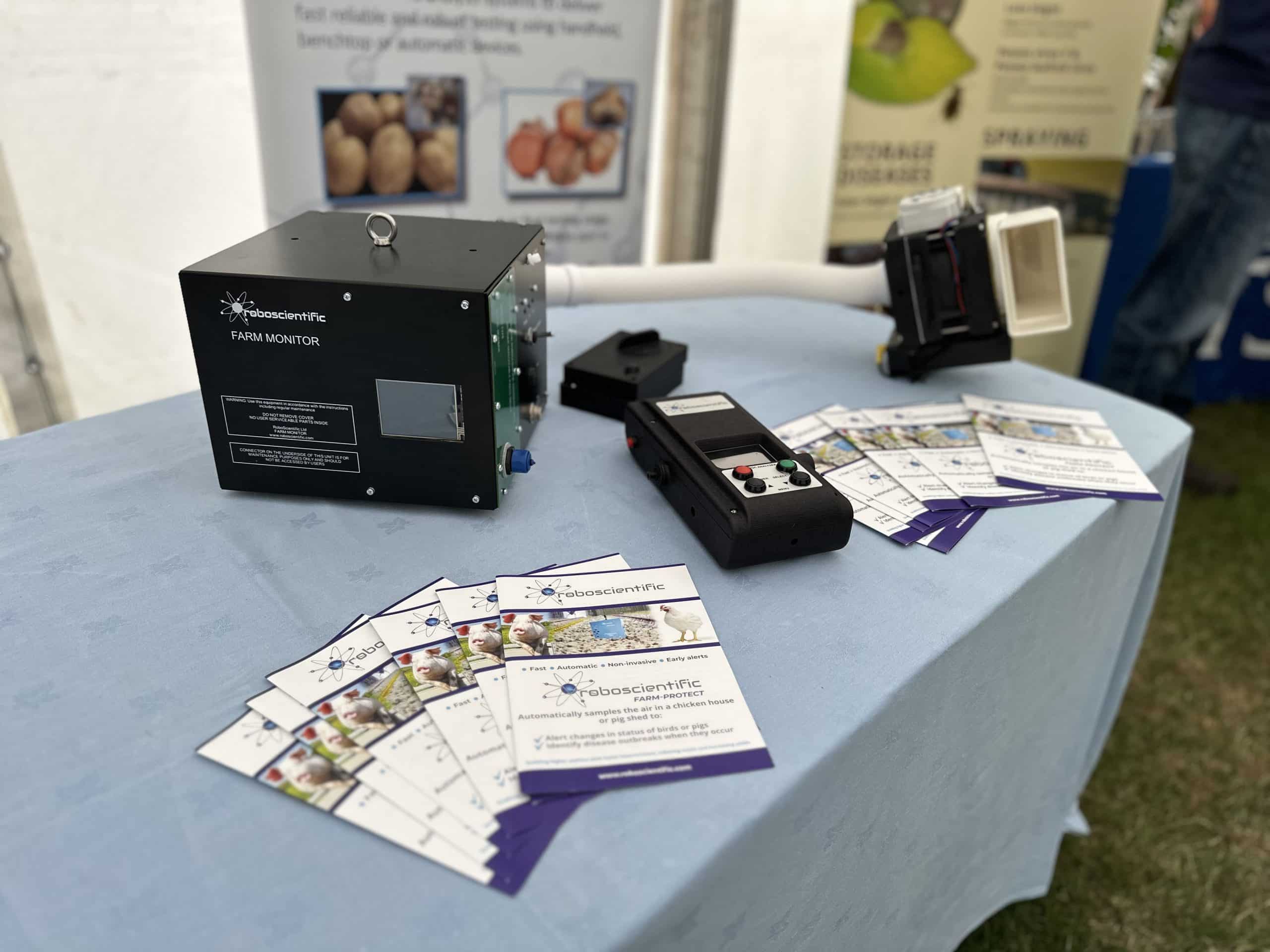
RoboScientific has developed a new technology platform that can test for diseases in farm animals by ‘sniffing’ them! Just like a dog’s nose, the RoboScientific system senses smells emitted from animals and checks if they correspond with a disease.
In poultry and pigs, the system tests the air to create a digital fingerprint of the smells being emitted as a ‘normal’ baseline – so that changes can be identified early allowing for further investigation. The latest trial involves automatically testing the breath of calves while they are being fed milk to see if they are well, or if they have respiratory disease.
Roboscientific believes their non-invasive system is the future for all kinds of disease testing in animals, humans and even plants! To see how the system works, visit their stand in the Innovation Hub.
The Sainsbury Laboratory
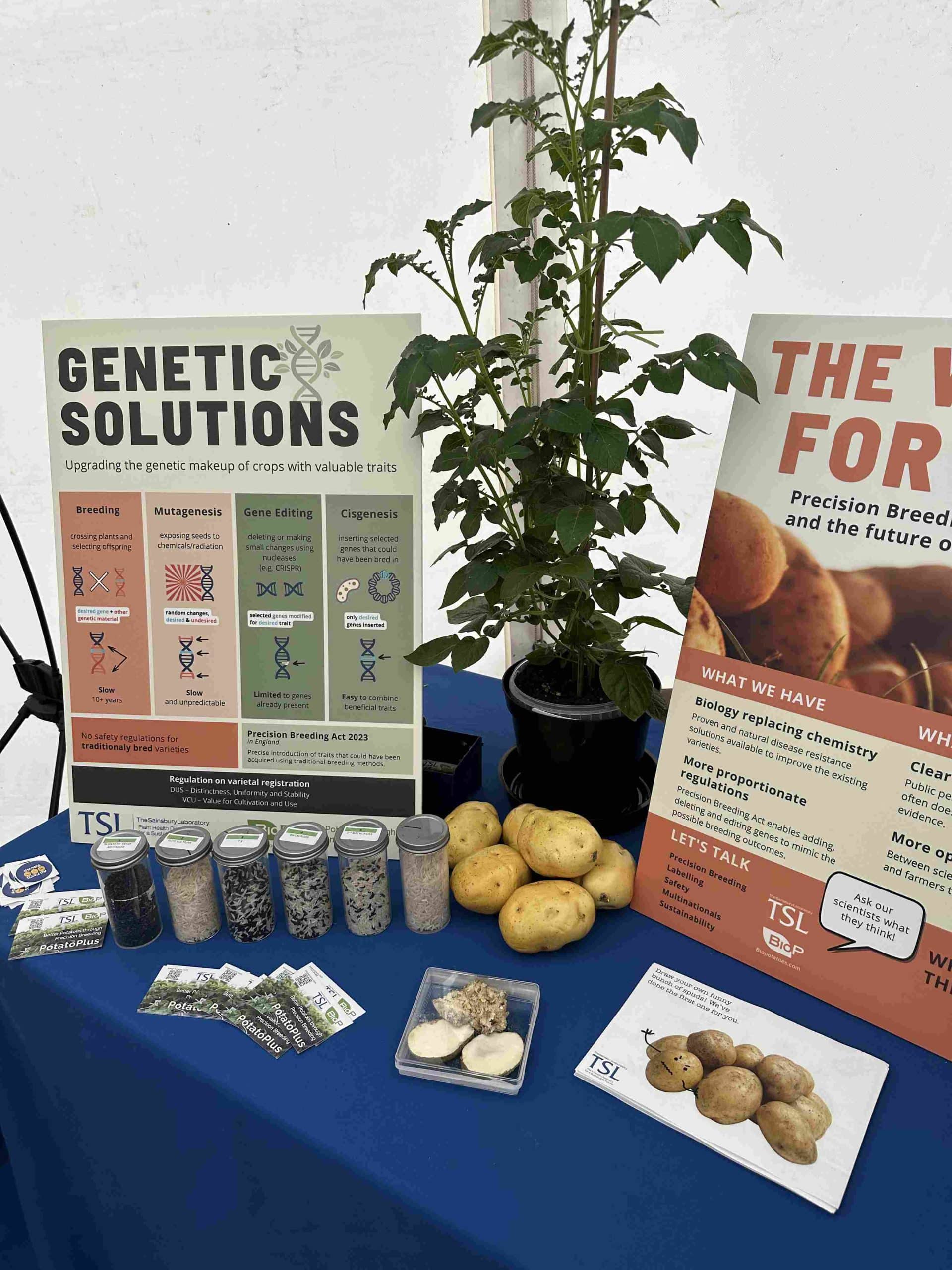
Imagine potatoes with the innate power to resist devastating diseases – cutting crop loss and reducing chemical use. Enabled by the new Precision Breeding Act, these targeted, genetics-based solutions are soon to be within reach.
The Sainsbury Laboratory and BioPotatoes invite you to explore how valuable traits discovered in wild potato relatives are being introduced into modern potato varieties using precision breeding, to meet the real-world needs of potato growers.
Farmwise Project EU at UEA
A dashboard developed using the Microsoft Power BI Platform to interrogate weather, soil moisture, hydrological, groundwater and water quality data from a sensor network in the Wensum catchment.
The dashboard enables users to interact with the data to understand relationships between climate, water flow and water quality parameters (such as nitrogen and phosphorus concentrations) to aid farm decision-making, including the timing of farm operations and in planning for climate change.
In partnership with the University of East Anglia, Farmwise Project EU is transforming the European agricultural sector by empowering farmers and decision-makers with a state-of-the-art decision-support system combining precision agriculture, AI and remote sensing.
Their Hub exhibition will also include examples of equipment (sensors) used to capture the data to measure water quality.
Find out more about the Royal Norfolk Show 2025 – 25th and 26th June 2025, Norfolk Showground, Dereham Road, Norwich, NR5 0TT.
Post Overview
Agri-TechE Related Posts
Partnership with Western Growers to accelerate field harvest automation

Agri-tech innovation offers response to global challenges

Introduction to agri-tech event

Does life begin at the edge of your comfort zone?

Social, Strategic or Opportunistic – How Do You Network?