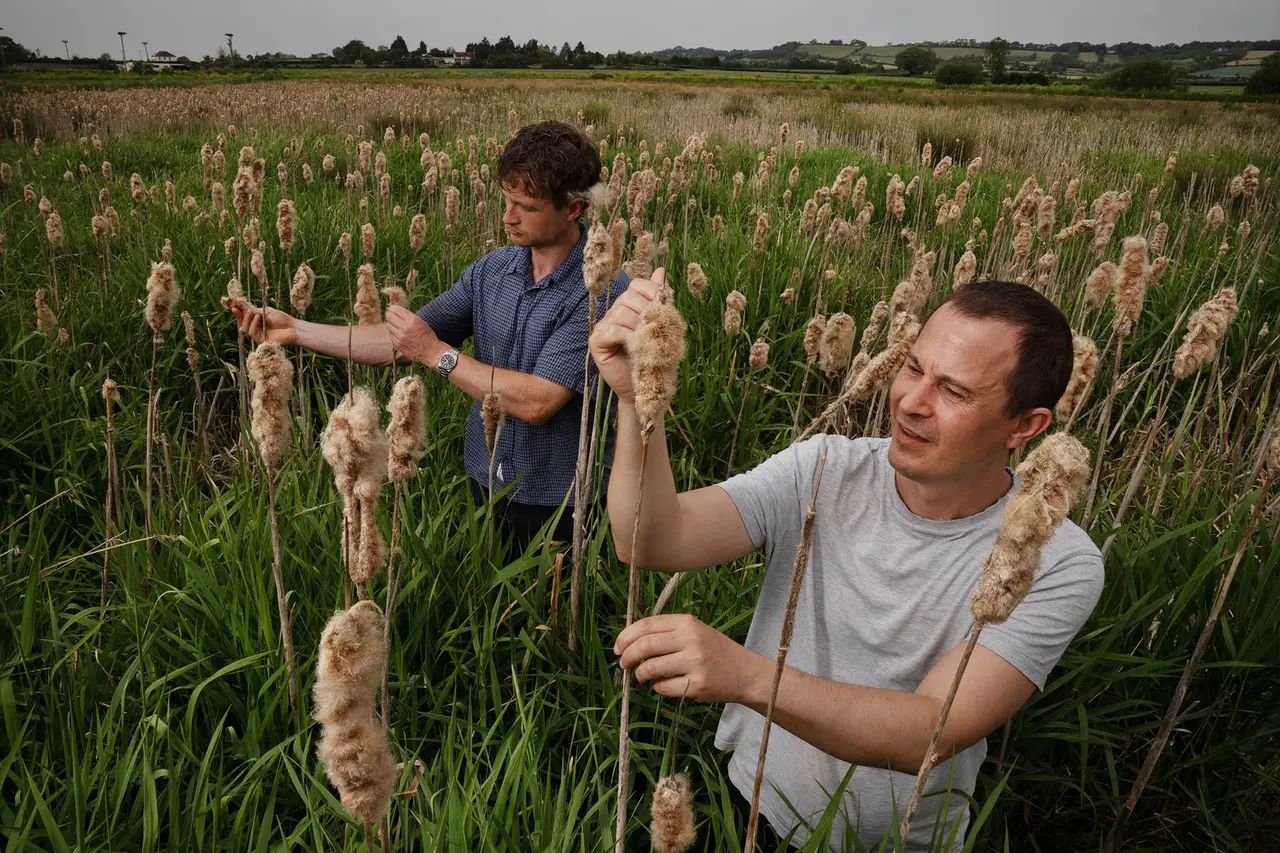
Proving the Recovery: Why (Re)wilding Needs Rigorous Soil Science
 Pennine Analytical Laboratories Ltd
(Re)Wilding is no longer just an ecological ambition — it is an investable asset class. But carbon credits, biodiversity metrics, and Environmental Land Management funding all share one requirement: independent, repeatable data that proves the land is genuinely recovering.
- UK commitment to protect 30% of land and seas for nature by 2030
- Biodiversity Net Gain (BNG) now mandatory in England, with baseline data now being a legal requirement
- Environmental Land Management (ELM) schemes are rewarding landowners who can evidence ecological improvement
The wilding movement has matured rapidly in the last few years. What began as a philosophy centred on stepping back and letting nature lead has evolved into a scientifically rigorous, commercially structured sector. Estates, environmental trusts, and ecological consultancies now face growing pressure to quantify what is happening beneath the surface, not just to satisfy funders and regulators, but to access the green finance markets that are increasingly underpinning large-scale land restoration.
Soil is where that story begins and ends. Carbon sequestration, nutrient washout from de-intensified farmland, vegetation recovery, and the nutritional carrying capacity of the landscape for free-roaming herbivores, many of these rest on elemental data that only rigorous laboratory analysis can provide.
For Rewilding Estates and Private Landowners
Rewilding projects that can demonstrate measurable soil carbon recovery are increasingly able to access private green finance through voluntary soil carbon credit markets. This requires independent, repeatable baseline data taken over time — not estimates, not models, but verified laboratory measurements that investors and credit schemes will accept. PAL’s Total Organic Carbon (TOC) analysis provides exactly this: high-precision carbon determination on soil samples, with contact directly to a laboratory scientist.
Equally important is monitoring the transition away from intensive agriculture. Soils that have been heavily fertilised take time to rebalance, and high residual nitrogen levels actively suppress the diverse wildflower communities that rewilding projects depend on. Tracking the carbon-to-nitrogen ratio across a multi-year timeline, using PAL’s Nitrogen and Carbon Soils analysis, gives land managers the evidence to map ecological recovery and demonstrate progress to funders and scheme assessors.
For projects using proxy megafauna, including Exmoor ponies, Highland cattle, Iron Age pigs, and similar grazing animals, PAL can also analyse the nutritional profile of grasses, foliage, and browsing material throughout the year. Understanding the landscape’s natural carrying capacity, season by season, is essential for managing free-roaming herds without supplementary feeding and demonstrating that the restored habitat can genuinely sustain the animals placed within it.
For Ecological Consultancies and Environmental Trusts
Ecological consultancies advising rewilding estates and restoration projects need a laboratory partner that they can rely on for consistent, defensible data across the log timescales that genuine land recovery demands. PAL’s specialist focus on elemental analysis, rather than the broad menu of a general contract laboratory, means that every sample is handled with the same rigour, and results are repeatable across multiyear monitoring programmes. For consultancies building the scientific case for a rewilding project, whether for charitable funders, private investors, or grant bodies, that consistency is not a detail, it is the foundation of a credible evidence base.
For organisations such as Wildlife Trusts, the RSPB, and the National Trust, which are increasingly converting degraded agricultural land into wetlands, woodlands, and species-rich grasslands, PAL offers a straightforward route to the independent scientific verification that grant bodies and impact investors increasingly expect. Whether the requirement is a one-off baseline survey or an ongoing monitoring programme across a multi-year restoration timeline, PAL is built for either a one-ff analysis or a longer-term partnership.
PAL: Independent Analysis for Evidence-Based Restoration
Pennine Analytical Laboratories (PAL) is an independent elemental analysis laboratory based in Greater Manchester, working with land managers, ecological consultancies, environmental trusts, and research organisations across the UK. PAL’s specialist focus on carbon, nitrogen, and elemental analysis makes it a natural partner for rewilding and land restoration projects that need data they can stand behind.
PAL Services for Rewilding & Land Restoration
If you have an analytical requirement not listed here, get in touch. PAL welcomes enquiries across a wide range of sample types and testing needs, including:
- Total Organic Carbon (TOC) – Verify soil carbon recovery for credit schemes, green finance, and restoration reporting
- Nitrogen & Carbon (C:N) ratio analysis – Track nitrogen washout and soil rebalancing across multi-year restoration timelines
- Nitrogen & Protein Analysis – Assess the nutritional profile of grasses, foliage, and browsing for free-roaming herbivores
- Full carbon, hydrogen, nitrogen, sulphur and oxygen (CHNS/O) elemental profiling for detailed ecological research and long-term restoration monitoring.
Fast Turnaround. No Compromise on Precision.
- PAL offers a 10-day standard turnaround service.
- Customers across the UK simply courier samples to our laboratory and receive their data wherever they are.
- Results are reported direct to your inbox.
PAL is delighted to be a member of the Agri-TechE community supporting growers, researchers, and innovators with the analytical foundation that good decisions require.
Samples can be couriered from anywhere in the UK, with results returned digitally and a three-day express turnaround available for time-sensitive project milestones. If you have an analytical requirement not listed here — whether related to water, sediment, plant material, or another sample type — get in touch. PAL welcomes enquiries across a wide range of environmental testing needs and is happy to discuss bespoke monitoring programmes for long-term restoration contracts.
Talk to PAL About Your Restoration Project
Whether you need a one-off baseline or an ongoing monitoring programme, PAL can help. Get in touch at [email protected] or visit www.pennineanalyticallaboratories.co.uk — we’d be happy to discuss your requirements.
- *I have permission from the copyright holder to publish this content and images.
Post Overview
This story has been submitted by an Agri-TechE member.
Related Posts
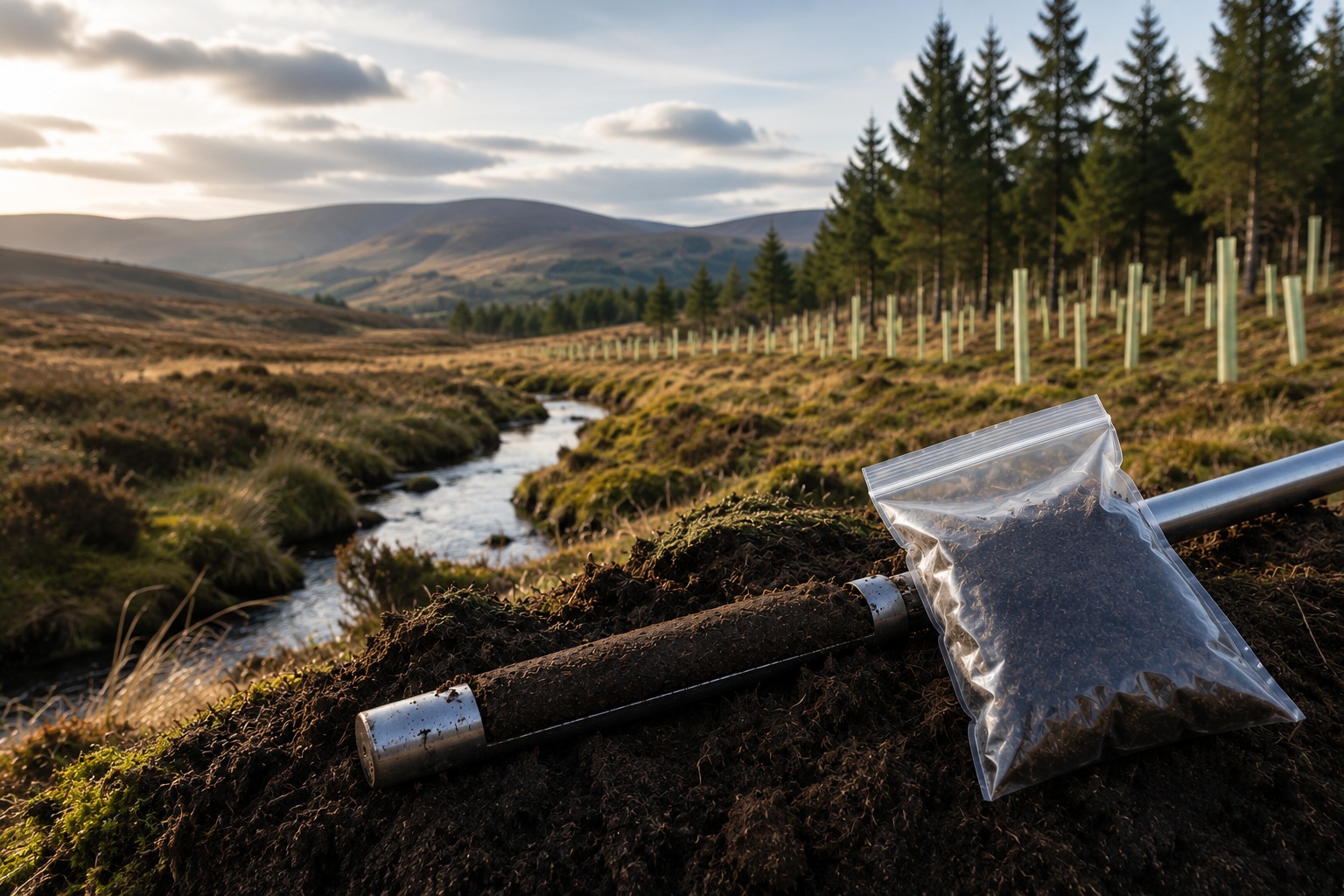
Proving What’s in the Ground – The Analytical Case for Peatland and Woodland Carbon
We reveal the Top Eight Innovations in the REAP 2025 Start-up Showcase
Ponda Featured on BBC Radio 4’s ‘Farming Today’: Exploring the Future of Paludiculture

How open collaboration in agri-tech could help solve the farm profitability puzzle
Fields of the Future: Episode 5 – Can Regenerative Agriculture Stand Up to the Evidence?