Nantwich Farm Vets drive growth of biological fly control on North West farms
 Nantwich Farm Vets
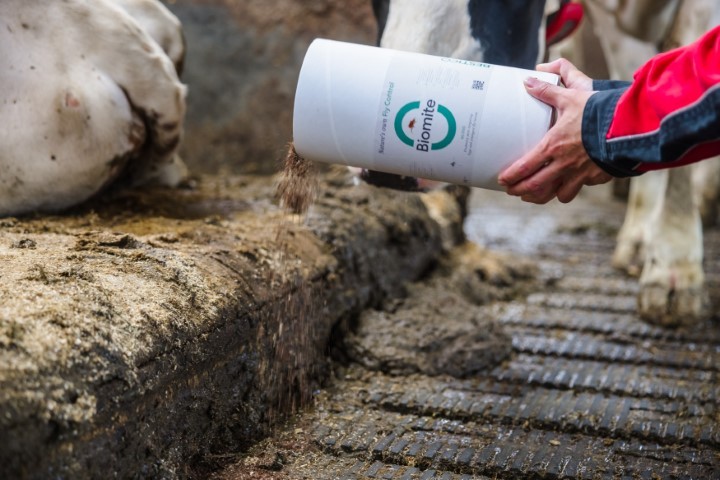
As fly populations rise with warming temperatures, UK dairy farms are increasingly turning to sustainable pest management strategies. One method gaining popularity is the use of biological fly control — specifically, the deployment of parasitic wasps, often branded as Biowasps. Additionally, parasitic flies and mites (Biofly and Biomite) are available for use in specific cases to support the Biowasp.
Biowasps are tiny, non-stinging insects that target fly pupae, breaking the breeding cycle and reducing future fly populations. They are harmless to humans and animals but deadly to flies in the pupal stage. They offer a natural, chemical-free alternative to traditional insecticides, which can lead to resistance, residue issues, and harm to non-target species including humans. On dairy farms, reducing fly burdens is essential for maintaining cow comfort, preventing disease transmission and improving milk yields.
Typically, Biowasps are introduced early in the season and applied regularly through the warmer months. They are most effective when used as part of an integrated pest management plan — combining good muck handling, dry bedding practices, and monitoring hot spots like calf pens, muck heaps and feed areas.
Trials and anecdotal reports from UK farms show that Biowasps can reduce fly populations significantly when used correctly. Their ease of use, compatibility with organic systems, and minimal environmental impact make them an increasingly attractive option for forward-thinking farms.
At Nantwich Farm Vets, anyone interested in the use of Biowasps receives an individualised site assessment and bespoke plan to cover the fly season. Packs of Biowasps (+/- Biofly/Biomite as required) are delivered every 2 weeks starting around April and running through to late September/early October.
Business Development Manager, Phil Cullinan has been working closely with Bestico and the farm team at the practice to drive growth in this area. “We’re seeing more and more of our farmers turn to biological fly control to help control the flies on their farm. People are becoming increasingly aware of the use of chemicals on-farm and are often looking to reduce them for a variety of reasons, including their own health. Bestico offer a viable alternative and we’re seeing great growth in this area”.
- https://www.youtube.com/watch?v=ucNyXbs94Gk
- *I have permission from the copyright holder to publish this content and images.
Related Posts

REAP 2024’s eight picks for the future of farming: the start-up showcase is revealed
Breedr improves value of dairy beef calves by up to 50 percent

PheroSyn to develop supply of novel pheromones for the pear gall midge and the pear leaf midge

Morrison replacing soy with insect protein from Better Origin

Nantwich Farm Vets work with Agri-TechE member Vet Vision AI on Cheshire Dairy Farm