Patenting, Trademarks, Copyright, Trade Secrets...
In the next installment of our micro-learning series, we’ll explore potential legal solutions to help you keep your ideas safe and sound.

Avoiding Frustration 101 when Implementing Technology

Member News
The views expressed in this Member News article are the author's own and do not necessarily represent those of Agri-TechE.

As part of our “Back to the Future” project, we’re asking Agri-TechE members to reflect on how the agri-tech industry has evolved over the past decade and to share their vision for the next ten years. By compiling these insights, we aim to create a powerful outlook on the future of agriculture, a compelling call to arms for the industry driven by the diverse perspectives of our community.

This submission is part of the collection of reflections and predictions from our members, offering unique perspectives on the industry’s past milestones and future directions. Each contribution adds to a broader dialogue about the innovations and challenges that will shape the next decade in agri-tech.

Practical Implementation of Disruptive Innovation

Member News
The views expressed in this Member News article are the author's own and do not necessarily represent those of Agri-TechE.

As part of our “Back to the Future” project, we’re asking Agri-TechE members to reflect on how the agri-tech industry has evolved over the past decade and to share their vision for the next ten years. By compiling these insights, we aim to create a powerful outlook on the future of agriculture, a compelling call to arms for the industry driven by the diverse perspectives of our community.

This submission is part of the collection of reflections and predictions from our members, offering unique perspectives on the industry’s past milestones and future directions. Each contribution adds to a broader dialogue about the innovations and challenges that will shape the next decade in agri-tech.

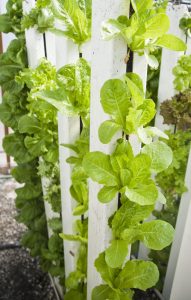
Overcoming Barriers to TCEA Adoption: Lighting, AI, and the Path to Sustainable Farming

Member News
The views expressed in this Member News article are the author's own and do not necessarily represent those of Agri-TechE.

As part of our “Back to the Future” project, we’re asking Agri-TechE members to reflect on how the agri-tech industry has evolved over the past decade and to share their vision for the next ten years. By compiling these insights, we aim to create a powerful outlook on the future of agriculture, a compelling call to arms for the industry driven by the diverse perspectives of our community.

This submission is part of the collection of reflections and predictions from our members, offering unique perspectives on the industry’s past milestones and future directions. Each contribution adds to a broader dialogue about the innovations and challenges that will shape the next decade in agri-tech.

Introduction

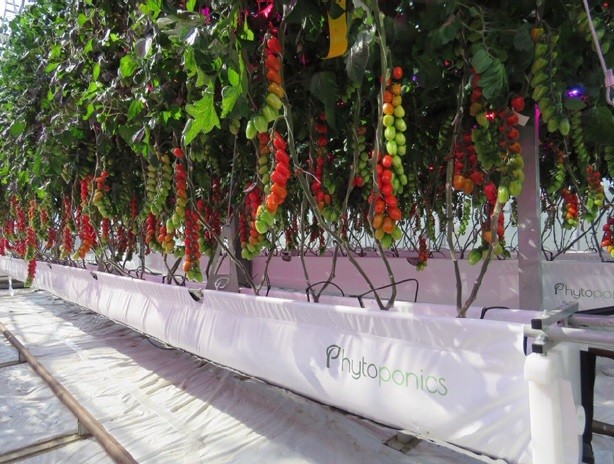
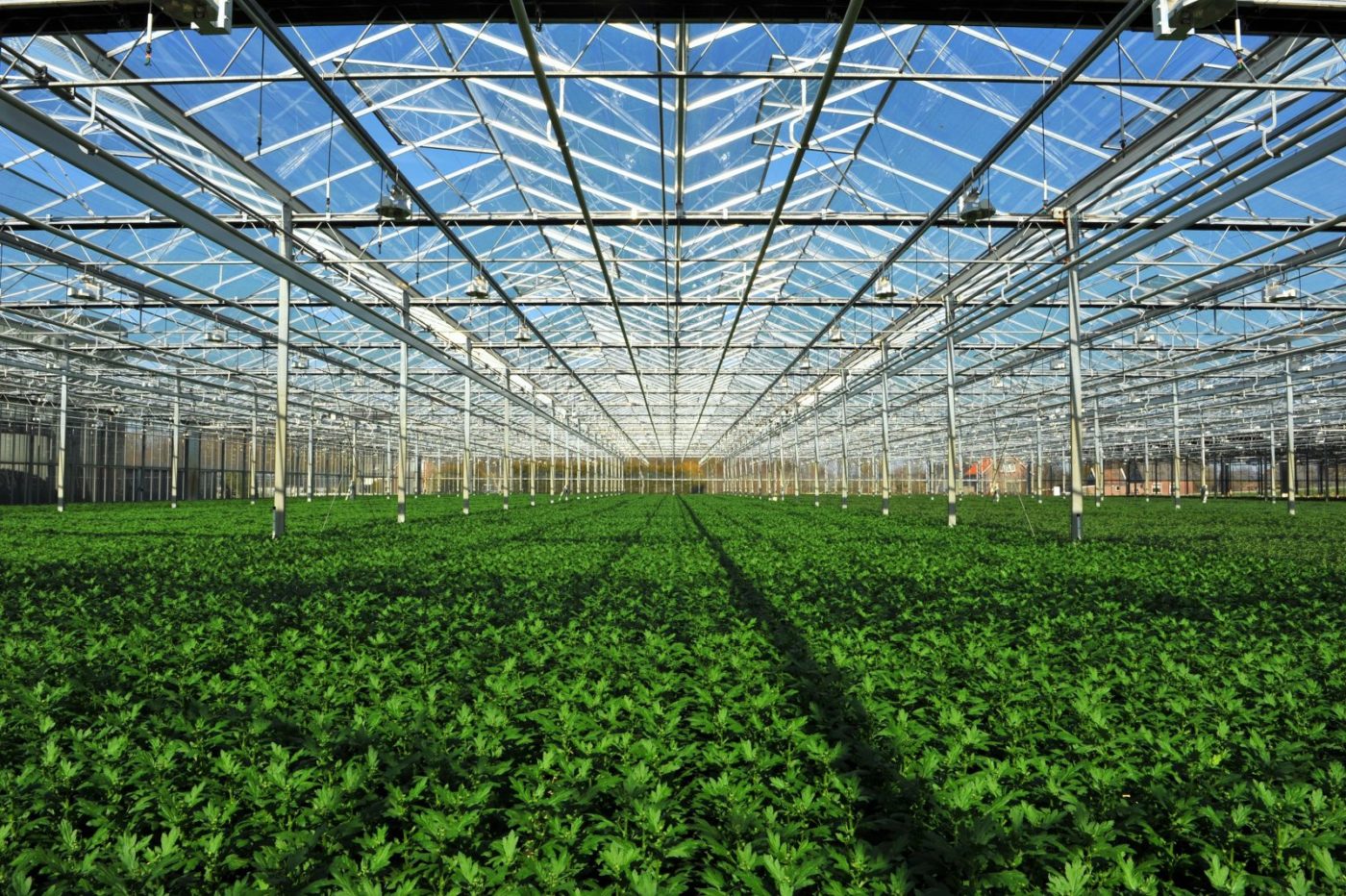
Innovation Agritech Group is developing, producing and installing totally controlled environment agriculture vertical aeroponic solutions for growers around the world. We are committed to using science and technology to develop fully sustainable farming systems allowing reliable production of food crops in an increasingly unstable environment.

What do you think is the game-changing tech development we’ve seen in the last 10 years?

Here at IAG, we consider the improvements made in the field of lighting and lighting control to be the greatest step forward in advancing the development of totally controlled environment agriculture and vertical aeroponics. Replacing fluorescent tubes with LEDs has allowed IAG to accurately manipulate both intensity and spectrum of lighting with LED lights to create and develop recipes for a variety of crops. Control of spectrum allows controlled environment farms to increase blue and red wavelengths to match the optimum pattern plants need to grow without wasting energy on unproductive wavelengths. Despite higher initial costs, lighting has advanced in terms of energy efficiency, giving savings in the longer term. These improvements are likely to increase over time as increased innovation and adoption of LED technology reduces the cost of production further.

Other advancements in lighting include simplified control via software, diffusion systems, for improved light uniformity, improved light cooling, and high frequency colour modulation. Recent efforts have also been made into utilisation of far-red light wavelengths over 700 nm to manipulate plant characteristics such as shoot elongation.

What’s the biggest challenge to widespread adoption?

The biggest challenge to widespread adoption of TCEA vertical aeroponics are the high costs, both of initial investment and running costs, particularly energy. Until these farms no longer require high capital investment, it is difficult to foresee widespread adoption without increases in available funding, limiting the benefits to only those able to afford the upfront cost. Additionally, the high demand of energy by farms of this nature means that adoption of sustainable TCEA will be limited to areas of the world where energy is already cheap, notably the Middle East.

Overcoming this hurdle is the responsibility of two major stakeholders: us technology production companies reducing the cost of our solutions to compete in the emerging market, as well as funding bodies making capital more available to growers. Perception also has a part to play in prevailing over this obstacle, as TCEA and vertical farming become more mainstream, growers will become more willing to adopt technology that has been proven, meaning economies of scale will come into play and prices will fall, hopefully leading to a snowball effect of increasing adoption. IAG are confident we, and other stakeholders can utilise new developments in agritech in the next decade to overcome these challenges.

What do you think is the most exciting thing we’ll see in 10 years’ time and what will this technology enable?

We expect the most important development in TCEA in the next decade to be the application of artificial intelligence. The wide-ranging uses of AI are impossible to fully anticipate but what follows are a few benefits we expect to be able to exploit in the coming years. AI can be used to make data collection and handling simpler and quicker, particularly useful for farmers inexperienced in data management. AI can be used in conjunction with cameras mounted on robotics and drones to record information such as leaf area, ripeness, disease presence. Automation makes it possible to constantly record this information meaning problems such as disease or mineral deficiency can be identified and remedied as early as possible. Importantly, AI may also be able to play a role in acting on this data and engage in decision making processes. These abilities are most beneficial in complex systems, including those beyond the farm gate such as supply chain management. Integrating AI together with existing and novel farm systems and devices together such as irrigation, lighting, and harvest data can be achieved using the Internet of Things.


World’s first GreenShed opens its doors

Member News
The views expressed in this Member News article are the author's own and do not necessarily represent those of Agri-TechE.

A world-first circular farming system which uses cattle waste to power a shed and grow indoor crops has opened its doors for the first time.

More than 80 members of the beef industry attended the opening of GreenShed at Easter Howgate, an SRUC research farm near Edinburgh.

Martin Kennedy, President of National Farmers Union Scotland, and Kate Rowell, Chair of Quality Meat Scotland, were among the invited guests to enjoy a tour of the new facility.

Funded by the UK Government as part of Phase 2 of the Direct Air Capture and Greenhouse Gas Removal Programme, GreenShed is seen as an important step in the road towards net zero.

It also received funding from the Scottish Government in its feasibility stage.

The event, which was attended by industry representatives from across the supply chain as well as representatives from the UK and Scottish Government and the Scottish Funding Council, also included tours of GreenCow and GreenSheep.

Sascha Grierson from SAC Consulting then chaired an insightful panel session on the Carbon Story of Beef which included Professor Steven Thomson from SRUC, Seamus Murphy from SAC Consulting and Julian Bell from AgreCalc, as well as Lisa Hislop from NFUS and Amanda Watson from Morrisons.

Professor Carol-Anne Duthie, who leads the GreenShed project, said: “Beef farming is facing greater pressure than ever before to reduce its environmental impact while also maintaining or increasing productivity as well as improving its broader sustainability.

“The GreenShed consortium offers a blueprint for the future of low-carbon circular beef farming. It’s a brilliant example of innovative collaboration between research and industry and we were delighted with the levels of engagement on the day.”

Led by SRUC, the other GreenShed partners are the University of Strathclyde, Galebreaker, UKAgriTech Centre, No Pollution Industrial Systems, Organic Power Ireland, Saturn Bioponics and N2 Applied.

Learn more about the GreenShed project on its dedicated webpage.

The Evolution of Farming: Precision Technology and the Role of Agricultural Engineers

Member News
The views expressed in this Member News article are the author's own and do not necessarily represent those of Agri-TechE.

As part of our “Back to the Future” project, we’re asking Agri-TechE members to reflect on how the agri-tech industry has evolved over the past decade and to share their vision for the next ten years. By compiling these insights, we aim to create a powerful outlook on the future of agriculture, a compelling call to arms for the industry driven by the diverse perspectives of our community.

This submission is part of the collection of reflections and predictions from our members, offering unique perspectives on the industry’s past milestones and future directions. Each contribution adds to a broader dialogue about the innovations and challenges that will shape the next decade in agri-tech.


What is the biggest game-changing development you’ve seen in the last 10 years in agricultural engineering?

It’s actually quite difficult to name one “single” game changing technology in agriculture in the last 10 years. What we have seen however is multiple technologies come together and become much more embedded in mainstream agriculture. The technologies I’m referring to are things like GPS guidance, on-board crop sensing, machine/farm office connectivity, sophisticated electronics and software systems on machines, and all the available data it brings. The coming together of this tech has really enabled “precision farming”. I don’t believe that the value proposition promised by this in the early days has actually been realised yet. There are significantly more gains to be made from efficiency and precision techniques applied to all aspects of the various process. One area I do continue to follow closely is min/zero-till and cover crop sowing techniques; there have been some good steps forward in this area, which are giving some great results by reducing input costs and maintaining the soil structure.

What do you think has been the biggest pinch point to the industry progressing – what needs to happen to tackle this and who should lead it?

There seems to be no shortage of money going into agricultural technology. Industry is making huge investments to create products and services to address the balance between food security, climate change and increasing farm profitability. However, there is a lack of leadership around systems thinking. This is impacting the end user, i.e. the farmer in two ways: 1. The deployment of technology on farms is too fragmented leaving the farmer to be the “systems integrator”. It needs to be more joined up so it becomes reliable and easy for the farmer to use, therefore supporting their day job, as opposed to becoming it! Data is a good example of fragmentation. 2. Because the technology is fragmented, the value proposition is hard for the farmer to obtain. Farmers then struggle to see the payback and therefore won’t invest. History shows us that if the technology is right and the payback is clear, the farmers will invest.

What do you think is the most exciting thing you’ll see in this area in 10 years’ time?

I talk to a lot of students, and I tell them all that they are starting their careers in a really exciting decade. There is a technology explosion in agriculture, even your traditional equipment such as tractors and combines will undergo significant change as we see the move away from fossil fuel to things like hydrogen and electric drive technology. The rise of autonomous solutions such as driverless tractors, drones, robotic fruit pickers, etc. is coming, there are some fantastic smaller scale solutions on the market and larger ones to come. I can see some of them have a real place in carrying out the labour-intensive jobs, whether its large scale tillage operations or smaller bed weeding/sowing work. Things like autonomous mechanical weeding systems are reducing chemical usage, along with spot spraying technology. I’m not a subscriber to the vision of tiny swarming field robots, I don’t think we could ever achieve the work rates necessary, especially when you visit the vast acreages of the US, Australia and Eastern Europe. Technology such as crop/soil sensing and vison techniques are really opening up creativity which will help with efficiency and productivity.

What is your vision of the future and how will IAgrE be responding to that?

IAgrE is well placed between industry, academia and research and we can help drive that discussion around the joined-up solutions we need to enable sustainable farming systems. Agricultural engineers are actually very good systems engineers, just think of the disciplines you need to be one; mechanical, electronic, civil, chemical, etc. and the variables that have to be considered. IAgrE’s prime objective hasn’t changed in 86 years, even back then it contained the phrases “application of technology” and “sustainable land-use”. We will continue to offer our members content on future technology development and networking opportunities, whilst promoting careers in the sector and ensuring education is right for industry. There has never been a more exciting time to be an “engineer in agriculture”, and if you think about that description, often people don’t realise that actually you’ve become an “agricultural engineer”!

Charlie Nicklin CEng FIAgrE


SugaROx Wins Another Award! How We’re Revolutionizing Biostimulants

Member News
The views expressed in this Member News article are the author's own and do not necessarily represent those of Agri-TechE.

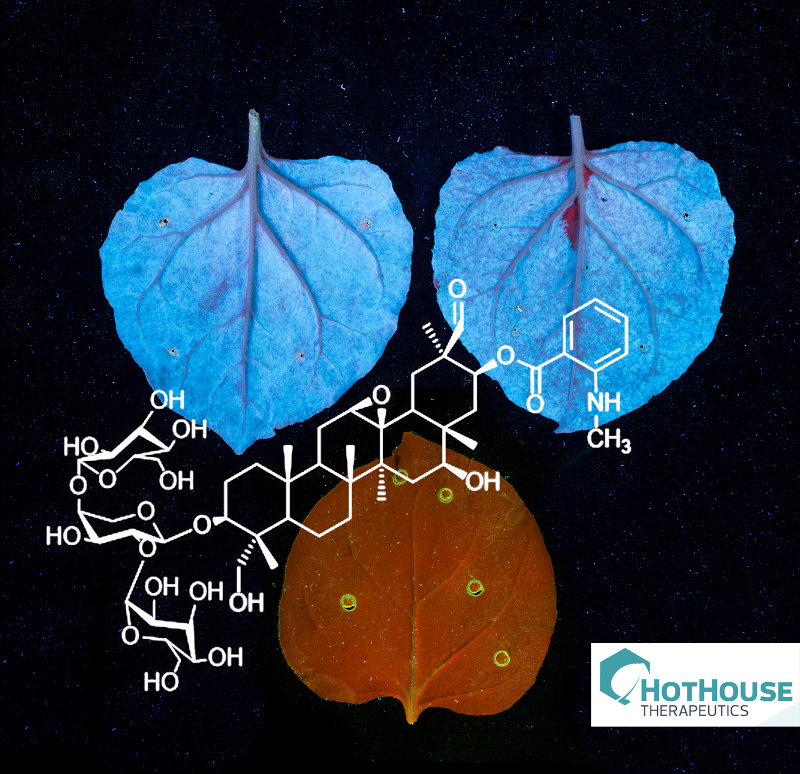
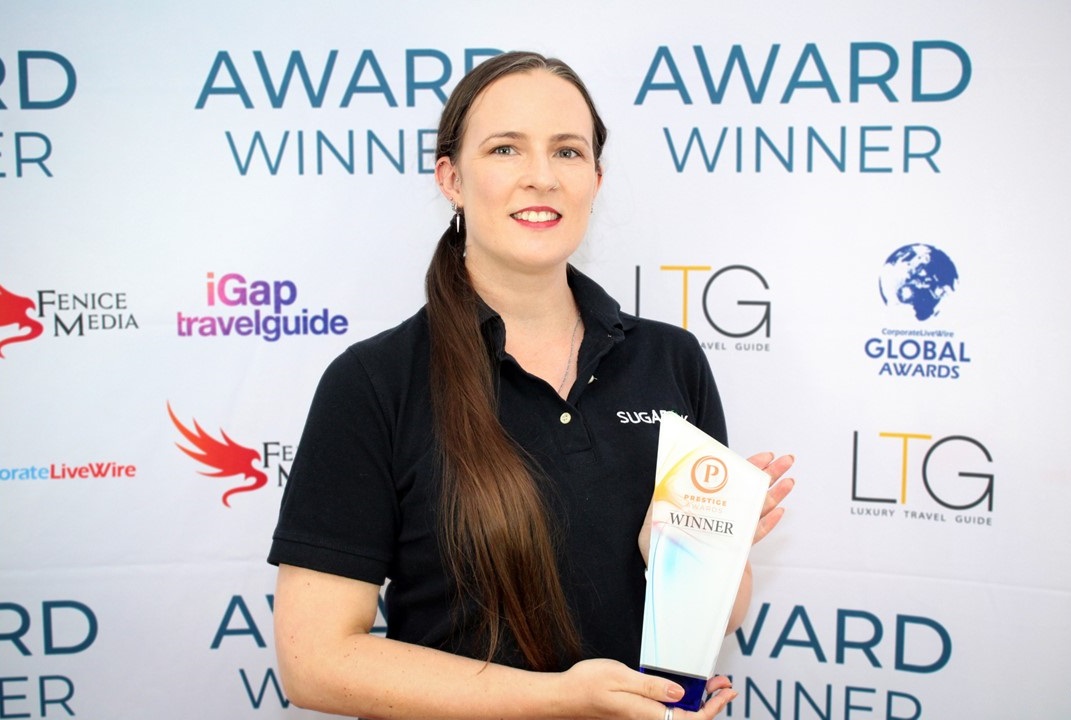
We did it again! After celebrating our recognition as a top biostimulants solutions provider, our chemists and plant biologists have added another accolade to the trophy cabinet – the CorporateLiveWire Innovation & Excellence Award 2024 for Agriculture Chemical Manufacturer of the Year! Our mission is to develop novel approaches to crop stimulation, and then partner with GTM channels to address unmet needs of farmers. It seems the industry experts who nominated entries to this competition agree that we are going to shake things up!

So, what’s so special about our approach? Well, traditional biostimulants are typically extracts from algae or plants or acid-based formulations products from organic waste. As mixtures of ingredients, it can be difficult for manufacturers to optimise their performance. We’re developing single-molecule formulations whose active ingredients are inspired by the powerful molecules found naturally in plants and whose mode-of-action are well understood by us. In this way, we aim to deliver more precise and effective crop stimulation.

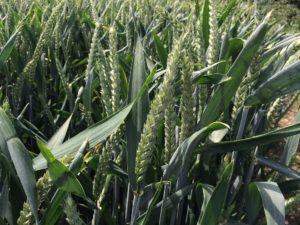
For example, our first AI, a modified version of trehalose-6-phosphate (T6P), can boost wheat yields by up to 22%! That’s a massive jump compared to the 2-5% improvement offered by most traditional biostimulants. By tweaking the natural molecule so it’s easier for plants to absorb, our chemists and biologists have found a way to unlock its full potential.

Working the Agri-TechE network:

We are building SugaROx to become a world-leading venture focused on the science of crop stimulation and early stages of product development. Our first product is 2-3 years away from launch. Through a B2B business model, we want to partner with go-to-market channels to accelerate R&D and sell our products to farmers in the UK and key agricultural countries.

If that is you, follow the link below to learn more about our technology, and reach out to our Business Development Director Bianca Forte via LinkedIn to start a dialogue with us.

  • *I have permission from the copyright holder to publish this content and images.

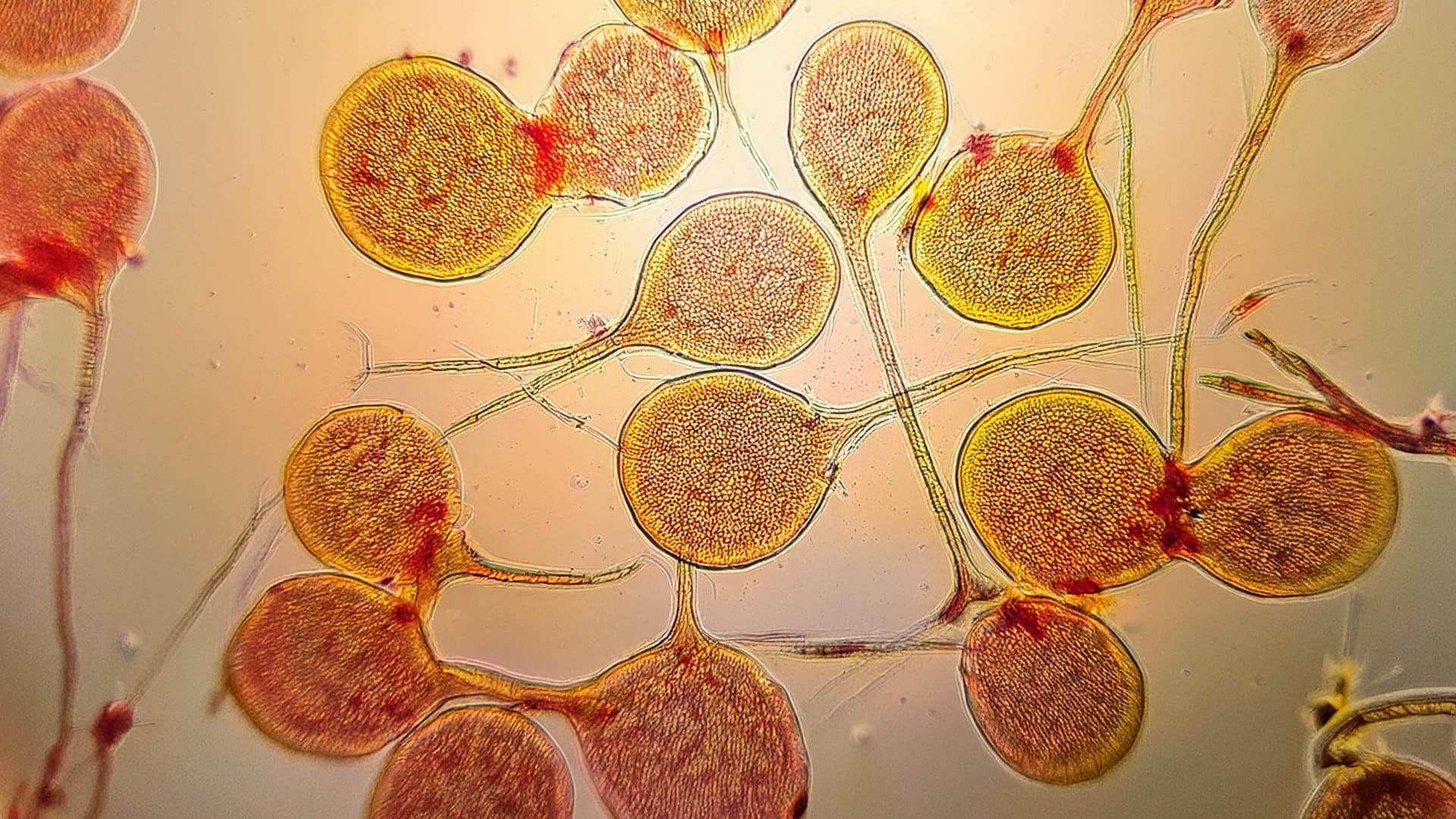
Macro Trends on a Micro Scale

Member News
The views expressed in this Member News article are the author's own and do not necessarily represent those of Agri-TechE.

As part of our “Back to the Future” project, we’re asking Agri-TechE members to reflect on how the agri-tech industry has evolved over the past decade and to share their vision for the next ten years. By compiling these insights, we aim to create a powerful outlook on the future of agriculture, a compelling call to arms for the industry driven by the diverse perspectives of our community.

This submission is part of the collection of reflections and predictions from our members, offering unique perspectives on the industry’s past milestones and future directions. Each contribution adds to a broader dialogue about the innovations and challenges that will shape the next decade in agri-tech.

Putting Data to Work On-Farm with Elveden Estates

Member News
The views expressed in this Member News article are the author's own and do not necessarily represent those of Agri-TechE.

As part of our “Back to the Future” project, we’re asking Agri-TechE members to reflect on how the agri-tech industry has evolved over the past decade and to share their vision for the next ten years. By compiling these insights, we aim to create a powerful outlook on the future of agriculture, a compelling call to arms for the industry driven by the diverse perspectives of our community.

This submission is part of the collection of reflections and predictions from our members, offering unique perspectives on the industry’s past milestones and future directions. Each contribution adds to a broader dialogue about the innovations and challenges that will shape the next decade in agri-tech.

Data is the Greatest Accelerant in Ag-tech Innovation

Member News
The views expressed in this Member News article are the author's own and do not necessarily represent those of Agri-TechE.

As part of our “Back to the Future” project, we’re asking Agri-TechE members to reflect on how the agri-tech industry has evolved over the past decade and to share their vision for the next ten years. By compiling these insights, we aim to create a powerful outlook on the future of agriculture, a compelling call to arms for the industry driven by the diverse perspectives of our community.

This submission is part of the collection of reflections and predictions from our members, offering unique perspectives on the industry’s past milestones and future directions. Each contribution adds to a broader dialogue about the innovations and challenges that will shape the next decade in agri-tech.

Data is the greatest accelerant in ag-tech innovation

Agrimetrics is a software services business operating across agri-food, environment, and government. As our customers are responsible for critical infrastructure, we work by providing them with the most advanced expertise in software services to help them build pioneering systems, unlock insight and manage information.

Our customers are faced with significant and consequential challenges; population growth is stretching food production, net zero policies are of increasing impact, consumer attitudes to food and the environment are evolving, and information management is stretching legacy systems.

Data drives innovation

The greatest response to these challenges hasn’t been an individual piece of technology, but rather a cultural change in attitudes towards data. Sharing and utilising data has had a revolutionary impact on the speed and sophistication of innovation in ag-tech. Understanding what is happening on farm at scale allows us to monitor, report and verify the impact it has on the environment. Utilising sophisticated satellite imagery, on farm data collection, and cutting-edge software development, and data science means we are beginning to be able to measure the environmental impact of production with greater accuracy and speed so that we can begin to map whole supply-chains. These trends are set to continue and open the possibility of, for example, management of pest and disease risk at the landscape scale as well as improving sequestration of soil carbon.

Competition for investment

Our desire for a healthier and more sustainable planet has rightly captured the attention of a variety of industries, governments, and sectors. All these areas are competing for funding to help them accelerate towards a more sustainable future, be it for research, machinery, or technology. Identifying the most impactful solutions is paramount in securing funding and so the ag-tech sector needs to continue providing the explicit evidence of how its solutions and research is helping to increase sustainability. Many of the challenges faced are at a scale transcending the small businesses that make up the industry. Raising investment at the level required for transformative change is therefore a challenge, particularly in an environment of high interest rates.

Despite a weaker appetite amongst private investors, the government’s ag-tech strategy alongside its broader Net Zero strategy, which was published in 2022, highlights its commitment to investing in sustainable solutions. Organisations like ours are helping to develop further cooperation by developing world-class knowledge through a network of like-minded organisations. Through research & development as well as the implementation of pioneering technology, we are demonstrating how collaboration on sustainable solutions provides meaningful impact. We have has also recently taken responsibility for the significant upgrade to Defra’s Data Service Platform, which makes large volumes of data openly available, and are adding value to it by making it interoperable so that data from different data sets can be used together easily.

Innovating our way to a sustainable future

The UK’s Net Zero strategy and its ag-tech strategy have the same defining purpose: to lead the world in ending our contribution to climate change, while turning the mission into the greatest opportunity for jobs and prosperity since the industrial revolution. Through the innovation in the ag-tech sector, we can identify ways we can almost double our food production using less land, energy, and water. By ensuring data is easy to find, use and interpret we will be able to digitise our food system, ensuring its security whilst protecting our planet.

The Challenge of Futurism with Barenbrug

Member News
The views expressed in this Member News article are the author's own and do not necessarily represent those of Agri-TechE.

As part of our “Back to the Future” project, we’re asking Agri-TechE members to reflect on how the agri-tech industry has evolved over the past decade and to share their vision for the next ten years. By compiling these insights, we aim to create a powerful outlook on the future of agriculture, a compelling call to arms for the industry driven by the diverse perspectives of our community.

This submission is part of the collection of reflections and predictions from our members, offering unique perspectives on the industry’s past milestones and future directions. Each contribution adds to a broader dialogue about the innovations and challenges that will shape the next decade in agri-tech.

It’s fair to say agriculture has undergone some dramatic changes in the last 10 years.

Technological advances have made agricultural processes significantly more efficient, resulting in cost savings, or increased yields. In the present, farmers are leading the charge in securing our environment for the future, harvesting not just crops but the information and data that will enable them to produce food more efficiently, more economically and yes, more sustainably too.

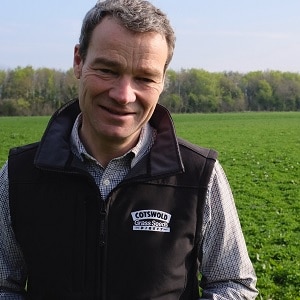
For Barenbrug, not only as a leading global plant breeder but also one of the UK’s largest grass seed breeders and growers, it is vital that our own breeding programmes consider the requirements of the future. The grass varieties we have in development now won’t be grown on-farm until the 2040s. What will farmers want, expect and need from their grass by then?

It’s not easy being a futurist. But we have good parameters to work within. Many of them are increasingly seen as good, standard practice. Take water utilisation, for instance: farming is a significant consumer of water, with approximately 70% of the world’s freshwater resources dedicated to agriculture. Plant breeders have long prioritised this, focusing on deep rooting traits that make crops less susceptible to drought and high rainfall.

Then there’s the adoption of low-input farming systems, With the concept of regenerative agriculture – where grass can play a resurgent role on every farm – becoming more widely understood and moving into the mainstream agricultural psyche, Barenbrug’s in a privileged position to communicate that, and to use our science-led results to show farmers how to do it.

With the right tools, and the right advice, we can help farmers themselves become part of the solution. Empowering them to adopt climate-smart farming practices, while still producing high-quality food, should be at the top of every plant breeder’s agenda.

That’s why Barenbrug’s model works so well. As far as grass is concerned, the British Isles demands a distinct grass genetics, to get the most from its climate and to satisfy the demands and expectations of British farming practices. There’s our ability to draw on our global genetic resources in the breeding of new UK varieties, and our partnerships with eminent research institutions such as AFBI in Northern Ireland.

Together, these give us the resources and expertise we need to improve and develop UK-specific germplasm that’s ready for the challenges of tomorrow, without compromising on farmers’ expectations today. Not just fancy claims, either: the partnership with AFBI has delivered a cumulative increase in grass yields of around 0.5% per annum over the last 33 years, and nearly 50 varieties added to the Recommended List.

Then there’s the promise of further new technologies. Endophytes, for example – bacteria that strike up a mutually beneficial relationship with plants – can boost the farmers’ arsenal to combat current and future pests and diseases, and improve nutrient acquisition, now that we’re understanding their potential and starting to harness their power. Or decarbonisation of farming: Barenbrug’s discovery of which genes to tackle to make fibre more digestible puts us in a position to demonstrate ‘lower methane’ varieties within 5-10 years.

It’s no understatement that we regard the quest for innovative, long-term solutions to our food production challenges with the same priority as, say, the need for clean energy generation, or the prospect of advances in medical science. Developing a menu of solutions – from the promise of gene editing to the potential of AI – that can be used as and when the elements demand will be key not only for future food production, but for food production that doesn’t harm the planet.

But we can’t do this alone. Farming is a community: we need to work together to support its evolution and agree how to find and adopt the sustainable practices we need to deliver on farming’s double commitment. Agriculture has gone from having the most important job in the world to the two most important jobs: food security and environmental mitigation. By focusing on what we do best – top-notch grass-breeding for the future – Barenbrug can help make that happen.

 

Agritech Thymes: Exploring the Agritech IP landscape – past trends and future insights

Member News
The views expressed in this Member News article are the author's own and do not necessarily represent those of Agri-TechE.

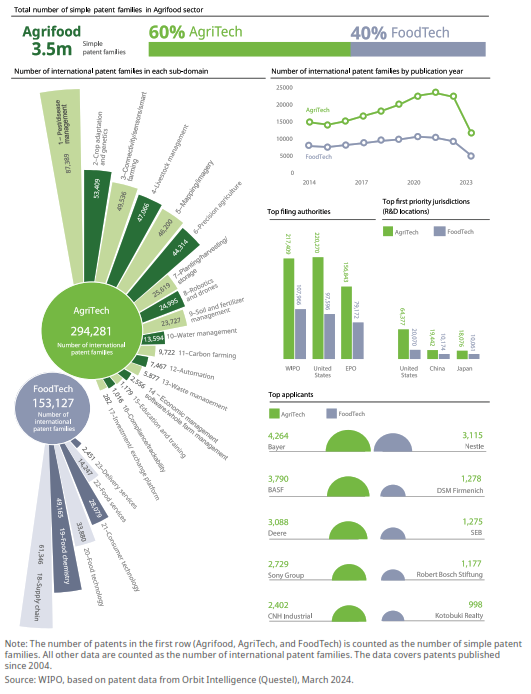
The agrifood patent landscape analysis recently reported by WIPO provides interesting insights into key areas of innovation and the IP strategies being adopted.

The agrifood industry, encompassing both agritech and foodtech, spans the entire food production process from farming to distribution, consumption and management of waste. Therefore, the growth of this industry is crucial to global food security and supply chains.

WIPO’s analysis shows that over the past 20 years, more than 3.5 million patent families have been published in the agrifood sector, of which the majority is in agritech, although both industries are growing. Asia leads the field in pure numbers of filings, with China being the most prolific filer, followed by Japan, South Korea, and India. North America ranks second in terms of number of filings, followed by Europe. Interestingly, however, only 12% of patent applications that are filed are subsequently pursued outside of the country of first filing, as an international application for example. This is a trend which is particularly dominant in Asia, China particularly, where innovators are typically more likely to only seek protection in their home country.

Other key observations which can be made from the patent landscaping data include:

  • The field of pest and disease management has the highest number of patent filings by a significant margin, although overall numbers have remained steady over the last decade. Innovation appears to be focussed on non-chemical approaches to the control of crop pests, with an emerging trend toward the use of microorganisms. The patent filings indicate that there has not been any disruptive technology in this area, most likely due to the highly specific nature of the control agents. 
  • Soil and fertiliser management is another key area for innovation, where North America has seen the highest numbers of patent filings, with a focus toward microorganism enriched products and autonomous guidance.
  • Predictive modelling in precision agriculture, particularly for the fields of soil management, plant culture, crop prediction and management, and animal husbandry, shows significant annual growth based on filings, with key jurisdictions in this technical field being the US, China, Japan and South Korea.

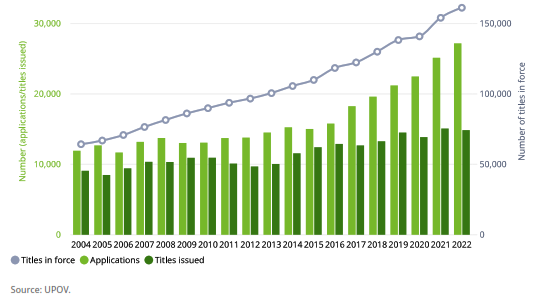
Looking specifically at plant innovation, the numbers of applications for Plant Variety Protection have more than doubled since 2004, as have the total number of PVP’s in force during this period. In recent years, China has far outstripped any other jurisdiction in sheer number of applications and is also the leader in plant variety innovation followed by The Netherlands and the United States.

Innovation in this sector plays a critical role in the move toward global food security, and in promoting sustainability. Significantly, growth in this sector could improve the outcome in fifteen of the UN’s seventeen Sustainable Development Goals. The analysis of patent and PVP filing data is useful in shaping policy and regulation, and in forecasting future developments in the drive toward food security and sustainable practices.

Read the full report below.


This article was prepared by Partners Punita Shah and Ellie Purnell.
  • *I have permission from the copyright holder to publish this content and images.

Is Printing the Future of Agri-Tech?

Member News
The views expressed in this Member News article are the author's own and do not necessarily represent those of Agri-TechE.

As part of our “Back to the Future” project, we’re asking Agri-TechE members to reflect on how the agri-tech industry has evolved over the past decade and to share their vision for the next ten years. By compiling these insights, we aim to create a powerful outlook on the future of agriculture, a compelling call to arms for the industry driven by the diverse perspectives of our community.

This submission is part of the collection of reflections and predictions from our members, offering unique perspectives on the industry’s past milestones and future directions. Each contribution adds to a broader dialogue about the innovations and challenges that will shape the next decade in agri-tech.