Patenting, Trademarks, Copyright, Trade Secrets...
In the next installment of our micro-learning series, we’ll explore potential legal solutions to help you keep your ideas safe and sound.

Agronomy Club – May 2025 Crop Rotations & Nitrogen Planning

Member News
The views expressed in this Member News article are the author's own and do not necessarily represent those of Agri-TechE.

Ceres Research delivered their first Agronomy Club webinar, focused on weather impacts, nitrogen and rotations. These webinars are designed to help aid your decisions and plan for upcoming agronomy, powered by the latest scientific data.

The webinar slides can be viewed below along with an overarching summary of the discussions.

Click here to view the webinar slide deck.

Weather Conditions and Impact on Crops: Danni provided an update on current weather conditions, highlighting the increase in temperatures and decrease in rainfall compared to previous years. She explained the impact of these changes on crop growth and yield, noting that global wheat production is estimated to fall by 6% for each degree of temperature increase. Danni also discussed the East Atlantic and Western Russia surface air pressure pattern and its effect on storm tracks and moisture content across Europe which may be one of the causes behind the dry spring this year. 

Yield Expectations and Grain Quality: Alex discussed yield expectations for various crops, focusing on winter wheat. He explained the inverse relationship between crop yield and grain protein content, known as the dilution effect. Alex presented data showing that linking yield and grain quality is complex and emphasised the need for monitoring and data recording at the farm level to tailor crop management decisions. 

Nitrogen Applications and Crop Health: Jock provided insights into nitrogen applications and their impact on crop health. He explained that most crops have received the intended amount of nitrogen, which is now waiting for rainfall to be absorbed. Jock discussed the importance of monitoring nitrogen levels and the potential benefits of foliar urea applications for milling wheat. He also highlighted the need to protect crops from rust and septoria infections. 

New Season Nitrogen Prices: Jock shared information on new season nitrogen prices, anticipating that market prices would be released next week, likely around £315-£325. He mentioned the competitiveness of Granular Urea and liquid fertilizer prices compared to ammonium nitrate. Jock suggested that farmers might secure some nitrogen at these prices and worry about payment terms later. 

Crop Rotation and Break Crops: Jock discussed crop rotation options, emphasising the importance of selecting break crops that offer good yield potential and reduced risk. He highlighted the benefits of growing HEAR rape for its premium price and potential to de-risk cabbage stem flea beetle pressure. Jock also mentioned the upcoming trials days and the need to replace septoria-susceptible varieties with more robust options. 

Open Discussion and Q&A: Tim facilitated the open discussion session, inviting participants to ask questions and share their experiences. Various questions were raised about T3 fungicides, septoria infections, nitrogen applications, and biostimulants. Jock provided detailed answers and insights, emphasising the importance of protecting crops and making informed decisions based on weather conditions and crop health.

  • Fungicides: Thoughts on T3 fungicides for milling wheat? Jock explained that the decision depends on the effectiveness of T2 applications and the weather forecast. He emphasised the importance of protecting crops from rust and septoria infections. 
  • Septoria Infections: What is the likelihood of septoria infections after rain? Jock explained that septoria is likely to start from the bottom of the crop and move up, depending on the duration of wet conditions. He emphasised the importance of timely fungicide applications. 
  • Nitrogen Applications: Is there a cutoff for applying the last 50 kg of nitrogen in feed wheat? Jock explained that the decision depends on the amount of nitrogen already applied and the likelihood of rainfall. He suggested that late applications may not provide a significant yield response. 
  • Biostimulants: What biostimulants, if any, may provide relief to drought stress? Danni explained that biostimulants are very site specific (including crop type and variety, soil type, growth stage, type of application etc) and so whilst certain products including amino acids for example can manipulate crop response to drought stress, more evidence is needed for individual farming types to show more concrete evidence to support their use. 
  • *I have permission from the copyright holder to publish this content and images.

The Strawberry Patent Battle: Seeds, Speculation, and Jurisdiction

Member News
The views expressed in this Member News article are the author's own and do not necessarily represent those of Agri-TechE.

“This case, relating to infringement of a US plant patent, deals with the evidentiary burden required to show infringement of a plant patent in the US, as well as highlighting the problems associated with asserting IP rights in relation to breeding programs conducted across different jurisdictions.

A US plant patent provides protection for asexually produced plants (apart from tuber propagated plants and uncultivated plants).  A plant patent owner has the right to exclude third parties from “asexually reproducing the plant, and from using, offering for sale, or selling the plant so reproduced, or any of its parts, throughout the United States, or from importing the plant so reproduced, or any parts thereof, into the United States.”  Notably, in contrast to plant variety rights, a plant patent does not provide protection against unauthorised export of the protected plant.

The case relates to the breeding of strawberries, with the patentee (Driscoll) in 2019 alleging that California Berry Cultivars (CBC) had infringed three of their US plant patents, firstly by cross-breeding the patented varieties in Spain, and then secondly by importing seed derived from the cross-breeding program into the US.

In strawberries, the male plant provides the pollen, and the female plant produces the fruit and seeds.  However, most strawberry flowers include both male and female reproductive parts, and so in a cross-breeding event, any single variety could be used as either the male or the female parent.

Driscoll’s allegation relating to infringement as a result of unauthorised importation of seed was based on the argument that their patented plants were used as female plants for crossbreeding, and therefore the seeds imported in the US were a “part” of a patented plant.  To support this allegation, they needed to provide evidence as to which variety was used as the female in each cross.  However, the CBC’s breeding plans did not specify which variety was used as the female in each cross, and there was no evidence of how each cross was performed.  The Judge found that Driscoll relied on “guesswork and speculation” regarding the parents in the cross-breeding, and had failed to meet its evidentiary burden in showing that the seed was indeed a ‘part’ of one of their protected varieties.  The Judge remarked that “the mere existence of progeny of a patented plant does not support an inference that that Defendants imported and used seeds that were grown on a Patented Plant, as opposed to the other variety in any given cross”. 

The Judge further dismissed the allegation of infringement based on cross-breeding because this activity was performed in Spain and therefore outside of the jurisdiction of Driscoll’s US plant patents.

Breeding programs often take place across multiple jurisdictions, and the protection afforded can differ between patents, plant patents, and plant variety rights.  This case again highlights the complexities in adequately protecting innovation in this sector, the challenges in obtaining evidence relating to third-party activities, and protecting the rights of breeders.

This article was written by Partner & Patent Attorney Punita Shah, and Trainee Patent Attorney Delphine Lauté-Caly.

  • *I have permission from the copyright holder to publish this content and images.

From policy to plates: rethinking the National Food Strategy

Member News
The views expressed in this Member News article are the author's own and do not necessarily represent those of Agri-TechE.

In December 2024, five months after taking office for the first time in 14 years, the Labour government announced that it would develop a new national food strategy in 2025. Led by the Department for Food, Environment and Rural Affairs (Defa), the new strategy will be underpinned by four key areas for improvement: food security, health, environment, and the economy.

The government is keen to hear from a range of interested individuals, businesses, and industry professionals. Defra has even commissioned a new citizen’s advisory council to test public support for potential measures such as mandatory health reporting and policies to reduce meat consumption – all of which are likely to shape the contents of the new strategy.

A food strategy is not a new area of government policymaking. In fact, this strategy comes only four years after the last strategy, led by Henry Dimbleby, which shed bleak light on pervasive regional inequalities that restrict access to healthy food. Dimbleby’s efforts were subsequently shelved by the then government when the impact of the pandemic threatened chaos for UK supply chains.

It is therefore no surprise that health outcomes and broadening access to healthy food dominates the political discourse around this food strategy too. Several policy interventions have been made ahead of its publication, particularly aimed at reducing childhood obesity. For example, widely anticipated advertising restrictions have been announced, and the government has published a consultation on its plans to expand the scope and threshold of the soft drinks levy.  Improving public health and tackling obesity have clearly shot up the political agenda and joining this up with food and farming policy is the key to successfully achieving these policy aims. Aligning with the government’s thinking on this will be crucial for food producers to thrive.

Although the exact shape and scale of the national food strategy is yet to be revealed, it is clear that the government will take a more interventionist approach than its predecessors to improving the nation’s diet.

If you’d like to discuss this in more detail, including how GK Strategy can support you with government relations and communication, please contact Lauren Atkins.

  • *I have permission from the copyright holder to publish this content and images.

UK-US Trade Framework: A New Chapter for British Agriculture?

Member News
The views expressed in this Member News article are the author's own and do not necessarily represent those of Agri-TechE.

The recently announced UK-US trade framework brings a mix of opportunity and caution for British agriculture. While not a full free trade agreement, the framework marks progress after the turbulence of increased US tariffs earlier this year. For UK farmers, particularly beef producers, it opens a potentially valuable door.

British beef farmers will gain access to the US market, which has previously been limited to just a few nations, such as Australia. With the US being the world’s largest consumer market, this could help UK producers scale up and diversify exports. The deal allows for a reciprocal tariff-free beef quota of 13,000 tonnes, starting at 10,000 tonnes, and increasing annually by 1,000 tonnes to that cap. Though modest compared to the UK’s existing Australian beef quota (which begins at 35,000 tonnes and rises to 110,000 tonnes), this move is symbolically important and commercially promising. Moreover, British standards on food safety and animal welfare remain non-negotiable. Hormone-treated beef and chlorinated chicken will continue to be banned, and all imports must continue to meet the UK’s high sanitary and phytosanitary (SPS) standards.

However, the framework does not come without its challenges, with the NFU expressing concern around the removal of UK tariffs on US bioethanol imports, particularly around the potential downward pressure on wheat prices used in domestic ethanol production.

What Happens Next?

Formal negotiations will now begin to convert the framework into a binding legal agreement. These talks will aim to tackle non-tariff barriers, secure mutual recognition of standards for goods, and ensure commitments on labour practices, digital trade, and economic security. The finer details of the framework are being finalised now, after a meeting with the US Agriculture Secretary earlier this week. This framework could shape the future of agricultural trade which is evolving rapidly.

  • *I have permission from the copyright holder to publish this content and images.

Paul-Tech’s Soil Station Displays Real-Time Nitrate Nitrogen Availability

Member News
The views expressed in this Member News article are the author's own and do not necessarily represent those of Agri-TechE.

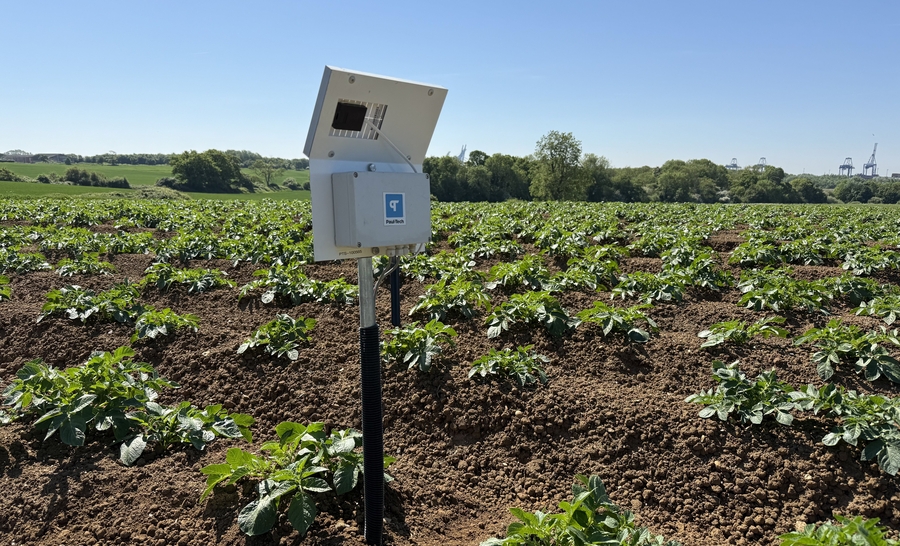
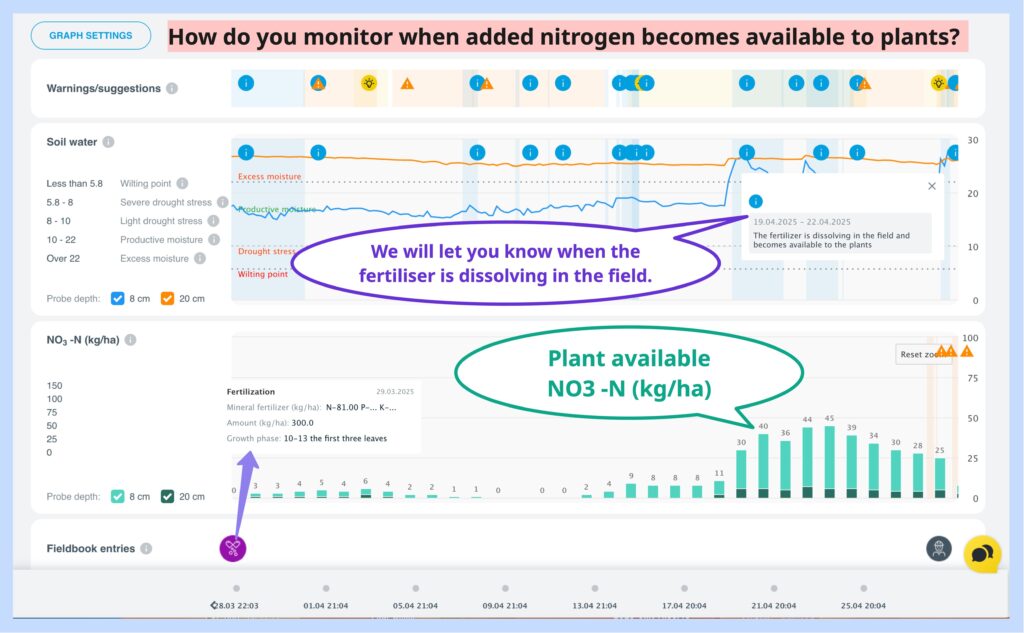
The precision agriculture company Paul-Tech has introduced a groundbreaking innovation that is set to transform the farming sector. As of May this year, farmers can now see the amount of nitrogen available in the soil in real time, measured per hectare. No other company in the world has yet managed to offer this type of data through a reliable and proven solution.

This advancement is a direct result of feedback from Paul-Tech’s clients, who have frequently requested more precise information on nutrients—ideally shown in kg/ha. These requests encouraged the Paul-Tech team to continue researching how nutrients behave and move within the soil. As a result of this research, Paul-Tech’s Head of Science and Co-Founder, Tiit Plakk, concluded that it is indeed possible to determine the amount of nitrogen directly available to plants—accounting for both fertilizer input and naturally occurring nitrogen in the soil—based on the data collected by Paul-Tech.

According to Paul-Tech’s CEO, Mikk Plakk, this result is globally unique. “Various sensor technologies have been tested in the past to measure nitrate nitrogen in situ, ranging from multispectral cameras (NIR technologies) to ion-selective electrodes. However, none of these solutions have proven reliable in real agricultural soils—they require frequent recalibration or only function within a very narrow moisture range,” explained Plakk.

Paul-Tech has now integrated this nitrate availability data (NO₃) into its graph view. The NO₃-N graph is a powerful tool to help farmers decide whether fertilisation is needed at all, and if so, when. The graph is based on the differing behaviour of anions and cations in the soil solution and reflects both the NO₃-N added through fertilisation and that formed naturally in the soil.

Eve Plakk, Paul-Tech’s Product Manager and Co-Founder, noted that this feature has been in demand since the company’s early days. “One of the most frequently asked questions from our clients has been whether it’s possible to see nitrogen quantities in kilograms per hectare. We’ve now reached a point in product development where we can show this—and not just total nitrogen, but the portion that is actually accessible to plants,” said Plakk. “This has generated great excitement among both current and potential customers. It’s a major step toward ensuring every fertilisation decision is informed and justified.”

About Paul-Tech

Paul-Tech is a science-driven agricultural platform that empowers farmers to make better daily decisions using real-time soil data. The company’s soil sensors are built on generations of research and are designed to measure fertiliser efficiency and monitor various soil processes. Founded in 2019, Paul-Tech operates in Estonia, Finland, and Sweden. In 2024, the company expanded to the United Kingdom and Lithuania.

  • *I have permission from the copyright holder to publish this content and images.

Enhancing Nitrogen Efficiency and Sustainability with Nutrisphere

Member News
The views expressed in this Member News article are the author's own and do not necessarily represent those of Agri-TechE.

As agriculture’s demands continue to grow, so too does the need for more sustainable and efficient nutrient management. Nutrisphere, an innovative nitrogen stabiliser from Verdesian Life Sciences, is leading the way by helping farmers maximise fertiliser efficiency while minimising environmental impacts. 

Nutrisphere is designed to tackle the three major pathways of nitrogen loss — volatilisation, denitrification, and leaching — ensuring more nitrogen stays in the soil to support healthy, productive crops. 

Addressing Nitrogen Loss at Every Stage

Nitrogen loss not only undermines crop yields but also affects air and water quality. Nutrisphere uses a unique combination of technologies, including metal ion sequestration and microzone pH control, to retain nitrogen within the soil profile for longer, reducing the environmental footprint of fertiliser use. 

Independent research has validated Nutrisphere’s performance across multiple trials: 

Volatilisation Control:

A laboratory trial conducted at University College Dublin showed that Nutrisphere cut ammonia emissions by 86% over 20 days. This was further confirmed by a real-world field trial with ADAS at Gleadthorpe, which reported a 78% reduction in ammonia loss compared to untreated urea.

Denitrification Mitigation:

In a cotton field trial by California State University, Fresno, Nutrisphere reduced nitrous oxide emissions by more than 50%. By limiting microbial denitrification, Nutrisphere helps to reduce greenhouse gas outputs while preserving available soil nitrogen for crop uptake.  

Leaching Reduction:
Leaching trials at the John Innes Centre demonstrated that nitrate concentrations in the deeper soil layers were up to 75% lower when Nutrisphere was used. A field study by Niab at Salle Farms also showed a 14% average reduction in tile drain nitrate concentrations throughout the spring season.  

Supporting Productivity and Environmental Stewardship

Nutrisphere not only boosts fertiliser effectiveness but also plays an important role in environmental compliance by helping to meet regulations around nitrogen emissions and water quality protection.  

With fertiliser prices remaining high and sustainability becoming an ever-greater priority, Nutrisphere provides farmers with a proven way to maximise returns on fertiliser investments while protecting vital natural resources.  

Validated by Leading Research 

With a track record of success backed by institutions such as University College Dublin, the John Innes Centre, California State University, and Niab, Nutrisphere has been awarded CE mark accreditation under EU Regulation 2019/1009 as a certified urease inhibitor. 

For farmers and agronomists looking to adopt more sustainable practices without sacrificing yield potential, Nutrisphere offers a practical, science-backed solution that is ready for immediate deployment. 

Learn More and Download the Full Report 

For a detailed look at the data behind Nutrisphere’s performance, download the complete Nutrisphere Performance Presentation here

Discover how Nutrisphere can help you drive more productive, sustainable farming outcomes. 

A Smarter Future for Nitrogen Management

Nutrisphere is a vital tool for any farming operation looking to improve nutrient efficiency, protect soil and water health, and meet evolving environmental standards. Join the next generation of sustainable growers — and put more of your nitrogen to work for your crops. 

  • *I have permission from the copyright holder to publish this content and images.

Barking up the right tree: is forestry & timber the key to unlocking economic growth?

Member News
The views expressed in this Member News article are the author's own and do not necessarily represent those of Agri-TechE.

The government is grappling with several significant challenges over the course of this parliament, including climate change, the housing crisis and driving economic growth. As flagship manifesto commitments, the government has invested significant political capital in addressing these issues and will be judged on their success at the next election, expected in 2029. The timber and forestry industries offer a viable solution to all three, with the potential to reduce emissions, create jobs, and help the government meet its ambitious housebuilding target of 1.5m new homes by 2029.

The government recognises this and published its ‘timber in construction roadmap’ in February 2025, in which it said it wants to increase the production and use of sustainable homegrown timber. The government has introduced a statutory tree and woodland cover target which commits to increasing the tree canopy and woodland cover in England to 16.5% by 2050, given the UK currently has some of the lowest tree cover in Europe.

The UK is the second largest net importer of forest products. This is unsustainable and, in an increasingly volatile geopolitical environment, exposes the UK economy and supply chain to significant risk. In turn, dependence on overseas imports contributes to a decline in native species. Currently, the political appetite for the sector favours woodland creation and its potential to meet the UK’s biodiversity and nature restoration commitments. The creation of commercial forestry is not being prioritised or afforded sufficient political attention despite being a significant economic growth opportunity.

There are opportunities for businesses operating in this space to engage with government and policymakers to ensure the sector’s views are being heard and considered in policy and regulatory development. Currently precision breeding is geared towards food systems, yet the application of this innovative technology extends beyond this. The rapid review of the environmental improvement plan has now concluded and a revised plan in due to be published later this year with a renewed focus on biodiversity. The forestry and timber industry should be raising its voice to ensure the environmental opportunities of a homegrown commercial forestry industry are fully harnessed.

There is an exciting story to tell for a homegrown timber and forestry industry. While onshoring other industries such as steel and petrochemicals can be environmentally detrimental, there are clear benefits of commercial forestry that are both environmental and economic.

If you’d like to discuss this in more detail, including how GK Strategy can support you with government relations and communication, please contact Thea Southwell Reeves.

  • *I have permission from the copyright holder to publish this content and images.

The Pesticide Dilemma

Member News
The views expressed in this Member News article are the author's own and do not necessarily represent those of Agri-TechE.

One of global agriculture’s biggest challenges is the growing resistance to many of the pesticide products used across the industry. Although prevalent across the whole sector, this challenge is particularly acute in insects and weeds. As a result, farmers and growers use increasing levels of pesticides to prevent total crop loss or damage which has a negative impact on biodiversity.

Pesticide resistance poses a significant threat to the UK’s food security. A prime example of this is oil seed rape production, where the inability of farmers to control cabbage stem flea beetles has led to the lowest average crop yields since 1983, meaning the UK is now unable to produce enough rape seed for national use and is heavily reliant on overseas imports.

In a bid to tackle this problem, the government published the new UK Pesticides National Action Plan in March 2025. It sets out the ambition for more sustainable pesticide use that protects the environment and human health, alongside a hope of boosting food production in the long term. The plan outlined three key pillars:

  1. Integrated Pest Management: Encouraging farmers, growers and land managers to adopt nature-friendly farming techniques and alternative measures to decrease reliance on chemical pesticides. ​
  2. Pesticide Load Indicator: Introducing new metrics to monitor and track trends in the potential pressure pesticides place on the environment, with a target to reduce each of the 20 metrics by at least 10% by 2030, using 2018 as a baseline.
  3. Pollinator Protection: Building on previous actions, such as the ban on neonicotinoid pesticides harmful to bees, to support ecosystems where pollinators can thrive, thereby boosting crop health and food production

Businesses developing innovative technologies and alternatives to pesticides are clearly aligned with the government’s policymaking priorities and have an exciting story to tell about how their products make a significant contribution to protecting biodiversity and increasing food production. There is a significant opportunity for these businesses to contribute rigorously to policy discussions to shape policy change and become an industry voice in pesticide innovation and sustainable agriculture.

If you’d like to discuss this in more detail, including how GK Strategy can support you with government relations and communication, please contact James Allan.

  • *I have permission from the copyright holder to publish this content and images.

Green is the New Gold: Financing a Sustainable Economy

Member News
The views expressed in this Member News article are the author's own and do not necessarily represent those of Agri-TechE.

In March 2025, the government launched new green finance standards for nature-based investing. This is a clear signal from government of how it sees the role of natural capital investing in driving future economic growth and supporting its net zero targets.

It is consulting on policy proposals and governance framework for raising the integrity of voluntary carbon and nature market credits, and the use of such credits. The use of these markets can raise additional finance and accelerate progress towards climate and nature goals, and many businesses wish to use them as part of their climate and nature strategies.

This is the first standard for collective nature markets of its kind in the UK, and one of the first in the world, reflecting the government’s ambition to position the UK as a global leader in pioneering nature markets that lead to lasting environmental change and economic growth. The British Standards Institution (BSI) is optimistic this will increase investments in nature-based solutions across the UK by building confidence among the investment community of the integrity of nature markets. The Overarching Principles Standard (BSI Flex 701) is immediately available for use by the market and will support investment in high quality nature and sustainable farming projects in the UK.

In parallel, the BSI has launched a consultation on a first version of a Natural Carbon Standard as part of its wider framework of standards. This will gather market views specifically on high integrity principles for projects selling nature-based carbon credits in UK markets. These credits will consist of habitats which store carbon, such as woodlands or peatlands. The Overarching Principles and Natural Carbon standards are part of a family of standards which will apply to nature markets.  Other standards are in development and will cover biodiversity markets, nutrients projects and schemes, and guidance on how projects should engage with local communities.

The government is in listening mode, keen to harness the potential of natural capital to drive vital economic growth and sees clear political merit in moving this forward at pace. DEFRA and the BSI are keen to hear from businesses and organisations to shape these standards and we strongly encourage all those with expertise and interest in natural capital investing to contribute to the consultation process.

If you’d like to discuss this in more detail, including how GK Strategy can support you with government relations and communication, please contact Thea Southwell Reeves.

  • *I have permission from the copyright holder to publish this content and images.

The Politics of Precision Breeding

Member News
The views expressed in this Member News article are the author's own and do not necessarily represent those of Agri-TechE.

The development of plant precision breeding has the potential to improve public health, strengthen the UK’s food security, and improve environmental sustainability. It means farmers can grow crops that are more nutritious; pest and disease-resistant; climate-resilient; and environmentally beneficial.

The UK is set to become the first European country to allow this technology to be used to grow the food we eat, making it an attractive and interesting regulatory market for scientists, food producers and investors. The secondary legislation needed to implement the Genetic Technology (Precision Breeding) Act 2023 for plants in England completed its passage through both Houses of Parliament in May 2025. Full implementation of the regulations is expected in autumn 2025 meaning precision-bred food products could be on supermarket shelves in 2026.

This is a landmark moment for genetic innovation in agriculture, with the legislative framework designed to enable and encourage the use of new technologies. This will enable the UK to surge ahead of European counterparts, opening up global trade and investment opportunities by aligning the regulatory environment with other major economies such as the USA, Canada, Brazil, Australia, Brazil, Argentina, and Japan.

However, many in the agricultural and scientific communities are concerned that negotiations with the EU on a new trade agreement could see the UK delay the implementation of precision breeding to align with the EU’s food standards. While a trading agreement with the EU will be welcomed by the sector, important questions remain about what is within the scope of the agreement and, where differences exist, if they are any exclusions. As negotiations in this area progress, businesses in the sector should be engaging with government to push for safeguards to be included in policy areas where the UK agriculture sector has moved forward to develop innovative and resilient solutions to food production challenges.

If you’d like to discuss this in more detail, including how GK Strategy can support you with government relations and communication, please contact Thea Southwell Reeves.

  • *I have permission from the copyright holder to publish this content and images.

Precision Breeding regulations signed into law by UK Government

Member News
The views expressed in this Member News article are the author's own and do not necessarily represent those of Agri-TechE.
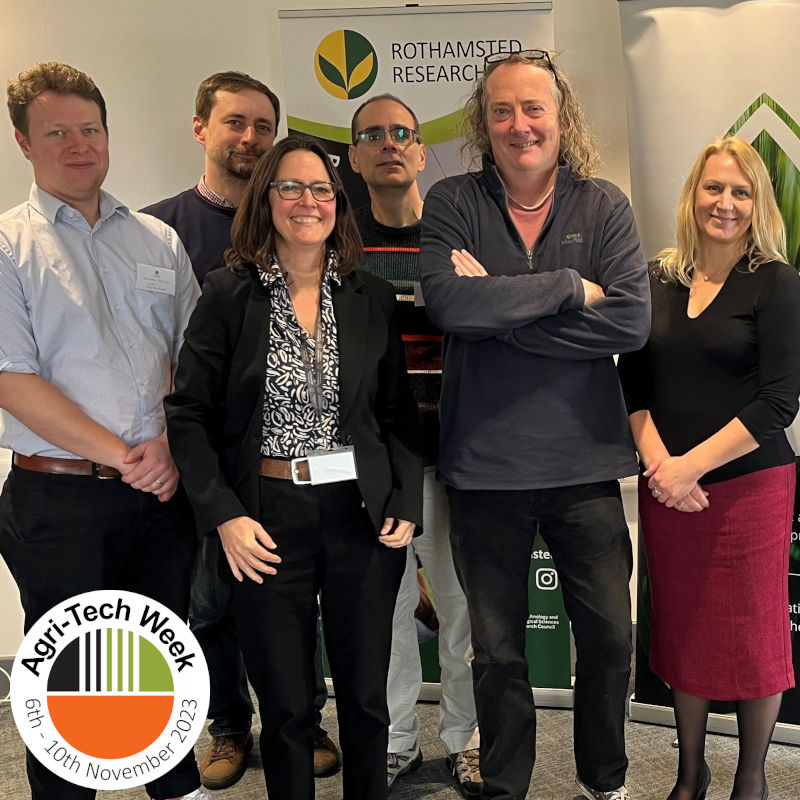
Rothamsted welcomes final step in establishing a practical and progressive framework for the regulation and commercialisation of gene edited crops

The Genetic Technology (Precision Breeding) Regulations 2025 were signed into law this week by Minister of State for the Department for Environment, Food and Rural Affairs (Defra), Daniel Zeichner MP.

Full implementation of the regulations is expected in the autumn of 2025. These regulations, which were laid before parliament in February as secondary legislation, aim to fully operationalize the Genetic Technology (Precision Breeding) Act, which was passed in March 2023.

The 2023 Act and new enabling Regulations are designed to facilitate the use of precision breeding technologies in agriculture, offering a more streamlined regulatory process for gene-edited crops in England.

UK consumers could see gene-edited (GE) products on supermarket shelves by late 2026.

The Government is backing precision breeding technology due to its potential to increase food production, reduce costs for farmers, and enable the cultivation of drought and disease-resistant crops. The technology offers the possibility of developing crops that are more nutritious, pest and disease-resistant, climate-resilient, and environmentally beneficial.

Rothamsted has pioneered the translation of gene-edited crops, carrying out the UK’s first field trials for GE wheat and camelina, and leads the way in demonstrating the power of this new technology to advance plant breeding.

‘This means that the precision bred crops that we are developing, like our enhanced camelina, now have a real chance to become commercial products.’

The Genetic Technology (Precision Breeding) Regulations 2025 were also debated in the House of Lords on May 6, 2025. The debate focused on the regulations’ impact on food security, British farming, and the environment. A “Motion of Regret” was withdrawn after a significant majority of expert Peers spoke in favour of the secondary legislation.

Secondary legislation necessary to operationalize the Act has been drafted by the Defra and the Food Standards Agency (FSA). These statutory instruments were notified to the World Trade Organisation in April 2024 and secured parliamentary debate and approval in March 2025.

While the Act covers both plants and animals, current implementation focuses on plants. The government has deferred the application of precision breeding to animals, citing the need for further evidence and stakeholder engagement to ensure animal welfare is safeguarded.

Professor Johnathan Napier, Flagship Research Leader and part of Rothamsted’s Green Engineering ISPG said “It is really positive and exciting to see these enabling regulations now set to be in place by the end of 2025. This means that the precision bred crops that we are developing, like our enhanced camelina, now have a real chance to become commercial products. For 30 years, regulation of new technologies such has gene editing has always increased the burden on the developer, so this situation, with reduced red-tape to make things easier, is a sea-change and should be celebrated.”

Dr Peter Eastmond, who has developed a gene edited barley variety with a high lipid content that could help reduce GHG emissions from cattle, said,  “This step is hugely significant as it will finally allow innovative precision breeding tools to benefit consumers, growers and the environment.”

Professor Nigel Halford, who leads research at Rothamsted on GE wheat said, “It does feel like an historic moment to me, and I expect everyone who has been working on plant biotech while the UK/EU has been marginalised will feel the same. It is tremendously exciting and I applaud everyone who has worked hard to get the legislation over the line. There are still issues with the devolved governments sitting on their hands and the EU playing catch-up, but for now we should celebrate. Most importantly it is a win for science and common sense.”

Sir Peter Kendall, chair of the Rothamsted Board and former president of the National Farmers Union said, “It is vital to enable the farming industry to meet the challenges of the future. Producing more, and at the same time enhancing our natural environment, will require all the tools at our disposal. This is an important step forward.”

Farm Fodder Flow: Silage Quality – Why Planning Ahead Matters

Member News
The views expressed in this Member News article are the author's own and do not necessarily represent those of Agri-TechE.

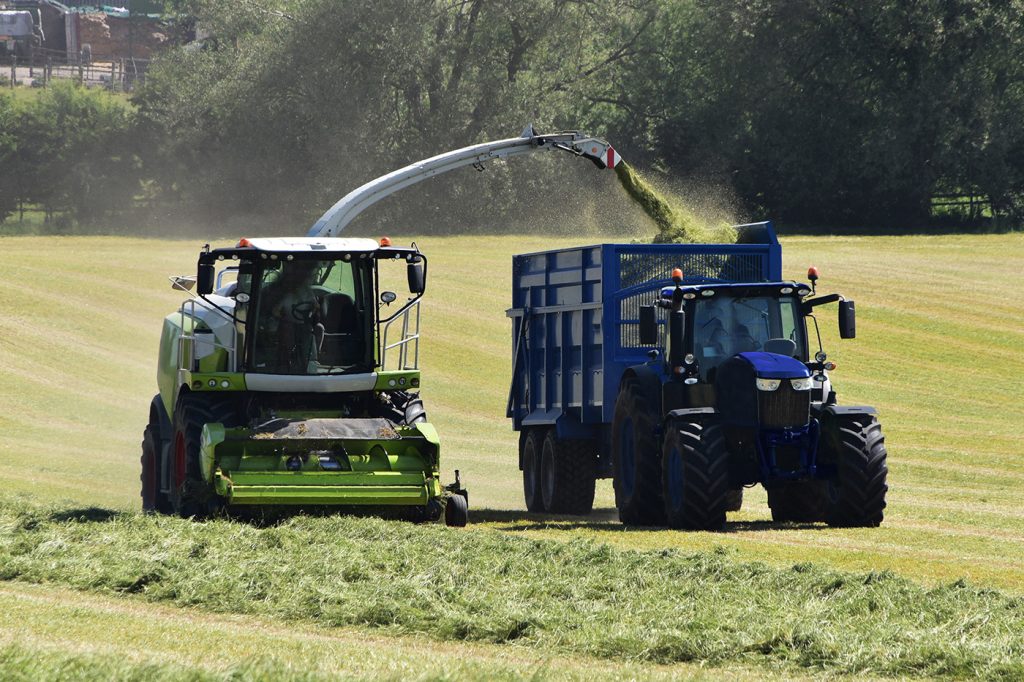
First silage cuts go whooshing by

2025 has been the warmest start to spring since records began, says Barenbrug UK’s Agriculture Product Manager Janet Montgomery.

Not only warm, but dry with it. Apart from the very tip of Cornwall, the UK has had around half the amount of rainfall we would usually expect by this time in the year. Some areas – such as the north-east – have had just 7% of April’s average rainfall, recording less than 5mm of rain across the whole month.

Time to think carefully about regrowth

In our previous article “A Look at Spring Grass Growth”, I ventured that spring 2025 was, if not ‘normal’, at least looking ‘approachable’. I’m still of that opinion; however, now’s the time to think carefully about this weirdly dry spring we’re experiencing.

Farm Fodder Flow is what I’m talking about. Be sure you’re able to match your farm’s productive capacity to your requirements. If your farm revolves around grass-based feed, Farm Fodder Flow is something that needs consideration whatever the weather and irrespective of your individual farming practices.

But it’s especially important in the current conditions, where – let’s face it – grass is going to struggle to regrow after a cut.

The impact of dry conditions on grass growth

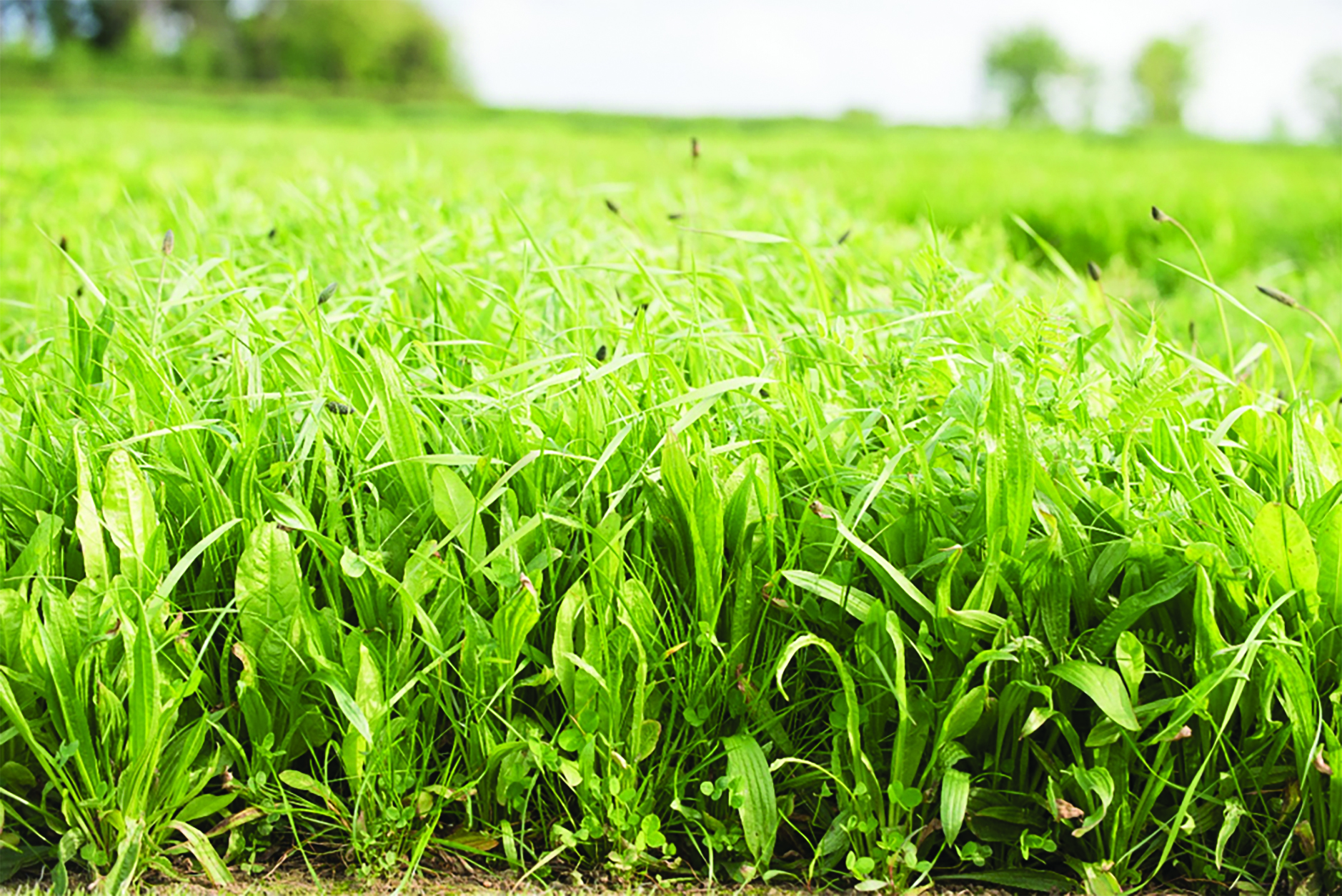
I should say, regrow sufficiently. Grass doesn’t change its growth rate much: the rate of leaf emergence stays consistent for the time of year. But without adequate soil moisture, the size of those leaves – and thus the accumulated amount of biomass, our all-important silage metric – will be much reduced.

If you’re following a ‘standard’ 2-3 leaf interval for cutting silage, this is where that Farm Fodder Flow planning comes into play. At its most basic, Farm Fodder Flow is about managing the interaction between supply and demand.

Adjusting supply and demand

At the moment, under current conditions, it’s looking likely that supply will reduce. And if that’s the case, your Farm Fodder Flow equation needs adjustment: either you find ways to increase the supply, or you must decrease your demand.

The latter – a reduction in stocking – is likely to be unpalatable for most, but being wise to the event, i.e. knowing your options and being able to move quickly on them, should nevertheless form part of your plan.

Planning ahead makes all the difference

This isn’t panic stations, by any means: we’ve still got grass. It’s simply a good time to be planning ahead. Whether you take the traditional aphorism of ‘A stitch in time saves nine’, or the more modern idiom of the 5 (or 6, for added emphasis) Ps, it’s the same concept: you can be prepared for anything, provided you have prepared.

Practical ways to increase supply

As for increasing the supply? You might be fortunate enough to be able to consider other ground for silage, whether on your own farm or in the locality. You might also consider how to make use of other feedstuffs, whether bought-in or home-grown. All this can go into the same plan.

Make the most of what you’ve got

But the most important part of your Farm Fodder Flow plan is this: make the most of what you’ve got. As we always say, your fields will thank you for managing them sympathetically. And the best thing you can do on a silage field, particularly during a dry period, is not to cut them too low.

We say this in the wet and we say it in the dry. It’s not a risk, it’s fact. When a field’s cut too low, it will take a long time to recover. In less-than-ideal circumstances – such as we’re facing now – that recovery time will be even longer. That’s not a position in which you want to find yourself.

So, promise me this. The next cut you take, look carefully at the aftermath after the first couple of passes. Post-cut fields of apple-flesh white give me the fear. Don’t do it!

  • *I have permission from the copyright holder to publish this content and images.