‘Continuous improvement is better than delayed perfection’ – REAP 2026 considers the trajectory of innovation
 Agri-TechE
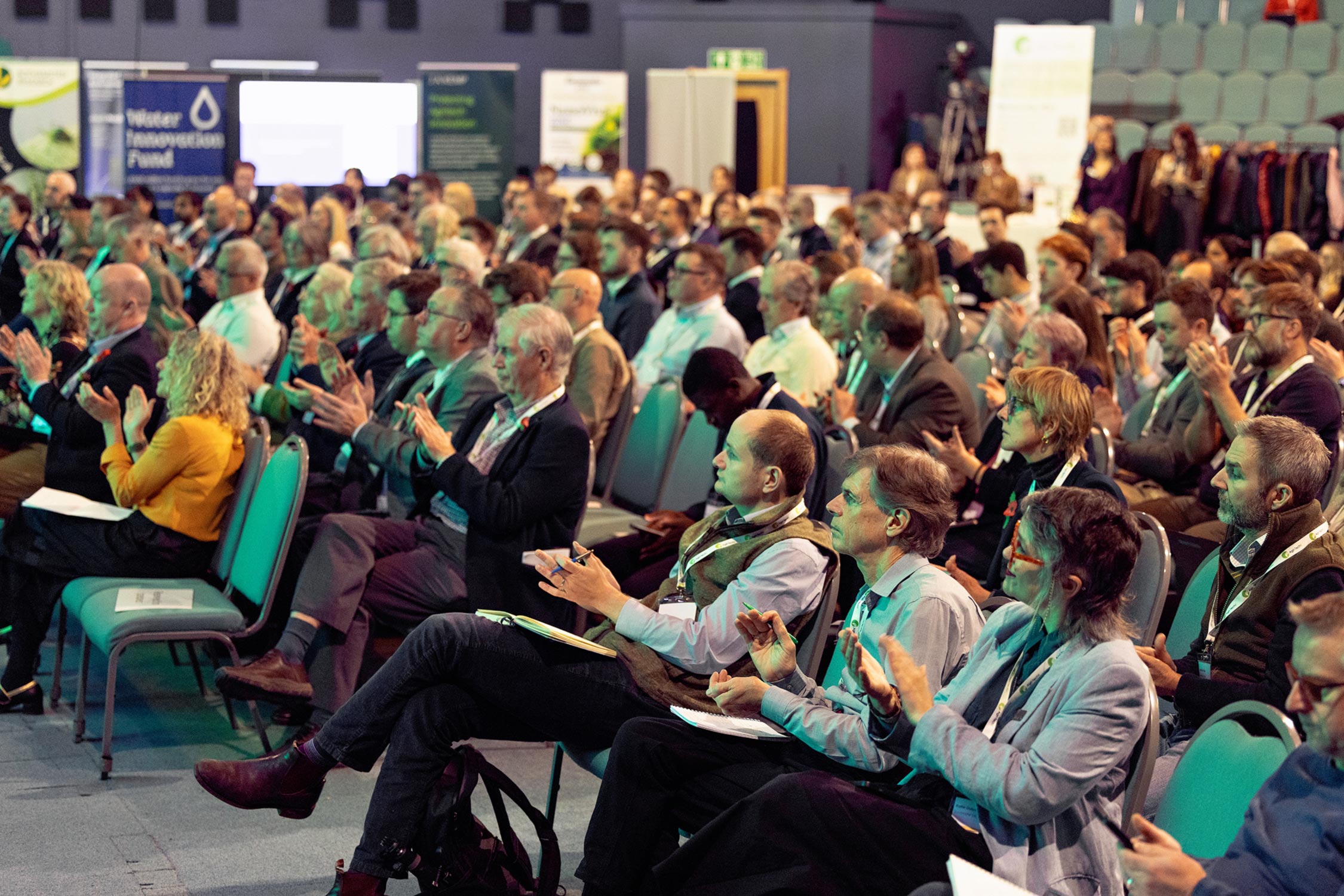
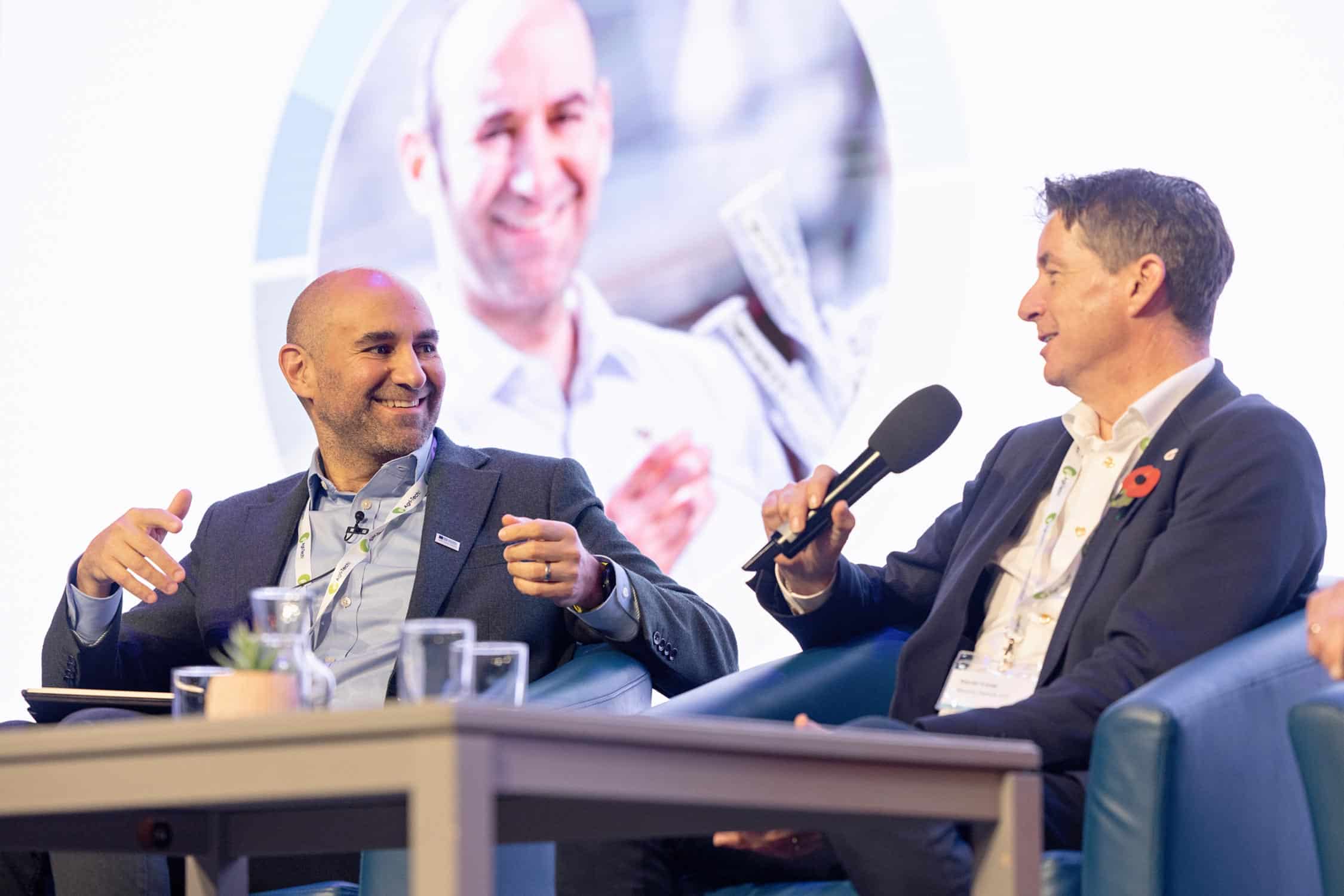
‘Continuous improvement is better than delayed perfection’ was the consistent theme emerging from Agri-TechE’s REAP Conference, bringing together farmers, researchers and technology developers, united by the quest for greater profitability, efficiency and sustainability.
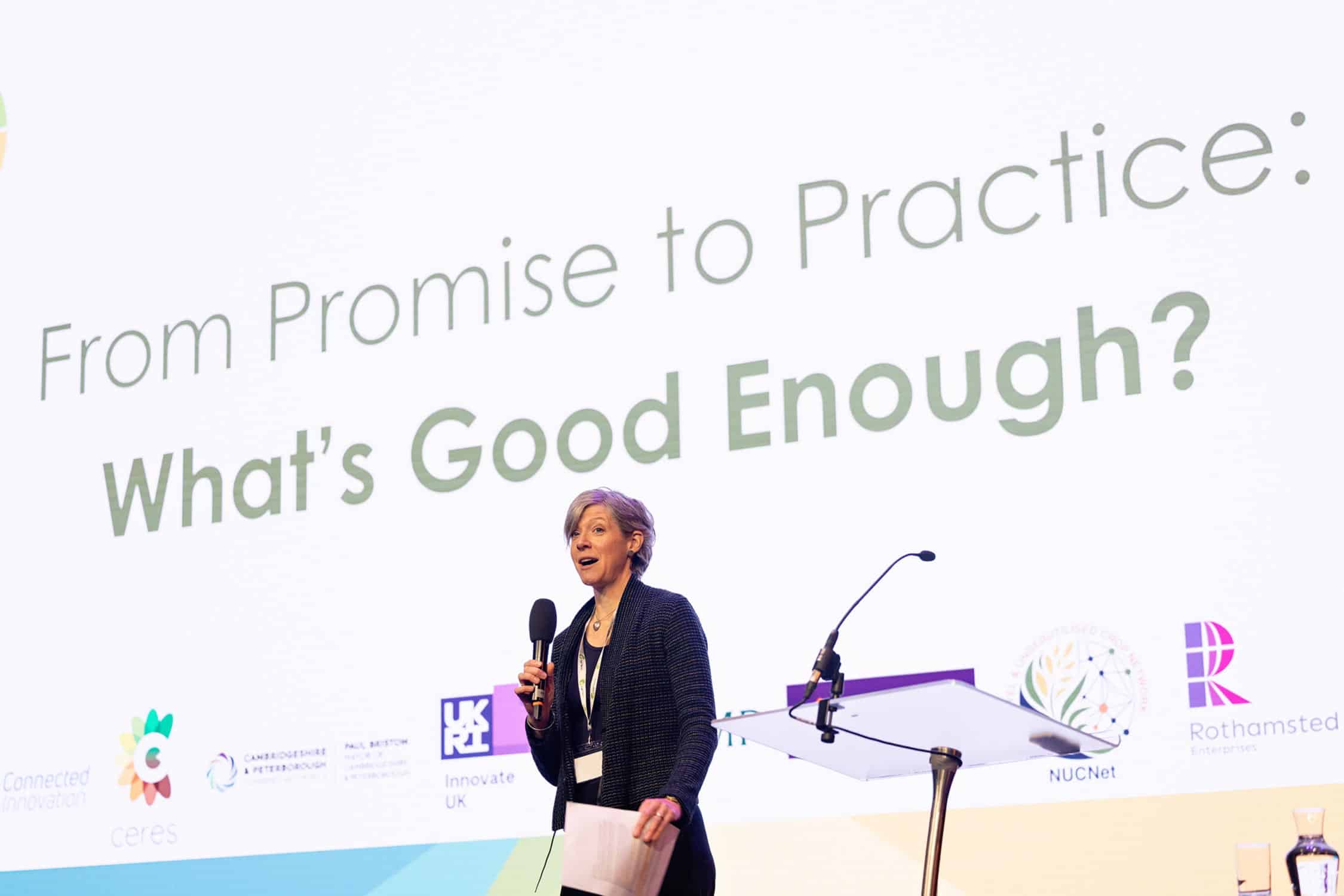
The conference theme was “From promise to practice; how good is good enough?” which was explored across the value chain, from fundamental research, to breeders, farmers, start-ups and those who supply directly to retail.
For an industry facing many challenges, technology and innovation can be an enabler, but obviously it comes at a cost. So how strong does the evidence need to be to give farmers the confidence to invest money, time and training into adopting new technologies?
Belinda Clarke, Agri-TechE’s Director, described the conference as: “A new way of looking at the challenges everyone is talking about – with fresh perspectives about the role of agri-tech innovation.”
Paralysis by perfection
As Dr Helen Ferrier, Chair of Agri-TechE’s Stakeholder Group reflected in her opening comments: “Not everything we can measure is important, and not everything that is important can be measured.”
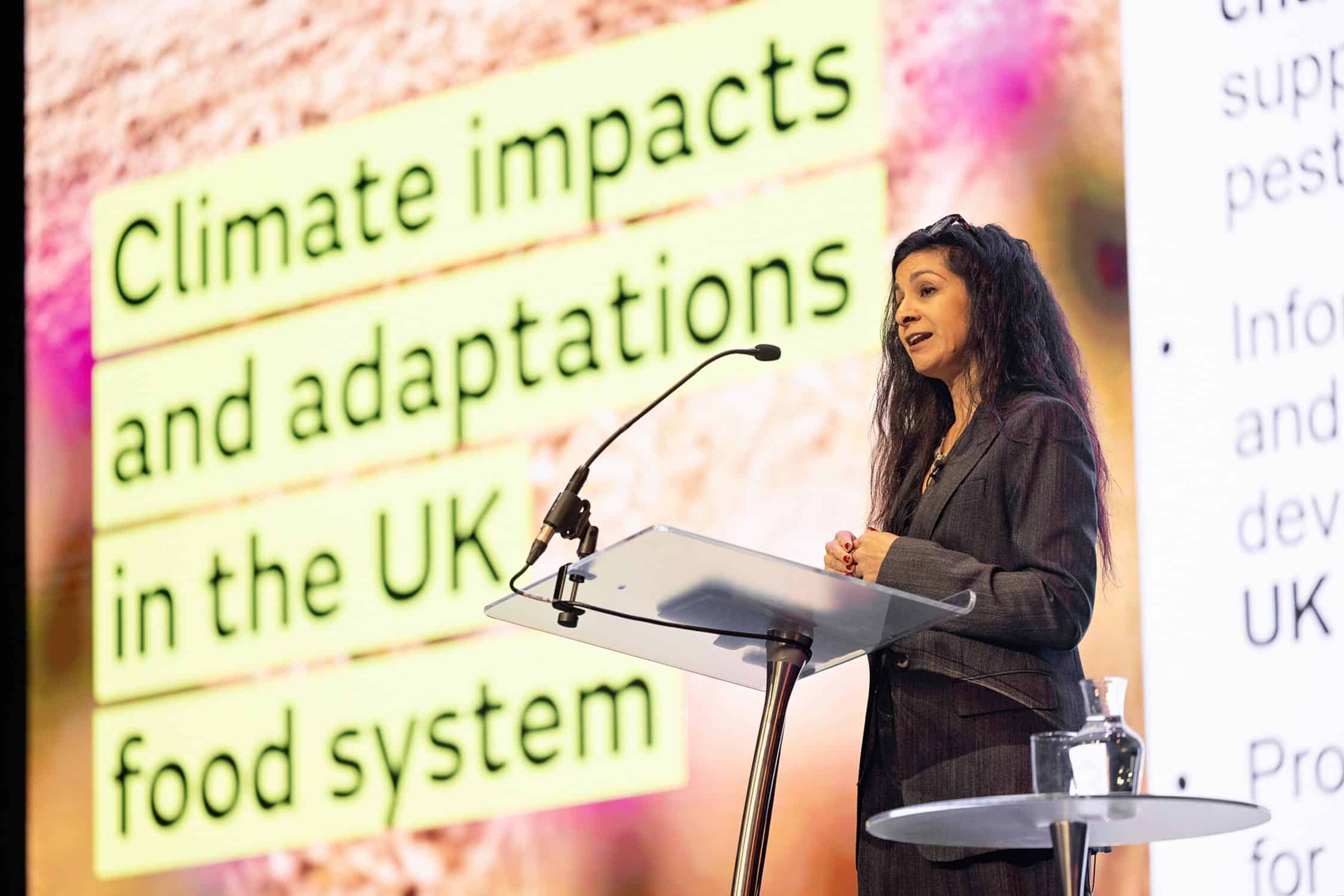
It’s a point reinforced by the REAP keynote speaker, Professor Anjali Goswami who, as Chief Scientific Advisor, oversees Defra’s £2.3bn research budget and 5000 scientists, and ensures ministers have the necessary evidence to make policy decisions.
Prof. Goswami pointed out: “Not every evidence gap is important” – warning against paralysis of perfection while waiting for the complete data set or spending even more years testing technology performance in the field.
And after two extreme summers in 2025 and 2026, with another El Niño influenced summer forecast for next year, there is no time to lose.
Much of Defra’s data modelling focuses on forecasting the interacting shocks and cascading risks that Prof. Goswami’s team expects to challenge farmers in the future. These are categorised into acute shocks, chronic pressures and structural vulnerabilities. This vital analysis helps inform policy and R&D decisions at the top of government.
Prof. Goswami’s own research background as an evolutionary biologist, almost always using incomplete datasets, illustrates the approach of using a “good enough” assessment of data and innovation, rather than waiting for the perfect information source.
What’s different now?
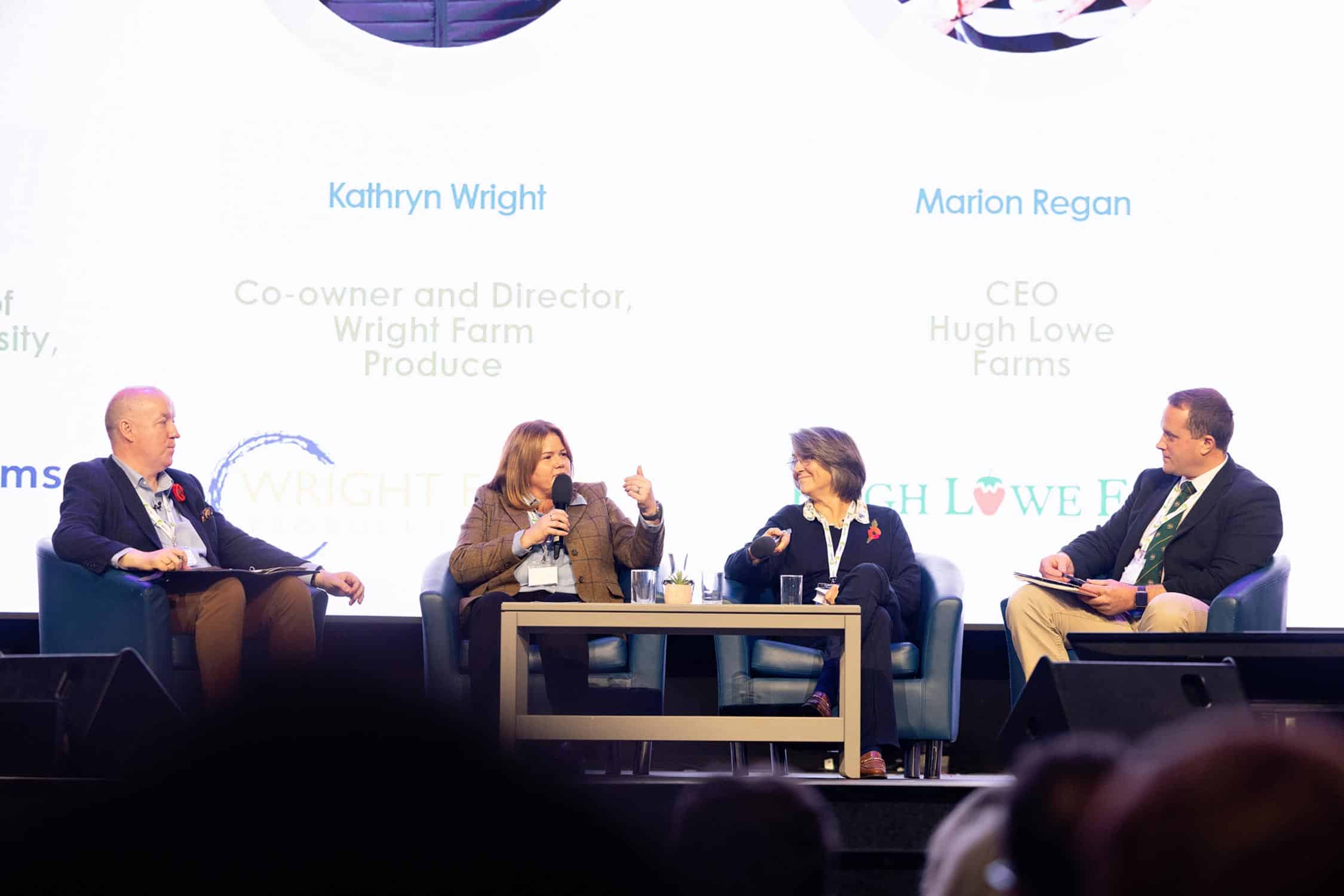
The REAP Farmer Insights panel featured a line-up of pro-innovation farmers, chaired by Harper Adams University Vice Chancellor, Prof. Ken Sloan. He challenged the panel to consider what is different today, as compared with the years they have been in business.
The panel’s responses included accelerating pressures from pest and disease, the need to re-balance the equation between labour and capital, cost margins tighter than ever, and the potential impact of global interconnectedness making farmers increasingly inquisitive, curious and more inclined to challenge the evidence put before them.
Jack Smith, Technical Director for Waldersey Farms reminded of the realities applying innovation on real farms: “New technology needs to be good enough to keep the operator still using it at 5pm on a wet Friday in November.”
Kathryn Wright, of Wright Farm Produce agreed, saying: “We need to see it working in practice – we want to touch it, feel it and smell it to give us confidence in adopting it.”
“It doesn’t have to be perfect – just deliver on its promise”
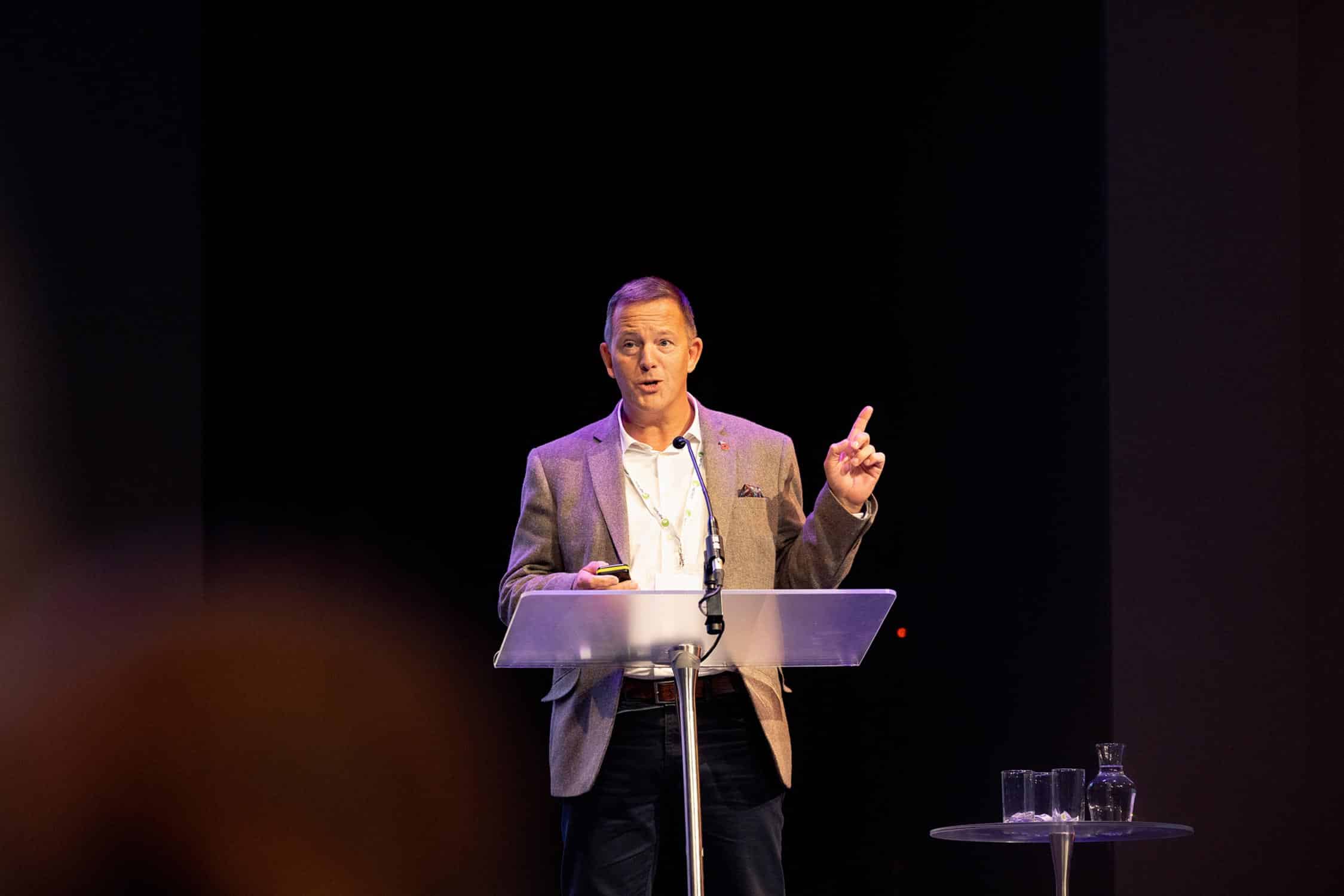
James Miller, CEO of Earth Rover, reiterated this. Earth Rover has developed CLAWS, an autonomous weeding and crop-scanning robot which was first featured in the REAP Start up Showcase in 2020.
“What do farmers really care about when adopting new technology? Firstly, it is about payback on the investment, not just the promise of payback.
“The technology also needs to fit how the farm already works, and the data it returns has to be useful.
“Finally, we often get asked: have I just bought a very expensive coffee table if the company that supplies it isn’t going to be there in five years’ time?
The role of research
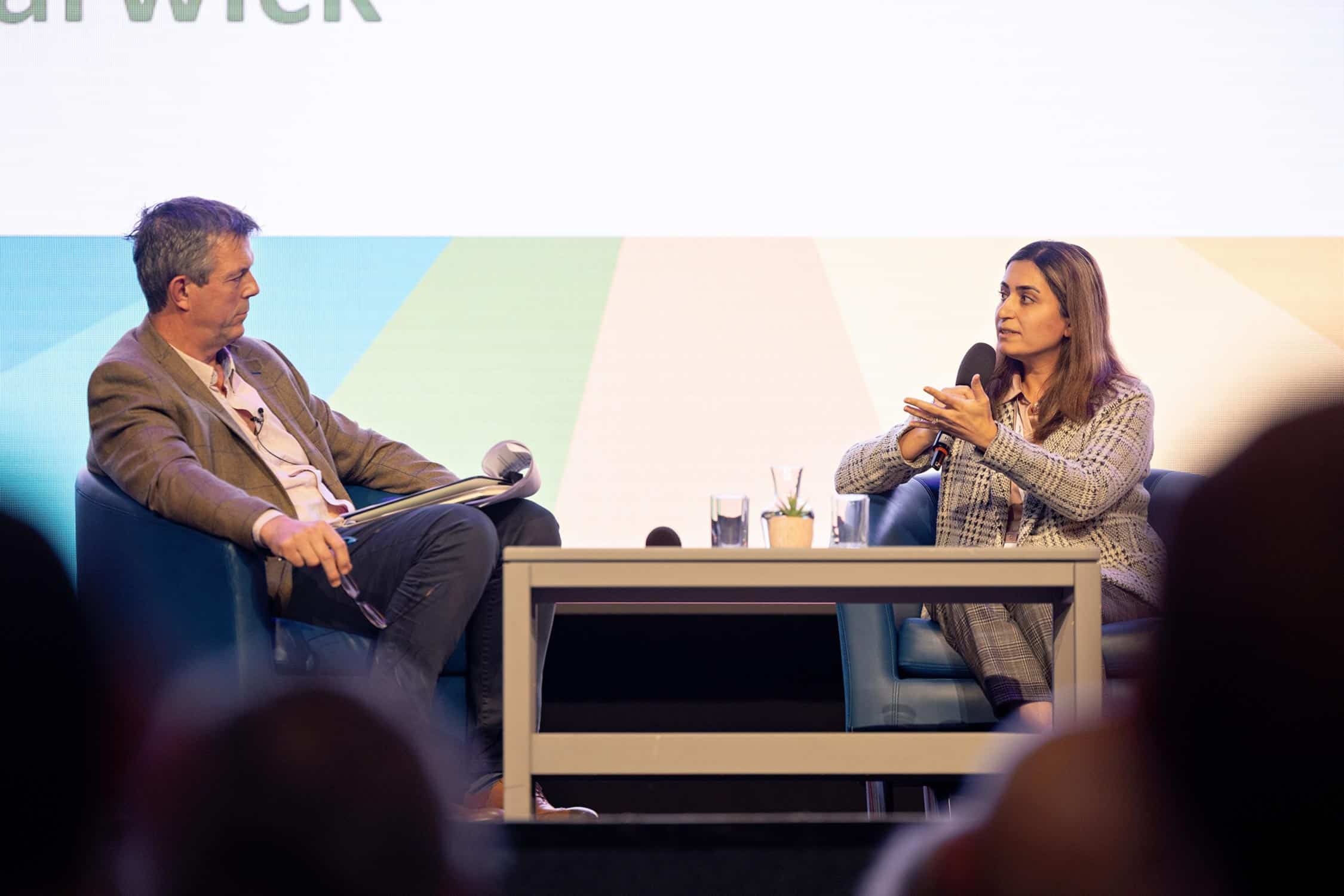
Jamie Lockhart, Managing Director of Frederick Hiam, quizzed a line-up of scientists from across the UK on their plans to bring their research to the farm. Topics ranged from using seismology to understand soil compaction, and behavioural science to speed up strawberry picking, as well as water management, mycotoxin detection in oats, and how to breed better veg (and cows).
The unifying factor was the need to work alongside the farmers when framing the challenge, with Mojgan Rabiey from the University of Warwick commenting: “We need to do a lot of trials to work out how farmers could use our new precision biological solutions against bacterial diseases – we want to apply it using the existing routes farmers use already.”
From agri-tech start-up to scale-up
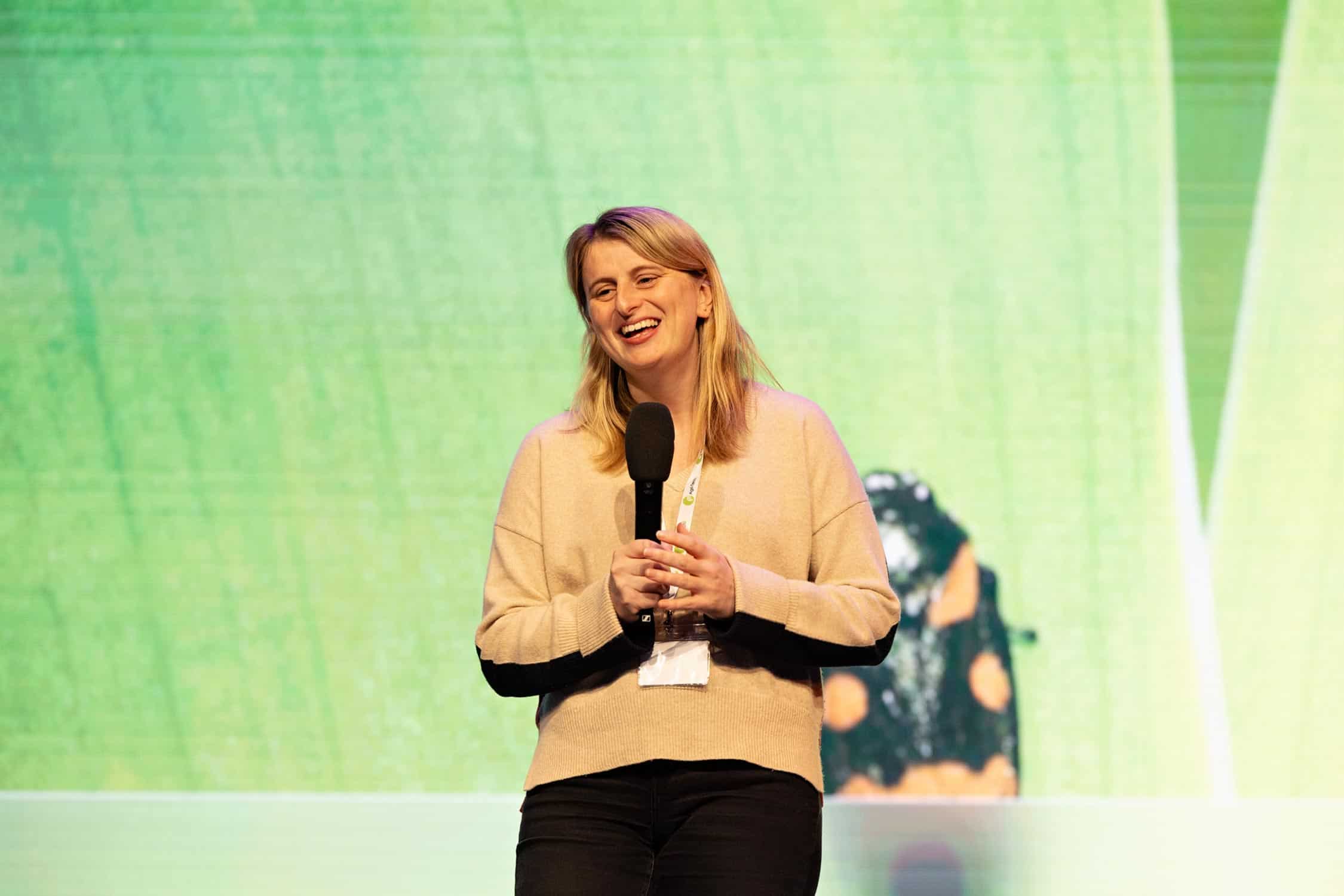
This year’s line-up included BugBug, presenting their acoustic monitor to identify invading pests, Australian start-up Number8 Bio with a cattle bolus to promote growth and milk production while reducing methane emissions, and new approaches to pesticide discovery – BugBiome searches for potential insecticides among naturally occurring microbes, including bacteria and fungi.
New for this year was the chance to revisit some of the companies now scaling their operations, having featured in previous Start-Up Showcases. Nearly 90 early-stage agri-tech ventures have presented over the past 13 REAP showcases, of which 55 are still going, or have been acquired. Collectively, they have raised over £340m from public and private finance to take their innovation closer to commercial reality and scale up.
Making it “better” – but keeping it proportionate
“Is the next step proportionate to the effort needed to get there?” Asked Prof Cristobal Uauy, Director of the John Innes Centre. He suggested that the journey of agri-tech from research to the hands of farmers could borrow language from the pharmaceutical industry, where instead of “Technology Readiness Levels”, innovations are described as “pre-clinical” or “clinical” – swapping out the farm for the clinic.
As he pointed out, “good enough” is the evidence that enables the next step in the journey of a new technology.
The final word of the conference should go to David Coop, Managing Director of Elsoms, who urged “Make the evidence you seek proportionate to the decisions you need to make.”
Post Overview
Agri-TechE Related Posts
Boosting Efficiency by 40% with Centralised Farm Data Management Software
Fertiliser Supply Update: Why Planning Ahead Matters More Than Ever

Why Human Factors Will Drive Business Growth in 2026
The ‘future of farming’ shouldn’t be discussed without farmers in the room
New no-dig seismic technology helps farmers understand compaction in extreme climates