Explore advancements in the arable industry
Join us at CropTec, the UK’s leading technical event for the arable sector, on 14-15 January 2026 at the NEC Birmingham. Gain exclusive insights from industry-leading specialists and explore the latest innovations shaping the arable industry.

Next-gen vertical farming, sensors and energy generation showcased to US Midwest State Legislators

Agri-TechE Article
Agri-TechE

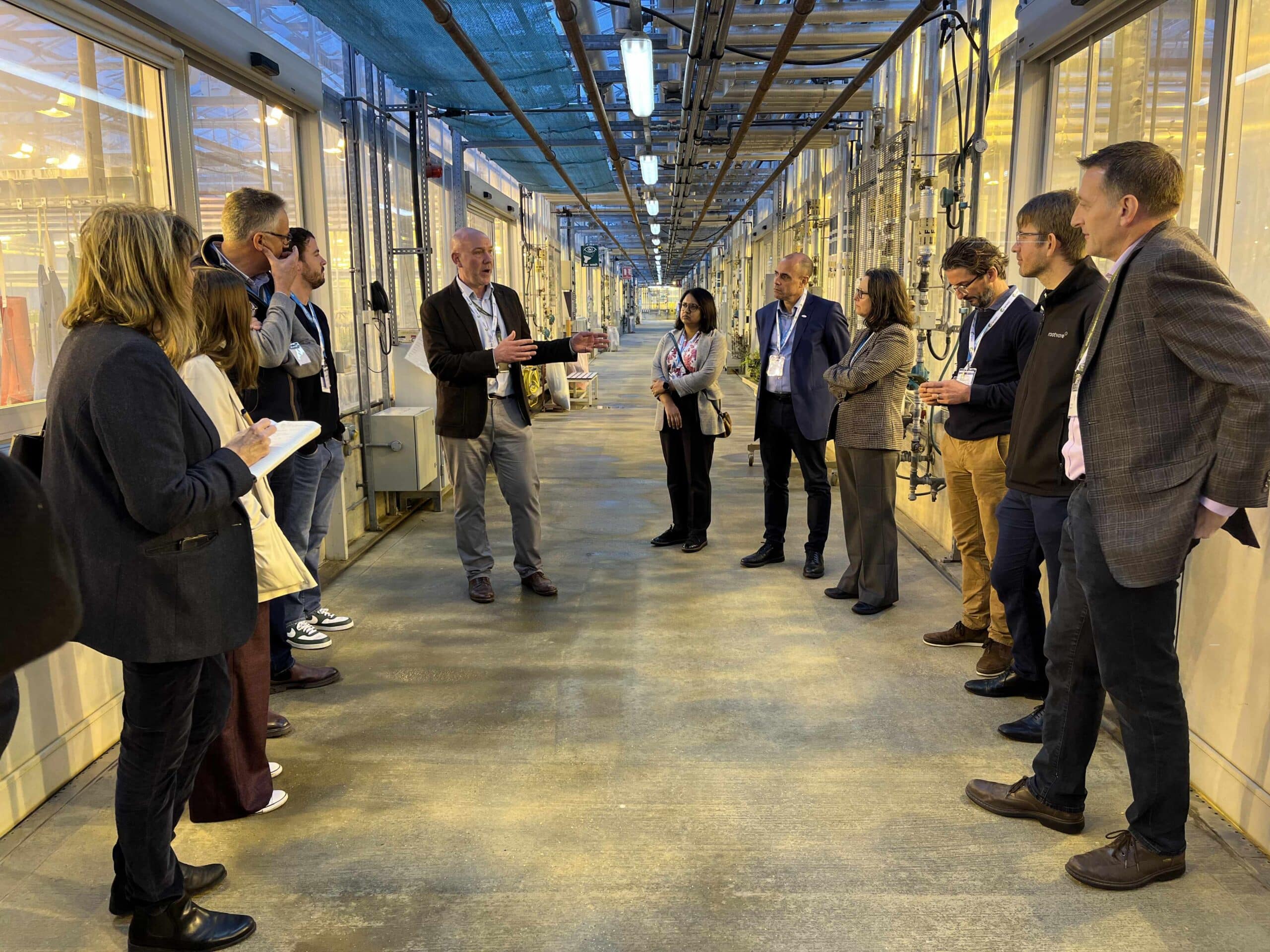
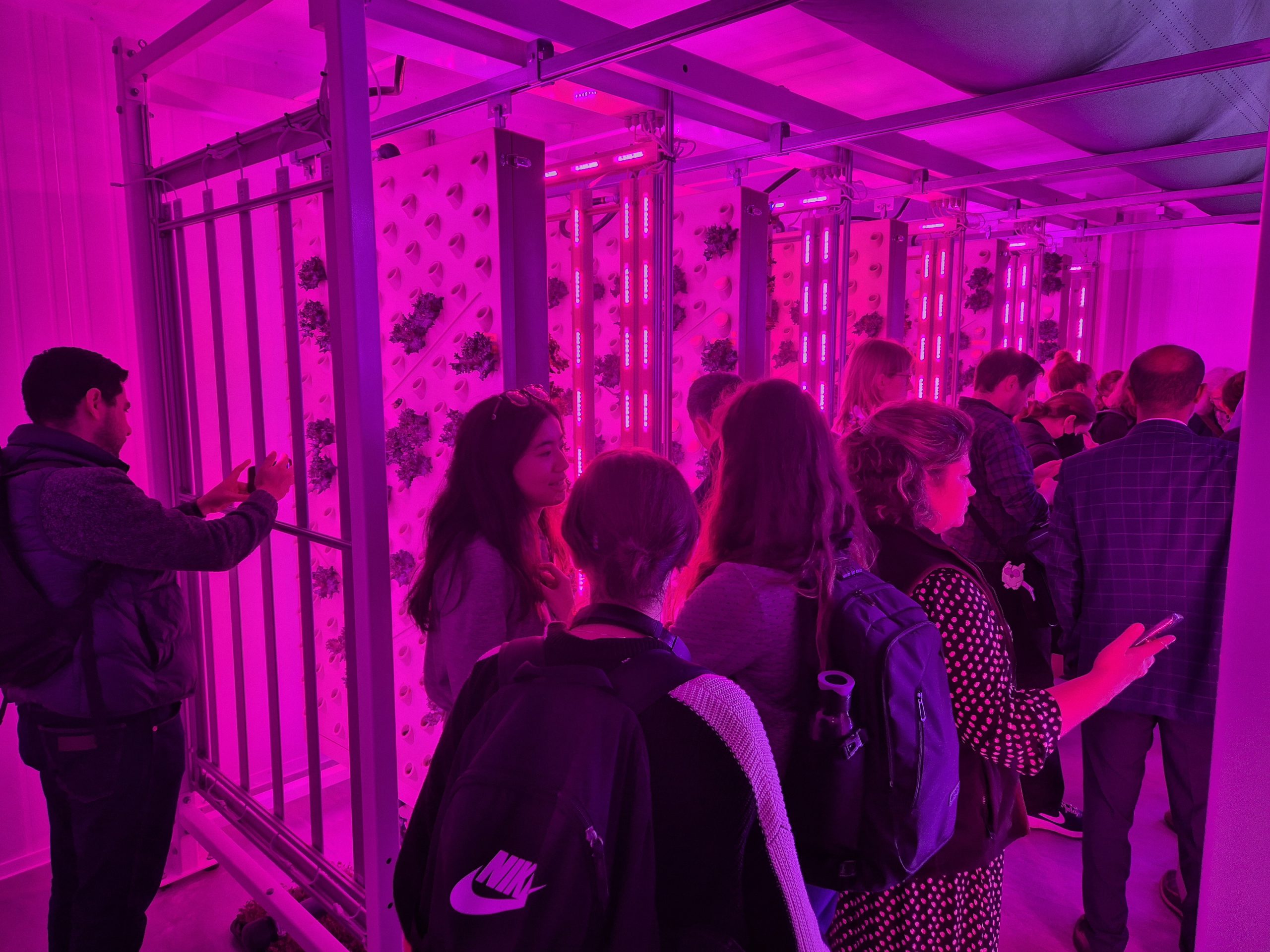
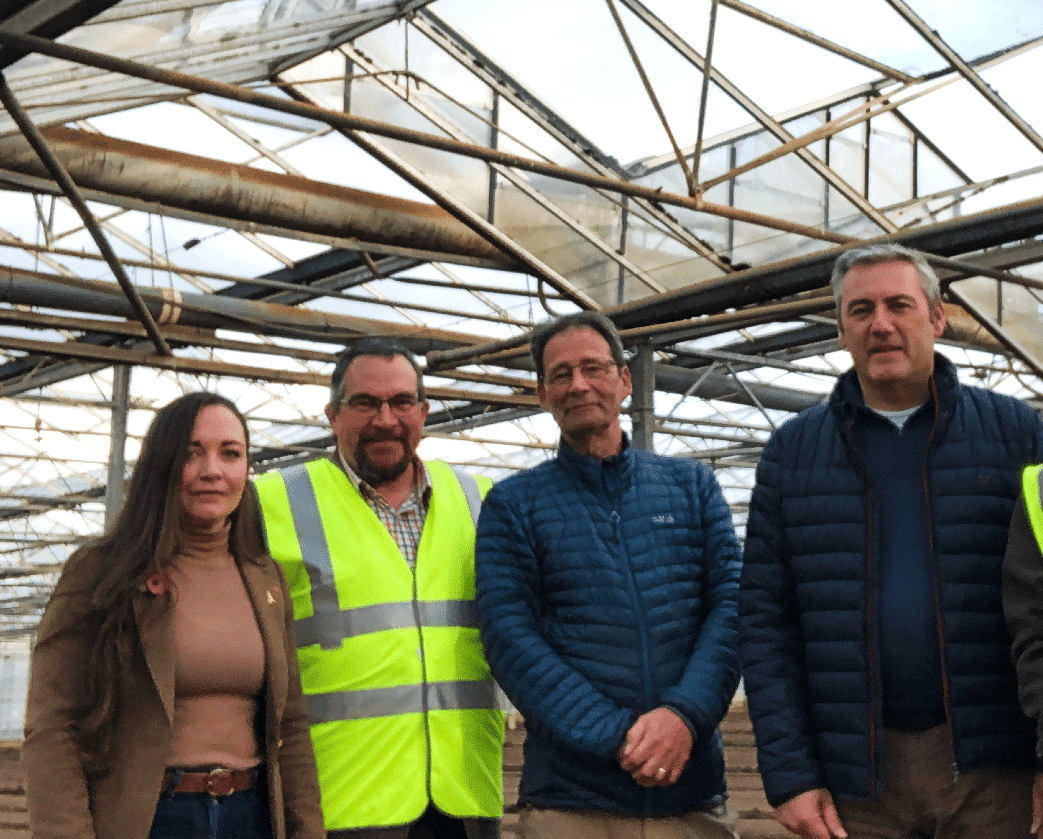
Senators and Representatives from US Midwest state legislatures saw ‘next-generation’ vertical farm technology at GrowPura Limited and on-farm energy production in Fenland as part of a visit hosted by Agri-TechE along with the Department for International Trade (DIT) on 14th March 2023.

Midwestern Office initiate visit

The mission was initiated by the British Consulate-General, Chicago in partnership with the Council of State Governments Midwestern Office (CSG Midwest). Chicago Consul General Alan Gogbashian explained: “We want this visit to focus on showcasing the UK’s leadership in agriculture, agri-tech and the energy transition from fossil fuels, as these themes have special resonance for the Midwest.”

The delegation, which included State Senators and State Representatives from Illinois, Indiana, Kansas, Michigan, Missouri and Ohio, joined members of the Agri-TechE ecosystem for discussions and dinner at the historic Madingley Hall, just outside Cambridge.

Cutting-edge technologies

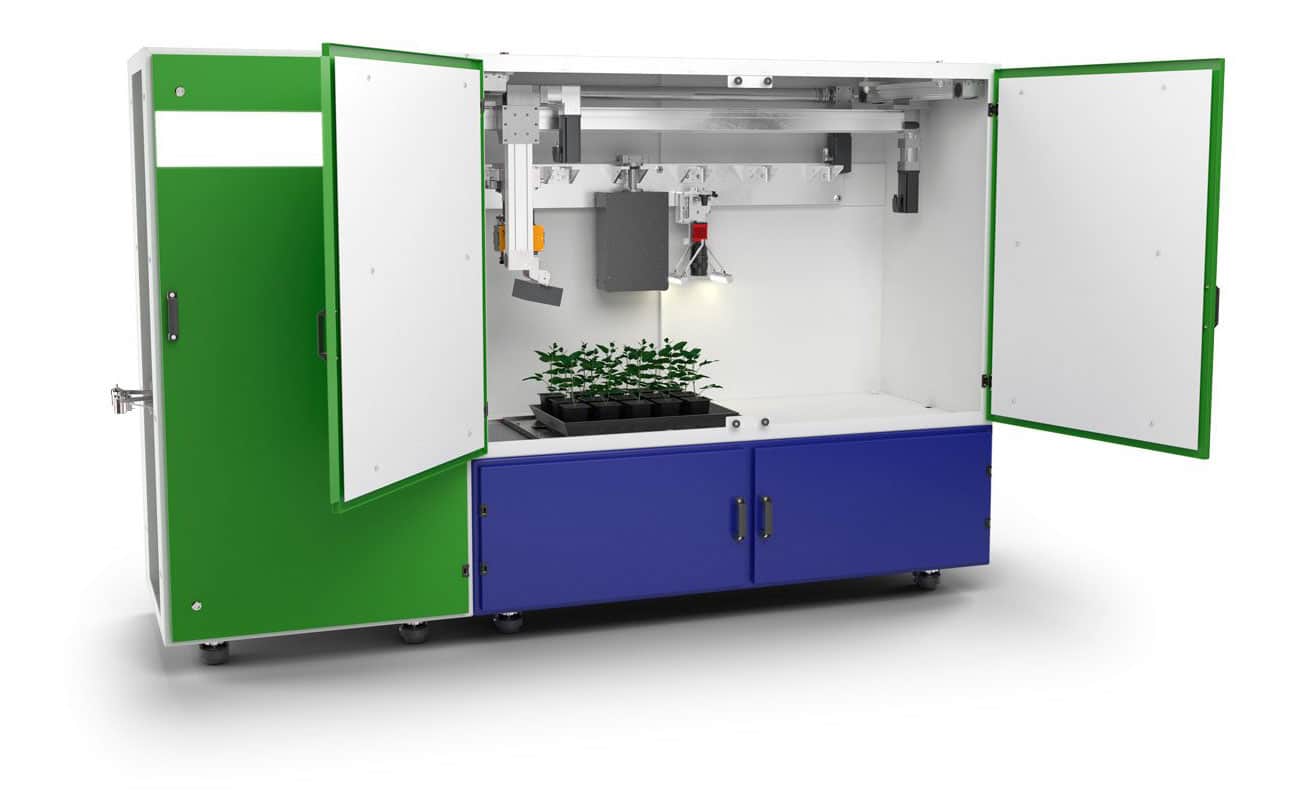
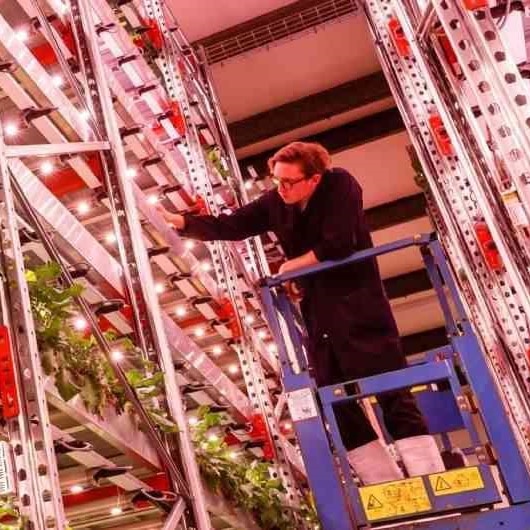
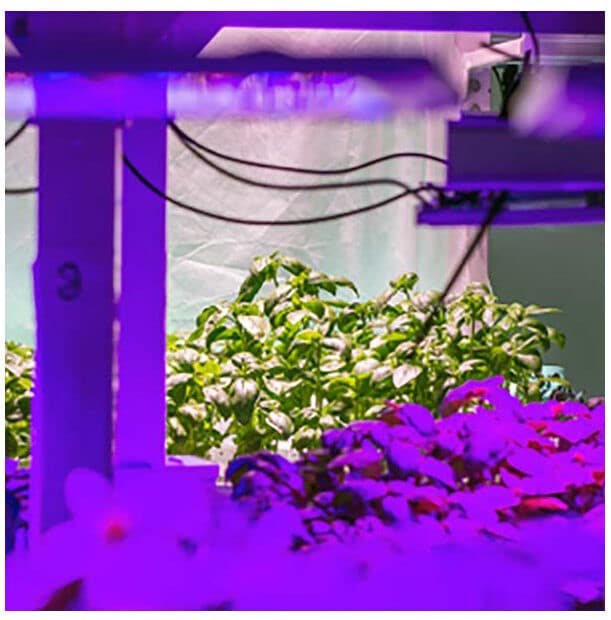
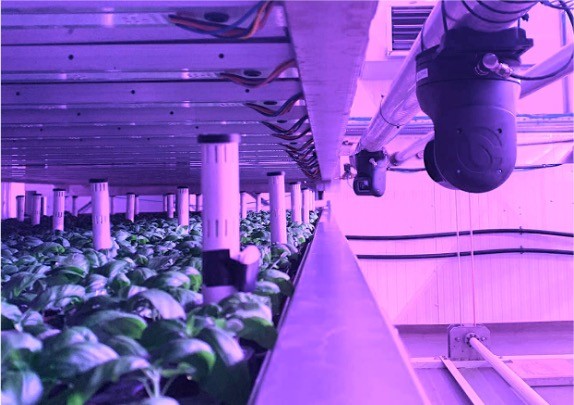
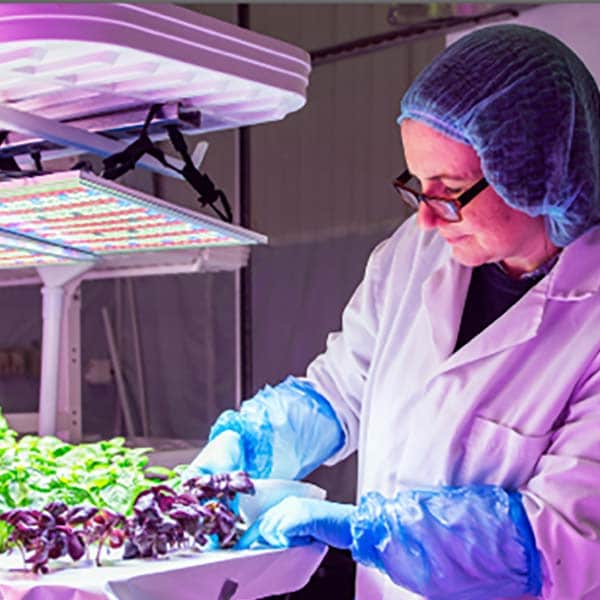
Growpura operates under automated, clean-room conditions

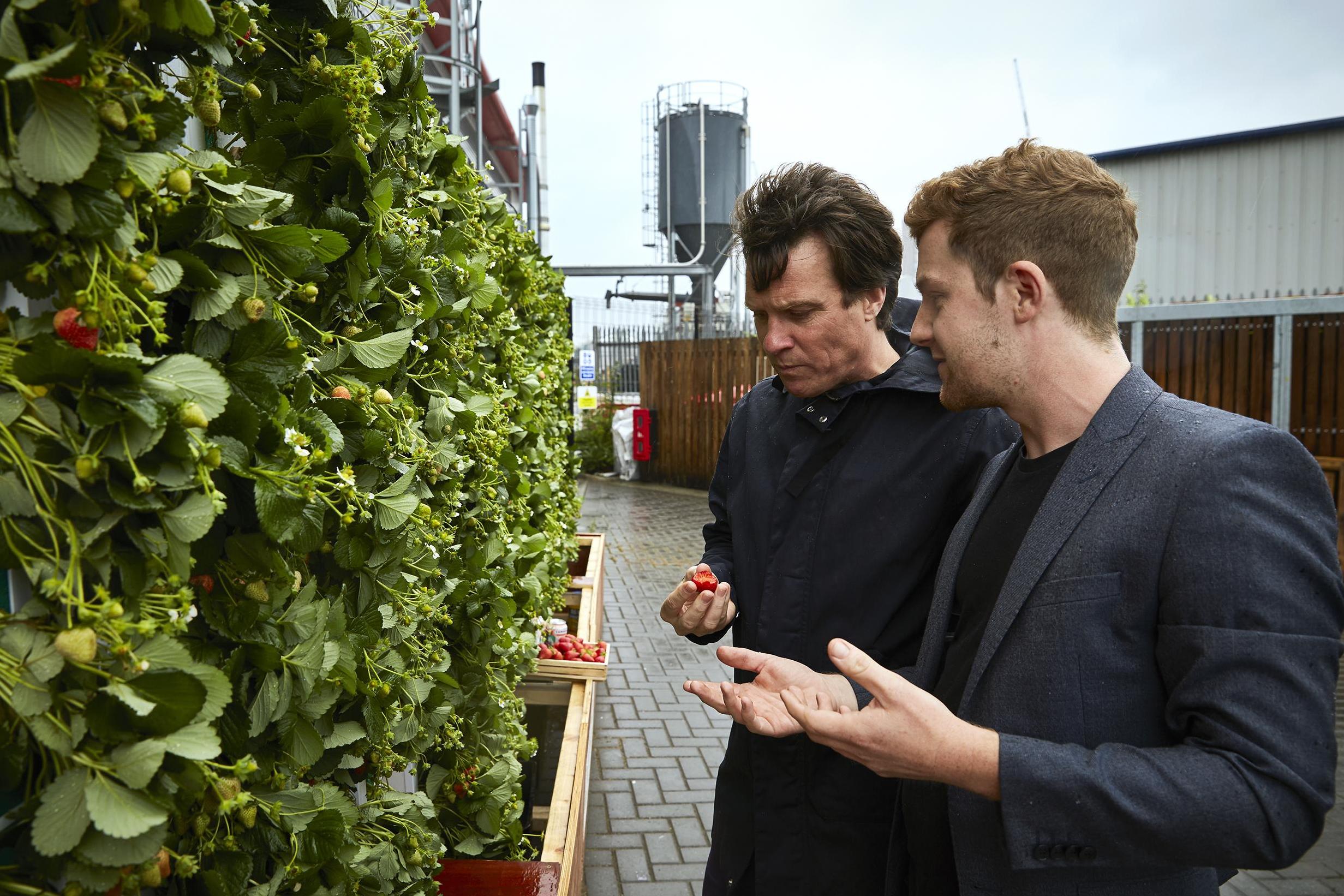
This was followed the next day by field visits, accompanied by DIT, to GrowPura Limited, developers of advanced vertical farm technology, and FC Palmer & Sons, a Fenland farm that has made a significant investment in sustainable energy production.

Dr Belinda Clarke, Director of Agri-TechE , comments: “We are honoured to welcome this high-level delegation to showcase some of the great innovation in our ecosystem, from energy generation on-farm to alternative approaches to food production, and the use of sensors for precision agriculture. These are common themes which unite agriculture across the globe and they require appropriate regulation to deliver the intended impact. We are looking forward to seeing how the legislators in the US are approaching these cutting-edge technologies and enabling them to be used across these states.”

Optimising space and reducing inputs

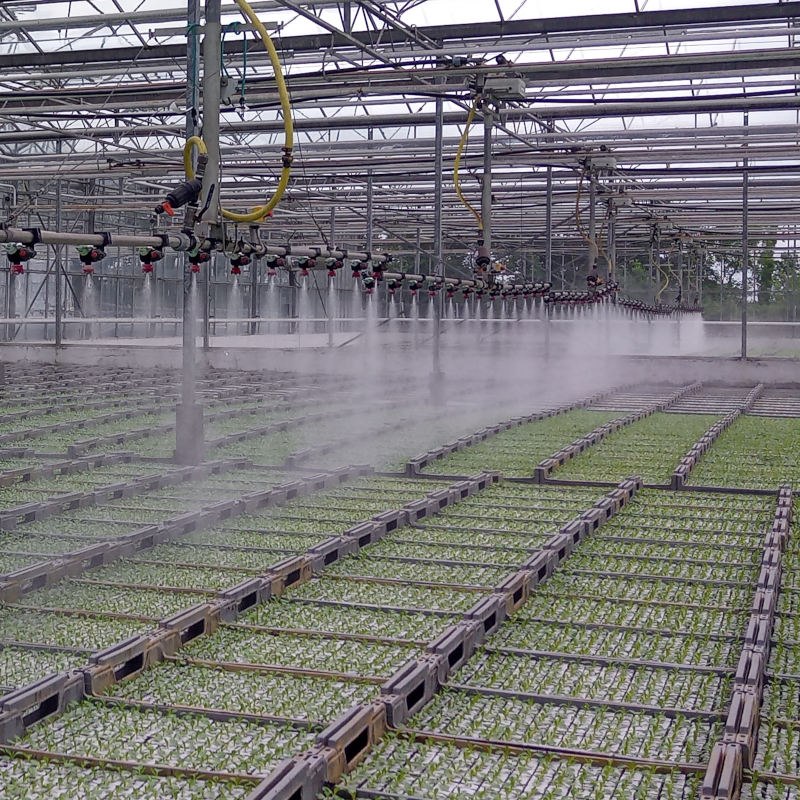
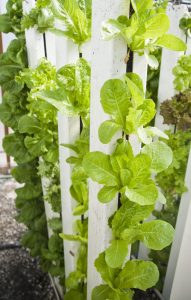
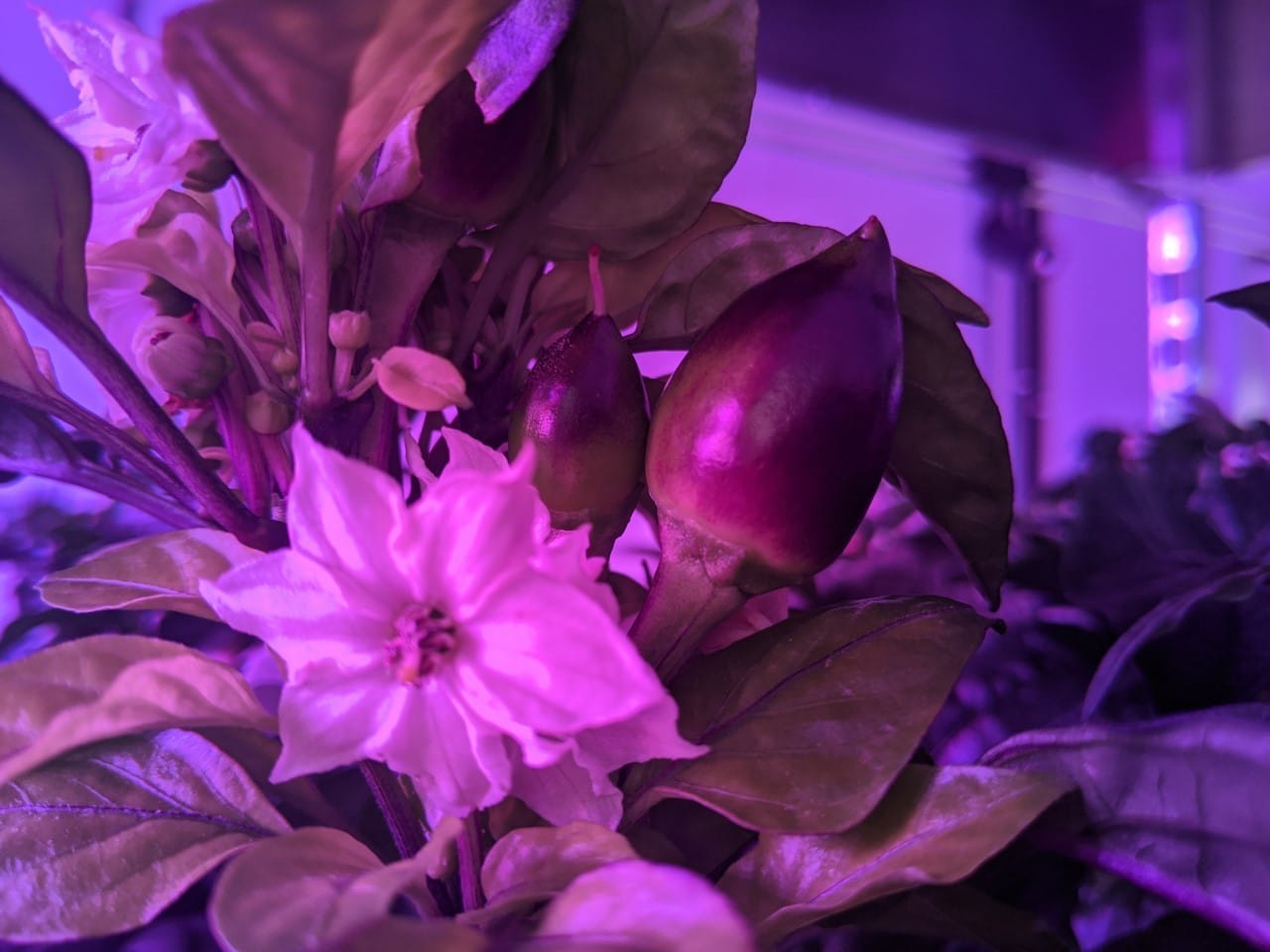
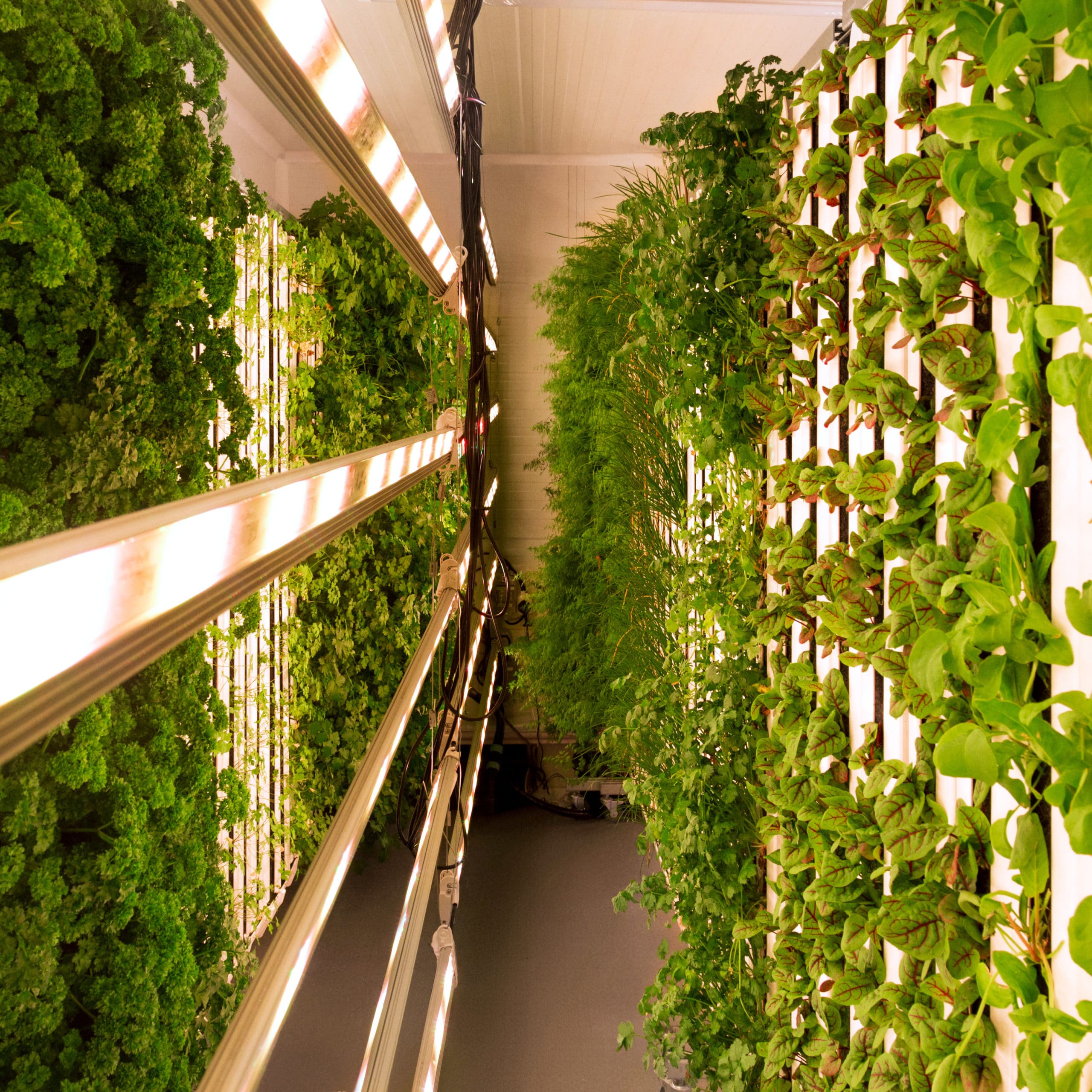
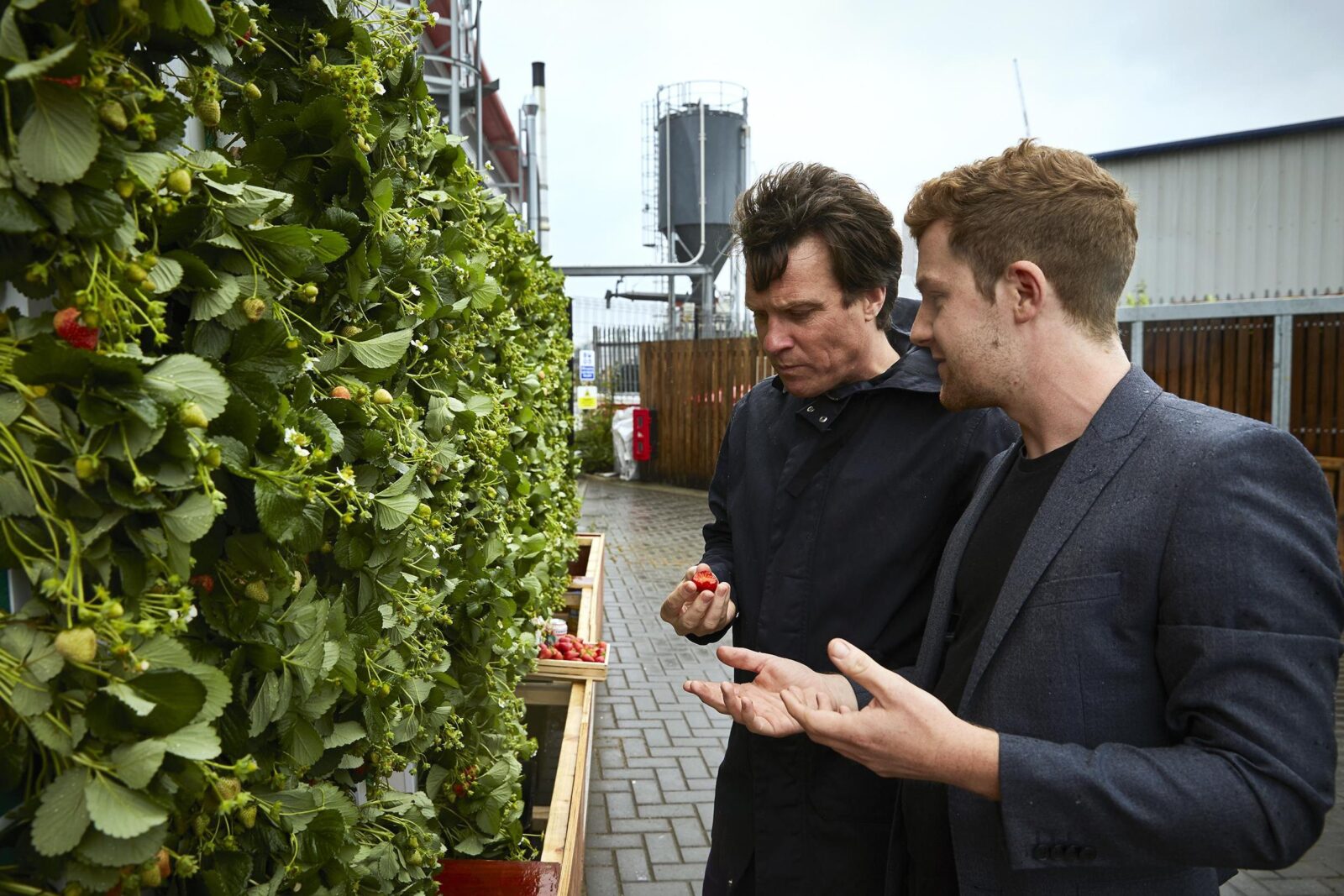
GrowPura Limited has developed the world’s first automated, moving conveyor system for vertical farming that operates in a patented ‘Clean Room’ environment.

The GrowPura® technology aims to maximise use of space and reduce input costs. Plants receive the optimum light for growth and as 95% of the water used is recycled, it uses a fraction of the water required for field irrigated crops with no runoff. GrowPura aims to reduce the environmental impact of vertical farming while improving the quality of food produced and its economic benefits.

Jeremy McNamara, Chief Commercial Officer for GrowPura, comments that vertical farming is complementary to field and undercover cropping but has particular benefits for year-round growing of leafy greens, herbs and some berries. “Vertical farming has an important role in food security and could, with enough investment, provide a sustainable source of locally grown produce direct to the market. This would help alleviate many of the issues we’ve seen recently in the supply-chain.”

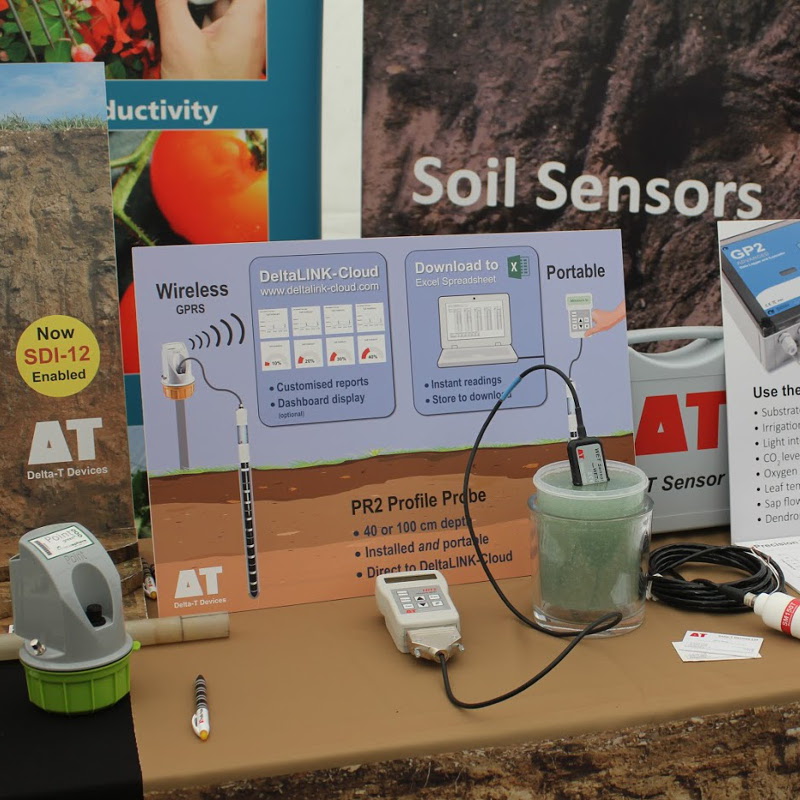
The other technology companies attending the dinner included: Delta-T Devices, specialists in precise real-time environmental measurement; Sencrop, developer of networked weather stations; Smartbell, developers of an ‘internet of cows’ for monitoring livestock; and Niab, the centre for plant research, crop evaluation and agronomy.


US Midwest State Legislators visit UK

The attendees of the dinner at Madingley Hall

Good news for salad producers growing under cover and hit by energy costs

Agri-TechE Article
Agri-TechE
Increasing yield with same inputs would improve productivity

Growers hit by energy increases could increase productivity with a novel seed treatment. Results from Zayndu show yield increases of 10 – 27% in yield of herb and salad crops and more rapid germination following treatment with its Aurora plasma-tech.

Improving productivity could offer a significant impact for the sector according to Bernhard Strauss, Director of Research and Operations, at consultancy firm Camrosh. He has just completed an analysis of the energy requirements of the controlled environment horticulture sector for Defra, in collaboration with the Institute for Manufacturing, University of Cambridge.

He comments that recent research* shows plantings are being scaled back by up to 20% this year with many growers walking away from contracts and considering withdrawing from the sector. Autumn and winter planting in heated glasshouses will be reduced due to energy costs.

Yield increase with same inputs

Strauss says: “The pressure on growers is only likely to accelerate, especially in the high-tech glasshouse sector as energy costs remain staggeringly high. Even more so in Vertical Farming where typical electricity inputs per year are ~300kWh/m2 for HVAC, dehumidification systems, pumps etc, plus ~700kWh/m2 for lighting; so with energy costs increasing by 156%, commercial viability is a real issue.

“Hence, a possible yield increase in the range of 15% without additional inputs would be of great interest to the VF sector and for different types of glasshouse and polythene tunnel growing. Achieving consistent yield increases at this level by another method would need an increase in material inputs or labour.”

Although leafy greens, such as lettuce as well as herb crops such as basil, cress, chive, parsley, dill and coriander are currently grown to a large extent in different types of low-tech greenhouses and polythene tunnels, they are particularly suitable for the VF sector. With larger VF operators able to grow as many as 15-20 ‘harvests’ per year through tightly staggered planting cycles over an area footprint of less than half a hectare.

Zayndu increases yield with Aurora plasma tech
Trials show yield increases of up to 27% of some baby leaf

The Zayndu Aurora System uses low energy plasma-technology to treat the seeds in small batches prior to planting. The treatment takes minutes to complete and produces no waste – just clean air and seeds.

In trials it has found that the yield increases on average: Chive 10%, Parsley 10%, Coriander 15%, Dill 27%. This yield increase, when multiplied by 20 harvests, with no additional energy requirement, would have a significant impact on margins.

Furthermore, the Aurora system, increased germination of Spinach from 80% to 95% and accelerated it by approximately 1.5 days. Leafy greens have short growth cycles with germination times of two to three weeks and 4 to 8 weeks to harvest depending on crop; shaving 1.5 days from each cycle can also increase throughput.

Research by Intelligent Growth Solutions (IGS) has found that shelf life is longer for vertical farmed produce, with lettuce lasting three weeks (compared to one week for open field), and water use is less, with 250 L/kg in field compared to 1 L/kg in a vertical farm.

Increasing productivity when energy costs bite

Strauss continues: “Although energy input per unit crop is still much larger in VF compared to growing under glass or polythene tunnels where natural light and ambient temperature is used at no cost, creating opportunities to increase productivity will help make it more commercially viable, particularly in extremes of climate where other resources are scarce.”

More about Zayndu

*The real impact of cost pressures on the horticulture sector, Promar International research commissioned by NFU 15th November 2022.

Glasshouse fruit and vegetable growers cut back on production

Demystifying aeroponic production – LettUs Grow research collaboration with Wageningen University

Meet the Network
Agri-TechE
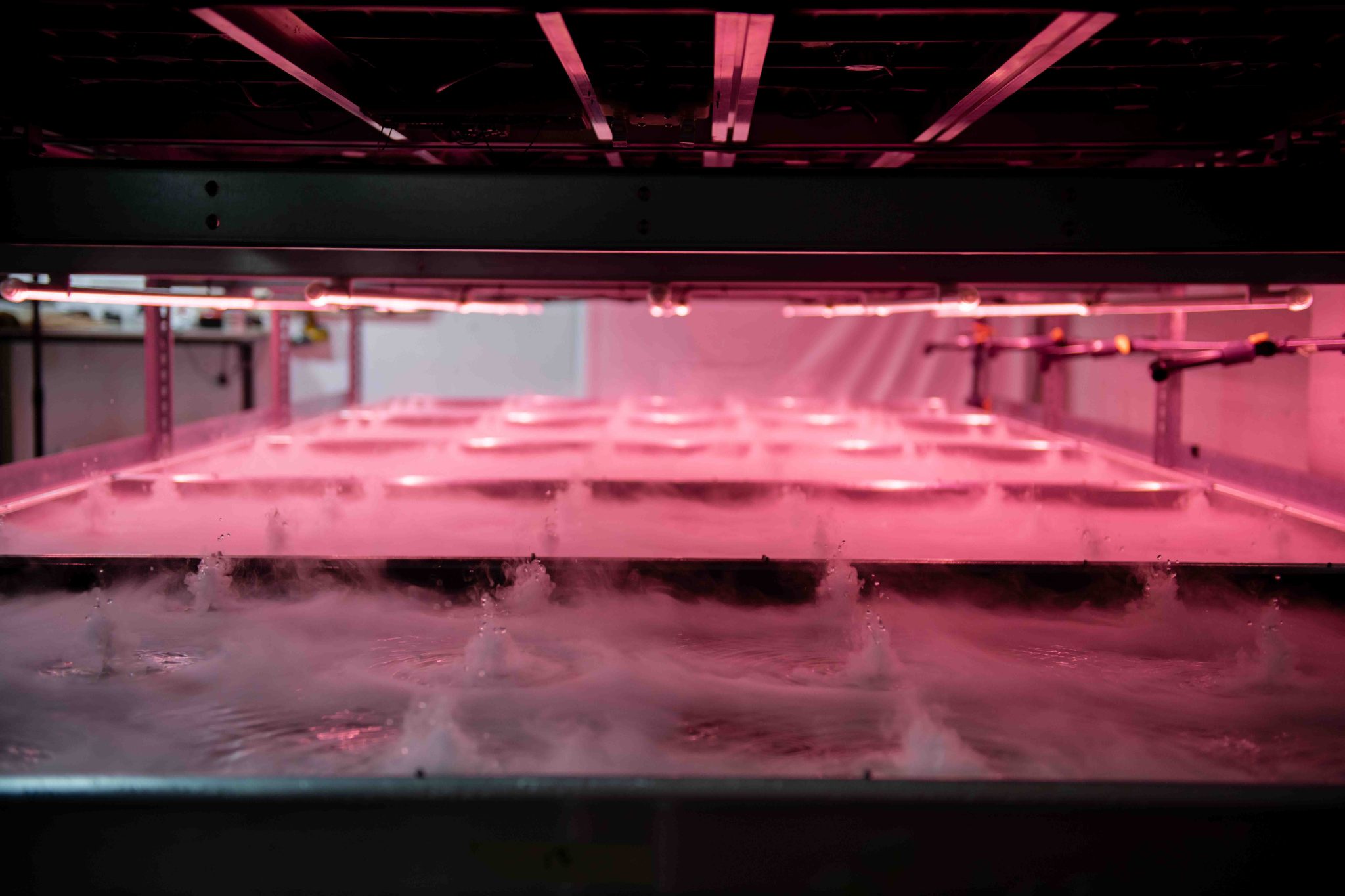
LettUs Grow has pioneered the development of an ultrasonic aeroponic system

Ultrasonic aeroponics and hydroponic irrigation systems are going head-to-head in a research collaboration between Wageningen University and Research (NL) and the aeroponic technology specialists LettUs Grow (UK). The trials aim to boost the understanding of aeroponics to encourage innovative agricultural practices in the future.

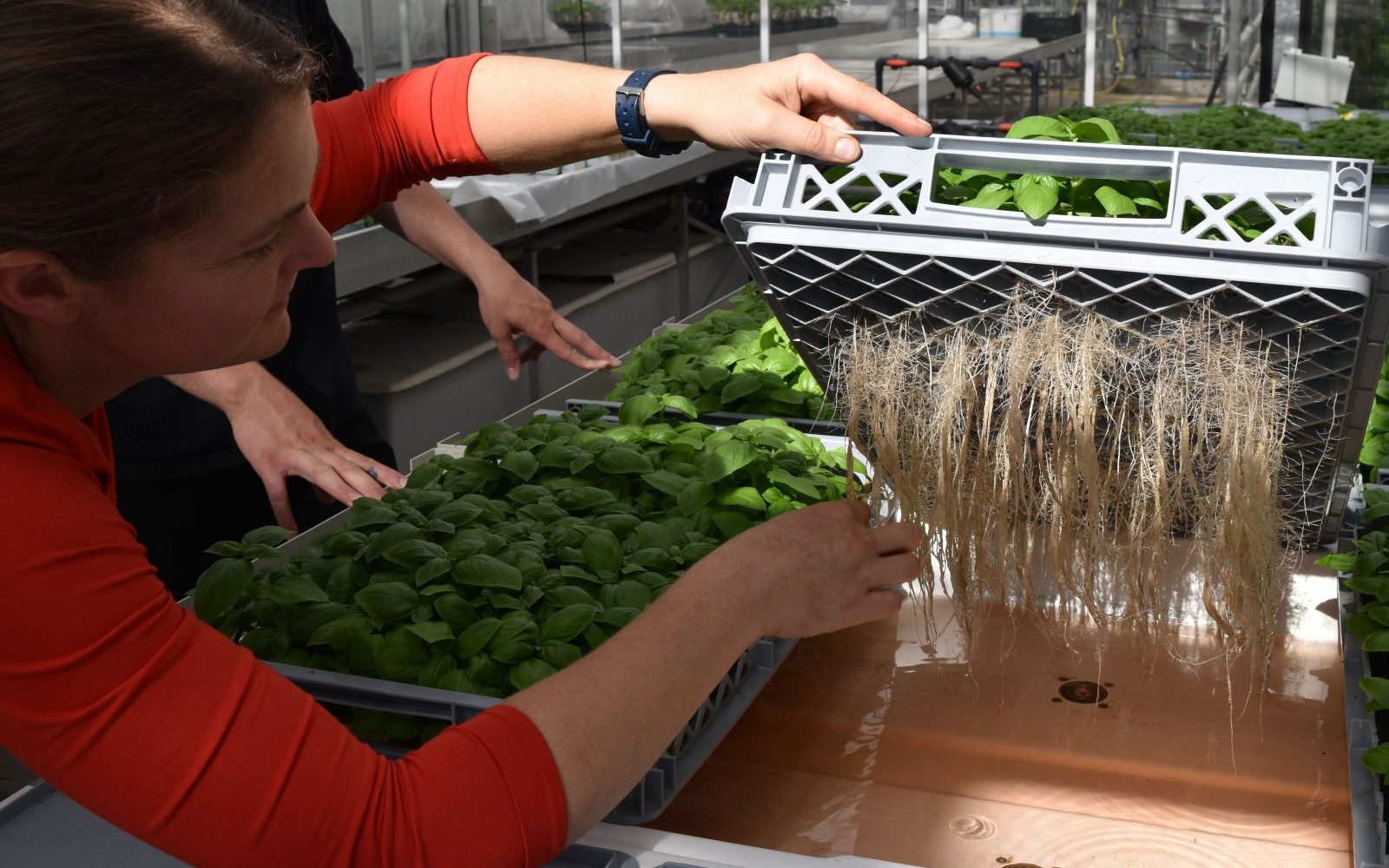
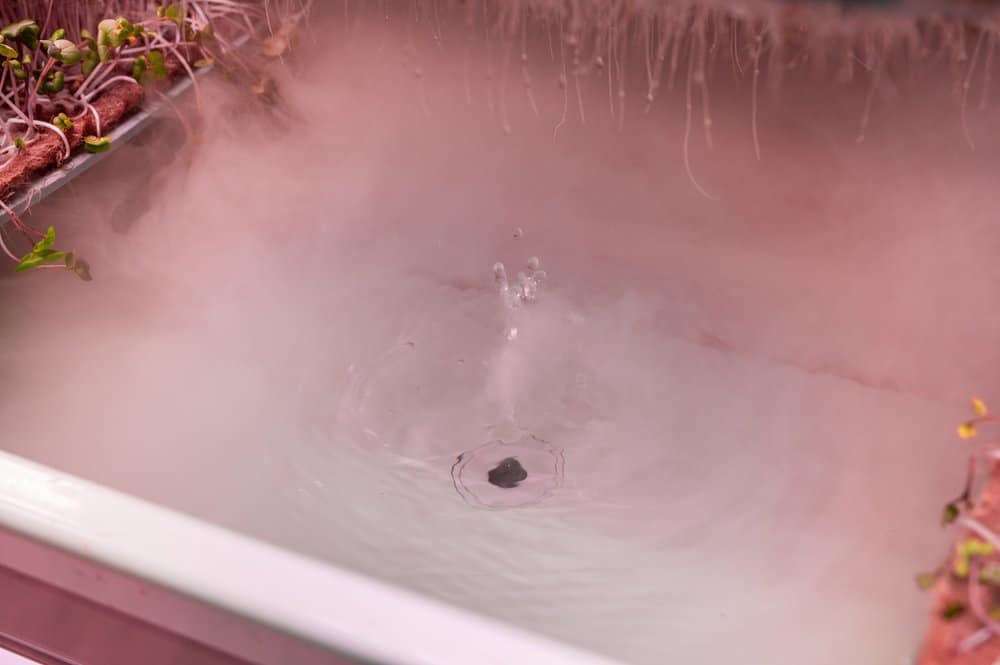
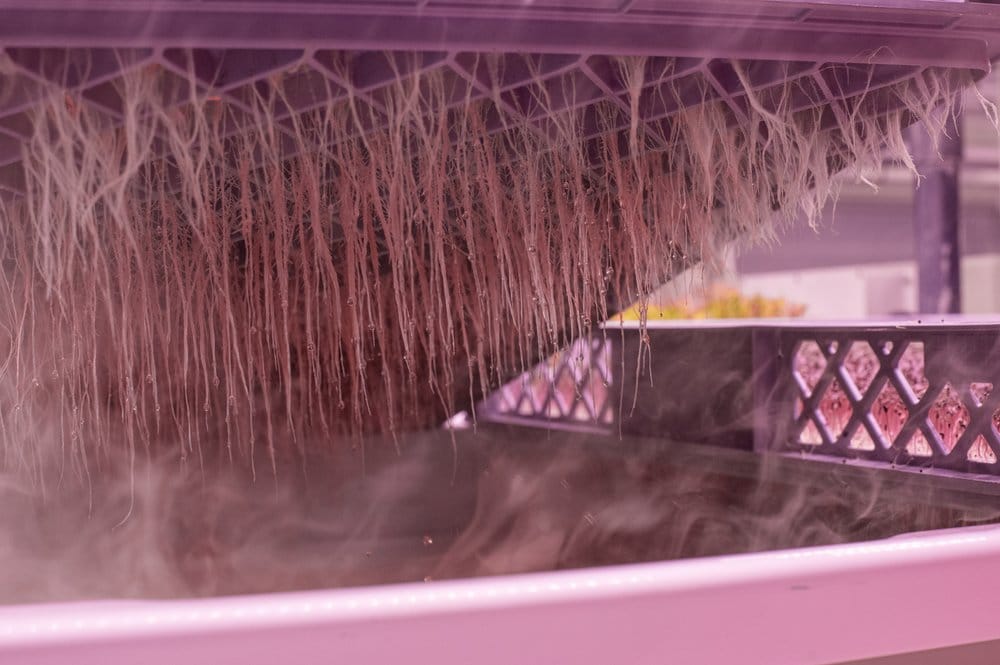
Hydroponics is a method of soil-less growing, where plant roots are supplied with a nutrient solution at intervals or constantly growing in a nutrient solution, whereas in aeroponics plant roots are irrigated with a fine mist of water and nutrients. Ultrasonic aeroponics uses high-frequency sound waves that shake water and nutrients until they disperse into lots of tiny droplets, like a mist.

LettUs Grow: pioneer in ultrasonic aeroponics

LettUs Grow has pioneered the development of an ultrasonic aeroponic system and this will be trialed alongside two other hydroponic systems, ebb and flow and deep water culture, in a greenhouse environment. The research will be conducted at Wageningen’s campus greenhouse facilities over a five month period.

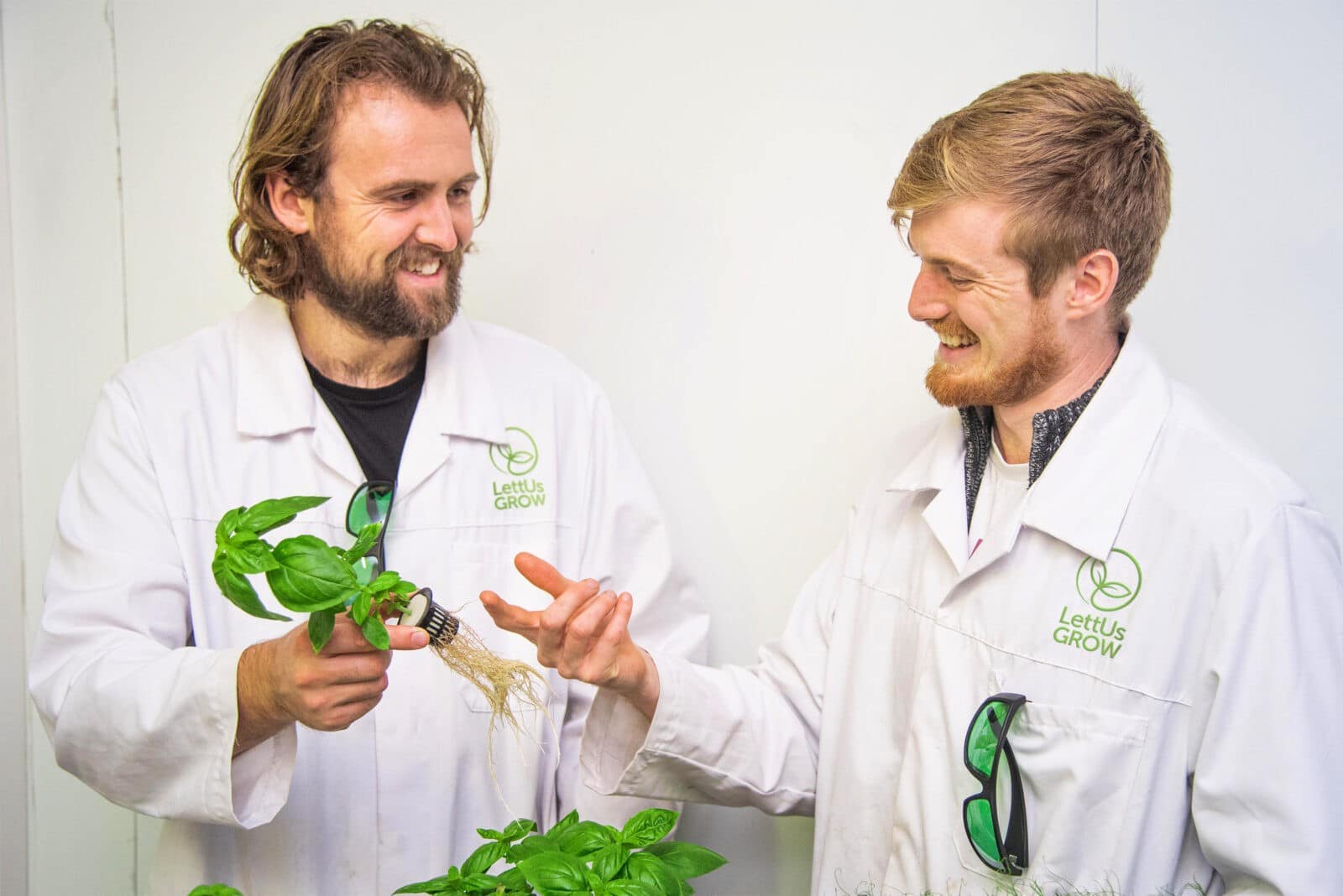
Jack Farmer, Chief Scientific Officer and co-founder of LettUs Grow, said: “It is a core value for us that everything we do and promote is rooted in good science; so it’s really gratifying as a UK technology company within the CEA sector to be collaborating with the leading academics in the space.

“We’re pleased to have the opportunity to build the relationships with Dutch horticulture, which we recognize as world-leading and a cornerstone of the industry.”

Quadruple Helix Model of innovation beneficial

LettUs Grow aquaponicsWageningen is an exemplar of the Quadruple Helix Model of innovation, which is where the university, industry, government and public interact within a knowledge economy.
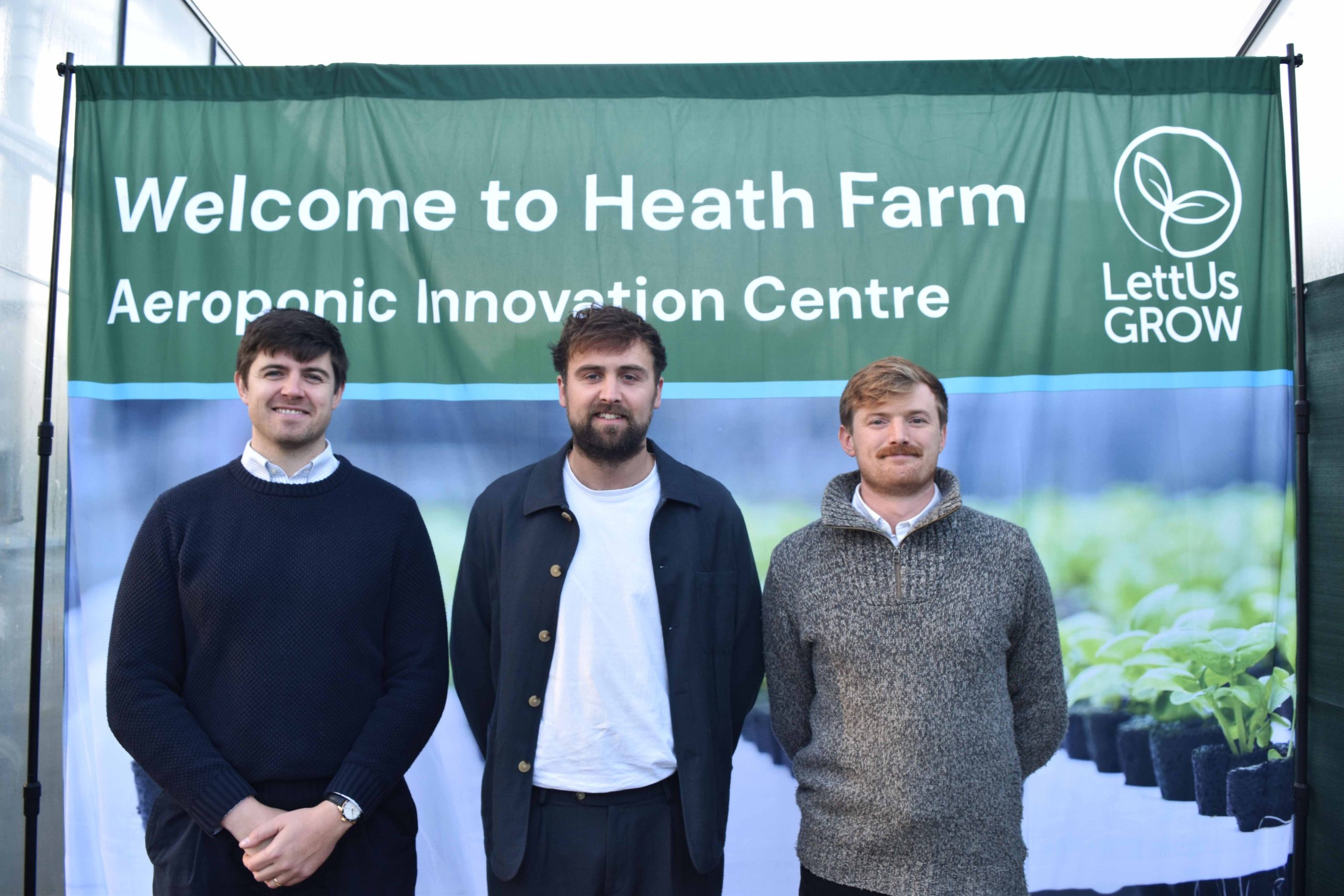
This policy of investing in and connecting science with policy, industry, and society has enabled the Netherlands to become a global leader in sustainable agriculture. Now, despite its small size, the country is a key agricultural player and second largest exporter of agricultural goods.

Prof. Leo Marcelis, Professor of Horticulture and Product Physiology at Wageningen University, will be leading the trials. He says: “We are happy to conduct this research in cooperation with Lettus Grow, addressing an important question with respect to optimizing growth and quality relevant for greenhouse and vertical farm production systems.”

The trials will compare the crop growth, development and quality of basil in greenhouse cultivation, while also potentially exploring the energy costs associated with each of the three irrigation systems.

Researchers will gather data on:

  • growth rate
  • productivity
  • nutritional content
  • shelf life
  • plant physiological characteristics
  • the effects of seasonality
  • energy consumption

This is a research collaboration, rather than an outsourced trial, so LettUs Grow will be actively involved in the trial.

More about LettUs Grow

Lighting increases tomato yield by 12% – Light Science Technologies and CHAP trial finds

Meet the Network
Agri-TechE

Light Science TechnologiesSupplementary light was found to increase tomato crop yield by up to 12.1%, a trial by Light Science Technologies (LST) and CHAP has found. 
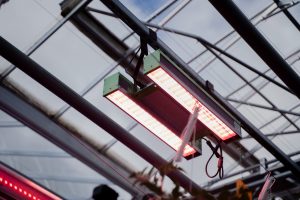
The 5-month project used three different lighting combinations to see which produced the most yield for the least energy, while finding the optimum balance between energy and yield.

The first used LST’s nurturGROW interlight only, the second used its nurturGROW high power top light and the third used both types of supplementary lighting.

The results showed that supplementary light increases crop yield by up to 12.1% even when used in summer months and that top lighting only is the most energy efficient lighting regime with 38.2% more fruit per kWh. The trial also revealed that interlighting only was the top performing light regime.

During the trial period, 7,880 tomatoes were grown, collectively weighing 615.31kg and with 7449.15kWh total energy used.

Andy Williams, Marketing Director at LST said: “The trial has shown the tangible gains and benefits of using an energy efficient grow light on vine crops, with further energy saved as the luminaire turns off when not needed. nurturGROW also reduces light wastage with its recyclable and reusable design, making it more sustainable.”

The project was carried out in conjunction with CHAP at the Stockbridge Technology Centre (STC), at their Advanced Glasshouse facility in Selby, North Yorkshire.

Light science increases yield

The facility enables new plant protection products and integrated crop protection programmes to be robustly assessed in field, glasshouse and hydroponic systems. Light Science TechnologiesThis provides benefits to food producers by offering more reliable trial conditions for their products, especially for biopesticides, with consequent benefits to the crop production sector in the form of increased product availability.

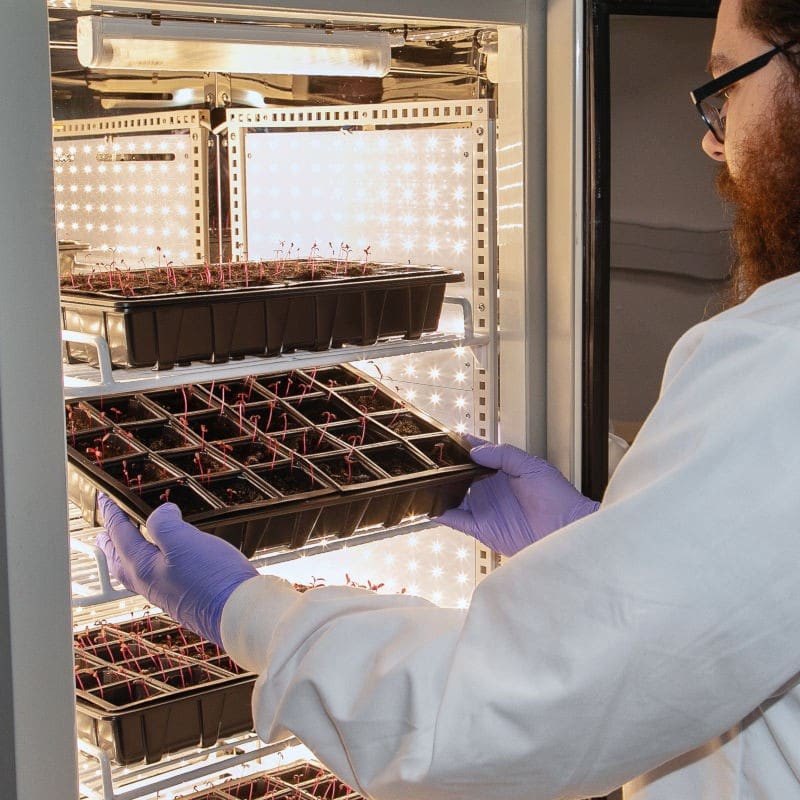
CHAP’s Technical Liaison Officer, Lucy Plowman, said: “Lighting has a huge impact on the success of glasshouse-grown crops, particularly in a grower’s ability to extend the production season for vine crops such as tomatoes. But, recent price hikes in energy costs means it is critical to ensure it is efficient as well as effective.

“The research undertaken by LST will help growers to strike this balance, as well as address environmental concerns associated with both energy waste and produce imports.”


More about Light Science Technologies Ltd

More about Crop Health and Protection (CHAP)

Innovate UK Funding For Energy Efficient Aeroponic Farming Systems

Member News
Agri-TechE

This content is hosted by Agri-TechE as part of its service to its members. The views and opinions expressed are those of the individual/organisation that supplied the content and not those of Agri-TechE or its employees. This content is hosted by Agri-TechE as part of its service to its members. The views and opinions expressed are those of the individual/organisation that supplied the content and not those of Agri-TechE or its employees. Aponic International has secured Innovate UK funding to commercialise its super efficient aeroponic farming system developed with help from the Eastern Agri-TechE Growth Fund. The vertical farming market has been slowed by high capital outlay and high energy costs. Aponic International has developed a design that dramatically cuts manufacturing and energy costs. Drawing on 9 years of commercial experience in the vertical farming market they have designed a new system that can be run from just two solar panels and a pair of deep cycle batteries. “We originally developed the system so that our farms could be run off grid, anywhere in the world and in the age of net zero, this thinking is paying dividends.”

We have a turnkey system that converts unused barn space and commercial units into controlled environment farms that grow abundant produce 365 days a year and creating full time jobs rather than seasonal labour. Taking the experience gained over a decade of developing this technology, we know that with our new design, we can improve the power usage, workflow and scalability of aeroponic growing by redesigning the aeroponic food factory system to be more labour and energy efficient and more easily rolled out at large commercial scale. The new design has all of the advantages that our previous designs excelled with, and still benefits from the energy and space efficient vertical tower design, but it comes in a package that creates great ROI for large commercial food production operations.

We obtained funding to develop the new design prototypes and run trials over lockdown. These proved successful and we are now attracting investors to create commercial scale production facilities and equipment. CEO Jason Hawkins-Row said “The Aponic International Food Factories are perfectly placed to plug the gaps in todays food production market by enabling ultra-local food production 365 days a year using 95% less water, renewable energy and 60% less nutrient to produce above organic quality, fresh produce in urban and rural farms.”

The Innovate UK funding will be used to create the tooling and processes to manufacture this new design which will be available in the New Year. Details will be released on our web site www.aponic.co.uk.

In a net zero environment, we need to continually move towards clean, efficient ways to meet the demands for high quality, nutritious food. Sustainable food only works if there is a sustainable business model and that is why we have made every effort to get an efficient product at the right price to the right people.

Gardin sensors provide deep understanding of plant stress

Meet the Network
Agri-TechE
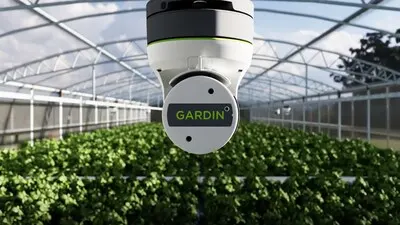
Gardin sensors monitoring crops at Intelligent Growth Solutions' (IGS) Crop Research Centre as part of an ongoing research project
Gardin sensors monitoring crops at Intelligent Growth Solutions’ (IGS) Crop Research Centre as part of an ongoing research project

Directly measuring the health of a plant is the best way to ensure high productivity, says Fabrizio Ticchiarelli, Gardin’s Lead Biologist, about the the company’s sensors.

Since Gardin first spoke in the REAP 2021 Start-Up Showcase, it has been successful in raising $10.8M to develop a plant stress detector, and it is returning to REAP as an exhibitor this year to discuss progress.

Fabrizio explains how the technology is helping to ‘Make Sense of Agriculture’, the theme of REAP 2022: “We are developing a system that will give farmers easily actionable insights by revealing how their crops are responding to the environment in real-time, before any visible changes to the canopy happen.”

Early alert of problems

Fabrizio appreciates that farmers are time-poor.

“The aim is to direct farm managers to the cause of growth issues, unlocking the potential for higher yield and better crop quality. The Gardin technology makes farmers aware of problems as early as possible, and helps to narrow down the causes, which in turn makes maintaining a high performing farm more manageable.

“We are shifting the focus from measuring and controlling the environmental parameters to measuring crop health, automatically and directly in the field.”

Monitoring plant stress

Photosynthesis is so fundamental to health that it is linked to many molecular pathways in the plant. If a plant is stressed or limited by suboptimal growth conditions, it diverts energy away from growth and towards other processes to compensate. The Gardin device picks up that change by monitoring chlorophyll fluorescence.

“We use computer vision to assess where the changes are happening” Fabrizio explains. “For example, if they manifest first in younger or older leaves or if they are specific to a certain part of the plant. By looking at changes in the photosynthetic signal we will be able to determine what type of stress is occurring and how to get things back on track.”

The predictive power of the tool relies on data, so Gardin is currently building up its datasets for several uses: to optimise light usage in vertical farming; to identify where stress is occurring across a crop for precise interventions; and to forecast yield.

Commercialisation for covered crops

The company has developed a sensing technology for controlled environments and is now focusing on commercialising its early warning system in vertical farms and greenhouses.

Fabrizio continues: “The Gardin sensors measure a small number of parameters that are essential to plant health and productivity. We then run the complex statistical analysis ourselves to extract useful insights for our clients.

“These valuable nuggets of information are then surfaced to the growers via our user interface, in the form of simple visuals and alerts. Everything about the user interface is tailored around the client’s facility, so that end-users get alerts in a language they recognise.

“We think this is the right approach to empower busy growers to produce more and ensure quality.”

Gardin


REAP 2022: Making Sense of AgricultureREAP 2022: ‘Making Sense of Agriculture’ – Tuesday 8th November 2022

From yield mapping and precision livestock through to digital twins and cloud computing, at REAP 2022 we will be exploring the technology and looking at the implications from a field to landscape level. Making technology farm-centric is core to Agri-TechE ’s mission so a key feature of the conference will be a panel of farmers and producers discussing the emerging technologies and future scenarios.

reapconference.co.uk

Light Science Technologies announces successful first phase completion of Zenith Nurseries contract

Member News
Agri-TechE

Milestone signals UKRI grant increase

AgriTech firm Light Science Technologies Ltd (LST) has announced the first phase completion of its project with Zenith Nurseries to develop advanceGROW, an ‘industry first’ cloche lighting and sensor technology system for the CEA market.

The first milestone, known as Gateway 1, which involved developing and demonstrating the viability of the system, is now complete, resulting in revenue of £51,000 for the company.

LST announced the commencement of the contracted project, with UK grower Zenith Nurseries Ltd aim of reducing the need for import substitution by extending the harvest window. Potentially worth up to £13.84 million, advanceGROW is the first retrofittable, semi-automated, all-in-one lighting and sensor solution, providing year-round harvests for growers across multiple plant varieties in polytunnel and glasshouse environments.

The project is broken into four gateways which are specified to prototype, develop, and commercialise the offering. Following the success of Gateway 1, Zenith has redefined its near-term priorities in response to ongoing energy and import conditions, and to increase focus on the lighting element of the rolling cloche. This will place further emphasis on growing more indoors, mitigating the impact of unpredictable and extreme weather conditions and climate change, with a view to increasing yields and extending the growing season.

This has resulted in the project gateways being re-ordered, bringing the first phase of Gateway 4 forward. This phase is now set to begin before Gateways 2 and 3 in the first half of 2023, with potential revenues of around £1.9 million, and will see the incorporation of the rolling cloche device within new polytunnels. LST is also exploring new potential revenue generating additions to advanceGROW in order to make the units more self-sufficient in terms of energy usage, using solar power and batteries.

The overall time scale and potential contract value of £13.84 million remains unchanged.

LST will now spearhead the development of the harvesting elements alongside specialist contractors, which means that the value of the UK Research and Innovation (UKRI) grant it received has increased to £621,077 for this project.  Awarded in February this year, the grant was awarded by UKRI, the UK’s innovation agency, as part of its Farming Initiative Pathway (FIP) consortium for more sustainable and efficient plant growth in the UK agricultural sector.

Simon Deacon, CEO and founder of Light Science Technologies, said: “We are delighted with the progress made on the project and the agility of our relationship with Zenith Nurseries, which has allowed a reordering of workflow to bring forward part of Gateway 4.

“The cloche lighting and sensor technology solution is as exciting as it is innovative. With applications across multiple plant varieties, we believe there will be significant demand for this solution as food security becomes progressively more crucial in a changing world.

“Importantly, given the numerous issues associated with climate change, which have and will severely impact growing conditions, our solutions enable growers to produce crops more locally, all year round.”

This comes after Light Science Technologies Holdings plc (LSTH), the holding company of LST, reported in its third-quarter trading statement that the recent series of projects under LST could bring in potential revenue worth £3m.

Duncan Bannatyne endorses the world of Vertical Farming

Agri-TechE

Innovation Agri-TechE Group Welcomes Bannatyne As Non-Executive Director


Duncan Bannatyne brings his expertise and entrepreneurial skill to agricultural technology company, Innovation Agri-TechE Group (‘IAG’), having joined the Board of the Company as a Non-Executive Director.

Bannatyne, best known for founding the Bannatyne Group which in 2006 became the largest independent chain of Health Clubs in the UK, has a unique set of entrepreneurial skills, a bank of knowledge, and true business dexterity.

Having joined the Royal Navy at just 15, Bannatyne started his business career at the young age of 20 on Jersey, buying an ice cream van for just £450, before eventually selling the business in order to fund Quality Care Homes – a care home business he sold for £26 million in 1996 – and a children’s nursery chain Just Learning, which was sold for £22 million. Bannatyne is a philanthropist and author of seven books, and famous for being a business angel on BBC TV’s ‘Dragon’s Den’. In 2004, he was awarded the Order of the British Empire (OBE) for his services to charity. His vision, values and passion for enabling successful business launches in the UK and globally, make him such a valuable addition to the board.

Mr Bannatyne joins the IAG board as a Non-Executive Director, having been impressed by the technology developed by the team at IAG  and how the future of vertical farming is set to revolutionise the way that we grow food on a global scale.

Duncan Bannatyne, Non-Executive Director at IAG, comments: “On visiting the IAG farm, I was quite amazed at how simple it is to grow food indoors and – importantly – vertically. There is no denying the massive issues effecting people today – such as the terrible situation in Ukraine. However, this isn’t by any means the sole factor when considering the global food shortage which has been apparent for decades. As populations continue to grow, we need a new way of producing food as traditional farming methods alone aren’t meeting demand, and in my opinion vertical farming is the perfect solution. It complements the work farmers around the world are already doing, and by using aeroponic technology it combats the issues of soil degradation, food miles, seasonality and water useage.

“While many might see vertical farming as some strange Sci-Fi project, it’s certainly anything but. Once set up, it’s easy to use and can quickly grow a range of produce which is high in nutrition, as well as tasting fantastic. This is exciting – and it’s only the beginning. I’m looking forward to the journey with IAG  – and how vertical farming will play an increasingly vital role in the food chain supply moving into the future.

Jaz Singh, CEO, Innovation Agri-TechE Group says: “We’re delighted to welcome Duncan to the board of IAG. Having such a fantastic ambassador for vertical farming can only be beneficial for us as we look to take our business from the R&D phase to market. It’s a really exciting moment and we genuinely believe that vertical farming is the technology of the future.”

LettUs Grow with sound – ultrasonic aeroponics increase growth rate

Meet the Network
Agri-TechE

By growing plants with ultrasonics and water instead of soil, LettUs Grow has doubled growth rates with its ultrasonic aeroponics when compared to conventional hydroponic systems.

Ultrasonic technology is harnessed to create high-frequency sound waves that shake water until it disperses into lots of tiny droplets, like a mist. This mist can be distributed and controlled to provide the exact amount of water and nutrients to plant roots depending on their needs and stage of growth.

Irrigating plants with mist rather than liquid water is not new – the practice is called aeroponics. Instead of growing in soil, plant roots are suspended in air – this mimics the air pockets found in a healthy soil system, boosts access to oxygen, and results in much faster growth of the plant.

This growing method allows plant roots to grow healthier and faster than in hydroponics, which is the most common irrigation system used in greenhouses and vertical farms today. In-house trials at LettUs Grow have shown that this ultrasonic method also uses much less water.

Charlie Guy, co-founder & CEO of LettUs Grow says: “By harnessing our unique ultrasonic technology, we can offer growers the ability to grow consistent, healthy and high-quality produce with far less impact on our natural environment.”

Ultrasonic aeroponics

Aeroponics more commonly uses nozzles to generate mist. However, technical complexities and issues with maintenance have prevented aeroponics being successful in larger scale agricultural applications such as greenhouses. A key component of ultrasonic aeroponics is the use of an atomiser, the device which transforms liquid into mist. This removes the need for nozzles, therefore increasing the viability of using aeroponics in much larger, commercial growing spaces, where its impact is maximized:

Lilly Manzoni, Head of Research & Development at LettUs Grow. “This is the first atomiser that has been specifically designed for aeroponic agriculture. This means we’ve developed them to be durable and operationally efficient, with the environment and the grower in mind.”

Aeroponics
Aeroponics

As well as being designed to benefit commercial agriculture, aeroponics is also ideal for research applications. This is because the nature of the mist, rather than water, and access to the roots, means it’s possible to have a very precise high-level of control over plants in the system.

“This means that there are so many different potential applications of harnessing this technology, such as in forestry, biomass production and other projects that could improve and protect natural ecosystems.”

More about LettUs Grow

LettUs Grow with sound – ultrasonic aeroponics increase growth rate

Meet the Network
Agri-TechE

By growing plants with ultrasonics and water instead of soil, LettUs Grow has doubled growth rates with its ultrasonic aeroponics when compared to conventional hydroponic systems.

Ultrasonic technology is harnessed to create high-frequency sound waves that shake water until it disperses into lots of tiny droplets, like a mist. This mist can be distributed and controlled to provide the exact amount of water and nutrients to plant roots depending on their needs and stage of growth.

Irrigating plants with mist rather than liquid water is not new – the practice is called aeroponics. Instead of growing in soil, plant roots are suspended in air – this mimics the air pockets found in a healthy soil system, boosts access to oxygen, and results in much faster growth of the plant.

This growing method allows plant roots to grow healthier and faster than in hydroponics, which is the most common irrigation system used in greenhouses and vertical farms today. In-house trials at LettUs Grow have shown that this ultrasonic method also uses much less water.

Charlie Guy, co-founder & CEO of LettUs Grow says: “By harnessing our unique ultrasonic technology, we can offer growers the ability to grow consistent, healthy and high-quality produce with far less impact on our natural environment.”

Ultrasonic aeroponics

Aeroponics more commonly uses nozzles to generate mist. However, technical complexities and issues with maintenance have prevented aeroponics being successful in larger scale agricultural applications such as greenhouses. A key component of ultrasonic aeroponics is the use of an atomiser, the device which transforms liquid into mist. This removes the need for nozzles, therefore increasing the viability of using aeroponics in much larger, commercial growing spaces, where its impact is maximized:

Lilly Manzoni, Head of Research & Development at LettUs Grow. “This is the first atomiser that has been specifically designed for aeroponic agriculture. This means we’ve developed them to be durable and operationally efficient, with the environment and the grower in mind.”

Aeroponics
Aeroponics

As well as being designed to benefit commercial agriculture, aeroponics is also ideal for research applications. This is because the nature of the mist, rather than water, and access to the roots, means it’s possible to have a very precise high-level of control over plants in the system.

“This means that there are so many different potential applications of harnessing this technology, such as in forestry, biomass production and other projects that could improve and protect natural ecosystems.”

More about LettUs Grow

Schneider Electric offers smart energy management and automation

Agri-TechE

Schneider Electric provides smart energy management and automation systems across a range of industries including agri-food.Light Science Technologies vertical farming

Louise Liddiard, the Segment Marketing Manager at Schneider Electric, says that the company aims to make it easier for vertical farmers to adopt smarter machines and to become better connected, more flexible, more efficient and more sustainable.

Microgrids provide smart energy

Schneider Electric recently announced a collaboration with Scale Microgrid Solutions to build a microgrid system for robotic indoor farming pioneer Fifth Season. Fifth Season’s aim is to produce 500,000 lbs. of local produce during the first year of full operation in its newest, highly autonomous vertical farm in Pittsburgh, PA.

A microgrid is a local energy grid with control capability, which means it can disconnect from the traditional grid and operate autonomously. The planned microgrid solution includes a rooftop solar array, natural gas generator and a lithium-ion battery energy storage system, together with advanced emissions control. It will use Schneider Electric’s EcoStruxure Microgrid Advisor software platform to collect, forecast and optimise operations.

Delta Robotics for pick and place

Delta Robotics PacRobotDelta Robots, which resemble spiders, are now widely used on assembly lines and have applications in agri-food where they have been shown to increase productivity. The robots typically have three or four lightweight, carbon-fibre arms that extend downwards from the main robot body. They are well suited to pick and place and packaging applications.

Schneider Electric has integrated PacDrive-based robotics into a standard automation solution with a single cohesive interface. The robotics can be integrated with force sensors and machine vision to enhance their capability.

Louise continues: “As the agri- tech world continues to evolve at a rapid pace our products aim to support farmers and simplify this journey for them. We look forward to discussing this in the Innovation Hub.”

More information about Schneider Electric. 


Innovation Hub 2022

Light Science Technologies aims to cut energy usage for growers through CHAP and STC trial

Agri-TechE

AgTech specialist Light Science Technologies (LST) is conducting a tomato trial with Crop Health and Protection (CHAP) to test low power technology to reduce energy costs while growing vine crops.

Running for six months, the project has started trialling three different light combinations to see which produces the most yield for the least energy. With the aim of championing crop production using technology, the project is being carried out in partnership with CHAP at the Stockbridge Technology Centre (STC), in their advanced glasshouse facility in Selby, North Yorkshire.

As import costs soar due to rising fuel and energy costs, there is a consensus that growing more local produce and using less energy can be achieved through more productive light positioning.

The trial is harnessing LST’s nurturGROW interlight, its energy efficient grow light which runs on less power as it is closer to the crop, targeting the light and specifically working within the canopy. By positioning nearer the vine, more PPFD is used, creating less waste and energy. Further energy is saved as the luminaire turns off when not needed.

Focusing on energy expenditure per kilogramme of fruit, the output will determine which lighting configuration uses the least energy, while finding the optimum balance between energy and yield.

Designed to create bespoke light recipes for growers to provide optimum crop yield, nurturGROW also reduces light wastage with its recyclable and reusable design, making it more sustainable.

Andy Williams, Marketing Manager at LST said: “What we’re aiming to do is find that sweet spot by striking the right balance between quality and energy usage. The collaboration with CHAP enables us to work with leading agronomists and experienced growers to determine two key factors: whether the UK can increase its food security by growing more locally and do so in an energy efficient manner, at a time when energy costs are rising to record levels.”

Lucy Plowman, Technical Liaison Officer at CHAP said: “We are seeing some significant developments in growth in the primary stages of the trial as it is already revealing the lighting’s potential for increasing tomato production and quality. We look forward to gathering the results after its conclusion.”


The UK imports over £11 billion worth of fruit and vegetables per year, equating to 500,000 tonnes of fruit, with only 100,000 tonnes of that which is home grown.  Growers are planning to increase production over the next decade and hope to see half of the tomatoes eaten in Britain to be grown locally by 2030. Energy efficient technology can play a prominent role in making this happen and reduce the reliance on imports long term.