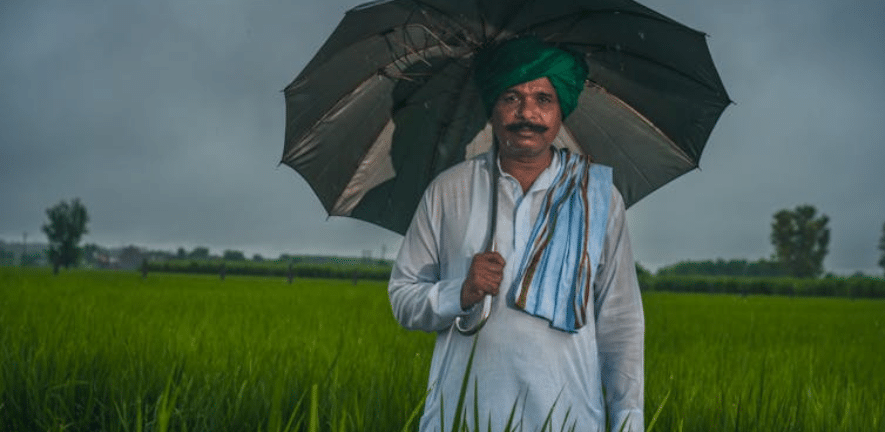
Australian producers call for practical and locally-proven agritech solutions
 Agri-TechE
 Australian producers are seeking agritech solutions proven to perform in Australia’s harsh and diverse environments. From horticulture to dairy farming, the message is clear: overseas innovation must be tested, tailored, and supported locally to succeed here.
When it comes to farming in Australia, no two operations look the same, and neither do their technology needs. From orchard rows in Victoria’s Yarra Valley to pasture-based dairies in the state’s southwest, producers are navigating challenges from labour shortages to climate volatility and seeking global solutions.
In September, AgriFutures growAG., Dairy Australia and Hort Innovation will co-host the Around the World – Australia webinar. Designed for UK-based researchers and innovators, a part of the Agri-TechE network, the session will explore the growAG. platform as a gateway to collaboration, highlight the key differences between the UK and Australian agrifood production, share first-hand perspectives from two Australian producers on where innovation is most needed, and how global partnerships could help.
“Labour is a big problem” – the horticulture perspective
As Production Manager at Battunga Orchards for over 21 years, Mark Trzaskoma oversees 176 planted hectares of apples, pears, and lemons across three Victorian sites in West Gippsland, about an hour and fifteen minutes southeast of Melbourne. His biggest challenge? Skilled labour.
“Labour is a big problem – especially skilled labour. Unskilled labour is becoming increasingly unskilled. Current training focuses on amenity horticulture – home gardens – not large-scale commercial operations,” Mark explains.
The business has been heavily mechanised, eliminating ladders in favour of work platforms for pruning, hand thinning, and harvesting. Revo platforms – self-propelled orchard platforms with built-in conveyor belts and bin fillers – have boosted efficiency, but not every technology trial has paid off.
In 2015, Battunga Orchards partnered with an American robotics company to test a robotic apple harvester. “It could pick colour well and achieved a 76% removal rate – the highest they’d seen – but it couldn’t get the volume. Manual pickers still do 100%,” says Mark.

Data for decisions
Automated data collection, however, is an area where technology has delivered benefits for Battunga Orchards. The Canadian-developed Vivid Machines canopy scanner now captures fruit counts, sizes, bud numbers and growth rates across 30% of orchard blocks, helping Mark make faster, more informed management decisions.
“We used to count five trees in a block; now we scan every third row. The data is more robust, and we can track fruit growth. One block’s estimate was within two or three bins of the final tally,” he says.
Mark also sees potential in advanced irrigation technology, particularly as drought tightens water supplies this year. Despite having a state-of-the-art system on one farm, moisture monitoring still relies on manual probes. “We’ve been too comfortable with our water supply – it’s not until you get bitten that you think, maybe we can do something better here.”
A call for grower identity and fit-for-purpose imports
Beyond the farm gate, Mark believes there’s a problem with global supply chain collaboration, and greater transparency is needed, including grower identity, particularly for the horticulture industry.
“It’s one of the only industries in the world where the people who do it well, aren’t known. Nobody knows the growers – who’s good and who isn’t. For export, if growers were known more, buyers could search them out,” he says, pointing to branding, traceability, and QR codes as part of the solution.
And while Australian growers are eager adopters of overseas innovation, climate and system differences often limit success. “Too often, something’s imported without proper local testing or limited backup service. We need technology that’s fit-for-purpose here, not just in a Northern Hemisphere orchard.”
Innovation needs local proof – the dairy perspective
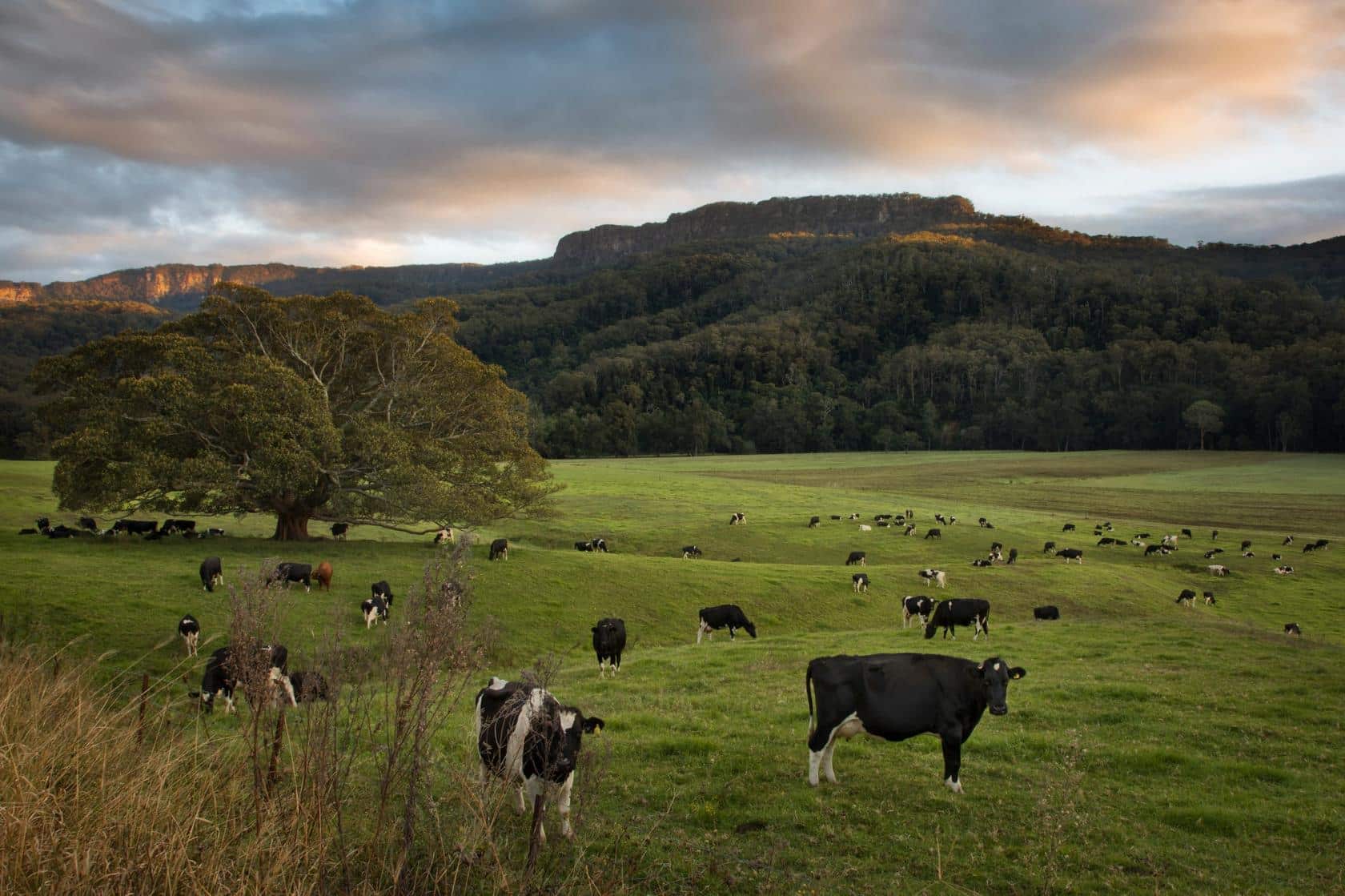
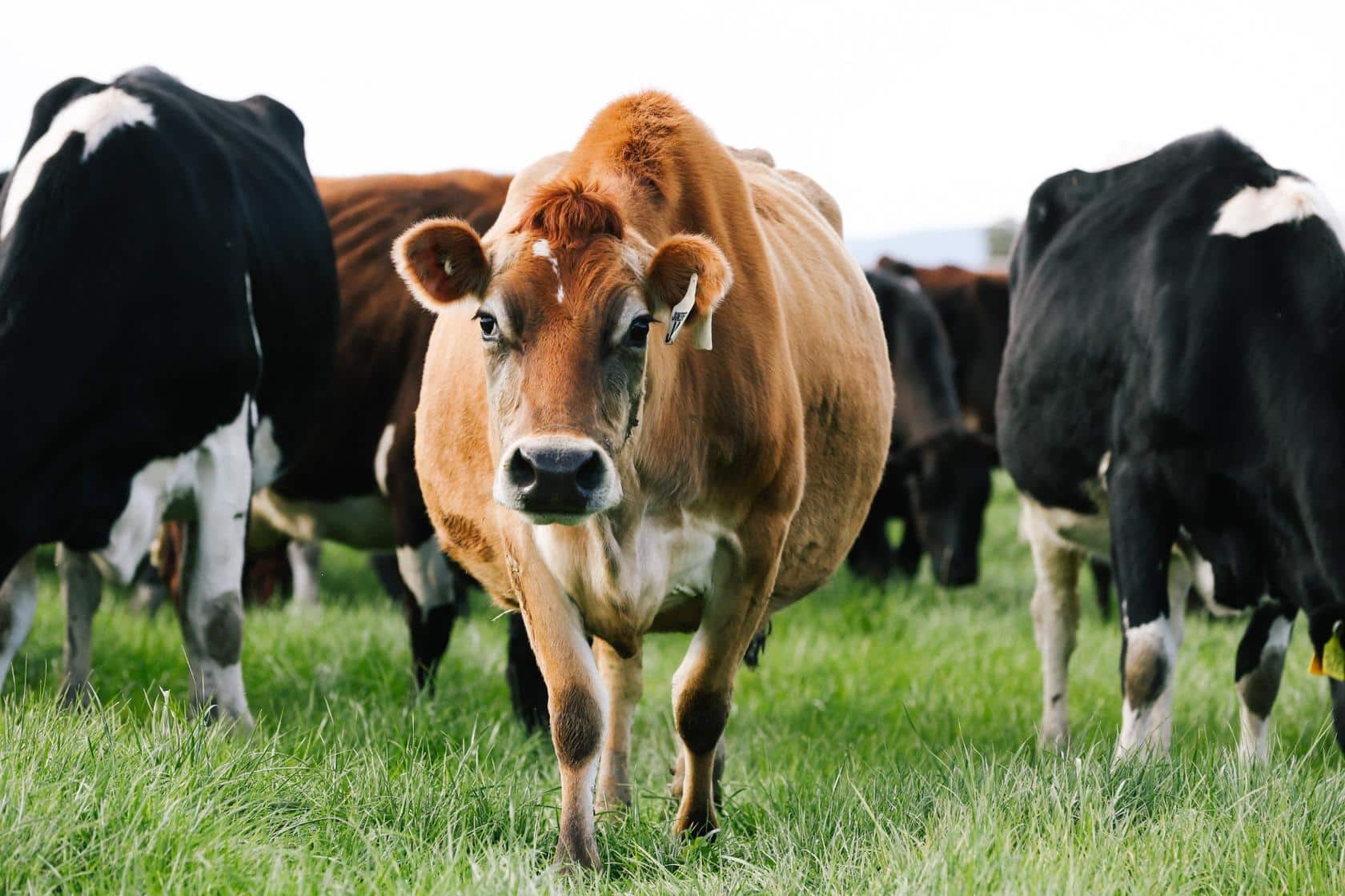
A three-hour drive west, near Colac in southwest Victoria, Sam Simpson runs Craiglands Holsteins with her husband Mark Billing, on a fourth-generation, 450-hectare dryland dairy farm milking between 380–420 cows. The family has witnessed a century of change, from hand-feeding grain to computer-controlled collars that automatically deliver rations based on each cow’s needs.
“Technology has transformed the way we manage stock – from insight into animal health and mating behaviour to better record-keeping for the whole business,” Sam says.
Early adopters of GEA’s CowScout collar system and management software, the Billings also use genomics to improve fertility, reduce methane emissions, and diversify income through crossbreeding.
Barriers to adoption
While open to innovation, Sam is clear: new technology must provide a tangible return or meet a regulatory requirement. “If it doesn’t provide an extra income stream or more money in your pocket, it’s harder to adopt unless it’s pressed on you from a regulatory angle.”
Some promising tools remain out of reach in Victoria due to pending legislation – like virtual herding, which uses GPS-enabled collars to move cattle remotely, reducing on-farm vehicle use and improving safety. “It’s got more value than just moving stock around. There’s also the potential OHS value. If you can reduce the hours staff spend on bikes moving animals, you’re reducing risk and cost.”
Other Northern Hemisphere imports, such as robotic milking systems designed for barns, often need modification for Australia’s predominantly pasture-based systems.
The role of Artificial Intelligence and Automation
Sam sees huge potential in AI to help manage and utilise the plethora of farm data.
“We get so much data from different places. If AI could scan, condense, and send tailored reports directly to feed mills, semen resellers, or pasture specialists – that could be a game changer.”
With fewer people willing to take on the physical work of dairying, she believes automation and AI are the future – attracting tech-minded recruits interested in programming, robotics, and remote sensing.
Sam explains, “AI and automation won’t negate the need for labour requirements on farm, it simply changes the nature of the labour that is needed to operate various aspects of the farm business. It’s possible that the skills needed to operate in these new areas don’t currently exist, so an education platform may need to be developed to cater to this”.
Opportunities for UK – Australia collaboration
Both producers see clear opportunities for UK innovators – but with a caveat. Whether it’s orchard scanners or dairy AI, solutions must be tailored to Australia’s climates, management systems, and regulatory context.
International partnerships already exist – Sam’s role with Dairy Australia’s DataGene involves collaborating with US, Canadian, and Irish researchers on genomic testing – but not all learnings translate directly. “In some areas, our systems are similar, but in reality, it doesn’t always translate. We need more collaboration that’s truly fit-for-purpose.”
As a part of the webinar, Agri-TechE members will also have an opportunity to speak with representatives from Australia Research and Development Corporations (RDCs), Hort Innovation and Dairy Australia. Members will learn what opportunities exist to engage with these RDCs and what topics or challenges the are looking to address.
Interested in joining the conversation? Register now for the webinar on Monday, 15 September 2025 here.
Post Overview
Agri-TechE Related Posts

Are TRL’s “Tailored for Real Life” agriculture – or is it time for a change?
Does Agri-Tech need Duolingo? Or even Trilingo?!
Agri-Tech for Resilience, Innovation and Sustainable Ecosystems
Visit AGROMEK in Denmark, November 2026

GoMicro Deploys Second AI Quality Control Unit to Australian Leafy Greens Grower