The Productive Landscape: NatureTech for Profit and Planet
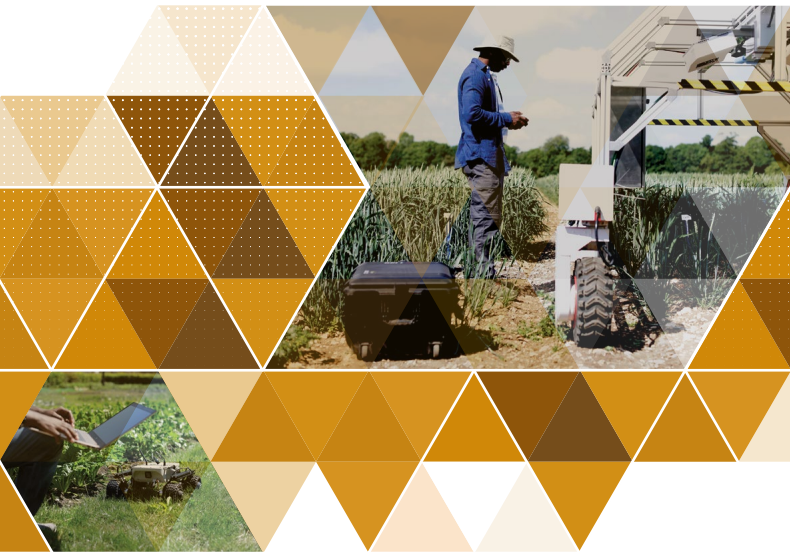
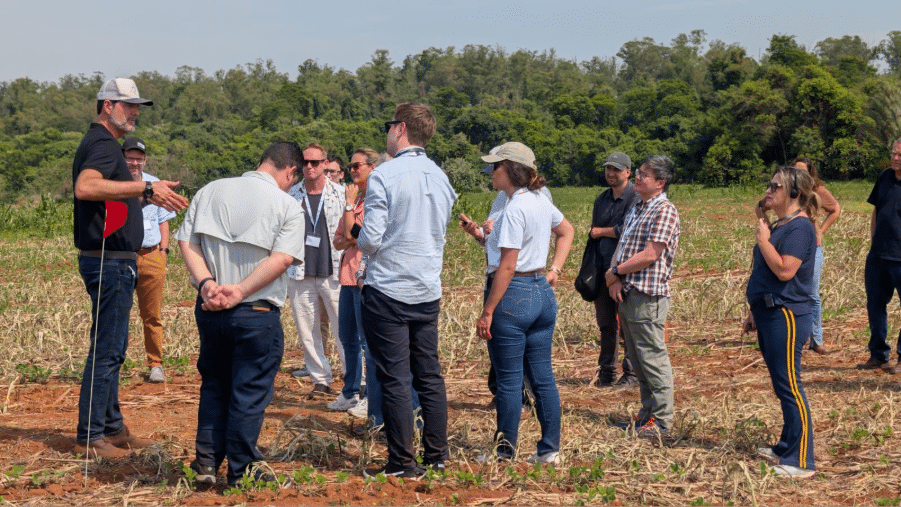
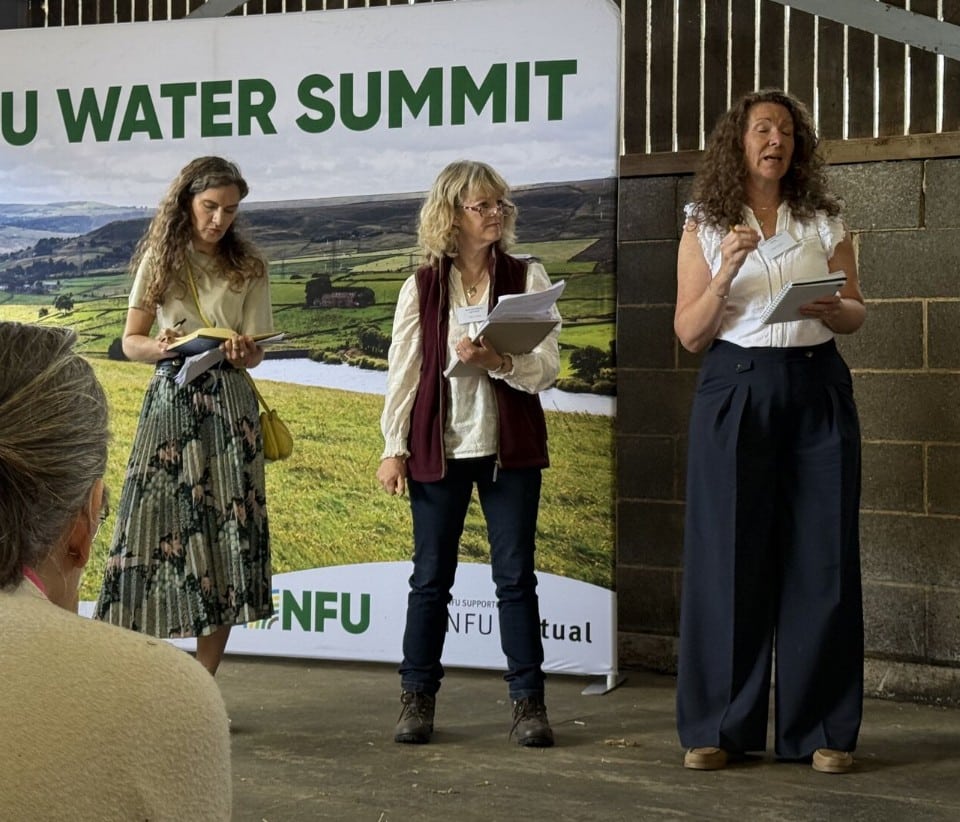
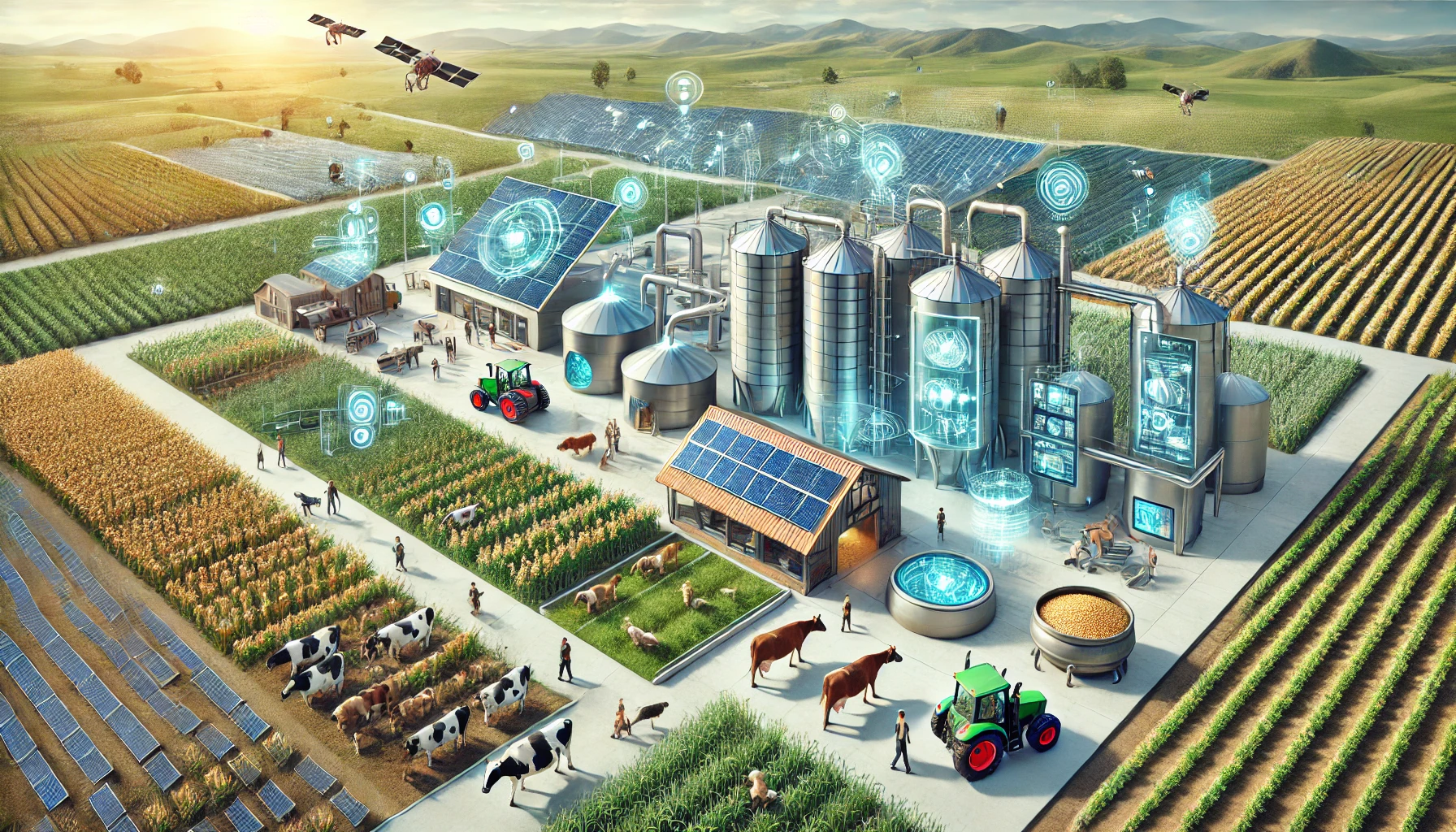
How can technology enable delivery of food, nature recovery, and climate resilience - all at once? The Head of the Environment Agency is asked: what's the national plan for dealing with land use pressures, plus you’ll hear from technologists and land managers working on nature-based and tech-enabled solutions for water, soils and climate adaptation.

IASP International Women’s Day event

Member News
The views expressed in this Member News article are the author's own and do not necessarily represent those of Agri-TechE.

To mark International Women’s Day, the Women in IASP (International Associations of Science Parks) held a global meeting to discuss some of the important issues facing women in science. Women in IASP is a group that was set up to share knowledge and increase the visibility of women in innovation communities worldwide.

Moderated by Roz Bird, CEO of Anglia Innovation Partnership at Norwich Research Park in the UK, the audience heard from Dr. Bindu Nishal from Agri Innovations and One Health at IKP Knowledge Park, India and Prof Keo Shirley Motaung, CEO of Global Health Biotech in South Africa.

One of the key points for discussion was the global issue of how to close the gender gap in STEM (Science, Technology, Engineering and Mathematics). Dr Nishal shared her experiences running the SheLeads in Science programme, which aims to foster gender diversity, support professional growth and promote innovation at IKP.

She spoke about the ‘inexplicable gap’ that currently exists with women being significantly underrepresented in STEM. In 2023, around 29% of the worldwide workforce in STEM fields were women compared to around 49% of the total employment in non-STEM fields.

Despite graduating at higher rates than men, women are less likely to study in STEM fields, are less likely to take a career in STEM and those that do tend to leave their careers earlier than men. She also explained that women in STEM are published less and are typically underpaid.

Prof Motaung highlighted the need to encourage grassroots efforts and mentorship to promote innovation and improve women’s participation in STEM. From her work, she believes that gender diversity fuels innovation and research advancements and that inclusivity is key.

To address this, she suggested joining mentorship, coaching or advocacy programmes, supporting policies promoting women in STEM and spreading the word to encourage more interest in STEM as a career choice amongst young women.

Commenting on the event, Roz said, “What a great session we had today ahead of International Women’s Day. It was fantastic to host two international speakers and hear their inspirational stories which will encourage us all! I truly hope that 2025 will be a year where we see more women in technology and innovation spaces and where we make significant progress in closing the gender gap.”

  • *I have permission from the copyright holder to publish this content and images.

eg technology bolsters global presence with appointment of Paul Anglim

Member News
The views expressed in this Member News article are the author's own and do not necessarily represent those of Agri-TechE.

eg technology Ltd have started 2025 with a key appointment as Paul Anglim joins the specialist product design, engineering and development consultancy as we continue our international expansion.

In response to increased global demand for integrated product development services and eg technology’s recently established office in Galway, Ireland, we are pleased to welcome former BioInnovate Ireland strategic lead, Paul Anglim, to our growing Business Development team.

eg technology has been bridging the gap between innovation and market-ready products for 23 years from bespoke facilities in Cambridge. However, based in eg’s Galway office, the PorterShed, Paul will be a direct liaison for our Irish network, further facilitating the delivery of client projects to the Irish, European and US markets.

With over 20 years’ experience in Life Sciences, MedTech and Digital Health, Paul has worked with Multinational Corporations, SMEs, Startups, academic institutions, investment companies, government agencies and hospital groups to help them achieve their goals in market strategy, commercialisation, needs-led innovation, and identify opportunities for growth and scale.

With a BSc in Biotechnology from NUI Galway, and a PhD in Molecular Biology from University of Southern California, Paul lectures at RCSI and University of Galway (where he is an Honorary Clinical Fellow). He is also the Founder of Angles Consulting, former Health Lead at the Guinness Enterprise Centre and advisor to the Innovators Initiative DigiBio Fellowship.

As the MedTech industry evolves and markets remain transient, providing innovators in Ireland, Europe and America with access to our development services will help reduce barriers when delivering products to global markets”, eg Director, Rouzet Agaiby says.

“Paul is a fantastic addition to our team and has extensive experience and established networks within the Irish healthcare and life sciences ecosystem. He is joining a remarkable team, and I have no doubt that his expertise in identifying and validating needs and market opportunities, commercial de-risking, and market adoption strategy will be integral in further driving eg’s success, growing our international client base and delivering on our strategy of becoming the chosen product development consultancy for clients and employees alike”.

Paul Says: “Joining eg is both a pleasure and a privilege. I have a wide and varied background in the Life Science and MedTech sectors, and I am looking forward to drawing upon my technical and commercial experience to help support innovators looking to access Irish, European, US and UK markets. I have a particular passion for HealthTech and needs-led innovation and I am excited to work with eg technology who are experts at developing emerging technologies and working with innovators dedicated to optimising patient outcomes and improving their route to market.”

If you are based in Ireland and would like to discuss how we can accelerate your route to market, please connect with Paul here.

For more information on getting your technology or ideas to market, or to chat with one of the eg team about your product design and development requirements, please get in touch:

  • *I have permission from the copyright holder to publish this content and images.

The draft of The Genetic Technology Regulations 2025

Member News
The views expressed in this Member News article are the author's own and do not necessarily represent those of Agri-TechE.

In a recent blog post we discussed the Precision Breeding Regulatory Framework developed by the Food Standards Agency (FSA). Further details on the application process for Precision Bred Organism confirmation have now been revealed, with the recent publication of the draft Regulations implementing the Genetic Technology (Precision Breeding) Act 2023.

This draft legislation provides detailed procedures for applicants seeking confirmation, release, and marketing authorisation for precision bred plants in England.

Confirmation of precision bred status may be obtained by submitting a marketing notice to the Department for Environment, Food & Rural Affairs (DEFRA). The marketing notice must provide a general description of the precision-bred plant and list its intended use, and include the purpose of the genetic modifications and a comprehensive description of these.

Specifically, the applicant must provide the details, location and stability of the intended and unintended genetic changes and include, if relevant, a description of any genetic elements and information relating to their origin.

While the legislation does not specifically mention the need to submit sequence data, it is not clear whether such data may be needed to support the description of genetic modifications. In addition, scientific evidence must be provided to demonstrate that the modifications meet the legal definition of precision breeding (i.e. the genetic modifications have been performed using modern biotechnology and could have occurred naturally or through traditional breeding).

If the application is successful, the confirmed precision bred plant will be added to the precision breeding register, allowing it to move forward in the regulatory process. Of note, such marketing notice may be used for other precision bred plants, provided that they belong to the same species and share the same genetic modifications.

Before releasing a precision bred plant into the environment, for example for R&D trials, applicants must submit a notice of release to DEFRA, at least 20 days before the plant release. The notice must contain a description of the precision bred plant, including taxonomy and genetic modifications, and list the modification techniques used. In addition, confirmation must be provided that appropriate containment measures will be put in place to prevent the marketing of the released plant. Release notices will also be included in the register.

Specific rules apply to food and feed produced from precision bred plants, for which an additional marketing authorisation from the FSA is required. In this case, applicants must provide further evidence that the products derived from a confirmed precision bred plant are safe for consumption (for example, evidence of historical safe use) and may require assessment by the FSA before authorisation can be granted. The FSA has published draft guidance documents for applicants seeking marketing authorisation of precision plants for use in the production of food and feed (https://www.food.gov.uk/business-guidance/what-are-precision-bred-organisms).

The full draft legislation may be consulted here https://www.legislation.gov.uk/ukdsi/2025/9780348269123/contents.


This article was prepared by Trainee Patent Attorney Delphine Lauté-Caly.

Advancing global food security by harnessing AI and 3D printing to combat hidden crop killers

Member News
The views expressed in this Member News article are the author's own and do not necessarily represent those of Agri-TechE.

The challenge of global food security is vast, but a significant part of it revolves around understanding and mitigating crop losses caused by pests and pathogens. Crop diseases and pests are major constraints, causing yield losses that can vary from small to total crop loss. These losses and their severity are due to sporadic incidences of pests and disease that ultimately can lead to severe food insecurity in some regions. Notably, there are “orphan diseases”, diseases that even though are important due to their effect on crop yield, are underappreciated, even by farmers. Among these, plant parasitic nematodes are a prime example and the subject of Dr Sebastian Eves-van den Akker’s research, head of the plant-parasitic interactions research group. These root-parasitic, soil-borne nematodes are challenging to detect and thus often overlooked by farmers and researchers, yet they significantly impact crop health by draining plant resources from within the roots.

Sebastian’s lab focusses on understanding and combating these hidden threats. One of the significant obstacles in this research field is phenotyping: determining the extent of nematode infection (i.e. how many nematodes are currently infecting a given plant?) and their effects on plants (i.e. how many nematodes will there be in the next generation?). Traditionally, this has been a painstaking manual process where researchers must physically look at plants and visually quantify whether a given plant is diseased at any specific point in time. To address this, Sebastian’s team developed a four-step process that allows researchers to (1) see the roots, (2) see the nematodes, (3) measure the number of nematodes present and (4) do this in tens of thousands of plants, in real-time and without using destructive processes. They developed an innovative, high-throughput phenotyping system using 3D printing and Artificial Intelligence (AI). This system allows the rapid visualisation and analysis of tens of thousands of plants (in only 3 hours), thus significantly accelerating the ability to study nematodes in situ.

The approach involves infecting the model plant Arabidopsis thaliana with beet cyst nematodes (Heterodera schachtii) and using the custom-designed machines to capture detailed images of infected roots. These images are then analysed using AI-driven software, developed in collaboration with Prof Ji Zhou’s labs at Niab and Nanjing Agricultural University, which accurately counts nematodes and assesses various phenotypic traits such as size, shape, and colour. This non-destructive method allows the team to track the dynamics of nematode infections over time, providing a holistic view of the entire infection process.

One of the most significant findings from this study is the competitive interaction between nematodes, infecting the same root area. Contrary to the initial hypothesis that nematodes might assist each other, this study revealed that nematodes compete for resources, negatively impacting each other’s growth. This was further confirmed through extensive biological replicates, providing robust new insights into nematode behaviour.

This study is the largest nematode infection trial conducted to date, measuring millions of nematodes, infecting thousands of Arabidopsis plants (using a mapping population consisting of 550 different ecotypes or varieties of Arabidopsis), to map the genetic basis of nematode resistance. By correlating phenotypic data (size, shape, and colour) with genotypic information, specific regions of the Arabidopsis genome have been shown to be associated with resistance traits. This comprehensive genetic mapping is extremely important as it can inform the development of crop varieties with enhanced resistance to nematodes.

This type of innovative research underscores the importance of a dynamic approach to plant pathology, moving beyond static measurements to consider the growth rates and interactions of pathogens over time. By leveraging advanced technologies such as AI and 3D printing, the collaboration between researchers at The University of Cambridge and Niab, joined at the Crop Science Centre, are not only uncovering new biological insights, but also paving the way for innovative crop protection strategies. This holistic and dynamic understanding of plant-nematode interactions holds promise for improving global food security by developing crops that can withstand these hidden, yet devastating pests.

Published by the Crop Science Centre.

Signs of recovery in global agrifoodtech investment

Agri-TechE Article
Agri-TechE

After three years of decline, global agrifoodtech investment is showing signs of stabilising, reaching $16 billion in 2024, just 4% lower than the previous year.

While investment levels remain well below their 2021 peak, this slowdown in decline suggests a potential turning point for the sector, according to the new Global AgriFoodTech Investment Report 2025, from leading agrifoodtech investment and intelligence platform AgFunder.

Agri-TechE is proud to be the UK partner for this year’s report, we wanted to share the highlights and our thoughts on its impact on our innovation ecosystem.

The UK perspective: a tough year with bright spots

Despite a decline in both funding (-45%) and the number of deals closed (-40%), the UK ranked fourth globally, attracting $616 million across 113 deals.

Notably, AI-driven automation and robotics continued to attract attention, highlighted by an $80 million round for logistics disruptor Dexory, that uses AI to manage warehousing.

Belinda Clarke, Director of Agri-TechE , emphasised the UK’s position in the global landscape:

“The UK has proved yet again that it is leading the field behind the global superpowers of the US and China when it comes to private investment into agrifoodtech. The annual AgFunder report provides the most trusted set of insights about the status of the sector, and Agri-TechE is delighted to be the UK partner for this latest edition. The ability of the sector to attract private investment is a key metric about the confidence in our industry and the potential to deliver on-farm and supply chain benefits.”

Mixed Fortunes for the rest of the world

A mixed picture emerges across different regions and investment categories. While some developed markets, such as the United States (+14%) and the Netherlands (+118%), saw increased investment, others – notably in Europe and China – continued to struggle.

Despite these mixed signals, half of the venture capitalists surveyed for the report believe that agrifoodtech investment may have hit its lowest point. The stabilisation of global venture capital funding, which saw a modest 3% increase to $314 billion, reinforces this cautious optimism.

Though, as the Report’s authors note: “no one is out of the woods yet”.

Install complete
Frederick Hiam The process after install completed.
High-precision laser weeder WEEDBOT

Images show agri-tech in action: parsnip processing at Frederick Hiam and SIA Weedbot’s laser weeder ‘Lumina’

The role of AI and Capital Efficiency

Despite the overall funding decline, certain segments within agrifoodtech showed resilience. Artificial intelligence, robotics and on-farm mechanisation continue to generate both excitement and frustration. While their potential presents vast opportunities, 2024 also saw concerns over AI “hype” in investment pitches.

Farm robotics and automation are becoming increasingly appealing as labour shortages and rising costs put pressure on agricultural production. While investment in Farm Robotics, Mechanisation, and Equipment has remained relatively stable over the past five years – holding steady at around $780 million – 2024 experienced a modest 2% reduction following a 9% increase in 2023.

As the Western Growers Association notes: “Over 50-70% of high-value crop production costs are labor-related, yet less than 2% of the work is automated. That’s an enormous inefficiency— and it represents an equally enormous opportunity. Advances in robotics, AI, and automation are finally reaching a point where they can be commercially deployed in ways that meaningfully impact productivity, costs, and sustainability.”

According to AgFunder partner Rob Leclerc, the coming years will likely see “more capital-light business models and greater incorporation of AI” in agrifoodtech. However, the AI boom has also led to concerns within the investment community, with investors Manuel Gonzalez and Stephanie Dorsey voicing frustrations over AI fear-mongering and its overuse in startup pitches.

Looking Ahead

While the industry remains far from pre-pandemic investment levels, the slowing rate of decline in 2024 suggests that a fragile recovery may be underway. With strong growth in select markets and continued interest in AI-driven innovations, the agrifoodtech sector is positioning itself for a more resilient future.

Ponder, Pitch & Partner: Focus on Finance Event 11 September

Navigating the investment landscape can be challenging, and Agri-TechE ’s Focus on Finance event is designed to help agri-tech businesses understand their funding options, connect with investors, and refine their pitches.

Featuring Louisa Burwood-Taylor, Head of Media and Research at AgFunder, as the keynote speaker, this event offers invaluable insights into global investment trends, whether you’re seeking your first round of funding or scaling up with a multi-million-pound investment.

You can book your place on Focus on Finance, or, if you are a start-up or business seeking funding, you can apply to pitch your innovation/solution/idea on the day, to the room of investors.


AgFunder
AgFunder
Global AgriFoodTech Investment Report 2025

AgFunder’s Key Investment Trends in 2024:

  • Global agrifoodtech funding reached $16 billion, a 4% decline from 2023 – far less severe than the 52% drop seen the previous year.
  • Upstream categories continued to receive the largest share of investment (51%), but funding declined 22% YoY.
  • Downstream investment surged by 38%, driven by significant deals in the US and India.
  • Midstream Tech investment grew by 41% YoY, reaching 11% of total agrifoodtech funding.
  • eGrocery reclaimed its spot as the top-funded category, accounting for 12% of agrifoodtech investment with a 17% YoY increase.
  • Cloud Retail Infrastructure emerged as the fastest-growing category, with a 45% increase in funding across 52 deals.
  • North America was the only developed market to see an overall increase in funding (+10%), while India’s dramatic 208% growth pushed it to the second-largest investment market after the US.

Connections Week is when we come together

Agri-TechE Article
Agri-TechE

Agri-tech might conjure images of robots and drones, DNA sequencing and lab coats, but it isn’t just about cutting-edge innovations – it’s about the people, the ideas, and making the connections that drive progress.  At Agri-TechE , we work every day to build a trusted, diverse network that fosters collaboration to bring innovations to life.

We’re in the midst of our second ‘Connections Week’ – a time dedicated to celebrating the connections we have made, getting together to make new connections, and improving our skills for making future connections.

For our members, the ability to make the right connections is one of the most valuable aspects of being part of Agri-TechE . Our recent survey shows that 86% of members consider connections the greatest benefit of being part of Agri-TechE – and, for farmers, this priority rises to 100%.

This makes it our priority as well. Last year we made 246 connections across the community from farmers to tech developers, start-ups to investors. And, in the spirit of Connections Week 2025, we wanted to share a snapshot of just a few of the successes we’re proud to have helped facilitate.

C0983_013
REAP 2024

Trusted Connections

Our independence from government policy and private investment is viewed by our community as one of Agri-TechE ’s greatest strengths. It allows us to act in the best interests of our members to facilitate credible, worthwhile connections. We have built a reputation as a trusted intermediary.

R&D Glass: Agri-TechE is this farmer’s top choice!          

Roger Pauli, a farmer and developer at R&D Glass in the West Midlands, is creating digestate fertilisers blended with alternative materials such as chicken litter, which can have a propensity for nutrient run-off. Roger needed technology to accurately monitor ground penetration and the impact of water logging.

At one of our Farmer First Innovation Group (FFIG) meetings, Roger connected with two key technology developers in the Agri-TechE community – Paul Tech OÜ and Assimila. PaulTech’s soil sensors measure nutrient absorption at multiple depths, while Assimila’s satellite data tracks historical and crop performance. Roger is currently undertaking trials with both companies to help understand the viability of his fertiliser.

When asked where else he would look for agri-tech solutions, Roger responded: “I don’t look anywhere else. Agri-TechE members come with confidence – you know you’re getting reputable, feasible organisations. Agri-TechE ’s independence is key, unlike other sources that can have an advertorial slant.”

The right connections at the right time

Farmers play a key role in shaping innovations to ensure they are practical, workable, and actually needed by farmers. Agri-TechE bridges the gap between agri-tech developers and the farming community, to support the co-creation of solutions that meet real-world needs.

Muddy Machines is squirrelling away on farm

For agri-tech start-ups, this often means having access to on-farm testing environments. When Muddy Machines acquired an autonomous logistics robot called Squirrel and needed a site near their Chiswick offices, CEO Chris Chavasse, reached out to Agri-TechE for help.

“We were looking for farmland close to our offices for testing and collaboration with farmers and growers. Thomas at Agri-TechE introduced us to several farms, each offering different setups, facilities, and price points. After visiting four locations, we secured a test site within 30 minutes of our offices. This has been a game-changer for us operationally, allowing us to iterate and refine our technology much faster.”

Muddy Machines is in the early stages of software testing, with plans to integrate the robot into harvesting operations throughout the growing season until November.

If you’re interested in learning how to better collaborate with farmers to co-develop and test new technologies with the farming community, join our final Connections Week event online this Friday: “Innovating With and For Farmers.”

C0983_035
C0983_040

Connections for global growth

The diversity of our membership—spanning different sectors and regions—creates a unique environment for ideas and innovations to flourish. Agri-TechE connects members from all over the world, creating opportunities for collaboration that cross geographical and sector boundaries.

AgRecruit’s US Expansion

When agtech recruitment specialists, AgRecruit, was looking to expand into the US market, they knew they needed the right connections to make their entry smoother. Sam Clayton, MD of AgRecruit, said, “My first thought was, ‘Is there an Agri-TechE equivalent in the States?’”

Fortunately, Sam didn’t need our US twin – we were able to introduce him to key individuals in St. Louis, Missouri (a hotspot for agri-biotech) which fast-tracked AgRecruit’s entry into the market: “The process of getting traction with certain key stakeholders was expedited significantly by Agri-TechE ’s ability to facilitate warm introductions, and this meant that we were able to enter the market with a softer landing and some credibility from the get-go.”

Connections for new clients

As well as bespoke introductions, Agri-TechE creates opportunities for networking through our vibrant calendar of events from farm visits and lab tours to webinars and skills workshops. These gatherings are the perfect environment for members to meet others from the community, spark new opportunities – or even find a new job!

J A Kemp shares its Patent Expertise

J A Kemp LLP, a leading firm of patent, trade mark and design attorneys with significant expertise in plant science, agriculture and agri-tech, has been field sponsors of our REAP Conference for the last couple of years.  This has enabled J A Kemp patent attorneys to reach key players from the agri-tech community and secure clients, including a fellow Agri-TechE member in need of IP assistance.

“While exhibiting at REAP we connected with the CEO of PfBio, a company specialising in biological and eco-friendly solutions for sustainable agriculture. After taking advantage of a free consultation, they engaged our services. We are now actively working on a draft patent application to provide strong protection for their innovative bioproduct technology.” Dr Daniel Shaw, J A Kemp Partner, European and UK Patent Attorney.

C0983_301
C0983_292

It’s not what you know, it’s WHO you know…

It’s Both!

We might be shouting about it a bit more than usual (it is Connections Week after all), but this is what we do every day.

We bring together the right people – farmers, researchers, investors, and innovators – to accelerate progress in agricultural technology, through bespoke introductions, networking events, and collaborative projects. Whether you’re a startup looking for investment, an established business seeking fresh innovation, or a researcher eager to collaborate, Agri-TechE can get you to the people who matter most.

Want to make more meaningful connections? Get in touch with us.


*We know a lot of our connections need to stay under the radar to protect commercial sensitivities, but if you have successes borne out of your connections through us that can “go public”, do let us know so we can share the good news!

Our members say…

Simon Pearson, Professor of Agri-Food Technology, University of Lincoln: Agri-TechE ’s network is UK-wide and international. It’s one global family that connects us to the whole thing, it’s brilliant!

Robert Smith, Farm Director, Russel Smith Farms: The different types of people that have come and visited us by being a member of Agri-TechE has been huge. I have heard some unbelievably amazing innovations and ideas that will affect all of us in the growing industry.

Casey Woodward, Founder & Chief Executive, AgriSound: Working with Agri-TechE has been a fantastic experience – the connections made have helped us to raise funding as well as raise our profile across the industry.

Early Career Innovators’ Forum builds networks for agri-tech enthusiasts

Agri-TechE Article
Agri-TechE

Agriculture is a close-knit industry founded on personal connections and relationships, so developing a network early in a career can significantly boost an individual’s prospects. Agri-TechE ’s Early Career Innovators’ Forum (ECIF) aims to do just that.

ECIF is a platform that unites early-career individuals interested in agri-tech through a diverse programme of free activities sponsored by the Morley Agricultural Foundation and delivered by Agri-TechE .

A mix of dedicated ECIF events allows participants to get to know each other in small groups, and some Agri-TechE events are also free for ECIF members, which exposes them to industry leaders and debates about the future of agriculture, says Dr Laura Bouvet, Knowledge Exchange Manager at Agri-TechE .

Dr Laura Bouvet
Dr Laura Bouvet
Knowledge Exchange Manager at Agri-TechE

“You don’t have to attend events in-person,” shares Laura.

“There are webinars, newsletters, and online skills-building opportunities.

“We want to help new starters in agriculture to explore innovation across various areas of the scientific and research industries, develop their professional network by connecting them with other people early in their careers, and gain knowledge to help them thrive professionally.”

Young farmers generally possess strong practical agricultural knowledge but often have limited connections in the research and technology sectors. Conversely, Laura notes that many researchers and technology developers come from outside the agricultural sphere and seek to enhance their understanding of the farming industry.

This is the situation Elin Falla found herself in when she came across ECIF at a careers event. An interest in plant science led Elin to do a PhD at Cambridge University, studying mathematical models of the spread of aphid-transmitted viruses through crops.

“One of the reasons I was so keen to join ECIF is because my PhD is quite theoretical and I don’t get an overview of what the agricultural industry looks like,” explains Elin. “It can seem a bit mystifying at first. Academic papers aren’t the same as hearing about the industry and what other people involved do.”

Once she has completed her PhD, Elin wants to explore opportunities to work for an agri-tech company or pursue further research in the industry. She sees the connections she makes at ECIF as helping her achieve that ambition.

“I still haven’t decided what direction I might take. Either way, it’s important to me that my research is valuable and talking to the people involved daily is really helpful for that,” adds Elin.

ECIF_group_photo_v2
RRes_ECIF_group_image

Laura is busy preparing for the annual ECIF conference on April 30th. This year’s event is called ‘Innovating from Seed to Field, through Space’ and is open to new and existing ECIF members.

“For this year’s ECIF Conference, I want to challenge participants to think about what it takes to bring innovations to commercial reality, by considering the different scales at which innovation happens. The ECIF Conference also gives attendees an overview of the technologies they wouldn’t know about. It’s an opportunity for them to get excited and inspired about the sector.”

“We would love to see some new young farmers at this year’s conference.” says Laura.

Find out more about the ECIF Conference, and book your ticket!


The Early-Career Innovators’ Forum (ECIF) is a platform uniting early career individuals passionate about agricultural innovation. The programme is kindly sponsored by the Morley Agricultural Foundation.

Join the ECIF Programme to enhance your knowledge and network in agriculture, and to attend free activities, including research, farm and industry visits, an annual conference, and professional skills webinars. Explore more about ECIF and how to join here.

How agri-tech innovations save parsnip producer over £500k per year

Meet the Network
Agri-TechE

This month’s Member Spotlight is a textbook example of the value agri-tech innovation can have for farmers and food processors.

Frederick Hiam’s Managing Director, Jamie Lockhart, shares insights from his Nuffield Scholarship and the impact of new agri-tech on his operation.

You could say innovation is in Frederick Hiam’s DNA. Born in 1872, Sir Frederick Hiam began directly marketing his Cambridgeshire farm’s produce at Covent Garden and Spitalfields markets. The model he developed proved to be hugely rewarding, as by his death in 1938, the farm had grown from 300 to 6,000 acres.

The business has retained the ethos of adding value through the supply chain by continuing to process its own produce as well as third party produce it sources from nearby farms, on contract. While this allows higher returns and gives Managing Director Jamie Lockhart more control of the process, it is not without difficulties.

Covid accelerated ongoing challenges to the operation’s labour supply and costs. Jamie stepped into a situation he felt was unsustainable when he took over the management of the business.

“It came to a head at the end of 2021; labour was a real challenge. We were bussing workers from London, which cost £1,000 a day just for the transport.

Frederick Haim ran a positive selection system for grading their parsnips, which meant they only picked off roots with the quality their customers were looking for, and anything left went for stock feed or processing. Selected parsnips ran on a belt through a processing system to cut the green material off the crown and trim the tip of the root to length.

“It was very labour intensive, but also skilled to the point that the workers need to know what is good and bad. If they put bad parsnips on the belt, we risked sending that to our customers. As worryingly, if they missed the good, it was straight off down the waste chute.”

Being mid-way through a Nuffield Scholarship sponsored by the Royal Norfolk Agricultural Association titled End-to-End Automation of Field-Scale Vegetable Production, Jamie naturally sought an agri-tech solution. However, the reality was no off-the-shelf alternative to their labour-intensive system existed. The options were to “sit on their hands and wait for somebody else to do it” or develop the solution themselves.

Pre install
Frederick Hiam pre install of new Wyma equipment
Install complete
Frederick Hiam The process after install completed.
Images show Frederick Haim pre and post installation of new equipment

New Zealand post-harvest equipment manufacturer Wyma, which has a UK base in Norfolk, was invited to evaluate Frederick Hiam’s existing processing line to determine whether there were opportunities to improve its efficiency.

“They played us a quick video of a new project they were working on in New Zealand, which showed the very early stages of a new rotor cut system. It was so uplifting to see someone working on a solution.

“We signed a collaboration agreement to develop the system together in early 2022. It was a real joint effort; they were taking the risk of developing the product, and we were risking the time and energy needed to invest in the project.”

At its heart is a camera-monitored rotary cutter that precisely trims the green material on the crown and the root tips with 95% accuracy as a parsnip travels through a conveyor. It meant pickers no longer needed to place parsnips on a trimming line.

Development was not without its challenges. The first rotor cut system needed parsnips to be fed into the conveyor crown first, but it proved difficult to do this and continue to feed enough parsnips into each rotor cut unit. One of Wyma’s software engineers provided a moment of inspiration. Two days later, the issue was solved by allowing the rotor cut to work with parsnips fed in both directions.

“They developed the system on-site, working towards our target of two parsnips per second over a two-minute period. Wyma was able to get to that number consistently, meaning we moved to the next stage.”

It was a risk, but Jamie felt it was a calculated one. The first two rotor-cut trimmers were installed in the factory in September 2022 and were initially fed by hand.

“With machine learning, there’s no doubt that the earlier you can get something working, the quicker the development becomes. This step saved us six months compared to waiting for everything to be fully commercially ready.”

18 months after the project began, Frederick Hiam had six trimmers and bowl feeders installed in the factory, in the same spot where over a dozen workers used to feed the old manual line. There was a further 12 months of fine tuning.

IMG_6509
Frederick Hiam parsnips

 First mover advantage

According to Jamie, the rewards of co-developing a solution have far outweighed the risks.

“Wyma were considering stopping the project because they couldn’t find a partner to take it to the next stage. I’d love to know how many innovative projects remain on the design board because there isn’t an open mind to take a risk.”

Frederick Hiam’s advantages of co-development include the ability to influence the design to meet exact specifications, a period of exclusivity  give them an advantage over other processors, and the fact that collaborating with the supplier to develop the solution results in a cheaper system than purchasing a finished product.

Jamie predicts that the capital outlay will deliver a return on investment in under four years because of the reduced labour costs. It is too early to say whether their rotor cut system will become the new industry standard, but for Frederick Hiam, that is immaterial. The system they co-developed with Wyma works for them and delivers a handsome return on the work and risk they undertook in 2021.


Jamie Lockhart
Jamie Lockhart
Managing Director, Frederick Hiam

Jamie’s top three tips for adopting agri-tech

1. Be clear on the problem: If you approach a technology company to help solve an issue, a clear briefing on precisely what you are looking for is essential.

2. Infrastructure is critical: Significant investments in intangible assets at an early stage can seem difficult to justify initially, but they pay dividends later. For example, high-speed internet and a Wi-Fi mesh network have allowed large amounts of data to move seamlessly between Frederick Hiam’s systems

3. Don’t accept that what you already have can’t be upgraded: With the help of the right partner, most older farm technology can be incorporated into smart systems. At Frederick Hiam, the discovery of a serial port on an existing weighbridge allowed it to be digitised and integrated into its ERP system at a fraction of the cost of a new weighbridge.

Protecting IP in vertical farming stacks up

Member News
The views expressed in this Member News article are the author's own and do not necessarily represent those of Agri-TechE.

What do cars and vertical farms have in common? Plenty, it turns out, as showcased in the Hyundai Motor Group Innovation Center Singapore (HMGICS). Operational since late 2023, the seven-storey centre spanning 935,384 square feet (about 86,900 square meters) of floor space contains two smart farms which make use of robotics and automation (technology commonly used in car production), to produce various greens. There is a 5-meter tall vertical farm with automated rotating conveyors and robots that take care of processes from seeding through to harvesting.

Vertical farming is the practice of intensively growing plants in vertical stacks within a highly controlled environment. The super low footprint of a vertical farm is perfectly suited for producing fresh, high quality fruit and vegetables in an urban setting, especially in land-scarce, highly populated areas.

Although the concept has been around for decades, many regard Sky Greens’ facility in Singapore as the world’s first commercialised vertical farm. Set up in 2012, rotating, multi-layer troughs in a nine-metre-high vertical A-frame are used to grow plants hydroponically, or in soil. Natural lighting and water-powered rotation means the entire system is low energy, as well as low footprint. The inventor of the Sky Greens system, Mr Jack Ng, filed a patent application in Singapore in 2010, then made use of the Patent Cooperation Treaty (PCT) system to obtain protection for his invention in a range of countries around the world.

Market research firm MarketsandMarkets has predicted that the global market for vertical farming will be worth $13.7 billion by 2029, growing at a compound annual growth rate (CAGR) of 19.7% from 2024 to 2029. As awareness for the need for food security increases, government funding support in the agritech area has also been increasing globally, thus encouraging increased innovative activity.

In Singapore, there is a 30 by 30 initiative, which is a goal to increase the amount of Singapore’s nutritional needs that are produced locally and sustainably by 2030. A S$60 million (about US$44 million) Agri-food Cluster Transformation (ACT) Fund was set up in 2021, to encourage local farmers to upgrade their capabilities to raise productivity, resource efficiency, and reduce pollution and waste, and upscale their technologies.

In Korea, during the 3rd Agriculture, Forestry and Fisheries Future Technology Forum conducted in March 2024 by the President’s Special Committee on Agriculture, Fisheries and Rural Affairs, 243 billion won (about US$167.8 million) worth of funds were planned for supporting investments in green food technology, smart agriculture, among others.

According to a report from LexisNexis, there have been nearly 200 patent applications filed for documents that expressly use the phrase “vertical farming” in either their title, abstract, or claims with the top ten global patent authorities (Canada, China, France, Germany, Japan, Republic of Korea, Russia, the United States, the European Patent Office, and World Intellectual Property Organization). This does not account for any of the patent applications with applications in vertical farming that do not name it explicitly.

IP associated with vertical farming has also expanded in recent times to cover – amongst other things – sensors which monitor the plants, robots to tend to their needs, specialised lighting to ensure perfect all-year-round growth, and AI technology to manage it all. This “growing” trend is not limited to vertical farming, but encompasses many other Agritech sectors. In particular, the WIPO Patent Landscape Report on Agrifood shows substantial growth in the number of Agritech international patent families in the past 10 years. The sub-domain of connectivity/sensors/smart farming is among the top three sub-domain for patenting in Agritech, and has steadily grown over the years.

Innovation in the vertical farming sector is provided by an exciting mix of established agri-companies, global market leaders in non-agritech sectors, and new start-ups.

For example, Malaysian start-up BoomGrow, developed a system using repurposed shipping containers to grow pesticide-free produce grown in a controlled hydroponic environment. BoomGrow currently has pending patent applications in various Asia-Pacific countries, and received pre-Series A funding in 2023 to expand in Southeast Asia.

Urban Crop Solutions, a Belgian indoor vertical farming solutions provider, collaborated with global giant BASF SE in 2023 on a project to cultivate weed species for scientific research and develop innovative solutions to modern agricultural challenges. The company also recently partnered with Inagro and Ghent University to launch and validate the first of three vertical farming towers at Agrotopia, a research centre for urban food production in Belgium. Urban Crop Solutions currently holds several pending patent applications covering their vertical farming systems and facilities.

Danish start-up Nordetect, founded in 2016, produces portable lab-on-a-chip devices that enable vertical farmers to quickly identify and correct nutrient deficiencies in their crops, thereby obtaining optimum yield. Nordetect obtained a US patent grant in 2023 relating to their microfluidic device and method and system for performing inorganic determinations and has raised more than US$1.5 million in funding to-date.

As agritech companies continue to innovate, this emerging area of vertical farming presents an opportunity for growing intangible assets, whether it is to secure first-mover advantage, or to unlock licensing prospects for alternative revenue streams and/or collaborations. Whether you are a start-up or a multi-national, protecting your technology is paramount. Marks & Clerk’s Agri-tech team brings together years of expertise in biochemistry, engineering, AI, electronics and software. With our branches in the UK, Europe, Canada, Singapore, Malaysia and China, we are ideally placed to help grow your IP – around the world.

Article written by Nikki Lai, Associate Marks & Clerk


  • *I have permission from the copyright holder to publish this content and images.

5G Takes Root: trials at Worcestershire ‘Farm of the Future’

Member News
The views expressed in this Member News article are the author's own and do not necessarily represent those of Agri-TechE.

Virgin Media O2 Business and River Severn Partnership Advanced Wireless Innovation Region (RSPAWIR) have today announced a new collaboration to trial cutting edge 5G connectivity at Overbury Farms on the border between Worcestershire and Gloucestershire.

By installing a portable 5G Private Network on the farm, this trial will showcase innovative use cases, laying the groundwork for the connected farms of the future and demonstrating the transformative power of technology in crop protection and environmental preservation.

Overbury Farms, a 1,600 hectare award-winning estate and the chosen trial site, has long been a leader in digital farming, utilising connected tractors, Internet of Things (IoT)-enabled weather stations, and real-time data analytics. The farm will now serve as the ultimate testbed for the portable 5G Private Network, covering a 1-kilometre trial area to unlock advanced applications for farming, driving the future of agriculture.

Committing to share the findings from this innovative trial, Penelope Bossom, Overbury Farms’ owner, commented: “This exciting collaboration will give us the opportunity to test a variety of sensors collecting data over a private 5G network. The benefits of better information, warnings and the collation of data will provide new opportunities to our sector. Hopefully, we will overcome the constraints of variable connectivity to show the benefits of the network technology for a business in the countryside.”

Paving the way for further 5G-driven innovation in the agricultural sector, Overbury is a member of Agri-TechE , an organisation that brings farming experts together to foster new innovations in the Agritech space.


Read the full article and announcement on Virgin MediaO2.

How Continuous Soil Monitoring Transforms Farming

Member News
The views expressed in this Member News article are the author's own and do not necessarily represent those of Agri-TechE.

Soil monitoring is the foundation of successful farming, as it helps farmers understand soil health in real-time. It affects everything from nutrient availability and water retention to crop yields and long-term sustainability. Yet, many farmers still rely on periodic soil tests, which provide only a snapshot of conditions at a single point in time. But what if you could see exactly how your soil is changing—every day, throughout the growing season?

Continuous soil monitoring gives farmers real-time insights into nutrient levels, temperature, and moisture, enabling smarter decision-making, optimised resource use, and improved yields. But how does it work, and why is it becoming an essential tool for modern agriculture?

Baseline Nutrient Levels: The Foundation of Smart Fertilisation

Before plants start actively growing, it’s crucial to understand the baseline nutrient levels in the soil. The baseline indicates the amount of plant-available nutrients in the soil without mobile nitrogen compounds (nitrate nitrogen, NO3-N), giving a more accurate picture of long-term nutrient reserves.

With this data, farmers can:

  • Adjust fertilisation plans to match actual soil needs
  • Minimise over-fertilisation, reducing costs and environmental impact
  • Improve nutrient efficiency for better crop performance

Instead of guessing, farmers can now fine-tune their fertiliser applications based on real-time soil data—maximising both sustainability and yield potential.

Tracking Nutrient Dynamics with Real-Time Soil Monitoring

Nutrient availability isn’t static—it changes throughout the season as plants absorb key elements and as external conditions shift. Tracking nutrient reserves at different depths provides valuable insights into leaching and nutrient movement within the soil profile.

One of the most critical nutrients to monitor is nitrogen. Since it moves quickly through the soil, farmers need to ensure that nitrogen is available when plants need it—before it leaches into lower layers and becomes inaccessible.

With continuous data collection, farmers can:

  • Understand how and when plants absorb nutrients
  • Optimise organic and synthetic fertiliser applications
  • Reduce nitrogen losses, improving both farm profitability and environmental sustainability

Soil Temperature & Moisture: Critical Factors in Fieldwork Planning

Timing is everything in farming. Knowing the real-time soil temperature and moisture levels allows farmers to plan fieldwork at the most optimal times, reducing risks and improving efficiency.

Sowing at the Right Time: Soil temperature signals the beginning of the growing season. Sowing too early can expose seeds to frost, while delaying can shorten the growing period and impact yield potential.

Fieldwork Readiness: Moisture levels determine when soil is suitable for tillage and machinery operations. This is especially crucial for heavier clay soils, where the ideal moisture range for tillage is very narrow.

Overwintering Insights: Freeze-thaw cycles impact soil structure and crop survival. Monitoring winter soil conditions helps farmers anticipate risks and adjust their spring planning accordingly.

With continuous monitoring, farmers don’t have to rely on outdated weather models or guesswork—they have real-time data to make informed decisions.

A Season-Long Overview of Soil and Crop Conditions

Having access to soil data throughout the entire growing season gives farmers a powerful advantage. Instead of reacting to problems after they occur, they can take proactive measures to optimise plant health and yield.

Understanding Nutrient Availability: See exactly when fertiliser nutrients become available to plants and how they move through the soil.

Maximising Crop Health: Ensure crops receive the right nutrients at the right time for optimal growth.

Preventing Risks: Identify issues like nutrient deficiencies or excess moisture early, before they impact yield.

Effortless Access to Actionable Data

One common concern among farmers is whether continuous soil monitoring adds extra workload. The reality is the opposite—automated monitoring solutions collect and transmit data directly to an easy-to-use interface every few hours. No manual measurements. No guesswork. Just clear, actionable insights.

By leveraging real-time soil data, farmers can spend less time worrying about soil conditions and more time optimising their farm operations.

Make Data-Driven Decisions for a More Profitable Farm

Continuous soil monitoring isn’t just about data—it’s about making better farming decisions every day. Whether it’s optimising fertilisation, planning fieldwork, or mitigating risks, real-time insights give farmers the confidence to act.

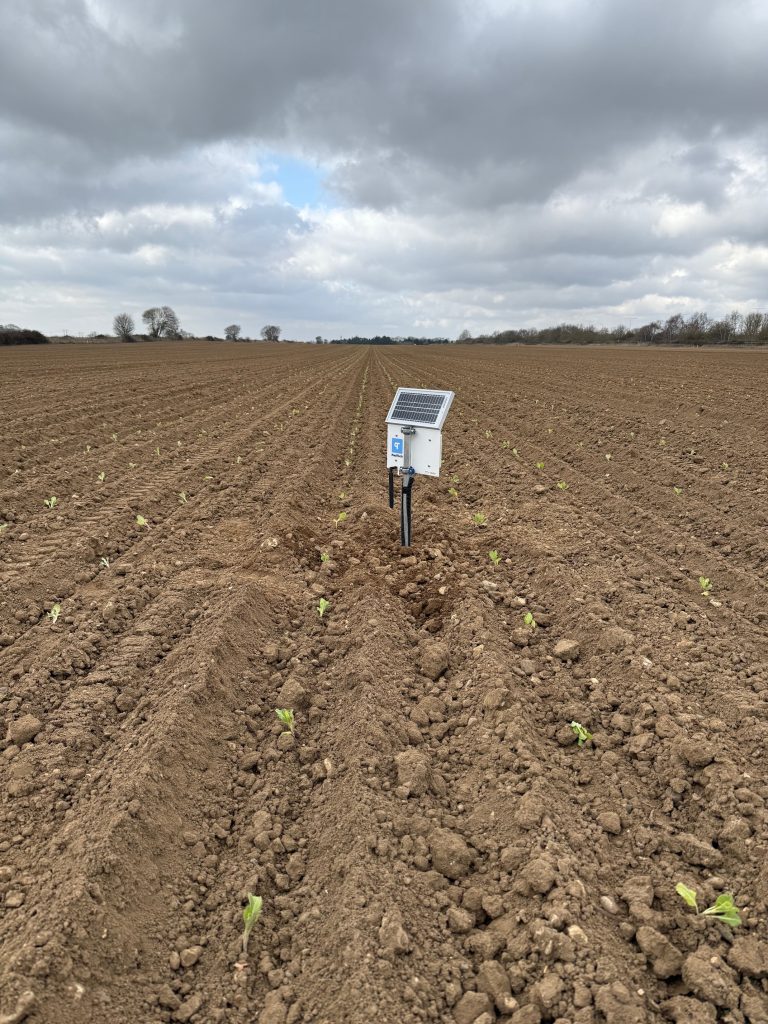
Want to take the guesswork out of soil management? Paul-Tech’s soil monitoring solutions provide continuous, real-time data to help you make smarter decisions and improve your farm’s performance.

  • *I have permission from the copyright holder to publish this content and images.

Expression of Interest for pitches – Focus on Finance event

Agri-TechE Article
Agri-TechE

Are you a startup or business seeking funding? Focus on Finance event is your opportunity to showcase your venture to a room full of investors actively looking for their next big opportunity.

As part of this event, ventures will have the chance to:
Pitch to investors and gain valuable exposure
Engage in 1:1 meetings with potential funding partners
Network with industry leaders and fellow entrepreneurs

Complete an Expression of Interest Form below if you’d like to pitch your innovation/solution/idea at “Focus on Finance– Ponder, Pitch and Partner event on 11th September.

Once you complete the form, we will notify you within five working days regarding the outcome of your application and confirmation of your place. If successful, you will be required to book your ticket at £25 / £35 (+VAT) for Agri-TechE members and non-members, respectively to confirm your pitching slot.

Please describe in ~200 words
Name(Required)
Details about the person doing the pitch
This is used for event communications only.
It will be included on the delegate list to aid networking
Information sharing(Required)